15 Real-Life Places That Inspired Famous Fictional Settings
When writers and filmmakers take inspiration from real-world places, the line between fact and fiction frequently becomes hazy. Building immersive environments that captivate our imagination and take us to both familiar and strange realms is made possible by these real-world locations. These places’ topography, architecture, and ambiance provide authors with real-life features that give their fictional worlds a realistic and lived-in sense.
Here is a list of 15 actual locations that inspired some of the most cherished fictitious settings in movies and books.
Ashdown Forest
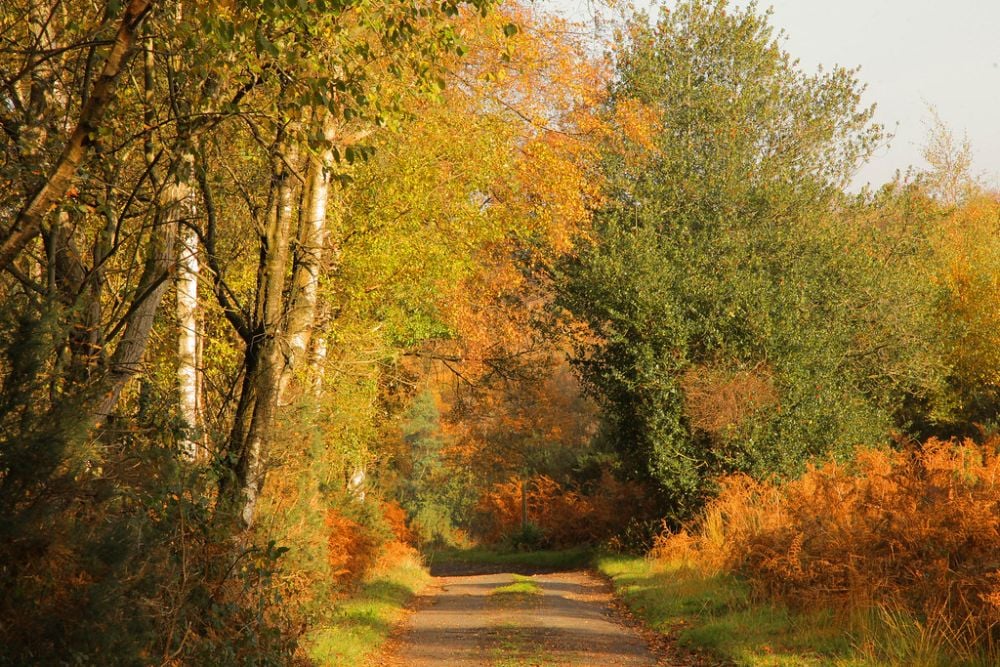
The wood of magic in East Sussex, England, was the direct inspiration for A.A. Milne’s Hundred Acre Wood in his Winnie-the-Pooh children’s stories. Milne himself lived near this wood and strolled there regularly with his son Christopher Robin, whose toy menagerie was the inspiration for the beloved characters.
Some of the book’s landmarks, such as the ‘Enchanted Place’ and ‘Poohsticks Bridge,’ have their counterparts in real locations within Ashdown Forest that remain today.
Oxford University

J.R.R. Tolkien drew inspiration for the architecture of parts of Middle-earth, especially the elven lands, from this esteemed British institution. Tolkien’s descriptions of Rivendell and other elven homes were influenced by the university’s historic structures, which featured arches, spires, and secret courtyards.
Oxford’s natural environs also influenced his conception of the Shire, with the hobbits’ home region reflecting the undulating hills and quaint villages of the English countryside.
Prince Edward Island

Lucy Maud Montgomery placed her classic novel ‘Anne of Green Gables’ in this picturesque Canadian province, successfully transposing real-world locations into the fictional village of Avonlea. Montgomery drew heavily on her own experiences while living on the island, incorporating its red-sand beaches, fertile agricultural fields, and charming neighborhoods into the story.
The real Green Gables farmhouse that inspired the novel’s main setting still remains and attracts thousands of tourists willing to tread in Anne Shirley’s footsteps.
Key West
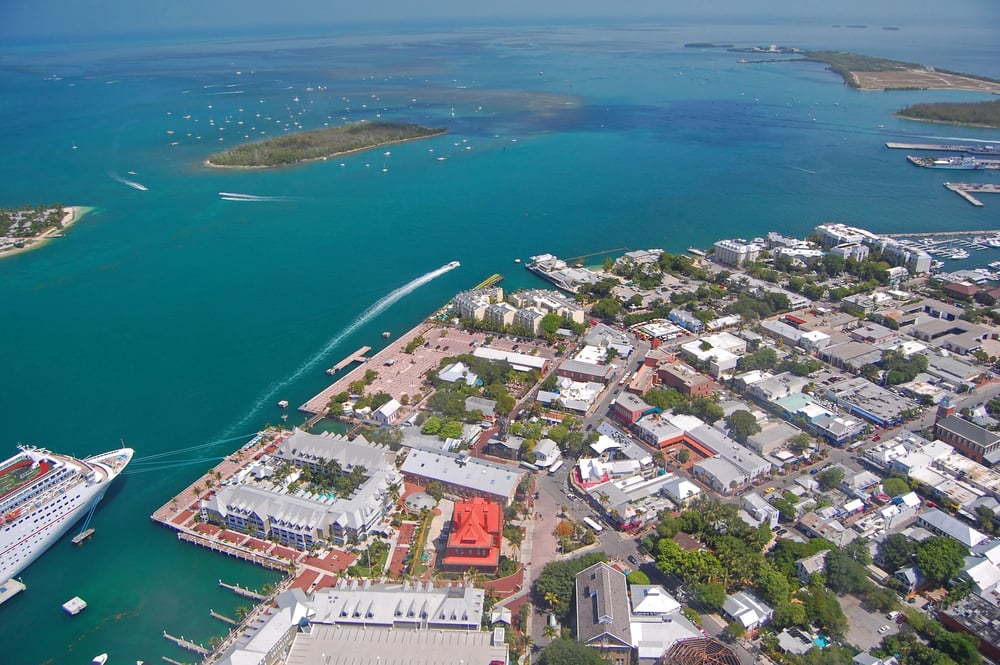
Ernest Hemingway’s time in this Florida island city influenced his portrayal of locations in ‘To Have and Have Not’ and other works. The city’s harbor, bars, and distinctive architecture appear thinly veiled in his fiction, providing authentic tropical settings for his characters’ adventures.
Hemingway’s former home, now a museum, allows visitors to see firsthand the environment that shaped his vivid descriptions of coastal life and maritime activities.
Hannibal

Mark Twain’s hometown along the Mississippi River in Missouri became the model for the fictional St. Petersburg in ‘The Adventures of Tom Sawyer’ and ‘Adventures of Huckleberry Finn.’ The river town’s distinctive geography, including limestone caves, island sandbars, and the mighty Mississippi itself, features prominently in these classic American novels.
Twain (born Samuel Clemens) transformed his childhood experiences in Hannibal into timeless stories that capture 19th-century riverside life.
Monterey Bay

John Steinbeck’s fictional Cannery Row was based directly on this California coastal location during its sardine canning industry heyday. Steinbeck knew the area intimately and populated his novels with characters inspired by real Monterey residents, capturing the unique atmosphere of this working-class waterfront community.
Today, the actual Cannery Row has embraced its literary connection, with the former industrial area transformed into a tourist destination celebrating both its historical and fictional significance.
Whitby
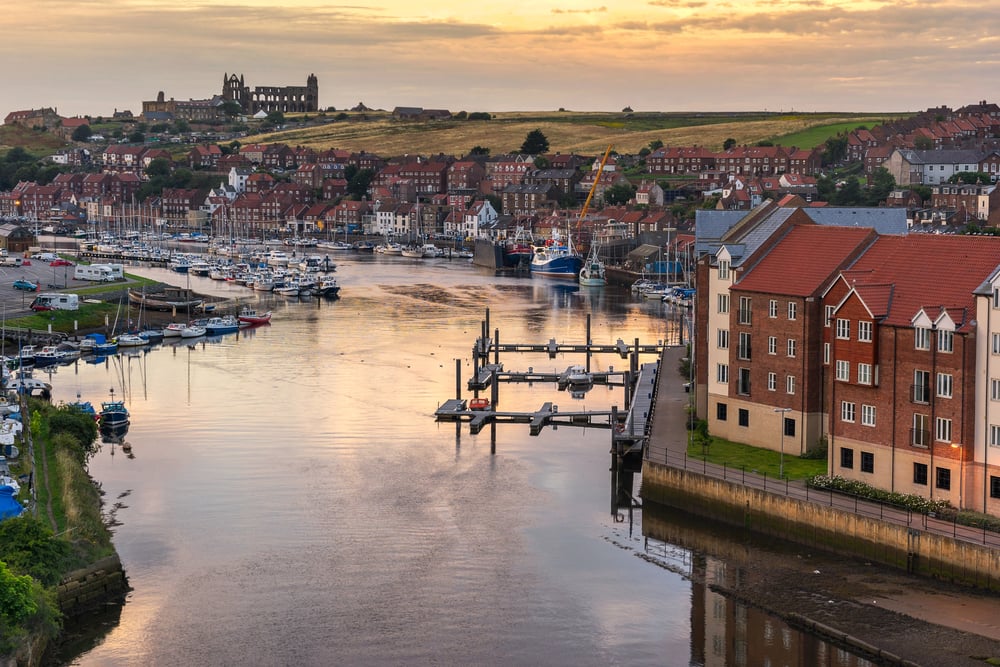
When Bram Stoker visited Whitby in 1890, he was enthralled with its imposing abbey ruins perched dramatically on the cliff, the windswept graveyard, and stories of shipwrecks along its coast. Whitby is a seaside town in North Yorkshire, England, and provided the atmospheric setting for key scenes in “Dracula.”
By including these features in his book, the author made Whitby the location of Dracula’s first appearance in England, where he appears as a black hound jumping from a shipwrecked ship.
New Zealand
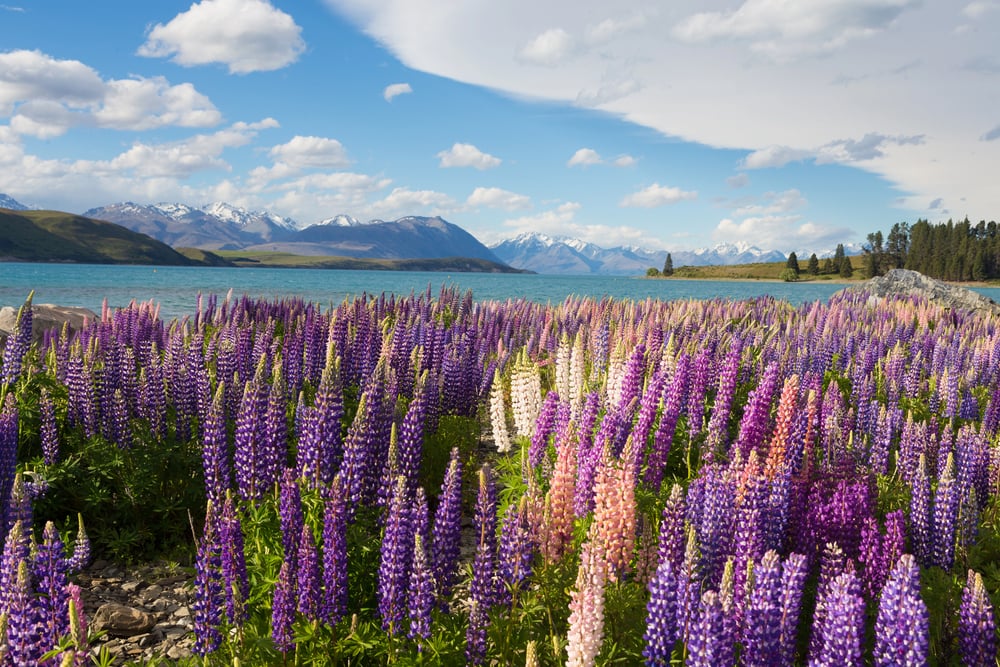
Peter Jackson’s film adaptations of ‘The Lord of the Rings’ and ‘The Hobbit’ transformed this country’s diverse landscapes into Middle-earth. From the rolling green hills of Matamata (which became Hobbiton) to the volcanic terrain of Mount Ngauruhoe (which became Mount Doom), New Zealand’s natural beauty provided the perfect visual representation of Tolkien’s fantasy world.
The country has embraced this connection, with filming locations becoming popular tourist destinations for fans seeking to experience Middle-earth in person.
Portmeirion
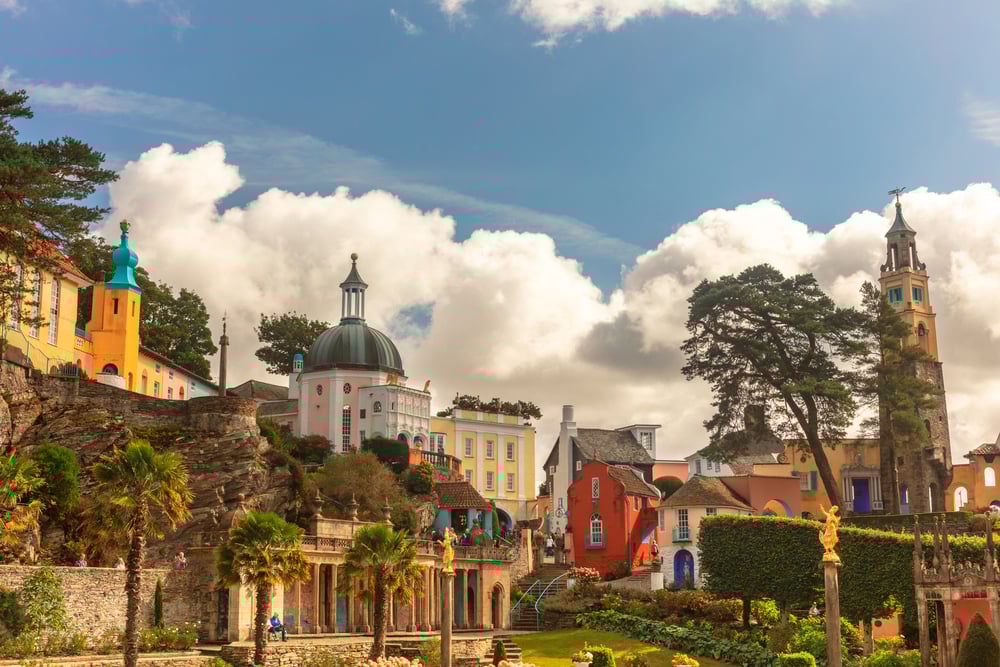
This peculiar Welsh coastal village with its colorful Italian-inspired architecture became The Village in the cult 1960s TV series ‘The Prisoner.’ The distinctive design of Portmeirion, with its Mediterranean styling that seems strangely out of place in Wales, provided the perfect unsettling backdrop for the show’s themes of identity and freedom.
Fans of the series can visit Portmeirion today and recognize many filming locations virtually unchanged since the show was produced.
Lake District
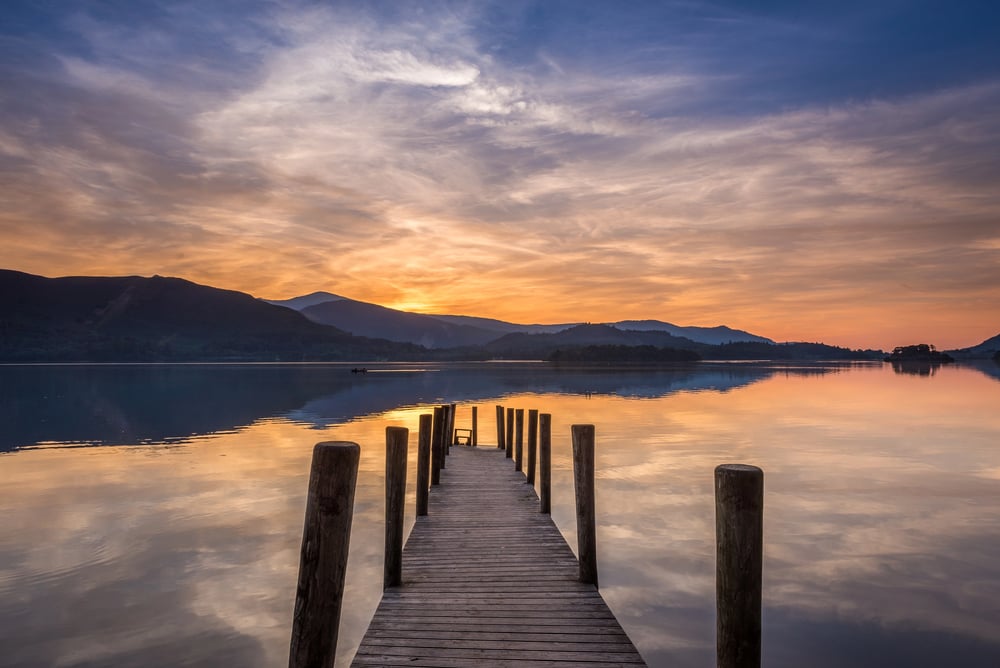
Beatrix Potter’s tales of Peter Rabbit and friends were set in landscapes directly inspired by this picturesque region in northwest England. Potter owned a farm in the area called Hill Top, which she meticulously incorporated into her illustrations along with the surrounding countryside, stone walls, and gardens.
Her accurate depictions of the Lake District’s natural features blend seamlessly with her anthropomorphic animal characters, creating a world that feels both magical and firmly rooted in a real place.
Mount Pilatus
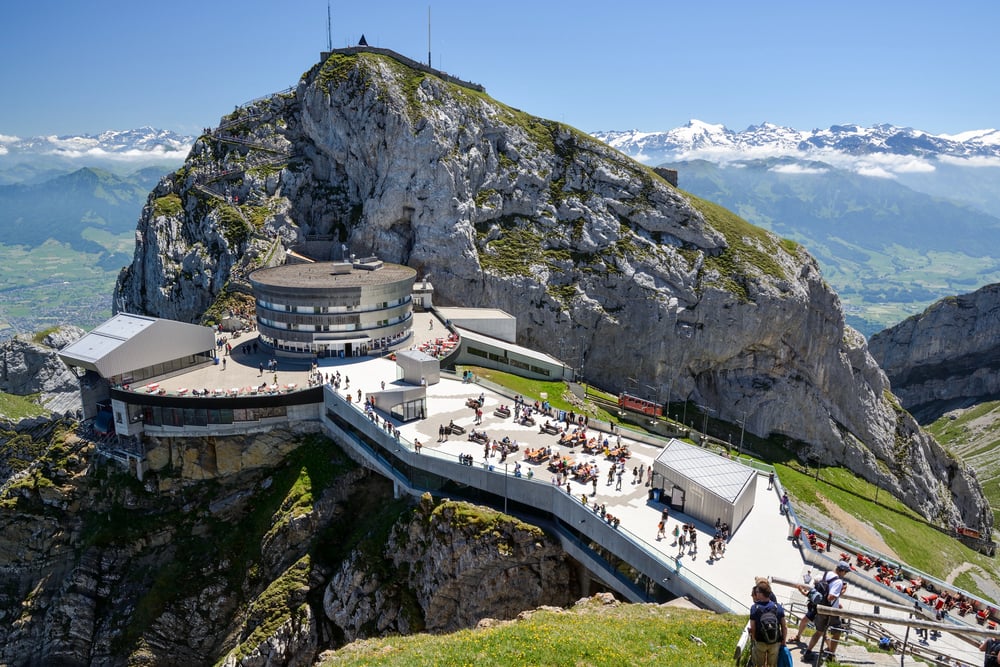
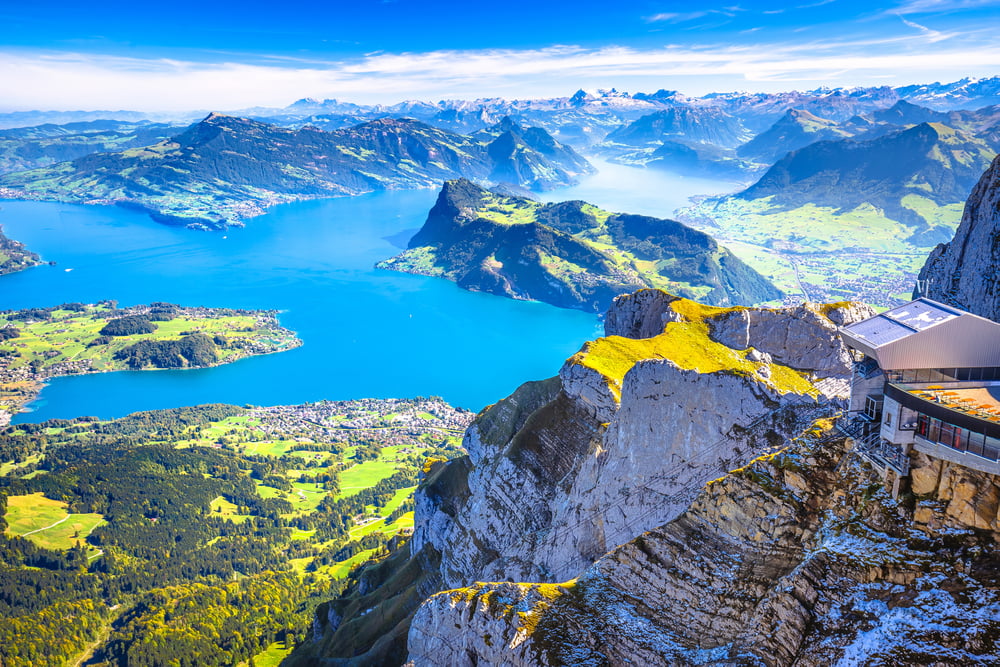
This mountain near Lucerne, Switzerland is widely believed to have inspired Tolkien’s Lonely Mountain in ‘The Hobbit.’ During a hiking trip in 1911, Tolkien traversed the Swiss Alps and was struck by the dramatic silhouette of Mount Pilatus rising above the surrounding landscape.
The mountain’s distinctive profile and the nearby terrain likely influenced his descriptions of Erebor and the surrounding lands where Bilbo Baggins and the dwarves journeyed to reclaim their treasure from the dragon Smaug.
The Dakota
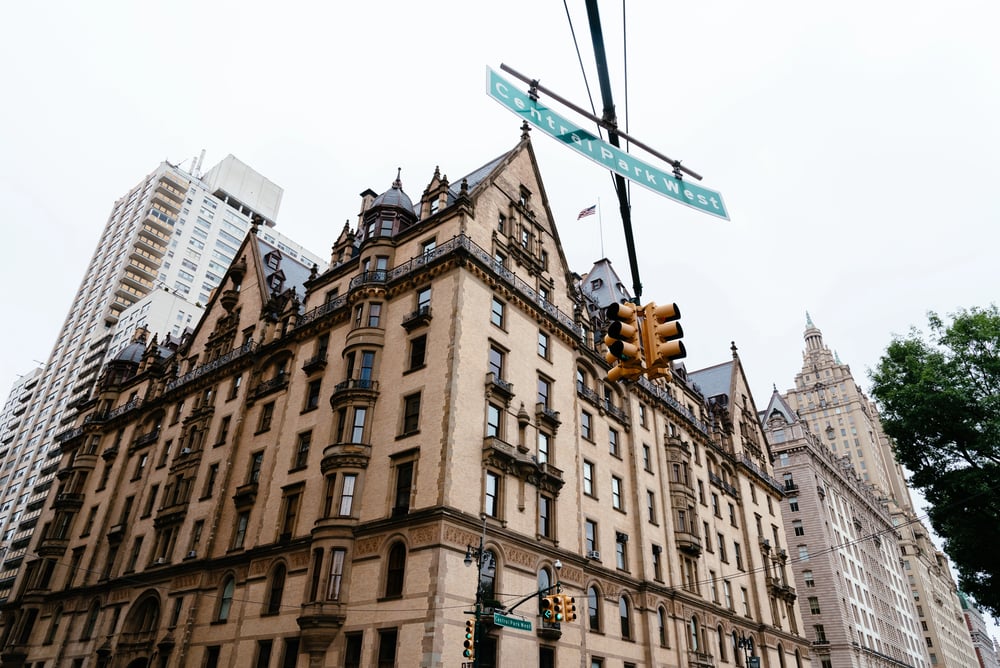
This historic New York City apartment building served as the exterior of the haunted building in Roman Polanski’s film ‘Rosemary’s Baby.’ The Dakota’s Gothic architecture, with its gables, balconies, and imposing presence on Central Park West, provided the perfect ominous setting for the psychological horror story.
The building’s reputation was further cemented in popular culture when former resident John Lennon was tragically killed outside its entrance in 1980.
Charleston
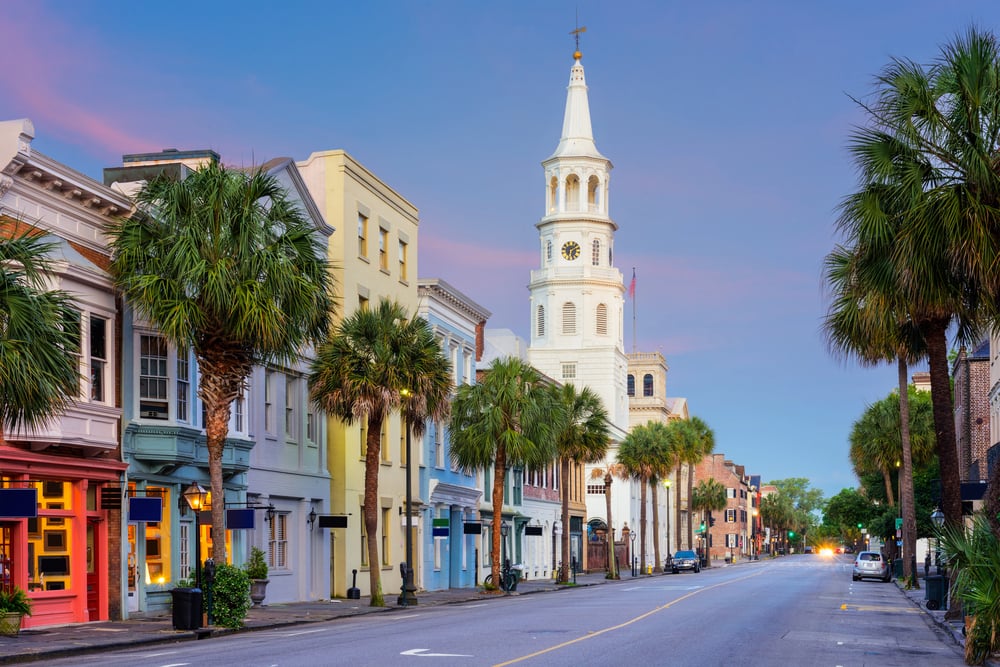
This South Carolina city inspired the fictional Catfish Row in DuBose Heyward’s novel ‘Porgy,’ later adapted into George Gershwin’s opera ‘Porgy and Bess.’ Heyward based his setting on Cabbage Row, a real tenement building that housed primarily African American residents in the early 20th century.
The author’s intimate knowledge of Charleston allowed him to create a vivid portrait of the community, capturing both its physical environment and cultural atmosphere with remarkable authenticity.
Pont Boieldieu
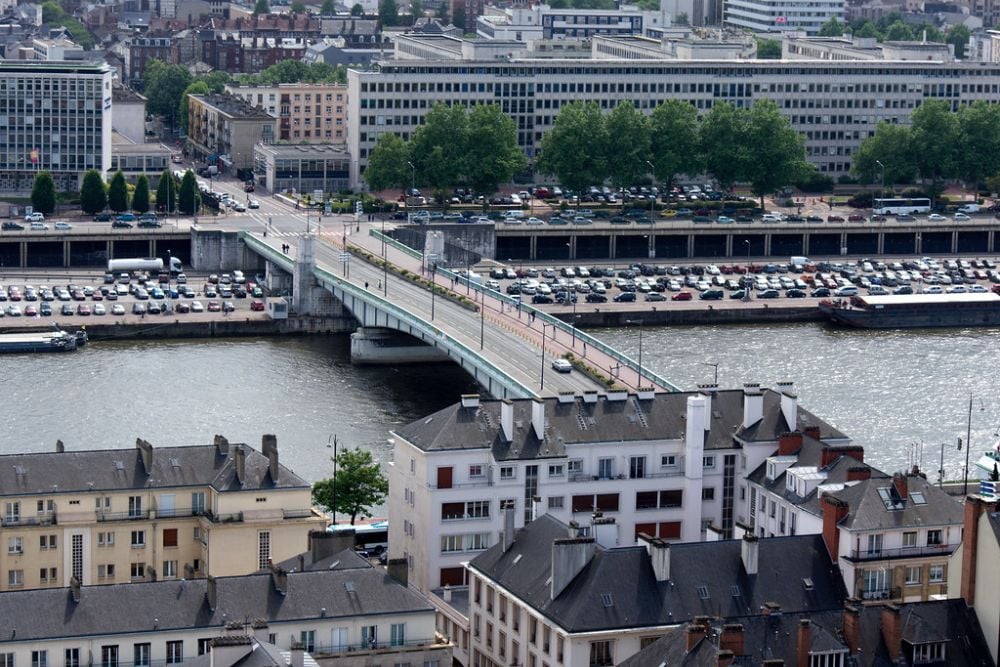
This bridge in Rouen, France, appears in several of Claude Monet’s impressionist paintings and inspired settings in various works of fiction. Monet painted the bridge in different weather conditions and times of day, capturing the changing play of light and atmosphere in a way that influenced how writers would later describe urban scenes.
The bridge and Monet’s representations of it have appeared as settings or inspirations in numerous novels that seek to capture the essence of industrial-era French cities.
Highclere Castle
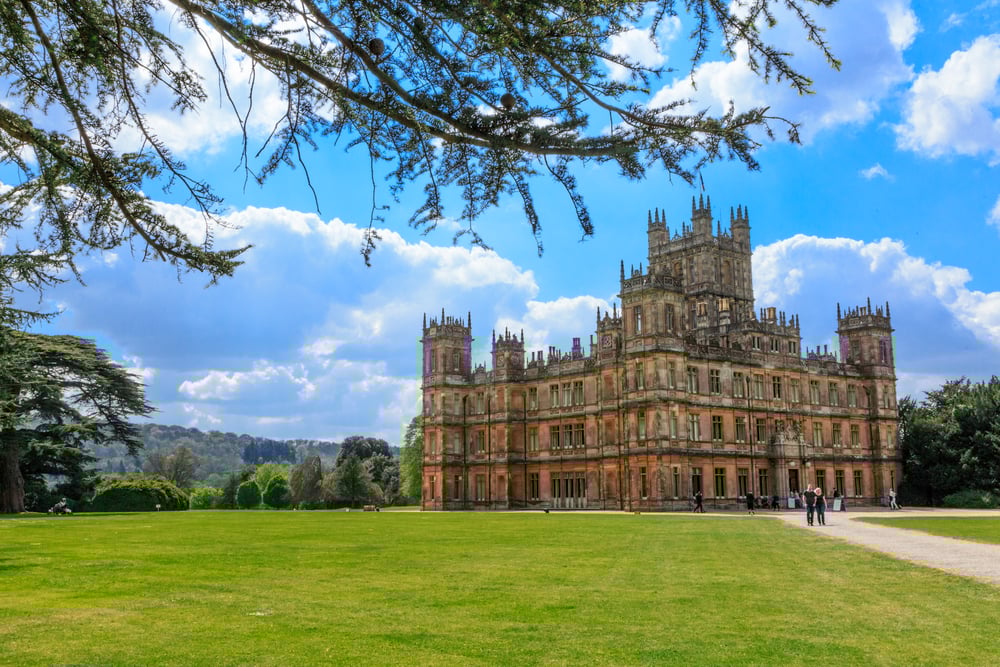
This country house in Hampshire, England, became famous worldwide as the primary filming location for ‘Downton Abbey.’ The actual castle’s architecture, surrounding grounds, and interior rooms provided the perfect setting for the fictional Crawley family’s aristocratic home.
While the series created fictional characters and situations, the physical environment is authentically represented, allowing viewers to experience the grandeur of early 20th-century English aristocratic life through a real historic estate.
Enduring Landscapes of Imagination
The relationship between real places and their fictional counterparts demonstrates the powerful way physical environments shape storytelling. These actual locations provided creators with solid foundations of authentic detail upon which they built worlds that continue to captivate audiences.
What makes these settings so compelling is precisely this blending of reality and imagination—the familiar made extraordinary through creative vision. When we visit these inspirational places today, we experience both their actual presence and the echoes of the fictional worlds they helped bring to life, creating a unique intersection where geography and storytelling meet.
More from Go2Tutors!

- The Romanov Crown Jewels and Their Tragic Fate
- 13 Historical Mysteries That Science Still Can’t Solve
- Famous Hoaxes That Fooled the World for Years
- 15 Child Stars with Tragic Adult Lives
- 16 Famous Jewelry Pieces in History
Like Go2Tutors’s content? Follow us on MSN.



