28 Extinct Animals That Would Terrify Us Today
Modern predators get plenty of respect. Great whites, saltwater crocodiles, and grizzly bears have earned it. Yet the fossil record holds creatures that make them look almost modest, animals built on a scale and with a toolkit that seems invented for a horror film.
Some vanished hundreds of millions of years ago. Others disappeared recently enough that early humans lived beside them and learned exactly what they could do.
Megalodon, the Whale Hunter
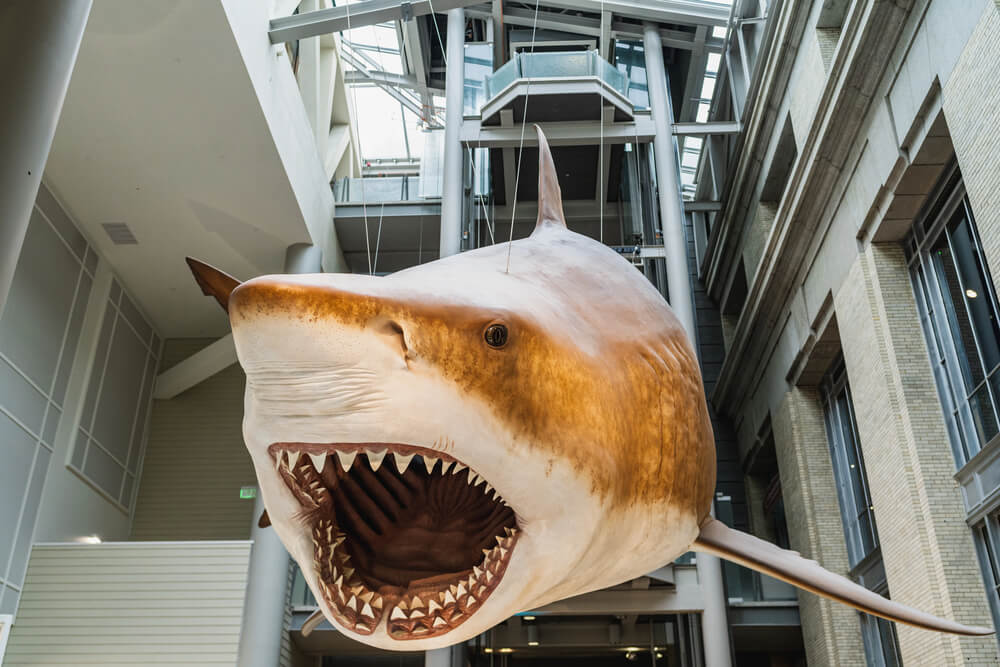
Otodus megalodon patrolled the oceans from roughly 23 million to 3.6 million years ago, and it remains the largest predatory shark known. Length estimates vary widely, but many researchers place large adults somewhere between 15 and 20 meters.
Its serrated teeth could reach about 18 centimeters along the slant. Fossil whale bones bearing deep bite marks suggest it attacked large prey by crushing ribs and flippers.
Scientists still debate its exact body shape, since sharks leave behind teeth and vertebrae rather than full skeletons. A cooling climate and shrinking prey supplies probably helped end its reign.
Livyatan Melvillei, the Killer Sperm Whale
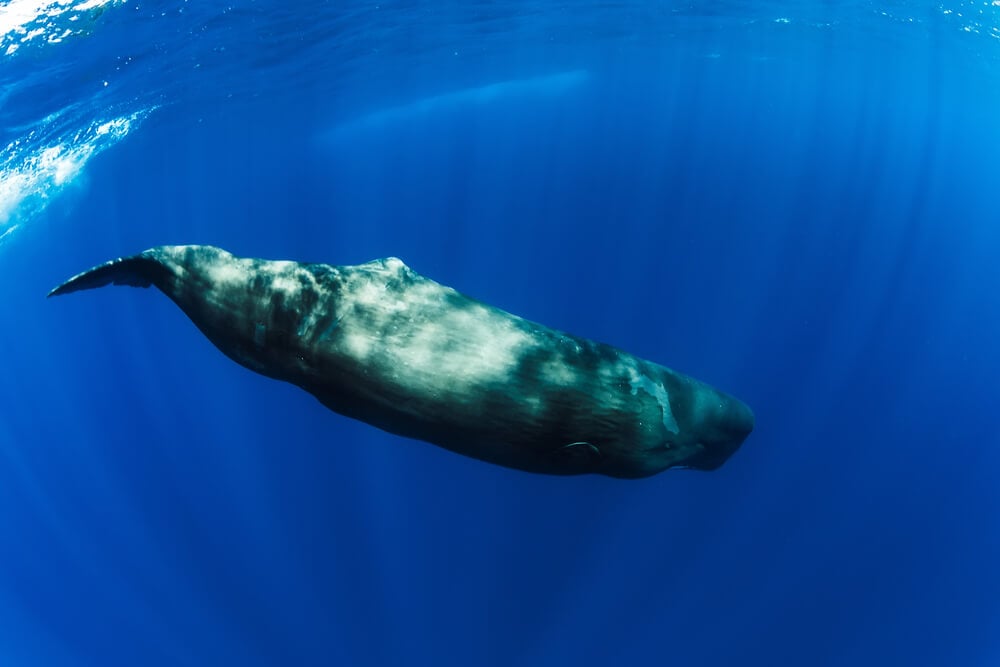
Paleontologists working in the Pisco Formation of Peru uncovered the skull of Livyatan in 2008, and the animal was named partly in honor of Herman Melville. It lived around nine million years ago and may have reached lengths between roughly 13 and 17 meters.
Unlike modern sperm whales, which feed mainly on squid, Livyatan had huge teeth in both jaws, some more than 36 centimeters long. Those are among the largest teeth ever found in an animal that used them to eat.
It likely hunted other whales, sharing the seas with megalodon.
Dunkleosteus and Its Bone Blades
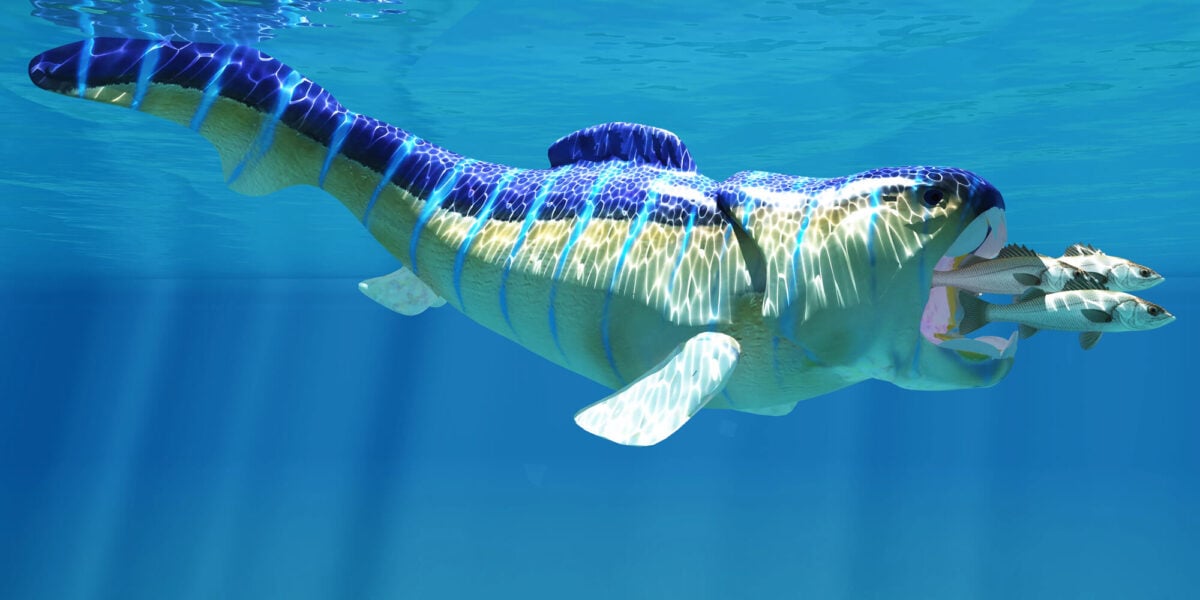
Dunkleosteus was an armored fish that lived in Devonian seas about 360 to 380 million years ago. Instead of teeth, it had self-sharpening bony plates that worked like shears.
A 2007 study estimated that it could open its mouth in about one fiftieth of a second, creating suction that pulled prey inward. Its bite force was among the strongest of any fish.
Recent research suggests it was shorter than once thought, around three to four meters, but still heavily built. Many of the best fossils come from the Cleveland Shale in Ohio.
Helicoprion and Its Spiral Jaw
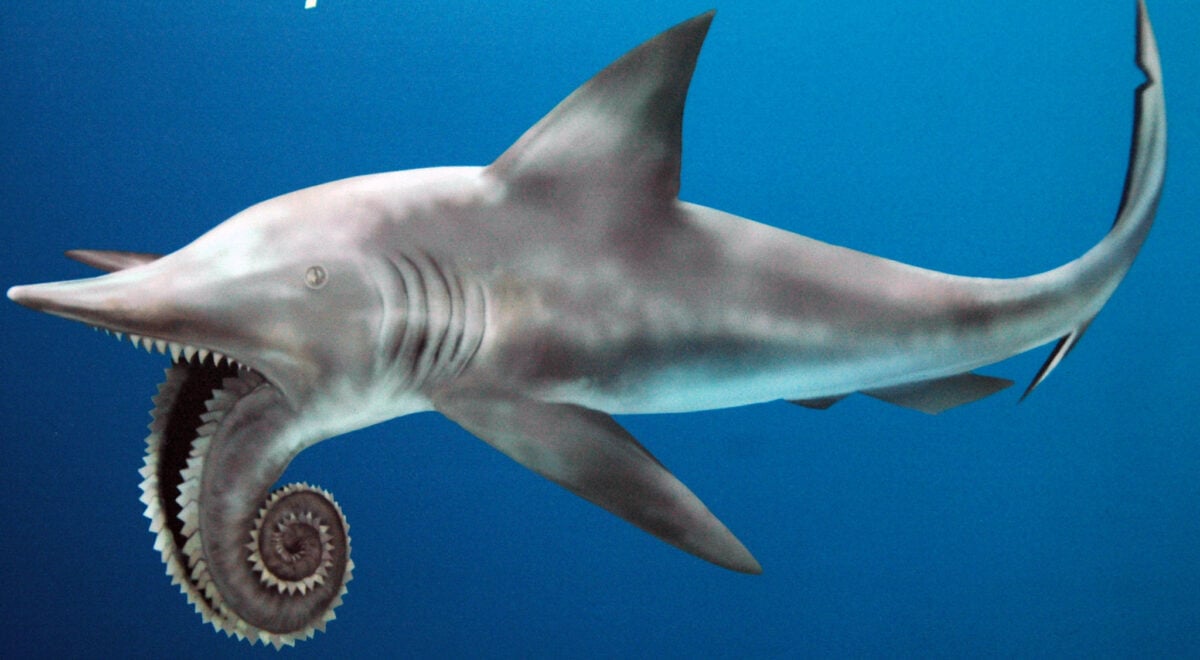
Helicoprion swam in Permian seas about 290 to 270 million years ago, and for more than a century scientists argued about where its strange spiral of teeth belonged. A 2013 study using CT scans of a fossil from Idaho showed that the whorl sat inside the lower jaw, with new teeth forming at the center and older ones pushed outward.
The arrangement may have worked like a circular saw against soft-bodied prey such as squid. Helicoprion was more closely related to modern ratfish than to true sharks.
Estimates of its length vary considerably.
Mosasaurus in the Late Cretaceous Seas
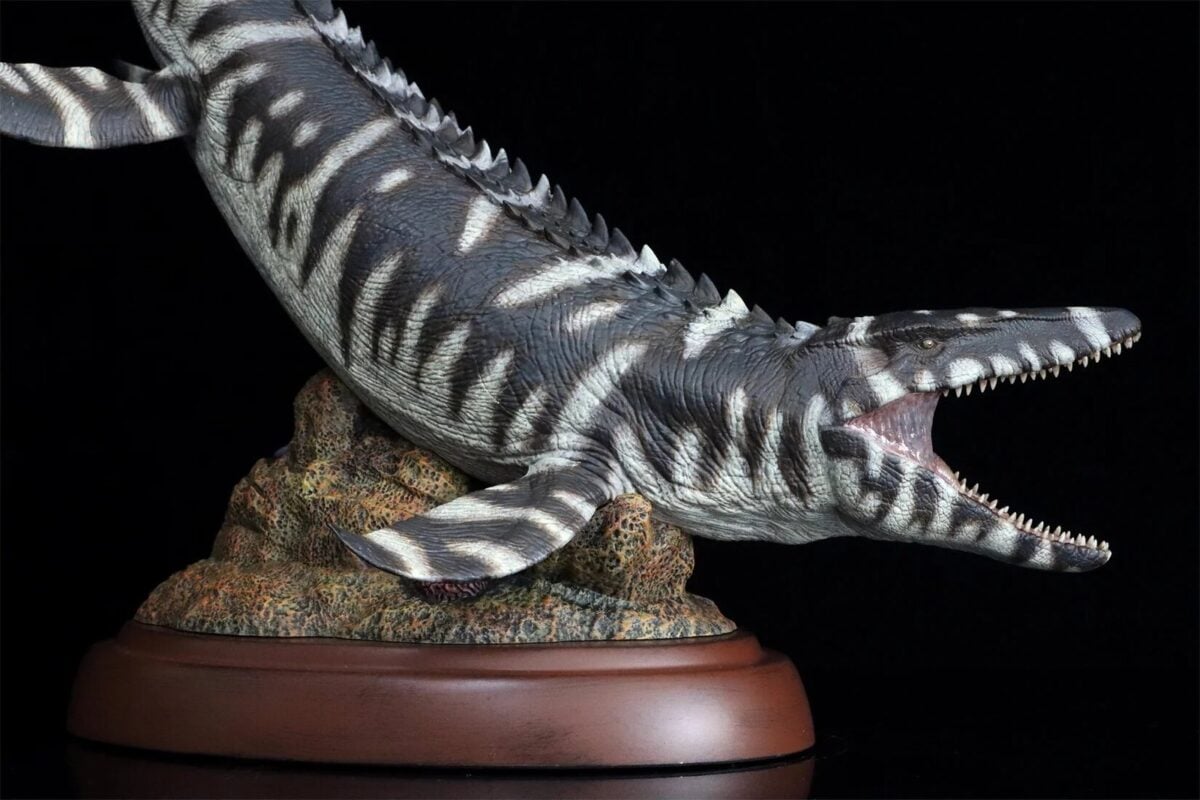
Mosasaurus hoffmannii was a giant marine reptile that ruled the late Cretaceous seas until the mass extinction 66 million years ago. The first skull was found in a quarry near Maastricht in the Netherlands in the eighteenth century, before scientists understood extinction.
Estimates place large individuals at around 12 meters or more. Its jaws were loosely hinged, allowing it to swallow large prey, and an extra row of teeth on the roof of its mouth helped grip struggling victims.
Fossil stomach contents show that mosasaurs ate fish, turtles, and even other mosasaurs.
Titanoboa From the Colombian Coal Mines
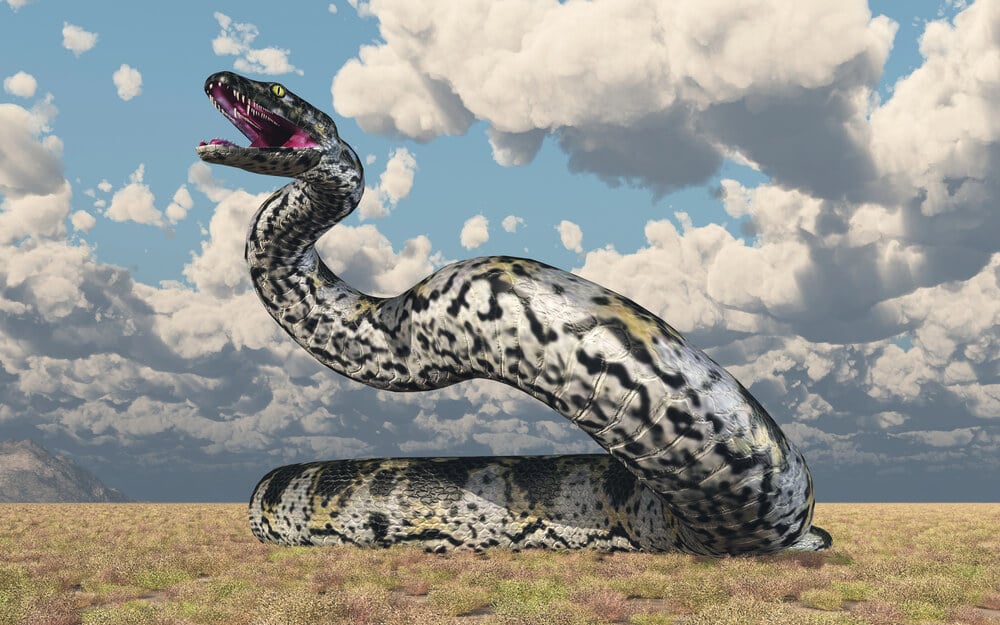
Titanoboa cerrejonensis was discovered in the Cerrejon coal mine in northern Colombia and described in 2009. It lived about 58 to 60 million years ago, not long after the dinosaurs disappeared.
Estimates suggest it reached around 13 meters in length and weighed more than a ton, making it the largest snake known. Its size has been used to infer that the tropics were warmer than today, since cold-blooded animals need heat to grow large.
It likely hunted fish and crocodilians in swampy rivers. A snake of that bulk would struggle to fit through a doorway.
Sarcosuchus, the SuperCroc of Niger
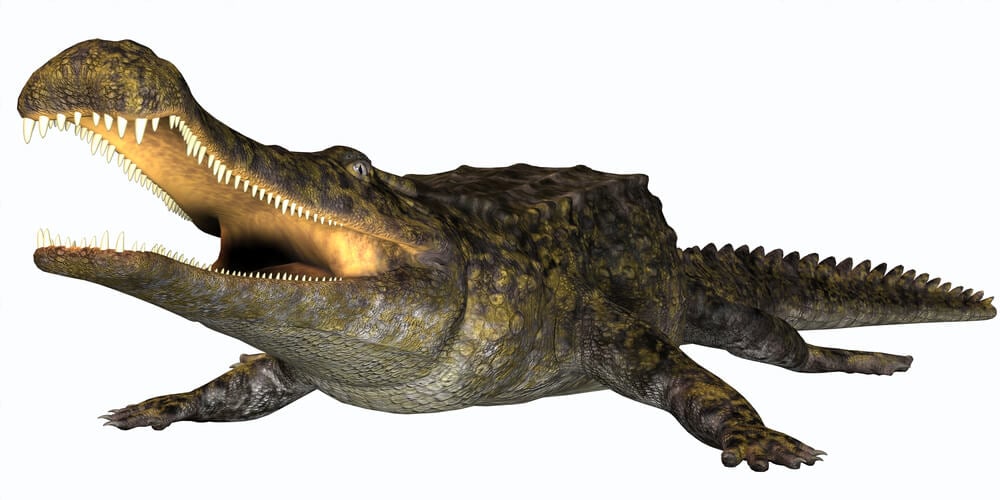
Sarcosuchus imperator lived about 112 million years ago in what is now Niger, and fossils found by paleontologist Paul Sereno’s team in 2000 led to the nickname SuperCroc. Estimates put it at around nine meters long and roughly eight tons.
Its long snout ended in a bulbous tip whose function is still debated. More than 100 teeth lined its jaws, and its armor plates show growth rings suggesting it kept growing for decades.
It may have preyed on fish and dinosaurs that came to the water’s edge. Its skull alone was about as long as an adult human.
Deinosuchus and Its Dinosaur Diet
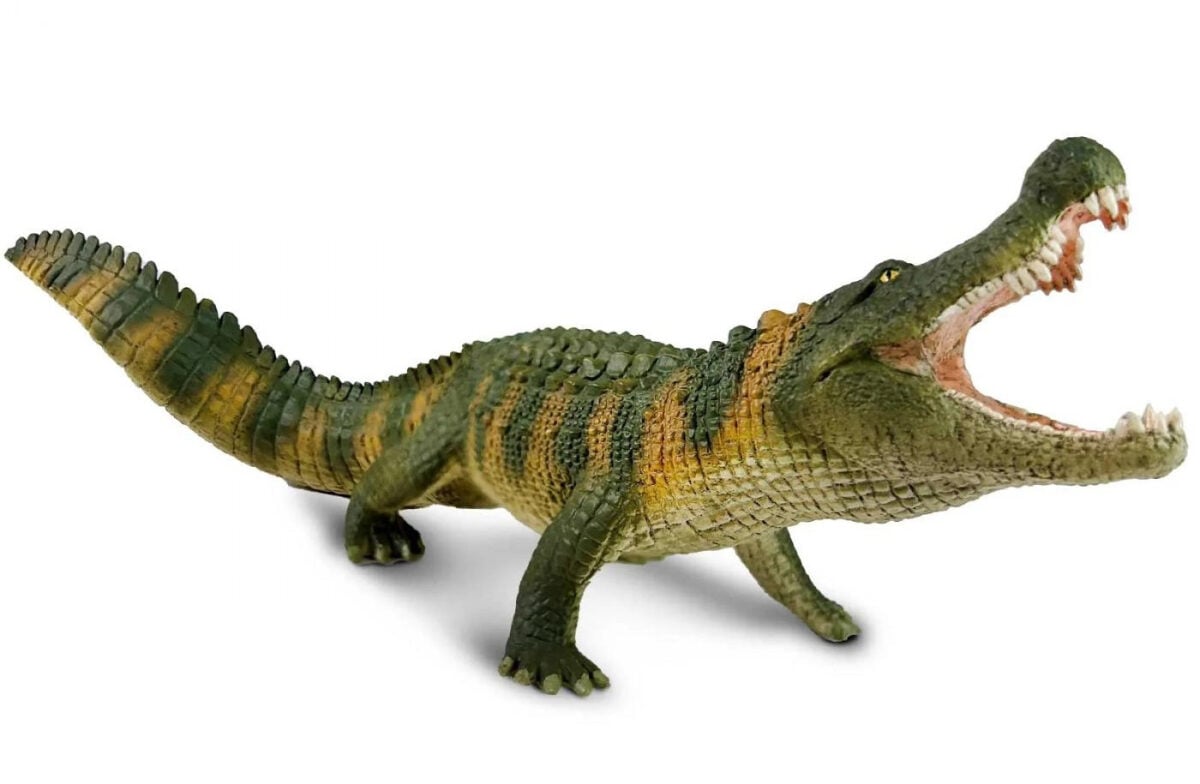
Deinosuchus was a giant alligator relative that lived in North America around 82 to 73 million years ago. Estimates suggest it reached 10 meters or more, with teeth as thick as bananas.
Bite marks attributed to Deinosuchus have been found on dinosaur bones, including those of large duck-billed dinosaurs and even tyrannosaurs, which suggests it attacked animals that approached the water. Its name means terrible crocodile.
Fossils have been found from Texas to New Jersey and Montana. It thrived along the coasts of an inland sea that once split the continent.
Purussaurus in the Ancient Amazon
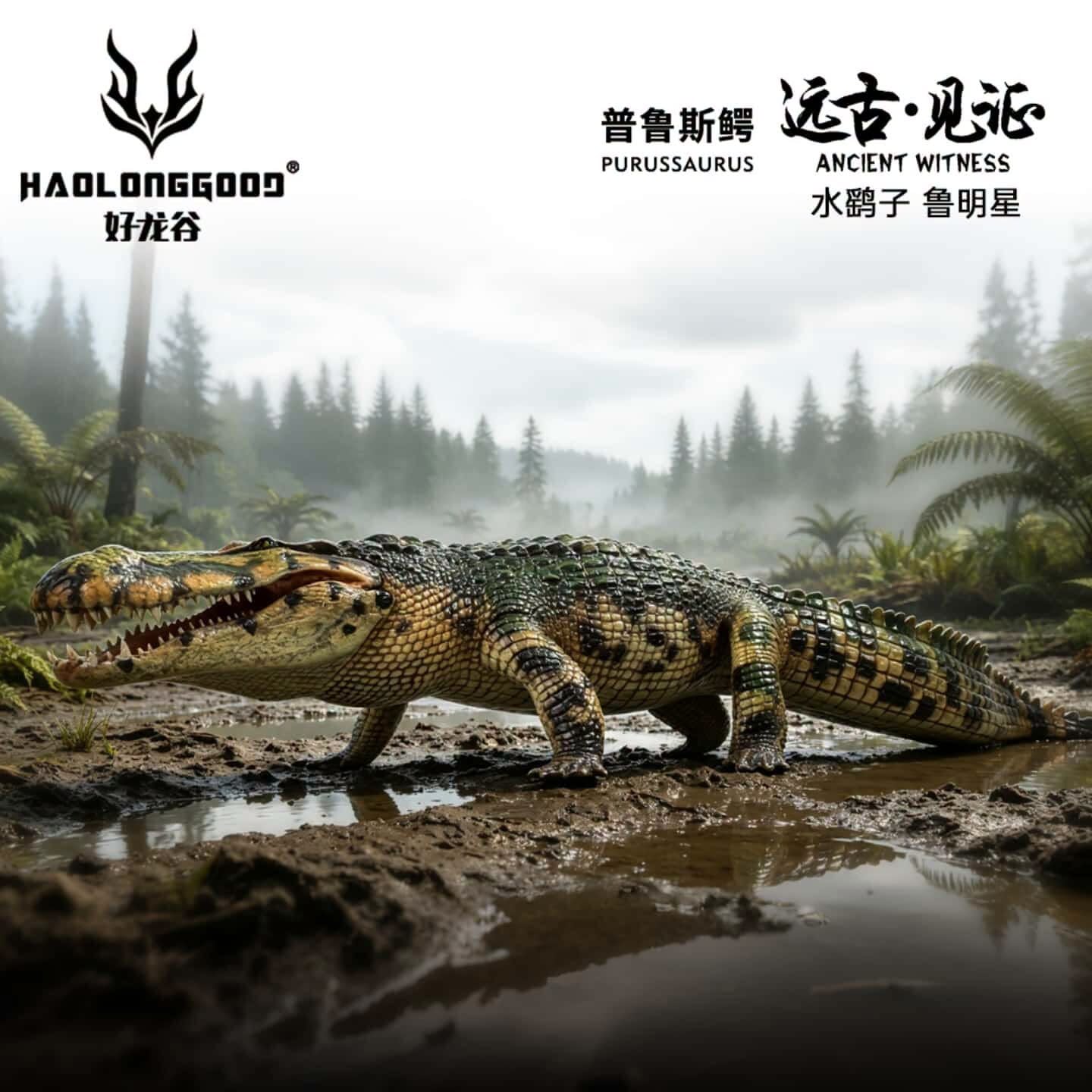
Purussaurus brasiliensis was a giant caiman that lived in South America around eight million years ago, when much of the Amazon basin held vast wetlands. Estimates suggest it reached 10 to 12 meters long and weighed several tons.
A 2015 study estimated its bite force at roughly 69,000 newtons, far beyond that of any living animal. Scientists believe it needed large prey to sustain its size and may have eaten giant turtles and mammals.
Its fossils have been found in Brazil, Peru, and Venezuela. It was likely the top predator of its ecosystem.
Megalania, Australia’s Giant Monitor
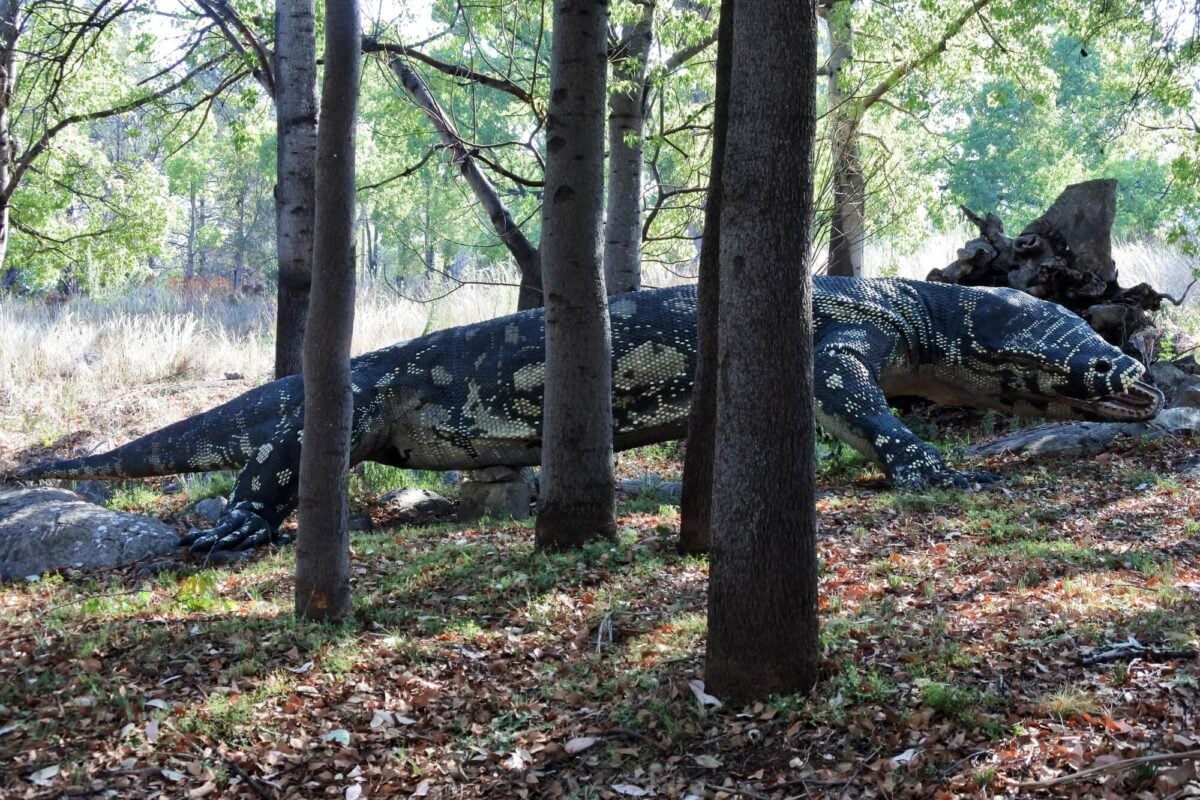
Varanus priscus, often called Megalania, was a giant monitor lizard that lived in Australia until perhaps 50,000 years ago. That means it may have overlapped with the first people to reach the continent.
Size estimates vary widely, from around four meters to perhaps seven meters in older reconstructions. Like modern monitors, it may have had venom glands and serrated teeth for tearing flesh.
It likely hunted large marsupials, including giant kangaroos and wombat relatives. Its fossils are scattered and incomplete, which leaves room for debate about its size and behavior.
Quetzalcoatlus, the Giraffe-Tall Flyer
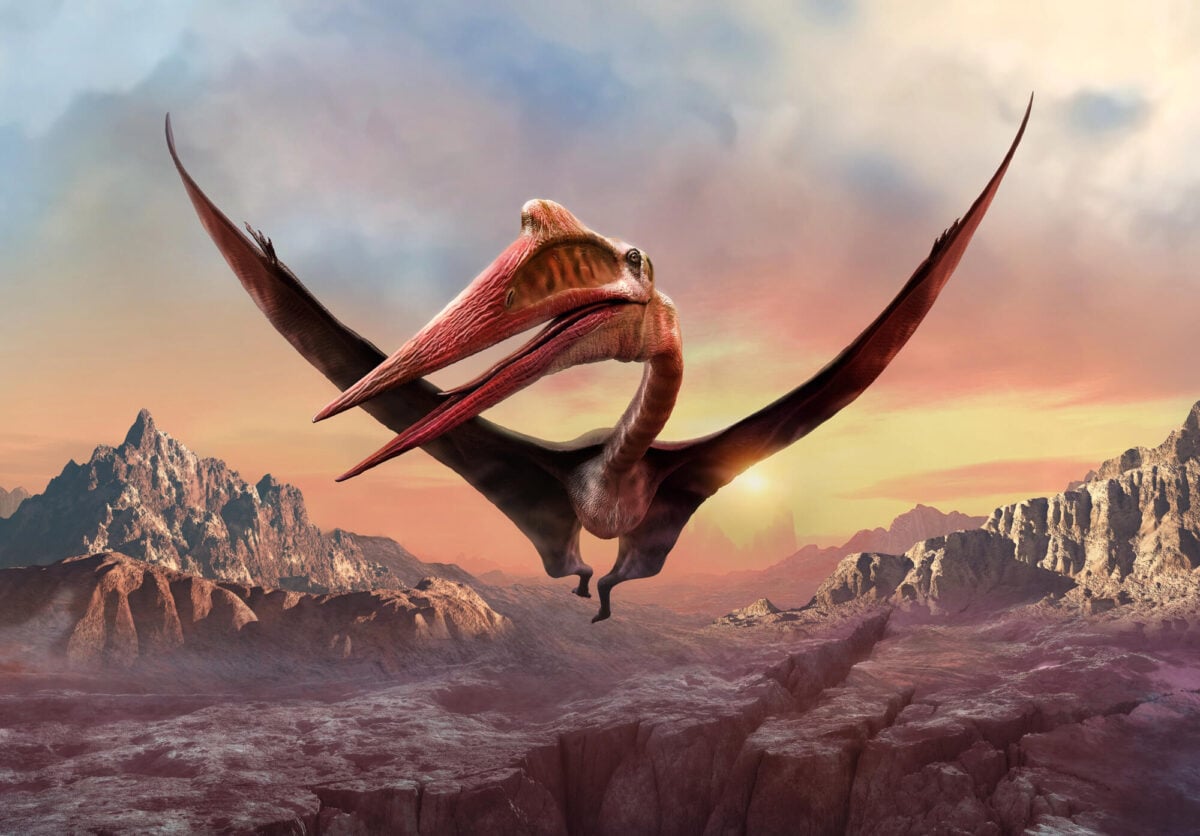
Quetzalcoatlus northropi was one of the largest flying animals ever, with a wingspan estimated at around 10 to 11 meters. Its fossils were discovered in Big Bend National Park in Texas and described in 1975.
On the ground, it may have stood about as tall as a giraffe. Many researchers think it stalked prey on foot, snapping up small animals the way modern storks do.
It lived at the very end of the Cretaceous, about 68 to 66 million years ago. Its name comes from the Aztec feathered serpent god Quetzalcoatl.
Arthropleura, the Car-Length Millipede
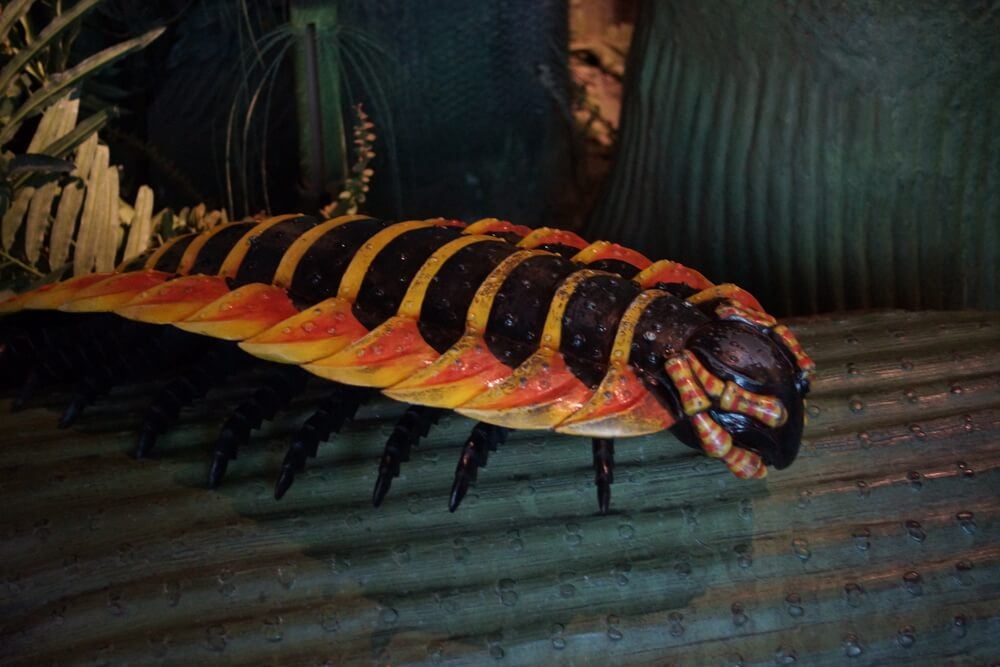
Arthropleura was a giant arthropod that lived during the Carboniferous period, around 345 to 290 million years ago. The largest known specimen, found in a fallen boulder on a beach in Northumberland, England, suggests a body length of around 2.6 meters.
That makes it the biggest known invertebrate to walk on land. Studies of its head published in 2024 suggest it had features of both millipedes and centipedes.
It probably fed on plant matter rather than hunting. Even so, an armored creature longer than a sofa crawling across a forest floor would unsettle most hikers.
Jaekelopterus, the Sea Scorpion
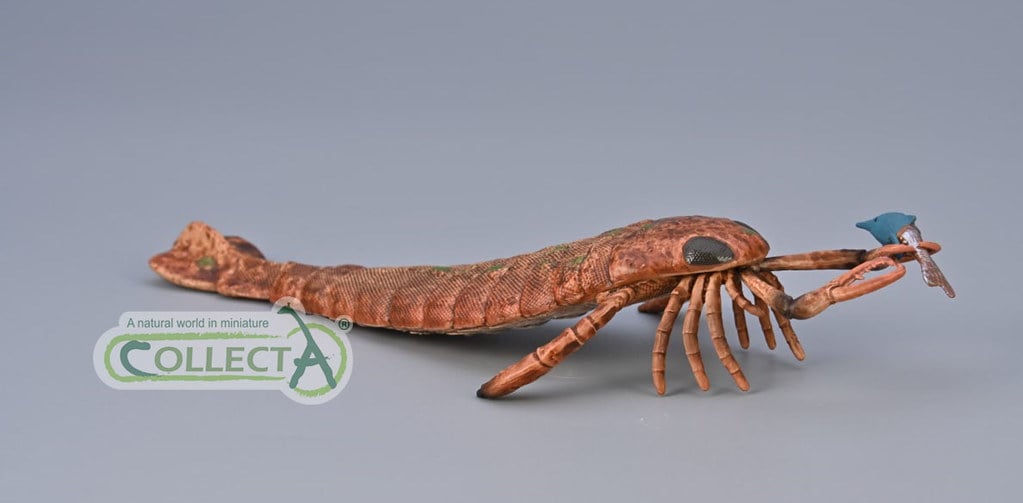
Jaekelopterus rhenaniae was a eurypterid, or sea scorpion, that lived around 390 million years ago in what is now Germany. A fossil claw discovered in 2007 measured about 46 centimeters, suggesting a body length of around 2.5 meters.
That makes it the largest known arthropod ever found. It likely lived in rivers and estuaries, using its spiny claws to grab fish and other prey.
Scientists think it was a fast, agile hunter. Eurypterids disappeared at the end of the Permian period, but they were among the most successful predators of their time.
Meganeura, the Hawk-Sized Griffinfly
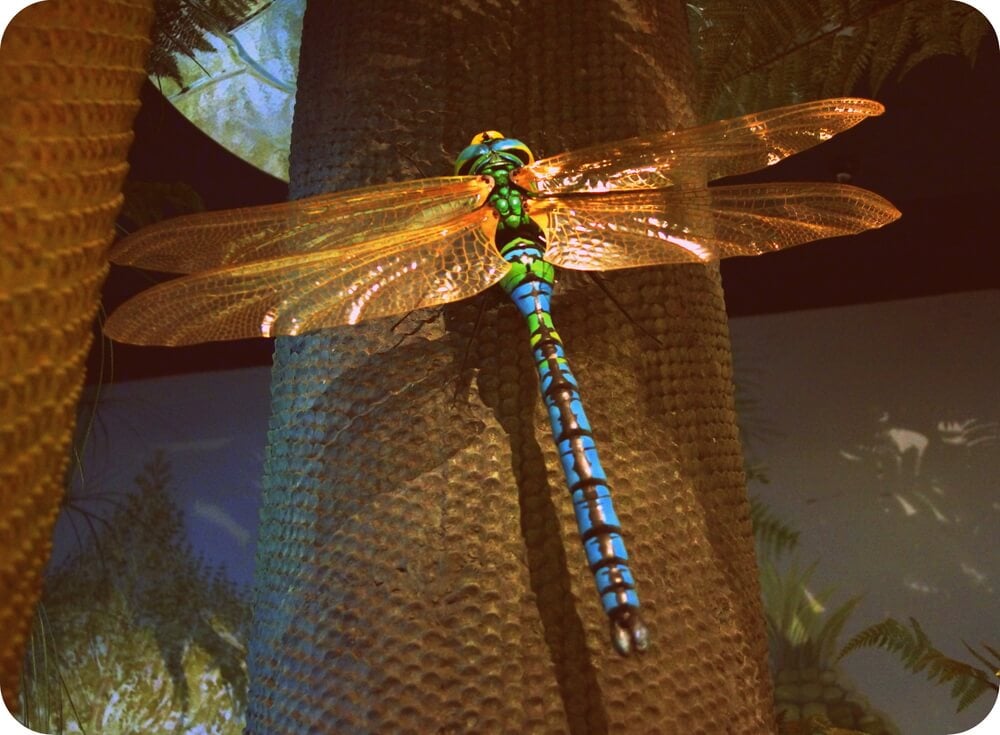
Meganeura was a giant insect related to dragonflies, with a wingspan of around 70 centimeters. It lived about 300 million years ago during the Carboniferous period, and many of its fossils come from Commentry in France.
Scientists have long suggested that higher oxygen levels in the atmosphere allowed insects to grow larger. Meganeura was likely a predator, catching other insects and possibly small amphibians in flight.
Its spiny legs would have helped snatch prey from the air. A dragonfly relative the size of a hawk would clear any picnic in seconds.
Pulmonoscorpius, the Giant Scorpion of Scotland
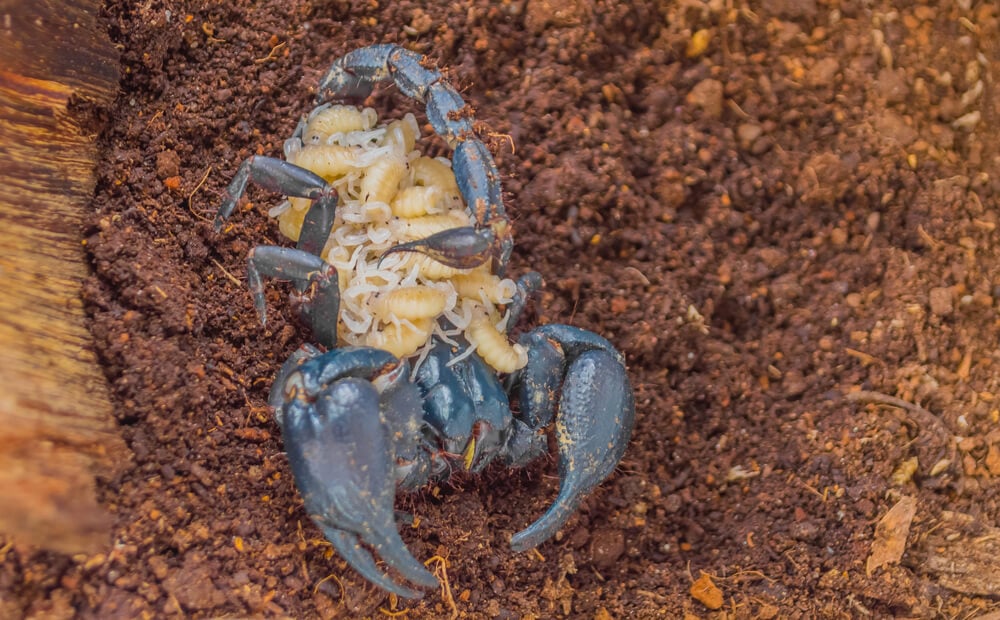
Pulmonoscorpius kirktonensis was a giant scorpion that lived about 335 million years ago in what is now Scotland. Its fossils come from East Kirkton, a site near Edinburgh known for early land animals.
Estimates suggest it reached around 70 centimeters in length. Like modern scorpions, it probably had a venomous sting, though no one knows how potent it was.
It likely hunted insects and small vertebrates on the forest floor. Scientists believe it lived on land, breathing air with book lungs.
A scorpion that size would dwarf any living species.
Andrewsarchus and Its Enormous Skull
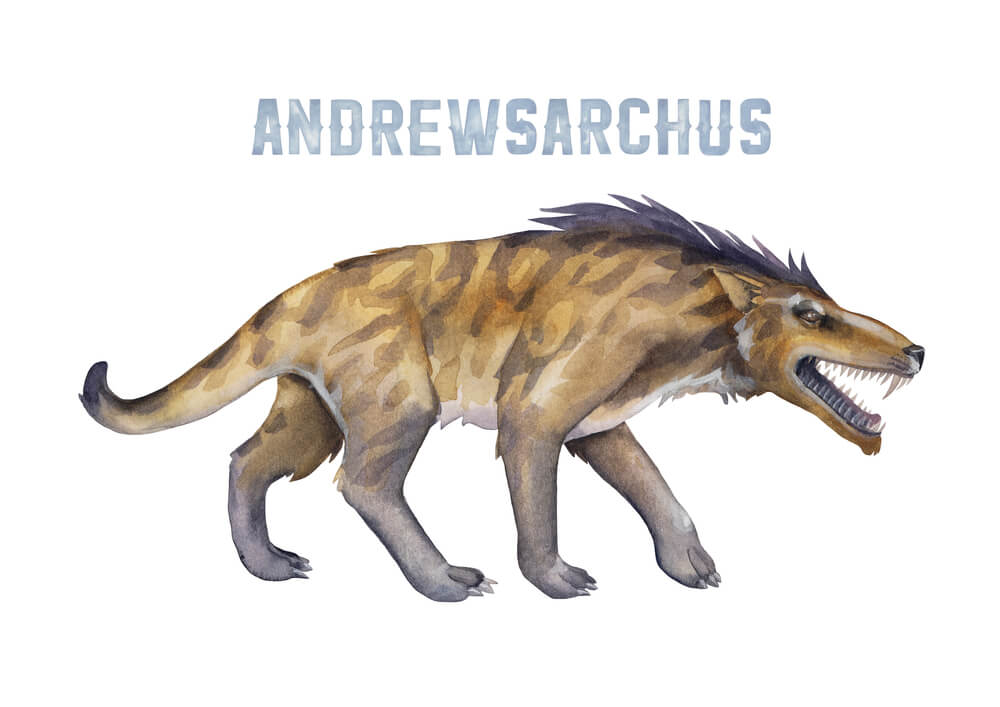
Andrewsarchus mongoliensis is known from a single skull found in Mongolia in 1923 by an expedition led by Roy Chapman Andrews. The skull measures about 83 centimeters long, suggesting a massive animal, though its body shape is unknown.
It lived about 45 million years ago in the Eocene. Early reconstructions showed it as a giant wolf-like predator, but scientists now think it was more closely related to hoofed mammals.
It may have been an omnivore or scavenger. Its skull is one of the largest of any known land mammal that ate meat.
Entelodonts, the So-Called Hell Pigs
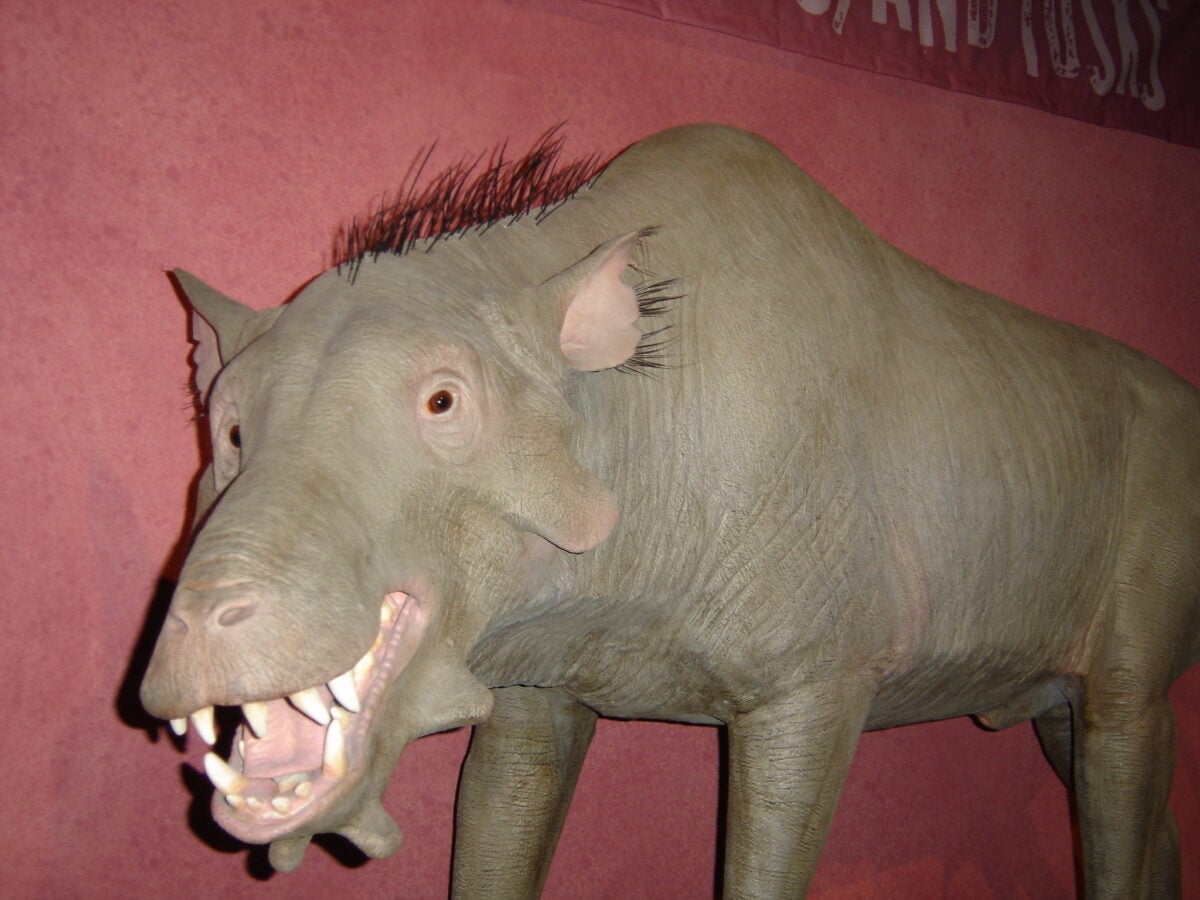
Entelodonts were large omnivorous mammals that lived in North America and Asia from around 37 to 16 million years ago. The largest, Daeodon, stood about 1.8 meters tall at the shoulder.
They had huge heads, bony flanges on their cheeks, and powerful jaws. Despite the nickname hell pigs, they were not true pigs and may be more closely related to hippos and whales.
Fossil evidence suggests some stored carcasses of prey for later meals. Bite marks on the skulls of other entelodonts point to violent fights.
Smilodon of the La Brea Tar Pits
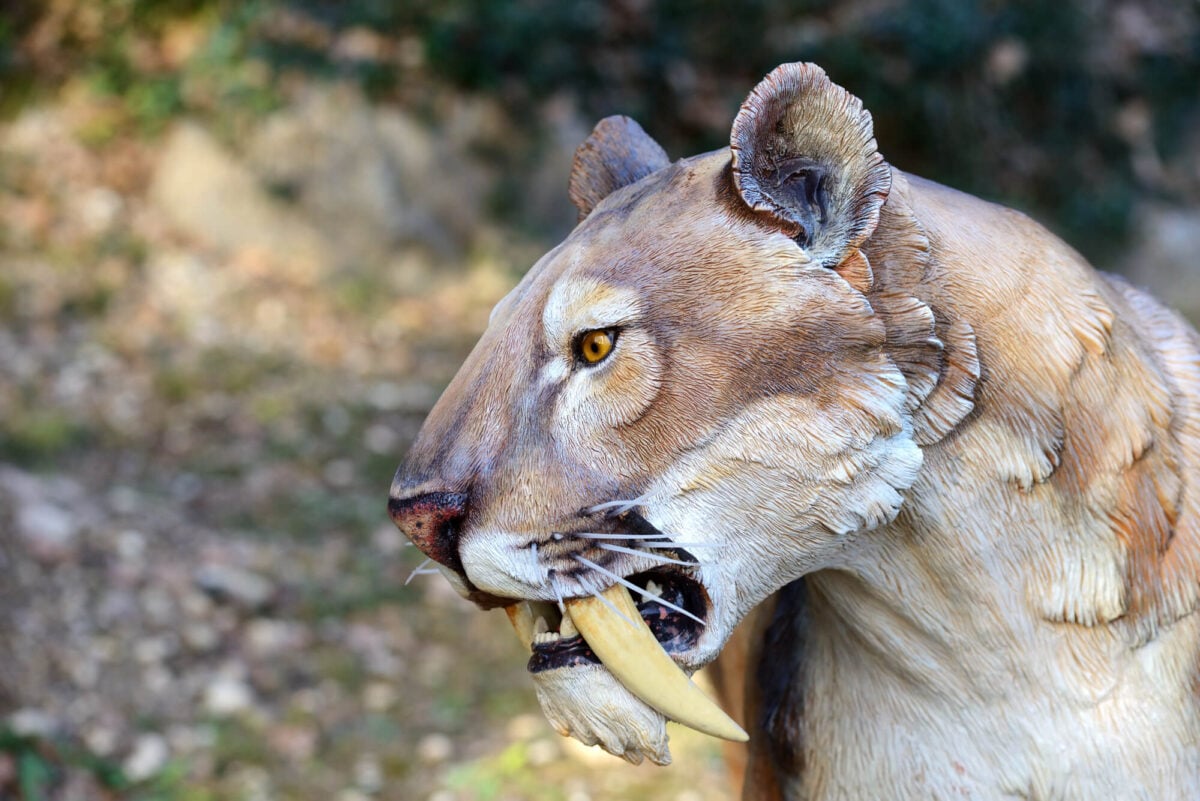
Smilodon, the saber-toothed cat, roamed the Americas until about 10,000 years ago. The largest species, Smilodon populator, may have weighed around 400 kilograms, and its canine teeth could reach about 28 centimeters.
Thousands of Smilodon fossils have been pulled from the La Brea Tar Pits in Los Angeles, where animals became trapped in sticky asphalt. It likely ambushed large prey, using its strong forelimbs to pin victims before delivering a precise bite.
Smilodon is the official state fossil of California. Many of the La Brea specimens show healed injuries.
Haast’s Eagle of New Zealand
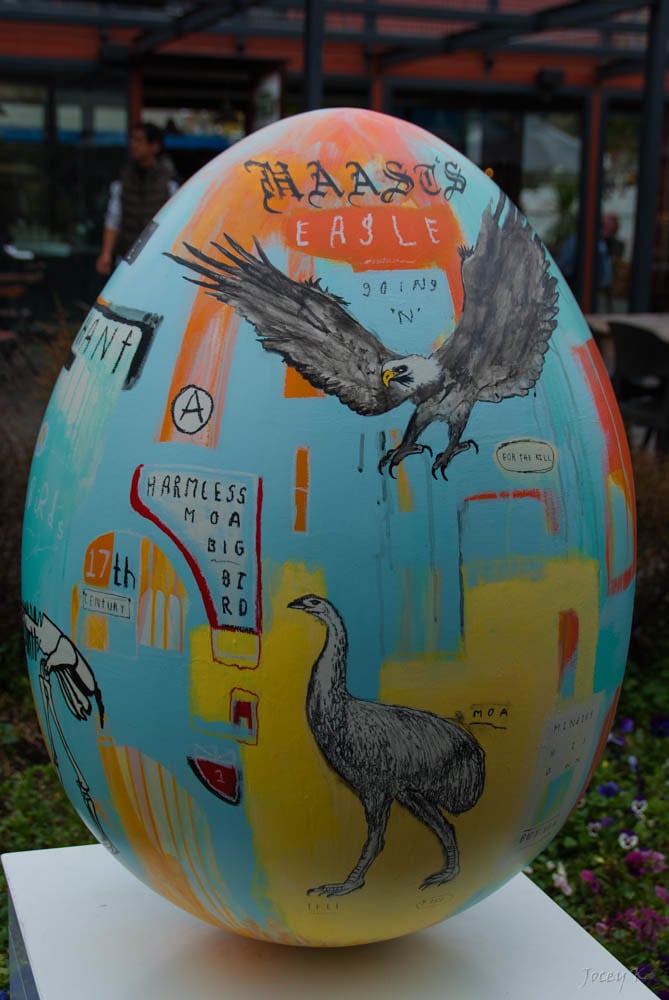
Haast’s eagle was the largest eagle known, with females weighing up to about 15 kilograms and a wingspan of around three meters. It lived in New Zealand and hunted moa, giant flightless birds that could weigh more than 200 kilograms.
Its talons were as large as those of a tiger. It disappeared around 600 years ago, after the arrival of Maori settlers led to the extinction of the moa.
Some Maori stories describe a giant bird called Pouakai, which may refer to the eagle. It was the top predator of its ecosystem.
Kelenken, the Terror Bird
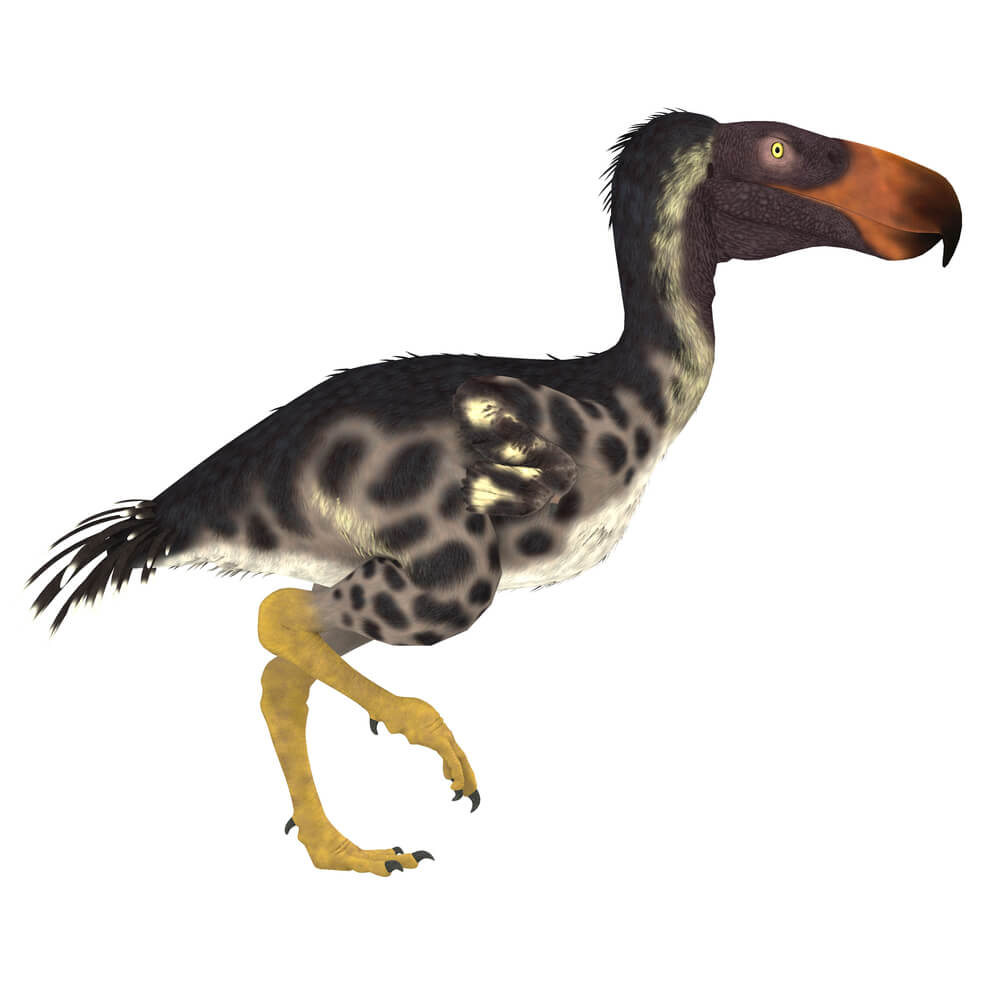
Kelenken guillermoi was a terror bird that lived in Patagonia around 15 million years ago. Its skull, described in 2007, measures about 71 centimeters long, the largest skull known for any bird.
It stood perhaps three meters tall and could not fly. Terror birds likely hunted by chasing prey on foot and striking with their hooked beaks.
Kelenken may have preyed on small and medium-sized mammals. Terror birds were among the top predators in South America for millions of years.
Its name comes from a spirit in Tehuelche mythology.
Arctodus, the Short-Faced Bear
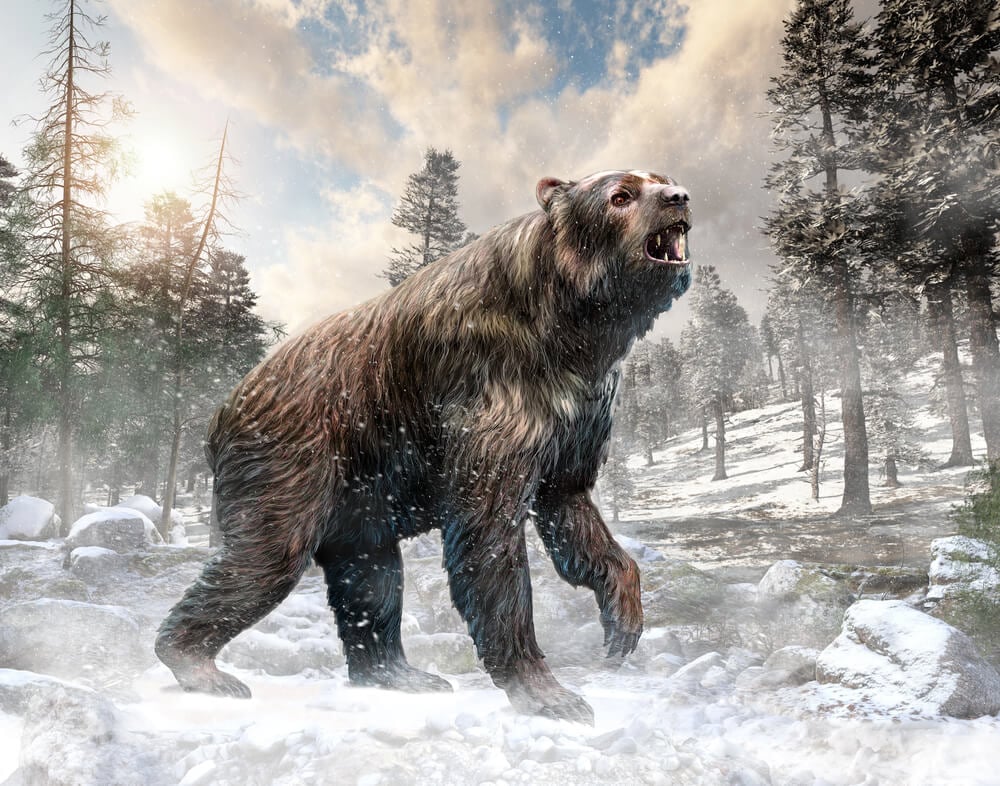
Arctodus simus, the giant short-faced bear, was one of the largest carnivorous land mammals of the Ice Age. Standing on its hind legs, it may have reached over three meters tall, and it could weigh up to about 900 kilograms.
It lived in North America until about 11,000 years ago. Its long legs suggest it could cover ground quickly.
Scientists debate whether it was an active hunter, a scavenger, or an omnivore. It shared the landscape with mammoths, dire wolves, and early humans.
Its extinction coincided with the loss of many other large mammals.
Gigantopithecus, the Largest Ape
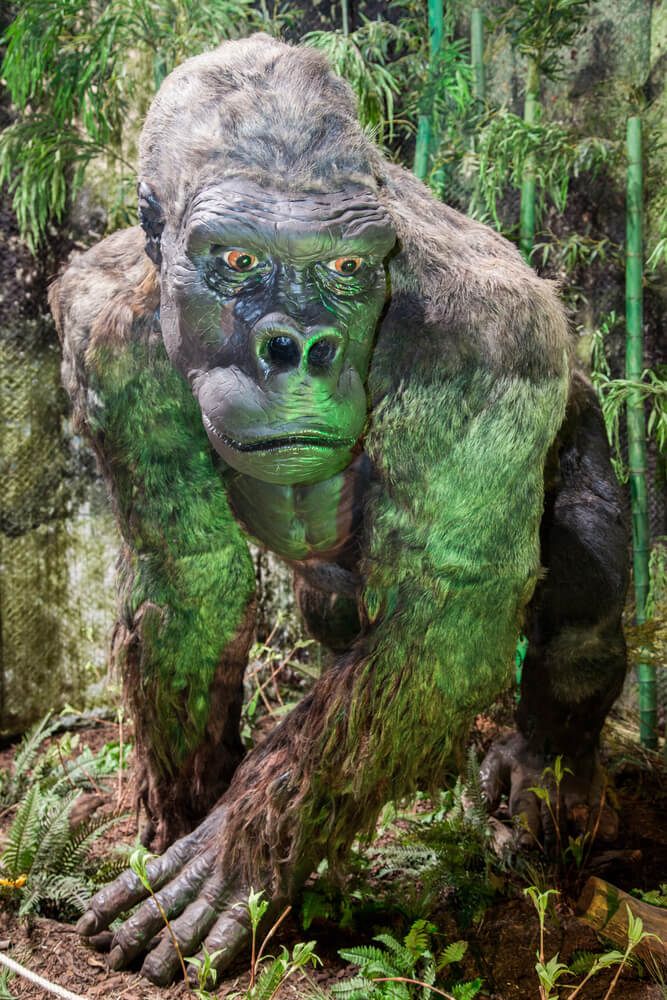
Gigantopithecus blacki was the largest ape known, possibly reaching three meters tall and weighing around 300 kilograms. It lived in southern China and is known only from teeth and jaw bones.
The first teeth were found in 1935 in a Hong Kong pharmacy by paleontologist Ralph von Koenigswald. A 2024 study suggested it went extinct between about 295,000 and 215,000 years ago as forests changed.
It was likely a plant eater related to orangutans. Even as a vegetarian, an ape that size would be an intimidating neighbor.
Thylacoleo, the Marsupial Lion
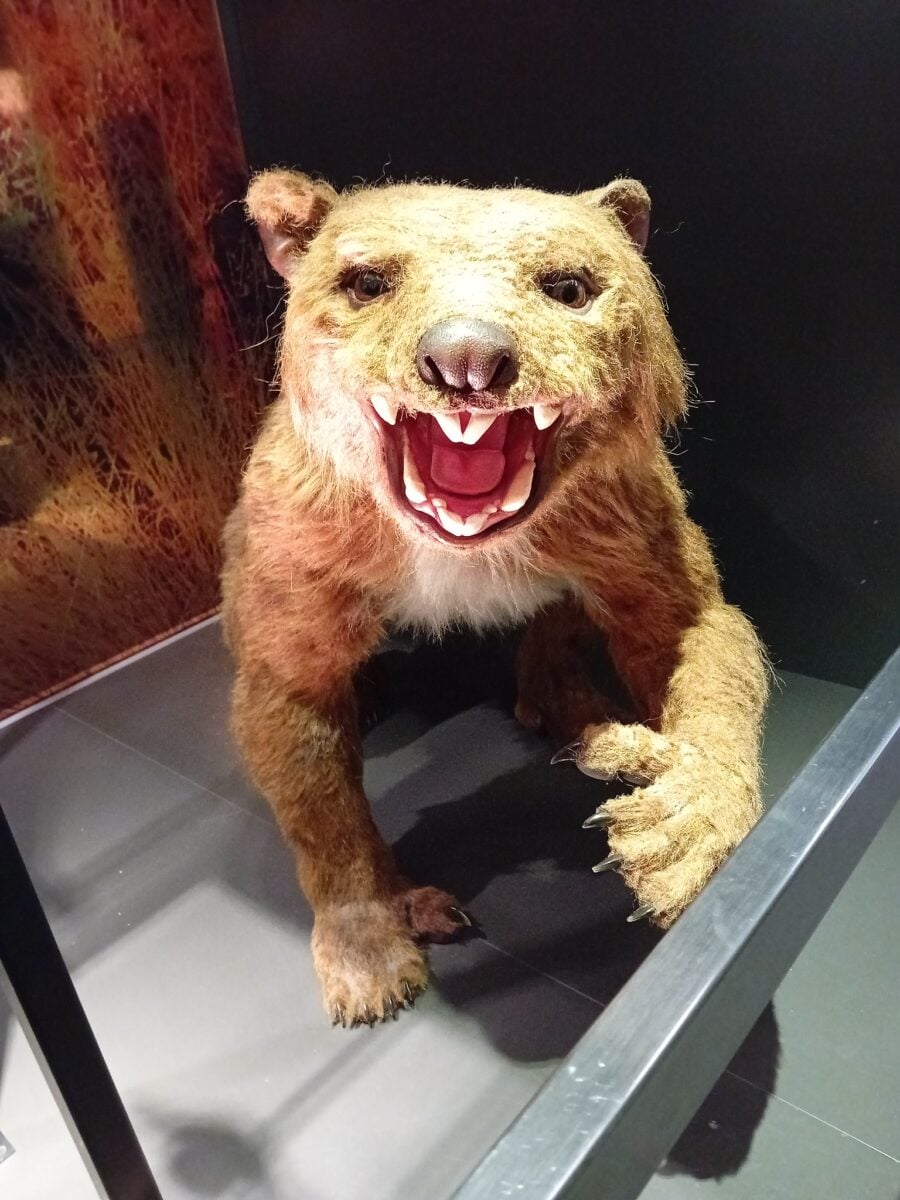
Thylacoleo carnifex, the marsupial lion, lived in Australia until about 40,000 years ago. It had one of the strongest bites of any mammal relative to its size.
Instead of long canines, it had blade-like teeth that could slice through flesh and bone. It also had a large retractable thumb claw, which it may have used to grab and hold prey.
Scratch marks in Australian caves suggest it could climb, perhaps dragging carcasses out of reach of scavengers. It weighed around 100 to 160 kilograms, and it likely hunted large marsupials, including giant kangaroos.
Kaprosuchus, the BoarCroc
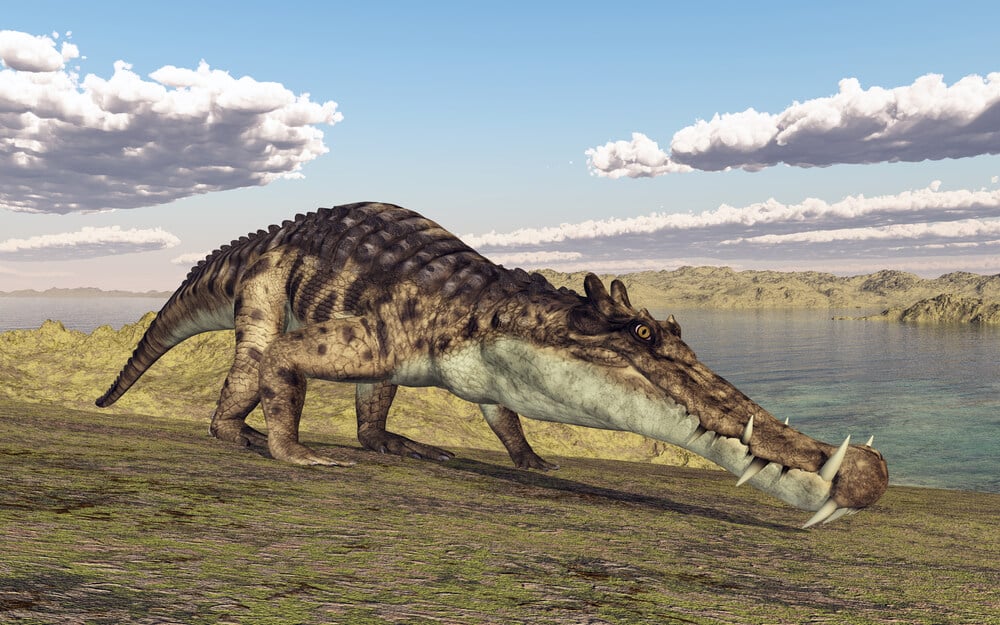
Kaprosuchus saharicus lived about 95 million years ago in what is now Niger. It is known from a single skull, described in 2009 by Paul Sereno and colleagues.
The skull bears three sets of tusk-like teeth that jut from the upper and lower jaws, earning it the nickname BoarCroc. Unlike modern crocodiles, it may have spent much of its time on land, with eyes facing more forward than those of its relatives.
Its body is estimated at about six meters long. It may have used its tusks to ram and slash prey, including small dinosaurs.
Inostrancevia, the Permian Predator
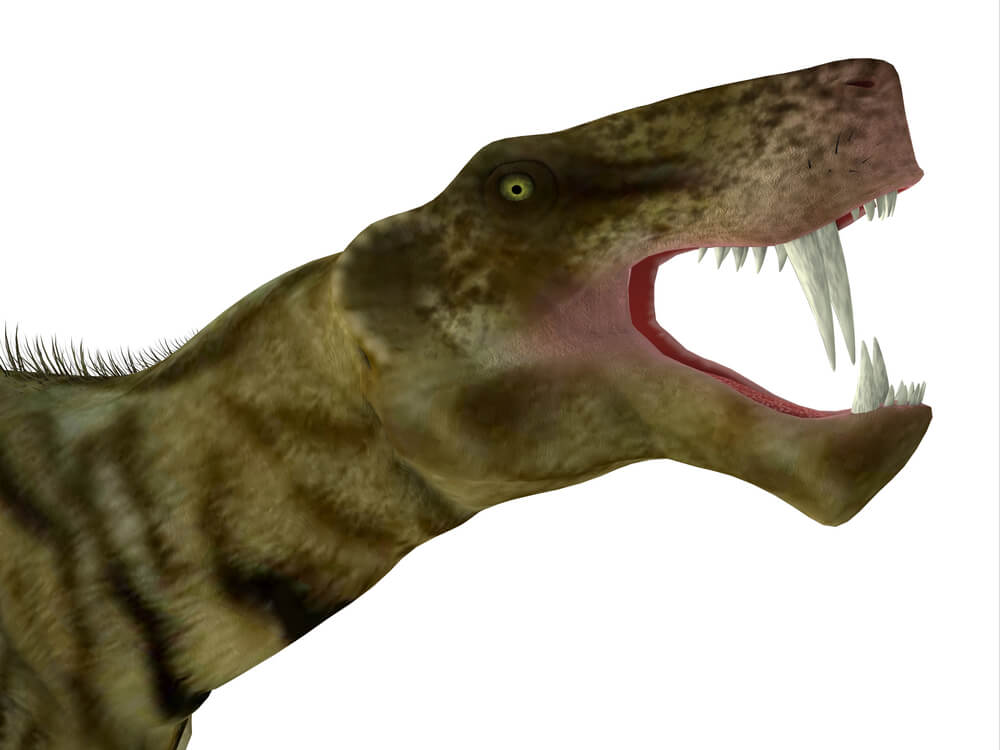
Inostrancevia was a gorgonopsian, a group of predatory reptiles related to mammals. It lived around 260 to 252 million years ago in what is now Russia, and fossils found in South Africa were described in 2023.
It had a skull about 60 centimeters long and saber-like canines around 12 centimeters long. It was one of the largest predators of the late Permian.
Inostrancevia disappeared during the Permian mass extinction, which wiped out most life on Earth. Its body length may have reached around 3.5 meters.
Spinosaurus, the River Monster
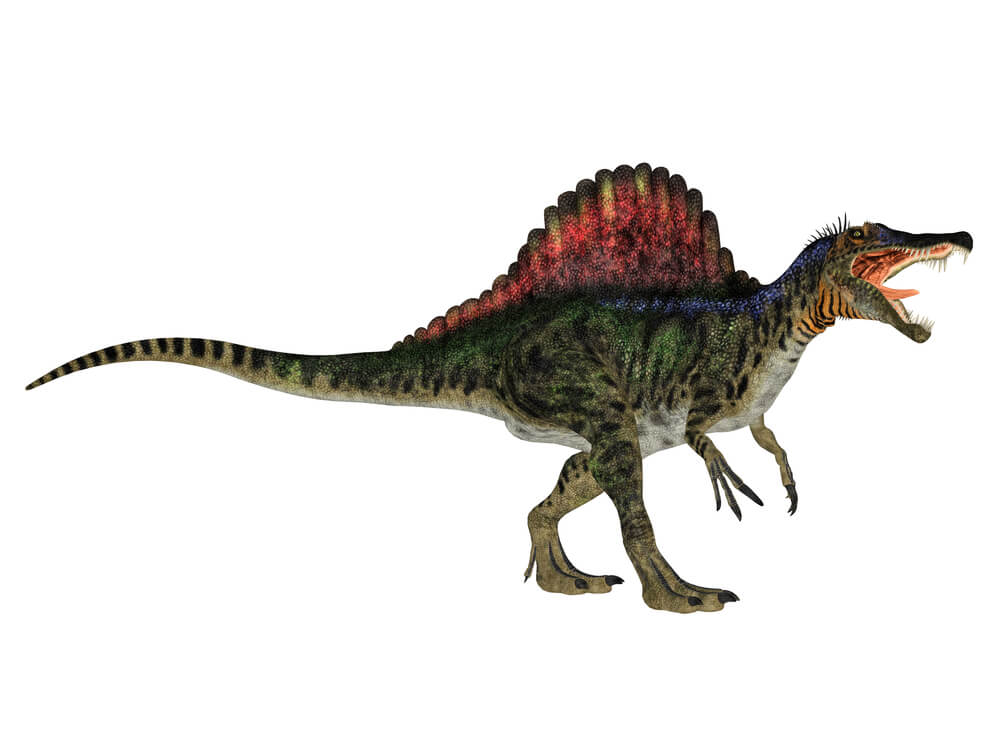
Spinosaurus aegyptiacus was a large predatory dinosaur that lived in North Africa about 95 million years ago. It may have been longer than Tyrannosaurus rex, with estimates of around 14 to 15 meters.
The first fossils, described by German paleontologist Ernst Stromer, were destroyed during a bombing raid on Munich in 1944. A 2020 study of a tail found in Morocco suggested it was adapted for swimming, and scientists continue to debate how much time it spent in water.
It likely ate large fish, and the tall sail on its back would have made it unmistakable.
Utahraptor and Its Sickle Claw
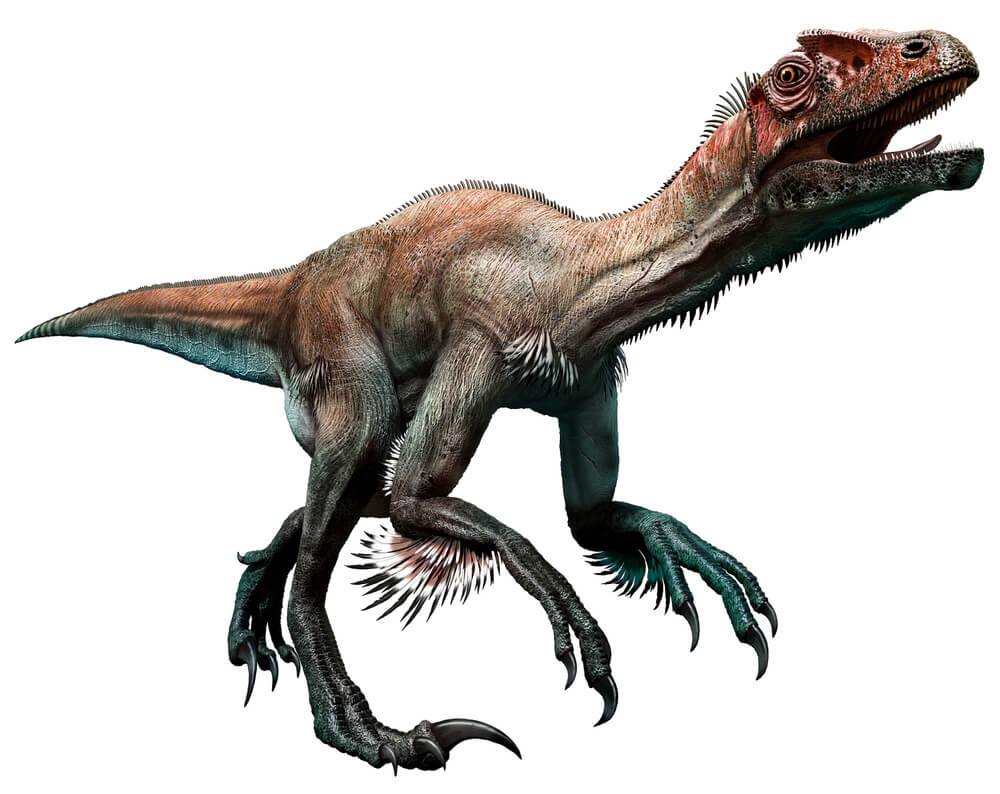
Utahraptor ostrommaysi lived about 135 million years ago in what is now Utah. It was one of the largest raptors, reaching about five to six meters long and weighing around 500 kilograms, far bigger than the Velociraptor made famous by film.
Each foot carried a sickle-shaped claw around 22 centimeters long. The species was described in 1993.
A huge block of sandstone found in Utah contains the remains of several individuals, from juveniles to adults, suggesting they may have died together in quicksand. Its strong legs suggest a powerful predator built for grappling large prey.
Josephoartigasia, the Giant Rodent
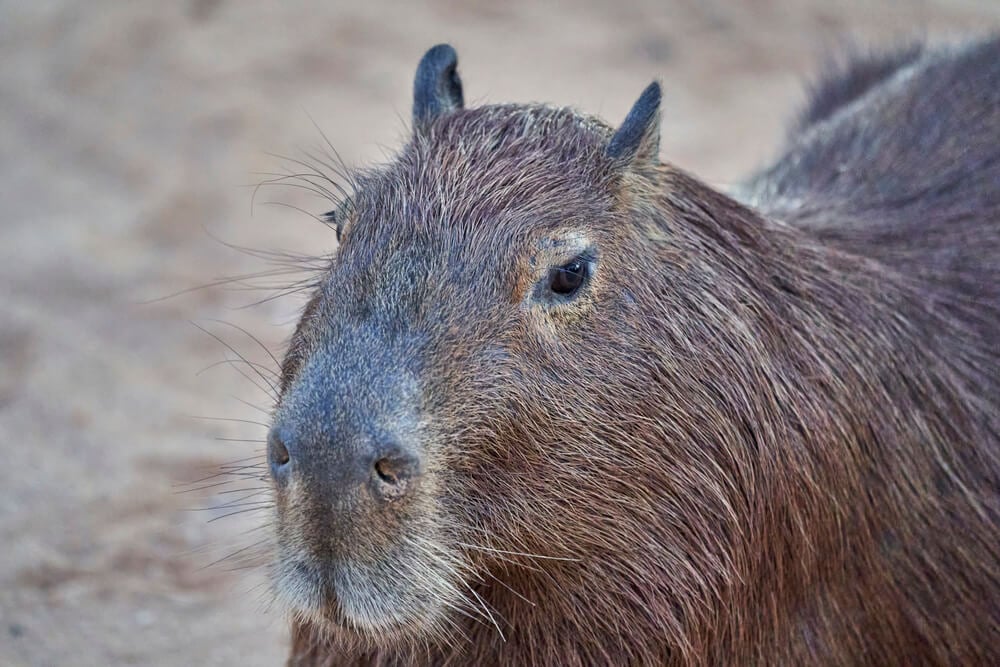
Josephoartigasia monesi was a giant rodent that lived in South America about four to two million years ago. It is known from a single skull found in Uruguay, which measures around 53 centimeters long.
Estimates of its body weight range from about 480 to 1,000 kilograms, which would make it the largest rodent known. It was related to the modern pacarana, a shy animal of Andean forests.
Scientists believe it may have used its large incisors for defense or digging, much as elephants use tusks. A rodent the size of a bull would change how people think about rats.
Monsters That Only Missed Humanity by Time
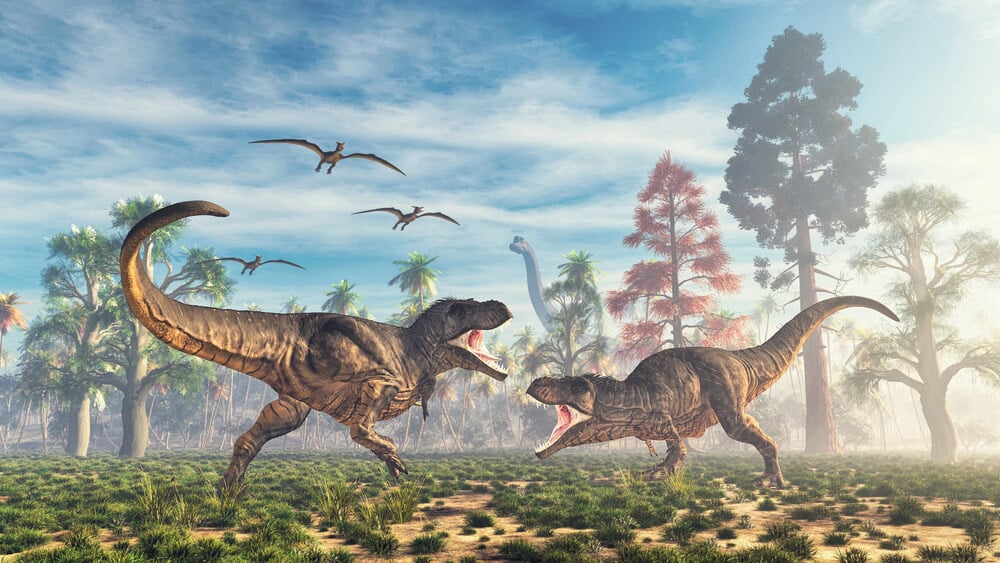
Most of these animals vanished long before anyone could run from them, and the gap is the only reason they seem thrilling rather than terrifying. A few, like Megalania, Haast’s eagle, and the short-faced bear, did overlap with people.
Those encounters were likely brief and deadly.
Fossils make it easy to admire these creatures from a safe distance. Their bones show what evolution can build when conditions allow it, from giant snakes to flying reptiles the height of a giraffe.
The modern world feels tame by comparison, and that may be for the best.
More from Go2Tutors!

- The Romanov Crown Jewels and Their Tragic Fate
- 13 Historical Mysteries That Science Still Can’t Solve
- Famous Hoaxes That Fooled the World for Years
- 15 Child Stars with Tragic Adult Lives
- 16 Famous Jewelry Pieces in History
Like Go2Tutors’s content? Follow us on MSN.