27 Famous Paintings That Hid Earlier Images Underneath Until X-Rays Revealed Them
A painting on a museum wall looks finished and certain, as if the artist knew exactly what to do from the first brushstroke. Beneath the surface, many masterpieces tell a messier story of changed minds, reused canvases and entire compositions painted out of existence.
X-rays, infrared cameras and newer scanning methods now let conservators peer through layers of paint without touching them. What they find can rewrite the history of a picture overnight.
Van Eyck’s Lamb With Human Eyes in Ghent
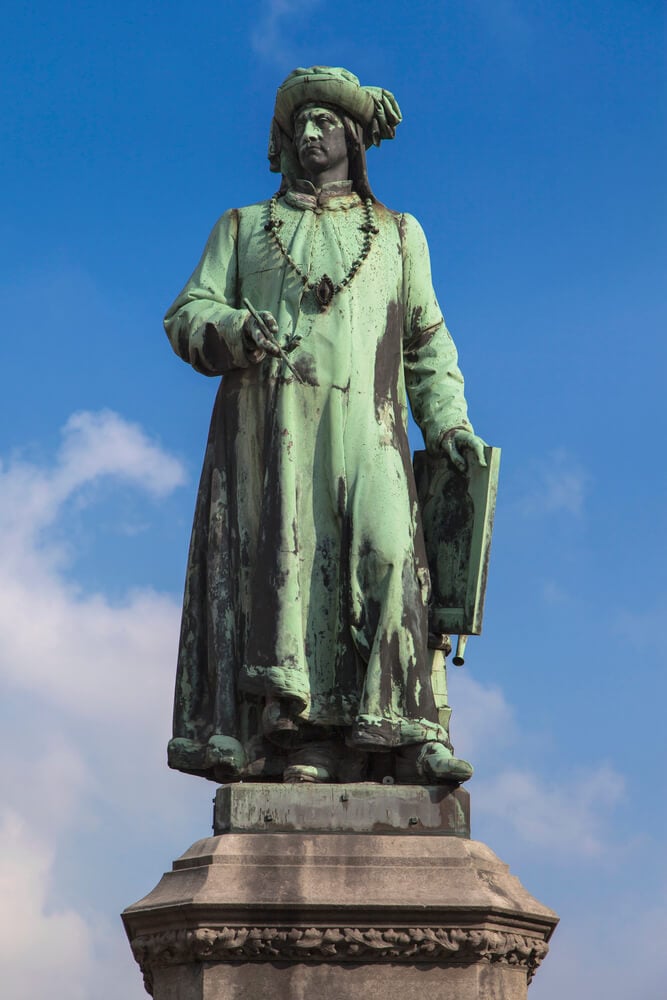
The central panel of the Ghent Altarpiece, completed by Jan and Hubert van Eyck in 1432, shows the Lamb of God on an altar. X-rays had long revealed that the lamb appeared to have four ears, a clue that its head had been repainted.
When restorers removed sixteenth-century overpaint in 2019, the original lamb emerged with a strikingly humanlike face and forward-staring eyes. The reveal sparked a wave of jokes online, but experts agreed it was exactly how the van Eycks had painted it.
Lady With an Ermine’s Missing Animal

Leonardo da Vinci’s portrait of Cecilia Gallerani, painted around 1490 and now in Krakow, is famous for the sleek white ermine in her arms. In 2014, French engineer Pascal Cotte announced that his multispectral scans suggested Leonardo had first painted the woman with no animal at all.
According to his analysis, a smaller gray ermine was added next, before being reworked into the larger creature seen today. The findings have been debated, but they point to an artist refining a composition over time.
A Different Plan Beneath the Virgin of the Rocks
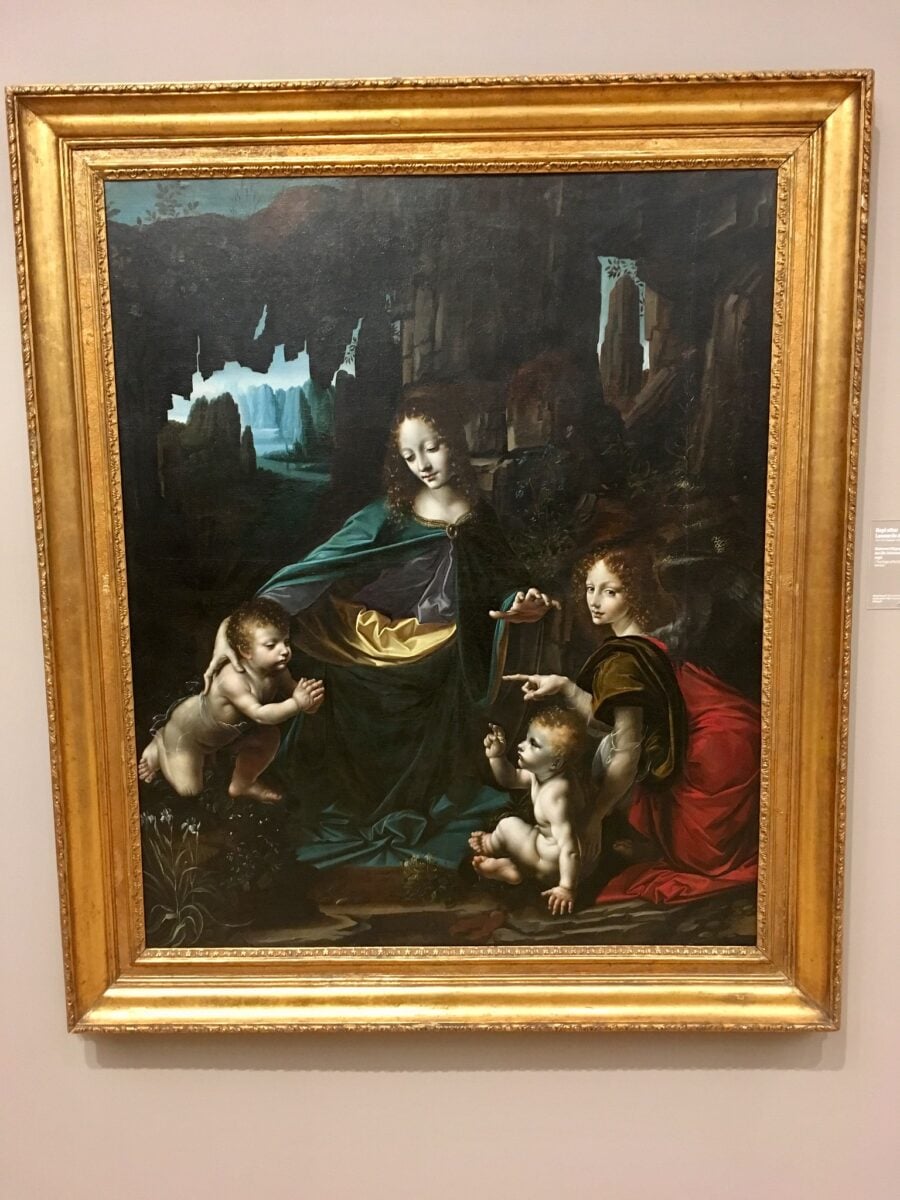
Researchers at the National Gallery in London in 2019 used infrared imaging and macro X-ray fluorescence to study Leonardo’s Virgin of the Rocks. They found an abandoned first design beneath the painting, with the Virgin, the infant Jesus and an angel arranged in noticeably different positions.
Traces of Leonardo’s handprints were also detected in the priming layer. The discovery showed that Leonardo changed his mind dramatically before settling on the familiar composition, perhaps after the commission itself changed.
Raphael’s Unicorn That Began as a Dog
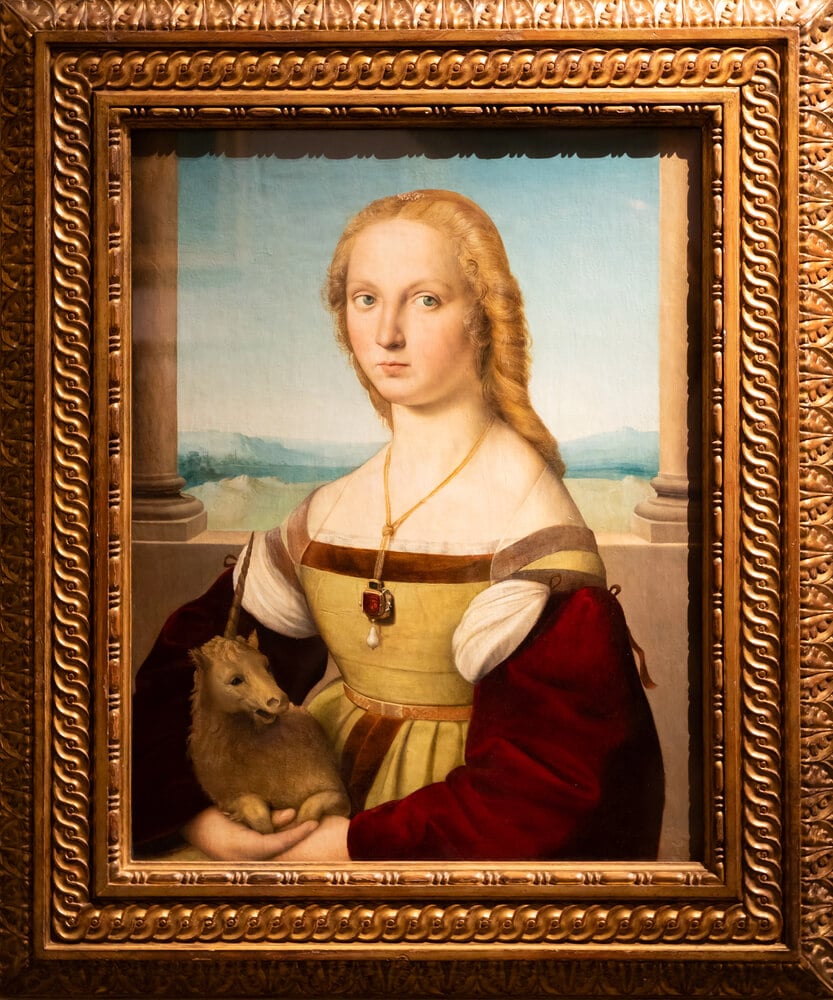
Raphael’s Young Woman With a Unicorn, painted around 1505 and now in Rome’s Borghese Gallery, was for centuries overpainted to show Saint Catherine with her wheel. A restoration in the 1930s removed those additions and revealed the small unicorn in the woman’s lap.
Later X-rays showed something even earlier, a little dog, a traditional symbol of faithfulness, beneath the unicorn. The animal’s transformation suggests that the painting’s meaning changed, possibly as the sitter’s circumstances shifted.
Giovanni Bellini’s Reworked Feast of the Gods
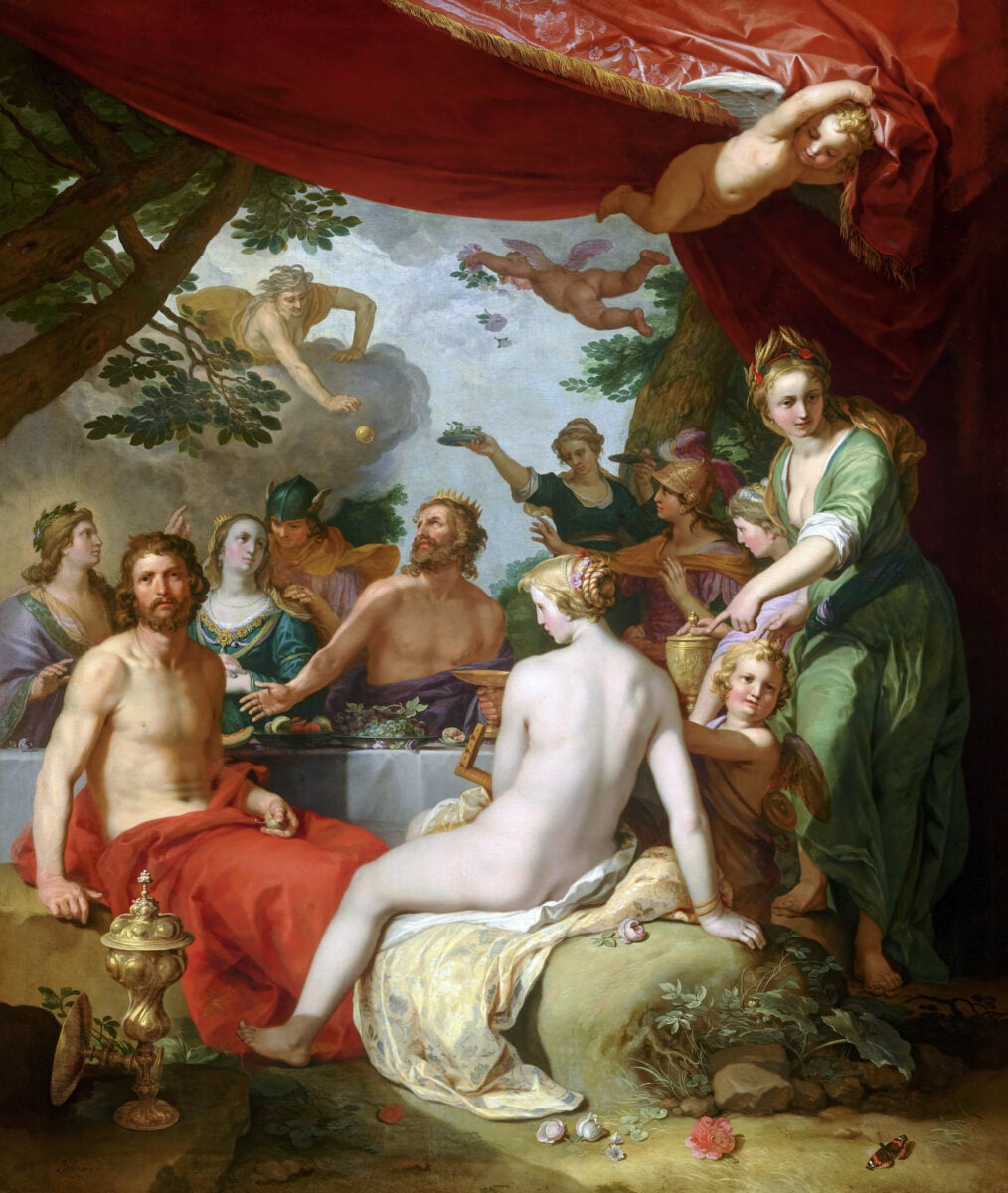
Giovanni Bellini painted The Feast of the Gods in 1514 for the Duke of Ferrara, and it now hangs in the National Gallery of Art in Washington. X-ray studies revealed that the background landscape was altered twice after Bellini finished it, first by Dosso Dossi and then by Titian, who added a dramatic mountain.
The painting had to fit alongside new works in the duke’s room, so later artists adjusted it. Beneath those layers, conservators found Bellini’s original, simpler row of trees.
Mary Queen of Scots Beneath a Scottish Nobleman
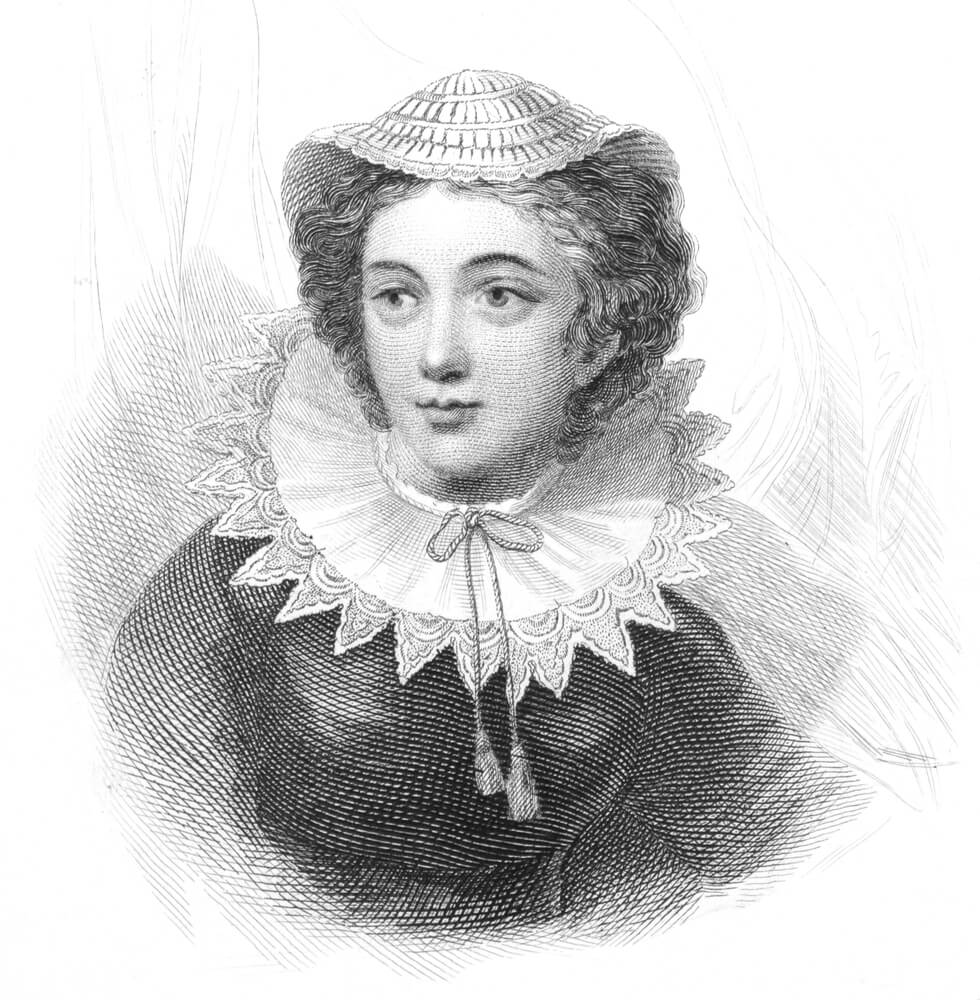
In 2017, conservators at the Courtauld Institute and National Galleries of Scotland used X-rays to study a 1589 portrait of Sir John Maitland by the Dutch artist Adrian Vanson. Beneath it they found an unfinished portrait of a woman whose features and costume closely matched images of Mary Queen of Scots.
She had been executed two years earlier. Experts suggested the artist may have painted over her image because owning portraits of the executed queen was politically risky, or simply because the canvas was valuable.
Rembrandt’s Hidden Portrait at the Getty
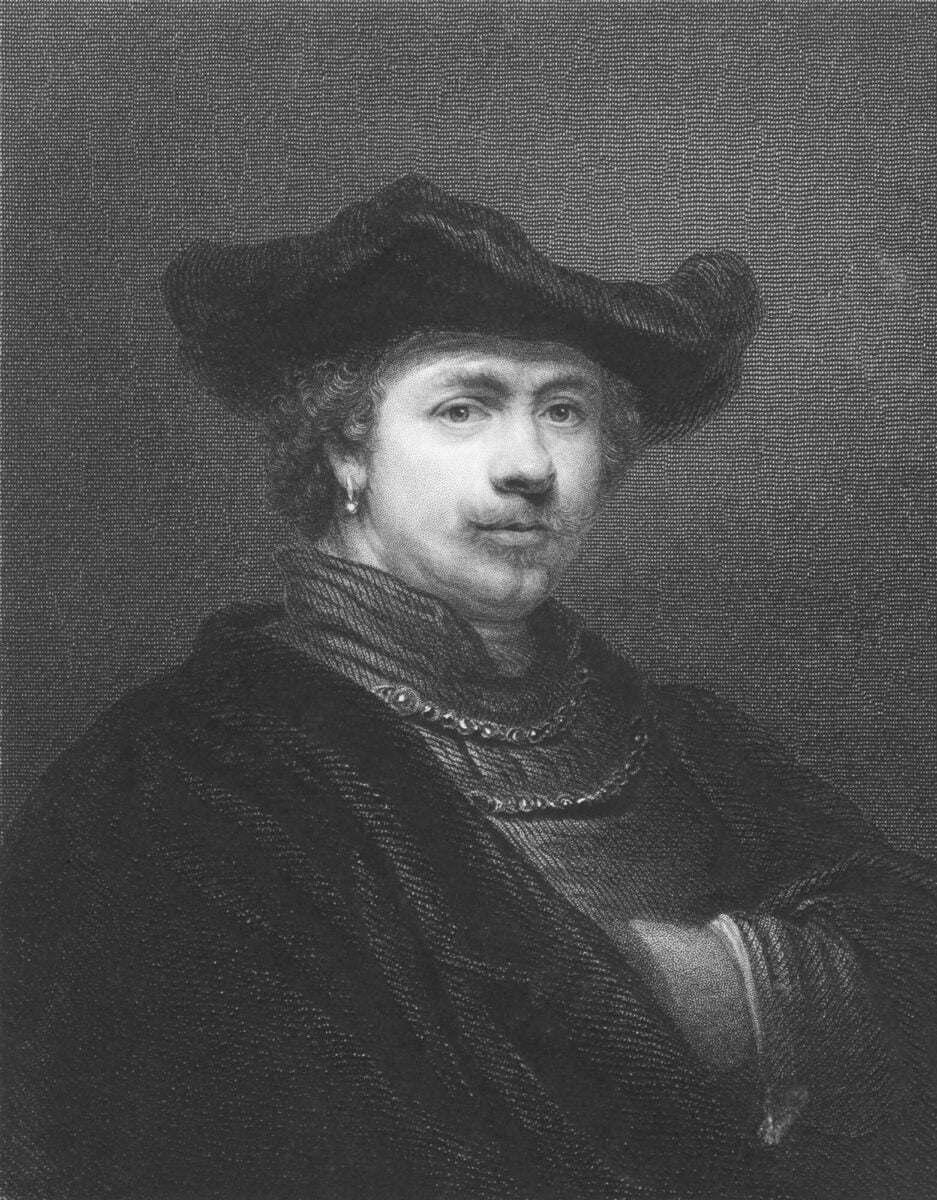
Rembrandt’s An Old Man in Military Costume, from around 1630, hangs at the J. Paul Getty Museum in Los Angeles. X-rays had long shown traces of another figure beneath the surface, but the image was difficult to read.
Researchers used X-ray fluorescence to map the chemical elements in the paint layers, revealing a portrait of a different man hidden underneath. The discovery supported the idea that the young Rembrandt reused canvases and panels, a common practice for artists short of money.
Rembrandt’s Sketch Under The Night Watch
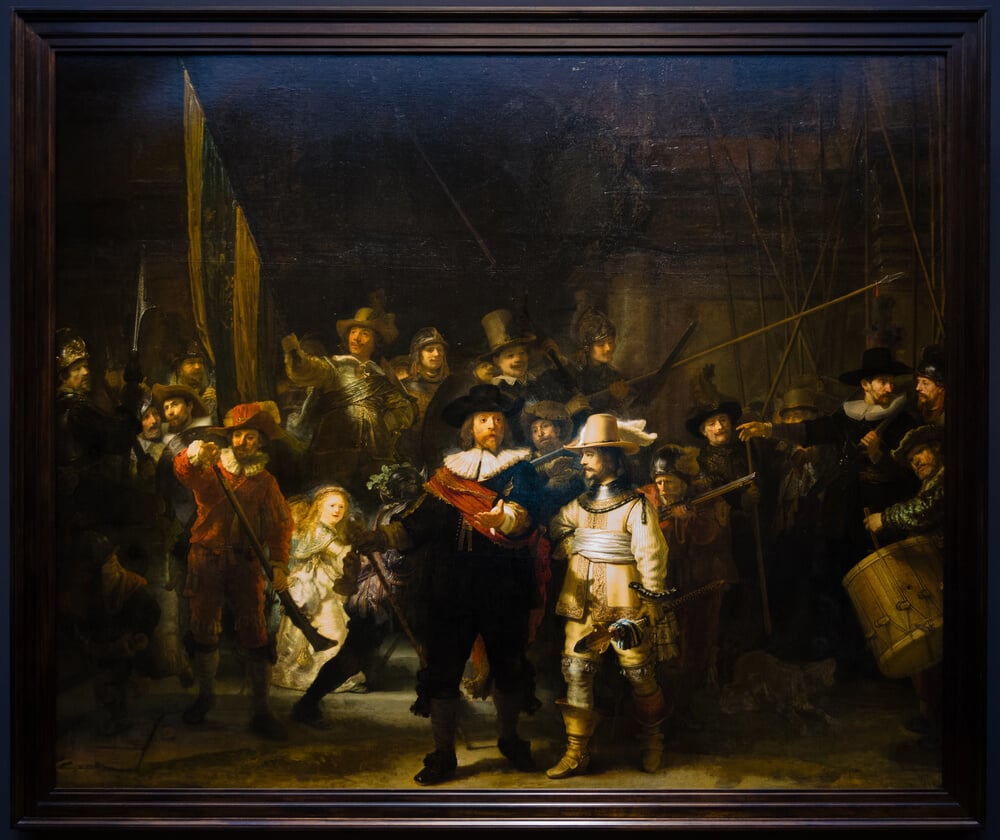
As part of a vast research and restoration project that began in 2019, scientists at the Rijksmuseum in Amsterdam scanned The Night Watch using macro X-ray fluorescence and other imaging techniques. In 2021, they announced that they had found a preliminary sketch beneath the painting, laid down with a paint containing chalk.
It showed Rembrandt adjusting the positions of figures, including feathers and a spear. The find offered an extraordinary view of how Rembrandt planned his largest and most famous work.
Cupid Returns to Vermeer’s Letter Reader
Johannes Vermeer’s Girl Reading a Letter at an Open Window, in Dresden, long showed a young woman before a blank wall. An X-ray in 1979 revealed a large painting of Cupid hanging behind her, which experts assumed Vermeer had painted over himself.
Tests in 2017 showed that the overpaint had been added decades after his death. Conservators removed it, and in 2021 the painting was unveiled with Cupid restored, transforming a quiet scene into one about love.
Vermeer’s Hidden Jug Rack in The Milkmaid
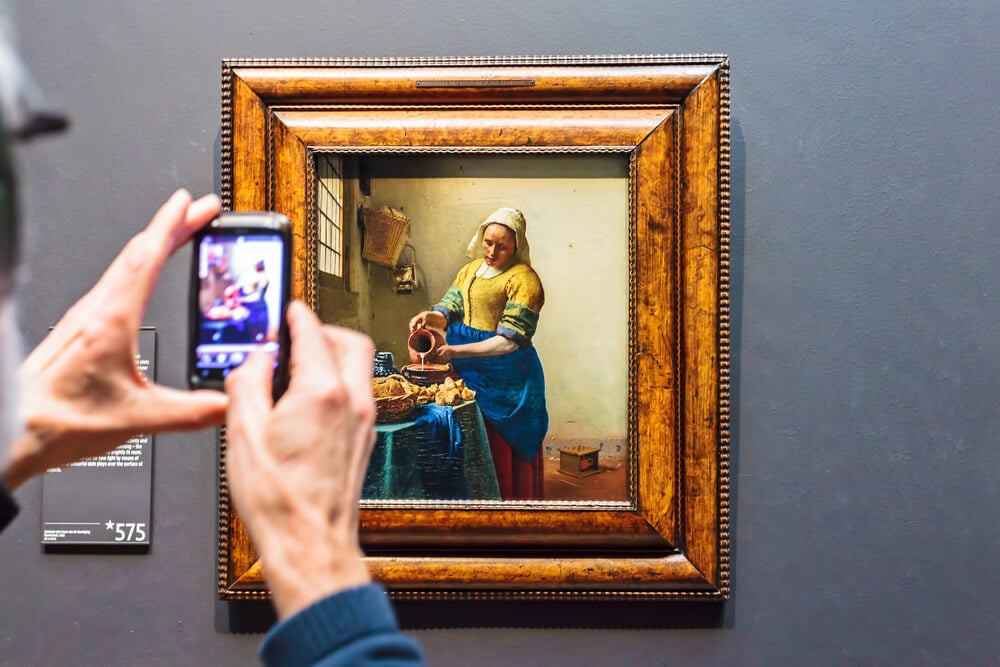
Vermeer’s The Milkmaid, one of the Rijksmuseum’s great treasures, shows a woman pouring milk beside a bare, softly lit wall. In 2022, museum researchers used macro X-ray fluorescence and other scans to reveal that Vermeer had first painted a jug rack on the wall and a large wicker basket near the woman’s feet.
He later painted over both, simplifying the scene. The discovery showed how carefully Vermeer removed clutter to focus attention on the woman and her task.
A Green Curtain Behind the Girl With a Pearl Earring
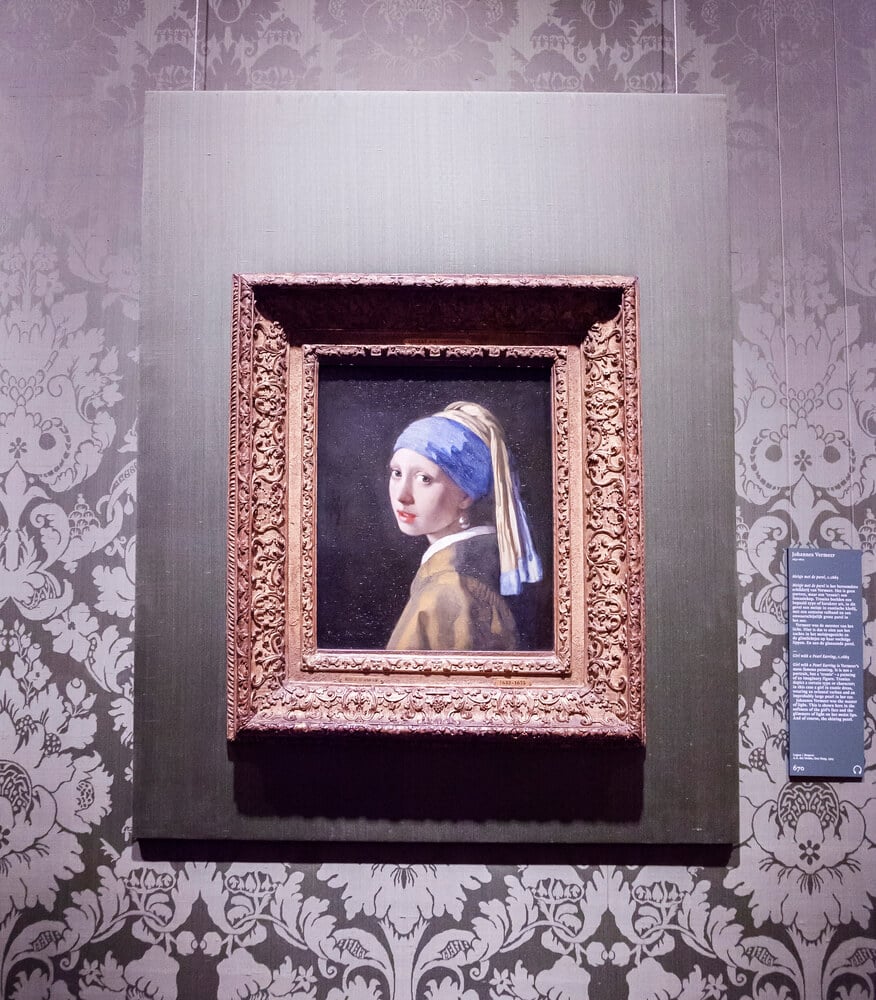
The girl in Vermeer’s famous portrait has always appeared against a dark, empty background. In 2018, researchers at the Mauritshuis in The Hague examined the painting with a range of noninvasive techniques.
They found that Vermeer had originally painted a green curtain behind the girl, which has since faded and darkened into invisibility. The team also detected tiny eyelashes too fine to see without magnification, disproving the idea that Vermeer had painted her without them.
Gainsborough’s Hidden Dog in The Blue Boy
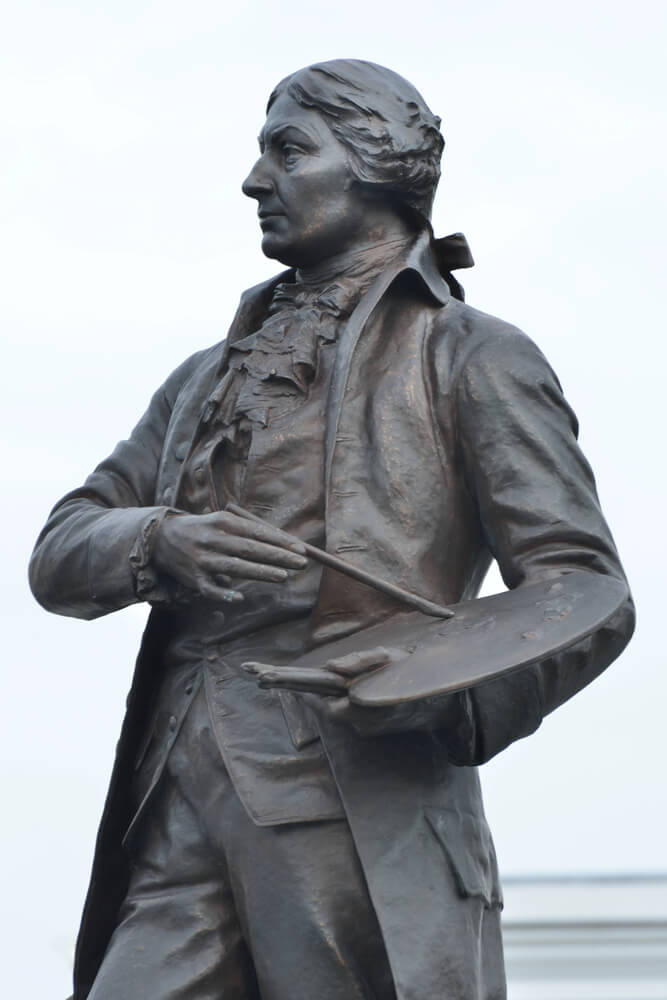
Thomas Gainsborough’s The Blue Boy, painted around 1770 and now at the Huntington in California, had been X-rayed decades ago, revealing that Gainsborough reused a canvas that already held the beginnings of a portrait of an older man. During conservation work completed in 2020, technicians also found that a dog had once been painted beside the boy’s feet.
Gainsborough covered the animal with a pile of rocks. The discoveries showed how freely the artist reworked what became one of Britain’s most beloved paintings.
Fragonard’s Young Girl Reading Changed Faces
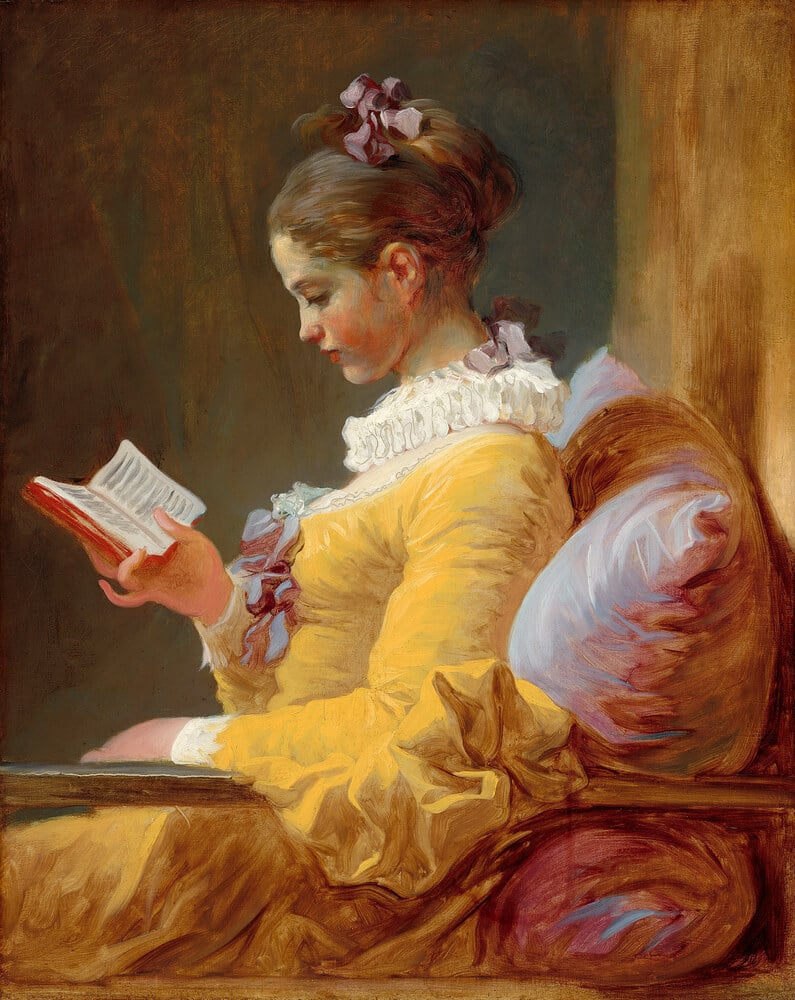
Jean-Honore Fragonard’s Young Girl Reading, at the National Gallery of Art in Washington, is admired for its gentle, absorbed sitter. In 2015, conservators using new imaging techniques revealed that Fragonard had first painted a completely different head, with a face turned toward the viewer.
The earlier version appeared to be one of his series of fanciful portraits of imaginary figures. Fragonard later painted over it with the quiet reader, fundamentally changing the mood of the work.
David’s Portrait of the Lavoisiers
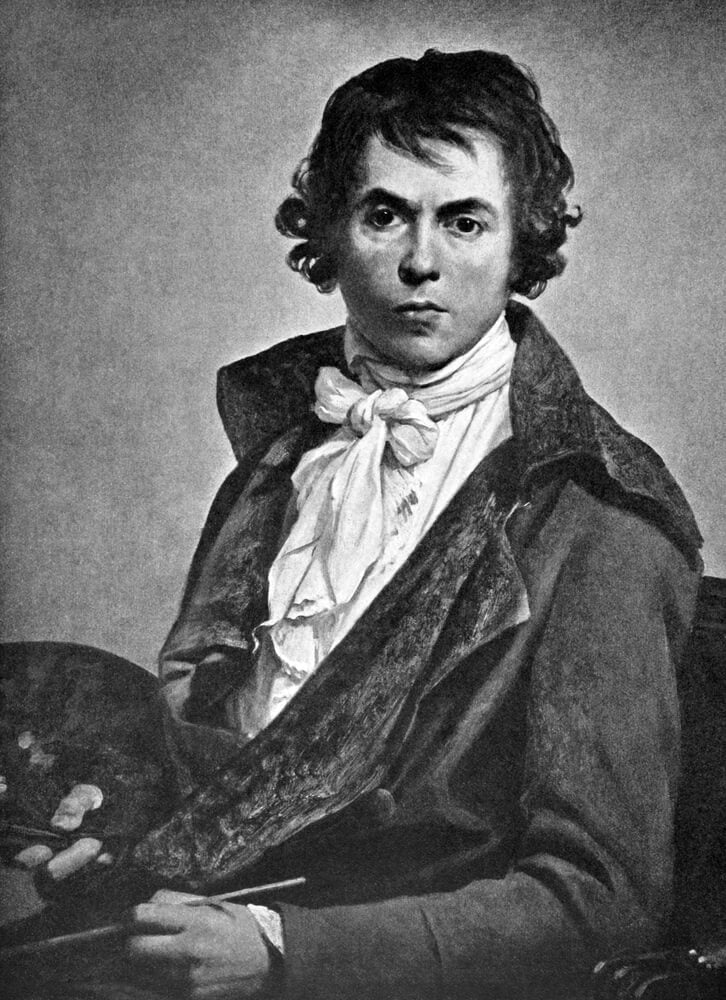
Jacques-Louis David’s 1788 portrait of chemist Antoine Lavoisier and his wife Marie-Anne is famous for the scientific instruments surrounding the couple. Research at the Metropolitan Museum of Art in 2019 revealed that David first painted the couple as fashionable members of society, with Marie-Anne wearing a large, elaborate hat.
The instruments were added later. Experts suggested that the change may reflect the dangerous politics on the eve of the French Revolution, in which Lavoisier was later executed.
Goya’s Isabel de Porcel Over a Uniformed Man
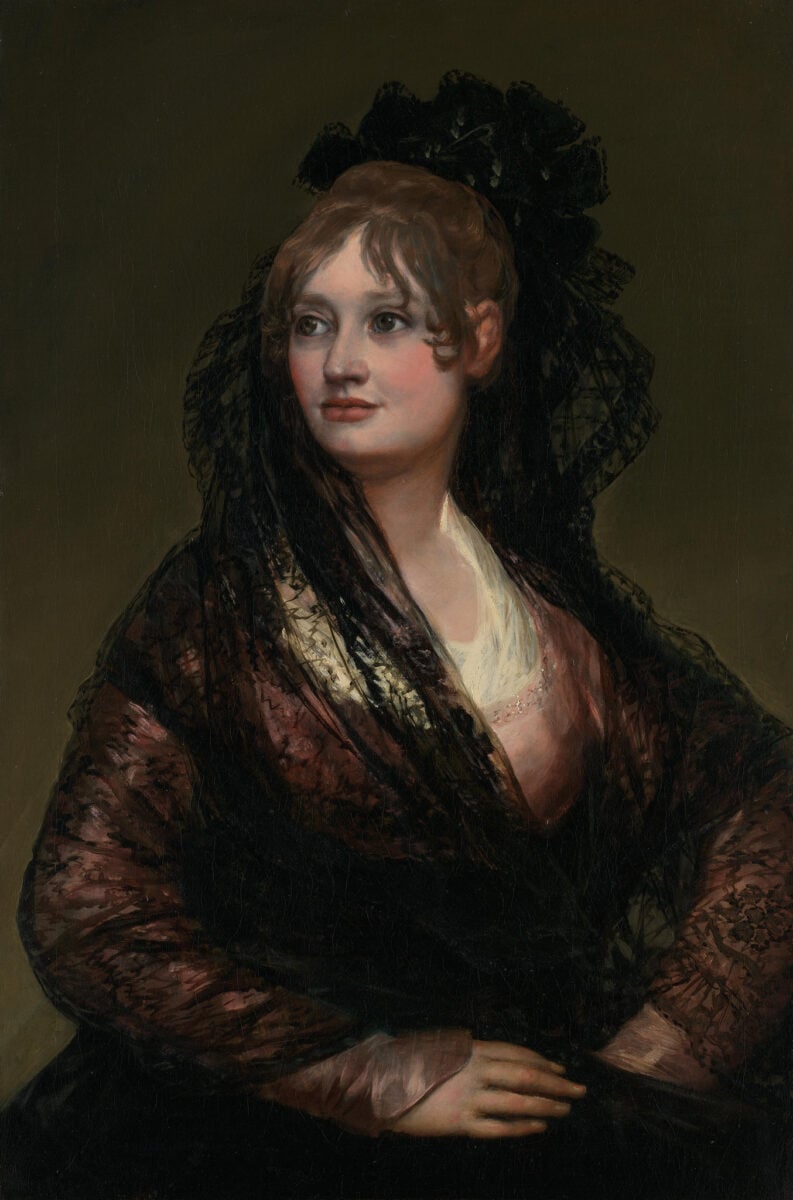
Francisco de Goya’s portrait of Isabel de Porcel, now in the National Gallery in London, shows a confident woman in a black lace mantilla. X-rays revealed an entirely different portrait underneath, depicting a man in uniform, with his face and costume clearly visible in the scans.
Goya had simply reused the canvas. The discovery added to a growing list of hidden portraits beneath Goya’s work, a habit that may reflect the shortage of materials in wartime Spain.
Goya’s Satue Portrait and a Possible Bonaparte
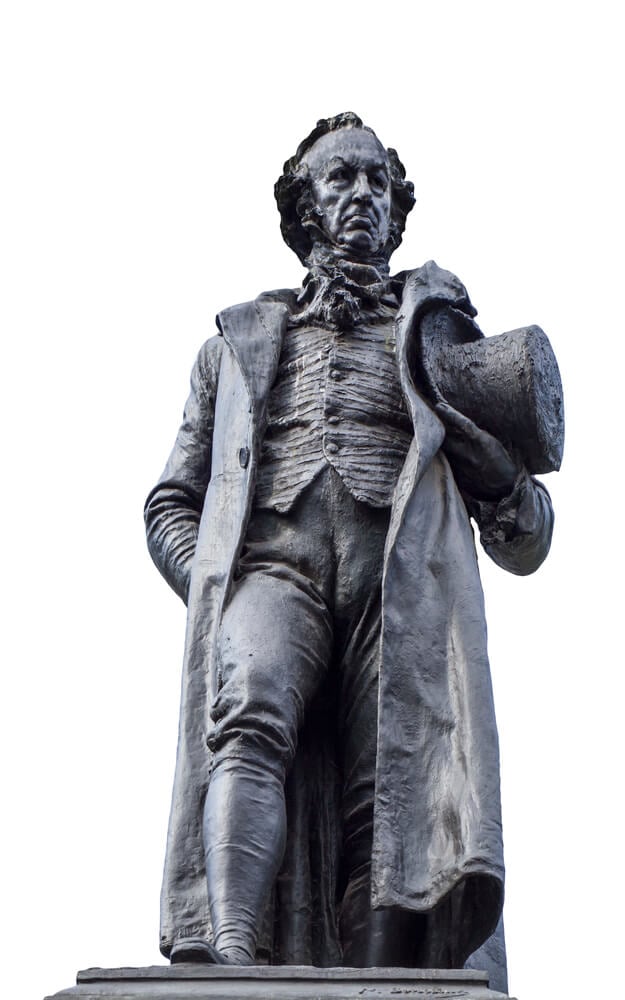
Researchers in 2011 used macro X-ray fluorescence to scan Goya’s 1823 Portrait of Don Ramon Satue at the Rijksmuseum in Amsterdam. Beneath the young judge they found a portrait of a man in a military uniform with decorations.
Some experts suggested the sitter may have been Joseph Bonaparte, the brother of Napoleon who ruled Spain as king. If so, Goya may have painted over the image after the French were driven out, when displaying it would have been dangerous.
Courbet’s Wounded Man Once Had Company
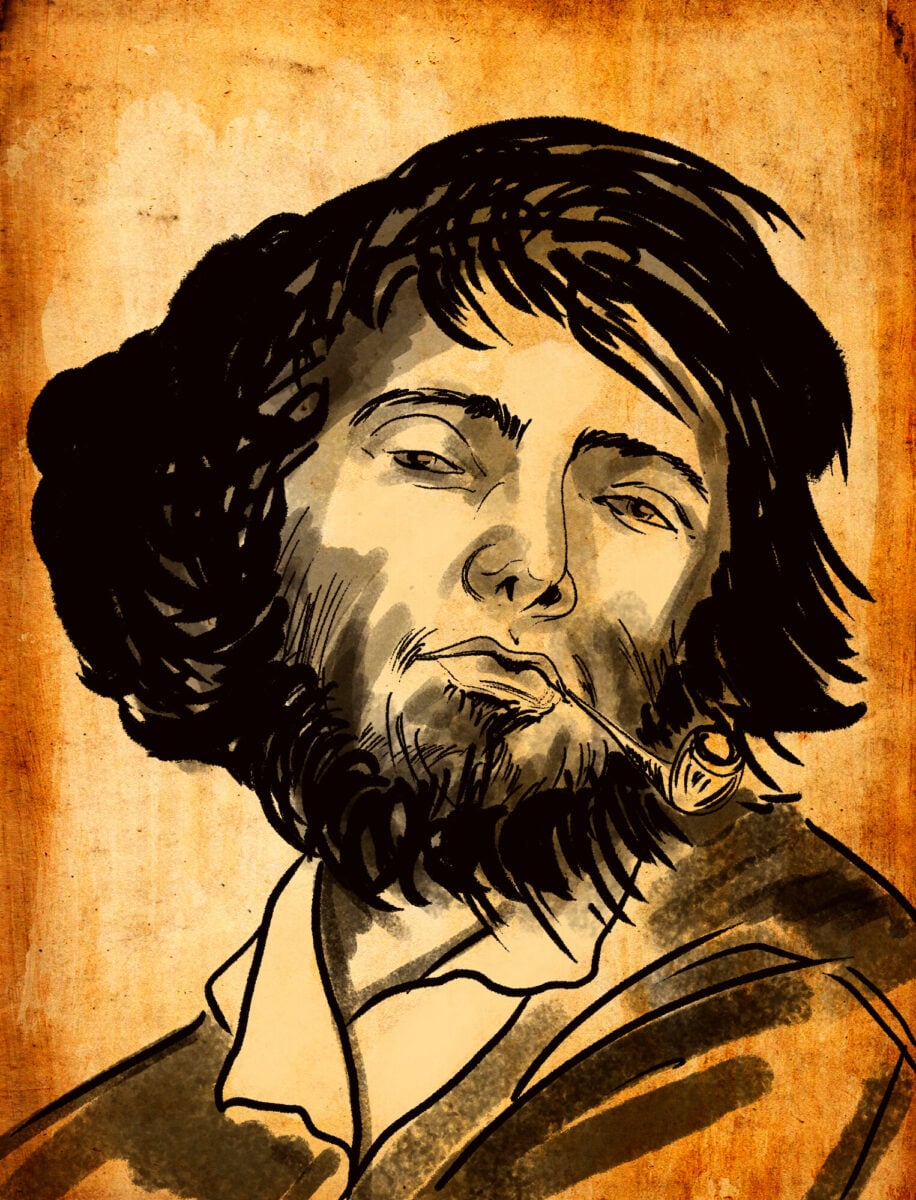
Gustave Courbet’s The Wounded Man, at the Musee d’Orsay in Paris, shows the artist himself lying under a tree with a bloodstain on his chest. X-rays revealed that the composition began in 1844 as a very different scene, with a woman resting her head on the man’s shoulder.
About a decade later, Courbet painted her out and added the wound, turning a romantic image into one of loss. Many interpret the change as a response to the end of a relationship.
Degas Painted Over Emma Dobigny
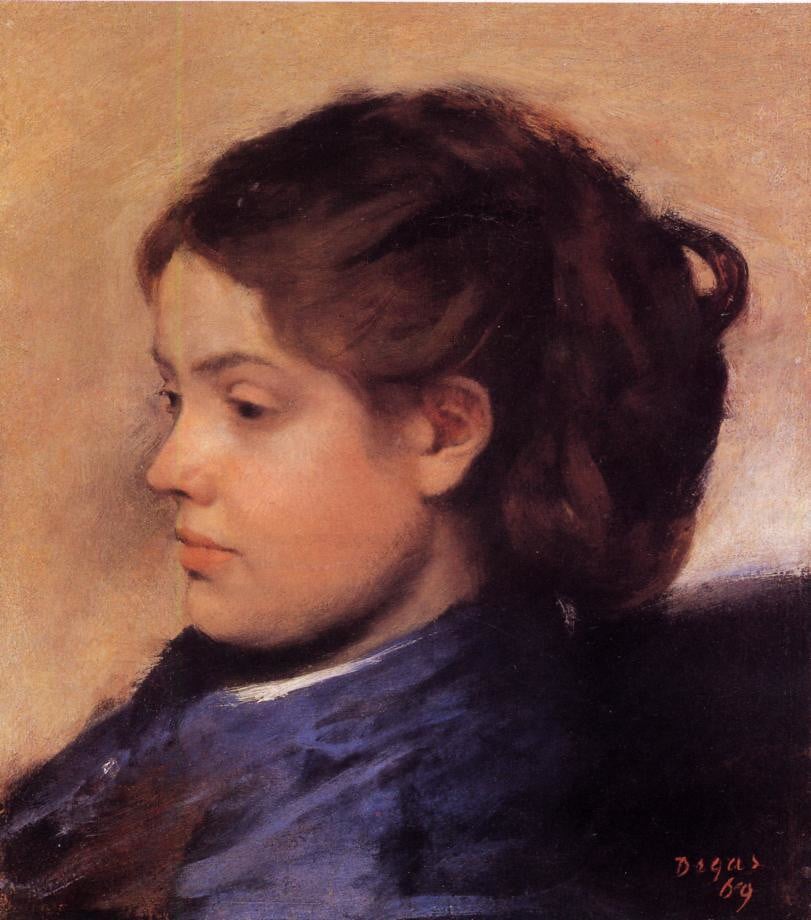
Edgar Degas’s Portrait of a Woman, in the National Gallery of Victoria in Melbourne, had long shown faint signs of another face beneath. In 2016, researchers used synchrotron X-ray fluorescence to scan the painting and produced a detailed image of the hidden portrait.
It showed Emma Dobigny, a model Degas painted several times. The technique allowed scientists to reconstruct the colors of her face without damaging the work above, an achievement that attracted wide scientific attention.
Van Gogh’s Hidden Self-Portrait in Edinburgh
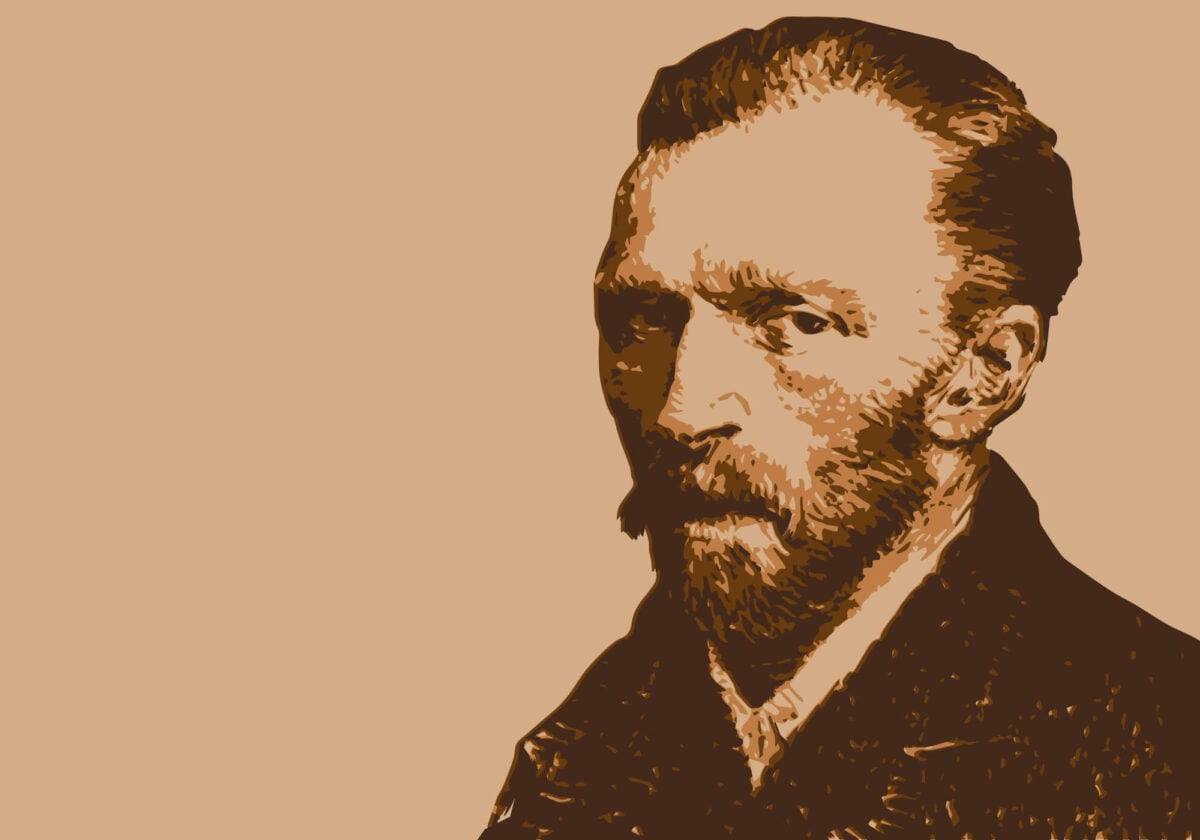
In 2022, experts at the National Galleries of Scotland X-rayed Vincent van Gogh’s Head of a Peasant Woman before an exhibition. On the back of the canvas, hidden under layers of glue and cardboard applied decades earlier, they found a previously unknown self-portrait of the artist.
It showed a bearded man in a brimmed hat with a scarf around his neck. Van Gogh often painted on both sides of canvases to save money, and the gallery began investigating how to uncover it safely.
Wrestlers Beneath Van Gogh’s Flowers
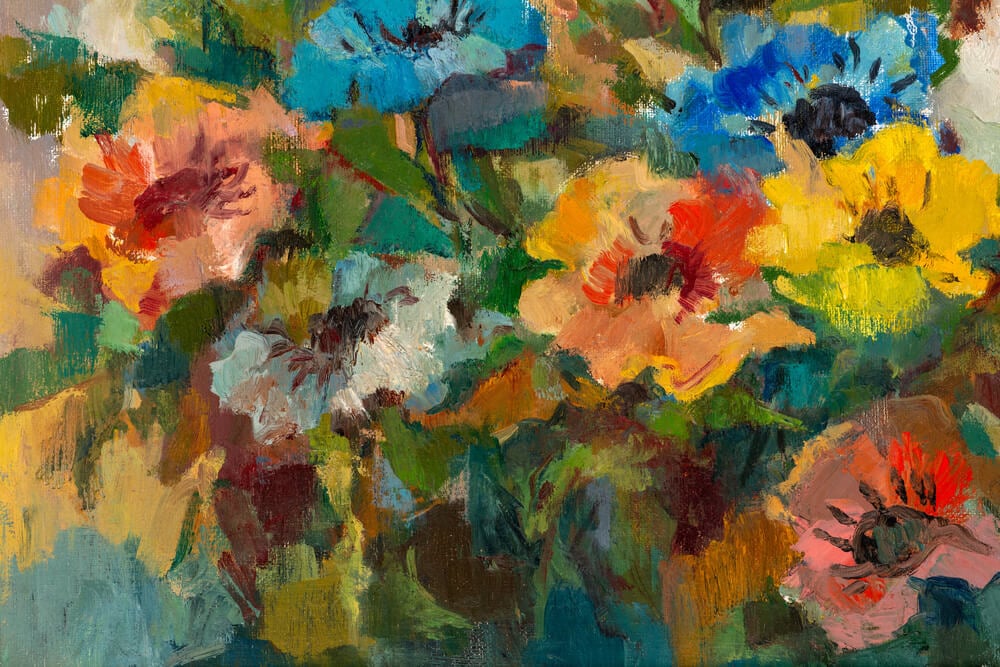
A still life of meadow flowers and roses in the Kroller-Muller Museum in the Netherlands had long been doubted as a genuine Van Gogh because of its unusually large size and style. In 2012, researchers used X-ray techniques and found two wrestlers painted underneath.
Van Gogh had written in a letter about painting wrestlers while studying at the art academy in Antwerp. The discovery confirmed the still life as his work, since he had reused his own canvas.
A Woman’s Head Under Patch of Grass
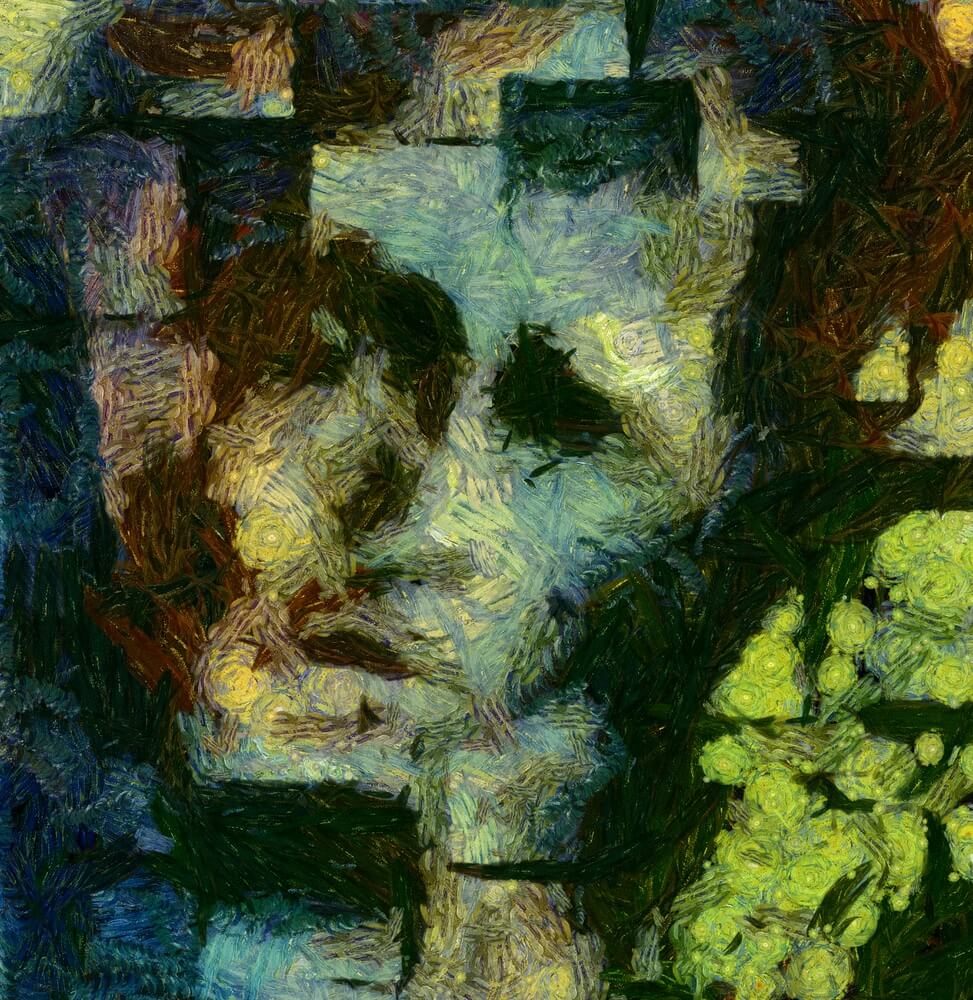
Van Gogh’s small painting Patch of Grass, from 1887, shows a simple study of vegetation. X-rays had hinted at a figure underneath, but the image was too faint to read.
In 2008, scientists used synchrotron radiation to create a detailed color reconstruction of the hidden image, a portrait of a peasant woman. It was likely painted in Nuenen, where Van Gogh created many studies of rural workers.
The project became a landmark in the use of new imaging for art history.
Picasso’s Crouching Woman Over a Landscape

Pablo Picasso’s La Misereuse Accroupie, or Crouching Woman, painted in 1902 during his Blue Period and owned by the Art Gallery of Ontario, hid a surprise. In 2018, researchers announced that beneath it lies a landscape by another Barcelona artist, which Picasso turned sideways and used as the basis for his figure.
The contours of the hills appear to line up with the woman’s back. Picasso seems to have been short of canvases and reused whatever was available.
Bearded Man in a Bow Tie Under The Blue Room
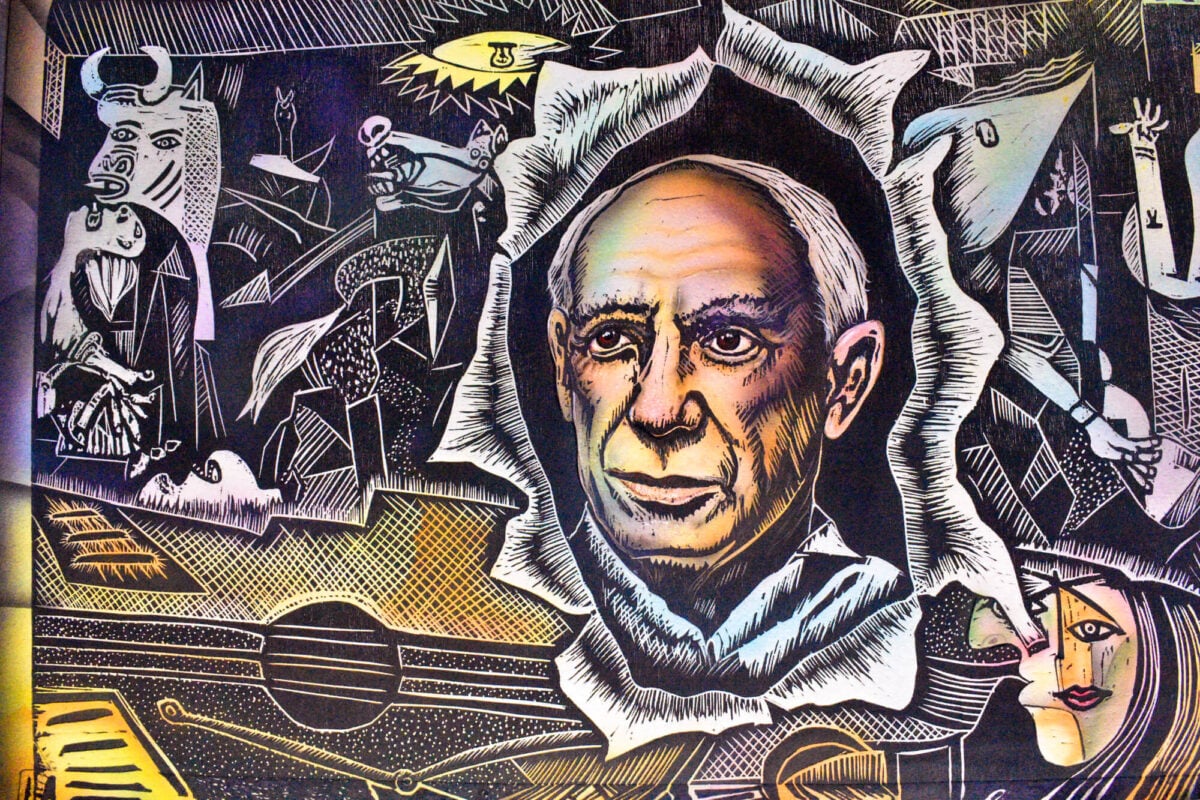
Conservators had suspected since the 1950s that Picasso’s The Blue Room, at the Phillips Collection in Washington, concealed another image. In 2014, improved infrared imaging revealed the portrait of a bearded man in a bow tie, resting his head on his hand.
Experts believe it was painted in Paris in 1901 and could depict one of the art dealers or friends in Picasso’s circle. His identity remains unknown, and the mystery continues to intrigue researchers.
Ghostly Figures in The Old Guitarist
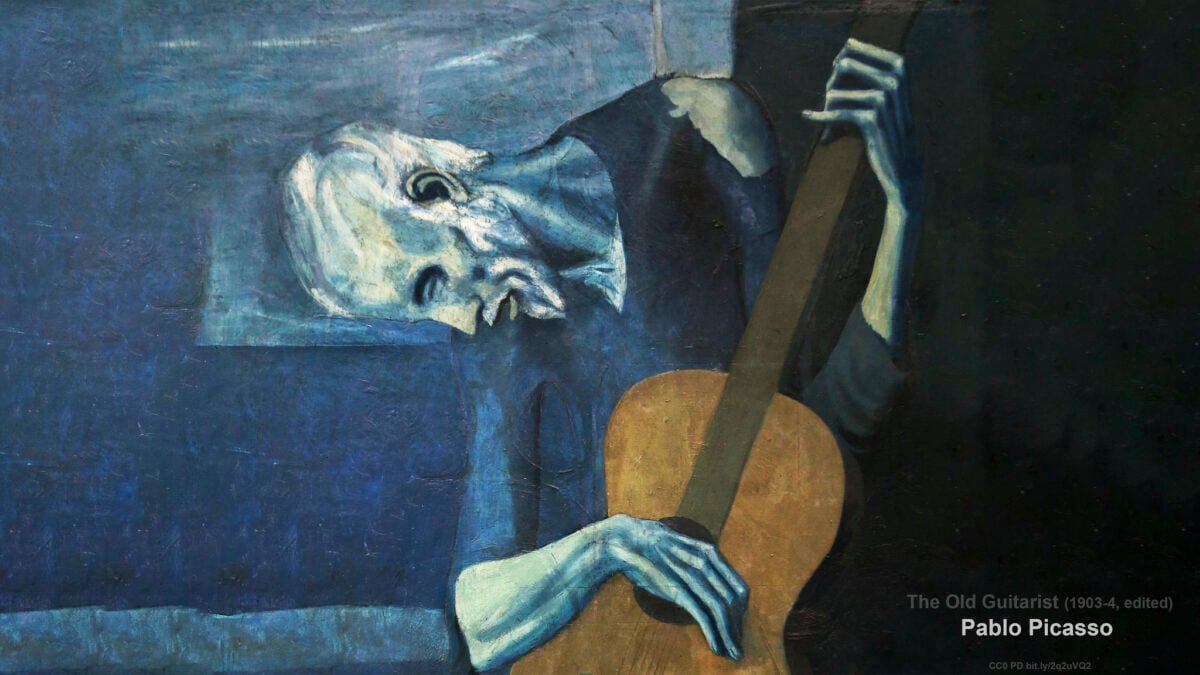
Picasso’s The Old Guitarist, at the Art Institute of Chicago, is one of the best-known works of his Blue Period. Visitors looking closely can see faint outlines of another figure’s head showing through the thin paint near the guitarist’s neck.
X-rays and infrared imaging revealed earlier images beneath, including a young woman and other figures. Picasso was poor at the time and routinely painted over canvases, leaving the earlier compositions to show through as the paint aged.
An Upside-Down Man Beneath Woman Ironing
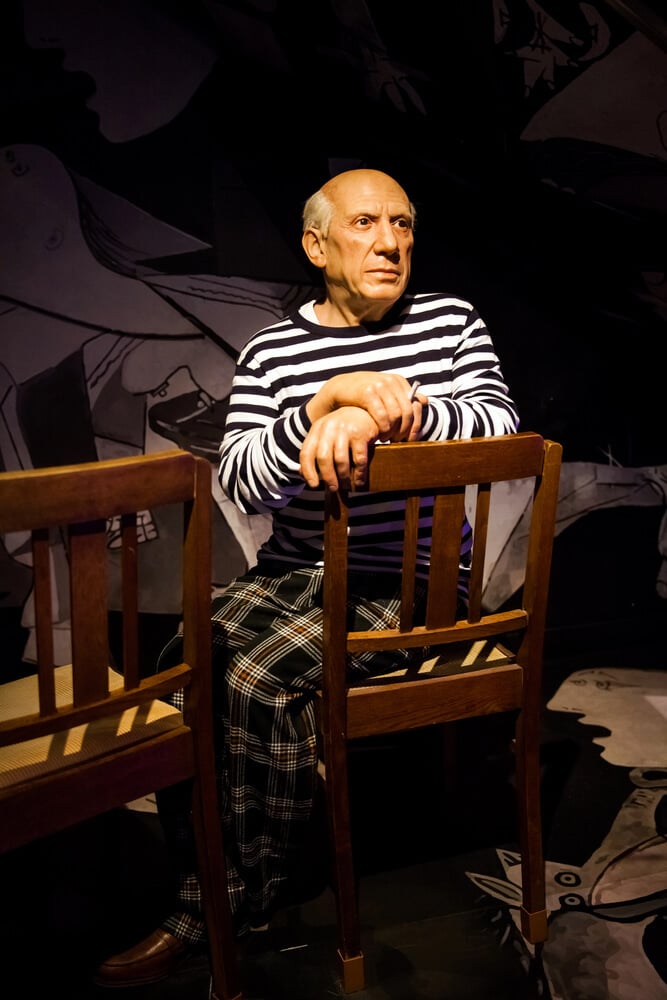
Picasso’s Woman Ironing, painted in 1904 and owned by the Guggenheim Museum in New York, shows a thin, exhausted laundress bent over her work. In 1989, infrared photography revealed a portrait of a mustached man beneath the painting, turned upside down relative to the woman.
The man is thought to be one of Picasso’s acquaintances from his early years in Paris. The discovery offered another example of Picasso reusing canvases during his poorest period.
Colored Compositions Under Malevich’s Black Square
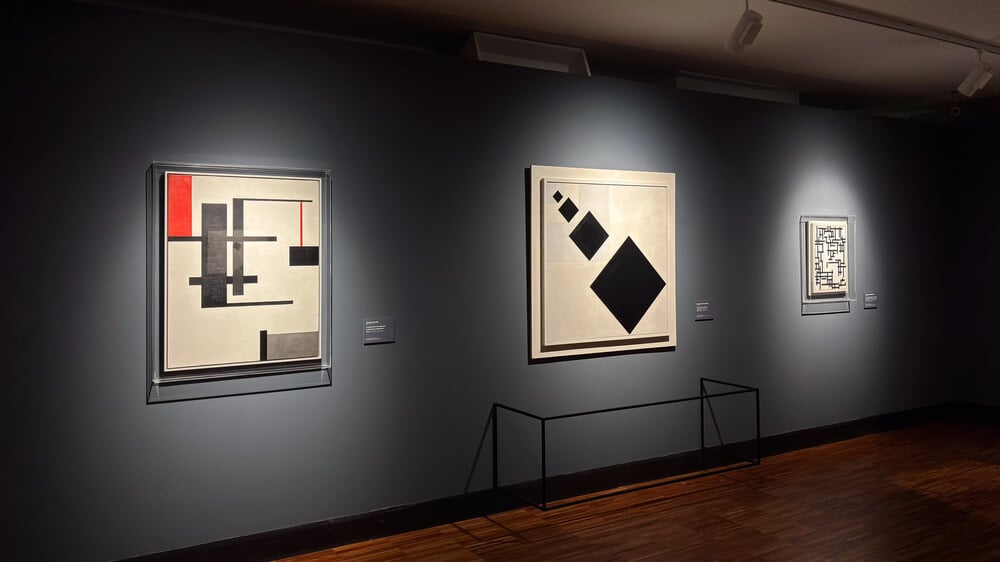
Kazimir Malevich’s Black Square, first shown in 1915 and now in the Tretyakov Gallery in Moscow, is considered a founding work of abstract art. In 2015, researchers used X-rays to find two earlier color compositions beneath the black paint.
They also discovered a handwritten inscription on the surface, which experts linked to a joke by the French humorist Alphonse Allais about a black painting. The findings suggested that even this radical image grew out of earlier experiments.
Magritte’s Cut-Up Painting Found in Pieces
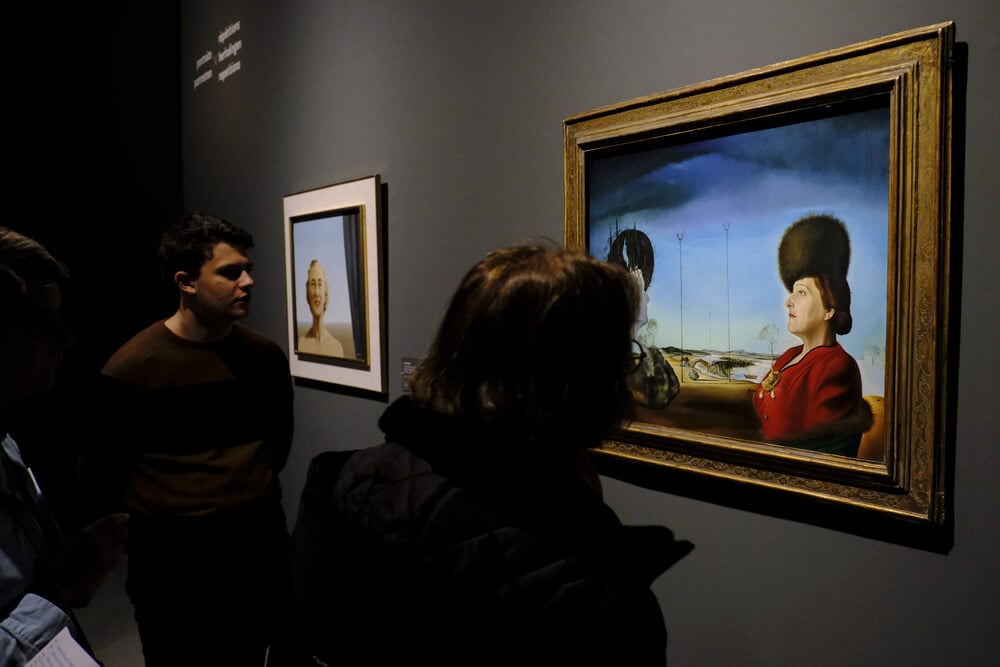
In 1927, Rene Magritte exhibited La Pose Enchantee, a painting of two women standing side by side. The work then vanished.
In 2013, a researcher at the Museum of Modern Art in New York found part of it beneath Magritte’s painting The Portrait while examining it with X-rays. Further research revealed that Magritte had cut the lost painting into four pieces and reused each as a canvas for new works.
Researchers have since located all four pieces in different collections.
Every Canvas Keeps a Draft
Hidden images change how masterpieces are understood. A painting once seen as a flash of genius turns out to be the result of revision, reuse and second thoughts.
That makes the artists more human without making the art any smaller. Scanning technology keeps improving, so more discoveries are almost certain.
Each one adds a layer to the story, much as the artists added layers of paint. The pictures on museum walls may be finished, but the knowledge of what lies beneath them is still growing.
More from Go2Tutors!

- The Romanov Crown Jewels and Their Tragic Fate
- 13 Historical Mysteries That Science Still Can’t Solve
- Famous Hoaxes That Fooled the World for Years
- 15 Child Stars with Tragic Adult Lives
- 16 Famous Jewelry Pieces in History
Like Go2Tutors’s content? Follow us on MSN.