Facts about the Forbidden City in Beijing
The Forbidden City stands as one of the most stunning examples of ancient Chinese architecture that still exists today. Built over 600 years ago, this massive palace complex served as the home of emperors and their households for nearly five centuries.
Walking through its gates feels like stepping back in time to when imperial China ruled with absolute power and breathtaking ceremony. Let’s explore what makes this place so special and why millions of visitors flock here every year.
It took a million workers to build
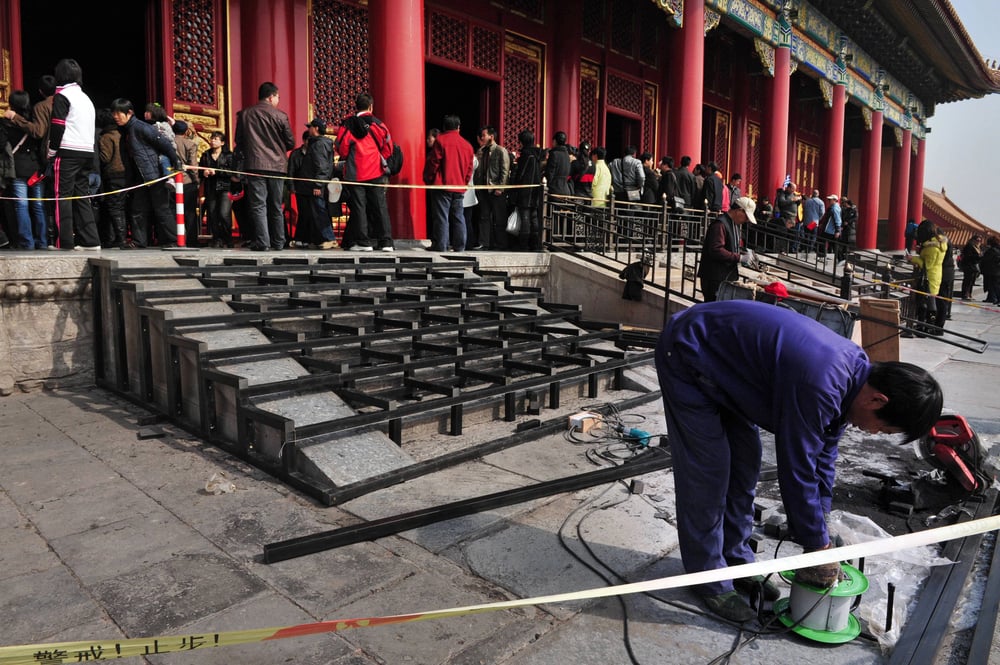
The construction of the Forbidden City began in 1406 under the orders of Emperor Yongle. Over a million workers, including more than 100,000 skilled craftsmen, labored for 14 years to complete this enormous project.
The workers quarried marble, logged precious timber from distant forests, and transported materials across thousands of miles. This wasn’t just construction; it was a national effort that demanded resources from across the entire Chinese empire.
The complex has 980 buildings
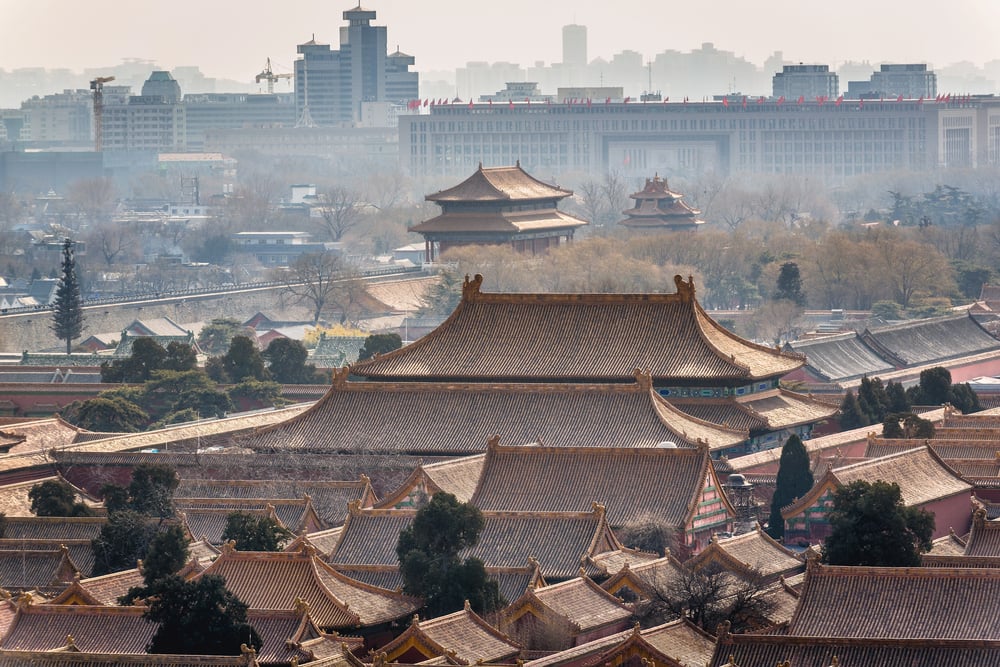
Spread across 180 acres, the Forbidden City contains 980 surviving buildings that showcase traditional Chinese palatial architecture. These structures include grand halls for official ceremonies, smaller buildings for daily life, gardens for relaxation, and numerous courtyards that connect everything together.
Each building served a specific purpose in the intricate dance of court life. The sheer number of structures needed to house an emperor, his family, concubines, servants, guards, and administrators demonstrates just how complex imperial governance really was.
Nearly 10,000 rooms fill the palace
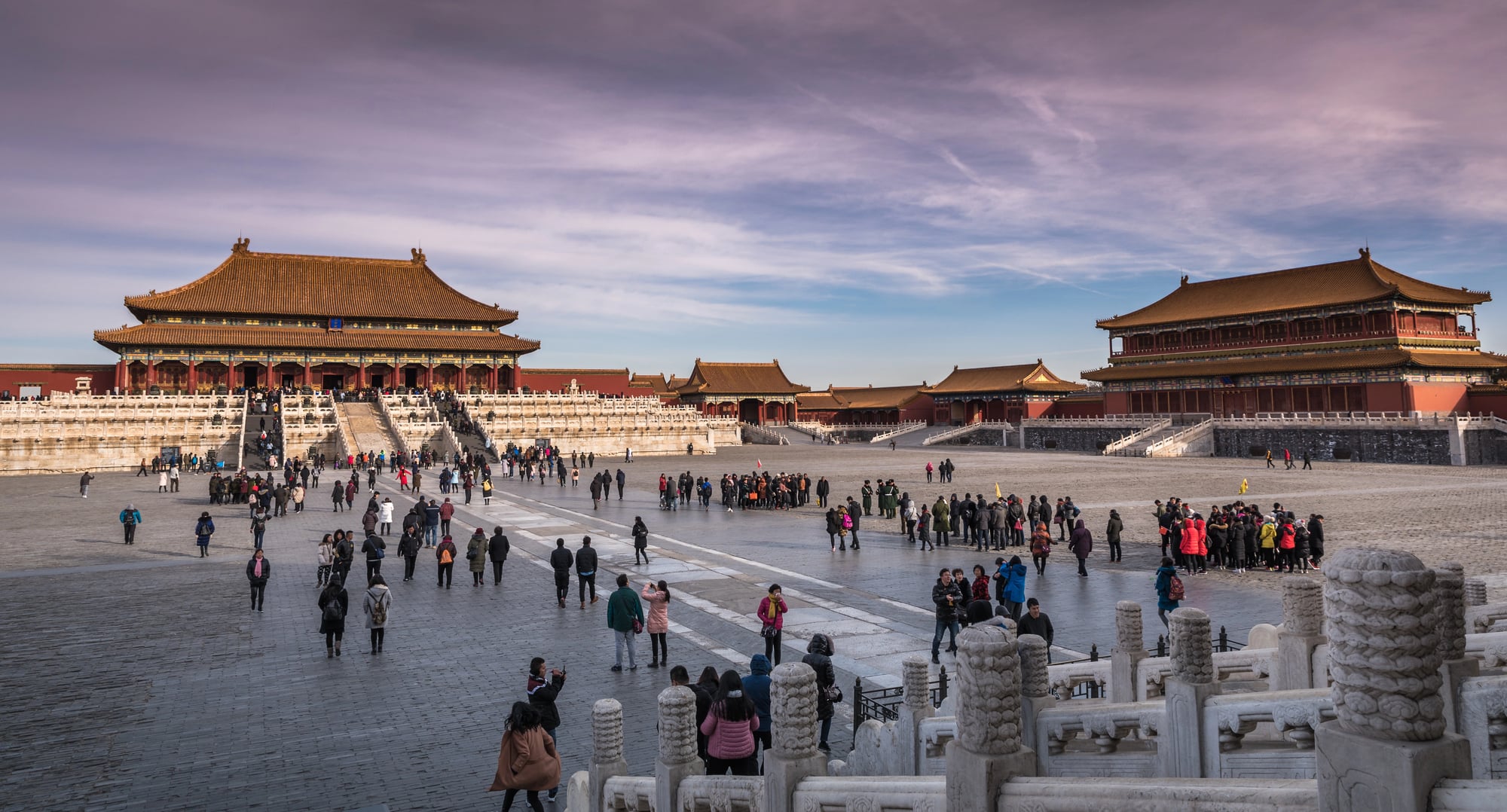
The Forbidden City boasts roughly 9,000 rooms, though the exact count varies depending on how you define a room. Legend claims there are 9,999.5 rooms because only heaven could have 10,000 rooms, and the emperor didn’t want to appear presumptuous.
Walking through this labyrinth of chambers, halls, and corridors could take days if you visited every single space. Many rooms remain closed to the public, preserving their historical state and protecting delicate artifacts from the wear of constant foot traffic.
The color yellow dominates everywhere
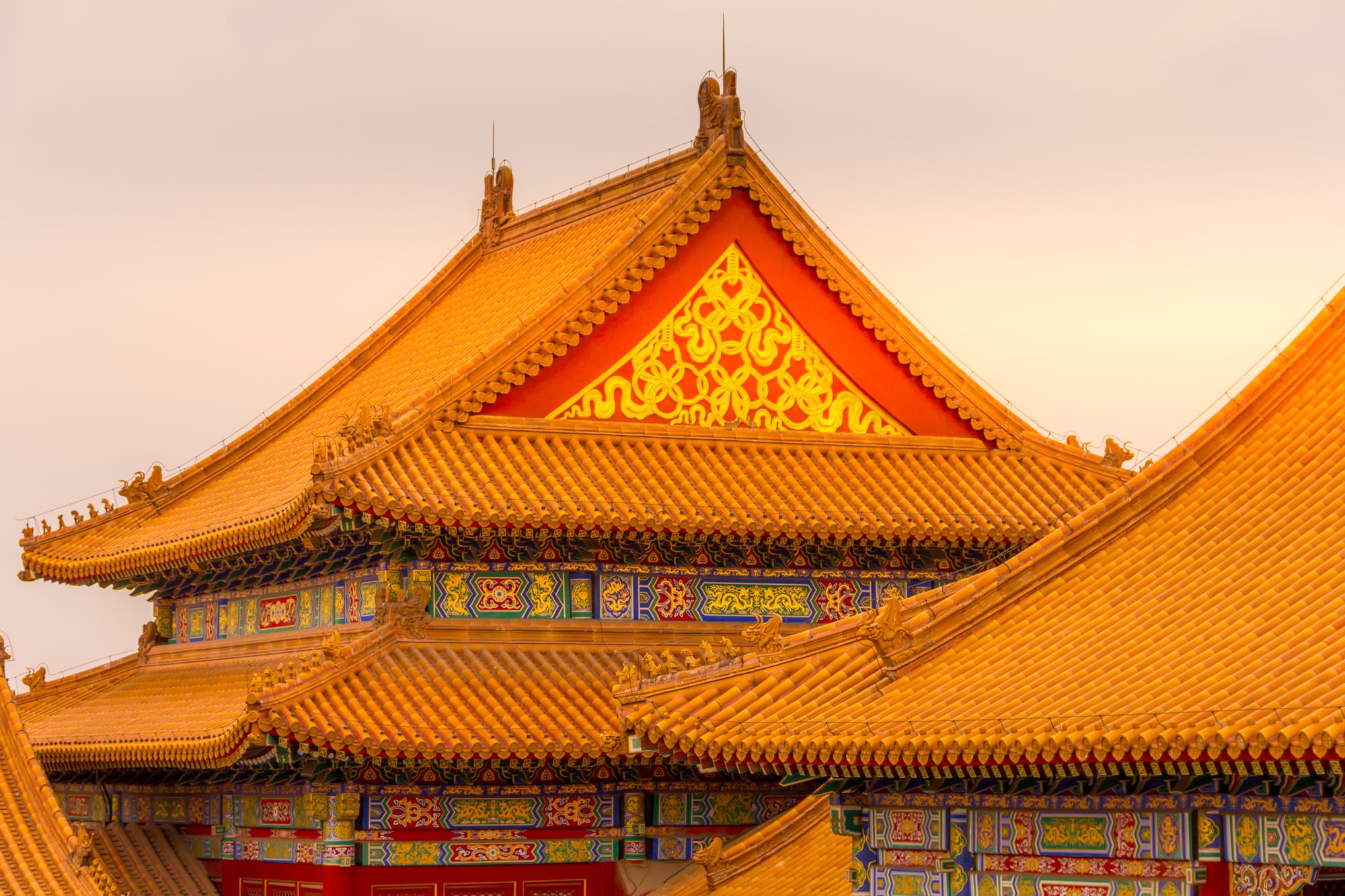
Yellow roof tiles cover most of the major buildings throughout the complex because yellow was the exclusive color of the emperor. Only the imperial family and structures associated with them could display this vibrant hue.
The library building was an exception with black tiles, as black was associated with water and was thought to protect the precious books from fire. This color coding system reinforced social hierarchies and reminded everyone who held ultimate power in Chinese society.
No building is taller than the main halls
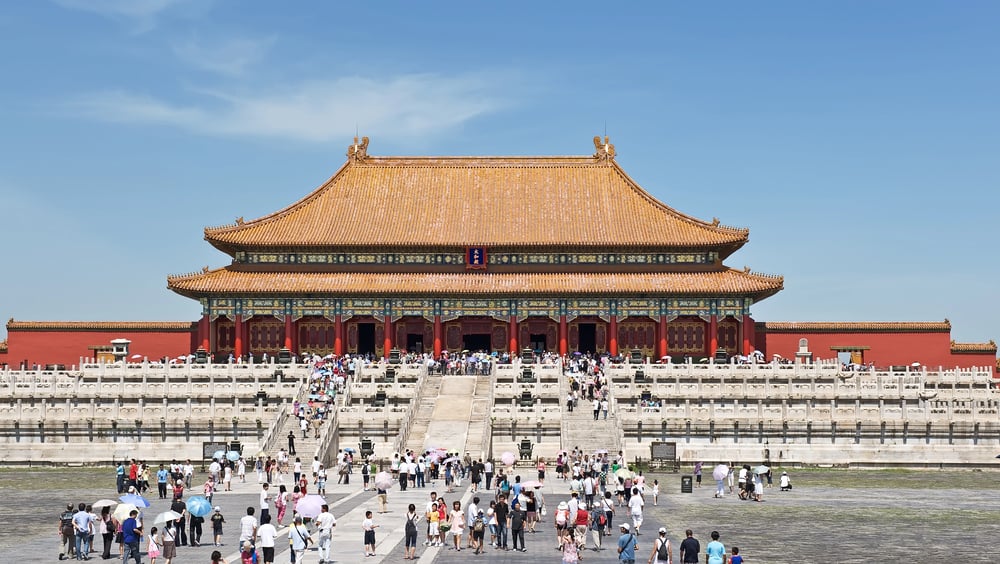
The Hall of Supreme Harmony stands as the tallest structure in the Forbidden City at about 115 feet high. Traditional building regulations prohibited any structure in Beijing from exceeding the height of the main palace buildings.
This architectural rule ensured that nothing overshadowed the emperor’s residence, reinforcing his supreme status visually across the entire cityscape. Even today, height restrictions in central Beijing protect views of this historic complex.
The palace sits on a north-south axis
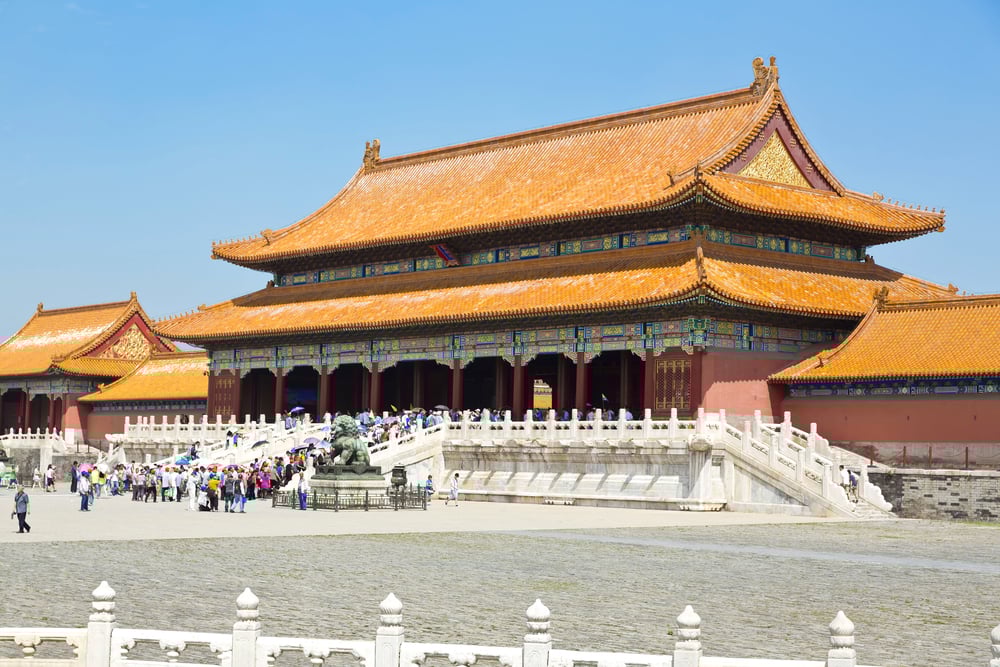
The entire layout follows a strict north-south axis, reflecting ancient Chinese cosmological beliefs about harmony and order. The most important buildings sit directly along this central line, with less significant structures arranged symmetrically on either side.
This design wasn’t arbitrary; it represented the emperor’s role as the intermediary between heaven and earth. Visitors enter from the south through the Meridian Gate and progress northward through increasingly important spaces.
Massive stone carvings required incredible effort
Behind the Hall of Preserving Harmony sits a carved marble ramp weighing over 200 tons. Workers transported this single piece of stone more than 43 miles from the quarry to Beijing.
They created artificial ice roads in winter, pouring water every few hundred feet to create a slippery surface, then dragged the stone on sledges. This engineering feat took 20,000 workers and 28 days of continuous effort just to move one decorative element.
The palace name reflects its forbidden access
For 500 years, commoners couldn’t enter the palace grounds without permission, which usually meant they never entered at all. The imperial court lived in complete isolation from the general population behind these walls.
Guards protected every gate, and unauthorized entry was punishable by death. This separation between rulers and ruled was absolute, creating a mystery around what actually happened inside these walls.
Dragon symbolism appears over 12,000 times
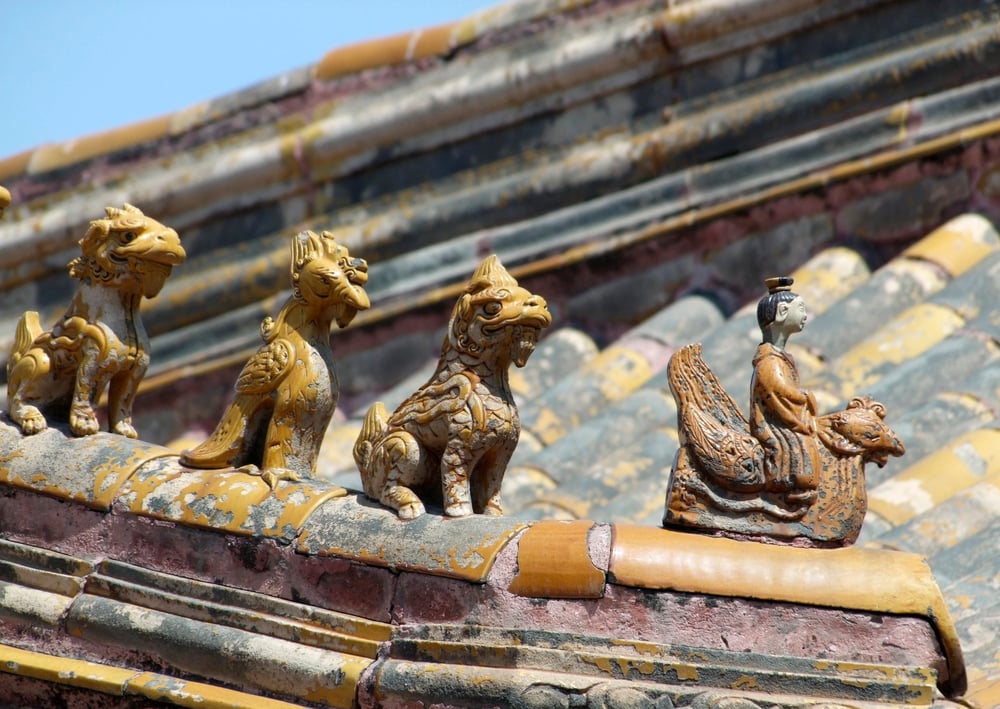
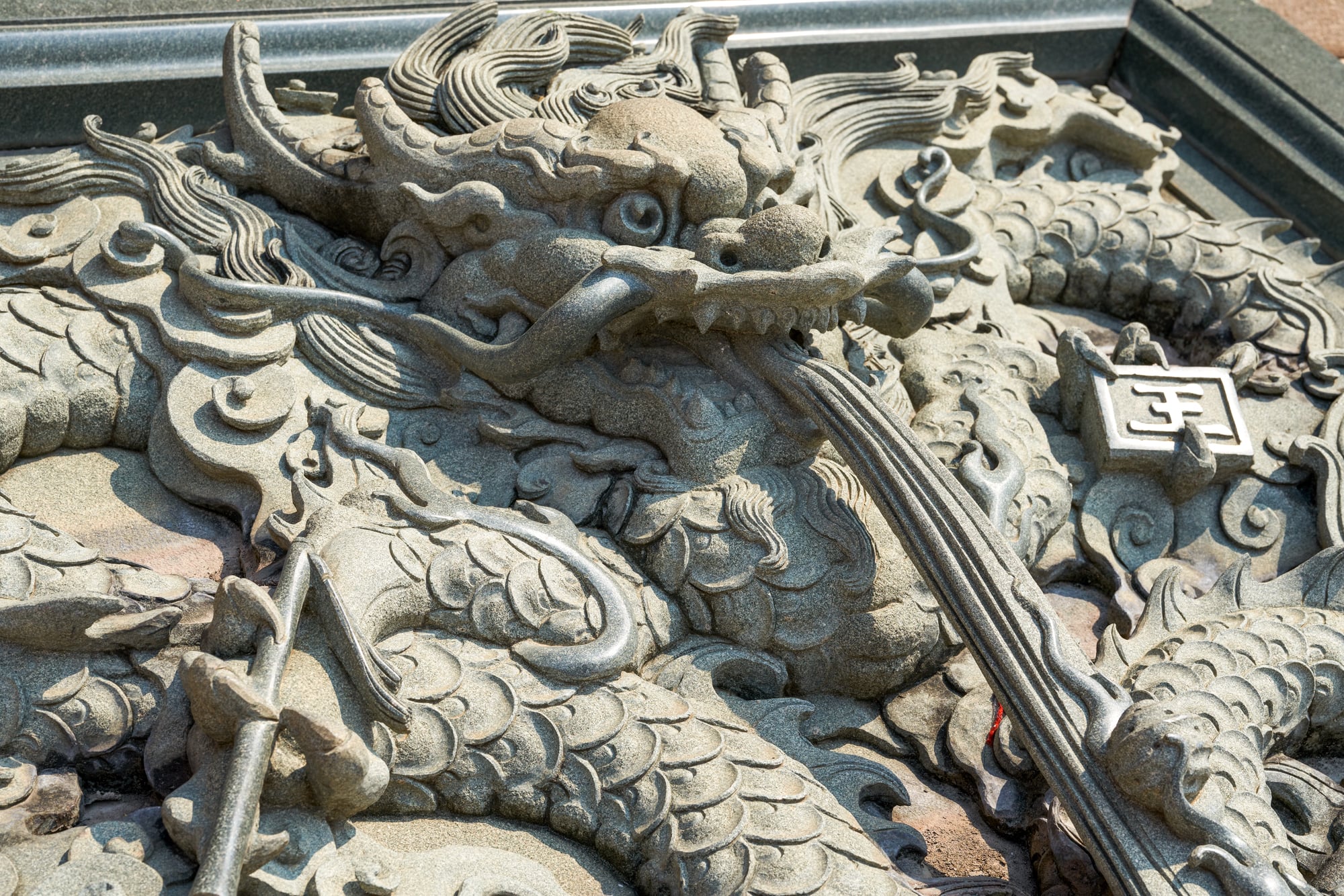
Dragons, representing imperial power and divine authority, appear as decorative elements throughout the complex more than 12,000 times. You can find dragon carvings on staircases, roof decorations, pillars, and painted on walls and ceilings.
The emperor’s throne sits in front of pillars featuring golden dragons winding around them. These mythical creatures served as a constant reminder that the emperor claimed descent from divine beings and possessed supernatural authority.
The outer walls stretch nearly 2.5 miles
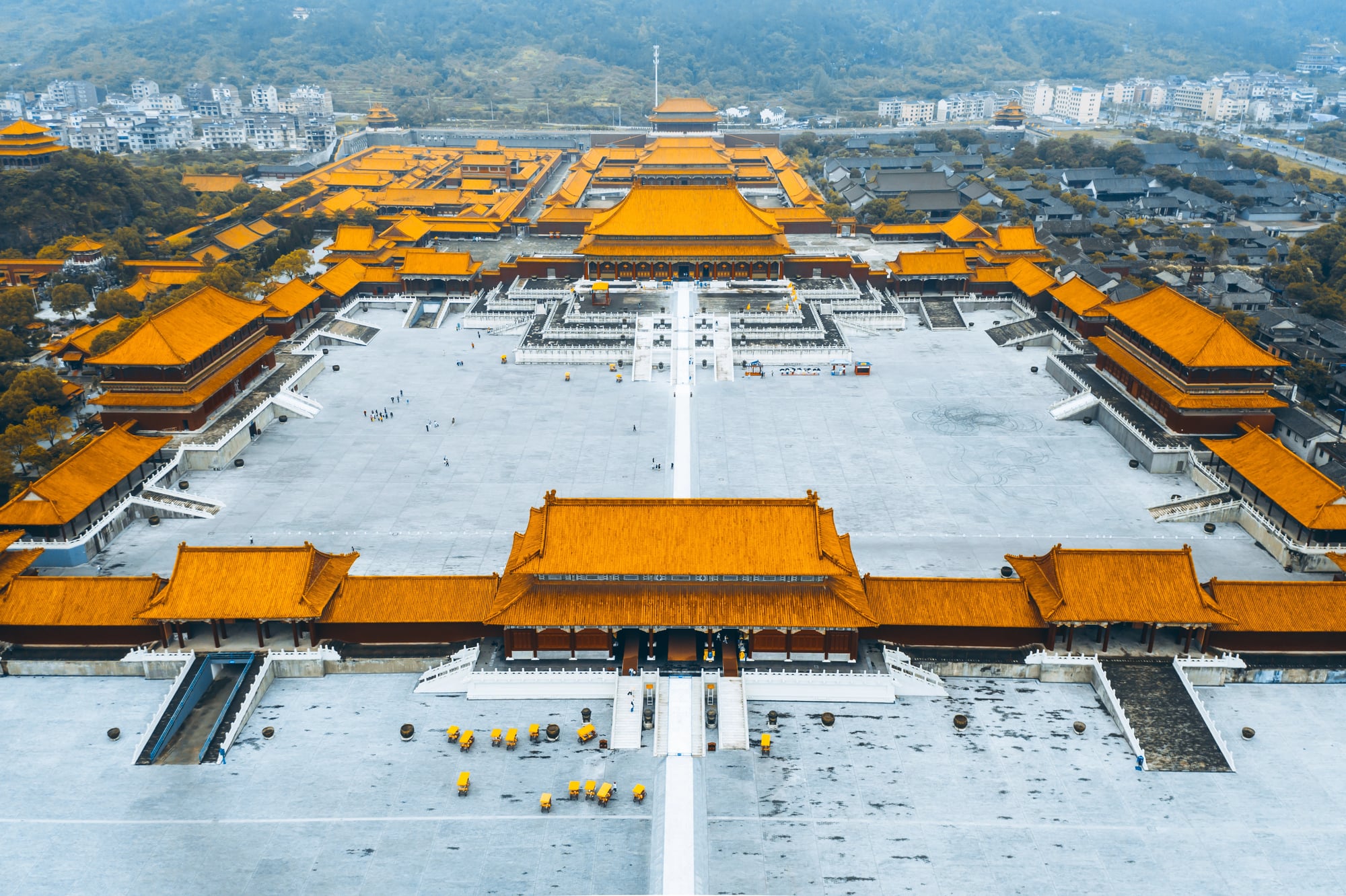
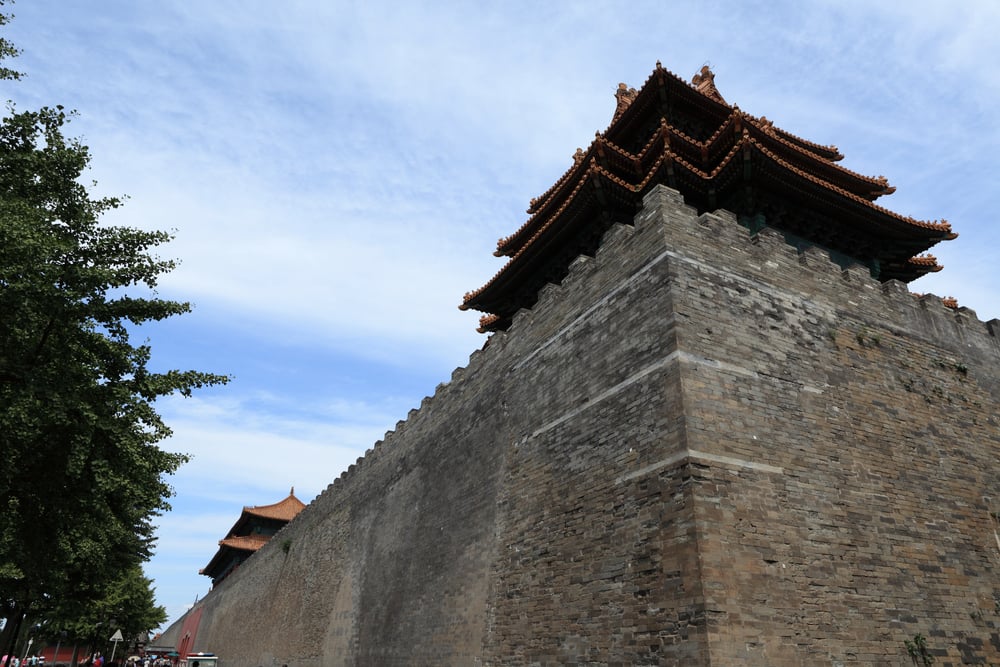
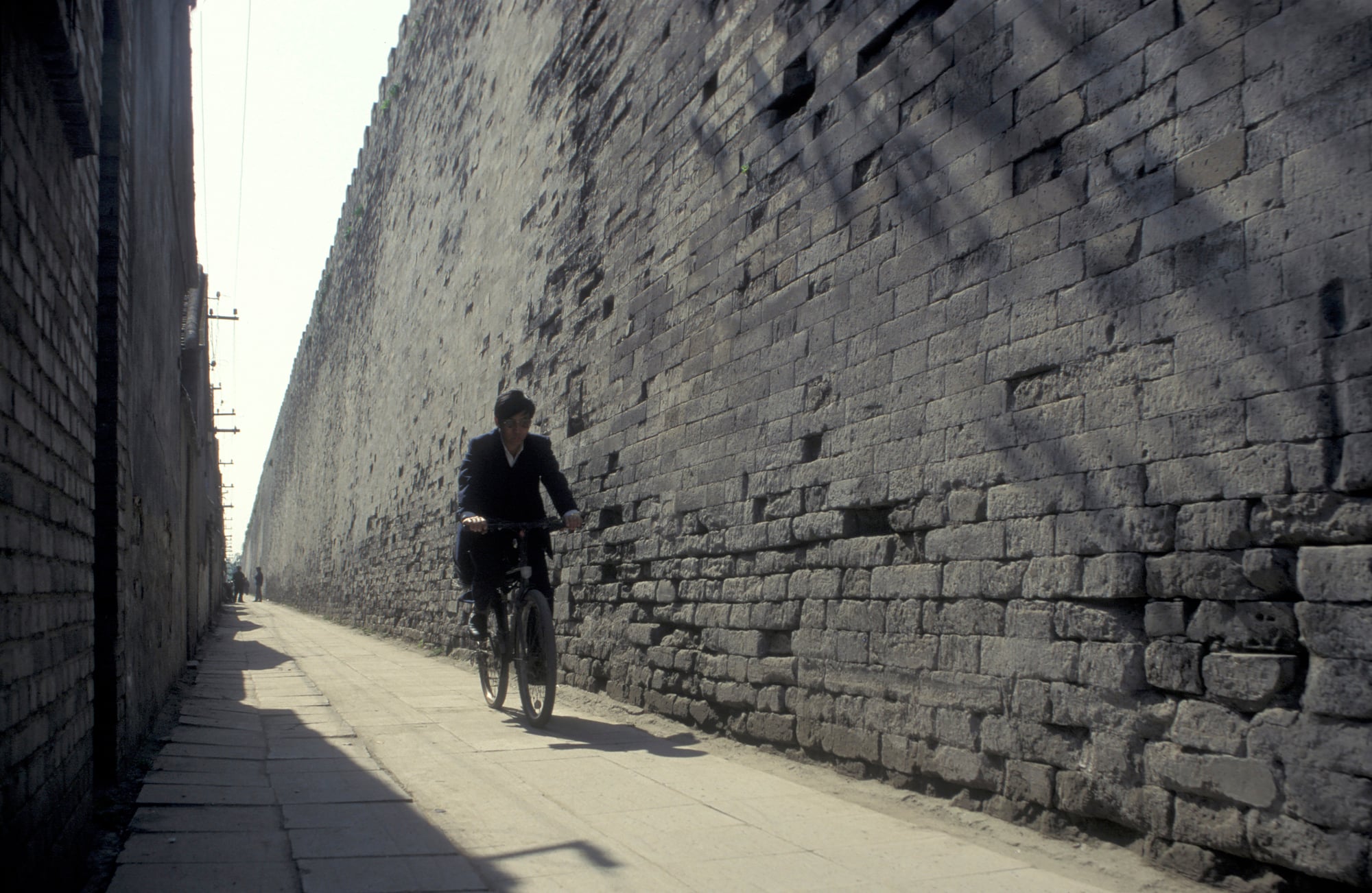
A rectangular wall surrounds the entire Forbidden City, measuring about 2,428 feet on the north-south sides and 3,153 feet on the east-west sides. These walls stand 26 feet high and measure 30 feet thick at the base, making them nearly impenetrable to attackers.
Four corner towers with distinctive roofs rise above the walls, serving both defensive and ceremonial purposes. A moat 170 feet wide and 20 feet deep surrounds the walls, adding another layer of protection.
Twenty-four emperors lived here
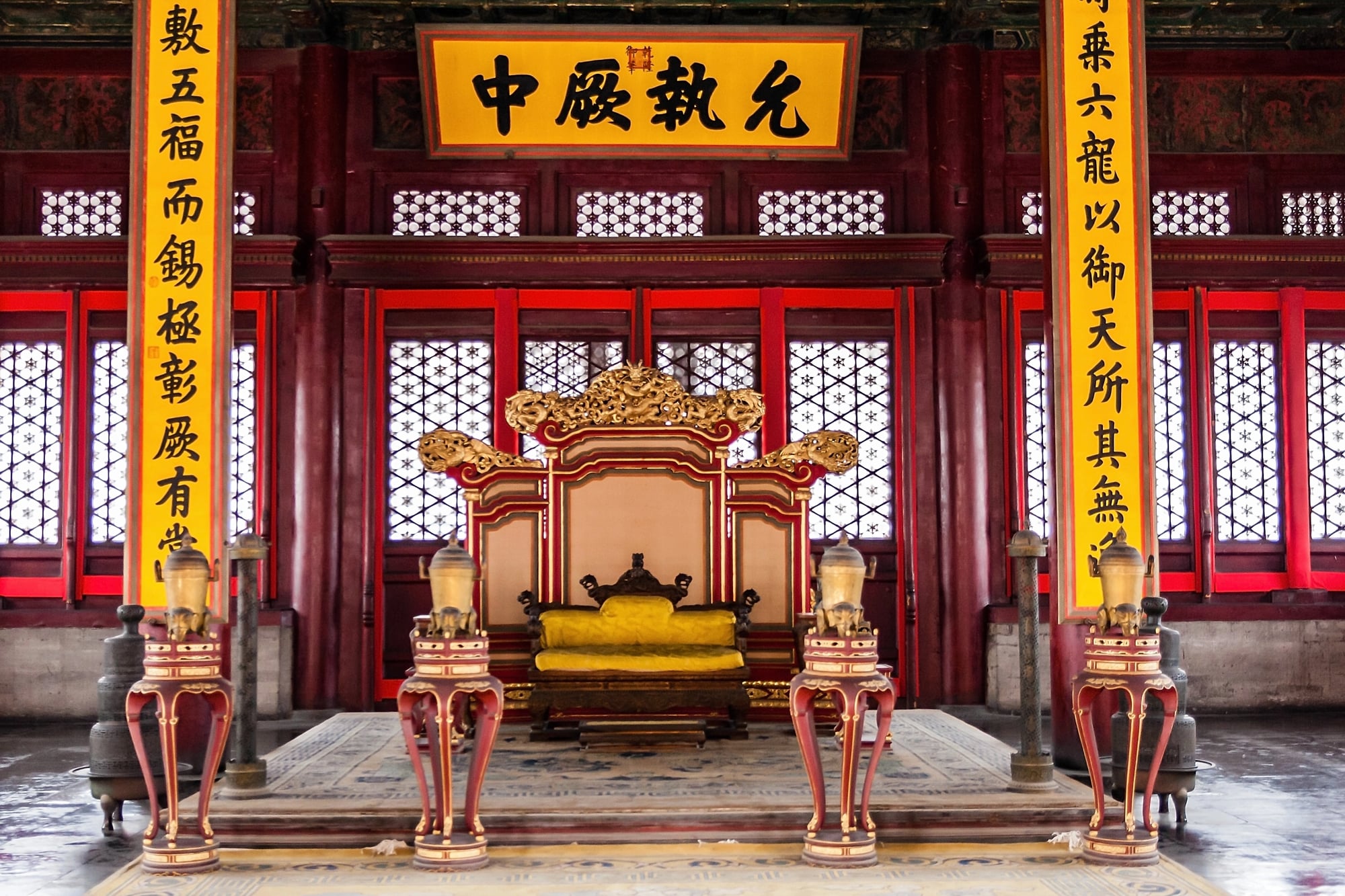
From 1420 to 1912, the Forbidden City served as home to emperors from two dynasties: the Ming and the Qing. Twenty-four emperors ruled China from this complex over those nearly 500 years.
Each emperor left his mark through renovations, additions, or changes to decorations. The last emperor, Puyi, was only three years old when he ascended the throne in 1908 and lived here until 1924 when he was finally expelled.
The palace survived multiple disasters
Despite numerous fires, wars, and upheavals, the Forbidden City has survived relatively intact. Fire posed the greatest threat because traditional wooden architecture burned easily.
Lightning strikes and accidents caused devastating fires throughout the centuries, destroying several major buildings. Restoration efforts have been ongoing for decades, with craftsmen using traditional techniques and materials to maintain historical accuracy.
The complex endured the tumultuous fall of imperial China, civil wars, and foreign invasions.
Temperature control used clever design
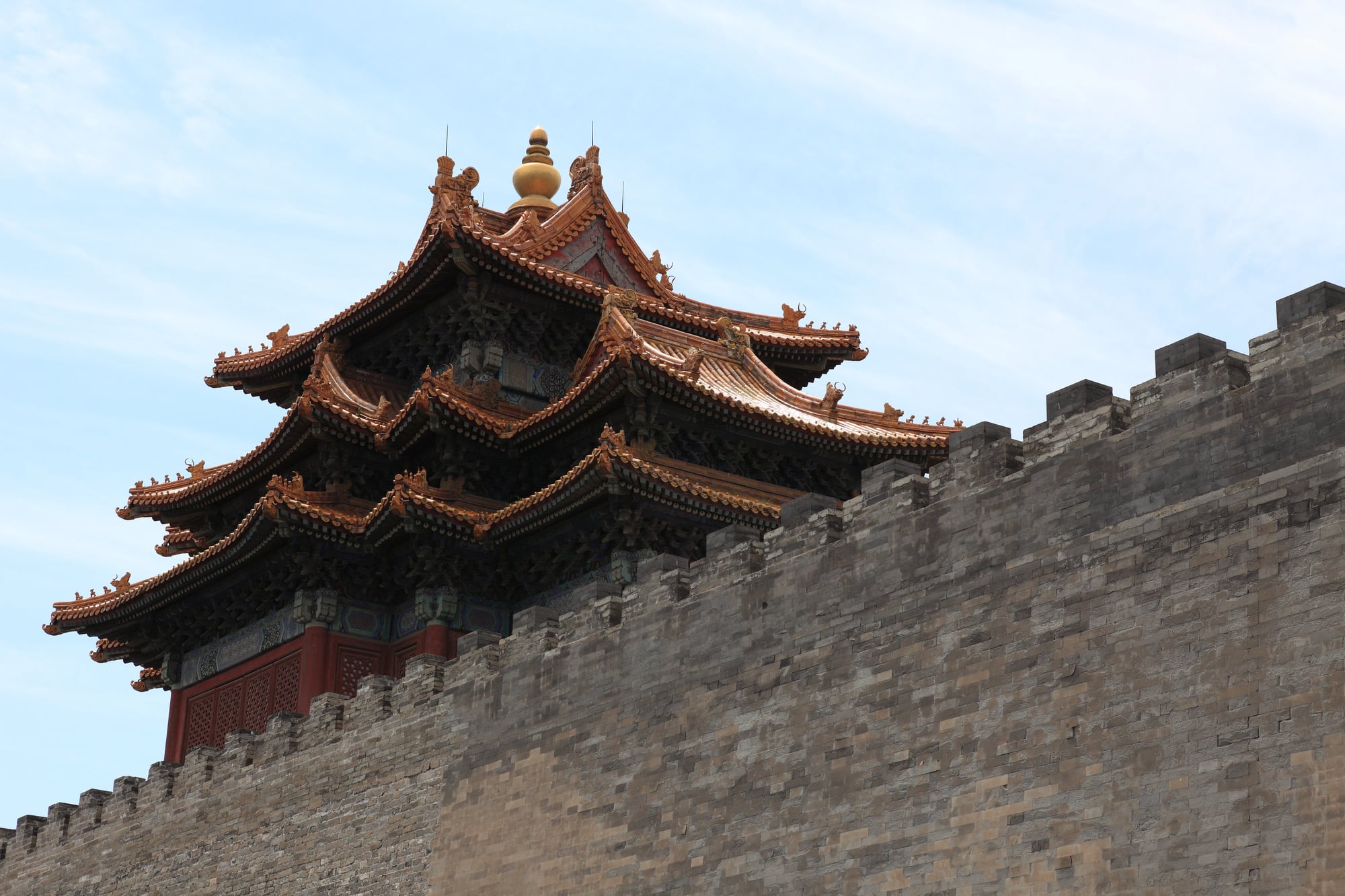
The buildings incorporated sophisticated features to handle Beijing’s extreme seasonal temperatures. Thick walls provided insulation, while courtyards allowed air circulation in summer.
During winter, bronze vessels filled with burning charcoal heated the rooms, and some buildings had hollow floors where hot air could circulate. These passive and active heating methods kept the imperial family comfortable despite brutal winters that regularly dropped below freezing.
Messy pipes stop water from rising
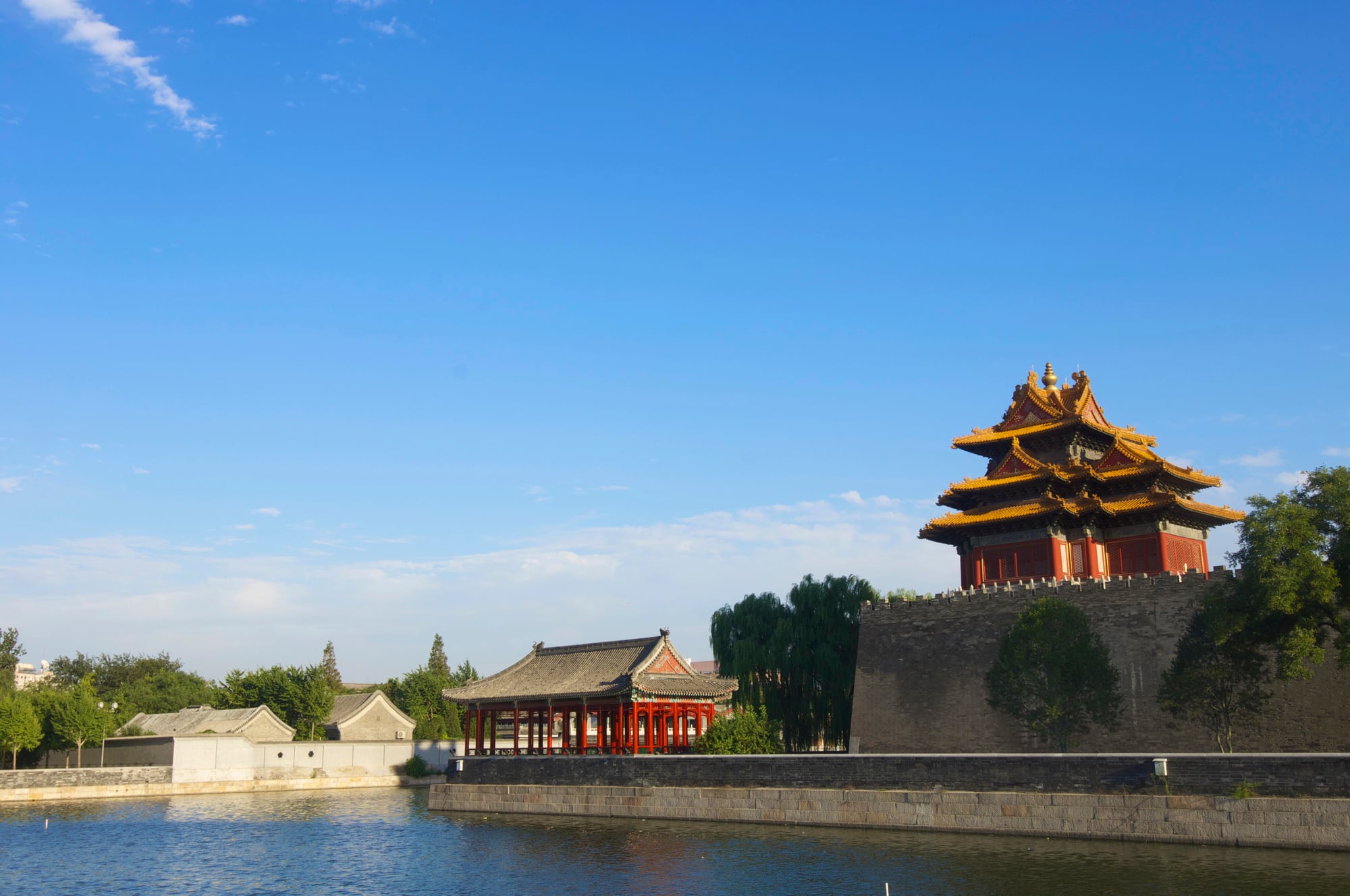
The whole compound’s got a smart runoff setup – thousands of sculpted dragon mouths act as outlets for excess water. Instead of pooling on roofs, rain gets funneled off through these figures and dumped into the ditch around the imperial grounds.
Each open yard tilts just enough to guide liquid toward hidden drains. No standing water near support bases means less rot over time.
That clever layout kept timber frames dry for 600 years, showing how sharp old Chinese builders were when it came to moving water.
The Palace Museum now houses treasures
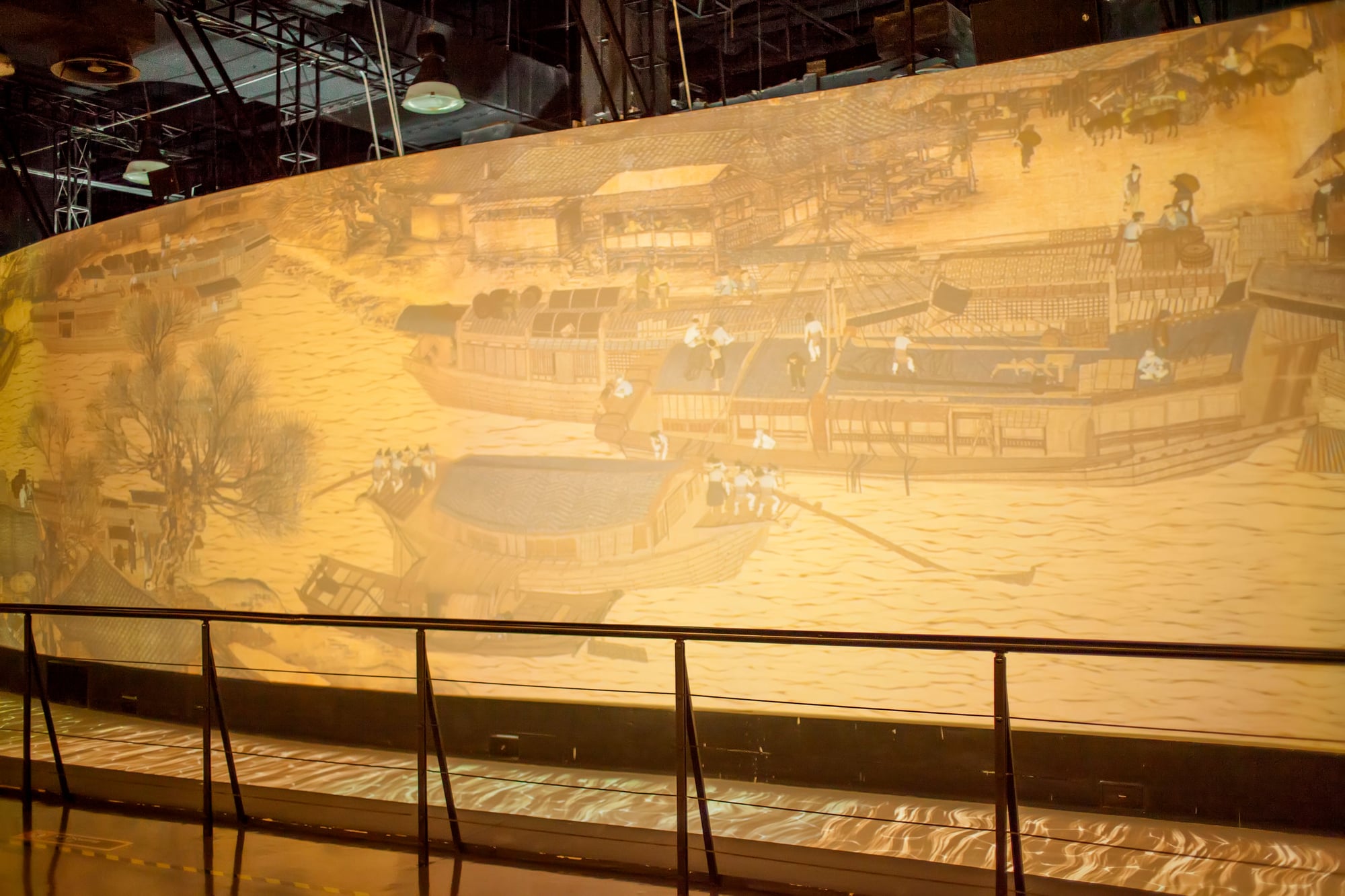
The Forbidden City became the Palace Museum back in 1925 – welcoming people inside like never before. Its holdings feature more than 1.8 million items that cover countless centuries of China’s past.
You’ll find artworks, pottery, carved jade, ancient metalware, along with royal garments spread across display rooms. When the civil conflict ended in 1949, a bunch of valuables got shipped to Taiwan; still, plenty stayed behind.
Exhibits change often, so regular guests usually spot fresh pieces each visit.
It’s known as the globe’s top tourist spot
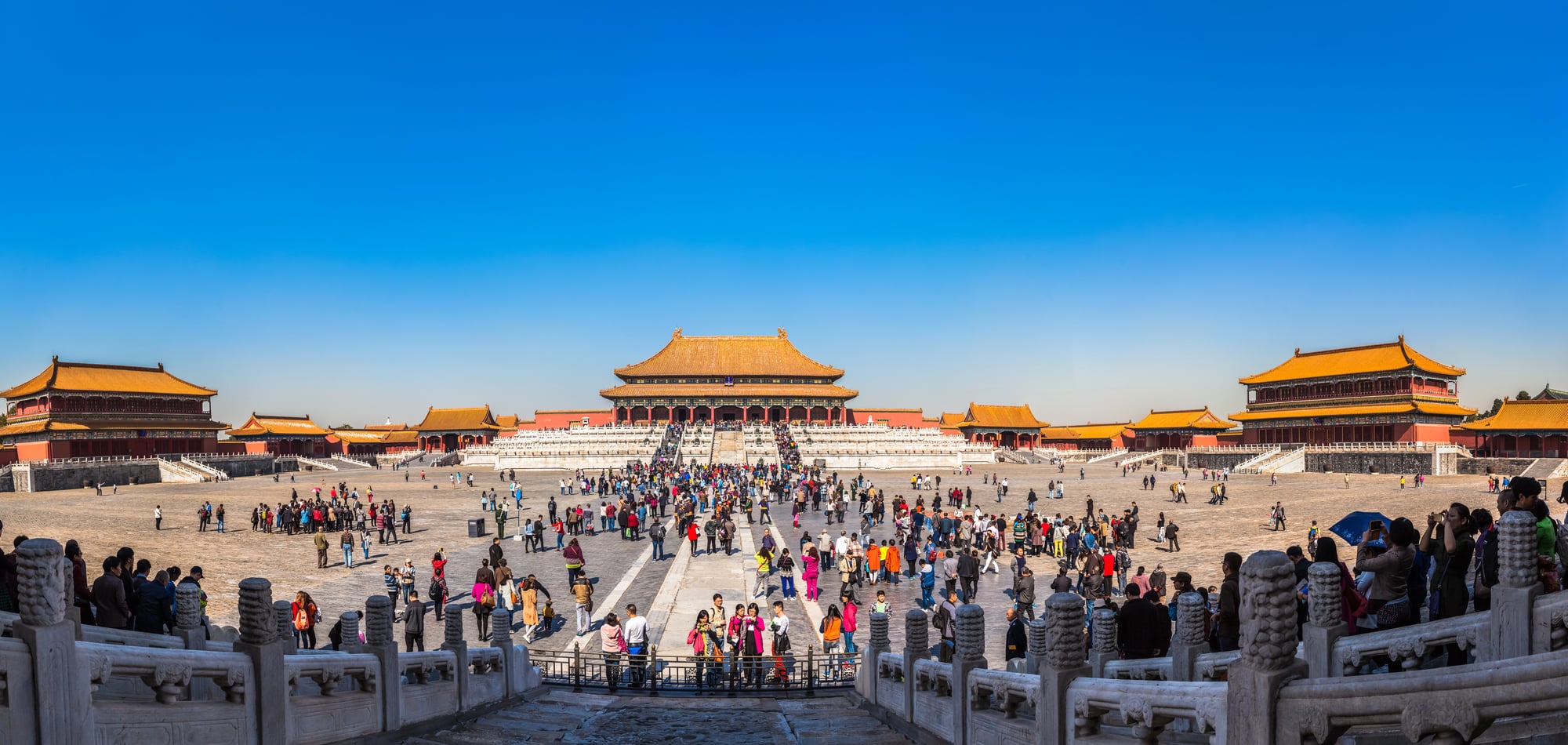
Over 19 million folks stop by the Palace Museum every year – that’s more than any other museum worldwide. When holidays hit in China, tons of tourists pour in, sometimes hundreds of thousands in just one day, which feels pretty intense.
To handle the rush, the site now limits how many people come each day and asks guests to book ahead. Even with crowds moving slowly across open yards, the complex spreads out so wide that hidden spots stay calm – places where you can catch your breath and picture what living there was like back in emperor days.
Back in ’87, UNESCO labeled it significant

The Forbidden City became a UNESCO World Heritage Site in 1987, highlighting its deep significance for people around the world. Called the best surviving model of ancient Chinese palace design, it shaped building styles across East Asia over time.
Global attention from this status brought money for repairs while spreading knowledge of its cultural weight. Because of these protections, kids far ahead will still get to see one of humanity’s most impressive creative feats.
Fresh tech helps keep things safe

These days, old-school skills mix with high-tech tools to save historic sites. By using digital maps, teams log each structure in detail – this way, they can see how things shift through years.
Instead of guessing, experts check real bits of paint or timber to figure out what was used before. With simulations on computers, builders test strength safely, no drilling needed.
On top of that, skilled artisans keep going with age-tested ways when fixing roofs, touching up art, or caring for timber frames.
A real link to the past
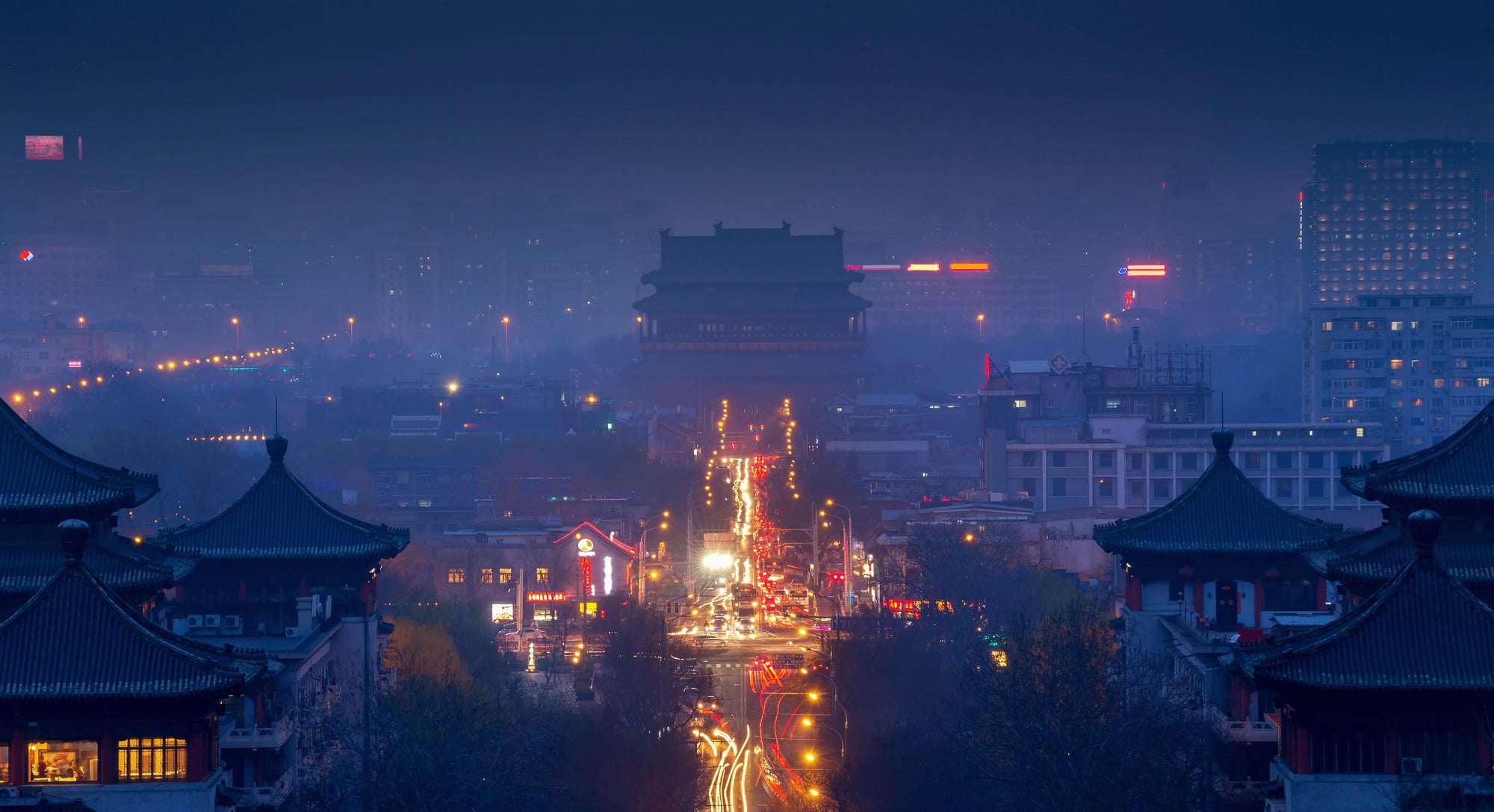
The Forbidden City links old times with today like almost nowhere else. Being in those same open spaces where rulers once gave commands makes history feel real – more than any book ever could.
It shows what happens when drive, creativity, and smart building come together over time. Each sculpted dragon, each golden roof piece, each thick timber frame adds a detail to a bigger tale – not just about control or art, but about builders aiming beyond their own lives.
More from Go2Tutors!

- The Romanov Crown Jewels and Their Tragic Fate
- 13 Historical Mysteries That Science Still Can’t Solve
- Famous Hoaxes That Fooled the World for Years
- 15 Child Stars with Tragic Adult Lives
- 16 Famous Jewelry Pieces in History
Like Go2Tutors’s content? Follow us on MSN.



