32 Restricted Islands, Caves and Vaults the Public Will Never Be Allowed to Enter
Almost anywhere on Earth can be visited for the right price. A few places are different, closed off by law, by danger, by fragile ecosystems or by the sheer value of what they protect.
Some are guarded by soldiers and blast doors. Others are guarded by venomous snakes, rising seawater or a government that simply refuses to issue a permit.
North Sentinel Island in the Andaman Sea
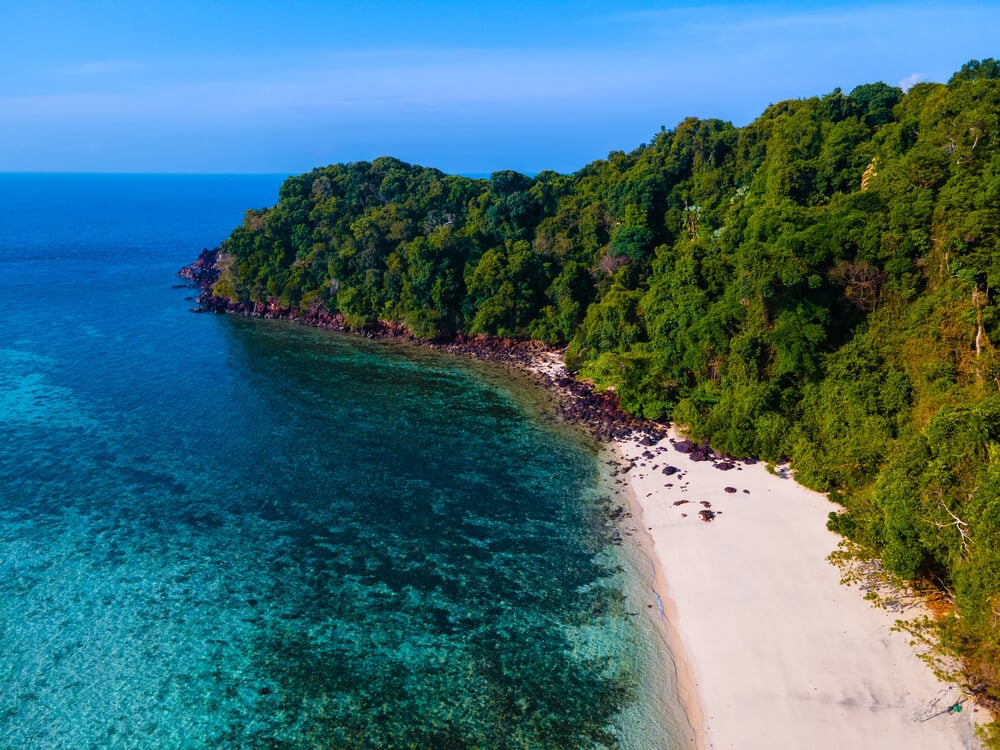
North Sentinel Island, part of India’s Andaman and Nicobar Islands, is home to the Sentinelese, one of the last peoples on Earth living with almost no contact with the outside world. Indian law prohibits approaching the island, both to protect the islanders from diseases they have no immunity against and to protect visitors from a community that has repelled outsiders with arrows; in 2018, an American missionary who illegally landed there was killed, and Indian authorities decided not to try to recover his body.
Snake Island Off the Coast of Brazil
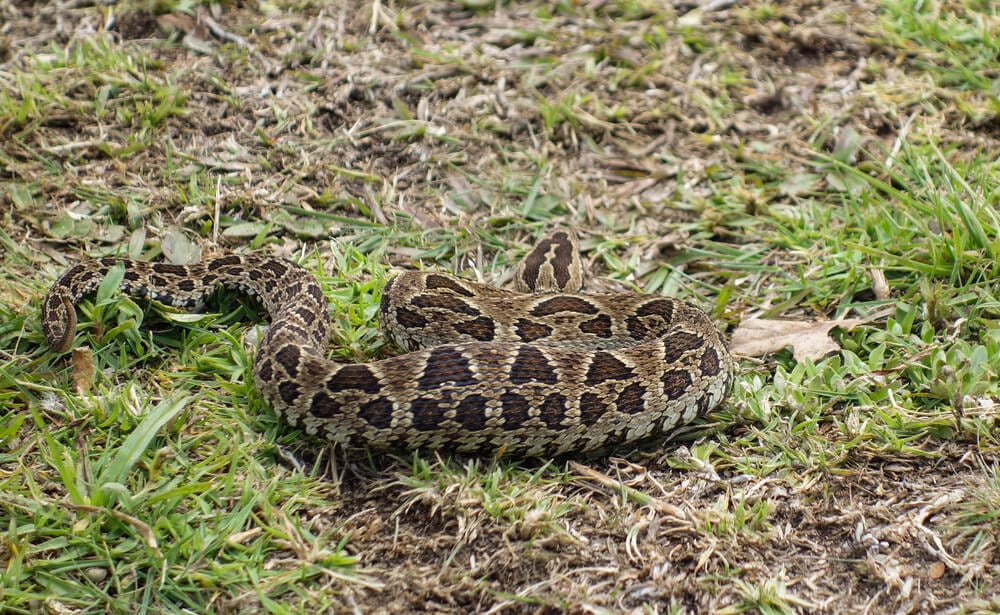
Ilha da Queimada Grande, about 20 miles off the coast of Sao Paulo state, is home to the golden lancehead, a critically endangered pit viper found nowhere else in the world. Estimates of the snake population have varied widely, but the density is high enough that the Brazilian government bans public visits entirely; only the Brazilian Navy, which maintains an automated lighthouse, and approved researchers are allowed ashore, and the snakes have evolved potent venom suited to killing migratory birds on the treeless rock.
Surtsey, the Island Born in 1963
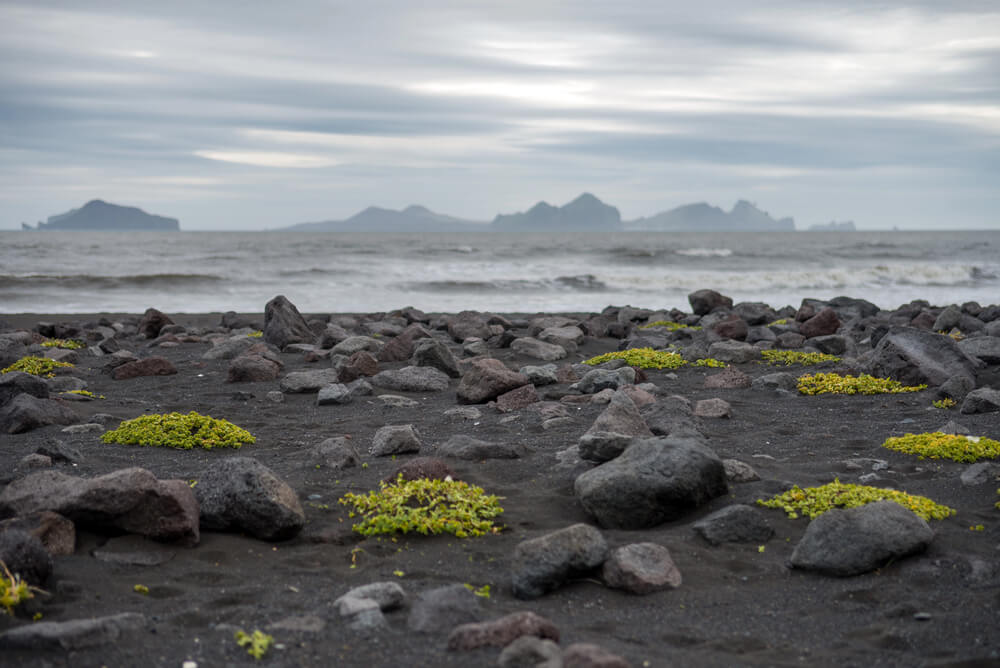
Surtsey rose out of the ocean off Iceland’s southern coast during a volcanic eruption that began in November 1963 and continued until 1967. Scientists recognized an unprecedented opportunity to watch how life colonizes brand-new land, so the island was protected from the beginning; only a small number of researchers are permitted to land, and they must take care not to bring seeds or organisms with them.
The island has been a UNESCO World Heritage Site since 2008, and its slow greening remains one of biology’s longest-running experiments.
Okinoshima, the Sacred Island of Japan
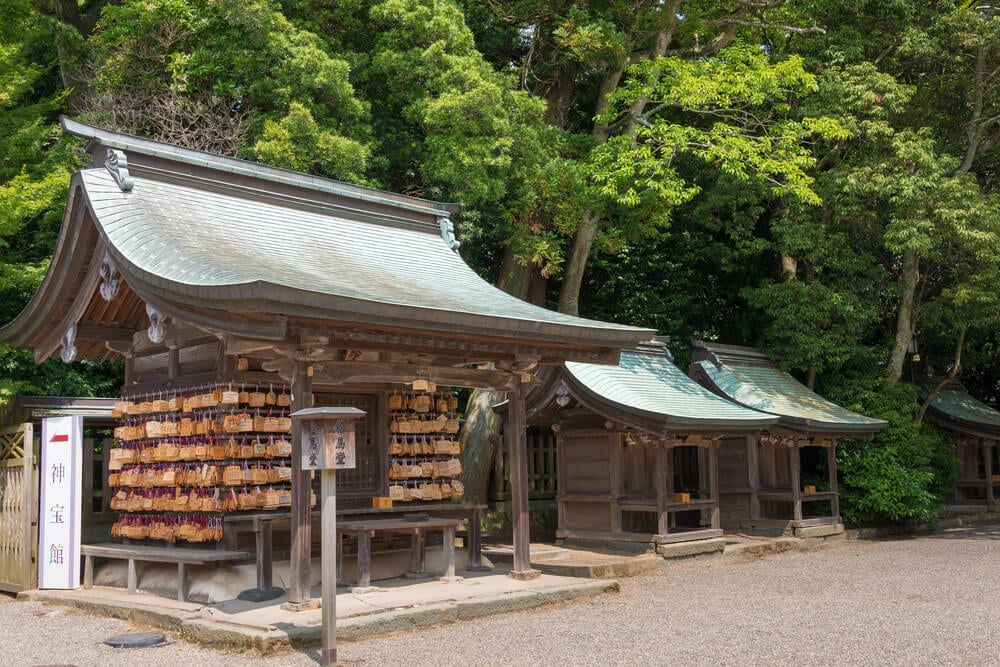
Okinoshima, a small island in the Genkai Sea between Japan and Korea, is considered sacred and belongs to the Munakata Taisha shrine. For centuries, women were forbidden to visit, and men had to undergo a purification ritual in the sea before landing; archaeologists have recovered around 80,000 ritual offerings there, including mirrors and gold rings.
After the island was named a UNESCO World Heritage Site in 2017, the shrine barred all ordinary visitors, ending even the annual event that once allowed a small group of men ashore.
North Brother Island in New York City
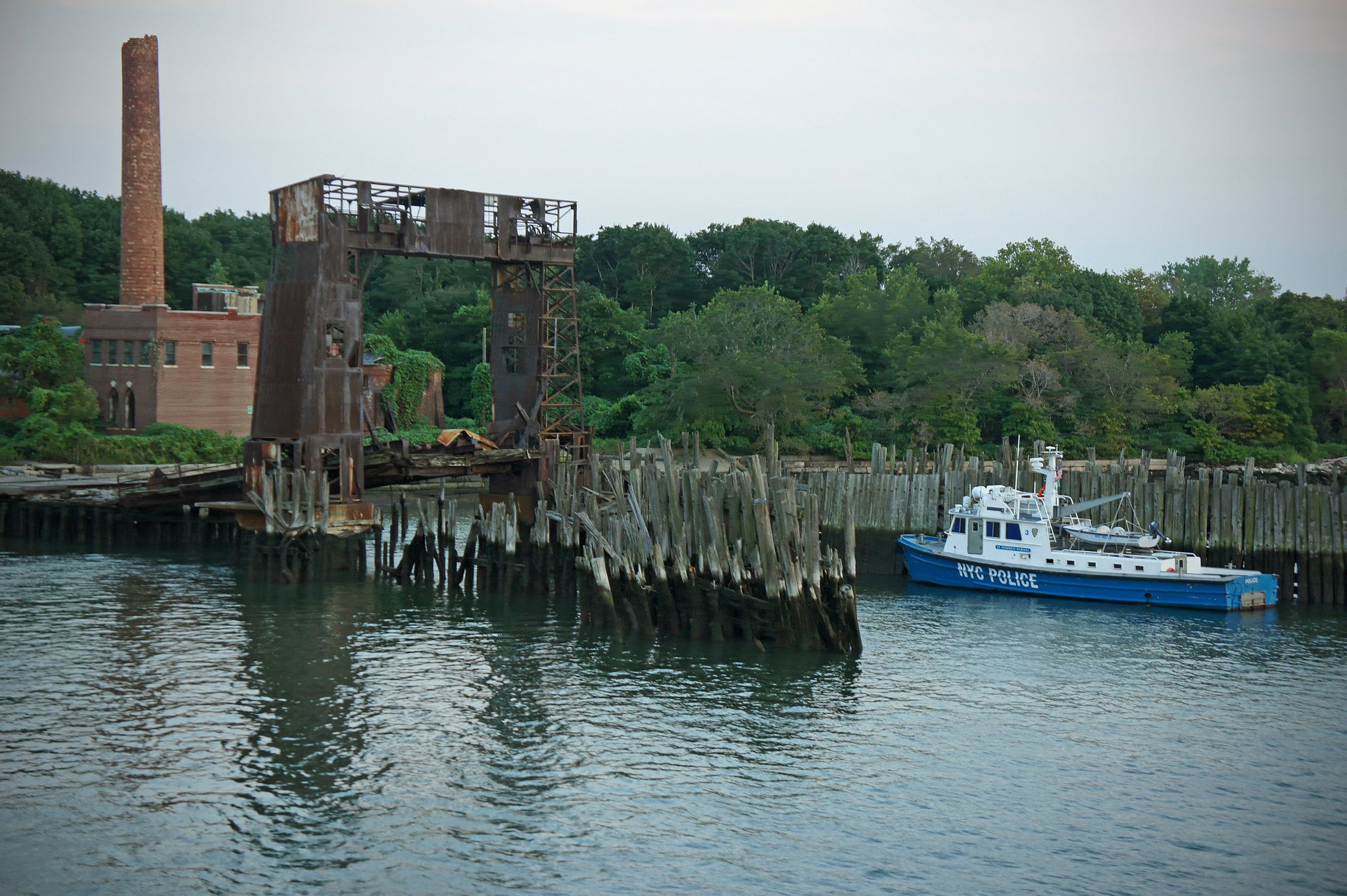
North Brother Island lies in the East River between the Bronx and Rikers Island, yet almost no New Yorkers have set foot on it. It once held Riverside Hospital, where Mary Mallon, known as Typhoid Mary, was confined for years; it later served as housing for veterans and a treatment center for young people struggling with addiction, before being abandoned in the 1960s.
Today the city manages it as a wildlife sanctuary for nesting birds, and public access is prohibited without special permission.
Farallon Islands Outside San Francisco
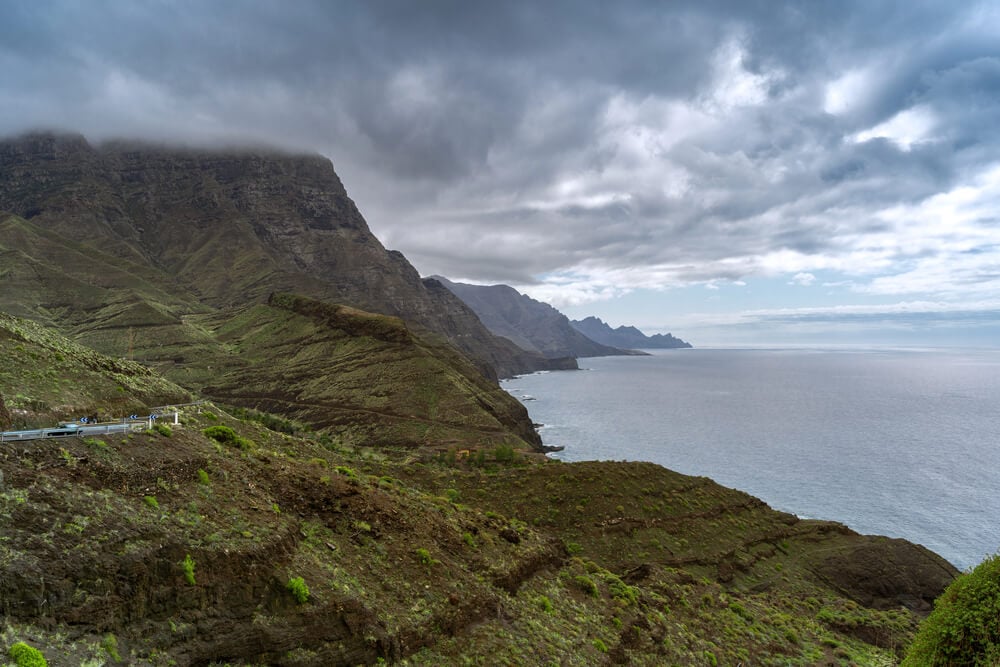
About 27 miles west of the Golden Gate Bridge, the Farallon Islands form a national wildlife refuge teeming with seabirds, seals and sea lions. The waters around them are famous for great white sharks that gather in autumn; the islands are closed to the public, and only researchers and refuge staff may land, living in a pair of historic houses.
Visitors can see the islands from tour boats, but setting foot on shore is off limits for the sake of the colonies breeding there.
Johnston Atoll in the Pacific
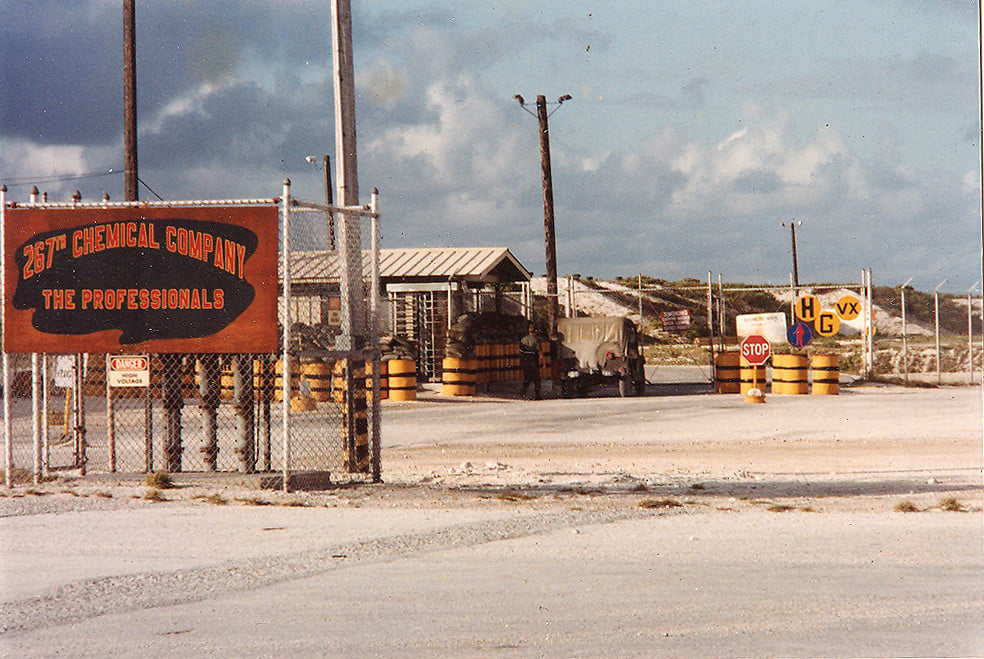
Johnston Atoll, roughly 800 miles southwest of Hawaii, has one of the strangest histories of any American territory. It hosted nuclear weapons tests in the late 1950s and early 1960s, and later a facility that destroyed stockpiles of chemical weapons; after the cleanup ended in the early 2000s, the military departed, and the atoll became a national wildlife refuge.
Entry requires a permit from federal authorities, and ordinary tourism is not allowed on what has become a haven for seabirds.
Diego Garcia in the Indian Ocean
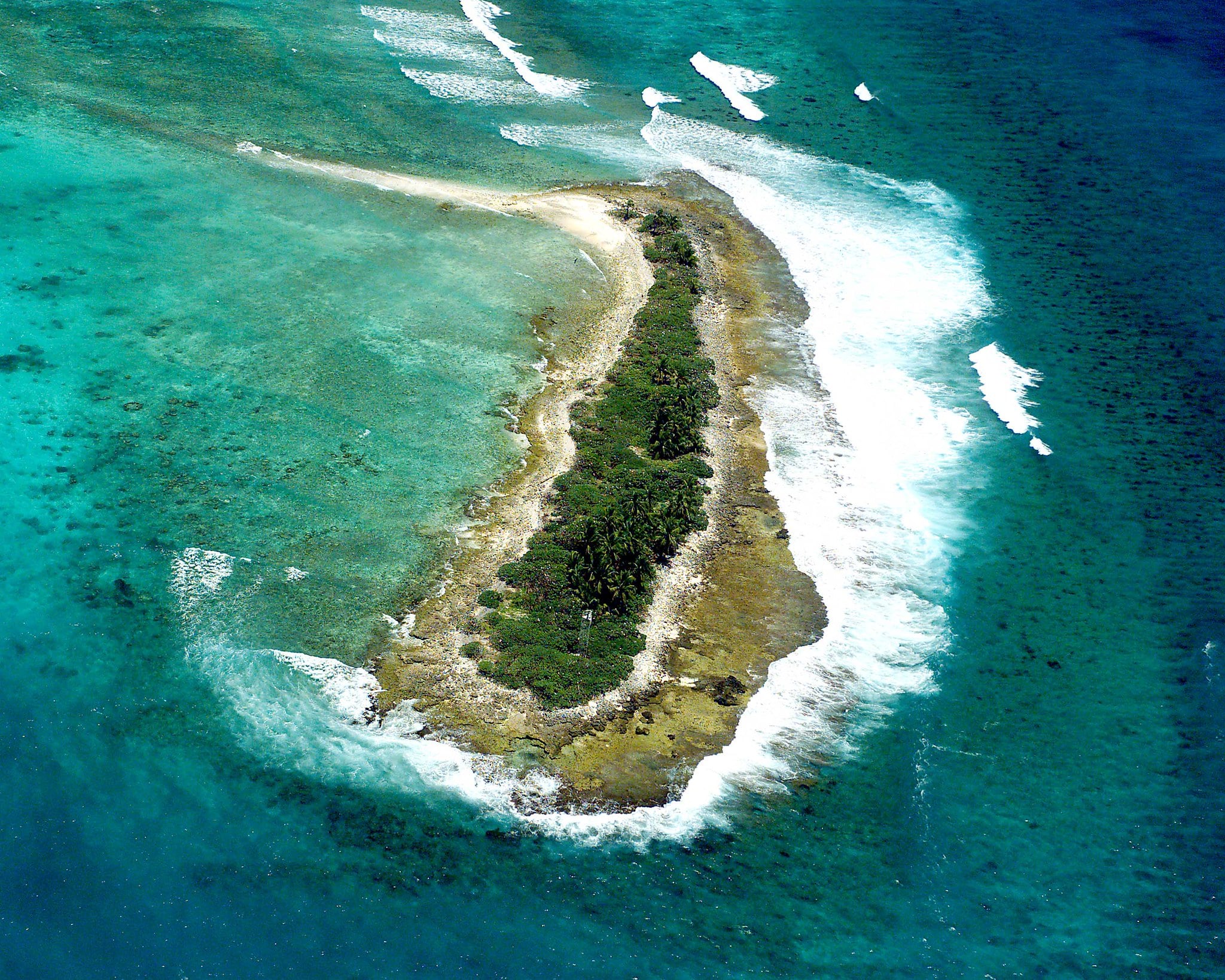
Diego Garcia, the largest island of the Chagos Archipelago, hosts a major American and British military base that has supported operations across the Middle East and Asia. The original Chagossian inhabitants were removed between 1968 and 1973, a displacement that remains the subject of legal battles and diplomacy; access is limited to military personnel, contractors and a few authorized visitors, and passing yachts may anchor only in emergencies.
In 2025, Britain signed an agreement to transfer sovereignty of the archipelago to Mauritius while keeping the base under a long-term lease.
Round Island Off Mauritius
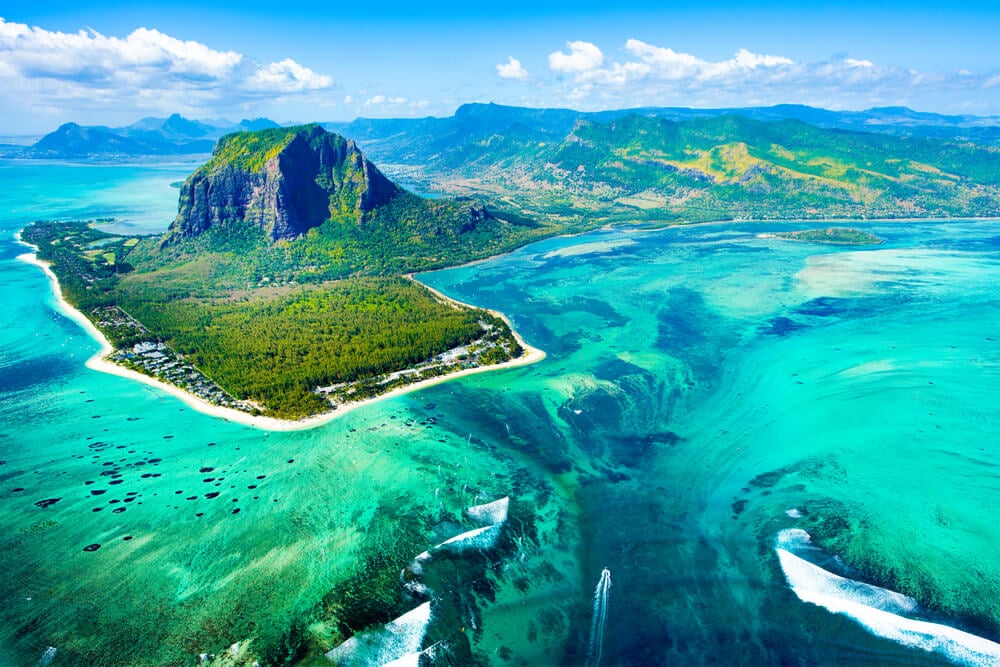
Round Island, a small volcanic island off the northern coast of Mauritius, was nearly stripped bare by introduced goats and rabbits in the nineteenth and twentieth centuries. After the animals were removed, conservationists began a long restoration that has helped rare reptiles, palms and seabirds recover; the island is a strict nature reserve, and landing requires a permit, generally granted only to scientists and conservation workers.
Researchers must follow careful quarantine rules to keep new invasive species from arriving.
Marion Island, South Africa’s Sub-Antarctic Outpost
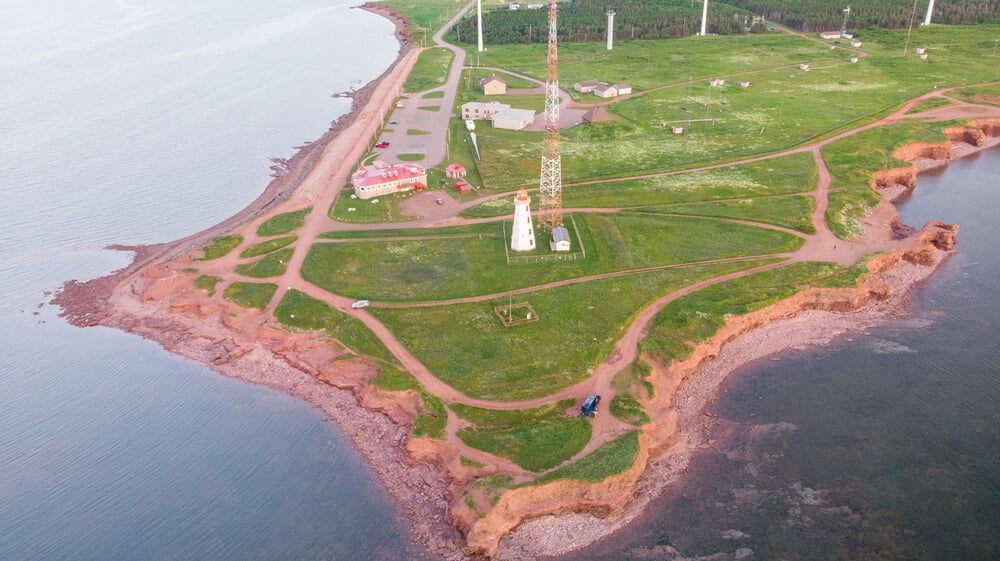
Marion Island, part of South Africa’s Prince Edward Islands, lies roughly 1,100 miles southeast of Cape Town in the stormy Southern Ocean. It is a special nature reserve home to wandering albatrosses, penguins and elephant seals, and there is no tourism at all; the only people on the island are members of a small research team who spend about a year at a time at the weather and research station.
Access comes by the research vessel SA Agulhas II, which carries relief teams and supplies on its annual voyage.
Gough Island in the South Atlantic
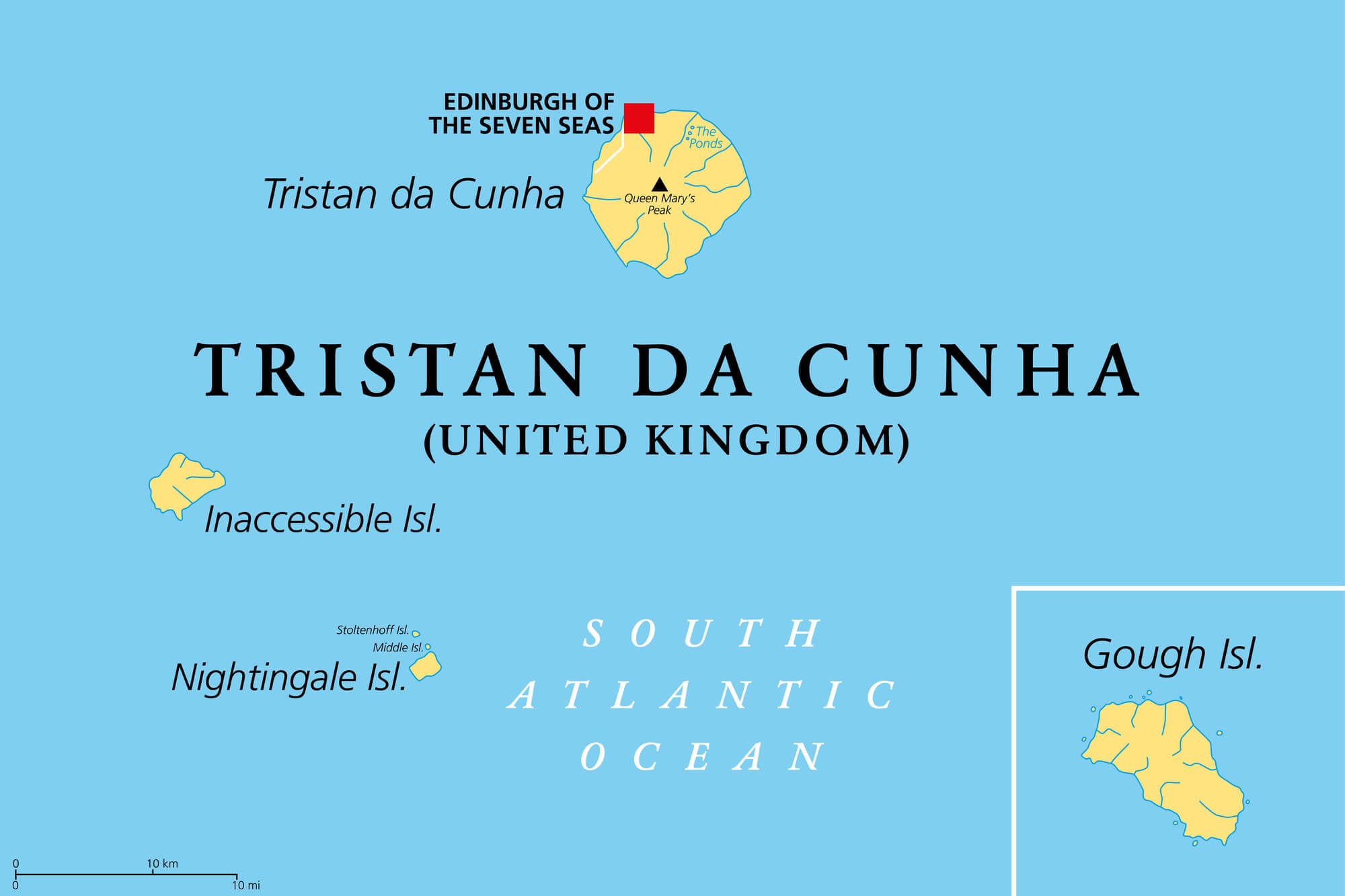
Gough Island is a volcanic outpost belonging to the British territory of Tristan da Cunha and one of the most important seabird colonies on Earth. The only permanent human presence is a South African weather station staffed by a handful of people; the island is a World Heritage Site and a strict nature reserve, so casual visits are not permitted.
Conservationists are battling invasive house mice there that grew large enough to attack albatross chicks, which is one reason access is so tightly controlled.
Nihoa in the Northwestern Hawaiian Islands
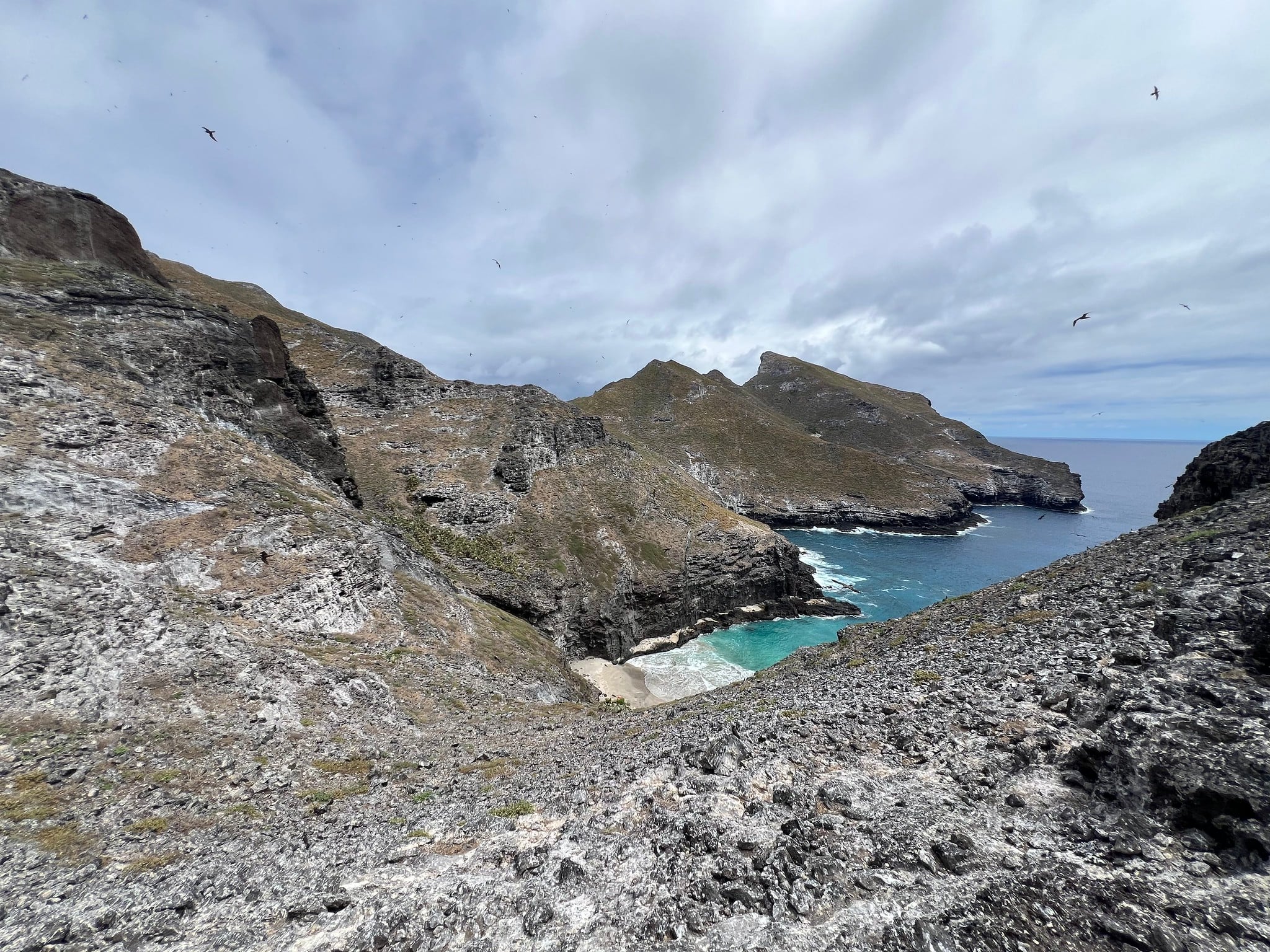
Nihoa is a steep volcanic remnant within Papahanaumokuakea Marine National Monument, one of the largest protected areas on the planet. The island holds dozens of archaeological sites, including house platforms and agricultural terraces left by early Native Hawaiians; it also shelters rare plants and birds, including the Nihoa finch and the Nihoa millerbird, found only there.
Entry requires a permit, generally reserved for researchers, resource managers and Native Hawaiian cultural practitioners.
Lascaux Cave in France
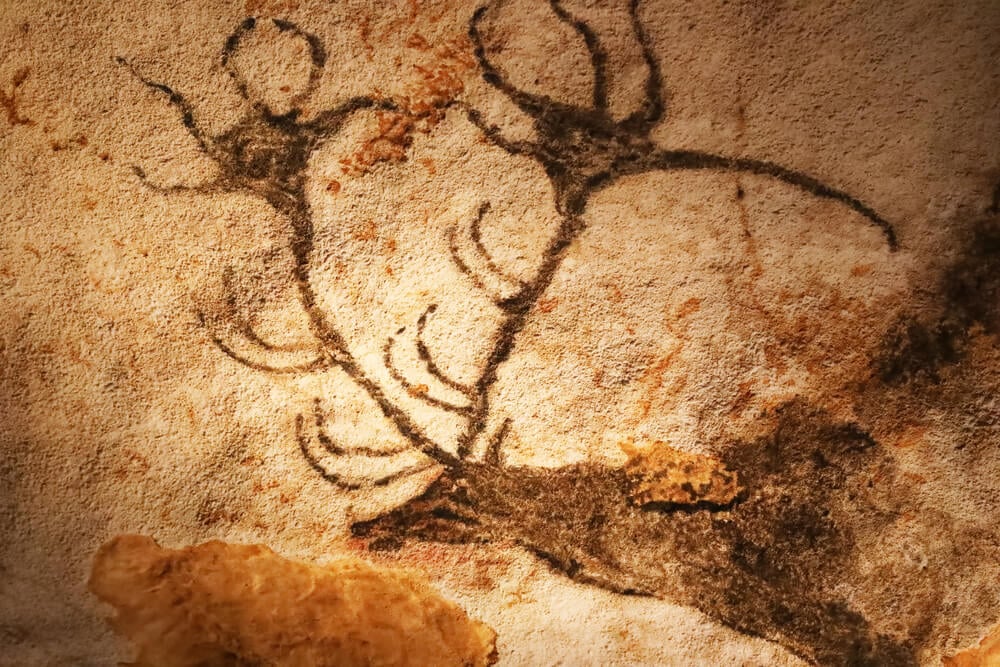
Four teenagers found Lascaux Cave in the Dordogne region of France in September 1940, revealing a masterpiece of Stone Age art with around 600 painted animals. After the cave opened to the public in 1948, the breath and body heat of about 1,200 visitors a day fostered mold and mineral growth on the paintings; the cave was closed to the public in 1963.
Visitors today see detailed replicas, including Lascaux IV, while access to the original is limited to a few scientists and conservators.
Chauvet Cave and Its Painted Lions
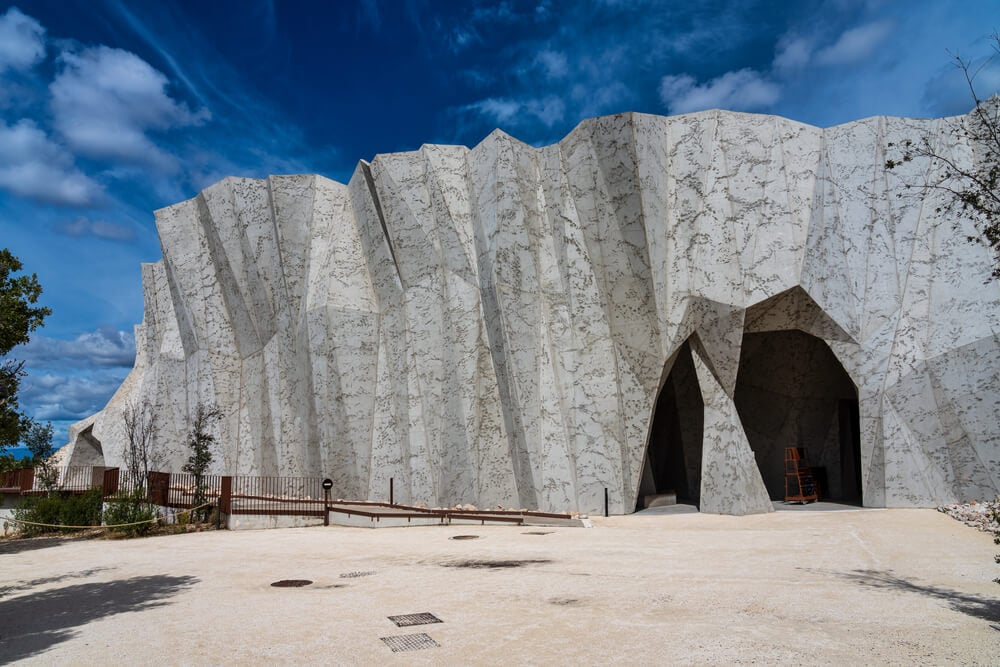
Chauvet Cave in southern France was discovered in December 1994 and contains some of the oldest known figurative cave paintings, with images of lions, rhinos and horses made more than 30,000 years ago. Learning from the damage at Lascaux, French authorities sealed the cave almost immediately; a steel door guards the entrance, and only a limited number of researchers may enter each year.
In 2015 a full-scale replica, Caverne du Pont d’Arc, opened nearby so the public can experience the art without harming it.
Cosquer Cave, Reached Only by Diving
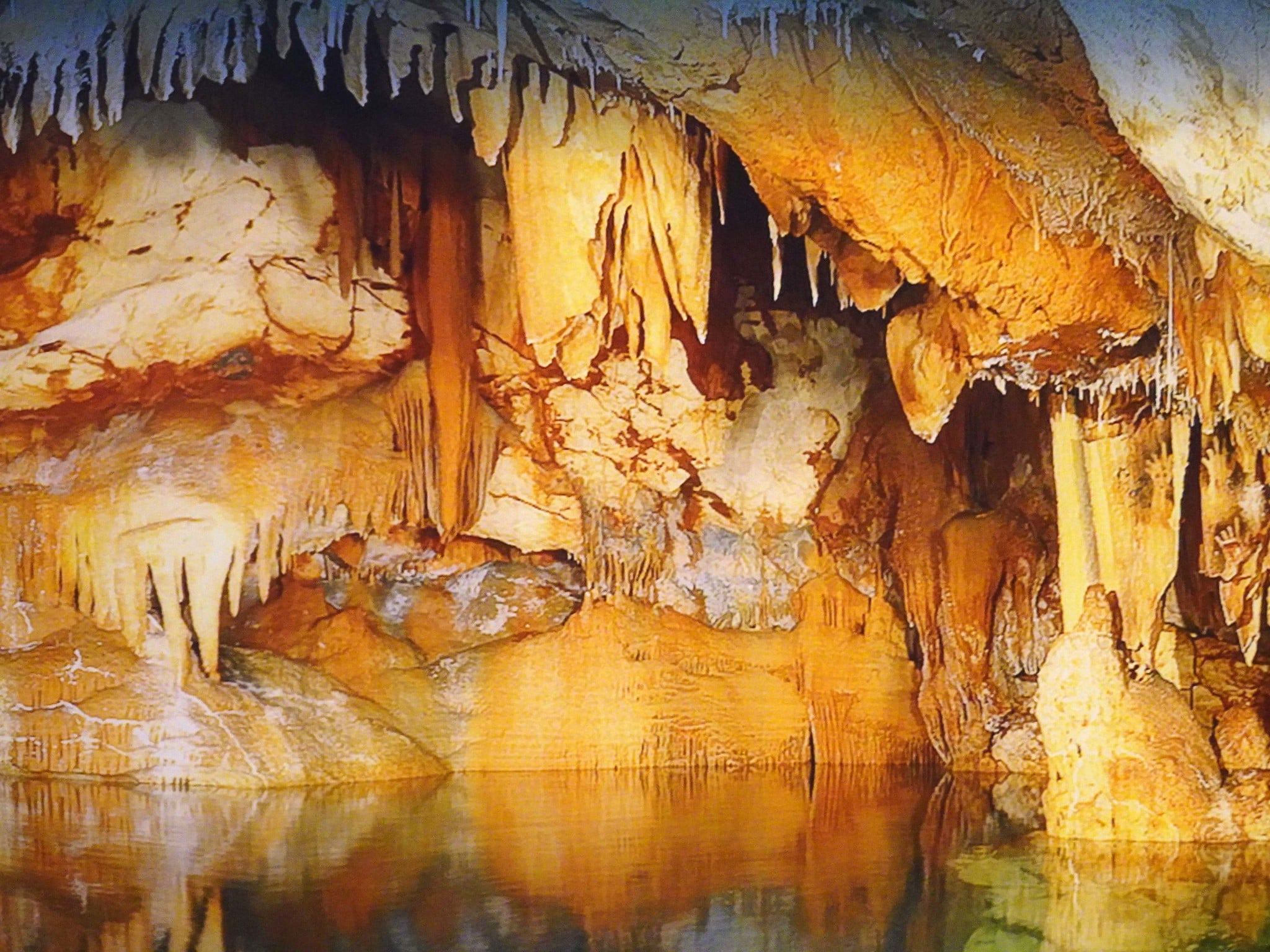
Diver Henri Cosquer found this cave near Marseille, France, in 1985 by swimming through a tunnel that begins about 37 meters below the surface of the Mediterranean. Inside, above the waterline, are Stone Age paintings and engravings of horses, bison, seals and even penguin-like great auks; rising seas since the Ice Age have flooded much of the cave and continue to threaten the art.
The entrance is closed off to divers, and the public can see only a replica that opened in Marseille in 2022.
Grotte de Cussac and Its Ancient Burials
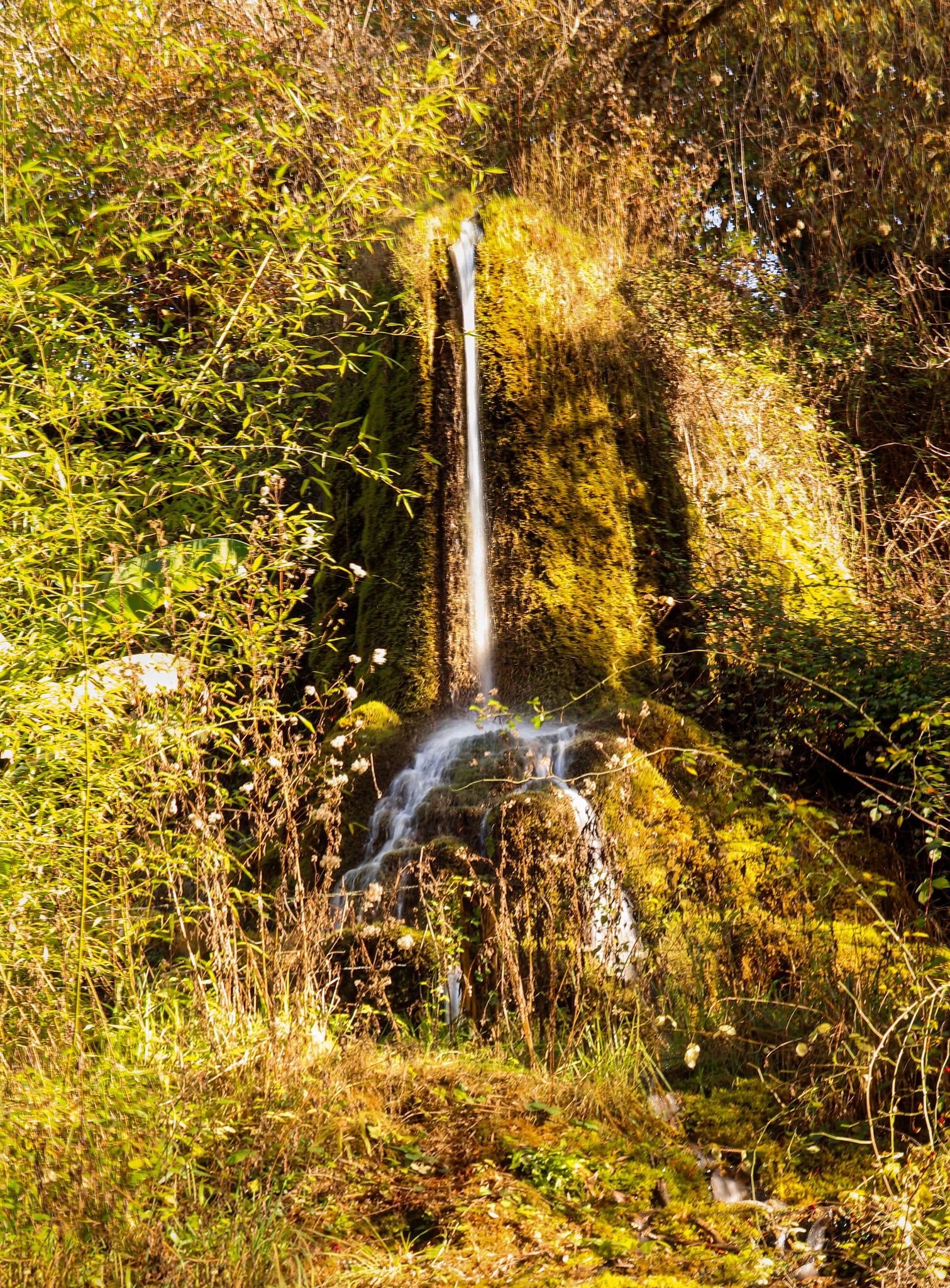
A caver named Marc Delluc discovered the Grotte de Cussac in the Dordogne in 2000. It contains large engravings of animals and human figures, along with human remains, dating back roughly 30,000 years; because the remains and delicate floor deposits make the site so fragile, the cave has been closed to the public since its discovery.
Even researchers work under tight restrictions, sometimes moving along narrow paths to avoid disturbing the ancient floor.
Movile Cave in Romania
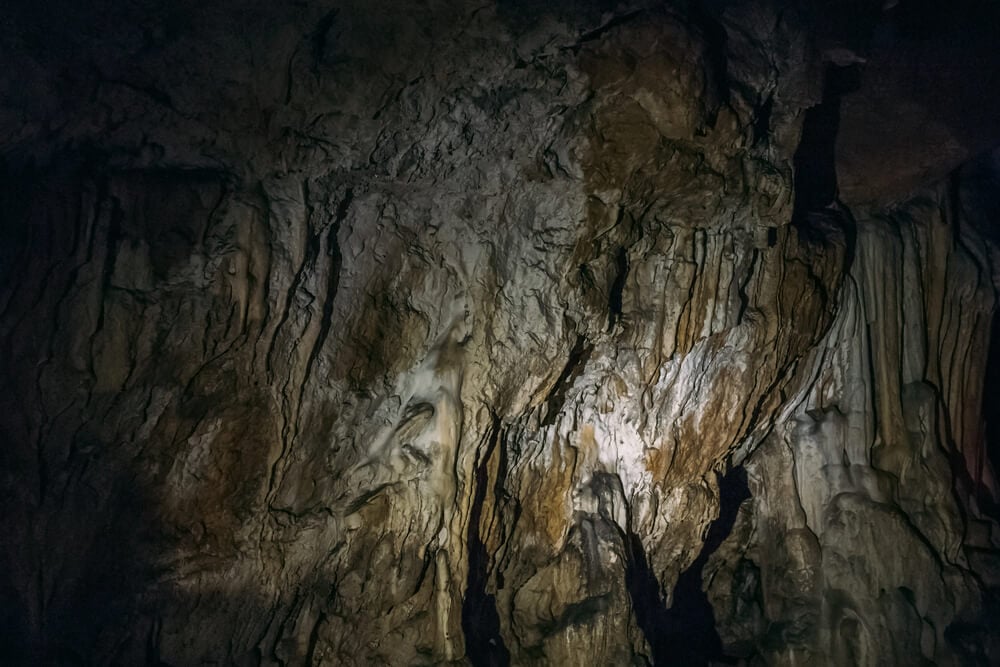
Movile Cave, found in 1986 near the Black Sea coast of Romania during a survey for a power plant, was sealed off from the outside world for an estimated five million years. Its air is low in oxygen and rich in hydrogen sulfide, and its ecosystem is built on chemical energy produced by bacteria rather than sunlight; scientists have identified dozens of species found nowhere else.
Entry is restricted to a very small number of researchers, and the cave has reportedly been visited by fewer people than have traveled into space.
Lechuguilla Cave in New Mexico
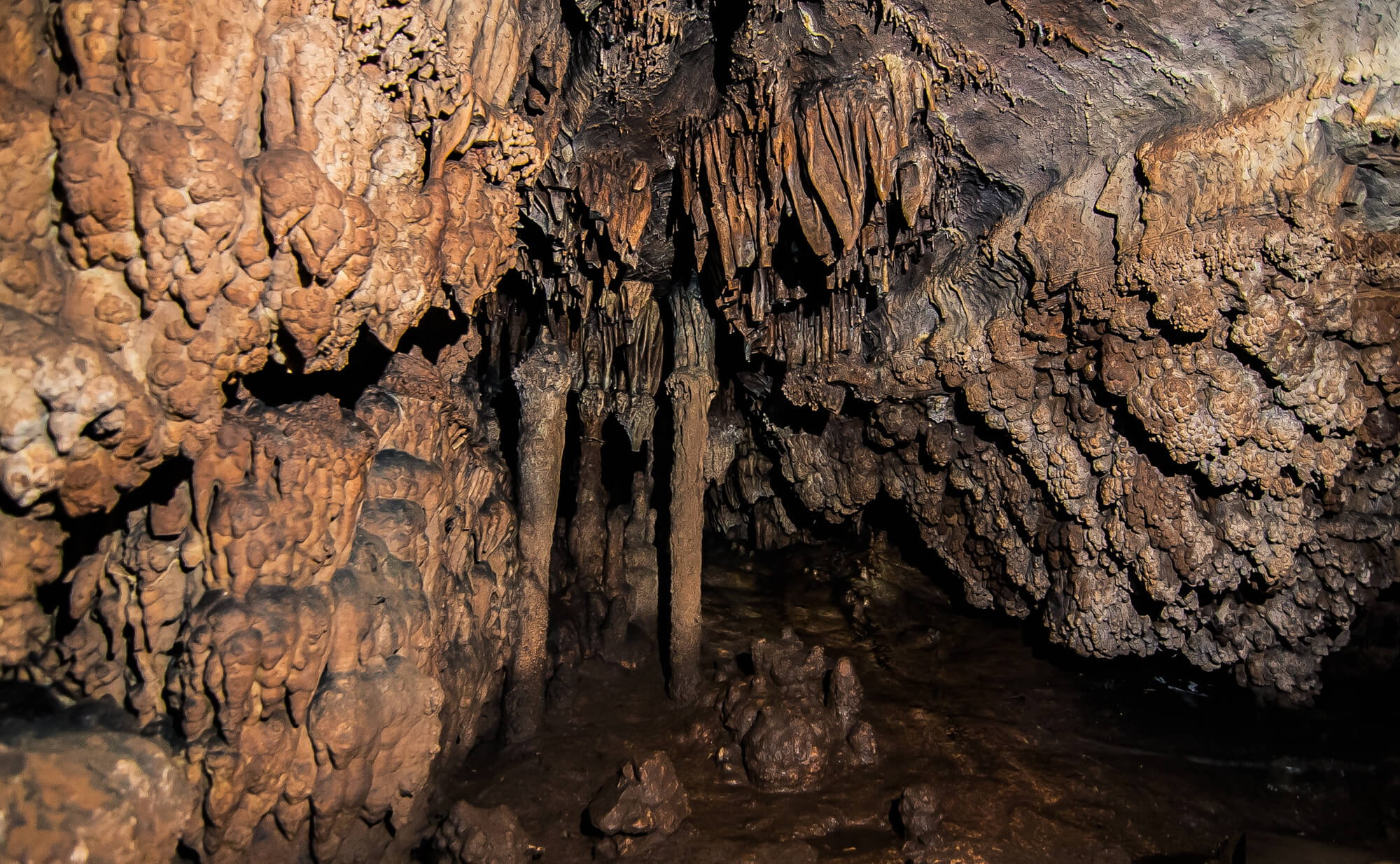
Lechuguilla Cave, within Carlsbad Caverns National Park, was little more than a shaft until cavers broke through rubble in 1986 and discovered a vast system beyond. More than 150 miles of passages have since been mapped, filled with rare gypsum chandeliers, aragonite bushes and delicate formations; microbes living there have attracted researchers studying antibiotic resistance.
Access is restricted to approved scientific and survey expeditions, and the National Park Service keeps the entrance locked.
Naica’s Flooded Cave of Crystals
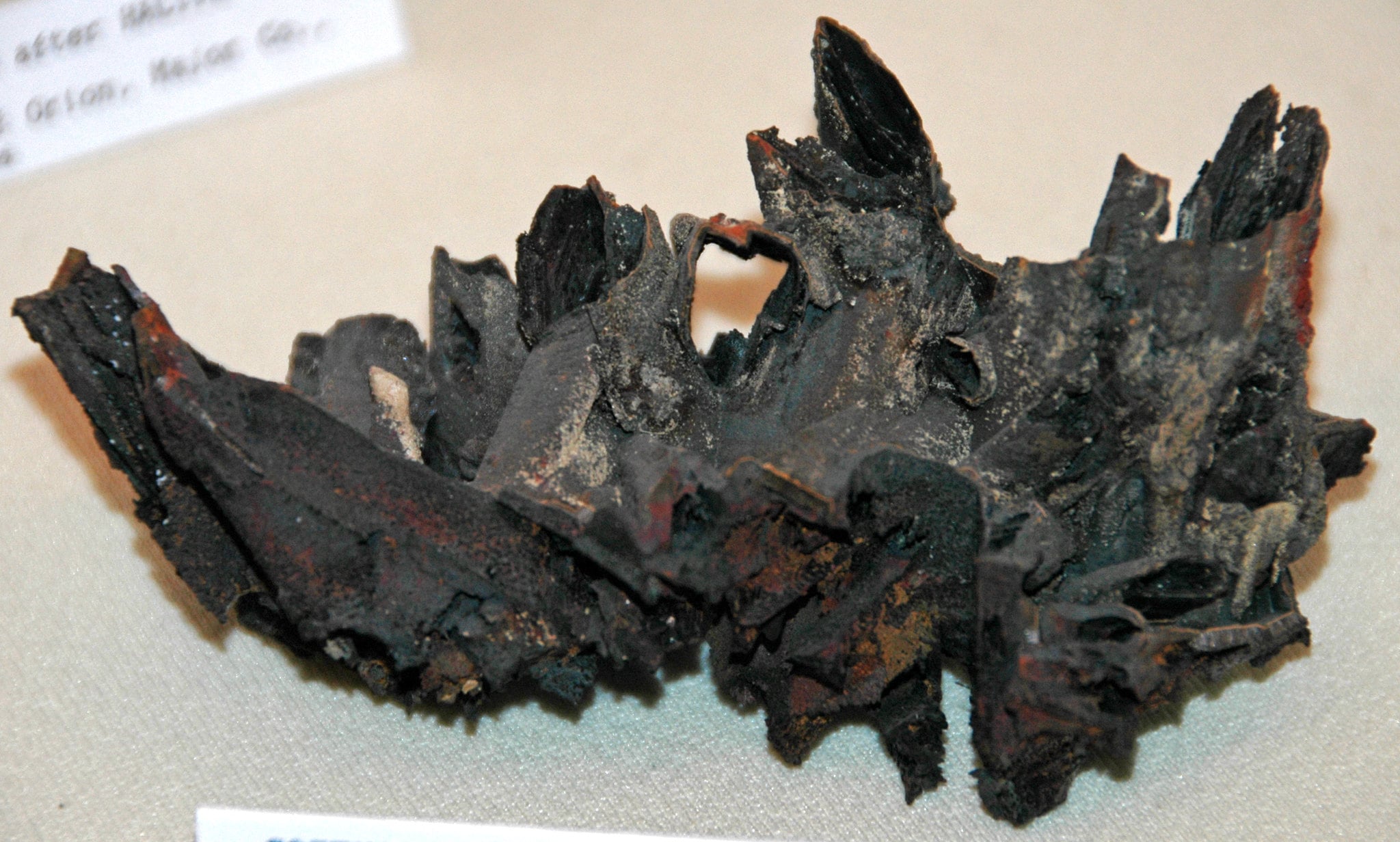
In 2000, miners working in the Naica silver and lead mine in Chihuahua, Mexico, broke into a chamber filled with gypsum crystals up to about 12 meters long, among the largest natural crystals ever found. The air inside reached around 58 degrees Celsius with near-total humidity, so scientists could stay only minutes at a time, even in cooling suits; when pumping stopped at the mine in the 2010s, groundwater flooded the chamber again.
The crystals are once more submerged and entirely inaccessible.
Rising Star Cave’s Dinaledi Chamber
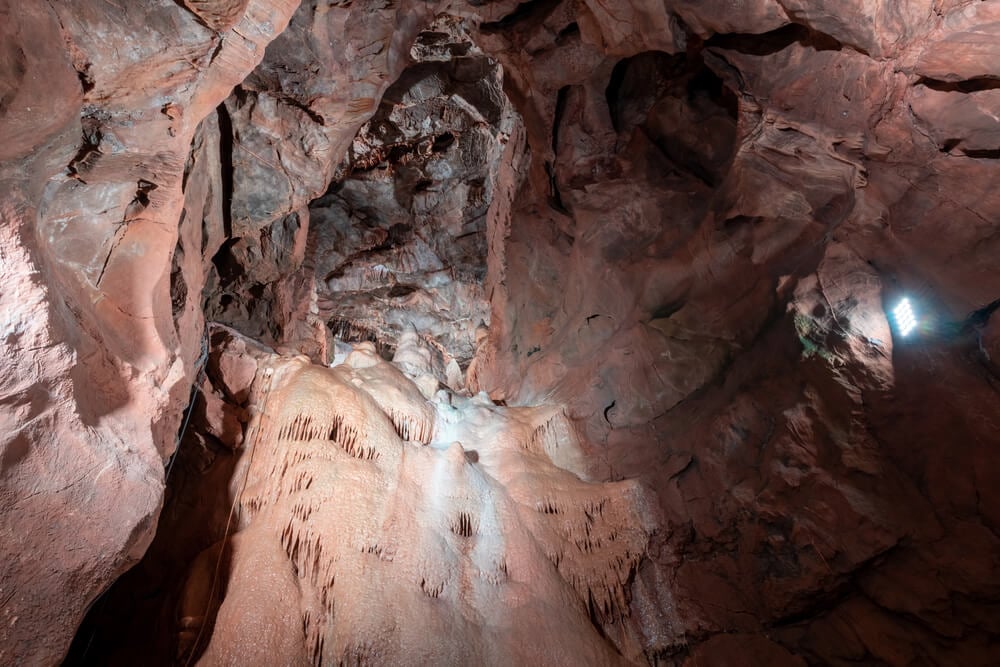
Northwest of Johannesburg, in the Cradle of Humankind, lies the Rising Star Cave system. In 2013, cavers squeezed through a vertical chute only about 18 centimeters wide at its narrowest and found a chamber holding more than 1,500 fossil elements of a previously unknown human relative, later named Homo naledi; only specially selected, slim researchers could reach the site.
The cave is closed to the public, and the public learns about the finds through museum displays at the nearby Maropeng visitor center.
Blombos Cave on the Southern Cape Coast
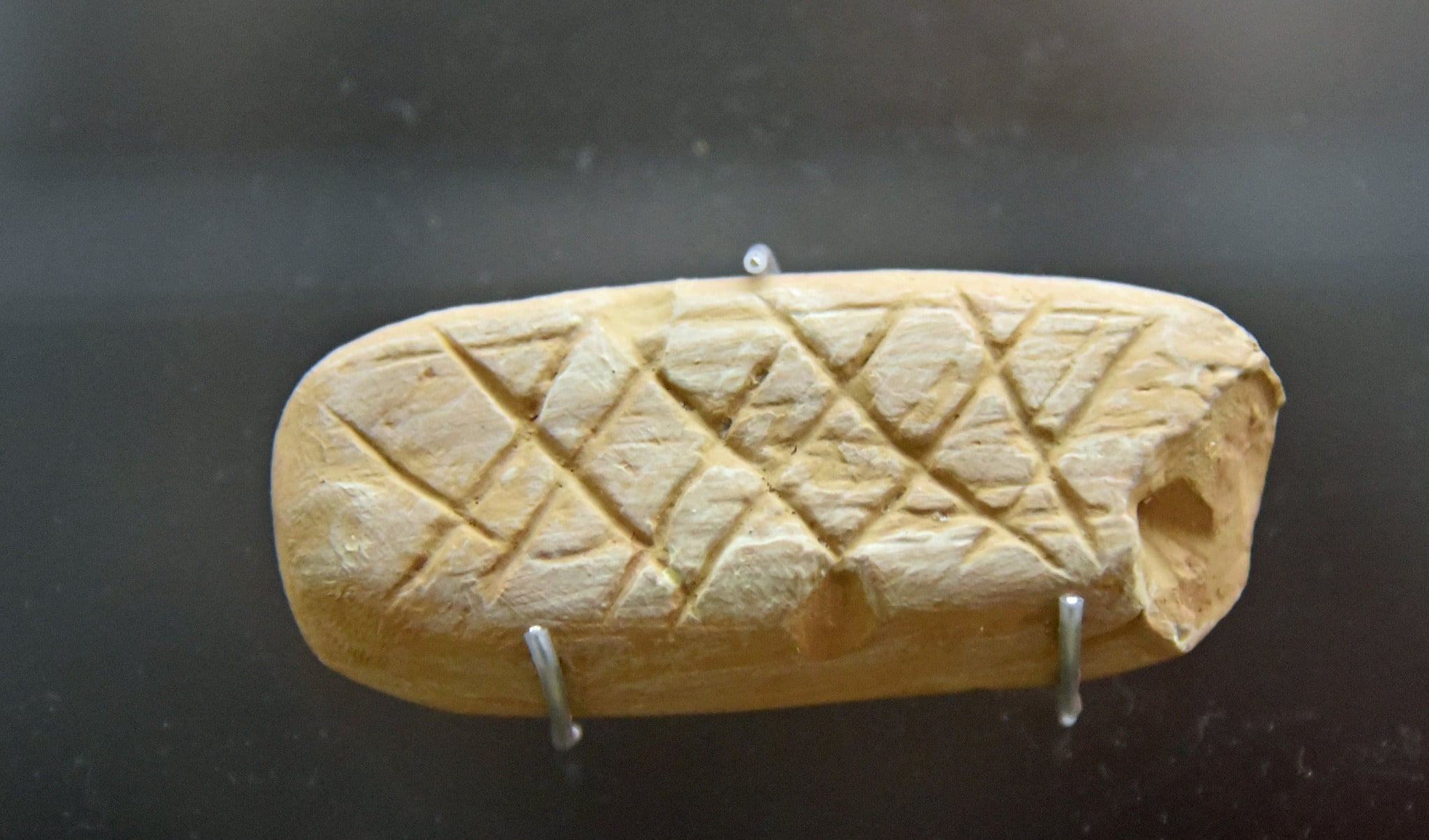
Blombos Cave overlooks the Indian Ocean near Still Bay on South Africa’s southern Cape coast. Excavations there uncovered pieces of ochre engraved with crosshatched patterns around 75,000 years old, shell beads and a small stone flake bearing what researchers described in 2018 as the oldest known drawing, made with an ochre crayon; the cave lies on a private nature reserve and is closed to the public to protect the delicate deposits.
Its finds have reshaped debates about when modern human thinking emerged.
The Svalbard Global Seed Vault
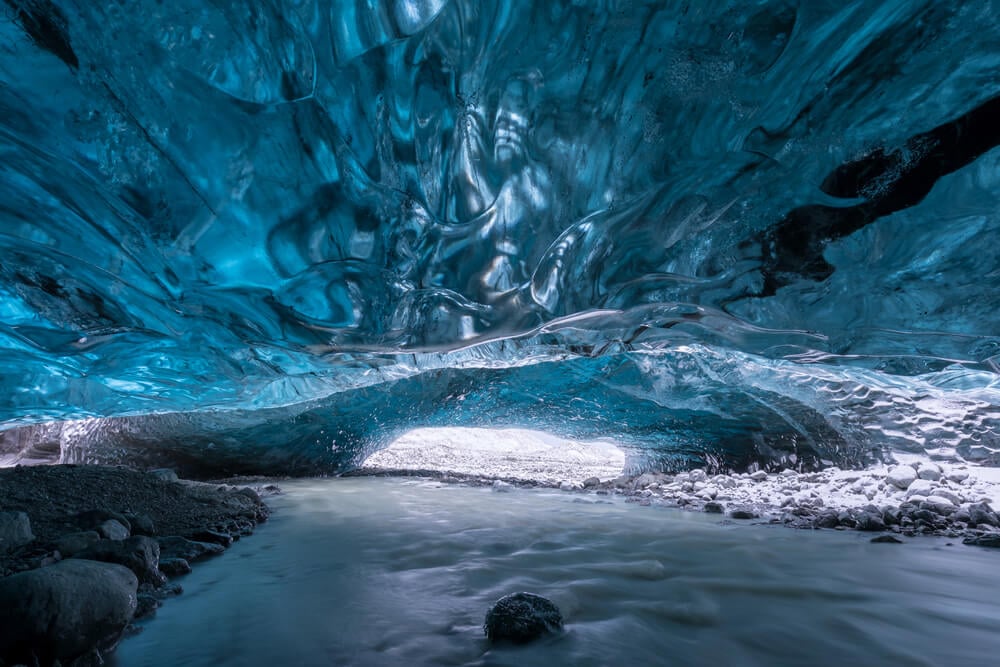
The Svalbard Global Seed Vault is carved into a mountain on the Norwegian island of Spitsbergen, roughly 800 miles from the North Pole. Opened in 2008, it stores backup copies of seeds from gene banks worldwide, holding well over a million samples; the vault’s permafrost location keeps the collection cold even if power fails.
The public cannot enter, and even depositors visit only on a few scheduled occasions. In 2015, researchers from Syria made the first withdrawal to rebuild collections lost to war.
Arctic World Archive in an Old Coal Mine
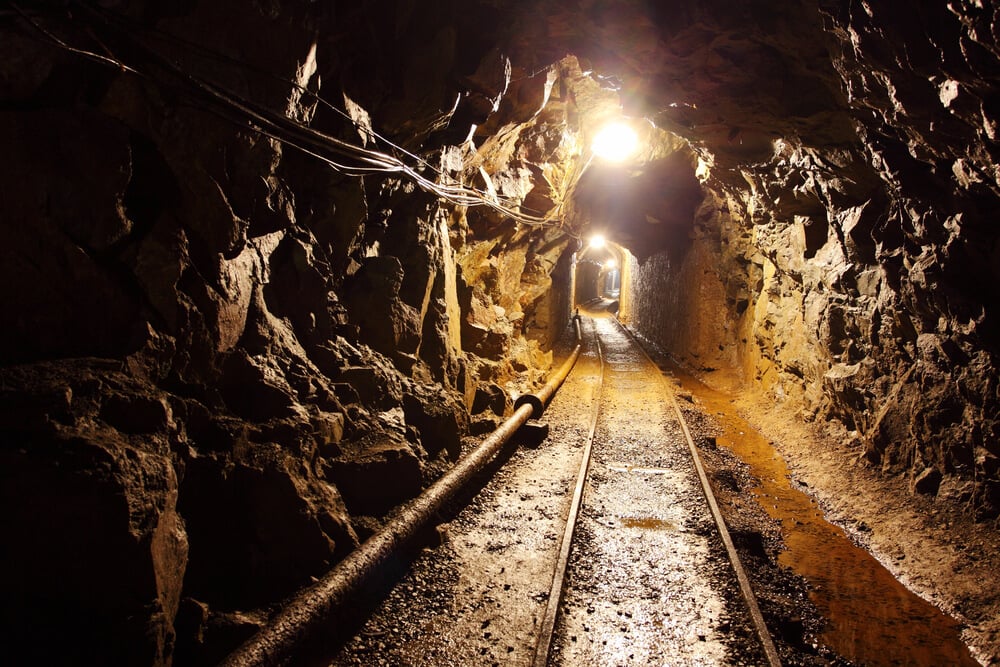
In 2017, a Norwegian company opened the Arctic World Archive deep inside a decommissioned coal mine on Svalbard, near the seed vault. The archive stores data on specially developed photosensitive film designed to last for centuries without electricity; national archives, museums and companies have deposited material there.
In 2020, GitHub placed a huge snapshot of open-source software code inside. Visitors cannot tour the archive, and deposits are made only at scheduled ceremonies.
Fort Knox Bullion Depository
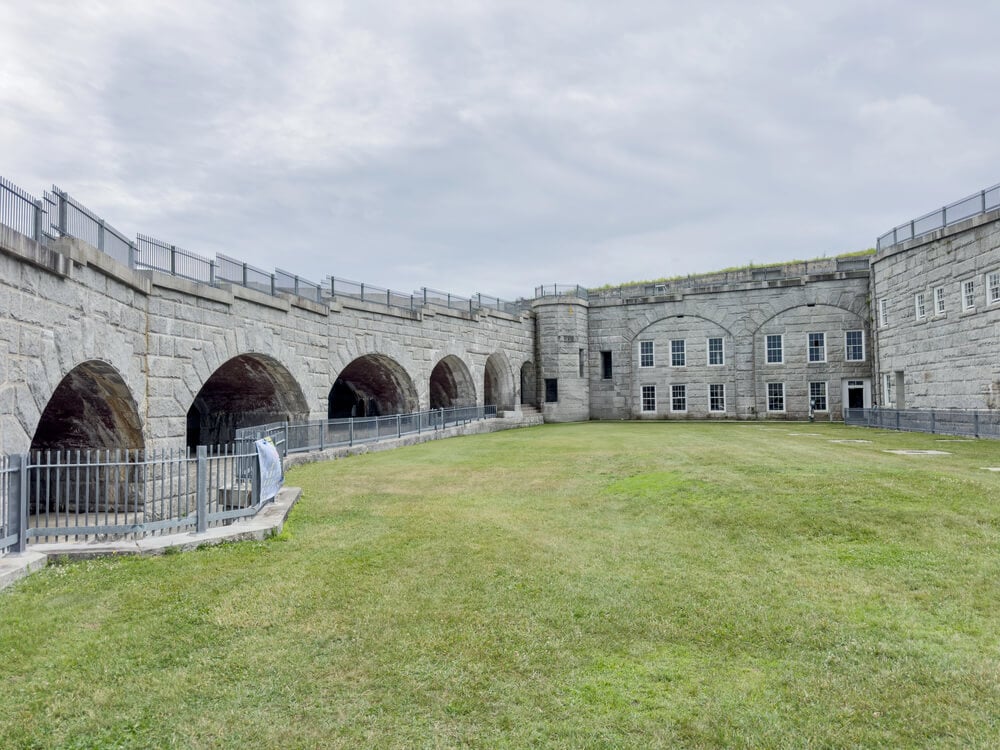
The United States Bullion Depository at Fort Knox, Kentucky, completed in 1936, holds a large share of the nation’s gold reserves behind a vault door that weighs about 20 tons. No single person knows the full combination, and the facility’s visitor policy is simple; there are no visitors.
A rare exception came in 1974, when members of Congress and journalists toured the vault to dispel rumors that the gold was missing. Another official visit took place in 2017, which only highlighted how unusual such access is.
Bank of England Gold Vaults
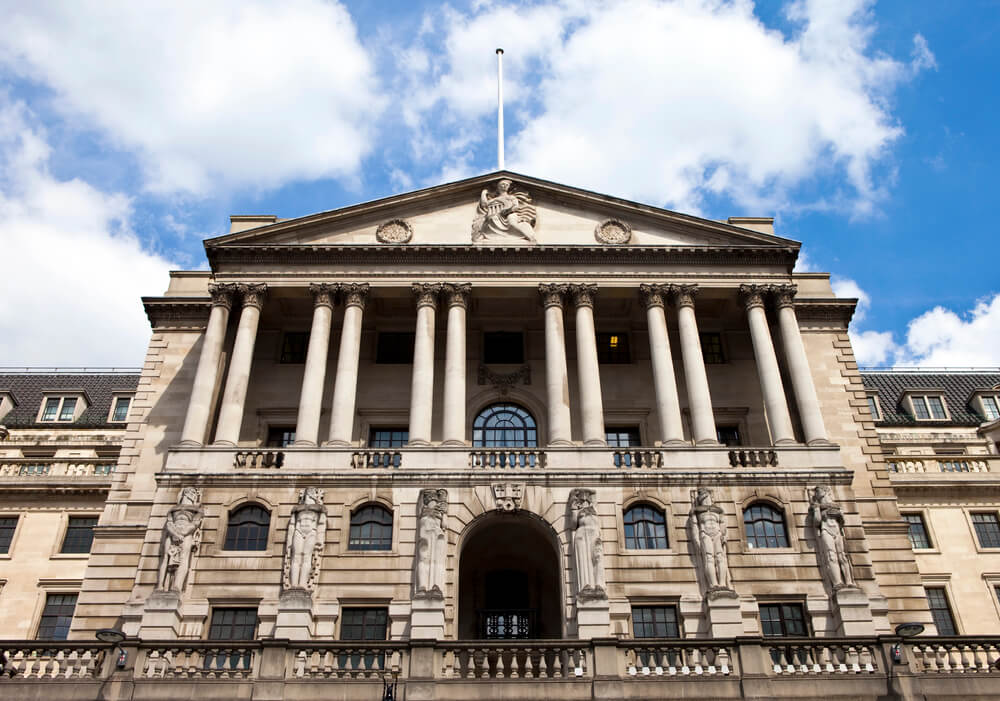
Beneath the streets of the City of London, the Bank of England stores around 400,000 gold bars in its vaults, making it one of the largest stores of gold in the world. Most of the gold belongs to other central banks and institutions, not to Britain itself; the vaults are closed to the public, and visits are limited to a small number of officials and invited guests.
The public can see a single gold bar at the bank’s museum and even try to lift it through a gap in a secure display.
Granite Mountain Records Vault in Utah
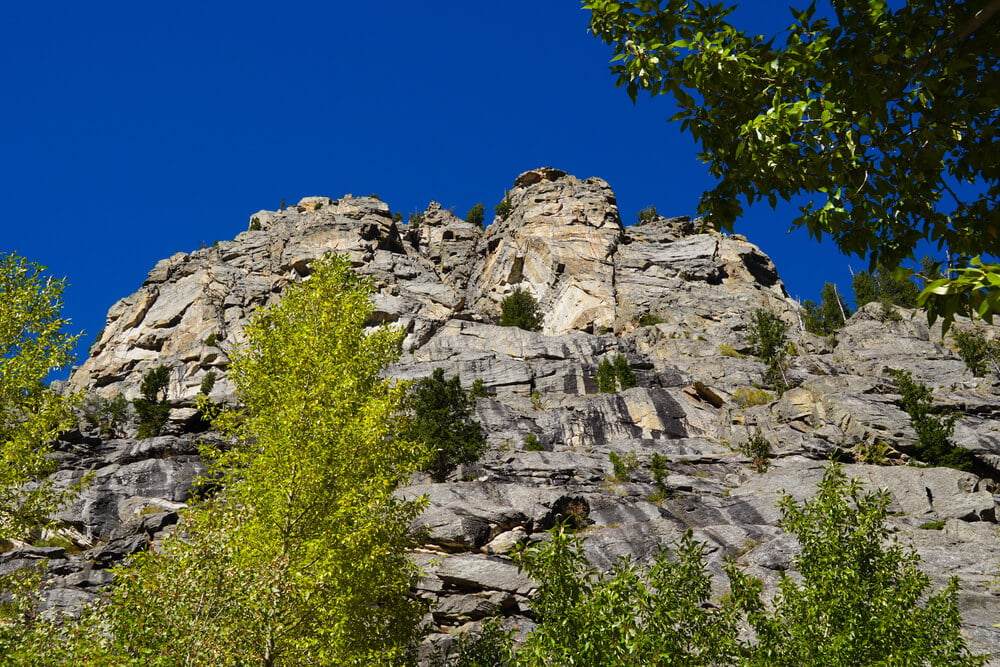
Tunneling deep into a granite cliff in Little Cottonwood Canyon near Salt Lake City, the Church of Jesus Christ of Latter-day Saints completed the Granite Mountain Records Vault in 1965. It holds billions of genealogical records captured on microfilm and digital storage, collected from archives worldwide; the mountain’s rock keeps temperature and humidity stable year round.
The site is closed to the public, though the church has released photographs and videos showing the tunnels and storage rooms.
Cheyenne Mountain Complex in Colorado
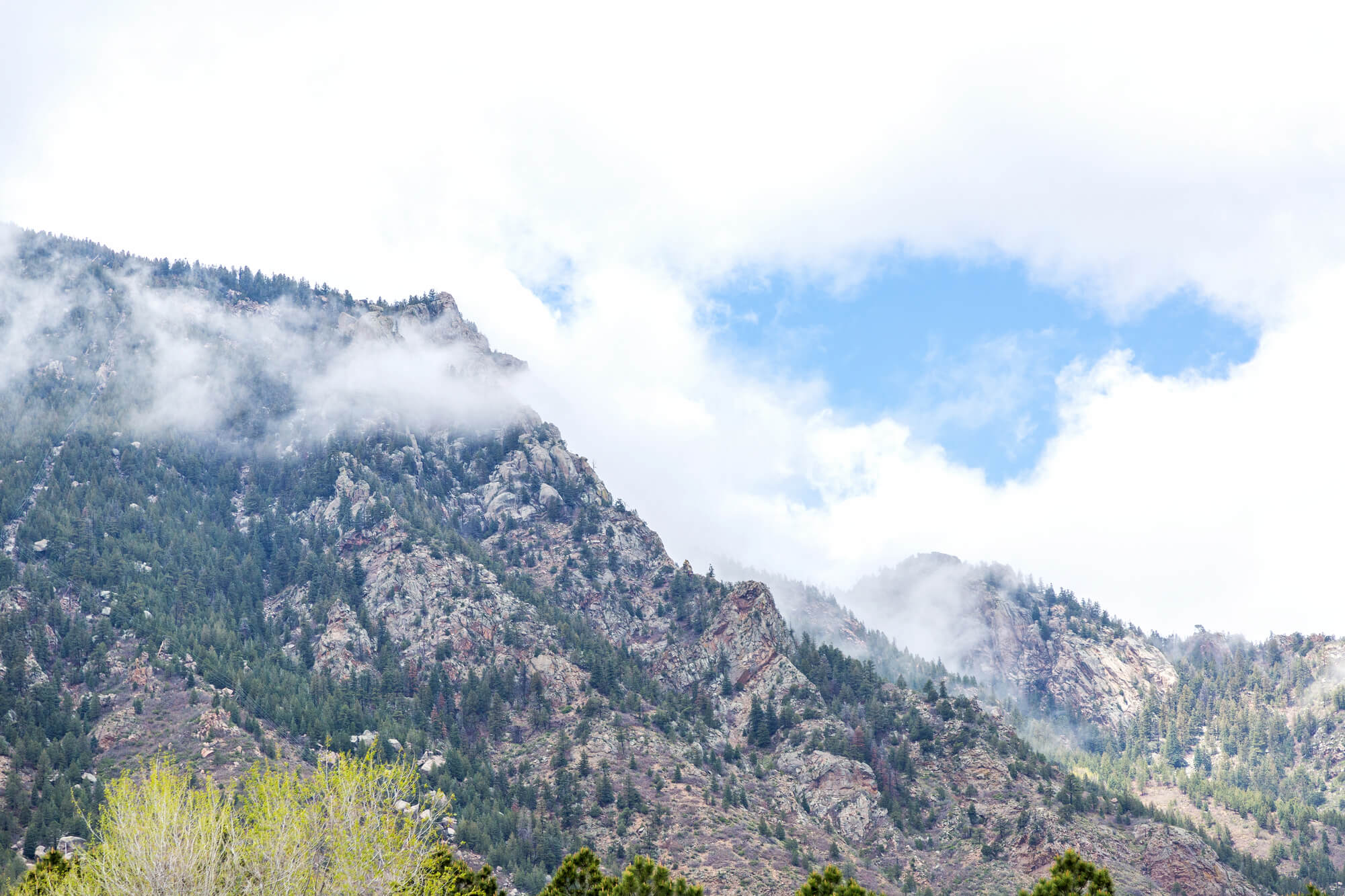
Cheyenne Mountain Complex, carved into solid granite near Colorado Springs, was built in the 1960s to shelter North American air defense operations from a nuclear attack. Its buildings rest on huge steel springs to absorb shock waves, and the entrance is guarded by blast doors weighing about 25 tons; NORAD moved most of its daily operations elsewhere in the 2000s, but the complex remains an active military installation.
Public tours are not offered, and access requires official clearance.
Mount Weather in the Virginia Hills
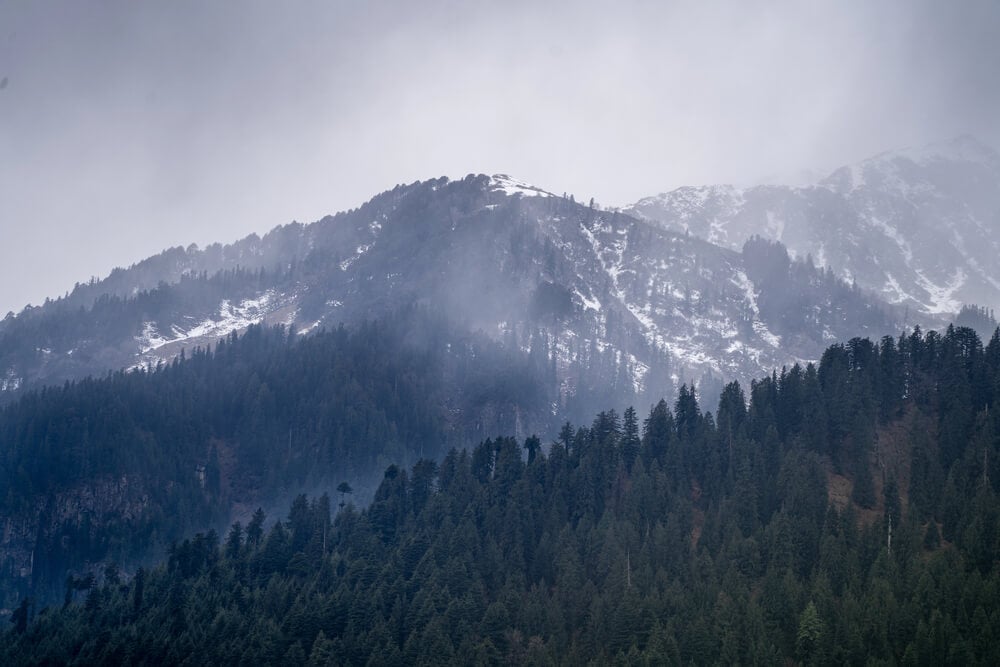
Mount Weather, near Bluemont, Virginia, is an emergency operations center run by the Federal Emergency Management Agency and designed to keep the government functioning during a national catastrophe. For years its existence was barely acknowledged; that changed in December 1974, when a TWA airliner crashed into a nearby mountainside, and reporters covering the tragedy learned more about the facility.
The site remains highly secretive, and entry is limited to authorized personnel.
Onkalo, Finland’s Tomb for Nuclear Waste
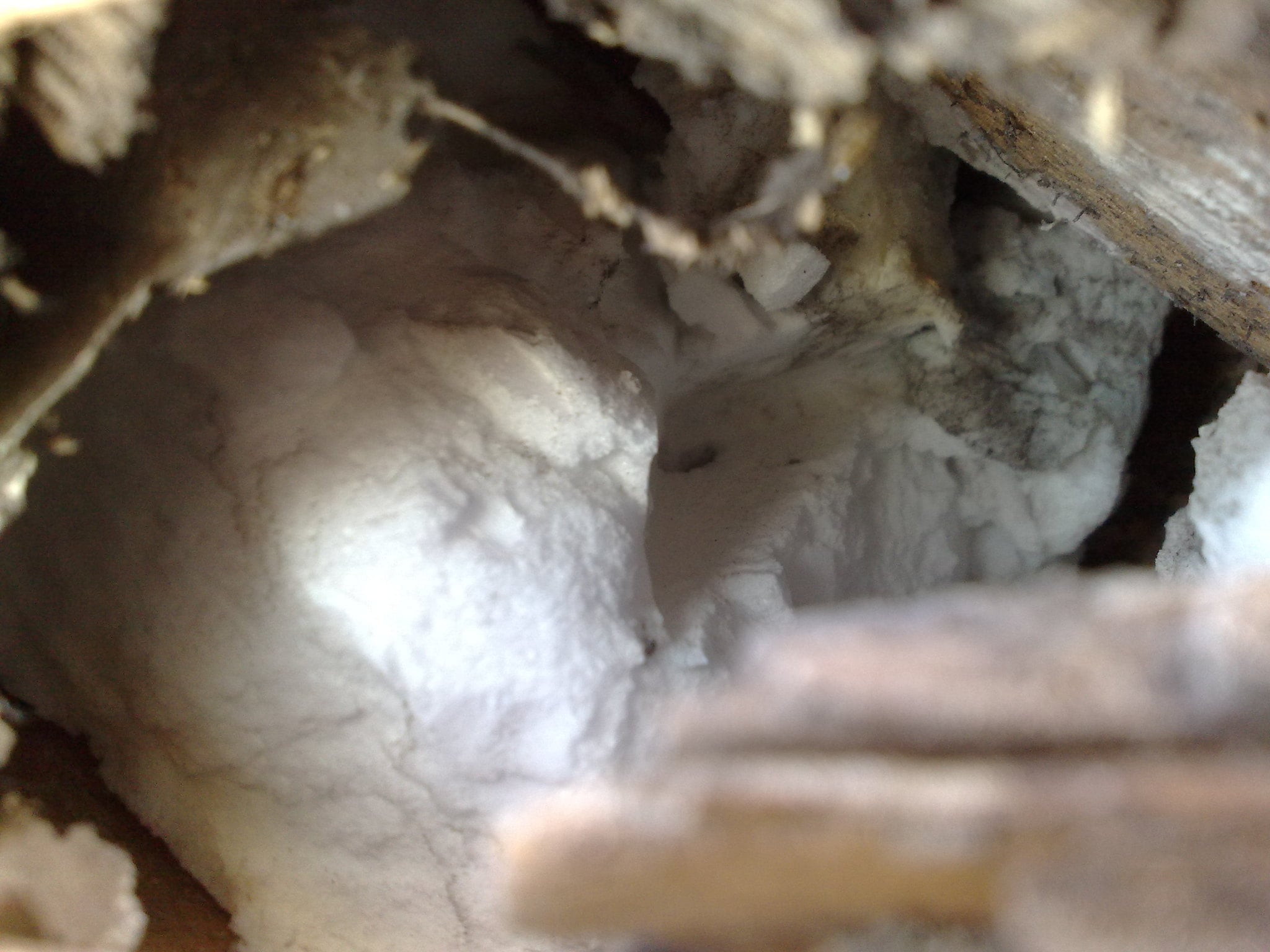
Onkalo, on the island of Olkiluoto in western Finland, is a deep geological repository designed to store spent nuclear fuel for 100,000 years. Its tunnels run more than 400 meters down into ancient bedrock, where waste will be sealed in copper canisters surrounded by clay; it is expected to be the first facility of its kind to begin permanent disposal.
Once each section is filled, it will be sealed off forever, and its designers have struggled with how to warn future civilizations never to open it.
The Vatican Apostolic Archive
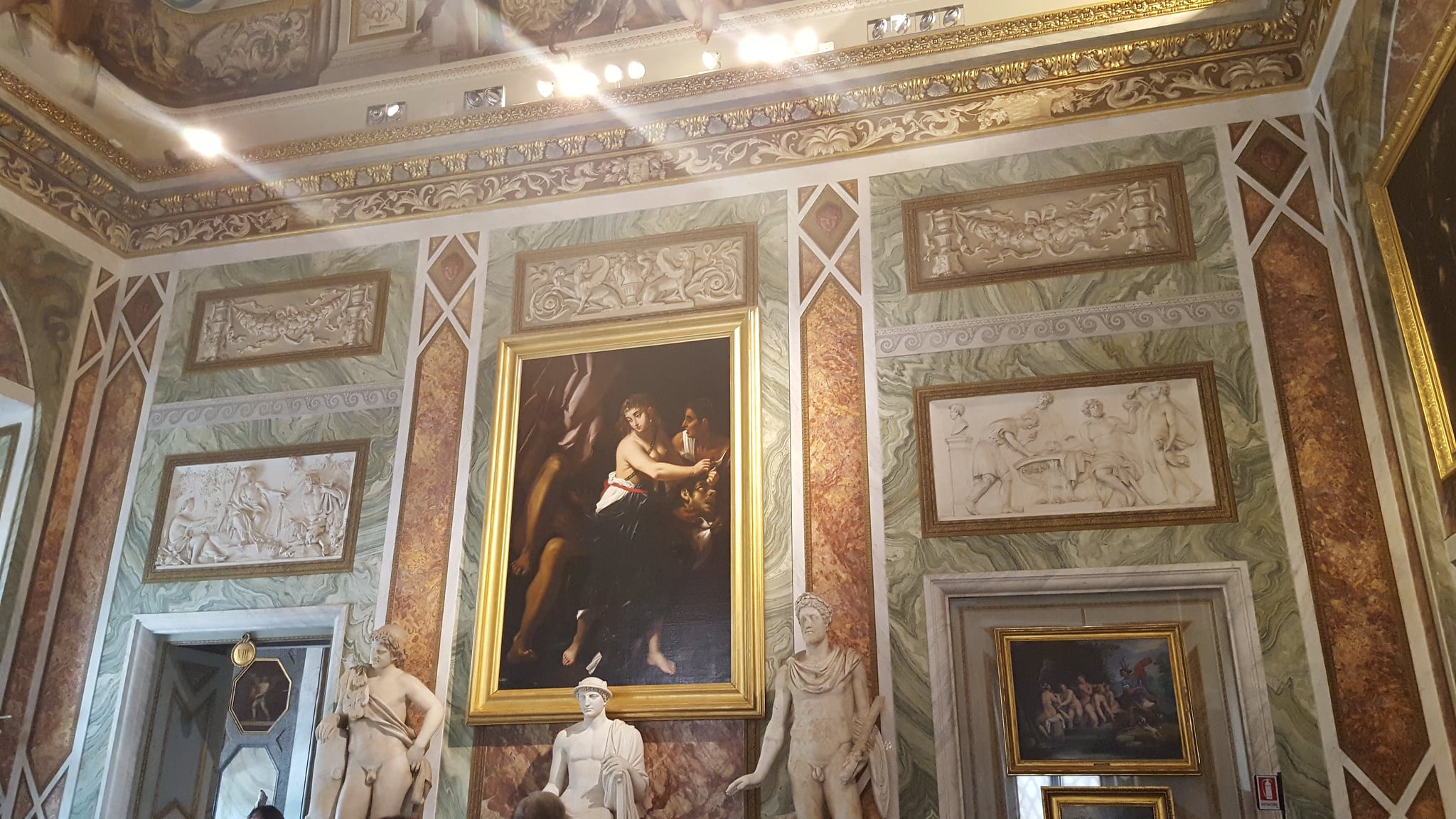
The Vatican Apostolic Archive, known until 2020 as the Vatican Secret Archive, holds roughly 85 kilometers of shelving filled with papal documents going back more than a thousand years. The name never meant secret in the modern sense but private, as in the pope’s personal archive; still, the general public cannot enter.
Only qualified researchers with proper credentials may request specific documents, and browsing the shelves is not allowed. Many of the most sensitive materials remain restricted by date.
Qin Shi Huang’s Unopened Tomb
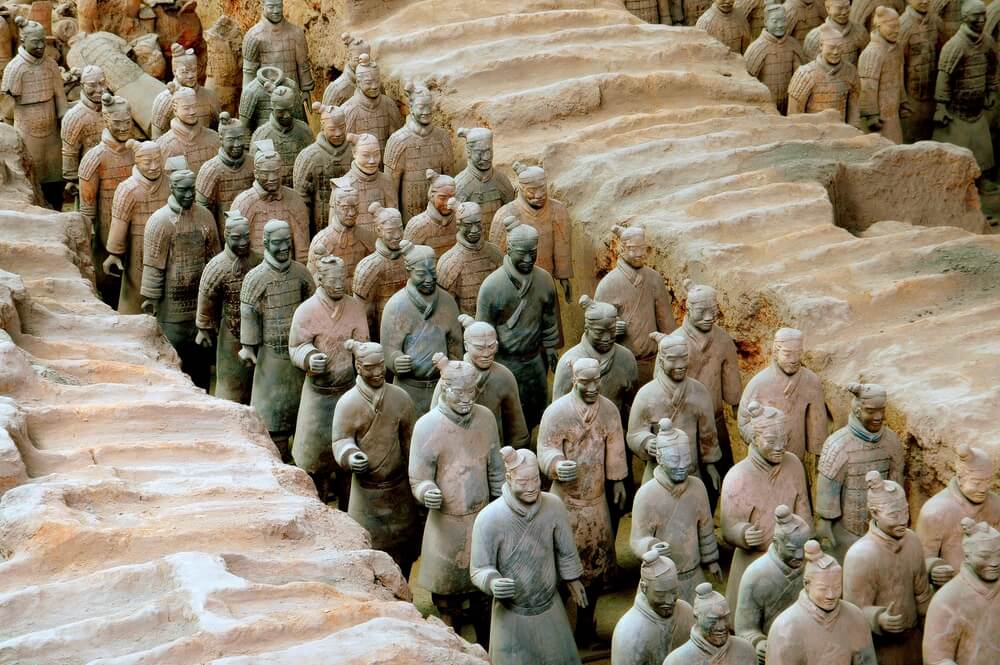
Near Xi’an in China, the burial mound of Qin Shi Huang, the first emperor of a unified China, has never been excavated. The famous Terracotta Army nearby is only part of the vast funerary complex; the ancient historian Sima Qian described a tomb filled with rivers of mercury, and soil tests around the mound have found unusually high mercury levels.
Chinese authorities have declined to open the central chamber, citing the risk of damaging whatever lies inside until preservation technology improves.
The Hall of Records Behind Mount Rushmore
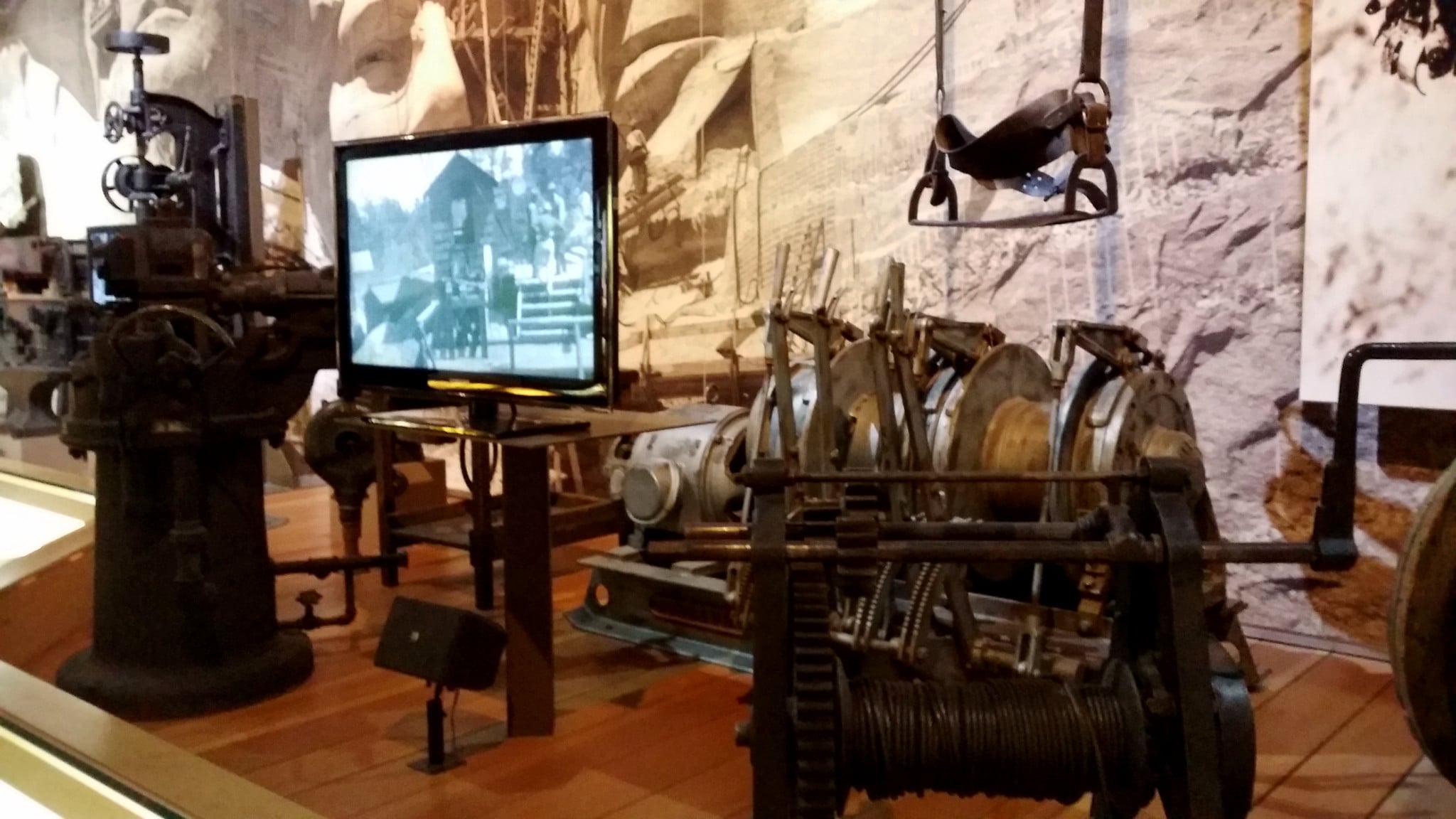
Sculptor Gutzon Borglum envisioned a grand hall carved into the mountain behind the presidents’ heads to hold America’s founding documents. Work stopped after his death in 1941, leaving an unfinished chamber in the rock; in 1998, the National Park Service placed a teakwood box containing porcelain enamel panels, inscribed with the story of the memorial and the nation’s history, inside a titanium vault in the chamber and sealed it under a granite capstone.
The public is not permitted to climb up to it.
Protection Has Its Price
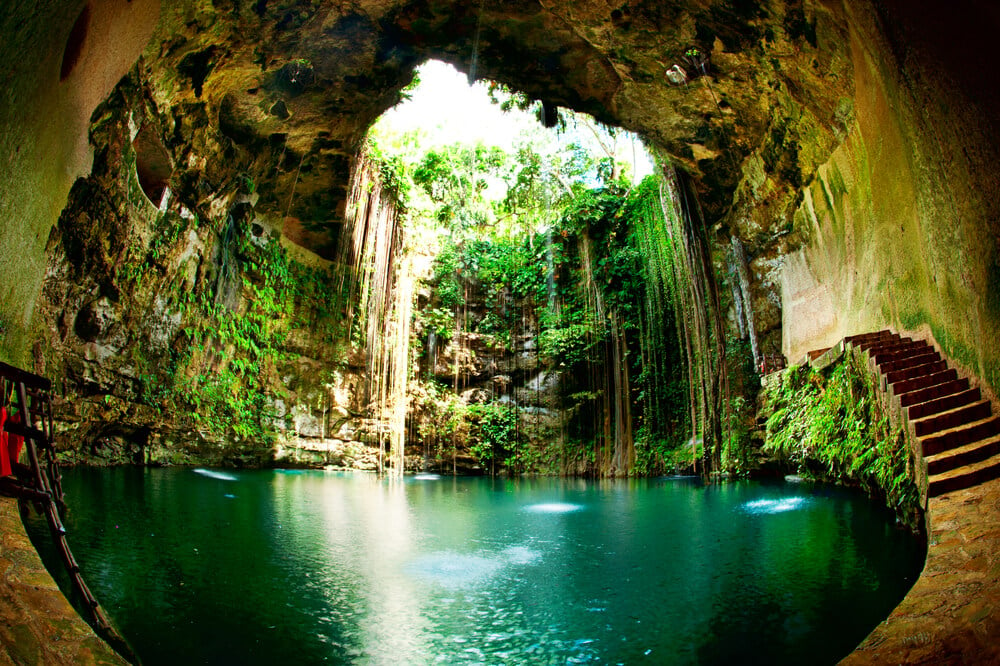
Most of these places are closed for good reasons. Some protect rare wildlife or fragile art, some protect the public from danger, and some protect things no one wants stolen or disturbed; locking them away is often the only way to make sure they survive.
Still, every closed door carries a cost. People lose the chance to see a painted lion or a sacred island firsthand, and curiosity turns quickly into rumor; the best of these sites answer that tension with replicas, research and openness about what lies inside, even when the entrance itself stays shut for good.
More from Go2Tutors!

- The Romanov Crown Jewels and Their Tragic Fate
- 13 Historical Mysteries That Science Still Can’t Solve
- Famous Hoaxes That Fooled the World for Years
- 15 Child Stars with Tragic Adult Lives
- 16 Famous Jewelry Pieces in History
Like Go2Tutors’s content? Follow us on MSN.