17 Inventions That Solved Oddly Specific Problems
Innovation often springs from the most peculiar frustrations. Throughout history, inventors have tackled problems that seem almost absurdly specific, yet their solutions have proven surprisingly useful. From addressing pet-related dilemmas to solving workplace annoyances, these creative minds turned narrow challenges into meaningful improvements.
Here is a list of 17 inventions that emerged from wonderfully specific problems, each demonstrating how focused thinking can lead to unexpectedly practical solutions.
Pet Rocks

Gary Dahl created the Pet Rock in 1975 after listening to friends complain about their demanding pets. He realized people wanted companionship without the responsibility of feeding, walking, or cleaning up after an animal. The simple concept of packaging ordinary rocks as low-maintenance pets became a cultural phenomenon, selling over a million units and proving that sometimes the best solution is the most obvious one.
The Snuggie

Scott Boilen invented the Snuggie to solve the specific problem of blankets falling off while reading or watching television. Traditional blankets left arms exposed when reaching for remote controls or books, creating an annoying cycle of readjustment. The backwards robe design allowed people to stay warm while maintaining full arm mobility, addressing a frustration millions of people didn’t even realize they shared.
Intermittent Windshield Wipers

Robert Kearns developed intermittent wipers after getting debris in his eye during his wedding night, which damaged his vision. He became frustrated with existing wipers that only worked at constant speeds, providing too much action in light rain and too little in varying conditions. His invention mimicked human blinking patterns, allowing drivers to adjust wiper frequency to match actual weather conditions rather than settling for inadequate preset speeds.
The Slinky

Richard James accidentally created the Slinky in 1943 while trying to develop springs that could keep sensitive ship equipment stable during rough seas. When he knocked over a prototype, he watched it ‘walk’ down a stack of books and realized this accidental behavior was actually entertaining. The failed maritime stabilizer became one of America’s most beloved toys, proving that sometimes the best inventions come from happy accidents.
Velcro

Georges de Mestral invented Velcro after becoming annoyed with burrs sticking to his dog’s fur during hunting trips in the Swiss Alps. Instead of simply removing the burrs, he examined them under a microscope and discovered their hook-like structure that grabbed onto fabric loops. He spent eight years developing a synthetic version that could be manufactured, creating a fastening system that revolutionized everything from shoes to space suits.
The Segway
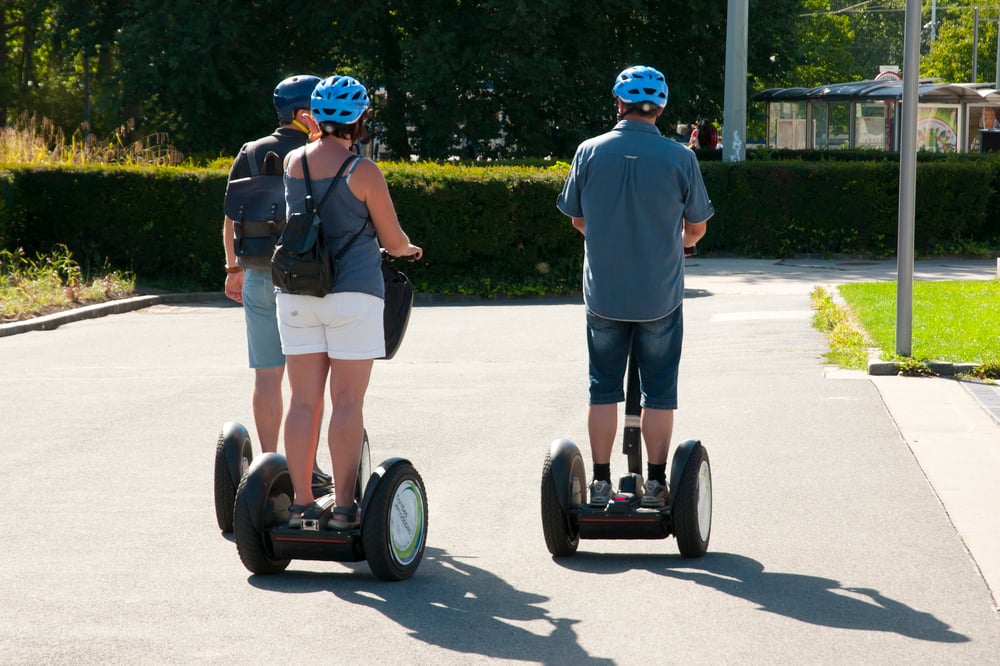
Dean Kamen developed the Segway specifically for people who needed to travel short distances but found walking exhausting or impractical. He envisioned solving the ‘last mile’ problem for commuters who drove to train stations but then faced long walks to their final destinations. While it never achieved mass adoption for daily transportation, the self-balancing technology found applications in tourism, security, and mobility assistance for people with physical limitations.
Noise-Canceling Headphones
— Photo by ifeelstock
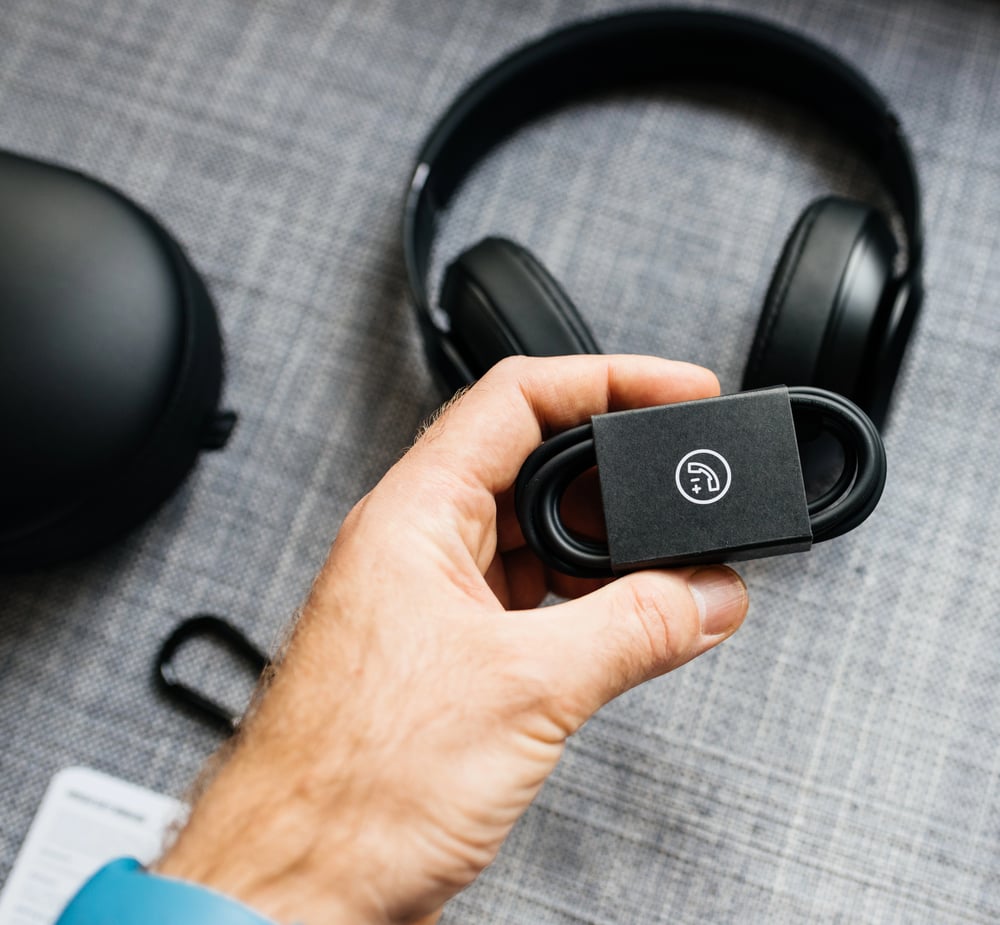
Amar Bose invented noise-canceling technology during a flight when he couldn’t enjoy his music due to constant engine noise. He realized that adding sound waves could actually reduce unwanted noise through destructive interference, essentially fighting sound with more sound. The concept seemed counterintuitive, but it worked by generating sound waves that were exactly opposite to ambient noise, creating peaceful quiet zones in noisy environments.
The Roomba

— Photo by grulis
iRobot created the Roomba to solve the specific problem of pet hair accumulation in homes with multiple animals. Traditional vacuum cleaners required human operation and couldn’t maintain consistent cleaning schedules when pet owners traveled or worked long hours. The automated system allowed continuous maintenance cleaning, preventing the buildup that made occasional deep cleaning such a chore.
Sticky Notes

Spencer Silver at 3M accidentally created a weak adhesive while trying to develop a super-strong glue in 1968. His colleague Art Fry later realized this ‘failed’ adhesive could solve his problem of bookmarks falling out of his church hymnal. The removable, repositionable notes became essential office supplies, demonstrating how perceived failures can become breakthrough successes when viewed from different perspectives.
The Breathalyzer

Robert Borkenstein invented the Breathalyzer because existing sobriety tests were subjective and unreliable. Police officers had to rely on observations of behavior and coordination, which varied greatly between individuals and could be influenced by medical conditions unrelated to alcohol consumption. His device provided objective measurements that could be standardized across different officers and jurisdictions, making impaired driving enforcement more consistent and legally defensible.
Caller ID
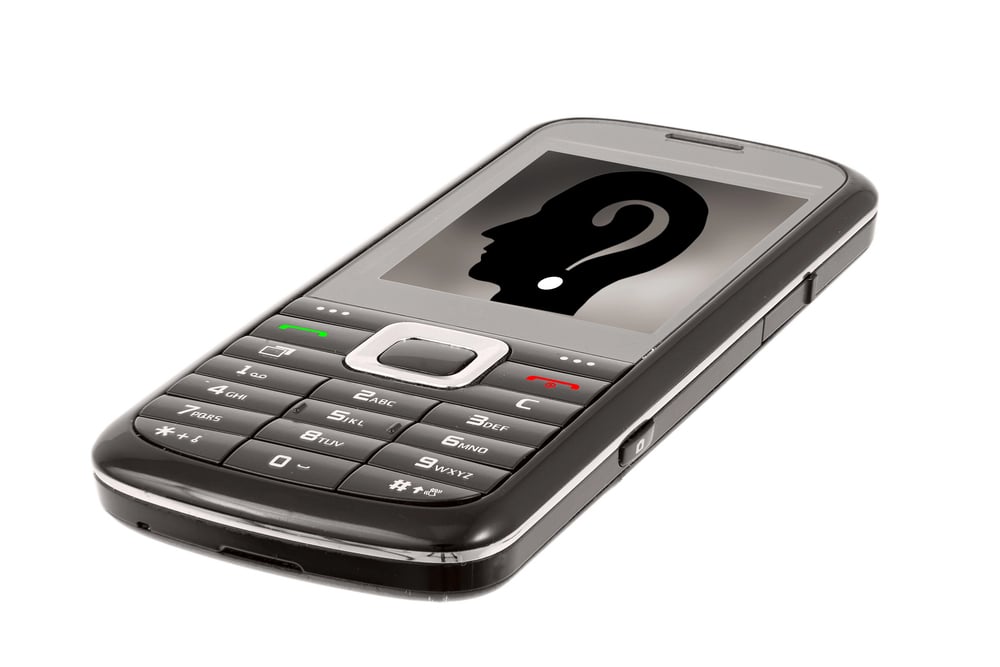
Theodore Paraskevakos developed Caller ID technology to solve the problem of unwanted phone calls interrupting daily life. Before this invention, answering the phone meant committing to an interaction without knowing who was calling, leading to frequent interruptions from telemarketers and unwanted contacts. The system allowed people to make informed decisions about which calls to answer, giving them control over their telephone accessibility.
The George Foreman Grill
— Photo by BrendaRochaBlossom
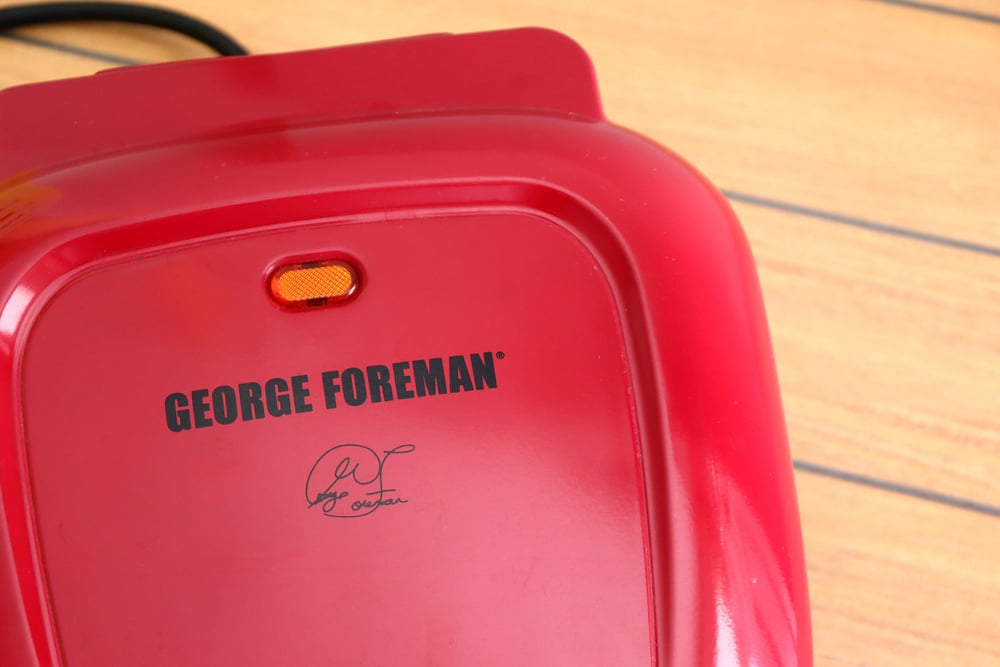
Michael Boehm designed the George Foreman Grill specifically to address the problem of grease accumulation in indoor grilling. Traditional indoor grills trapped grease around food, making meals less healthy and creating messy cleanup situations. The angled cooking surface and removable drip tray channeled fat away from food during cooking, allowing people to enjoy grilled flavors indoors without the associated health and cleaning drawbacks.
Automatic Soap Dispensers

The automatic soap dispenser was invented to solve the hygiene problem created by manual soap pumps in public restrooms. Traditional dispensers required users to touch potentially contaminated surfaces before washing their hands, essentially defeating part of the cleaning purpose. Motion sensors eliminated this contradiction, allowing people to access soap without compromising the cleanliness they were trying to achieve.
The Chip Clip
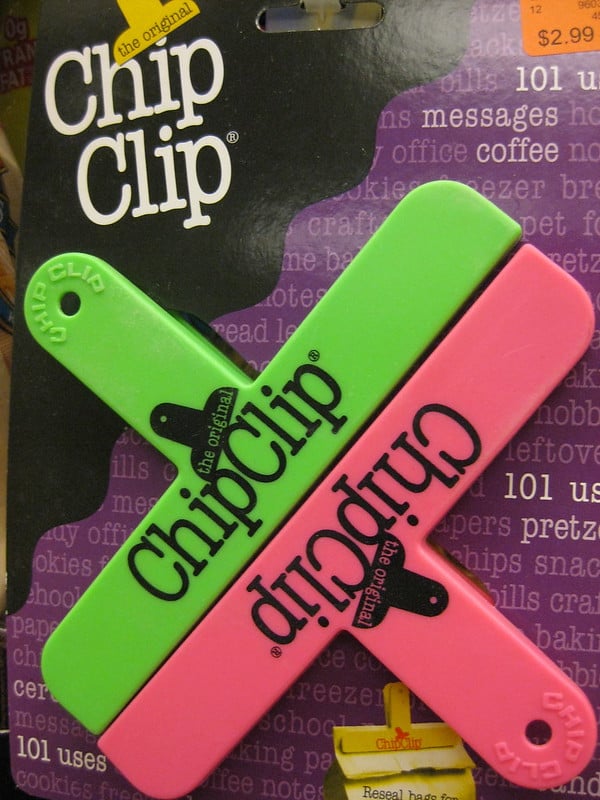
Karl Kaufmann invented the chip clip to solve the specific problem of stale snack foods in partially consumed packages. Rolling bag tops or using clothespins provided inadequate seals that allowed air to enter and freshness to escape. His spring-loaded design created consistent pressure across the entire bag opening, maintaining freshness for much longer periods and reducing food waste from prematurely stale snacks.
Rearview Mirrors

Ray Harroun added the first rearview mirror to his race car in 1911 to solve the problem of not being able to see approaching competitors during the Indianapolis 500. Racing rules required either two people per car or a way for single drivers to monitor traffic behind them safely. His simple mirror solution allowed him to race alone while maintaining situational awareness, establishing a safety feature that became standard in all vehicles.
The Lazy Susan

— Photo by natalia.milko@gmail.com
The Lazy Susan was invented to solve the specific problem of people being unable to reach dishes on large dining tables without asking others to pass items constantly. Traditional table service required extensive coordination and interruption of conversation as diners requested access to various foods. The rotating platform allowed everyone to access all dishes independently, making large family meals and formal dinners more efficient and socially smooth.
Coffee Cup Sleeves
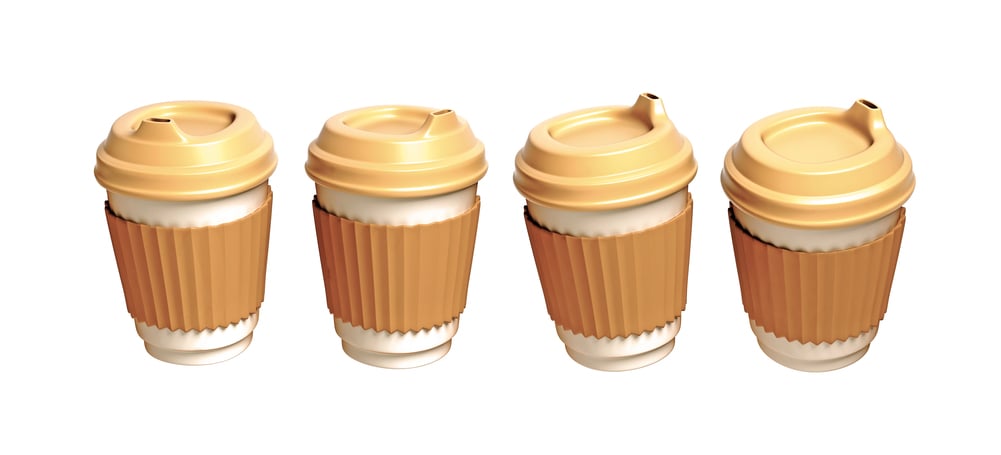
Jay Sorensen invented the coffee cup sleeve after burning his fingers on a hot coffee cup at a convenience store. He realized that disposable cups conducted heat directly to users’ hands, making hot beverages uncomfortable or impossible to hold safely. His corrugated cardboard sleeve provided insulation without requiring expensive double-walled cups, solving the problem with minimal cost and environmental impact.
Innovation Born from Irritation

These inventions remind us that breakthrough solutions often emerge from everyday annoyances rather than grand technological challenges. Each creator identified a specific frustration and refused to accept it as an unchangeable part of life. Their willingness to address seemingly minor problems led to products that improved daily experiences for millions of people, proving that innovation doesn’t always require revolutionary thinking—sometimes it just requires paying attention to what bothers us most.
More from Go2Tutors!

- 16 Historical Figures Who Were Nothing Like You Think
- 12 Things Sold in the 80s That Are Now Illegal
- 15 VHS Tapes That Could Be Worth Thousands
- 17 Historical “What Ifs” That Would Have Changed Everything
- 18 TV Shows That Vanished Without a Finale
Like Go2Tutors’s content? Follow us on MSN.



