16 Sensory Abilities Humans Have But Never Notice
Most people think we only have five senses, but that’s just scratching the surface. Your body is constantly picking up information from the world around you in ways that never cross your mind.
From knowing where your limbs are in complete darkness to sensing the Earth’s magnetic field, humans possess remarkable abilities that work behind the scenes every single day. Here’s a list of 16 sensory abilities that most people don’t even realize they have.
Proprioception

Your body always knows where it is, even with your eyes closed. This sense lets you touch your nose in the dark or walk without constantly looking at your feet.
Proprioceptors in your muscles, joints, and tendons send constant updates to your brain about limb position and movement. Without this ability, simple tasks like typing or picking up a cup would require intense visual concentration.
Equilibrioception

Balance isn’t just about not falling over—it’s a complex sensory system that works nonstop. Your inner ear contains tiny organs filled with fluid and crystals that detect head movements and gravity’s pull.
This system coordinates with your vision and proprioception to keep you upright, whether you’re walking on uneven ground or simply standing still.
Like Go2Tutors’s content? Follow us on MSN.
Thermoception

Temperature detection goes far beyond just feeling hot or cold. Your skin contains specialized receptors that can detect temperature changes as small as one degree. Interestingly, you have separate sensors for warmth and cold, which is why sometimes you can feel both sensations simultaneously in confusing situations.
Nociception

Pain sensing is a distinct sense from touch, with its dedicated pathways to the brain. Your nociceptors detect potentially harmful stimuli like extreme heat, pressure, or chemical irritation.
This system can even differentiate between sharp, stabbing pain and dull, aching pain, sending different signals that help your brain decide how to respond.
Chronoception

Humans have an internal sense of time that operates independently of external cues. Your circadian rhythms help you estimate duration and maintain sleep-wake cycles, while your brain can judge short intervals with surprising accuracy.
This ability varies between individuals and can be influenced by age, attention, and even body temperature.
Like Go2Tutors’s content? Follow us on MSN.
Magnetoception
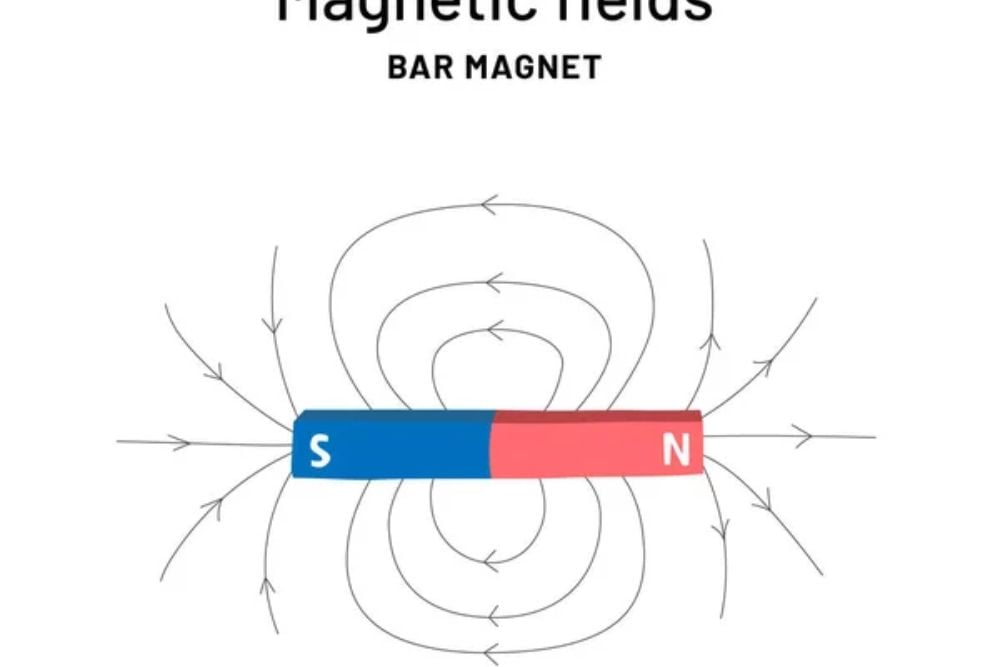
While not as strong as in migratory animals, humans do possess a weak ability to sense magnetic fields. Recent research suggests that proteins in your eyes called cryptochromes might allow you to subconsciously detect Earth’s magnetic field.
This could explain why some people have better directional sense than others, even without obvious landmarks.
Interoception

Your body constantly monitors its internal state through sensors that track things like heart rate, breathing, and organ function. This sense helps you recognize when you’re hungry, thirsty, or need to use the bathroom.
Some people are more interoceptively aware than others, which correlates with better emotional regulation and self-awareness.
Echolocation

Humans can develop basic echolocation abilities by making clicking sounds with their tongue and listening to the echoes. While nowhere near as sophisticated as bat sonar, some blind individuals have trained this sense to navigate spaces and identify objects.
Even sighted people can learn to detect large objects or walls using sound reflection.
Like Go2Tutors’s content? Follow us on MSN.
Vestibular Sense

Beyond basic balance, your vestibular system detects rotational movements and linear acceleration. This is what makes you dizzy when you spin around or feel pressed into your seat when a car accelerates quickly.
The system includes three semicircular canals that detect rotation in different planes, giving you a complete picture of head movement.
Pressure Sensing

Separate from touch, specialized mechanoreceptors detect pressure changes in your environment. These sensors can pick up on atmospheric pressure shifts that signal weather changes, which might explain why some people claim to predict storms.
Your body also uses pressure sensing to detect altitude changes and adjust accordingly.
Electric Field Detection

Your body can detect weak electrical fields through specialized cells, though this sense is much less developed than in sharks or platypuses. Some researchers believe this ability might help explain phenomena like the feeling of being watched or the sensation some people get before thunderstorms when electrical charge builds in the atmosphere.
Like Go2Tutors’s content? Follow us on MSN.
Humidity Sensing

Your skin and respiratory system can detect moisture levels in the air through hygrosensitive receptors. This sense helps your body regulate temperature and breathing efficiency in different climates.
It’s also why you can often tell when rain is coming—rising humidity triggers subtle physiological responses you might not consciously notice.
Chemical Gradient Detection

Beyond taste and smell, your body can detect chemical gradients in the environment through various receptors. This includes sensing carbon dioxide levels (which triggers the urge to breathe) and detecting pheromones or other chemical signals from other people.
These abilities likely influence behavior and emotions in ways we’re only beginning to understand.
Vibration Detection

Your skin contains Pacinian corpuscles that are exquisitely sensitive to vibrations. These receptors can detect vibrations from footsteps, machinery, or even distant thunder through the ground.
This sense works over surprisingly long distances and might have evolutionary origins in detecting approaching predators or prey.
Like Go2Tutors’s content? Follow us on MSN.
Light Polarization

While humans can’t consciously see polarized light like some animals, your visual system does contain cells that respond to light polarization patterns. This ability might contribute to navigation skills and could explain why some people have better directional sense in bright sunlight, when polarization patterns are most pronounced.
Infrared Detection
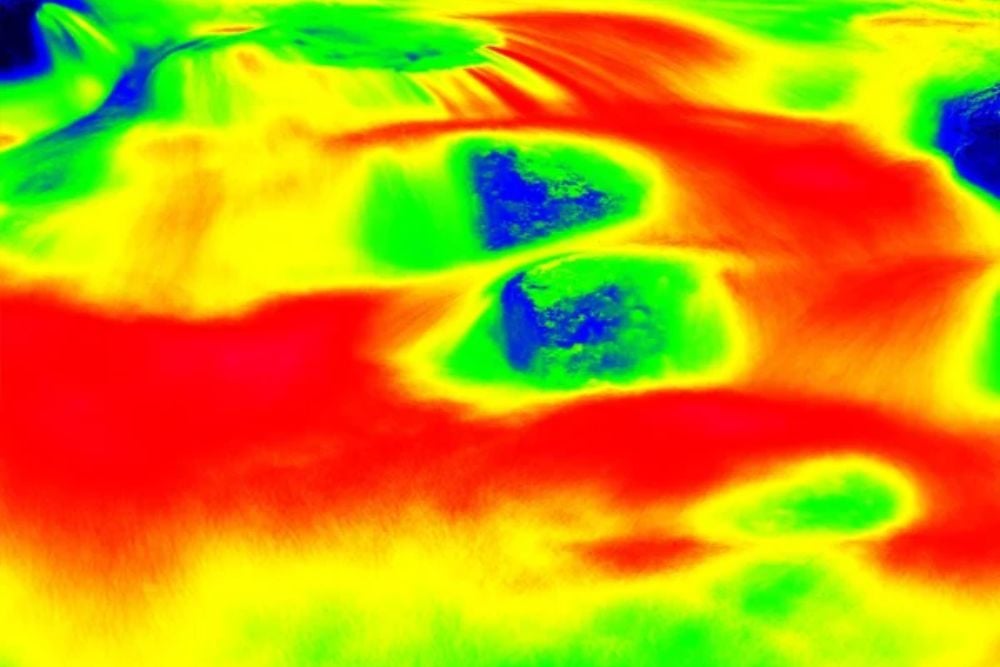
Though very weak compared to snakes or other heat-sensing animals, humans can detect infrared radiation through specialized nerve endings in the face. This sense might help explain the feeling of warmth from sunlight or the ability to sense another person’s presence nearby in complete darkness through their body heat.
The Hidden Symphony of Sensation

These overlooked senses work together constantly, creating a rich tapestry of information that guides your daily life. While vision, hearing, and touch grab most of the attention, these subtle abilities shape your experience of the world in profound ways.
Understanding these hidden senses reveals just how remarkable human perception really is—and how much more there is to discover about the complex machine that is your body.
Like Go2Tutors’s content? Follow us on MSN.
More from Go2Tutors!

- 16 Restaurant Chains That Went Too Fast
- 12 Things Sold in the 80s That Are Now Illegal
- 15 Strange Things People Have Tried to Ban (And Failed)
- 16 Collectibles People Tossed Out Too Soon
- 17 Myths from Your Childhood That Were Actually Based on Real Things
Like Go2Tutors’s content? Follow us on MSN.