29 Common Practices From the Past That Were Later Banned for Good Reason
Every generation assumes its habits are sensible. Children were once sent through the mail, shoe stores blasted customers with X-rays and paint was made with lead because nobody could imagine a reason not to.
Some of these practices faded quietly, while others ended only after tragedies forced lawmakers to act. Looking back, the surprising part is not that they were banned but how long they lasted.
Painting Homes With Lead

Lead made paint durable, bright and quick to dry, so it coated walls, cribs and toys for generations. Doctors documented childhood lead poisoning from flaking paint in the early twentieth century, and France, Belgium and Austria restricted white lead in interior paint as early as 1909.
The United States waited until 1978, when the Consumer Product Safety Commission banned lead paint for residential use. Millions of older homes still contain layers of it beneath newer coats, which is why renovation work on them is tightly regulated.
Adding Lead to Gasoline
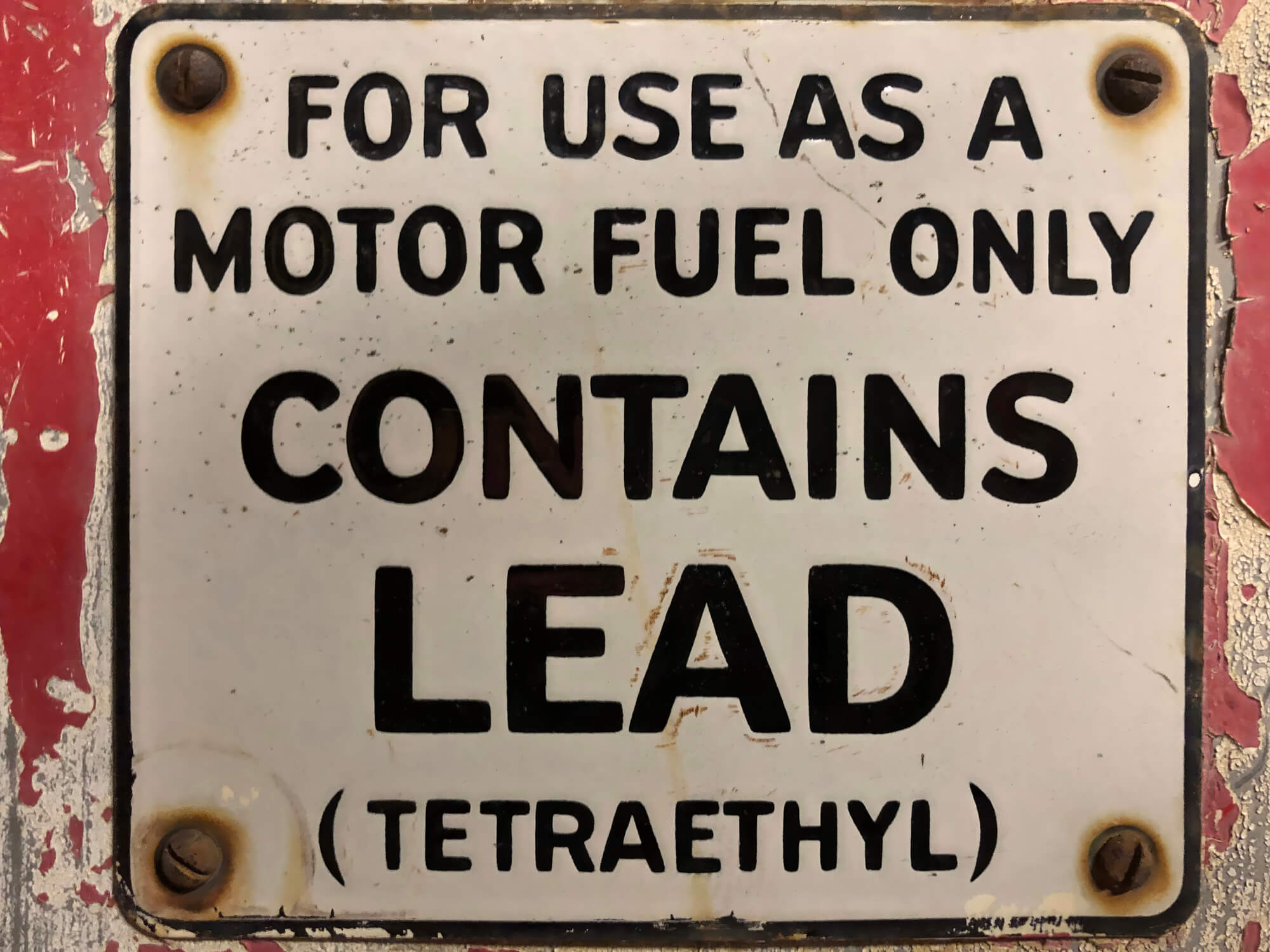
In 1921, engineers at General Motors found that tetraethyl lead stopped engines from knocking, and leaded fuel soon spread worldwide. Several workers producing the additive died of lead poisoning in the 1920s, yet it stayed in use for decades.
Researchers later linked it to widespread harm to children’s brains. The United States completed its phaseout for road vehicles in 1996.
Algeria became the last country to stop selling leaded gasoline in July 2021, prompting the United Nations to declare the era over.
Building With Asbestos
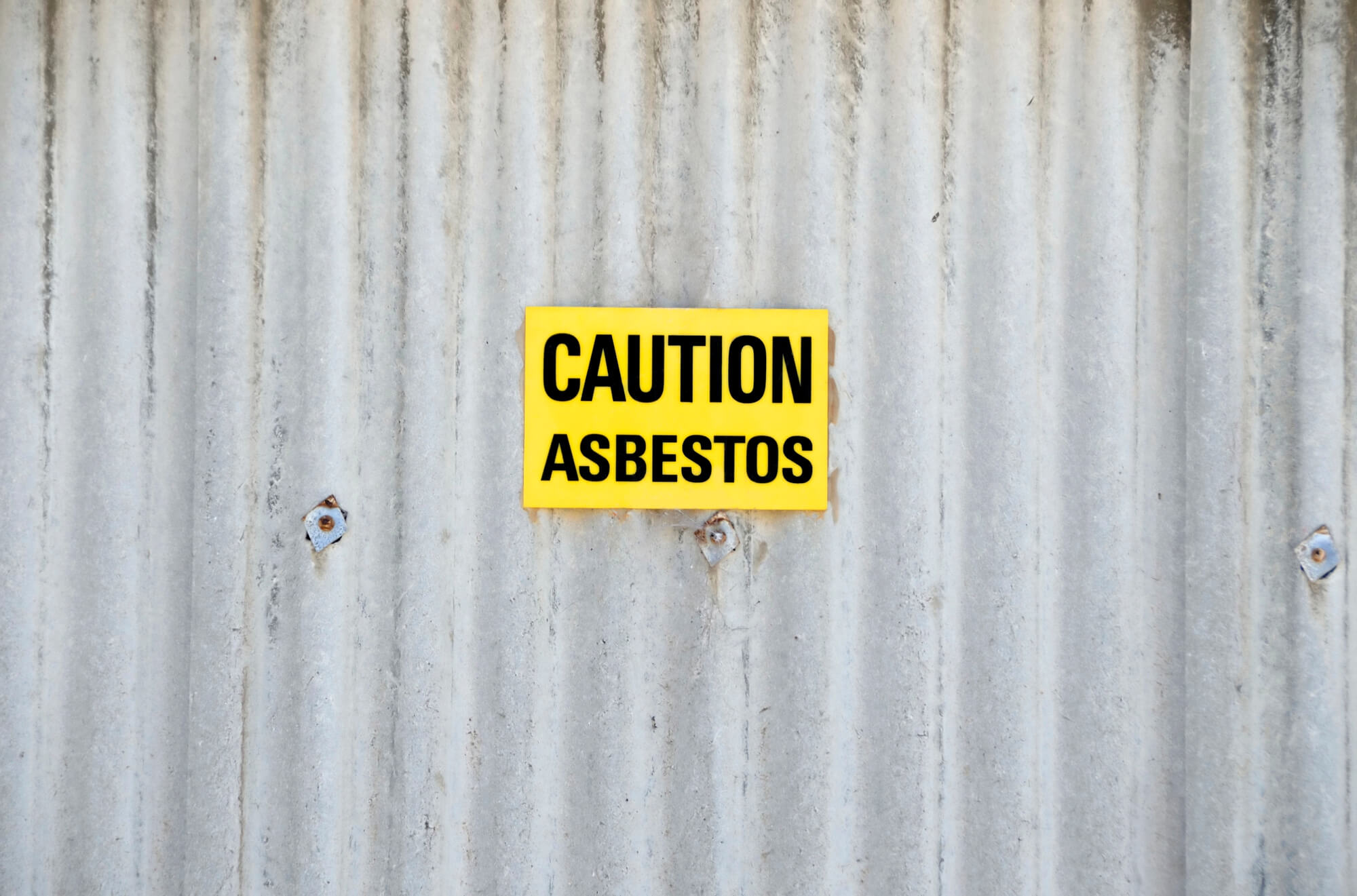
Asbestos was prized as a miracle mineral that resisted fire and insulated beautifully, and it went into ceilings, pipes, brake pads and even theater curtains. Its microscopic fibers, once inhaled, cause mesothelioma and other deadly diseases that can appear decades after exposure.
Britain banned all forms of asbestos in 1999. In the United States, an early ban was largely overturned by a court in 1991, and the Environmental Protection Agency did not ban chrysotile asbestos, the last type still imported, until 2024.
Sending Children Up Chimneys

For generations, master sweeps in Britain used small boys, some only four or five years old, to climb inside narrow chimneys and scrape out soot. The children suffered burns, deformed limbs and a cancer so common it was called chimney sweeps’ cancer.
Several laws tried to end the practice but were widely ignored. Change finally came after 12-year-old George Brewster suffocated inside a hospital chimney in 1875, and the Chimney Sweepers Act passed that same year with real enforcement through police licensing.
X-Raying Feet in Shoe Stores
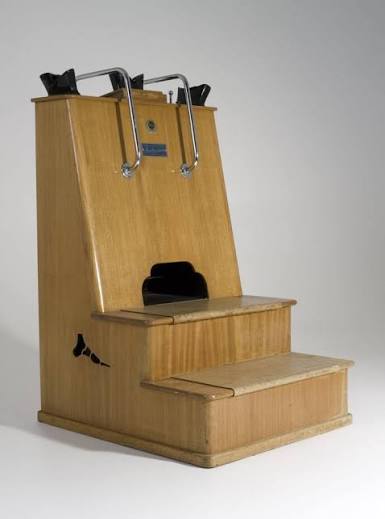
From the 1920s through the 1950s, many shoe stores featured a shoe-fitting fluoroscope, a wooden cabinet that let customers look down and see the bones of their feet inside new shoes. Children loved it, and some used it repeatedly while their parents shopped.
The machines delivered unshielded radiation to customers and to the clerks who stood beside them all day. Pennsylvania became the first state to ban them in 1957, and they disappeared from stores across the country soon afterward.
Spraying DDT Everywhere

After the Second World War, the insecticide DDT was sprayed on crops, forests and even children at summer camps to fight mosquitoes and lice. It was hailed as a triumph of chemistry and helped fight malaria.
Rachel Carson’s 1962 book Silent Spring documented how it built up in food chains, thinning the eggshells of birds such as bald eagles and peregrine falcons. The Environmental Protection Agency banned most uses in the United States in 1972, and eagle populations eventually recovered.
Riding in Cars Without Seat Belts

Seat belts were optional equipment for years, and many drivers considered them uncomfortable or unnecessary. Even after federal rules required automakers to install them in the late 1960s, most Americans simply left them unbuckled.
New York became the first state to require drivers and front passengers to buckle up, with a law that took effect on December 1, 1984. Nearly every state followed, and studies credit seat belts with saving hundreds of thousands of lives on American roads since then.
Mailing Children by Parcel Post
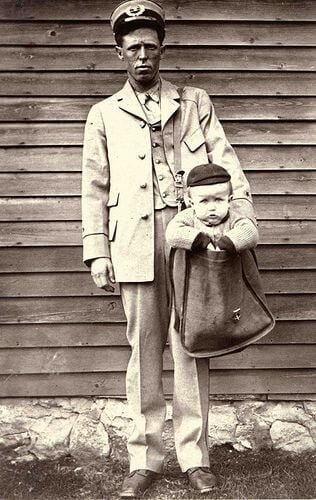
When the United States Post Office launched parcel post on January 1, 1913, a few families realized that children weighing under the limit could technically be shipped. In 1914, four-year-old May Pierstorff traveled about 73 miles in Idaho to visit her grandparents with postage stamps attached to her coat, riding in the mail car with a relative who worked for the railway mail service.
Postal officials quickly banned mailing people, but a handful of cases slipped through until about 1915.
Hanging Criminals Before Cheering Crowds
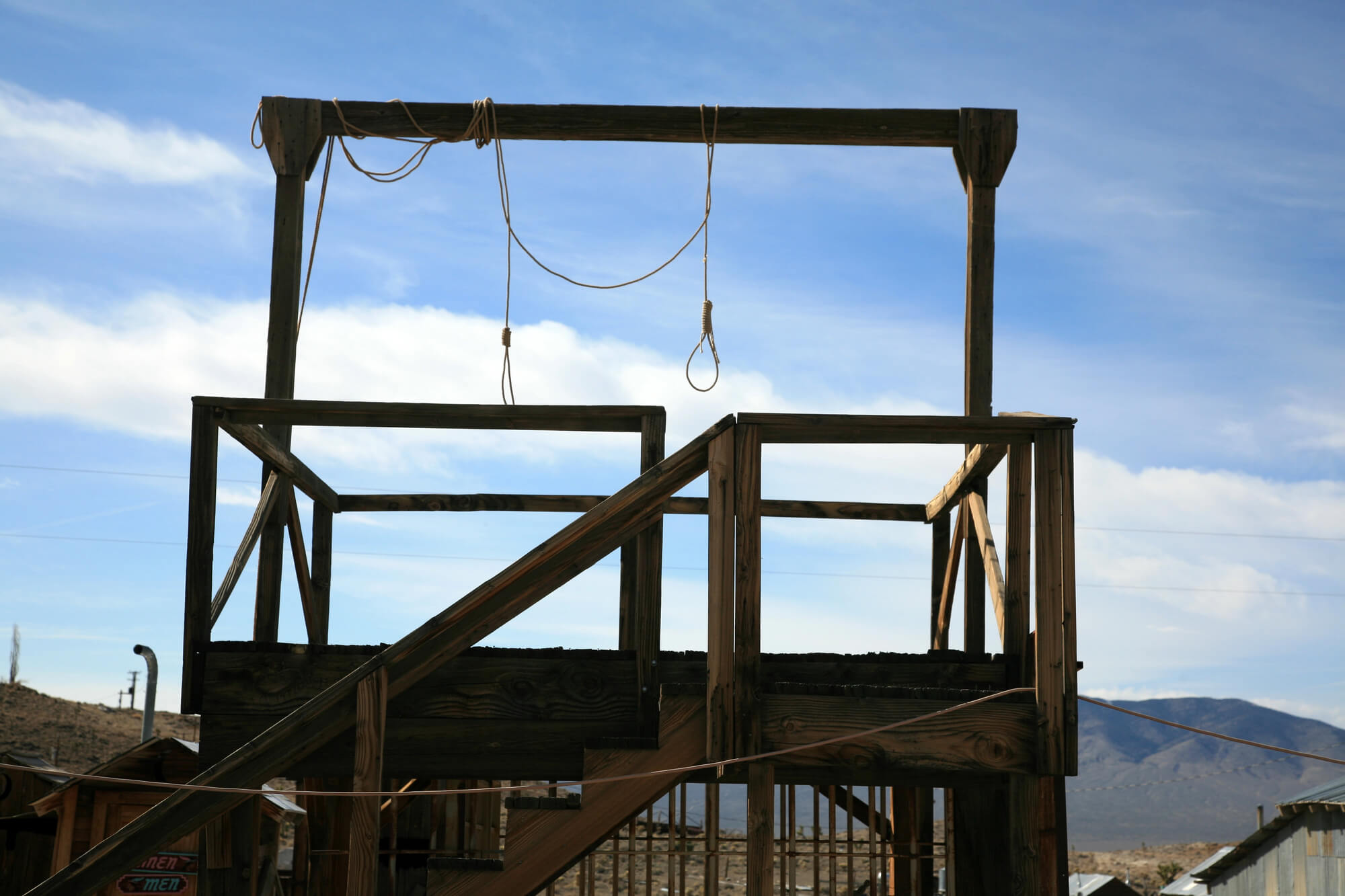
Public executions were once popular entertainment, drawing huge crowds, vendors and pickpockets. Britain held its last public hanging in May 1868, when Michael Barrett was executed outside Newgate Prison, and a new law moved executions behind prison walls days later.
The last public execution in the United States took place in Owensboro, Kentucky, in 1936, when Rainey Bethea was hanged before a crowd estimated at up to 20,000. National embarrassment over the carnival atmosphere helped end the practice.
Jailing People for Unpaid Debts

For centuries, people who could not pay their creditors were locked in debtors’ prisons, sometimes with their families, and charged fees for food and lodging that deepened their debt. London’s Marshalsea and Fleet prisons became notorious for disease and extortion.
The federal government in the United States ended imprisonment for federal debts in 1833. England’s Debtors Act of 1869 largely abolished the practice, although people could still be jailed for refusing to pay when they had the means.
Bear-Baiting for Entertainment
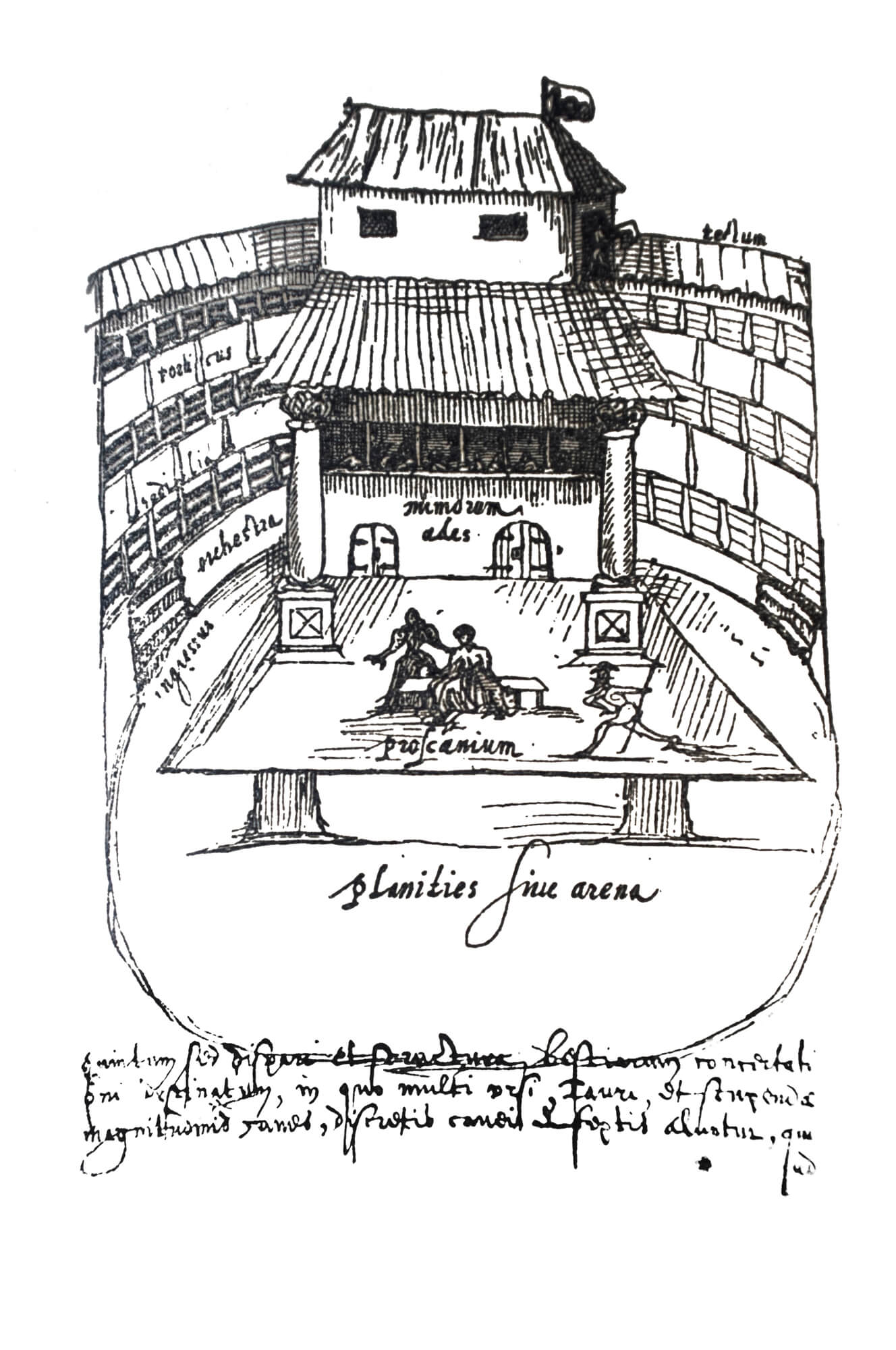
In Tudor London, crowds packed arenas in Southwark to watch chained bears fight packs of dogs, and royalty enjoyed the spectacle. In January 1583, a crowded wooden stand at the Paris Garden arena collapsed during a Sunday show, killing several spectators, and preachers called it divine punishment.
The sport continued anyway for another two and a half centuries. Parliament finally outlawed bear-baiting, along with cockfighting and dogfighting, through the Cruelty to Animals Act of 1835.
Spray Cans Powered by CFCs
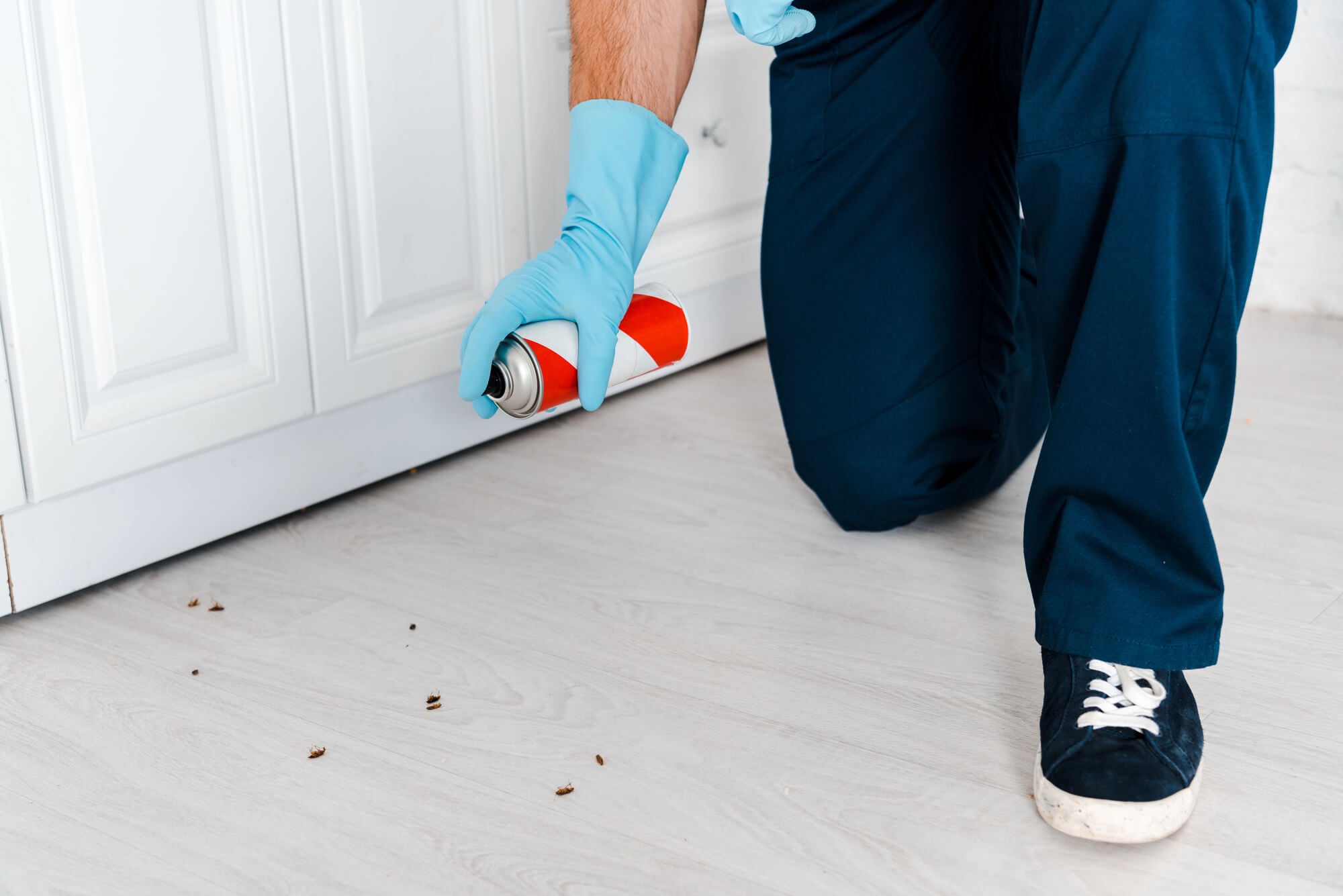
Chlorofluorocarbons made ideal propellants for hair spray, deodorant and other aerosol products because they were cheap and seemed completely inert. In 1974, chemists Mario Molina and Sherwood Rowland warned that these compounds were destroying the ozone layer that shields Earth from ultraviolet radiation.
The United States banned CFCs in most aerosol products in 1978. The Montreal Protocol of 1987 then committed nations to phase out ozone-depleting chemicals worldwide, and scientists expect the ozone layer to recover by around the middle of this century.
Treating Hat Felt With Mercury
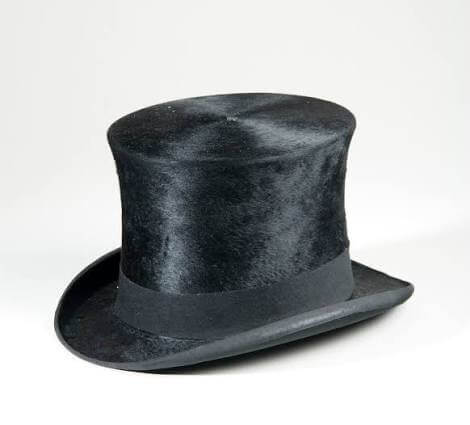
Hatters in the nineteenth century used a mercury solution to help animal fur mat into felt, a process called carroting because it turned the fur orange. Workers breathed the fumes daily and developed tremors, irritability and memory loss.
In Danbury, Connecticut, the center of American hatmaking, the symptoms were so common that locals called them the Danbury shakes. The United States Public Health Service and hat-producing states agreed to end the use of mercury in the industry in 1941.
Making Matches With White Phosphorus

Early friction matches used white phosphorus, which lit easily but slowly poisoned the women and girls who made them. Many developed phossy jaw, a condition that rotted the jawbone and could glow faintly in the dark.
The 1888 strike by the matchgirls at the Bryant and May factory in London drew national attention to the danger. The Berne Convention of 1906 banned white phosphorus matches in signatory countries, and the United States taxed them out of existence in 1912.
Selling Elephant Ivory

Ivory was once a routine material for piano keys, billiard cues, combs and carvings, and tens of thousands of elephants were killed every year to supply it. African elephant numbers roughly halved during the 1980s alone.
In 1989, parties to the Convention on International Trade in Endangered Species voted for a global ban on commercial trade in African elephant ivory, which took effect in 1990. China, long the largest market, banned its domestic ivory trade at the end of 2017.
Hunting Whales Commercially

Whales were hunted for centuries for oil to light lamps, bone for corsets and meat, and industrial whaling in the twentieth century drove several species toward extinction. The blue whale, the largest animal ever known, was reduced to a tiny fraction of its original population.
The International Whaling Commission adopted a moratorium on commercial whaling that took effect in 1986. Norway, Iceland and Japan have continued some hunting, but many whale populations have since begun to recover.
Selling Lawn Darts

Lawn darts were heavy, weighted spikes that families tossed toward plastic rings in backyards, and they sold for decades despite warnings to keep them away from children. Thousands of injuries were reported, many involving head wounds.
After seven-year-old Michelle Snow was killed by a lawn dart in Riverside, California, in 1987, her father David Snow campaigned for a ban. The Consumer Product Safety Commission banned their sale in the United States in December 1988, and Canada followed the next year.
Physically Punishing Children at Home

Spanking and beating children were long considered a normal part of raising them, and laws in most countries explicitly allowed parents to use force. Sweden changed that in 1979, becoming the first country to ban all corporal punishment of children, including by parents at home.
The law was designed mainly to shift attitudes rather than to prosecute families. More than 60 countries have since passed similar bans, and support for physical punishment in Sweden itself has fallen dramatically.
Cooking With Artificial Trans Fats

Partially hydrogenated oils were a staple of margarine, crackers, doughnuts and fried food for most of the twentieth century, prized because they were cheap and gave products a long shelf life. Research eventually showed that the artificial trans fats they contained raised the risk of heart disease.
Denmark restricted them in 2003. In 2015, the Food and Drug Administration ruled that the oils had lost the safety status that allowed their free use in food, and manufacturers had to remove them from American products beginning in 2018.
Binding Girls’ Feet in China
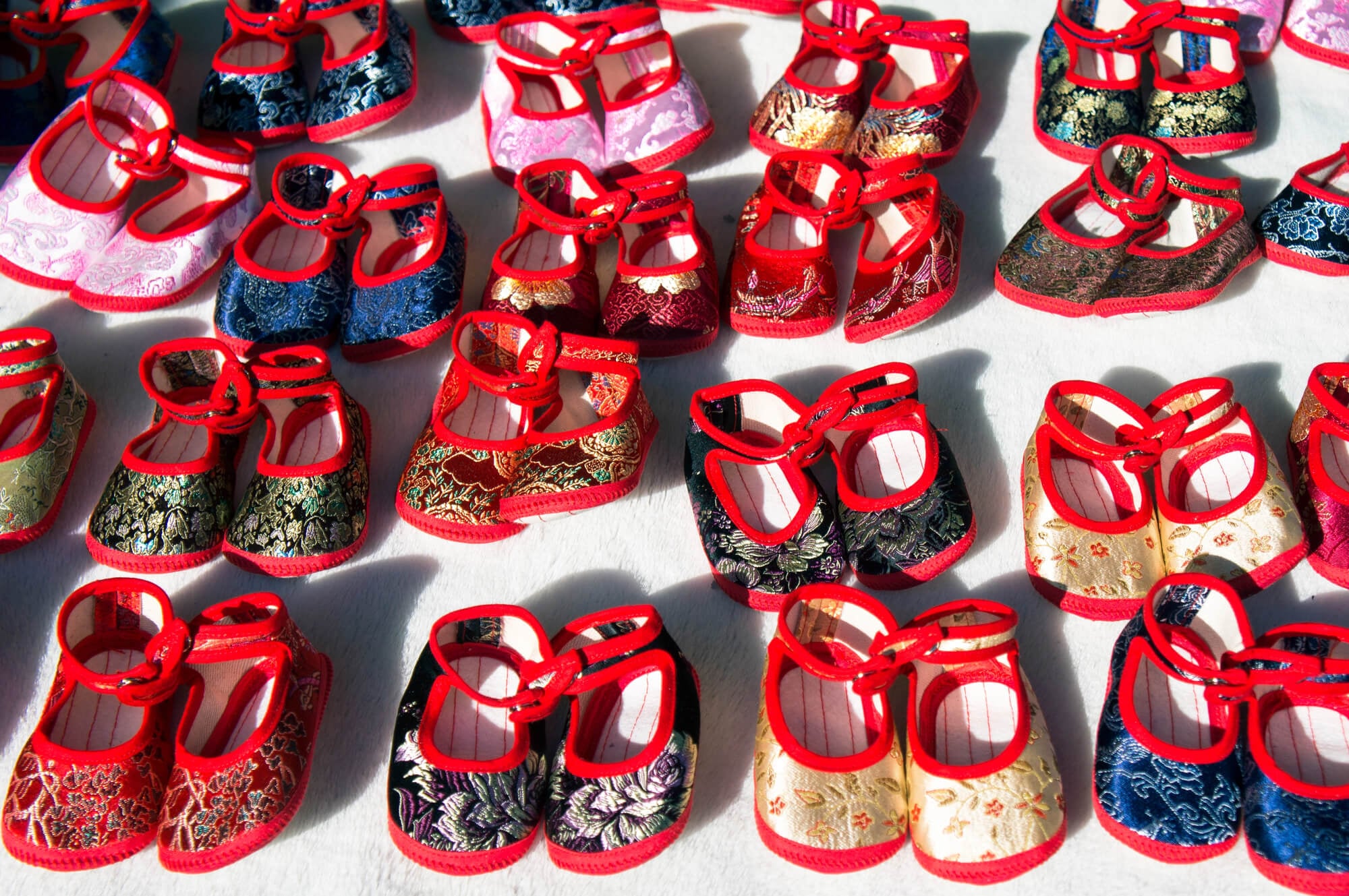
For roughly a thousand years, many Chinese families bound the feet of young girls, breaking and folding the toes to create tiny feet considered a mark of beauty and good breeding. The process caused lifelong pain and disability.
Reformers campaigned against it in the late nineteenth century, and the new Republic of China banned foot binding in 1912. The custom persisted in rural areas for years afterward, and some of the last women with bound feet lived into the twenty-first century.
Burning Widows on Funeral Pyres
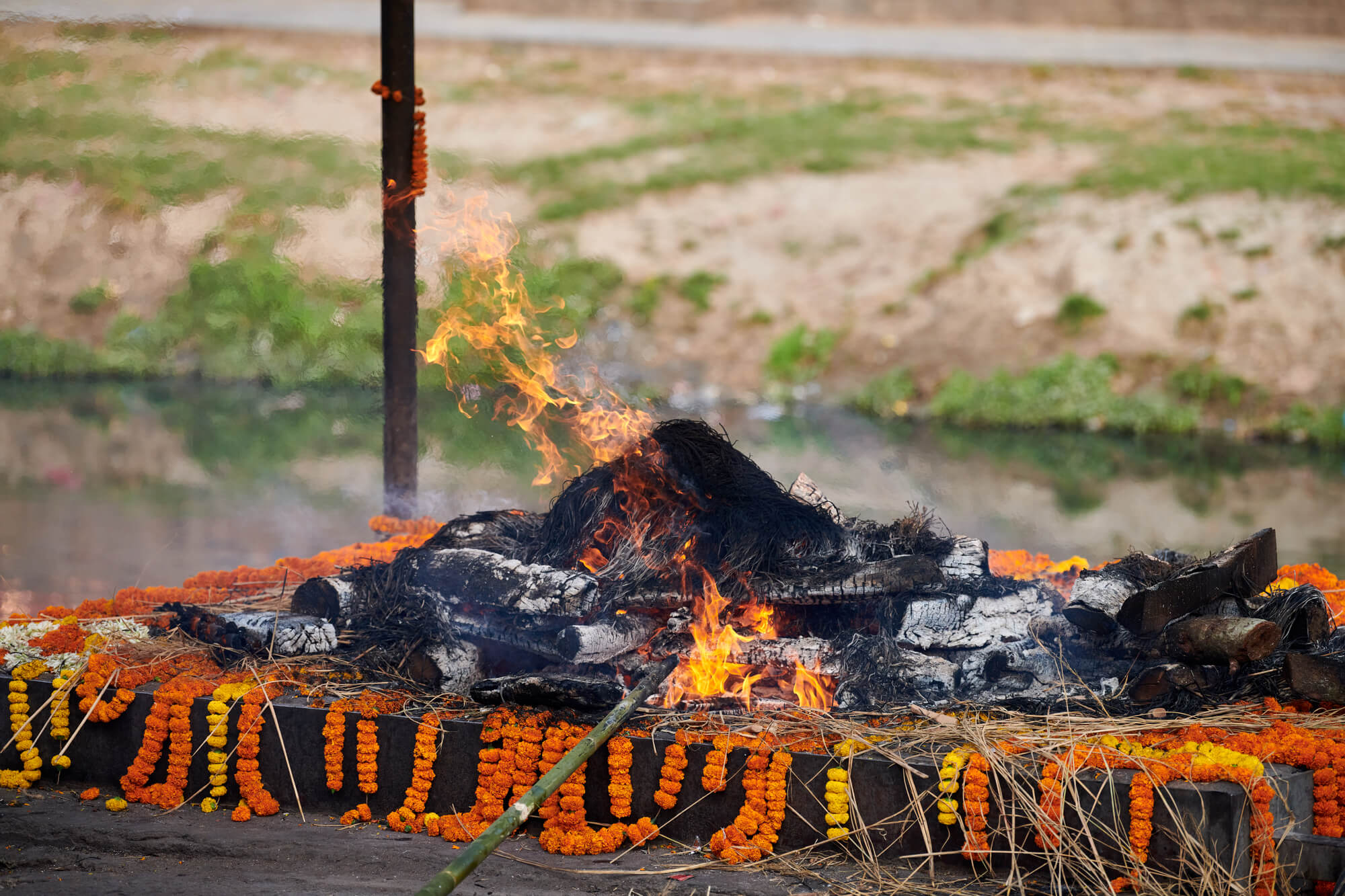
Sati, the custom of a widow being burned on her husband’s funeral pyre, occurred in parts of India for centuries, sometimes under heavy pressure from relatives. The reformer Ram Mohan Roy campaigned against it after witnessing his own sister-in-law’s death.
In 1829, Governor-General Lord William Bentinck issued the Bengal Sati Regulation, making the practice illegal in British-ruled territory. Isolated cases continued, and India passed an even stronger law against sati and its glorification in 1987.
Wearing Extra-Long Hatpins
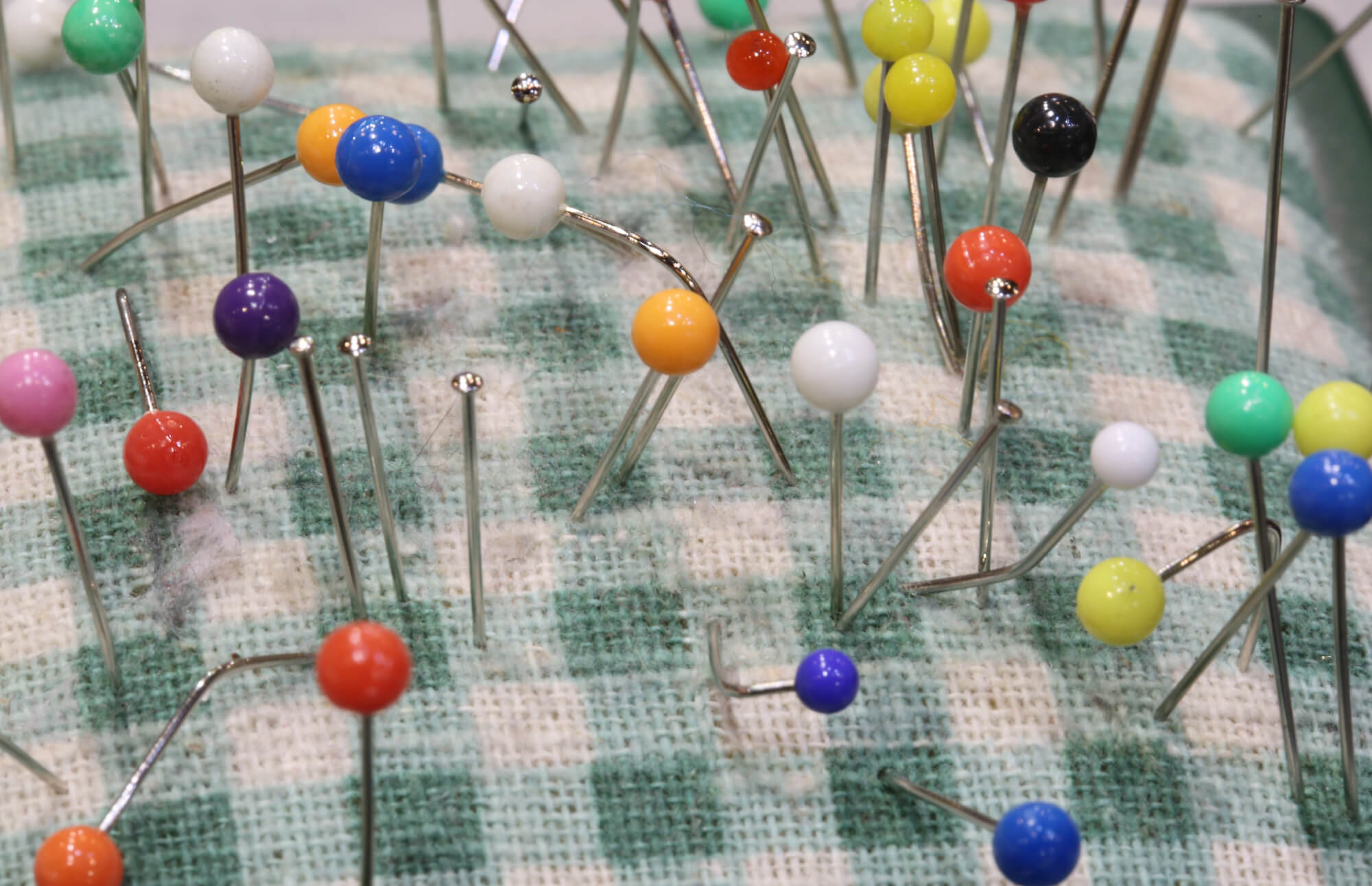
Fashionable women in the early twentieth century used long, sharp hatpins to anchor enormous hats, and some pins stretched close to a foot in length. Newspapers reported injuries to people in crowded streetcars, and some women used the pins to fend off harassers.
Chicago’s city council passed an ordinance in 1910 limiting the length of hatpins that could be worn in public, and other cities, including Sydney, considered or adopted similar rules. The fashion faded as hats shrank.
Settling Disputes With Duels
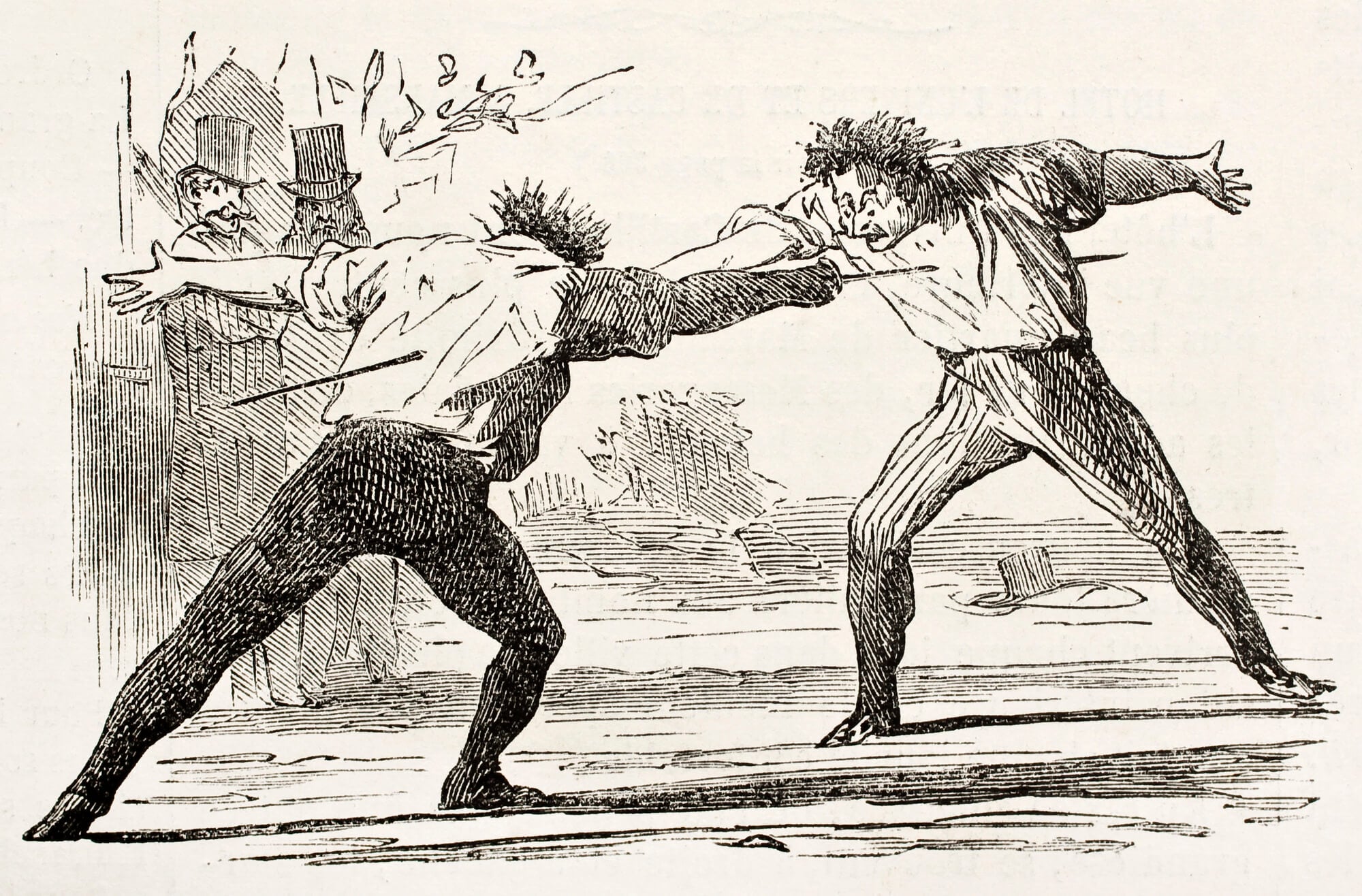
Gentlemen once defended their honor by meeting at dawn with pistols or swords, and even prominent politicians took part. Vice President Aaron Burr killed Alexander Hamilton in a duel in 1804, and future President Andrew Jackson killed a man in one in 1806.
States gradually outlawed the practice during the nineteenth century. Kentucky still requires officials, including lawyers, to swear an oath that they have never fought a duel with deadly weapons, a relic of those days.
Putting Babies in Walkers

Baby walkers, wheeled frames that let infants scoot around before they can walk, were a nursery staple for decades. Doctors found that they did not help babies walk sooner and caused thousands of injuries, especially falls down stairs.
In April 2004, Canada became the first country to ban the sale, importation and advertising of baby walkers. The United States adopted tougher safety standards instead, and pediatricians there continue to recommend that families avoid them entirely.
Building Cribs With Drop Sides

Drop-side cribs, which let parents lower one side to lift a baby out more easily, were found in homes across America for generations. Their hardware could break or detach, creating a gap in which infants could become trapped and suffocate.
After a series of deaths and recalls affecting millions of cribs, the Consumer Product Safety Commission banned the manufacture and sale of drop-side cribs in June 2011. Hotels and child care centers were also required to replace them.
Scrubbing With Plastic Microbeads

Tiny plastic beads were added to face washes, body scrubs and toothpastes for gentle exfoliation. Because they were too small to be caught by water treatment plants, billions washed into rivers, lakes and oceans every day, where fish and other animals ate them.
In December 2015, the United States passed the Microbead-Free Waters Act, banning plastic microbeads in rinse-off cosmetics. Britain, Canada, New Zealand and other countries soon introduced their own bans.
Commercial Tanning Beds

Indoor tanning salons boomed in the 1980s and 1990s, marketed as a safe way to get a golden glow year-round. Research showed that tanning beds sharply increased the risk of melanoma, especially for people who used them when young.
Brazil became the first country to ban commercial tanning beds in 2009. Australia followed with a nationwide ban on commercial tanning services that took effect in 2015, after a campaign led in part by Clare Oliver, a young woman who died of melanoma.
Feeding Cattle Remains to Cattle
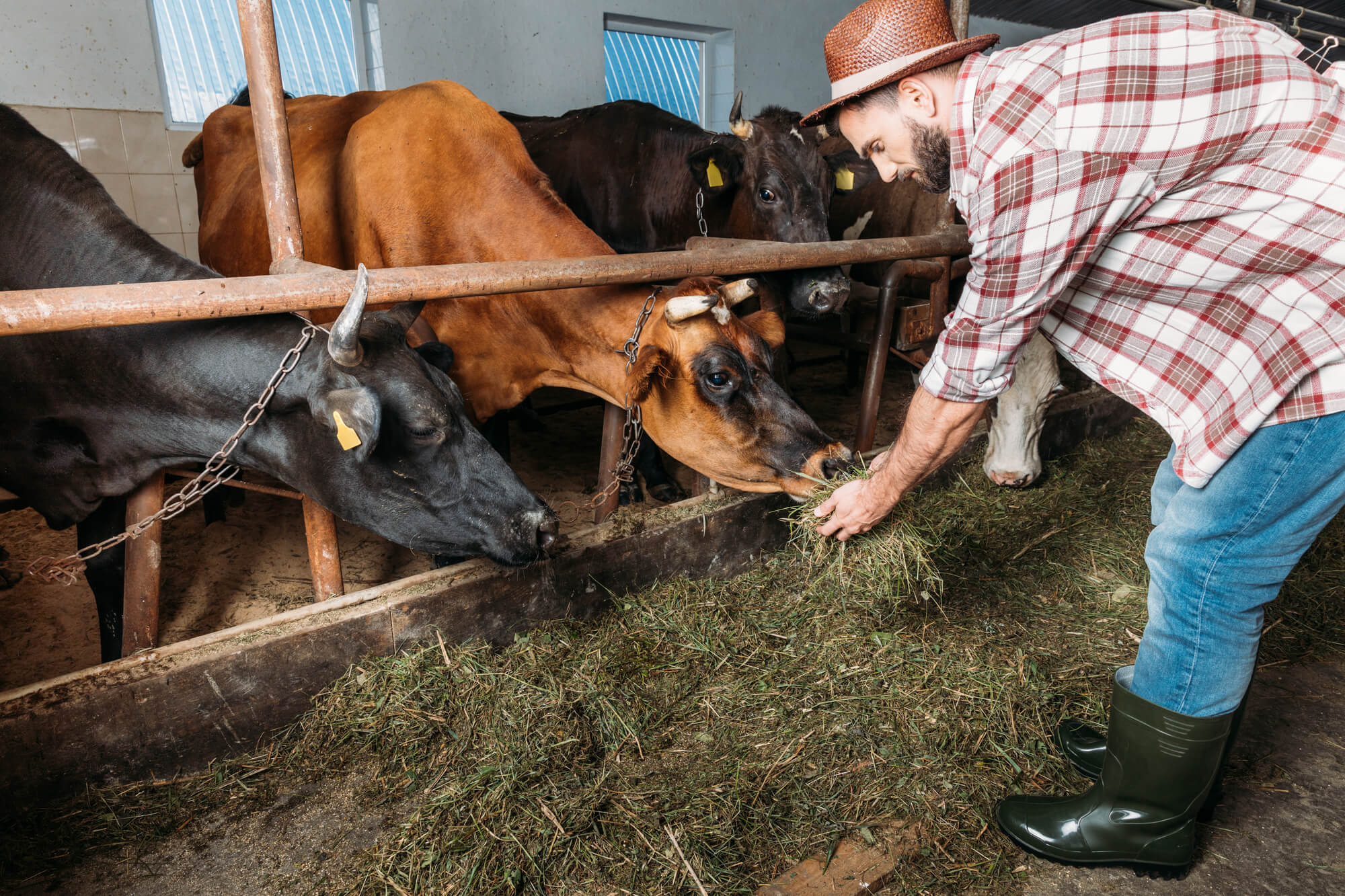
To boost protein, the livestock industry once added rendered remains of cattle and sheep to cattle feed. In Britain in the 1980s, this recycling spread bovine spongiform encephalopathy, known as mad cow disease, through herds, and it later passed to people as a fatal brain disease.
Britain banned feeding ruminant protein to ruminants in July 1988. Stricter bans across Europe and elsewhere followed, and more than four million British cattle were eventually destroyed.
Spraying Salad Bars With Sulfites

Restaurants once sprayed sulfite preservatives on lettuce, cut fruit and other fresh produce to keep salad bars looking crisp for hours. Some people, particularly those with asthma, suffered severe reactions, and several deaths were linked to the chemicals.
In 1986, the Food and Drug Administration banned sulfites on fresh fruits and vegetables meant to be served raw. Packaged foods containing sulfites were also required to disclose them on their labels.
Progress Often Arrives as a Prohibition

Most of these practices were not invented by villains. They solved real problems cheaply, and the damage they caused was slow, hidden or easy to blame on something else.
That is why they lasted for decades after the first warnings. Each ban represents a moment when evidence finally outweighed convenience.
Often it took a single named victim to turn statistics into action. The lesson is uncomfortable but useful, since some ordinary habit today will almost certainly end up on a future version of this list.
More from Go2Tutors!

- The Romanov Crown Jewels and Their Tragic Fate
- 13 Historical Mysteries That Science Still Can’t Solve
- Famous Hoaxes That Fooled the World for Years
- 15 Child Stars with Tragic Adult Lives
- 16 Famous Jewelry Pieces in History
Like Go2Tutors’s content? Follow us on MSN.