Most Successful Female Explorers in History
History has a habit of remembering the men who crossed oceans and conquered mountains, but the women who did the same — often under far harder conditions — tend to get left out. Some of them risked their lives in silence.
Others had to disguise themselves just to board a ship. A few rewrote the maps entirely.
These are some of the most remarkable female explorers who ever lived, and their stories are worth knowing.
Sacagawea — the woman who changed the map

Without Sacagawea, the Lewis and Clark expedition would have looked very different. In 1804, this young Shoshone woman joined the Corps of Discovery as an interpreter and guide, carrying her infant son on her back the entire way.
She helped the group navigate treacherous mountain passes, find safe river crossings, and communicate with Native tribes along the route. Lewis and Clark covered over 8,000 miles of uncharted territory, and Sacagawea was there for most of it. Her contribution wasn’t just helpful — it was essential.
Jeanne Barret — around the world in disguise
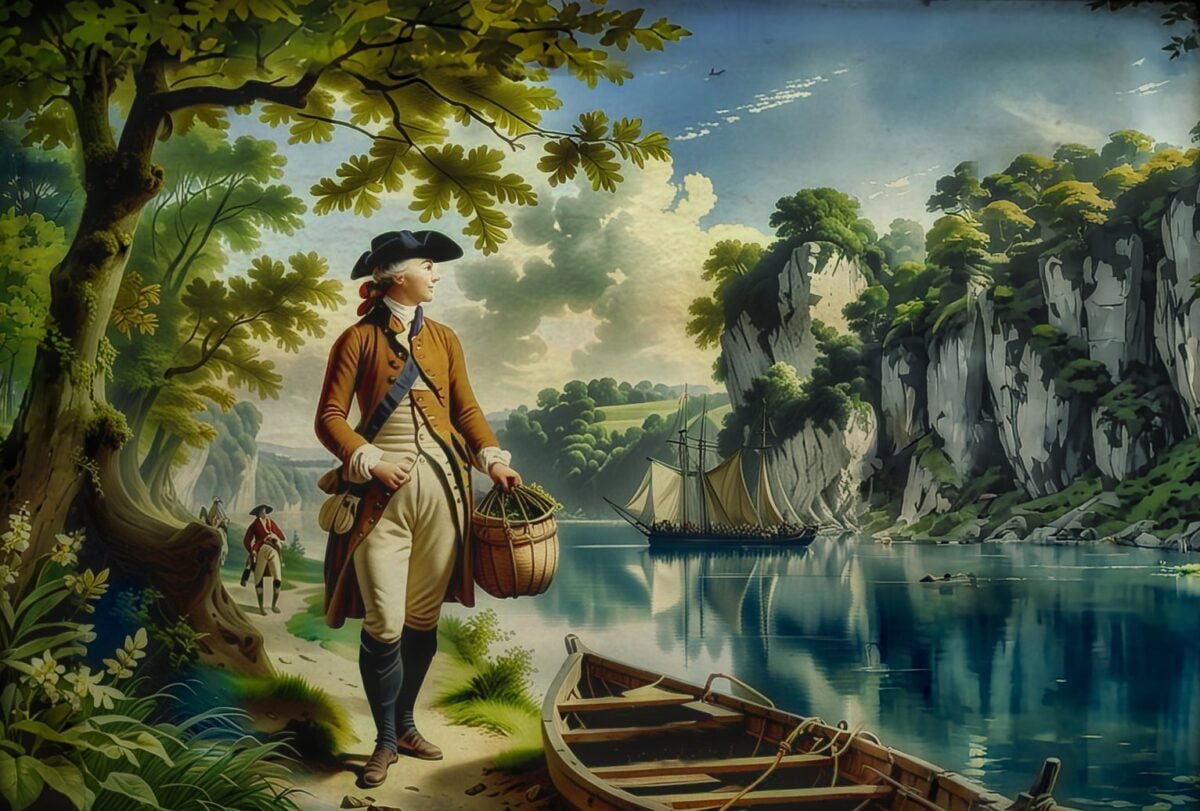
In 1766, no woman had ever circumnavigated the globe. Jeanne Barret changed that, but not without a trick. She disguised herself as a man and joined a French botanical expedition led by Philibert Commerson.
The plan worked for a while — she collected plants, carried heavy equipment, and kept her secret through months at sea. Eventually her cover was discovered in Tahiti, but by then she had already traveled too far to go back quietly.
She finished the journey and became the first woman to circle the Earth.
Mary Kingsley — into the heart of West Africa

Mary Kingsley arrived in West Africa in 1893, and almost nobody expected her to survive. She traveled through rivers crawling with crocodiles, bartered with local traders, and crossed some of the most hostile terrain on the continent — mostly alone, with little formal training and even less institutional support.
But Kingsley wasn’t looking for rescue. She was looking for knowledge.
She studied local cultures and religions with genuine respect at a time when most Europeans saw Africa as something to be conquered. She became one of the few Western voices advocating for fair treatment of African peoples, and her writings challenged the racist assumptions that dominated European thinking about the continent.
Alexandra David-Néel — the first Western woman in Lhasa

In 1924, Alexandra David-Néel walked into Lhasa, Tibet — a city that had been closed to foreigners for decades. She was the first Western woman to set foot there.
Getting in required years of preparation, a deep understanding of Tibetan Buddhism, and a willingness to travel disguised as a Buddhist pilgrim for months. She crossed freezing mountain passes and slept under the open sky through brutal winters.
David-Néel was already in her fifties when she made the journey. She went on to write extensively about Tibetan culture, earning respect from scholars around the world.
Isabella Bird — a restless spirit across continents
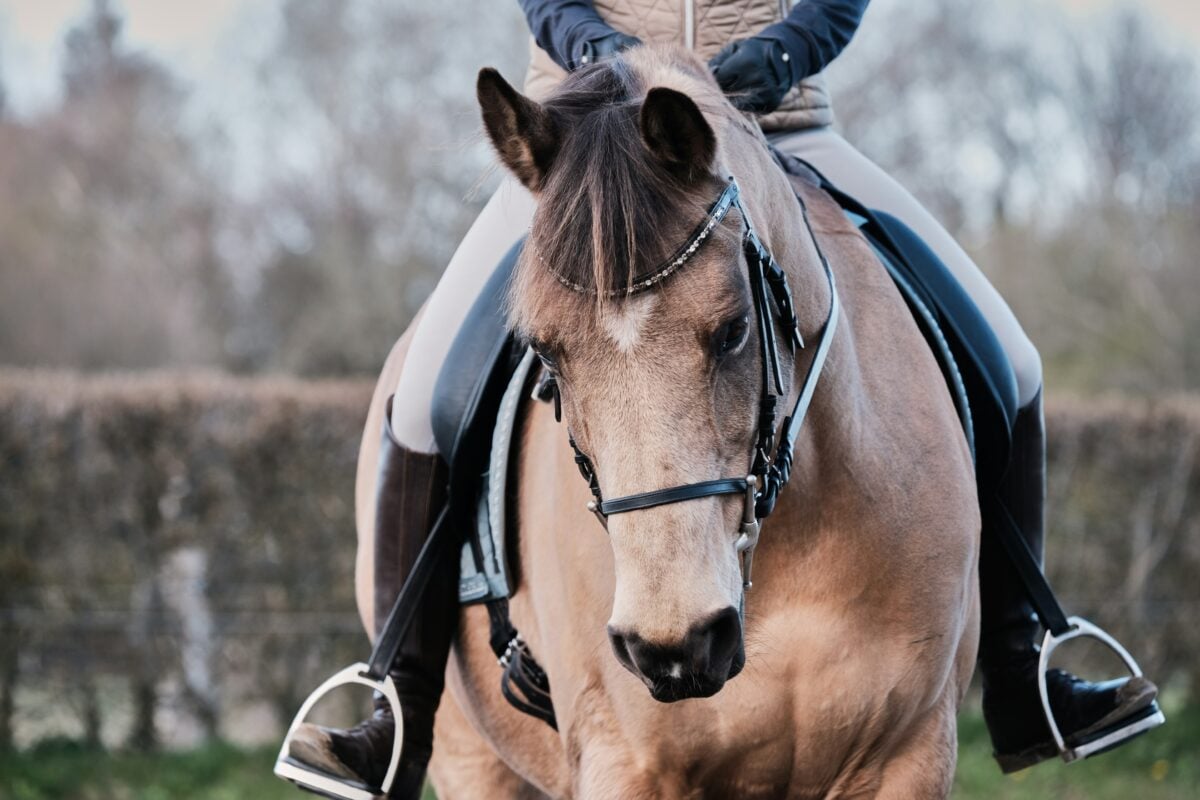
Isabella Bird spent most of her early life in poor health in England, told by doctors to rest. She did the opposite. In her late twenties, she started traveling — and she never really stopped.
Bird explored Japan, rode horses through the mountains of Persia, traveled through India, and spent time in the wilds of Borneo. She wrote about everything she saw with sharp, honest detail.
Her books became bestsellers, and she eventually became the first woman elected a Fellow of the Royal Geographical Society. Not bad for someone who was supposed to be an invalid.
Gertrude Bell — mapping the modern Middle East
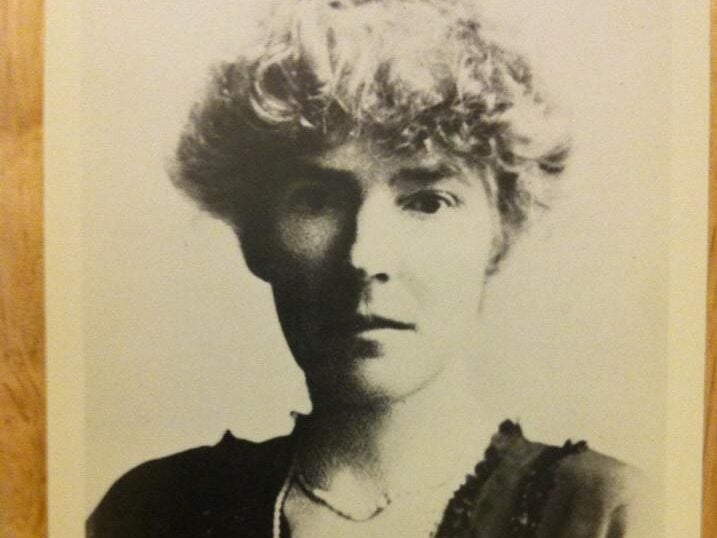
Gertrude Bell traveled through the Ottoman Empire and the Arab lands long before most Europeans even considered it possible. She spoke Arabic fluently, understood tribal politics better than most diplomats, and earned the trust of leaders across the region.
During and after World War I, she helped the British draw the borders of modern Iraq — a decision that shaped the Middle East for generations. Bell was known as “the queen of the desert,” and the title stuck for good reason.
She was one of the most influential political figures of her era, male or female.
Amelia Earhart — pushing the limits of the sky

Amelia Earhart took her first airplane ride in 1920 and never looked back. She became the first woman to fly solo across the Atlantic Ocean in 1932, a feat that stunned the world.
But she didn’t stop there. Earhart kept setting records, pushing boundaries, and refusing to accept that aviation belonged to men.
In 1937, she attempted to fly around the entire equator. She disappeared somewhere over the Pacific and was never found.
Her fate remains one of aviation’s greatest mysteries, but her place as a trailblazer is undeniable.
Freya Stark — Arabia’s most unlikely guide

Freya Stark didn’t look like an explorer. She was small, often in poor health, and traveled light.
But she moved through the Middle East with a confidence that caught people off guard. Starting in the 1920s, she explored remote regions of Iran and Arabia that few outsiders had ever visited.
She mapped trade routes, learned local languages, and built relationships with communities that had little reason to trust Westerners. During World War II, she worked with the British to build alliances with Arab tribes.
Stark wrote over twenty books about her travels, and they remain some of the most vivid accounts of the region ever produced.
Lady Jane Franklin — the Arctic’s quiet champion

Lady Jane Franklin never set foot in the Arctic herself, but she did more than almost anyone to push exploration into that frozen world. After her husband, Sir John Franklin, disappeared during an Arctic expedition in 1845, she spent years organizing search parties and lobbying governments to find him.
She funded expeditions out of her own pocket and kept the pressure on long after most people had given up. Her persistence eventually led to the discovery of her husband’s fate and pushed Arctic exploration forward by decades.
Sometimes the most important explorers aren’t the ones who cross the ice.
Lady Mary Wortley Montagu — beyond the Ottoman gates
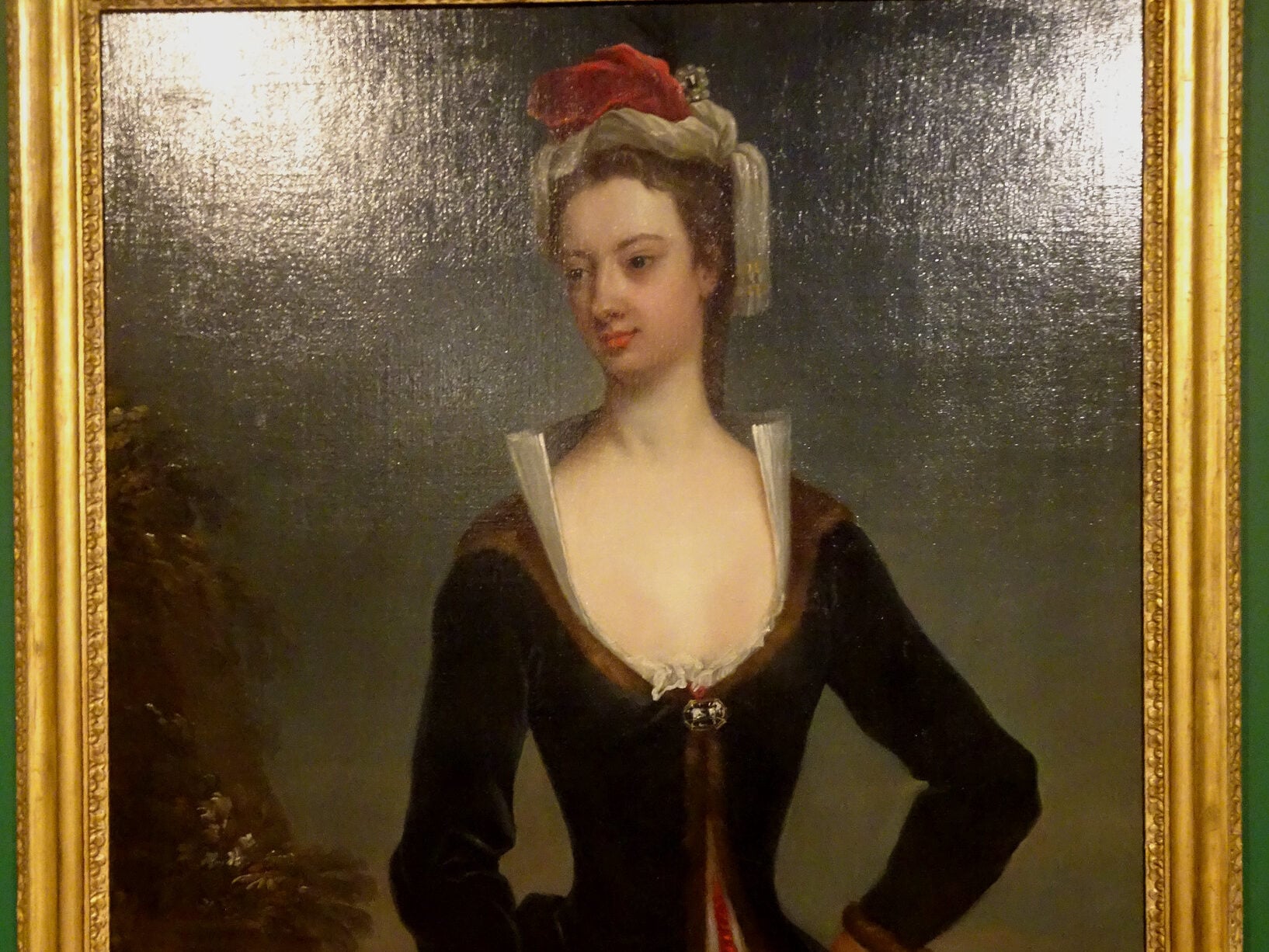
In 1717, Lady Mary Wortley Montagu traveled to Constantinople with her husband, who had just been appointed British ambassador to the Ottoman Empire. While there, she did something that would change medicine forever.
She observed the local practice of inoculating against smallpox — a technique that Europeans had never seen — and wrote detailed letters describing it. Back in England, she pushed hard to get the practice adopted.
It took years, but her efforts helped lay the groundwork for vaccination as a medical practice. Her travels also produced some of the sharpest, most honest writing about Ottoman life that Europeans had ever encountered.
Sylvia Earle — diving into the deep

Sylvia Earle has spent more time underwater than almost any human being alive. She logged over 7,000 hours of diving and led dozens of expeditions into the world’s oceans.
In 1979, she walked on the ocean floor off the coast of Hawaii at a depth of 1,250 feet — deeper than any woman had gone before. Earle spent decades fighting to protect marine environments and has called the ocean “the blue heart of the planet.”
Her work changed how people think about what lives beneath the surface and why it matters.
Mae Jemison — reaching for the stars
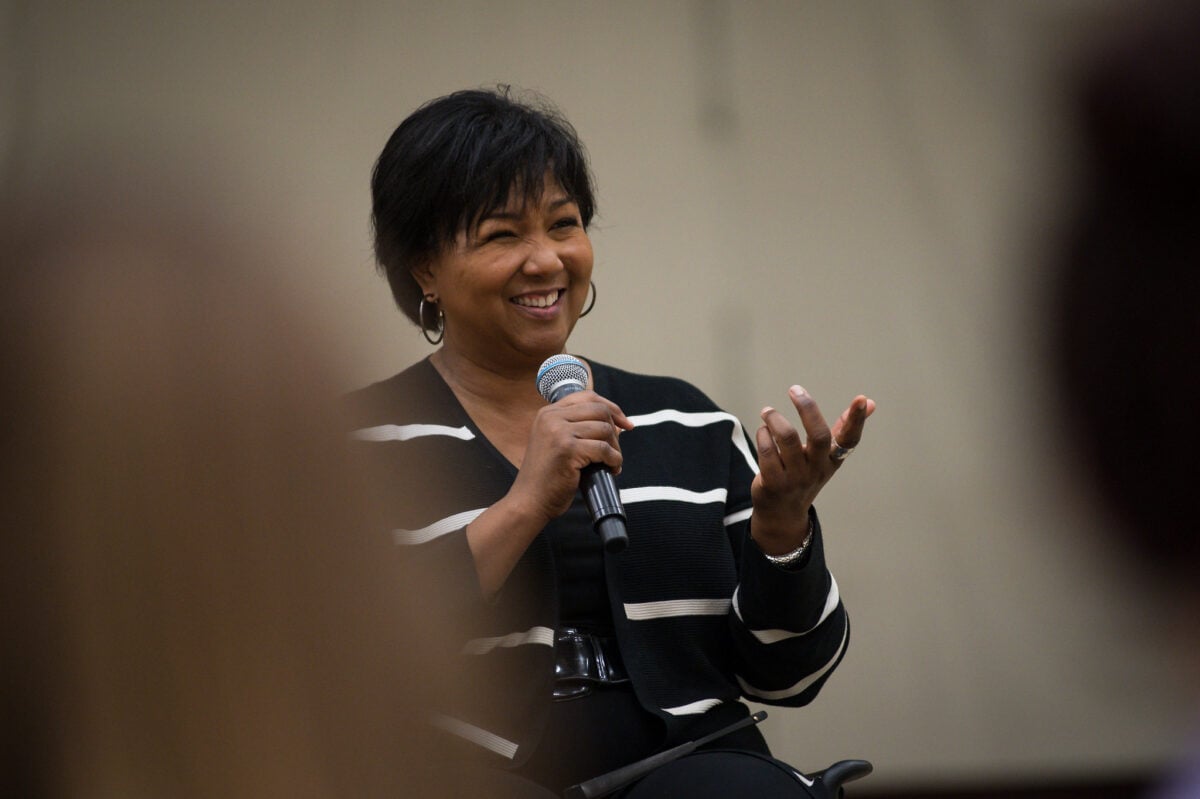
Mae Jemison launched into space on September 12, 1992, aboard the Space Shuttle Endeavour, becoming the first African American woman to travel to orbit. Before that, she earned a medical degree from Cornell and a PhD in chemical engineering from Stanford.
She spent eight days in space running experiments on weightlessness and motion sickness. After leaving NASA, Jemison founded her own company and kept pushing for diversity in science and space. She proved that the frontier doesn’t belong to any one group of people.
Hatshepsut — trade routes from ancient Egypt
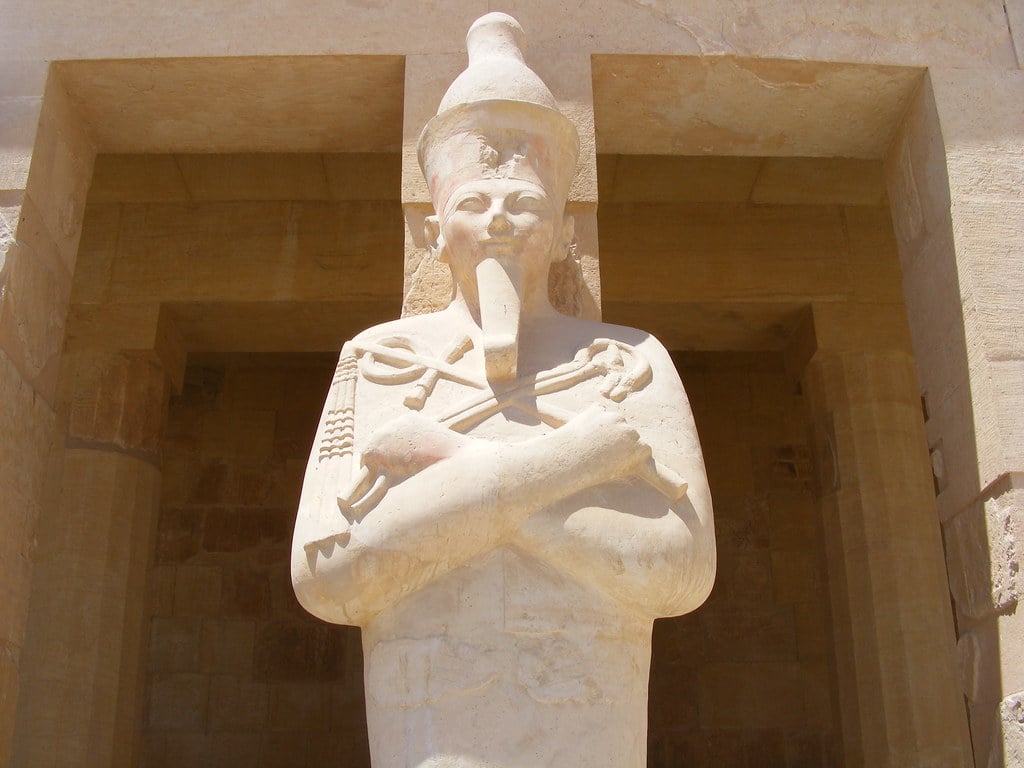
Before Europeans ever sailed westward, Egyptians had been transporting cargo by sea and desert trails. Ruling near 1500 BCE, Hatshepsut led what might have been Egypt’s boldest ocean trading journey.
Her vessels traveled down Africa’s shoreline toward Punt, returning with treasures like aromatic resins, rare greenery, plus precious metal. One of history’s biggest sea missions unfolded under her reign.
Ruling longer than two decades, Hatshepsut built more stone markers than nearly all who wore the crown before her. Beyond desert edges, her reach stretched wide – linking distant lands through paths few others knew existed.
The Trails They Left Behind
Start reading a few of these tales and something quietly clicks. Not only did these women move across borders, yet they shifted boundaries too.
Shut out on purpose, some slipped through by pretending to be someone else entirely. Lands took shape under their pens, rulers faced defiance, records survived because they refused silence.
Take the whole story of discovery – skip the textbook legends, focus on those who put in the real effort – women show up constantly. Always did. Once we quit shoving their lives into the margins, history starts making more sense.
More from Go2Tutors!

- The Romanov Crown Jewels and Their Tragic Fate
- 13 Historical Mysteries That Science Still Can’t Solve
- Famous Hoaxes That Fooled the World for Years
- 15 Child Stars with Tragic Adult Lives
- 16 Famous Jewelry Pieces in History
Like Go2Tutors’s content? Follow us on MSN.



