18 Corporate Mergers That Should Never Have Happened
In the world of business, mergers and acquisitions often promise synergy, cost savings, and market dominance. Companies paint rosy pictures of combined strengths and unlimited potential.
Yet for every successful union, there are countless disasters that destroyed value, eliminated competition, or created corporate monsters that harmed consumers and employees alike. Some mergers fail spectacularly due to cultural clashes, while others succeed too well at concentrating power in ways that stifle innovation and competition.
Here is a list of 18 corporate mergers that, in hindsight, should never have happened.
AOL and Time Warner (2001)

The $165 billion merger between AOL and Time Warner stands as one of the most catastrophic business decisions in history. AOL, riding high on the dot-com bubble, convinced Time Warner executives that the internet would revolutionize media distribution.
Within two years, the combined company had lost over $100 billion in value as AOL’s dial-up empire crumbled and the promised synergies never materialized.
Quaker Oats and Snapple (1994)
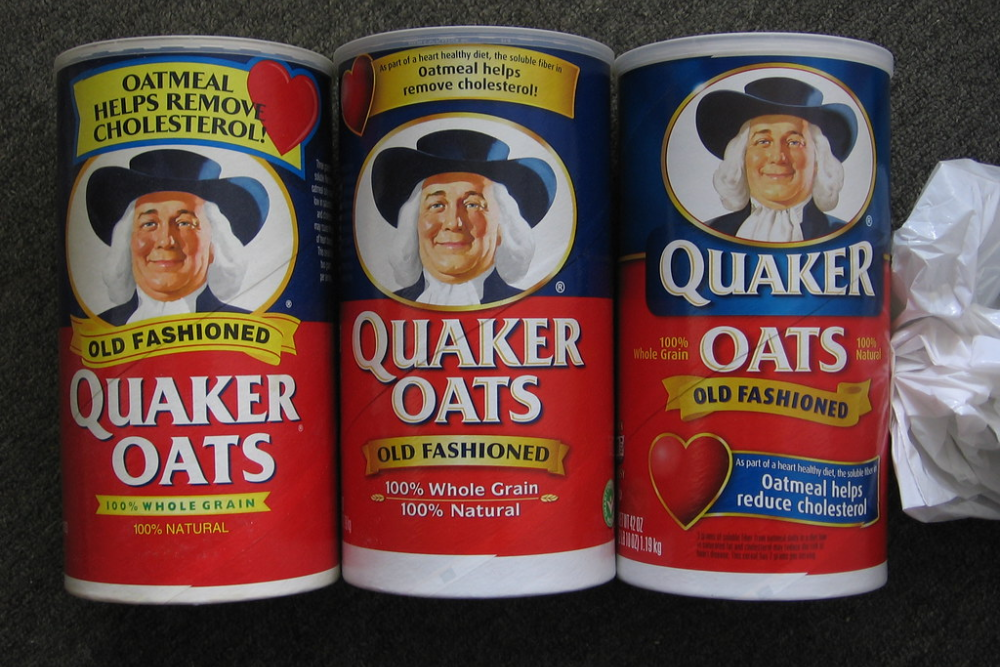
Quaker Oats paid $1.7 billion for Snapple in 1994, believing they could apply their Gatorade marketing magic to the quirky beverage brand. Instead, they stripped away everything that made Snapple unique, alienating loyal customers who loved the brand’s offbeat personality.
Three years later, Quaker sold Snapple for just $300 million, making it one of the worst acquisition blunders in food industry history.
Like Go2Tutors’s content? Follow us on MSN.
Daimler-Benz and Chrysler (1998)

Marketed as a ‘merger of equals,’ the Daimler-Chrysler union was actually a German takeover that created a dysfunctional corporate culture. The luxury-focused Germans and practical Americans never found common ground, leading to constant internal conflicts and strategic confusion.
After nine years of declining performance, Daimler essentially gave Chrysler away to private equity firm Cerberus for $7.4 billion, a fraction of the original $36 billion merger value.
eBay and Skype (2005)

eBay’s $2.6 billion acquisition of Skype seemed logical on paper—voice communication could enhance online auctions and payments. In reality, the two platforms had little synergy, and eBay struggled to integrate Skype’s technology or monetize its user base effectively.
Four years later, eBay sold most of its Skype stake back to investors for $2 billion, essentially admitting the merger was a strategic mistake.
Xerox and Affiliated Computer Services (2010)

Xerox’s $6.4 billion purchase of ACS was supposed to transform the copy machine company into a services powerhouse. Instead, it loaded Xerox with debt while diluting its focus on core printing and imaging technologies.
The acquisition failed to generate the promised revenue growth and left Xerox vulnerable to activist investors who eventually forced a breakup of the company.
Like Go2Tutors’s content? Follow us on MSN.
Sprint and Nextel (2005)

The $35 billion merger between Sprint and Nextel created a telecommunications giant with incompatible network technologies and conflicting corporate cultures. Sprint’s CDMA network couldn’t seamlessly integrate with Nextel’s iDEN system, forcing customers to carry multiple devices and creating massive technical headaches.
The combined company lost millions of subscribers and never recovered, eventually being absorbed by T-Mobile in 2020.
Kmart and Sears (2005)

Eddie Lampert’s $11 billion merger of two struggling retailers was supposed to create economies of scale and revitalize both brands. Instead, it accelerated their decline by combining outdated business models and neglecting necessary store renovations and technology upgrades.
The merged company filed for bankruptcy in 2018, closing thousands of locations and eliminating hundreds of thousands of jobs.
Bank of America and Countrywide Financial (2008)

Bank of America’s $4 billion acquisition of subprime lender Countrywide seemed like a bargain during the 2008 financial crisis. However, Countrywide’s toxic mortgage portfolio generated over $50 billion in legal settlements and fines for Bank of America.
The deal turned what should have been a simple expansion into a decade-long nightmare of litigation and regulatory scrutiny.
Like Go2Tutors’s content? Follow us on MSN.
News Corporation and MySpace (2005)
Rupert Murdoch’s $580 million purchase of MySpace looked brilliant when the social network was dominating the internet. News Corp’s traditional media approach clashed with MySpace’s user-generated culture, leading to feature bloat and design changes that drove users to Facebook.
Within six years, News Corp sold MySpace for just $35 million, having failed to understand what made social media successful.
JCPenney and Ron Johnson’s Vision (2012)

While technically a leadership change rather than a merger, JCPenney’s hiring of former Apple executive Ron Johnson created a collision between retail philosophies that devastated the company. Johnson eliminated sales, coupons, and discounts that JCPenney customers expected, replacing them with ‘everyday low prices’ that confused loyal shoppers.
Sales plummeted 25% in one year, forcing the company to reverse course and eventually file for bankruptcy.
Compaq and Digital Equipment Corporation (1998)
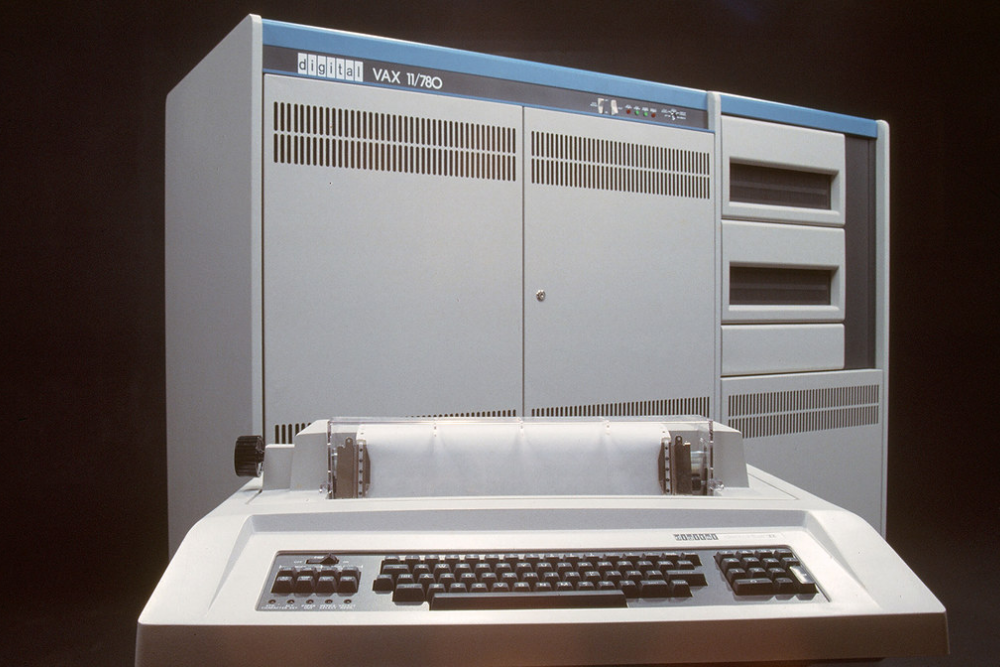
Compaq’s $9.6 billion acquisition of DEC was supposed to transform the PC maker into an enterprise computing powerhouse. Instead, it saddled Compaq with DEC’s declining minicomputer business and complex corporate structure just as the market was shifting toward standardized servers.
The merged company struggled with integration costs and cultural conflicts until Hewlett-Packard acquired Compaq in 2002.
Like Go2Tutors’s content? Follow us on MSN.
Bayer and Monsanto (2018)

Bayer’s $63 billion purchase of agricultural giant Monsanto seemed strategically sound but created a legal catastrophe. Monsanto’s Roundup weedkiller faced thousands of lawsuits alleging cancer links, and courts awarded massive judgments against the combined company.
Bayer’s stock price fell by more than half as legal costs mounted, turning a crop science merger into a pharmaceutical company’s worst nightmare.
Facebook and WhatsApp (2014)

Facebook’s $19 billion acquisition of WhatsApp raised immediate antitrust concerns about social media consolidation. The deal eliminated a potential competitor and gave Facebook unprecedented control over global messaging, stifling innovation in communication apps.
Regulators worldwide now view the acquisition as evidence of Facebook’s monopolistic practices and are considering forced divestitures.
Disney and 21st Century Fox (2019)

Disney’s $71 billion purchase of Fox’s entertainment assets created a content behemoth but also destroyed industry competition. The merger eliminated a major studio competitor and gave Disney dangerous levels of control over film distribution and television programming.
Independent filmmakers and smaller studios now struggle to access theaters and streaming platforms dominated by Disney’s massive content library.
Like Go2Tutors’s content? Follow us on MSN.
AT&T and Time Warner (2018)
AT&T’s $85 billion acquisition of Time Warner was supposed to create a vertically integrated media and telecommunications giant. Instead, it loaded AT&T with massive debt just as cord-cutting accelerated and streaming services fragmented the entertainment landscape.
Three years later, AT&T spun off Time Warner (renamed Warner Media) in a merger with Discovery, essentially admitting the original strategy had failed.
Verizon and Yahoo (2017)
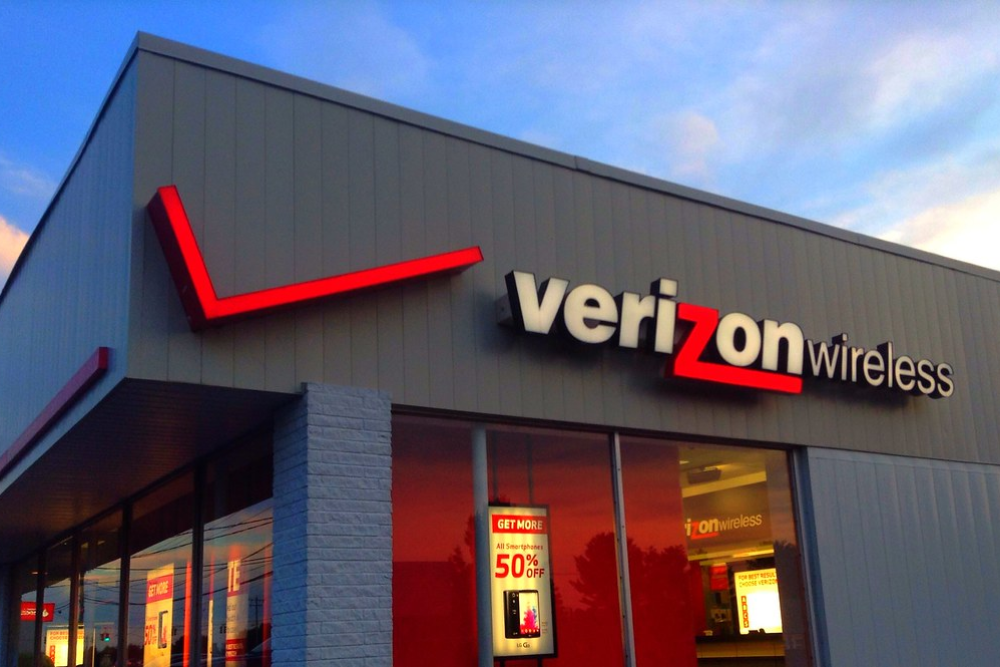
Verizon’s $4.5 billion purchase of Yahoo was meant to bolster the telecom company’s digital advertising business. However, Yahoo’s repeated data breaches and declining user base made it a liability rather than an asset.
Verizon struggled to integrate Yahoo with its other media properties and eventually sold the combined Yahoo-AOL division to Apollo Global Management for about half what it paid.
Microsoft and Nokia (2014)

Microsoft’s $7.2 billion acquisition of Nokia’s phone business was supposed to challenge Apple and Google in the mobile market. Instead, it accelerated Windows Phone’s decline and cost Microsoft billions in write-downs and restructuring charges.
The deal failed to generate a significant market share and Microsoft eventually exited the smartphone hardware business entirely.
Like Go2Tutors’s content? Follow us on MSN.
Google and Motorola Mobility (2012)

Google’s $12.5 billion purchase of Motorola Mobility was primarily about acquiring patents to defend Android from lawsuits. However, running a hardware business conflicted with Google’s software focus and created tensions with other Android manufacturers who saw Google as a competitor.
Two years later, Google sold Motorola to Lenovo for $2.9 billion, keeping only the patent portfolio.
The Lasting Impact of Failed Mergers

These corporate disasters remind us that bigger isn’t always better, and that cultural fit matters as much as financial projections. Many of these mergers concentrated market power in ways that ultimately harmed consumers, workers, and innovation.
The wreckage from these deals continues to shape industries today, serving as cautionary tales for executives who believe they can merge their way to success. Perhaps most importantly, they demonstrate why antitrust enforcement matters—some combinations simply create more problems than they solve.
More from Go2Tutors!

- 16 Restaurant Chains That Went Too Fast
- 12 Things Sold in the 80s That Are Now Illegal
- 15 Strange Things People Have Tried to Ban (And Failed)
- 16 Collectibles People Tossed Out Too Soon
- 17 Myths from Your Childhood That Were Actually Based on Real Things
Like Go2Tutors’s content? Follow us on MSN.