29 Glassware Patterns Buyers Hunt Down
The secondary market for vintage glassware has exploded in recent years, driven by collectors who understand that a single piece can represent hours of hand-craftsmanship and decades of design history. Value depends on pattern, color, maker’s mark, and condition, with even small chips reducing worth by fifty percent or more.
Collectors scour estate sales, antique malls, and thrift stores for pieces from legendary glassmakers, seeking the rare patterns and color variations that escaped disposal. The gap between a two-dollar tumbler and a two-hundred-dollar one often hinges on a single detail: a maker’s signature etched into the base.
Lalique Frosted Glass (René Lalique, Signed “R. Lalique”)
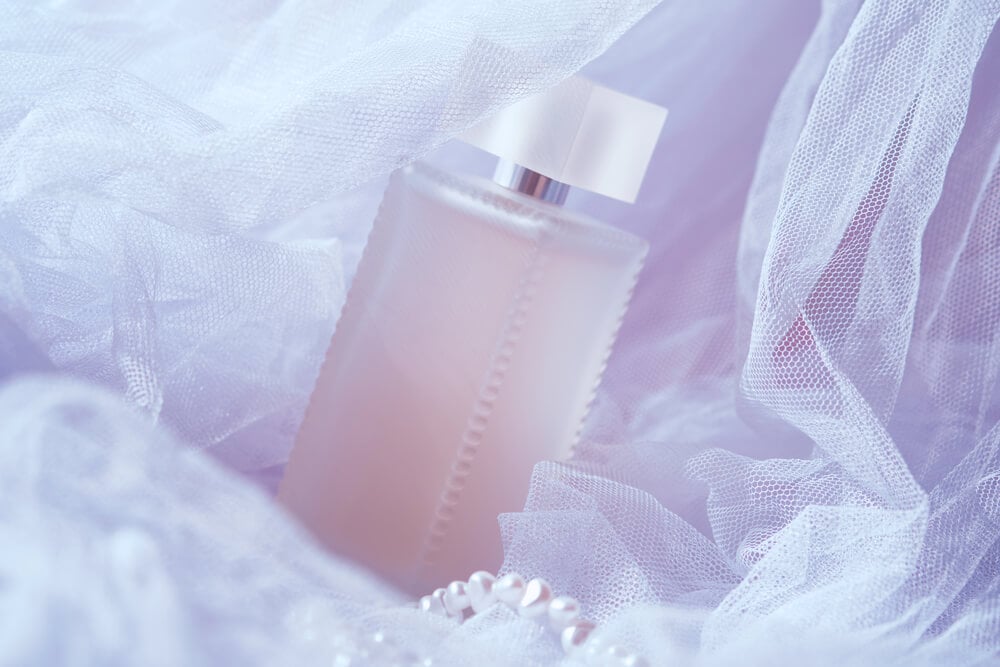
Pieces signed “R. Lalique” command dramatically higher prices than those simply marked “Lalique,” reflecting the prestige of founder René Lalique’s direct involvement before his 1947 death. The frosted art glass production, including perfume bottles, vases, and figures, represents some of the most valuable objects in any glass collection.
A single piece can be the most valuable item in an entire estate, with certain rare forms fetching thousands at specialized auction houses.
Tiffany Favrile Glass (Marked “L.C.T.”)
Iridescent Favrile glass from Tiffany Studios represents among the most valuable art glass ever made, with pieces marked “L.C.T.” and numbered commanding premiums. Ten Tiffany pieces from around 1920 featuring the golden iridescent finish matched wine glass prices typically reserved for complete sets.
The golden color remains unmistakable once seen, and collectors actively hunt down intact examples in estate sales.
Baccarat Crystal, Limited Edition Cuts
— Photo by Andrei Antipov
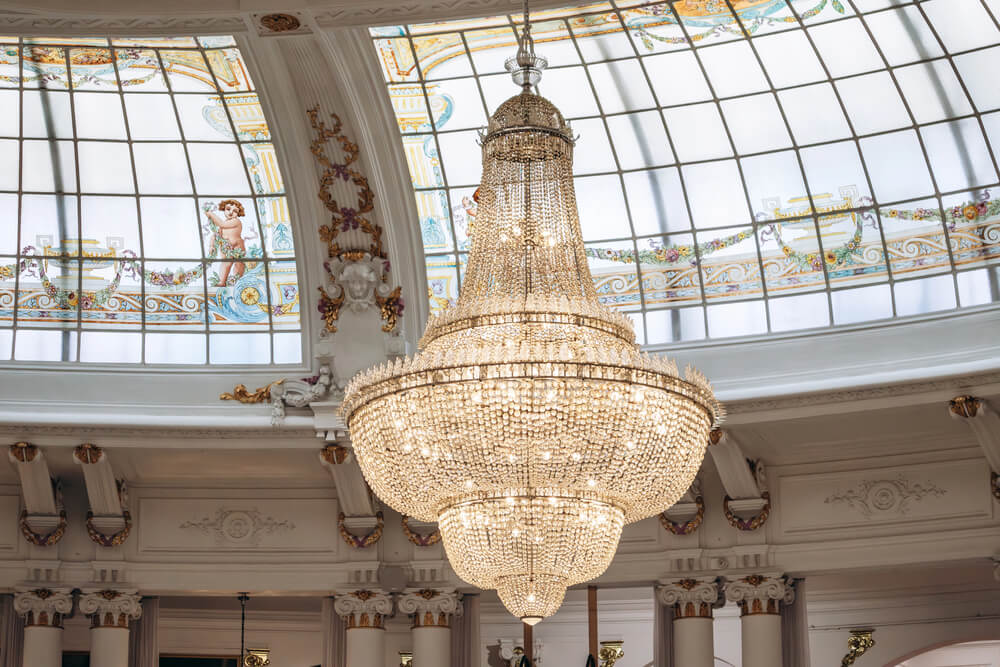
The French firm Baccarat produced some of the finest crystals in the world, and signed pieces or rare color variations command premiums. Limited edition cut-to-clear pieces in cobalt blue, such as the Tsar pattern from circa 1940, attract serious collectors even when only two glasses survive from a set.
Baccarat’s reputation ensures strong market value even for simple forms.
Steuben Aurene Glass (Early Colored Pieces)
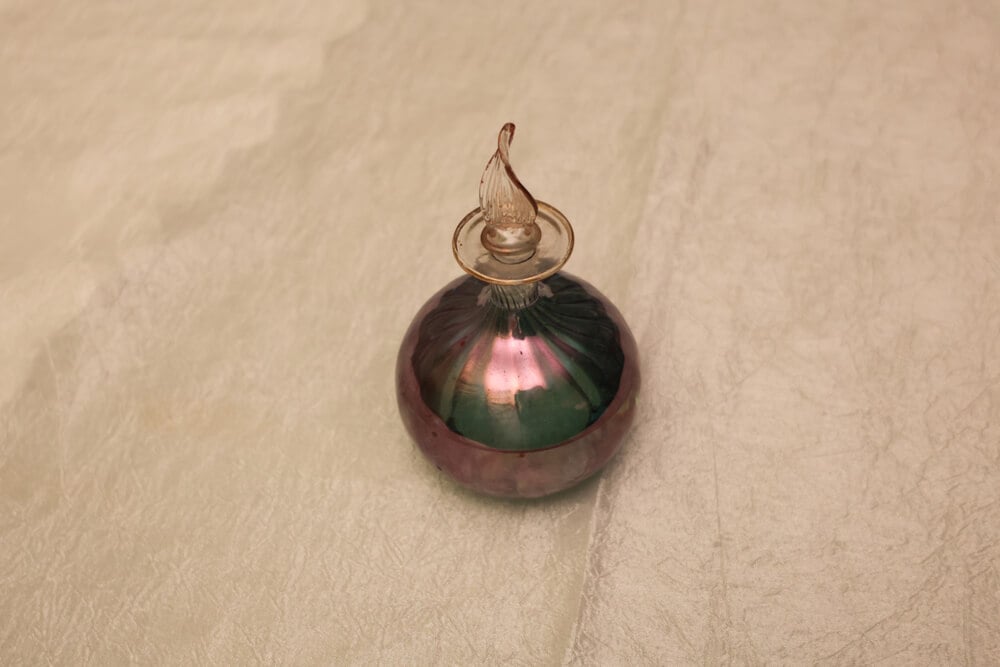
The American maker Steuben produced the iridescent Aurene line, which represents serious American art-glass collectibles. The shimmering, colorful early pieces from the 1920s attract museum institutions and private collectors alike.
Marked Steuben pieces from the Aurene line command substantial prices, with rarer color variations appreciating annually.
Waterford Crystal (Rare Patterns, Signed)
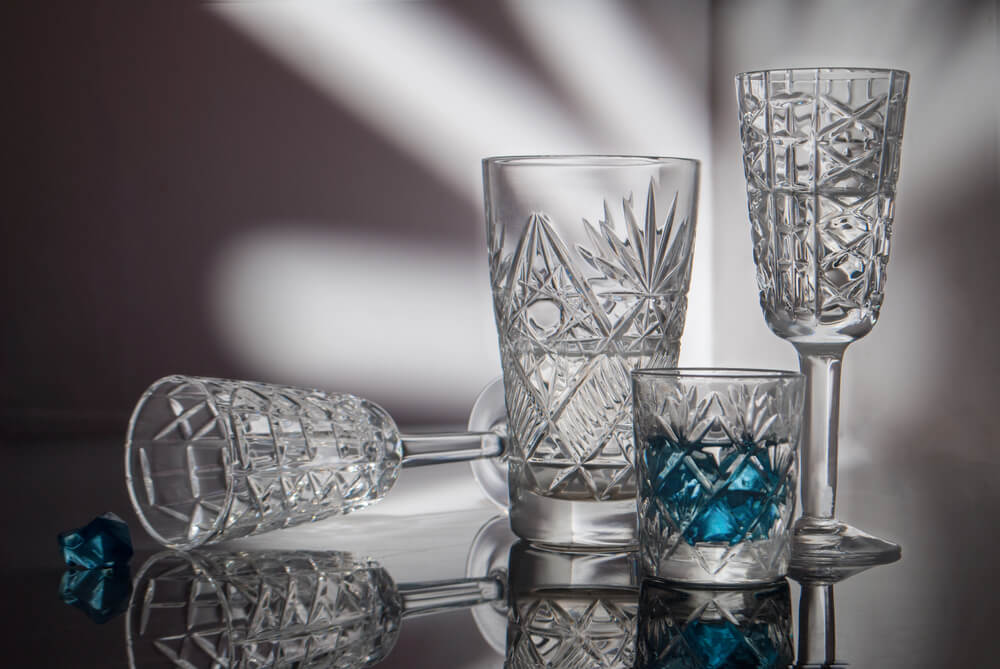
Signed Lalique and older Waterford patterns bring the highest prices among European crystal glassware. Waterford cut crystal, particularly in discontinued patterns, holds value for generations.
One perfectly cut bowl can outvalue an entire shelf of ordinary glass, and complete sets in excellent condition command premiums far exceeding individual pieces.
Fire-King Jadeite (Depression Glass, Swirl Pattern)
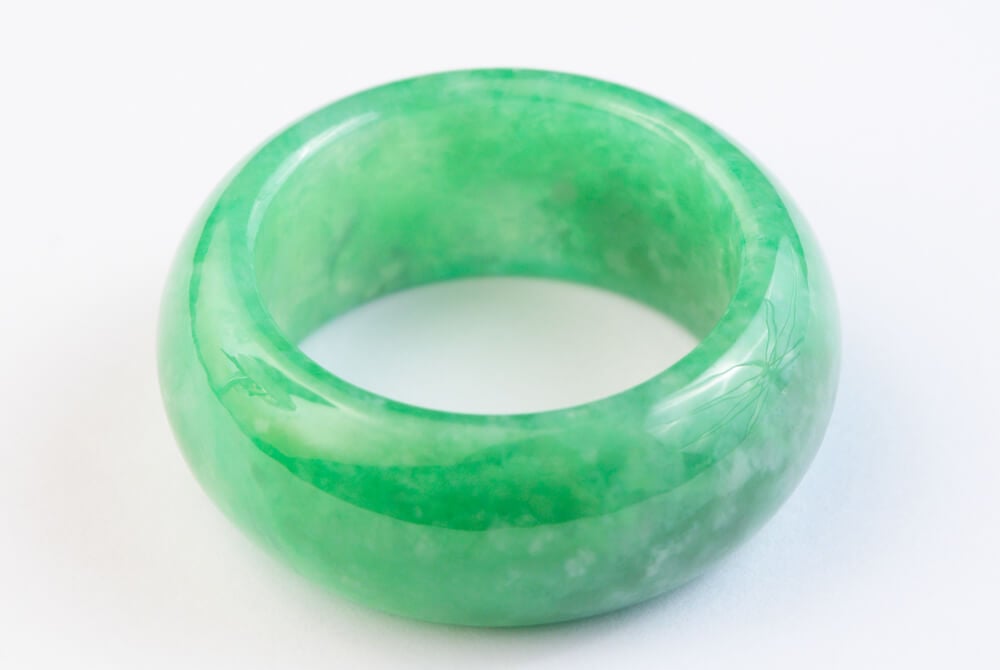
The hybrid milk-and-green glass coloring of jadeite made it unique among Depression Glass manufacturers. Fire-King brand jadeite remains the most collectible of the three US vintage brands that produced it.
An ultra-rare Fire-King casserole dish in the “Swirl” pattern can fetch up to $5,000, while standard pieces range from five to one thousand dollars depending on pattern and condition.
Jeannette Glass Jadeite Canisters (Complete Sets)
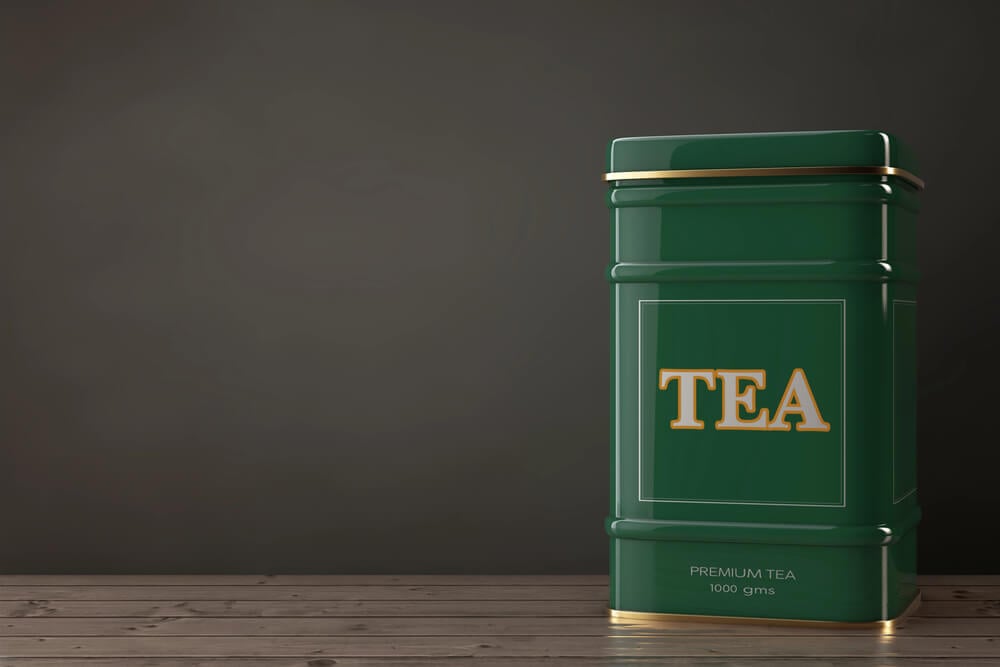
Jeannette Glass created jadeite alongside Anchor Hocking, and matching kitchen canisters in complete sets have become highly collectible. The soft green color never fell out of style, and collectors actively seek complete sets with matching lids.
Individual refrigerator dishes with their original lids also command strong prices.
Loetz Iridescent Art Nouveau Glass
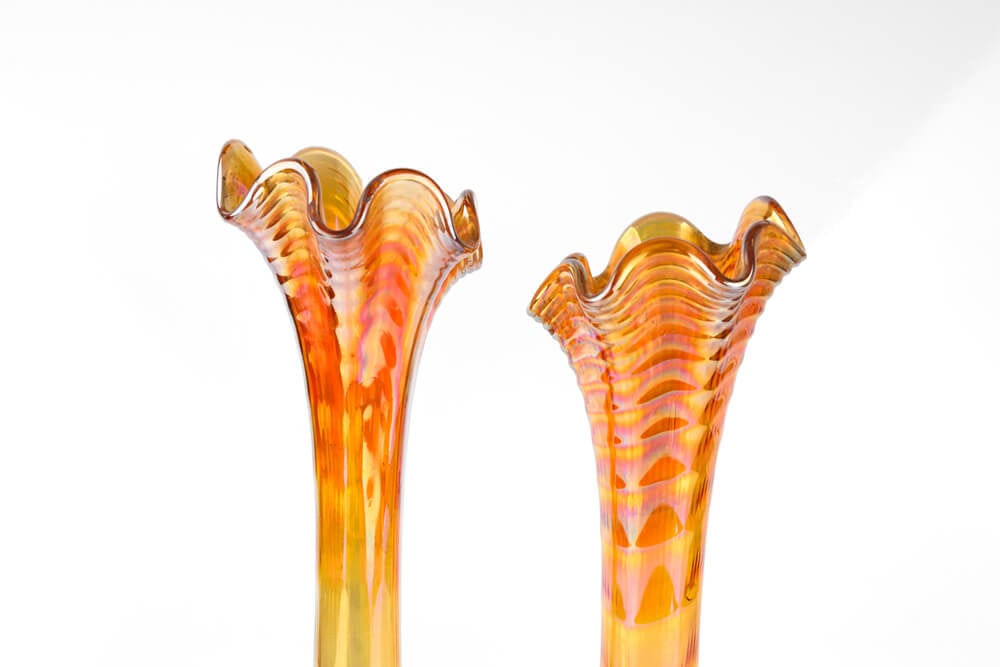
Bohemian maker Loetz produced vibrant iridescent surfaces and fluid forms reflecting the height of Art Nouveau experimentation. Technical innovation met artistic expression in Loetz pieces, making them valued for both visual impact and historical importance.
Pieces continue to perform strongly in specialized art glass auction settings.
Uranium Glass (Vaseline Glass, UV-Reactive)
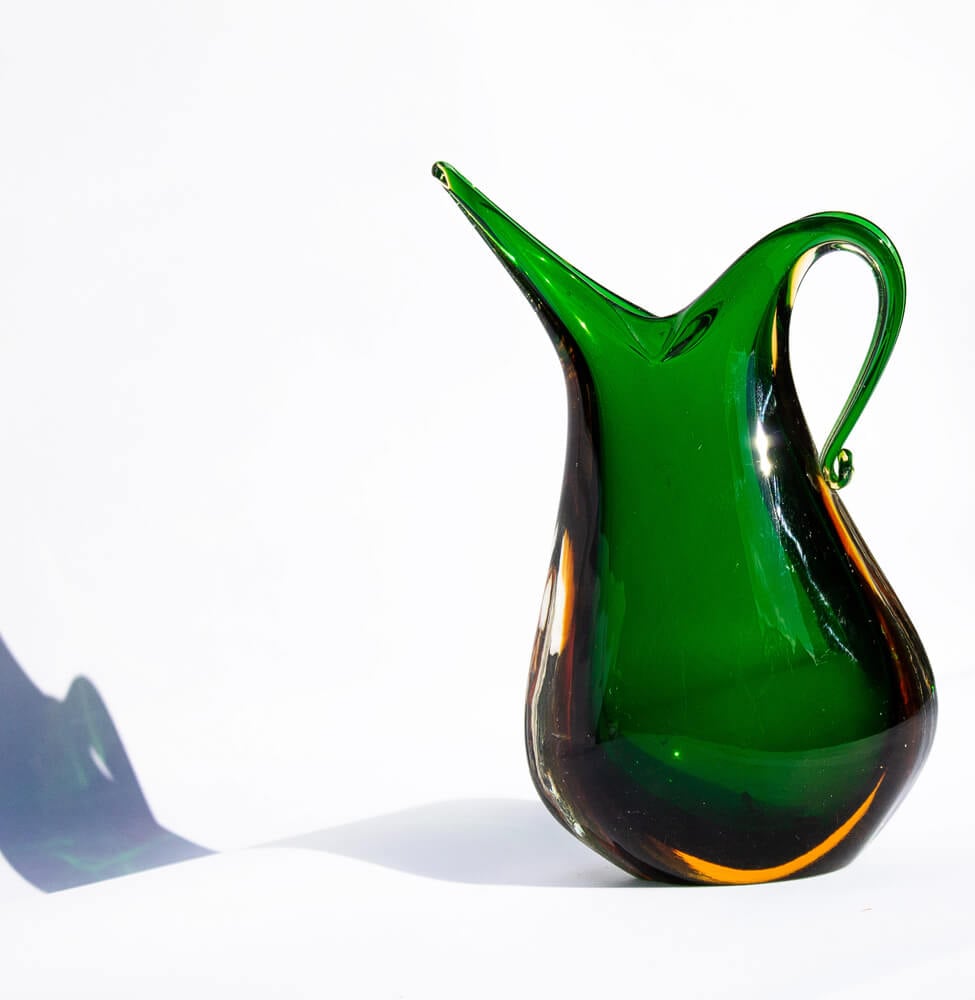
Vintage uranium glass glows under ultraviolet light, creating an otherworldly green or yellow effect that captivates collectors. Pre-1940 examples containing higher uranium concentrations command premiums, though all uranium glass from the glassware era remains collectible.
Complete sets in rare colors like vaseline yellow attract serious interest.
Cranberry Glass (Rare Colors, Pre-1920)
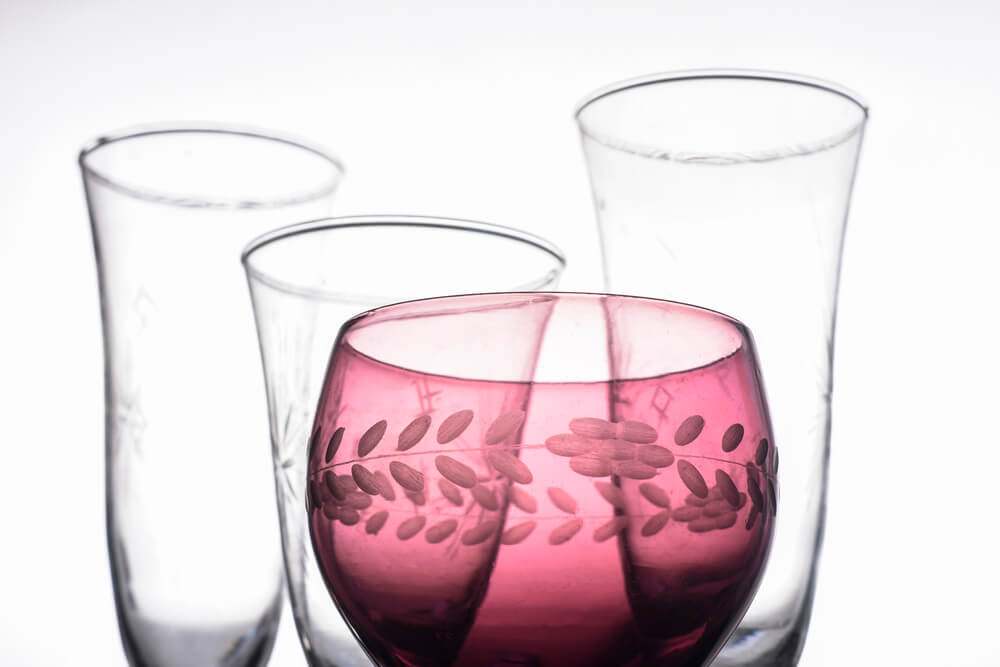
Cranberry-colored glass, produced using gold chloride in the glassmaking process, represents one of the rarest colored glassware types. Pre-1920 cranberry pieces in pristine condition command premiums that reflect both the color’s rarity and production expense.
Complete sets of cranberry stemware, even partial sets, hold significant value.
Saint-Louis Crystal (French, Signed Pieces)
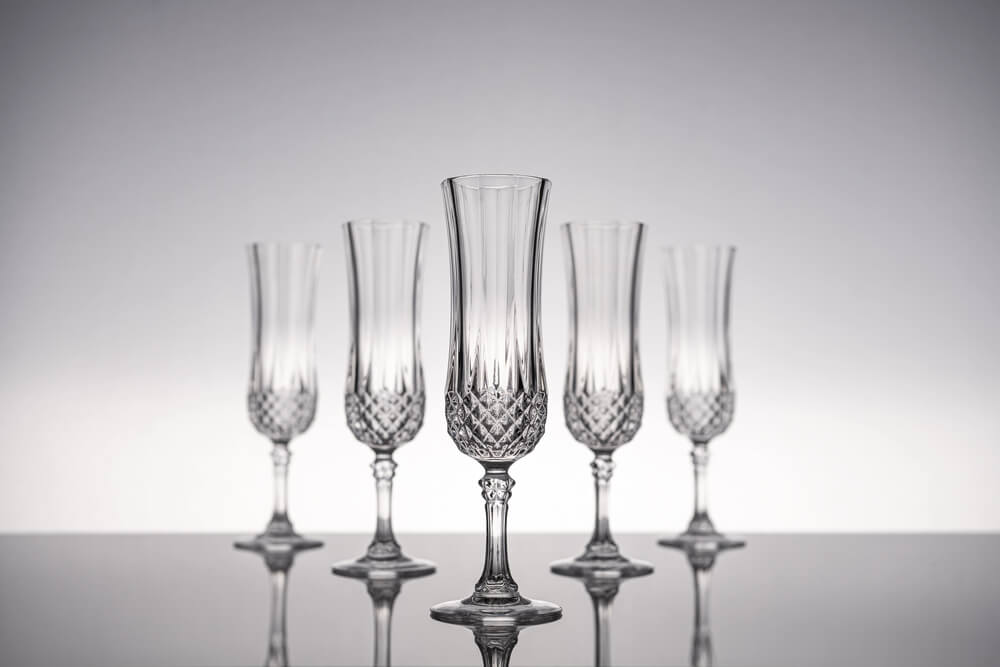
The legendary French crystal house Saint-Louis produced work holding value for generations, particularly signed pieces from the nineteenth century. Rarity of specific forms and color variations drive Saint-Louis valuations upward, with paperweights commanding particularly high prices.
The maker’s mark ensures collector recognition and market strength.
Heisey Glass (American Production, Clear and Colored)
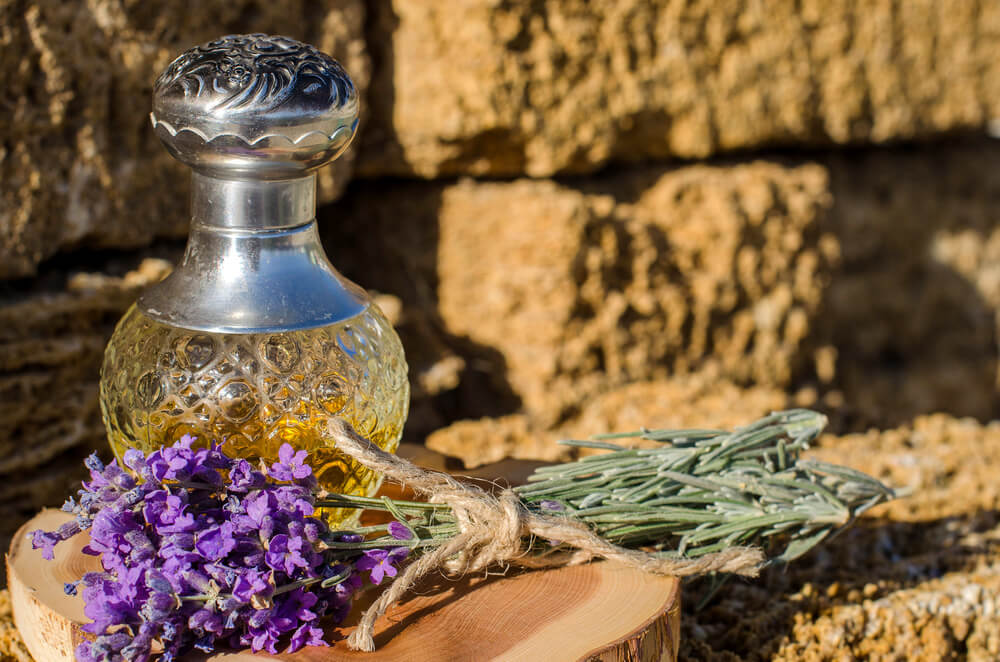
Heisey Glass from Ohio produced both clear and delicate colored glassware that attracts collectors of American art glass. Certain patterns became iconic to Heisey collectors, who actively hunt for complete sets.
Diamond and Fire pattern Heisey commands particular collector attention.
Depression Glass (Color Variations: Cobalt, Ruby, Black Amethyst)
— Photo by dbvirago
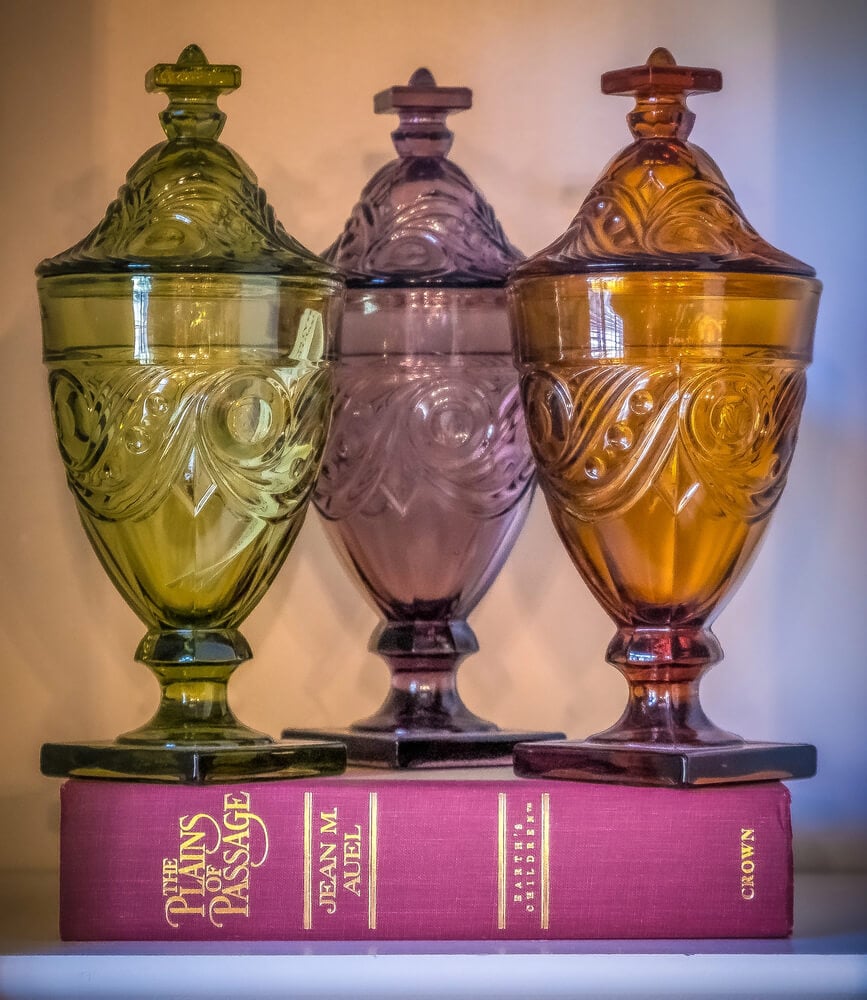
Common Depression Glass in standard colors remains affordable, but rare color variations—cobalt, ruby, black amethyst, and cranberry—appreciate dramatically. Collectors focus on finding rare color runs within otherwise common patterns.
A single cobalt Depression Glass plate in good condition can fetch ten times the price of the same pattern in clear.
Cambridge Glass (Ohio Production, Elegant Lines)
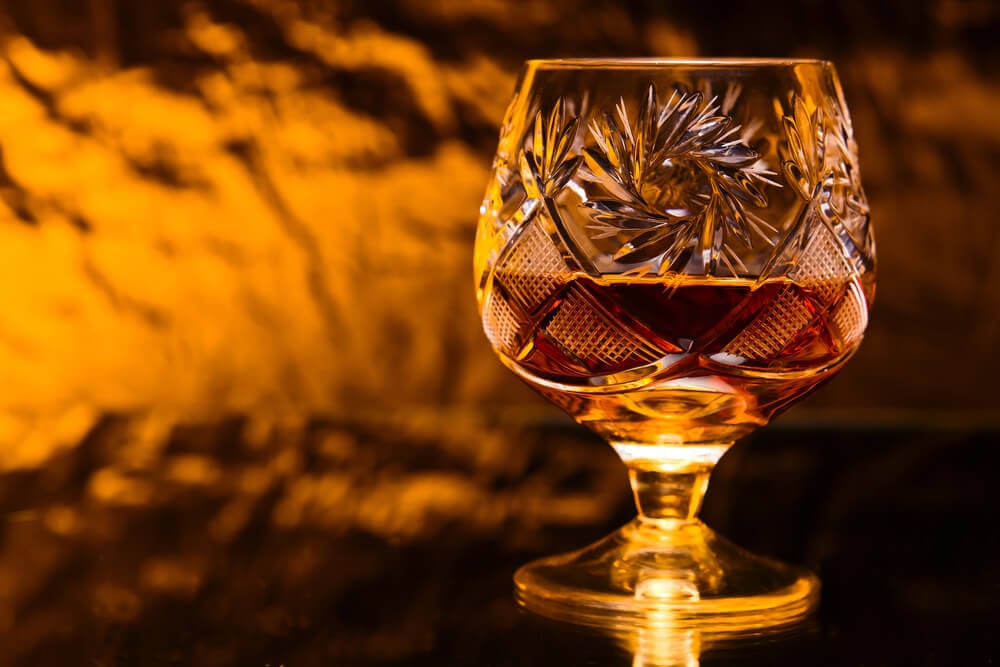
Cambridge Glass from Ohio produced elegant Depression-era glassware that has gained collector interest in recent years. Certain patterns, particularly those featuring etched designs, command stronger prices.
Complete dinner sets or limited production runs attract serious buyers.
Fenton Glass (Limited Edition Runs, Signed Pieces)
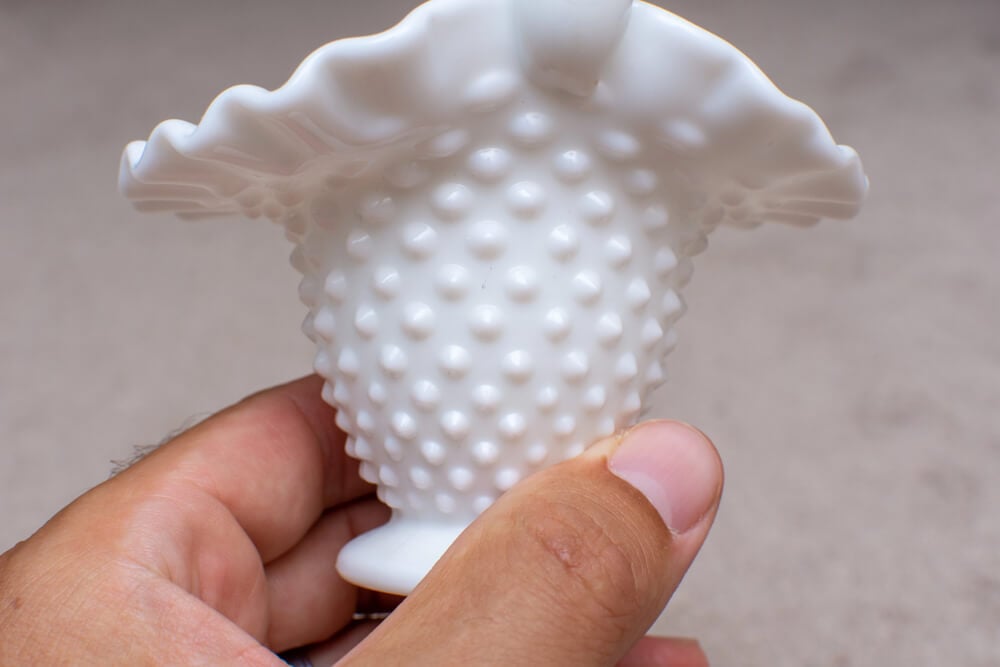
Fenton Glass, particularly limited edition releases and signed pieces, holds steady collector value. Opalescent or rare color variations in Fenton patterns attract premiums.
The company’s long production history means collectors can specialize in particular decades or color palettes.
Peachblow Glass (Victorian Era, Rare Form)
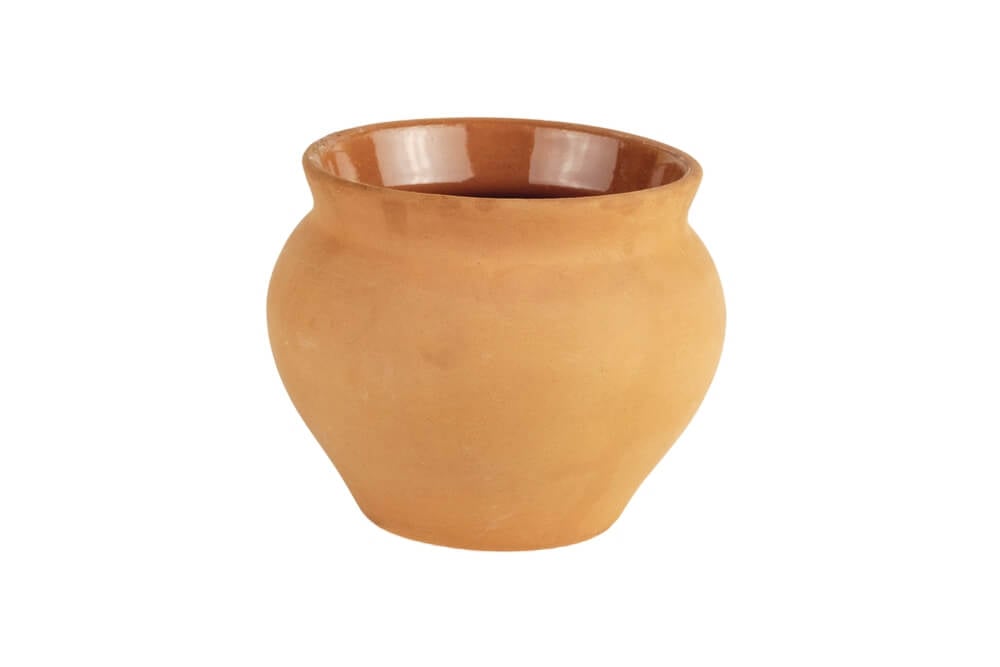
Peachblow glass, produced by several American manufacturers in the Victorian era, represents a collectible category unto itself. The color gradient from cream to rose required specialized production techniques, making surviving pieces scarce.
Complete sets or matching service pieces command premium pricing.
Moser Glass (Czech Production, Signed Pieces)
— Photo by DietmarRauscher
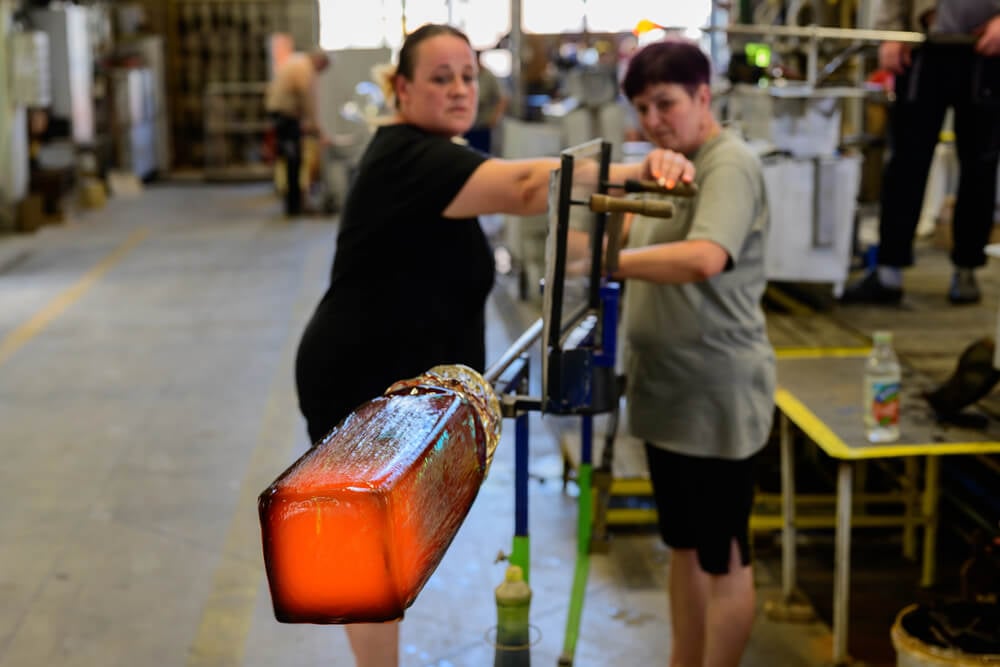
Moser, the Czech glassmaker, produced ornate art glass with gilded designs and cutting. Signed Moser pieces and those with elaborate hand-painted or gilt decoration command substantial prices.
The craftsmanship and artistry of Moser work justify premium valuations.
Sandwich Glass (American, Early 1800s Production)
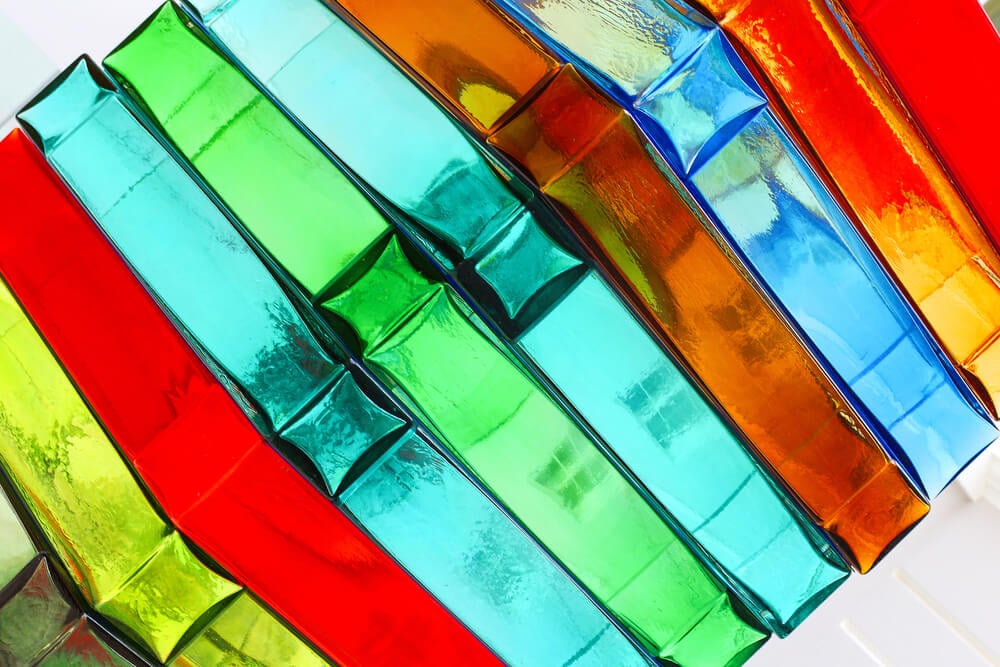
Sandwich Glass, produced in Sandwich, Massachusetts, represents early American glassware production that attracts serious collectors. Pressed glass patterns from Sandwich remain identifiable and valuable, particularly in rare color variations.
Early production runs from the 1820s-1840s command the highest prices.
Pressed Glass Patterns (Early American, Complete Sets)
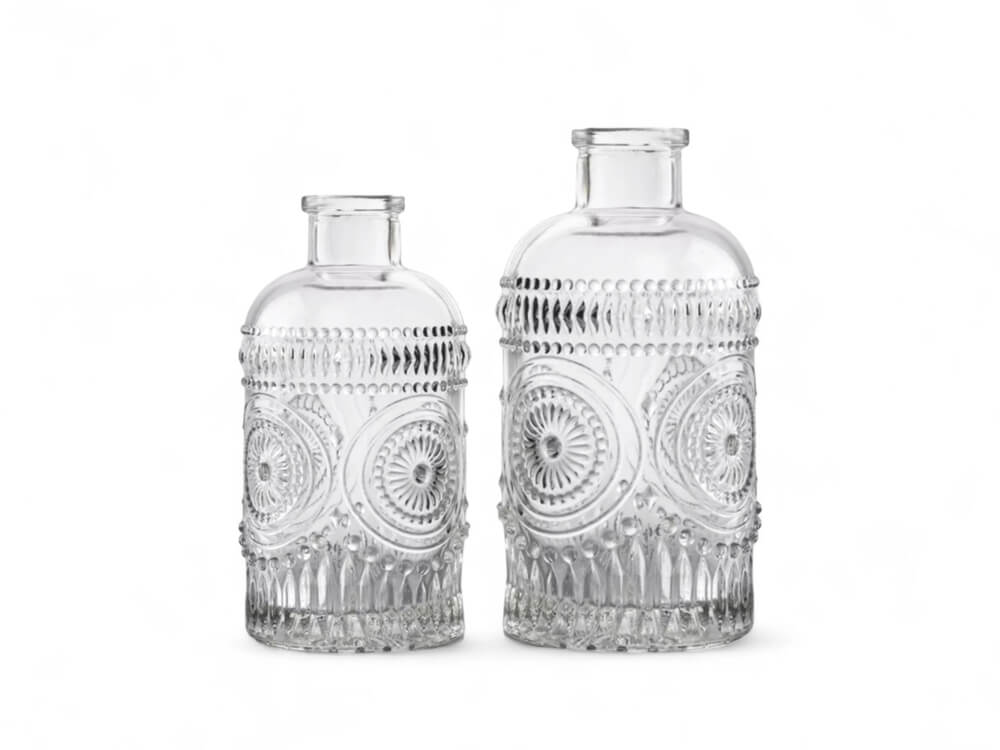
Early American pressed glass patterns, produced before mass manufacturing standardized design, remain collectible when complete sets survive. Certain patterns, like “Daisy and Button” or “Three Face,” attract enthusiast collectors.
Clear or colored pressed glass from the Victorian era holds steady value.
Iridescent Art Glass (Various Makers, Mirror Finish)
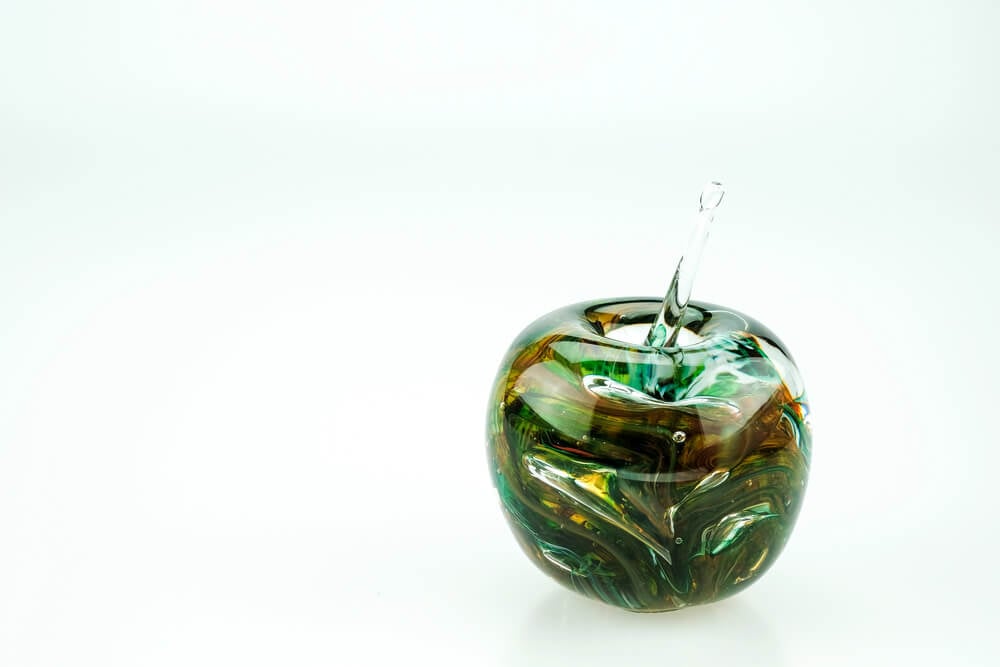
Iridescent finishes on art glass, whether from Tiffany, Loetz, or other makers, create visual effects that captivate collectors. The iridescence develops through specialized production techniques, making it difficult to replicate.
Mirror-like finishes and color shifts under different lighting command premium values.
Cut Crystal Patterns (Waterford, Baccarat, Lalique)
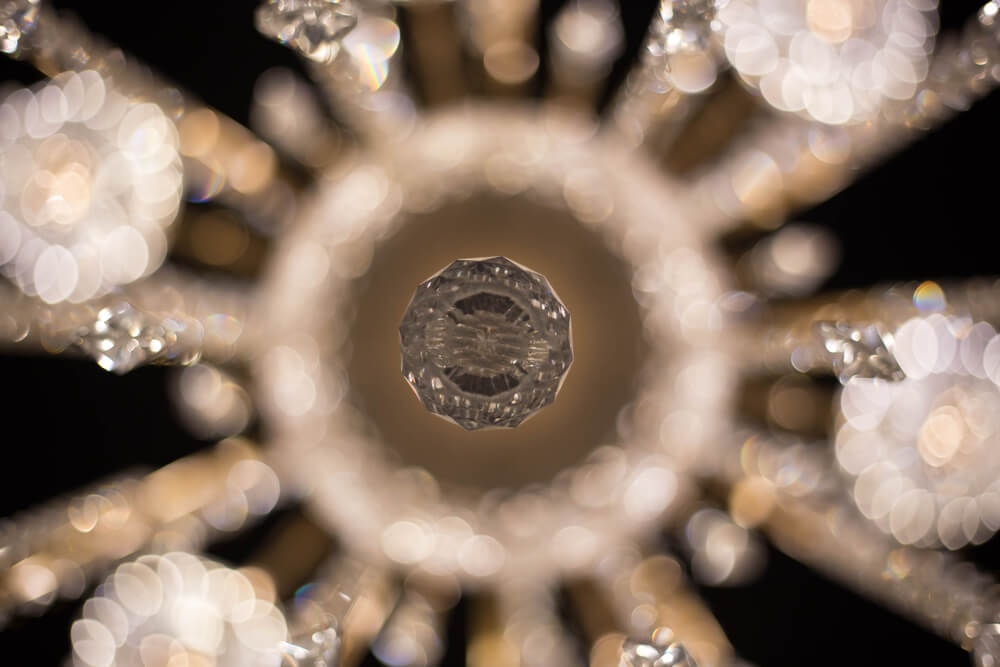
Hand-cut crystal patterns from legendary European makers represent the pinnacle of glassware craftsmanship. The intricacy of hand-cut patterns drives valuations upward, particularly when combined with rare color variations.
Complete services with all original pieces command astronomical prices.
Milk Glass (Vintage Pieces, Maker’s Mark)
Milk glass, the opaque white glass popular in the Victorian and Art Deco eras, attracts collectors seeking specific patterns or forms. Pieces with maker’s marks hold value premiums over unmarked examples.
Certain patterns, like “Grape and Cable,” command particular collector attention.
Ruby Glass (Depression Era, Hand-Blown Pieces)
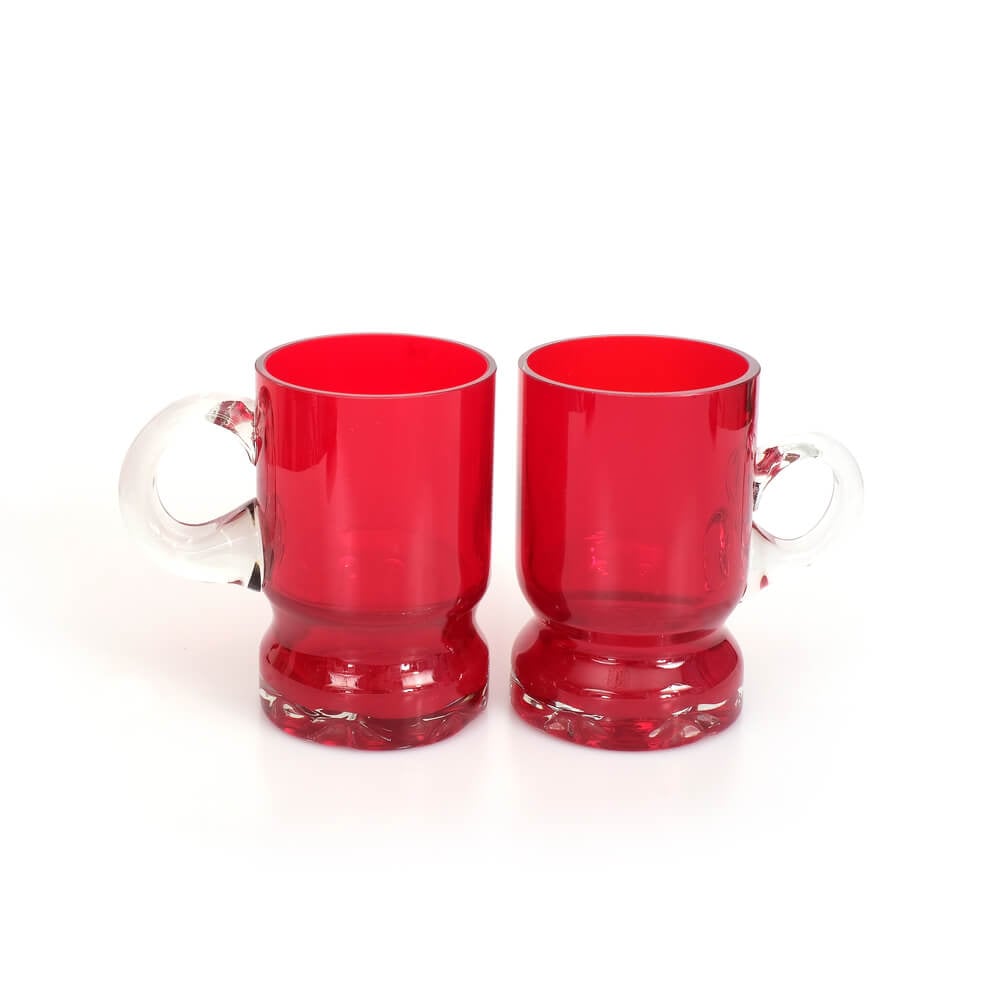
Ruby glass produced during the Depression era, particularly hand-blown pieces over pressed alternatives, hold collector value. The vibrant red color and clarity make surviving pieces attractive to buyers seeking colorful dinnerware.
Complete ruby glass services become increasingly scarce.
Amber Glass (Victorian Production, Color Intensity)
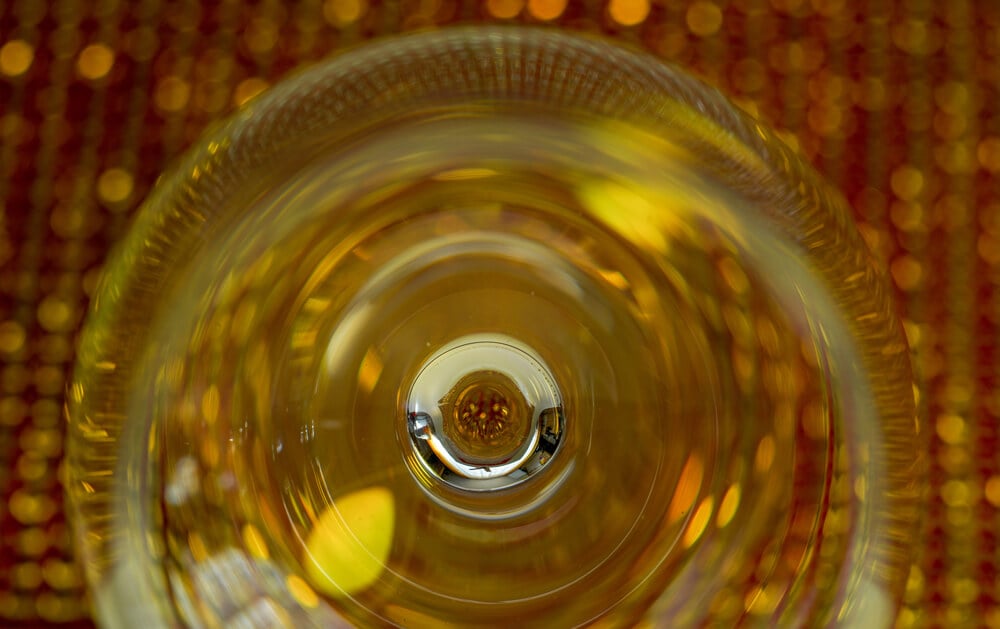
Amber glass from the Victorian era, particularly pieces with deep golden coloration and exceptional clarity, remains collectible. Certain makers produced distinctive amber shades that became associated with their brand.
Matching sets in rich amber command premium prices.
Opaque White Glass (Milk Glass Variants, Decorative Pieces)
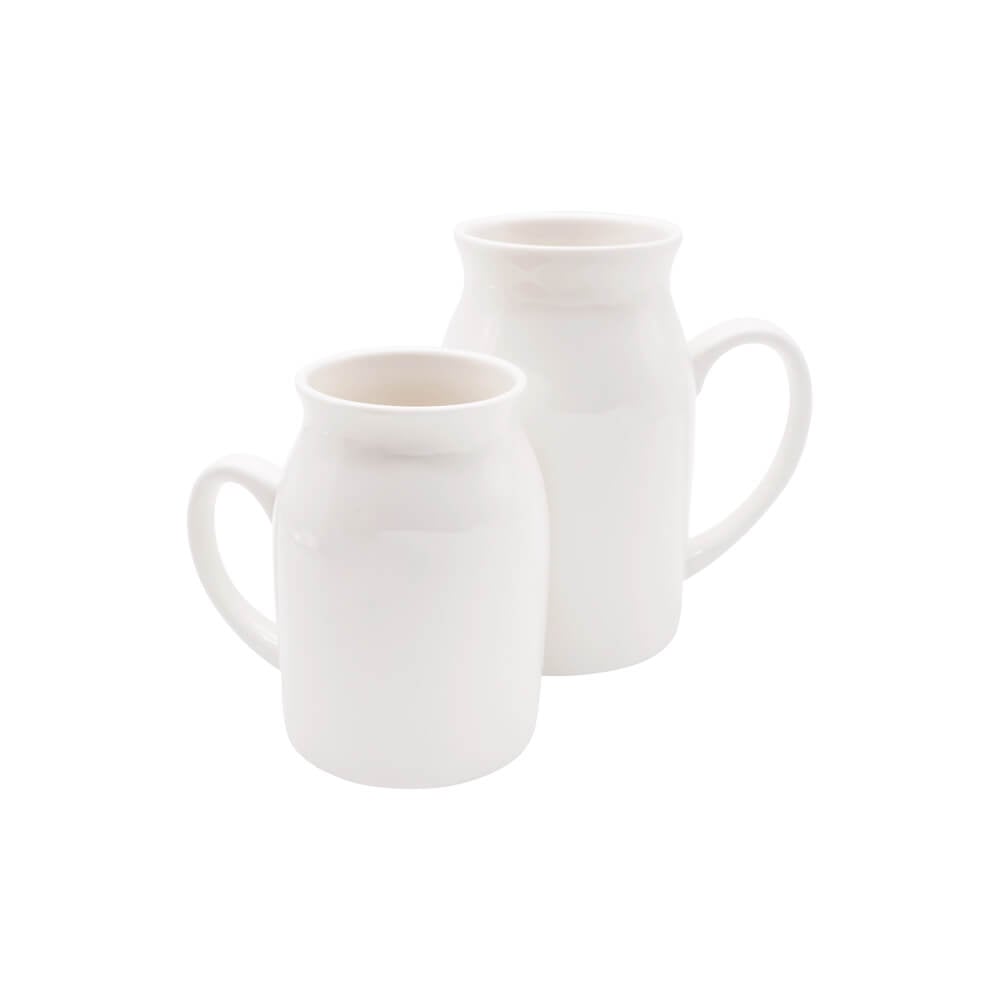
Beyond tableware, opaque white decorative pieces—vases, figurines, and serving vessels—attract collectors of art glass. Pieces with painted decoration or gilding command premiums over plain white glass.
Complete matching services remain scarce.
Flashed Glass (Thin Colored Layer Over Clear, Fragile)
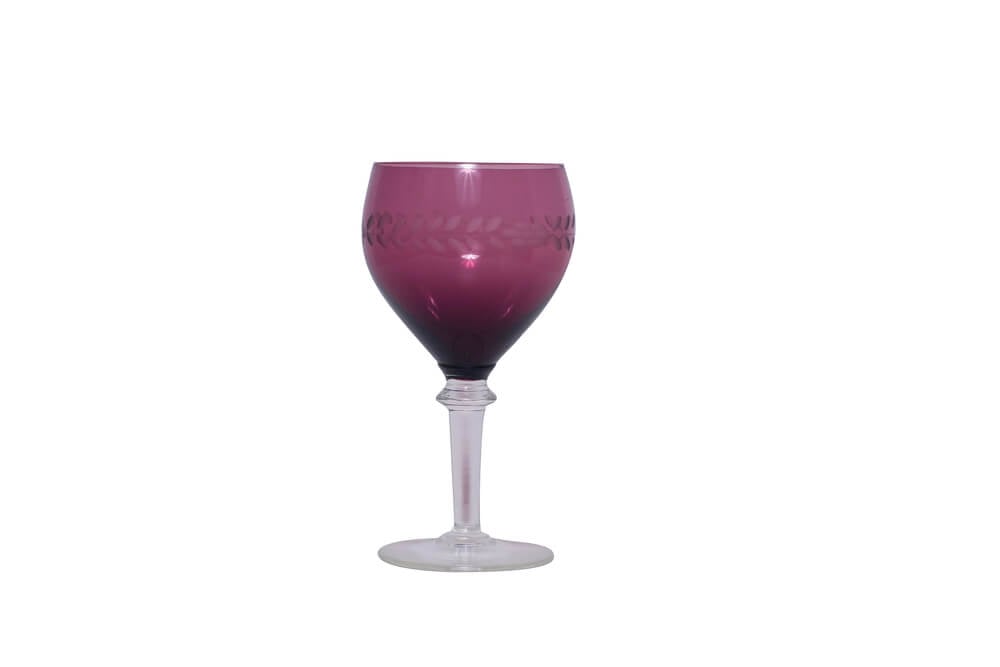
Flashed glass, where a thin colored layer was applied to clear glass, created striking visual effects but remained extremely fragile. Surviving pieces without chips or cracks command premiums reflecting their rarity.
The technical challenge of the flashing technique makes these pieces historically significant.
Cased Glass (Multiple Layers, Art Glass Pieces)
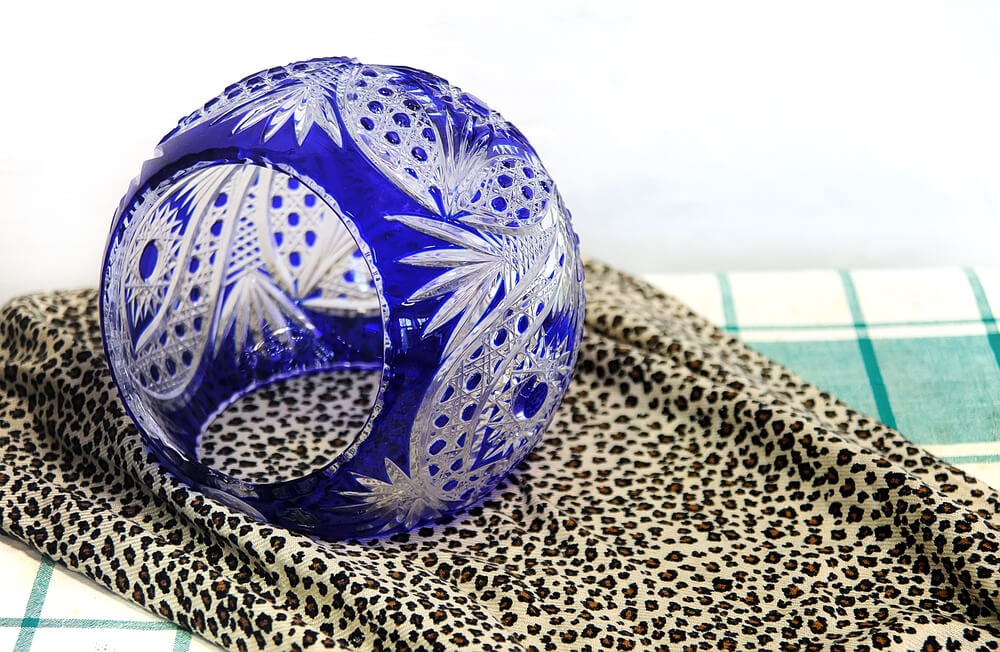
Cased glass, composed of multiple colored layers, allowed glassmakers to create striking color combinations impossible with single-layer production. The complexity of casing technique makes surviving pieces valuable to collectors of decorative arts.
Rare color combinations and exceptional clarity drive valuations.
Etched and Engraved Patterns (Hand-Worked Decoration)
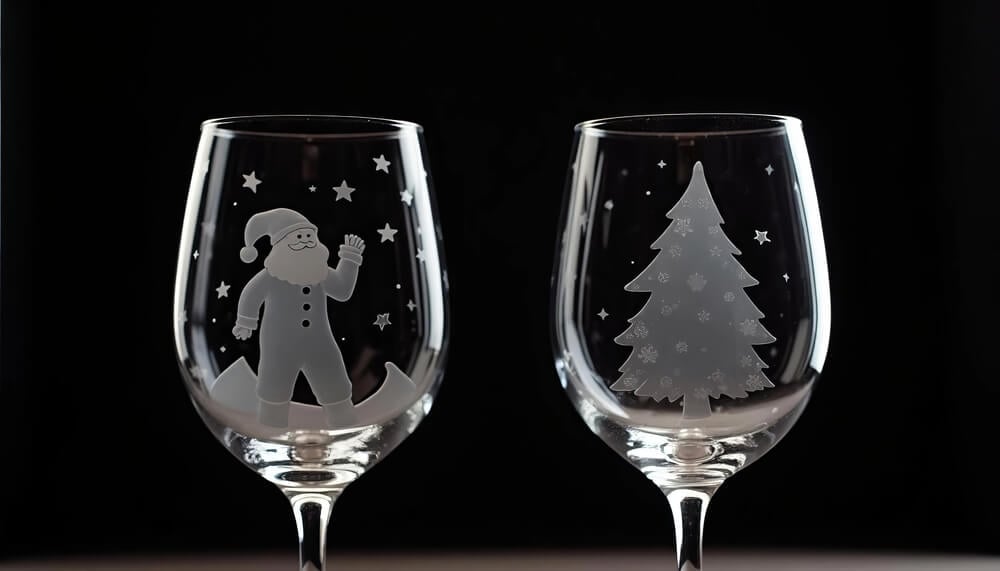
Hand-etched or hand-engraved glassware, requiring skilled artisans to laboriously decorate each piece, commands premiums over machine-decorated alternatives. The depth and precision of hand-work distinguishes these pieces, particularly when artist signatures remain visible.
Complete sets with matching etched decoration become increasingly rare.
Wheel-Cut Glass (Baroque Patterns, Deep Cutting)
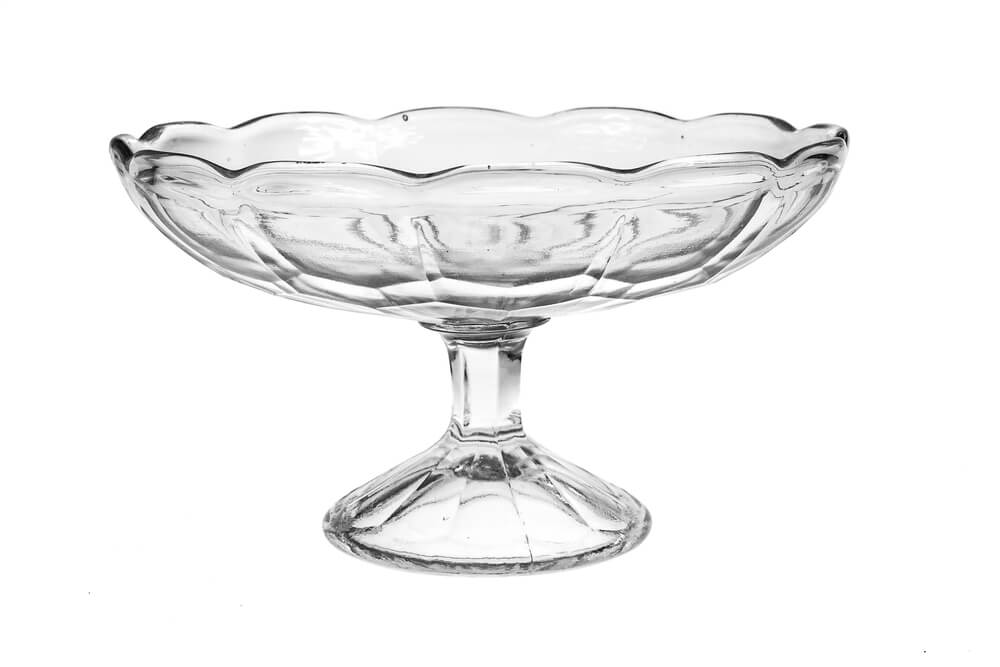
Wheel-cut glass patterns, produced using a grinding wheel to create deep relief designs, required exceptional skill and patience. The baroque patterns and depth of cutting distinguish these pieces from shallow pressed glass.
Complete dinner services in wheel-cut patterns fetch prices reflecting the labor invested.
Between Form and Function
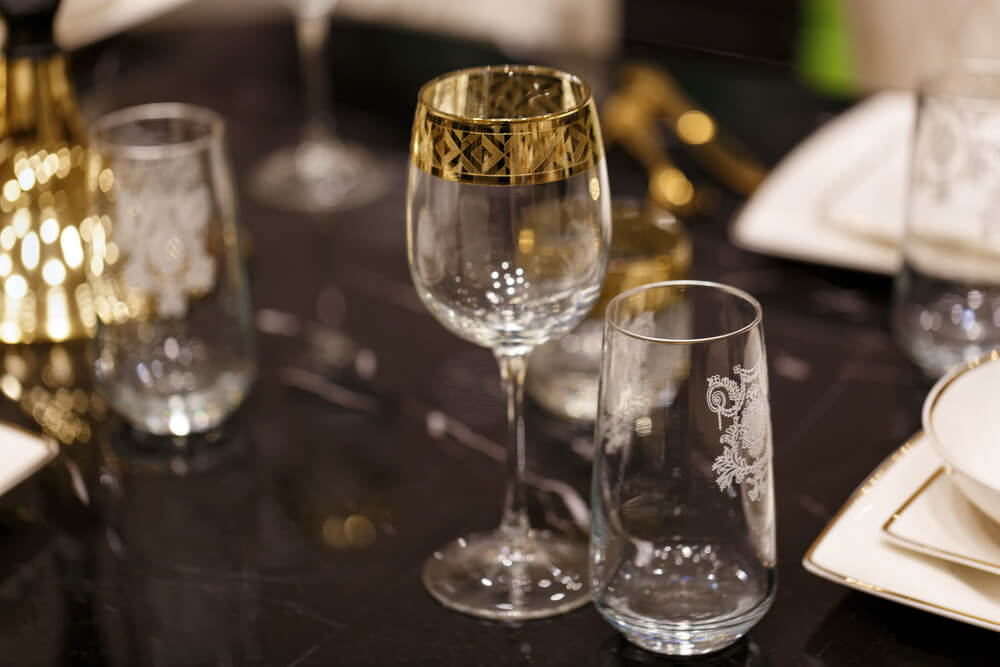
Collectors of vintage glassware understand that the finest pieces balance aesthetic ambition with practical utility. A perfectly formed vase serves no purpose beyond contemplation, yet a dinner plate must hold food without failing.
The glassware that endures in collectors’ hearts manages both: it performs its function while demonstrating the maker’s commitment to craft. That balance—beauty married to purpose—separates the glassware that disappears into the donation box from the pieces that collectors hunt down decades later.
More from Go2Tutors!

- The Romanov Crown Jewels and Their Tragic Fate
- 13 Historical Mysteries That Science Still Can’t Solve
- Famous Hoaxes That Fooled the World for Years
- 15 Child Stars with Tragic Adult Lives
- 16 Famous Jewelry Pieces in History
Like Go2Tutors’s content? Follow us on MSN.