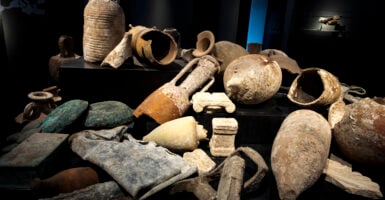
15 Objects Recovered from America’s Early Settlements
Textbooks give the early colonies tidy dates and heroic names. The ground tells a messier story, and it keeps telling it every time a trowel hits something that was never meant to be found.
These objects came out of forts, churches, cellars, and graves, and each one complicates a version of events that seemed settled. Some are tiny, some are grim, and a few are still arguing with the historians.
A Sealed Silver Box in a Jamestown Church
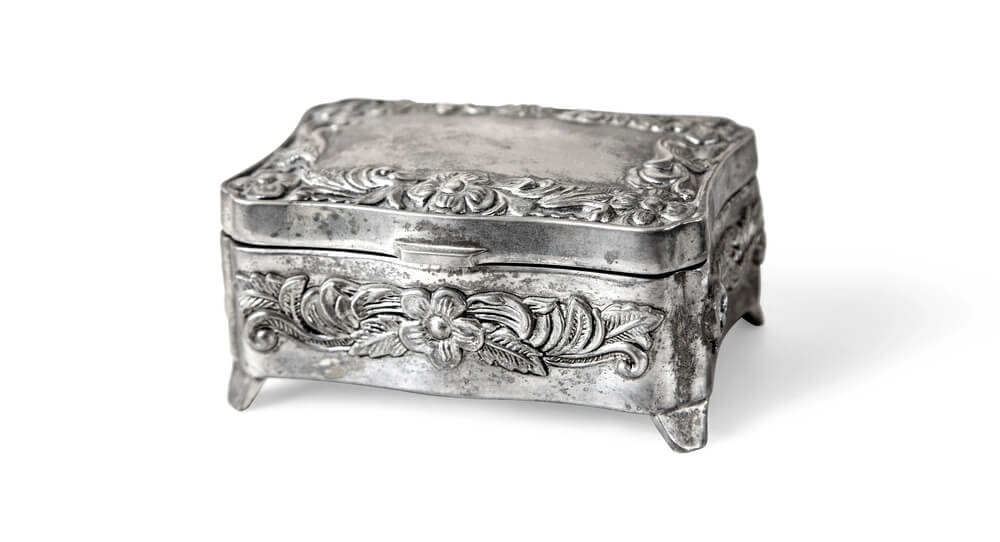
In 2015, archaeologists working in the ruins of the church at Jamestown found four burials and a small sealed silver box beside one of them. The box was identified as a possible Catholic reliquary, a surprising item to find in an Anglican colony.
Researchers later worked with the Smithsonian to put names to the four burials, which were identified as high-status early leaders. A tiny container of unknown contents ended up raising questions about the faith of men who were supposed to be on the other side of the Reformation.
Jane, the Skeleton With a Grim Secret
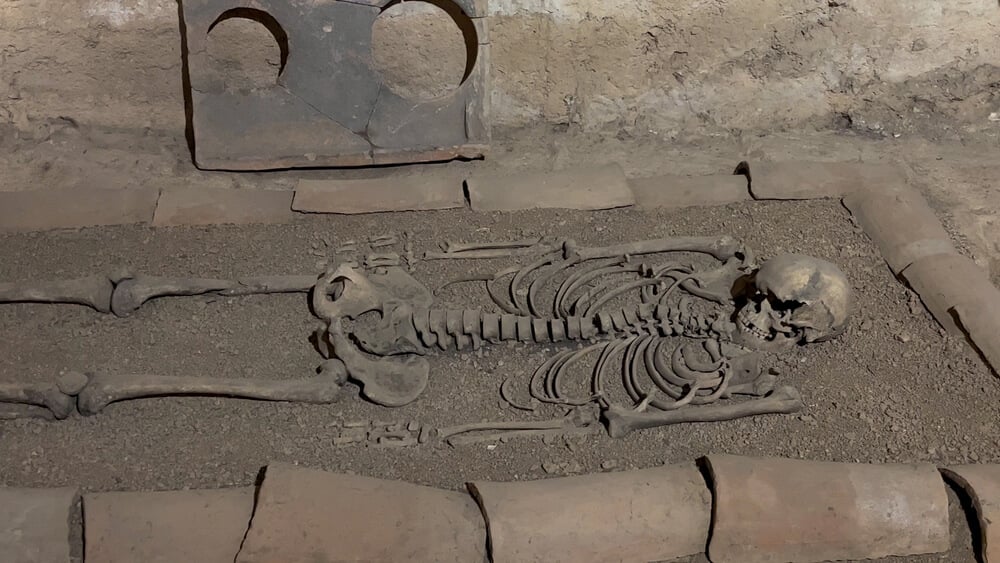
Her bones were recovered at Jamestown and given the name Jane, and she is recorded as having died in 1609 or 1610. In 2013, researchers announced that the skeleton showed signs of cannibalism, and news outlets reported that Jamestown settlers had resorted to it.
Few remains in American archaeology say so much about desperation with so little left to read. A name given by scientists became the face of the colony’s hardest chapter.
A Gold Signet Ring From the Croatan Site
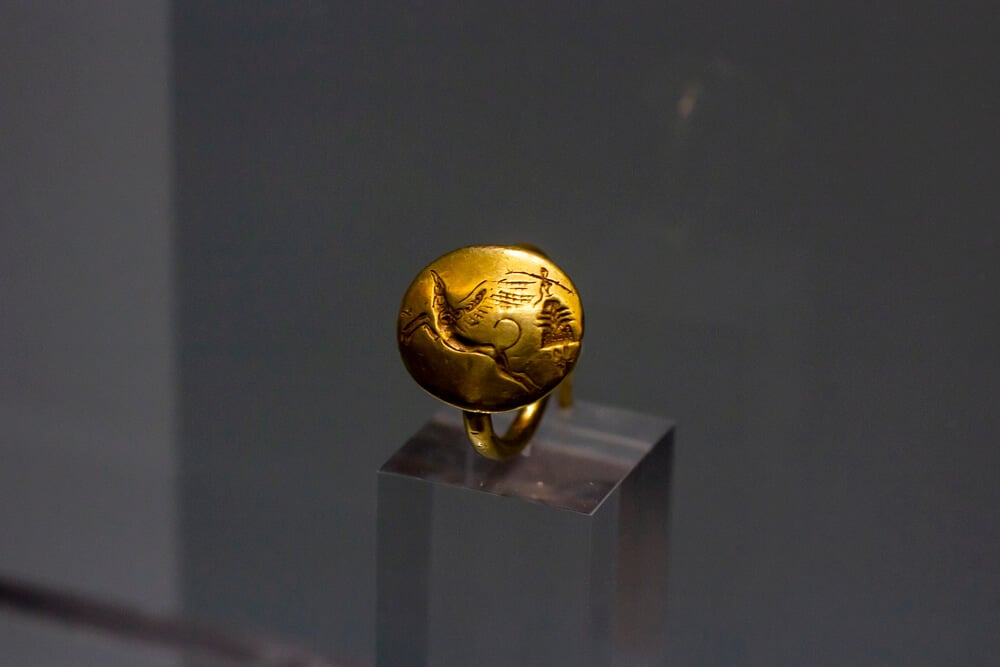
On Hatteras Island, a gold signet ring turned up at the site known as Croatan, and it has been connected to the lost colony of Roanoke. East Carolina University holds the Croatan Archaeological Site Collection, which keeps the ring in the record alongside the rest of the finds.
A ring of that kind was a personal mark of status, not a trade good, so its presence invites obvious questions about who wore it. Whether it belonged to a colonist who survived the disappearance remains a matter of debate.
First Contact Artifacts at Fort Raleigh
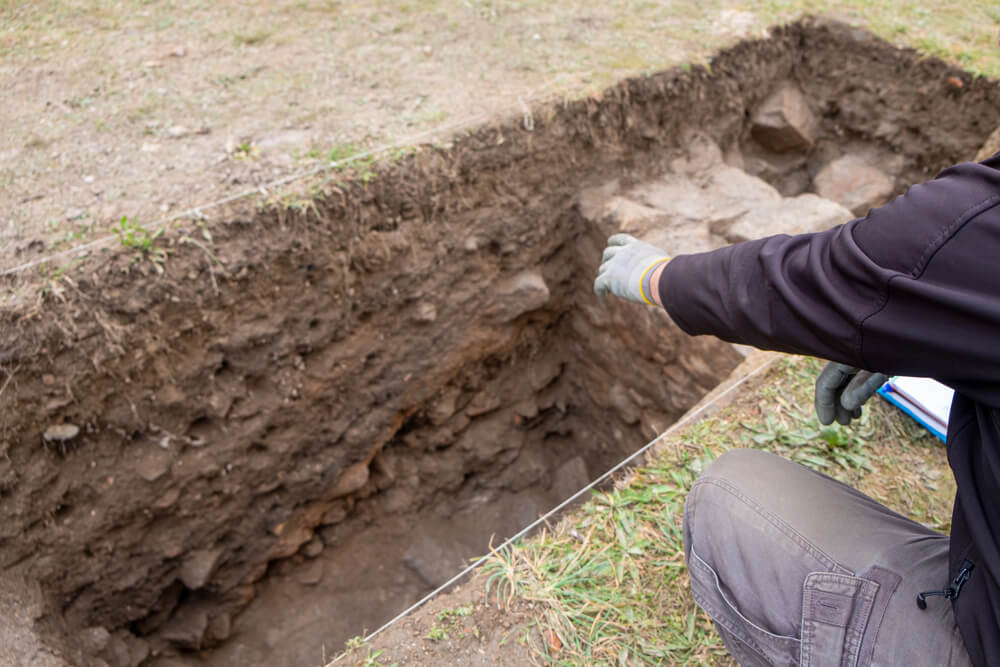
In 2023, artifacts recovered at Fort Raleigh on Roanoke Island appeared to confirm first contact between English colonists and the Algonquian people who lived there. The finds came from surveys that looked for the Algonquian town of Roanoac near the site of the English settlement.
That placed material from both cultures in the same stretch of ground, which is far more useful than a map drawn from rumor. Roanoke’s reputation rests on absence, so evidence of an actual meeting counts as a rare gift.
A Heart-Shaped Ring From a French Fort in Michigan
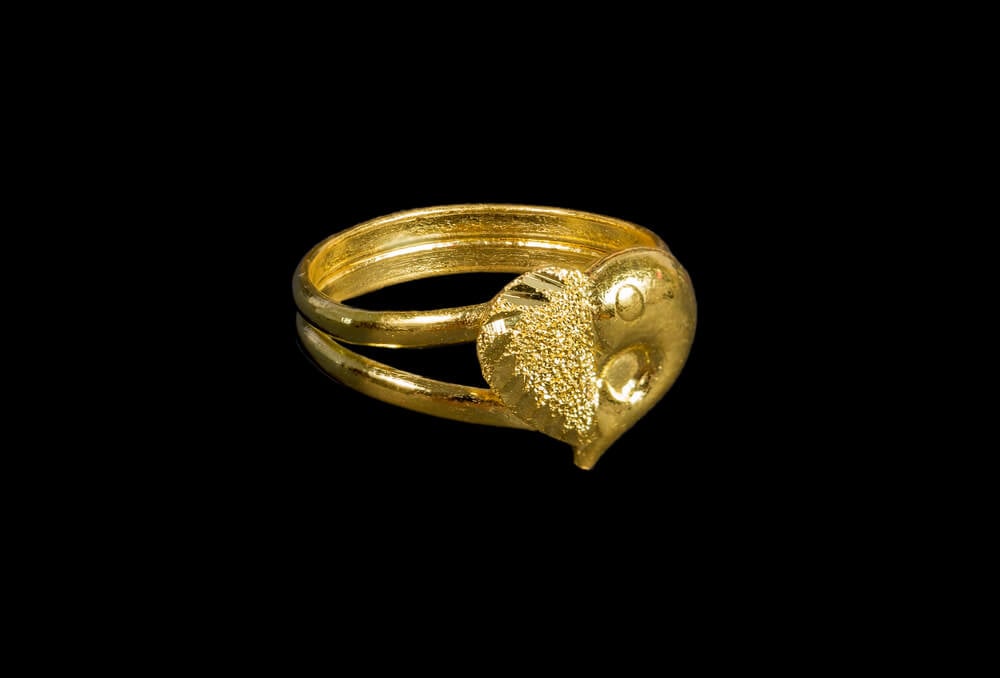
At Fort St. Joseph in Niles, Michigan, archaeologists uncovered a heart-shaped Jesuit ring made of copper alloy and dating to the 1700s. Reports on the 2022 announcement noted that the ring is still wearable, which is not something that can be said about most objects pulled out of an old fort.
Rings of this type are tied to Jesuit missionaries and the Native communities they worked alongside. The little piece of jewelry turned a frontier trading post into a place where devotion and commerce shared the same pocket.
A Spanish Fort Under a Golf Course
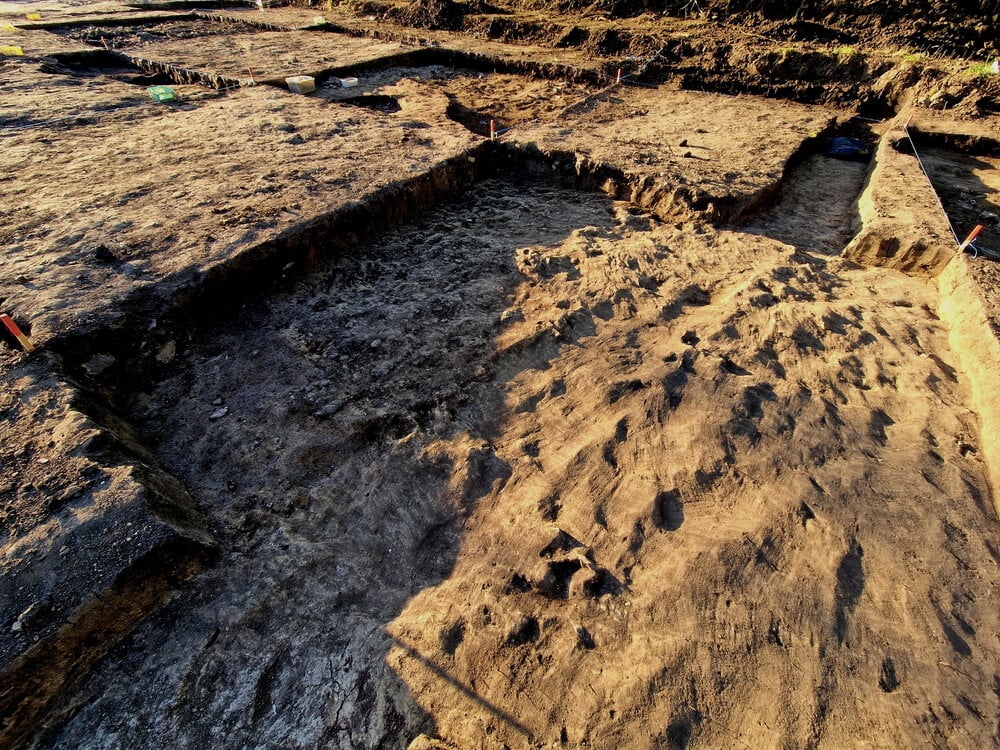
In 2016, researchers announced they had found the remains of Fort San Marcos, a sixteenth-century Spanish fort on Parris Island in South Carolina. The fort belonged to the Spanish town of Santa Elena, and it had been missing for generations before new technology pinpointed it under a golf course.
The University of South Carolina archaeologist Chester DePratter was among those behind the find. A European outpost that long predated Jamestown had spent centuries hiding beneath someone’s fairway.
The Lead Coffins of St. Mary’s City

Beneath the ground at St. Mary’s City in Maryland, researchers found rare seventeenth-century lead coffins holding members of the Calvert family, the founding family of the colony. The remains were studied by the Smithsonian and eventually reburied in a ceremony in southern Maryland.
Later reporting noted that roughly 1.3 million people share DNA with Maryland’s earliest colonists, a statistic that turns a burial site into a family reunion. Few burials manage to reach so far into the present.
Popham Colony’s Forgotten Fort St. George
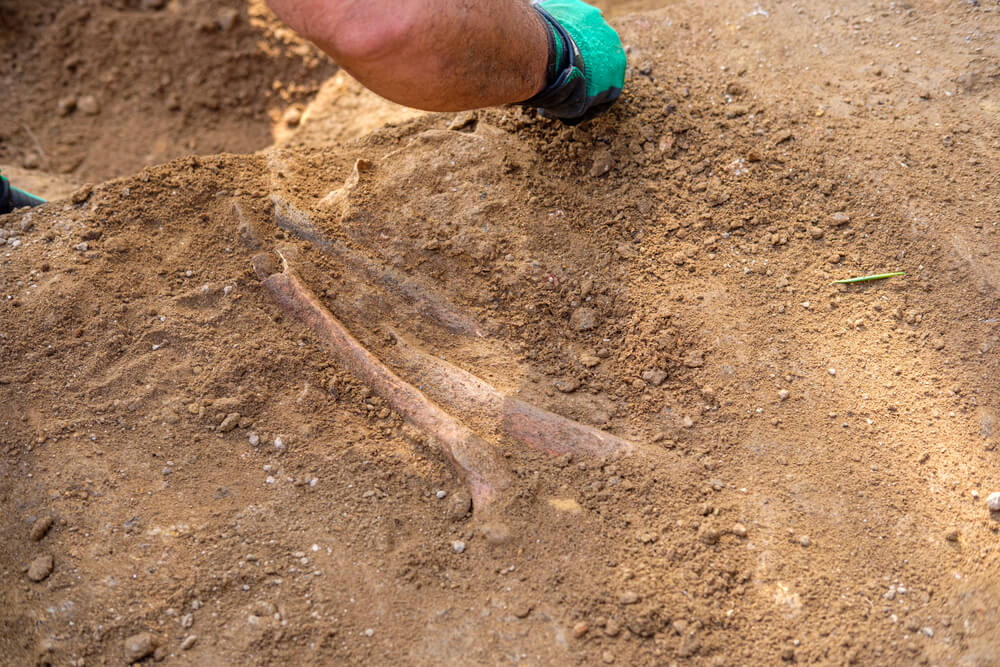
The Popham Colony of 1607 and 1608 was the first English colony in New England, and its Fort St. George vanished from common memory. Archaeological work at the site recovered objects now associated with the Maine State Museum, which preserves a record of a settlement that lasted only a short time.
The colony is sometimes called Maine’s lost colony, a nickname that is earned by how little the general public knows about it. The settlement predates Plymouth by more than a decade.
Fort Mose and America’s First Free Black Settlement
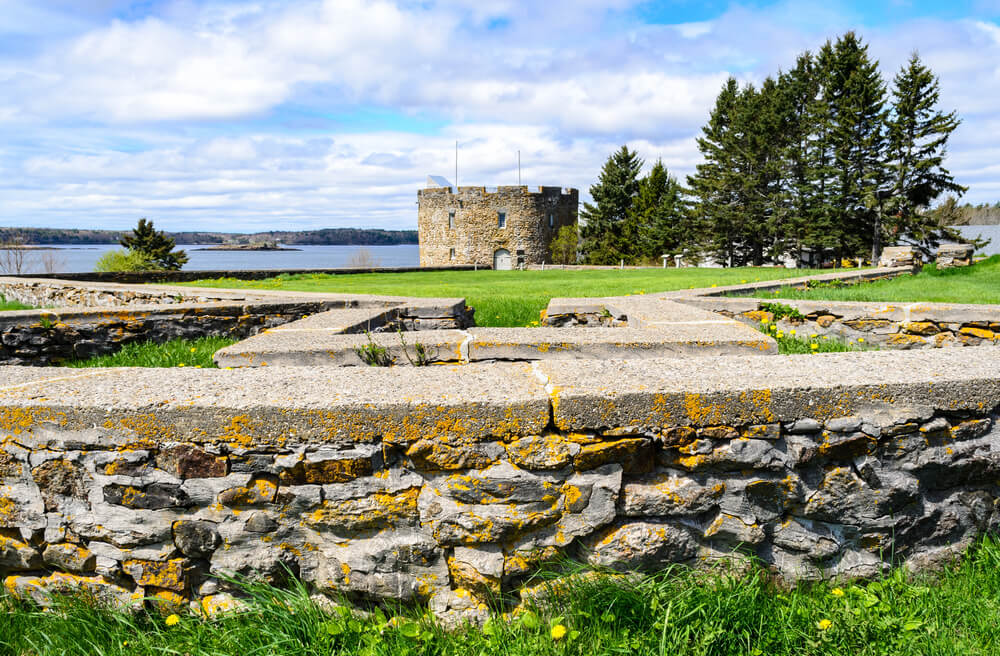
Fort Mose in Florida is described as the first legally sanctioned free Black settlement in what became the United States. The Florida Museum holds a group of artifacts from the site, which give physical shape to a community that mostly appears in thin paper records.
University of Florida researchers have worked to bring the place back into view. Everyday objects from a settlement like this carry more weight than usual, because so few other traces of its people survive.
Calf Bones From the Original Plymouth Settlement

In 2016, researchers from UMass Boston’s Fiske Center announced they had found evidence of the original 1620 Plymouth settlement. Among the clues were calf bones, an unglamorous find that helped support the case that the site belonged to the Pilgrims’ first years.
The discovery came after a long search for the real location of the earliest village, which is not where the tourist attractions sit. Livestock remains turned out to be better evidence than any monument.
Seventeenth-Century Artifacts at Pemaquid
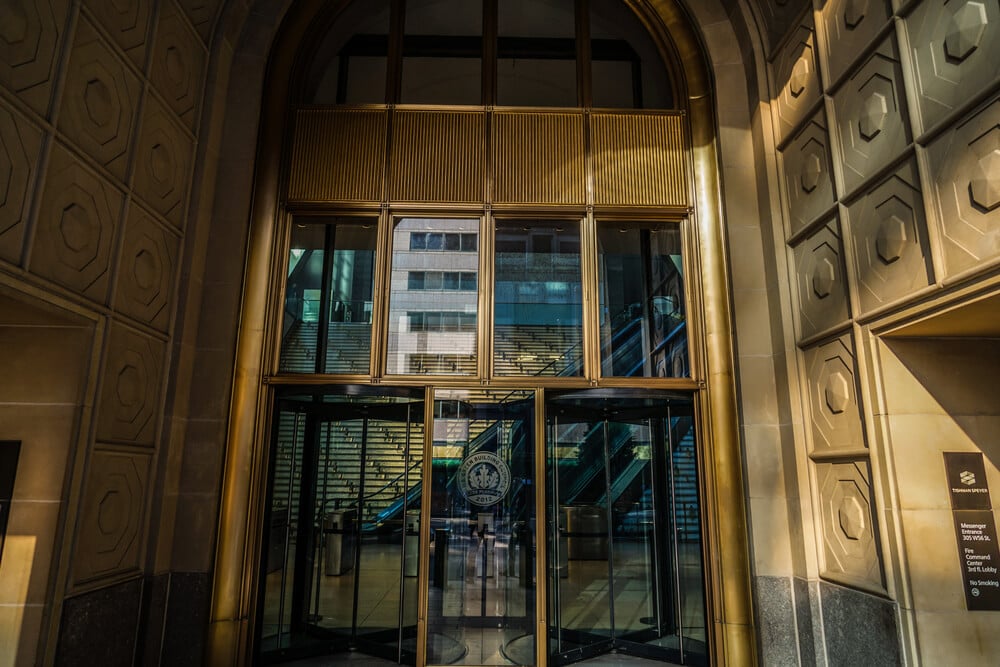
Colonial Pemaquid State Historic Site in Maine is a place where archaeologists keep digging, and in 2017 they uncovered artifacts at a seventeenth-century fort there. The site has produced enough material to earn a spot in the pages of Archaeology magazine.
Pemaquid also carries a local legend about a skeleton in armor, which shows how easily colonial finds attract a good story. The artifacts themselves are more modest and, for historians, far more reliable.
Dutch Objects From Fort Orange
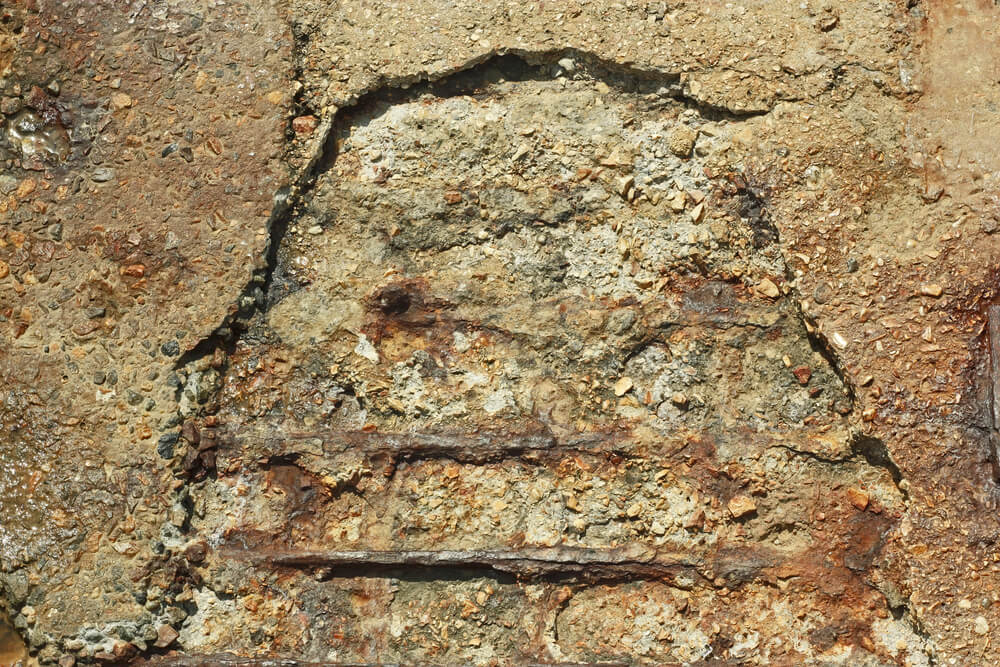
Fort Orange stood in what is now Albany, and the New York State Museum holds a vast collection of colonial era artifacts from the site. The museum mounted an exhibition on the excavations, which drew on the work of archaeologist Paul Huey
. Coverage of the finds describes how Dutch settlers and Native peoples collaborated in the 1600s, a partnership that older tellings often skip. The collection fills in a Dutch colony that tends to get less attention than its New Amsterdam sibling.
The Remains of Lovelace Tavern in Manhattan
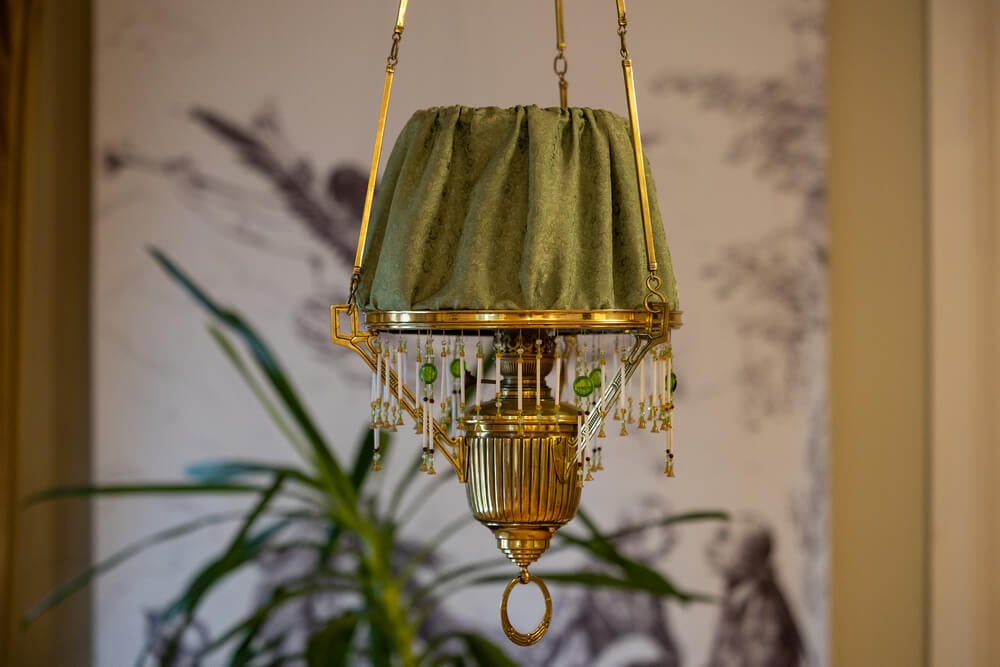
Beneath Manhattan’s Financial District, the remains of the seventeenth-century Lovelace Tavern were recovered during work connected to the Stadt Huys block. Manhattan’s earliest layers sit under centuries of construction, so any find from that period had to survive a great deal of company.
A tavern is a fitting survivor, since colonial New York was always a city that liked a place to gather.
A Slab of Armor From a Maryland Cellar
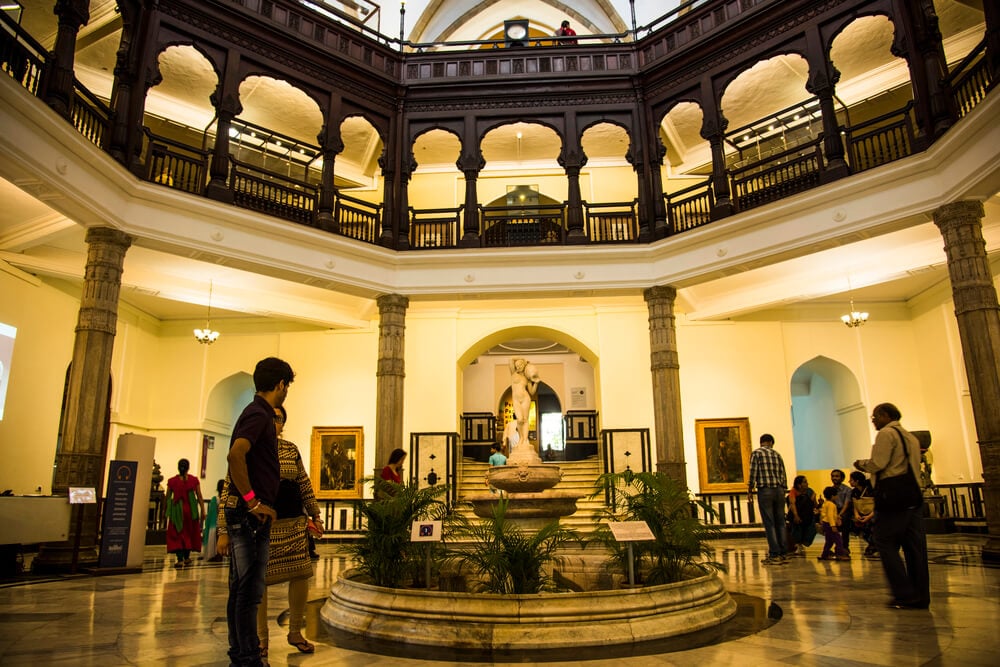
At St. Mary’s City, archaeologists identified a rare metal slab found in a seventeenth-century cellar as part of a suit of armor. The settlement dated to 1634, and the discovery was covered by the Washington Post in February 2024.
Coverage asked why colonists would discard a piece of armor not long after settling, since protective gear would seem valuable on a new frontier. The question is half the appeal.
Glass Beads From Mission Santa Catalina de Guale
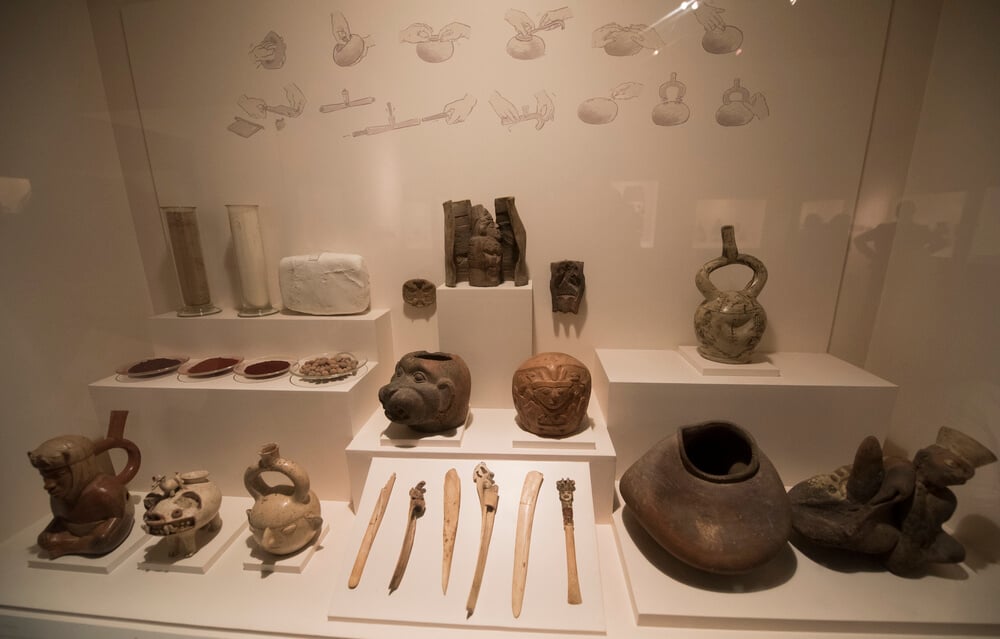
On St. Catherines Island in Georgia, archaeologists excavated Mission Santa Catalina de Guale, a Franciscan mission that spent its life on a barrier island. The beads found there were studied in an American Museum of Natural History paper titled The Beads of St. Catherines Island.
Glass beads are small and easy to overlook, but they can reveal how far a mission’s reach extended. A scrap of empire turned up on a Georgia island.
What the Ground Refuses to Forget
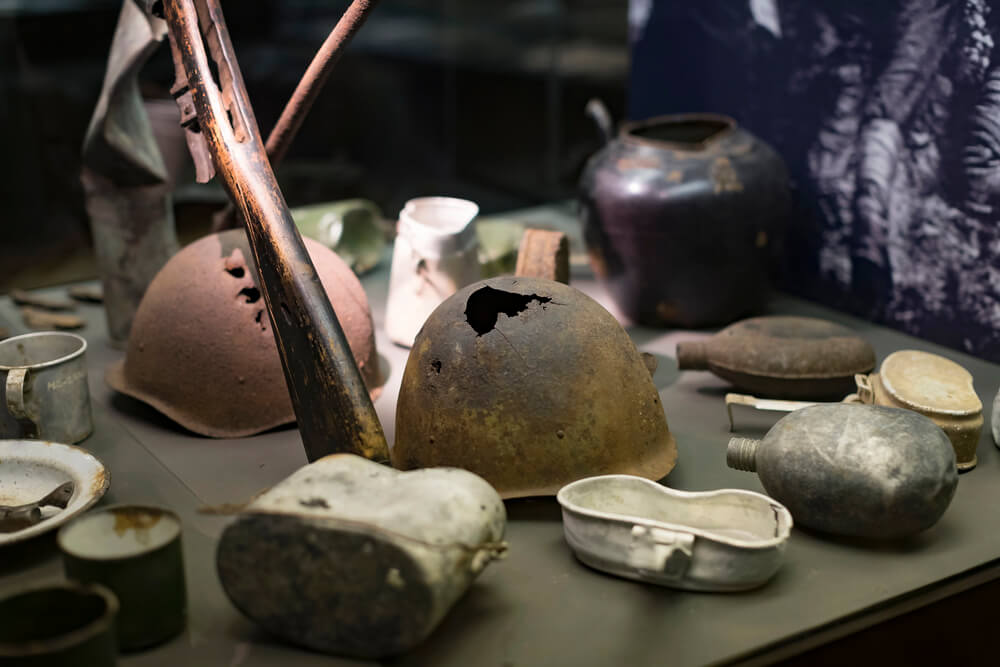
Every object here has a paper trail that leaves out something important. A reliquary appears in no official account, a ring does not appear in any list of colonists, and a cellar gives no reason for discarded armor.
The ground keeps a different kind of record, one that includes accidents, compromises, and the possessions people had in their pockets. That record is never complete, and it does not need to be.
A single bead or bone can force historians to revise a chapter, and a sealed silver box can change the way a church is understood. The early settlements were built by people, and people leave things behind.
More from Go2Tutors!

- 27 Silver Dollars and Half Dollars Worth Keeping
- 28 Restaurant Menu Items Nobody Orders Anymore
- 17 Places Built in Seemingly Impossible Spots
- 27 Vintage Rings Worth More Than They Look
- 25 Restricted Sites Tourists Can’t Enter
Like Go2Tutors’s content? Follow us on MSN.