30 Lunchbox Snacks Kids Traded in the ’80s
The cafeteria table in the 1980s ran on its own economy. A Fruit Roll-Up could buy two cookies, a Capri Sun was worth more than an apple, and anyone who showed up with Lunchables was briefly the richest kid in the room.
Parents packed the lunchboxes, but kids set the exchange rates. Some snacks were currency, some were bargaining chips, and a few were so good that nobody would part with them at any price.
Fruit Roll-Ups on Cellophane
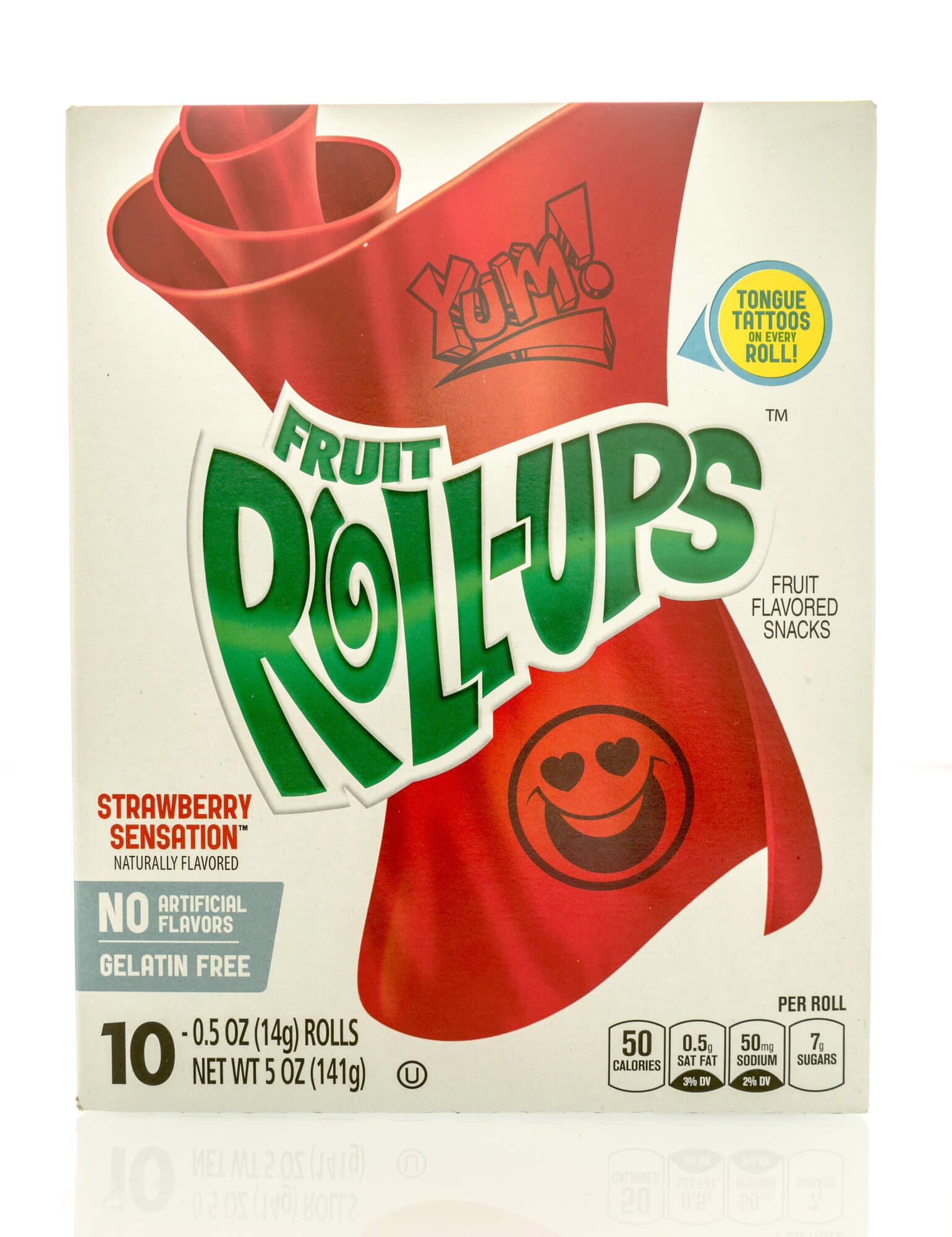
General Mills introduced Fruit Roll-Ups in 1983, and they quickly became one of the most valuable items in any lunchbox. The thin sheets of fruit leather came rolled on cellophane, and kids peeled them off slowly, wrapped them around fingers or pressed them against the roof of their mouths.
Later versions added printed shapes that could be punched out and eaten separately. Their flat, flexible format made them easy to slip across a table during a trade, often without a lunch monitor noticing.
Few snacks had more bargaining power in a 1980s cafeteria, and owners knew it.
Capri Sun and the Straw Jab
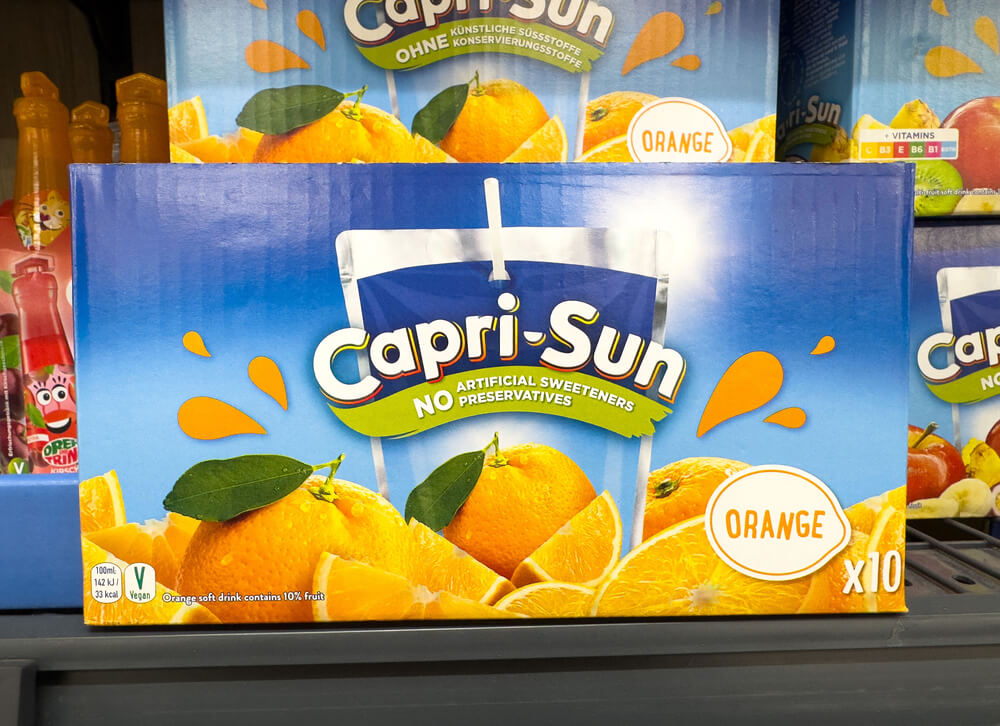
Capri Sun arrived in the United States in 1981, packaged in a shiny foil pouch with a pointed straw that had to be jabbed through a small circle on top. Getting the straw in without squirting juice across the table was a skill kids practiced daily, with mixed results.
The pouches stayed cold in insulated lunchboxes and felt far more exciting than a thermos of milk. Flavors such as Pacific Cooler and Mountain Cooler built a loyal following.
A Capri Sun was strong trading material, especially on hot days in September and June.
Lunchables and Their Tiny Cracker Stacks
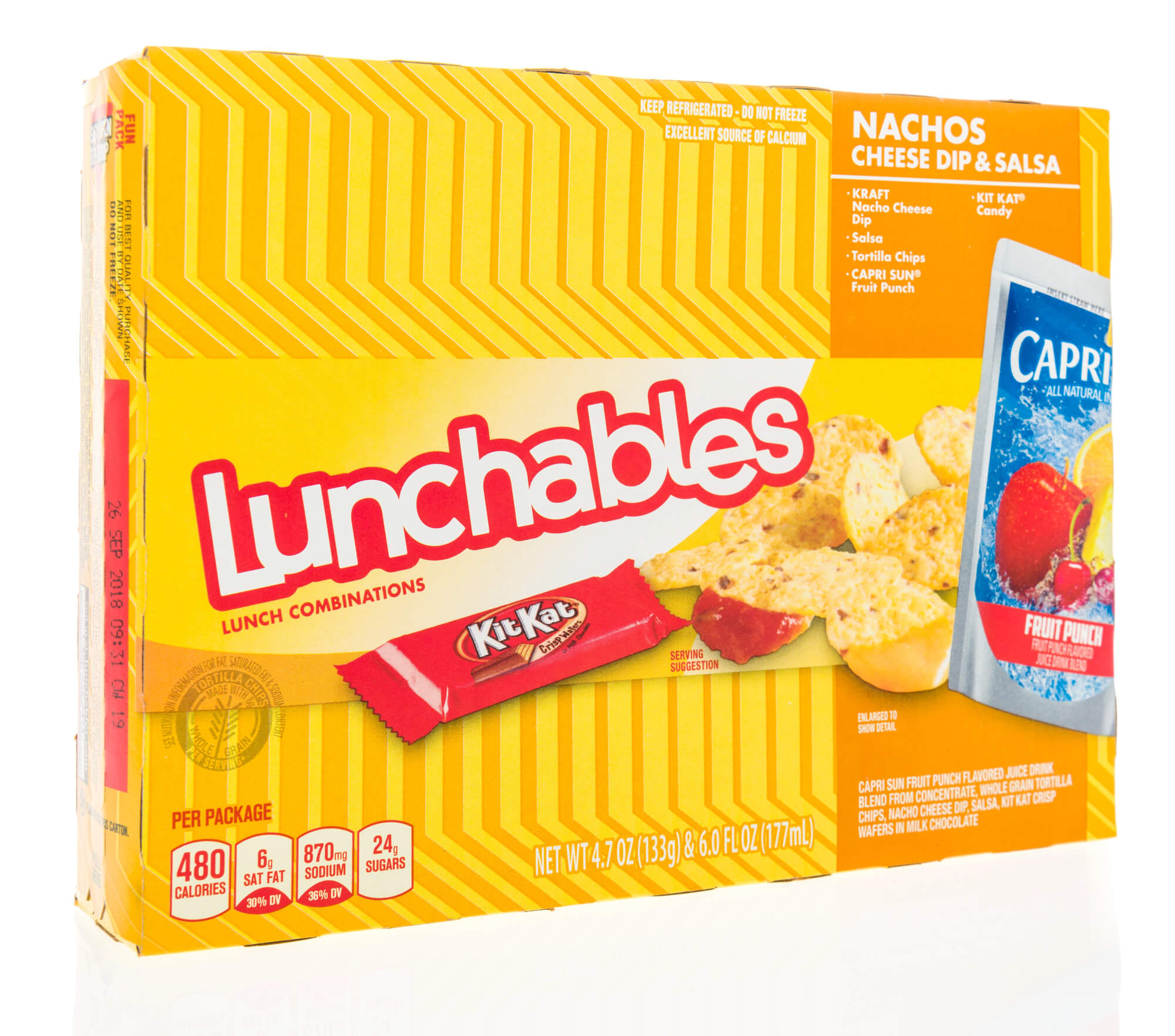
Oscar Mayer launched Lunchables in 1988, packing crackers, rounds of bologna or turkey and squares of cheese into a plastic tray that let kids build their own tiny stacks. The product was designed partly to sell more lunch meat and cheese, and it worked spectacularly well.
Owning a Lunchables made a kid instantly popular at the table, since the format practically invited sharing. Parents liked the convenience, if not the price per ounce.
Later versions added pizza, nachos and a small candy bar tucked into a corner of the tray.
Twinkies and Their Banana Past
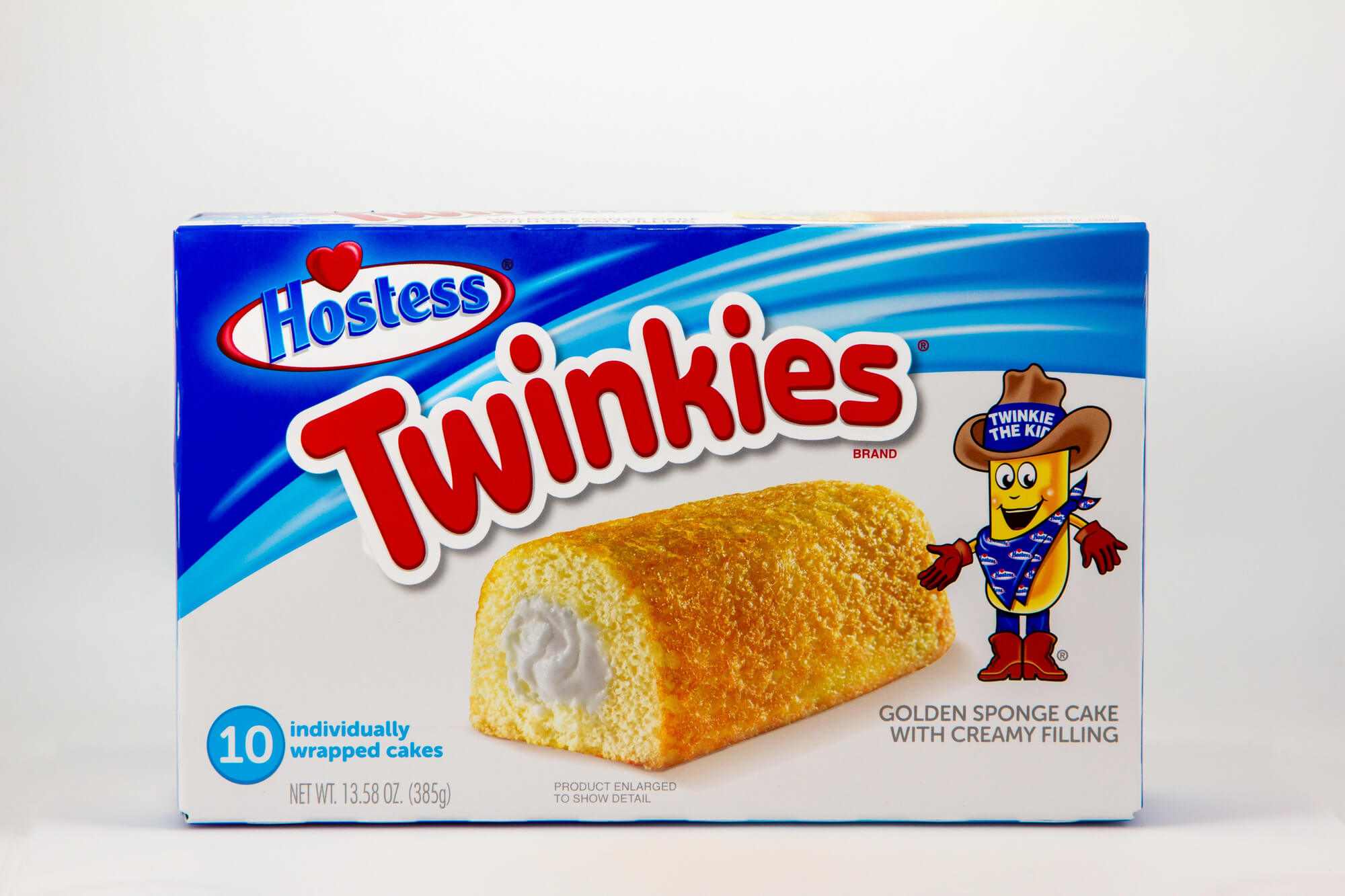
Twinkies were invented in 1930 by James Dewar, a baker for the Continental Baking Company near Chicago, who filled small sponge cakes with banana cream. Banana shortages during World War II led to the vanilla filling that became standard ever after.
By the 1980s, a Twinkie was a lunchbox classic that could be traded for nearly anything on the table. The cakes were also the subject of endless jokes about how long they could survive on a shelf.
A Twinkie in the lunchbox signaled a generous parent and a very good day.
Ding Dongs in Their Foil Wrappers
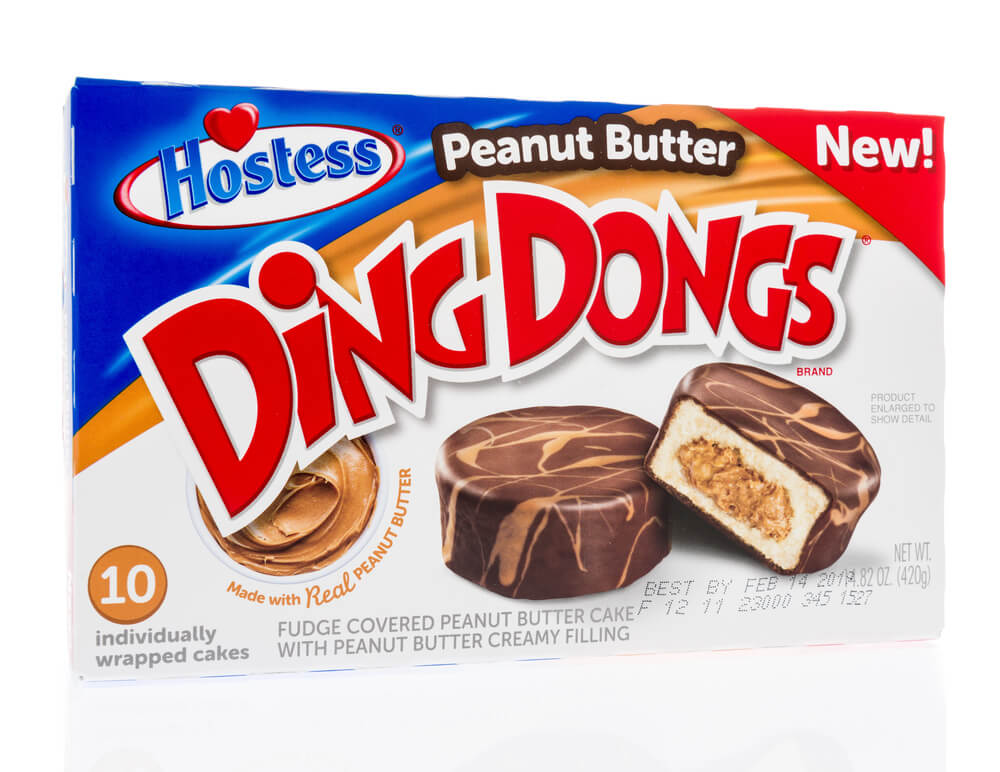
Hostess introduced Ding Dongs in 1967, a round chocolate cake with a cream filling, covered in chocolate coating and wrapped in foil. The foil was part of the experience, and kids either unwrapped it carefully or crumpled it into a shiny pellet for flicking.
On the East Coast, the same snack was sold for years as King Dons because a competitor already used a similar name. Ding Dongs were strong lunchbox currency.
Kids traded them for chips, cookies or anything else that looked better than their own lunch that day.
CupCakes With the White Squiggle
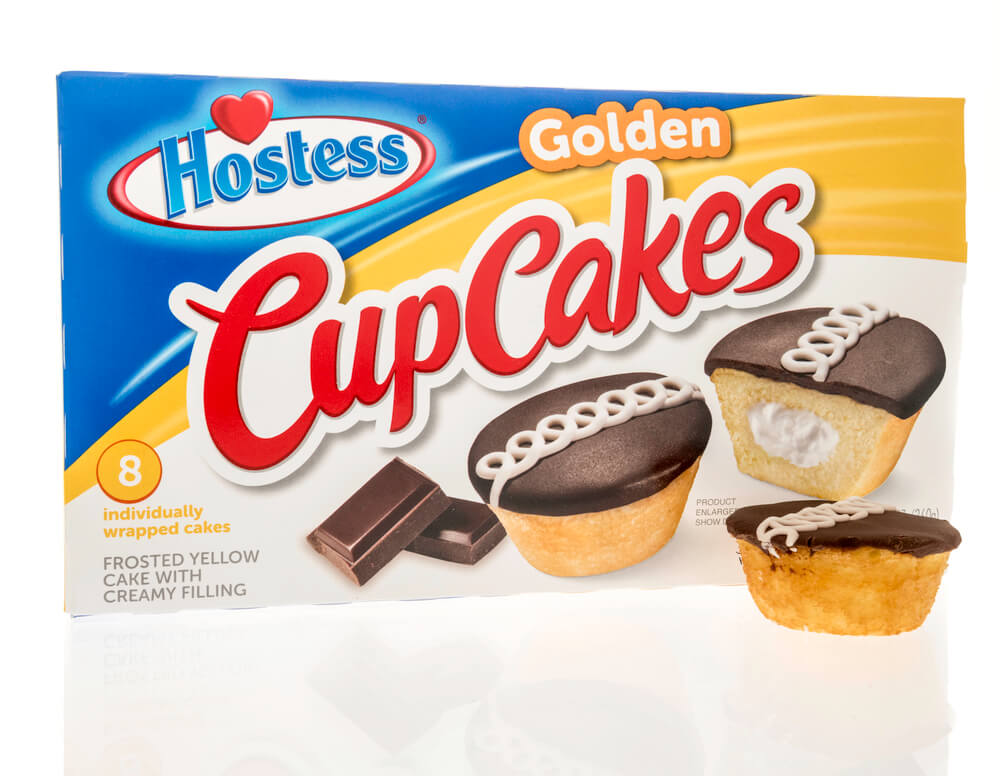
Hostess CupCakes date back to 1919, but the famous white squiggle across the chocolate frosting was added in 1950. Kids had their own rituals for eating them, from peeling off the frosting in one piece to digging out the cream filling with a finger.
Each package held two cupcakes, which made them ideal for splitting with a friend or trading one away. The squiggle became one of the most recognizable designs on any snack cake.
Few lunchbox desserts carried as much status or left behind as many crumbs on the table.
Ho Hos Unrolled at the Table
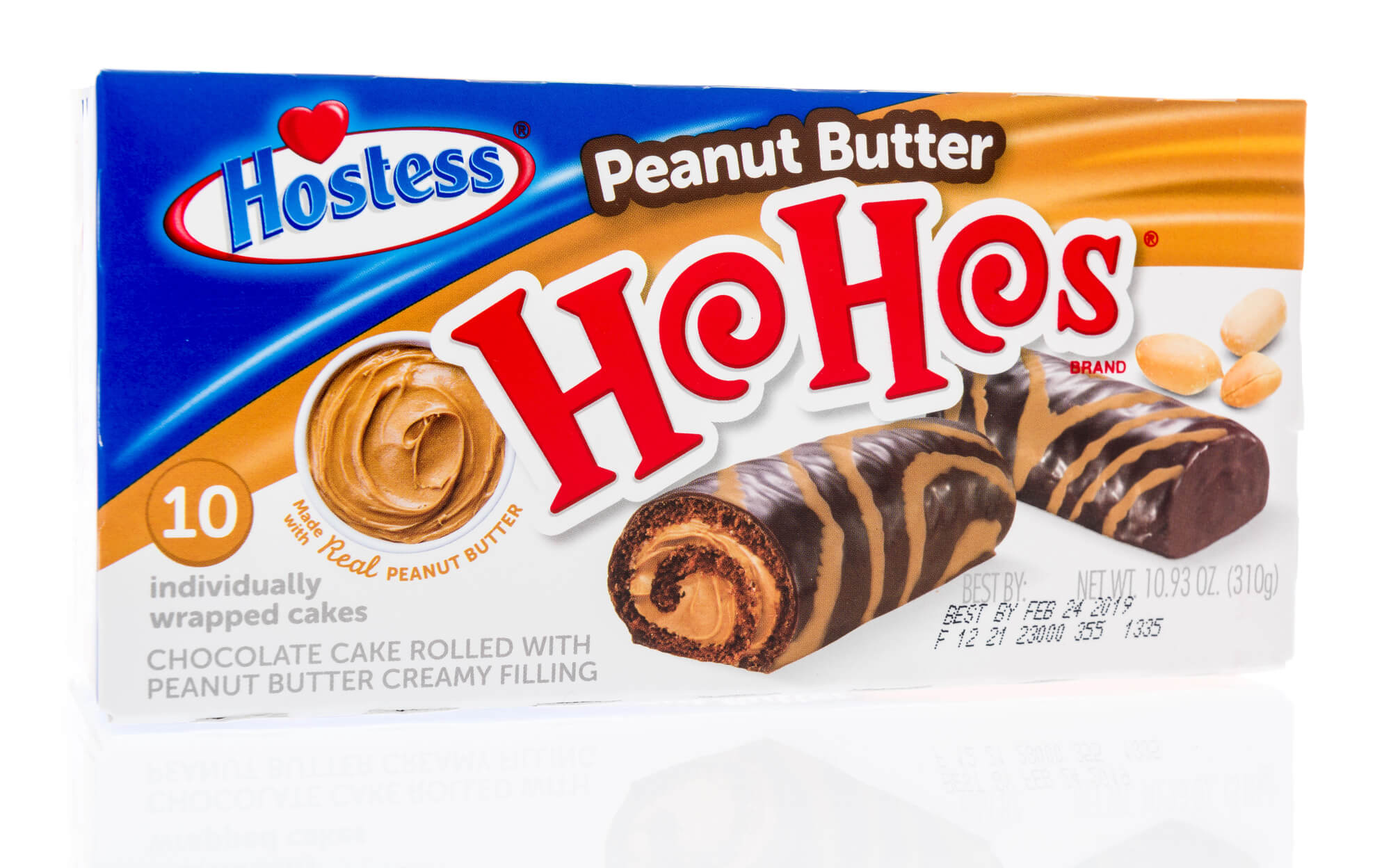
Ho Hos are rolled chocolate cakes filled with cream and coated in chocolate, introduced by Hostess in 1967. Kids unrolled them to get at the cream inside, a habit almost every former lunchbox owner remembers doing at least once.
The spiral shape made them messy and irresistible at the same time. Ho Hos came several to a package, which made them easy to trade one at a time without giving up the entire prize.
They were a dependable bargaining chip in any cafeteria, and a sticky one.
Suzy Q’s and Their Cream Stripe
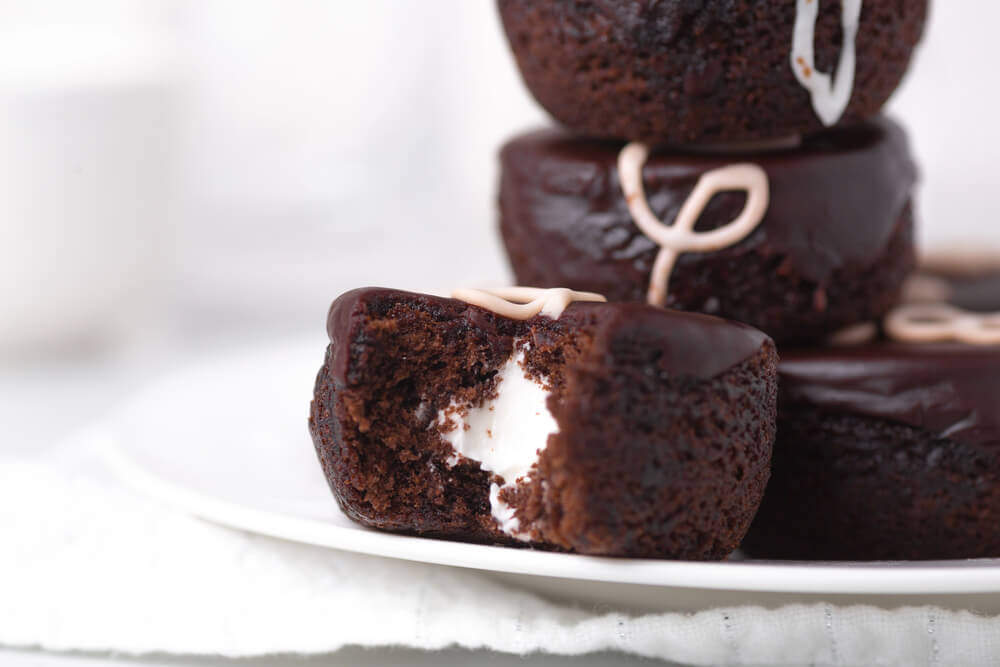
Suzy Q’s were two slabs of chocolate cake sandwiching a thick stripe of white cream filling, introduced by Hostess in 1961 and reportedly named after the daughter of a company executive. The cream was the point, and kids often licked it out before eating the cake, or skipped the cake altogether.
The snack came in a long rectangular package that fit neatly along the side of a lunchbox. Suzy Q’s disappeared from shelves for a while before returning in later years.
In the 1980s, they were a lunchbox luxury few kids would give away cheaply.
Oatmeal Creme Pies From the McKee Family
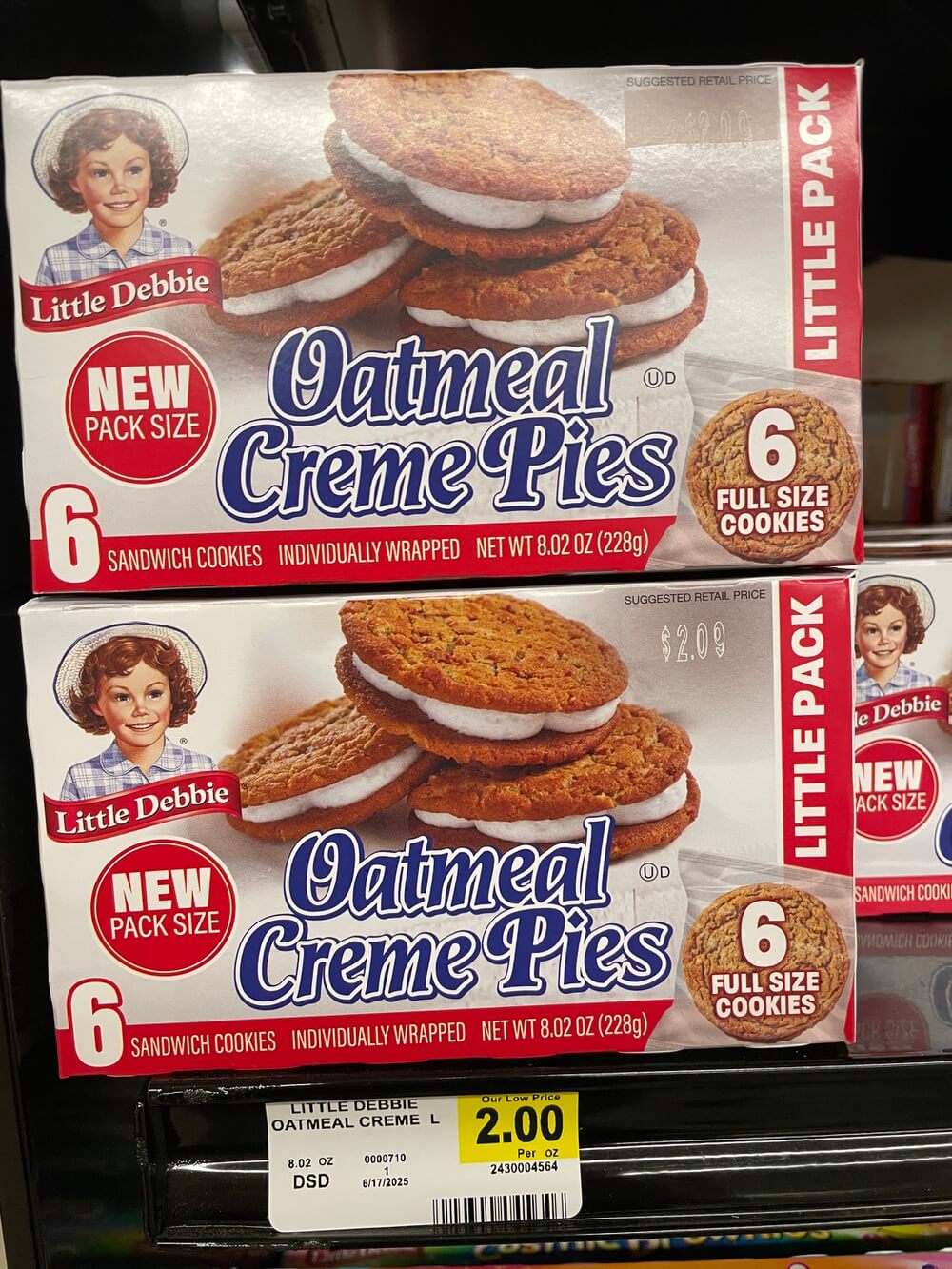
Oatmeal Creme Pies were the first product sold under the Little Debbie name in 1960, created by the McKee family bakery in Tennessee and named after their young granddaughter Debbie. The soft oatmeal cookies sandwiched a layer of creme filling, and they were inexpensive enough to land in a great many lunchboxes.
Kids peeled the cookies apart to eat the filling first. They were a steady, reliable trade rather than a jackpot.
The packaging, with Debbie’s smiling face in a straw hat, became familiar in cafeterias across the country.
Swiss Rolls by the Pair
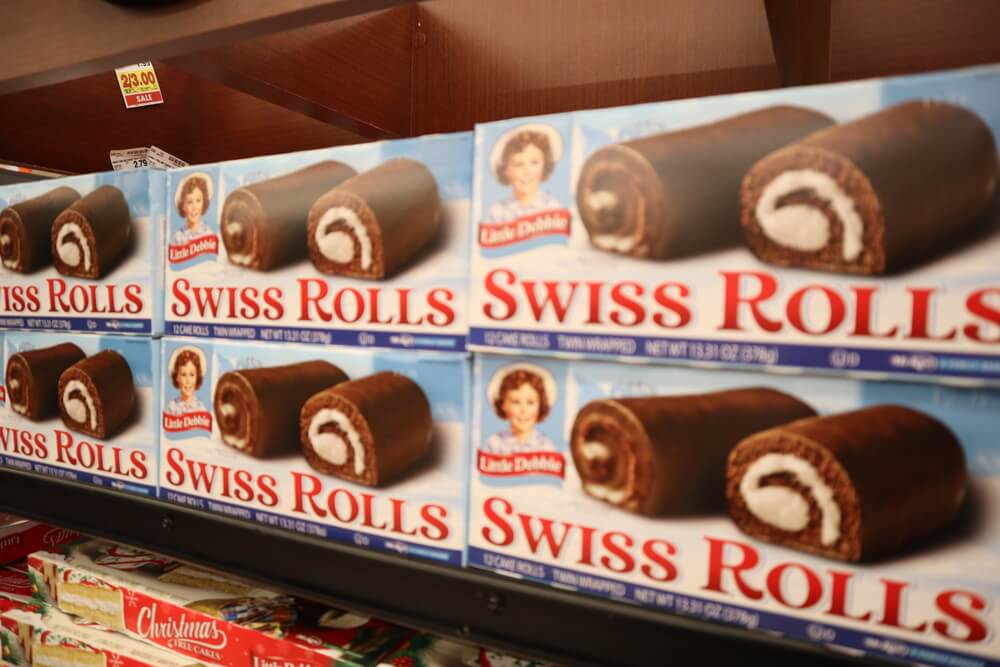
Little Debbie Swiss Rolls are spiral chocolate cakes filled with creme and coated in fudge, and they became a lunchbox staple through the 1980s. They came two to a pack, which made them perfect for trading half and keeping half.
Kids unrolled them the same way they unrolled Ho Hos, licking the creme as they went. The snack cost less than the Hostess alternatives, so it showed up in budget-minded households more often.
It held its value well at the lunch table, and few kids complained about receiving one in a trade.
Zebra Cakes and Their Fudge Stripes
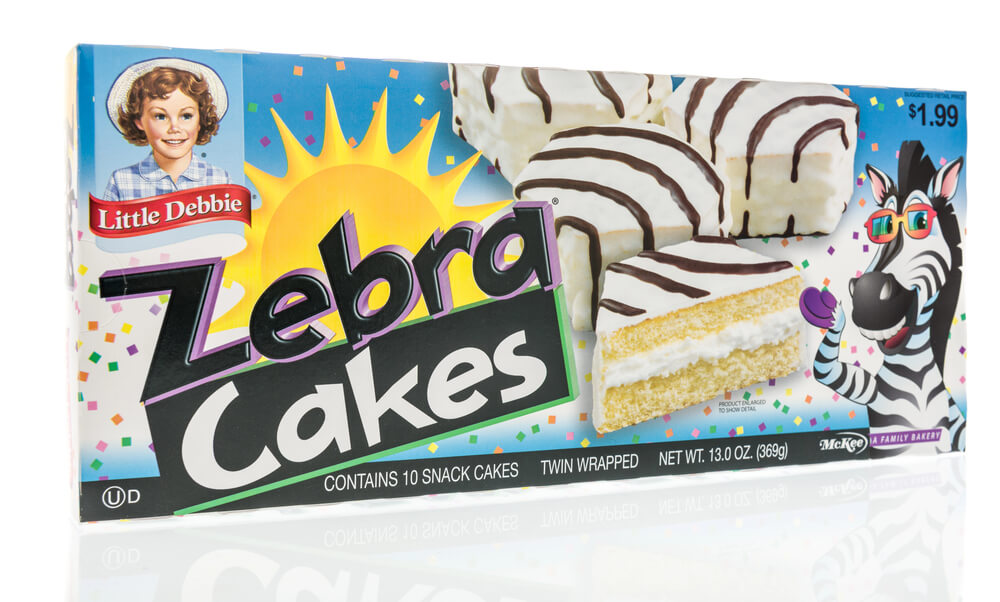
Zebra Cakes were white cakes with creme filling, coated in white icing and striped with thin lines of dark fudge. Kids loved the stripes and the sugar, and the snack became one of the most recognizable in the Little Debbie lineup.
They came two to a pack, ready for splitting or trading one away. Their bright look made them stand out in a lunchbox full of brown wrappers.
Many adults still buy them purely for nostalgia, and the design has barely changed since those cafeteria days.
Snack Pack Pudding in Pull-Tab Cans
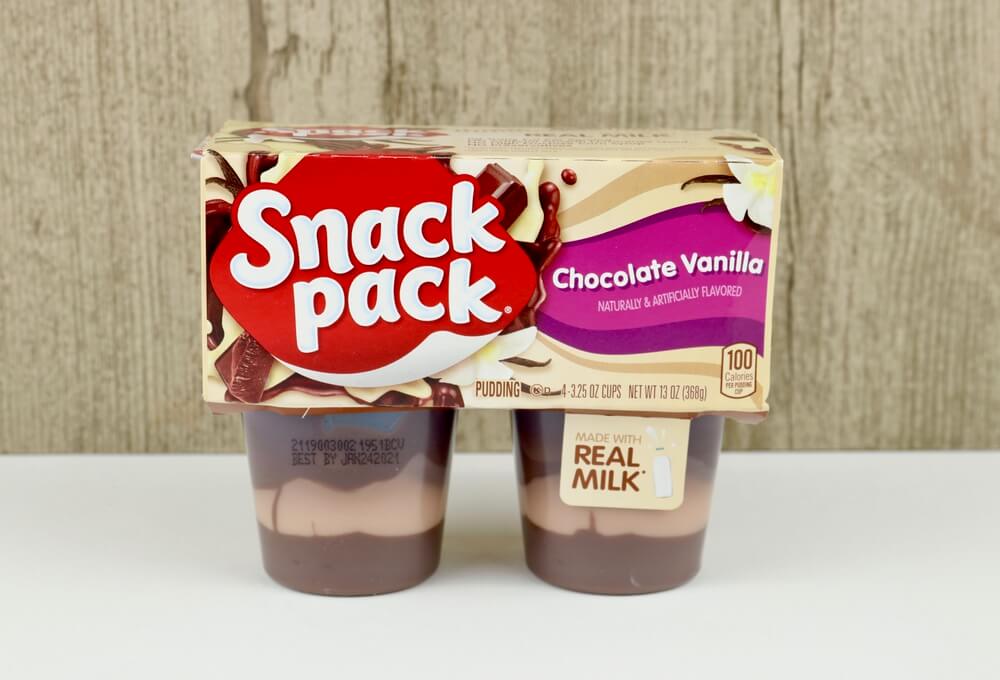
Hunt’s Snack Pack pudding cups arrived in 1968 in small aluminum cans with pull-tab lids, a format that lasted for years. Kids pulled back the lid carefully, trying not to nick a finger on the sharp metal edge, then licked the underside of the lid before touching the rest.
Chocolate and vanilla were the most popular flavors, along with butterscotch and tapioca. A plastic spoon packed alongside was essential, and forgetting it was a small tragedy.
Pudding cups were strong trading material, with chocolate holding the highest value.
Handi-Snacks and the Red Spreader
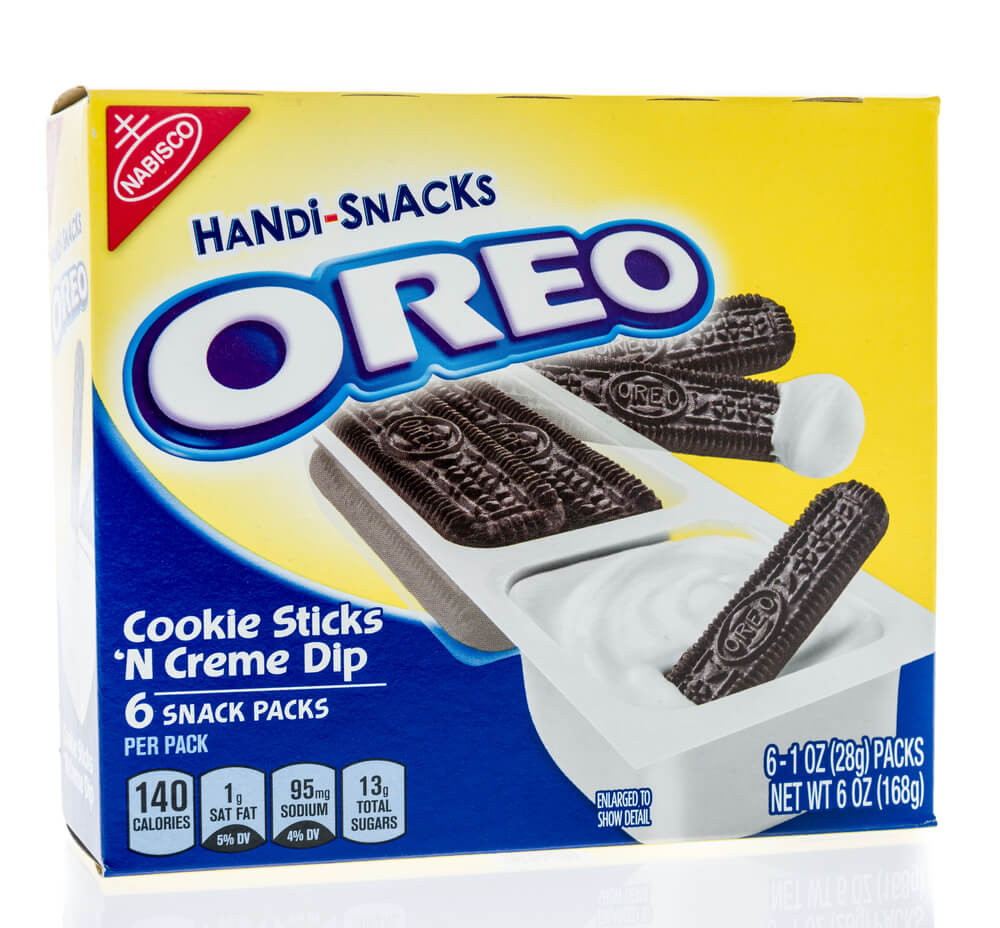
Kraft Handi-Snacks paired a small tub of processed cheese spread with crackers or breadsticks and a short red plastic spreading stick. Kids used the stick to scoop and spread the cheese, often making more of a mess than any sandwich ever did.
The packaging made the snack feel like a small kit rather than ordinary food. Handi-Snacks were popular trading items, especially among kids with nothing interesting in their own lunches.
The little red stick was famously flimsy, widely loved and usually snapped by the end of lunch.
Cool Ranch Doritos in the Blue Bag
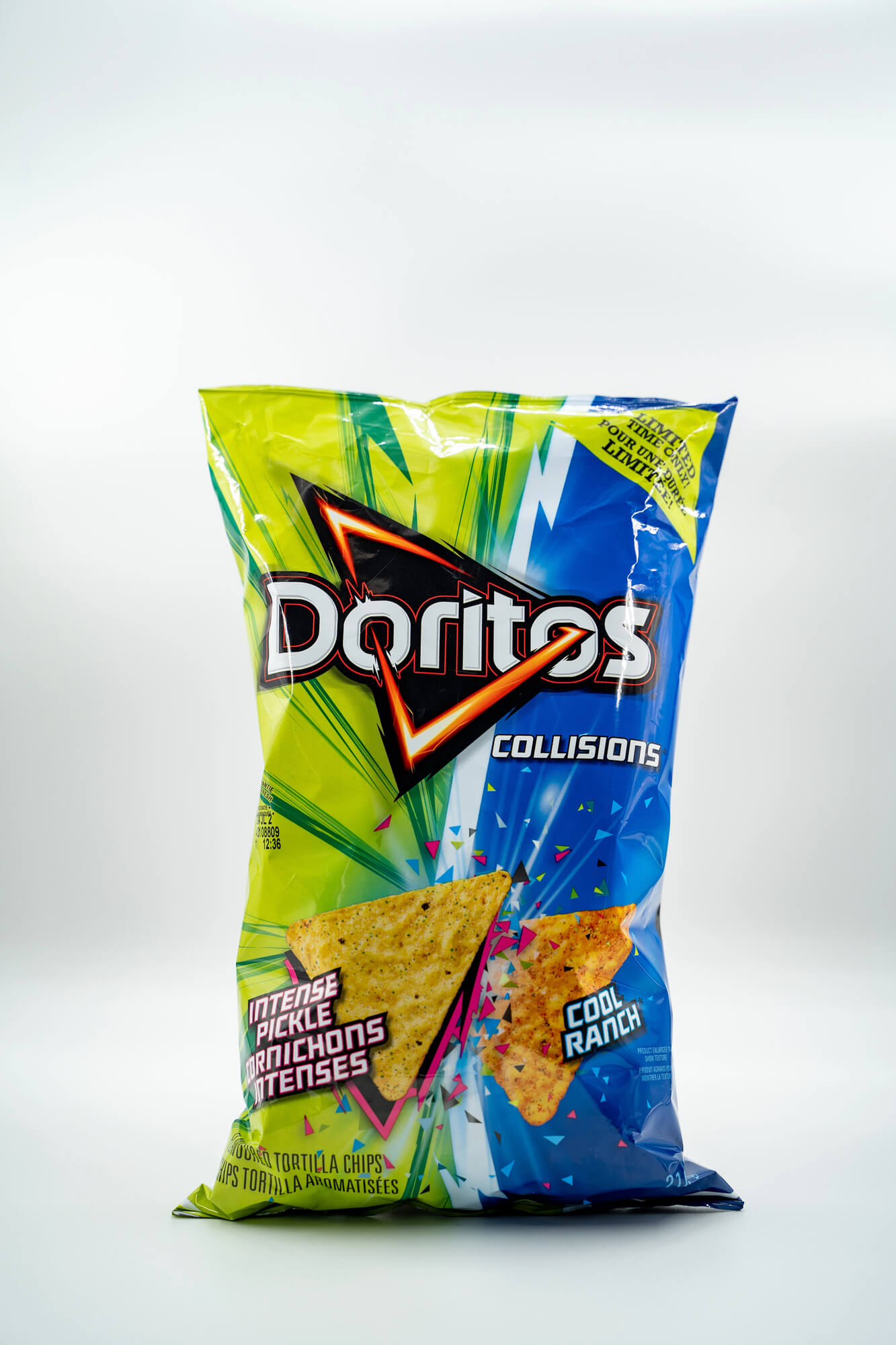
Doritos had been around since the 1960s, but Cool Ranch Doritos arrived in 1986 and became a sensation almost immediately. The light blue bag and tangy flavor marked a dramatic change from the original nacho cheese chips.
Kids traded hard for a small bag, and a classmate willing to give one up could name a high price. The chips left a powdery residue on fingers that marked anyone who had eaten them.
Cool Ranch quickly became one of the brand’s best sellers, a status it has kept for decades.
Teddy Grahams, Heads First
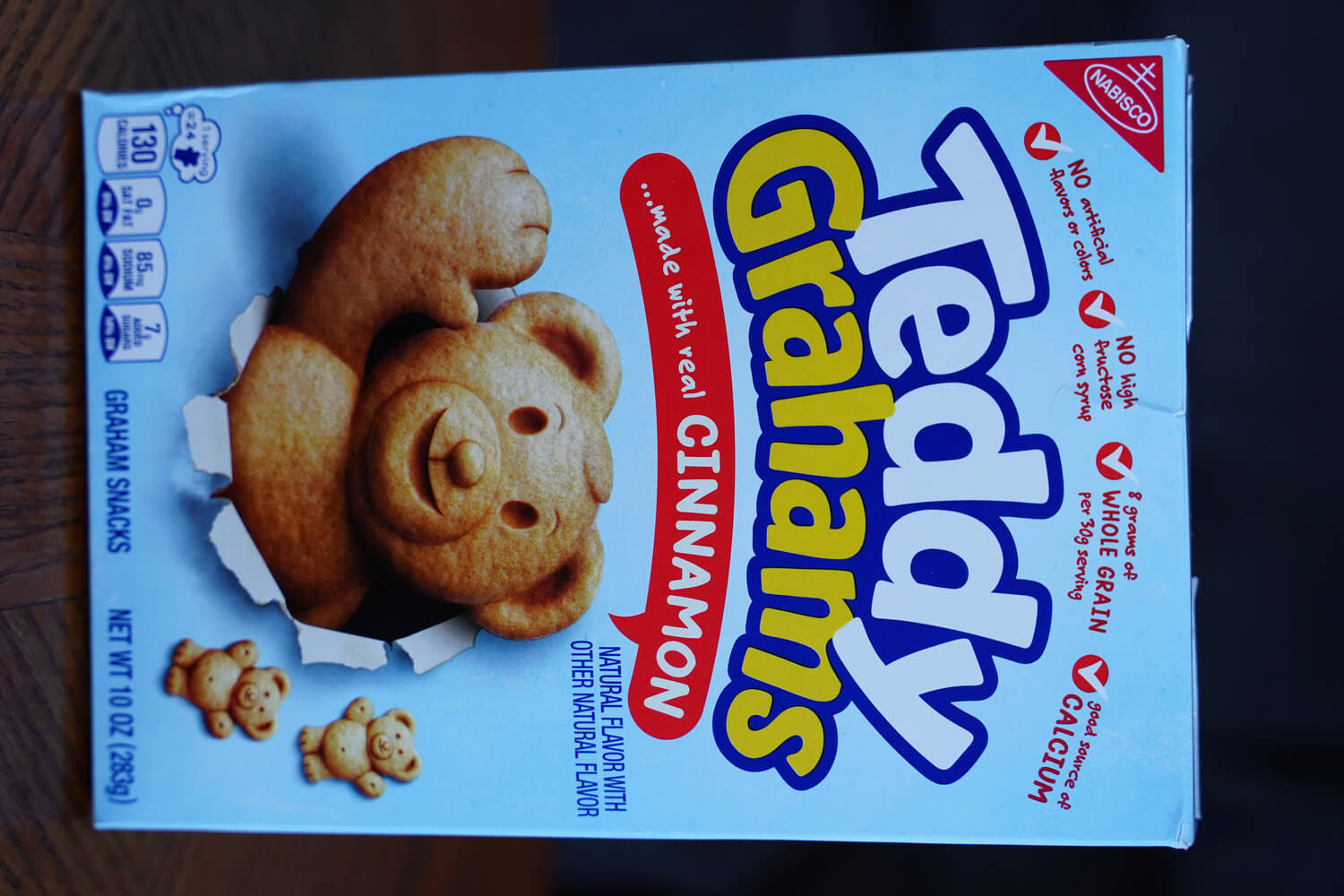
Nabisco introduced Teddy Grahams in 1988, small bear-shaped graham crackers in honey, chocolate and cinnamon flavors. Kids bit off the heads first, a habit so common that it became a running joke among parents and teachers.
The snack came in boxes and in small individual packs that fit neatly into lunchboxes. Teddy Grahams were cute, sweet and easy to share by the handful, which made them ideal for small trades.
They spread quickly through cafeterias in the late 1980s and have stayed on shelves ever since.
Squeezits and Their Character Bottles
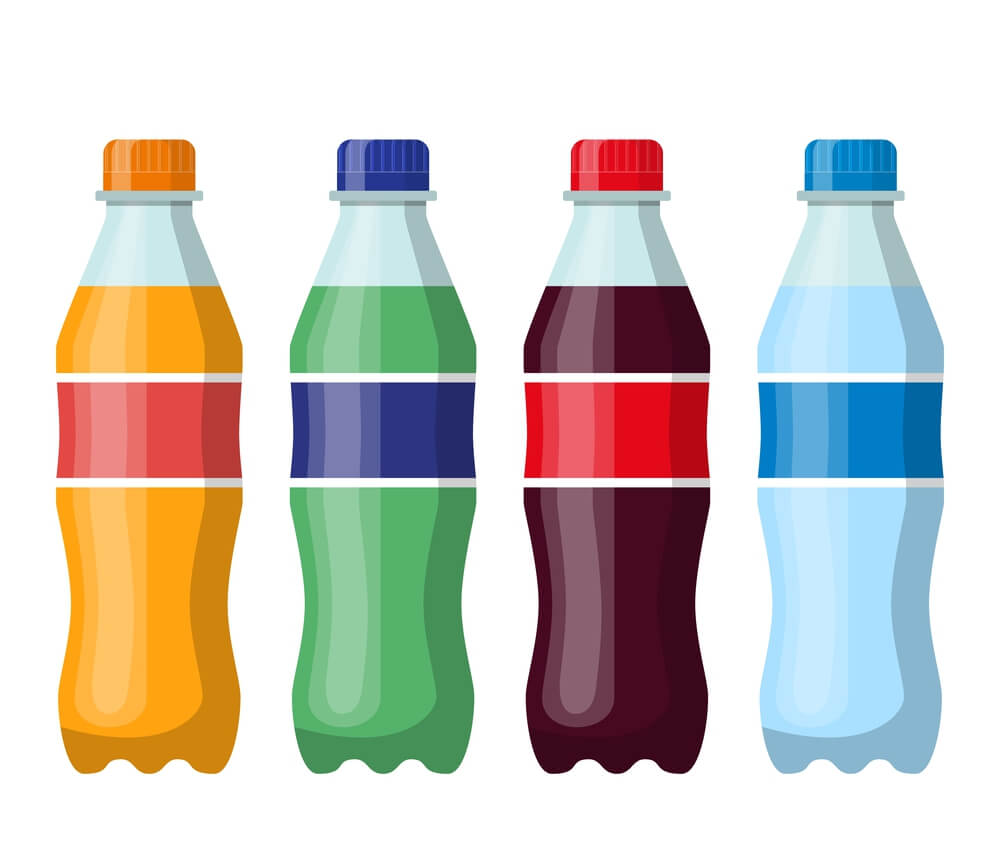
General Mills sold Squeezits in the mid-1980s, small plastic bottles of fruit drink shaped like little characters with twist-off caps. Kids squeezed the soft bottles to drink, often spraying juice by accident across the table or a neighbor’s shirt.
The bright colors and character faces made them stand out against plain juice boxes. Some versions came with collectible caps and wacky flavor names that kids recited like sports statistics.
Squeezits eventually disappeared from stores, but they still stir up fond memories among people raised in the 1980s and 1990s.
Ecto Cooler and Slimer on the Box
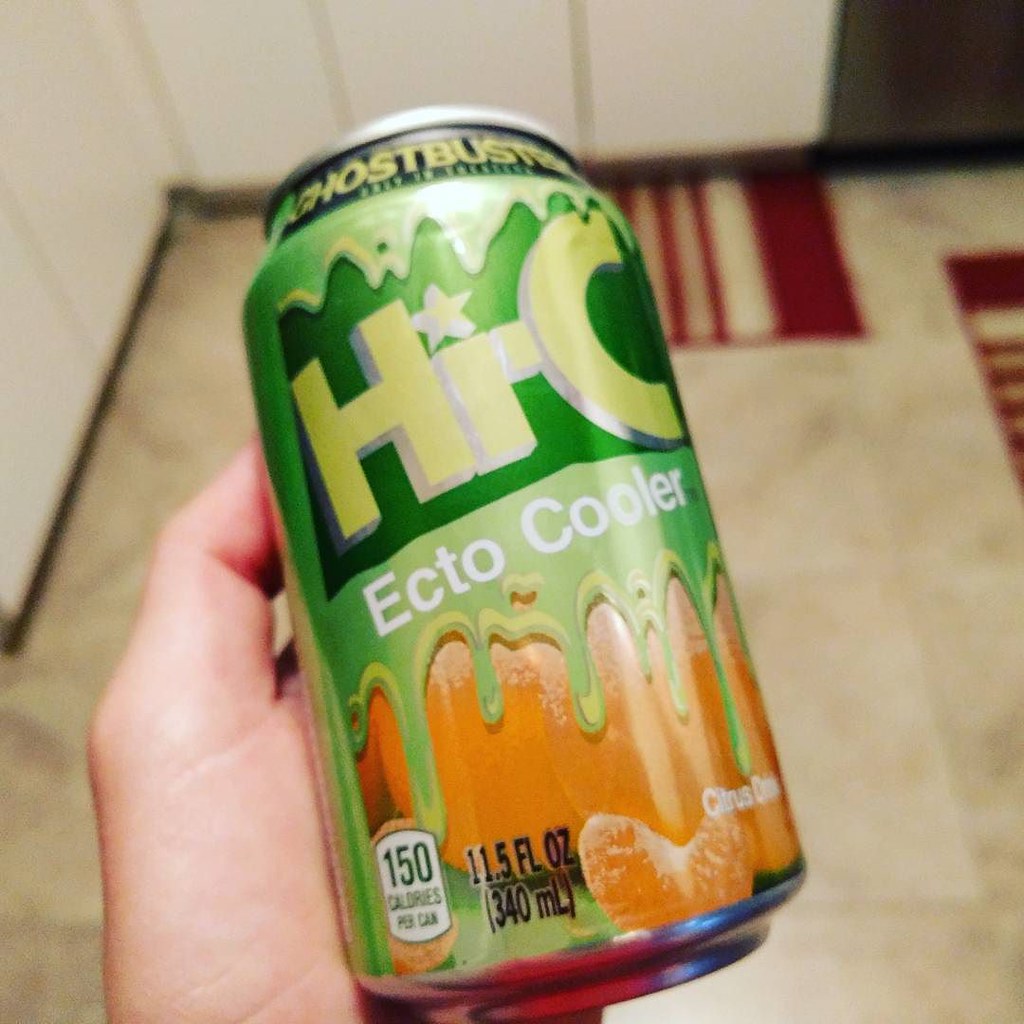
Hi-C launched Ecto Cooler in 1987 to tie in with The Real Ghostbusters cartoon, featuring the green ghost Slimer on the box. The drink was bright green and tasted of citrus, and kids treated it like a prize.
It stayed on shelves long after the cartoon ended, finally fading away in the early 2000s. Fans campaigned for its return for years, and it made a brief comeback in 2016 alongside a new Ghostbusters film.
In the 1980s, an Ecto Cooler juice box was premium trading stock at any lunch table.
Nutter Butter and Its Peanut Shape
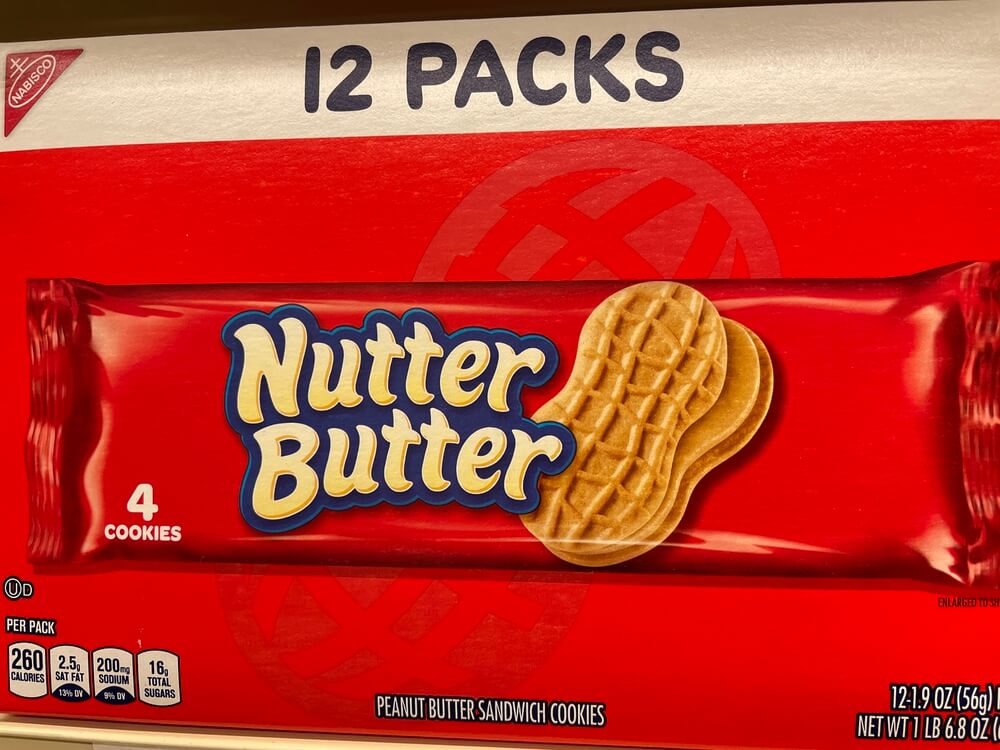
Nabisco introduced Nutter Butter in 1969, peanut-shaped sandwich cookies filled with peanut butter creme. The shape made them instantly recognizable, and the strong peanut flavor gave them a loyal fan base.
Kids pulled them apart to eat the filling first or dunked them in milk cartons. They came in small packs that fit easily into lunchboxes and traveled well.
Nutter Butters were a solid trade, especially for kids who preferred peanut butter to chocolate, though they lost their place at many tables once nut-free school policies spread.
Oreos, Twisted and Licked
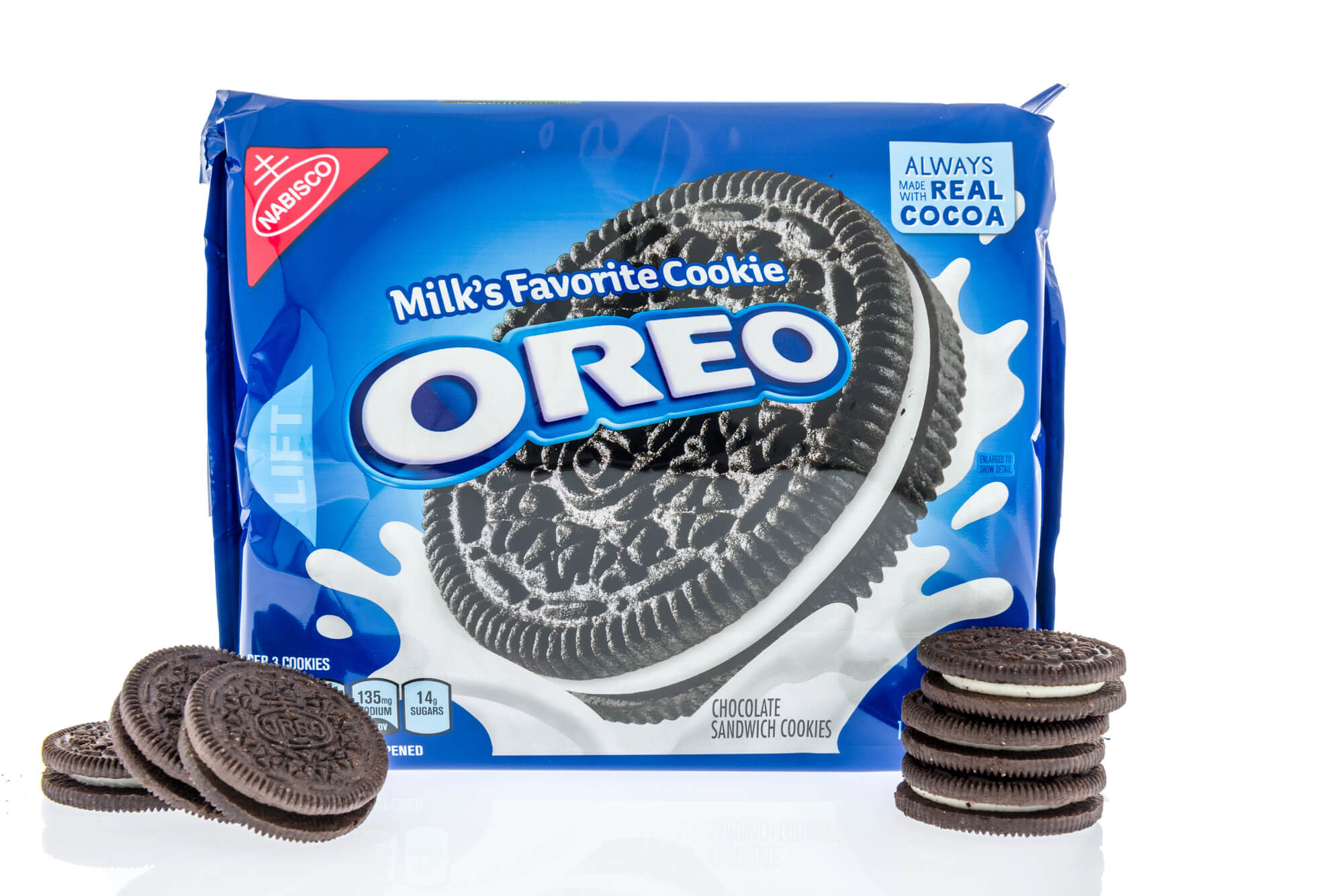
Nabisco introduced the Oreo in 1912, and by the 1980s it was one of the best-selling cookies in America. Kids twisted them apart, licked out the creme and argued about the proper way to eat one.
Small packs of Oreos turned up in countless lunchboxes, often tucked under a sandwich. The cookie’s familiarity made it a reliable trade, though rarely the most exciting one on the table.
Double Stuf Oreos, introduced in 1974, held noticeably greater value, since the extra filling was the part everybody actually wanted.
Keebler’s Elf-Shaped Fudge Cookies
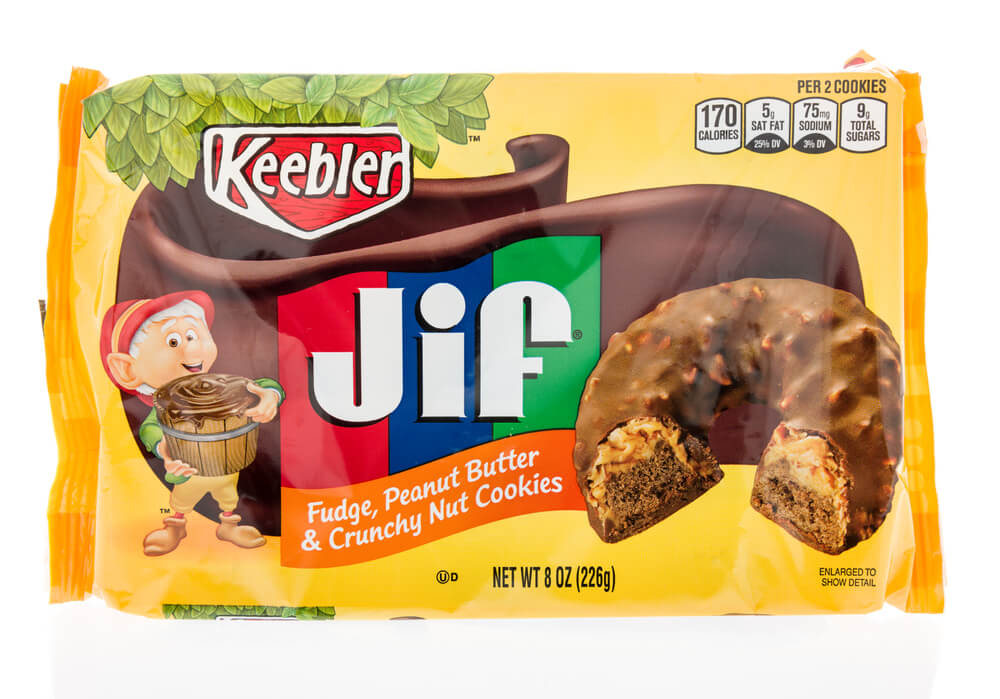
Keebler’s E.L. Fudge cookies were shortbread sandwich cookies shaped like elves, with fudge filling in between. The elf shape tied them to the Keebler elves who baked cookies in a hollow tree in the company’s television commercials.
Kids bit off heads and feet before getting to the filling, a ritual shared with animal crackers. The cookies came in lunchbox-friendly packs that held up well to jostling.
Their whimsical look made them popular trading items, and younger kids especially liked eating something shaped like a cartoon character.
Chips Ahoy in Snack Packs
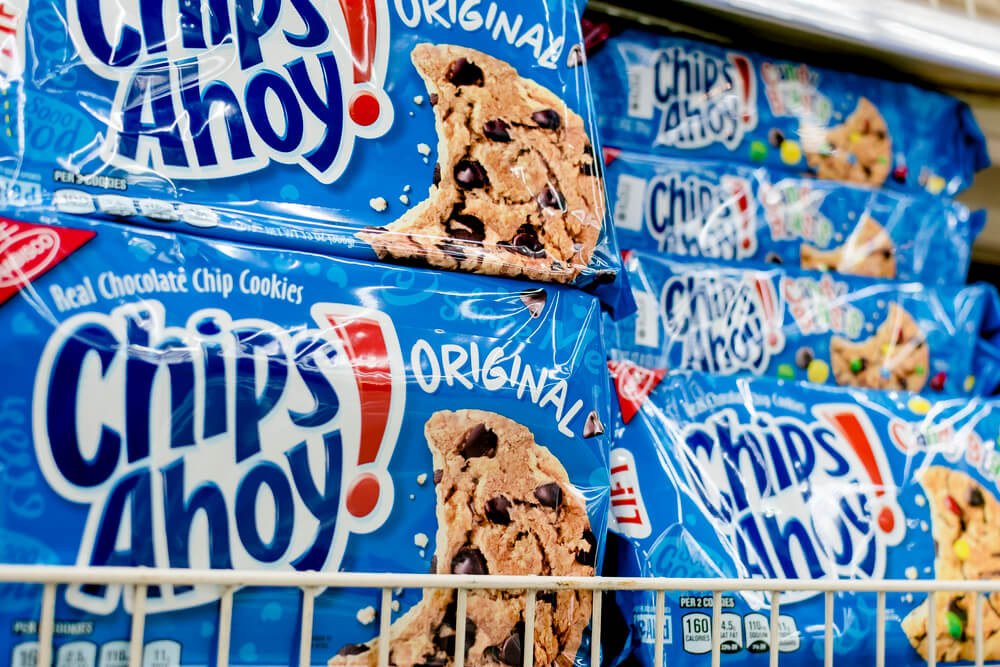
Chips Ahoy came from Nabisco in 1963, crunchy chocolate chip cookies that grew into one of the most popular cookie brands in the country. Kids traded them freely, since nearly everyone liked chocolate chip cookies and few would refuse one.
Small snack packs made them easy to share or split. The cookies were dependable rather than exciting, the kind of trade that closed a deal rather than opened one.
A chewy version arrived later, giving lunchbox debates a fresh topic about which texture was better, and kids argued it with surprising passion.
Goldfish Crackers by the Handful
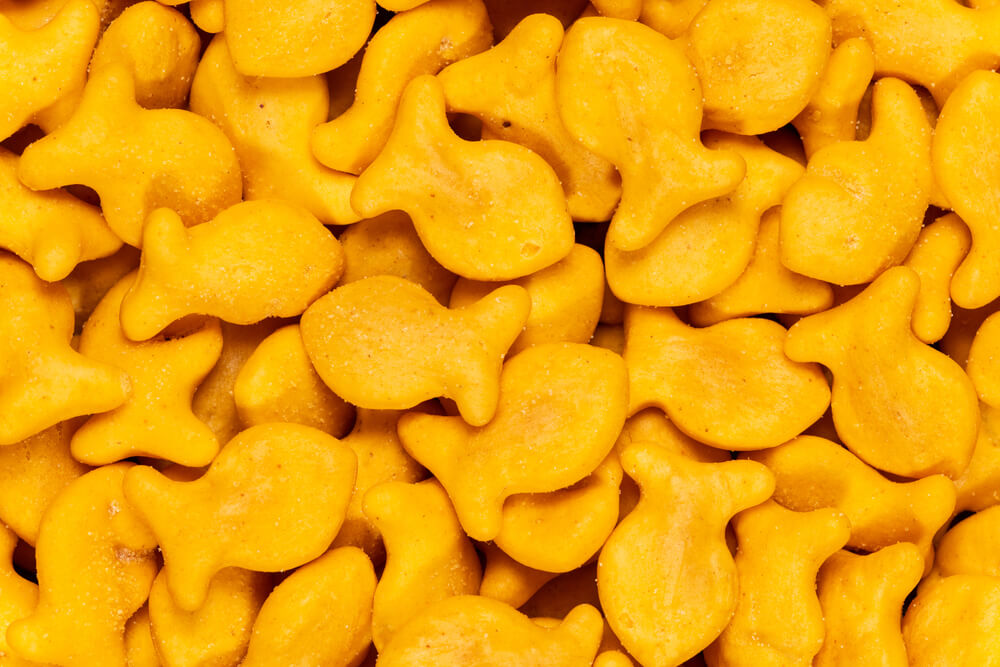
Goldfish crackers were created in Switzerland by Oscar Kambly in 1958, and Pepperidge Farm brought them to the United States in 1962. The small fish-shaped cheese crackers became a lunchbox staple, packed in small bags or plastic containers.
Kids ate them by the handful and sometimes arranged them in schools on the table before eating. Goldfish were easy to share and hard to resist, which made them a common sweetener in bigger trades.
Later versions added colors and flavors, but the original cheddar remained the favorite.
Pringles and the Stacked Can
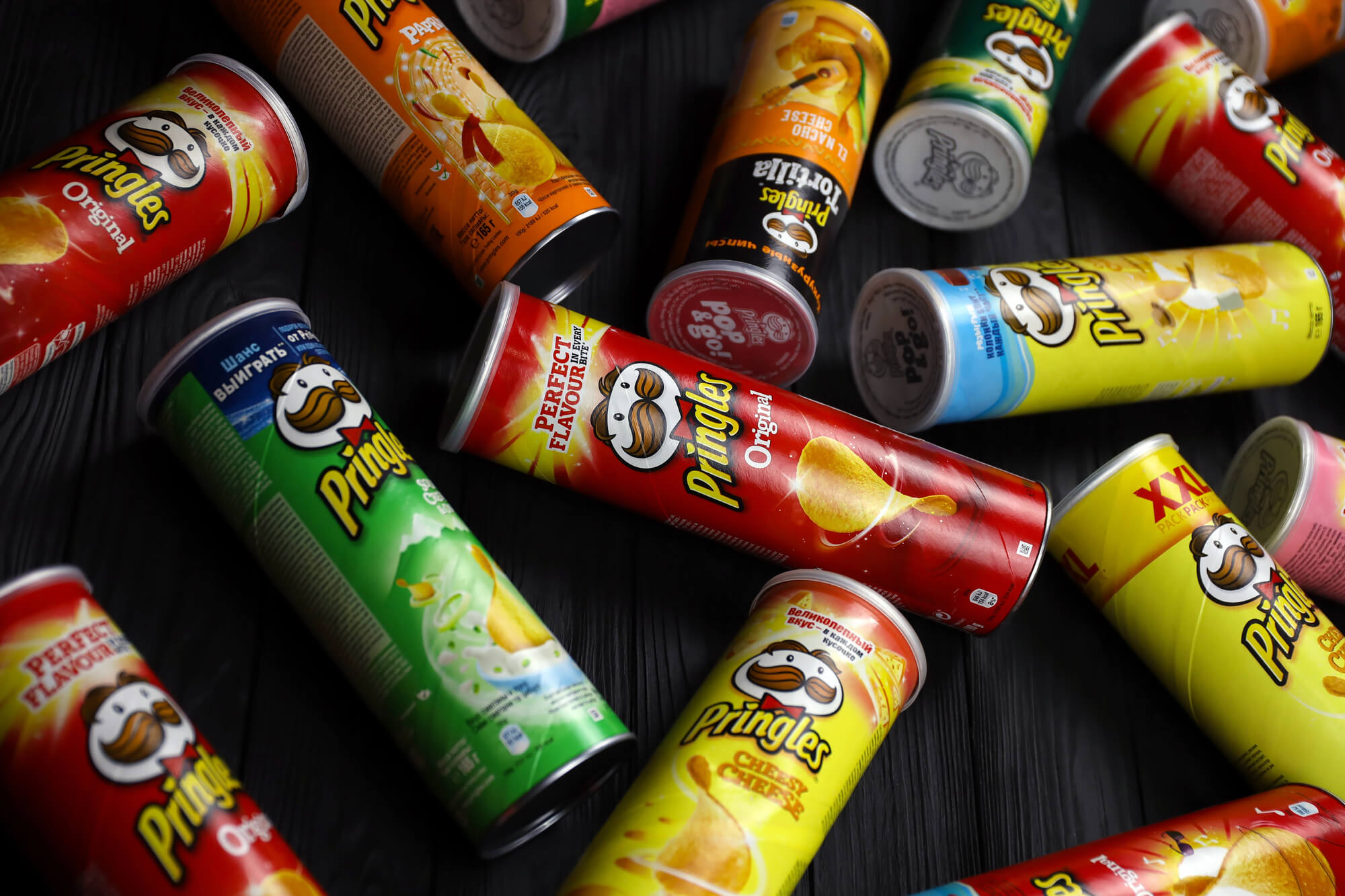
Procter and Gamble introduced Pringles in 1968, stacking uniform chips in a tall cardboard can. The can was designed in part by Fredric Baur, an organic chemist so proud of the design that his family buried some of his ashes in one after his death in 2008.
Kids stuck two chips in their mouths to make duck bills before eating them. Small cans fit in lunchboxes, though the full-size ones did not.
Pringles were a distinctive trade, since no other chips looked or stacked the same way.
Moon Pies From Chattanooga
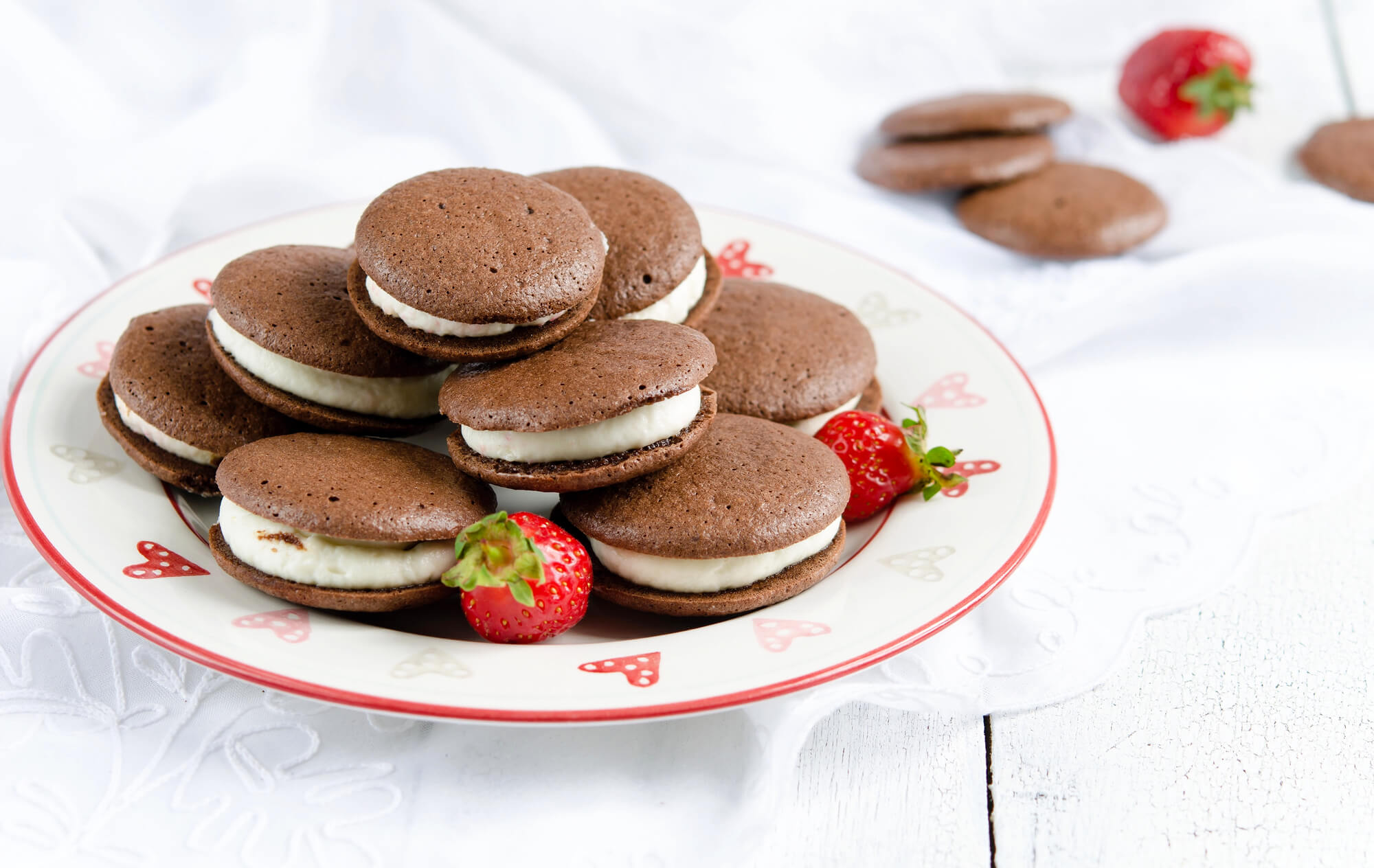
The Chattanooga Bakery introduced Moon Pies in 1917, two graham cookies sandwiching marshmallow filling and dipped in chocolate. According to company lore, a traveling salesman asked coal miners what snack they wanted, and one framed the moon with his hands to show the size.
Moon Pies became a Southern institution, often paired with an RC Cola. In the 1980s, they were still a popular lunchbox treat across much of the South.
Kids traded them for nearly anything, and a double-decker Moon Pie was worth even more.
Hostess Fruit Pies and the Magician
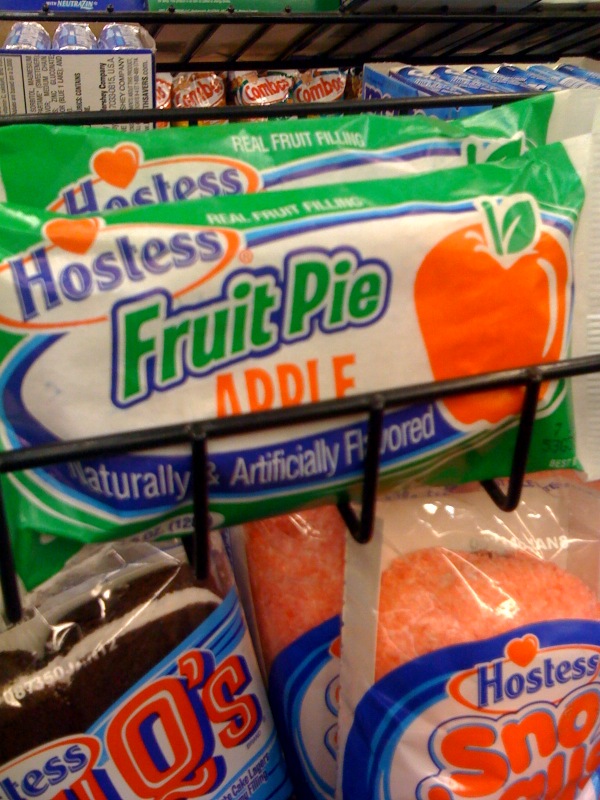
Hostess Fruit Pies were small handheld pies filled with apple, cherry, blueberry or lemon and covered in a sugary glaze. Commercials in the 1970s and 1980s featured Fruit Pie the Magician, a cartoon character who promoted them alongside Twinkie the Kid and other Hostess mascots.
The pies came in paper wrappers that crinkled loudly when opened. Kids treated them as dessert or as trade bait, depending on the day.
Lemon had a particular following among kids who disliked chocolate, which gave it unusual value in certain circles.
Bugles Worn as Claws
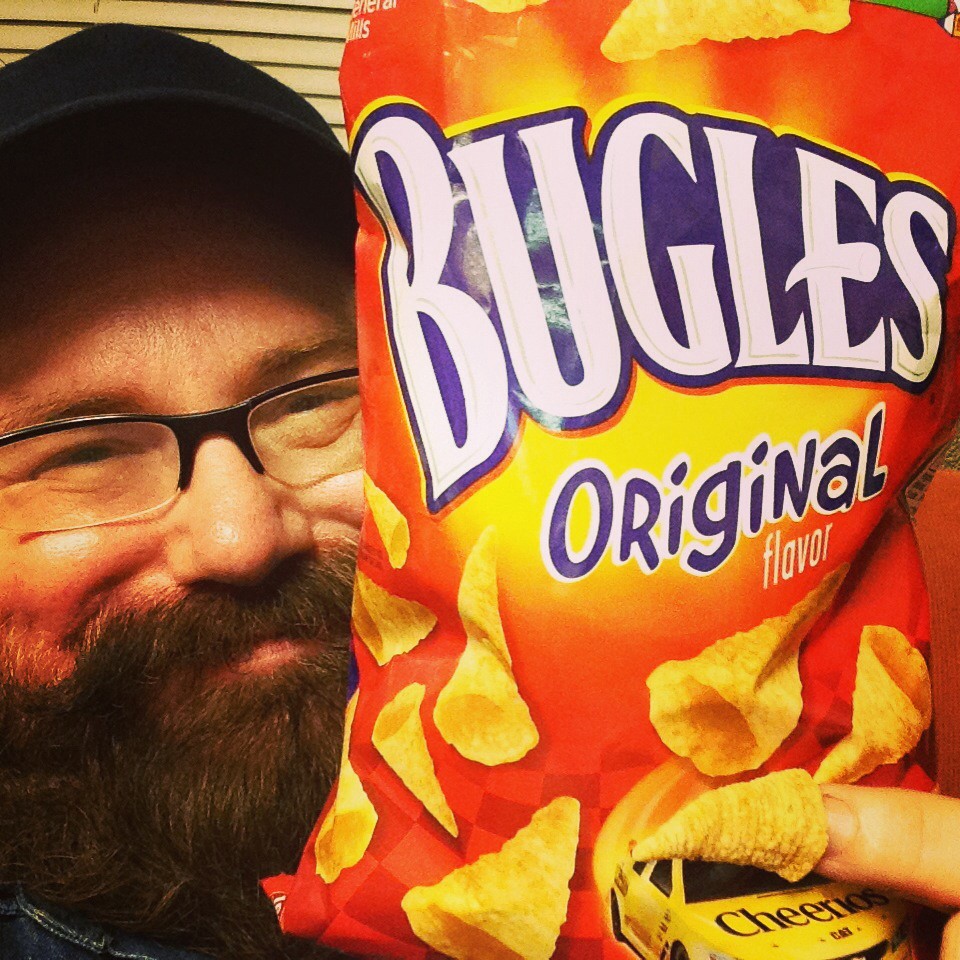
General Mills introduced Bugles in 1964, corn snacks shaped like little horns. Kids put them on their fingertips like claws or witch fingernails before eating them, a ritual nearly every Bugles eater remembers doing.
The crunchy, salty snack came in small bags perfect for lunchboxes. Bugles were fun to play with and easy to share, which made them a social snack as much as a food.
Even kids who preferred other chips usually agreed to a few Bugles for the chance to wear them first.
Big League Chew in the Pouch
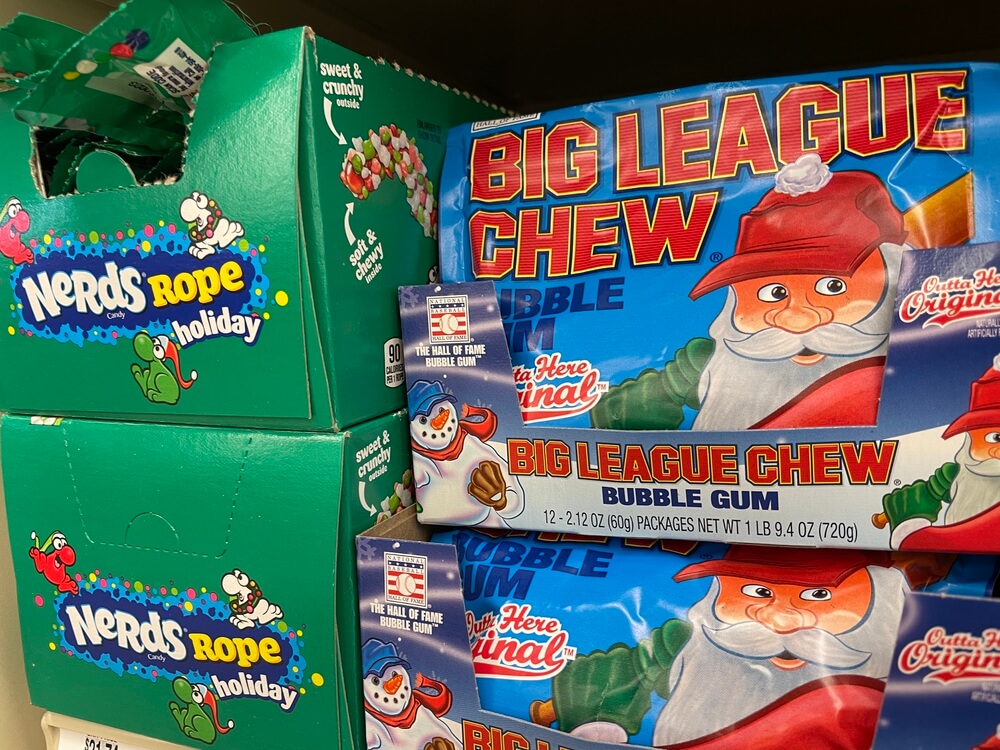
Big League Chew was shredded bubble gum sold in a pouch, created by minor league pitcher Rob Nelson and former major leaguer Jim Bouton and launched in 1980. The pouch mimicked the chewing products that professional players carried, letting kids imitate their heroes with a harmless roll of gum.
Kids traded pinches of it at lunch and recess, measuring portions carefully. Some schools banned it because of the resemblance.
Big League Chew is still made, and the pouches still look much the same as they did in the 1980s.
Nerds in the Two-Sided Box
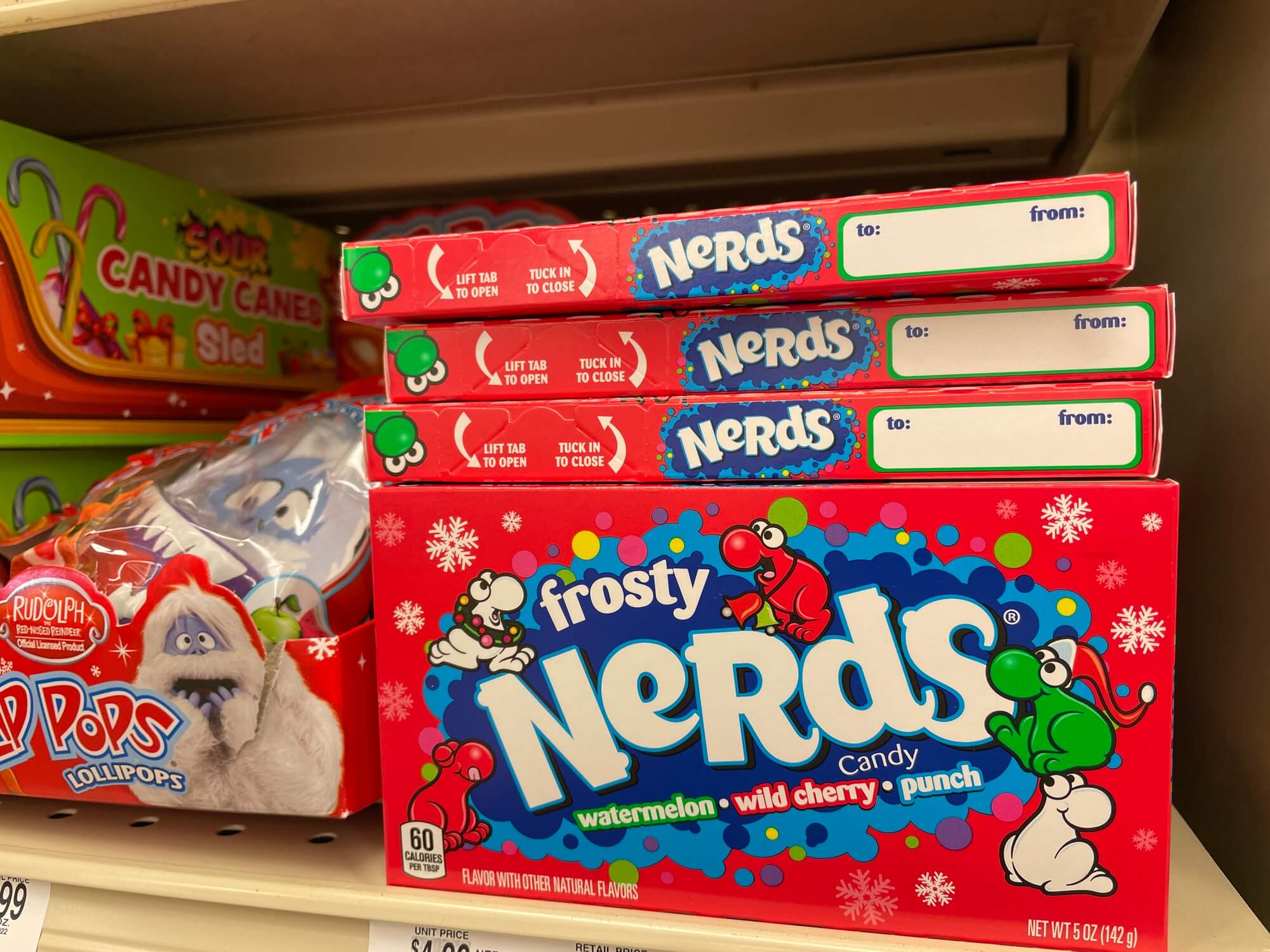
Nerds were small, crunchy, tangy candies introduced by the Willy Wonka Candy Company in 1983. They came in boxes with two compartments holding different flavors, so kids could pour from one side or mix both together in a palm.
The rattling sound of a Nerds box was unmistakable across a cafeteria. They were easy to share by the handful, which made them ideal for small trades.
Nerds served as lunch dessert and trading currency in equal measure, and the boxes were small enough to hide in a pocket.
Barnum’s Animals in the Circus Box
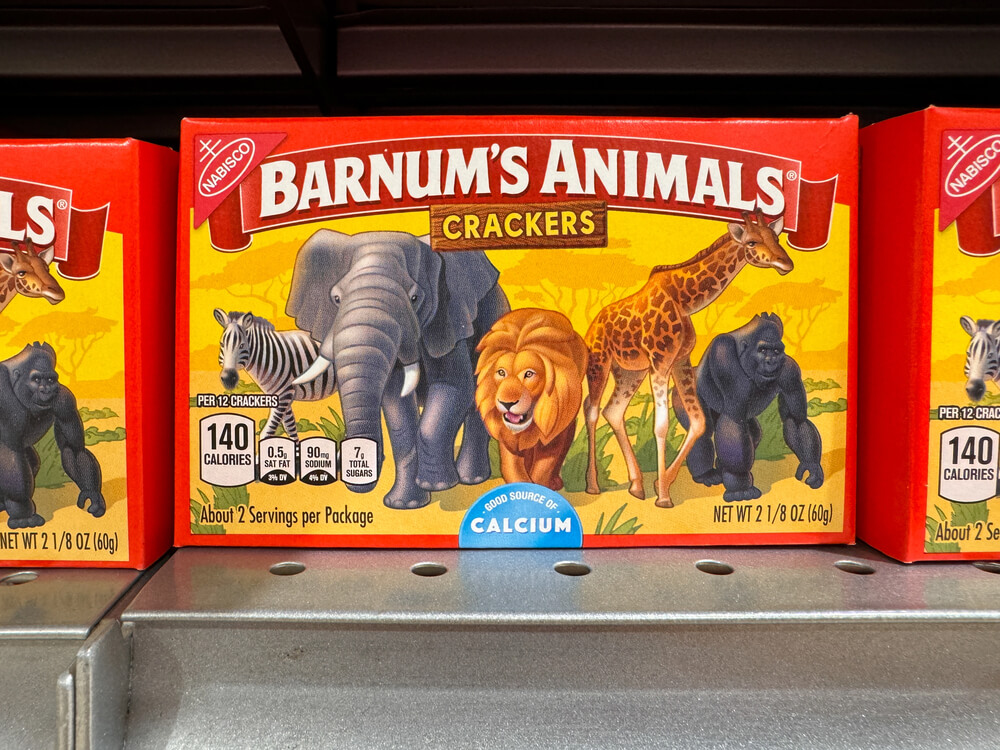
Barnum’s Animals crackers date back to 1902, packaged in a small box designed to look like a circus wagon, with a string handle meant for hanging on a Christmas tree. Kids bit off heads and legs and named each animal before eating it.
The box was the attraction as much as the crackers, and many kids carried it by the string all through recess. Barnum’s were mild, sweet and easy to share.
By the 1980s, the little boxes were a lunchbox tradition that parents trusted and kids happily traded.
Gummi Bears by Color
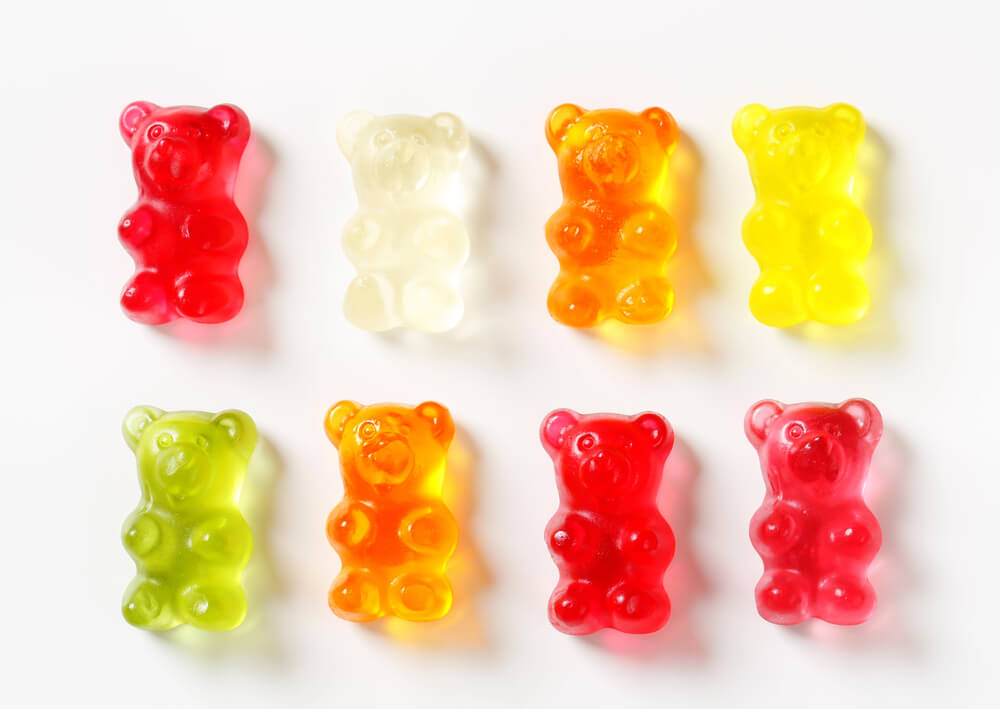
Gummi bears came from Germany, where Hans Riegel of Haribo created them in the 1920s, and they became a full-blown American craze in the 1980s. Disney’s Adventures of the Gummi Bears cartoon debuted in 1985, and stores filled with bags of the chewy candy.
Kids traded them by color, and the red and clear ones often held the highest value. They were easy to divide and share, one bear at a time.
Gummi bears became one of the defining candies of the decade and paved the way for gummy worms.
Trading Day Economics
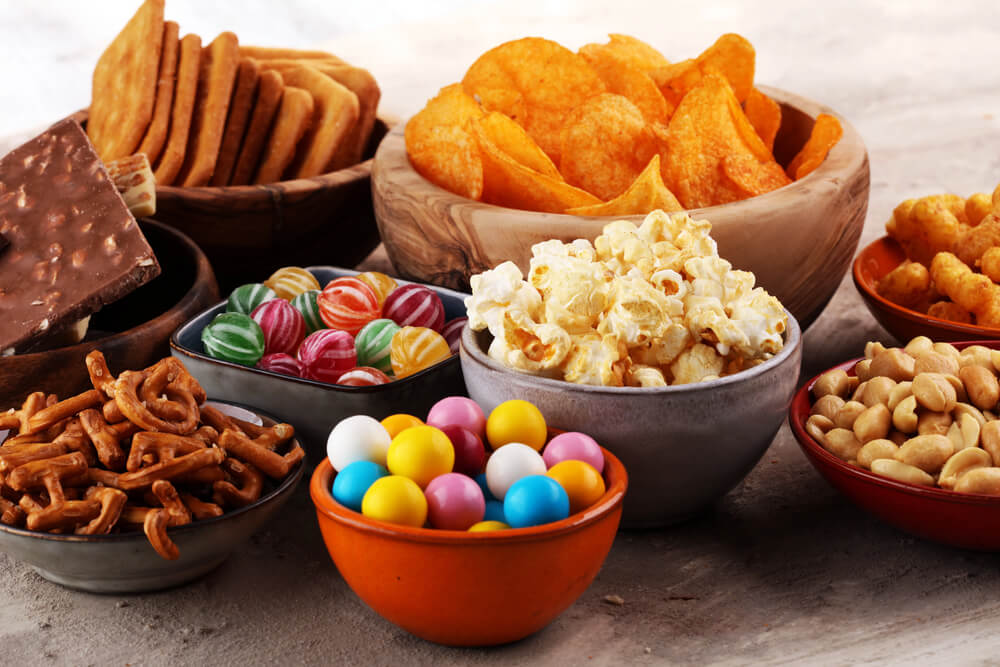
The 1980s lunchbox trade was a crash course in supply, demand and negotiation. Kids learned which snacks held value, which ones could be split and which classmates drove hard bargains.
A good trade could turn a plain lunch into a feast.Many of these snacks are still sold, while others have vanished or returned in new forms.
Adults now buy them online for nostalgia, sometimes paying far more than their parents ever did. The trading rules may have faded, but the memory of a well-made deal at the lunch table has stayed sharp.
More from Go2Tutors!

- The Romanov Crown Jewels and Their Tragic Fate
- 13 Historical Mysteries That Science Still Can’t Solve
- Famous Hoaxes That Fooled the World for Years
- 15 Child Stars with Tragic Adult Lives
- 16 Famous Jewelry Pieces in History
Like Go2Tutors’s content? Follow us on MSN.