Athletes Who Were Banned for Life
Years pass before anyone reaches elite sport – effort, control, talent needed. Many aim only to play big stages, claim titles, and leave names behind.
Yet certain choices – one bad call, repeated trouble, law broken – wipe clean what stood before. Their stories do not close on cheers or goodbyes.
A door shuts once, never opens again.
Pete Rose and the Gambling Scandal That Changed the Game
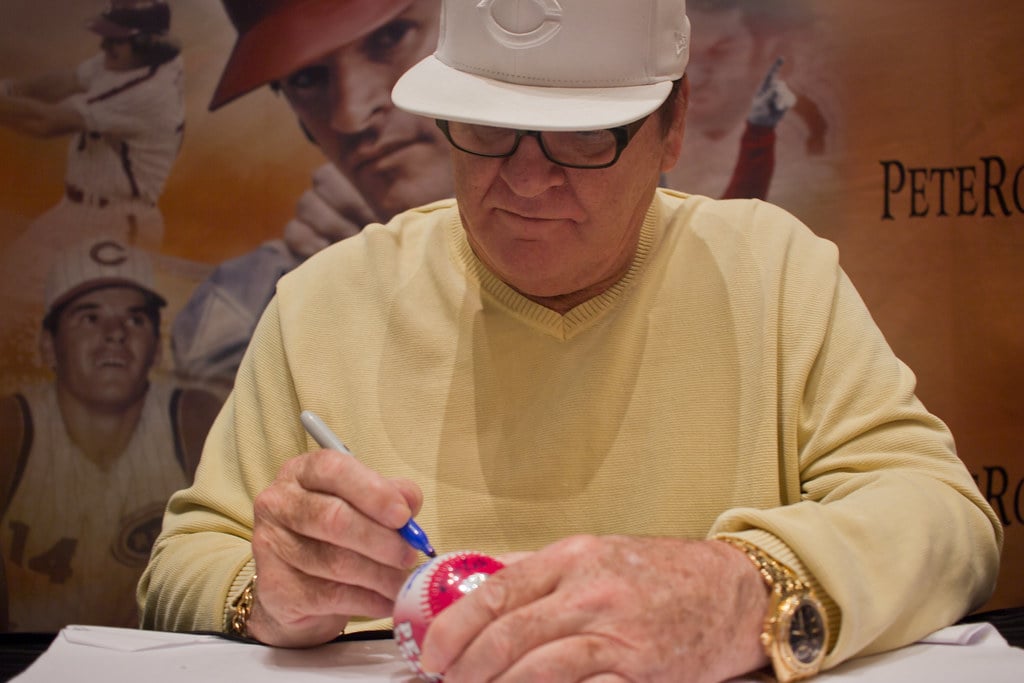
The all-time hit king in Major League history sat outside the Hall of Fame in Cooperstown for decades, not because he lacked talent, but because he bet on the game he loved. Pete Rose accumulated 4,256 hits over 24 seasons, a record that still stands.
He won three World Series titles with the Cincinnati Reds and was named to 17 All-Star teams. In 1989, lawyer John Dowd conducted an investigation that found Rose had placed bets on Reds games while serving as the team’s player-manager.
Rose agreed to a lifetime ban rather than fight the findings. For years afterward, he denied betting on the sport.
He finally admitted it in 2004. Rose applied for reinstatement multiple times.
Every commissioner rejected his requests. He died in September 2024 without ever being allowed back into the sport’s official circles while alive.
In May 2025, Commissioner Rob Manfred changed the league’s policy, ruling that permanent ineligibility expires upon death. Rose was posthumously reinstated.
The Black Sox Scandal of 1919
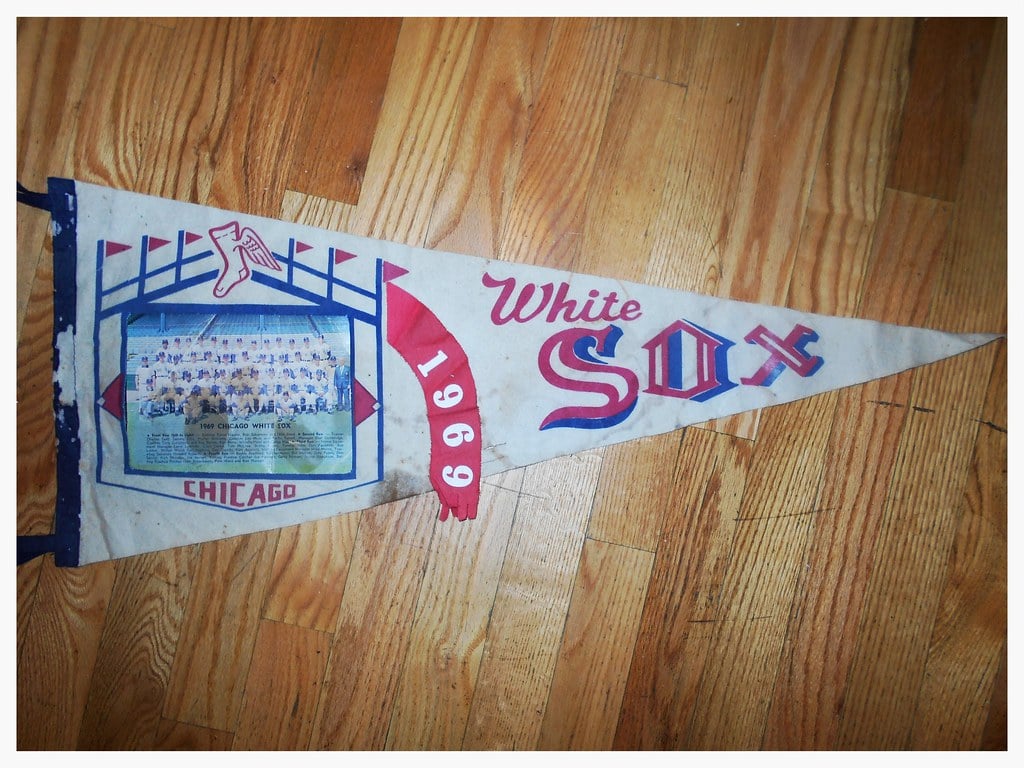
Long before Rose, eight players from the Chicago White Sox allegedly accepted money from gamblers to throw the 1919 World Series against the Cincinnati Reds. The scandal became known as the Black Sox affair, and it nearly destroyed public faith in professional sports.
Among those banned was “Shoeless” Joe Jackson, one of the most naturally gifted hitters ever to play the game. Jackson batted .375 in the Series and committed no errors in the field, leading some historians to question whether he truly participated in the fix.
Others point to his acceptance of $5,000 from the gamblers as proof of his involvement. The eight players were acquitted at trial in August 1921.
The next day, Commissioner Kenesaw Mountain Landis banned all eight from professional play for life anyway. Jackson’s name remained on the ineligible list for more than a century.
In May 2025, Commissioner Rob Manfred reversed the policy, ruling that permanent ineligibility expires upon death. Jackson and the other Black Sox were posthumously reinstated, finally making them eligible for the Hall of Fame.
Lance Armstrong’s Fall from Grace

For a brief window, Lance Armstrong represented everything inspirational about sports. A cancer survivor who beat the disease and returned to win seven consecutive Tour de France titles from 1999 to 2005, he became an international symbol of perseverance and hope.
His Livestrong Foundation raised hundreds of millions of dollars for cancer research. Then the doping accusations caught up with him.
After years of vehement denials and aggressive legal action against accusers, the United States Anti-Doping Agency released a report in 2012 detailing what it called the most sophisticated doping program in sports history. The International Cycling Union stripped Armstrong of all seven Tour de France titles and banned him from competition for life.
Armstrong eventually admitted to doping during an interview with Oprah Winfrey in 2013. Every major achievement of his cycling career had been tainted.
Tonya Harding and the Attack on Nancy Kerrigan

The 1994 Winter Olympics became the backdrop for one of the most bizarre scandals in sports history. On January 6, 1994, figure skater Nancy Kerrigan was attacked after a practice session at the U.S. Championships in Detroit.
A man struck her above the knee with a metal baton, leaving her unable to compete. Within days, investigators traced the attack back to associates of her rival, Tonya Harding.
Her ex-husband Jeff Gillooly and bodyguard Shawn Eckardt had hired the assailant to take Kerrigan out of competition. Harding won the U.S. Championships in Kerrigan’s absence.
Both women later competed at the Olympics in Lillehammer, Norway. Kerrigan won silver.
Harding finished eighth after an infamous incident involving a broken skate lace. In June 1994, the U.S. Figure Skating Association stripped Harding of her national title and banned her for life from the organization.
She later pleaded guilty to hindering prosecution and received probation, community service, and a $160,000 fine.
Hansie Cronje and Cricket’s Match-Fixing Crisis
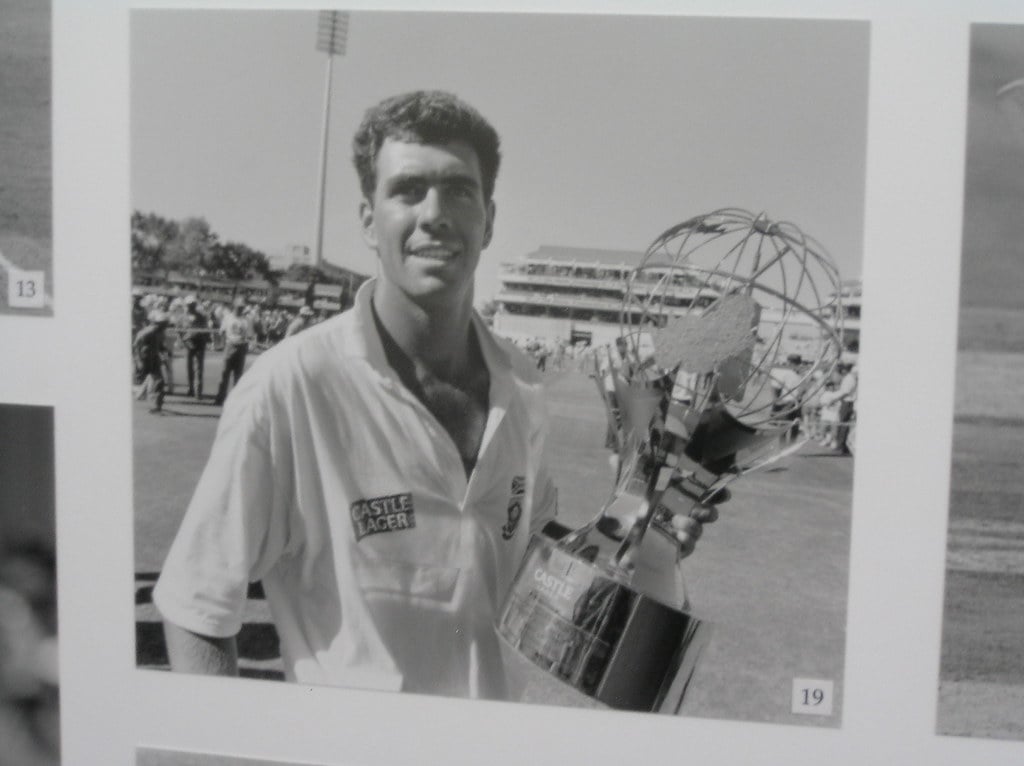
South Africa’s captain during the 1990s, Hansie Cronje led his team to remarkable success in the years following the country’s return to international cricket after apartheid. Under his leadership, South Africa won series against nearly every major cricketing nation. He was considered a moral exemplar in the sport.
That image collapsed in April 2000 when Delhi police released recordings of conversations between Cronje and representatives of an Indian betting syndicate. At first he denied everything.
Days later, he confessed to accepting money from bookmakers. The King Commission inquiry that followed revealed years of corruption.
Cronje admitted to taking approximately $100,000 in bribes since 1996 and approaching teammates about throwing matches. In October 2000, he received a lifetime ban from all cricket-related activities.
Two years later, Cronje died in a plane crash in South Africa. He was 32 years old.
Ben Johnson’s World Record That Wasn’t
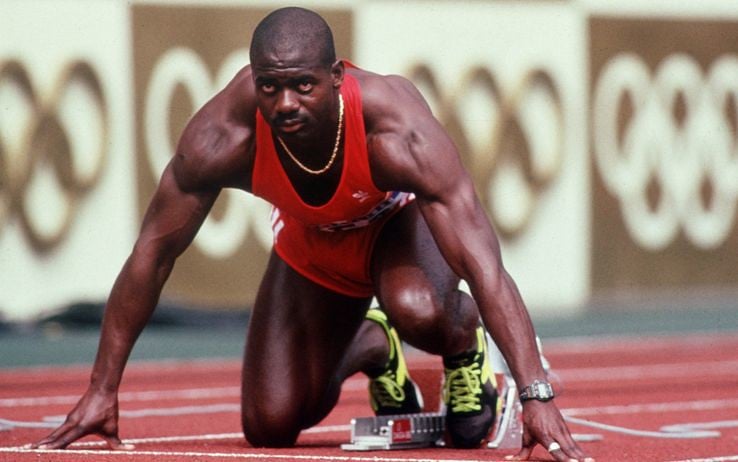
The 1988 Seoul Olympics produced what appeared to be one of the greatest sprinting performances in history. Canadian runner Ben Johnson crossed the finish line in the 100-meter final with a world-record time of 9.79 seconds, defeating American rival Carl Lewis.
Three days later, Johnson tested positive for stanozolol, an anabolic steroid. His gold medal and world record were stripped. He received a two-year suspension.
The 1988 final has been called “the dirtiest race in history” because six of the eight finalists either failed drug tests at some point or were implicated in doping scandals. Johnson returned to competition after his suspension ended in 1990.
He made the Canadian Olympic team again for Barcelona in 1992 but performed poorly. Then, in January 1993, he tested positive for excess testosterone at a race in France.
The International Association of Athletics Federations banned him for life. His name became synonymous with doping in sports.
Diego Maradona’s 1994 World Cup Exit
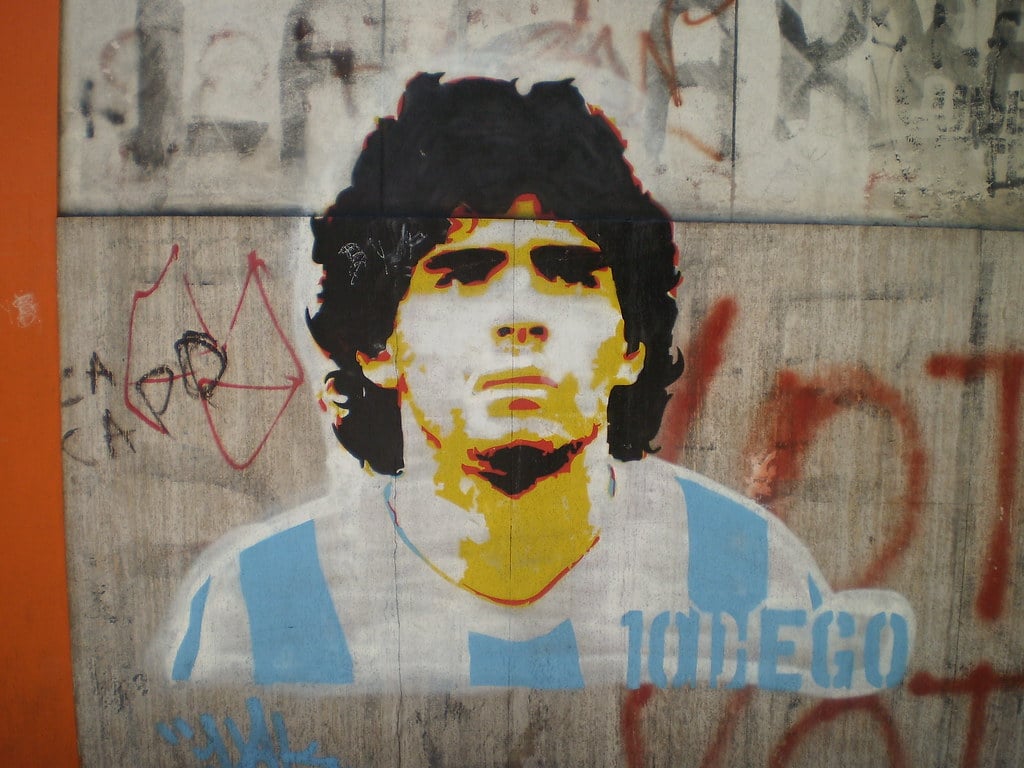
Argentina’s Diego Maradona had already cemented himself as one of the greatest soccer players ever to grace the pitch. His “Hand of God” goal and the solo run against England in the 1986 World Cup remain etched in sporting memory.
But by 1994, his personal demons had caught up with him. After leading Argentina to a 4-0 victory over Greece in their opening match of the 1994 World Cup, Maradona celebrated his goal with wild intensity.
The image of his bulging eyes screaming into a camera became iconic. Days later, following a win against Nigeria, he tested positive for ephedrine.
FIFA expelled him from the tournament. It was his final international appearance for Argentina, ending a 17-year career with the national team.
While not technically a lifetime ban from all competition, the incident effectively ended his playing career at the highest level.
Jontay Porter and the NBA’s Gambling Warning
In April 2024, the NBA issued its first lifetime ban since the Donald Sterling case a decade earlier. Toronto Raptors forward Jontay Porter became the first player in league history banned for gambling on games.
The investigation found that Porter had disclosed confidential team information to sports bettors. More damaging, he had faked injuries to ensure that prop bets placed by his associates would pay out.
He also wagered on NBA games himself. Commissioner Adam Silver announced the lifetime ban just months after the allegations surfaced.
The case highlighted growing concerns about the intersection of legal sports betting and professional athletics.
George Morris and Equestrian’s Reckoning

For decades, George Morris stood as the godfather of American show jumping. A silver medalist at the 1960 Rome Olympics, he later coached the U.S. team to Olympic gold and mentored generations of elite riders.
His book on hunt seat equitation became the definitive text in the discipline. In 2019, the U.S. Center for SafeSport permanently banned the 81-year-old from the sport.
The investigation found credible allegations of inappropriate conduct with minors dating back to the 1960s and 1970s. Morris denied the accusations and appealed.
The arbitration upheld the ban. The case illustrated how sporting institutions have begun confronting abuse allegations regardless of how long ago they occurred or how prominent the accused.
The Chicago White Sox Owner Who Gambled Wrong
Before Pete Rose, there was William D. Cox. The owner of the Philadelphia Phillies in 1943, Cox placed bets on his own team’s games.
Commissioner Landis discovered the wagering and forced Cox out of the sport for life. Cox insisted he had only made small wagers.
He was required to sell the Phillies and never again participated in professional play. The case established an early precedent that gambling by anyone connected to the sport would not be tolerated.
Randy Barnes and Track’s Doping Zero-Tolerance

American shot putter Randy Barnes won Olympic gold in 1996 and set a world record of 23.12 meters in 1990. That record stood for over three decades until Ryan Crouser broke it in 2021.
Barnes had already served a 27-month suspension for anabolic steroids in 1990-1991, missing the 1992 Olympics. He came back to win gold in Atlanta.
In 1998, Barnes tested positive for androstenedione, a testosterone precursor that was banned in track and field but available over the counter in the United States. The International Association of Athletics Federations handed him a lifetime ban as a second-time offender.
Barnes claimed he did not know the supplement was prohibited.
Asashoryu and Sumo’s Code of Conduct
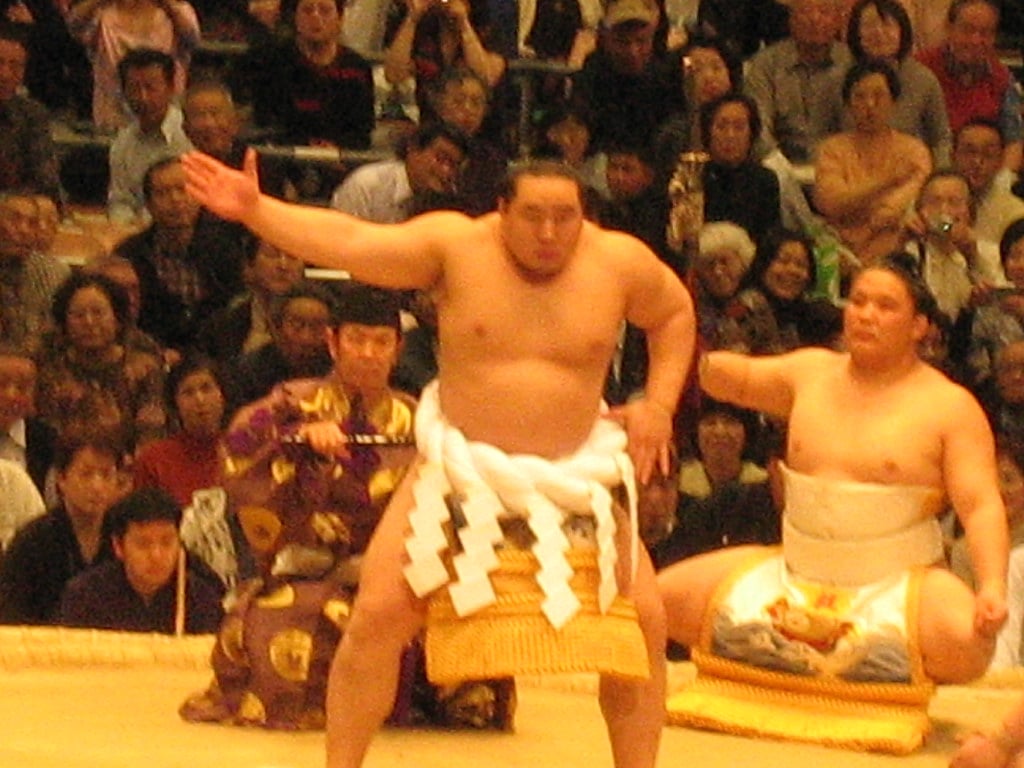
In Japan’s ancient sport of sumo, grand champions are expected to embody dignity and discipline both inside and outside the ring. Asashoryu, a Mongolian wrestler who won 25 tournament championships, repeatedly failed to meet those standards.
His controversies included pulling an opponent’s hair, being filmed playing soccer in Mongolia while claiming injury, and various altercations. In January 2010, during his latest championship victory, he allegedly assaulted a man outside a Tokyo nightclub.
The Japan Sumo Association investigated. Days later, Asashoryu resigned rather than face formal punishment.
While technically a resignation rather than a ban, his departure was effectively forced. He left the sport as one of its most dominant and most controversial figures.
When Legends Become Cautionary Tales

A ban forever marks someone as shut out by sport. Talent means nothing when broken rules stack too high.
Championships count for less than clean conduct. Years spent giving everything fall short if trust is gone.
Footballers show how games follow codes. Push those too far, consequences turn triumphs into afterthoughts.
More from Go2Tutors!

- The Romanov Crown Jewels and Their Tragic Fate
- 13 Historical Mysteries That Science Still Can’t Solve
- Famous Hoaxes That Fooled the World for Years
- 15 Child Stars with Tragic Adult Lives
- 16 Famous Jewelry Pieces in History
Like Go2Tutors’s content? Follow us on MSN.



