27 Vintage Fountain Pens Now in High Demand
Fountain pens were the everyday writing tool for much of the twentieth century, which means millions of them survived in desk drawers, estate boxes and tins of odds and ends. Most look unremarkable at first glance.
Collectors see something else. They read the imprint on the barrel, check the nib for a maker’s stamp, and hold the celluloid up to the light, because the right combination of model, color and condition can turn a forgotten pen into a serious sale.
Parker 51 and Its Hooded Nib
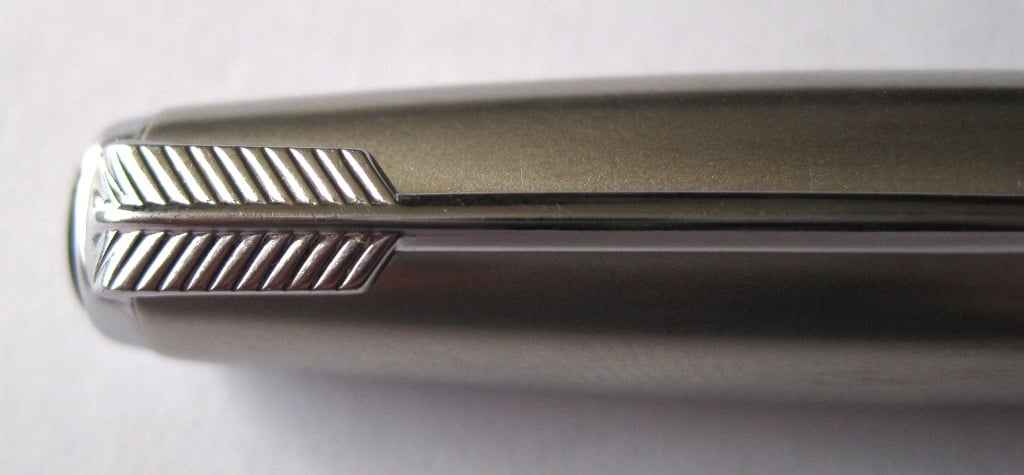
Parker released the 51 in 1941, naming it for the company’s 51st anniversary in 1939. Its hooded nib, nearly hidden inside a streamlined shell, looked futuristic and kept ink from drying out.
The pen was built to handle a fast-drying ink that Parker also sold. Millions were produced over three decades, which keeps ordinary examples affordable.
Collectors chase rare colors, special cap designs and early models with the original vacuum filler. Typical 51s sell for about 75 to 250 dollars, with cracked hoods, worn caps and dried filling sacs pushing prices toward the bottom of that range.
Big Red, the Parker Duofold
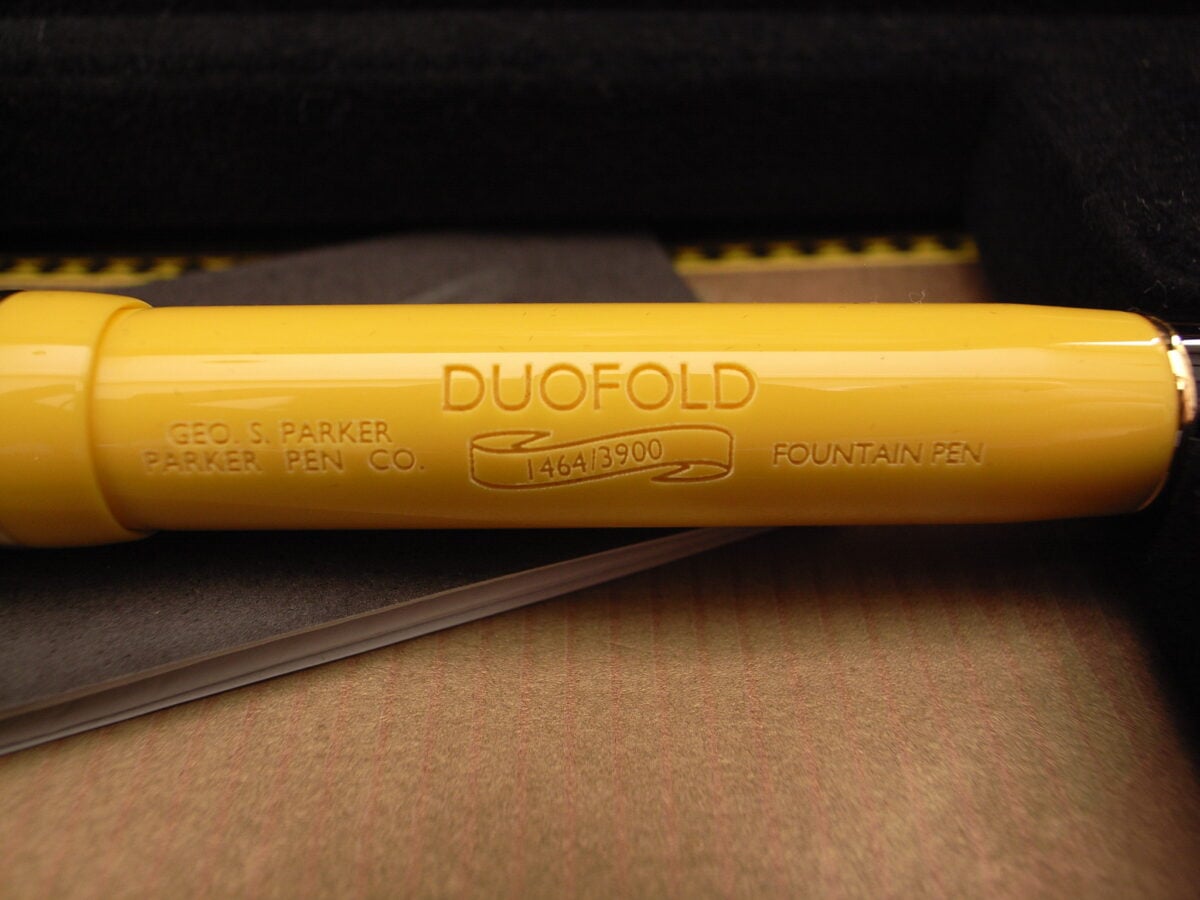
Parker launched the Duofold in 1921 in a bold red-orange hard rubber that earned it the nickname Big Red. At around seven dollars, it cost far more than most pens of its time, and Parker backed it with a 25-year guarantee.
The oversized body and confident color made it a status object. Collectors now seek early hard rubber Duofolds, especially the senior size.
Prices typically run about 150 to 500 dollars. Color fading, a common problem with red hard rubber, can drop value sharply, while vivid original color and a crisp barrel imprint push prices higher.
Vacumatic and Its Striped Celluloid
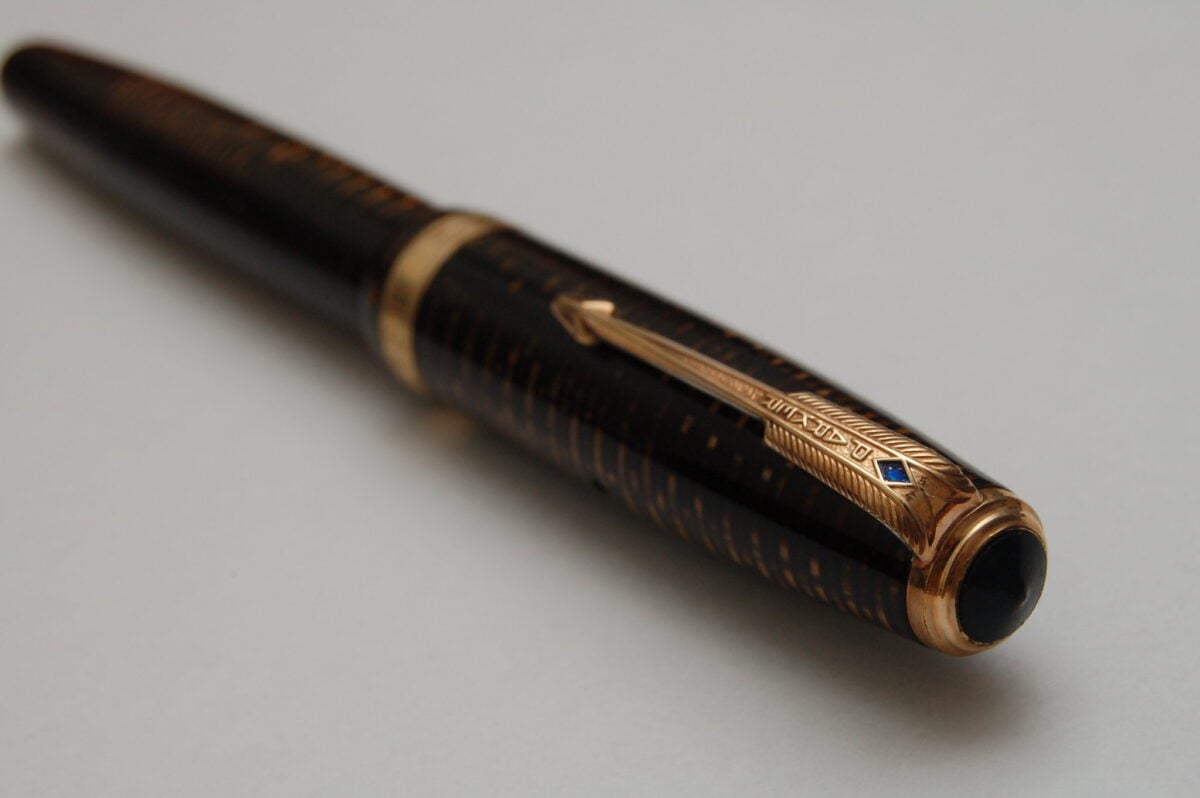
Parker introduced the Vacumatic in 1933 with laminated celluloid in stripes that let users see the ink level through the barrel. Patterns with names like Golden Pearl and Emerald Pearl made the pens glow when held up to light.
The filling system used a flexible diaphragm that often needs replacing after decades. Collectors value Vacumatics for their beauty and their engineering.
Prices usually run about 75 to 300 dollars, depending on size, color and condition. Barrels that have lost their transparency through ambering, or pens with cracked caps, sell for considerably less.
Cisele Silver on the Parker 75
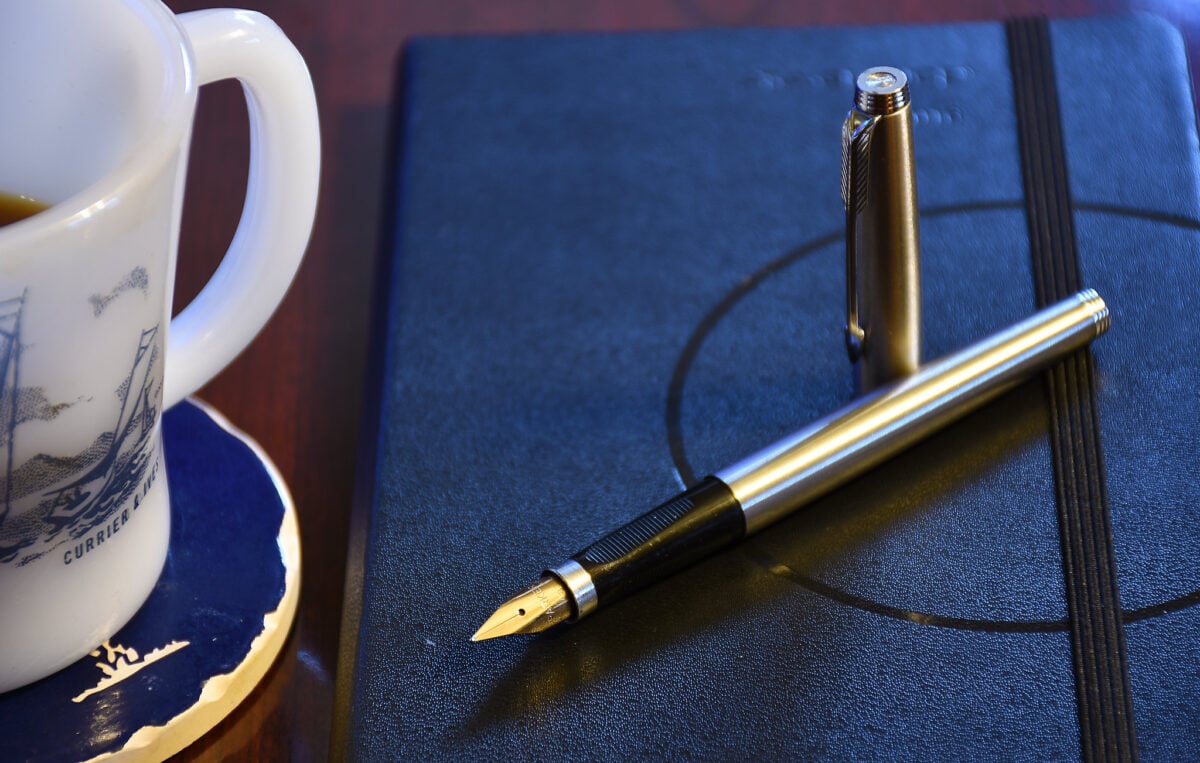
The Parker 75, introduced in 1964, came in a sterling silver crosshatch pattern known as Cisele. Its grip section could be rotated to adjust the nib angle to the writer’s hand, an unusual feature.
The 75 was produced for decades in many finishes, but the sterling Cisele remains the classic. Collectors appreciate the solid build and the way the silver develops a patina.
Typical prices run about 75 to 250 dollars. Dents in the silver, worn plating on the trim and nibs that have been bent or replaced all reduce value.
Capillary Filling in the Parker 61
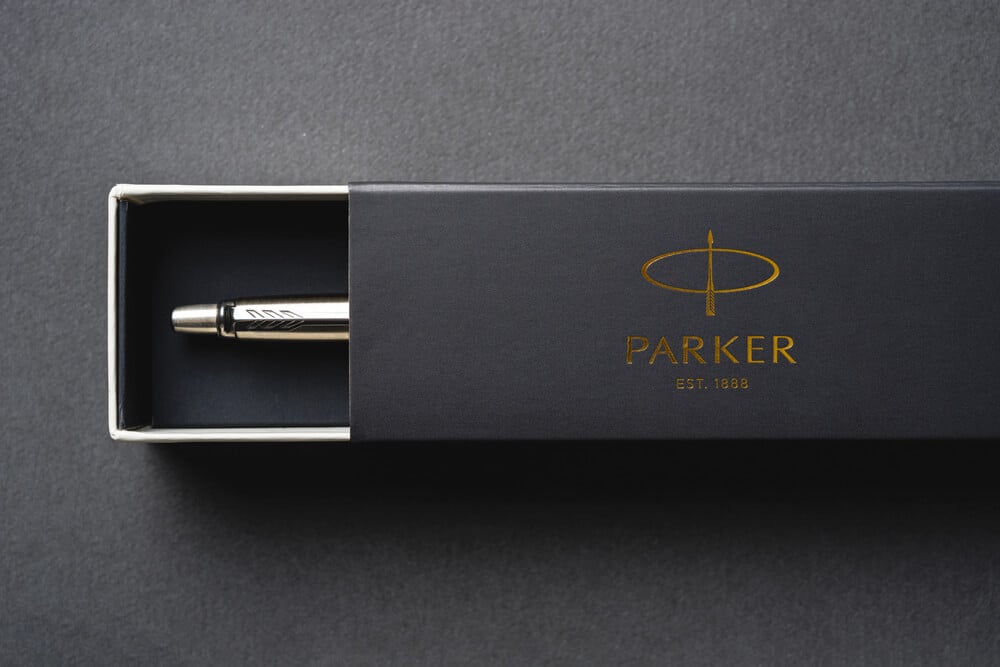
Capillary action did the work in the Parker 61, released in 1956, which drew ink into the pen without any moving parts. Users simply dipped the back end into the ink bottle.
The pen also carried a small arrow on its hood, which later became a signature design element for Parker. The capillary system was clever but hard to clean, and Parker eventually switched to a cartridge version.
Collectors seek early capillary models. Prices usually run about 50 to 200 dollars, depending on condition.
Clogged fillers and scratches on the shell lower value.
Snake Pens From 1906
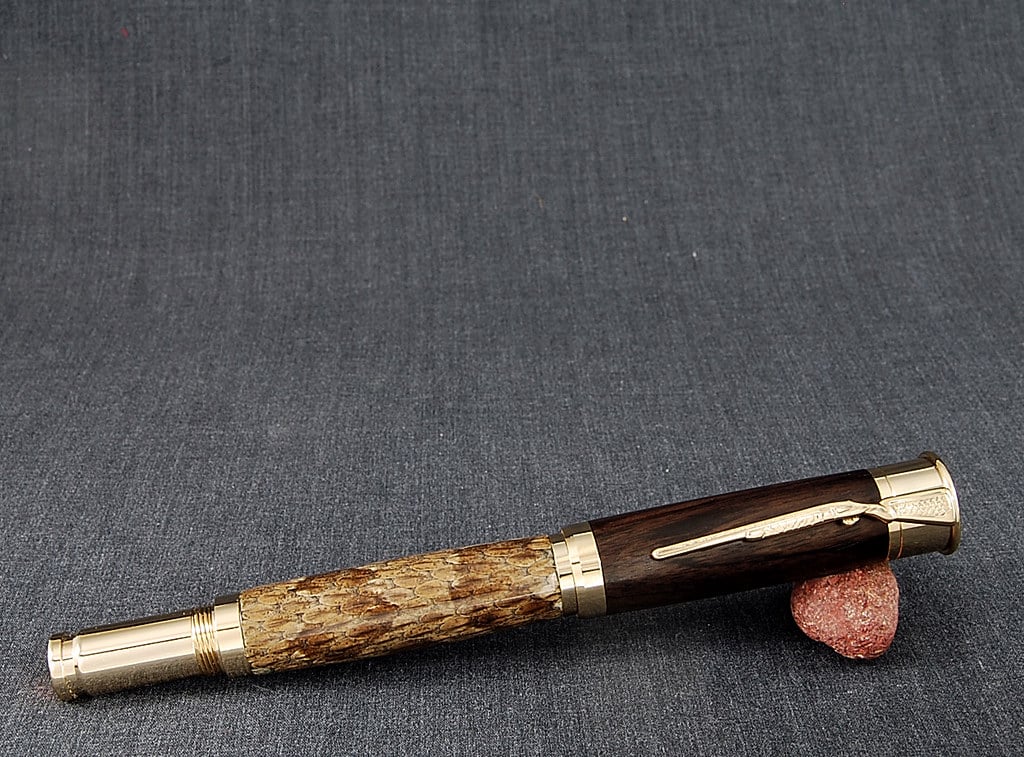
Around 1906, Parker made a small number of snake pens, with sterling silver or gold-filled serpents wrapped around the barrel and cap. The snakes had emerald eyes and coiled tightly around the pen.
Only a small number were produced, and few survive in good condition. The snake pen is often called one of the most valuable American fountain pens.
Prices can reach five figures or more, depending on condition, metal and originality. Damage to the overlay, missing gemstones or replaced parts reduce value significantly, but even imperfect examples draw intense interest.
Sheaffer Balance and Its Streamlined Shape
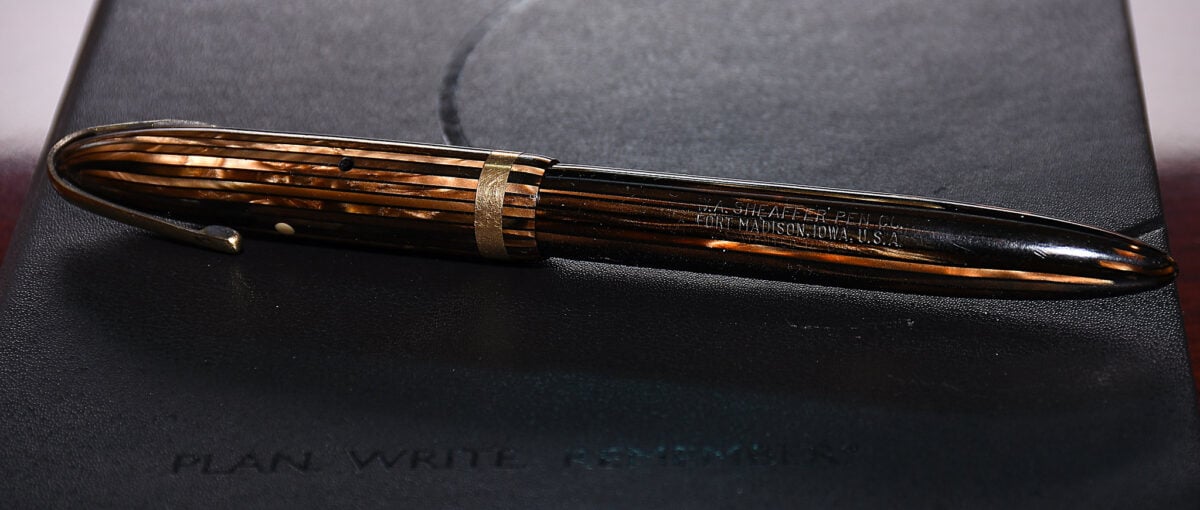
Sheaffer introduced the Balance in 1929 with a tapered, torpedo-like shape that was a sharp break from the flat-topped pens of the era. The streamlined design became a hallmark of the 1930s.
Balances came in many celluloid colors, including Jade Green and Marine Green. Collectors value the shape and the colors.
Typical prices run about 75 to 300 dollars, depending on size and condition. Celluloid that has discolored, cracked or developed brown spots lowers value, while bright, unfaded examples with working fillers bring the highest prices.
White Dot of the Sheaffer Lifetime
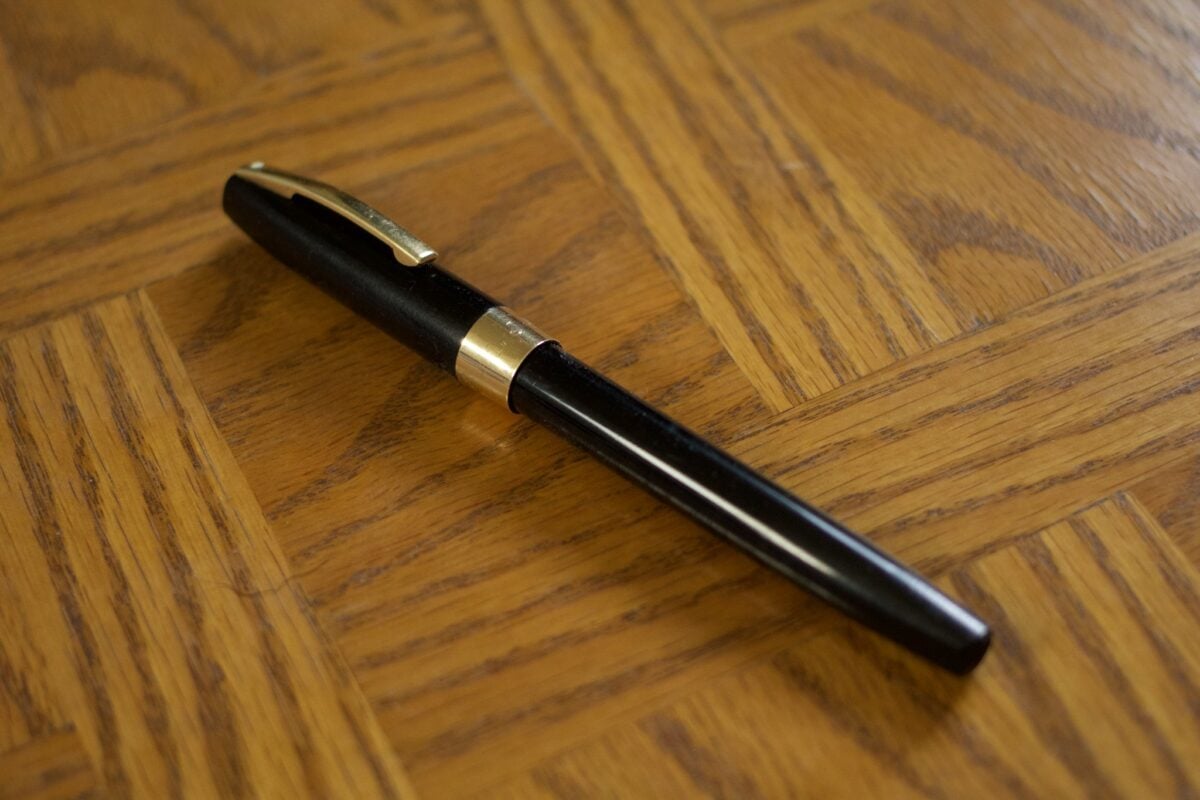
Sheaffer introduced its Lifetime pens in 1920, guaranteed for the owner’s life, and a few years later began marking them with a white dot on the cap. That dot became a symbol of quality and appeared on Sheaffer pens for decades.
Early Lifetimes were flat-topped and often made in jade green or black. The guarantee was a bold marketing move at the time.
Prices usually run about 75 to 250 dollars, depending on model and condition. Worn imprints, faded color and missing white dots reduce value.
Pens with original boxes and guarantee papers sell for more.
Snorkel, Sheaffer’s Retracting Filler
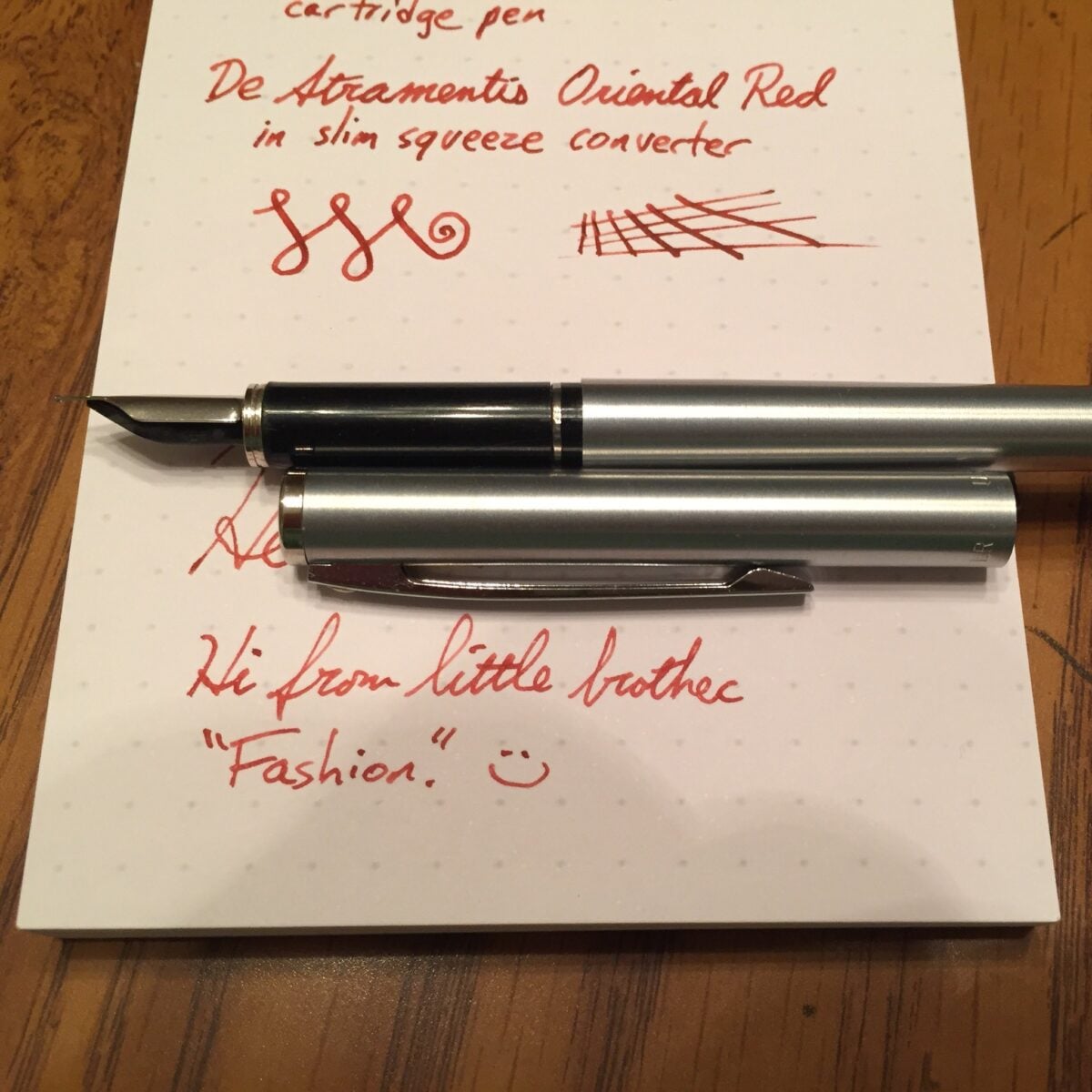
Sheaffer released the Snorkel in 1952 with an ingenious filling system. A small tube extended from beneath the nib, so the pen could fill without dipping the nib into the ink.
The mechanism involved several moving parts and seals, which often need replacing today. Snorkels came in many colors and trim levels.
Collectors appreciate the engineering and the midcentury styling. Prices typically run about 75 to 250 dollars, depending on model and whether the filling mechanism has been restored.
Non-working fillers reduce value until properly serviced.
PFM, Sheaffer’s Pen for Men
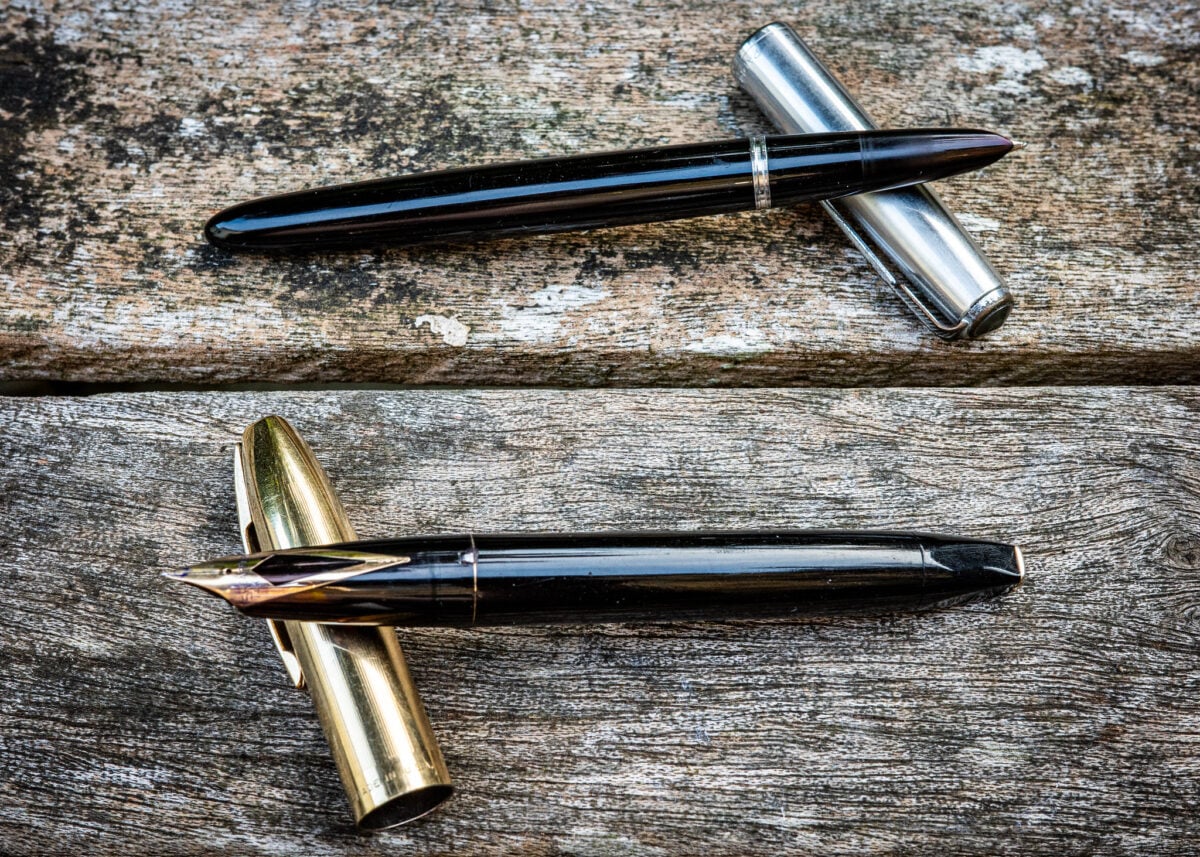
Pen for Men was the meaning behind the name of Sheaffer’s PFM, introduced in 1959. It was larger and heavier than most pens of its time, with a distinctive inlaid nib and a Snorkel filling system.
The marketing leaned heavily on masculinity, which looks dated now but helps define the pen’s era. Collectors prize the PFM for its bold size.
Prices usually run about 150 to 500 dollars, depending on model and condition. Damage to the inlaid nib, worn trim and non-working filling systems are the main problems that reduce value.
Waterman Patrician and Its Short Run
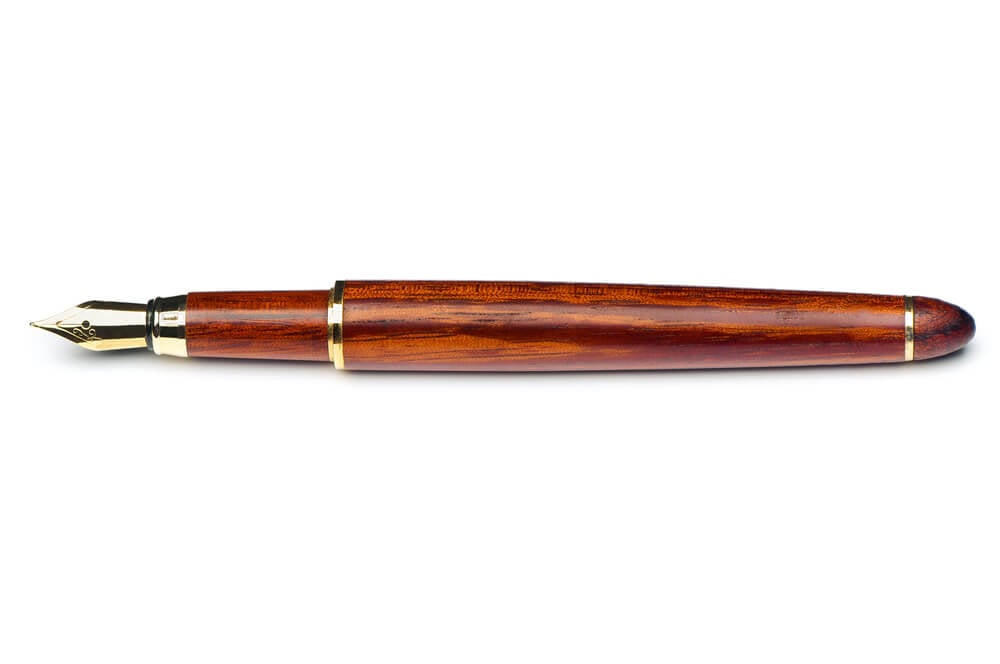
Waterman launched the Patrician in 1929, just before the stock market crash, as a luxury pen in striking colors like Jet, Onyx and Turquoise. The timing was terrible, and production ended within a few years as the Depression set in.
That short run makes the Patrician rare today. Collectors value its size, colors and Art Deco styling.
Prices typically run about 300 to 1,200 dollars, depending on color and condition. Cracked caps, faded colors and replaced parts lower value, while bright original examples bring premium prices.
Waterman Overlays in Filigree
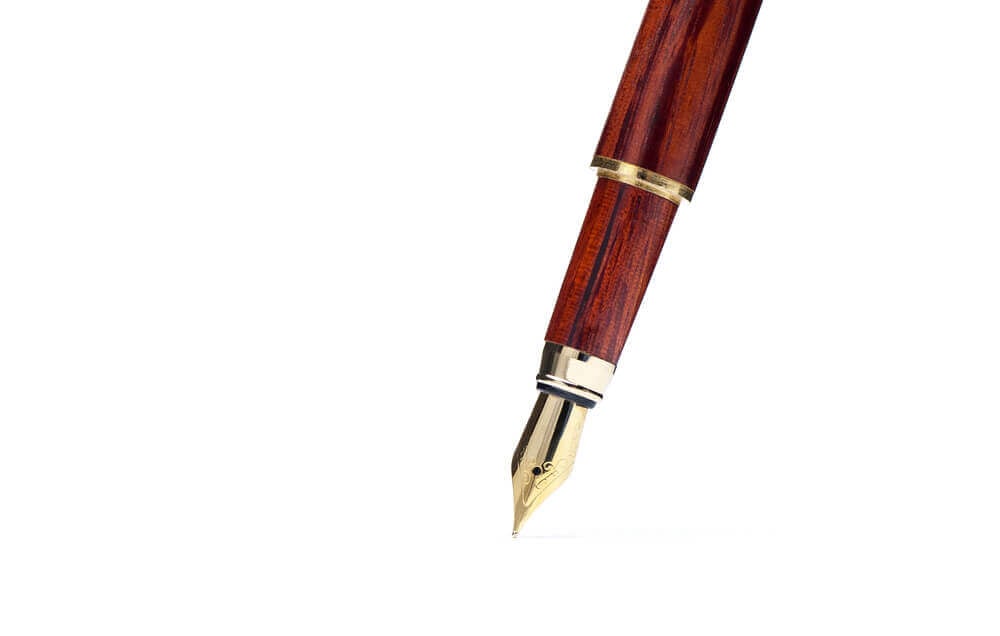
Waterman produced filigree overlay pens in the early twentieth century, with gold-filled or sterling silver patterns wrapped around hard rubber barrels. The overlays were often intricate, featuring floral designs or geometric patterns.
These pens were gifts and status symbols in their time. Collectors now seek them for their craftsmanship.
Prices usually run about 300 to 1,500 dollars, depending on the overlay pattern, metal and condition. Dents, worn plating and damaged hard rubber reduce value.
Pens with original engraving can be worth more to the right buyer.
Ripple Hard Rubber on the Waterman 52
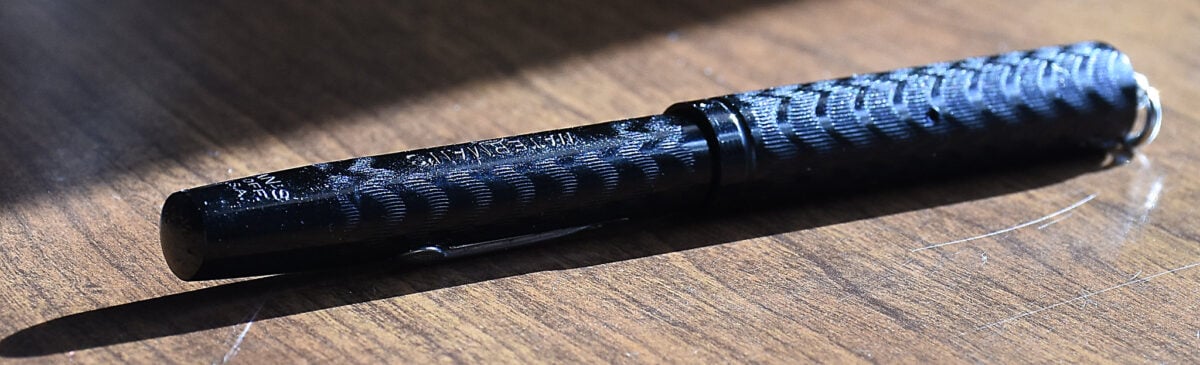
Waterman’s 52 was a lever-filling pen produced in the 1920s and 1930s, often in red and black ripple hard rubber. The ripple pattern looked like wood grain or swirling flames.
The 52 is known for its flexible nibs, which produce varied line widths with changes in pressure. Collectors prize those nibs for calligraphy and expressive writing.
Prices typically run about 100 to 300 dollars. Faded ripple patterns, cracked barrels and nibs that have lost their flexibility lower value.
Working examples with vivid color sell quickly.
Conklin Crescent Filler and Mark Twain
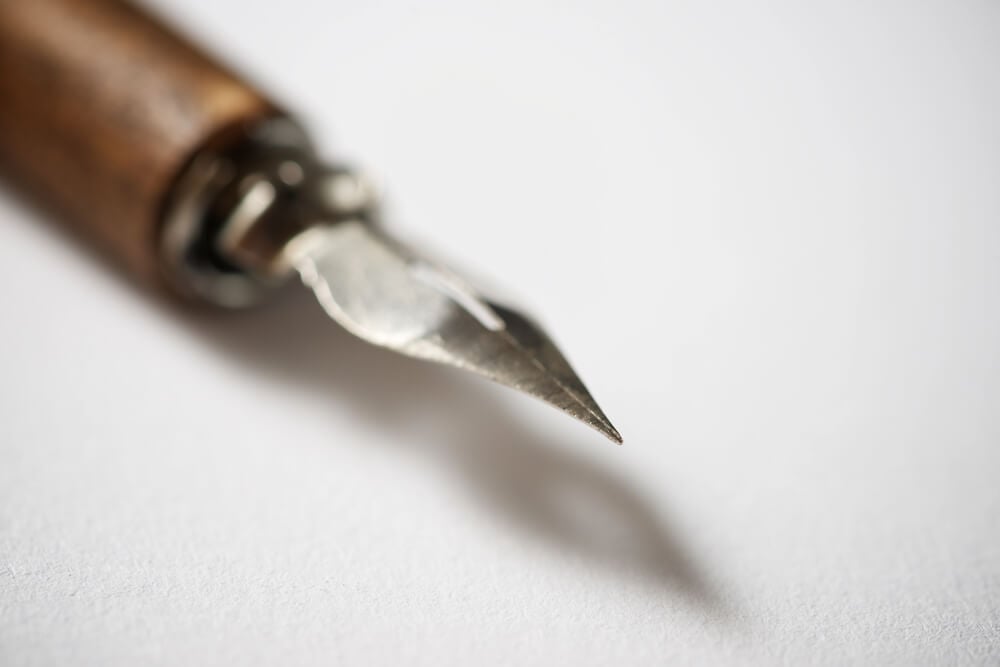
Roy Conklin introduced the Crescent Filler in 1901 in Toledo, Ohio. A crescent-shaped piece on the barrel pressed an internal sac to fill the pen.
Mark Twain endorsed the pen in advertisements, praising its convenience. The design was one of the first popular self-filling systems.
Collectors value the Crescent Filler for its history and its distinctive look. Prices usually run about 100 to 400 dollars, depending on size and condition.
Missing crescents, cracked barrels and dried sacs reduce value, while clean examples with original imprints bring more.
Esterbrook J and Its Swappable Nibs
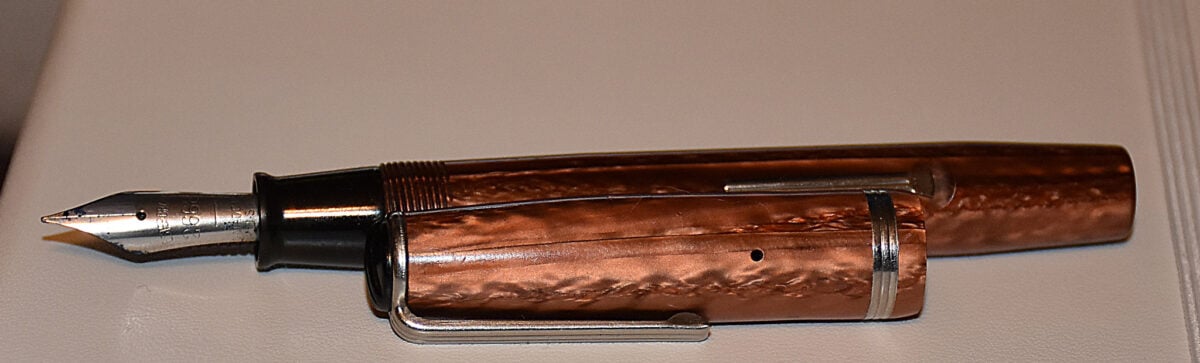
Esterbrook introduced the J series in 1948, and its standout feature was interchangeable nibs. Users could swap nibs in seconds, choosing from dozens of styles for writing, drafting or calligraphy.
The pens were affordable and durable, which made them popular with students and office workers. Colors included copper, blue and green.
Collectors appreciate them as reliable daily writers. Prices typically run about 30 to 100 dollars, depending on color and nib.
Scratches, faded color and missing nibs lower value. Rare nibs can add significantly to the price.
Doric, the Twelve-Sided Wahl-Eversharp
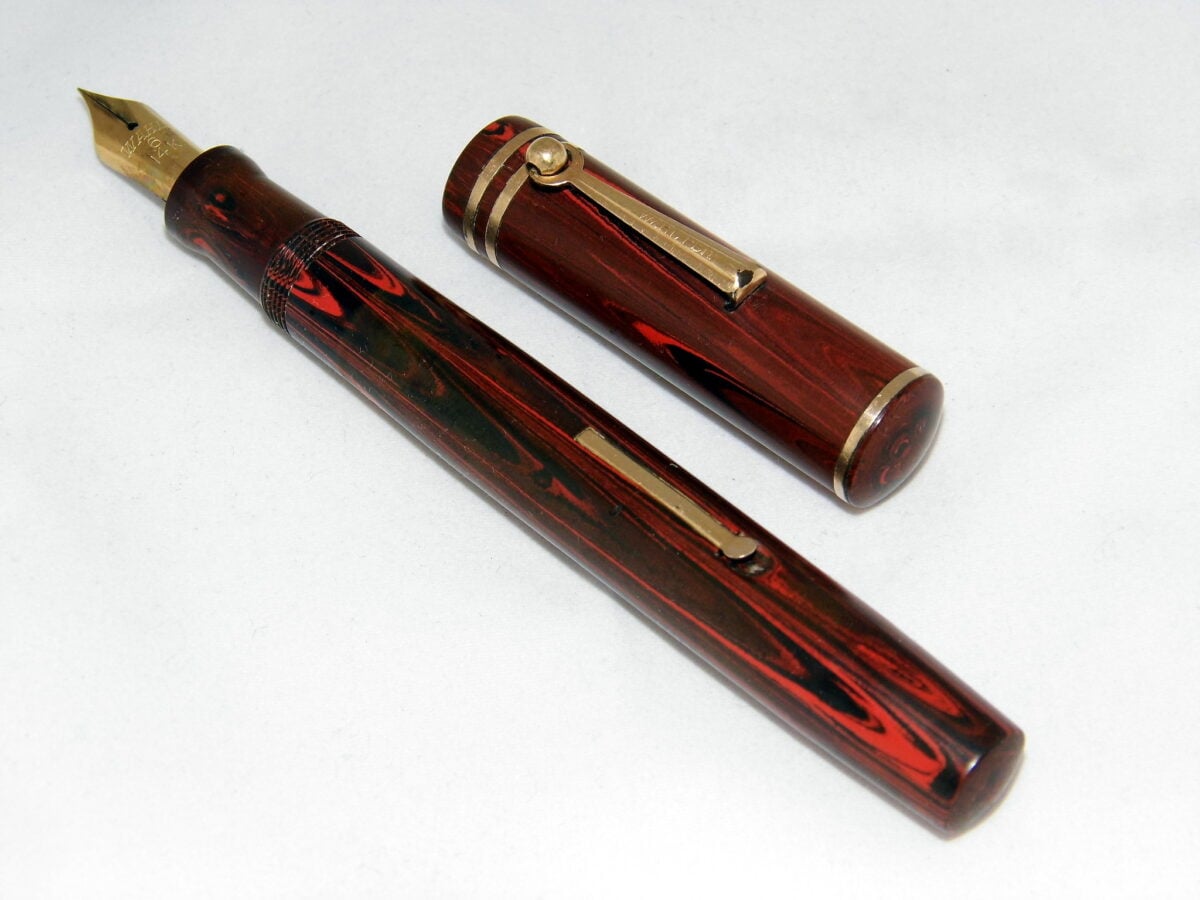
Wahl-Eversharp released the Doric in 1931 with a twelve-sided barrel that reflected Art Deco architecture. Its celluloid colors included Kashmir Green and Lapis Blue.
Some models had an adjustable nib that could change line width with a small slider. The Doric’s geometric shape stood out among the rounded pens of its time.
Collectors appreciate its design, and the adjustable nib models are especially prized because few makers attempted anything similar. Prices usually run about 100 to 400 dollars, depending on color and condition.
Celluloid discoloration, cracked caps and damaged nibs reduce value.
Skyline, Designed by Henry Dreyfuss
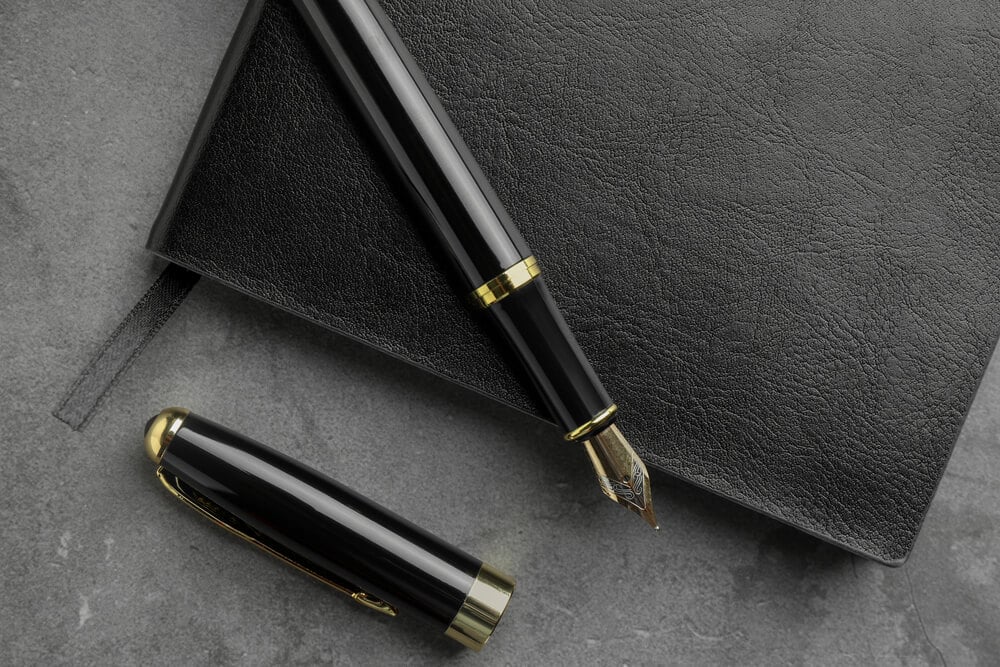
Eversharp introduced the Skyline in 1941, with a streamlined design by industrial designer Henry Dreyfuss. The pen had a sleek, modern profile and was produced in many colors.
It became one of Eversharp’s most popular models. Dreyfuss also designed telephones and train interiors, so the pen fits neatly into collections built around American industrial design.
Collectors value its design pedigree and its smooth writing. Prices typically run about 40 to 150 dollars, depending on color and condition.
Faded colors, worn caps and damaged nibs lower value. Rare colors and pens with original boxes sell for more.
Montblanc Meisterstuck 149 From the 1950s
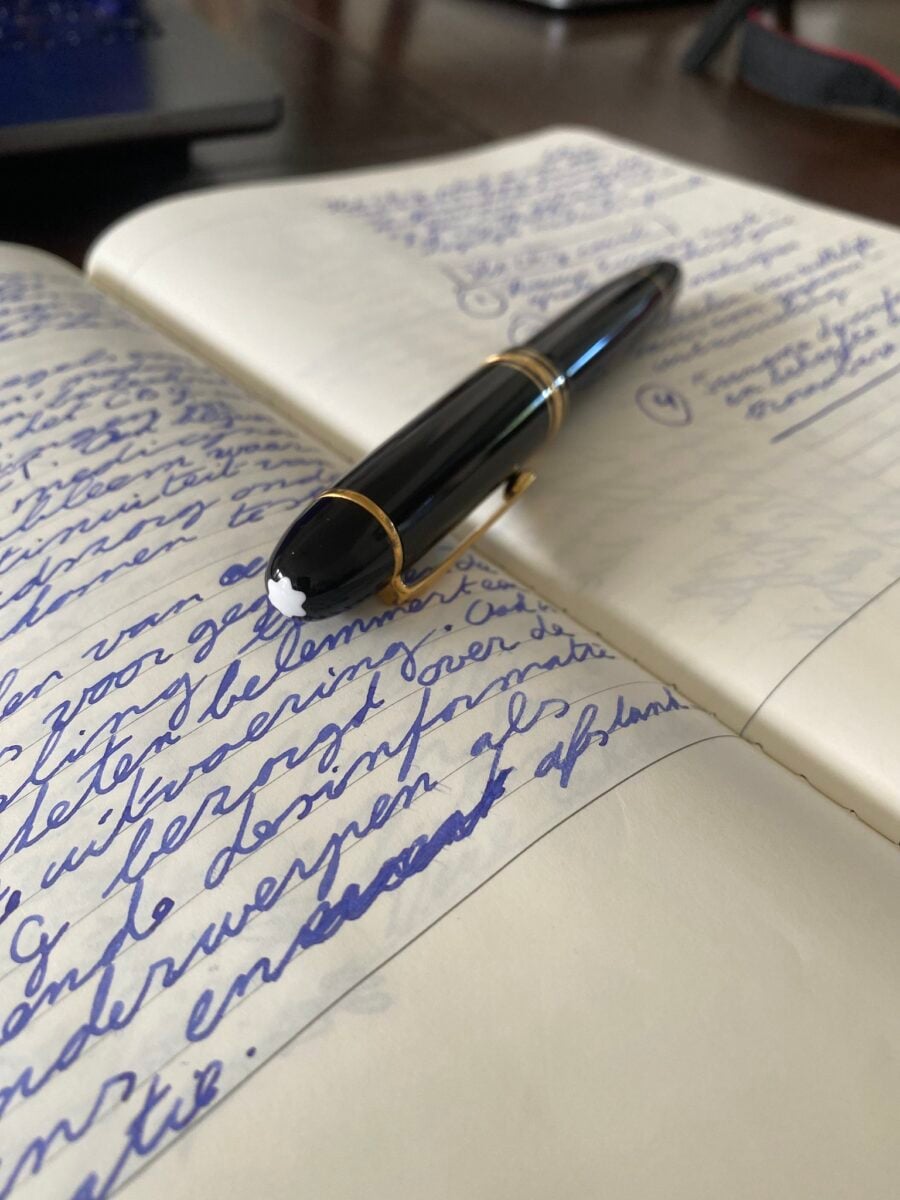
Montblanc introduced the Meisterstuck 149 in 1952, and it became one of the most recognized luxury pens in the world. Early versions used celluloid and had distinctive nibs that collectors prize.
Its large size and black finish made it a fixture on executive desks for decades. The 149 remains in production, but vintage models from the 1950s and 1960s are especially sought after.
Prices for early examples typically run about 500 to 1,500 dollars, depending on condition. Cracked barrels, worn gold trim and replaced nibs reduce value.
Collectors examine the nib markings carefully to date the pen.
Montblanc Hemingway, the First Writers Edition
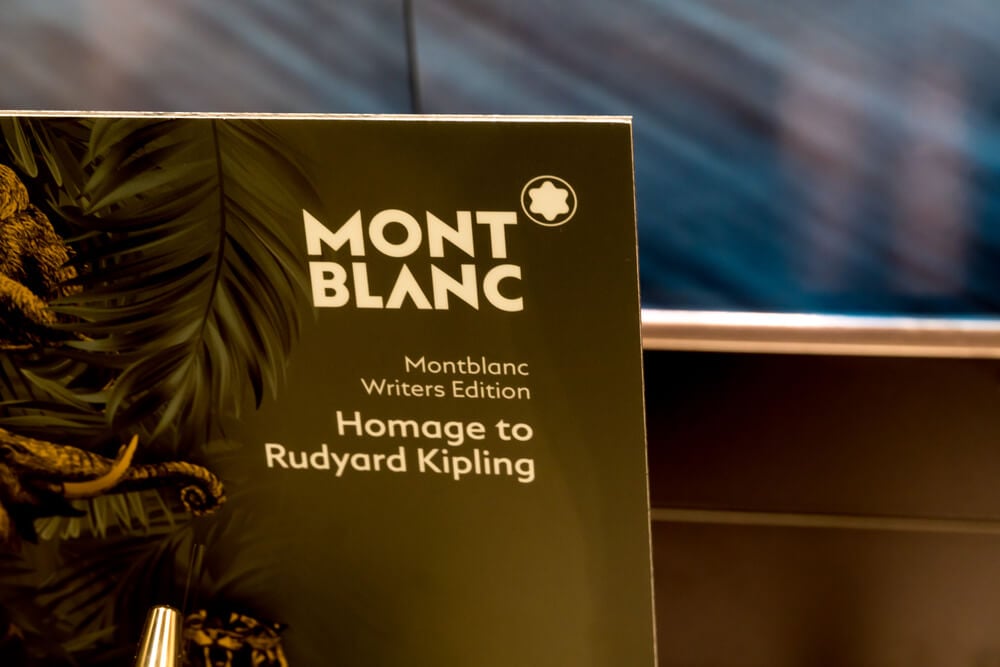
Montblanc launched its Writers Edition series in 1992 with a pen honoring Ernest Hemingway. The orange and black design was inspired by vintage Montblanc pens.
It was produced in a limited run, and the series went on to honor many other authors. Collectors seek the Hemingway as the first in the line.
Prices typically run about 1,500 to 3,000 dollars, depending on condition and whether the original box and papers are included. Pens that have been used heavily, or that show scratches and worn trim, sell for less.
Pelikan 100 and Its Piston Filler
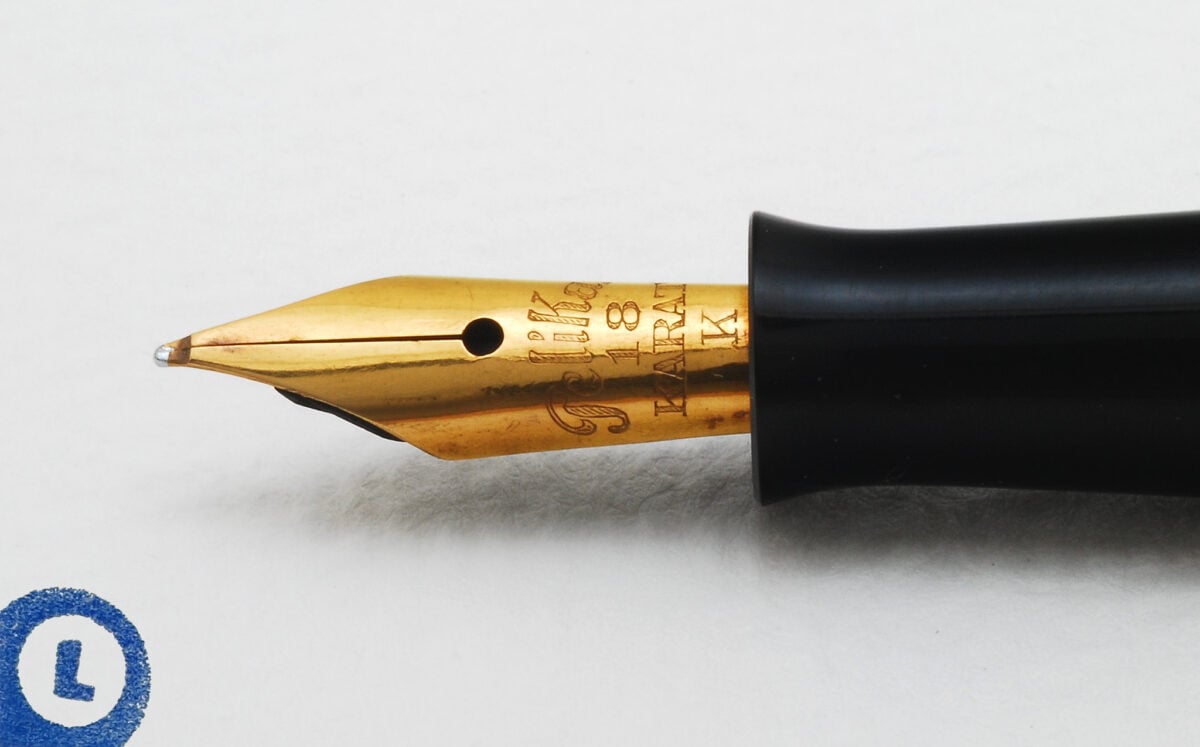
Pelikan introduced its first fountain pen, the model now known as the 100, in 1929. The company was known for inks and art supplies before it made pens.
Its first model used a piston filling system that let the pen hold more ink than many competitors. The design came from a patent Pelikan acquired, and it established the company’s reputation for engineering.
Collectors value early Pelikans for their history. Prices usually run about 200 to 600 dollars, depending on color and condition.
Cracked caps, cloudy ink windows and damaged pistons lower value. Rare colors bring premium prices.
Pelikan 400 With Tortoise Stripes
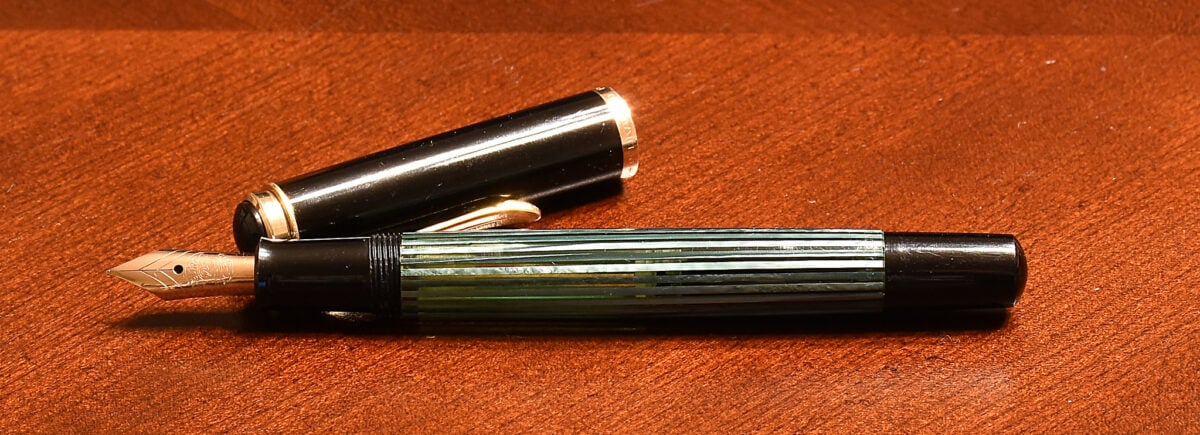
Pelikan released the 400 in 1950, and its striped barrel and green-tinted ink window became a classic look. The piston filler remained central to the design.
The 400 came in several colors, including tortoise brown and green stripes. Collectors appreciate its balance and reliability, and its moderate size suits most hands.
Prices typically run about 100 to 300 dollars. Pens with clear ink windows, smooth pistons and original nibs are worth more.
Faded stripes, cracked caps and worn trim reduce value. Many 400s are still in daily use.
Toledo and Its Damascene Gold
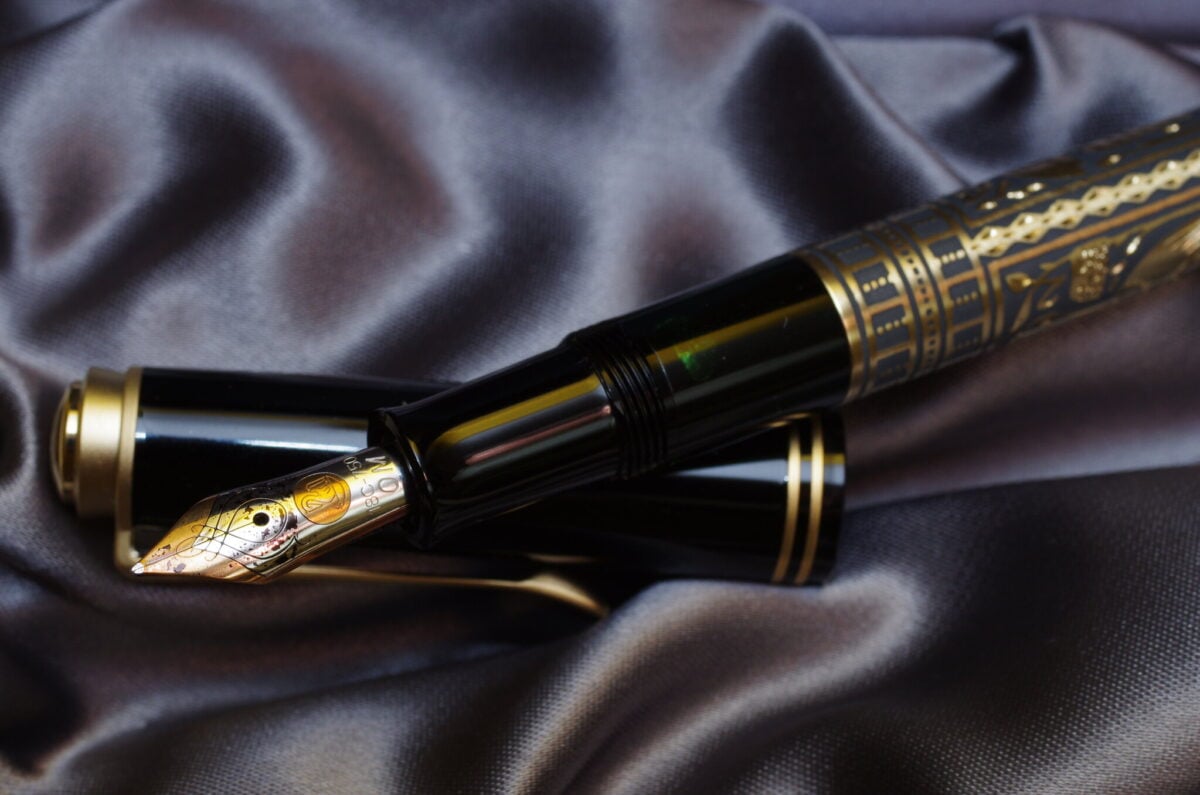
Pelikan’s Toledo pens are decorated with damascene work, a technique of inlaying gold into steel long associated with the Spanish city of Toledo, which gives the pens their name. Artisans engrave the patterns by hand, often depicting birds and plants.
Vintage Toledos from the 1930s through 1950s are especially sought after. Collectors value the craftsmanship and the rarity.
Prices typically run about 1,000 to 3,000 dollars, depending on age and condition. Wear to the inlay, dents and missing parts lower value.
Modern Toledo models also exist, but collectors pay more for older examples.
Aurora 88 and Its Italian Design
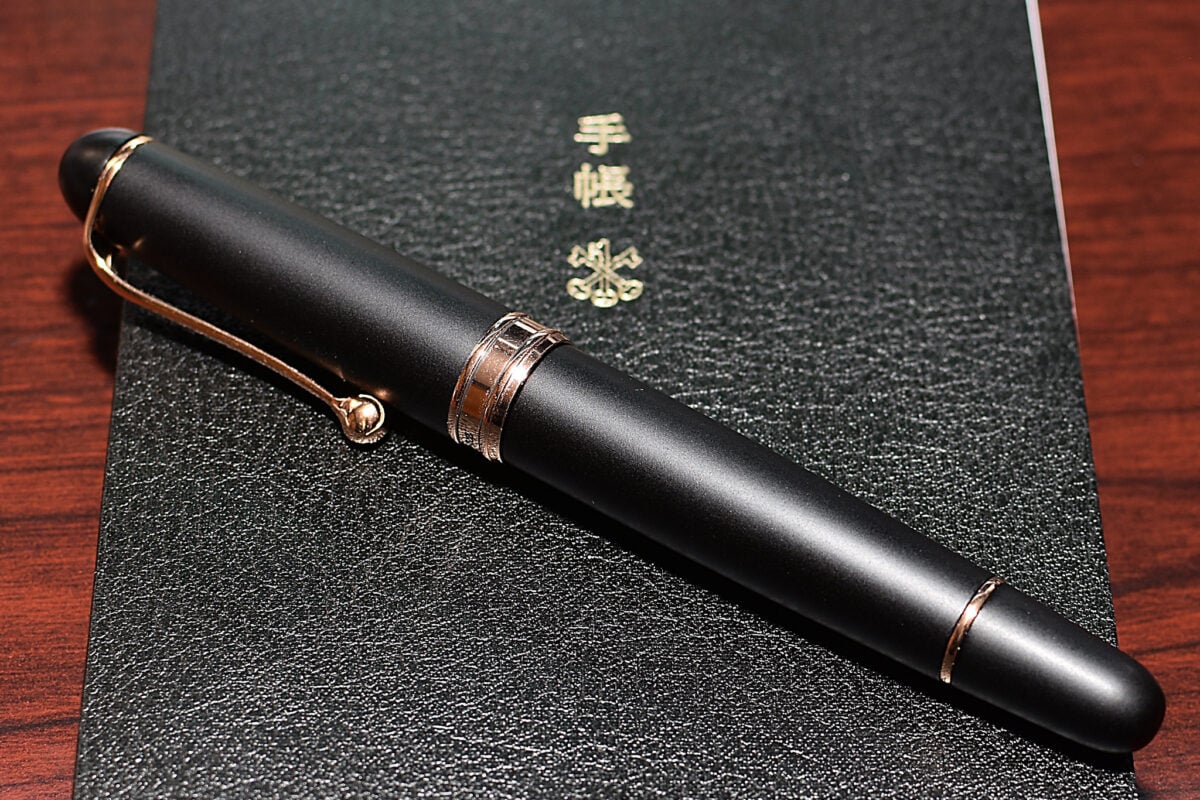
Aurora released the 88 in 1947, with design by Marcello Nizzoli, who also shaped classic Olivetti typewriters. The pen had a hooded nib and a piston filler.
It was Aurora’s postwar flagship and helped re-establish the company, which was founded in Turin in 1919 and is one of Italy’s oldest pen makers. Collectors appreciate its Italian design and smooth writing.
Prices usually run about 150 to 400 dollars, depending on condition. Cracked caps, cloudy ink windows and worn trim lower value.
Original boxes and paperwork add appeal for serious collectors.
Pilot Capless and Its Retracting Nib

Pilot introduced the Capless in 1963, and it was one of the first fountain pens with a retractable nib. A click mechanism extended the nib for writing and pulled it back inside the barrel when finished.
The design solved the problem of a cap that could be lost. Early Capless pens are prized by collectors.
Prices typically run about 100 to 300 dollars, depending on condition. Damaged mechanisms, worn finishes and nibs that have been replaced reduce value.
The modern Vanishing Point continues the design.
Namiki Maki-e Lacquer Pens
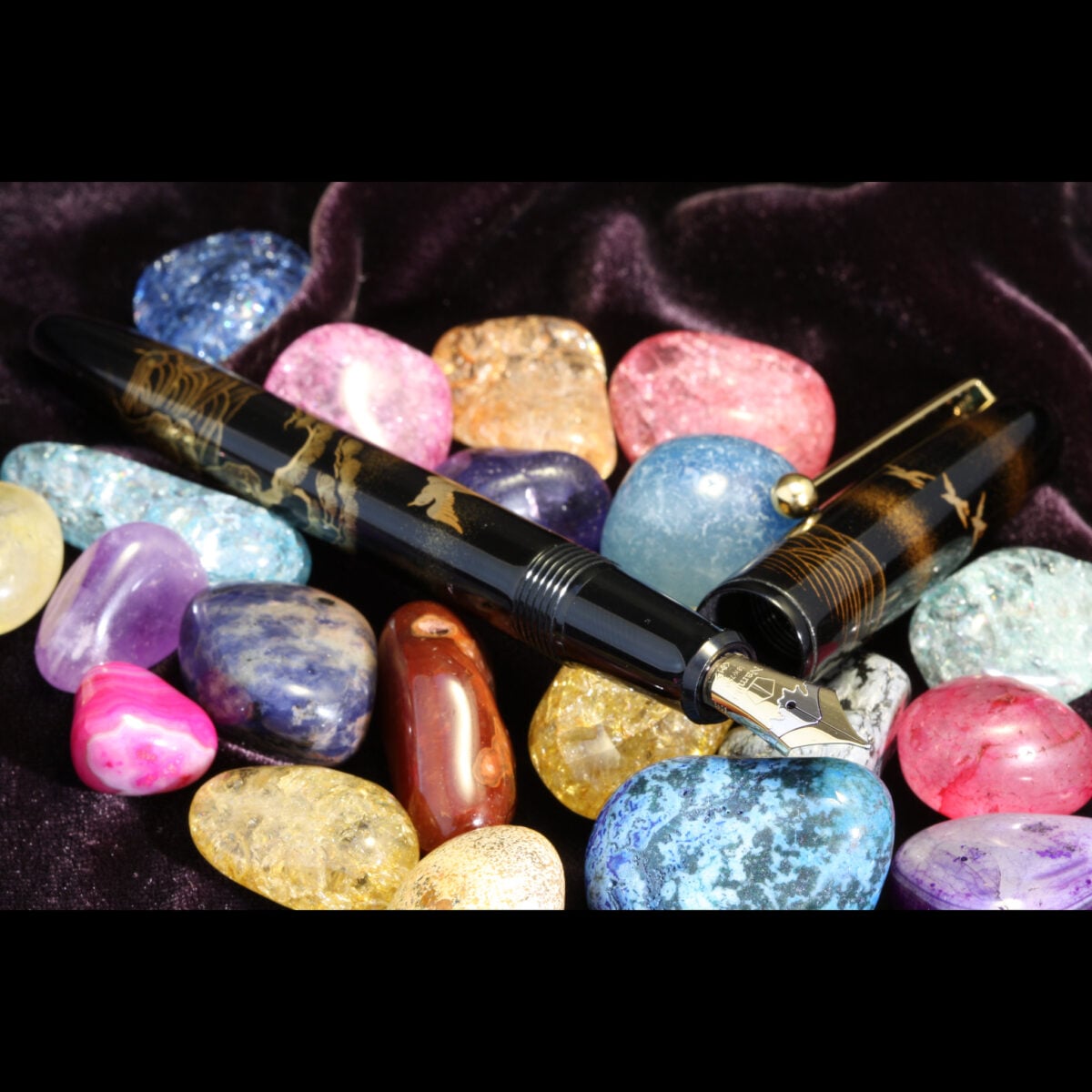
Namiki, the company that became Pilot, produced lacquered maki-e pens in the 1920s and 1930s. Artisans applied layers of urushi lacquer and sprinkled gold powder to create detailed scenes.
In Europe, the pens were sold through Dunhill as Dunhill-Namiki. These are among the most valuable vintage pens, and collectors often describe the best examples as small works of art.
Prices often run from several thousand dollars to tens of thousands, depending on the artist and condition. Chips in the lacquer, worn gold and damaged nibs reduce value.
Signed pieces by known artists bring the highest prices.
Onoto and Its Plunger Filler
Onoto pens, made by the British firm De La Rue, used a plunger filling system patented in the early 1900s. Pushing the plunger created a vacuum that drew ink into the barrel.
Onotos were popular in Britain and its colonies, and they still turn up regularly in British estate sales. Collectors appreciate their engineering and history.
Prices usually run about 100 to 400 dollars, depending on model and condition. Leaking seals, cracked barrels and worn imprints lower value.
Restored examples with working plungers sell for more.
Swan Pens From Mabie Todd
Mabie Todd produced Swan pens in the United States and Britain, and they were popular from the late nineteenth century into the mid-twentieth. Swans are known for their flexible nibs and quality construction, and the best of those nibs spread noticeably under light pressure.
Many were eyedropper fillers, while later models used levers. Collectors appreciate their nibs and craftsmanship.
Prices typically run about 100 to 400 dollars, depending on model and condition. Cracked barrels, faded hard rubber and replaced nibs lower value.
Pens with original boxes add appeal.
Ink and the Hand That Holds It
Fountain pens were made to be used every day, and that is part of their appeal now. A pen from 1930 can still write a grocery list, sign a check or fill a journal.
Few objects from that era can still do their original job so well. Collectors chase rarity and beauty, but most also enjoy the simple act of writing with something old.
The nib wears to its owner’s hand over years, and that wear is part of the history. A vintage pen carries the habits of everyone who held it before.
More from Go2Tutors!

- The Romanov Crown Jewels and Their Tragic Fate
- 13 Historical Mysteries That Science Still Can’t Solve
- Famous Hoaxes That Fooled the World for Years
- 15 Child Stars with Tragic Adult Lives
- 16 Famous Jewelry Pieces in History
Like Go2Tutors’s content? Follow us on MSN.