16 New York Subway Facts That Surprise Locals
New Yorkers think they know everything about the subway system they ride every day. After all, when you’ve been commuting on the same lines for years, squeezing into packed cars and navigating endless delays, you figure you’ve seen it all.
But the truth is, even the most seasoned straphangers don’t know the full story of what’s really going on beneath their feet. The subway system has been collecting secrets for over 120 years, from ghost stations to armored money trains to fake buildings that hide essential infrastructure.
Here is a list of 16 New York subway facts that’ll make you see your daily commute in a whole new light.
There’s a Fake Townhouse Hiding Subway Equipment
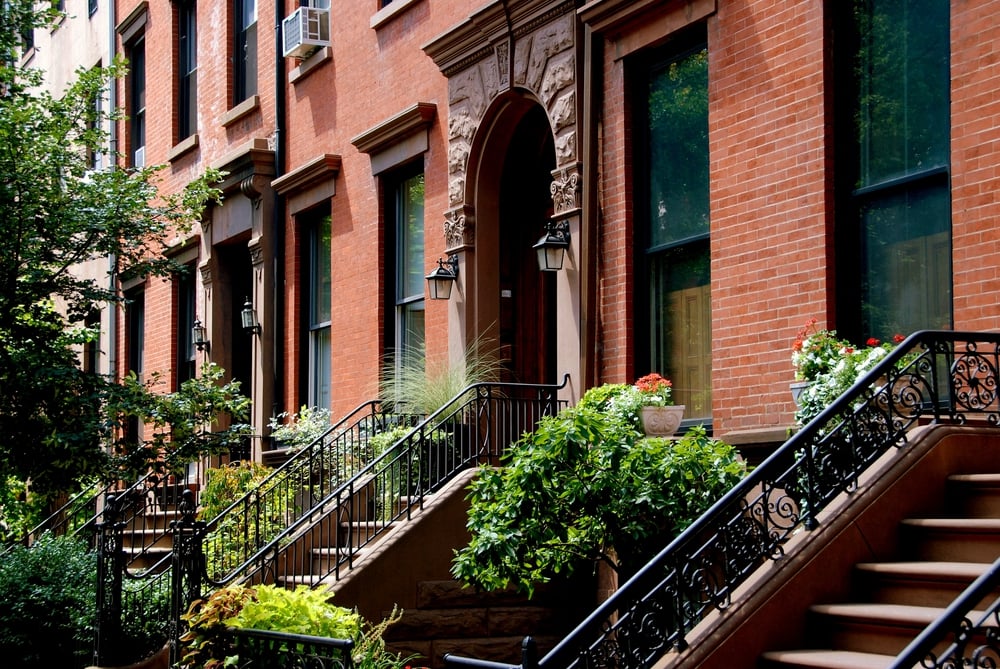
In Brooklyn Heights, that modest brownstone at 58 Joralemon Street isn’t really a residence. Subway ventilation equipment and perhaps an emergency exit for the 4 and 5 trains that run in tunnels below are located behind the facade.
The enormous ventilator blades that turn on every few weeks have been humming and buzzing nonstop, and the neighbors have grown accustomed to it. From the outside, the building appears to be completely normal, with windows and a front door, but no one resides there.
An Armored Money Train Collected Fares for 55 Years
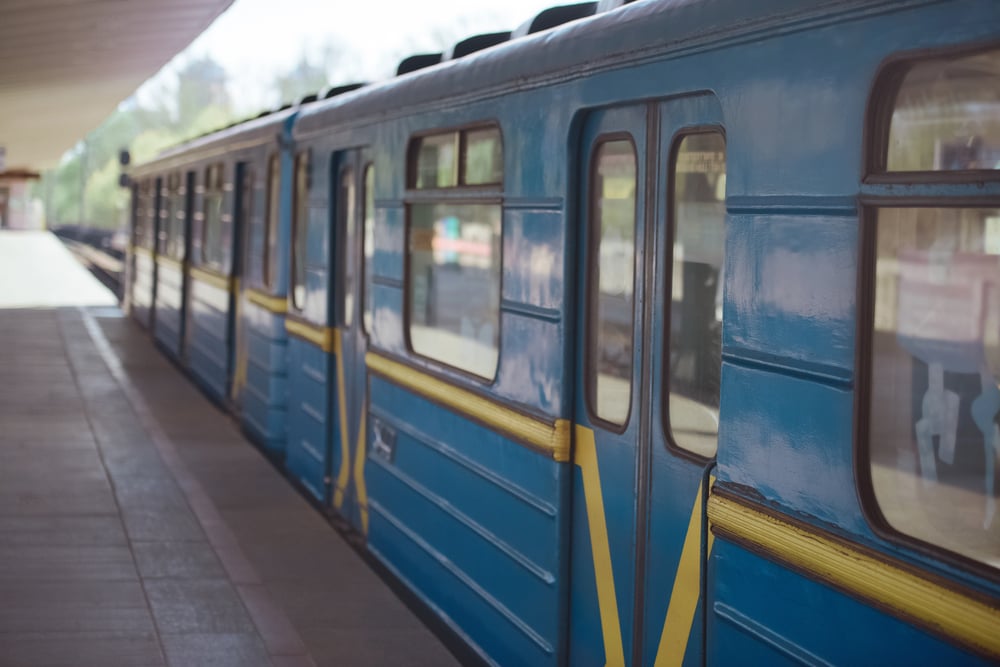
From 1951 to 2006, the MTA operated a secret armored train that collected cash and tokens from subway stations and transported them to a heavily secured money room at 370 Jay Street in Brooklyn. The two-car train was staffed by 12 armed collecting agents wearing body armor, plus one supervisor.
They’d make runs to 25-40 stations per night, six nights a week, following schedules that changed frequently for security reasons. The money room had special tunnels connecting to subway lines and a secret elevator system for transporting cash.
Like Go2Tutors’s content? Follow us on MSN.
Alfred Beach Built the First Subway Illegally

Before the current subway system even existed, inventor Alfred Beach secretly constructed a pneumatic subway under Broadway in 1869. He told city officials he was building a mail delivery system, but instead created a 312-foot tunnel with a plush waiting room featuring a grand piano, chandeliers, and a goldfish fountain.
Giant fans pushed and pulled a single wooden car through the tube like a pneumatic mail system. Over 400,000 people paid 25 cents to ride this underground marvel in its first year, but political interference from Boss Tweed eventually killed the project.
The Mayor Hijacked the First Official Subway Train

When the subway officially opened on October 27, 1904, Mayor George McClellan was supposed to ceremonially start the train and then hand control to a professional motorman. Instead, the mayor got so excited that he declared ‘I am running this train!’ and drove it all the way from City Hall to 103rd Street in Harlem.
The transit officials were nervous but couldn’t exactly tell the most powerful man in the city to step aside. McClellan’s joyride lasted for most of the inaugural journey.
There Used to be Women-Only Subway Cars
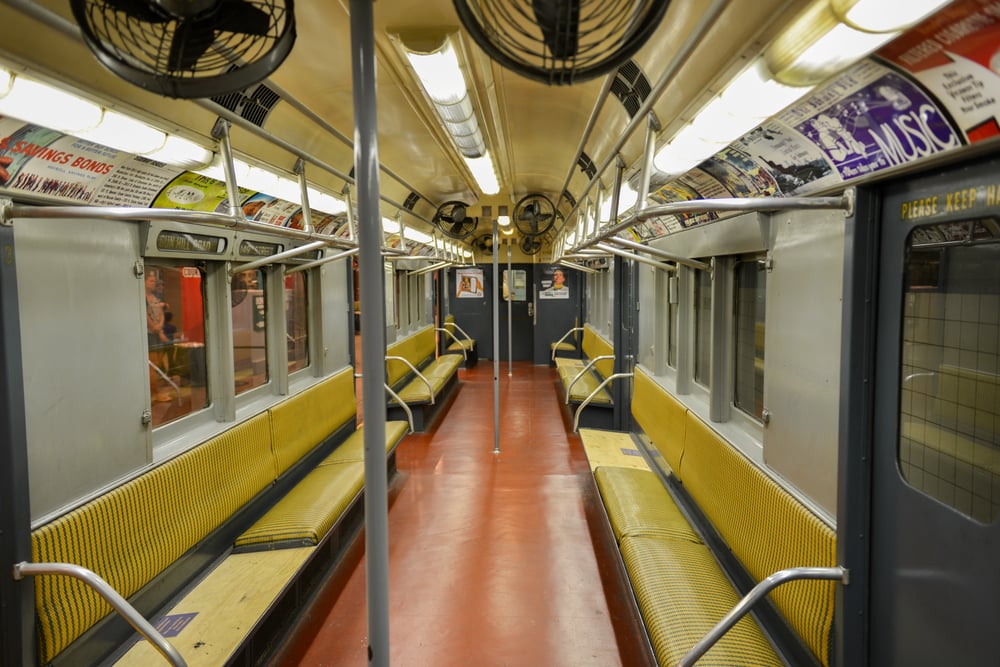
In the early 1900s and again in the 1950s, the subway briefly experimented with women-only cars nicknamed ‘Suffragette Cars’ or ‘Merry Widow Cars.’ These special cars were designed to protect women from harassment during their commutes.
The concept never really caught on permanently, but it shows the subway system was trying different approaches to make travel safer and more comfortable for everyone, decades before anyone talked about modern transit safety initiatives.
Like Go2Tutors’s content? Follow us on MSN.
A 16-Year-Old Successfully Impersonated a Train Conductor

In 1993, teenager Keron Thomas spent months studying MTA manuals and wearing an official motorman shirt while hanging around stations to perfect his act. He then successfully posed as a conductor named ‘Regoberto Sabio’ and operated an A train for over three hours, safely delivering passengers to their destinations.
His scheme only ended when he accidentally triggered an emergency brake on a curve. Thomas was arrested but became something of a folk hero, earning the nickname ‘A Train.’
The Deepest Station is 180 Feet Underground

The 191st Street station on the 1 line in Washington Heights sits a whopping 180 feet below street level, making it the deepest subway station in the system. The station still has full-time elevator operators because elevators are the primary way to reach the platform – imagine walking up and down that many stairs every day.
On the flip side, the Smith-9th Street station in Brooklyn sits 88 feet above street level, making it the highest rapid transit station in the entire world.
Conductors Point at a Striped Board for Safety

Every time a subway train stops, you’ll see the conductor stick their head out the window and point at something. They’re pointing at a black-and-white striped board in the middle of every platform called a ‘zebra board.’
This ensures the train has stopped in exactly the right position and that the conductor is paying attention. In 2013, some clever New Yorkers held up signs next to these boards that read ‘Point here if you are dead gorgeous’ and other funny messages, giving conductors an extra reason to stay alert.
Like Go2Tutors’s content? Follow us on MSN.
Old Subway Cars Became Artificial Reefs

Over 2,000 decommissioned subway cars have been dropped into the Atlantic Ocean off the coasts of New Jersey, Delaware, Maryland, Virginia, and South Carolina to create artificial reefs. The metal cars provide perfect surfaces for marine life to attach and grow, creating underwater ecosystems that benefit both fish and divers.
It’s probably the most environmentally friendly way to retire subway cars, turning urban transportation into ocean habitats.
The System Has Its Own Baseball Team History

The subway once had its own baseball team called the IRT All-Stars, made up of transit workers who played other local teams around 1913. This was back when the Interborough Rapid Transit Company was still a private company running parts of what would become today’s subway system.
Having a company baseball team was pretty common for major employers back then, but it’s wild to think subway workers were forming leagues and playing games in their spare time.
There are Abandoned Platforms You Pass Every Day
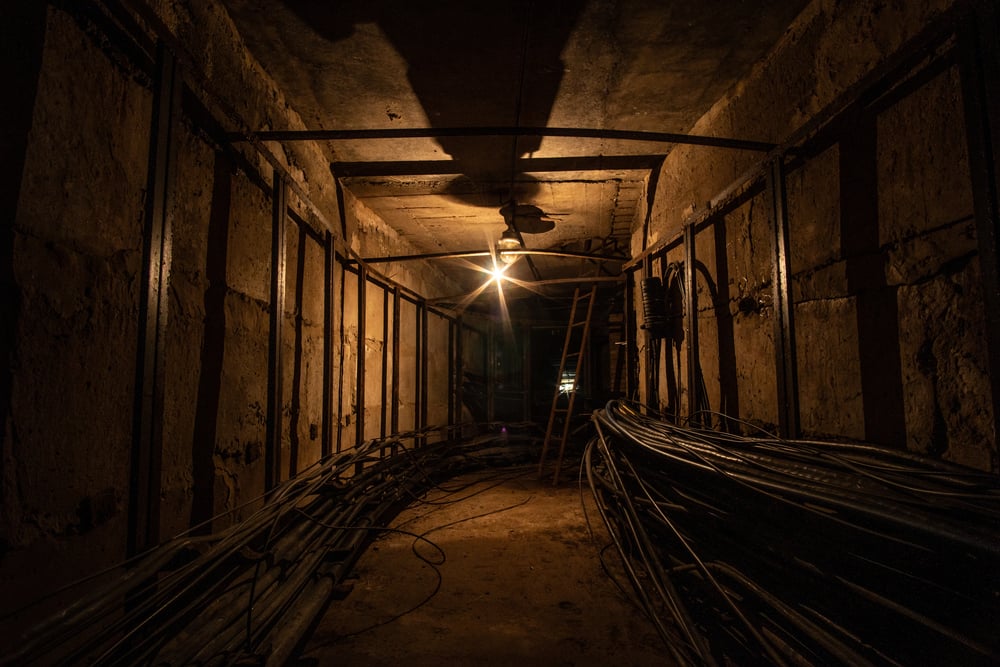
Hidden throughout the subway system are dozens of abandoned platforms and stations that most riders pass without ever noticing. The famous City Hall station from 1904 still sits at the end of the 6 line with its beautiful Guastavino tile work and chandeliers, visible if you stay on the train after the Brooklyn Bridge stop.
There are also abandoned platforms under 42nd Street that once served special Aqueduct Racetrack trains, and partial platforms at stations like Chambers Street that you can glimpse from passing trains.
Like Go2Tutors’s content? Follow us on MSN.
Criminals Used to Suck Tokens Out of Turnstiles

Back when the subway used tokens instead of MetroCards, criminals developed a disgusting but effective theft method. They would jam turnstiles with foreign objects, then use their mouths to suck tokens out of the slots when frustrated passengers tried to pay.
Token booth clerks fought back by sprinkling chili powder and mace into the slots to deter these gross thieves. The token era lasted from 1953 to 2003, when MetroCards finally made this particular crime obsolete.
The System Runs Vintage Holiday Trains

Every year from Thanksgiving to Christmas, the MTA dusts off a collection of subway cars from the 1930s and runs them as special Nostalgia Trains. These vintage cars feature ceiling fans, rattan seats, and old advertisements that transport riders back in time.
Sometimes they also run these classic trains to special events like Yankees season openers or summer trips to Coney Island. You just have to be lucky enough to be in the right station when one arrives.
Track 61 Was FDR’s Secret Presidential Railway

President Franklin D. Roosevelt used Track 61, a covert railroad platform, to move covertly between Grand Central and the Waldorf-Astoria Hotel. Because his armored train car could be moved straight into the hotel’s basement, the private track allowed FDR to conceal his polio paralysis from the public.
Although the track is now totally closed, it is one of the most significant pieces of presidential security infrastructure ever constructed in New York.
Like Go2Tutors’s content? Follow us on MSN.
Artists Created 130 Bronze Sculptures in One Station
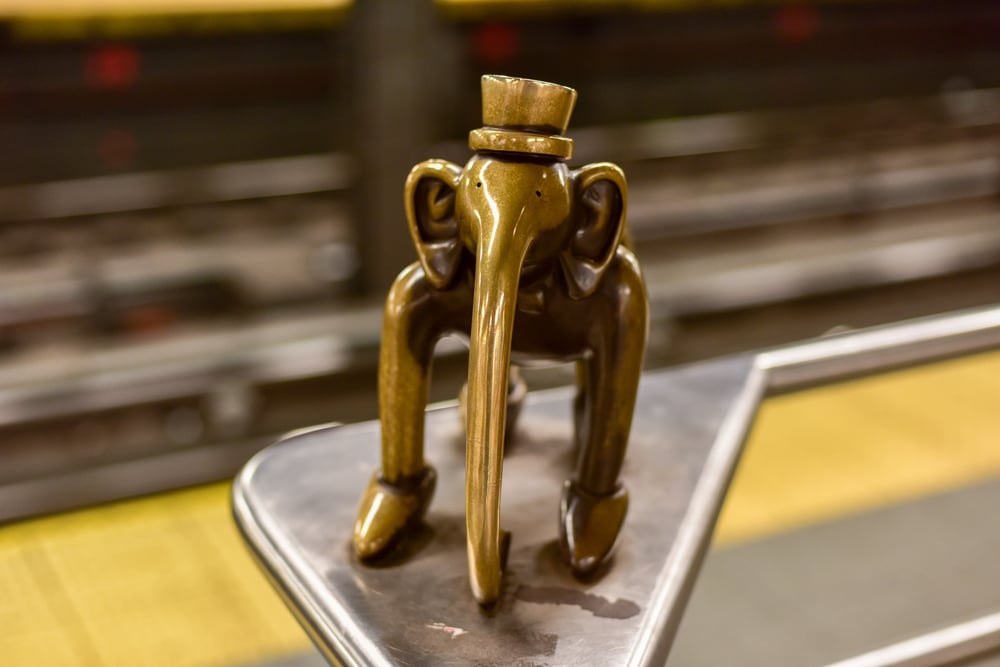
With over 130 bronze sculptures strewn throughout the complex, the 14th Street-8th Avenue station boasts an amazing art installation by Tom Otterness called “Life Underground.” The fanciful pieces feature characters holding money bags, small figures scaling the station’s infrastructure, and alligators emerging from manholes.
The station was effectively transformed into an underground art gallery when Otterness became so enthused about the project that he donated far more sculptures than were initially commissioned.
There’s a Secret Tunnel Network for Emergency Services
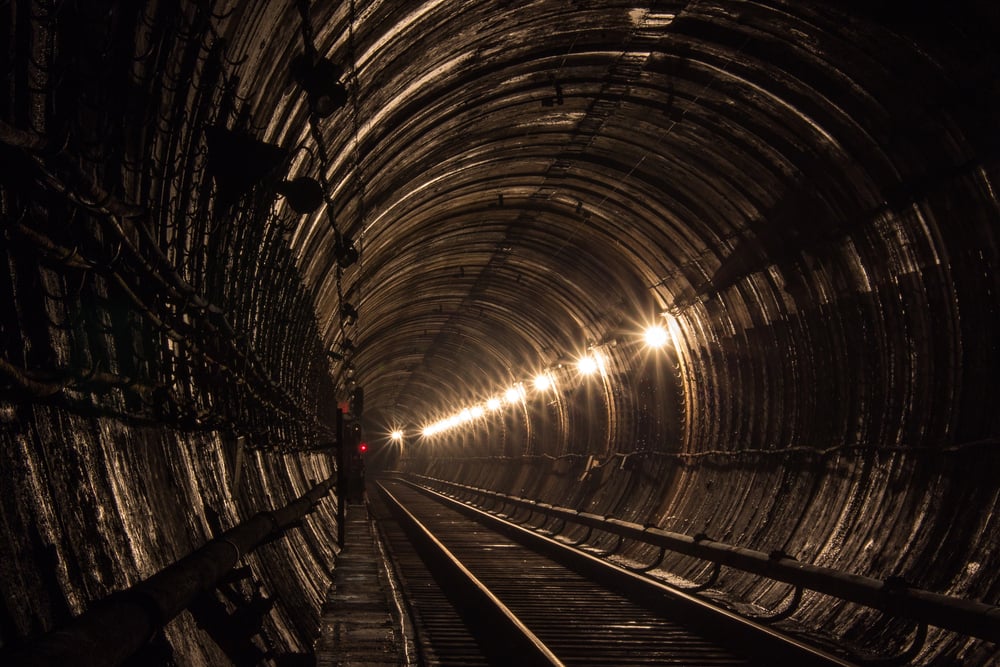
Most New Yorkers are unaware of the vast network of maintenance tunnels, emergency exits, and service passages that extend beyond the standard subway tunnels. Some of these have connections to important structures, such as the underground passage that used to connect the Woolworth Building to City Hall Station or the tunnel that used to run between Penn Station and the New Yorker Hotel.
Specialized spaces like the former MTA Signal Learning School inside the 14th Street station, where employees learned how to maintain the subway’s intricate signal systems, are also part of the tunnel system.
More Than Just a Transit System

The subway isn’t just about getting from point A to point B – it’s a complex ecosystem that includes everything from underground art galleries to wildlife habitats made from old trains. The system employs artists, maintains vintage equipment for special occasions, and continues to evolve with new technology while preserving its incredible history.
Next time you’re stuck on a delayed train, remember that you’re riding through one of the most fascinating and complex transportation networks ever built, full of secrets that even lifelong New Yorkers are still discovering.
More from Go2Tutors!

- 16 Historical Figures Who Were Nothing Like You Think
- 12 Things Sold in the 80s That Are Now Illegal
- 15 VHS Tapes That Could Be Worth Thousands
- 17 Historical “What Ifs” That Would Have Changed Everything
- 18 TV Shows That Vanished Without a Finale
Like Go2Tutors’s content? Follow us on MSN.