30 Toys Kids Played With Before Video Games
Before Pong arrived in 1972 and home consoles moved into living rooms, kids filled their days with toys that needed no batteries, no screens and often no instructions. A spring, a lump of putty or a box of wooden logs could carry an afternoon.
Many of those toys came from basements, garages and kitchen tables, invented by engineers, teachers and parents who stumbled onto something by accident. Some are still sold today, nearly unchanged.
The Slinky and a Falling Spring
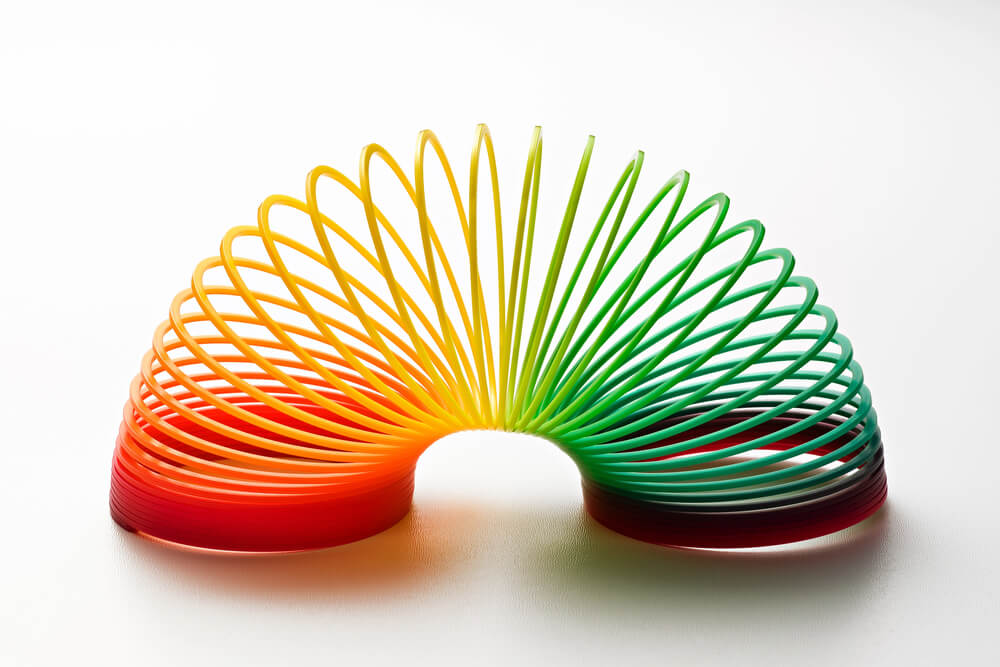
Richard James, a naval engineer in Philadelphia, was working with tension springs in 1943 when one fell off a shelf and kept moving in a series of arcs. His wife, Betty, found the name Slinky in a dictionary, and the couple demonstrated the toy at Gimbels department store in 1945, where the first batch reportedly sold out within about 90 minutes.
Kids sent Slinkys walking down staircases and stretched them between rooms until they tangled hopelessly. The toy cost about a dollar at launch.
It has since sold hundreds of millions of units worldwide.
Etch A Sketch and Its Aluminum Powder
Etch A Sketch began as L’Ecran Magique, invented by French electrician Andre Cassagnes, and the Ohio Art Company introduced it in the United States in 1960. Two knobs moved a stylus that scraped aluminum powder from the back of a glass screen, leaving dark lines behind.
Drawing a curve or a diagonal took real skill, so most kids made staircases and boxes. Shaking the toy upside down erased everything, which made it a lesson in letting go.
Some artists have since created astonishing detailed drawings on the red-framed screen.
Lincoln Logs From a Frank Lloyd Wright Son
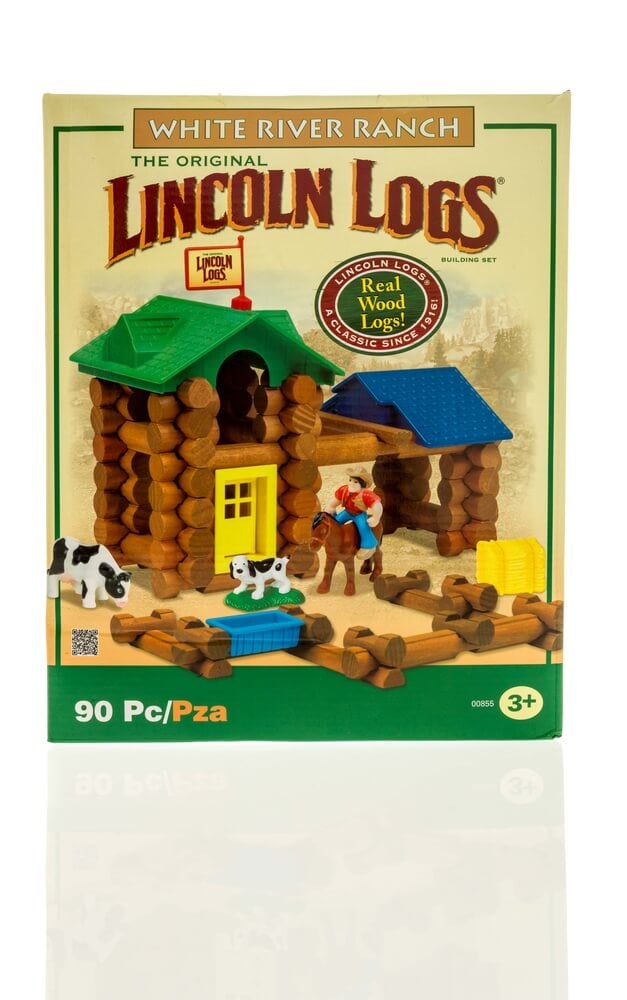
John Lloyd Wright, son of architect Frank Lloyd Wright, invented Lincoln Logs around 1916 after seeing the interlocking timber foundation his father designed for the Imperial Hotel in Tokyo, built to withstand earthquakes. The notched wooden logs let kids build cabins, forts and barns topped with green roof slats.
The name honored Abraham Lincoln, whose log cabin childhood was a national legend. The sets came in cardboard tubes that doubled as storage, and the logs survived years of rough play.
Lincoln Logs were inducted into the National Toy Hall of Fame in 1999.
Tinkertoy and the Pencils and Spools
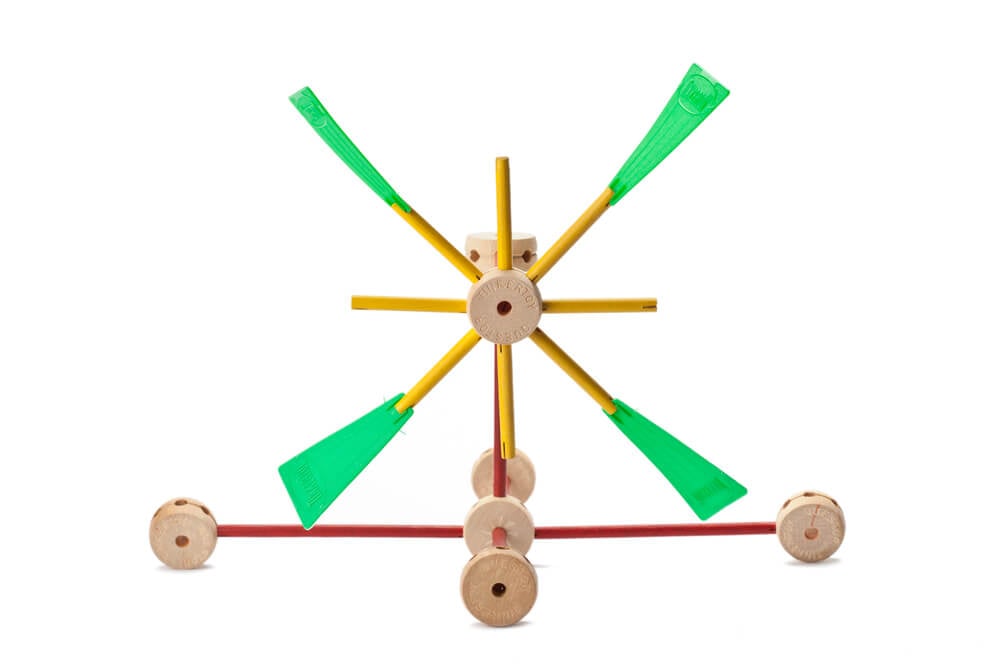
Charles Pajeau, a stonemason in Evanston, Illinois, created Tinkertoy around 1914 after watching children play with pencils, sticks and empty thread spools. The set included wooden spools with drilled openings and sticks of different lengths, packed in a round cardboard tube.
Kids built windmills, towers and strange creatures that rarely held together for long. Pajeau promoted the toy by having people dressed as elves assemble sets in store windows during the holidays.
Tinkertoy became a staple of American playrooms for decades and was eventually adapted to plastic.
A.C. Gilbert’s Erector Set
A.C. Gilbert, an Olympic pole vault champion from 1908, introduced the Erector Set in 1913 after watching workers install steel girders on the New Haven Railroad. The sets came with metal beams, nuts, bolts, gears and pulleys, and some later sets added small electric motors.
Kids built bridges, cranes, Ferris wheels and robots, learning basic engineering along the way. Gilbert marketed the toy as a way to raise future engineers.
Vintage sets in original metal or wooden boxes are collectible, with value depending on completeness and rust.
View-Master Reels
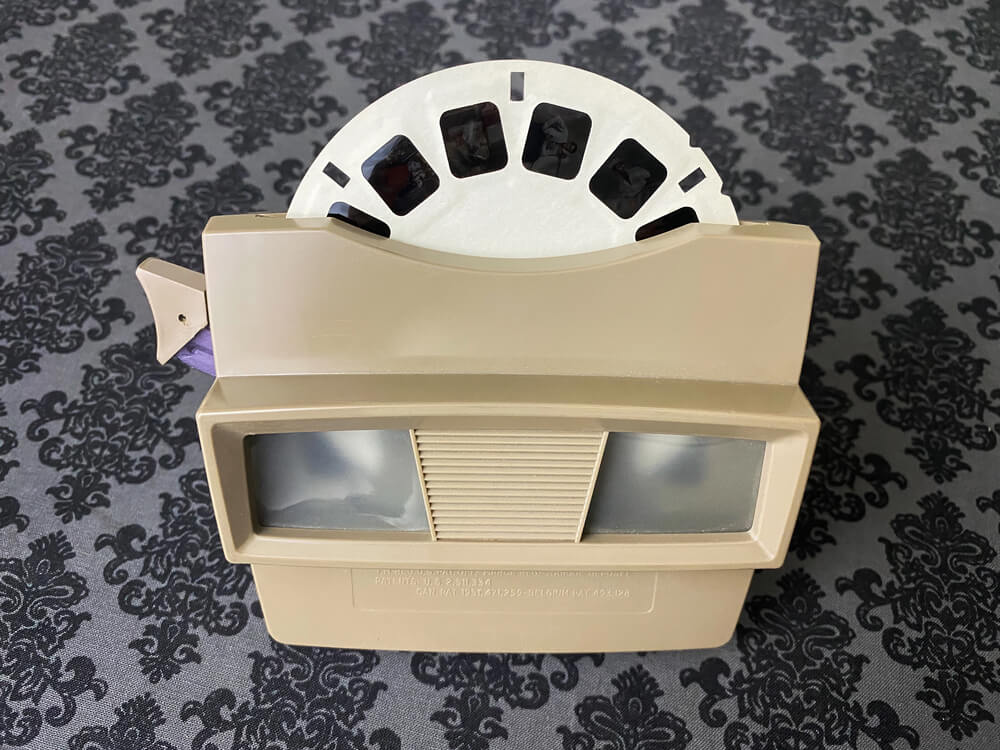
View-Master debuted at the 1939 New York World’s Fair, created by Sawyer’s company in Portland, Oregon, with the help of inventor William Gruber. The handheld viewer showed stereo photographs mounted on circular paper reels, creating a three-dimensional image as kids pressed the lever to advance.
The first reels showed scenic places such as the Grand Canyon and Carlsbad Caverns. Later reels featured cartoons, television shows and movies.
Many families kept stacks of reels in shoeboxes for decades, and the toy remains in production with only modest changes.
Radio Flyer’s Red Wagon
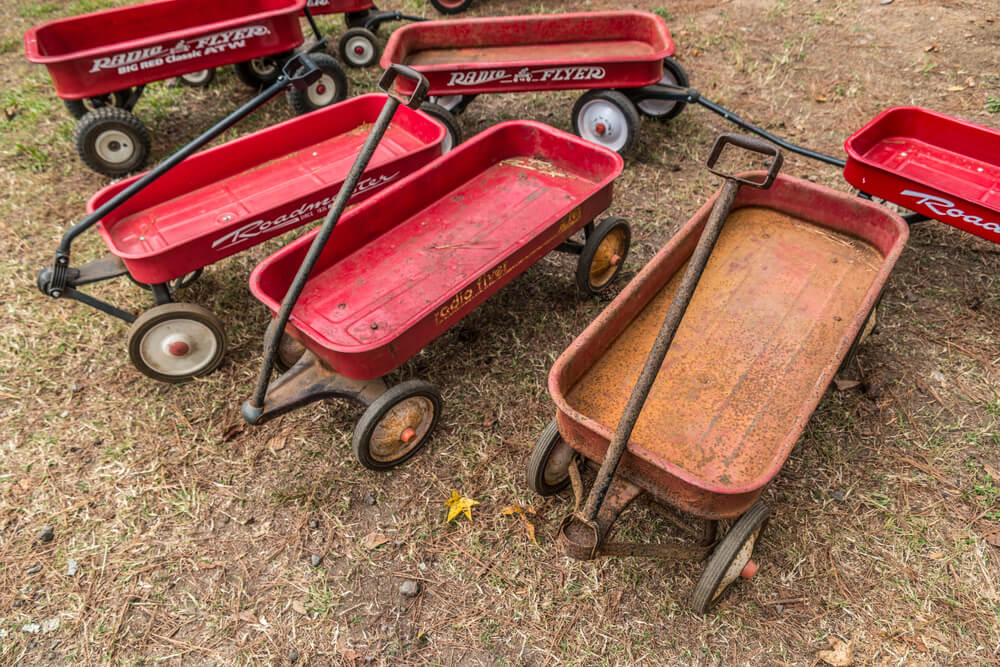
Antonio Pasin, an Italian immigrant cabinetmaker in Chicago, built wooden wagons beginning in 1917, and he named his famous red steel wagon Radio Flyer around 1930 in honor of radio and flight, two marvels of the day. At the 1933 Chicago World’s Fair, he displayed a giant wagon with a figure of a boy riding it.
Kids used the wagons to haul siblings, toys, groceries and newspapers. The red wagon became a symbol of American childhood.
Radio Flyer is still family-run and still makes red wagons.
Raggedy Ann
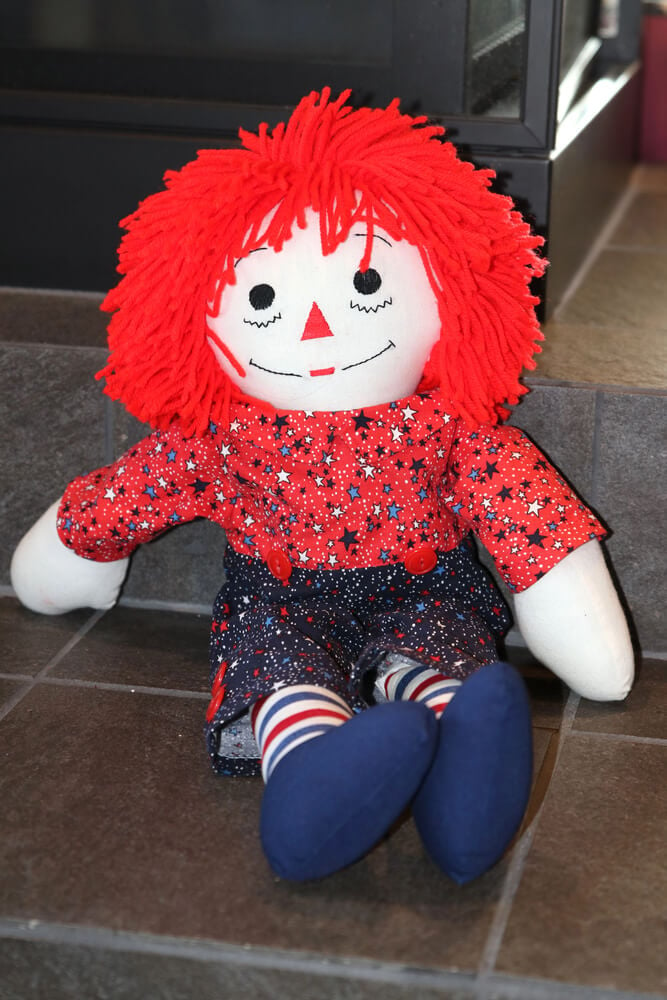
Johnny Gruelle, an illustrator and writer, patented the Raggedy Ann doll in 1915, and his book Raggedy Ann Stories followed in 1918. The cloth doll had red yarn hair, a triangle nose and, on early versions, a small candy heart tucked inside her cloth body.
Gruelle was inspired in part by his daughter Marcella, who died young and whom the stories helped memorialize. The dolls were soft, durable and easy to make at home, and many mothers sewed their own versions.
Raggedy Ann and her brother Andy remain symbols of handmade childhood comfort.
The Teddy Bear and a President’s Hunt
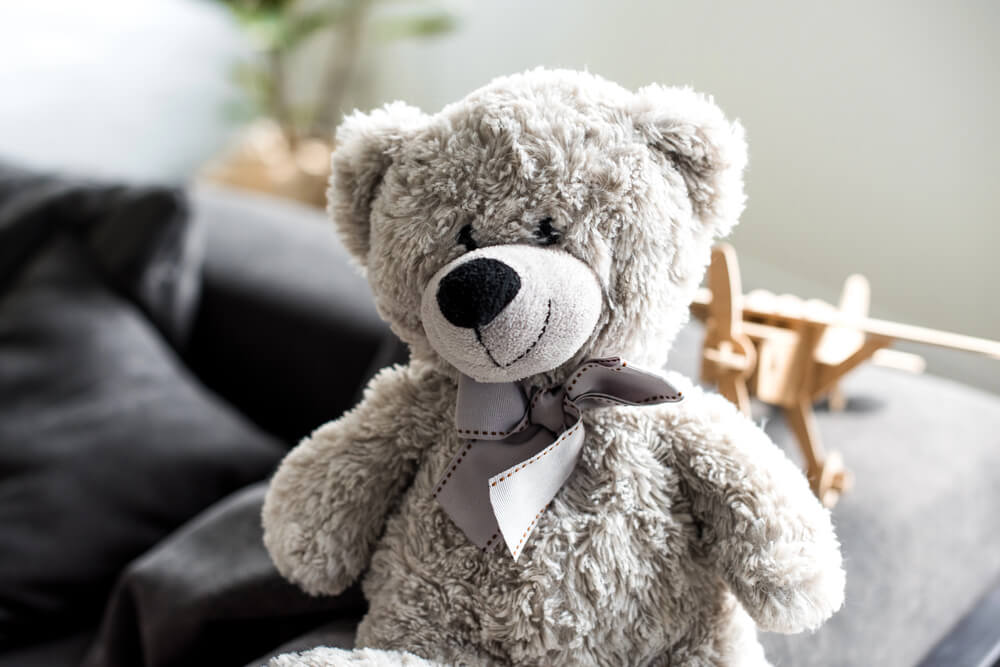
The teddy bear got its name after President Theodore Roosevelt refused to shoot a captive bear during a 1902 hunting trip in Mississippi. A newspaper cartoon about the event inspired Brooklyn shopkeeper Morris Michtom to create a stuffed bear he called Teddy’s Bear.
Around the same time, the German toy company Steiff produced its own jointed bears. The craze swept both countries.
Teddy bears have remained one of the most popular toys in the world, and early Steiff bears in good condition sell for large sums.
Mr. Potato Head and the First TV Toy Ad
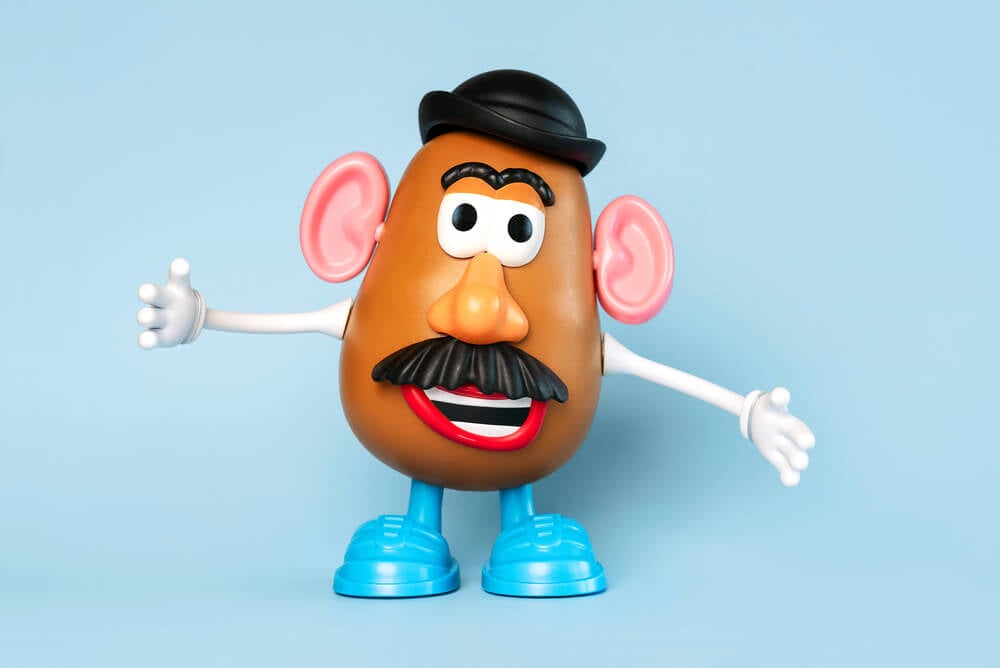
George Lerner invented Mr. Potato Head, and Hasbro introduced it in 1952 as a set of plastic parts meant to be pushed into a real potato. It became the first toy advertised on television, and sales took off quickly.
Kids used real potatoes, which often shriveled or rotted in toy boxes until parents complained. Hasbro added a plastic potato body in 1964, partly for safety reasons.
The toy gained new fame decades later through the Toy Story films, and it still sits on toy shelves today in a dozen variations.
Barbie at the 1959 Toy Fair
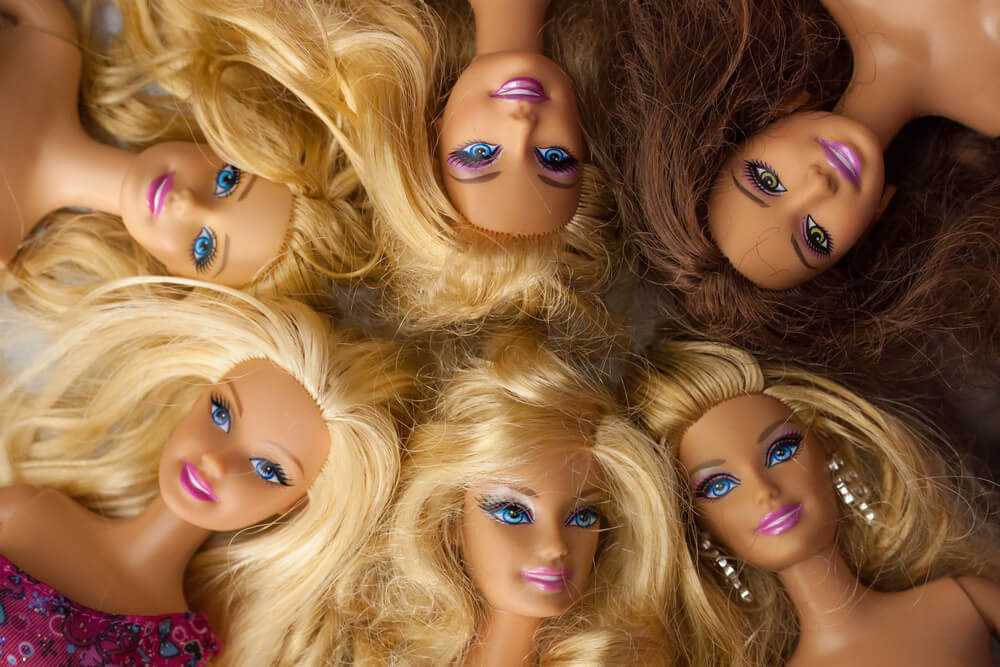
Ruth Handler, cofounder of Mattel, introduced Barbie at the American International Toy Fair in New York on March 9, 1959. She named the doll after her daughter, Barbara, and created an adult fashion doll at a time when most dolls were babies.
The first Barbie wore a black and white striped swimsuit and sold for about 3 dollars. Kids built entire worlds around her clothing, careers and dream houses.
Barbie has since appeared in hundreds of careers and remains one of the best-selling dolls in history.
GI Joe Becomes the First Action Figure
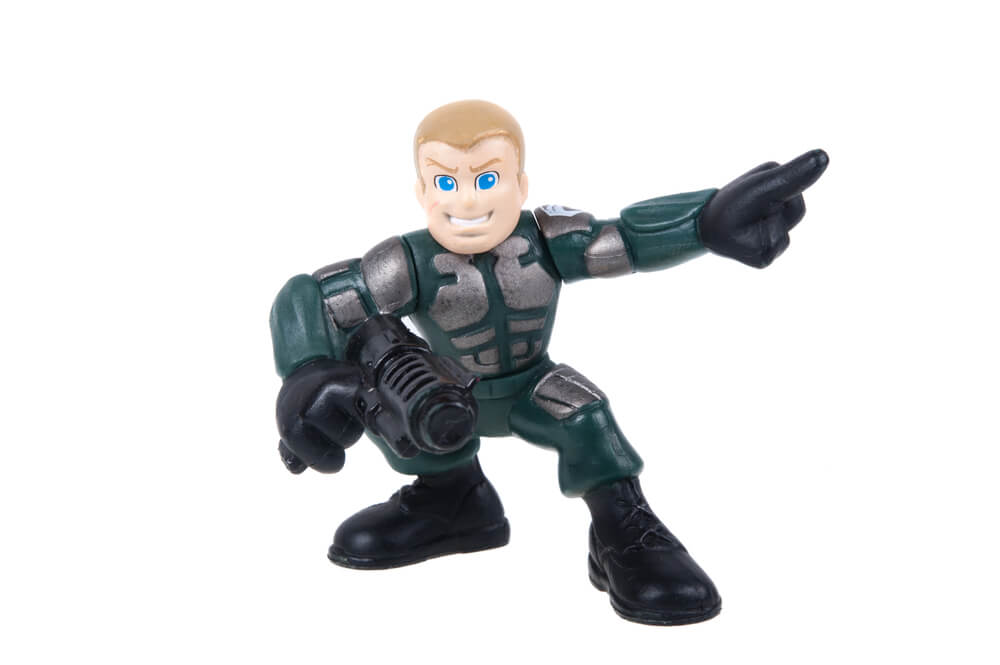
Hasbro introduced GI Joe in 1964, a 12-inch poseable military figure with movable joints, a scar on his cheek and uniforms for each branch of the armed forces. Hasbro avoided the word doll and called him an action figure, coining a term that has defined a corner of the toy industry ever since.
Kids played out battles in backyards and sandboxes. The line shifted toward adventure themes in the 1970s as the Vietnam War made military toys less popular.
Vintage figures with original clothing and accessories now draw serious collector interest, especially in good condition.
Easy-Bake Oven and Its Light Bulb
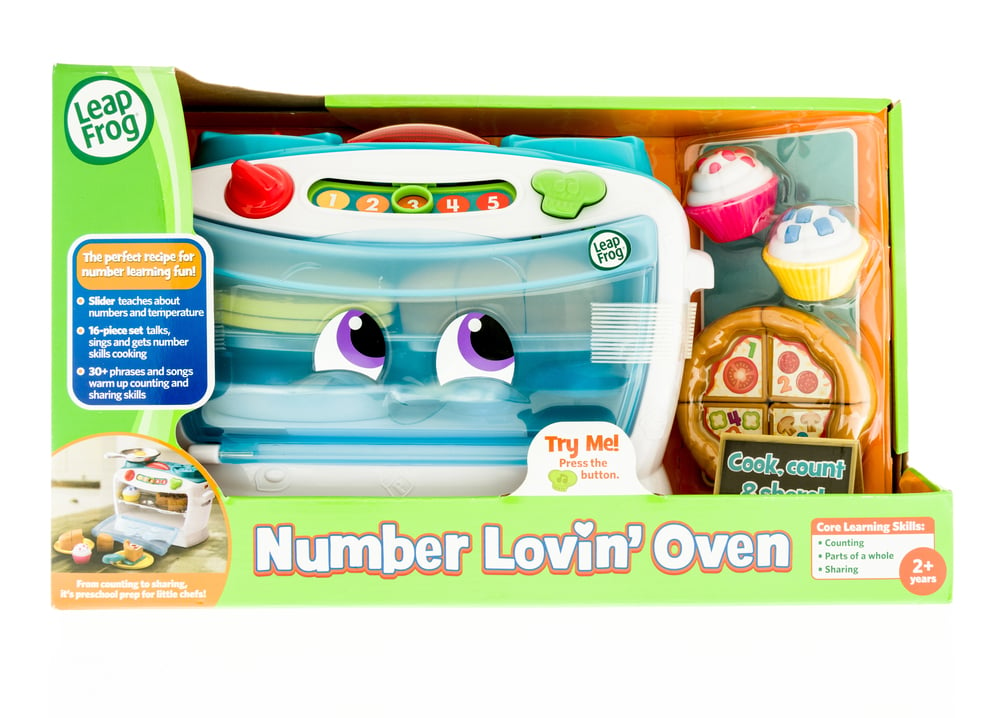
Kenner introduced the Easy-Bake Oven in 1963, a toy oven heated by an ordinary incandescent light bulb that baked tiny cakes in small metal pans. Kids mixed packets of cake mix with water, slid the pan in and waited impatiently for the bulb to do its work.
The oven reportedly sold about half a million units in its first year. Later versions replaced the bulb with a heating element as incandescent bulbs were phased out.
The toy introduced generations of kids to baking, and plenty of parents ate small, slightly gummy cakes with a straight face.
Lego Bricks and the 1958 Patent
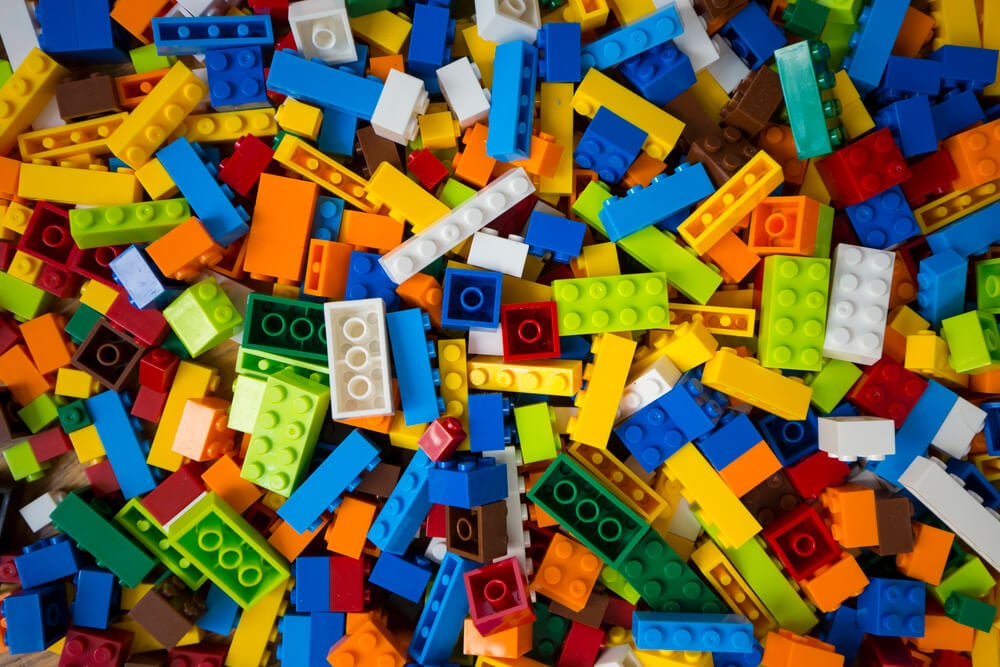
The Lego Group was founded in Denmark by carpenter Ole Kirk Christiansen, who took the company name from the Danish words leg godt, meaning play well. The company made wooden toys first, then plastic bricks.
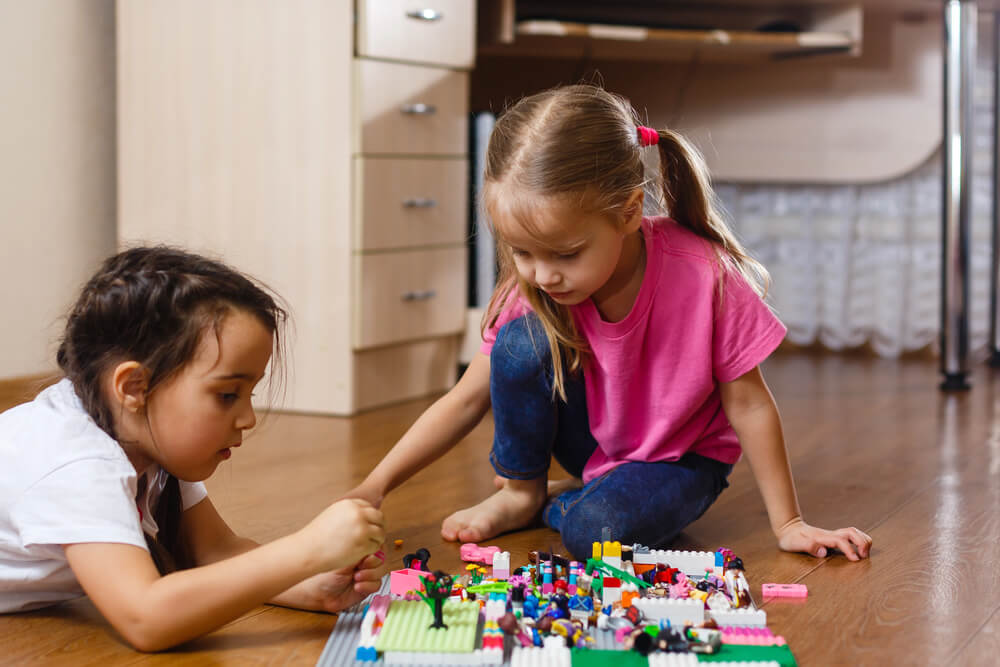
The modern stud-and-tube brick was patented in 1958, giving Lego pieces the clutch power that holds them together without glue. Kids built houses, vehicles and anything else they could imagine, usually from a mixed tub of colors.
Themed sets with instructions came later. Bricks made in 1958 still fit perfectly with bricks made today.
Play-Doh From Wallpaper Cleaner
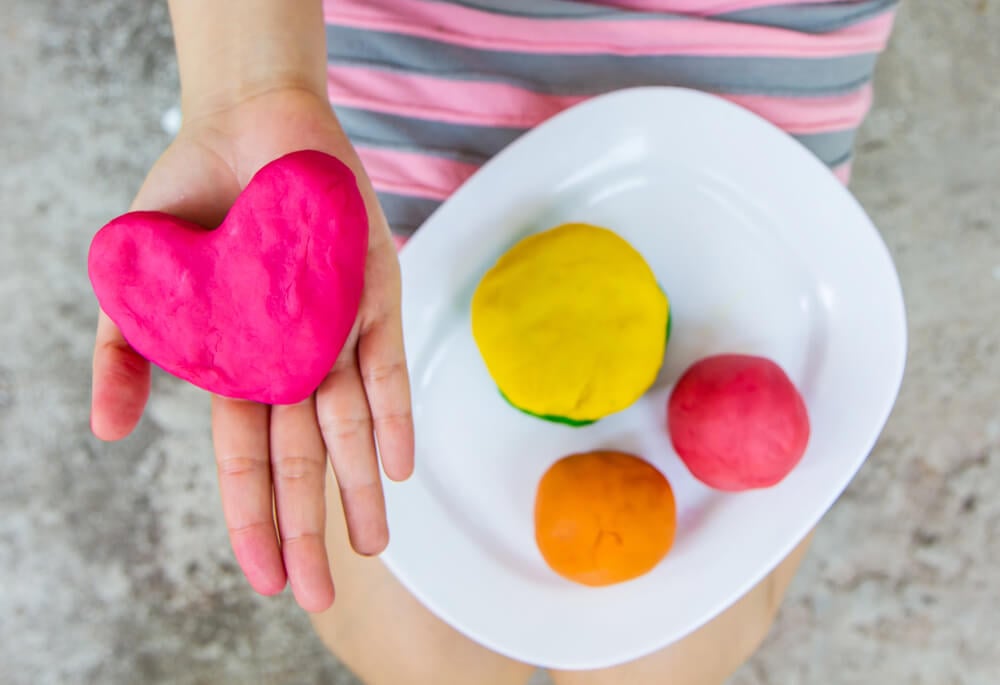
Play-Doh began as a wallpaper cleaner made by Kutol Products in Cincinnati. When demand for wallpaper cleaner fell as homes switched to coal-free heating and vinyl wallpaper, Joe McVicker and his sister-in-law, Kay Zufall, a nursery school teacher, realized it could be sold as a modeling compound for kids.
Play-Doh reached schools in 1956 and toy stores soon after. Kids squished, rolled and molded it into animals, food and snakes, then mixed every color into brown.
Its distinctive smell is so famous that Hasbro trademarked the scent in 2018.
Frisbee and the Pie Tins
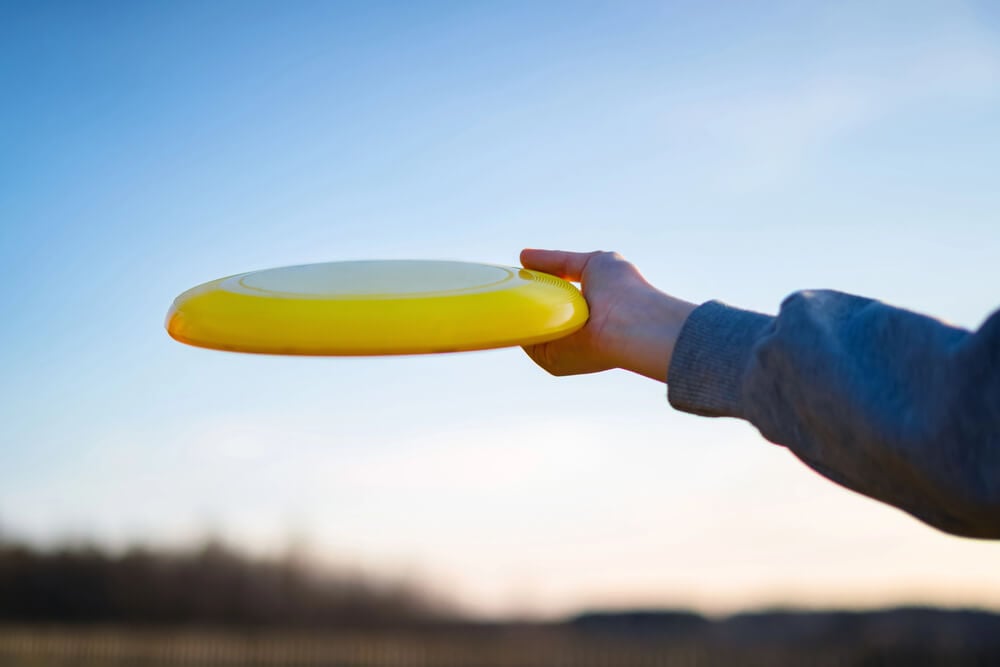
Fred Morrison designed a plastic flying disc called the Pluto Platter, and Wham-O began selling it in 1957. The company renamed it the Frisbee in 1958 after hearing that college students in New England tossed empty pie tins from the Frisbie Pie Company in Bridgeport, Connecticut.
Kids and adults threw the discs in parks, yards and beaches, and dogs joined in. The disc eventually spawned organized sports such as Ultimate and disc golf.
Frisbee remains one of the best-known toy names in the world, often used for any flying disc.
Hula Hoop Fever in 1958

Wham-O introduced its plastic Hula Hoop in 1958, inspired by bamboo hoops used for exercise in Australia. The toy became a nationwide craze, with sales reported in the tens of millions within months.
Kids competed to see who could keep a hoop spinning the longest, and some learned to spin several at once around waists, arms and necks. The fad faded almost as fast as it arrived, leaving warehouses full of unsold hoops.
The hoop never disappeared, though, and Hula Hoops are still sold in bright colors at toy stores and pharmacies.
Duncan Yo-Yos
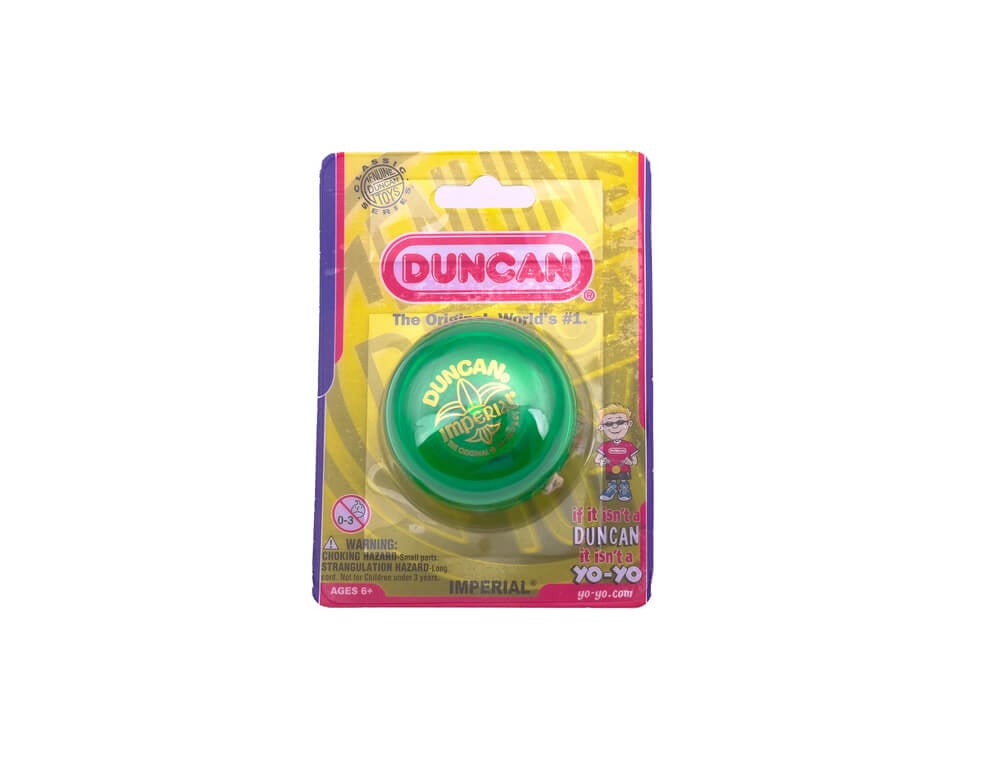
Yo-yos have ancient roots, but the modern American craze began in California, where Filipino immigrant Pedro Flores made them in the late 1920s. Donald F. Duncan bought Flores’s company around 1930 and turned the yo-yo into a national phenomenon.
Duncan hired demonstrators to perform tricks such as walking the dog and around the world in front of stores and schools, and he held contests that drew big crowds. Kids practiced for hours to master new tricks and showed them off at recess.
Duncan yo-yos remain in production today.
Silly Putty From a Wartime Lab
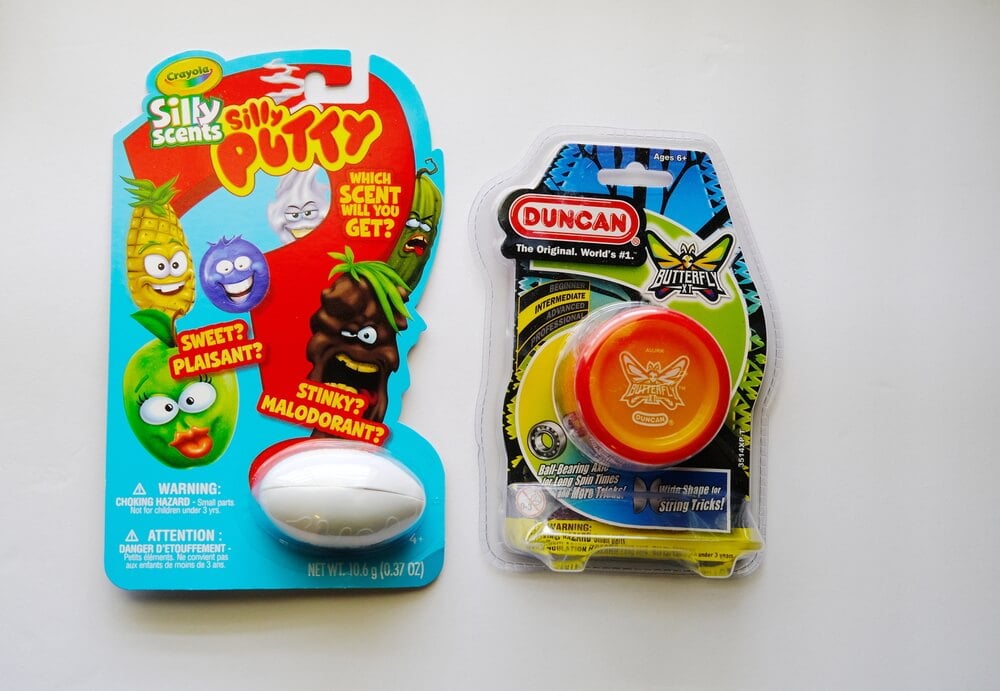
Silly Putty came from a failed attempt to make synthetic rubber during World War II, when General Electric scientists created a bouncy, stretchy silicone compound with no obvious use. Marketing consultant Peter Hodgson packaged it in plastic eggs and sold it as a toy beginning in 1950.
Kids stretched it, bounced it and pressed it onto newspaper comics to lift the printed images. Astronauts aboard Apollo 8 in 1968 reportedly used it to hold tools in place in zero gravity.
It remains a classic toy, still sold in the same plastic eggs.
Spirograph and Its Geared Wheels
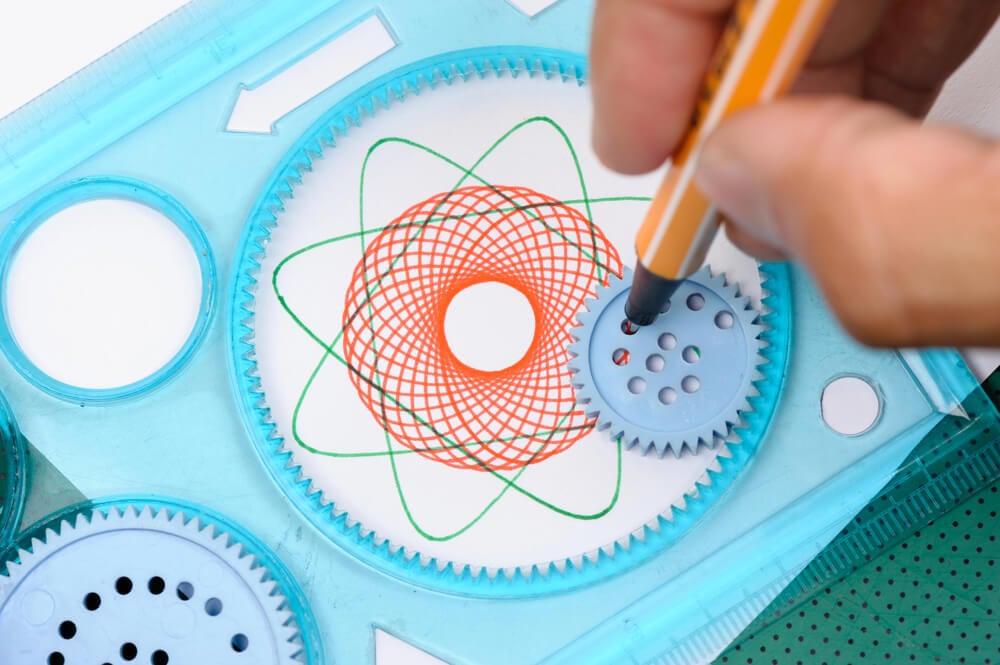
British engineer Denys Fisher invented Spirograph in the mid-1960s, a set of plastic gears and rings that guided a pen into intricate looping patterns. Kenner brought it to the United States in 1966, and it became a Christmas favorite.
Kids pinned rings to paper and spun gears inside them, creating flowers, spirals and geometric designs in several colors. One slip of the pen ruined the pattern, which taught patience the hard way.
Spirograph sets are still sold today and still produce the same mesmerizing results that captivated kids decades ago.
Lite-Brite and Its Glowing Pegs
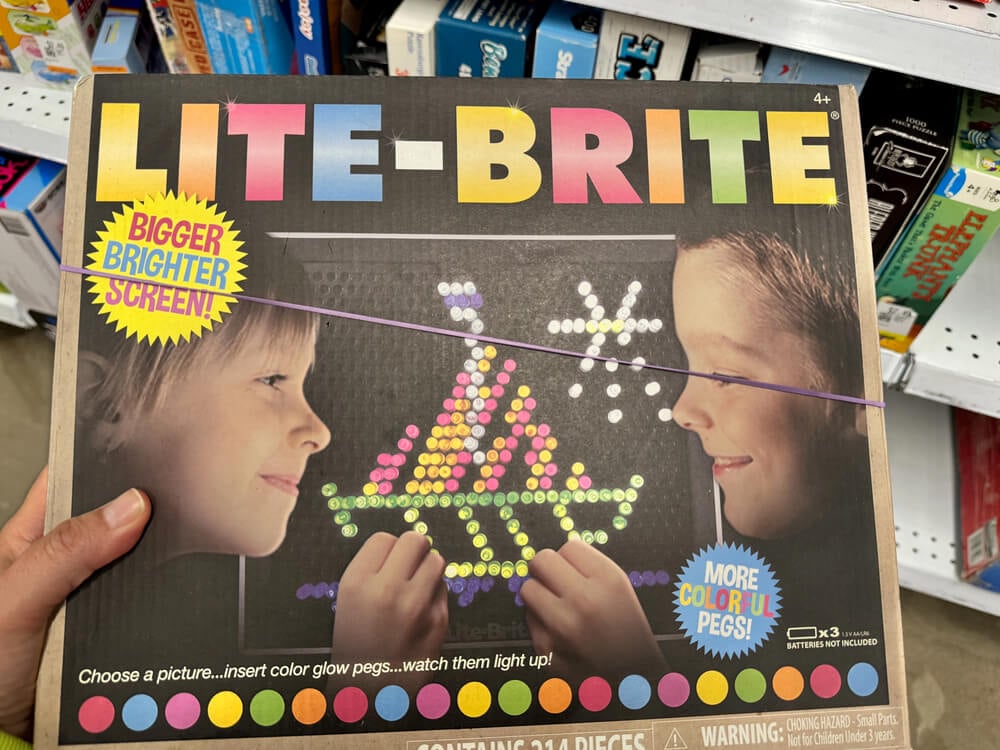
Hasbro introduced Lite-Brite in 1967, a light box with a black panel and small colored plastic pegs that glowed when pushed through paper templates. Kids created glowing pictures of animals, clowns, flowers and spaceships, following the printed colors or inventing their own.
The tiny pegs often ended up scattered across bedroom floors and inside vacuum cleaners. Lite-Brite was a nighttime favorite, since the colors looked brightest in a dark room.
It remains in production, and many adults still remember the jingle about making things with light.
Matchbox Cars That Fit in a Matchbox
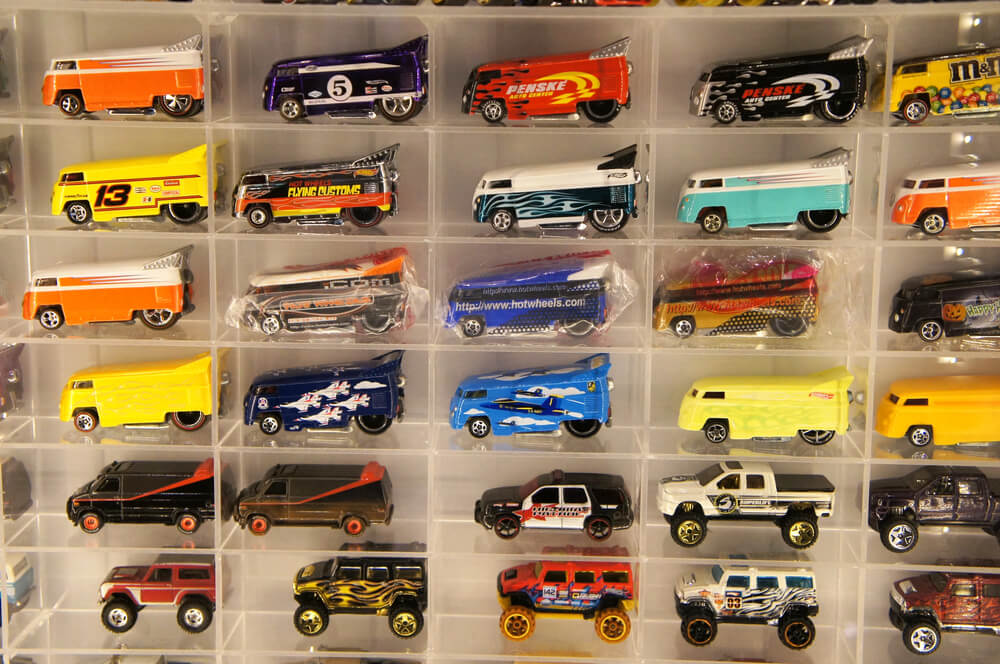
Lesney Products in England launched Matchbox cars in 1953 after engineer Jack Odell built a tiny brass car for his daughter, whose school only allowed toys small enough to fit inside a matchbox. The small die-cast vehicles came packed in boxes designed to look like matchboxes.
Kids collected them by the dozen and raced them across floors, sandboxes and kitchen tables. Matchbox became one of the best-selling toy brands in the world.
Early boxed examples are now collectible, and crisp boxes and unchipped paint make the biggest difference in price.
Hot Wheels and the Orange Track
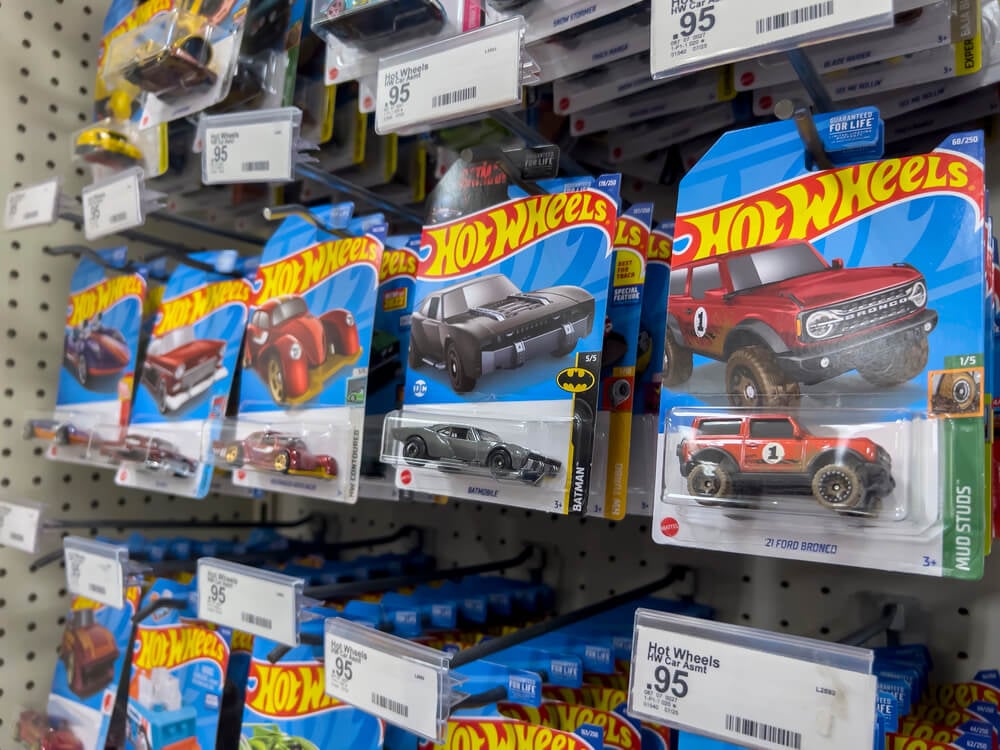
Mattel introduced Hot Wheels in 1968, led by cofounder Elliot Handler, who wanted die-cast cars that looked and moved faster than the competition. The first 16 cars, known to collectors as the Sweet Sixteen, featured low-friction wheels and bright metallic paint.
Kids raced them down orange plastic track looped through living rooms and down staircases. Hot Wheels quickly rivaled Matchbox in popularity and pushed the older brand to speed up its own cars.
Early cars with redline tires are now highly collectible, with paint wear and missing parts lowering value.
Lionel Electric Trains
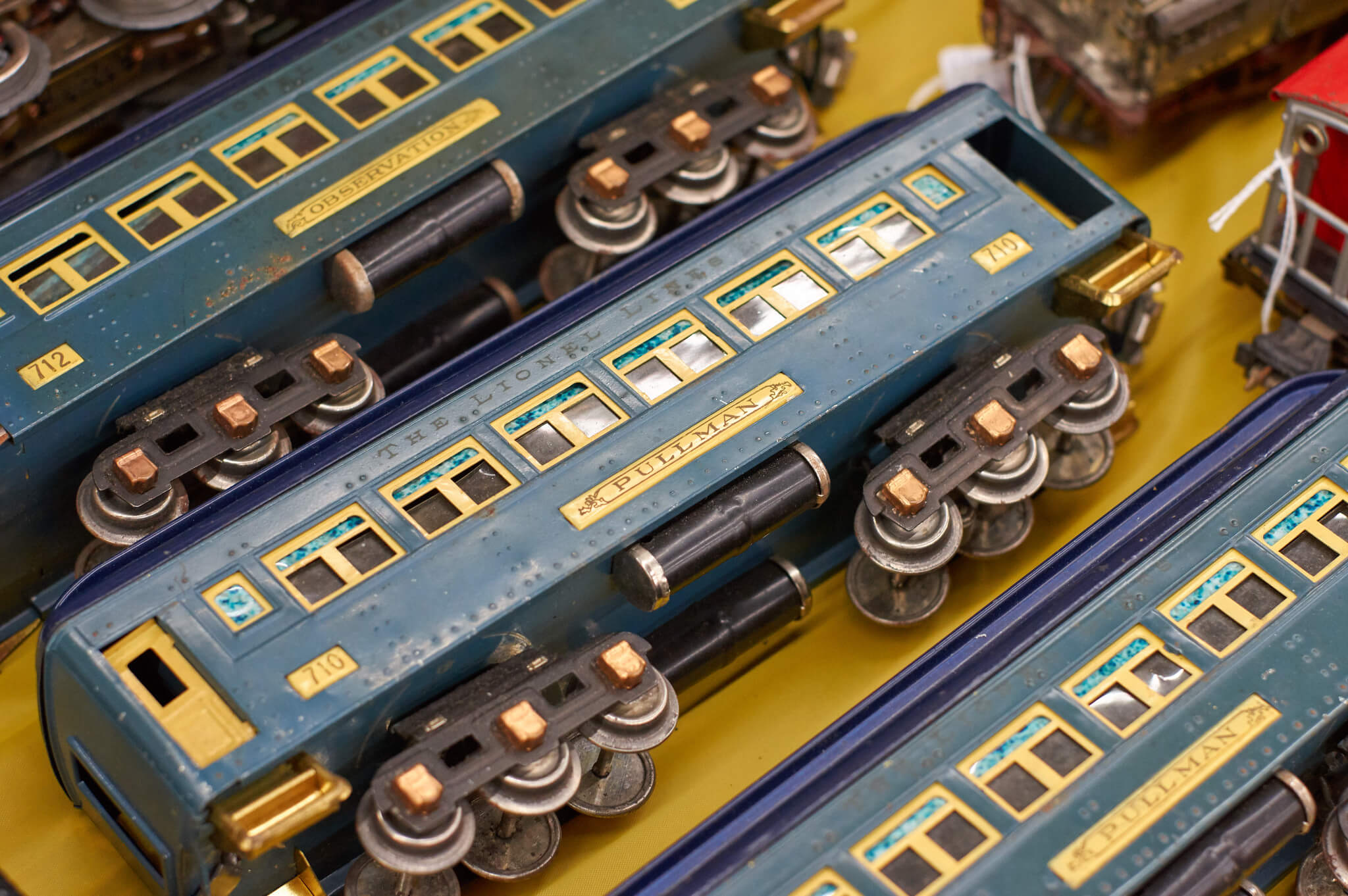
Joshua Lionel Cowen founded Lionel in 1900 and sold his first electric train as a store window display meant to attract shoppers to other merchandise. Customers wanted the display trains instead, and the company grew into the leading American toy train maker.
Lionel trains became Christmas traditions, circling trees in living rooms across the country. Fathers and kids built elaborate layouts in basements, complete with tunnels, villages and crossing gates.
Vintage Lionel sets in good condition remain highly collectible, with original boxes and working motors adding real value.
Creepy Crawlers and the Thingmaker
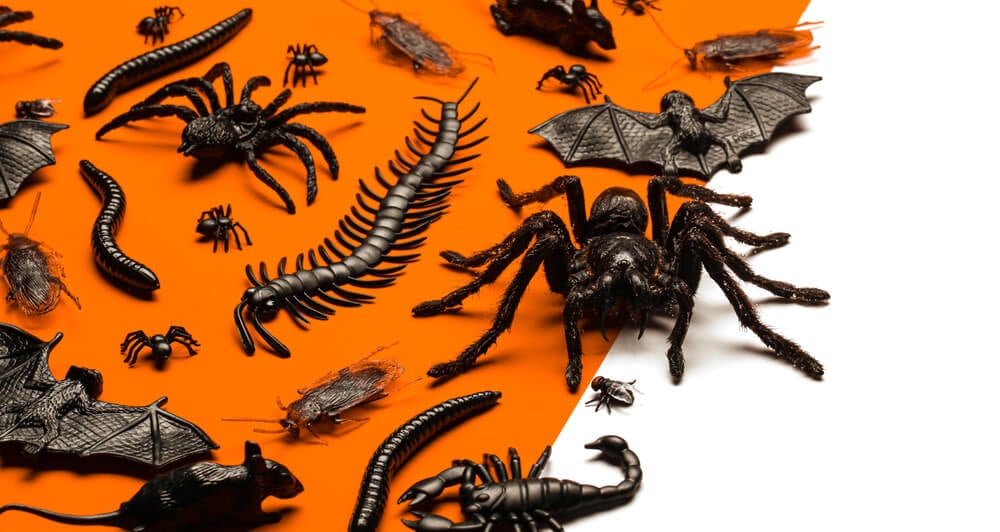
Mattel introduced the Thingmaker in 1964, a hot plate that baked liquid Plastigoop in metal molds to create rubbery bugs, spiders and worms called Creepy Crawlers. Kids poured the goop, heated the molds and peeled out their creations once they cooled.
The hot metal plates reached temperatures that would never pass modern safety standards, and burned fingertips were common. Creepy Crawlers were a hit with kids who loved gross things and the chance to scare siblings.
The toy has since been revived in safer versions with lower heat.
Big Wheel Tricycles on the Driveway
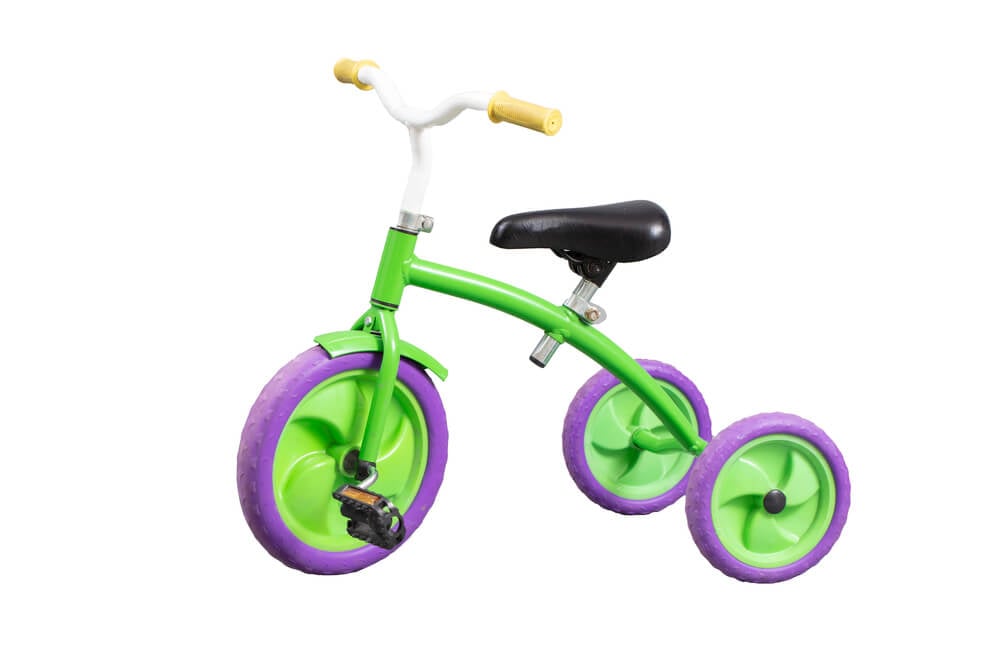
Louis Marx and Company introduced the Big Wheel in 1969, a low-slung plastic tricycle with an oversized front wheel. Kids raced them down sidewalks and driveways, spinning out with sharp turns and grinding the hard plastic wheels until they wore thin.
The rumbling noise on concrete was impossible to miss from inside a house. Big Wheels became a fixture of suburban childhood in the 1970s and were sturdy enough to pass between siblings.
Original models with faded plastic still turn up at yard sales, usually priced as nostalgia rather than collectibles.
Weebles That Wobble
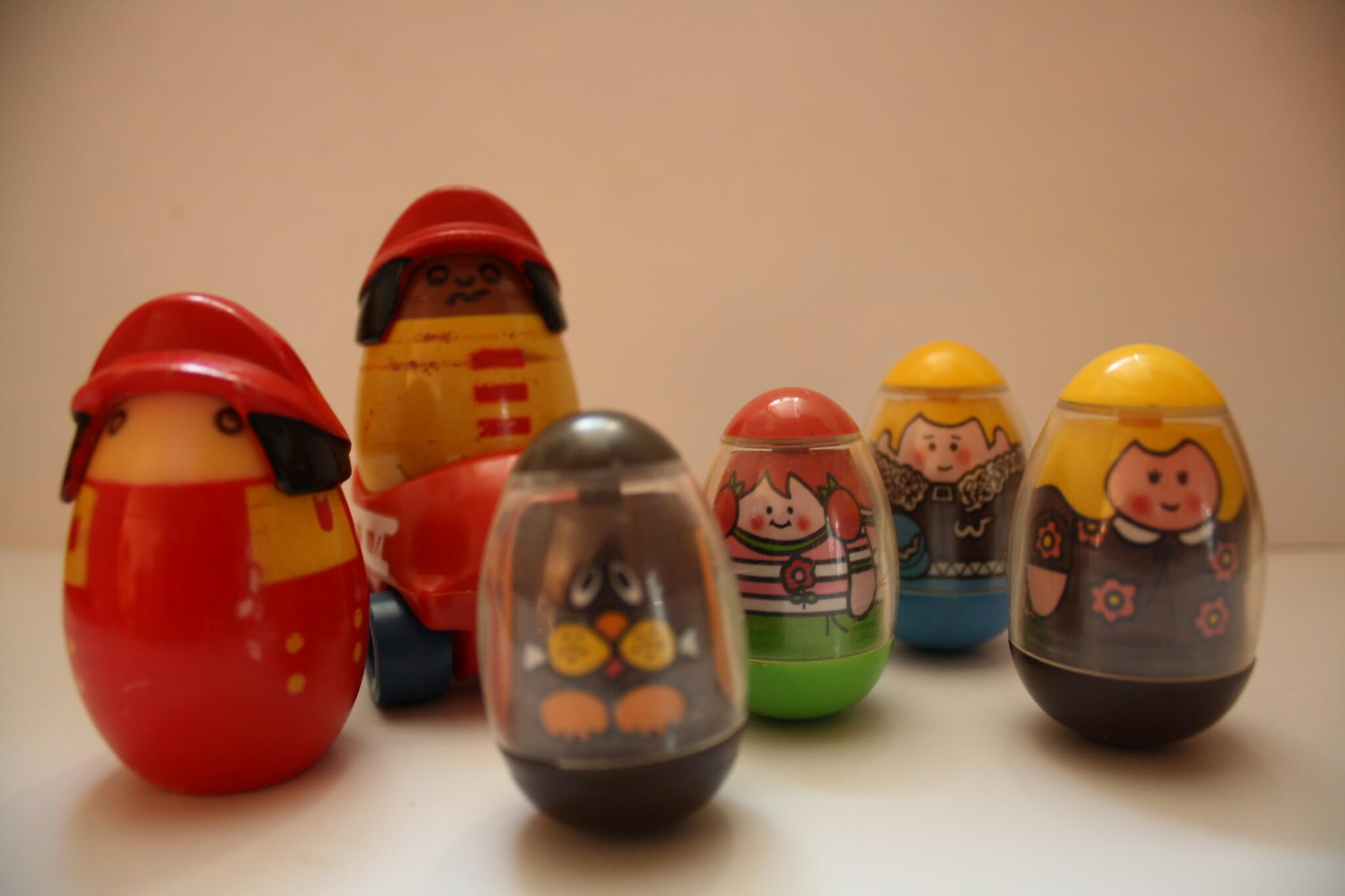
Hasbro introduced Weebles in 1971, egg-shaped figures weighted at the bottom so they always returned upright when pushed. The famous slogan promised that Weebles wobble but they never fall down, a line many adults can still recite.
Toddlers pushed them over again and again to watch them bounce back, laughing every single time. The toys came with playsets including houses, treehouses and a haunted house.
Weebles remain a favorite for very young kids, and the simple physics behind them still delights children who have never heard the slogan.
Marbles and Keepsies
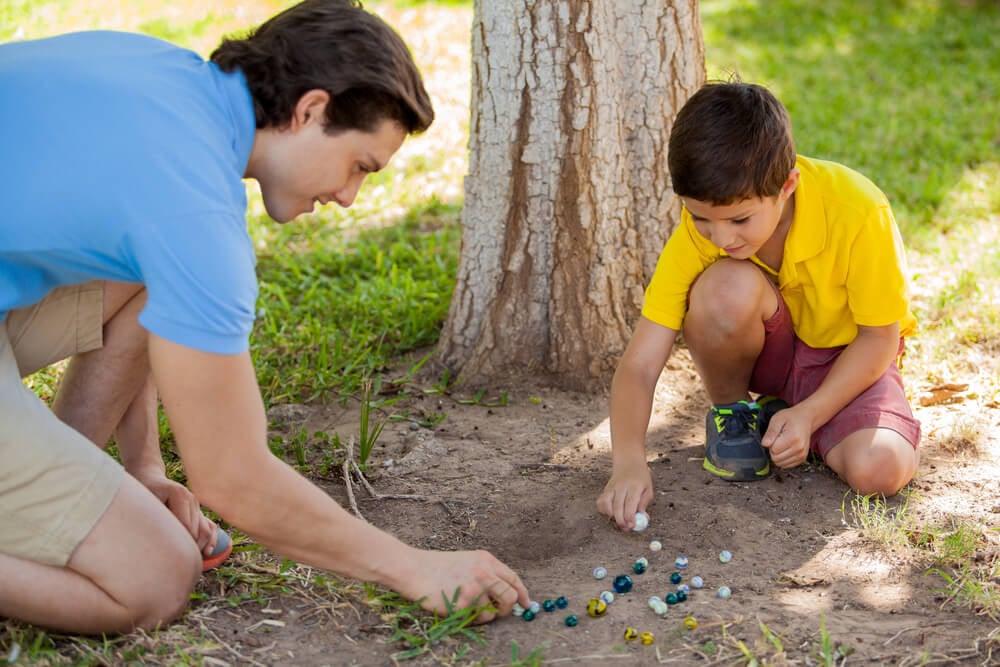
Marbles are among the oldest toys in the world, and American kids played them in schoolyards for generations before video games. Players drew circles in the dirt and shot marbles to knock others out, often playing for keepsies, meaning winners kept what they won.
Companies such as Akro Agate and Marble King produced colorful glass marbles by the millions. Kids kept their collections in cloth bags and guarded favorite shooters carefully.
Rare antique marbles are now valuable collectibles, with chips, cracks and cloudy surfaces lowering value considerably.
Rock ‘Em Sock ‘Em Robots

Louis Marx and Company introduced Rock ‘Em Sock ‘Em Robots in 1964, a game in which two plastic robots in a boxing ring threw punches controlled by players’ thumb buttons. A solid hit to the chin popped the opponent’s head up on a spring, ending the round.
The Red Rocker and the Blue Bomber became famous rivals in playrooms everywhere. Kids battled for hours, hammering the buttons as fast as possible.
The toy is still sold today, and the springy heads remain as satisfying as ever.
Chatty Cathy and the Pull String
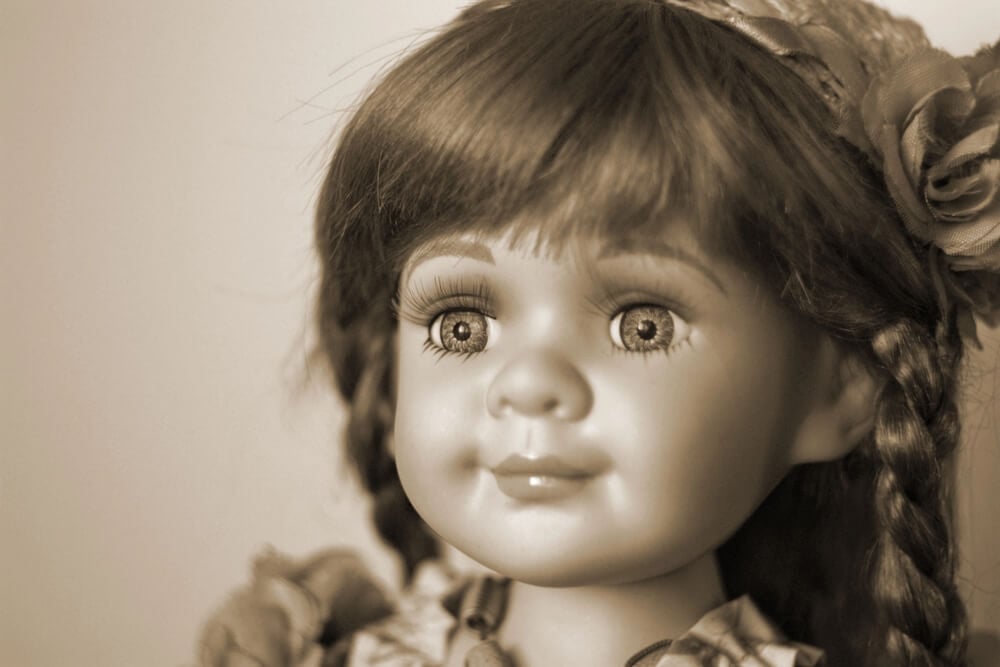
Mattel introduced Chatty Cathy in 1960, a doll that spoke when kids pulled a ring attached to a string in her back. A small record player inside her body played one of several recorded phrases at random.
The doll became one of the best-selling of the 1960s and inspired a long line of talking toys. Voice actress June Foray, later famous as Rocky the Flying Squirrel, is credited with voicing later versions.
Original working dolls are now collectible, and a broken voice box lowers value sharply.
Play Without a Plug

These toys asked kids to supply the action themselves. A wagon needed someone to pull it, a yo-yo needed practice, and an Erector Set needed a plan.
The fun came from effort, imagination and sometimes failure. Many of these toys are still sold, often in nearly the same form.
Parents buy them for kids who have tablets and game consoles at home. The fact that they still sell says plenty about what play really needs.
More from Go2Tutors!

- The Romanov Crown Jewels and Their Tragic Fate
- 13 Historical Mysteries That Science Still Can’t Solve
- Famous Hoaxes That Fooled the World for Years
- 15 Child Stars with Tragic Adult Lives
- 16 Famous Jewelry Pieces in History
Like Go2Tutors’s content? Follow us on MSN.