26 Summer Traditions Neighborhood Kids Shared Before Screens Kept Them Inside
Summer vacation once meant a screen door slamming shut at eight in the morning and not opening again until somebody’s mother called everyone in for dinner. Kids roamed in packs, made up rules on the spot, and measured the season by scraped knees and sunburned noses.
The neighborhood itself was the entertainment. A driveway, a vacant lot, a creek, and a handful of friends could fill three months without a single scheduled activity.
Catching Fireflies in a Mason Jar
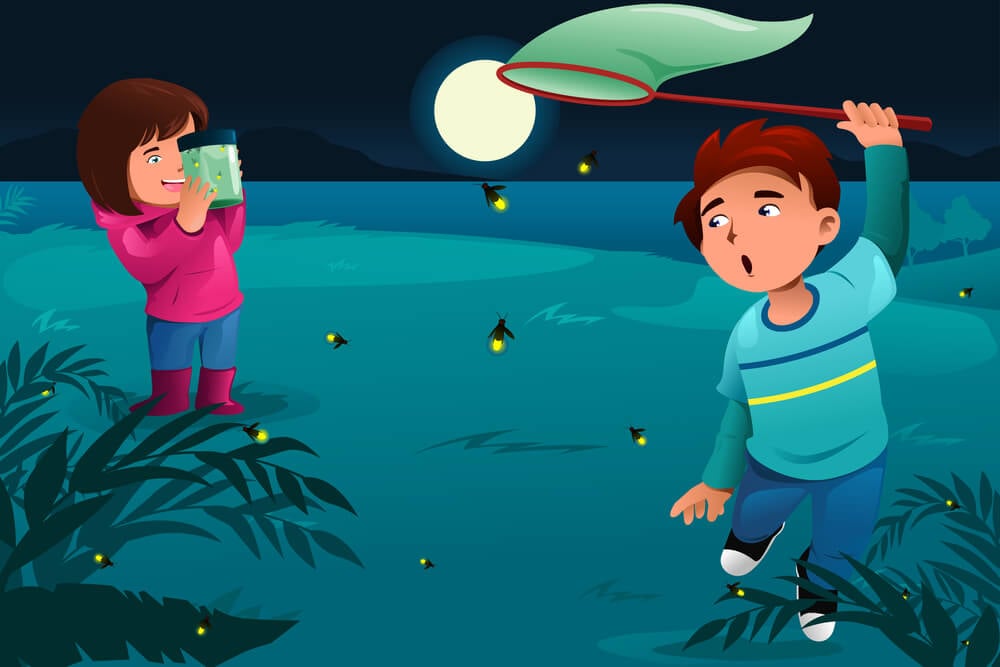
As dusk settled over the backyard, kids ran barefoot through the grass with glass jars, cupping their hands around the blinking beetles. A parent usually poked a few air vents in the metal lid with an ice pick or a nail.
The jar glowed faintly on a nightstand for an hour or so, working as a homemade lantern. Most families insisted on releasing the insects before bed, which led to a small ceremony on the porch.
Firefly populations have declined in many areas because of light pollution and habitat loss. For many adults, the sight of that first flicker in June still marks the real beginning of summer.
Running Through the Lawn Sprinkler
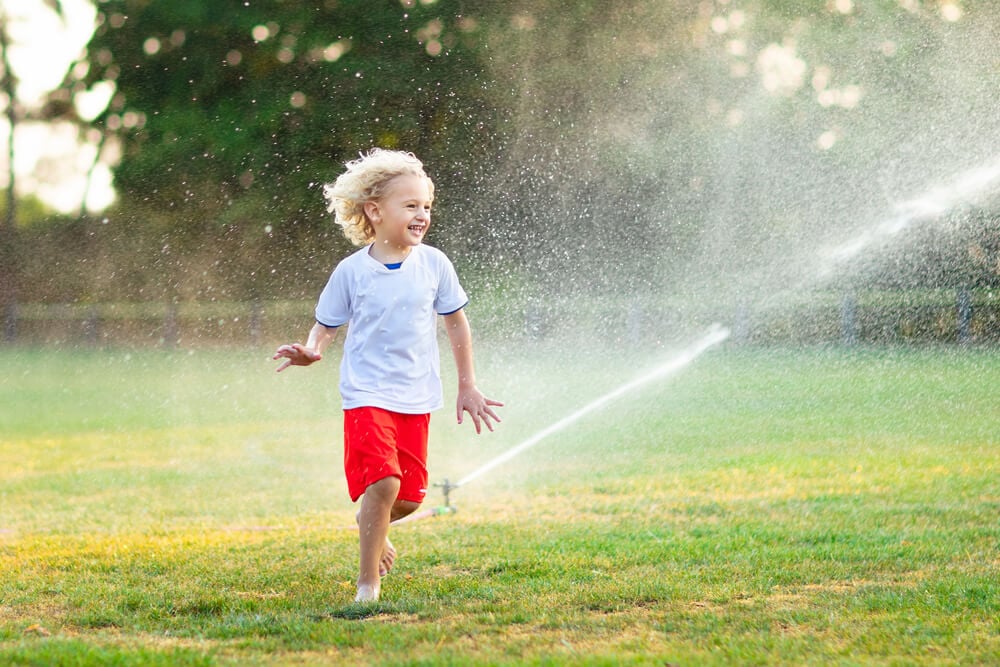
A garden hose and an oscillating sprinkler turned any front yard into a water park. Kids in swimsuits dashed back and forth through the arc of spray, shrieking at the cold.
The oscillating models, with their slow sweep from side to side, created a game of timing, while rotating sprinklers sprayed in unpredictable circles. Wham-O introduced the Slip ‘N Slide in 1961, which added a long plastic runway to the mix.
Water restrictions, busier schedules, and air conditioning have made the scene less common. The smell of wet grass on a hot afternoon still brings it all back.
Chasing the Ice Cream Truck
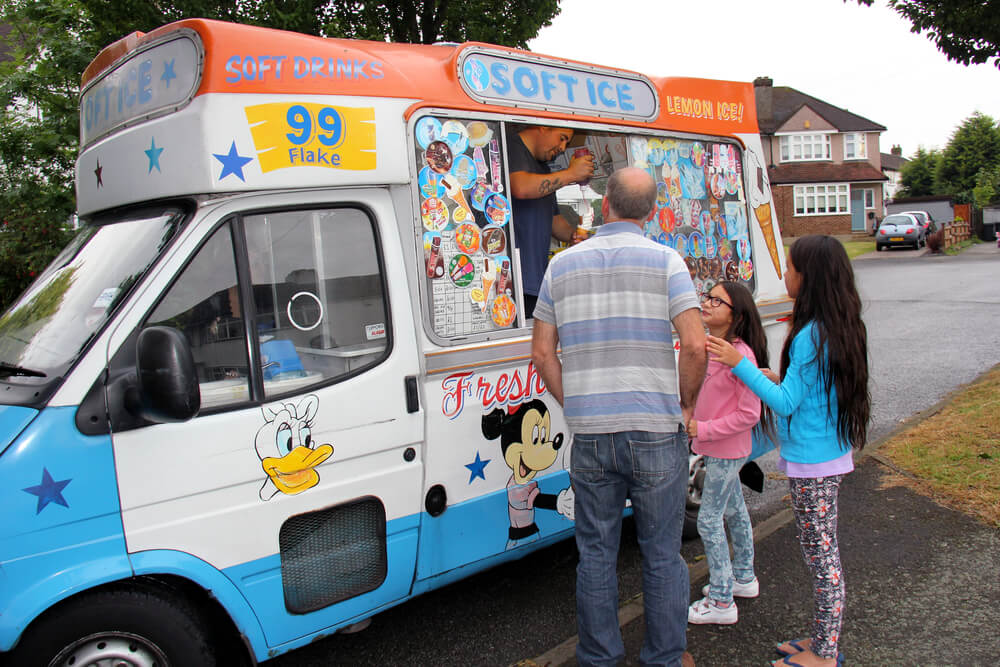
The jingle drifted down the street, and within seconds kids were sprinting home to beg for coins. Good Humor trucks, with their white paint and bells, were a fixture in many neighborhoods for decades before the company sold off its fleet in 1976.
Independent trucks and their music box tunes filled the gap. Kids would study the menu of pictures on the side of the truck, agonizing over whether to choose a Bomb Pop or a Push-Up.
Ice cream trucks still roam some neighborhoods, but the sight of an entire crowd of children running after one has become rare.
Staying Out Until the Streetlights Came On
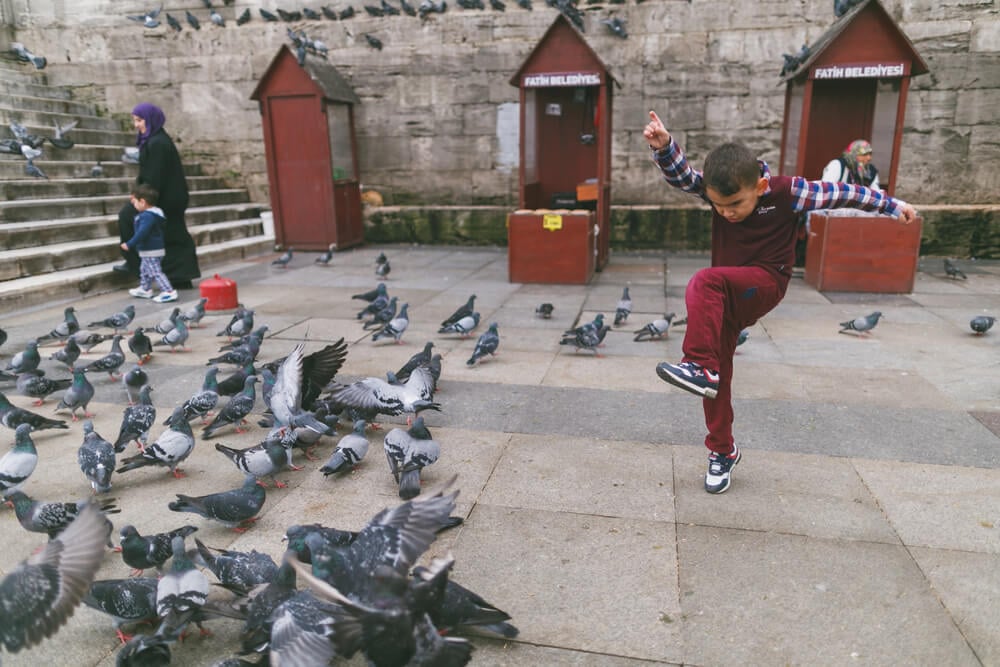
The rule was simple and nearly universal: kids could play wherever they liked, but they had to be home when the streetlights came on. The glow of those lights ended countless games of tag and hide-and-seek.
Some parents rang a bell or whistled from the porch to call their children home. The rule gave kids a sense of freedom within a clear boundary, and it relied on trust.
Busier schedules, organized activities, and changing ideas about child safety have made such unsupervised roaming far less common. Many adults still feel a faint urge to head home when the lights flicker on at dusk.
Kicking the Can Across the Block

Kick the can was a variation of hide-and-seek that required only an empty tin can. One player guarded the can while the others hid, and anyone could free captured players by sneaking in and kicking it.
The game could last for hours and often spread across several yards. It was especially popular during the Depression, when toys were scarce, and it remained a neighborhood staple for decades.
The clang of a can skittering across the pavement signaled a daring rescue. The game has faded, but it remains a vivid memory for many who grew up playing it.
Calling Players Over in Red Rover
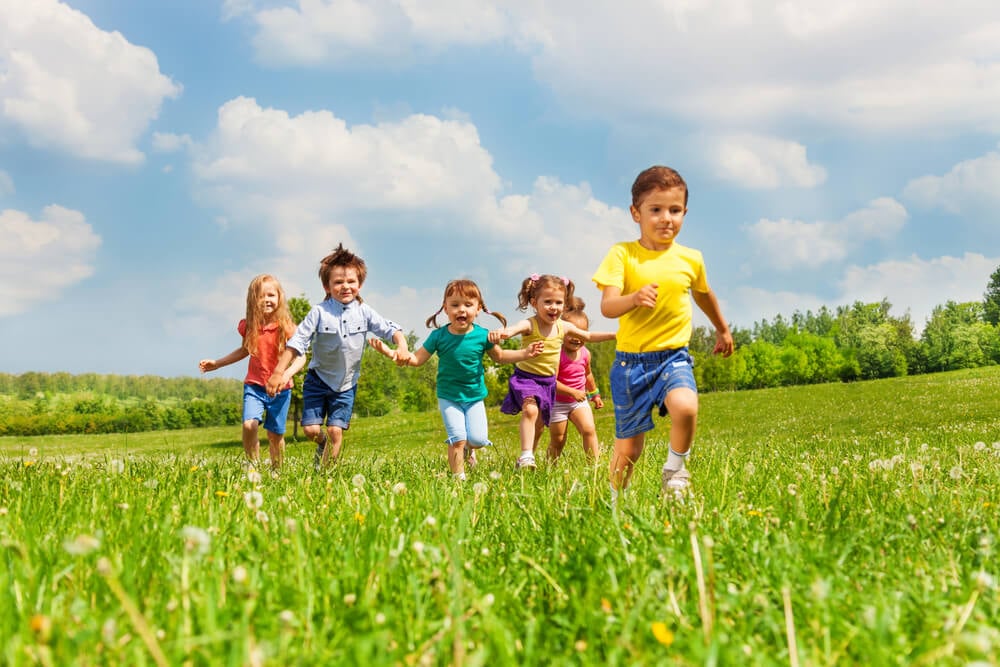
Two teams lined up facing each other, holding hands, and took turns calling a player from the other side to run over. The runner tried to break through the chain of linked arms.
If the runner succeeded, they took a player back to their team, and if they failed, they joined the other side. The game was thrilling and occasionally painful, leading to bruised wrists and scraped knees.
Many schools banned it on playgrounds over safety concerns, but it lived on in neighborhoods for years. The chant calling the next runner over is still familiar to many adults.
Playing Flashlight Tag After Dark
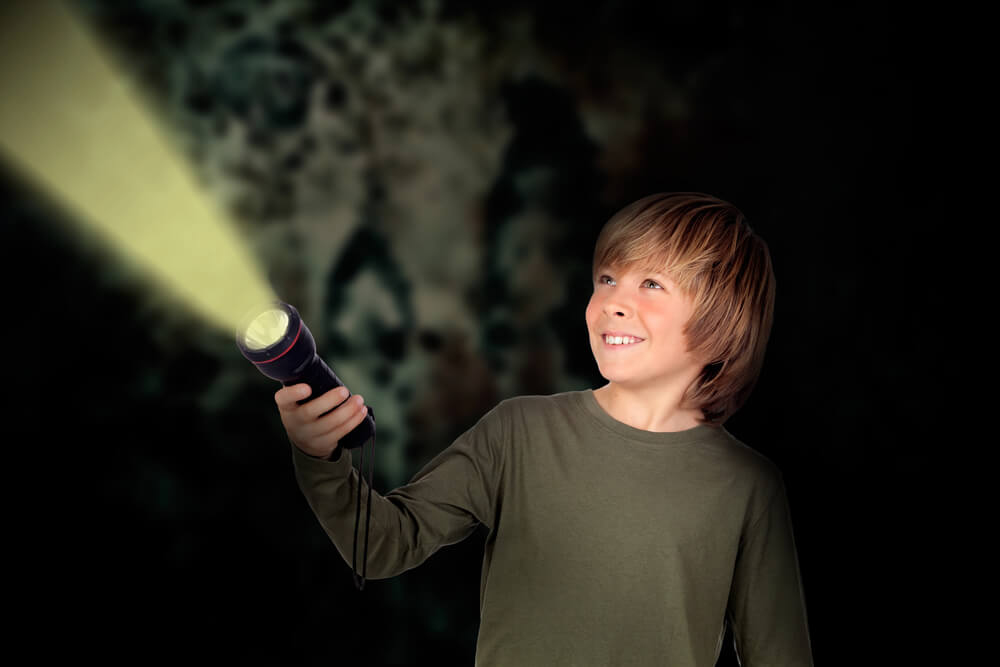
When the sun went down, games of tag moved into the dark with flashlights. The player who was it would search for others, and anyone caught in the beam was tagged.
The game worked best in backyards with plenty of bushes and trees to hide behind. The darkness made it thrilling and a little scary.
Parents often allowed an extra half hour outside for the game, especially on warm summer nights. It combined the fun of hide-and-seek with the excitement of being out after dark.
For many kids, it was the highlight of summer evenings.
Clothespinning Cards to the Bike Spokes

Wooden clothespins held trading cards against bicycle frames so that the cards flapped against the spokes, making a sound like a motorcycle engine. The faster the bike went, the louder the noise.
Some of those cards would be worth money today if they had been kept in good condition. Bikes were the primary form of transportation for neighborhood kids, and they rode for miles without supervision.
Banana seats and high-rise handlebars became popular in the 1960s and 1970s. The clatter of cards against spokes remains a familiar sound for many adults who grew up riding bikes.
Running a Lemonade Stand
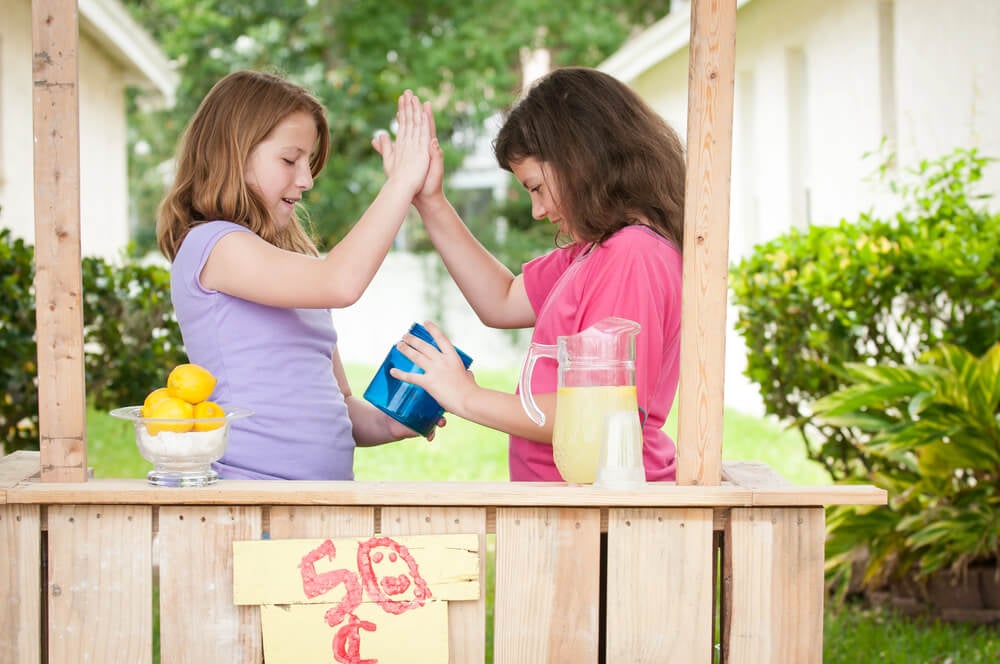
A card table, a pitcher of lemonade, a stack of paper cups, and a hand-lettered sign were all it took to open a business. Kids set up stands at the end of their driveways and waited for thirsty neighbors to stop by.
The stands taught basic lessons about money, customer service, and patience. Most customers were neighbors and relatives who paid more than the asking price.
In recent years, some stands have been shut down by local officials over permit requirements, which has drawn national attention. The lemonade stand remains a symbol of childhood enterprise.
Drinking Straight From the Garden Hose
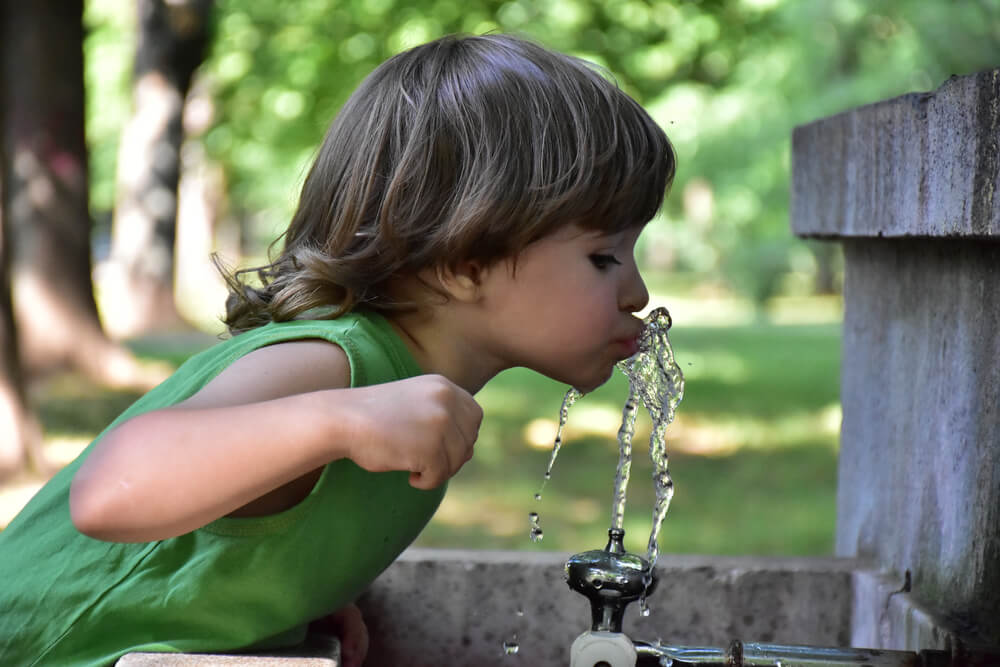
When kids got thirsty during a long afternoon outside, they drank from the garden hose instead of going inside for a glass. The water was often warm and tasted faintly of rubber for the first few seconds.
Kids let it run until it cooled down, then took long gulps before returning to their games. The habit was so common that it became a cultural touchstone for a generation.
Concerns about chemicals in older hoses have made parents more cautious. Still, many adults remember the taste of hose water as the taste of summer.
Stirring Up Pitchers of Kool-Aid

Kool-Aid was the drink of summer for millions of kids, mixed in large plastic pitchers with a packet of powder and a cup of sugar. The Kool-Aid Man, a giant pitcher with a smiling face, became the brand’s mascot and famously burst through walls in television ads.
Kids stirred up batches in bright colors like cherry, grape, and tropical punch. The drink stained lips, tongues, and shirts.
It was cheap, easy to make, and popular at picnics and backyard parties. Kool-Aid is still sold today, but it is far less common in households than it once was.
Freezing Homemade Popsicles in Plastic Molds

Many families made popsicles at home using plastic molds and fruit juice or Kool-Aid. Tupperware sold popular sets of molds with handles that doubled as drip guards.
Kids waited impatiently for the popsicles to freeze, checking the freezer every hour. The finished treats were cheap and easy to make in large batches.
They melted quickly in the summer heat, leaving sticky hands and stained shirts. The molds are still sold today, but many families now buy popsicles from the store.
For many adults, the homemade versions remain a sweet memory of summer.
Building Forts in the Woods
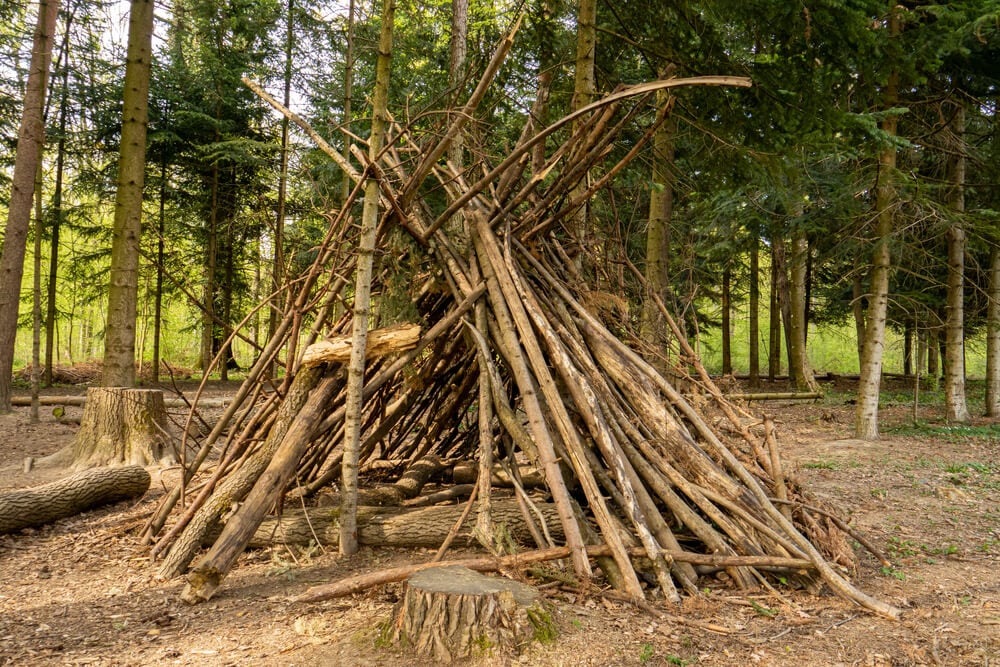
Scrap lumber, fallen branches, old sheets, and whatever else turned up became raw material for forts. The forts were hidden in the woods, in backyards, or in vacant lots, and they served as clubhouses, hideouts, and bases for games.
Some kids built elaborate treehouses with ladders and trapdoors. The forts were often secret, known only to a small group of friends.
Building them taught kids about teamwork, problem-solving, and basic construction. Many adults still remember the forts they built as children, along with the rules and passwords that went with them.
Spending Entire Days at the Public Pool
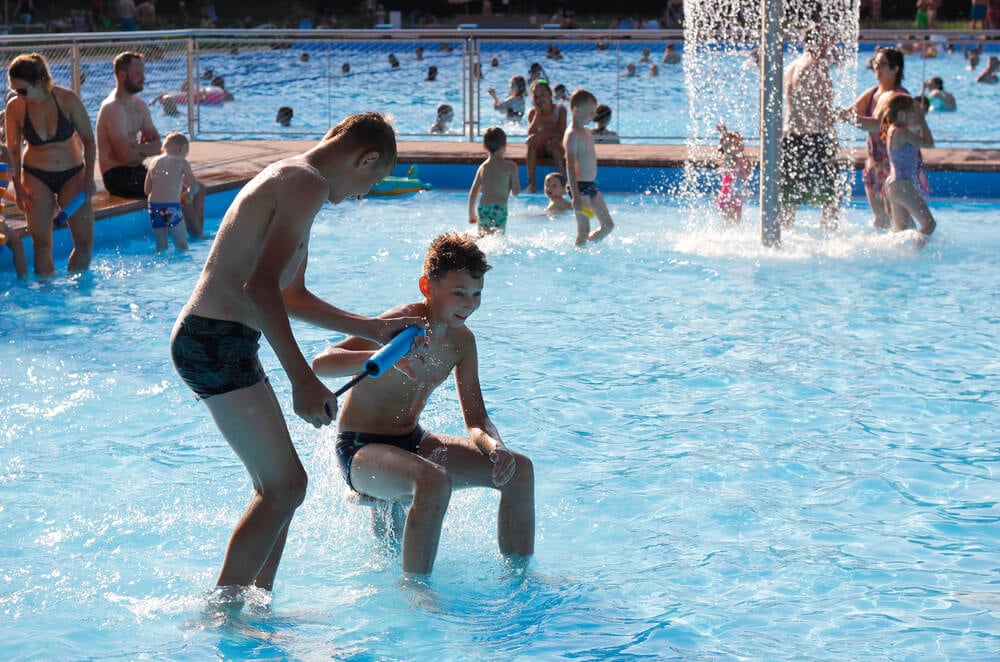
Public pools were the center of summer life in many towns. Kids arrived when the doors opened and stayed until closing, stopping only for snacks from the concession stand.
Lifeguards blew whistles for adult swim, a 15-minute break when kids had to leave the water. Kids spent those breaks shivering on towels and eating frozen candy bars.
The pools were cheap and open to everyone, making them a gathering place for the entire community. Many public pools have closed in recent decades because of budget cuts.
For those that remain, the adult swim whistle still sounds the same.
Signing Up for the Library’s Summer Reading Program

Public libraries have run summer reading programs for generations, encouraging kids to keep reading during the school break. Kids kept track of the books they read and earned prizes, certificates, or stickers for reaching certain goals.
The programs often included reading logs, story hours, and special events. Libraries were cool, quiet places to escape the heat.
Many kids made weekly trips to the library by bike or on foot. Summer reading programs still exist today, but they compete with many other activities.
For many adults, the programs were their first introduction to a love of reading.
Watching Double Features at the Drive-In

Families piled into the car in pajamas and headed to the drive-in theater for a double feature. Kids played on the playground below the screen before the movie began, then settled into the back seat with blankets and popcorn.
The sound came from a speaker that hung on the car window. The number of drive-ins in the United States peaked at more than 4,000 in the late 1950s.
Most have since closed, but a few hundred remain. For many families, a night at the drive-in was a summer tradition that combined the movies with the fun of staying up late.
Camping Out in the Backyard
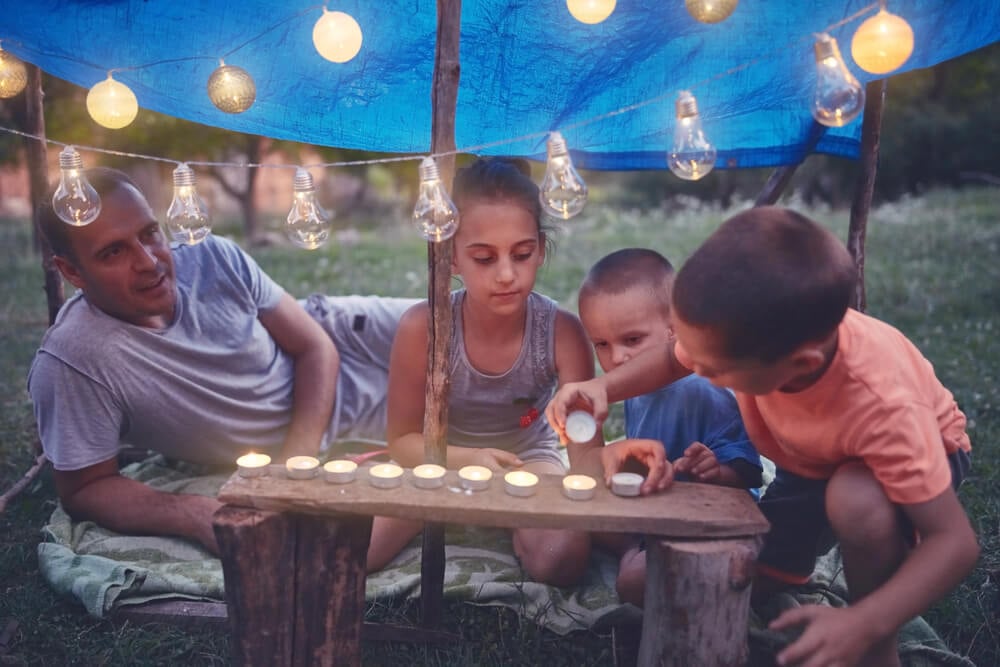
A pup tent pitched in the backyard meant spending the night outside, telling ghost stories and eating snacks by flashlight. The adventure felt wild even though the house was only a few steps away.
Some kids gave up and went inside when they heard strange noises in the dark. Backyard camping was a cheap and easy way to experience the outdoors.
It taught kids about independence and self-reliance. The tradition still exists, but it is less common than it once was.
Many adults still remember the thrill of sleeping under the stars in their own backyard.
Catching Crawdads in the Creek
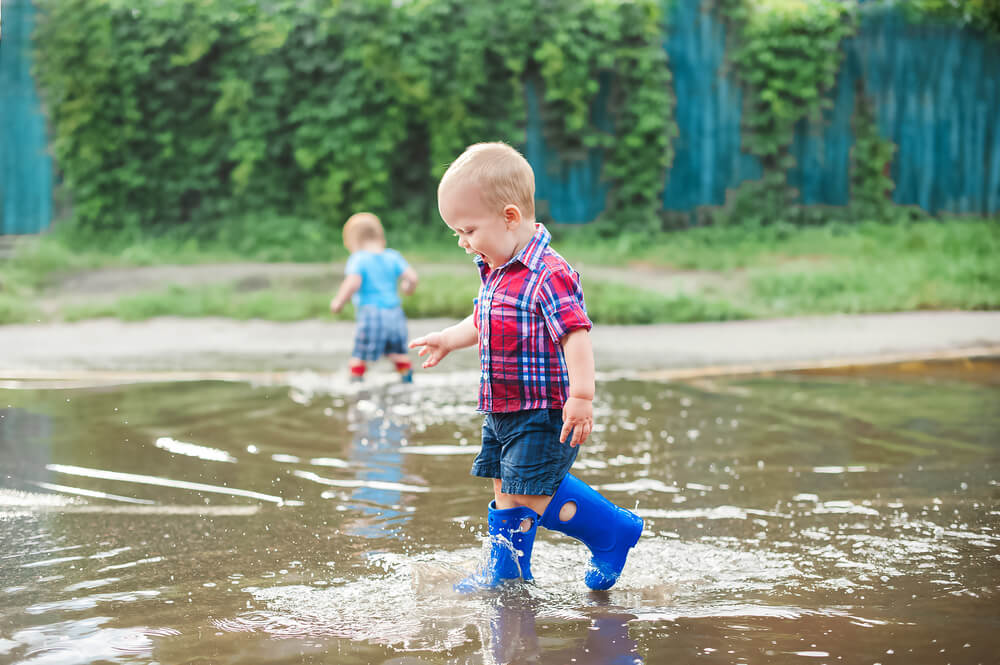
Creeks and streams were prime hunting grounds for crawdads, the small freshwater crustaceans that hid under rocks. The trick was to lift a rock slowly and grab the crawdad from behind before it darted away.
Some kids used bacon on a string as bait. Catching crawdads required patience and quick reflexes, and it often ended with wet clothes and muddy shoes.
Kids kept their catch in buckets or jars before releasing them back into the water. Creeks were a playground for generations of kids, offering endless opportunities for exploration and adventure.
Spending Pocket Change on Penny Candy
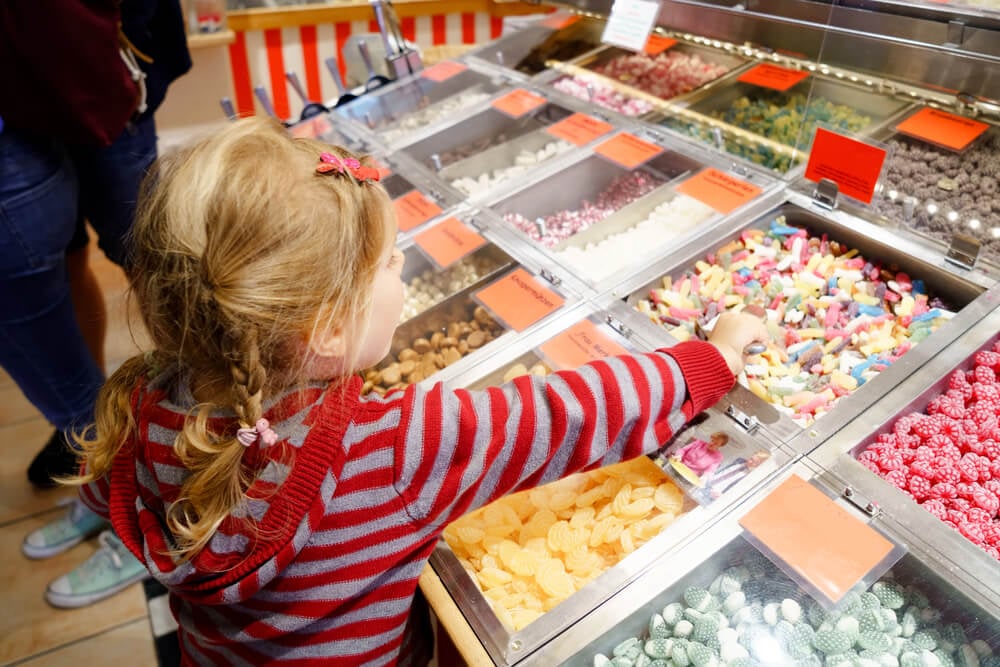
Corner stores and five-and-dime shops sold penny candy from glass jars and bins. Kids would bike to the store with a few coins and spend a long time choosing their treats, from Bazooka bubble gum to Mary Janes to wax lips.
The shopkeeper would count out the candy into a small paper bag. Penny candy taught kids about budgeting and making choices.
As prices rose, the name became more nostalgic than accurate. Many of the corner stores that sold it have closed.
For many adults, the paper bag of candy remains one of the sweetest memories of summer.
Collecting Soda Bottles for the Deposit
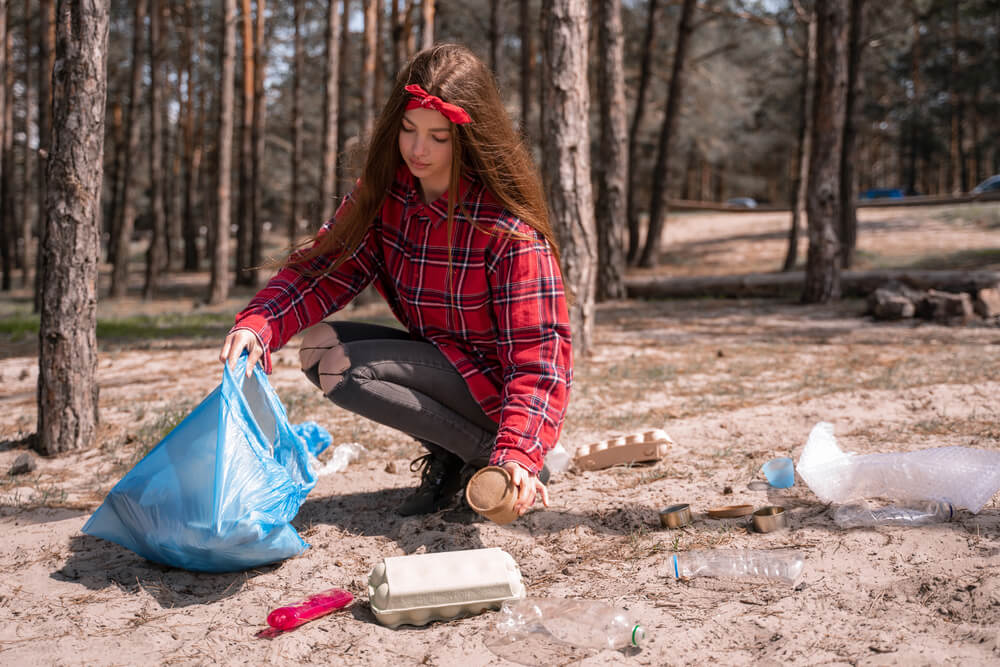
Roadsides, parks, and vacant lots were scoured for empty glass soda bottles, which kids returned to stores for a few cents each. The deposit money was often spent immediately on candy or more soda.
Collecting bottles was a way for kids to earn their own money without a job. The practice declined as soda companies switched to cans and plastic bottles.
Some states still have bottle deposit laws, but the practice is less common among kids. For many adults, collecting bottles was their first taste of earning money.
Snapping Cap Guns on the Sidewalk

Cap guns used small rolls or strips of paper with tiny dots of explosive powder that made a loud pop when struck. Kids played cowboys and cops in the neighborhood, firing their cap guns at each other.
Some kids skipped the guns entirely and smashed rolls of caps on the sidewalk with a rock or hammer. The smell of the smoke was distinctive and memorable.
Changing attitudes about toy guns have made cap guns far less common. Many adults still remember the sound and smell of caps going off on a summer afternoon.
Drawing Hopscotch Courts With Sidewalk Chalk
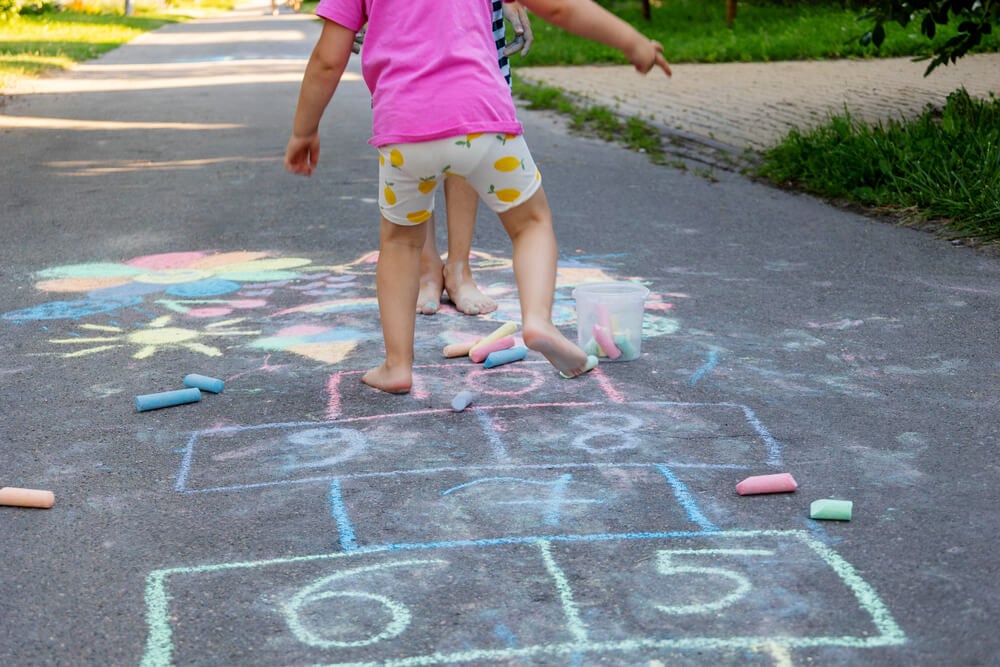
Sidewalks and driveways became hopscotch courts with one stick of chalk, complete with numbered squares and players taking turns hopping through them. A small stone or bottle cap served as the marker.
The game required balance, coordination, and a little strategy. It was cheap, easy to set up, and could be played alone or with friends.
The chalk drawings often stayed on the sidewalk for days until the rain washed them away. Hopscotch remains a familiar game, but it is less common in neighborhoods than it once was.
The sound of a stone skidding across the pavement is a detail that sticks with former players for decades.
Jumping Double Dutch on the Sidewalk
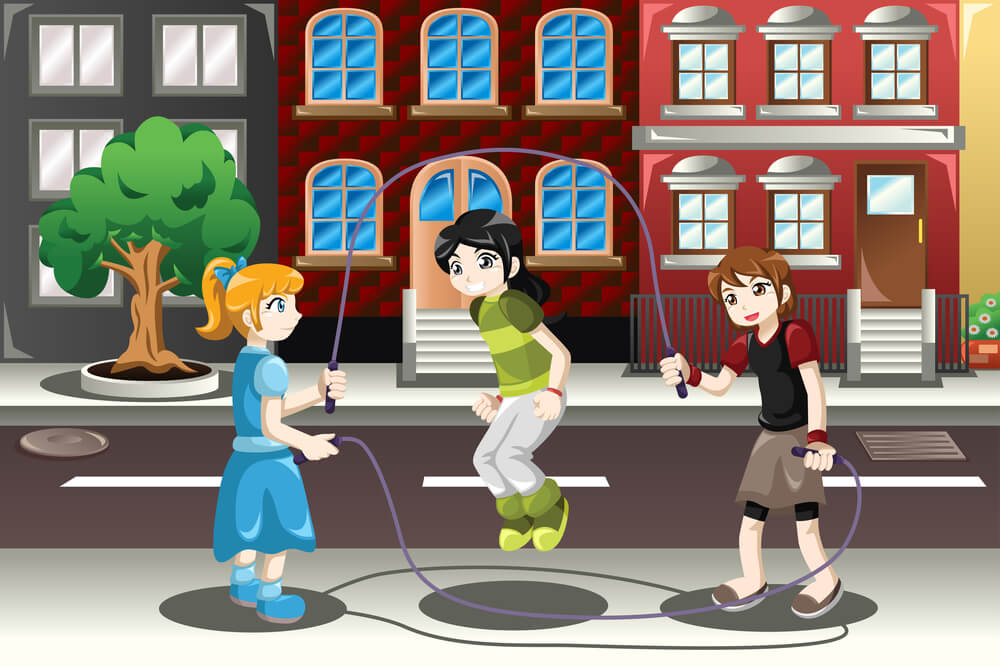
Double Dutch required two long ropes turned in opposite directions while a jumper leaped in and out. The game was especially popular in cities, where it was played on sidewalks and in schoolyards.
Jumpers chanted rhymes as they jumped, keeping time with the slap of the ropes on the concrete. The game required coordination, rhythm, and teamwork.
Competitive Double Dutch leagues were organized in the 1970s, and the sport still has a following. In many neighborhoods, however, the sight of kids jumping rope on the sidewalk has become rare.
Climbing the Tallest Tree on the Block
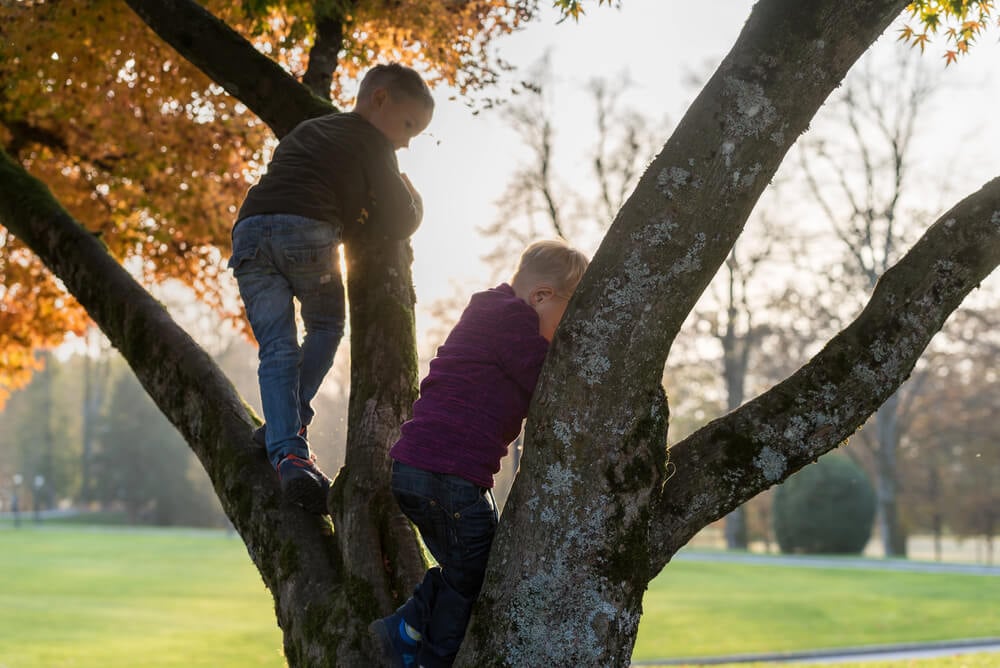
Every neighborhood had a tree that kids competed to climb higher than anyone else. Climbing required strength, balance, and a little courage.
Kids scraped their knees, tore their clothes, and occasionally fell, but they kept climbing. The view from the top was the reward.
Some kids built treehouses or tied ropes to branches for swinging. Changing ideas about safety and more time spent indoors have made tree climbing less common.
For many adults, the memory of reaching the top of that tree remains a source of pride.
Snapping Beans on the Front Porch

Summer brought fresh vegetables from the garden, and kids were often put to work snapping green beans or shelling peas on the front porch. The work was repetitive but social, with family members chatting while they worked.
Kids learned patience and the value of work. The beans were cooked for dinner or canned for the winter.
As fewer families grow their own vegetables, the practice has become less common. For many adults, the sound of snapping beans on a porch remains a memory of summer evenings spent with family.
Swapping Comic Books on the Stoop

Kids traded comic books with friends, bargaining over which issues were worth more. Comics were cheap, and kids collected them by the stack.
The stories of superheroes, cowboys, and monsters filled long summer afternoons. Some kids kept their comics in perfect condition, while others read them until the covers fell off.
Some of those comics are now worth a great deal of money. The practice of swapping comics has faded as digital media has taken over.
For many adults, the memory of trading comics with friends remains a treasured part of summer.
Freedom Measured in Daylight
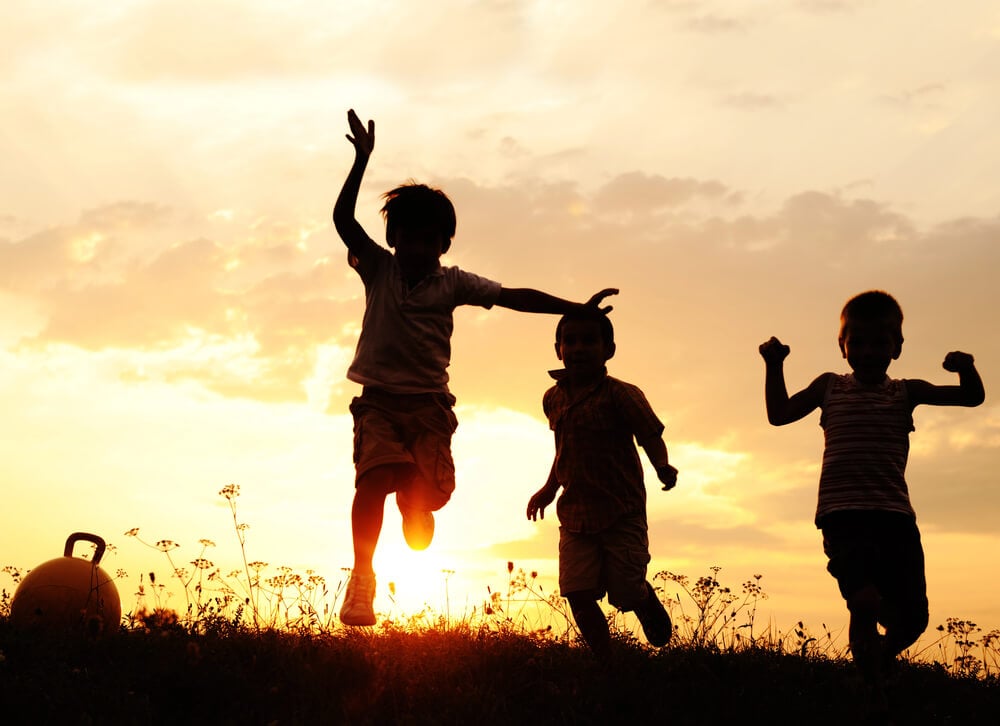
Summer used to be unstructured, unscheduled, and largely unsupervised. Kids filled the days with games they invented, adventures they planned, and friendships they built without adult help.
The freedom taught independence, creativity, and resilience. Screens and schedules have changed the shape of childhood summers.
The fireflies, the sprinklers, and the streetlights are still there, waiting for kids to come outside and find them again. Many parents who grew up this way are now trying to give their own children a taste of it.
More from Go2Tutors!

- The Romanov Crown Jewels and Their Tragic Fate
- 13 Historical Mysteries That Science Still Can’t Solve
- Famous Hoaxes That Fooled the World for Years
- 15 Child Stars with Tragic Adult Lives
- 16 Famous Jewelry Pieces in History
Like Go2Tutors’s content? Follow us on MSN.