Sports That Originated in Ancient Times
Ancient civilizations needed ways to train warriors, celebrate victories, and bring communities together. These needs gave birth to competitions that tested strength, speed, and skill.
Many of these activities still exist today, though the rules have changed and the equipment looks different. The essence remains the same—people pushing their physical limits and competing for glory.
Wrestling Takes Center Stage

Wrestling appears in cave paintings from 15,000 years ago, making it one of humanity’s oldest sports. Ancient Sumerians practiced it around 3000 BCE, and Egyptian art shows wrestlers using moves that coaches still teach today.
The sport required no equipment, just two people willing to test their strength against each other. Greek and Roman societies elevated wrestling to an art form, with specific techniques passed down through generations.
Successful wrestlers earned fame and respect that lasted their entire lives.
Running Becomes Organized Competition

The ancient Greeks formalized running as a sport, but people had been racing each other long before that. The first Olympic Games in 776 BCE featured a single event—a sprint of about 190 meters.
Winners received olive wreaths and became celebrities in their home cities. Over time, organizers added longer distances, including races where runners wore full armor.
That particular event prepared soldiers for battle while entertaining spectators who gathered to watch.
Chariot Racing Draws Massive Crowds

Few ancient sports matched the spectacle of chariot racing. Romans packed the Circus Maximus—a venue that held 150,000 people—to watch teams compete.
Drivers risked their lives navigating tight turns at high speeds, and crashes happened frequently. The sport created massive gambling industries and fierce team loyalties that sometimes erupted into riots.
Successful charioteers became incredibly wealthy, earning more than most senators.
Boxing Develops Brutal Rules

Ancient boxing looked nothing like the modern sport. Greek boxers wrapped their hands in leather straps, sometimes reinforced with metal, and fought until one competitor couldn’t continue.
Romans made the sport even more violent by adding metal spikes to the hand wraps. Matches had no rounds, no weight classes, and few rules beyond “don’t bite or gouge eyes.”
The sport demanded incredible endurance along with striking power.
Swimming Competitions Emerge

Ancient Egyptians, Greeks, and Romans all practiced competitive swimming. Egyptian hieroglyphics from 2500 BCE show people swimming for sport, not just survival.
Greeks included swimming in military training, and young Spartans learned to swim as part of their rigorous education. Public baths in Rome often featured swimming competitions, with winners earning prizes and recognition.
The sport tested endurance and technique in ways that other competitions didn’t.
Javelin Throwing Tests Accuracy and Power

Warriors needed to throw spears accurately, so javelin competitions made perfect sense. Ancient Greeks included javelin throwing in the pentathlon, an event combining five different skills.
Competitors aimed for distance and accuracy, sometimes throwing at targets rather than simply for length. The sport required perfect technique—grip, approach, and release all had to work together.
Athletes trained for years to master the throw.
Discus Launching Requires Technique

The discus throw began in ancient Greece and remains an Olympic event today. Myron’s famous statue “Discobolus” captures the athlete’s form mid-throw, showing the twisting motion that generates power.
Ancient competitors threw heavier discs than modern athletes use, some weighing up to 15 pounds. The circular throwing motion made the event distinctive, and mastering it took dedication.
Champions earned lasting fame, with their victories recorded in poems and sculptures.
Archery Combines Skill and Focus

Archery competitions date back thousands of years across multiple civilizations. Ancient Egyptians, Chinese, and Persians all held contests to identify the best marksmen.
These events tested accuracy at various distances and sometimes required hitting moving targets. Beyond military applications, archery became a respected sport that demanded mental focus and physical control.
Training started young, and the best archers could hit targets that seemed impossibly small or far away.
Equestrian Events Showcase Horsemanship

Horse riding competitions emerged naturally in societies that depended on horses for transportation and warfare. Ancient Persians held elaborate riding contests that tested speed and maneuverability.
Greeks added horse racing to the Olympics, though only wealthy citizens could afford to participate. These events celebrated the bond between rider and horse, with both requiring extensive training.
Winning brought prestige not just to the rider but to their entire family.
Long Jump Challenges Athletes
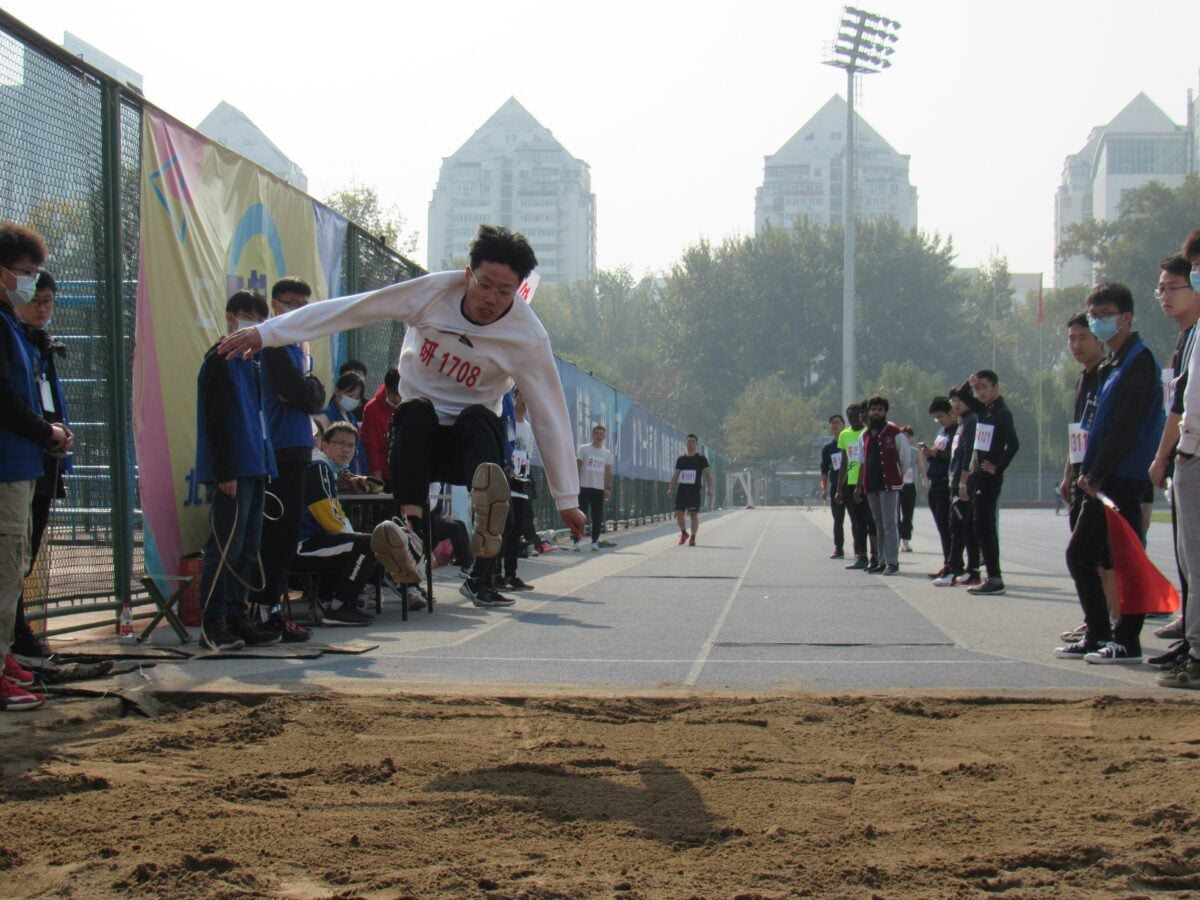
Ancient Greeks practiced long jumping with a unique twist—athletes held weights in their hands while jumping. The weights, called halteres, supposedly helped jumpers achieve greater distances through momentum.
Modern testing shows this technique actually works for standing jumps. Greek jumpers competed on sand, similar to modern long jump pits.
The sport tested explosive power and technique in equal measure.
Pankration Combines Multiple Fighting Styles

The ancient Greeks created pankration by mixing wrestling and boxing into one brutal sport. Almost anything was legal except biting and eye gouging.
Matches continued until one fighter submitted or passed out. This sport produced some of the most celebrated athletes in ancient Greece.
Training for pankration meant learning to strike, grapple, and defend against both. The combat was real, and injuries were common.
Hockey Variations Appear Worldwide

Several ancient cultures developed games resembling modern hockey. Egyptians played a stick-and-sphere game around 4,000 years ago, as shown in tomb artwork.
Ancient Greeks had a similar game called “kerētízein,” and Romans played “paganica” using bent sticks and a stuffed leather sphere. These games spread across cultures, each developing unique rules and playing styles.
The basic concept remained constant—using sticks to move an object toward a goal.
Polo Emerges from Mounted Combat
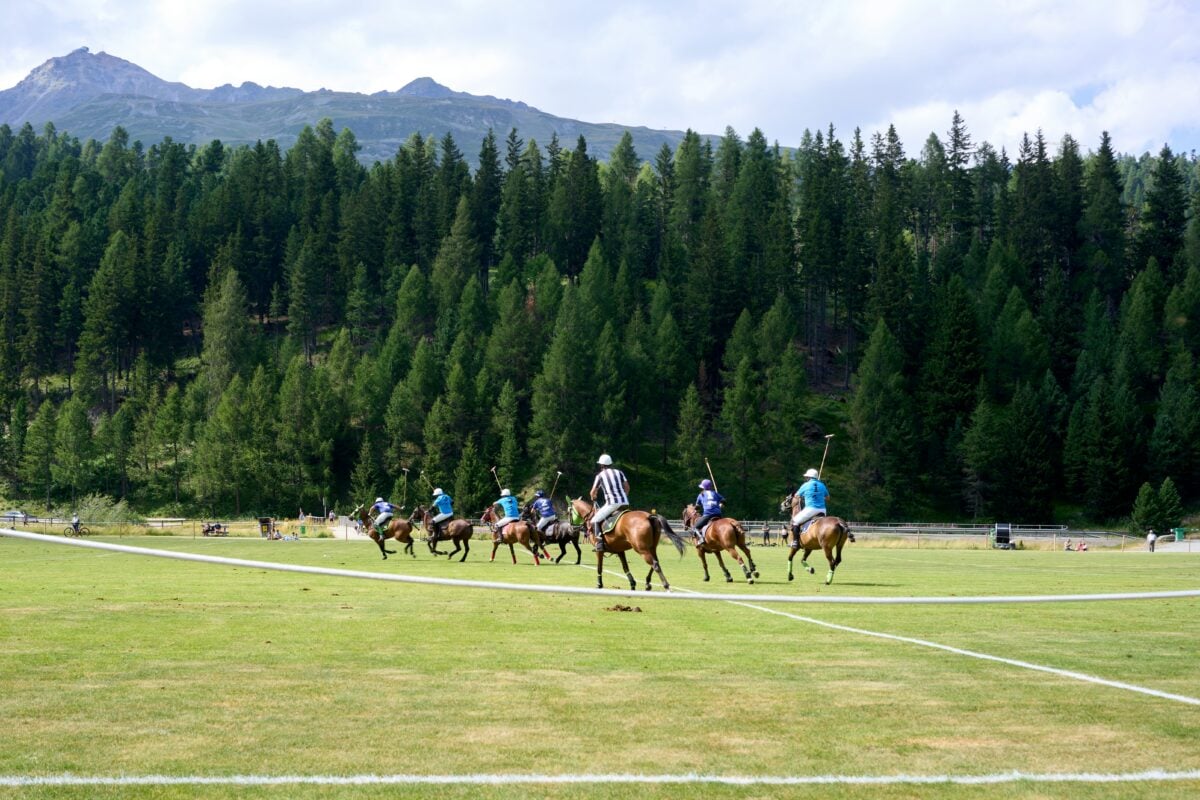
Polo began in Persia around 600 BCE as training for cavalry units. The sport quickly spread to neighboring regions, becoming popular among nobility.
Ancient matches sometimes involved hundreds of players on each team, creating chaotic battles on horseback. The game tested riding skills, hand-eye coordination, and tactical thinking simultaneously.
Kings and emperors sponsored teams, and victories brought glory to entire kingdoms.
Gymnastics Trains the Complete Athlete

Under ancient Greek customs, physical training shaped a youth’s daily routine. From “gymnos” – bare – came the name, since workouts happened unclothed.
Climbing ropes, flipping across floors, lifting with wood-built tools filled their practice time. A strong frame helped in wrestling matches, footraces, battle readiness – and sharpened self-command.
Places named gymnasiums hosted both muscle work and deep thinking, blending movement with ideas.
The Games We Still Play

Out there on today’s field, history hums under your feet. Rules shifted slowly, gear grew sharper, protections tightened over time – yet still people chase limits like before.
What fuels the sprinter also drove those long-ago races. Look close at a weightlifter’s breath, steady and low, just as it was centuries back.
Even without words, past champions would feel at home watching now. These contests began long ago, yet endure by matching rhythm with our oldest instincts.
More from Go2Tutors!

- The Romanov Crown Jewels and Their Tragic Fate
- 13 Historical Mysteries That Science Still Can’t Solve
- Famous Hoaxes That Fooled the World for Years
- 15 Child Stars with Tragic Adult Lives
- 16 Famous Jewelry Pieces in History
Like Go2Tutors’s content? Follow us on MSN.