25 Kitchen Gadgets Grandmothers Relied On That Modern Cooks Would Not Recognize
Before the countertop filled up with appliances that plug in, beep, and connect to phones, kitchens ran on cranks, levers, springs, and elbow grease. Every drawer held a tool built for exactly one job, and grandmothers knew how to use every one of them without reading a manual.
Many of those tools now turn up at estate sales in cardboard boxes marked miscellaneous. Younger shoppers pick them up, turn them over, and quietly set them down again, unsure whether they are looking at a kitchen tool or something from a machine shop.
Rotary Egg Beater With Twin Whisks
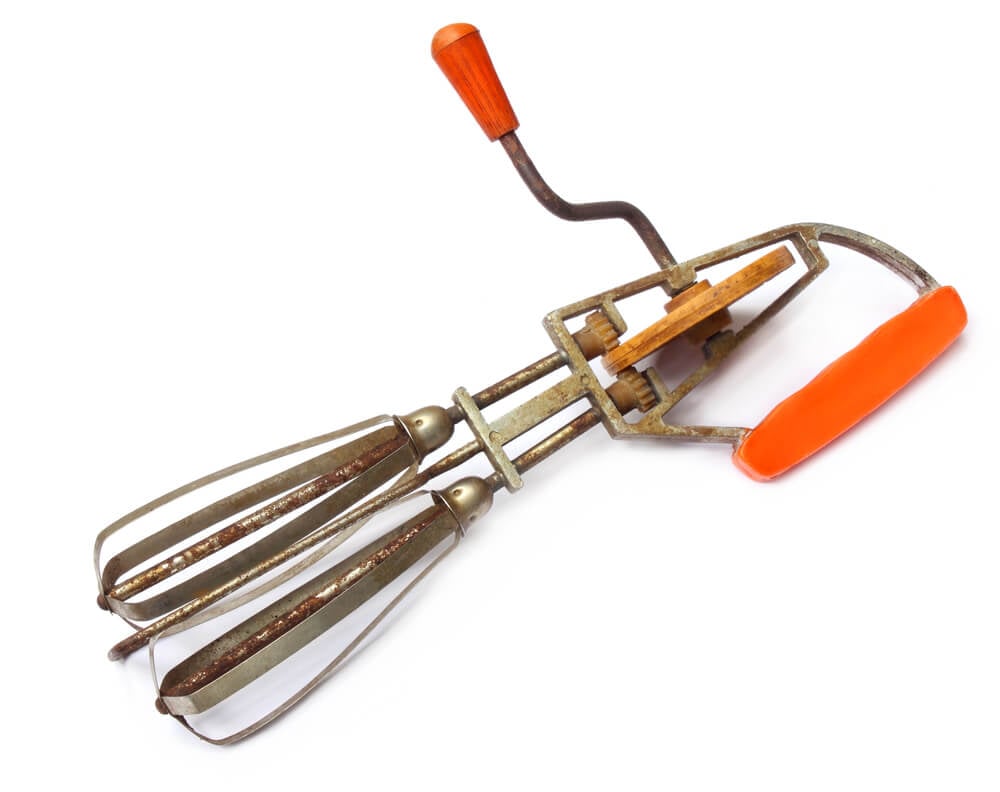
Twin interlocking whisks, spun by a gear wheel, let the hand-cranked egg beater whip cream or beat egg whites faster than any fork. The Dover Stamping Company of Boston patented an early and influential version in 1870, and the brand name became so common that people called any rotary beater a Dover.
The trick was holding the bowl steady with one arm while cranking with the other, which demanded a bit of coordination. Electric hand mixers pushed these beaters into the back of the drawer by the 1960s.
They still work beautifully, need no outlet, and are among the few vintage tools that remain genuinely useful.
Clamp-On Meat Grinder
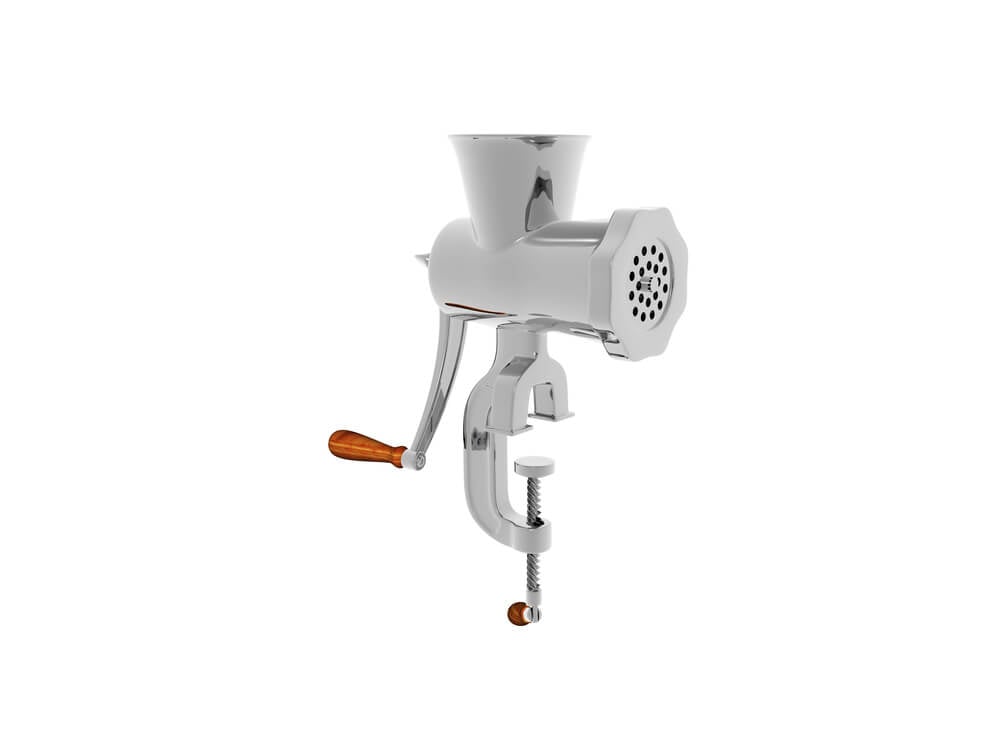
Clamped to the edge of the kitchen table, a cast iron grinder used a hand crank to push chunks of beef or pork through a spiral screw and a perforated plate. Landers, Frary and Clark of New Britain, Connecticut, sold millions of them under the Universal name.
Families ground their own hamburger, sausage, and leftover roast for hash, and the same grinder turned cranberries into holiday relish. Cleaning the parts afterward was a chore nobody wanted.
Prepackaged ground meat at the supermarket made the grinder unnecessary for most households. Today it is more likely to hold a doorstop than a pound of chuck roast, although some home cooks have rediscovered it.
Crank Flour Sifter
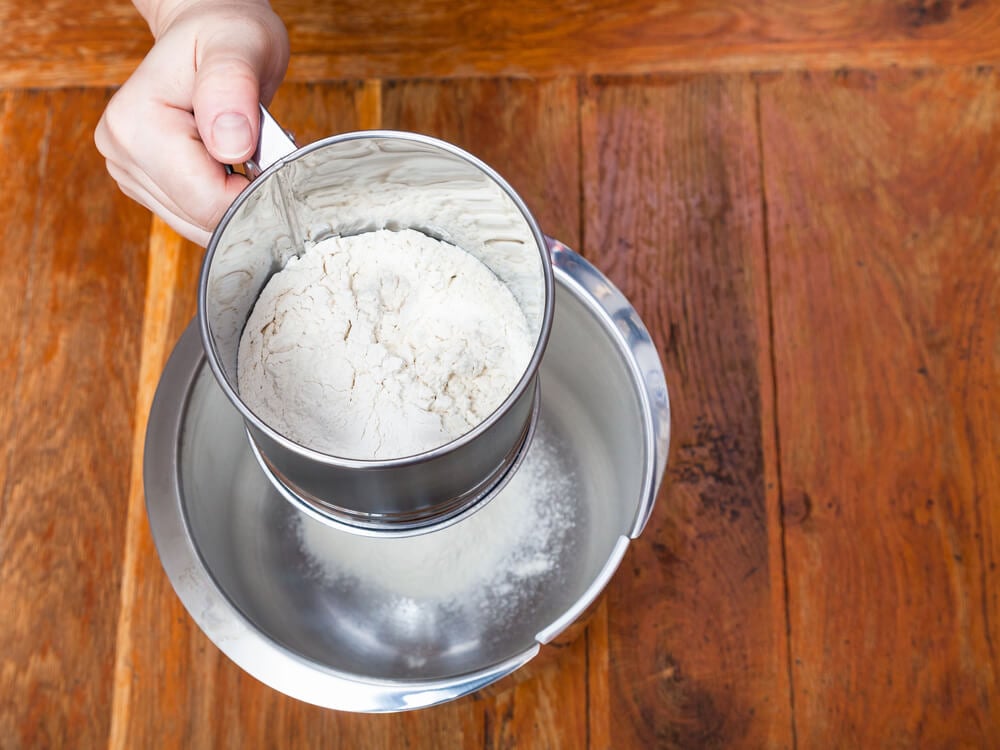
Flour sifters were tin cylinders whose cranks pushed flour through a fine mesh screen, breaking up lumps and adding air. Recipes of the era assumed sifted flour, and measuring before or after sifting could change a cake noticeably.
Brands like Foley and Androck sold them in bright painted designs, and some models held a large amount at once. Modern flour is processed more finely, and many recipes now call for weighing ingredients instead.
The sifter still turns up in some kitchens, but younger bakers often skip it entirely. The rhythmic squeak of the crank was once as common as the ticking of the oven timer.
Ice Pick for the Icebox

Wooden iceboxes lined with tin or zinc kept food cold in homes before electric refrigerators, and an iceman delivered large blocks every few days. A sharp steel ice pick was used to break chunks off the block for drinks or to fit it into the compartment.
Kids chased the ice truck for slivers on hot summer days. Electric refrigerators spread through American homes in the 1930s and 1940s, and the icebox and its pick faded away.
Many families still called the refrigerator the icebox for decades afterward. The pick itself survived in some kitchen drawers long after anyone remembered its purpose.
Stovetop Percolator With a Glass Knob
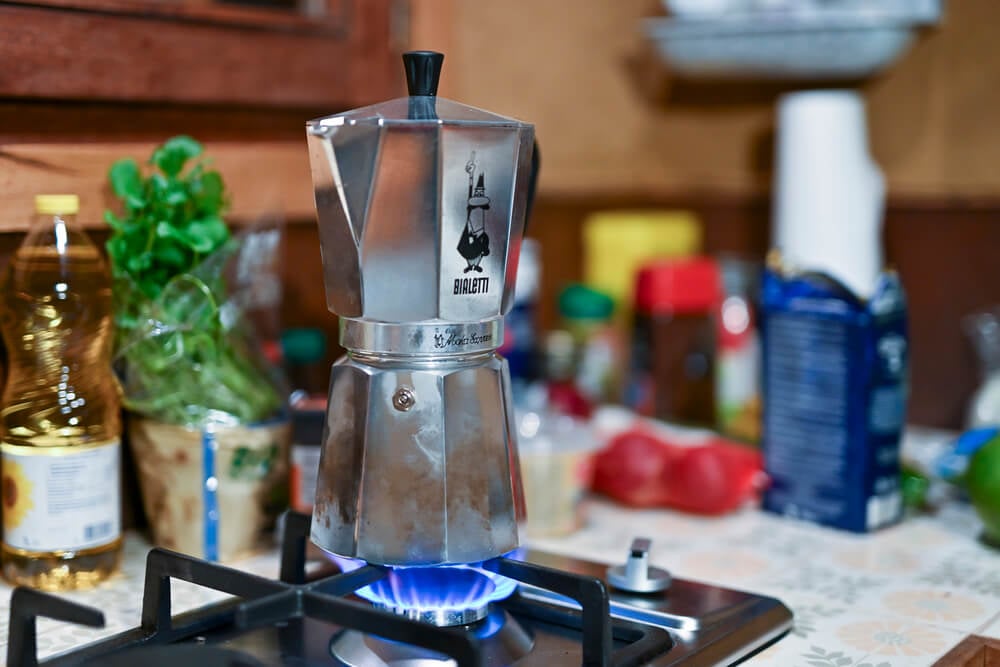
Stovetop percolators brewed coffee by forcing boiling water up through a central tube and over the grounds again and again. A small glass knob on the lid let the cook watch the coffee bubble up and darken, which was half the ritual.
The sound of perking filled kitchens every morning. Automatic drip coffeemakers, led by Mr. Coffee in the 1970s, largely replaced percolators because they were faster and produced a less bitter cup.
Some campers and coffee traditionalists still use them. For many adults, the sound of a percolator is permanently linked to their grandparents’ kitchens.
Foley Food Mill
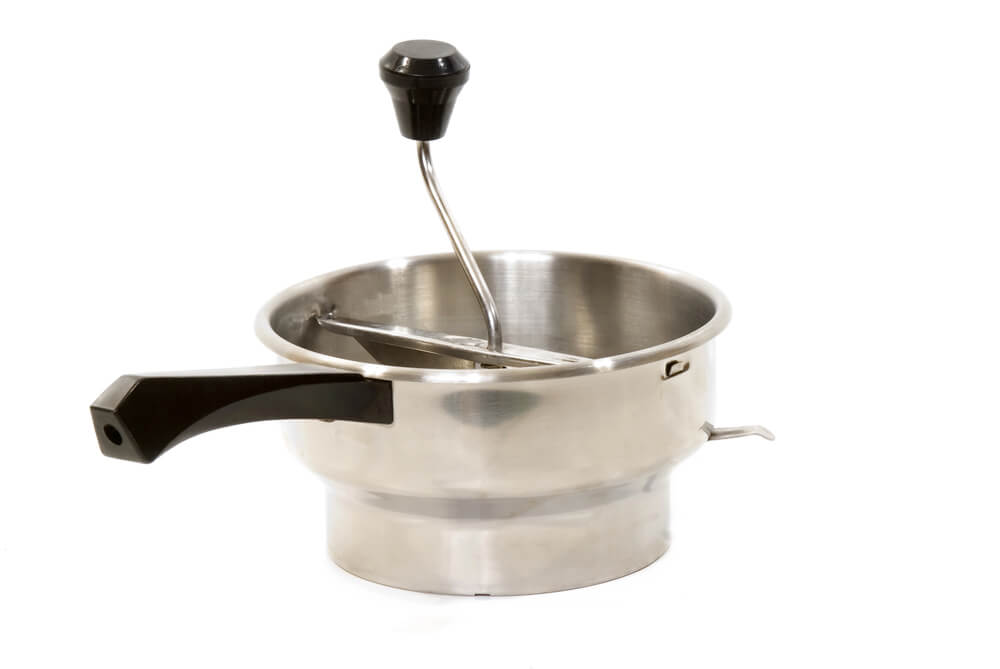
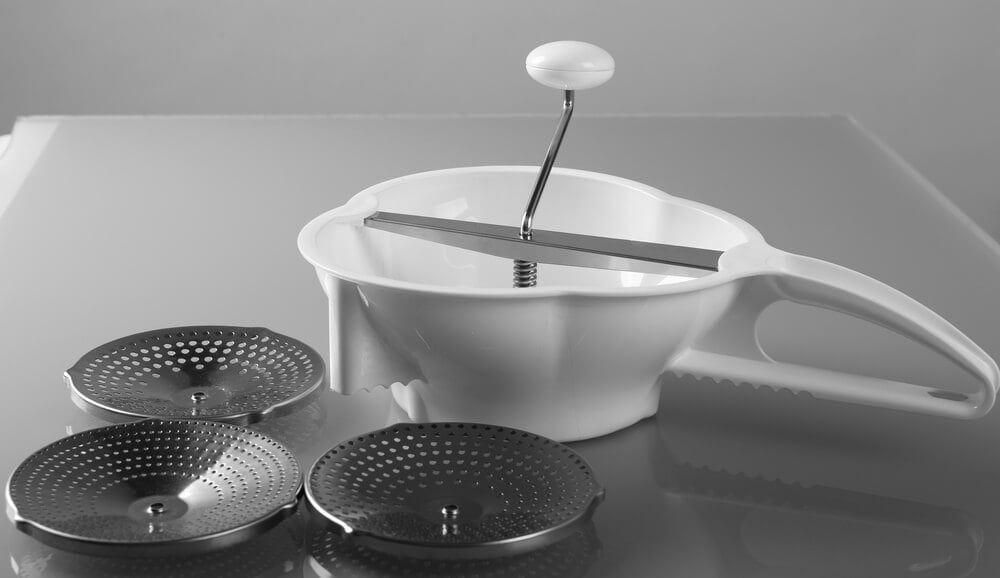
The Foley Food Mill, introduced by a Minneapolis company in the 1930s, looked like a metal pot with a perforated bottom and a hand crank. Turning the crank pushed cooked apples, tomatoes, or potatoes through the perforations while leaving skins and seeds behind.
Grandmothers used it to make applesauce, tomato sauce, and baby food. Blenders and food processors made it seem old-fashioned, although food mills are still sold.
Many cooks argue that nothing else produces the same smooth, seedless texture. The Foley name is stamped on thousands of mills that still turn up at estate sales and thrift stores.
Ceramic Pie Bird
A small hollow ceramic figure, often shaped like a blackbird with its beak open, sat in the center of a fruit pie before the top crust went on. As the pie baked, steam escaped through the bird’s mouth, which kept the filling from boiling over and the crust from turning soggy.
The idea came from Britain, where pie funnels had been used for generations, and American potteries turned them into whimsical kitchen decorations. Slits cut into the top crust do the same job, so most bakers never bothered with one.
The birds are now popular with collectors, who hunt for unusual shapes like elephants, chefs, and dragons.
Drippings Can on the Back of the Stove
Nearly every kitchen once kept a metal can on the back of the stove to collect bacon grease and other fat. Many were sold in matching sets with canisters, labeled Drippings in cheerful lettering, and some had a built-in strainer to catch bits of meat.
Cooks used the saved fat to fry eggs, season green beans, and make cornbread. Health concerns about saturated fat and the rise of vegetable oils pushed the habit out of most kitchens.
Some cooks still save bacon grease in a jar in the refrigerator. The dedicated drippings can, however, has become a collector’s item rather than a kitchen fixture.
Mouli Rotary Grater
This French-made grater used a hand-turned drum pressed against food with a hinged clamp, so fingers stayed far from the blades. It grated cheese, nuts, chocolate, and bread crumbs quickly and evenly, and it became a common sight in American kitchens in the mid-20th century.
Restaurants sometimes used similar graters to grate cheese at the table. Food processors and microplane graters took over most of its work.
Many cooks who inherited one still swear by it for hard cheeses. The design is simple enough that it rarely breaks, which is why so many are still around.
Wall-Mounted Swing-A-Way Can Opener
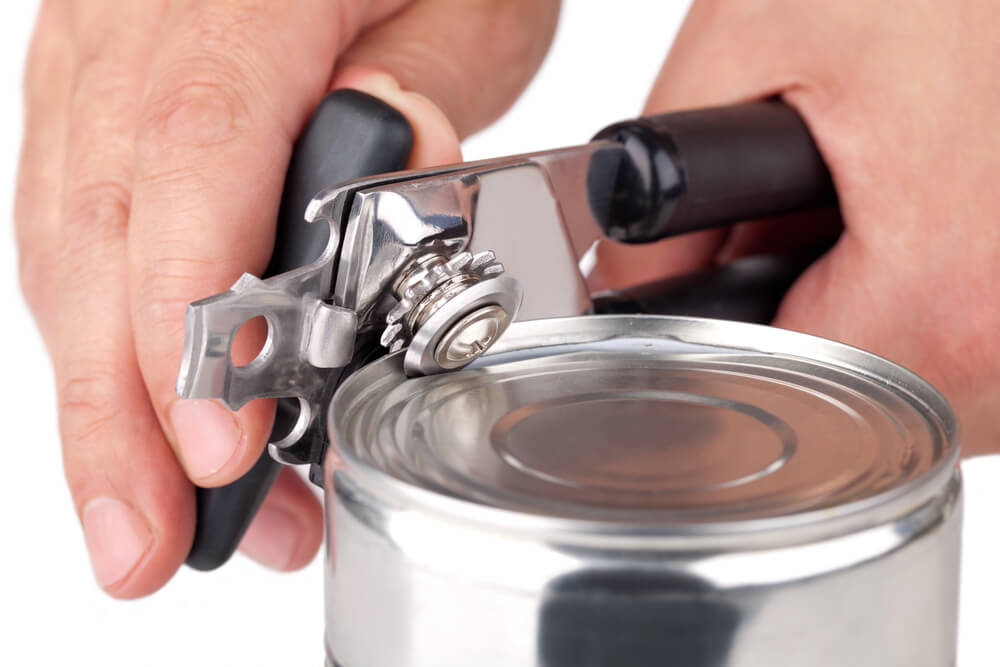
Swing-A-Way, founded in St. Louis in the 1940s, sold a can opener that mounted on the kitchen wall and swung out on a hinged arm when needed. The cook hooked the rim of the can under the cutting wheel, clamped the handle down, and turned a crank.
It was sturdy, fast, and always in the same place, which saved digging through a crowded drawer. Electric can openers and pull-tab lids reduced its role, and many homeowners removed the brackets during kitchen remodels.
The small screw marks on old kitchen walls or cabinet sides are sometimes the only trace that one ever hung there.
Metal Ice Cube Tray With a Lever
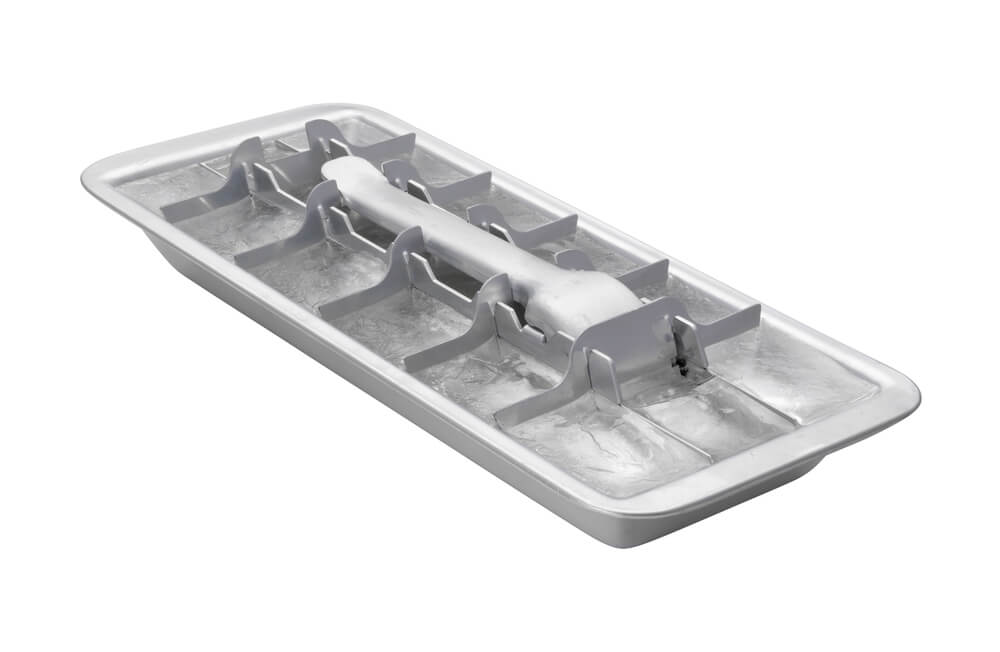
Early refrigerators came with aluminum ice cube trays that used a metal grid and a lever to crack the cubes loose. Frigidaire’s Quickube tray was one of the best known.
Pulling the lever released the cubes with a satisfying crunch, although the metal sometimes froze to fingertips. Flexible plastic trays and automatic ice makers made them obsolete.
Many people who grew up with them remember running the tray under warm water to loosen it, then pulling the lever with both hands. The trays now appear in thrift stores, where younger shoppers often mistake them for baking pans.
Glass Juice Reamer
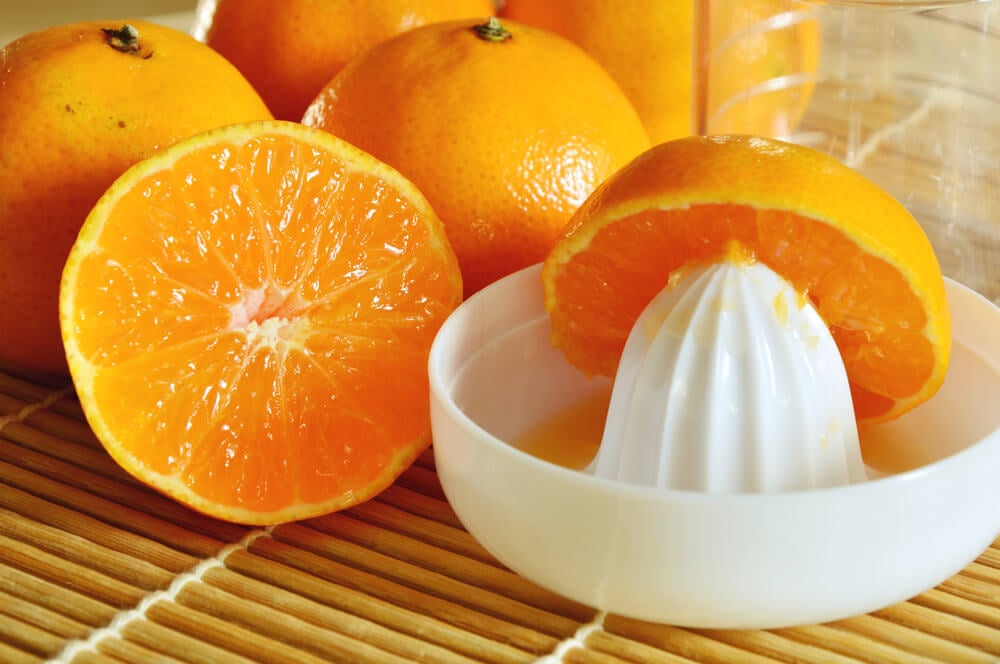
Glass reamers had a ridged dome in the center and a moat around it to catch juice, and cooks pressed half an orange or lemon onto the dome and twisted. Many were made in bright colors like jadeite green, pink, and cobalt blue by companies like McKee and Anchor Hocking.
Sunkist promoted them in the early 20th century to encourage people to drink more orange juice. Electric juicers and cartons of juice made them less necessary.
Collectors now pay good money for rare colors and unusual shapes. A reamer on a windowsill still catches the light the way it did in grandmother’s kitchen.
Chop-O-Matic From the Popeils
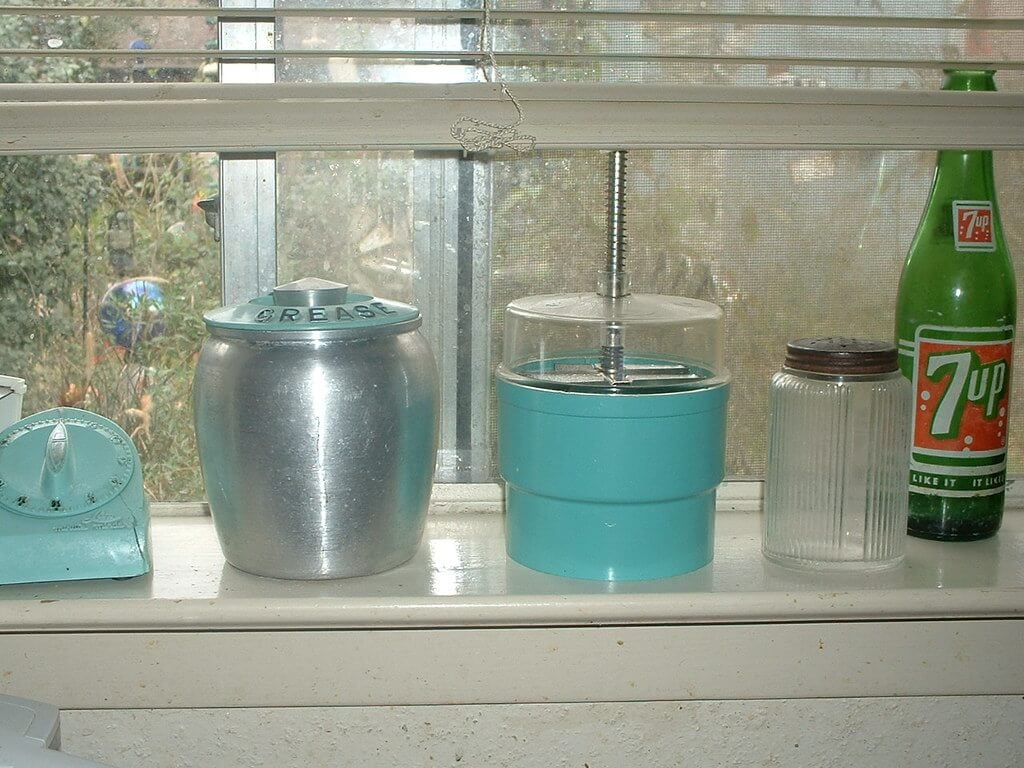
Samuel Popeil invented the Chop-O-Matic in the 1950s, a plastic dome with a spring-loaded plunger that spun blades inside when pressed. His son Ron Popeil sold it in live demonstrations at stores and later on television, launching a career as one of the most famous pitchmen in American history.
The gadget chopped onions, nuts, and vegetables quickly without tears. It sold in huge numbers and inspired countless imitations.
Food processors eventually made it look quaint. The Chop-O-Matic is now remembered as much for how it was sold as for what it did.
Veg-O-Matic Slicer
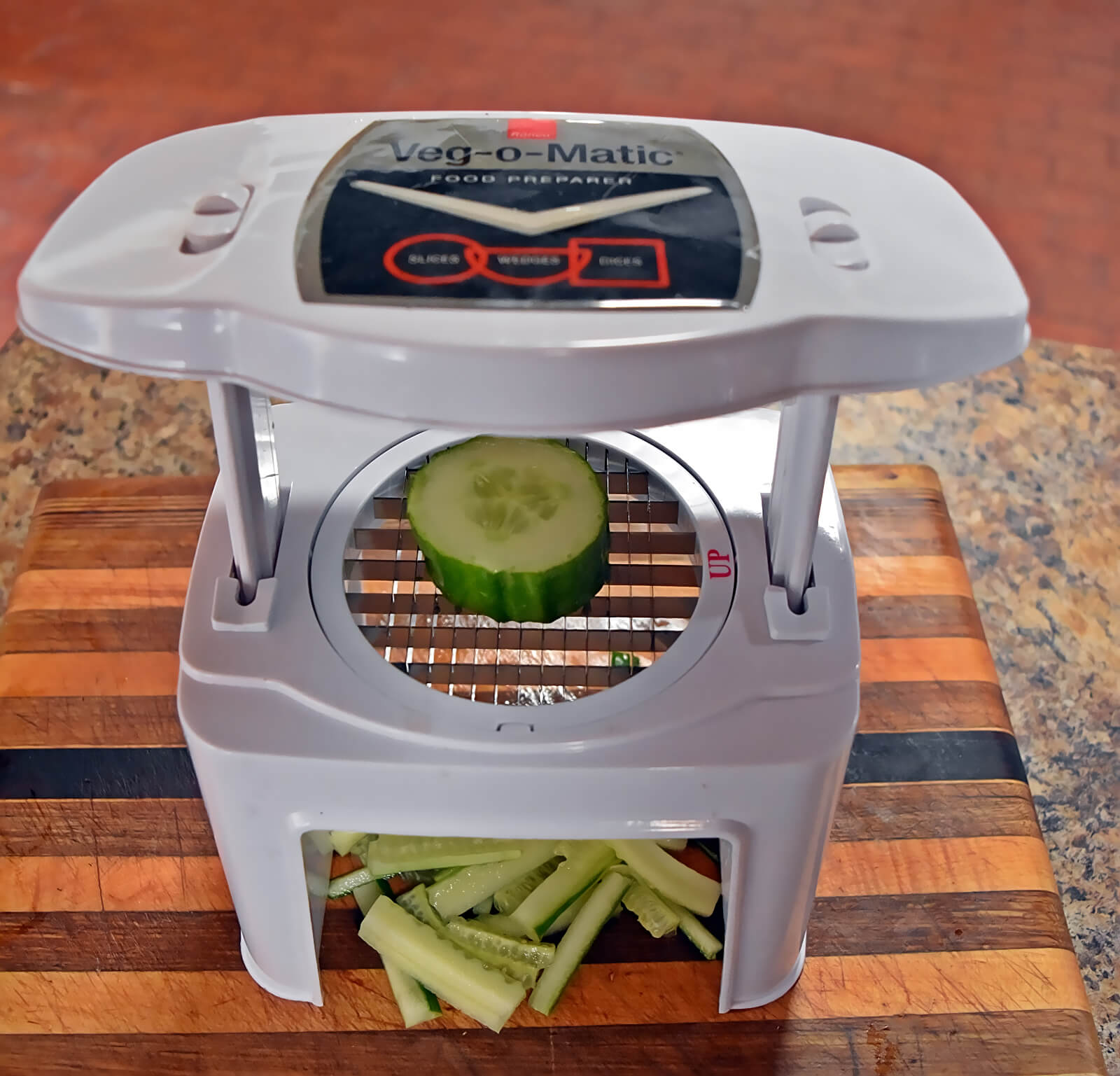
Introduced by the Popeil Brothers in 1963, the Veg-O-Matic was a slicer with a grid of blades that could cut potatoes into fries, slice tomatoes, and dice onions in a single push. Television ads promised that it sliced and diced, and the pitch became a catchphrase.
The gadget sold millions of units and became a symbol of the early days of television marketing. It was also parodied on Saturday Night Live, with Dan Aykroyd famously slicing a fish in a spoof called the Super Bass-O-Matic.
Modern mandolines and food processors have replaced it, but the name is still widely recognized.
Royal Worcester Egg Coddler
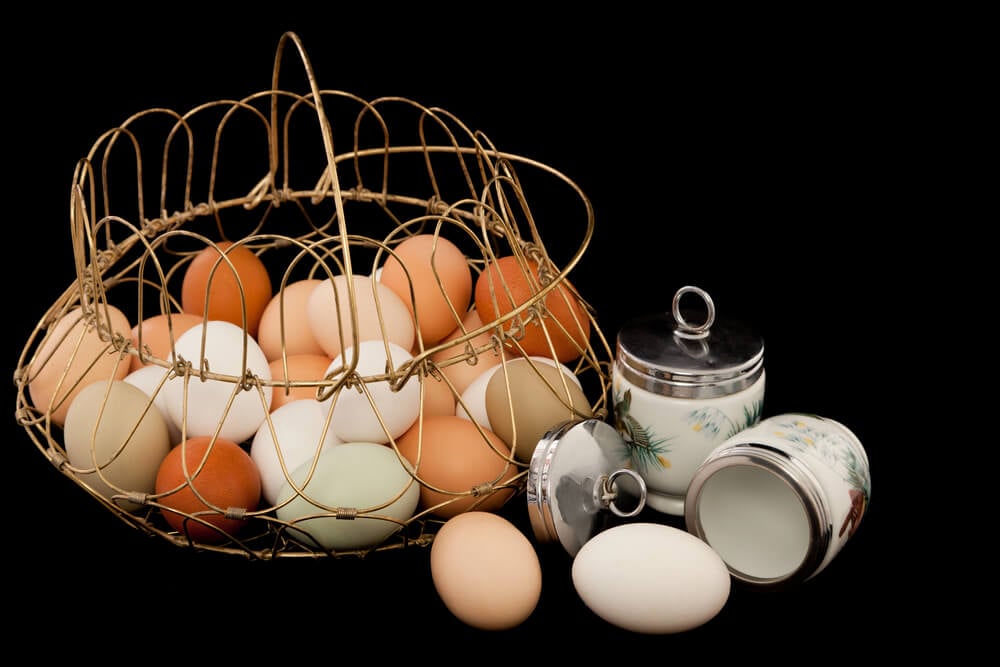
An egg coddler was a small porcelain cup with a screw-on metal lid. Cooks cracked an egg inside with a bit of butter and seasoning, screwed on the lid, and set the cup in simmering water until the egg was gently cooked.
Royal Worcester in England produced the most famous versions, decorated with fruit, flowers, and birds. They were popular in the United States as elegant breakfast pieces and wedding gifts.
Few modern cooks have the patience for coddled eggs, and the cups are now mostly collected for their decoration. Many sit on shelves rather than in pots of water.
Wall-Mounted Coffee Grinder
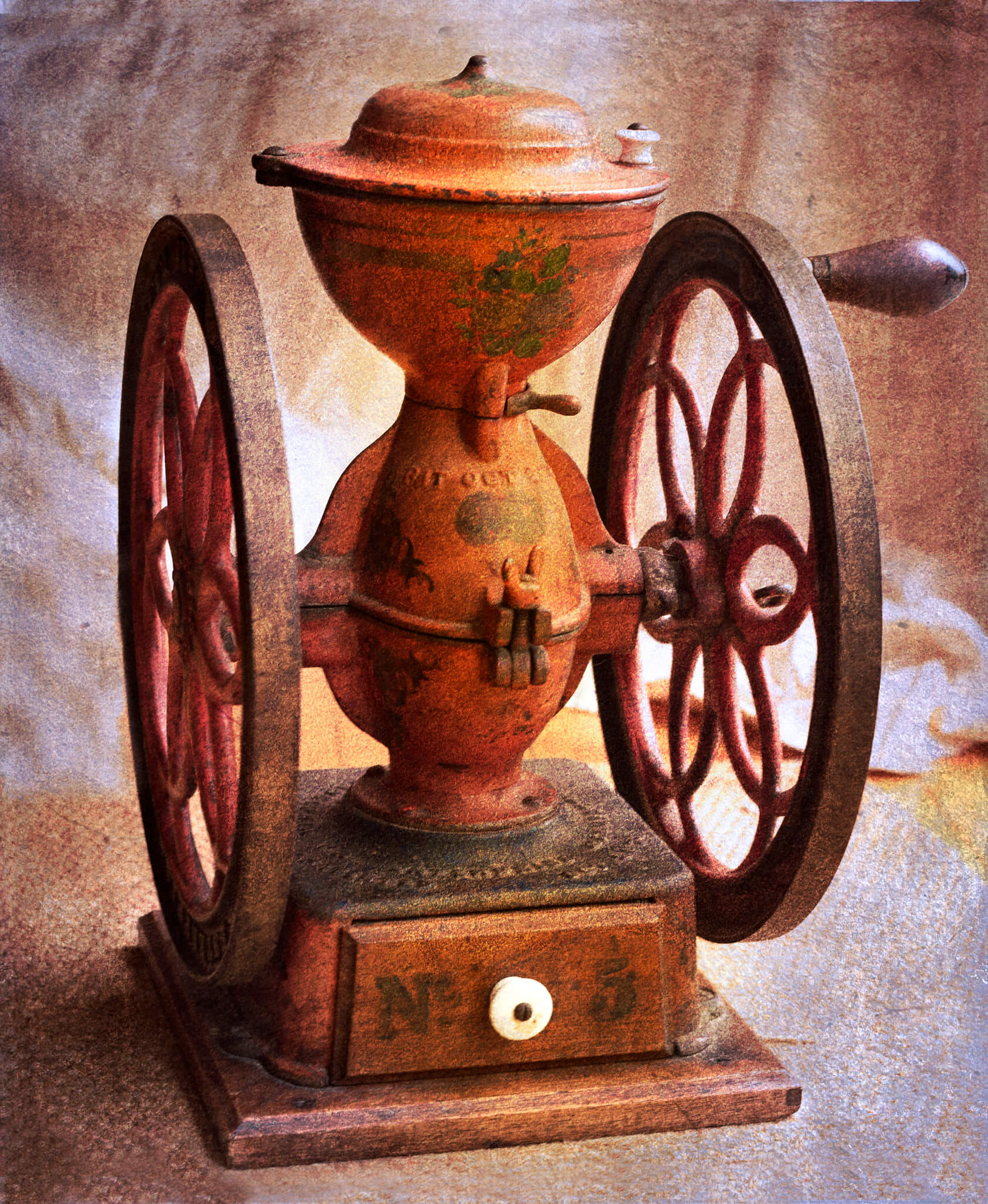
Many kitchens once had a wall-mounted coffee grinder with a glass hopper on top and a small glass cup below, a holdover from the days before canned ground coffee became standard. The cook filled the hopper with beans, turned the crank, and collected the fresh grounds.
Arcade Manufacturing of Freeport, Illinois, made the popular Crystal model. The grinders were sturdy and attractive, but canned coffee made them unnecessary for most families.
Electric grinders later replaced them among coffee enthusiasts. The originals now hang in vintage-style kitchens as decorations, and many still work perfectly well.
Dazey Butter Churn
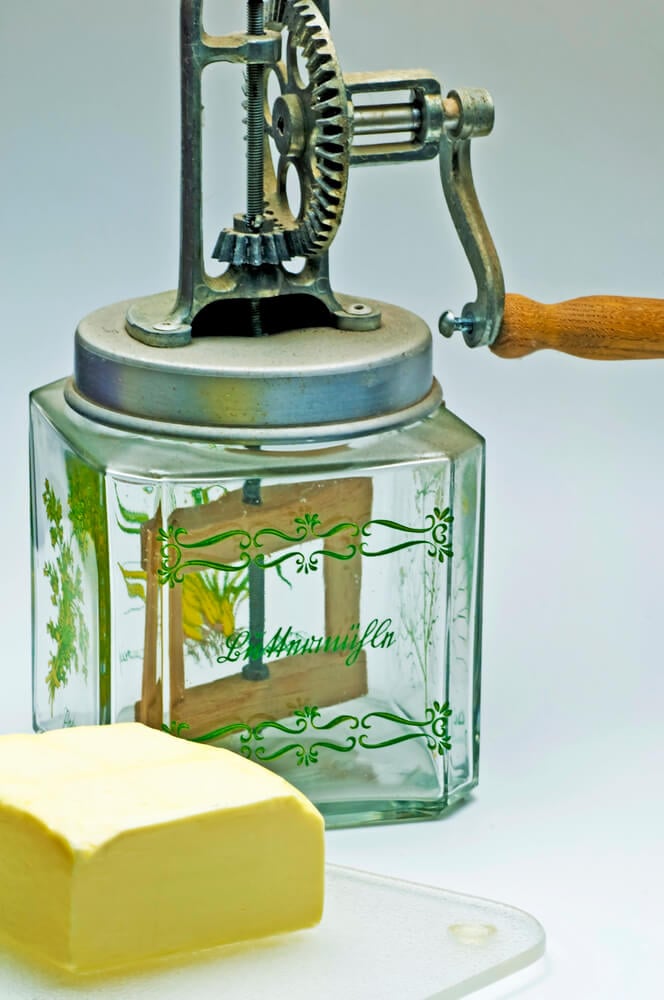
The Dazey churn, made in St. Louis, was a large glass jar with a metal lid and a hand crank that turned wooden paddles inside. Cooks poured in cream and cranked until butter formed, a process that could take a surprisingly long time.
The churns were common in farm households that kept their own dairy cows. As store-bought butter became cheaper and more convenient, the churn faded from use.
Collectors now seek out Dazey churns, especially those with original labels. A few home cooks still use them for small batches, and kids love watching the butter appear.
Pyramid Stovetop Toaster
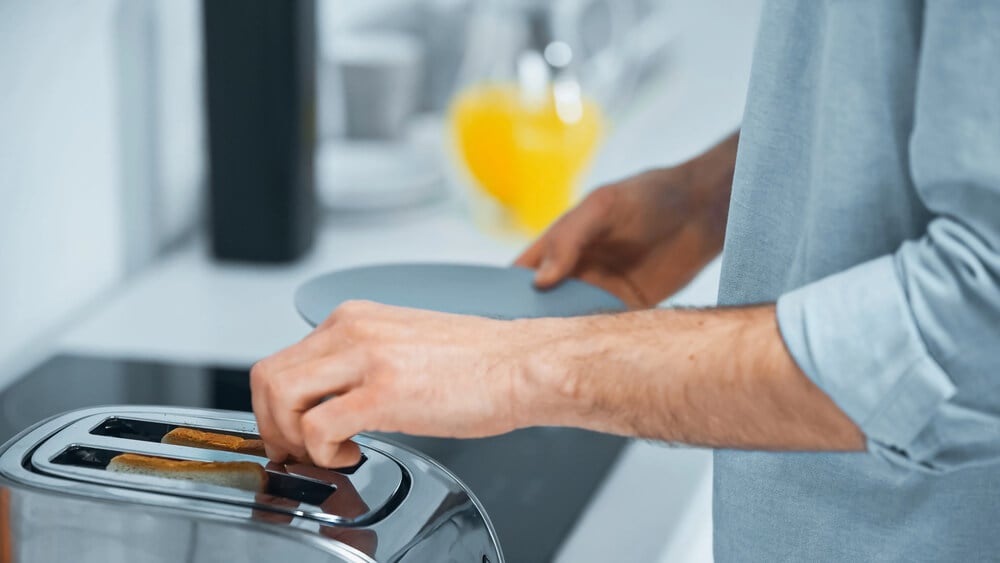
Before electric toasters became common, many families toasted bread on the stovetop with a simple tin pyramid. The toaster sat over a gas burner or on a wood stove, and slices of bread leaned against its sloped sides.
The cook watched closely and flipped each slice by hand. The design was cheap and needed no electricity.
Pop-up electric toasters spread widely in the middle of the 20th century and made the stovetop version obsolete in most homes. Campers still use similar toasters.
Many older adults remember the smell of toast browning over a gas flame.
Bread Box on the Counter
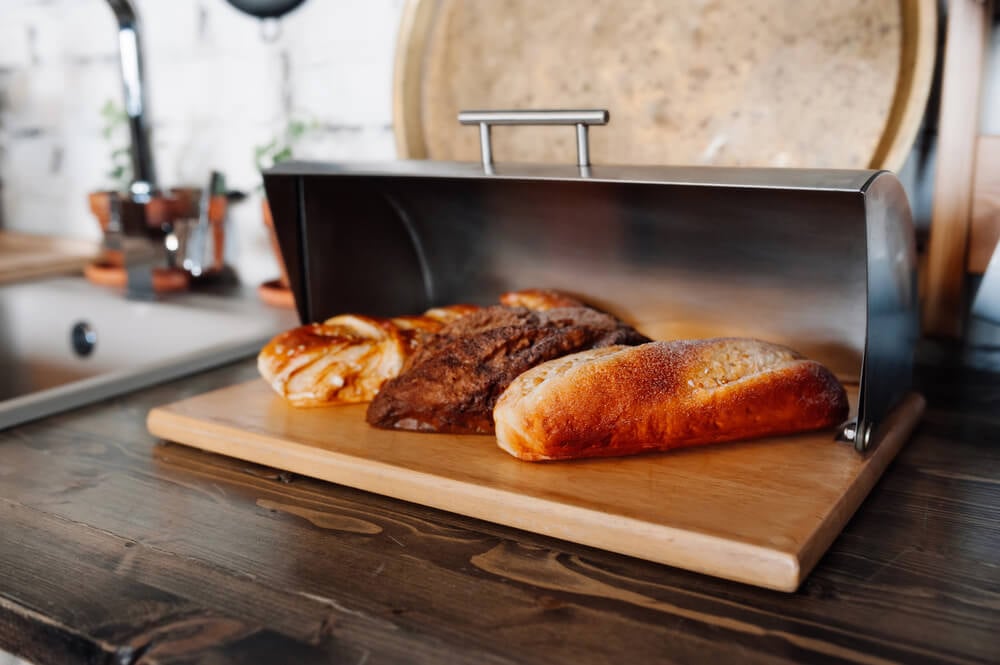
A bread box kept loaves fresh by protecting them from air and light while allowing a little circulation. Many were made of painted tin, chrome, or wood, and they often matched a family’s canister set.
The bread box sat on the counter as a permanent fixture, holding sandwich bread, rolls, and sometimes a cake. Plastic bags, refrigerators, and preservatives reduced the need for them.
Some modern kitchens have brought bread boxes back as decorative pieces. For many adults, the lid of the bread box made a distinct clang that meant someone was making a sandwich.
Kraut Cutter on the Crock
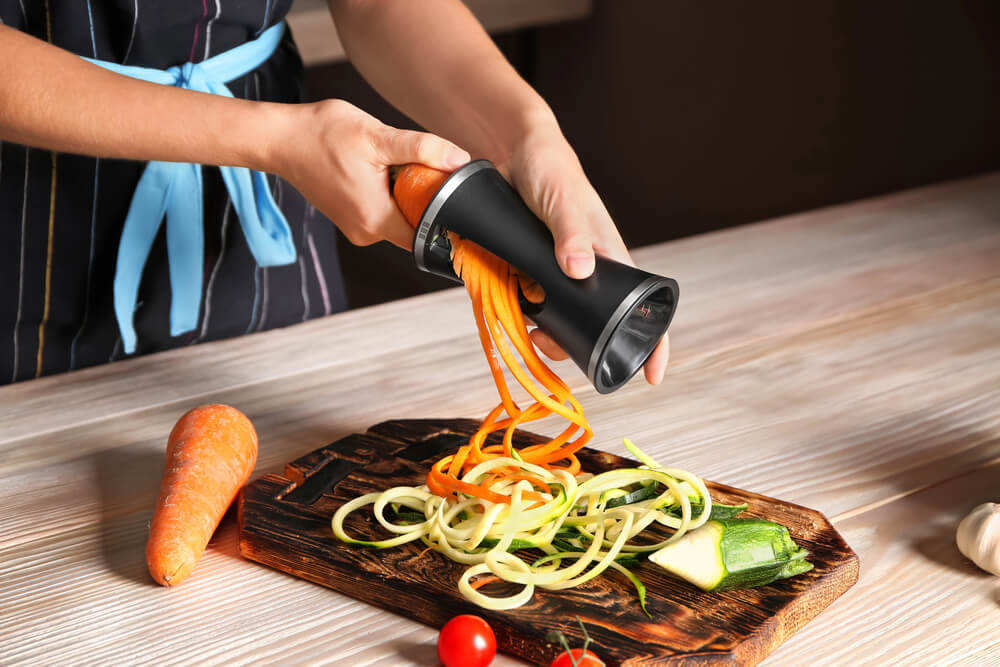
Sometimes called a slaw board, the kraut cutter was a long wooden board with one or more angled steel blades set across the middle. Cooks pushed heads of cabbage back and forth over the blades, shredding them directly into a large stoneware crock.
Salt was added, and the cabbage fermented into sauerkraut over several weeks. The process was a fall ritual in many households, especially those with German or Eastern European roots.
Store-bought sauerkraut and food processors made it less necessary. The boards now hang on walls as rustic decorations, although fermenting enthusiasts have rediscovered them.
Cast Iron Stovetop Waffle Iron
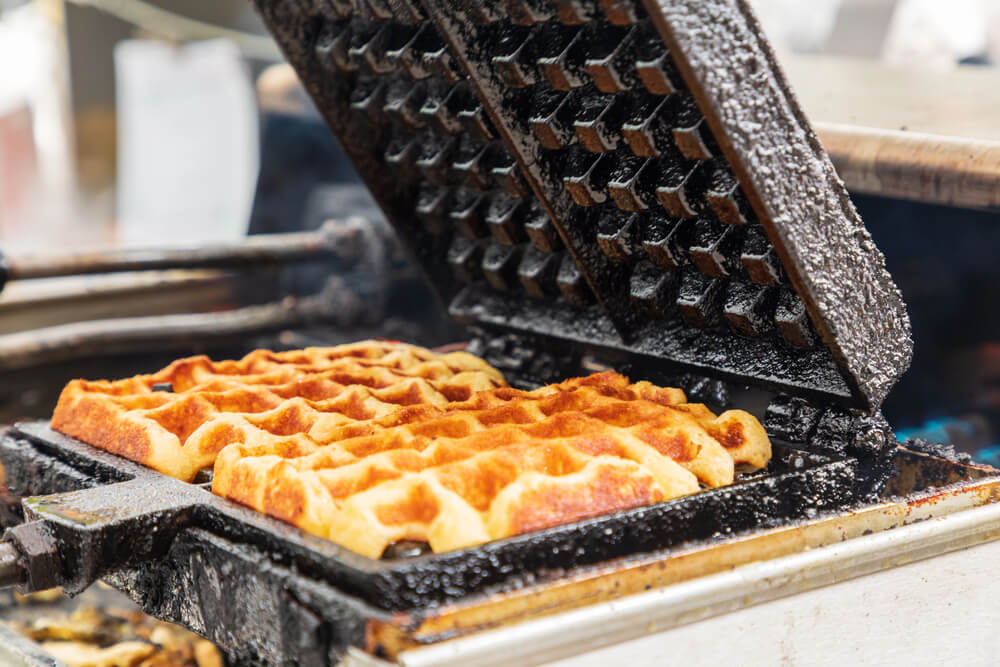
Before electric waffle makers, cooks used cast iron waffle irons that sat on a base over a burner. The iron had a hinge and a long handle, and the cook flipped it halfway through cooking to brown both sides.
Griswold, based in Erie, Pennsylvania, made some of the most popular models. The irons required careful heat management and seasoning to prevent sticking.
Electric waffle makers took over in the middle of the 20th century. Collectors now seek out the old cast iron models.
A few cooks still use them and insist they make better waffles than any electric model.
Hand-Crank Ice Crusher
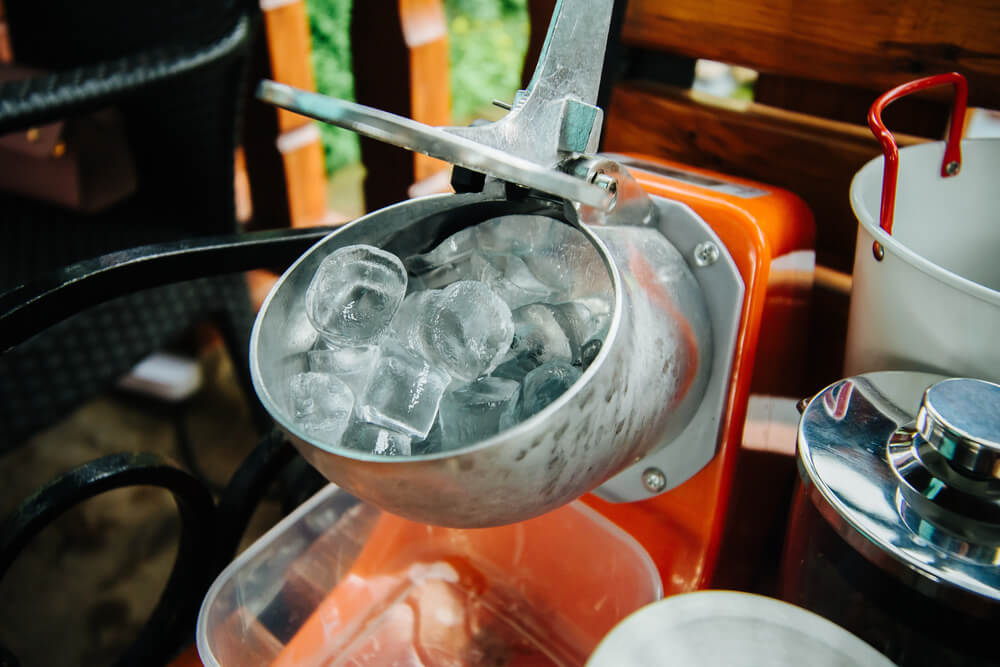
Hand-crank ice crushers, often mounted on a wall or set on the counter, turned cubes into crushed ice for drinks and desserts. The cook dropped cubes into a hopper and turned a crank, and crushed ice fell into a container below.
The crushers were popular in the 1950s and 1960s, when home bars and cocktail parties were in fashion. Refrigerators with built-in ice dispensers made them unnecessary.
The crushers now turn up at estate sales and thrift stores, often in bright colors and chrome. Many still work and are prized by home bartenders.
Wire Salad Basket
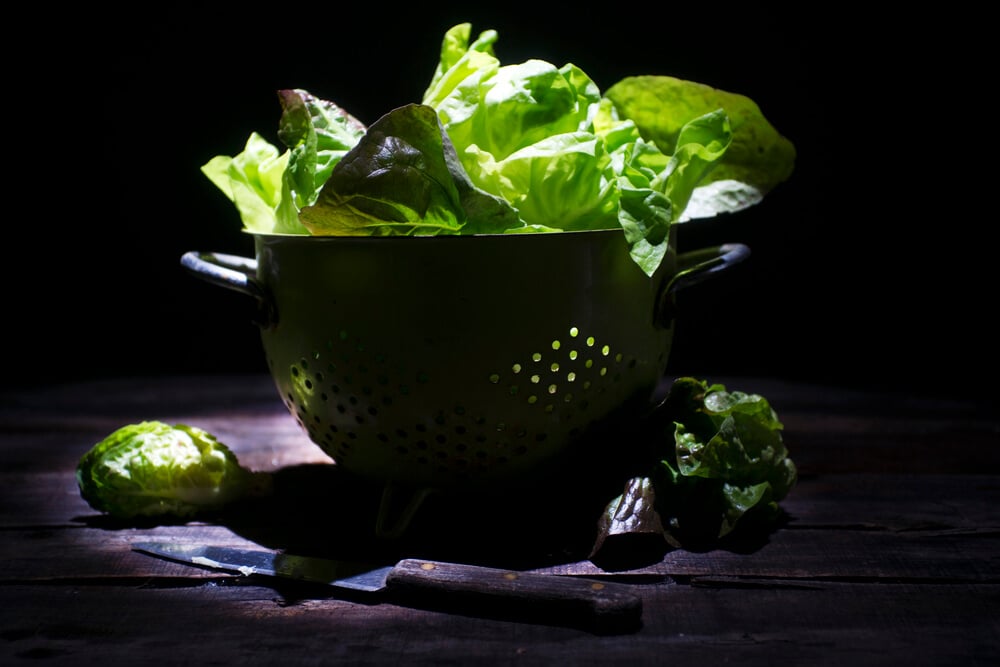
A collapsible wire basket held freshly washed lettuce, and the cook took it outside and swung it in wide circles to fling the water off. The motion looked strange to neighbors but worked well.
The baskets folded flat for storage and could also be used for gathering eggs or vegetables. Plastic salad spinners with pull cords or pumps replaced them in the 1970s and 1980s.
The wire baskets are now popular as decorative pieces. Many adults still remember watching their grandmothers swing lettuce around the backyard on summer evenings.
Hoosier Cabinet Flour Bin
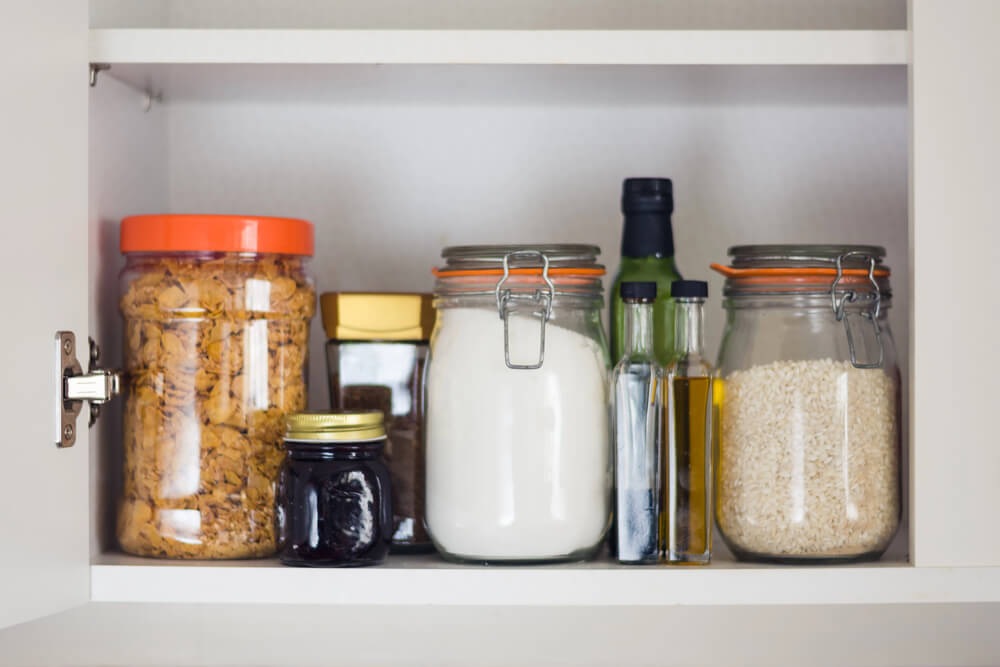
The Hoosier cabinet was a freestanding kitchen workstation made by the Hoosier Manufacturing Company of New Castle, Indiana, and several competitors. It included shelves, drawers, a work surface, and a built-in flour bin with a sifter at the bottom.
Cooks could sift flour directly onto the counter while baking. The cabinets were popular in the early 20th century, before built-in kitchen cabinets became standard.
Many are now sought by collectors and used as decorative pieces. The flour bin, with its tilting metal hopper, is the feature that most puzzles modern visitors.
Egg Scale for Grading Eggs
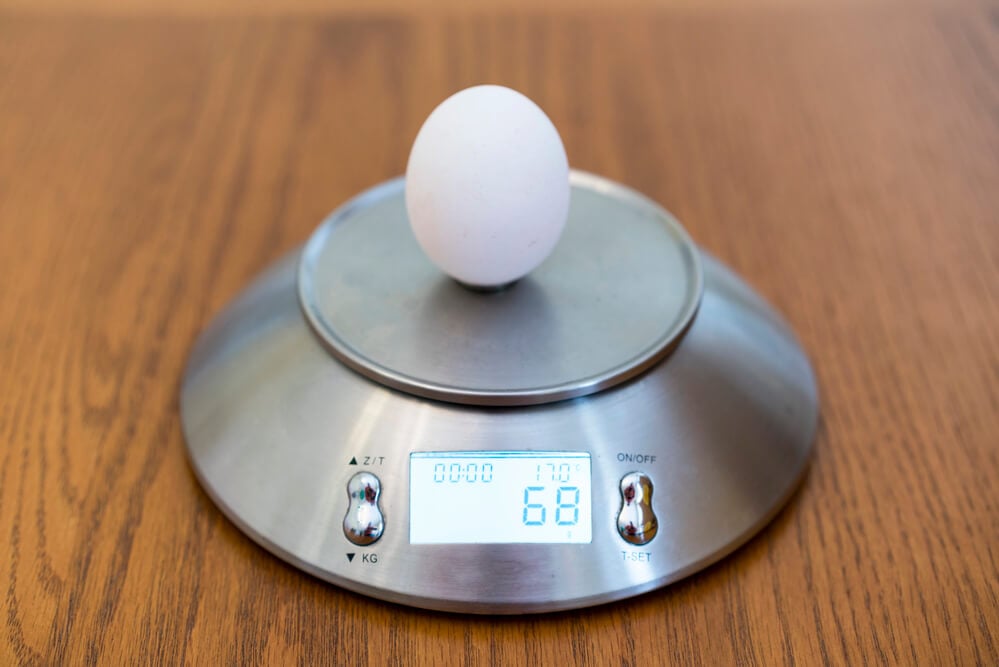
Farm families that sold eggs used small scales to weigh and grade them by size. The egg sat in a cradle on one end of a balance, and a pointer showed its weight class.
Jiffy-Way of Minneapolis made one of the most common models. The scales helped families sort eggs for market and set prices.
As fewer families raised chickens and grocery stores took over egg sales, the scales became unnecessary. Collectors now seek them out, and some backyard chicken keepers have put them back to work.
Few modern cooks know what they are when they see one.
Tools That Asked for Patience

Every tool on this list asked something of the cook: a strong arm, a steady hand, or a little extra time. Modern appliances removed most of that effort, and in many ways that is a clear improvement.
Nobody really misses chipping ice from a block. Still, those tools carried a kind of knowledge that disappears when nobody uses them.
They taught cooks to feel when the cream was whipped and hear when the coffee was ready. Holding one today is a reminder of how much skill once lived in the hands of the people who cooked for their families.
More from Go2Tutors!

- The Romanov Crown Jewels and Their Tragic Fate
- 13 Historical Mysteries That Science Still Can’t Solve
- Famous Hoaxes That Fooled the World for Years
- 15 Child Stars with Tragic Adult Lives
- 16 Famous Jewelry Pieces in History
Like Go2Tutors’s content? Follow us on MSN.