Surprising Facts About Ancient Monuments That Scientists Are Only Uncovering
Monuments built long ago still stand today. For ages folks thought they knew enough about these stone giants.
Surprise waited quietly behind dusty theories. Tools we now hold reveal secrets once hidden by time itself.
Eyes alone missed clues buried deep in rock and soil. Discoveries arrive like quiet storms – changing pages scholars believed were finished.
What seemed certain crumbles under fresh light. Old books rest uneasy on shelves tonight.
Even seasoned scientists paused when they saw some of these findings. What we’re now learning comes straight from the data.
The Hidden Chambers Of The Great Pyramid

Centuries passed before anyone questioned what lay inside the Great Pyramid of Giza beyond its three familiar rooms. Hidden above the Grand Gallery, researchers spotted an empty stretch back in 2017 by tracking cosmic rays through stone.
That gap runs about 100 feet – its reason for being there remains unclear even now.
Stonehenge’s Recycled Stones
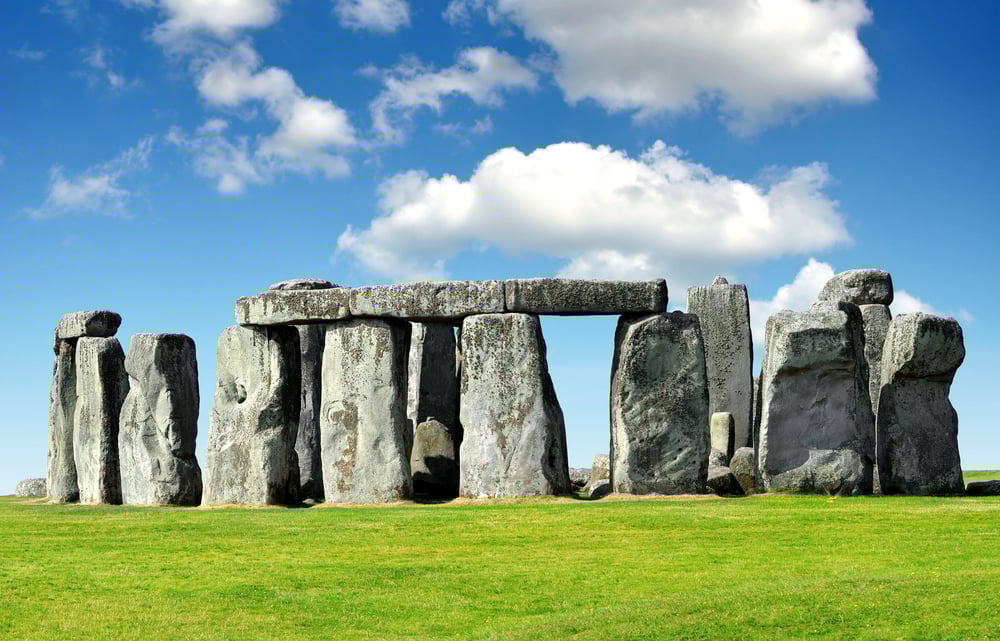
Turns out, scientists learned something new in 2023 about Stonehenge’s bluestones – they weren’t first set up where we see them now. Instead, they traveled from a broken circle in Wales, carried across long distances.
This suggests the famous site might actually be a second version of another ancient structure. So what people thought happened before? Well, it may need rethinking.
The Nazca Lines And Their Link To Water
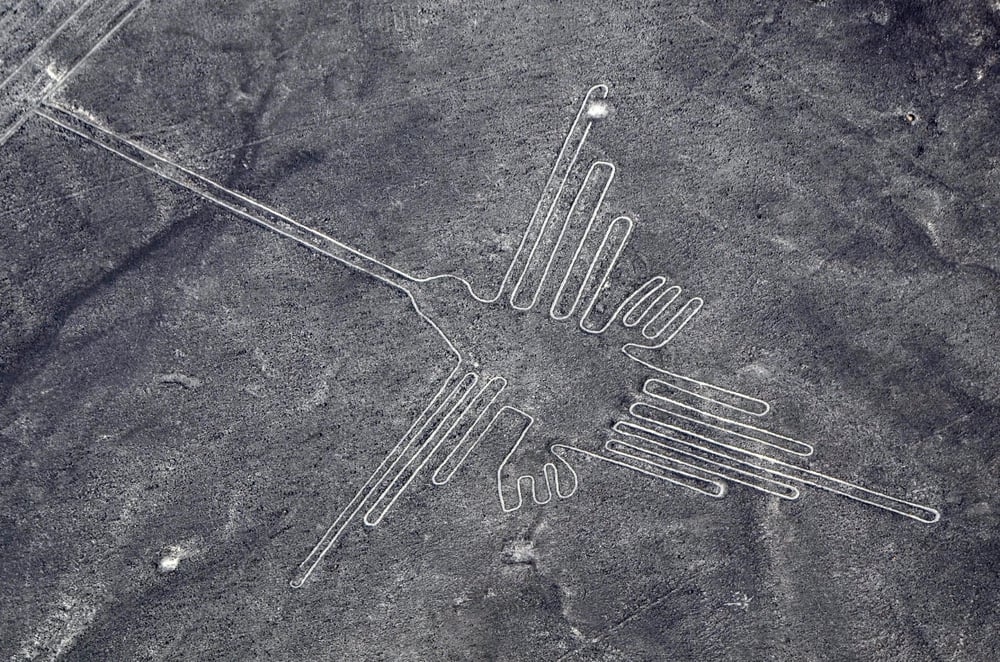
Years went by, yet folks still tied Peru’s Nazca Lines to stars – even visitors from space. Lately though, clues suggest a simpler role: these marks probably became walkways for ceremonies calling on rain across an extreme desert.
Back then, those living there carved paths to pay respect to every drop that sustained life.
Easter Island Statues Have Hidden Bodies
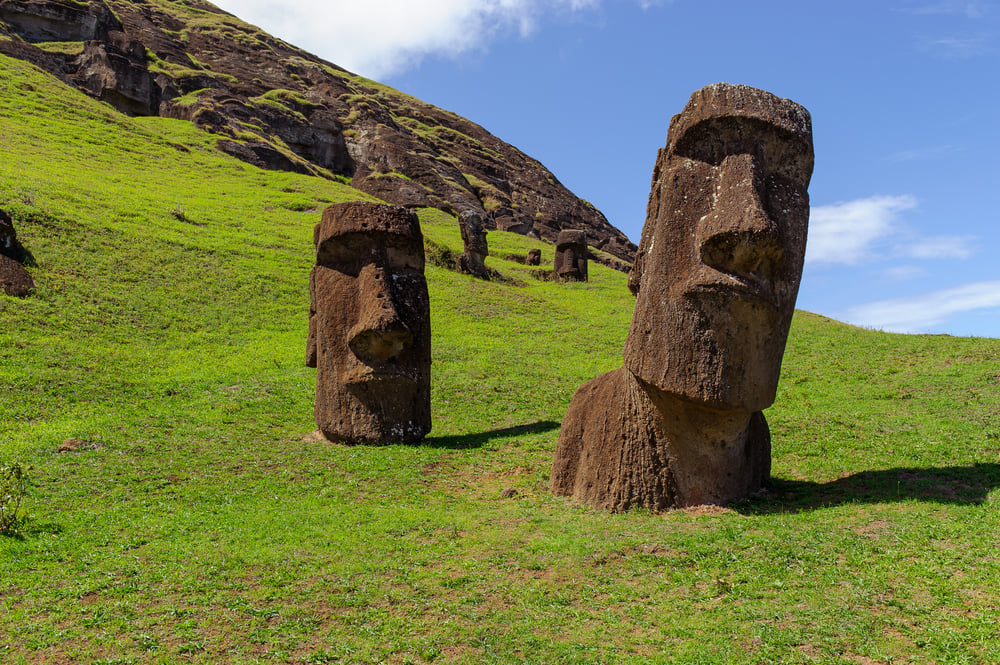
Hidden beneath the surface, the famous stone heads of Easter Island actually have complete bodies. Though widely recognized, few realize these statues stretch much further below ground.
Nearly thirty-three feet high once uncovered, some rise like silent giants from the earth. Carvings etched into their buried chests remain a puzzle for scientists today.
For centuries those markings stayed out of sight, sealed by time and soil.
The Colosseum Had An Advanced System To Manage Water Flow

Underground channels beneath Rome’s Colosseum once filled the stage with water. Scientists now know these pathways allowed mock sea fights long ago.
Surprisingly detailed, the old pipes still draw attention from experts in city infrastructure. Though built centuries back, their design feels ahead of its time.
Göbekli Tepe Is Older Than Expected
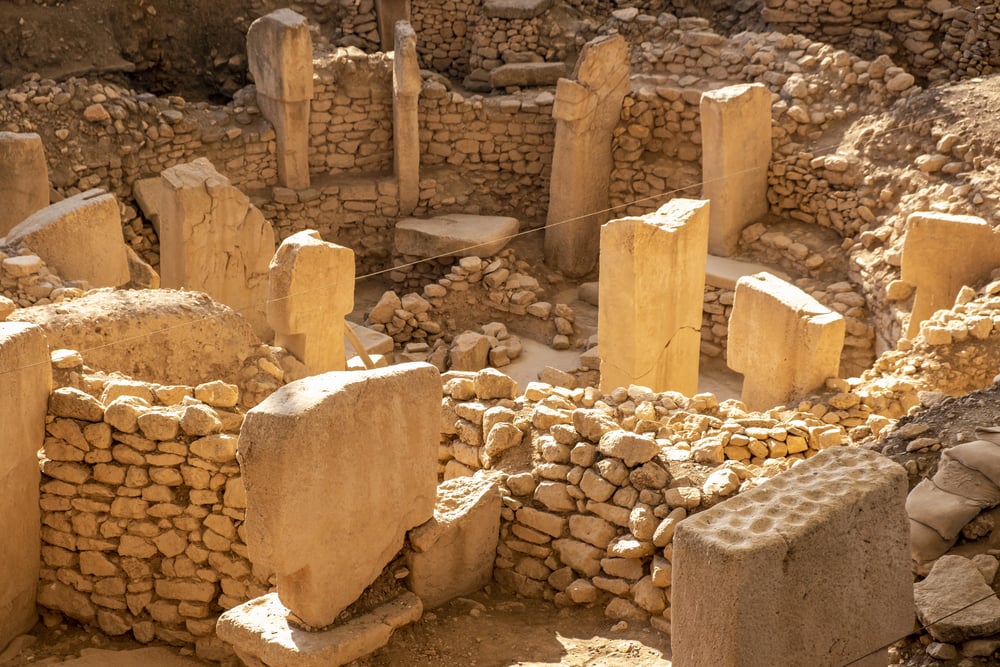
Standing tall in Turkey, Göbekli Tepe won’t let old ideas about ancient people stay fixed. Around 9600 BCE is when digging shows activity began – way earlier than Stonehenge, shockingly so given beliefs about scattered hunter-gatherers at that time.
Structures there suggest group effort on a scale not believed possible then. Who shaped those stones remains unknown.
Later, someone chose to cover the whole place up, one layer after another. Why hands returned to hide it still puzzles anyone who studies the dirt and carvings.
The Sphinx Shows Signs Of Water Damage
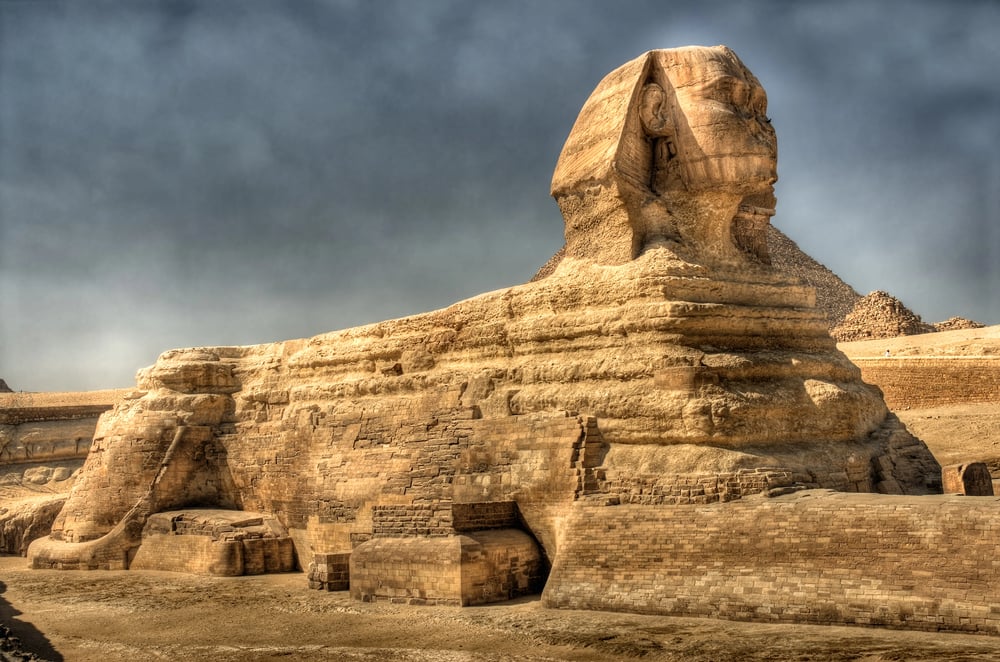
Water marks on the Sphinx – that caught Robert Schoch’s eye back in the 1990s – set off a chain of questions among researchers. Because instead of sand-scoured stone, what he saw suggested long exposure to rain.
Which would mean it was built way before mainstream estimates place its origin. Thousands of years earlier, perhaps, shifting timelines people once trusted without question.
Even now, scholars keep turning this idea over during conferences and papers.
Chichen Itza Acoustic Design
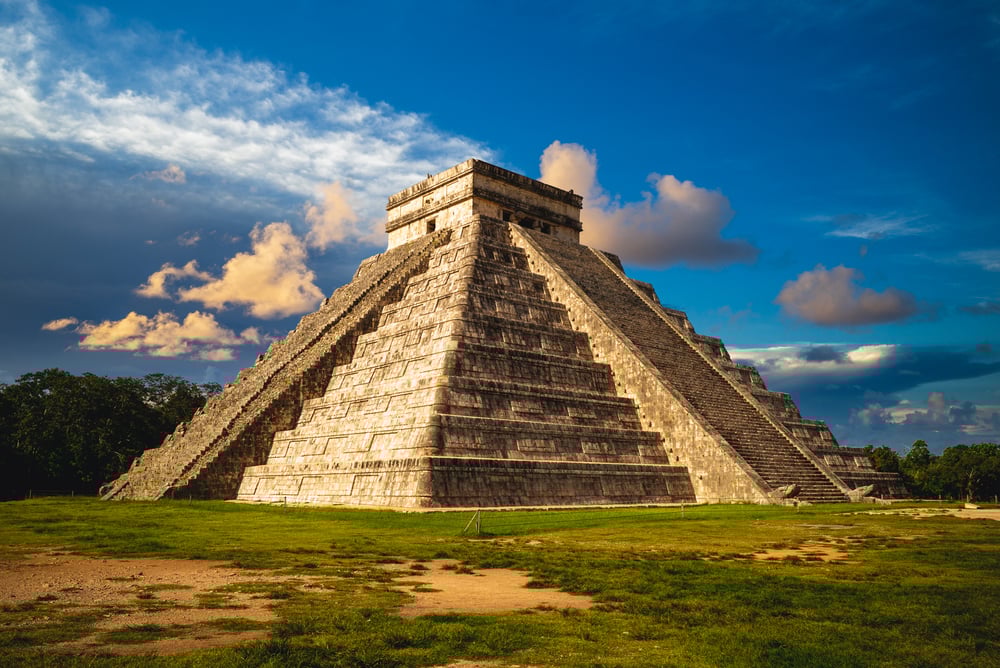
Down at the bottom of Chichen Itza’s well-known pyramid, a clap throws back an odd reply. That bounce turns into something close to how a quetzal bird cries out – something the Maya held deep in their beliefs.
Not by chance did this happen; those who shaped the steps meant for it to sing like that when rituals unfolded there.
Angkor Wat Cityscape
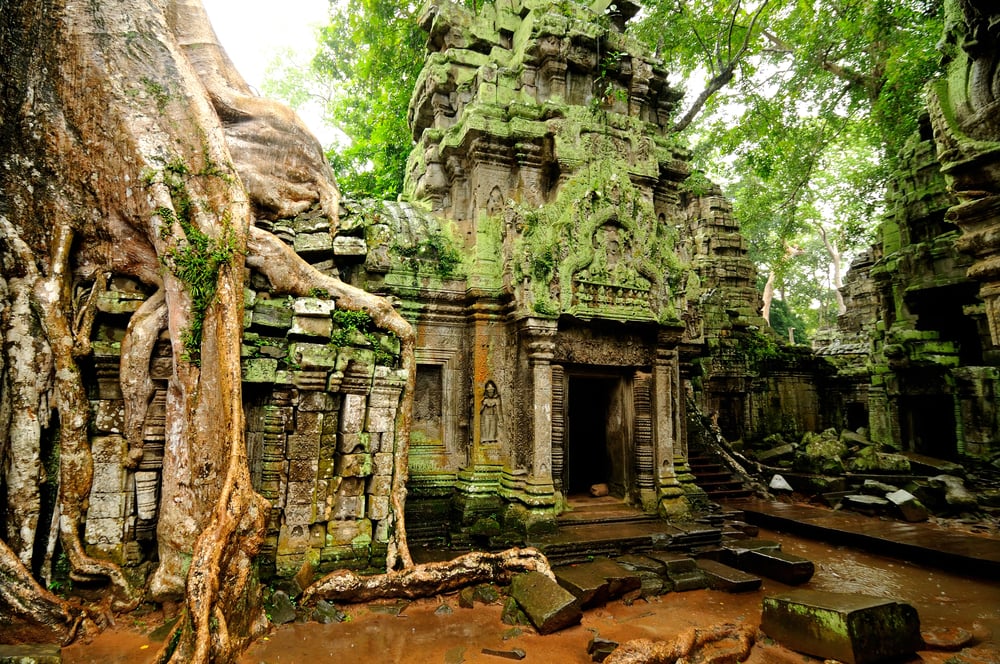
Hidden beneath thick forest for hundreds of years, the vastness of Angkor Wat’s surroundings only became clear through modern scans. Though long known as a grand temple site, its true scale emerged when lidar peeled back layers of vegetation from above.
Instead of just stone towers, researchers found roads, houses, canals – signs of dense human life stretching far beyond what anyone guessed. This sprawling network once formed one of Earth’s biggest cities before machines powered growth elsewhere.
What looked like wild land turned out to be remnants of streets and fields shaped by countless hands long ago.
The Pyramids’ Alignment Precision
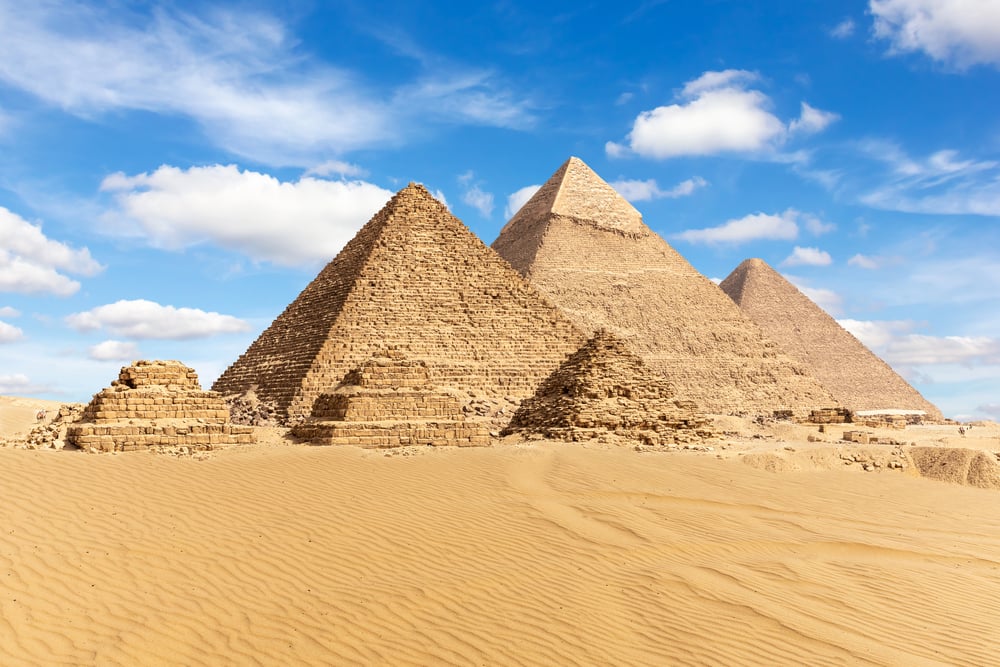
The three main pyramids at Giza align with the stars of Orion’s Belt with a precision that modern engineers find difficult to replicate without advanced tools. Researchers are still debating how ancient builders achieved this level of accuracy using the instruments available at the time.
The alignment is not approximate; it is almost perfect, and that continues to puzzle experts.
Petra’s Water System

The city of Petra in Jordan sits in a desert, yet its builders engineered an advanced hydraulic system that collected and distributed water across the entire settlement. Recent studies showed the system included dams, channels, and storage tanks capable of supporting tens of thousands of people.
For a desert city built over 2,000 years ago, that is a serious engineering achievement.
Machu Picchu’s Earthquake Resistance

Machu Picchu sits in one of the most seismically active zones in South America, yet it has survived for centuries without major structural damage. Scientists found that the Inca builders used a technique called ‘ashlar,’ where stones are cut to fit together so tightly that no mortar is needed, allowing the walls to shift slightly during tremors and then settle back into place.
Modern architects have studied this method closely.
The Antikythera Mechanism’s Home

The Antikythera mechanism, recovered from a Greek shipwreck, is often described as the world’s first analog computer. New imaging technology revealed in 2021 that the front of the device contained a detailed calendar and planetary tracker far more sophisticated than researchers had previously understood.
It was built around 100 BCE, which places it well ahead of anything else from that era.
Pompeii’s Ongoing Surprises
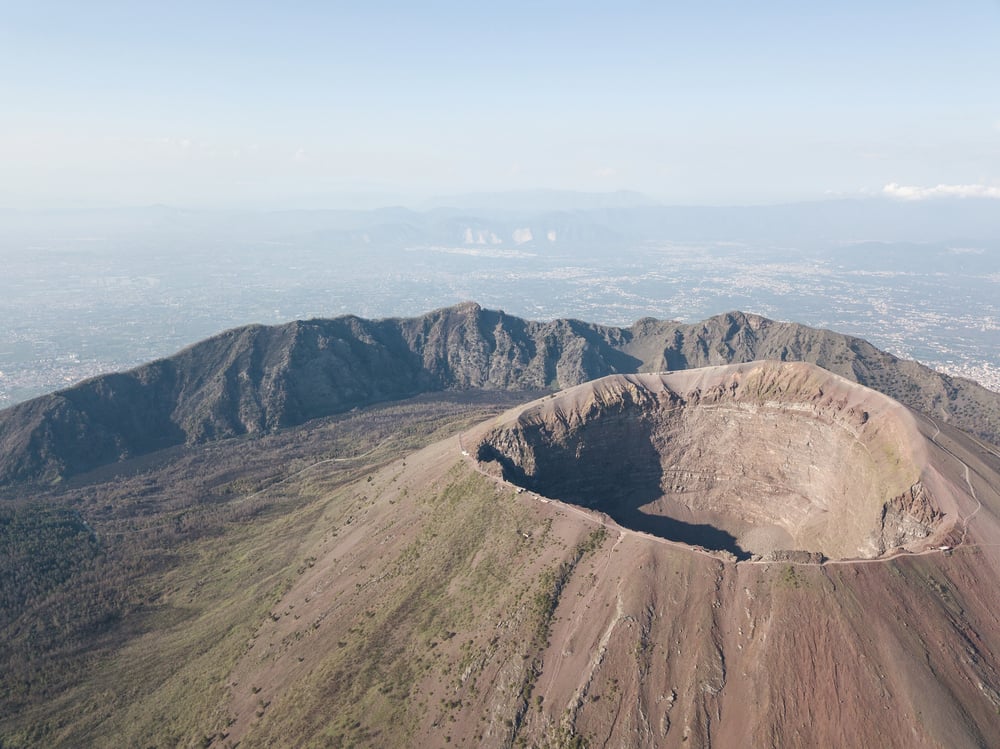
Pompeii keeps giving. A 2023 excavation uncovered a large banquet room with vivid wall paintings still intact, revealing details about Roman dining culture that were previously unknown.
Scientists estimate that roughly one third of Pompeii remains unexcavated, meaning there is still a significant amount of history waiting under the volcanic ash.
The Great Wall’s Hidden Sections
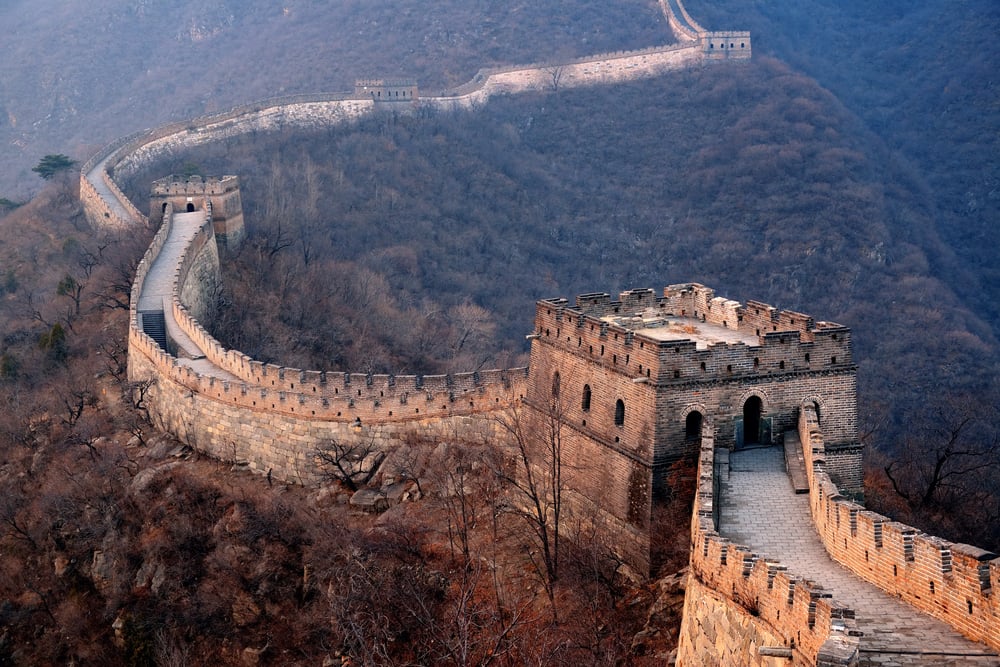
Satellite imaging and ground surveys have identified sections of the Great Wall of China that were not on any official map. Some of these newly found sections stretch through remote deserts and mountains, built using materials specific to those regions rather than the brick and stone most people picture.
The wall is far longer and more varied in construction than the official estimates suggested for years.
Teotihuacan’s Liquid Mercury

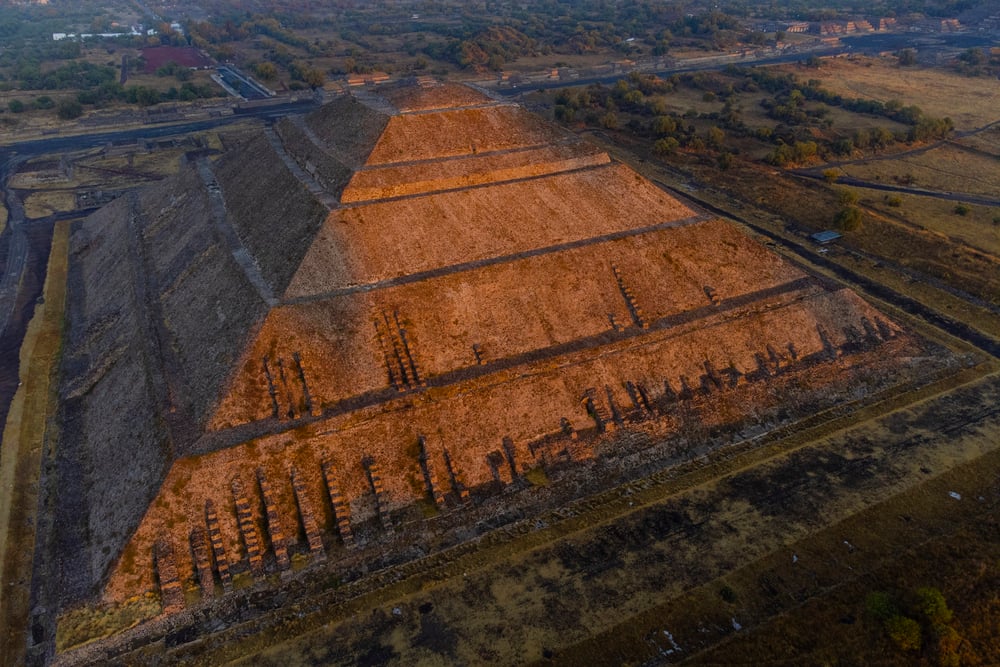
In 2015, archaeologists discovered large quantities of liquid mercury beneath the Pyramid of the Sun in Teotihuacan, Mexico. Mercury was rare and difficult to obtain, which suggests it held deep symbolic or ceremonial significance for the people who placed it there.
Researchers still do not know exactly what the substance was meant to represent or protect.
Where The Past Keeps Rewriting Itself
Every new tool that scientists develop seems to pull another secret out of the ground. These monuments were not just built to impress; they were built with purpose, precision, and knowledge that modern researchers are only beginning to appreciate.
The deeper the technology goes, the more it becomes clear that ancient builders understood their world in ways that deserve genuine respect, not just curiosity. History is not a finished story. It is a conversation that keeps getting more interesting.
More from Go2Tutors!

- The Romanov Crown Jewels and Their Tragic Fate
- 13 Historical Mysteries That Science Still Can’t Solve
- Famous Hoaxes That Fooled the World for Years
- 15 Child Stars with Tragic Adult Lives
- 16 Famous Jewelry Pieces in History
Like Go2Tutors’s content? Follow us on MSN.