27 Outlawed Practices Common a Century Ago
A time traveler dropped into 1926 would find plenty that looks familiar, from cars and radios to department stores and movie theaters. Look a little closer, though, and ordinary daily life was full of things that would now lead to fines, lawsuits or prison.
Some of these practices disappeared because science caught up with them. Others vanished because voters, courts and reformers decided that what everybody did was not the same as what was acceptable.
Lead Paint on Nursery Walls

Lead-based paint was standard in American homes in the 1920s, prized because it was durable, glossy and resisted moisture. It covered walls, windowsills, cribs and toys.
Lead dust and chips are toxic, especially to young children, whose developing brains are easily damaged. Several European countries restricted lead in interior paint in the early 20th century, but the United States did not ban it for residential use until 1978, through the Consumer Product Safety Commission.
Millions of older American homes still contain layers of lead paint beneath newer coats.
Leaded Gasoline at Every Pump

Tetraethyl lead was added to gasoline beginning in the 1920s to reduce engine knocking, and General Motors chemist Thomas Midgley Jr. promoted it as safe. Workers at production plants fell ill and died soon after it was introduced, yet leaded fuel became standard worldwide for decades.
Researchers later linked airborne lead to health problems across entire populations. The United States began phasing it out in the 1970s and banned it for on-road vehicles in 1996.
Algeria became the last country to stop selling it for cars in 2021.
Children in Mills and Mines

Child labor was common in the United States in the early 1920s, with children working in textile mills, coal mines, canneries and city streets. Photographer Lewis Hine documented boys sorting coal and girls tending spinning machines for the National Child Labor Committee.
Congress passed child labor laws in 1916 and 1919, but the Supreme Court struck both down. The Fair Labor Standards Act of 1938 finally set national limits, including a minimum age of 16 for most manufacturing work.
Rules for farm labor remain looser today than in other industries.
Asbestos in Homes and Schools

Asbestos was used in a huge range of building products a century ago, from insulation and pipe wrap to roofing, floor tiles and brake pads. It was valued for being cheap and fireproof.
Its fibers, once inhaled, can cause lung cancer, asbestosis and mesothelioma, often decades after exposure. Many countries banned asbestos outright in the late 20th century, but the United States moved slowly, and a 1989 ban was largely overturned in court in 1991.
The Environmental Protection Agency finally banned chrysotile asbestos, the last type still being used in the country, in March 2024.
Mailing Children by Parcel Post

When the US Post Office launched its Parcel Post service in January 1913, a few families took the new rules literally and mailed their children. Postage was often cheaper than a train ticket, and the children usually traveled with postal workers they knew.
In one well-known case in 1914, a girl named May Pierstorff was sent about 73 miles across Idaho with stamps attached to her coat. Officials quickly moved to stop the practice, and by the end of the 1910s it had been prohibited.
Postal historians have documented only a handful of cases.
Shoe Store X-Ray Machines
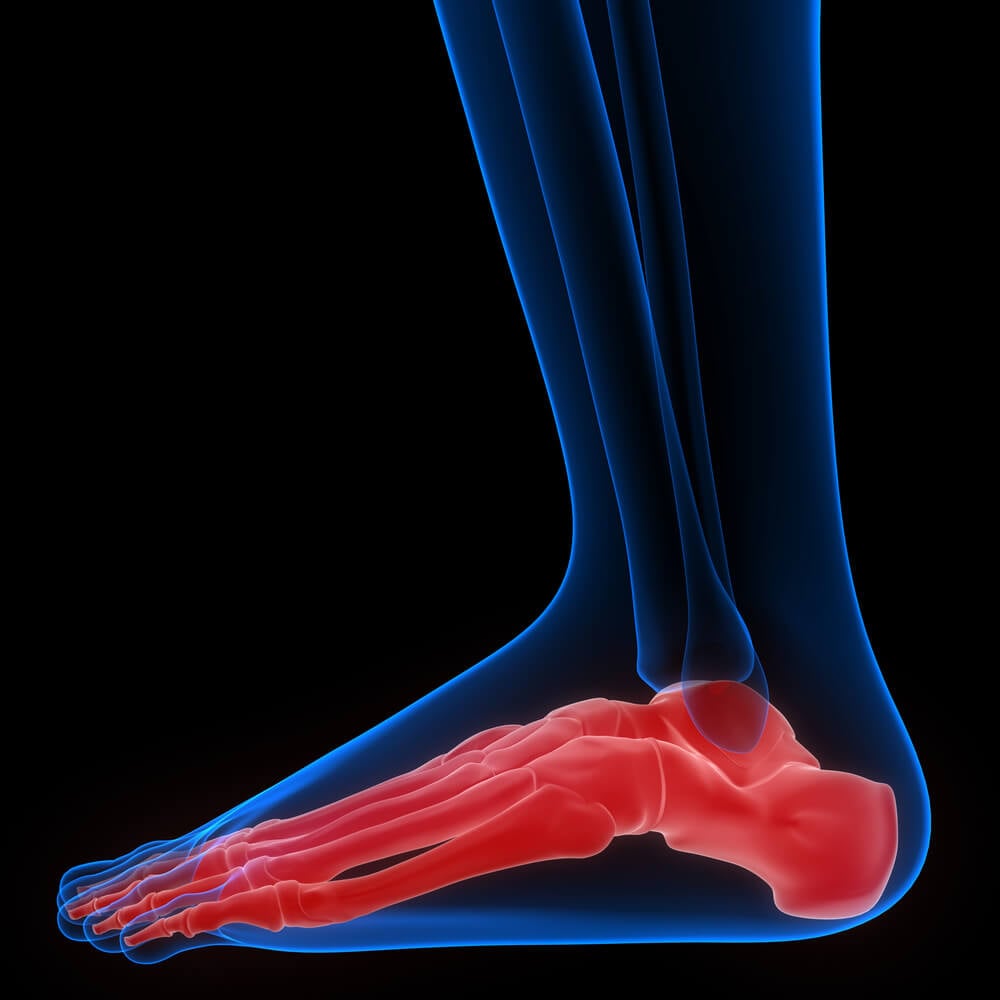
From the 1920s to the 1950s, many shoe stores in the United States and Europe had shoe-fitting fluoroscopes, machines that used X-rays so customers could see the bones of their feet inside new shoes. Children especially loved looking at their wiggling toes.
The machines exposed customers and staff to radiation with little shielding. As concern about radiation grew, states began banning them, with Pennsylvania doing so in 1957.
By the 1970s they had largely disappeared from shoe stores on both sides of the Atlantic. A few surviving machines are now museum pieces.
Commercial Whaling on the High Seas

Commercial whaling was a major global industry in the 1920s, with factory ships hunting whales in the Antarctic for oil used in margarine, soap and lubricants. Whale populations collapsed under the pressure, and some species came close to extinction.
The International Whaling Commission voted in 1982 for a global moratorium on commercial whaling, which took effect in 1986. A few countries, including Norway and Iceland, still hunt whales under objections or exceptions.
Japan resumed commercial whaling in its own waters in 2019 after leaving the commission.
Paddling in the Classroom

Corporal punishment was routine in schools a century ago, with teachers using paddles, canes, straps and rulers to discipline students. Britain banned it in state schools in 1986 and in private schools in England by 1999.
Most American states have also banned it in public schools. Still, the US Supreme Court ruled in 1977 that school paddling does not violate the Constitution, so the decision is left to the states.
Several states, mostly in the South, still allow it, although its use has declined sharply.
Driving Without a License Test
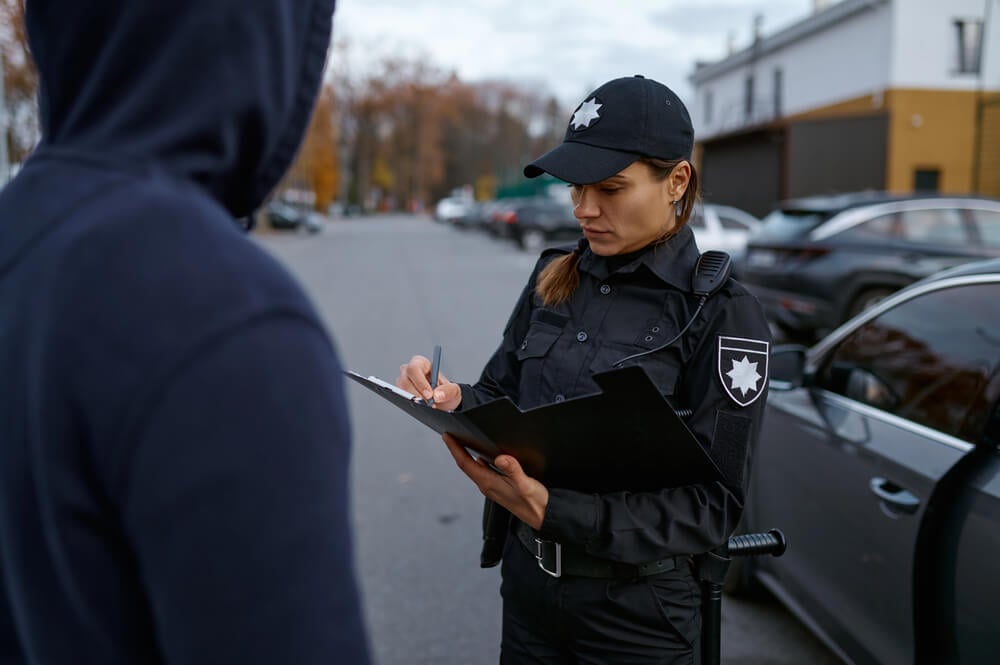
Plenty of places in the 1920s let people drive without passing any kind of test. Some American states issued licenses simply for a fee, and others required no license at all.
Britain introduced compulsory driving tests under the Road Traffic Act of 1934, with the requirement taking effect in 1935. The first person to pass the British test was a Mr. Beene, who paid a fee of seven shillings and sixpence.
Over the following decades, every American state adopted mandatory driver examinations. Today, driving without a valid license is a criminal offense in most places.
Riding Without Seat Belts

Cars in the 1920s did not have seat belts, and riding without them was simply normal. Belts became standard equipment only gradually, and many drivers ignored them even when they were installed.
New York passed the first state law requiring drivers to buckle up in 1984. Other states quickly followed, and New Hampshire remains the only state without a seat belt law for adults.
Studies by safety agencies credit seat belts with saving hundreds of thousands of lives in the decades since. Child car seats became required in every state by the mid-1980s.
Mercury in the Hat Factory
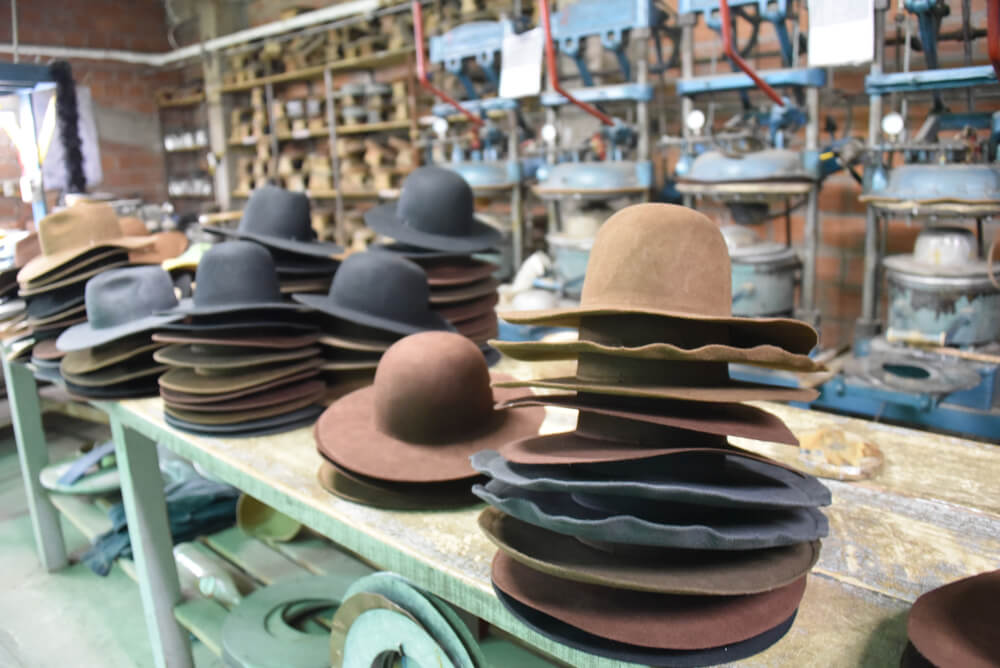
Hatmakers once used mercury nitrate to turn animal fur into felt, a process called carroting because of the orange color it gave the fur. Workers inhaled mercury vapor, which caused tremors, irritability and mental changes, giving rise to the phrase mad as a hatter.
The practice was still common in American hat factories in the 1920s and 1930s. In 1941, the US Public Health Service worked with states to end the use of mercury in felt making, and many states banned it.
A substitute process using hydrogen peroxide was adopted instead.
Feathered Hats From Wild Birds
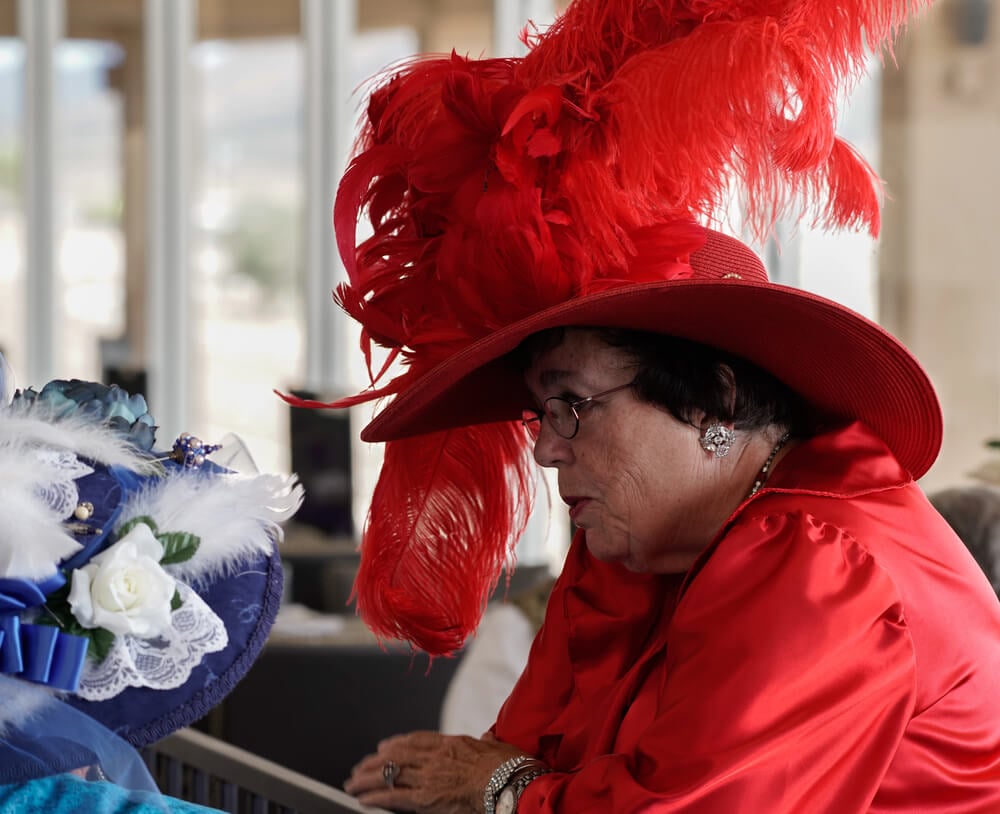
Fashionable women of the late 19th and early 20th centuries wore hats decorated with feathers and even entire stuffed birds, and plume hunters killed millions of egrets, herons and terns to supply the trade. Activists founded early Audubon societies largely in protest.
The Migratory Bird Treaty Act of 1918 made it illegal to kill, sell or possess most native birds and their feathers. Similar laws followed in Britain and elsewhere.
Snowy egrets, once hunted almost to extinction for their breeding plumes, have since recovered across much of the United States.
Poll Taxes and Literacy Tests

Many Southern states in the 1920s required citizens to pay a poll tax or pass a literacy test before voting. The rules were designed to keep Black citizens and poor white citizens away from the polls, and they were often applied selectively.
The 24th Amendment banned poll taxes in federal elections in 1964, and the Supreme Court struck them down for state elections in 1966. The Voting Rights Act of 1965 suspended literacy tests in many areas, and a 1970 amendment banned them nationwide.
Some literacy tests were so confusing that educated adults could not pass them.
Segregated Public Facilities

Segregation was enforced by law across much of the American South a century ago, with separate schools, train cars, waiting rooms, restaurants and drinking fountains for Black and white Americans. The Supreme Court had upheld the separate but equal doctrine in Plessy v. Ferguson in 1896.
The court overturned it for public schools in Brown v. Board of Education in 1954. The Civil Rights Act of 1964 banned segregation in public accommodations such as hotels and restaurants.
The Fair Housing Act of 1968 later outlawed discrimination in housing.
Sewage Straight Into the River
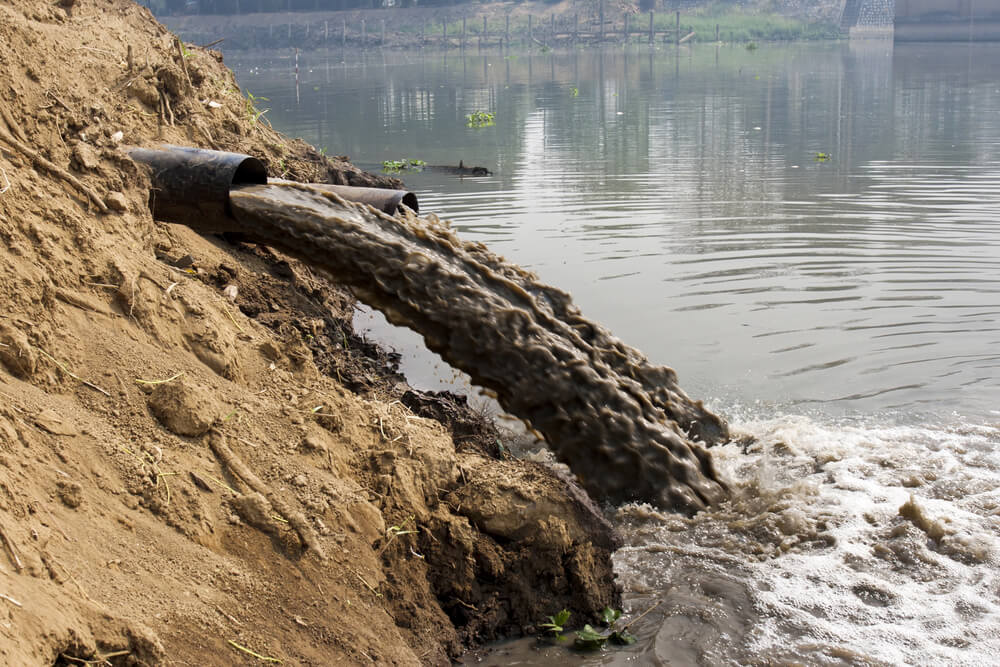
Many American cities a century ago piped raw sewage directly into rivers, lakes and harbors, often just downstream from where other cities drew their drinking water. Factories dumped industrial waste the same way.
Rivers such as the Cuyahoga in Ohio became so polluted that they caught fire more than once, most famously in 1969. That fire helped spur passage of the Clean Water Act in 1972, which required permits for discharges and funded new treatment plants.
Combined sewer overflows during heavy rain remain a problem in some older cities.
Coal Fires in Every Fireplace
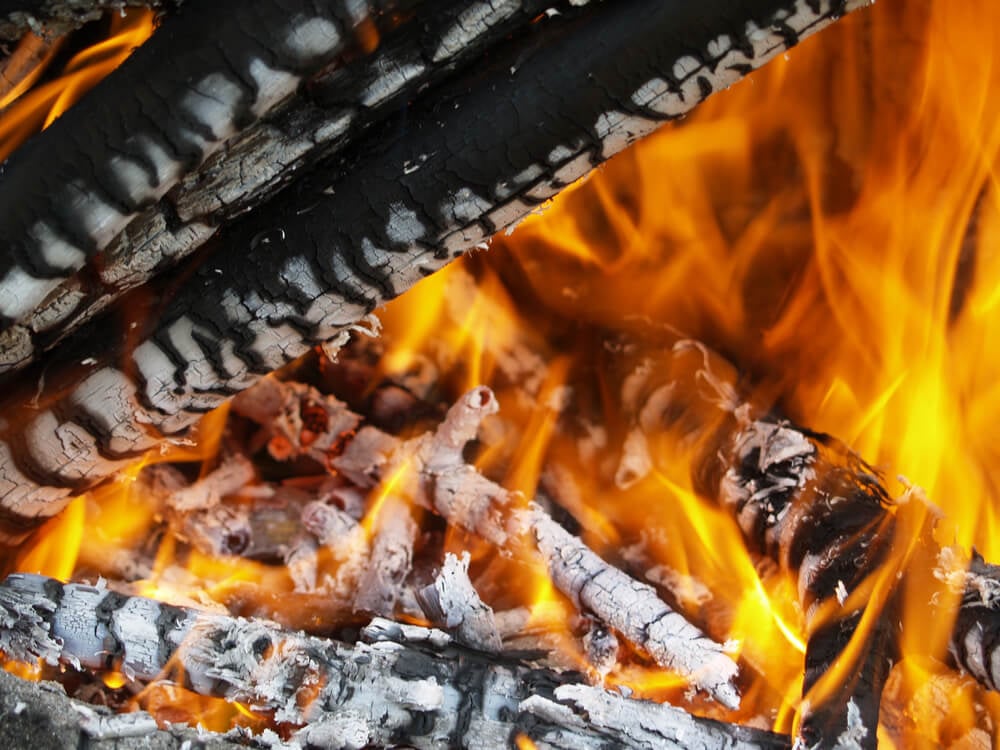
Open coal fires heated most homes in British cities a century ago, and the soot they produced mixed with fog to create thick smog. The worst episode came in December 1952, when the Great Smog of London killed thousands of people over a few days.
In response, Parliament passed the Clean Air Act of 1956, which created smokeless zones where only cleaner fuels could be burned. Similar laws followed elsewhere.
England went further between 2021 and 2023, phasing out the sale of wet wood and traditional house coal for domestic burning.
Cockfighting as a Public Sport
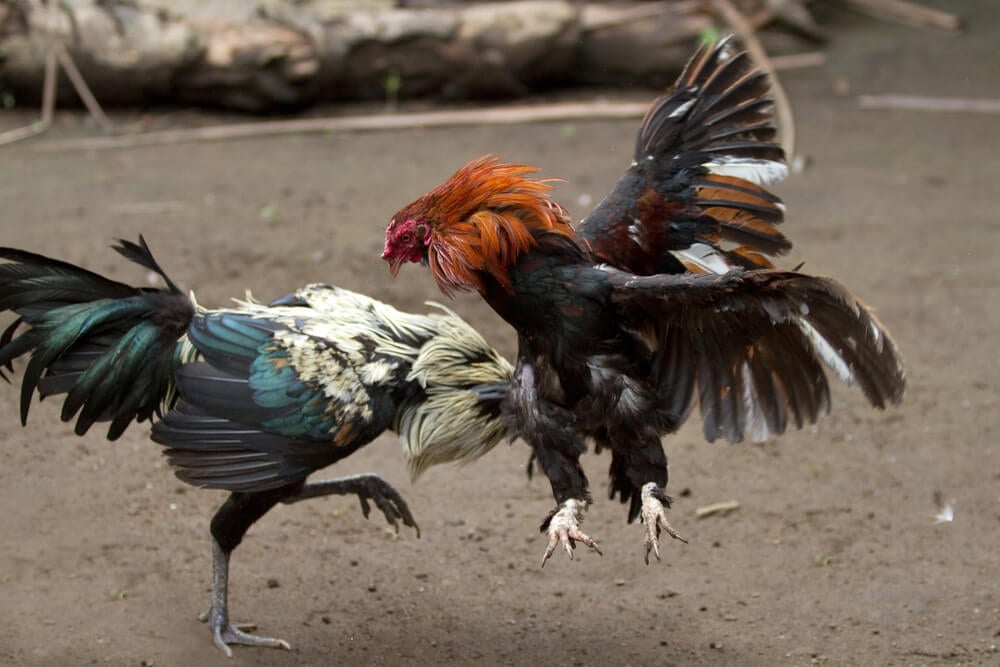
Cockfighting, in which roosters fitted with sharp spurs fight each other while spectators bet on the outcome, was widely practiced and often legal in parts of the United States a century ago. States outlawed it one by one over the following decades.
Louisiana became the last state to ban it, in 2008. Federal law later made it illegal to attend a cockfight or bring a child to one, and in 2019 the ban was extended to American territories such as Puerto Rico and Guam.
It remains legal and popular in some countries, including the Philippines.
Ivory on Every Piano

Ivory was a common material a century ago, used for piano keys, billiard tools, combs, knife handles and carved ornaments. The demand drove the killing of huge numbers of elephants in Africa and Asia.
As elephant populations crashed, the international trade in ivory was banned in 1989 under the Convention on International Trade in Endangered Species. The United States tightened its own rules in 2016, banning most commercial trade in elephant ivory within the country.
Piano makers switched to plastics decades ago, and old ivory keyboards now face strict rules when sold.
Firing Women Teachers Who Married

Marriage bars were common in school districts in the United States and Britain in the 1920s, rules that required women teachers to resign once they married. Some districts would not hire married women at all.
Similar rules applied in banks, offices and civil service jobs. The rules began to fall during World War II, when labor shortages made them impractical.
Title VII of the Civil Rights Act of 1964 later made such discrimination illegal in the United States. In Ireland, a marriage bar for civil servants lasted until 1973.
Help Wanted, Male and Female
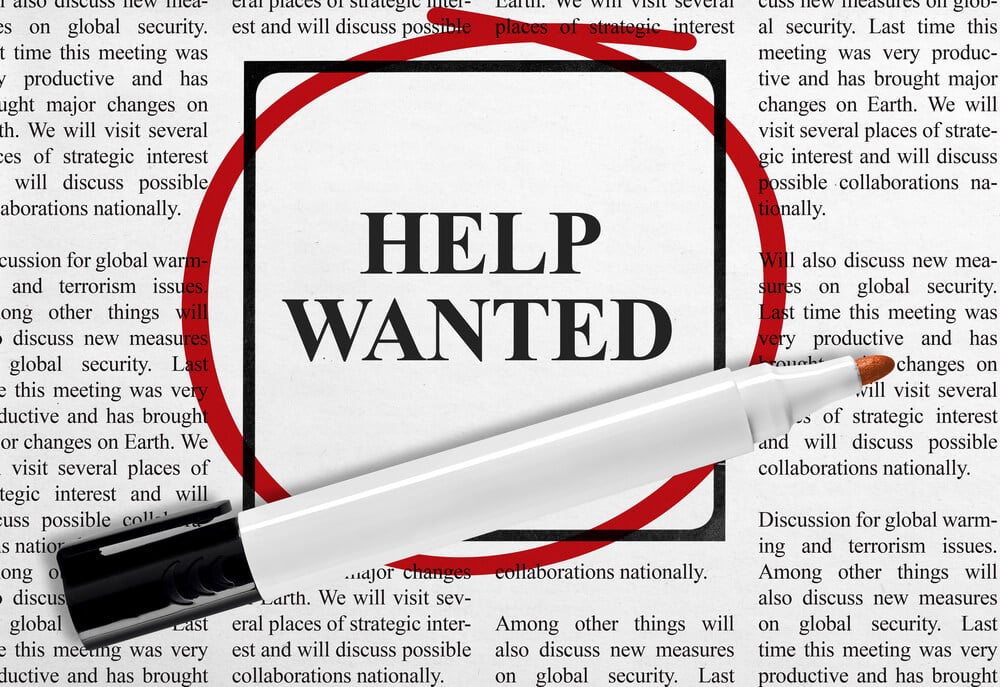
Newspapers a century ago routinely printed separate help wanted columns for men and women, and the practice continued into the 1960s. Jobs listed under Help Wanted, Male were usually better paid.
After the Civil Rights Act of 1964, the Equal Employment Opportunity Commission ruled that gender-segregated ads were discriminatory. The Supreme Court upheld a local ban on such ads in Pittsburgh Press Co. v. Pittsburgh Commission on Human Relations in 1973.
Within a few years, newspapers across the country had merged their job listings into single columns.
Credit Only With a Husband’s Signature

Women in the United States a century ago, and well into the 1970s, often could not get credit cards or loans without a husband’s or father’s signature. Banks routinely discounted a married woman’s income when deciding on mortgages.
The Equal Credit Opportunity Act of 1974 made it illegal for lenders to discriminate based on gender or marital status. Congress expanded it in 1976 to cover race, religion, age and other factors.
Before then, many single, divorced and widowed women had trouble building their own credit histories.
Spraying Lead Arsenate on Orchards
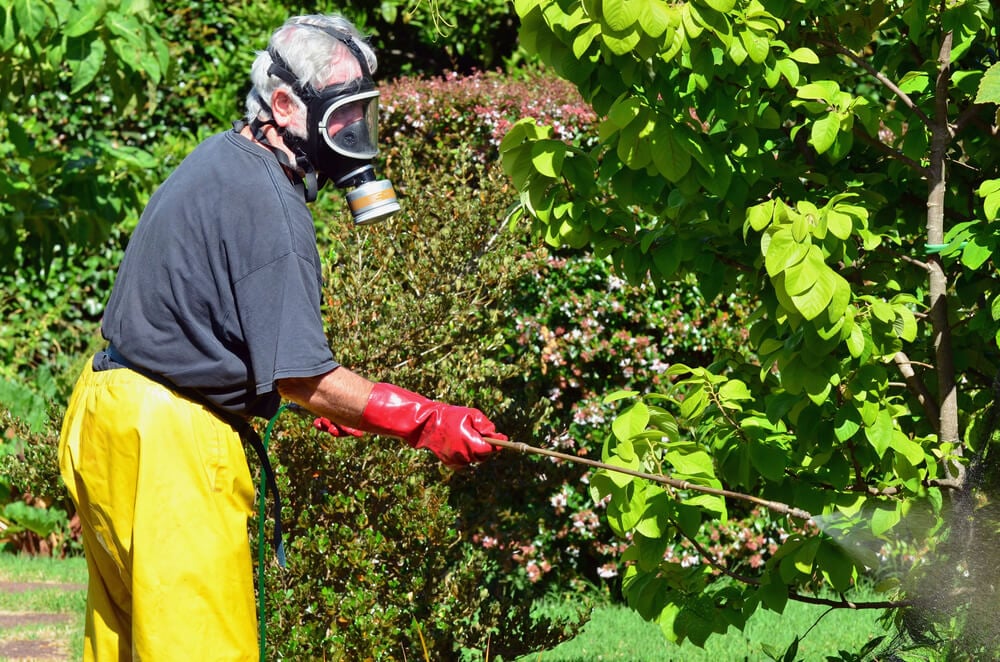
Lead arsenate was one of the most widely used pesticides in American apple orchards a century ago, sprayed to control the codling moth. It left residues of both lead and arsenic on the fruit and in the soil.
Concerns about residues on apples led to public debate as early as the 1920s. Its use declined after newer pesticides appeared, and the Environmental Protection Agency canceled its remaining registrations in 1988.
Soil in many former orchards still contains elevated levels of lead and arsenic, which can complicate later housing development.
Feeding Kitchen Scraps to Pigs
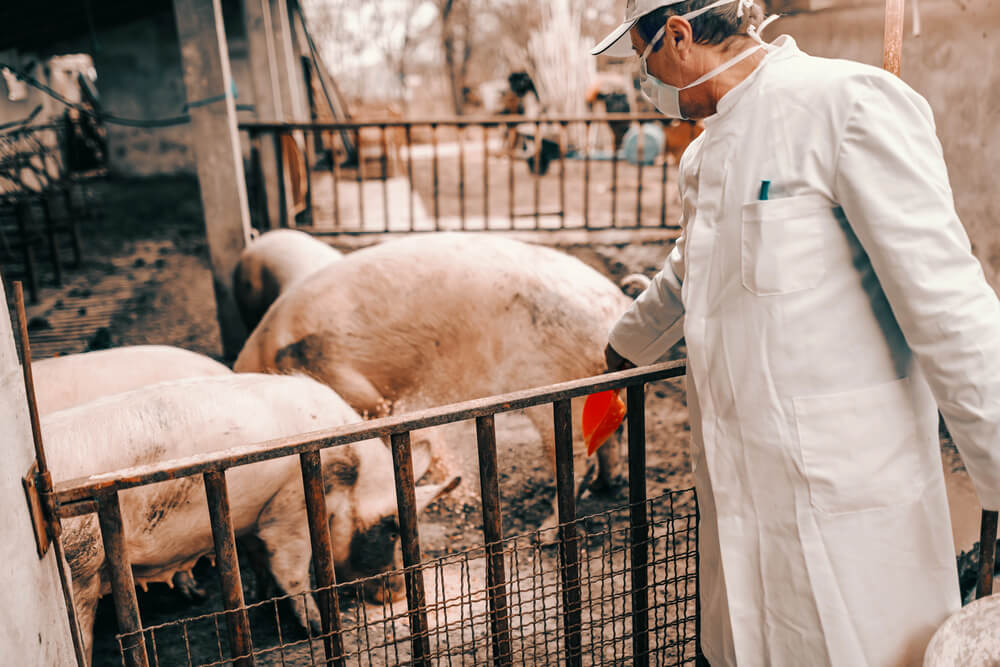
Feeding pigs on uncooked food waste was a common practice on farms and near cities a century ago. Pig farmers collected garbage from restaurants and households.
Raw meat scraps can spread diseases such as foot-and-mouth disease and African swine fever. The US Swine Health Protection Act of 1980 required food waste containing meat to be heat-treated before feeding, and some states banned the practice entirely.
Britain banned feeding catering waste to farm animals in 2001, after the foot-and-mouth outbreak that year was linked to swill feeding.
Walking Across the Street Anywhere
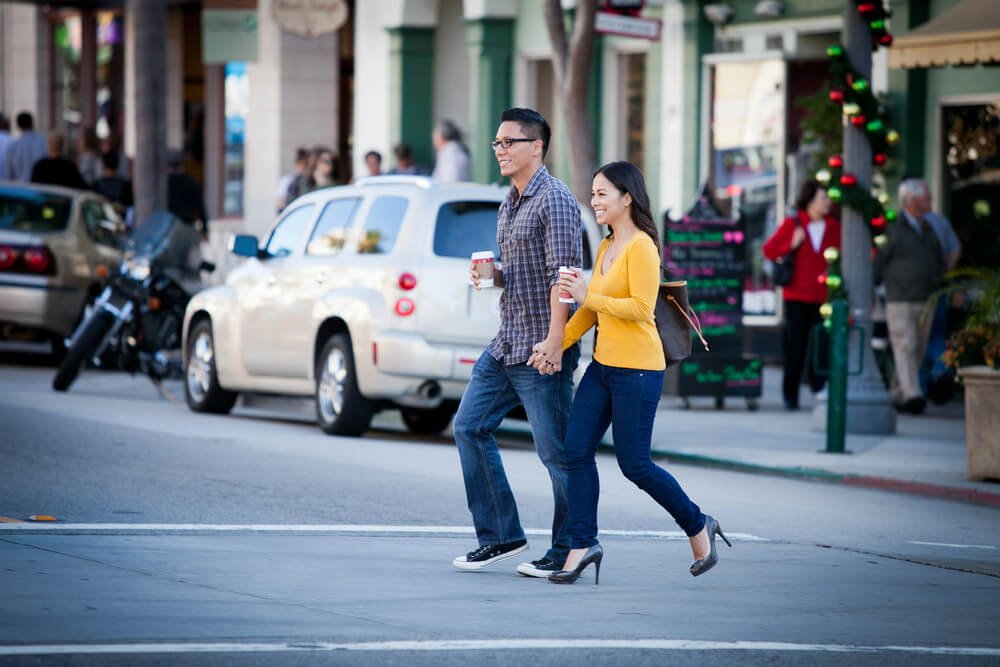
Before the 1920s, city streets were shared by pedestrians, carts, streetcars and children, and people crossed wherever they wished. As car traffic and deaths rose, the auto industry campaigned to shift responsibility to pedestrians, popularizing the insult jaywalker for someone careless.
Cities adopted ordinances requiring people to cross at corners or crosswalks. Enforcement has often been criticized as uneven.
California partly reversed course with its Freedom to Walk Act, which took effect in 2023 and limited when police can ticket pedestrians for crossing outside crosswalks.
Burning Trash in the Backyard
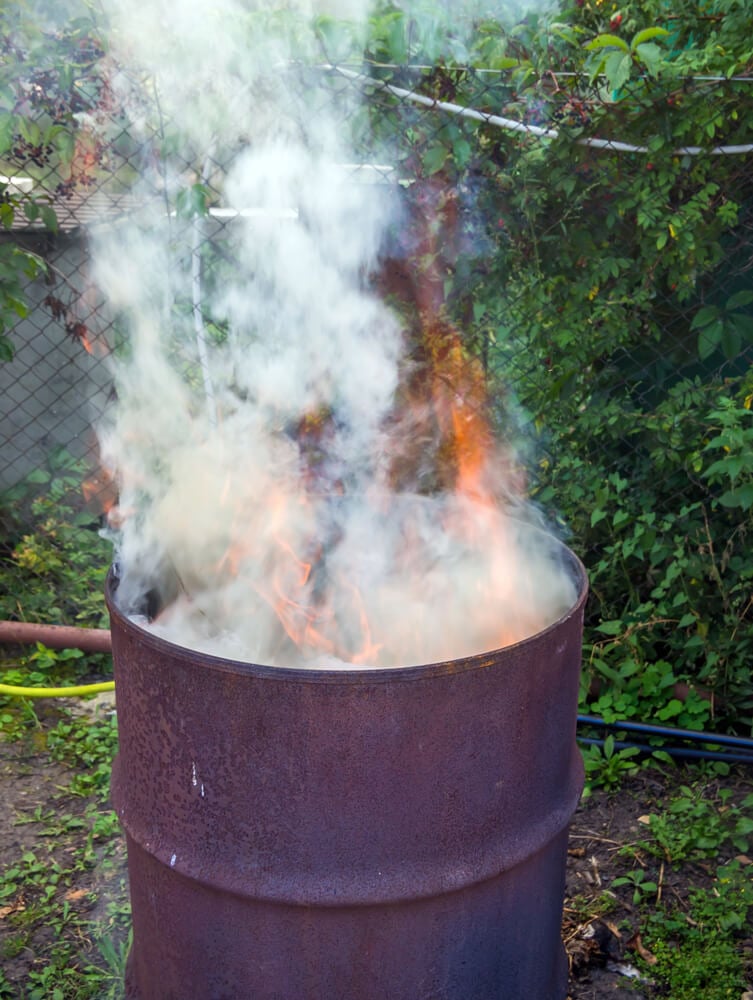
A century ago, many households burned their garbage in backyard barrels or open piles, and towns burned waste in open dumps. The smoke released soot and toxic chemicals, especially once plastics became common.
Many cities and states now ban or restrict open burning of household trash, and others limit it to certain seasons or rural areas. The Environmental Protection Agency has identified backyard burning as a significant source of dioxin pollution.
Leaf burning, once a common autumn activity in American towns, is also banned in many communities.
Firing Workers for Joining Unions

A century ago, American employers could legally fire workers for joining a union, and many required new hires to sign yellow-dog contracts promising not to join one. Companies hired private detectives to spy on organizing efforts.
The Norris-LaGuardia Act of 1932 made yellow-dog contracts unenforceable in federal courts. The National Labor Relations Act of 1935, also called the Wagner Act, guaranteed private-sector workers the right to organize and bargain collectively.
It also created the National Labor Relations Board to enforce those rights and oversee union elections.
Broadcasting Without a License

In the mid-1920s, the American airwaves were crowded and chaotic, with stations jumping frequencies and drowning each other out. A 1926 court ruling in a case involving Zenith Radio found that the Commerce Department had no power to assign frequencies, which made the problem worse.
Congress responded with the Radio Act of 1927, creating the Federal Radio Commission to license stations. The Communications Act of 1934 replaced it with the Federal Communications Commission.
Broadcasting without a license, now called pirate radio, can lead to fines of thousands of dollars per day.
Normal Has a Short Shelf Life

Nearly everything on this list was once considered ordinary, and much of it was considered progress. Leaded gasoline and asbestos were hailed as modern miracles, and shoe store X-rays were advertised as scientific fitting.
People in the 1920s were not careless by their own standards. They were working with the knowledge and values they had.
That should make anyone a little humble about the present. Some everyday habits of 2026 will almost certainly look reckless or unjust to people a century from now.
The laws on this list came from scientists who measured harm, reformers who refused to accept it and voters who changed their minds. The same process is surely already under way on something ordinary today.
More from Go2Tutors!

- The Romanov Crown Jewels and Their Tragic Fate
- 13 Historical Mysteries That Science Still Can’t Solve
- Famous Hoaxes That Fooled the World for Years
- 15 Child Stars with Tragic Adult Lives
- 16 Famous Jewelry Pieces in History
Like Go2Tutors’s content? Follow us on MSN.