Fruits with Shapes That Don’t Seem Real
Nature has a weird sense of humor. You walk through a produce section expecting apples and oranges, and then you turn a corner and see something that looks like it escaped from a science fiction movie.
These fruits exist, they grow on actual plants, and people eat them. But their shapes make you do a double-take.
Buddha’s Hand Looks Like Something From a Nightmare
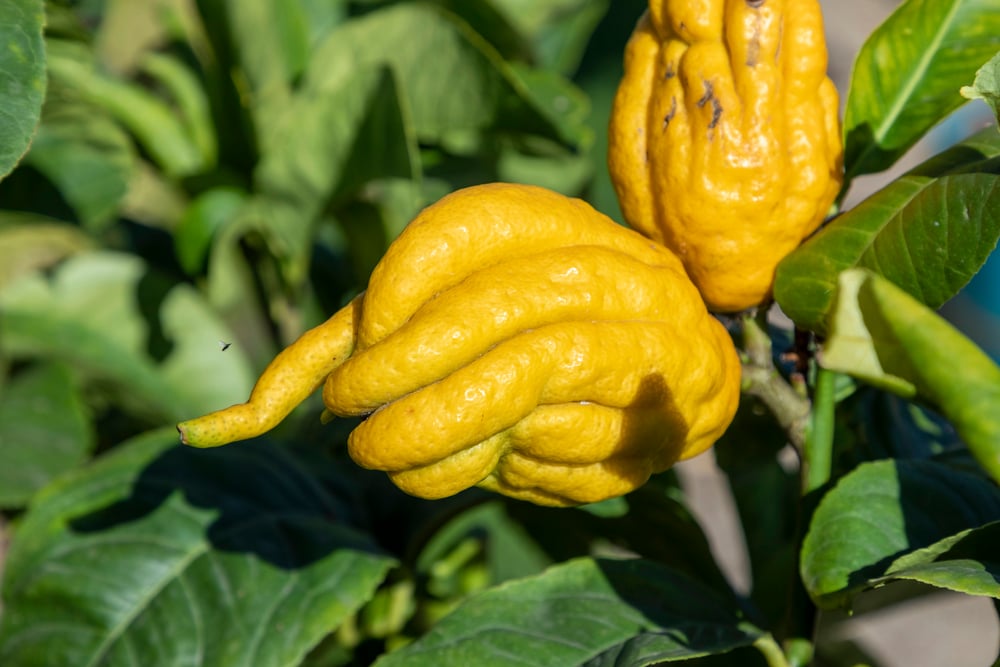
This citrus fruit grows in segments that split apart like fingers reaching out from a central point. No juice, no pulp—just thick rind and pith.
The whole thing resembles a yellow hand with too many fingers, all pointing in different directions. Ancient traditions in Asia use it for fragrance and religious offerings.
You can zest it for cooking, but mostly it just sits there looking bizarre. The name fits. It looks exactly like what you’d imagine a deity’s hand might look like if that deity decided hands should be made of lemon peel.
Horned Melon Decided Spikes Were the Way
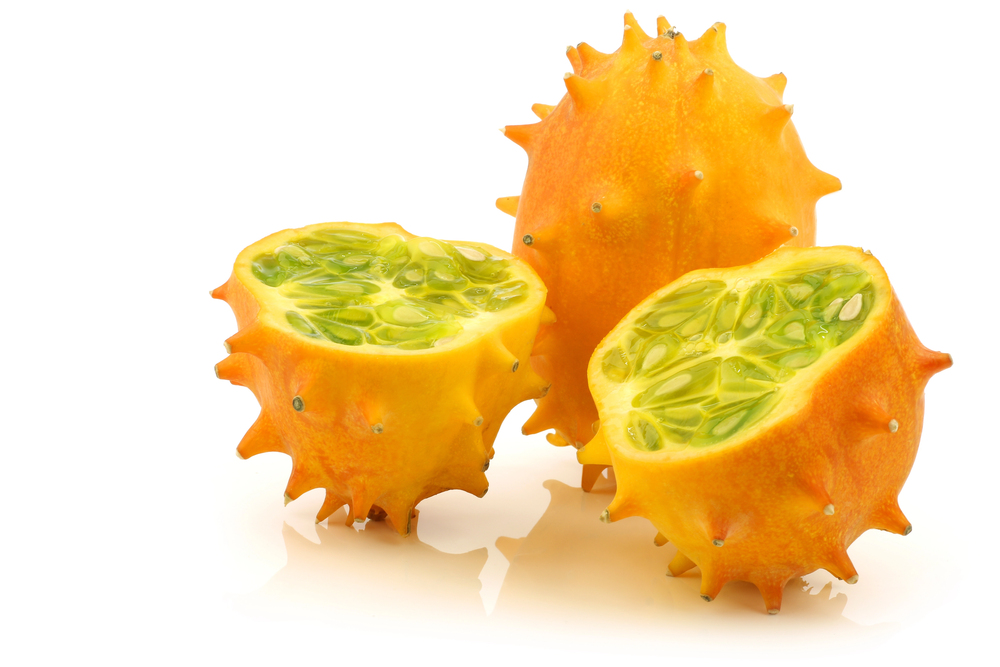
African cucumbers aren’t satisfied being smooth like normal fruits. This orange fruit covers itself in stubby spikes that make it look like a prop from a fantasy movie.
Inside, bright green jelly surrounds the seeds. The texture feels weird in your mouth—somewhere between cucumber and banana but not quite either.
People call it kiwano too. It tastes mildly sweet with a hint of cucumber, which makes sense given its actual scientific classification.
But that exterior? That’s pure alien design.
Star Fruit Takes Its Name Seriously
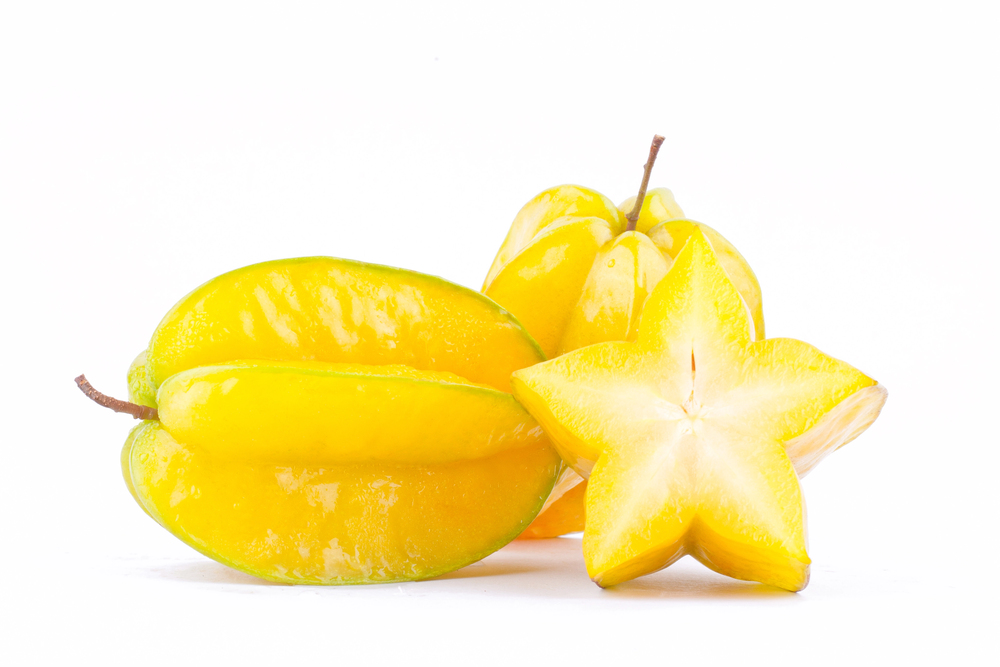
Cut a star fruit crosswise and you get a perfect five-pointed star. Every single slice.
The whole fruit has five prominent ridges running lengthwise, creating this geometric perfection that seems too deliberate for nature. It’s waxy, slightly translucent, and yellow-green.
The taste doesn’t match the appearance—it’s just a sour, slightly sweet fruit. But those ridges mean something.
They’re not decorative. The structure helps the fruit hang on trees in clusters, and those sharp angles keep certain pests away.
Still looks designed by a graphic artist though.
Dragon Fruit’s Exterior Makes No Sense
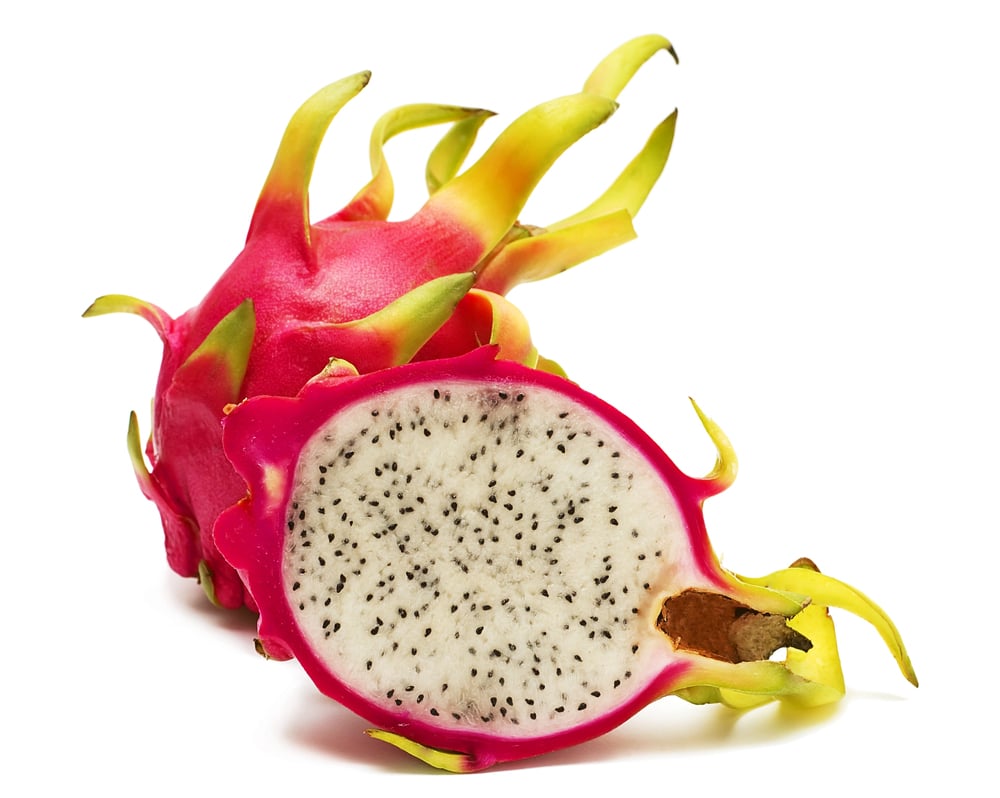
This bright pink or yellow fruit grows these green scale-like protrusions all over its surface. Someone decided to name it dragon fruit and honestly, that tracks.
The scales don’t serve an obvious purpose once you understand the plant. It’s a cactus fruit, growing on climbing cacti in tropical regions.
Inside you get white or deep magenta flesh dotted with tiny black seeds. The contrast between the spiky, scaly outside and the smooth, dotted inside creates this disconnect.
Your brain expects the inside to match the outside, but it never does.
Rambutan Looks Like It’s Wearing a Wig
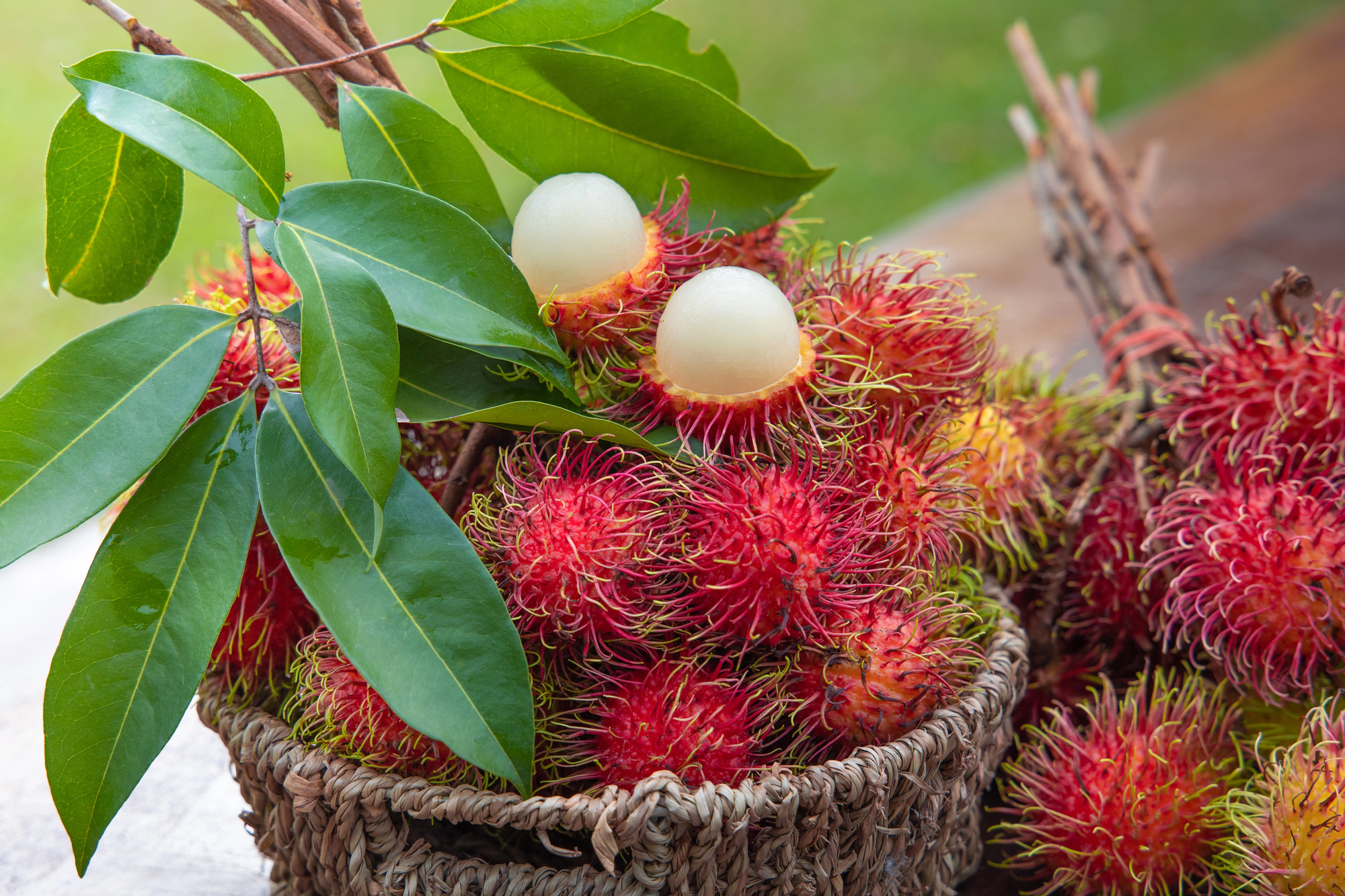
Take a strawberry and cover it in soft, hair-like spines. That’s rambutan.
The name literally means “hairy” in Malay. These red or yellow fruits grow in bunches, each one sprouting these green-tipped tendrils that wave around like they’re alive.
People in Southeast Asia eat them constantly. You peel away the hairy exterior to find translucent white flesh that tastes sweet and slightly acidic.
The hair serves no purpose you can see. It’s not sharp, not protective, just weird.
Kids love them because they look like tiny monsters.
Square Watermelons Are Human Interference
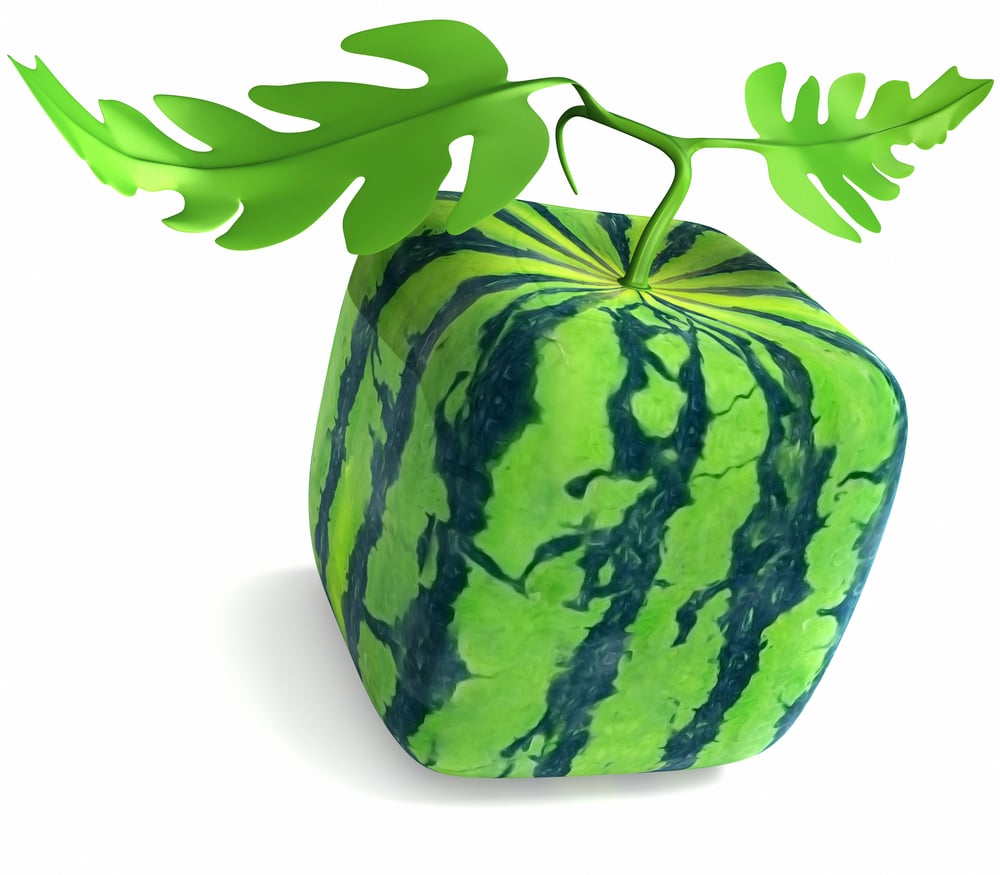
Japanese farmers started growing watermelons in glass cubes. The fruit forms around the container, creating perfect cubic melons.
They’re not genetically modified—just shaped by human impatience with round objects. You can’t actually eat most of them.
The growers harvest them before they ripen fully so the shape holds better. They cost hundreds of dollars and sit in store windows looking completely unnatural.
Because they are. But they prove that even when humans try to make fruit weirder, nature already had us beat in the strange department.
Finger Limes Are Citrus Gone Wrong
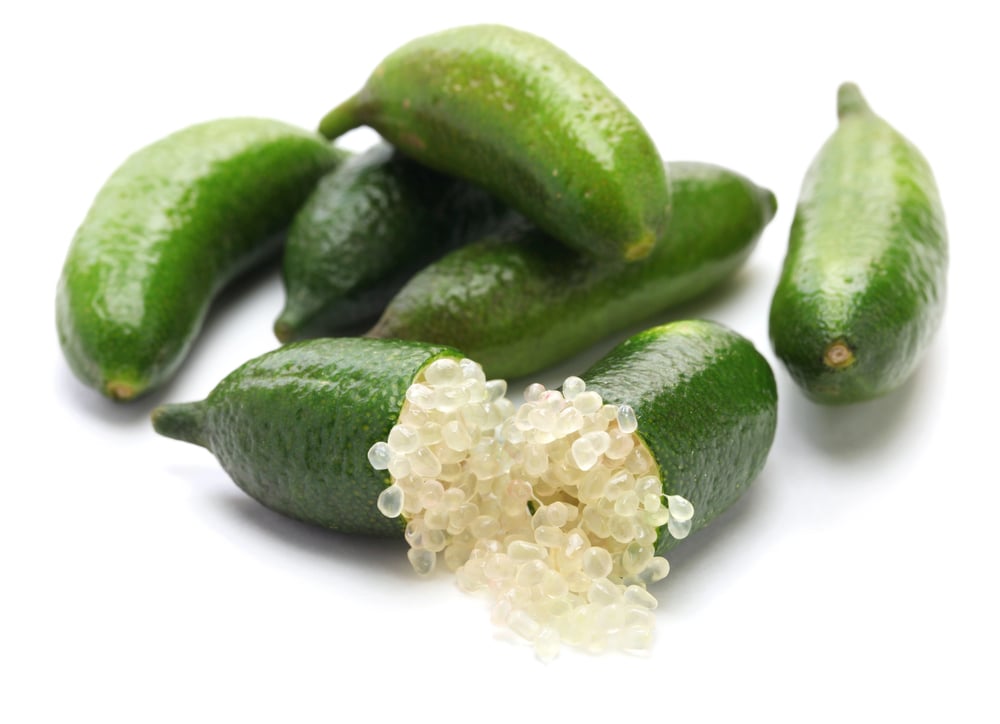
Australian native finger limes grow long and thin like pickles. Cut one open and instead of segments or juice, you get these tiny spherical vesicles that pop on your tongue.
Chefs call them “citrus caviar” because the little bubbles burst with intense lime flavor. The fruit itself looks nothing like a lime.
It’s elongated, sometimes curved, occasionally straight. Colors range from green to burgundy to bright pink.
Each finger lime contains a different surprise inside. The taste is sharp enough to make your face scrunch up, but those popping bubbles create a texture no other citrus fruit offers.
Akebi Splits Open Like a Clam
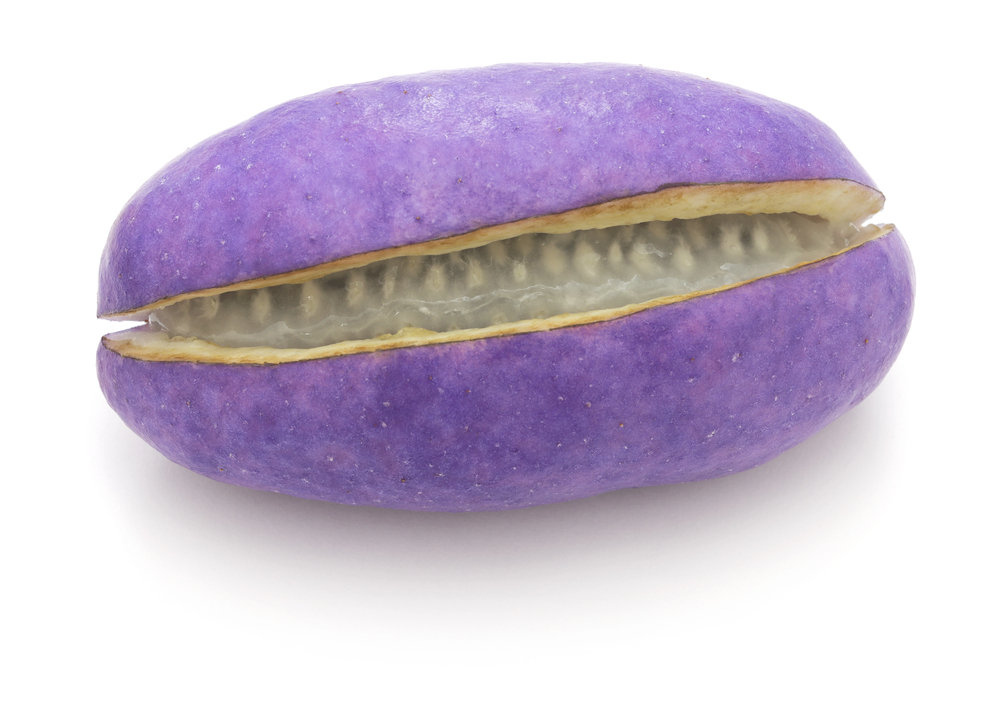
This purple fruit grows in Japan and parts of China. When it ripens, it splits lengthwise, revealing white flesh and black seeds.
The splitting isn’t subtle—the fruit practically opens itself, begging to be eaten. People eat the flesh, which tastes mildly sweet but mostly bland.
The real prize is the thick rind, which you can stuff and cook like a vegetable. The fruit knows when it’s ready and announces it by cracking open.
Animals see the white interior from far away and come running. That’s the whole point. The shape change is a dinner bell.
Pitaya Amarilla Has Bumps That Serve No Purpose
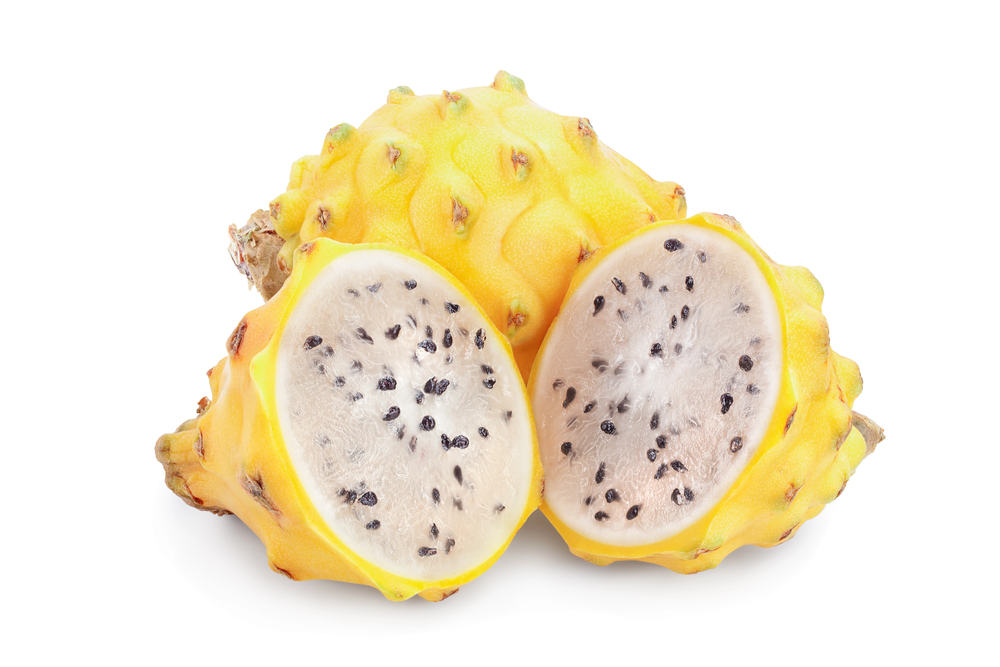
This yellow variety of dragon fruit grows these pointed bumps all over its surface. Not scales like the pink version—actual pointed protrusions that make the fruit look covered in tiny pyramids.
Inside you get white flesh with black seeds, just like other dragon fruits. But the outside looks like someone glued geometric shapes to a fruit for no reason.
The bumps aren’t sharp enough to deter anything. They don’t help the fruit hang on trees.
They’re just there, making the whole thing look like modern art instead of food.
Mangosteen’s Bottom Looks Like a Flower
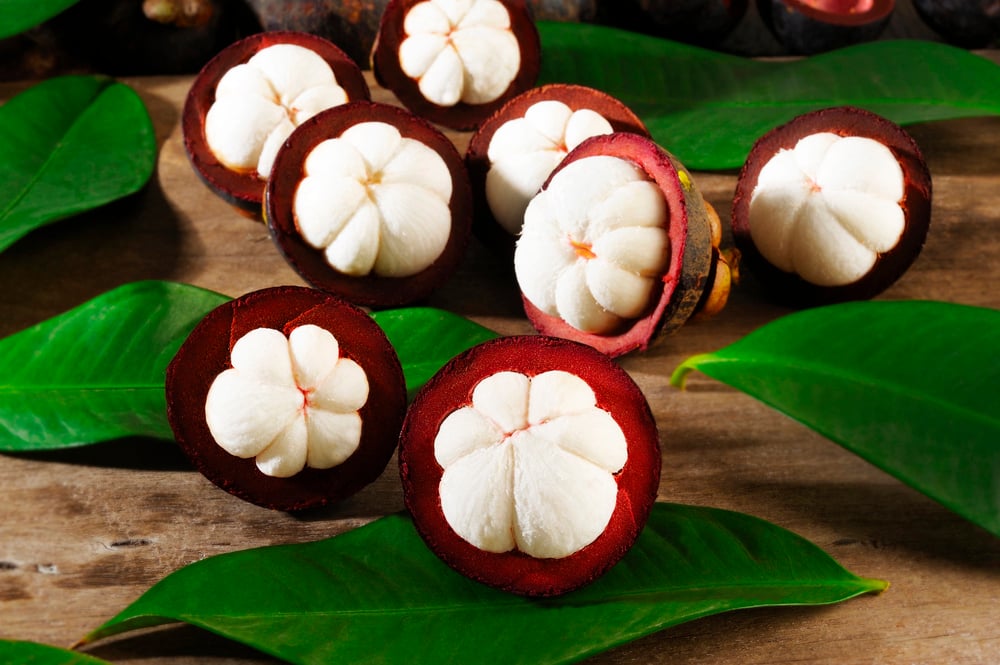
Turn a mangosteen upside down and the bottom shows a perfect flower pattern. Count the petals on this flower-shaped crown and you know exactly how many segments wait inside the fruit.
This dark purple fruit with its thick rind shouldn’t have this kind of symmetry. But evolution decided that mangosteens needed to broadcast their interior architecture on their exterior.
The white segments inside taste incredible—sweet, slightly tangy, perfect. But that bottom design makes you wonder what the tree was thinking.
Hand of Buddha Citron Is All Fingers, No Fruit
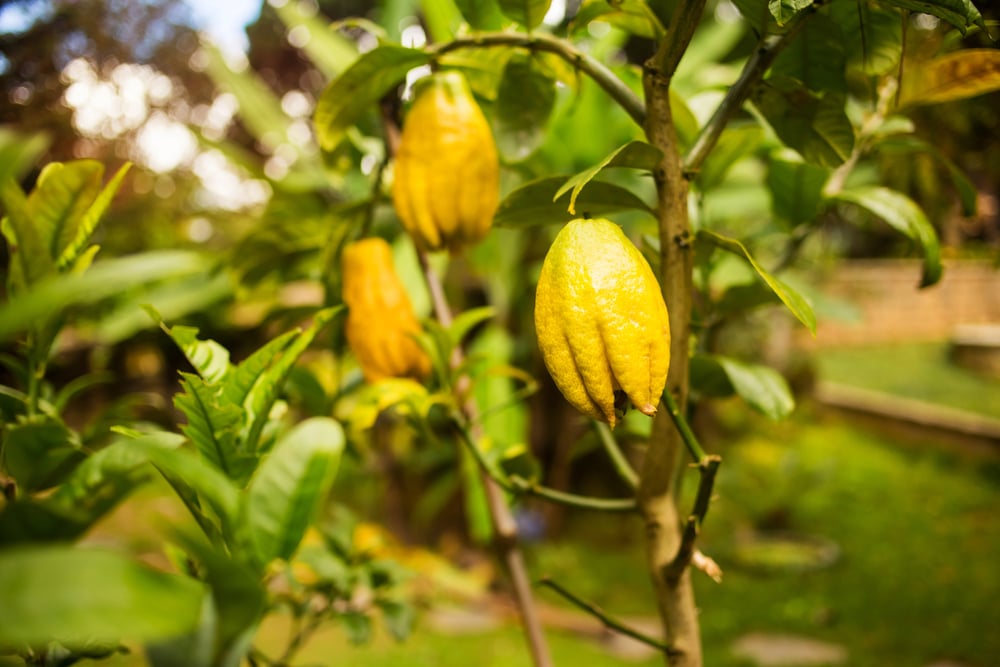
Another citrus that went wild with the finger concept. This one grows even longer tendrils than Buddha’s hand, sometimes reaching lengths that make the whole fruit look like it’s trying to grab something.
Zero juice inside, zero flesh to eat. Just rind and pith all the way through.
People use it for zest and fragrance. The scent fills entire rooms.
Ancient texts from thousands of years ago mention this exact fruit with the same bizarre shape. That’s consistency.
Horned Bitter Melon Combines Two Bad Ideas
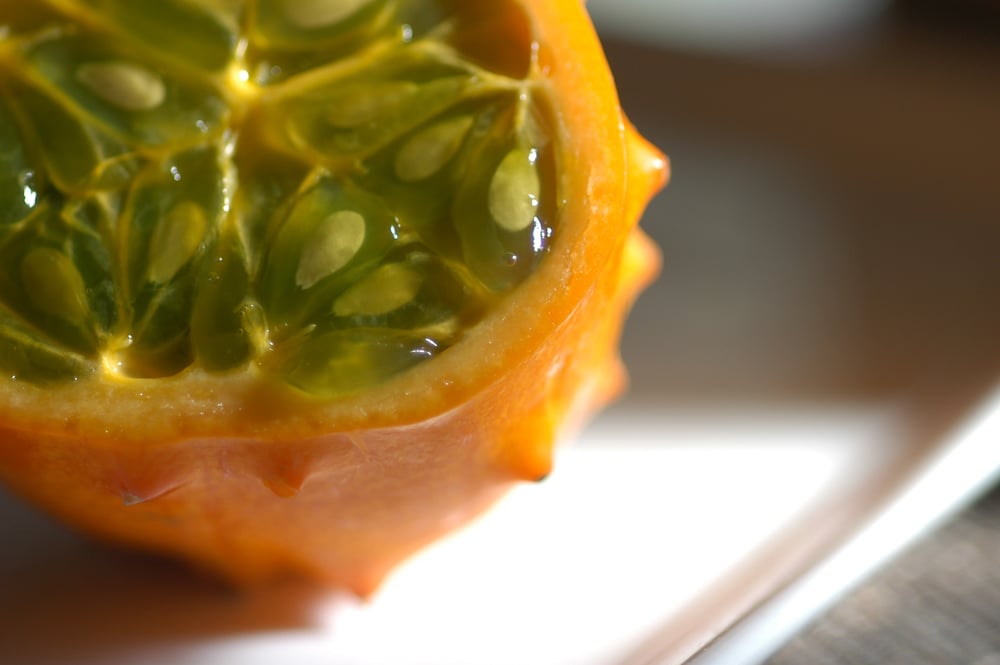
This Southeast Asian fruit takes the spiky exterior concept and runs with it. Covered in ridges and bumps that look like a relief map of a mountain range.
The fruit tapers at both ends, creating this elongated, warty appearance that no one asked for. Inside, the flesh is extremely bitter—so bitter that you need to prepare it carefully or it’s inedible.
The bumps supposedly help with grip when the fruit hangs from vines. But mainly they just make the whole thing look diseased.
People still eat it for medicinal purposes. The shape warns you that this won’t be a pleasant snacking experience.
Chayote Squash Pretends It’s Not a Fruit
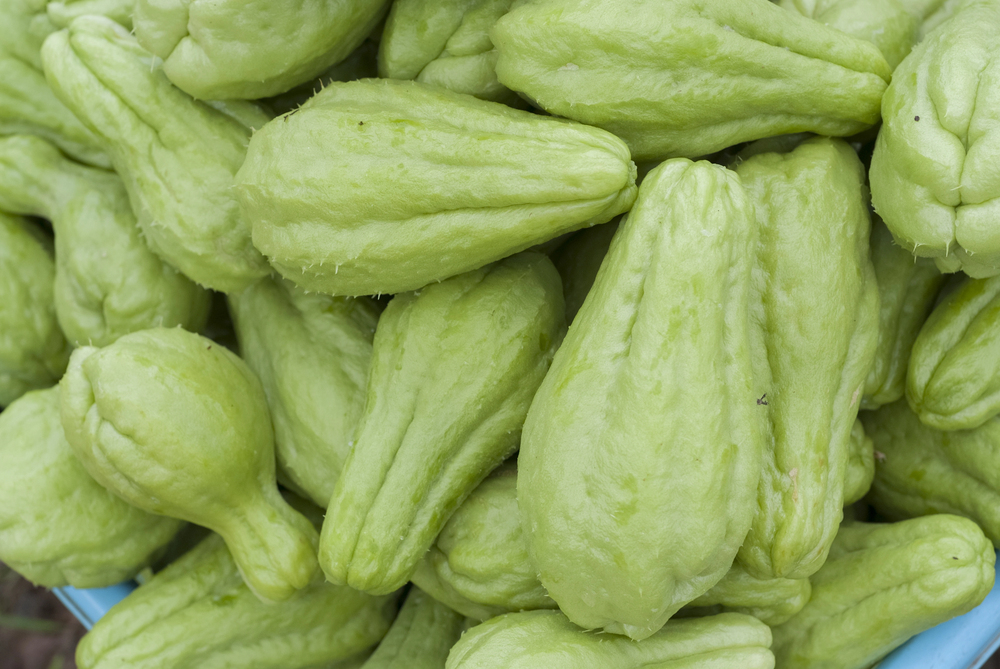
Technically a fruit, but it grows with these deep grooves that make it look like a green, wrinkled fist. The whole thing is the same pale green color, and the texture is smooth but creased in ways that seem deliberate.
Inside you get crisp white flesh and one large flat seed. The fruit doesn’t taste like much—it’s mild, slightly sweet, mostly neutral.
But the outside looks like someone inflated a wrinkled plastic bag and called it produce. The grooves deepen as it grows, creating this increasingly strange appearance that makes you question whether you should eat it or plant it.
Jackfruit’s Size Makes Its Texture Unsettling
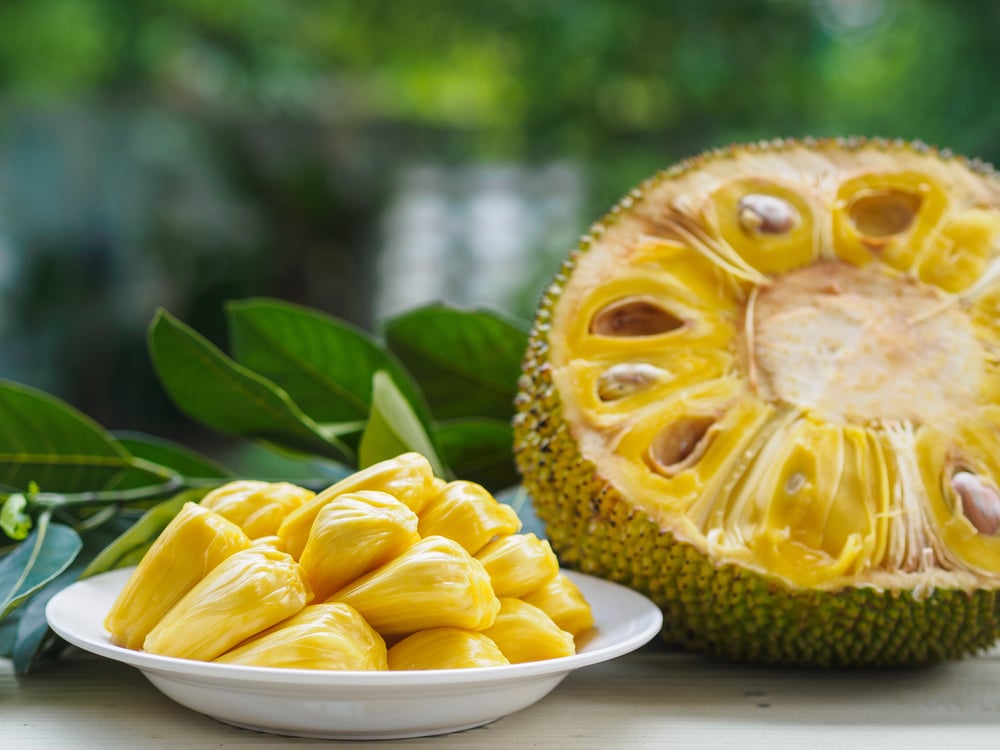
The largest tree fruit in the world grows to weights that break branches. Covered in small pointed bumps that give the whole surface a reptilian texture.
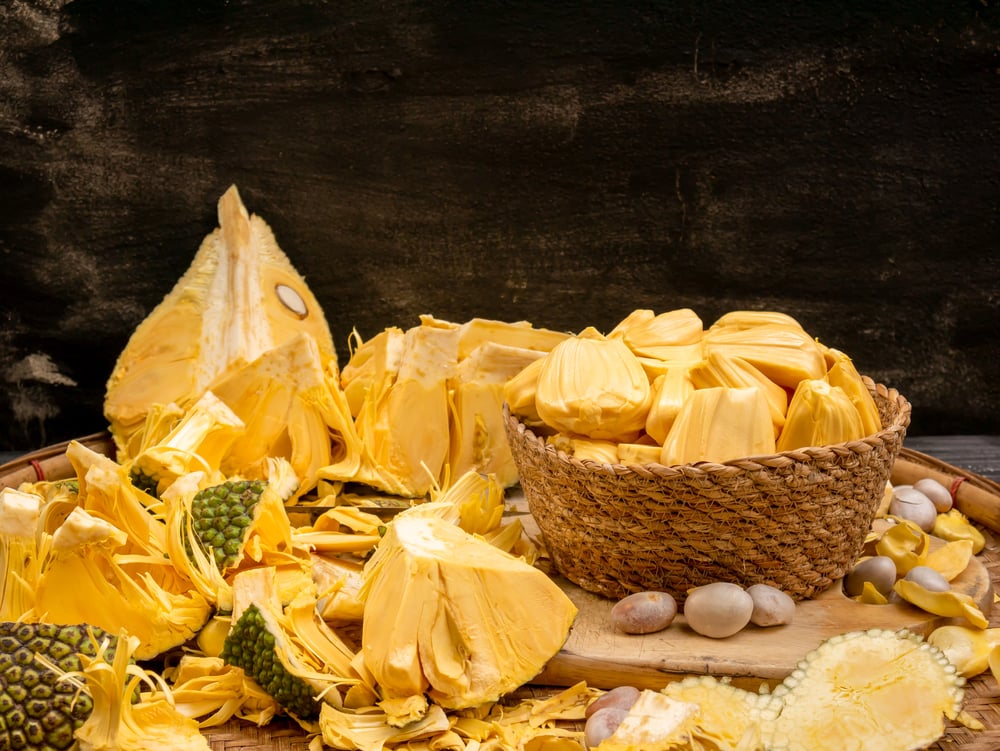
Yellow-green when unripe, brownish when ready to eat. Inside you find dozens of yellow pods surrounding seeds.
The pods taste sweet and smell intensely fruity—so much that markets limit how long you can keep one displayed. But that bumpy exterior on something the size of a watermelon creates an uncanny valley effect.
Your brain knows fruits don’t get this big. This one didn’t get the memo.
When You Stop Expecting Normal Shapes
Walk through enough markets in different countries and you realize that smooth, round fruits are the exception. Most of nature’s designs for fruit packaging involve strange shapes, unexpected textures, and colors that don’t match anything else growing nearby.
These bizarre forms solve specific problems for specific plants in specific environments. They’re not mistakes or mutations.
They’re solutions that happen to look completely unhinged to human eyes used to apples and oranges. The weirdness is the point. It’s what helps these fruits survive, spread, and keep growing in places where normal-shaped fruits would fail.
That hand with too many fingers makes perfect sense if you’re a citrus tree trying to spread fragrance. That spiky orange thing works great if you’re trying to discourage the wrong kind of animals while attracting the right ones.
The shapes that don’t seem real are often the most carefully designed for their purpose.
More from Go2Tutors!

- The Romanov Crown Jewels and Their Tragic Fate
- 13 Historical Mysteries That Science Still Can’t Solve
- Famous Hoaxes That Fooled the World for Years
- 15 Child Stars with Tragic Adult Lives
- 16 Famous Jewelry Pieces in History
Like Go2Tutors’s content? Follow us on MSN.



