27 Mail-Order Products From Decades Past
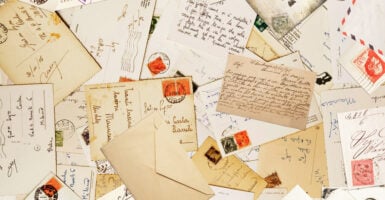
Long before a package could show up the same afternoon, buying by mail was an act of faith. A coupon was clipped, a few coins or a money order went into an envelope, and then came weeks of watching the road for the carrier.
What arrived was sometimes better than promised and often far worse. Either way, the catalogs and comic book ads of the past sold an astonishing range of things, from entire houses to pets that should never have been pets at all.
Kit Houses From Sears

Between 1908 and 1940, Sears, Roebuck and Company sold houses by mail through its Modern Homes catalog, shipping precut lumber, nails, shingles and hardware by rail to buyers across the country. A kit could arrive in a pair of boxcars with tens of thousands of numbered pieces and a thick instruction book.
Sears estimated it sold about 70,000 of them in dozens of styles, from modest bungalows to stately colonials. Many still stand, and owners often discover their pedigree only when they find stamped lumber in the attic or basement.
Volunteer researchers now hunt for them town by town.
A Car From the Catalog
From 1908 to 1912, Sears offered the Sears Motor Buggy, a high-wheeled automobile designed to roll over the rutted country roads its rural customers knew well. It sold for around 395 dollars, far less than many competitors, and arrived ready for a farmer to put into service.
The buggy looked like a horse carriage without the horse, with tall wheels and a simple engine under the seat. Mass-produced cars like the Ford Model T soon made it obsolete.
Surviving examples are rare today and appear mostly in museums and at antique auto shows.
Headstones Shipped by Freight
Early twentieth-century Sears catalogs offered marble and granite headstones, carved to order and shipped by freight to rural families who lived far from a monument maker. Buyers chose a style from the catalog, sent in the lettering, and waited for the stone to arrive at the nearest depot.
Prices were often a fraction of what a local carver charged, which made a permanent marker affordable to families who might otherwise have used wood. Some of those catalog stones still stand in country cemeteries.
Genealogists occasionally match them to old catalog pages by design.
The Heidelberg Electric Belt
Sears catalogs around the turn of the twentieth century advertised the Heidelberg Electric Belt, a battery-powered device worn around the waist that promised to cure nervous complaints, weakness and a long list of other ailments. Electrical cure-alls were a booming business at the time, riding public fascination with electricity.
The belts delivered a mild current and an enormous amount of hope. Regulators and medical reformers eventually cracked down on such claims, and the belts vanished from respectable catalogs.
Surviving examples turn up at medical history museums as curiosities from the age of patent remedies.
Silvertone Guitars With Amps in the Case
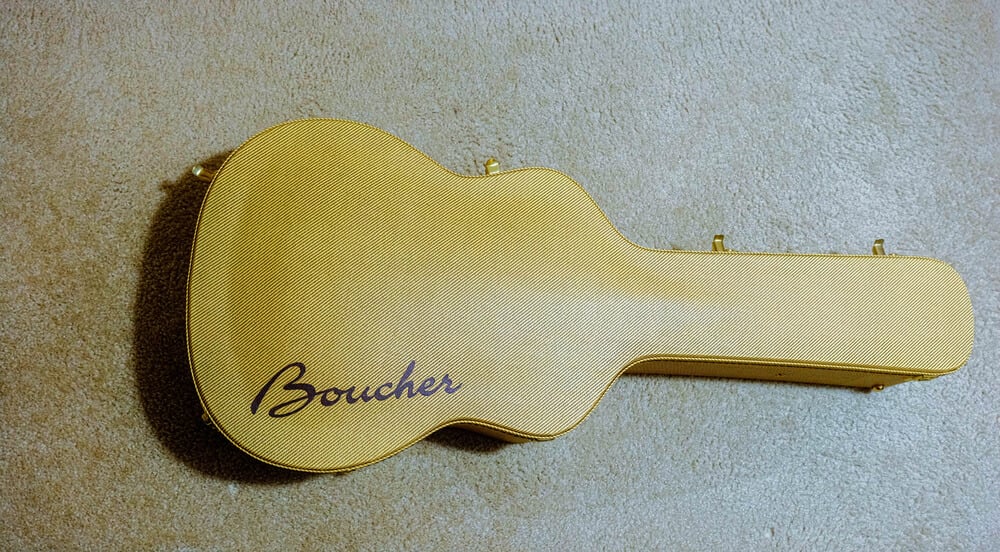
Sears sold its Silvertone line of guitars and amplifiers by mail for decades, and the most beloved model came with a small amplifier and speaker built right into the carrying case. Made largely by Danelectro in the 1960s, these guitars were cheap, loud and easy to order, which made them first instruments for countless young players.
Their thin, lightweight bodies gave them a distinctive twangy sound. Many professional musicians have spoken fondly of learning on one.
Vintage Silvertones now sell for many times their original catalog price, depending heavily on condition and originality.
Sea-Monkeys

Inventor Harold von Braunhut began selling brine shrimp eggs as Instant Life in 1957, then renamed them Sea-Monkeys in the early 1960s. Comic book ads drawn by artist Joe Orlando showed a happy family of humanoid creatures wearing crowns and smiling in a little underwater castle.
What actually hatched were tiny shrimp that looked nothing like the pictures. Still, they were alive and genuinely fascinating to watch, and the product became a mail-order legend.
Sea-Monkeys are still sold today, a rare comic ad promise that survived the disappointment it famously delivered.
X-Ray Spex
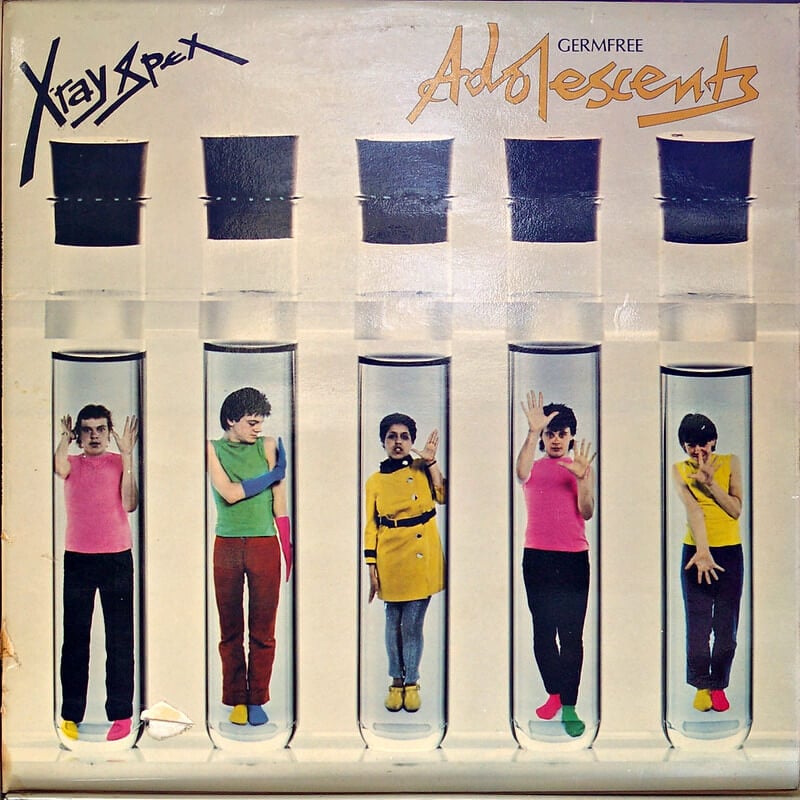
Comic book ads promised that X-Ray Spex would let wearers see the bones in their own hands or right through clothing, a claim that sold millions of pairs. The trick relied on a feather embedded between the lenses, which diffracted light and created a blurry double outline around objects.
Harold von Braunhut, the same inventor behind Sea-Monkeys, marketed them for years. The glasses never showed anything resembling an X-ray, but the illusion was just convincing enough to make a ten-year-old gasp.
They remain one of the most famous punch lines in mail-order history.
Live Squirrel Monkeys

Ads in comic books of the 1950s and early 1960s offered live squirrel monkeys as pets for under 20 dollars, with live delivery guaranteed. Thousands of families ordered them, often without realizing they were wild animals that bit, screeched and needed specialized care.
Many of the monkeys did not survive the shipping or the homes they arrived in. Public concern, disease fears and tightening import rules gradually ended the trade.
The ads are now remembered as a cautionary tale about what could once be bought with a coupon and a money order.
The Polaris Nuclear Submarine

For 6.98 dollars plus shipping, comic book ads promised a Polaris Nuclear Submarine big enough for two kids, complete with firing rockets and a working periscope. The illustration showed a sleek vessel cruising through the water.
What arrived was a large printed cardboard sub, roughly seven feet long, that had to be folded and assembled. It held children fine but certainly did not float.
The disappointment became legendary among baby boomers, and the Polaris sub is now a favorite example in books about deceptive ads. Surviving unassembled ones are prized by collectors of toy ephemera.
A Hundred Toy Soldiers in a Footlocker

Another comic book favorite offered 100 toy soldiers in a footlocker for about 1.25 dollars, with the ad promising tanks, artillery and troops ready for battle. The soldiers that arrived were thin, flat plastic figures that barely stood up, and the footlocker was a printed cardboard box.
Kids who had imagined a miniature army often felt cheated. Even so, the sets sold steadily from the 1950s into the 1980s under various company names.
Surviving sets still turn up on online auction sites, bought mostly for nostalgia rather than for the quality of the plastic.
Charles Atlas Bodybuilding Lessons

Charles Atlas, born Angelo Siciliano, won a contest in the early 1920s naming him America’s most perfectly developed man, then turned his fame into a mail-order fitness course. His program, called Dynamic Tension, used exercises that pitted muscles against each other without weights.
Comic book ads told the story of a skinny young man humiliated at the beach who orders the course and returns as a muscle-bound hero. The ad ran for decades with remarkably little change.
The Charles Atlas course is still sold, making it one of the longest-running mail-order products in America.
Correspondence Courses From Scranton

International Correspondence Schools grew out of a mine safety course launched in Scranton, Pennsylvania, in 1891 by newspaper editor Thomas J. Foster. Miners could study at home and send their lessons back by mail to be graded.
The idea spread rapidly to engineering, drafting, electrical work and dozens of other trades. At its peak, the school signed up huge numbers of students across the country and abroad.
For many working people, a mailed lesson was the only path to a better job. The school still exists today in a modern online form.
Art Lessons That Began With a Drawing Test

Art Instruction Schools of Minneapolis ran ads inviting readers to copy a simple drawing and mail it in for free evaluation, often featuring a cartoon pirate or deer. Promising entrants were offered a paid correspondence course in illustration and cartooning.
One of its most famous students was Charles Schulz, who took the course in the 1940s and later worked there as an instructor before creating Peanuts. The drawing-test ads ran in magazines and matchbooks for decades.
The school has since closed, but the ads remain a beloved piece of mail-order nostalgia.
Heathkit Electronics Kits
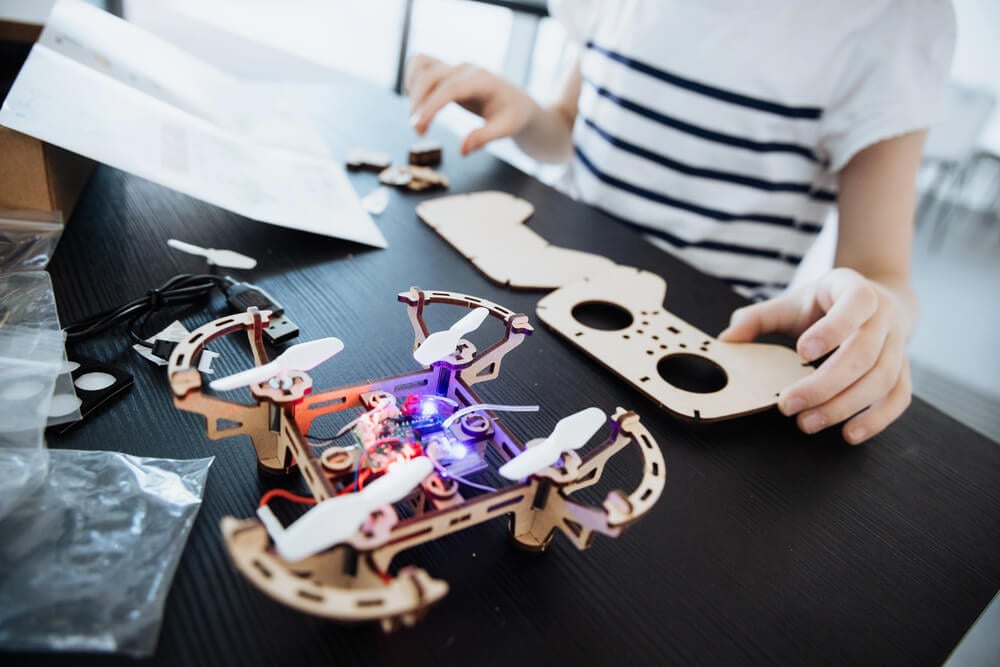
Heathkit, based in Benton Harbor, Michigan, sold electronics kits by mail beginning in the late 1940s, letting hobbyists build their own radios, oscilloscopes, amplifiers and eventually television sets and computers. Each kit came with detailed manuals so clear that people with little experience could finish complex projects.
Building a Heathkit became a rite of passage for engineers and ham radio operators. The company stopped selling its classic kits in 1992 as cheap mass-produced electronics made kit building less practical.
Vintage Heathkit gear is now collected and restored by enthusiasts.
Record Club Albums for a Penny
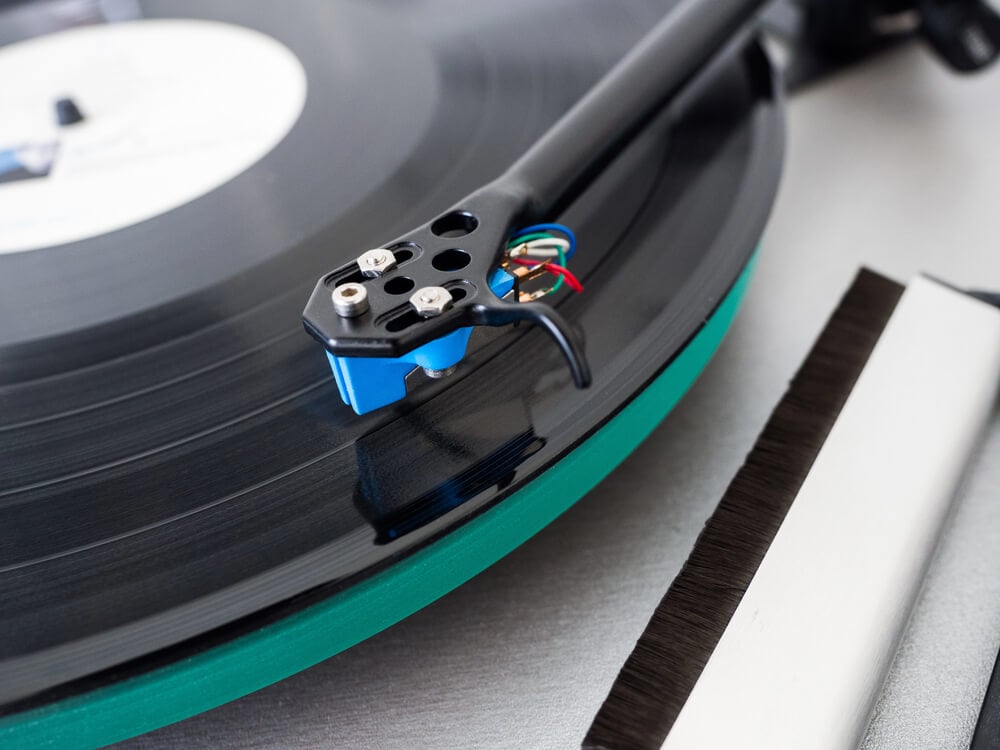
Columbia launched its record club in 1955, and over the following decades its offers became famous, with a dozen albums for a penny in exchange for agreeing to buy more at regular prices. Members received a monthly selection automatically unless they mailed back a card declining it.
Many people forgot, and their shelves filled with albums they never chose. The model sold enormous numbers of records and later cassettes and CDs.
Digital music eventually made the club pointless, but the phrase about a penny still makes many baby boomers and Gen Xers laugh.
Book-of-the-Month Club
Harry Scherman founded the Book-of-the-Month Club in 1926, mailing a selected new title to members each month. A panel of judges chose the books, and the first selection was Lolly Willowes by Sylvia Townsend Warner.
The club became a powerful force in American publishing, able to turn a book into a bestseller simply by choosing it. Members could decline selections, but many simply kept what arrived.
The club still exists in a modern form, though its cultural influence has faded from its mid-century peak. In its heyday, a club selection could make an author famous almost overnight.
Franklin Mint Collectibles
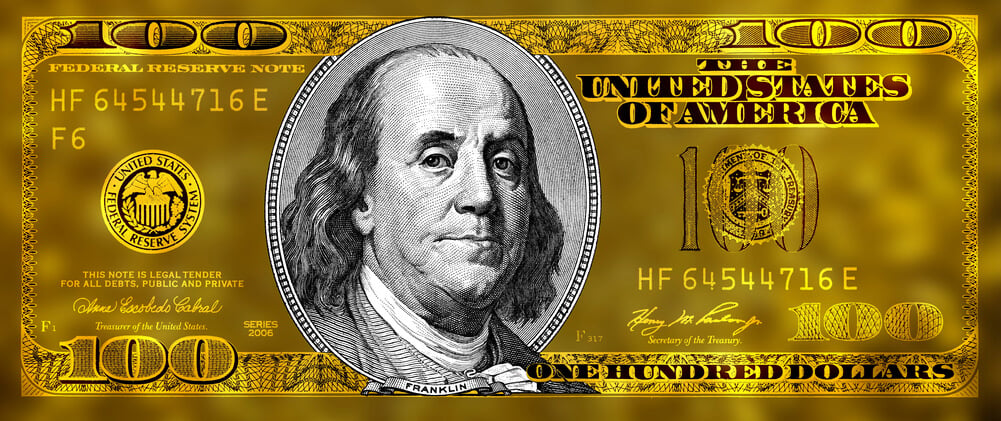
Founded by Joseph Segel in 1964, the Franklin Mint began by striking commemorative coins and medals, then expanded into collector plates, porcelain dolls, miniature cars and pewter figurines sold by mail and through magazine ads. Products were marketed as limited editions and heirlooms, often paid for in monthly installments.
For years, the company was a fixture in Sunday newspaper supplements. The secondary market proved far less generous than the ads implied, and many pieces now sell for a fraction of their original price.
Value today depends heavily on condition and original packaging.
Time-Life Book Series
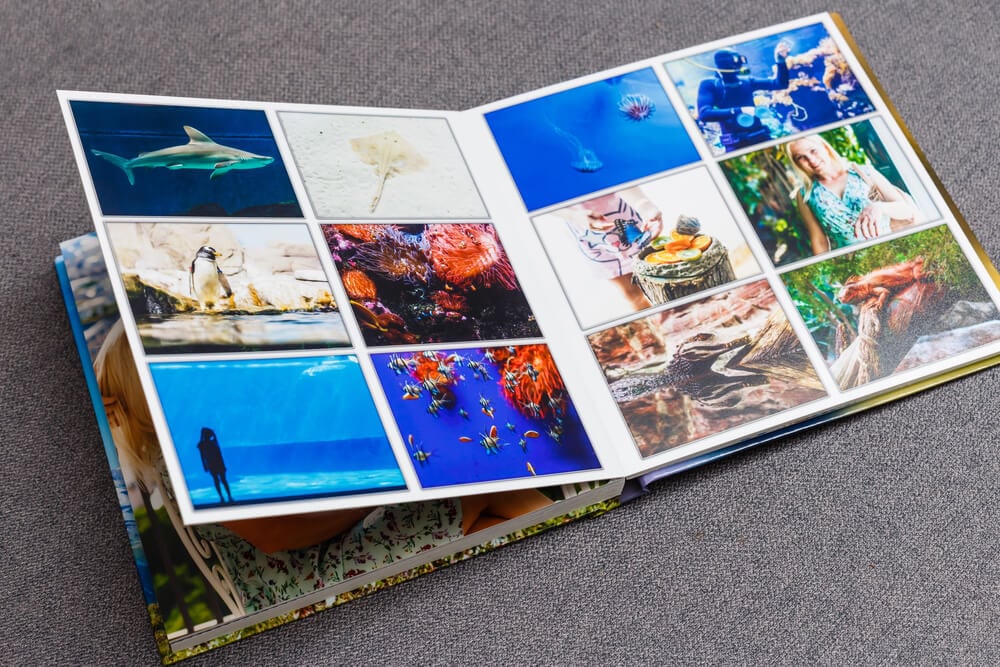
Time-Life Books sold multi-volume series by mail on subjects from the Old West to cooking, home repair and the paranormal. Subscribers received one volume at a time, with the option to cancel after each shipment.
Series like The Old West, with leather-look covers, and Mysteries of the Unknown, promoted with memorably eerie television ads in the late 1980s, became staples of family bookshelves. Many households acquired entire sets almost by accident.
The books now fill secondhand shops, though complete series in good condition still find eager buyers.
Fruit-of-the-Month Club

Harry and David, the Oregon fruit growers behind Royal Riviera pears, launched a Fruit-of-the-Month Club in the late 1930s, shipping seasonal fruit to members throughout the year. The idea turned an orchard into a mail-order business and made pears a popular corporate holiday gift.
Boxes arrived packed carefully to survive the trip across the country. The club helped the company survive the Depression and grow into a national brand.
It still operates today, though it now competes with countless other subscription boxes that borrowed the same idea.
Secret Decoder Pins
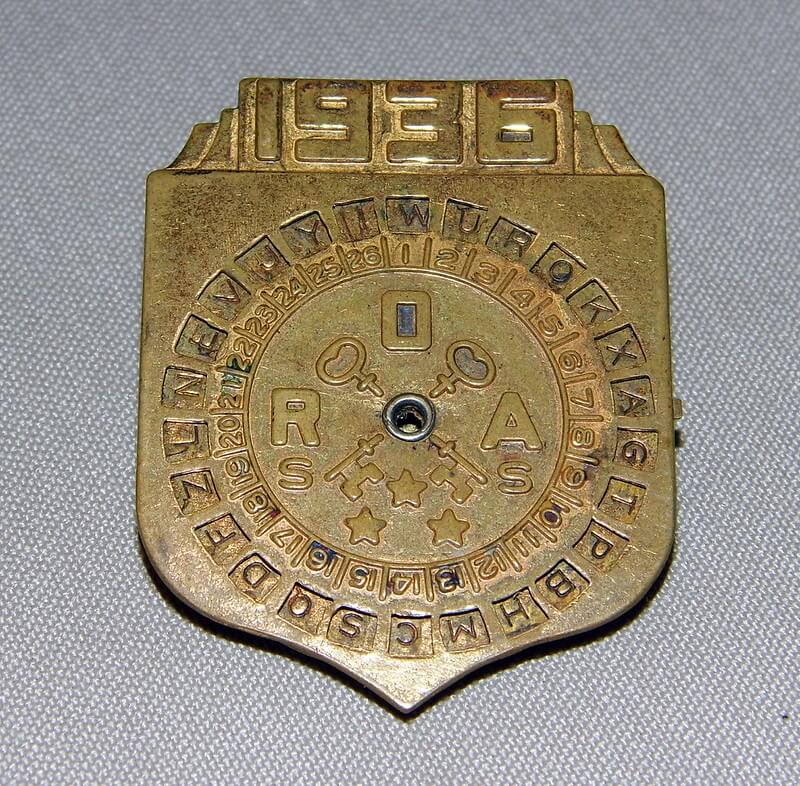
Radio programs of the 1930s and 1940s offered premiums like Little Orphan Annie decoder pins to listeners who mailed in proof of purchase from sponsors such as Ovaltine. Kids used the pins to decode secret messages announced at the end of each episode.
The scheme was a brilliant way for sponsors to measure their audience and sell more product. The 1983 film A Christmas Story famously poked fun at it when a decoded message turned out to be an advertisement.
Original decoder pins are now collectible, with prices depending on year and condition.
Uncle Milton’s Ant Farm

Milton Levine introduced the Ant Farm in 1956, a thin plastic habitat filled with sand where kids could watch ants dig tunnels. The farm came without ants, which were mailed separately after buyers sent in a coupon.
Live ants arriving in the mail delighted children and occasionally surprised postal workers. The product became a classroom and household staple.
Ant Farms are still sold, and the company still ships live ants to customers, though some states restrict which kinds can be mailed. The ants are typically harvester ants, a sturdy desert species that digs clearly visible tunnels.
S and H Green Stamps
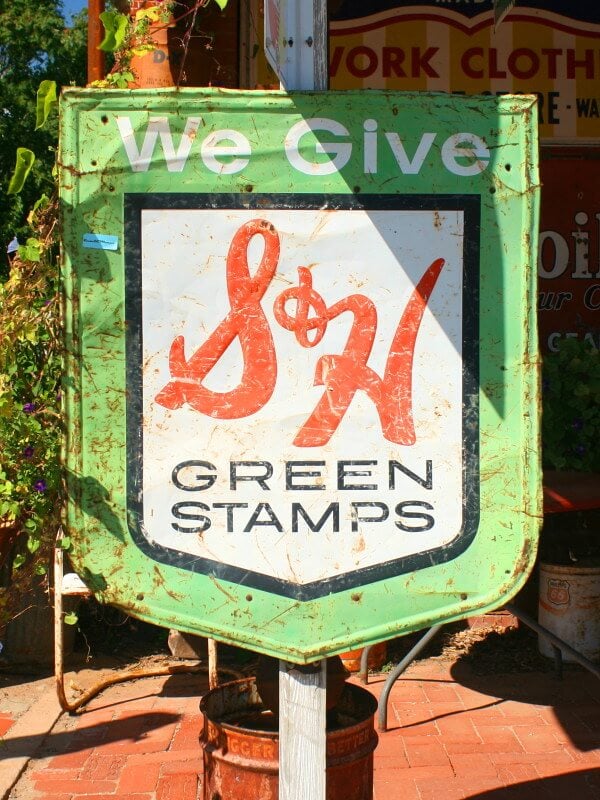
The Sperry and Hutchinson Company began issuing trading stamps in 1896, giving them to shoppers at participating stores for each purchase. Customers pasted the stamps into books and redeemed them for merchandise from S and H catalogs and redemption centers.
At the program’s peak in the mid-twentieth century, green stamps were part of nearly every household’s shopping routine. Families saved for months to get toasters, lamps and toys.
The program faded in the 1970s and 1980s as stores turned to discounts instead. Unused stamp books now turn up at estate sales.
Johnson Smith Company Novelties
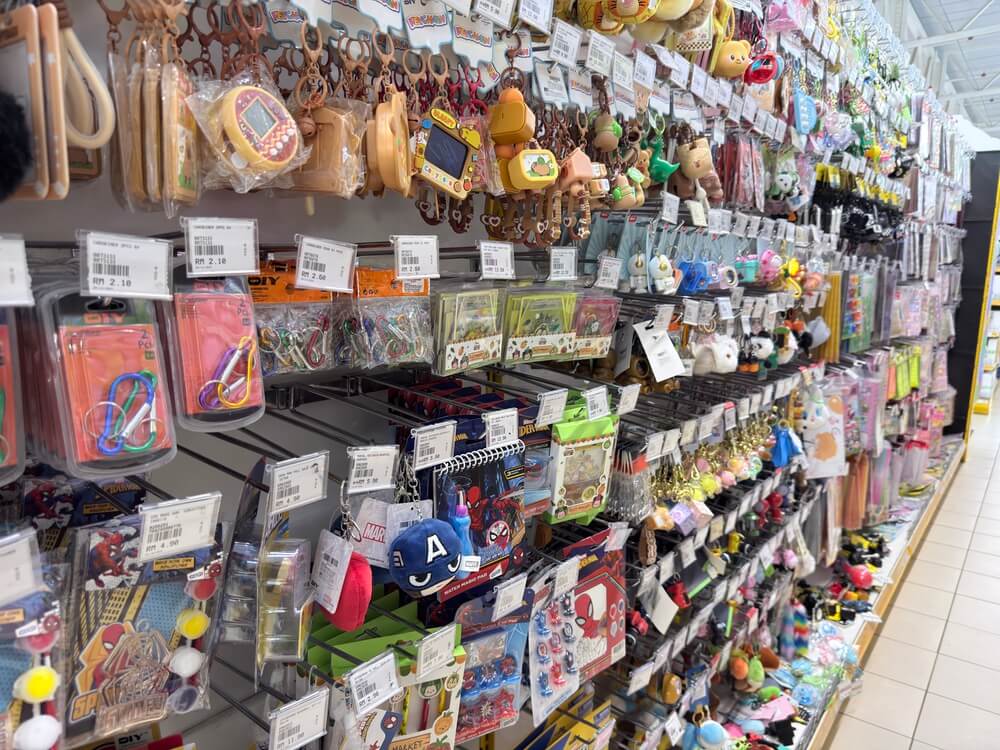
The Johnson Smith Company built an enormous mail-order catalog of jokes, tricks and oddities, selling whoopee cushions, fake vomit, itching powder, voice throwers and magic sets to generations of mischievous kids. Its thick catalogs were read cover to cover by children who could not afford most of what was inside.
The whoopee cushion itself was invented in Toronto by the JEM Rubber Company around 1930, and novelty catalogs helped make it famous. The company continued for decades in various forms.
Its old catalogs are now collected as snapshots of twentieth-century humor.
K-tel Compilation Records
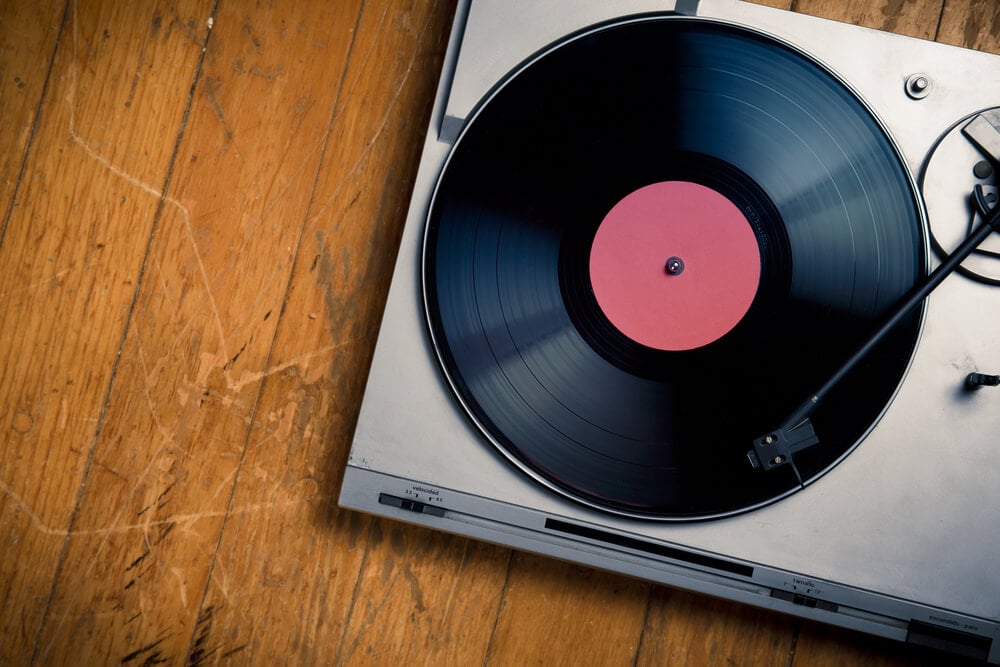
K-tel, founded by Philip Kives in Winnipeg, became famous for selling compilation albums through television ads, with viewers ordering by mail or phone. The records packed many hit songs onto a single album, often by shortening the tracks.
The ads were relentless and memorable, and the albums sold in enormous numbers in the 1970s. K-tel also sold kitchen gadgets and other products through the same approach.
The company helped define the as-seen-on-TV style of marketing. Its albums now turn up in thrift store bins, often in surprisingly good condition.
Mailing the Camera Back to Kodak
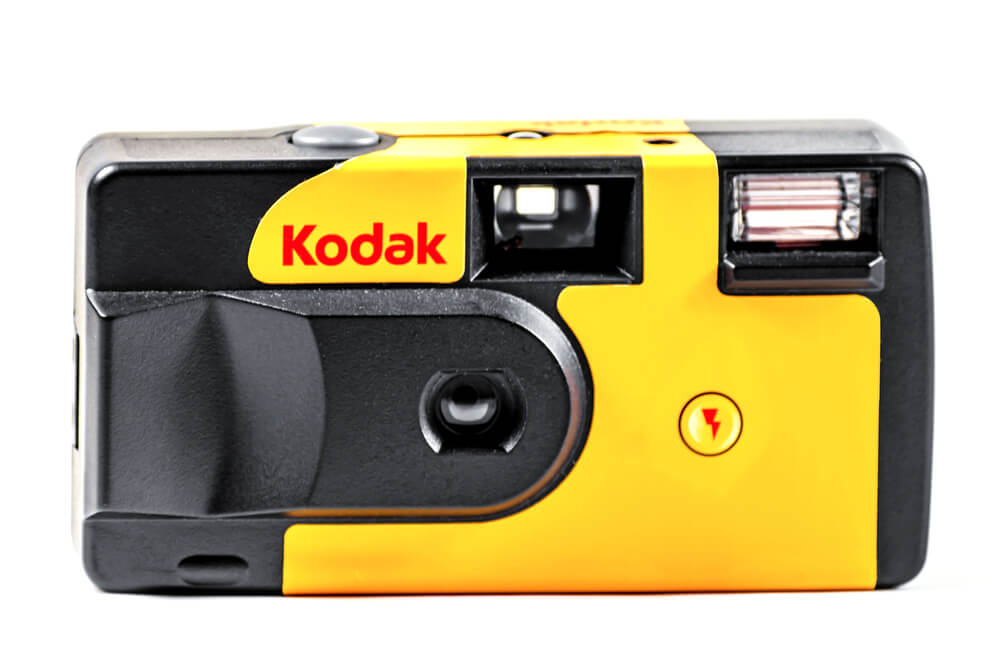
George Eastman’s first Kodak camera, introduced in 1888, came loaded with enough film for 100 exposures and cost about 25 dollars. When the roll was finished, owners mailed the entire camera back to the company in Rochester, New York.
For about 10 dollars, Kodak developed the pictures, printed them and returned the camera reloaded with fresh film. The arrangement, summed up in Eastman’s famous slogan about pressing the button while the company did the rest, made photography possible for people with no darkroom skills.
It was mail-order convenience long before the term existed.
Letters to Lydia Pinkham

Lydia Pinkham’s Vegetable Compound, a patent medicine for women, was sold from 1875 and advertised heavily with Pinkham’s kindly portrait. Ads encouraged women to write to Mrs. Pinkham for personal advice, and thousands did.
The letters were answered long after Pinkham died in 1883, by staff writing in her name. In 1905, the Ladies’ Home Journal exposed the practice by printing a photograph of her gravestone.
The compound remained on the market for decades, but the episode became a landmark moment in the fight against misleading medical advertising.
Burpee Seed Catalogs
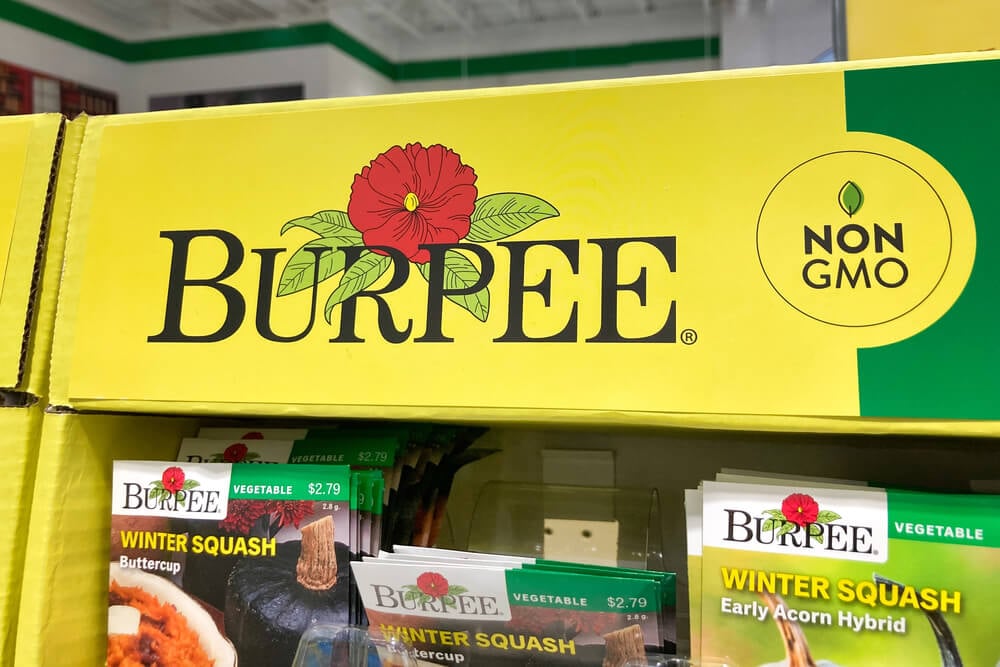
W. Atlee Burpee founded his seed company in Philadelphia in 1876, and its catalogs became a winter ritual for gardeners across the country. Burpee established Fordhook Farms in Doylestown, Pennsylvania, in 1888 to test and develop new varieties.
The company introduced Golden Bantam sweet corn in 1902, helping popularize yellow corn as a table vegetable. Families read the catalogs by the fire, planning gardens months ahead.
The company still sells seeds, though the thick, illustrated catalogs that once arrived each winter are now largely replaced by websites.
Waiting by the Mailbox Was Part of the Price
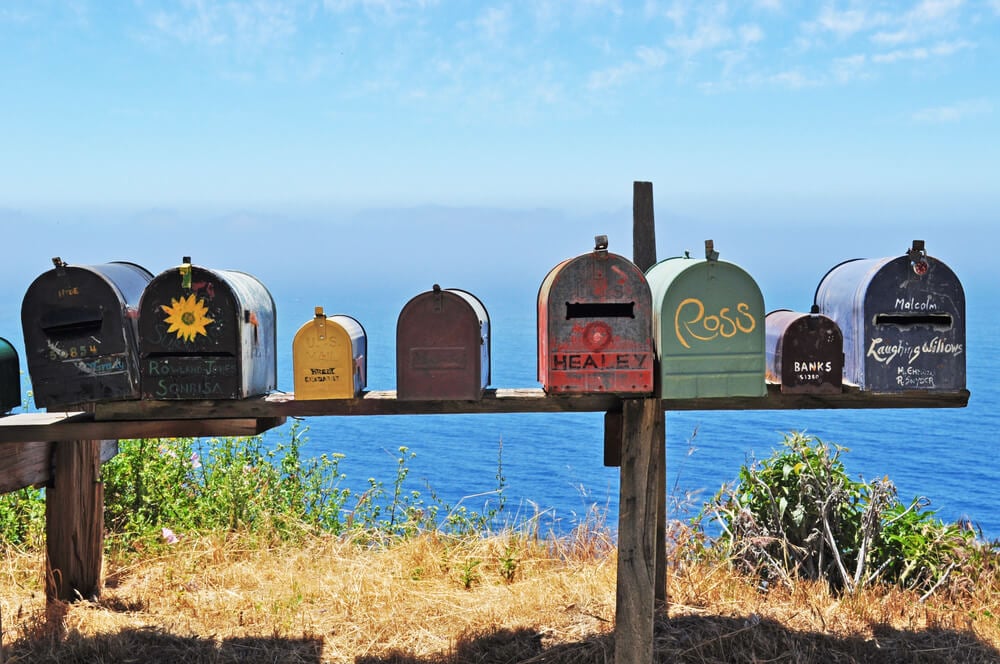
Mail-order shopping sold distance as much as products. It brought houses to the prairie, music to small towns and education to miners, and it also brought cardboard submarines and monkeys that should have stayed in the jungle.
Every package carried both promise and risk.
The waiting was part of the experience, building anticipation that no next-day delivery can match. Some of those products changed lives, and others became punch lines.
All of them remind modern shoppers that convenience was always a slow process before it became an instant one.
More from Go2Tutors!

- The Romanov Crown Jewels and Their Tragic Fate
- 13 Historical Mysteries That Science Still Can’t Solve
- Famous Hoaxes That Fooled the World for Years
- 15 Child Stars with Tragic Adult Lives
- 16 Famous Jewelry Pieces in History
Like Go2Tutors’s content? Follow us on MSN.