17 Words That Used to Mean the Opposite
Language evolves constantly, but sometimes words completely flip their meanings over time. What we call ‘semantic change’ can transform a word so dramatically that its original definition becomes the exact opposite of how we use it today. These linguistic reversals happen for various reasons: sarcasm becomes literal, negative associations shift to positive ones, or technical terms drift into everyday usage with new meanings.
These word transformations reveal fascinating insights into how societies change their values and perspectives over centuries. A word that once described something terrible might now represent something wonderful, while terms of praise can become insults through cultural shifts. Here is a list of 17 words that used to mean the complete opposite of their current definitions.
Awful
‘Awful’ originally meant ‘inspiring awe’ or ‘worthy of reverence,’ describing something so magnificent it commanded respect and wonder. People used ‘awful’ to describe divine experiences, majestic natural phenomena, or anything that filled observers with spiritual awe.
The word gradually shifted from ‘awe-inspiring but frightening’ to its modern meaning of simply terrible or unpleasant.
Nice
In medieval times, ‘nice’ meant ‘foolish,’ ‘silly,’ or ‘ignorant,’ derived from the Latin word for ‘not knowing.’ Someone described as ‘nice’ was considered simple-minded or lacking in knowledge and judgment.
The word slowly evolved through meanings like ‘precise’ and ‘refined’ before settling into today’s positive description of something pleasant or agreeable.
Like Go2Tutors’s content? Follow us on MSN.
Silly
‘Silly’ used to mean ‘blessed,’ ‘innocent,’ or ‘worthy,’ often describing someone pure of heart or deserving of happiness. The Old English ‘sælig’ referred to people who were fortunate or holy, particularly those blessed by God.
Over centuries, the meaning drifted from ‘innocent’ to ‘simple’ to ‘foolish,’ completely reversing its original positive connotation.
Terrific
‘Terrific’ originally meant ‘causing terror’ or ‘frightening,’ directly related to the word ‘terror.’ Something terrific was genuinely scary and filled people with dread or fear.
The modern positive meaning developed through ironic usage, where people sarcastically called frightening things ‘terrific’ until the sarcasm became the standard definition.
Wicked
‘Wicked’ meant exactly what you’d expect: evil, morally wrong, or sinful. The word described genuinely bad people or actions that violated moral or religious principles.
Modern slang has flipped this completely, with ‘wicked’ now often meaning ‘excellent’ or ‘cool,’ particularly in certain regional dialects where it’s used as an intensifier meaning ‘very.’
Like Go2Tutors’s content? Follow us on MSN.
Awful Nice

The phrase ‘awful nice’ demonstrates how two words that originally meant their opposites can work together in modern usage. ‘Awful’ (originally meaning awe-inspiring) combined with ‘nice’ (originally meaning foolish) creates a phrase that would have made no sense to medieval speakers.
Today, it means ‘very pleasant,’ showing how completely both words have transformed.
Egregious
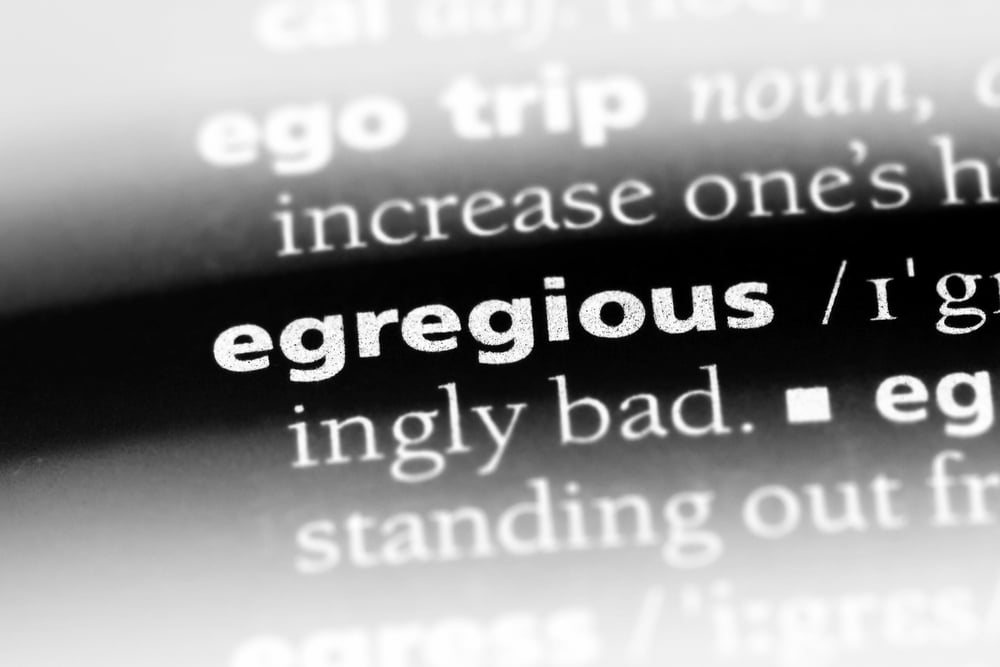
‘Egregious’ once meant ‘distinguished’ or ‘remarkably good,’ describing someone who stood out from the crowd in positive ways. The Latin ‘egregius’ meant ‘outstanding’ or ‘excellent,’ referring to exceptional people or achievements.
The word’s meaning completely reversed, and now ‘egregious’ describes something outrageously bad or shocking in its awfulness.
Manufacture
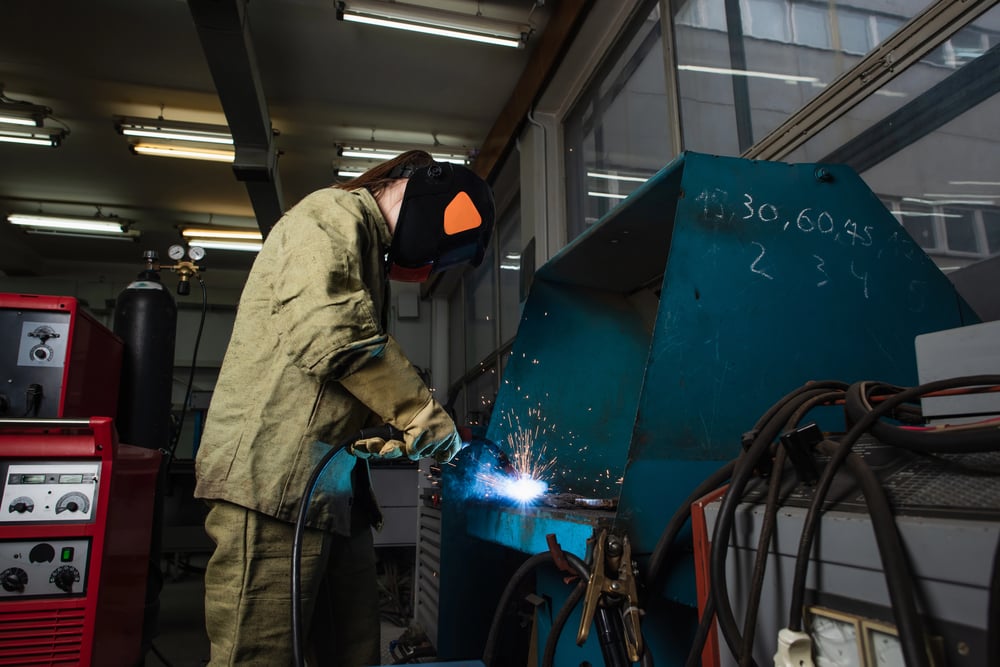
‘Manufacture’ originally meant making something by hand, from the Latin ‘manus’ (hand) and ‘facere’ (to make). Manufactured goods were crafted individually by skilled artisans using traditional hand techniques.
The Industrial Revolution completely flipped this meaning, so ‘manufacture’ now refers to mass production using machines, the exact opposite of handmade craftsmanship.
Like Go2Tutors’s content? Follow us on MSN.
Artificial

‘Artificial’ used to mean ‘skillfully made’ or ‘crafted with art,’ describing beautiful objects created through human skill and creativity. Artificial things were admired for their artistry and the talent required to create them.
The word’s meaning shifted to ‘fake’ or ‘not natural,’ transforming from a compliment about human skill into a criticism about lack of authenticity.
Sly

‘Sly’ originally meant ‘skillful,’ ‘wise,’ or ‘clever’ in positive ways, describing someone with admirable intelligence or practical abilities. A sly person was respected for their wisdom and capability in handling difficult situations.
The meaning gradually shifted to describe cunning used for deceptive or dishonest purposes, making ‘sly’ a negative trait rather than a positive one.
Fantastic
‘Fantastic’ meant ‘existing only in imagination’ or ‘not real,’ describing things that were clearly fictional or impossible. Something fantastic was used to describe fanciful or imaginary concepts.
The word evolved to mean ‘wonderful’ or ‘excellent,’ completely reversing from describing unrealistic impossibilities to praising genuinely great things.
Like Go2Tutors’s content? Follow us on MSN.
Awful Quiet

Another example of semantic reversal working in combination, ‘awful quiet’ uses ‘awful’ in its modern intensifying sense rather than its original meaning of ‘inspiring awe.’ The phrase means ‘very quiet’ today, but historically would have suggested a silence so profound it inspired religious reverence.
This shows how word meanings can shift while still maintaining grammatical relationships.
Meat
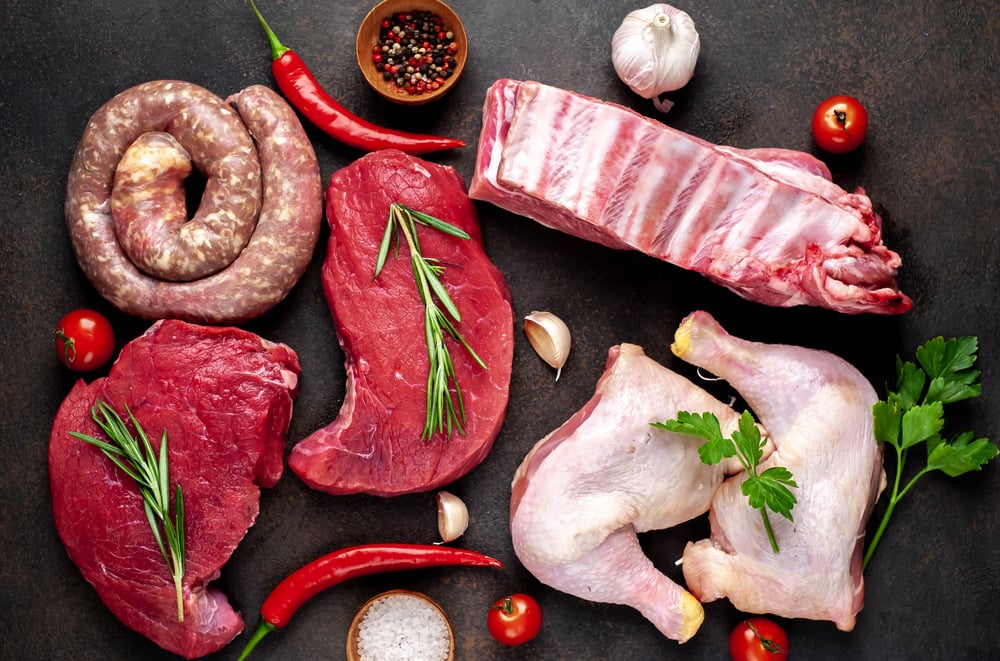
‘Meat’ originally referred to any food, not specifically animal flesh. The word came from Old English ‘mete,’ meaning nourishment or sustenance of any kind.
Phrases like ‘sweetmeat’ (candy) preserve this older meaning, while ‘meat and drink’ meant all forms of nourishment. The word narrowed from meaning all food to specifically referring to animal protein.
Starve

‘Starve’ used to mean simply ‘to die,’ regardless of the cause. The Old English ‘steorfan’ meant to perish or pass away for any reason, not specifically from lack of food.
You could ‘starve’ from disease, injury, or old age just as easily as from hunger. The word’s meaning narrowed to specifically describe death or suffering from a lack of food.
Like Go2Tutors’s content? Follow us on MSN.
Bully

‘Bully’ originally meant ‘sweetheart’ or ‘fine fellow,’ used as a term of endearment for someone you cared about. The word was positive, describing good friends or beloved companions.
Shakespeare used ‘bully’ affectionately in his plays when characters addressed their friends. The meaning completely reversed to describe someone who intimidates or harasses others.
Gay
‘Gay’ meant ‘happy,’ ‘cheerful,’ or ‘carefree’ for centuries before acquiring its modern meaning related to romantic orientation. The word described joyful, lighthearted moods or celebrations filled with merriment.
Christmas carols still preserve this usage in phrases like ‘do we now our gay apparel,’ referring to festive, colorful clothing that makes people feel cheerful.
Clue
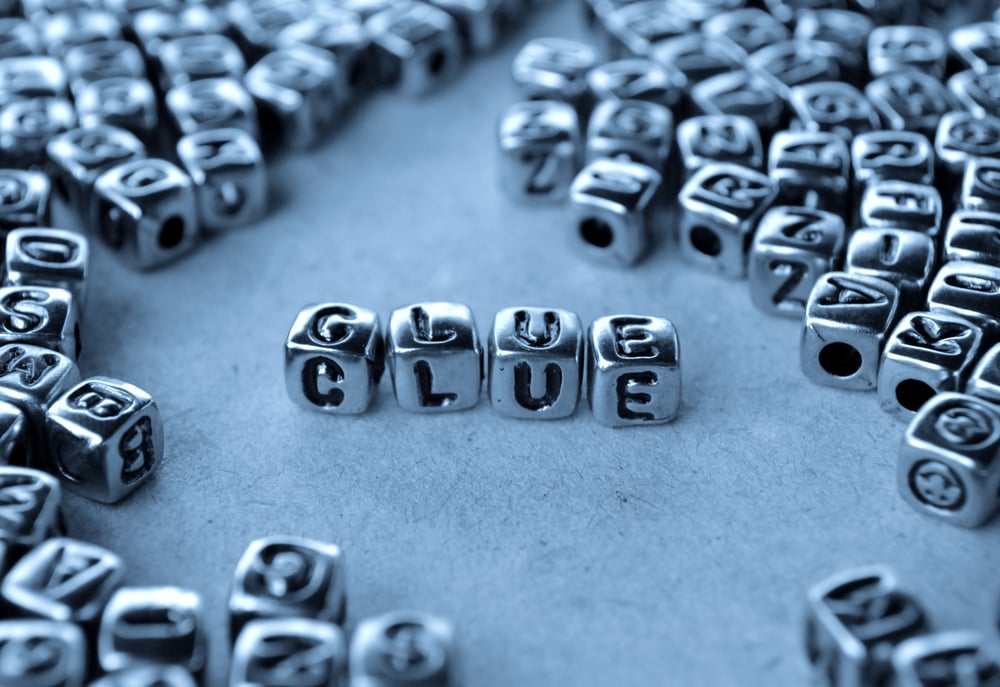
‘Clue’ originally meant a ball of yarn or thread, from the Old English ‘clew.’ The connection to solving mysteries comes from the Greek myth of Theseus using Ariadne’s thread to navigate the labyrinth after killing the Minotaur.
The word shifted from meaning the physical thread itself to meaning any piece of information that helps solve a puzzle or mystery.
Like Go2Tutors’s content? Follow us on MSN.
When Words Flip History
These dramatic meaning reversals show how language reflects changing social values and cultural shifts over time. Words that once carried positive meanings can become negative through sarcasm, irony, or changing social attitudes, while negative terms sometimes get reclaimed and transformed into compliments.
Understanding these linguistic flip-flops helps us appreciate how fluid language really is and reminds us that the words we use today might mean something completely different to future generations. The next time someone calls something ‘awful’ or ‘terrible,’ remember they’re using words that once described the most wonderful and awe-inspiring experiences imaginable.
More from Go2Tutors!

- 16 Restaurant Chains That Went Too Fast
- 12 Things Sold in the 80s That Are Now Illegal
- 15 VHS Tapes That Could Be Worth Thousands
- 17 Historical “What Ifs” That Would Have Changed Everything
- 18 TV Shows That Vanished Without a Finale
Like Go2Tutors’s content? Follow us on MSN.



