32 Animals With Abilities So Bizarre They Sound Like Science Fiction
Nature has produced creatures with capabilities that seem engineered—abilities so specialized and improbable that they read like a science fiction writer’s fever dream. Some animals navigate by magnetic fields, others weaponize chemicals with surgical precision, and a few possess sensory systems humans can barely imagine. These are not exaggerations or mythological creatures but documented biological facts.
The natural world contains wonders that would be rejected as implausible if presented as fiction. Below are thirty-two verified examples of animals whose extraordinary abilities challenge the limits of what biology can achieve.
Mantis Shrimp Can See Colors Humans Cannot Imagine
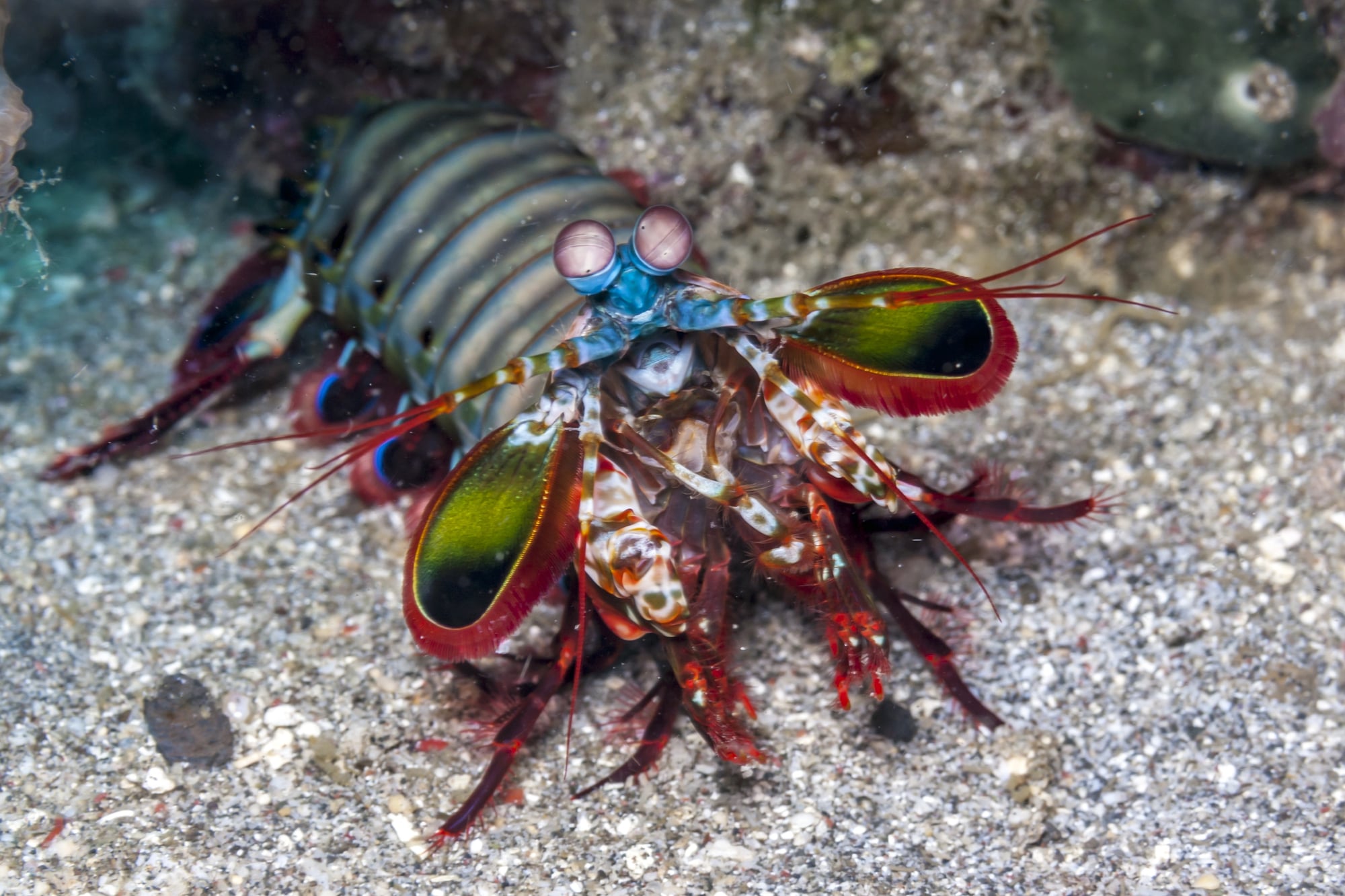
Mantis shrimp possess 12 to 16 color receptors in their eyes compared to humans’ three, allowing them to perceive colors entirely outside the human visual spectrum. They see ultraviolet, visible, and polarized light simultaneously, creating a color experience so alien that humans have no vocabulary for it. They communicate color information through their shell patterns, essentially signaling in light frequencies. Their visual system is so advanced that scientists are still deciphering how their brains process the information.
Axolotls Can Regenerate Entire Limbs and Organs
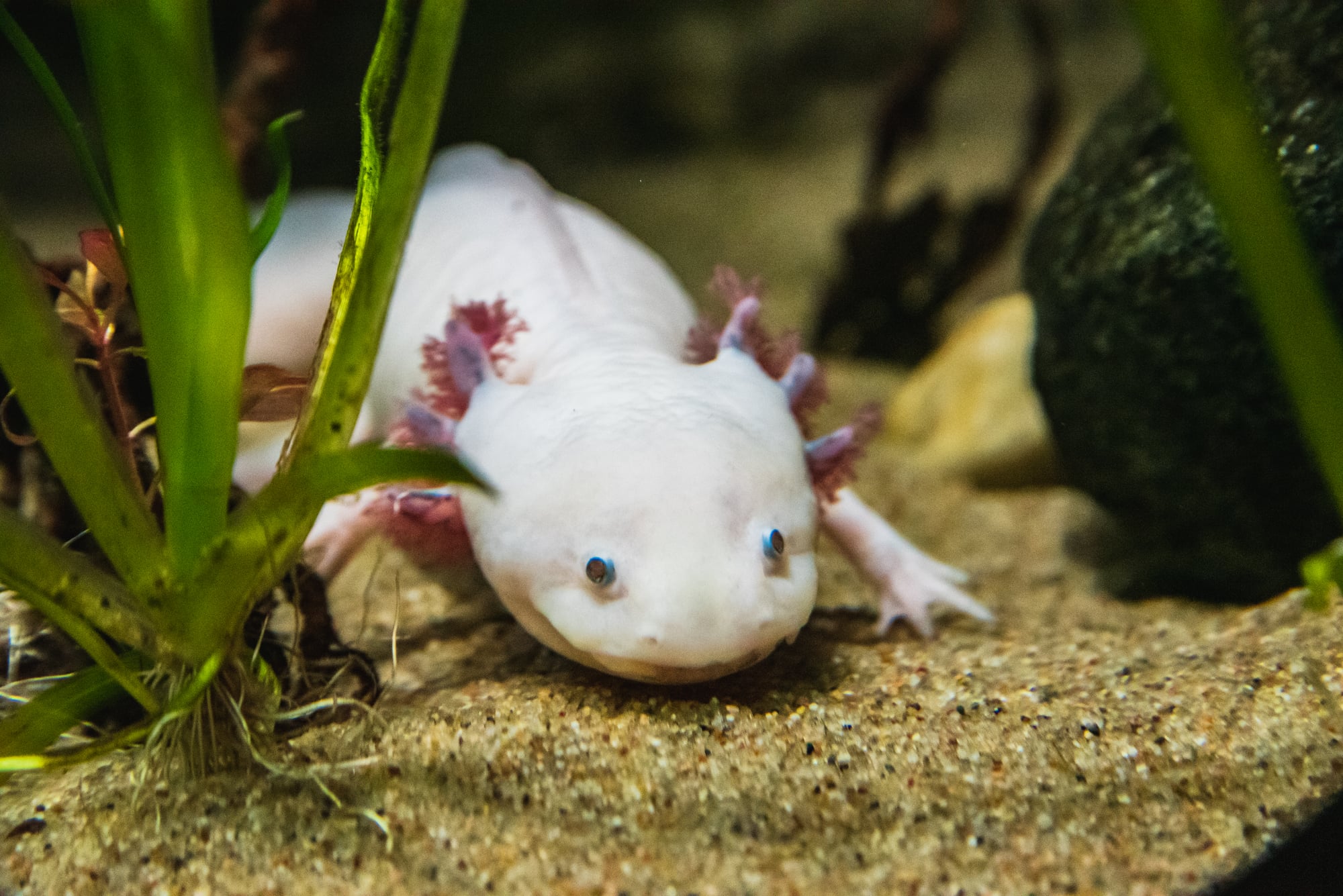
The axolotl, a Mexican salamander, can regrow severed limbs complete with bones, muscles, nerves, and blood vessels. More remarkably, it can regenerate eyes, parts of its brain, heart tissue, and spinal cord. Unlike many organisms with limited regenerative abilities, the axolotl reproduces this process perfectly throughout its life without scarring or loss of function. Scientists have spent decades attempting to understand the genetic switches that enable this ability, as cracking the code could revolutionize medicine.
Tardigrades Can Survive Anything
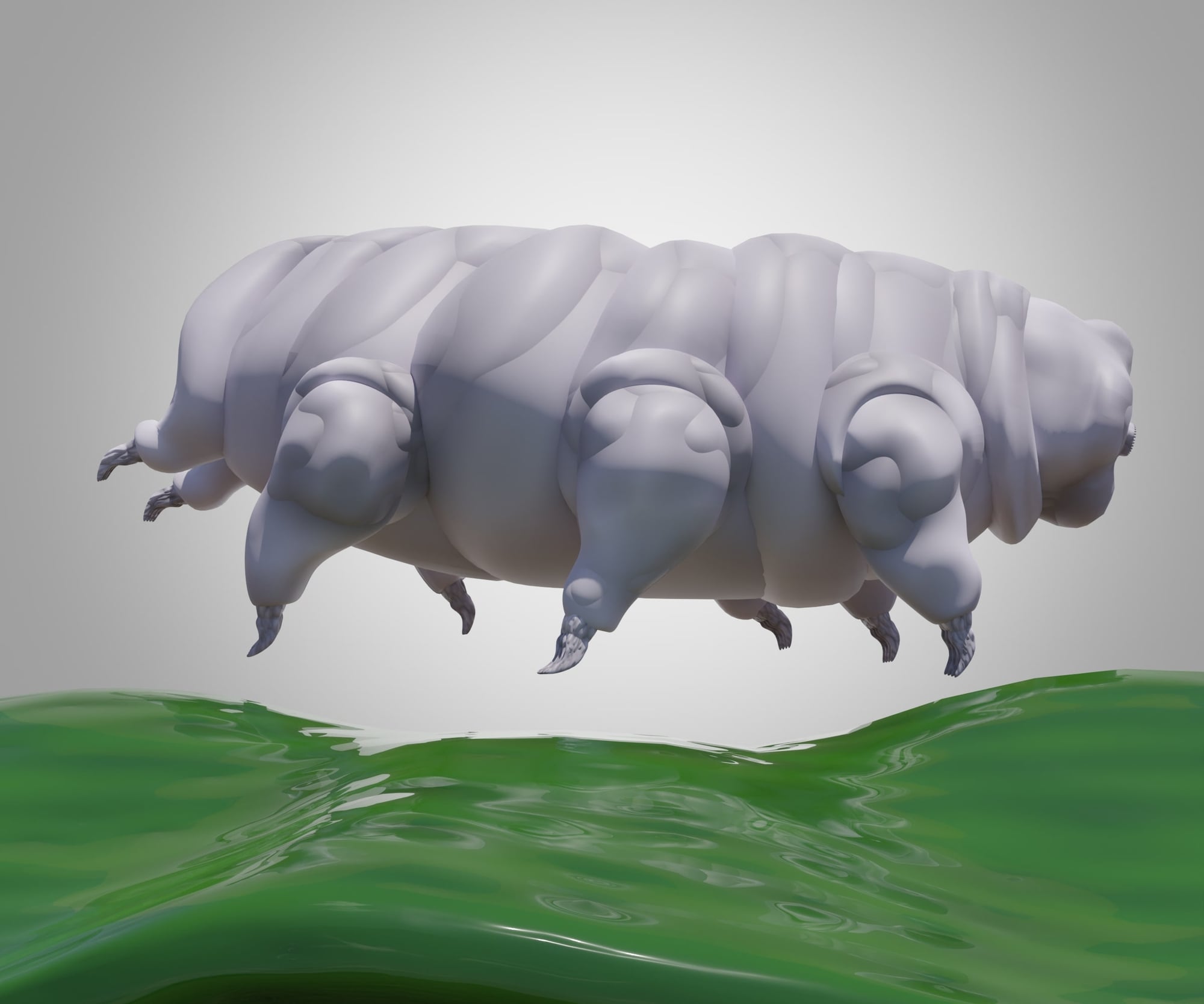
Tardigrades (water bears) are microscopic animals that can survive extreme radiation, temperatures ranging from near absolute zero to over 300 degrees Fahrenheit, the vacuum of space, and complete desiccation for decades. They can survive pressures six times greater than the deepest ocean trenches. When conditions become severe, they enter a state called cryptobiosis where their metabolism drops to virtually zero.
Archer Fish Calculate Water Refraction Instantaneously
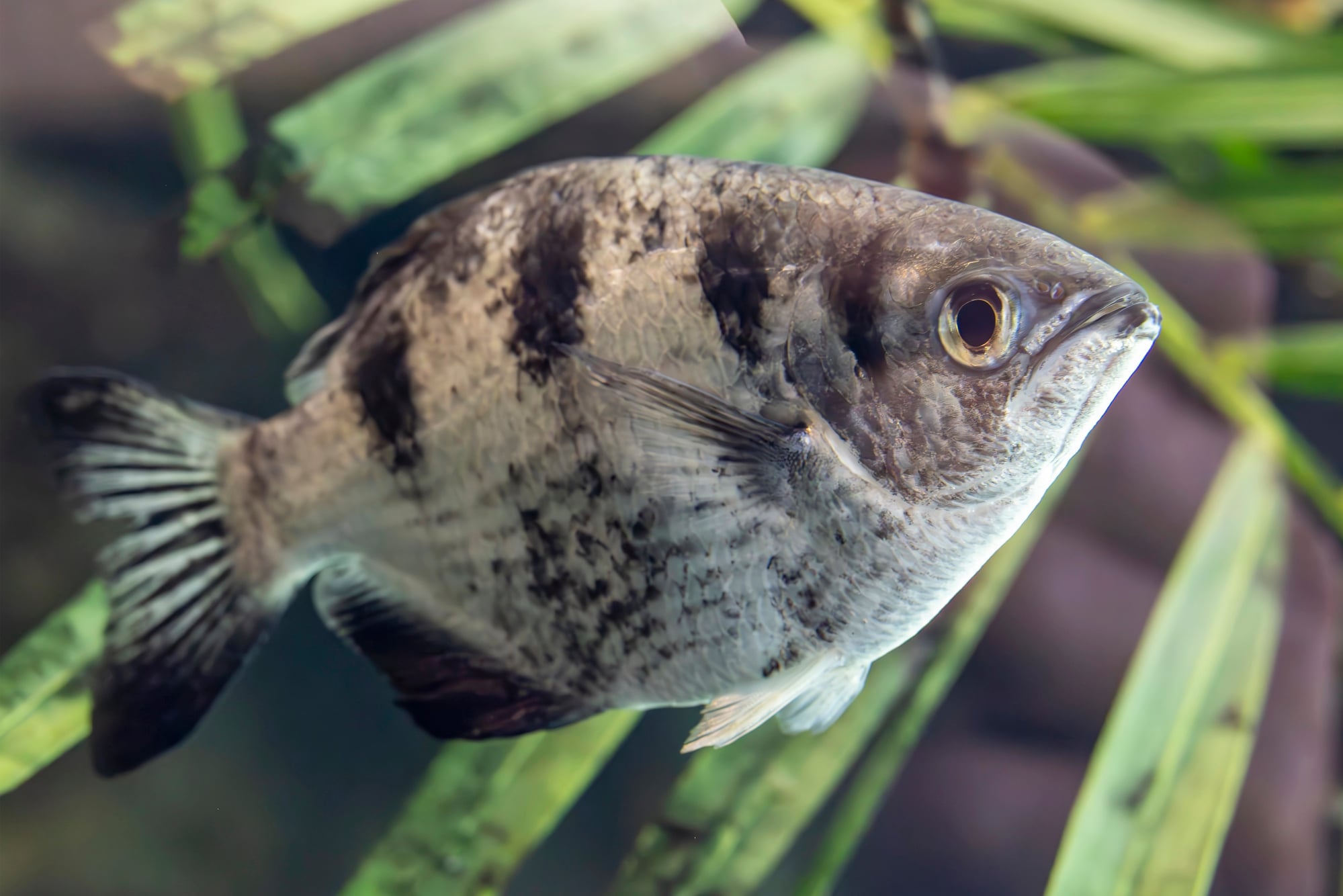
Archer fish hunt insects above the water surface by shooting jets of water with startling accuracy. What makes this extraordinary is that they instantly calculate refraction—the bending of light at the water-air interface—to aim at their prey’s actual position rather than where it appears to be. A fish with a brain the size of a grain of rice performs optical physics calculations that would require complex mathematics for a human. Research shows they achieve over 90% accuracy on their first shot, suggesting the ability is innate rather than learned.
Dolphins Use Echolocation So Precise They Can Detect Pregnancy
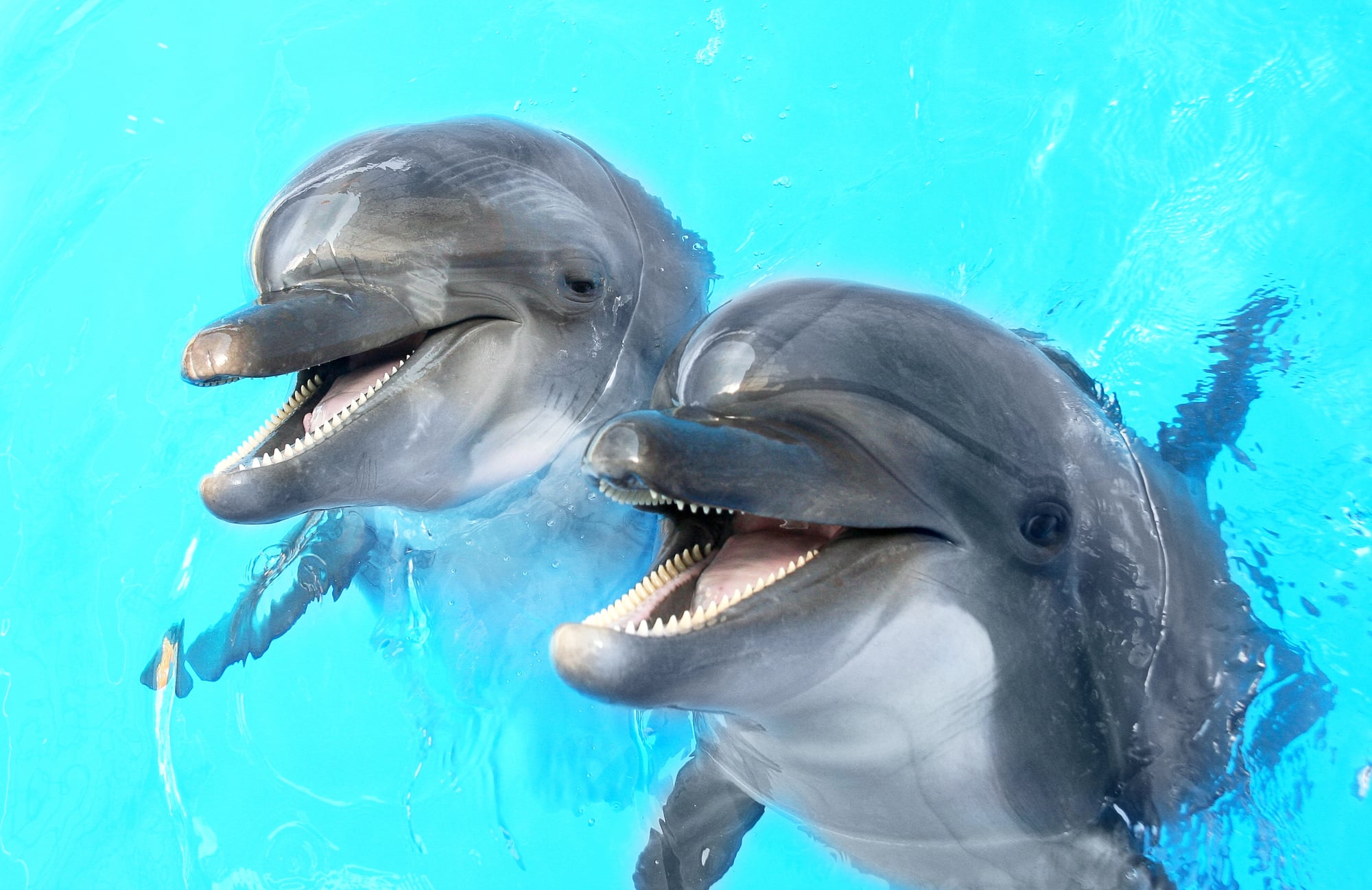
Dolphins emit clicks and whistles and listen to the returning echoes to navigate and hunt, a capability called echolocation. Their precision is extraordinary—they can detect objects smaller than a grain of sand and can apparently sense internal structures of other animals. Evidence suggests that dolphins may be able to detect pregnancy in females and the health status of other dolphins through echolocation alone. They essentially see through sound with a resolution that rivals human vision.
The Electric Eel Generates Electricity at Will
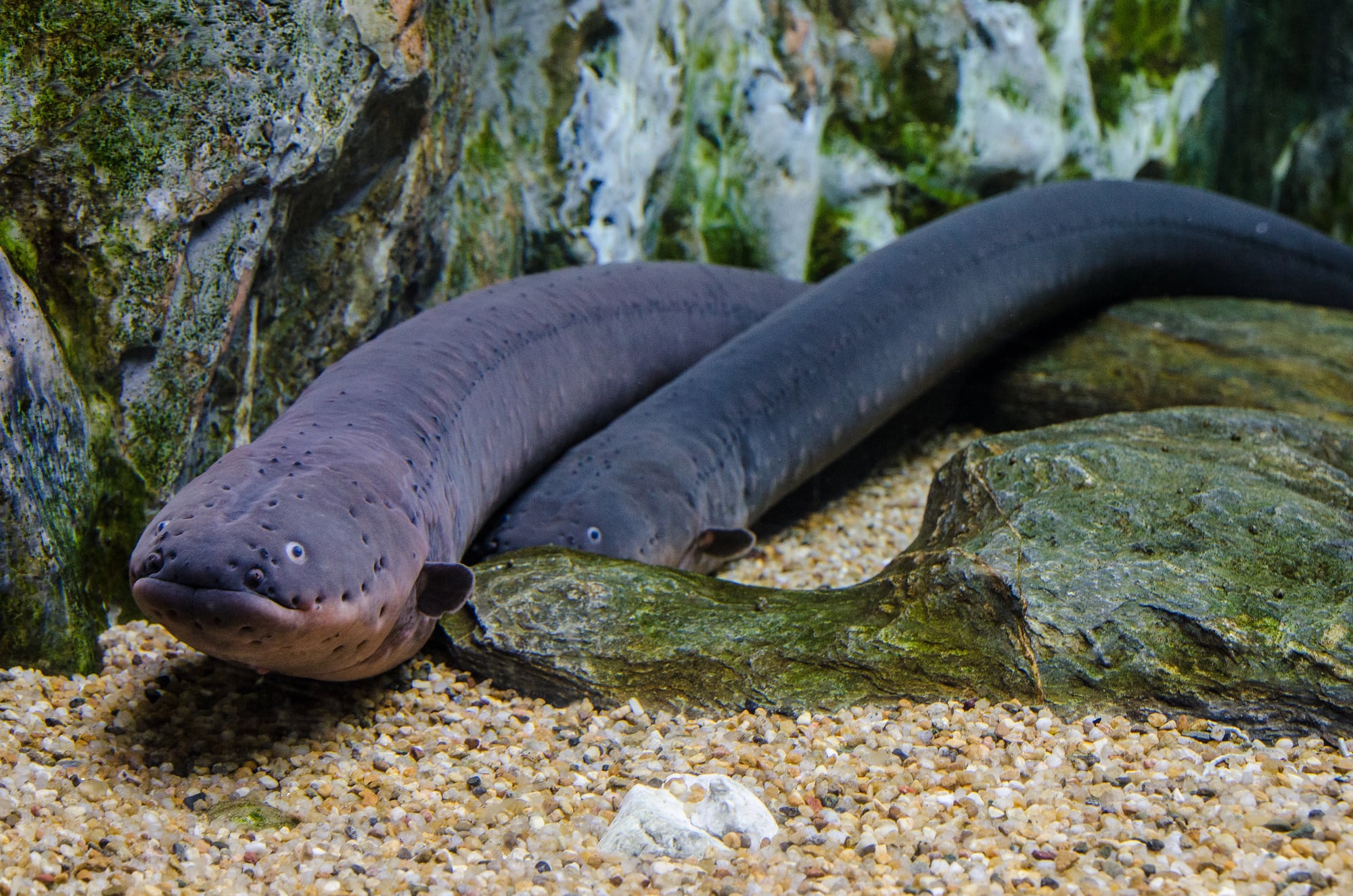
Electric eels produce high-voltage discharges through specialized organs containing thousands of cells that work like biological batteries. They can generate shocks of 600 volts, enough to stun a horse or large fish. More remarkably, they can control the intensity, duration, and frequency of discharge. They use electricity to navigate murky rivers, communicate with other eels, and hunt. The ability to weaponize electricity through biological means seems like science fiction.
Platypuses Detect Electric Fields
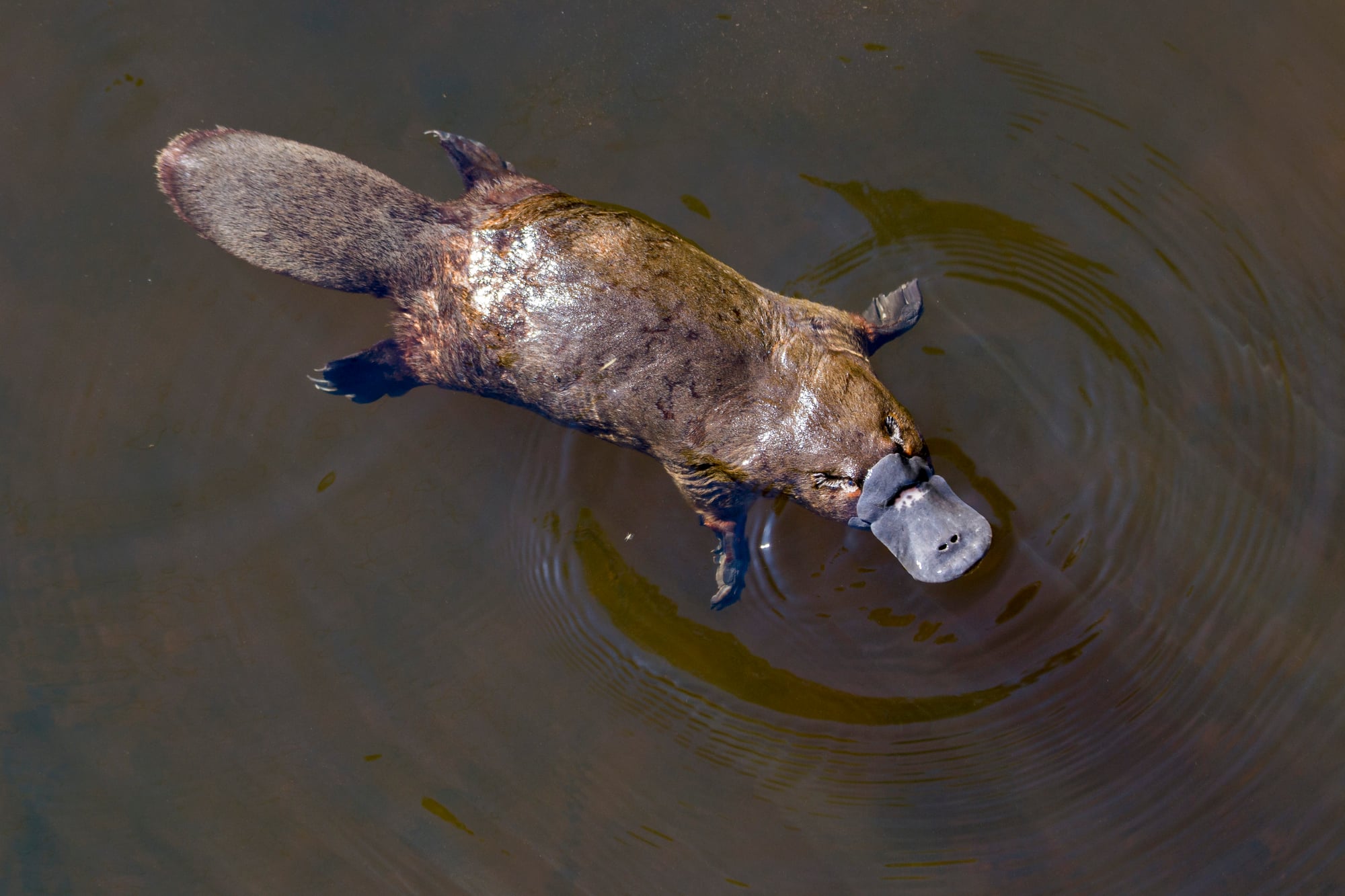
Platypuses have highly sensitive electroreceptors in their snout that detect the electrical fields generated by muscle contractions in prey animals. They hunt in murky Australian streams with their eyes and ears closed, relying entirely on electrical sensation to find and catch prey. This electroreception exists in other aquatic animals, but the platypus’s sensitivity is remarkable. Combined with other bizarre platypus features (venomous spurs, egg-laying, ten chromosomes), it represents a creature seemingly assembled from spare parts.
Bioluminescent Dinoflagellates Create Living Light
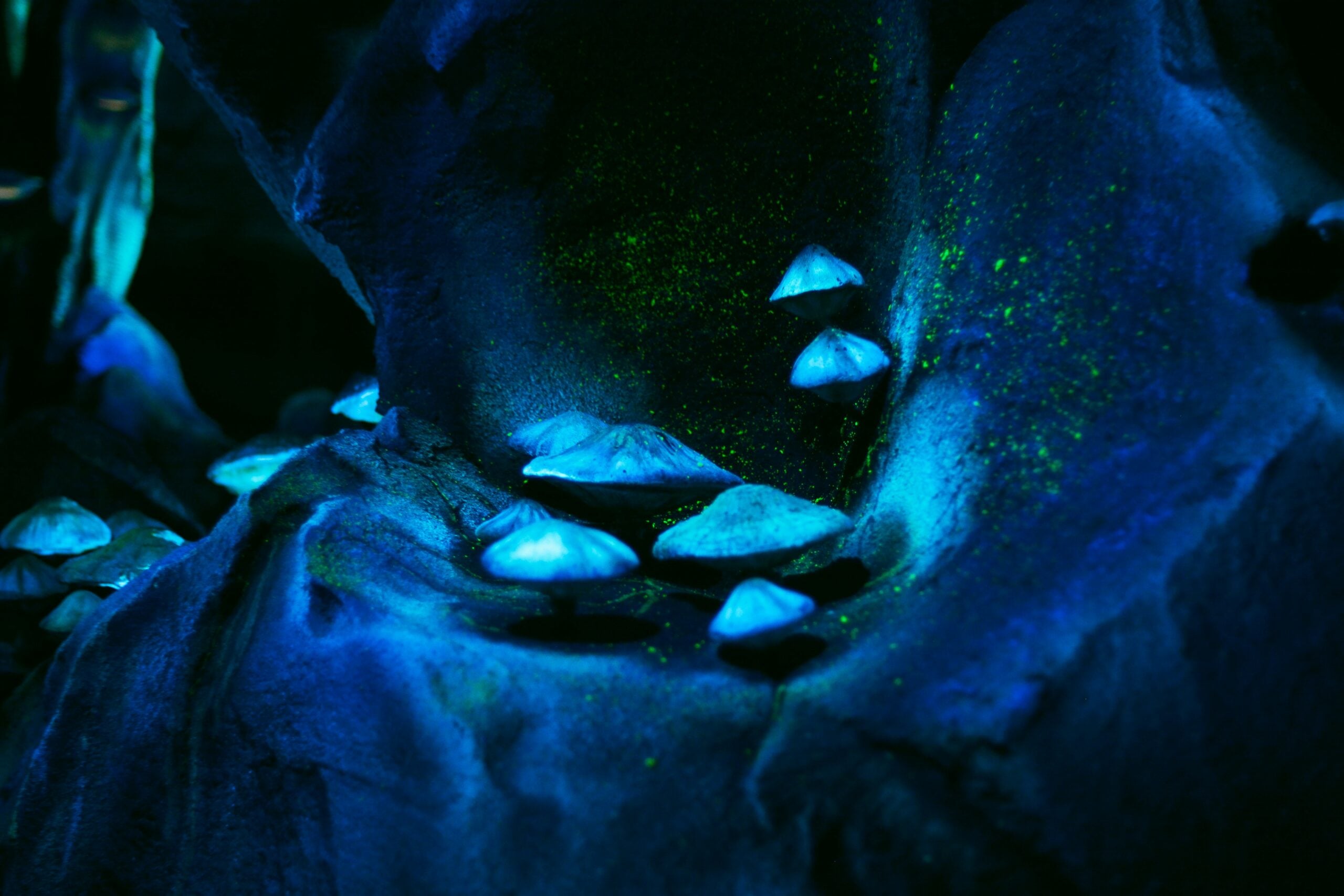
Certain marine dinoflagellates produce light through chemical reactions when disturbed, creating waves of bioluminescence that glow bright blue. Large populations create the effect of glowing seas visible from space. The organisms are using the light to distract or confuse predators. This chemical light production occurs in countless ocean organisms, but the scale and intensity in dinoflagellate blooms create one of nature’s most surreal spectacles.
Basilisk Lizards Run on Water
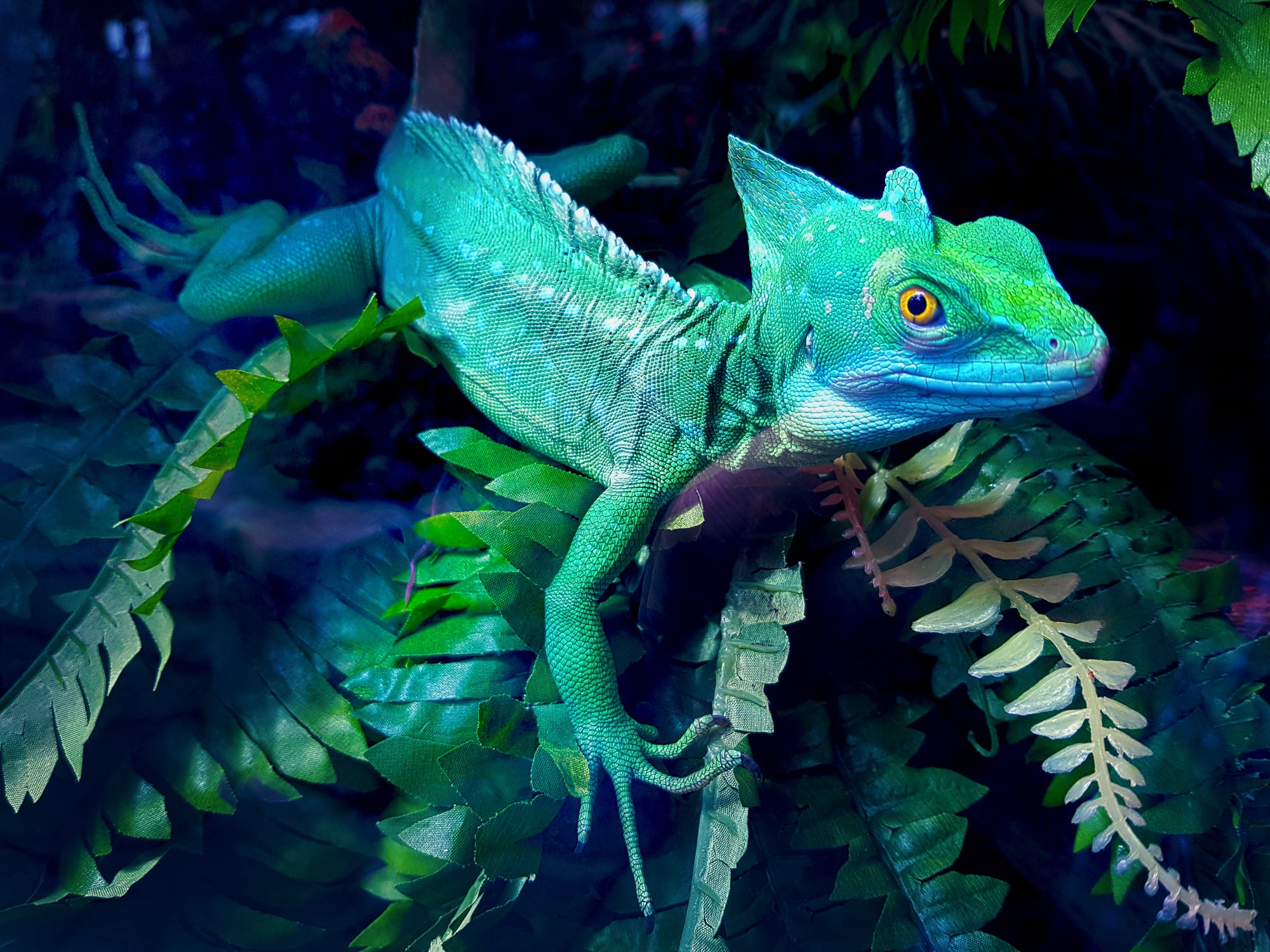
The basilisk lizard can sprint across water surfaces on its hind legs, moving so quickly that surface tension supports its weight before it sinks. The underside of its toes has special flaps that increase surface area and trap air pockets, allowing it to literally run on water. Juveniles can run nearly 1.5 meters per second across water. This ability exists in a family of lizards, making it a consistent trait rather than an anomaly. They use it to escape predators.
Pigeon-Toed Frogs Use Their Eyes to Swallow
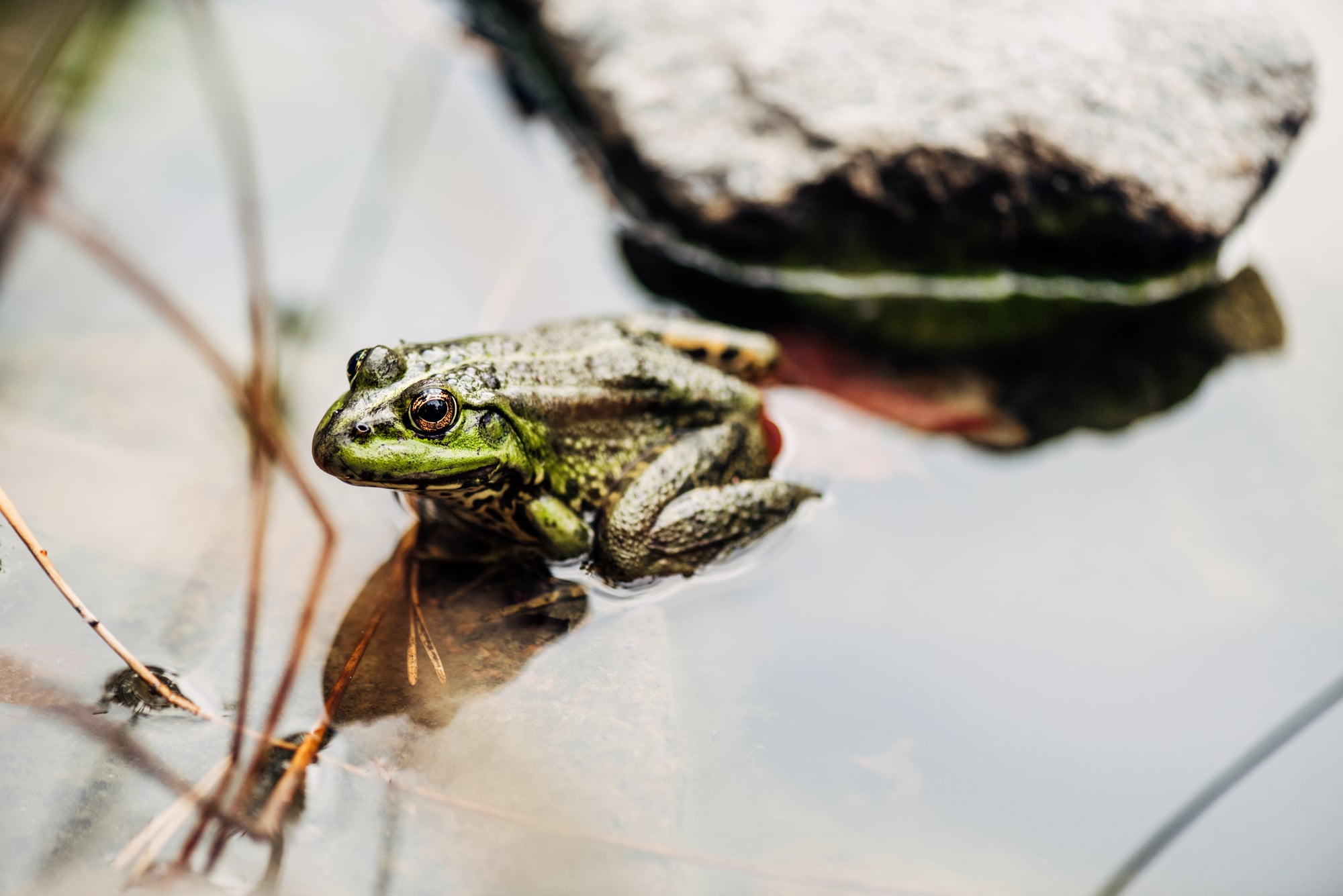
Certain tree frogs have eyes positioned on top of their head that retract into their skull when they swallow. The retracting eyes physically push food down into the esophagus. The frog’s eyes function as part of its swallowing mechanism—a solution to an engineering problem that emerged through completely different selection pressures than swallowing mechanisms in other animals.
Anglerfish Females Absorb Males Permanently
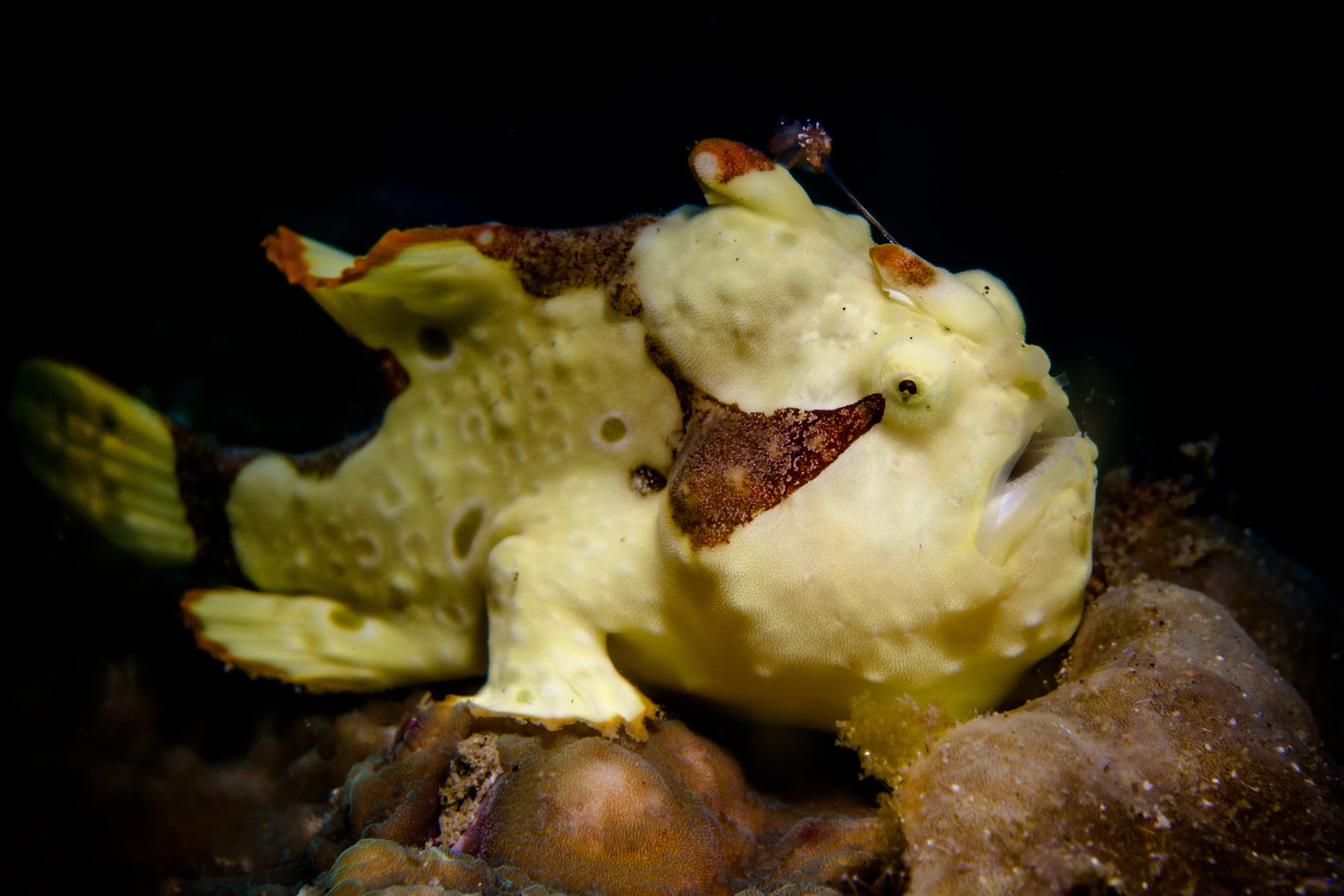
In the deep ocean, male anglerfish are tiny and females enormous. When a male finds a female (an incredibly rare event in the dark abyss), he bites her and their tissues fuse. Over time, the male’s body degenerates until he becomes essentially a sperm-producing appendage attached to the female’s body. A female may carry several such fused males. It’s a literal merging of organisms—not parasitism but obligate intimate fusion that persists for life.
Octopuses Have Nine Brains
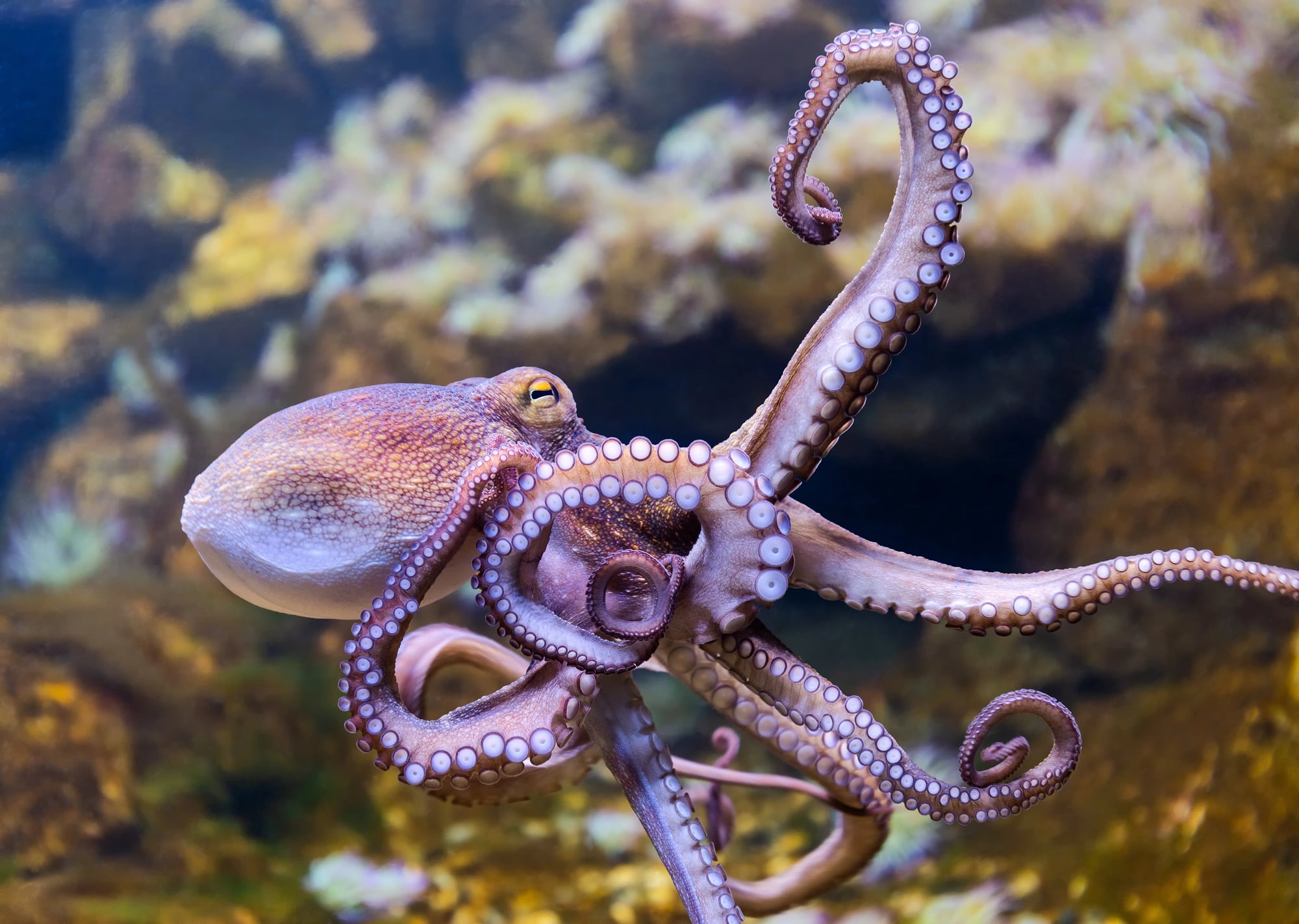
Octopuses possess a central brain and a smaller brain in each of their eight arms, along with neurons distributed throughout their arms that allow each arm to act semi-autonomously. An arm can solve problems, hunt, and manipulate objects while the central brain focuses on other tasks. If an arm is severed, it continues moving and responding to stimuli for hours. This distributed nervous system allows unprecedented multitasking and motor control in invertebrates.
Blindsnakes Can Clone Themselves
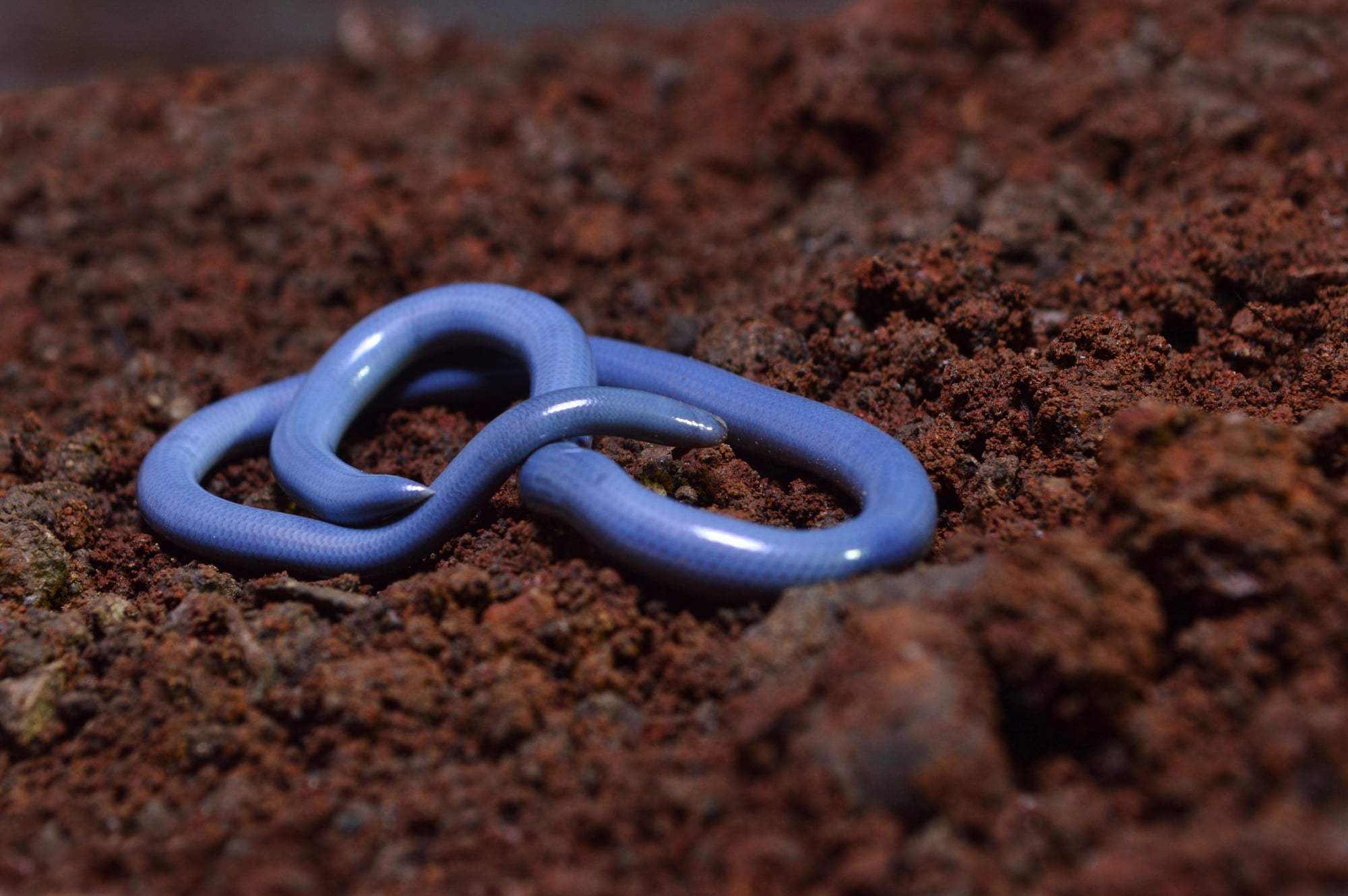
Certain species of blindsnake reproduce entirely through parthenogenesis (asexual reproduction), creating genetically identical clones of themselves. No males exist in some populations—the species reproduces through females that duplicate their own genetic material. Multiple clones can live in the same nest without territorial disputes. This reproductive strategy is successful in stable environments where genetic diversity offers no advantage.
Dolphins Sleep with One Brain Hemisphere at a Time
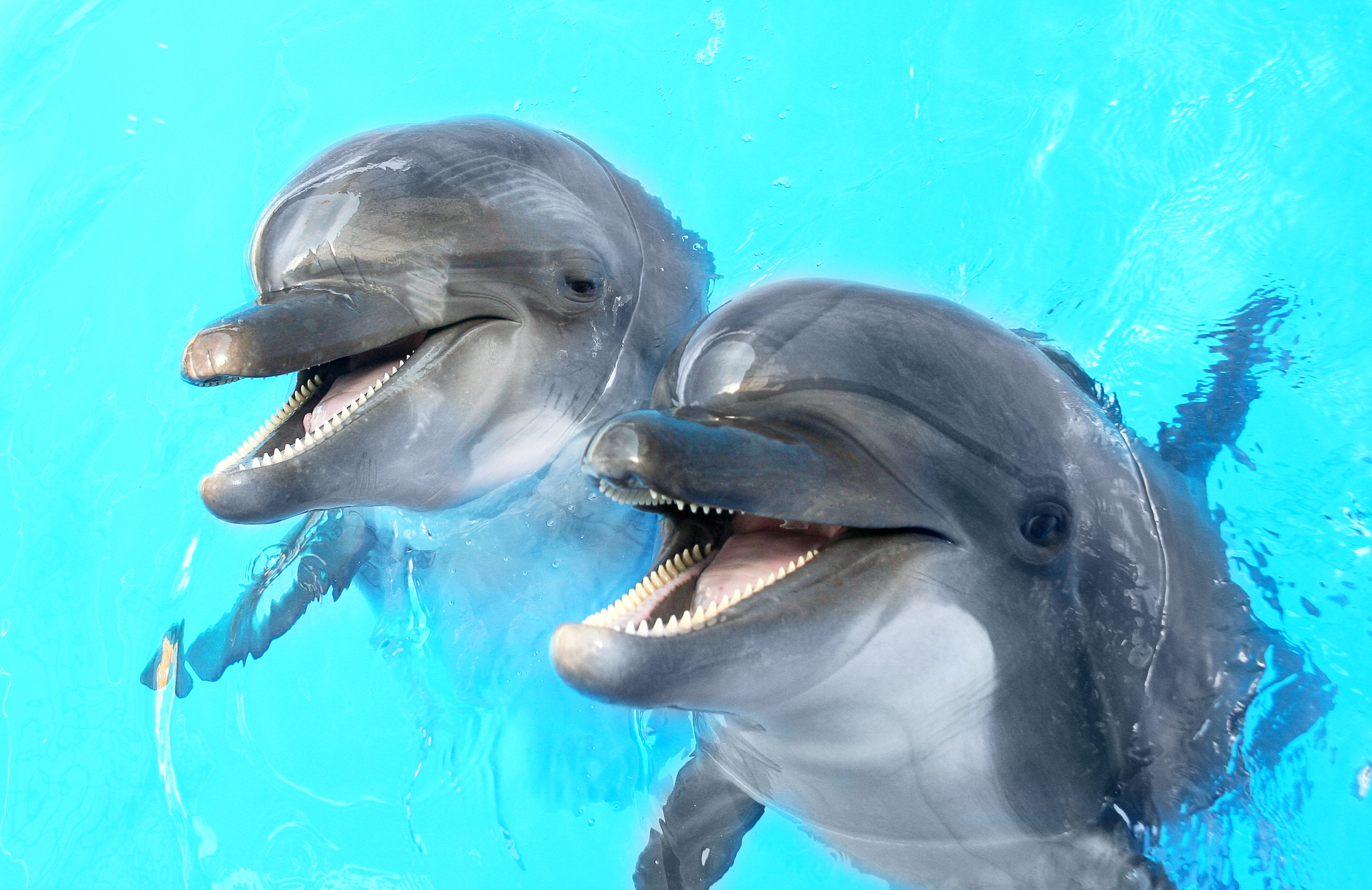
Dolphins and other cetaceans engage in unihemispheric sleep, where one half of the brain rests while the other remains alert. This allows them to continue surfacing to breathe while sleeping and remain vigilant to threats. They gradually switch which hemisphere sleeps over time. Birds do this as well, especially in vulnerable situations. It’s a neurological solution to the problem of needing continuous vigilance while requiring rest.
Cuttlefish Can Change Texture as Well as Color
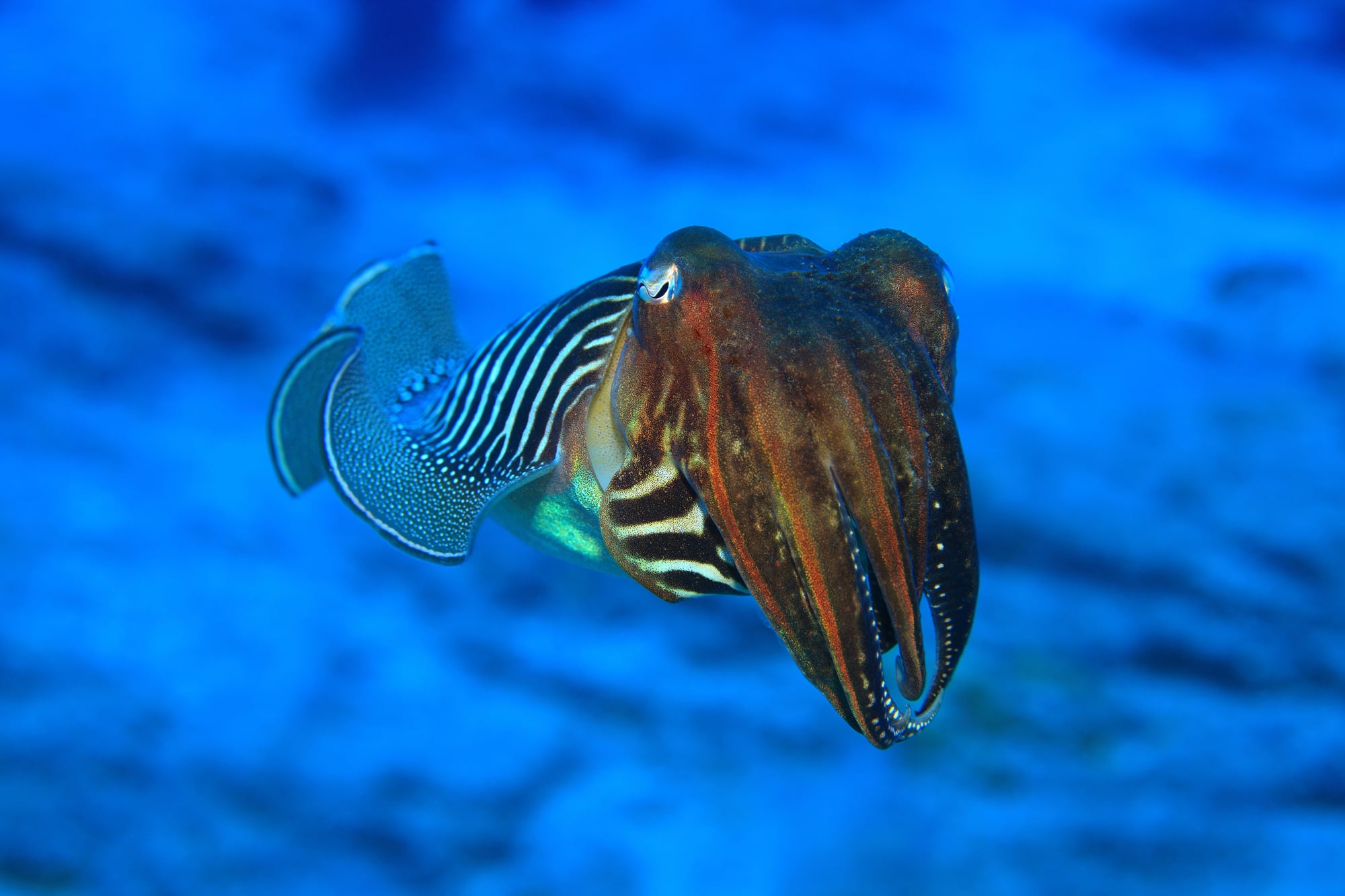
Cuttlefish possess specialized skin cells that change not just color but also texture, creating three-dimensional patterns on their skin. They can raise and lower bumps and ridges across their body while changing color simultaneously. This ability allows camouflage and communication more sophisticated than color change alone. They accomplish this without visual processing—cuttlefish are actually color-blind, yet create perfect color-matched camouflage through unknown mechanisms.
Migratory Birds Navigate Using Quantum Effects
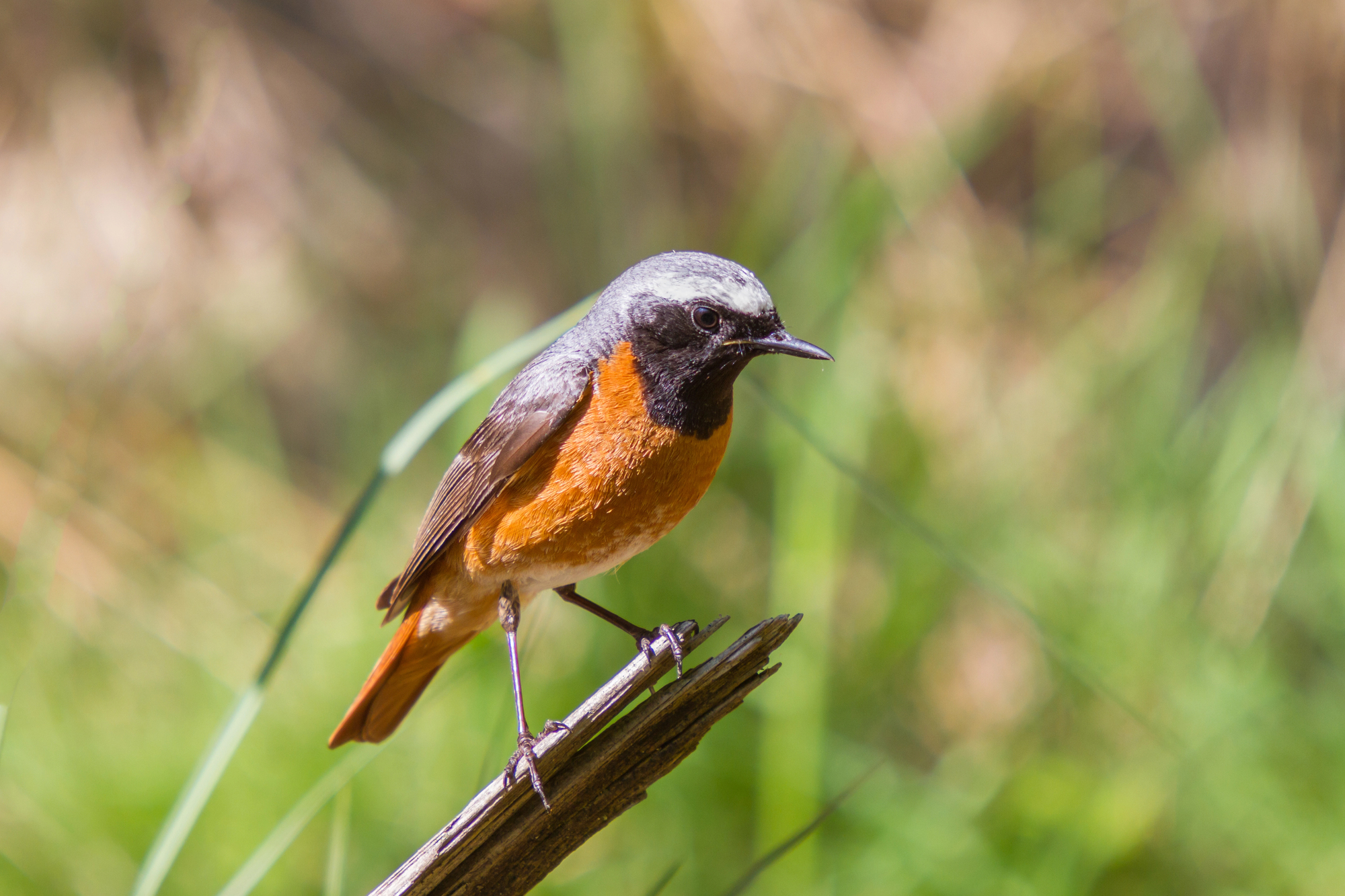
Recent research suggests that migratory birds may navigate using quantum entanglement in specialized protein molecules within their eyes. These proteins may allow birds to sense Earth’s magnetic field with extraordinary precision. The mechanism appears to involve quantum effects at the molecular scale—a biological system leveraging quantum mechanics to solve a navigation problem. If confirmed, it would represent quantum biology operating in nature.
Hagfish Produce Slime Stronger Than Spider Silk
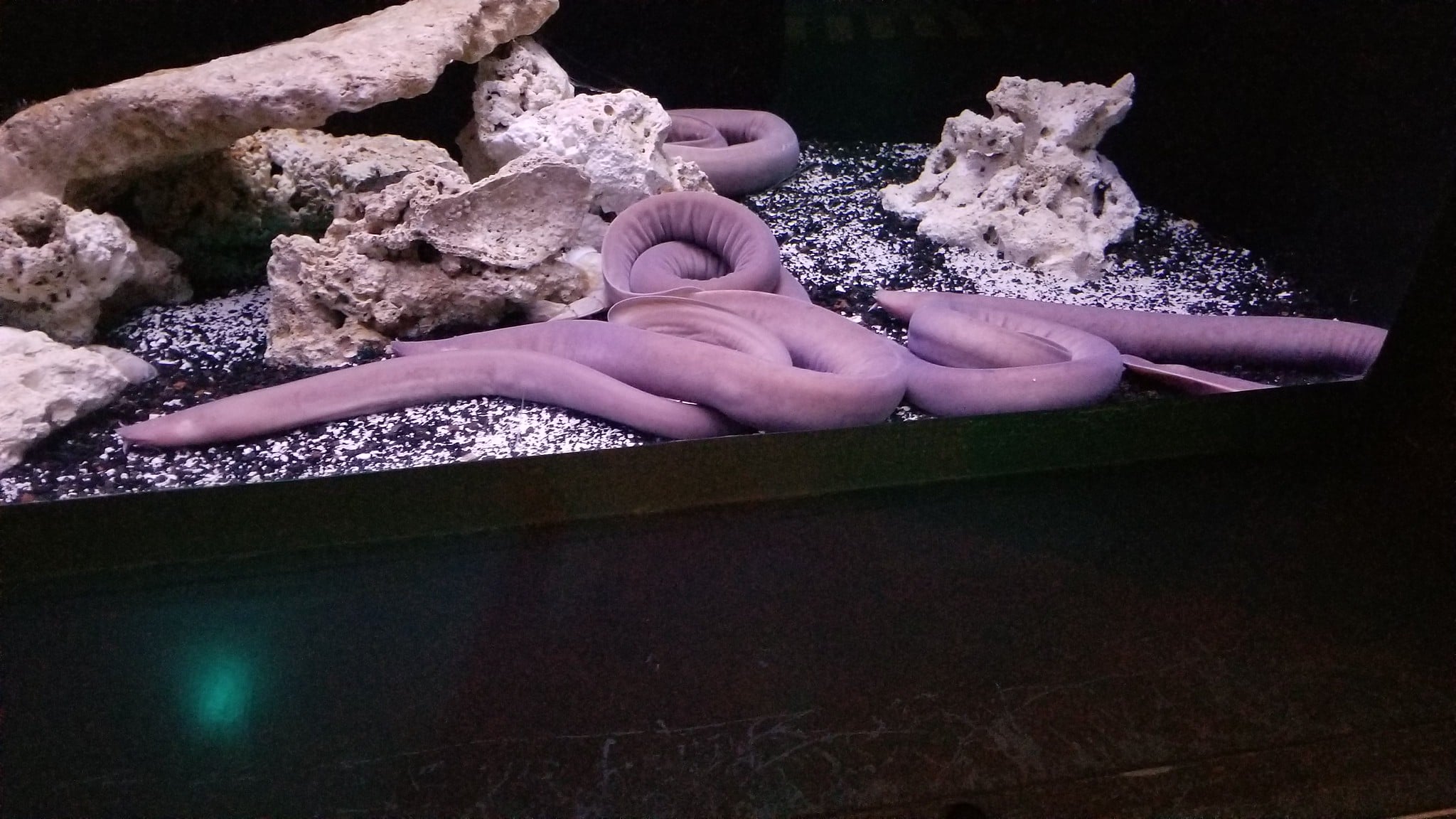
Hagfish produce copious quantities of defensive slime containing protein fibers stronger than spider silk, capable of stopping predator attacks. They can eject several liters of slime in seconds. The slime is so effective that predators unable to attack through it simply abandon the effort. Researchers have successfully extracted and manipulated hagfish slime proteins for potential industrial applications, creating material stronger than the original.
Some Salamanders Are Unisexual and Parasitic
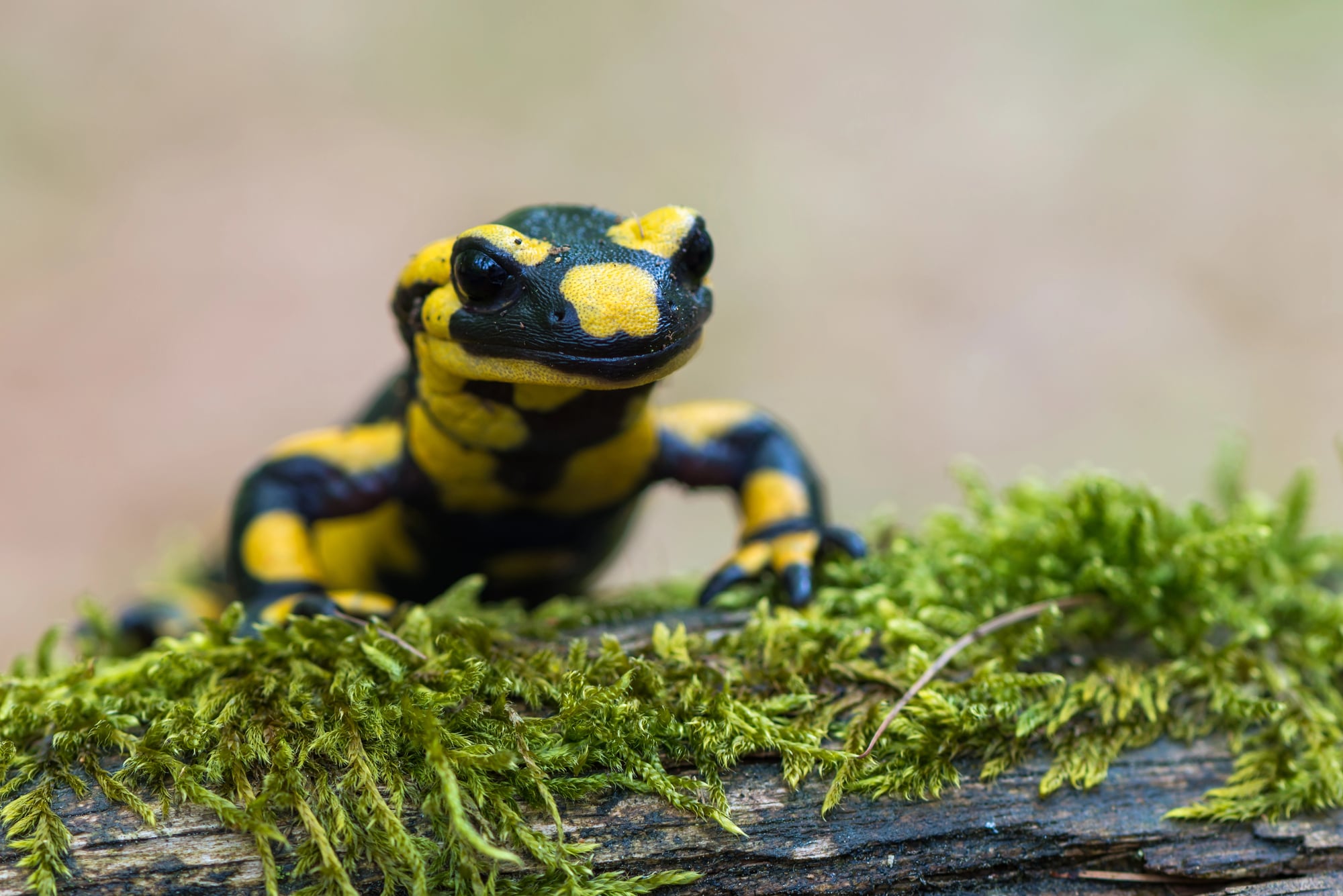
Certain unisexual salamander species don’t reproduce sexually but instead engage in a bizarre form of parasitism. Females lay eggs that develop parthenogenetically, but the sperm from males of related species is necessary to trigger development (though the sperm doesn’t contribute genetic material). The female is using males of other species as a reproductive trigger without offering them any benefit. It’s a one-sided relationship where males serve only a developmental purpose.
Bears Can Calculate Hibernation Duration
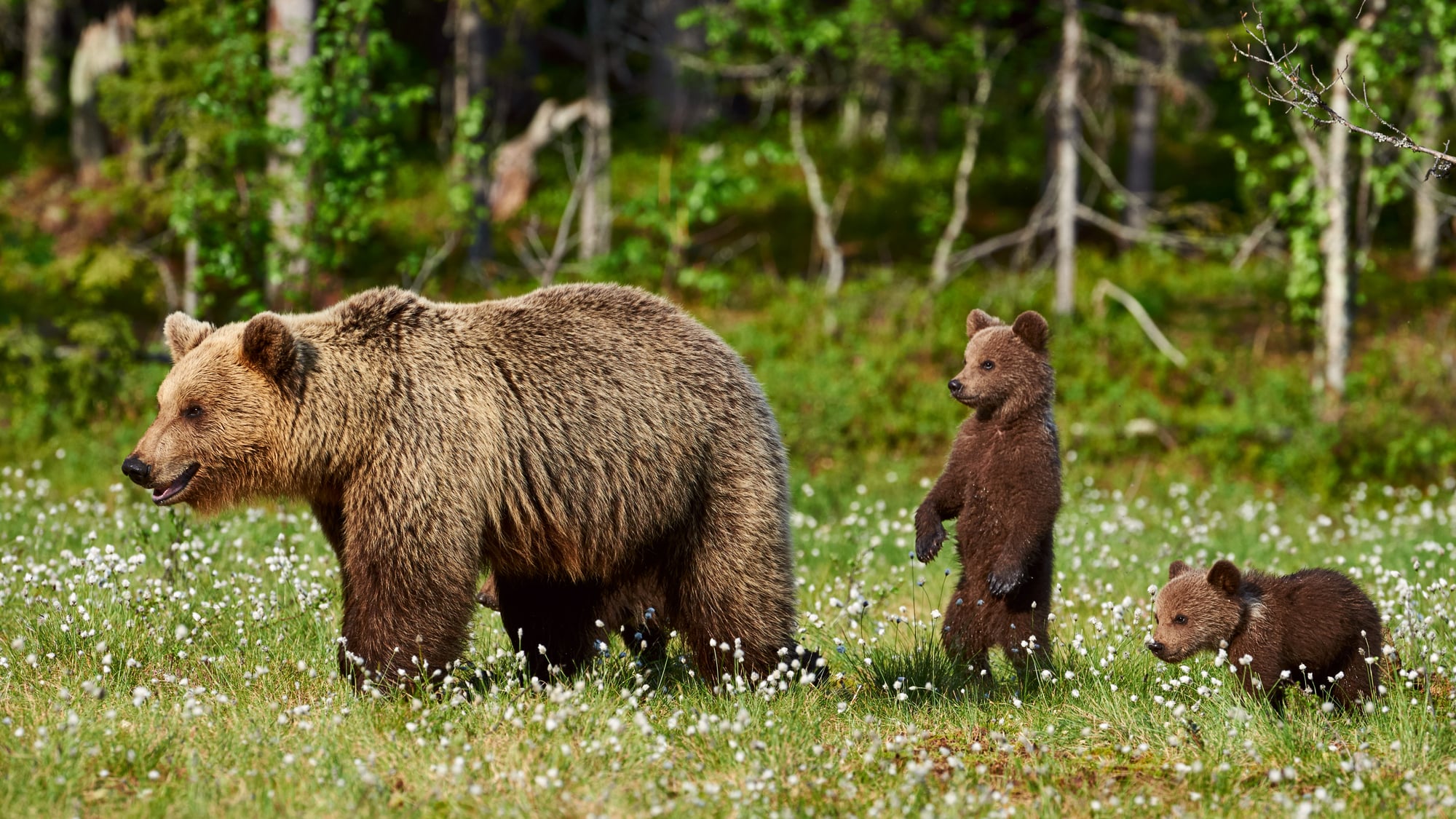
Bears in preparation for hibernation appear to calculate how much fat they need based on expected hibernation length. They adjust their feeding intensity and duration accordingly, suggesting some internal sense of coming seasonal changes. If environmental cues suggest an early spring, they may reduce feeding; if winter appears to be extending, they increase consumption. This predictive ability isn’t explained by simple environmental response but suggests physiological awareness of seasonal progression.
Whales Can Communicate Across Ocean Basins
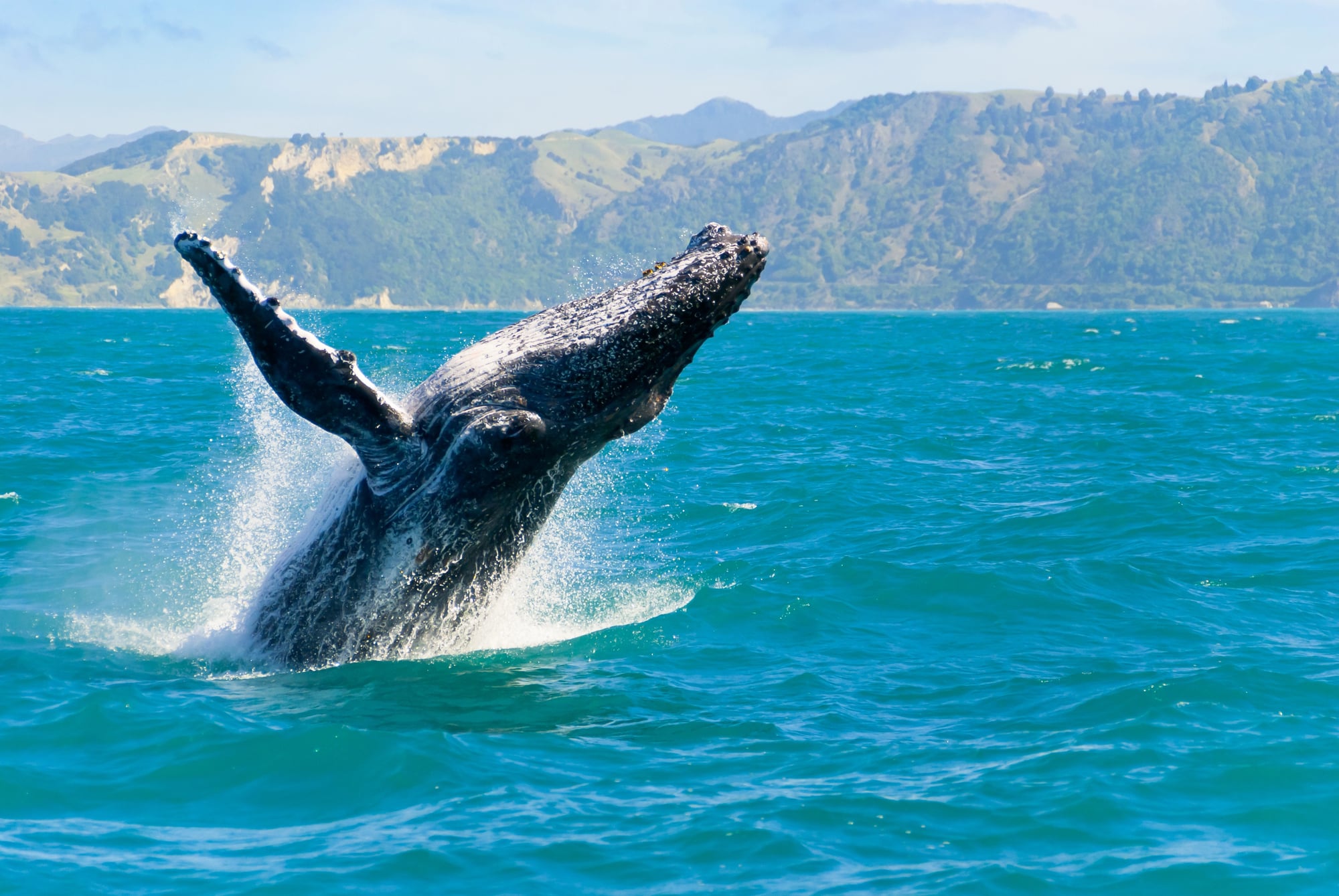
Blue whales produce calls so powerful they can travel thousands of miles through ocean water. Whales in different ocean basins can hear each other and respond. Over decades, the frequency of whale calls has decreased, apparently to accommodate the noise pollution of shipping and marine traffic. Whales have adjusted their communication frequency to be heard over industrial noise—an active adaptive response to human environmental modification.
Hummingbirds Can Fly Backward and Hover
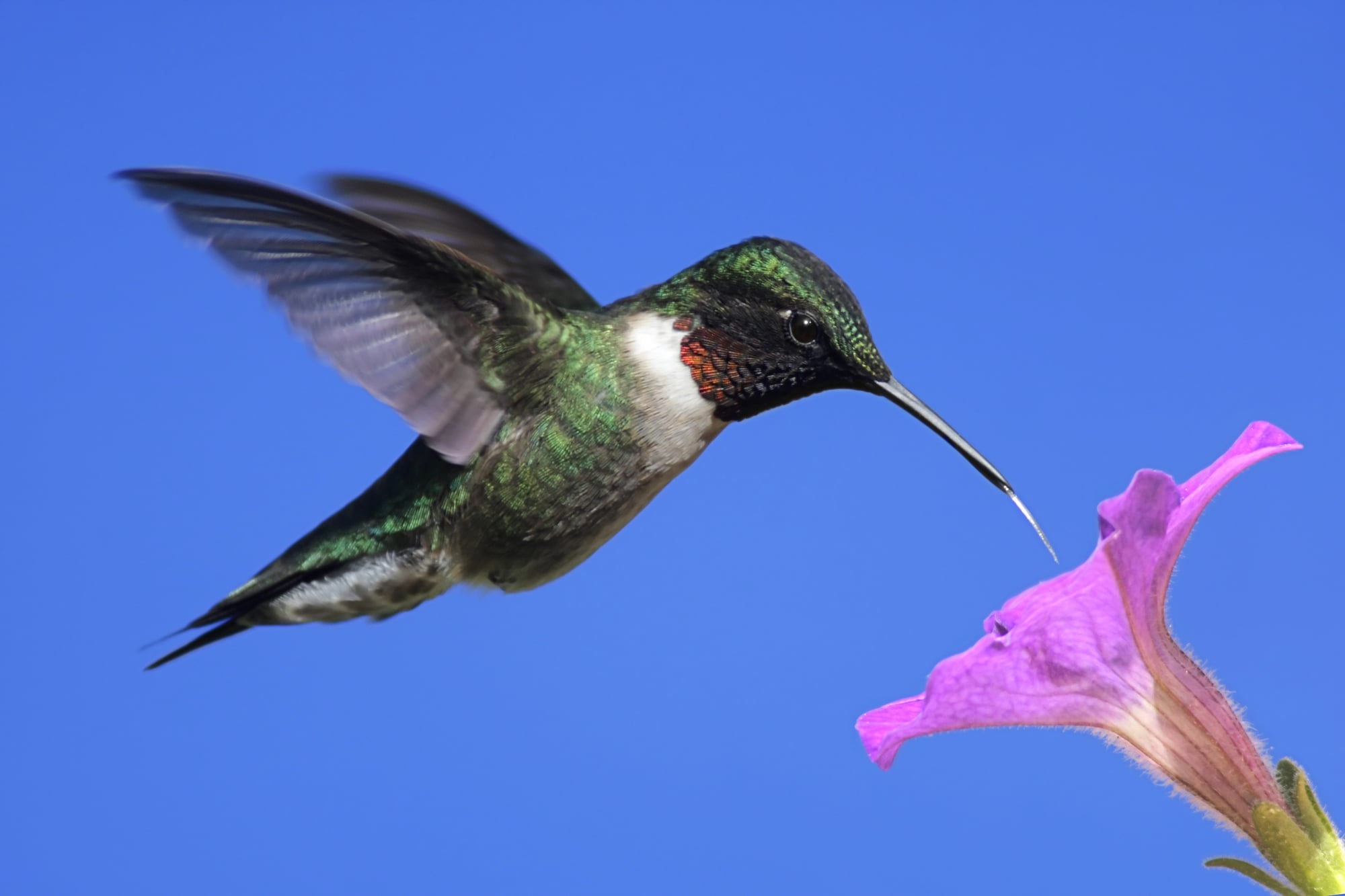
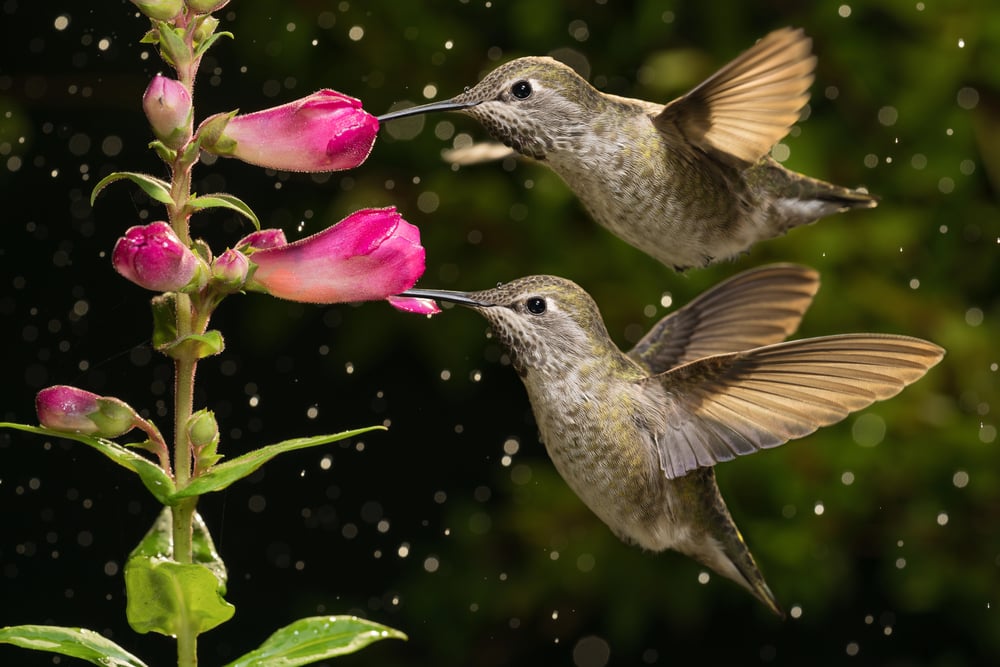
Hummingbirds achieve flight maneuvers impossible for other birds through rapid wing beats reaching up to 80 per second in some species, with wings that rotate in a figure-eight pattern. This allows them to hover, move in any direction including backward, and maintain position in strong winds. Their metabolic rate during flight is so high that they must feed constantly to survive. They can enter torpor (a hibernation-like state) to conserve energy overnight.
Jumping Spiders Have Superior Vision and Hunting Strategy
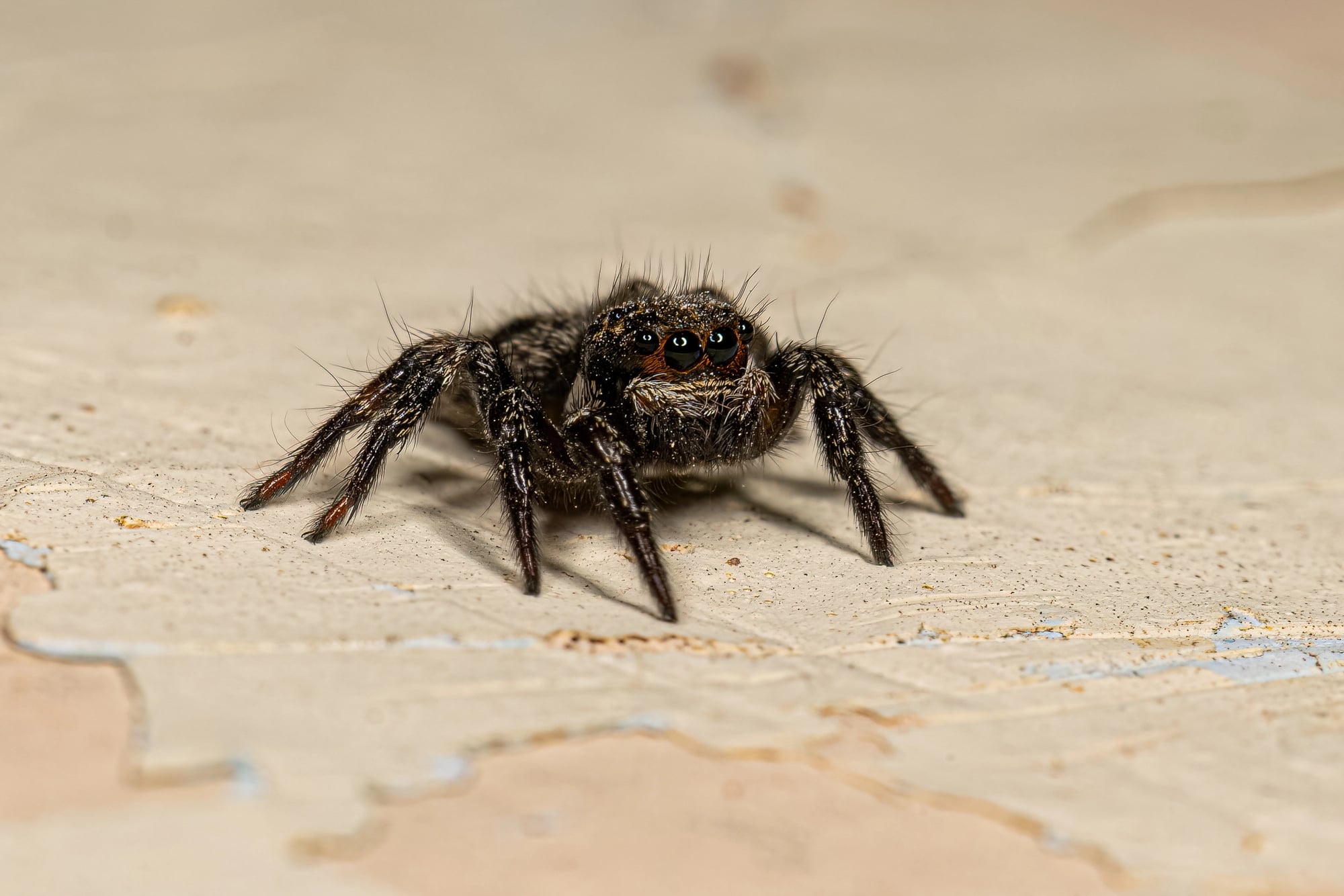
Jumping spiders possess forward-facing eyes that provide stereo vision and focus depth perception like primates. They can see ultraviolet light and judge distance with remarkable accuracy. They stalk prey, set up approaches, and appear to plan attacks with deliberate strategy. Their hunting behavior shows problem-solving and planning that seems disproportionate to their brain size. They’re among the most intelligent invertebrates despite weighing less than a grain of rice.
Crocodiles Cry (Sort Of)
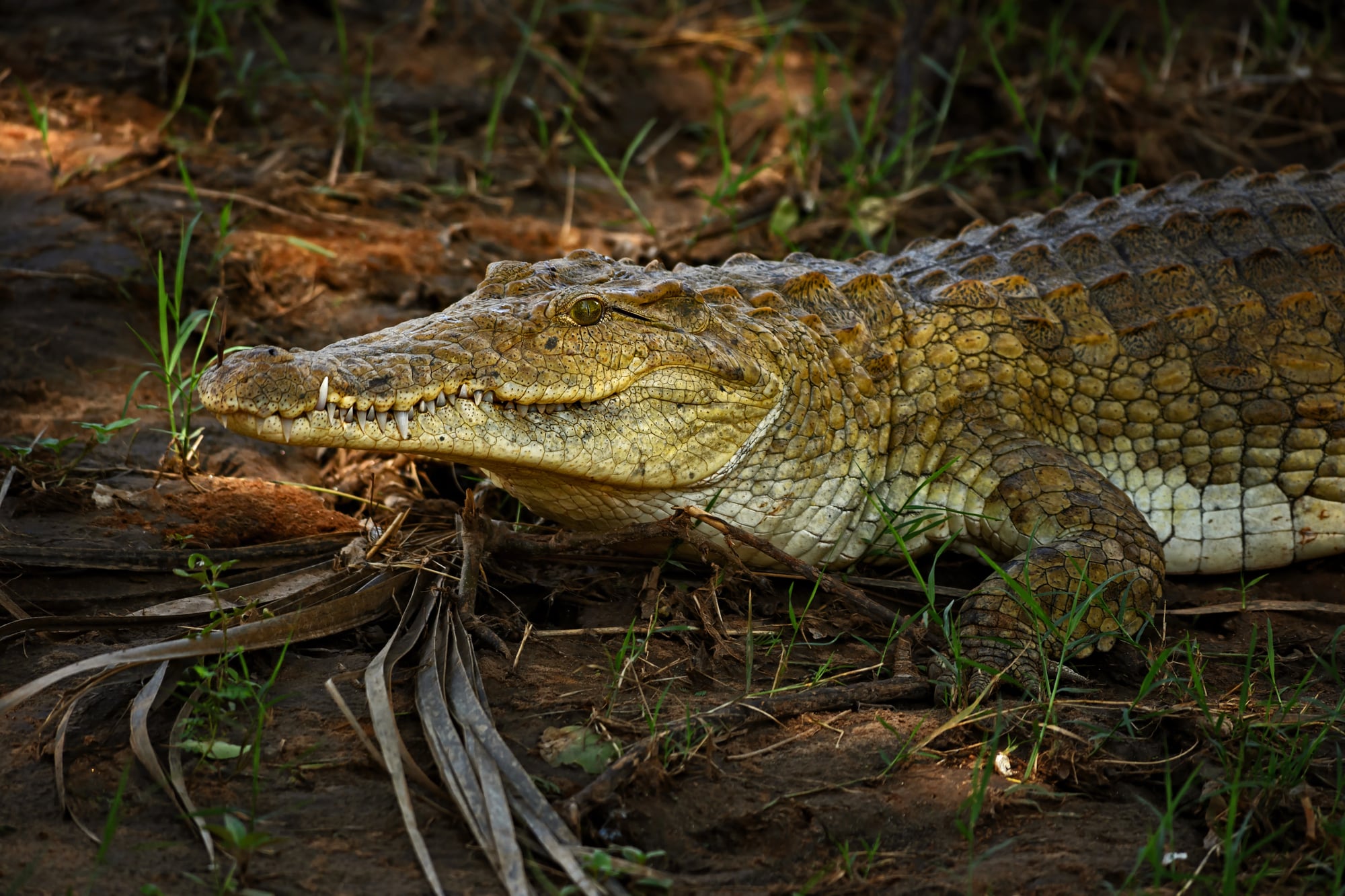
Crocodiles produce tears through their lacrimal glands, leading to the expression “crocodile tears.” However, they’re not crying emotionally—the tears are a physiological mechanism to expel excess salt from their bodies. The tears may concentrate when they consume large meals of meat with high sodium content. The myth of crocodile crying in regret emerged from misinterpreting this salt-regulation mechanism as emotional response.
Hyenas Have Incredible Bite Force
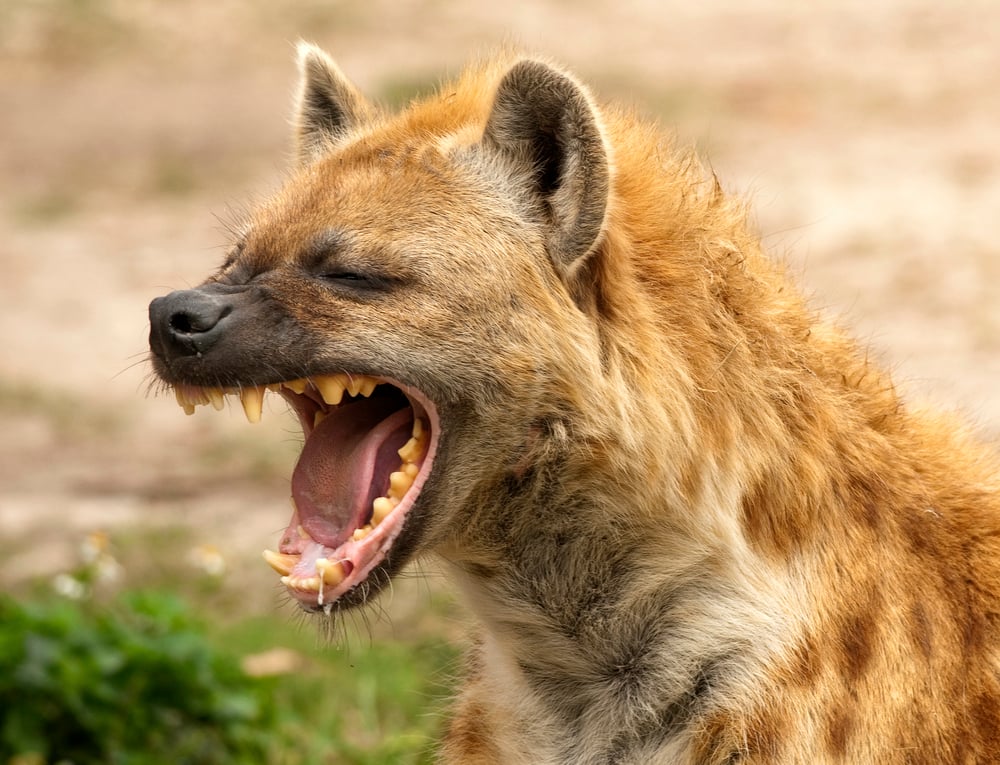
Hyenas have one of the strongest bite forces of any mammal, capable of crushing bone with approximately 1,100 pounds per square inch of pressure. Their jaw muscles and teeth are specialized for processing bone as food, and they consume every part of prey including horns and hides. They’re not scavengers exclusively but skilled hunters capable of bringing down large ungulates. Their reputation as only scavengers is a mischaracterization based on limited observation.
Proboscis Monkeys Have Enormous Noses for Display
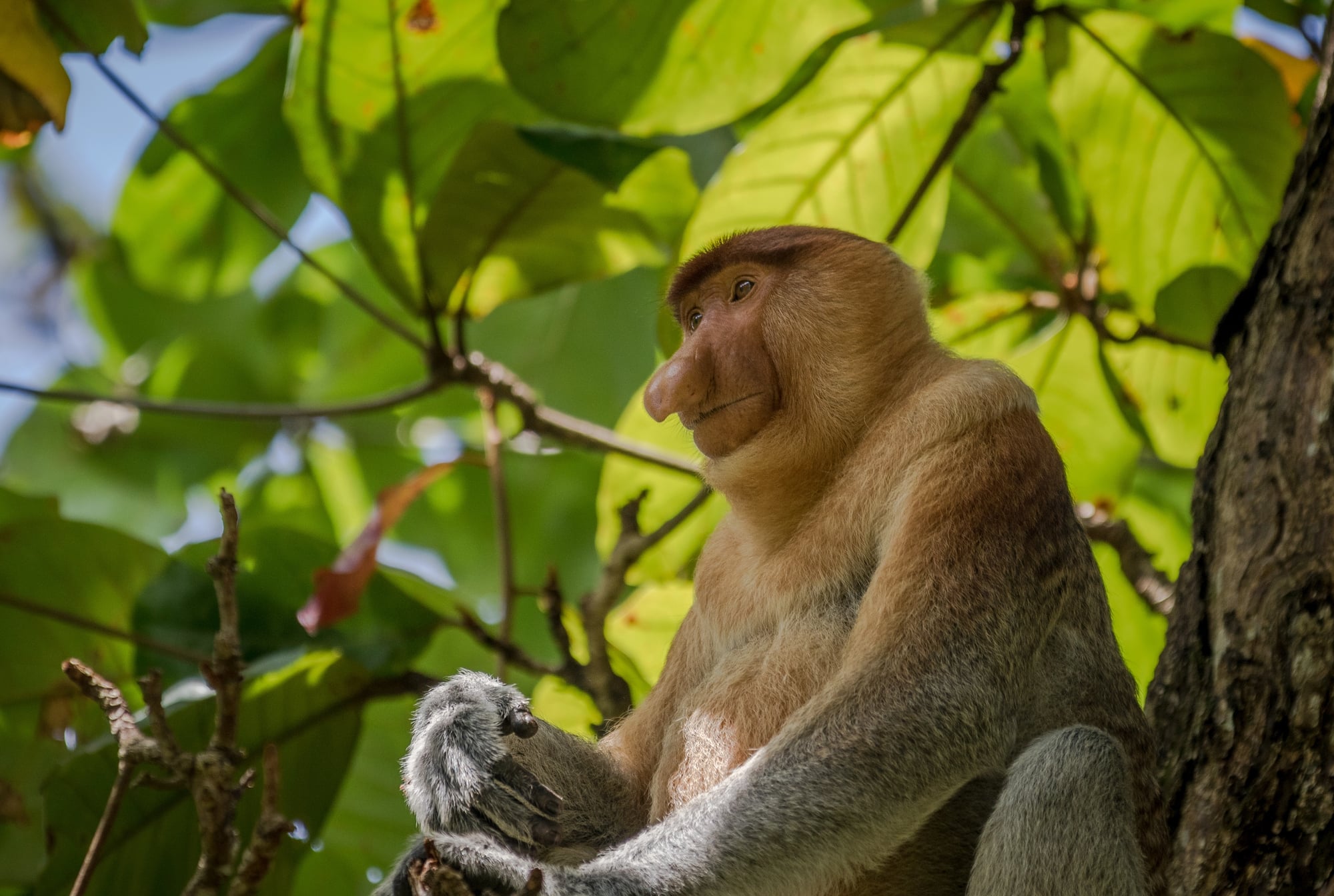
Male proboscis monkeys have enormous noses that grow throughout their lives, with larger noses correlating to higher status and reproductive success. Females prefer males with larger noses. The noses are filled with specialized cartilage and resonance chambers, possibly amplifying vocalizations. The noses can grow so large they impede eating, suggesting the trait is maintained despite fitness costs—a biological arms race in intrasexual male competition.
Sea Cucumbers Weaponize Their Organs
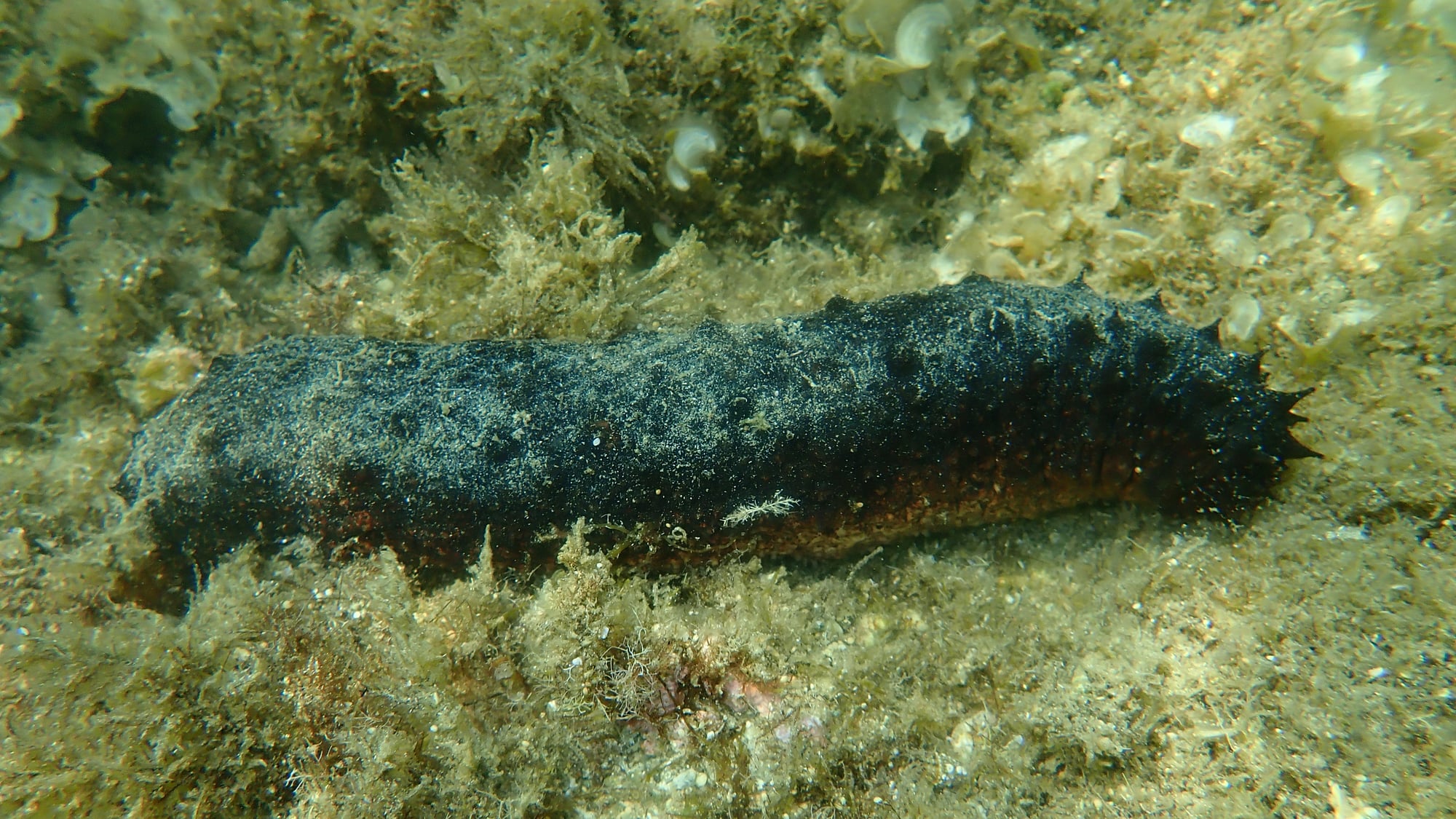
Sea cucumbers, when threatened, expel their internal organs through their anus as a defense mechanism. The expelled organs contain toxins that paralyze or distract predators. The sea cucumber then regenerates the organs. This strategy sacrifices immediate organ function for survival—a trade-off that requires the ability to regrow complex internal anatomy.
Pistol Shrimp Create Shock Waves That Stun Prey
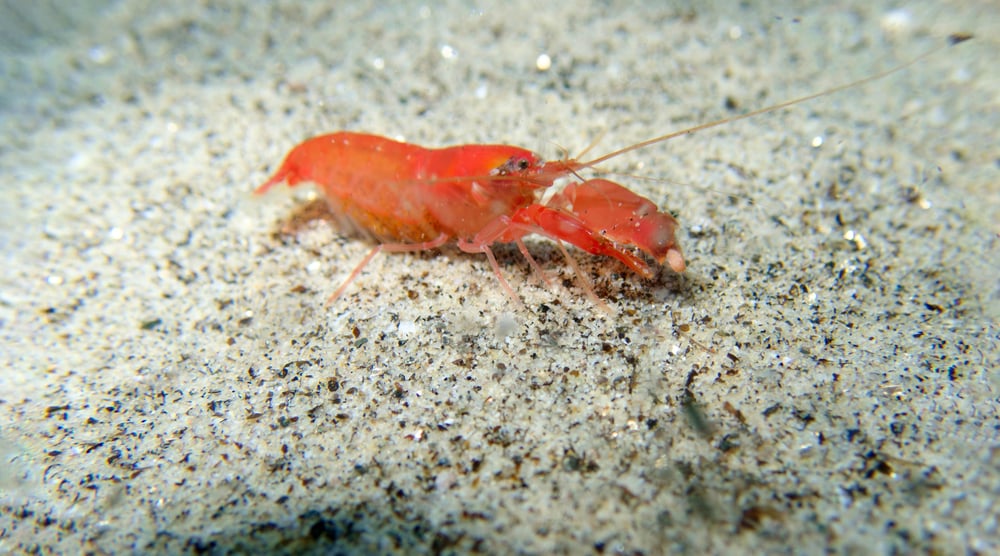
Pistol shrimp snap one oversized claw so rapidly that the movement creates a cavitation bubble—a shock wave as the bubble collapses. The shock wave travels at approximately 100 kilometers per hour and produces temperatures reaching nearly 5,000 Kelvin (8,500 Fahrenheit) for fractions of a second, approaching the surface temperature of the sun. The shock wave stuns or kills prey fish. The shrimp essentially weaponizes the physics of fluid dynamics, using cavitation as a hunting tool.
Some Fish Can Produce Anti-Freeze Proteins
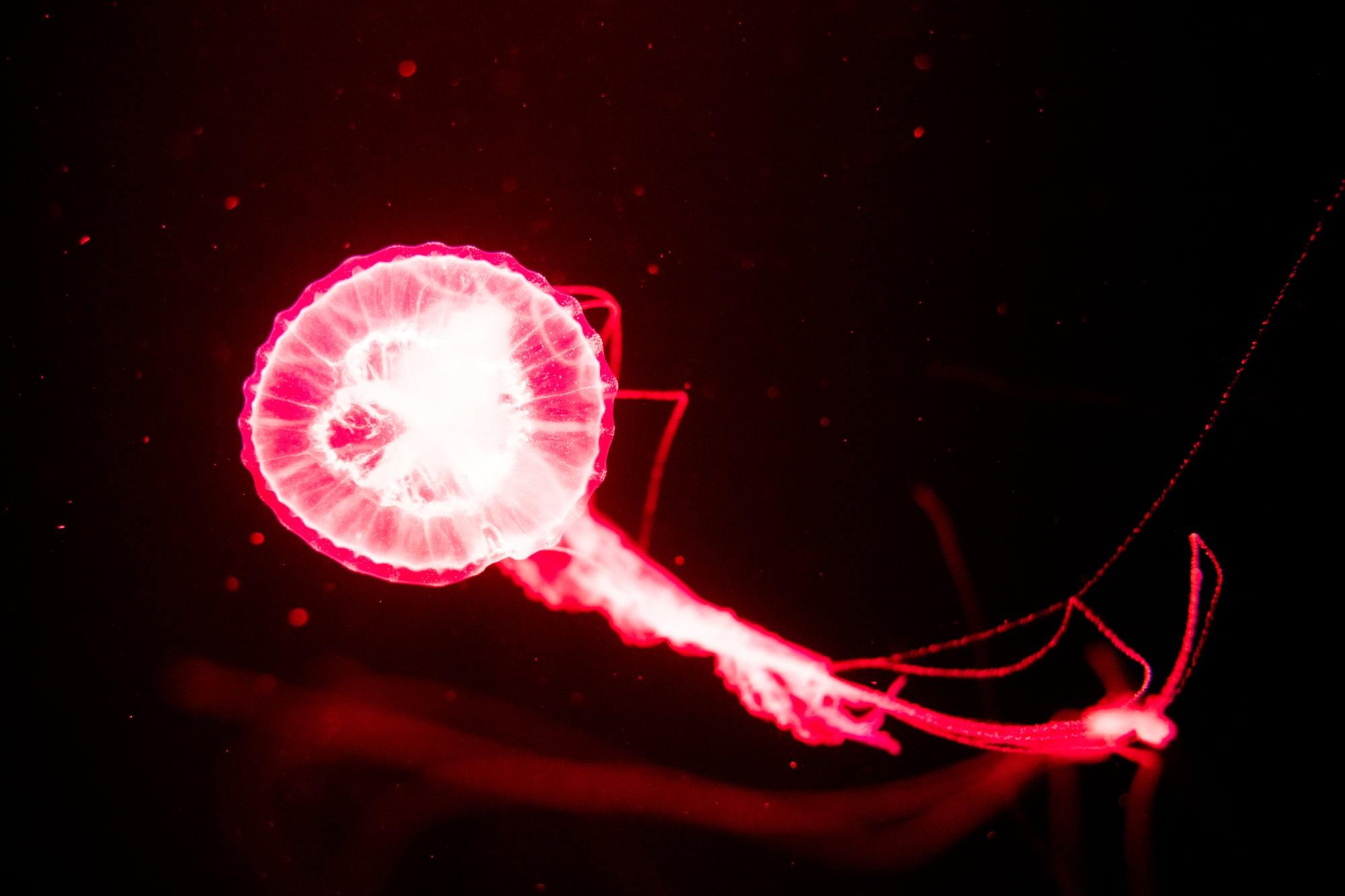
Certain fish living in Antarctic waters produce antifreeze glycoproteins in their blood that prevent ice crystal formation, allowing them to survive in water below the normal freezing point. The proteins aren’t antifreeze in the automotive sense but rather molecules that interfere with ice nucleation. Multiple fish species independently developed similar solutions.
Penguins Use Echolocation in Water
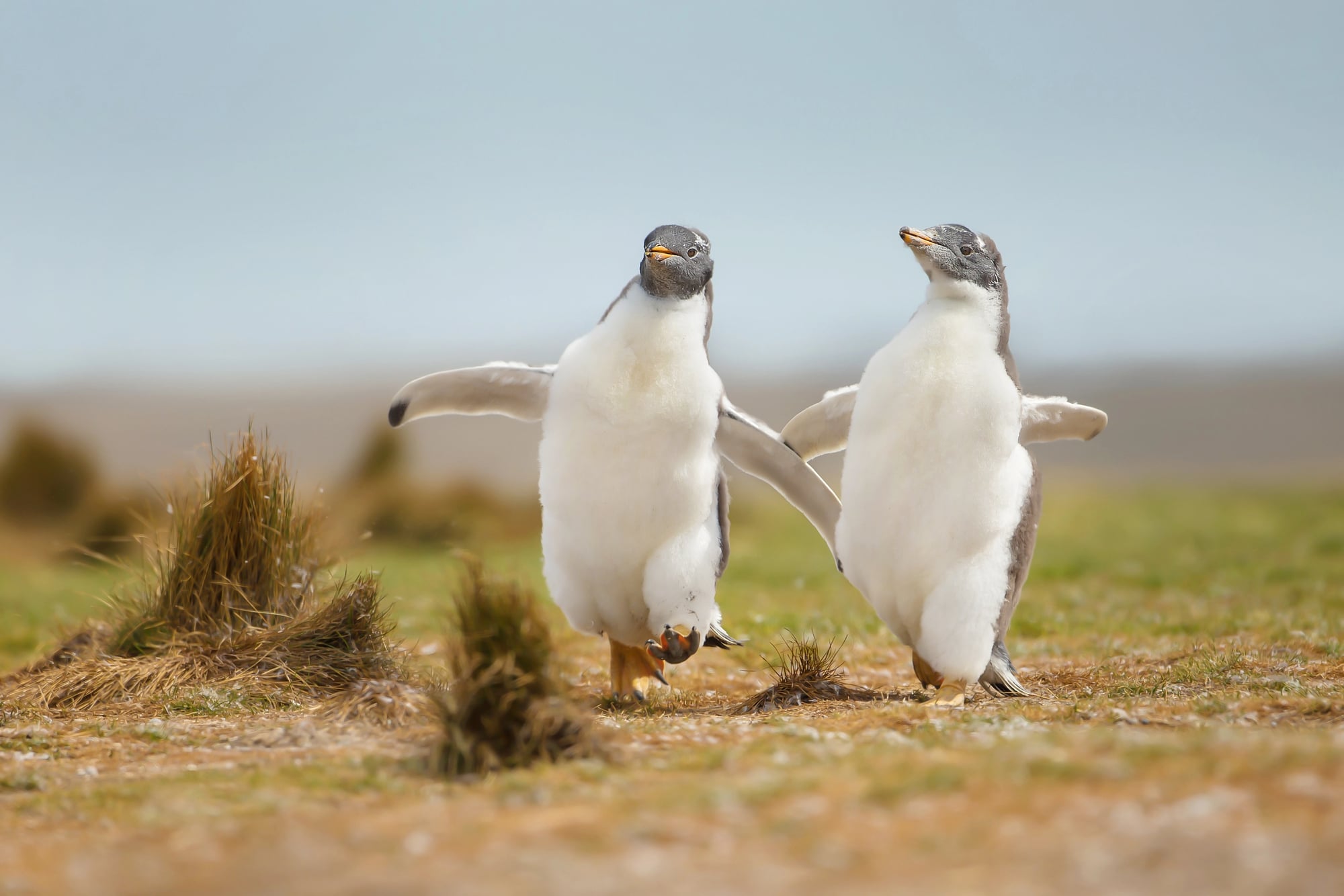
Penguins produce clicks and chirps underwater that may function as echolocation, similar to dolphins. This allows them to navigate murky Antarctic waters and detect fish schools. The auditory processing required is sophisticated, and penguins can adjust their vocalizations based on acoustic conditions. They essentially see with sound in the ocean depths.
Sloths Move So Slowly Algae Grows on Them
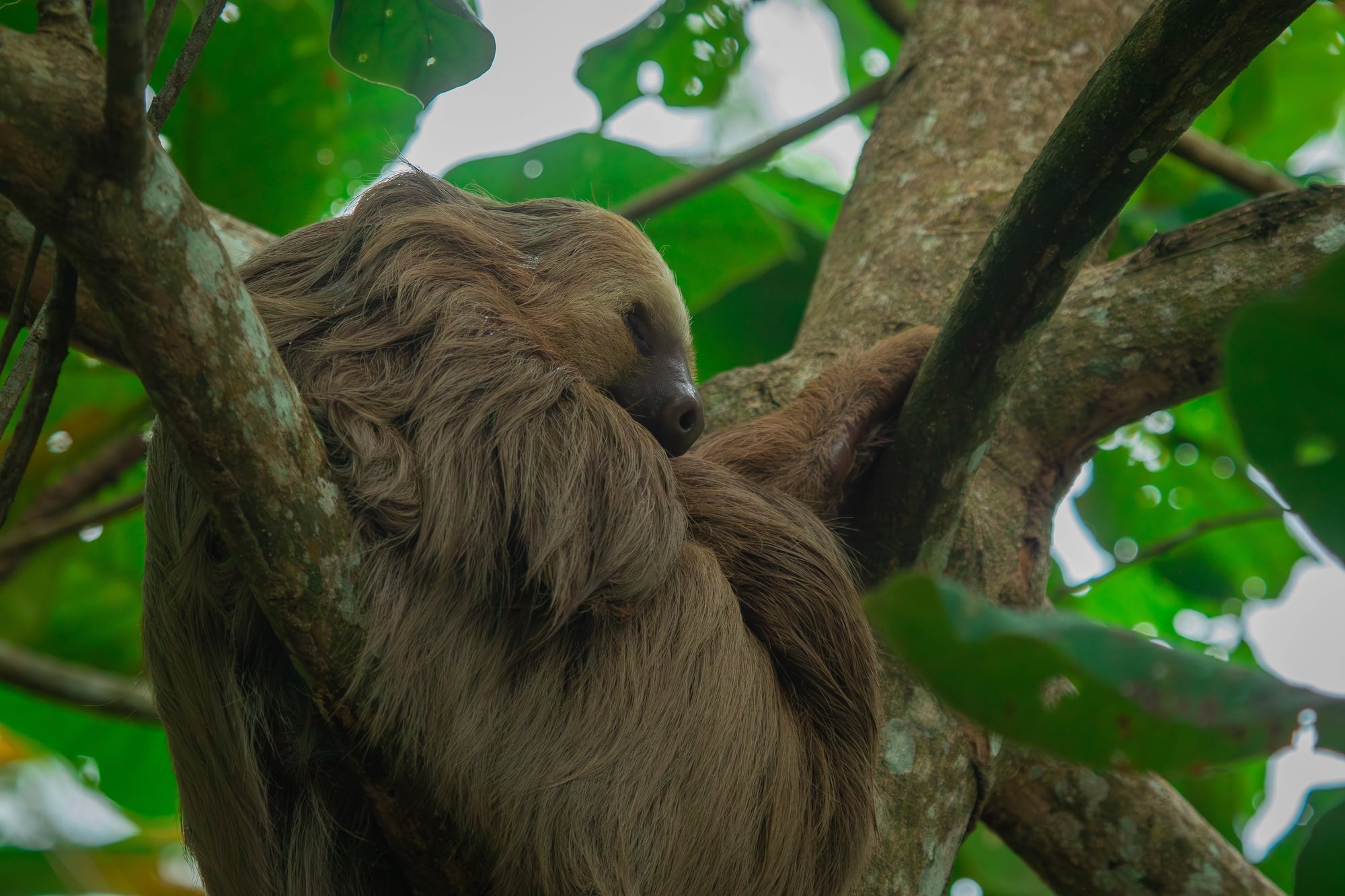
Sloths move so deliberately that algae and fungi colonize their fur, giving them a greenish coloration that provides camouflage. They’re not just slow but have metabolic rates so low that they can survive on minimal food. They defecate only once per week and lose up to 30 percent of body weight when they do. Their slowness is an extreme energy conservation strategy suited to tropical canopies with reliable food sources.
Nature’s Strangest Solutions
These abilities emerged not through magic but through millions of years of precise environmental pressures. Each represents a solution so specialized that it seems almost absurdly overengineered for survival. The mantis shrimp’s color vision array, the archer fish’s optical calculations, the pistol shrimp’s cavitation weaponry—all are responses to highly specific ecological niches where success meant outlasting competitors in narrow, demanding worlds.
What unites these creatures is not similarity but rather the reminder that “bizarre” is simply the observation of an organism perfectly matched to its circumstances. Nature does not care about seeming efficient or comprehensible to observers. It cares only about reproduction and survival, and these animals represent the extreme outer limits of what that ruthless optimization can achieve.
More from Go2Tutors!

- The Romanov Crown Jewels and Their Tragic Fate
- 13 Historical Mysteries That Science Still Can’t Solve
- Famous Hoaxes That Fooled the World for Years
- 15 Child Stars with Tragic Adult Lives
- 16 Famous Jewelry Pieces in History
Like Go2Tutors’s content? Follow us on MSN.



