27 Vintage Radios and Record Players Worth Money
Before screens took over the living room, the radio was the furniture everyone gathered around. Manufacturers dressed those sets in mirrored glass, swirled plastic and polished walnut, and some of the best industrial designers of the century took the commissions seriously.
Plenty of those machines still sit in basements and estate sales, often dismissed as old junk with dead tubes. A few are now museum pieces with prices to match, and telling them apart takes more than a glance at the dial.
Sparton Model 557 Sled
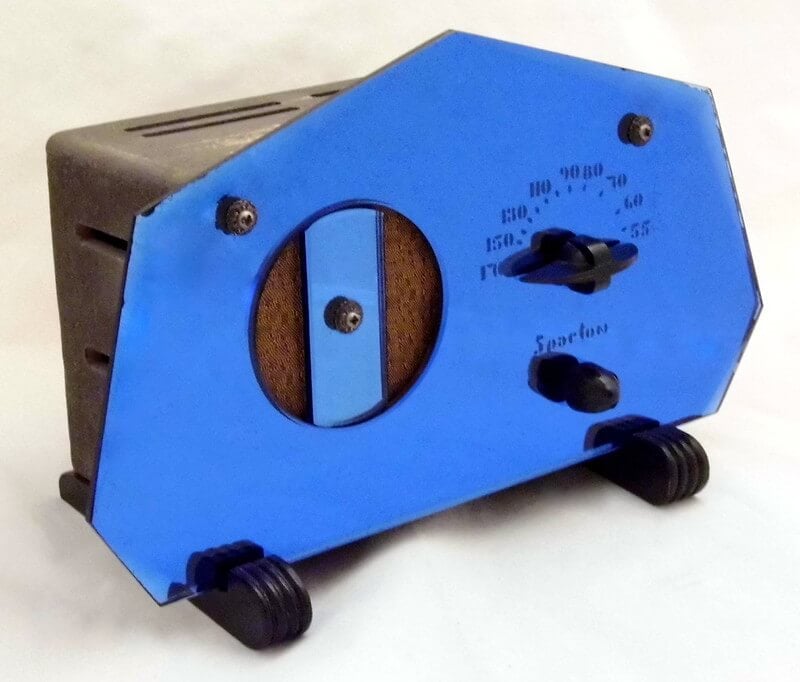
Sparks-Withington of Jackson, Michigan, sold this tabletop set in 1936 with a design by Walter Dorwin Teague, one of the founders of American industrial design. The cabinet is faced in cobalt blue mirror glass with chrome runners along the base, which gave it the nickname Sled.
It looks more like a piece of Art Deco jewelry than an appliance. Good examples reach the low four figures and up, and the glass is the deciding factor.
Cracked, chipped or replaced mirror panels reduce value sharply, and reproduction glass is common enough that buyers look closely at the silvering.
Sparton Nocturne Model 1186
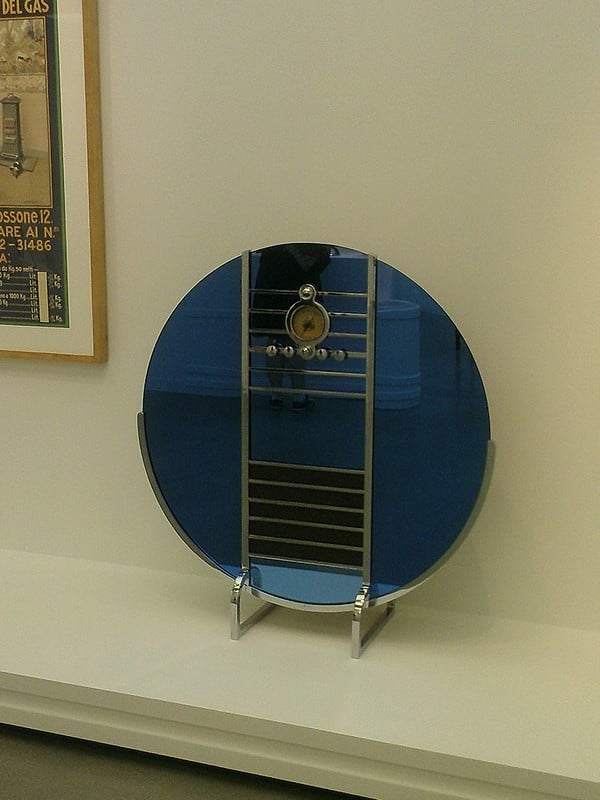
Teague also designed this 1935 floor model for Sparton, built around a round blue mirror roughly 46 inches across with the speaker and controls set into its face. It was intended for hotel lobbies, nightclubs and wealthy homes, and only a small number were produced.
Surviving examples are prized by design museums and serious collectors alike. Complete sets with original glass have sold for tens of thousands of dollars.
Because the mirror is so large, damage to it is the most common flaw, and an original panel in sound shape matters more than a working chassis.
Emerson Patriot Model 400
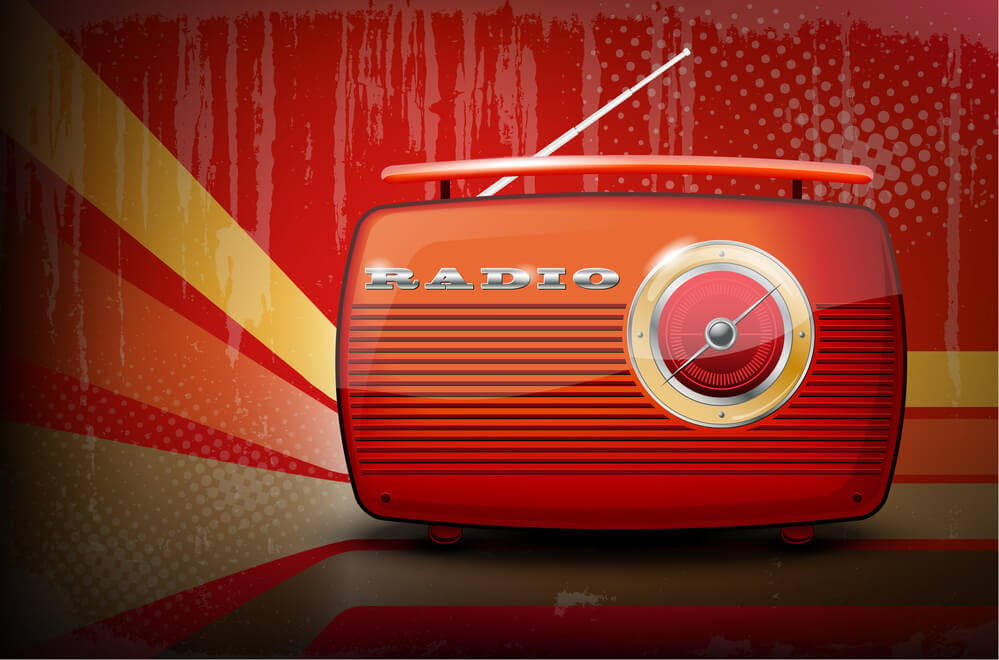
Emerson commissioned Norman Bel Geddes to design this compact radio in 1940, and he gave it a patriotic red, white and blue scheme cast in Catalin plastic. The grille’s stripes and stars echoed the flag at a moment when war was spreading across Europe.
Design museums treat it as a landmark of American industrial styling. Prices usually land between about 500 and 2,000 dollars, set by the color combination and the state of the case.
Catalin darkens and shifts color over time, so a cabinet that still shows crisp whites and bright reds is worth considerably more.
Fada Bullet Model 1000
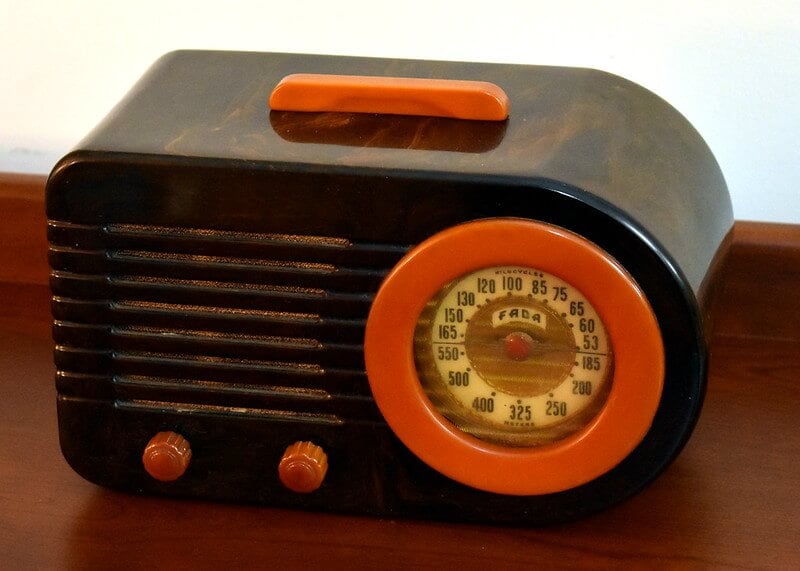
Fada’s streamlined Bullet, sold in the 1940s, is one of the most recognized Catalin radios ever made. Its rounded cabinet came in several color combinations, with butterscotch yellow the most common and deep red, blue or onyx-style versions far scarcer.
Catalin is a cast phenolic resin that tends to shrink and crack with age, and many Bullets show hairline fractures around the grille or knobs. Common butterscotch sets trade in the hundreds, while rare colors reach the thousands.
Cracks, warping and refinished surfaces all pull values down, sometimes by half.
Air King Model 66 Skyscraper
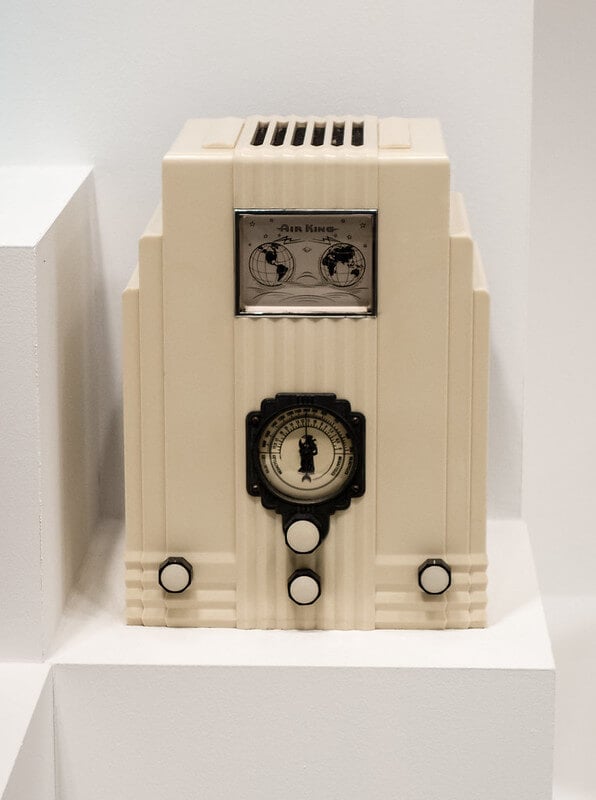
Industrial designers Harold Van Doren and John Gordon Rideout created this 1933 radio with a stepped cabinet that mimics the setback skyscrapers of New York. The case was molded from Plaskon, a urea-formaldehyde plastic offered in several colors, including ivory, green and red.
It is often cited as one of the first radios to look like architecture rather than furniture. Sets in rare colors typically sell for several thousand dollars.
Plaskon chips and crazes easily, and missing pieces of the stepped top edges are the typical problem.
Zenith Trans-Oceanic 7G605 Clipper
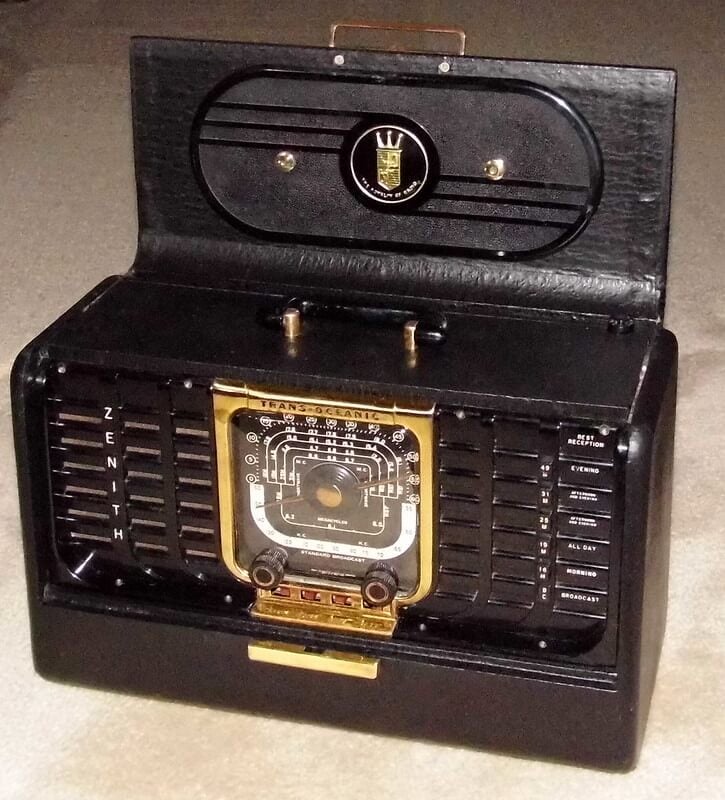
Zenith’s founder, Commander Eugene McDonald, wanted a portable radio that could pull in shortwave stations aboard his yacht and on fishing trips, and the result was the Trans-Oceanic line, launched with the 7G605 in 1942. Its black leatherette case and fold-down front cover became the template for a long run of models that lasted into the 1980s.
Wartime production limits kept early output modest, and many sets went overseas with servicemen. Clean, working examples typically sell for a few hundred dollars.
Missing log charts, a torn case covering and replaced parts all lower value.
Zenith Stratosphere 1000Z
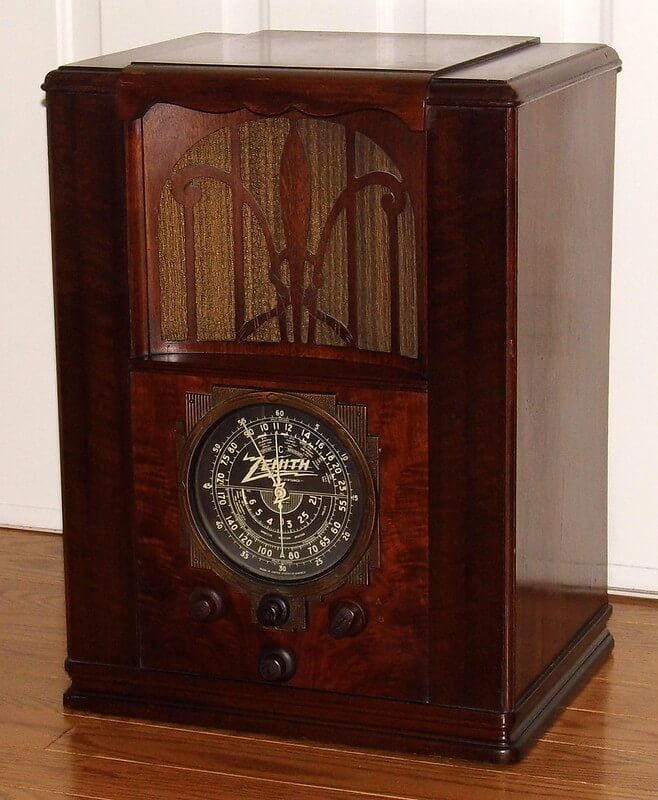
Zenith built this massive console in 1935 with 25 tubes, one of the most powerful home radios of the decade. It used multiple speakers and a large black dial with lighted zones, and the cabinet stood well over four feet tall.
Production was small because the price put it out of reach for most households during the Depression. Surviving examples are rare and highly sought, often reaching five figures when complete.
Original finish, a full set of correct tubes and an untouched chassis carry great weight in pricing.
E.H. Scott Philharmonic
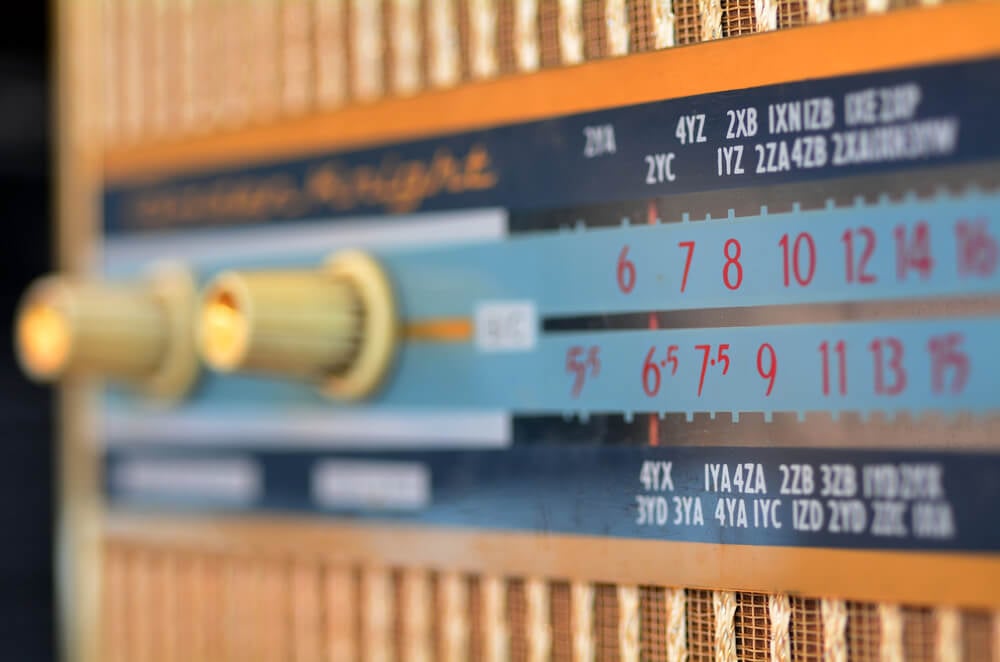
E.H. Scott Radio Laboratories of Chicago built some of the most expensive custom receivers of the 1930s, and the Philharmonic sat near the top of the line. The company sold its chassis with chrome plating, so owners could display the internal workings like a piece of engineering art.
Scott promoted the sets heavily for their sensitivity and tone, aiming at wealthy buyers and Hollywood stars. Complete sets with their original speakers typically bring a few thousand dollars and up.
Chrome pitting, swapped speakers and nonmatching cabinets all reduce value.
Regency TR-1
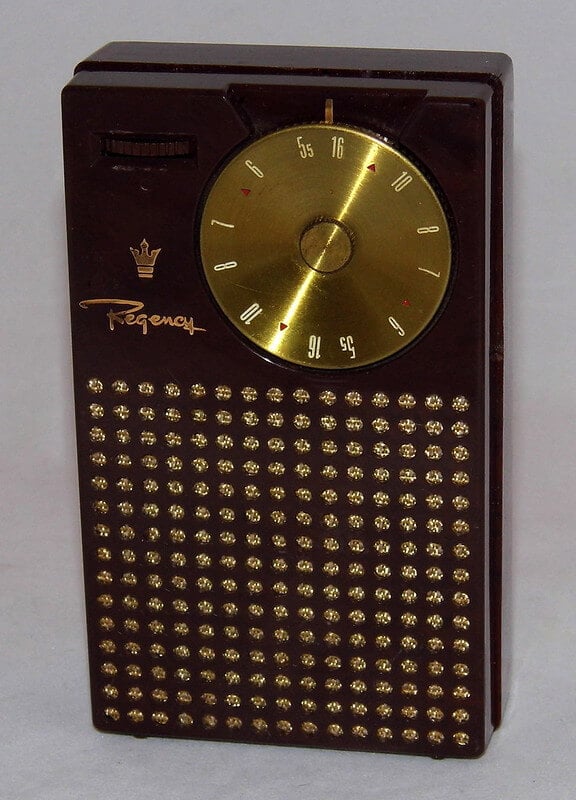
The Regency TR-1 went on sale in late 1954 and is widely recognized as the first commercially sold transistor radio. It was built by the Regency Division of IDEA in Indianapolis, using transistors from Texas Instruments, and retailed for 49.95 dollars.
It came in several colors, with black and ivory most common and shades such as mandarin red, cloud gray and mahogany harder to find. Typical examples sell for several hundred dollars, while rare colors climb higher.
Cracked cases, broken antenna parts and missing back panels lower value considerably.
Sony TR-55
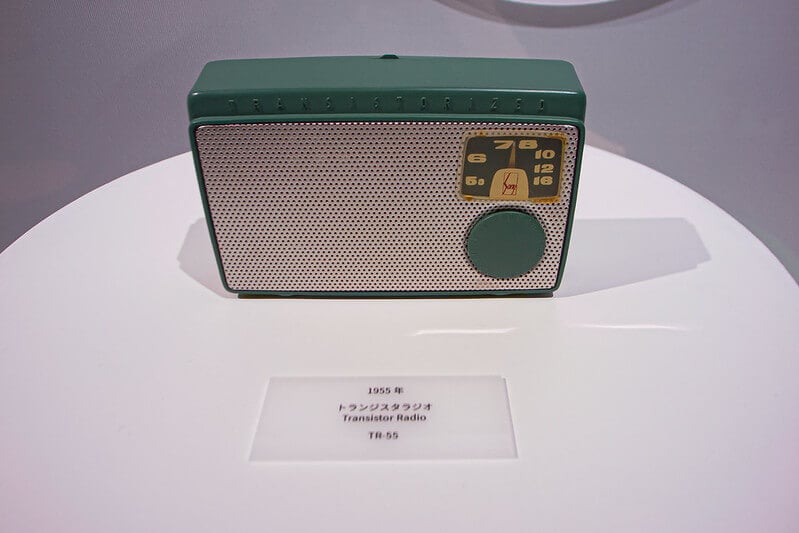
Sony released the TR-55 in 1955 as its first transistor radio, a key step toward the company’s later dominance in consumer electronics. It was also the first product to carry the Sony name, chosen because it was short and easy to say in many languages.
The small set used five transistors and came in a simple boxy case with a round speaker grille. Production numbers were modest, and surviving examples are scarce.
Collectors typically pay a few thousand dollars, depending on working order and case condition, and missing back plates or broken dial pieces cut into that figure.
Philco 90 Cathedral
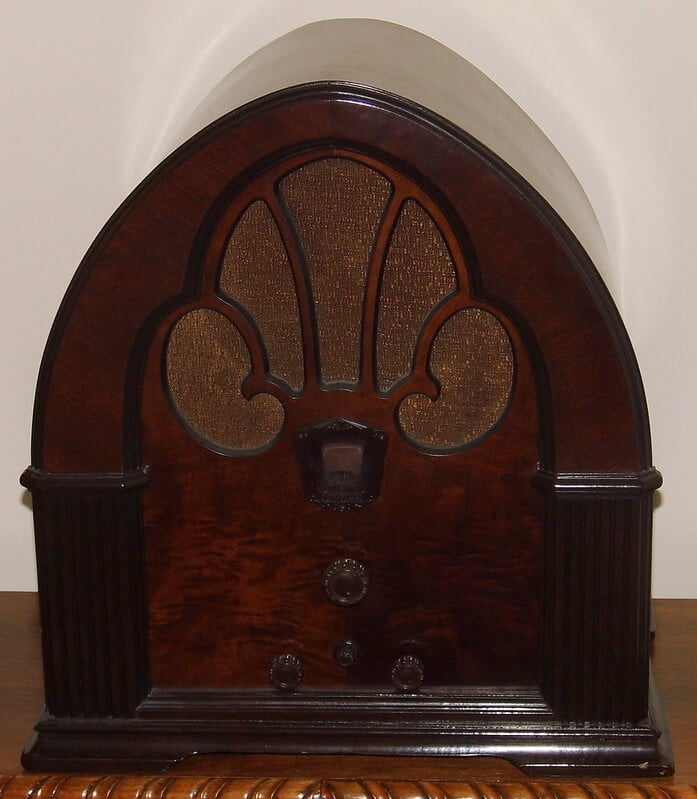
Philco’s Model 90 from 1931 is one of the best-known cathedral radios, named for its rounded, church-window shape. Its carved wooden cabinet and arched grille became a lasting symbol of Depression-era evenings spent listening to news and serials.
Philco, based in Philadelphia, sold the 90 in large numbers, but survivors in strong shape are scarcer than the production figures suggest. Typical examples sell for a few hundred dollars.
Original finish, an intact grille cloth and a working chassis raise value, while heavily refinished cabinets and gutted electronics bring noticeably less.
Atwater Kent Breadboard Sets
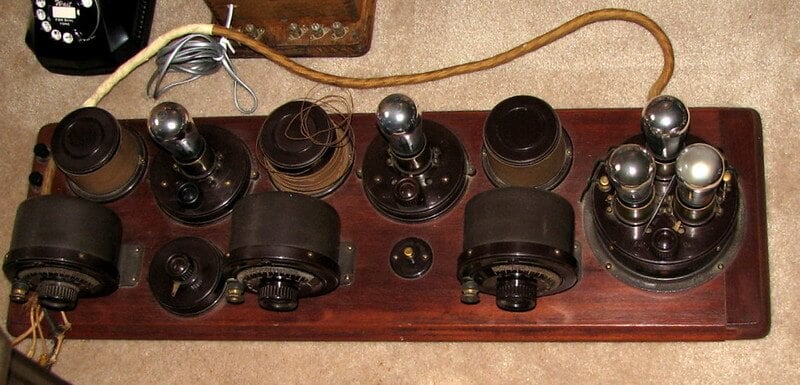
Atwater Kent of Philadelphia built its first radios in the early 1920s by mounting the components on a flat wooden board, leaving tubes, coils and wiring fully exposed. The open design earned the nickname breadboard and gives these sets an appealing, almost laboratory look.
The company soon moved on to enclosed cabinets, so the breadboard era was short. Complete examples change hands for a few hundred dollars, and the rarest models reach into the thousands.
Originality matters most here, since replacement tubes, rewired circuits or missing brass parts noticeably reduce what collectors will pay.
Braun T3 Pocket Radio
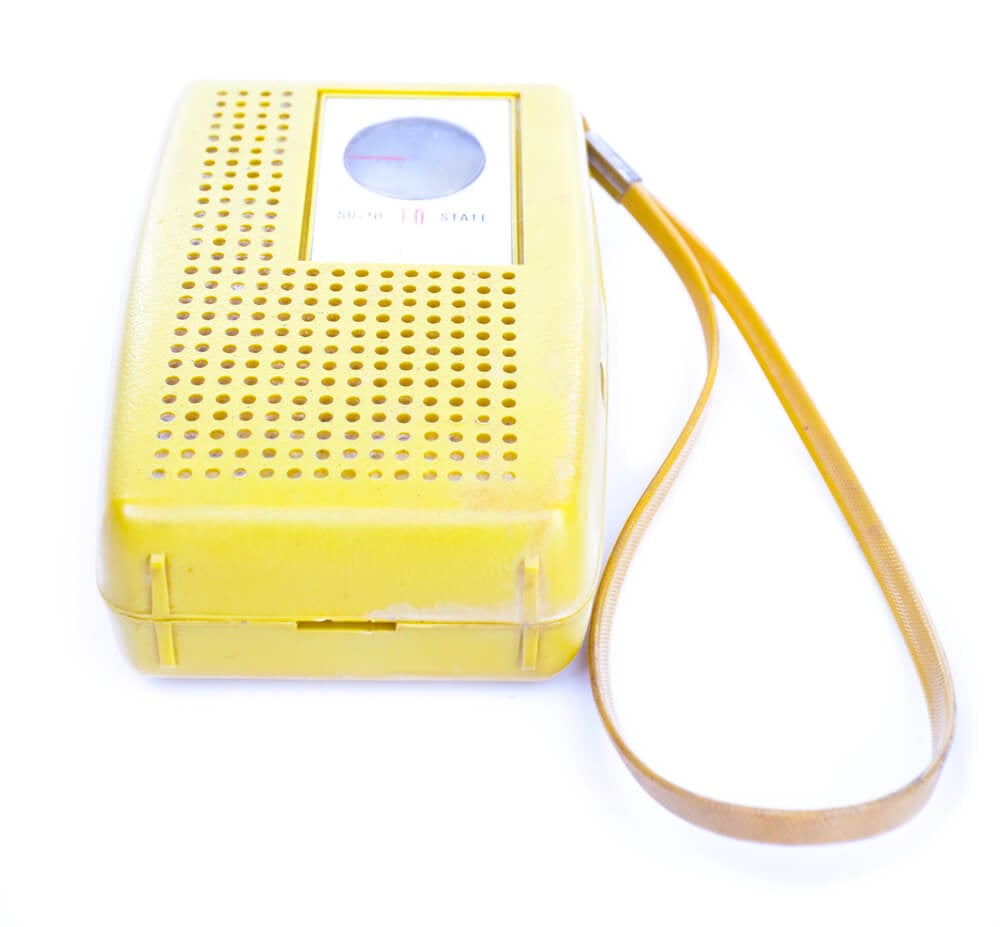
Dieter Rams designed this compact transistor radio for Braun in 1958, with a grid of perforations over the speaker and a round tuning dial set beside it. Decades later it was often compared with Apple’s first iPod, whose designers openly admired Rams.
The T3 is small enough to hold in one hand, an unusual quality for a radio of its time. Clean examples begin at a few hundred dollars.
Yellowed plastic, scratched surfaces and nonworking circuits all lower the price, so a clean, working set is the one to hope for.
Brionvega TS 502
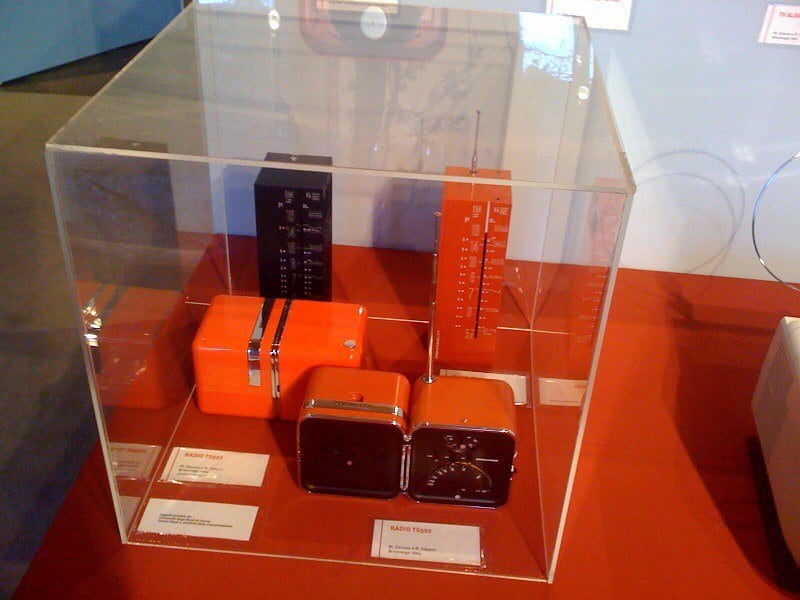
Italian maker Brionvega released this folding radio in 1964, designed by Marco Zanuso and Richard Sapper. Closed, it looks like a plain plastic cube, and it opens on a hinge to reveal a speaker on one side and the dial and controls on the other.
The design proved so durable that Brionvega has reissued it over the years, so early originals command more than later versions. Period examples often bring 300 to 700 dollars.
Hinge wear and cracked plastic are the main condition concerns, and scratched dial windows also reduce value.
Brionvega RR126
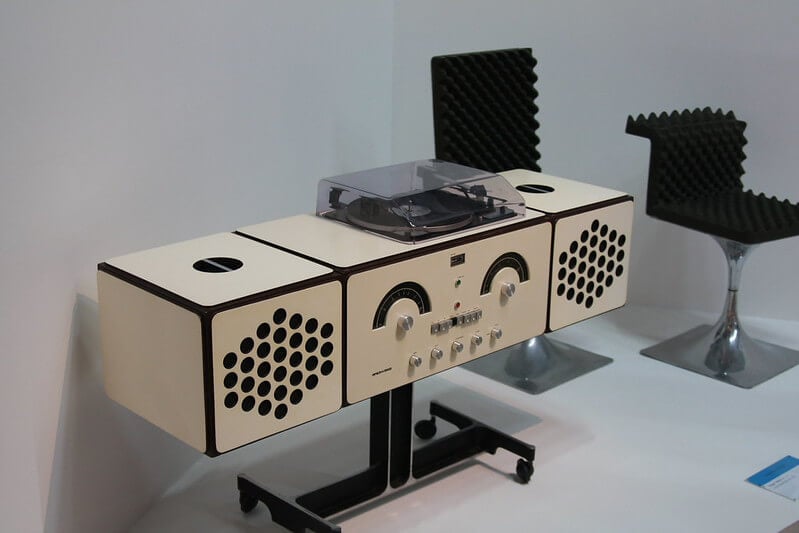
Achille and Pier Giacomo Castiglioni designed this radio-phonograph for Brionvega in 1965. Its two speakers can be detached and set on either side or stacked on top, which makes the assembled unit look a little like a cartoon robot face.
The top lid lifts to reveal a turntable, with the radio controls set into the central body. Originals usually trade at 2,000 dollars or more, sometimes more with all accessories present.
Cracked lids, missing parts and damaged wiring are common, and buyers weigh the quality of any restoration before paying top prices.
Braun SK 4 Radio-Phonograph
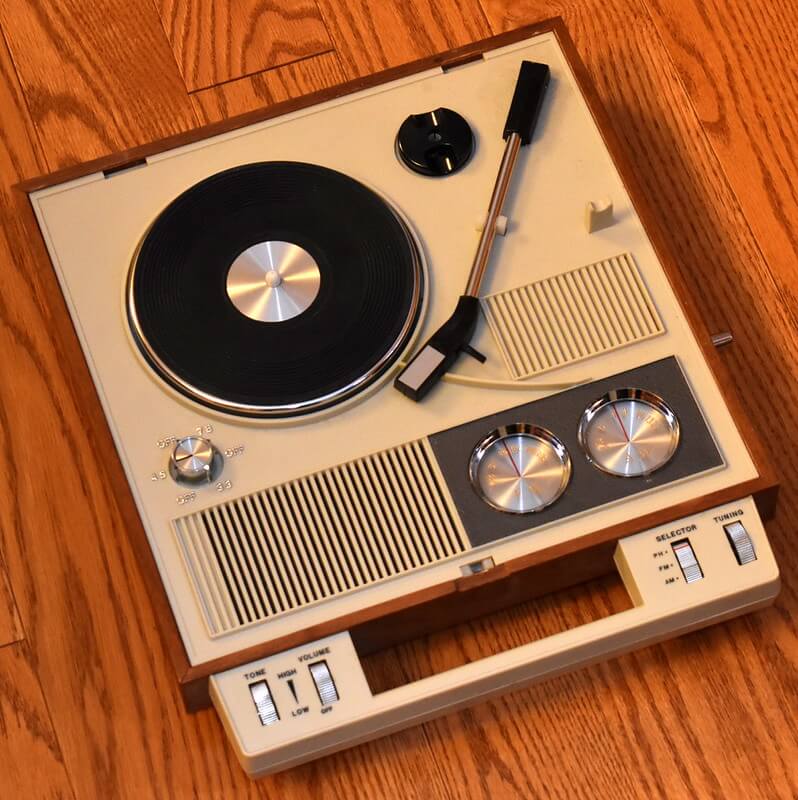
Dieter Rams and Hans Gugelot designed this 1956 radio-phonograph with a clear acrylic lid over a white metal body and pale wooden sides. Its look earned the nickname Snow White’s Coffin.
The SK 4 is in the Museum of Modern Art’s collection and is widely seen as a blueprint for modern electronics design. Examples typically sell for a couple of thousand dollars and up.
Original lids without cracks and working turntables add value, and a damaged acrylic cover is the most common reason a sale disappoints.
Victor Outside Horn Phonographs
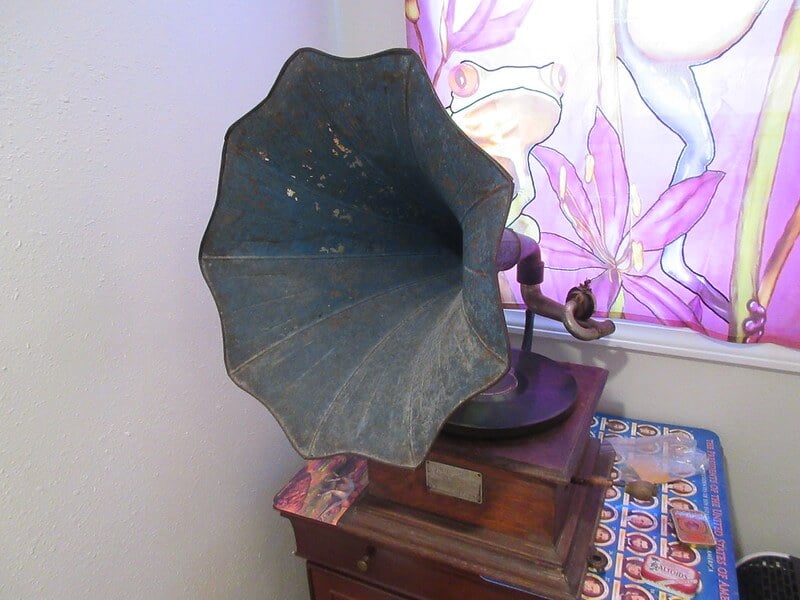
The Victor Talking Machine Company of Camden, New Jersey, sold its early phonographs with large horns mounted on the outside of the cabinet. Its trademark, the dog Nipper listening to a horn under the slogan His Master’s Voice, became one of the best-known brand images in history.
Outside horn models were made from around 1901 until the Victrola arrived in 1906. Complete examples with original horns typically sell for a couple of thousand dollars and up.
Horn dents, refinished cabinets and replaced reproducers reduce value, and mismatched horns are a frequent issue.
Victor Victrola Cabinet Phonographs
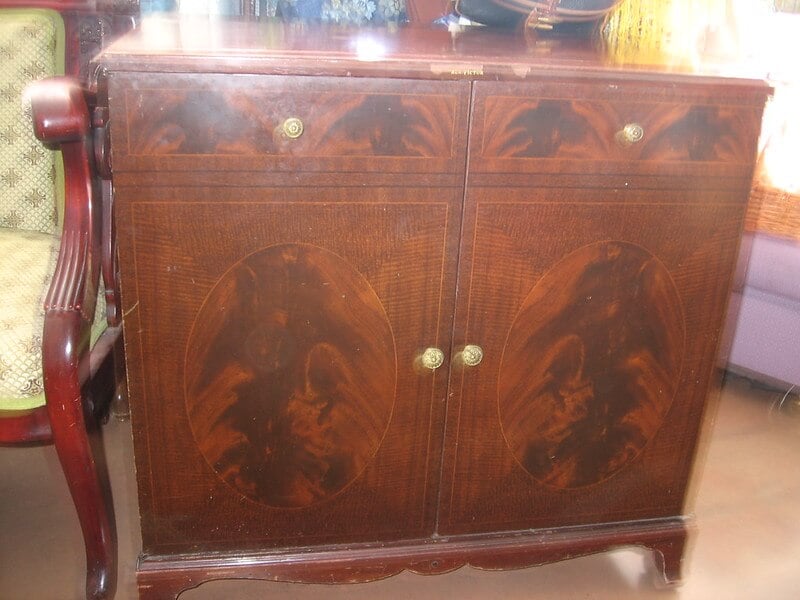
Victor introduced the Victrola in 1906, moving the horn inside a wooden cabinet so the machine looked like furniture rather than equipment. The idea appealed to buyers who wanted music in the parlor without a large brass horn dominating the room.
The design was so successful that Victrola became a generic word for almost any phonograph. Victor sold millions of them in many styles, from tabletop units to tall floor cabinets.
Common models typically sell for a few hundred dollars, while rare designs reach the thousands, with cabinet finish, a working motor and intact doors all affecting the price.
Edison Cylinder Phonographs
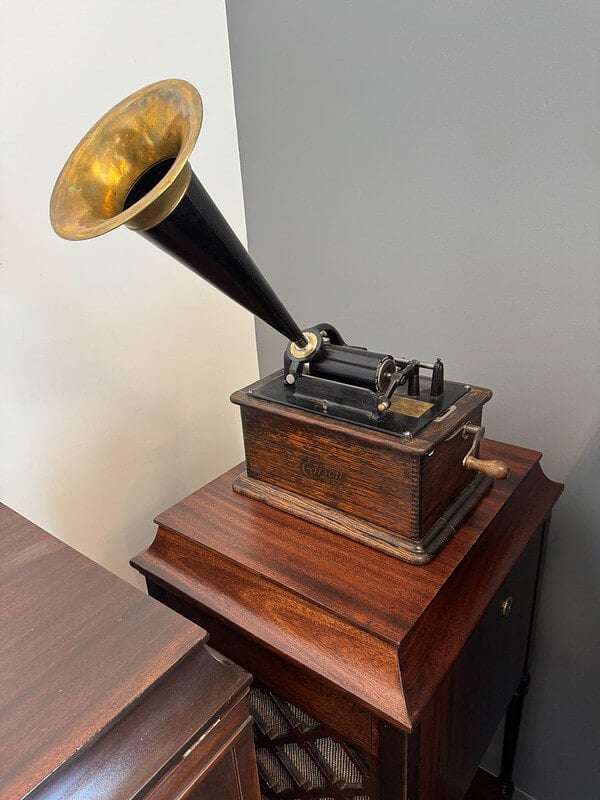
Before discs took over, Edison sold phonographs that played wax cylinders, with models such as the Standard and Home among the best sellers around the turn of the century. Each cylinder slid onto a rotating mandrel, and a stylus traced the grooves as it turned.
Many machines came with large horns and oak cases, and some could also record at home with the right attachment. Typical examples begin in the hundreds, with higher prices for complete outfits that include horns and cylinders.
Replaced parts and broken springs lower value, so buyers test the motor before committing.
Berliner Gramophone
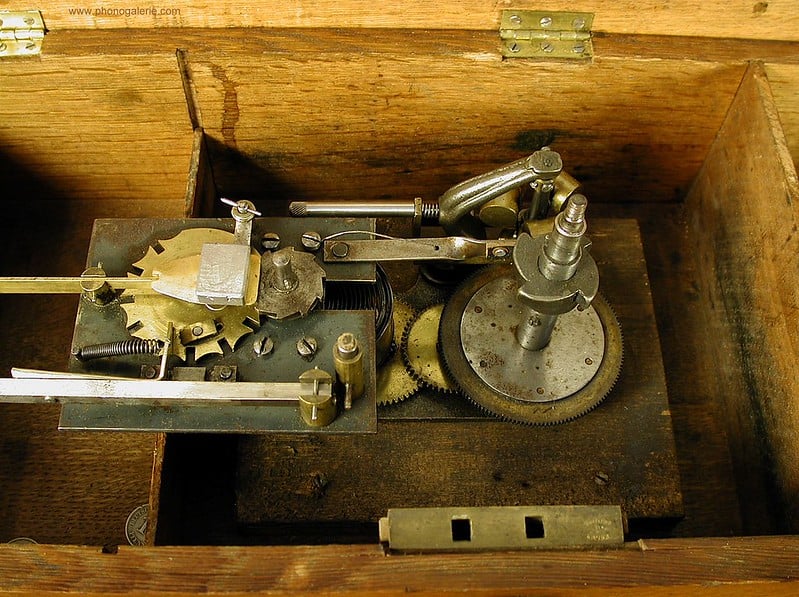
Emile Berliner patented the flat-disc gramophone in 1887, and his hand-cranked machines of the 1890s were the ancestors of every record player that followed. Flat discs could be stamped from a master, which made records far easier to mass-produce than cylinders.
That advantage eventually won the format war, though it took decades. Surviving Berliner machines are rare and highly prized by museums and private collectors.
Original examples typically sell for several thousand dollars. Authenticity is critical, since reproductions and composite machines built from mixed parts circulate in the market.
Wurlitzer 1015 Jukebox
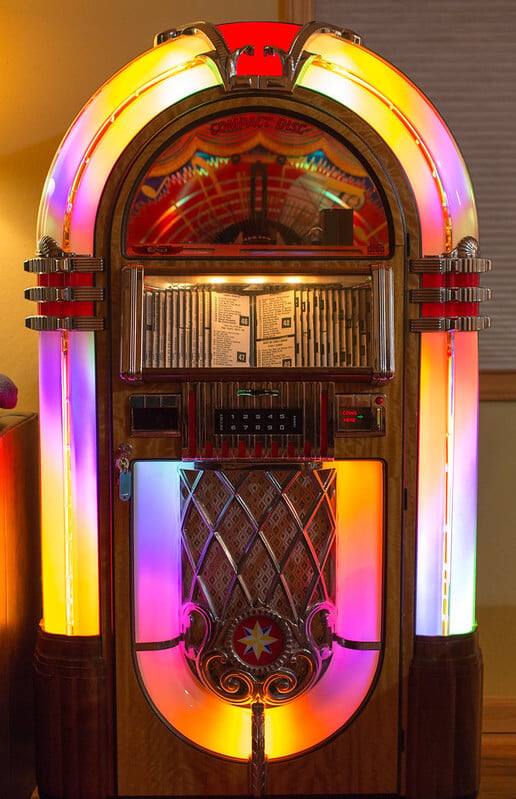
Paul Fuller designed the Wurlitzer 1015 in 1946, with glowing bubble tubes and color-changing lights that made it the defining jukebox of the postwar years. About 56,000 were sold, a remarkable figure for a coin-operated machine.
The 1015 played 78 rpm records and held 24 selections, and its rounded arch shape still turns up in diner decor and movie sets. Restored examples typically sell for well over 10,000 dollars.
Original parts, working bubble tubes and a correct finish matter, and tired unrestored machines bring considerably less.
Seeburg M100A Jukebox
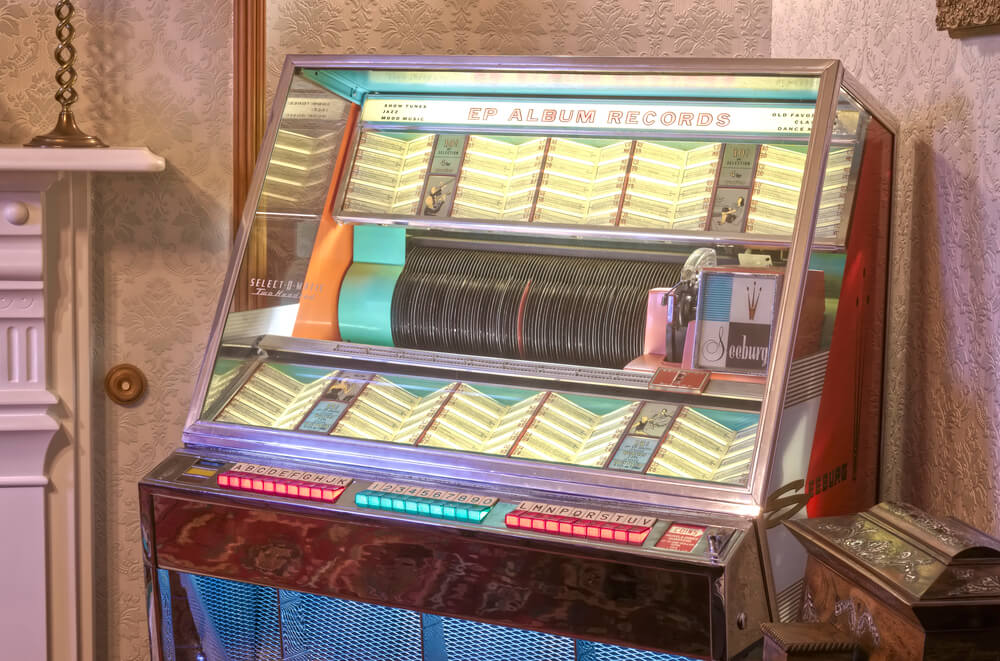
Seeburg released the M100A in 1948 with 100 selections, far more than competing machines offered at the time. Its Select-O-Matic mechanism held 50 records vertically and could play either side of each one, doubling the choices without doubling the record count.
The leap in selection pushed rival makers such as Wurlitzer and Rock-Ola to follow. Restored examples typically sell for several thousand dollars.
A smoothly working changer is essential, since repairs to the mechanism are complex, and original glass and trim pieces add considerably to value.
Garrard 301 Turntable
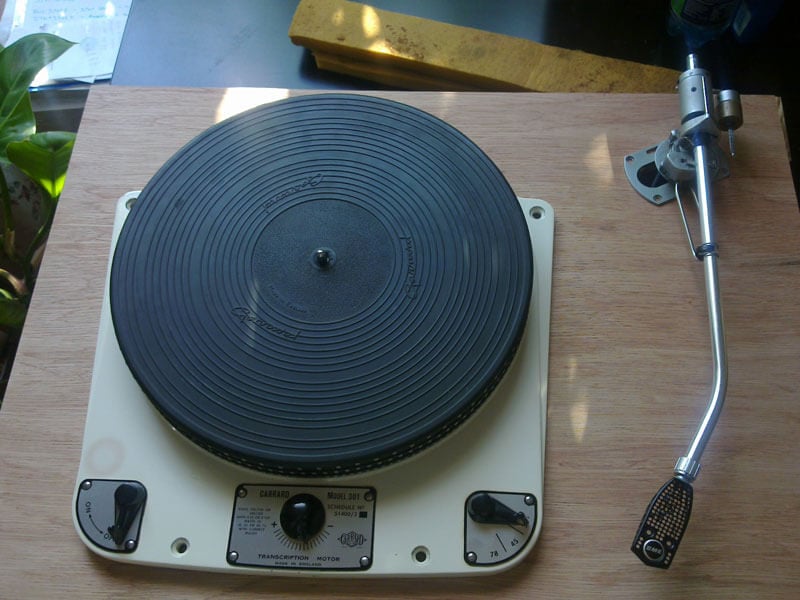
British maker Garrard introduced the 301 in 1954, an idler-drive turntable built for broadcast studios and high-end home systems. A powerful motor and a heavy cast platter gave it excellent speed stability, and broadcasters including the BBC put it to work.
Early units used grease-lubricated bearings, and later ones switched to oil, a detail enthusiasts track closely. Audiophiles still prize the 301, and many are rebuilt for modern systems.
Examples typically sell for a couple of thousand dollars, with original paint, a quiet motor and intact speed controls weighing heavily in pricing.
Thorens TD 124
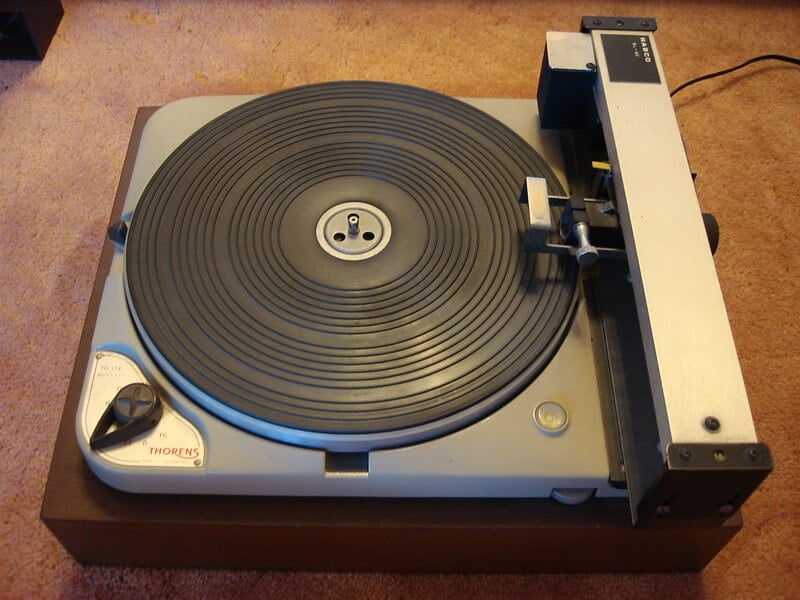
Swiss company Thorens released the TD 124 in 1957, combining a belt and an idler wheel to turn its heavy platter. The design included a built-in strobe for checking speed and a clutch that let the platter reach speed almost instantly, a feature studios valued.
It became a favorite of radio stations and serious listeners for its solid build. Many are still in use today, often after careful restoration.
Examples typically sell for a couple of thousand dollars. Original parts, smooth running and the condition of the platter all matter, and heavily modified units bring less from purists.
Bang and Olufsen Beogram 4000
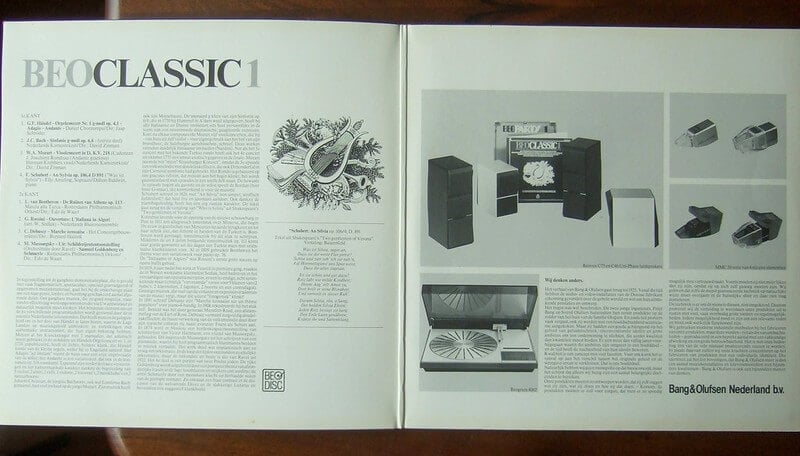
Designed by Jacob Jensen and released in 1972, the Beogram 4000 used a tangential tonearm that tracked straight across the record rather than swinging on a pivot. A second arm alongside it sensed the record’s size and whether a disc was on the platter at all.
Its slim brushed aluminum and wood design looked unlike anything else at the time. Bang and Olufsen thought enough of it to restore and reissue a limited run as the Beogram 4000c in 2020.
Original examples range from roughly 800 to 2,500 dollars, with working electronics and an undamaged arm making the difference.
Technics SL-1200
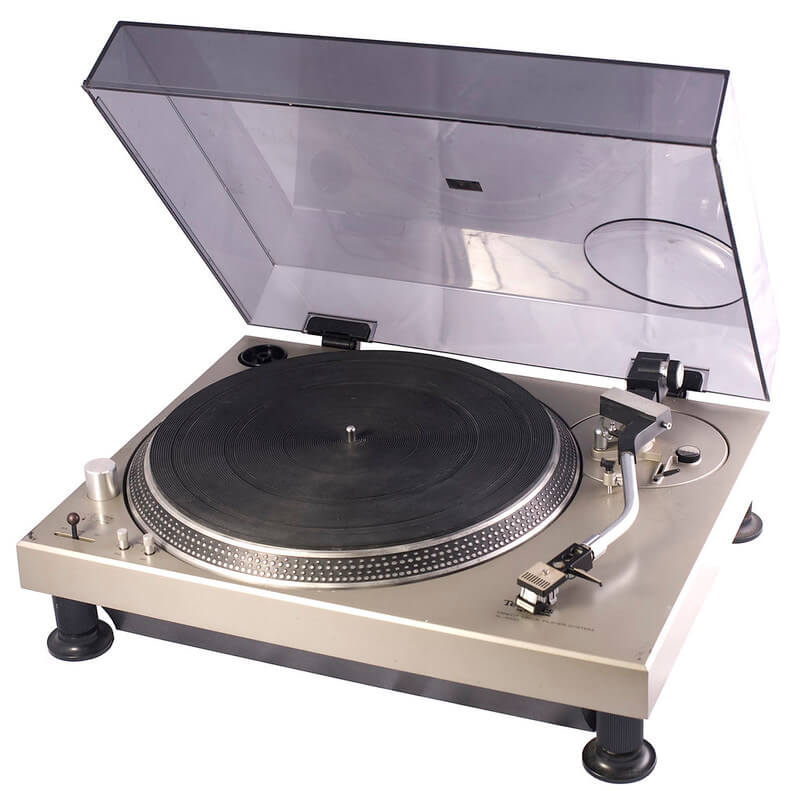
Technics introduced the SL-1200 in 1972 as a direct-drive turntable aimed at home listeners. The MK2 version of 1979 became the standard deck for DJs, thanks to its sturdy build, high torque and smooth pitch control, which made beat matching practical.
Millions were sold before Panasonic ended production in 2010, and demand was strong enough that the line returned in 2016. Vintage examples typically sell for a few hundred dollars.
Worn tonearm bearings, scratchy pitch sliders and club damage lower value, while lightly used home units bring a premium.
Static and the Sound of Memory
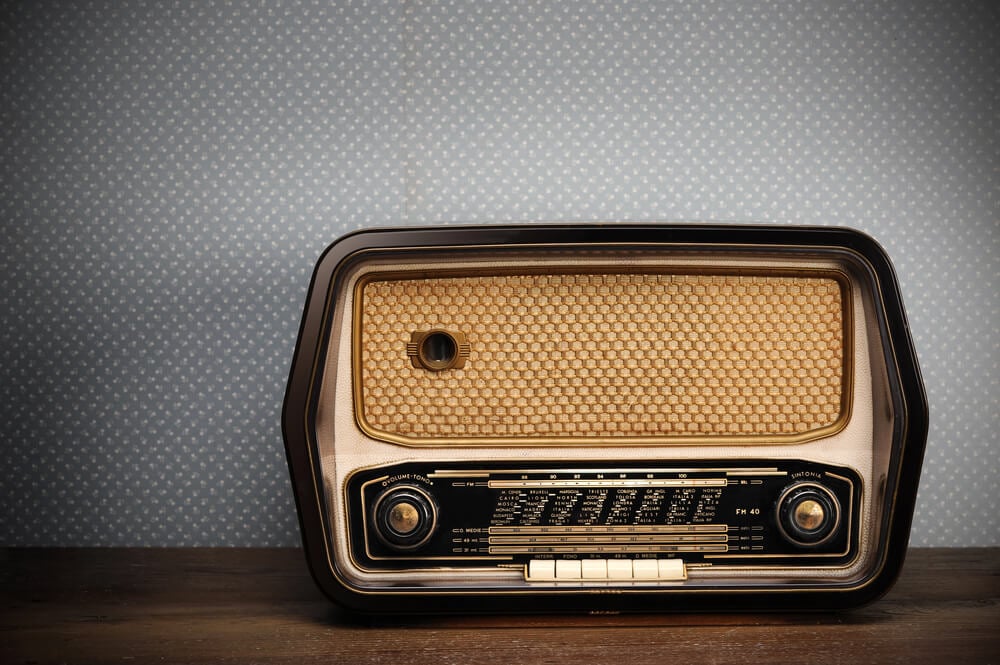
The radios and record players that hold value today rarely did so because of the music they played. They hold it because of design choices, odd materials and short production runs.
Mirrored glass and swirled plastic once seemed like fads, and that is exactly why so few survived. Collectors now pay for the gamble that designers took.
The machines also carry stories of the households that owned them. A cracked Catalin case or a worn Victrola cabinet shows decades of use, which is part of the appeal.
Condition still sets the price. But the history is what keeps people looking.
More from Go2Tutors!

- The Romanov Crown Jewels and Their Tragic Fate
- 13 Historical Mysteries That Science Still Can’t Solve
- Famous Hoaxes That Fooled the World for Years
- 15 Child Stars with Tragic Adult Lives
- 16 Famous Jewelry Pieces in History
Like Go2Tutors’s content? Follow us on MSN.