The Evolution of the ‘Cool Teacher’ in Movies
Teachers have always been fodder for Hollywood, but the type of educator audiences wanted to see has changed dramatically over the decades. What started as stern authority figures morphed into inspiring mavericks, then evolved into flawed humans just trying to make a difference.
The ‘cool teacher’ archetype didn’t spring up overnight—it shifted with society’s changing views on education, authority, and what it means to actually connect with young people. Here’s how the portrayal of cool teachers in cinema has transformed from the buttoned-up 1950s to today’s more nuanced depictions.
The 1950s-1960s: Breaking the Mold

The 1950s introduced teachers who dared to challenge the status quo, even if they weren’t exactly ‘cool’ by today’s standards. ‘Blackboard Jungle’ (1955) featured Glenn Ford as Richard Dadier, a war veteran confronting juvenile delinquency in an inner-city school where rock and roll was seen as the devil’s music.
This wasn’t a teacher who wanted to be liked—he just wanted to survive his classroom and maybe instill some discipline along the way. Sidney Poitier’s Mark Thackeray in ‘To Sir, with Love’ (1967) took a different approach by ditching textbooks and teaching practical life skills, earning respect through dignity rather than charisma.
The 1970s: The Everyman Educator

The seventies dialed back the drama and gave us teachers who felt more like real people. Shows like ‘Room 222’ depicted educators as solid professionals doing their jobs without needing to be heroes or revolutionaries.
These characters weren’t trying to save the world one student at a time—they were just showing up, teaching their lessons, and occasionally having a meaningful conversation with a struggling kid. The cool factor here was understated, almost accidental.
The 1980s: Enter the Superteacher
This decade cranked everything up to eleven. ‘Stand and Deliver’ (1988) introduced Jaime Escalante, who made calculus look not just bearable but genuinely exciting to students everyone had written off. Then came John Keating in ‘Dead Poets Society’ (1989), and suddenly teachers were ripping pages out of textbooks, encouraging students to stand on desks, and dropping Latin phrases like ‘carpe diem’ as if they were the secret to unlocking teenage potential.
These weren’t just teachers—they were transformative forces who could single-handedly change the trajectory of a kid’s entire life. Morgan Freeman’s Joe Clark in ‘Lean on Me’ (1989) brought a different flavor of intensity, wielding a baseball bat and a megaphone to literally clean up a failing school.
The 1990s: Tough Love and Real Problems

The nineties kept the inspirational energy but added grittier realism. Michelle Pfeiffer’s LouAnne Johnson in ‘Dangerous Minds’ (1995) was an ex-Marine facing down gang members and institutional indifference, armed with Dylan lyrics and karate moves.
‘Mr. Holland’s Opus’ (1995) stretched across three decades, showing a frustrated composer who slowly realizes that teaching music might actually be more important than writing it. The cool teachers of this era had to be tough as nails just to get students to pay attention, and they often faced bureaucratic systems that didn’t want them rocking the boat.
The 2000s: Weirdos Welcome
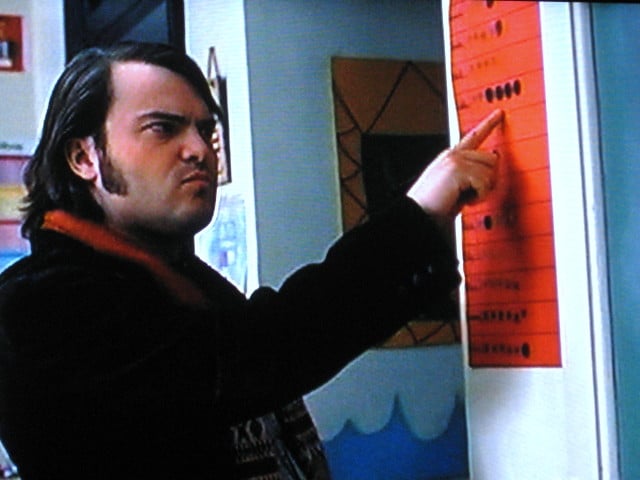
The new millennium brought us teachers who were decidedly uncool in traditional ways but somehow made that work. Jack Black’s Dewey Finn in ‘School of Rock’ (2003) was literally a failed musician impersonating his roommate, turning a prep school class into a rock band because he needed rent money. This wasn’t noble—it was absurd, and that’s what made it resonate.
Hilary Swank’s Erin Gruwell in ‘Freedom Writers’ (2007) gave students journals and taught them about the Holocaust, connecting historical trauma to their own lived experiences. These teachers succeeded not by being perfect role models but by being authentic, even when that authenticity was messy.
The 2010s-Present: Complex Humans
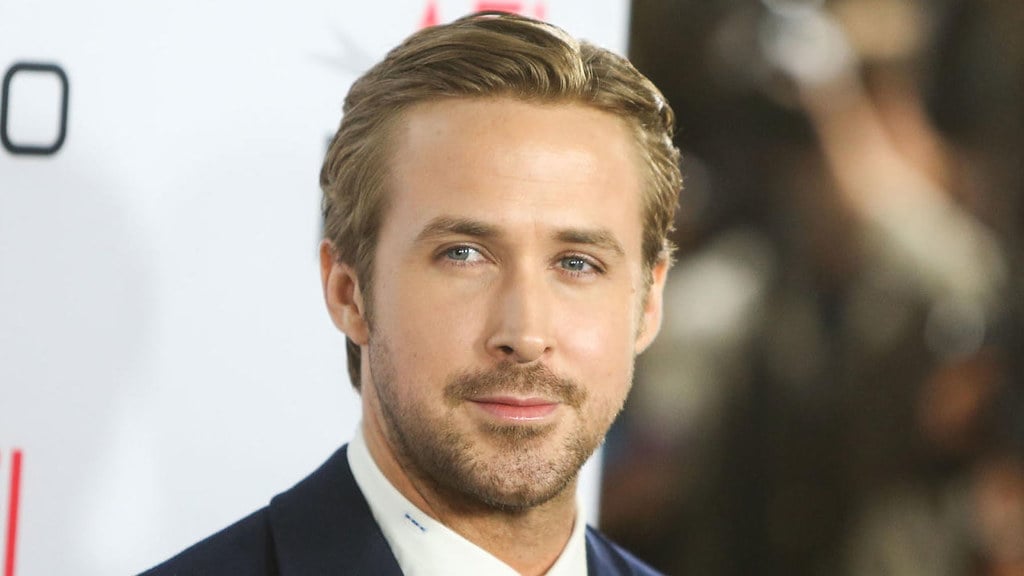
Recent years have given us teachers who are far more complicated than their predecessors. Ryan Gosling’s Dan Dunne in ‘Half Nelson’ (2006) was a middle-school history teacher with a drug problem—someone genuinely good at his job who was simultaneously falling apart.
The shine came off the superteacher pedestal as movies started acknowledging that educators are just people doing difficult work under impossible conditions. The coolest teachers now aren’t the ones with all the answers but the ones who keep showing up despite their own struggles, finding small victories in a system that often seems designed to produce failure.
From Icons to Individuals

The journey from stern disciplinarians to flawed humans mirrors how we’ve come to view authority figures in general. We stopped needing our movie teachers to be perfect saviors and started appreciating them as real people trying their best in underfunded schools with overcrowded classrooms.
Today’s audiences understand that one inspiring speech won’t fix systemic problems, but they still value those moments when a teacher genuinely sees a student and helps them see themselves differently. The ‘cool teacher’ evolved from someone who breaks all the rules to someone who understands that the most radical act might just be showing up tomorrow and trying again.
More from Go2Tutors!

- The Romanov Crown Jewels and Their Tragic Fate
- 13 Historical Mysteries That Science Still Can’t Solve
- Famous Hoaxes That Fooled the World for Years
- 15 Child Stars with Tragic Adult Lives
- 16 Famous Jewelry Pieces in History
Like Go2Tutors’s content? Follow us on MSN.



