27 Animals Once Considered Mythical
Just before Christmas in 1938, a trawler captain named Hendrik Goosen brought his catch into East London harbour. Among the sharks and rays sat a large blue fish with fleshy, limb-like fins.
A young museum curator, Marjorie Courtenay-Latimer, took one look and knew it didn’t belong to any group she recognised. She was right. That fish was supposed to have died out with the dinosaurs.
Stories like this one happen more often than you’d think. Sailors described sea serpents. Explorers came home with tales of hairy giants in the forest and beasts with a single horn.
Scholars back home laughed, and plenty of the stories deserved it. But some didn’t.
The animals below were all, at some point, written off as legend, hoax, travellers’ exaggeration or long-dead history. Every one of them turned out to be real.
A few are still swimming, climbing and digging today, often closer to home than you’d expect.
Coelacanth
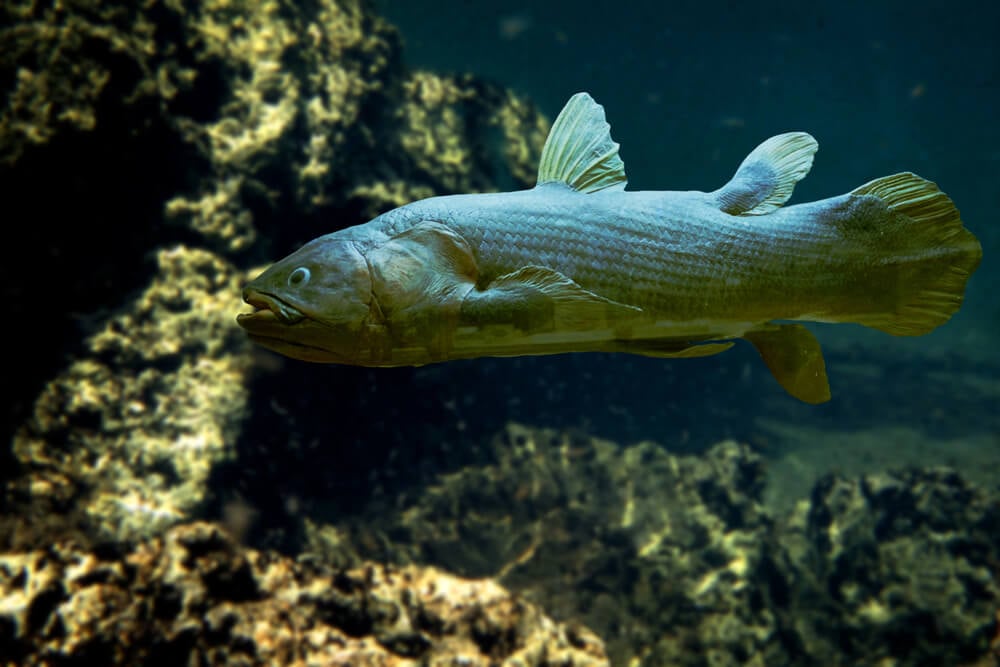
Courtenay-Latimer sketched her strange fish and posted the drawing to J.L.B. Smith, a chemistry lecturer at Rhodes University in Grahamstown, now Makhanda, with a passion for fish. Smith was away for the holidays.
By the time he saw the fish in February 1939, its soft organs had been thrown away. He still recognised it instantly. Fossil coelacanths were well known, but scientists believed the whole group vanished around 66 million years ago.
Smith named it Latimeria chalumnae in honour of the curator. Then he spent 14 years hunting for a second specimen, offering a reward on leaflets distributed along the East African coast.
In December 1952, a fisherman in the Comoros caught one, and Smith persuaded Prime Minister D.F. Malan to send a military aircraft to collect it.
The story didn’t end there. In 1998, scientists confirmed a second species near Sulawesi in Indonesia.
In 2000, divers found coelacanths living in the canyons of Sodwana Bay in KwaZulu-Natal. The original East London fish still sits in the East London Museum, and it’s worth the drive.
Giant Squid
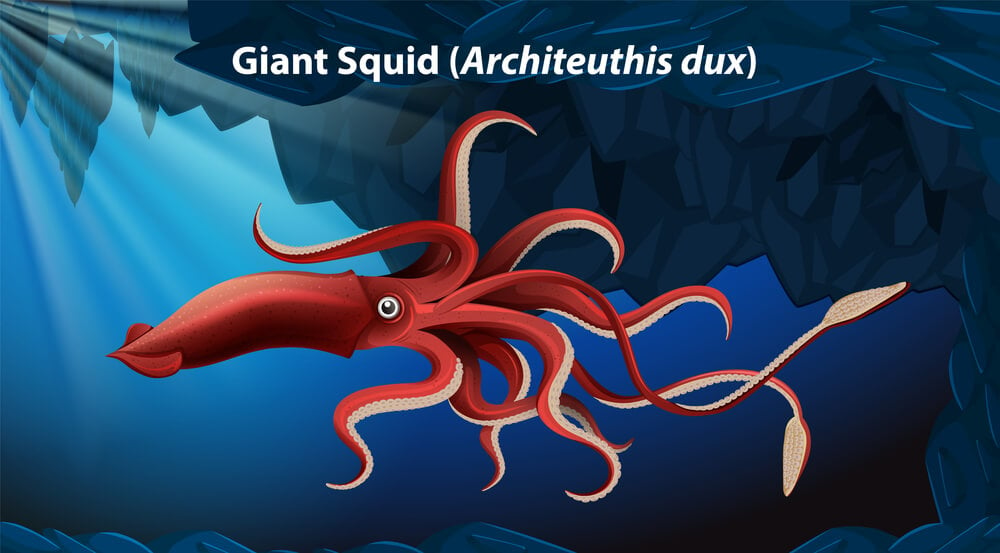
The kraken of Scandinavian legend dragged ships to the bottom of the sea. The real animal can’t do that, but it’s not far off the scale.
Giant squid reach lengths well over 10 metres, and their eyes are among the largest in the animal kingdom.
For centuries, the only evidence came from carcasses washed up on beaches and sucker scars on the skin of sperm whales. Japanese researchers photographed a live giant squid in its natural habitat for the first time in 2004. In 2012, a team finally filmed one in the deep waters off Japan.
Colossal Squid
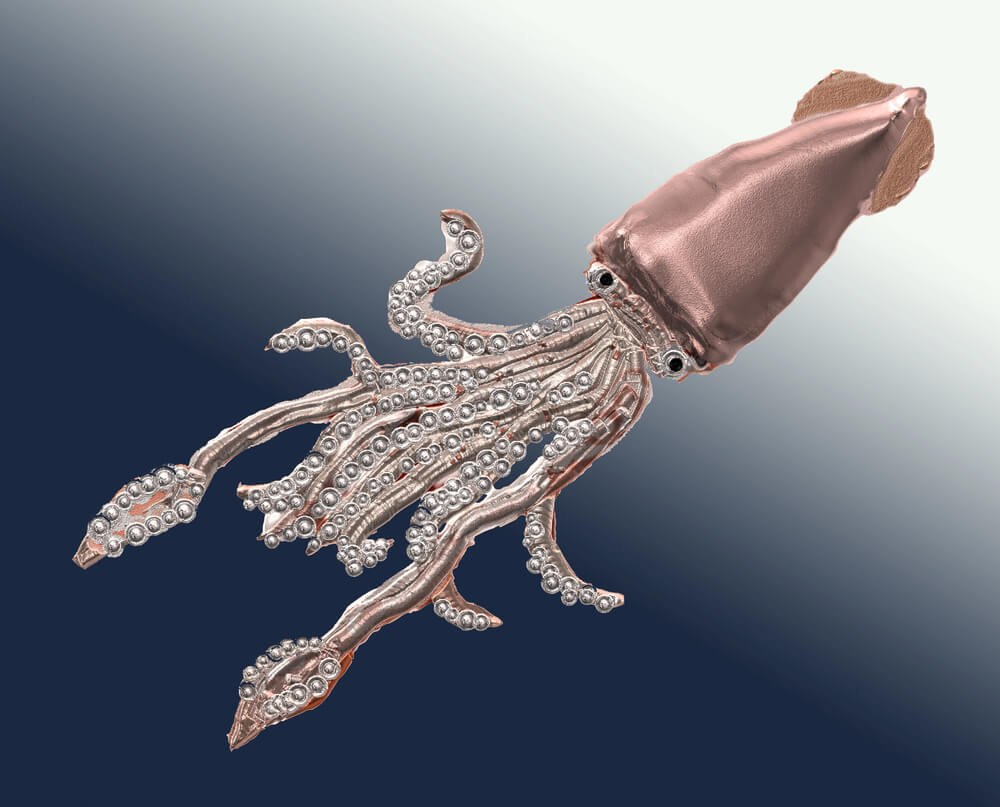
If the giant squid is the longest, the colossal squid is the heaviest. Scientists first described it in 1925 from two arm pieces found in the stomach of a sperm whale.
It lives in the cold, deep waters of the Southern Ocean and has rotating hooks on its arms and tentacles. In 2007, a New Zealand fishing boat landed one weighing around 495 kilograms, now on display at Te Papa museum in Wellington. In 2025, researchers released the first confirmed footage of a live colossal squid in the wild, a small juvenile, almost exactly a century after its discovery.
Okapi
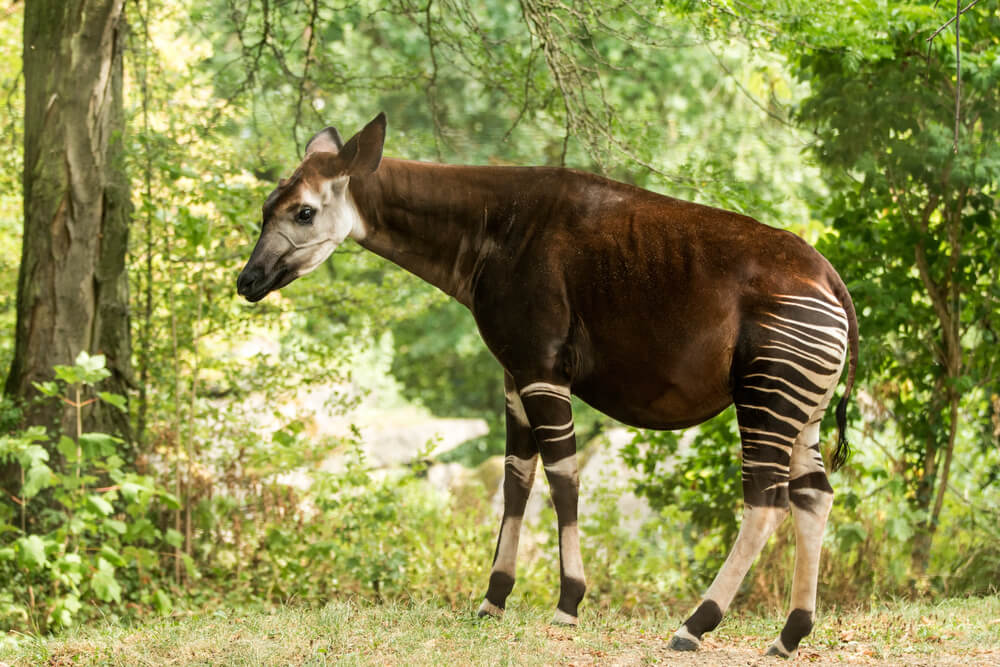
European explorers in the late 1800s heard stories from the Congo rainforest about an animal that looked like a cross between a donkey and a zebra. Henry Morton Stanley mentioned it. Nobody in Europe had seen one.
Sir Harry Johnston, the British governor of Uganda, took the rumours seriously. Around 1900, he got hold of strips of striped skin and later a full skin and skulls.
Scientists described the animal in 1901. It turned out to be the giraffe’s only living relative, with a long blue-black tongue that can reach its own ears. Locals had known about it all along. European science was simply late.
Platypus
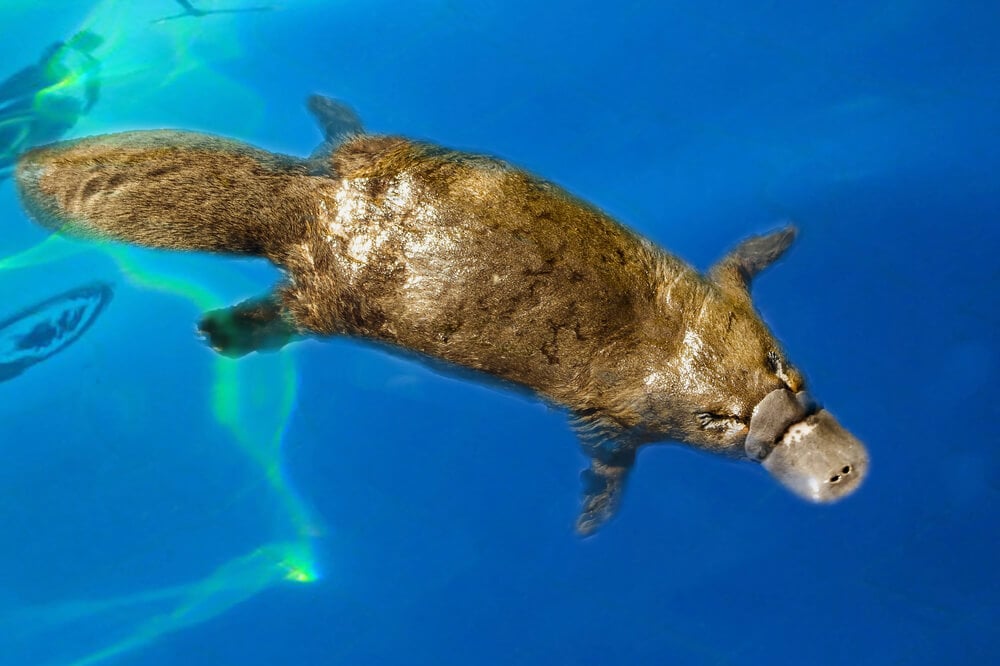
When the first platypus specimen reached Britain in 1799, the zoologist George Shaw thought someone had played a trick on him. A duck’s bill on a furry body? It looked like the work of a skilled taxidermist with a sense of humour. Shaw reportedly checked for stitches.
There were no stitches. The platypus lays eggs, produces milk, and the males carry venomous spurs on their hind legs.
It also senses the electrical signals of prey with its bill. Few animals break as many rules at once, and it took years before scientists accepted that egg-laying mammals were real.
Gorilla
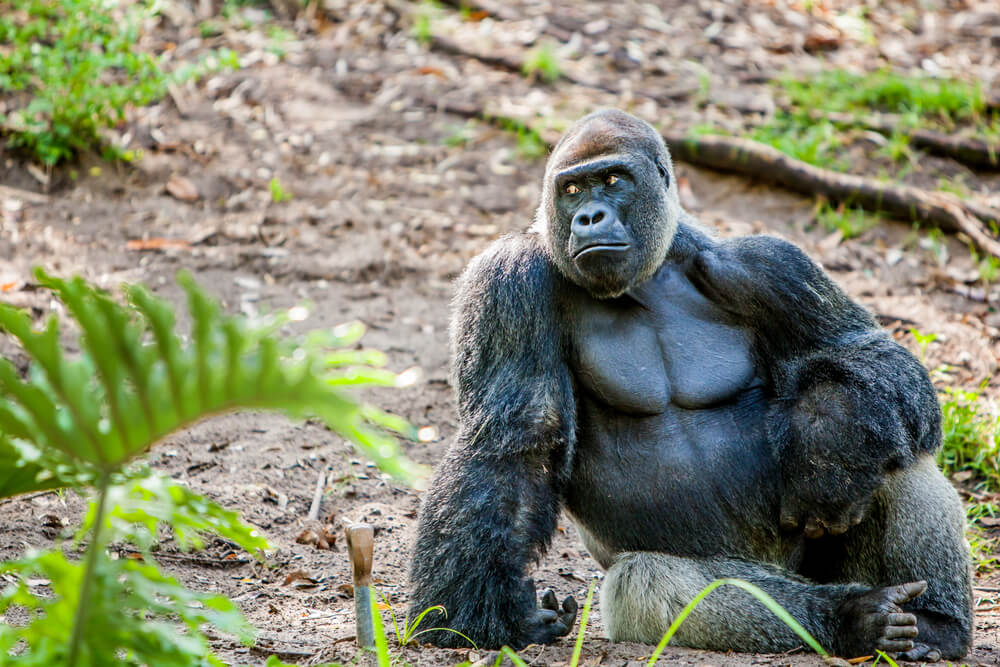
Around the fifth century BCE, the Carthaginian navigator Hanno described sailing down the West African coast and meeting wild, hairy people who threw stones. His interpreters called them “gorillai”.
For over two thousand years, the account sat somewhere between history and fable.
Scientists formally described the gorilla in 1847, based on skulls sent from Gabon by the missionary Thomas Savage. Even then, European audiences imagined a violent monster.
Mountain gorillas, a separate group, weren’t described until 1902, after a German officer named Robert von Beringe shot two on the slopes of the Virunga volcanoes. The reality is a mostly calm, plant-eating ape that lives in family groups. The monster existed only in the stories.
Komodo Dragon
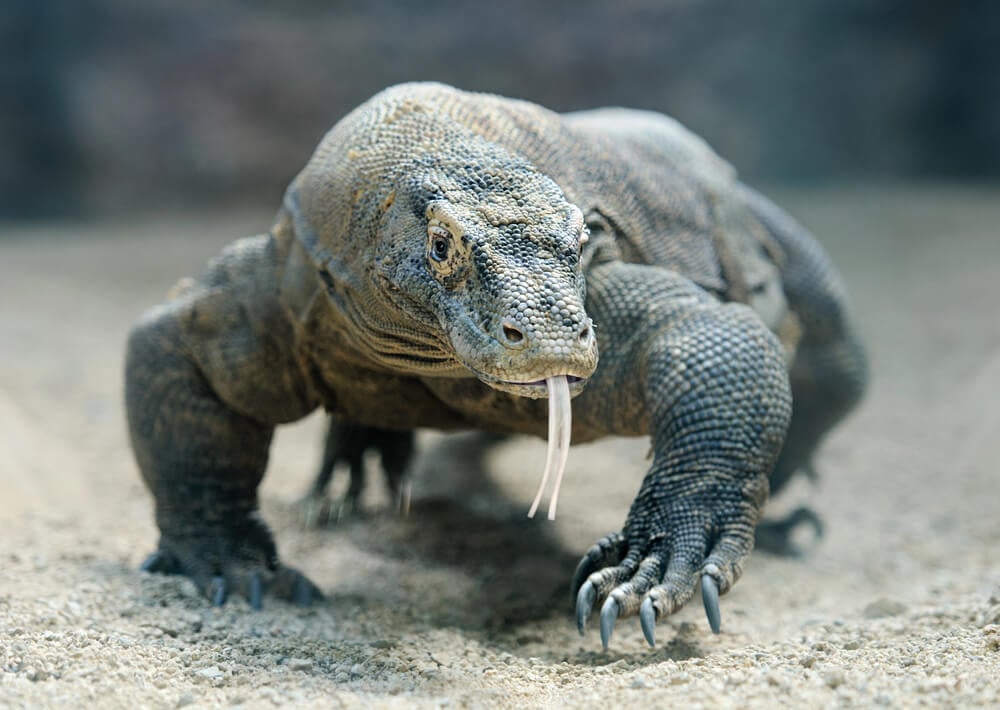
Pearl fishermen in the Dutch East Indies told stories of giant land crocodiles on a small island east of Java. Around 1910, a Dutch colonial officer named van Steyn van Hensbroek visited Komodo to check.
He came back with a skin and a photograph.
Peter Ouwens of the Bogor Zoological Museum described the species in 1912. Adults grow to about three metres and hunt deer, pigs and water buffalo.
The real dragon doesn’t breathe fire. It has venom glands in its lower jaw instead, and it can track a wounded animal for days.
Giant Panda
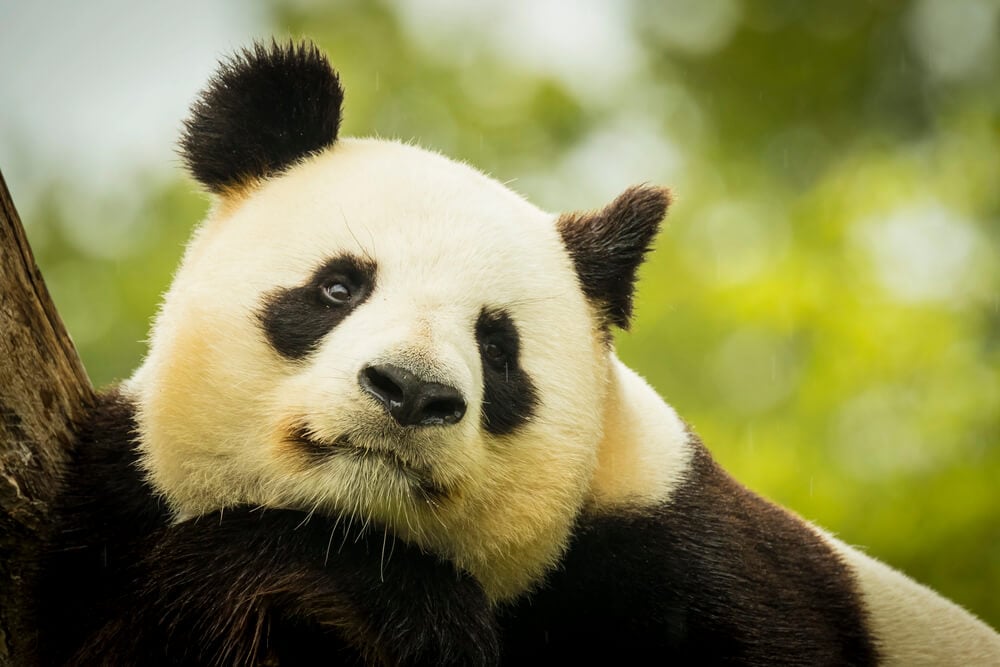
To Western scientists in the mid-1800s, a black and white bear from the mountains of China sounded like a joke. In 1869, the French missionary and naturalist Armand David received a skin from local hunters in Sichuan and sent it to Paris.
Even with the skin in hand, the panda remained mostly a rumour in the West for decades. Western hunters didn’t shoot one until 1929, and the first live panda reached the United States in 1936. Today it’s one of the most recognised animals on Earth.
Narwhal
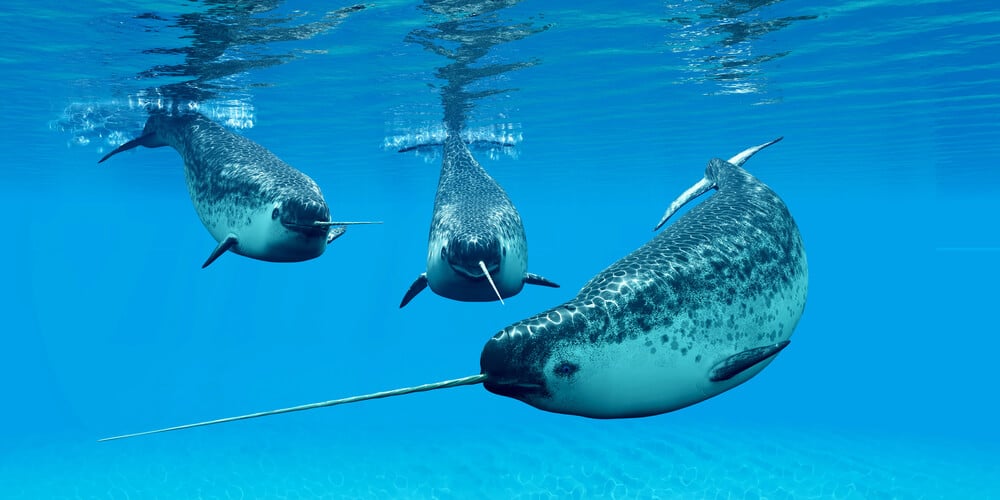
For centuries, European royalty paid fortunes for unicorn horns. They believed the horn could detect poison and cure disease.
Queen Elizabeth I reportedly owned one worth as much as a castle.
Those horns were narwhal tusks. Norse and later traders brought them from the Arctic and kept the source quiet to protect the price.
The tusk is actually a long, spiralled tooth that grows through the upper lip of mostly male narwhals, and it can top two and a half metres. The Danish royal family still has a throne made largely from narwhal tusk.
Indian Rhinoceros
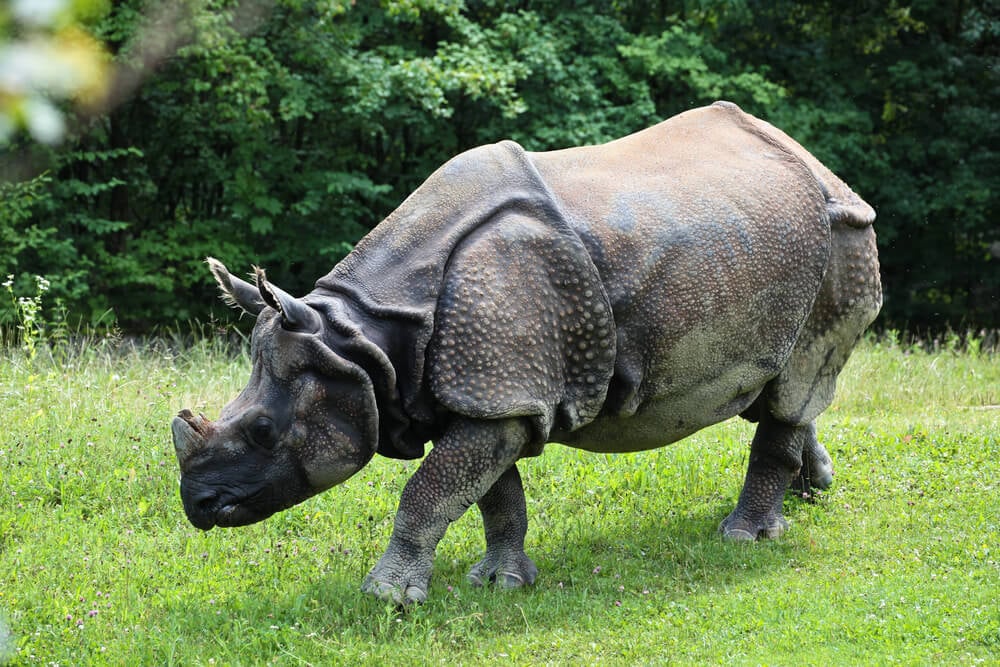
The Greek physician Ctesias wrote around 400 BCE about a wild ass in India with a single horn on its forehead. Many historians think his account blended travellers’ descriptions of the Indian rhinoceros with other animals.
Marco Polo saw rhinos in Southeast Asia in the 13th century and wrote that the “unicorns” he saw were ugly, heavy and liked to wallow in mud. He wasn’t impressed. The real one-horned beast weighs over two tonnes and grazes in the grasslands of India and Nepal.
Saola
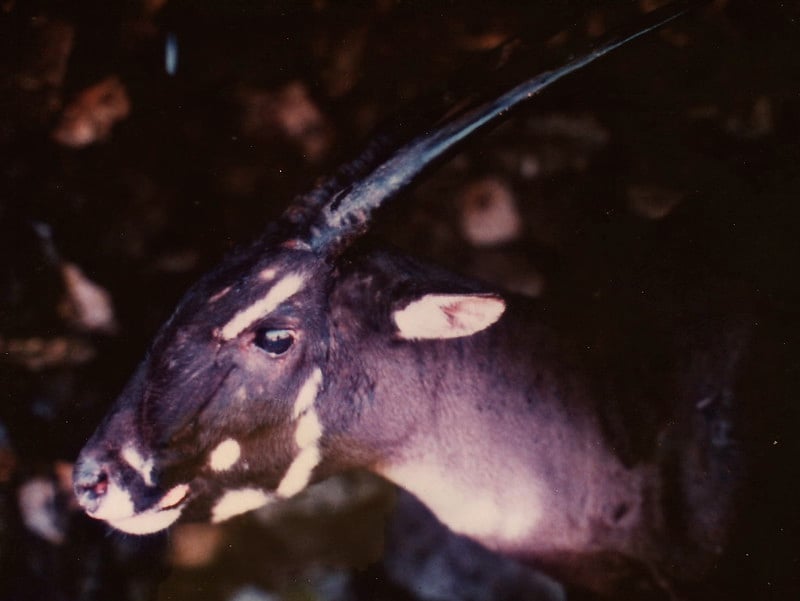
In 1992, a survey team in Vietnam’s Vu Quang Nature Reserve found an unusual set of long, straight horns in a hunter’s home. They belonged to an animal no scientist had described. The saola became the first large land mammal new to science in over 50 years.
Camera traps have photographed it only a handful of times, and no biologist has reported seeing one in the wild. It’s sometimes called the Asian unicorn, though it has two horns. Its numbers are almost certainly very small.
Megamouth Shark
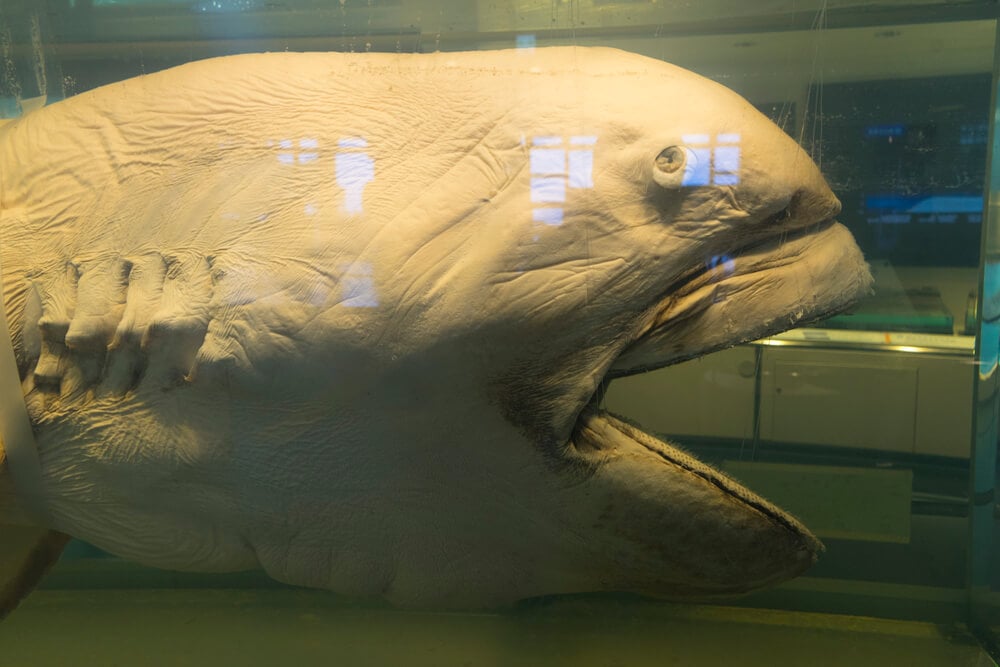
In 1976, a US Navy research vessel off Hawaii pulled up its sea anchor and found a strange shark tangled in it. The animal was over four metres long, with a huge mouth and a rubbery body. Scientists had never seen anything like it.
The megamouth is a filter feeder that eats plankton and small shrimp. It follows its food up and down the water column, rising toward the surface at night.
Sightings remain rare, which says a lot about how little of the deep sea anyone has actually seen.
Oarfish
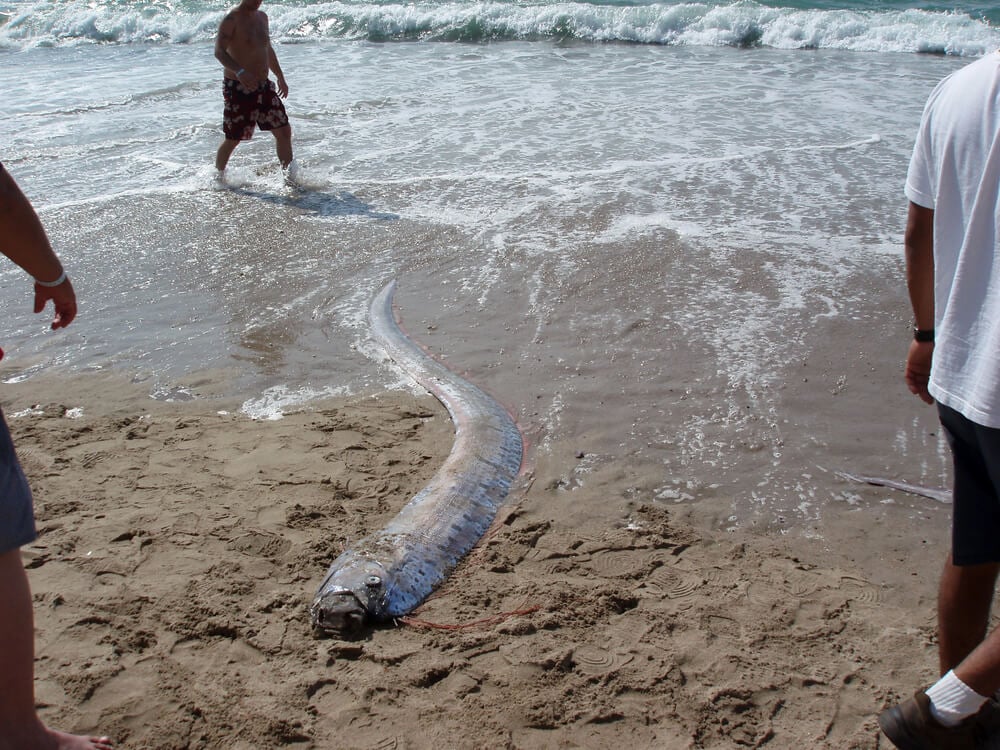
Sailors who reported sea serpents had a good candidate staring right at them. The giant oarfish can grow longer than 8 metres, has a silvery ribbon-like body and a red crest along its head and back.
It lives in deep water and rarely comes to the surface. When it does, it’s usually sick or dying, which makes the encounters brief and dramatic.
Japanese folklore links oarfish strandings to earthquakes, though studies have found no reliable connection. The sea serpent was real. It just wasn’t trying to sink anyone.
Black Swan
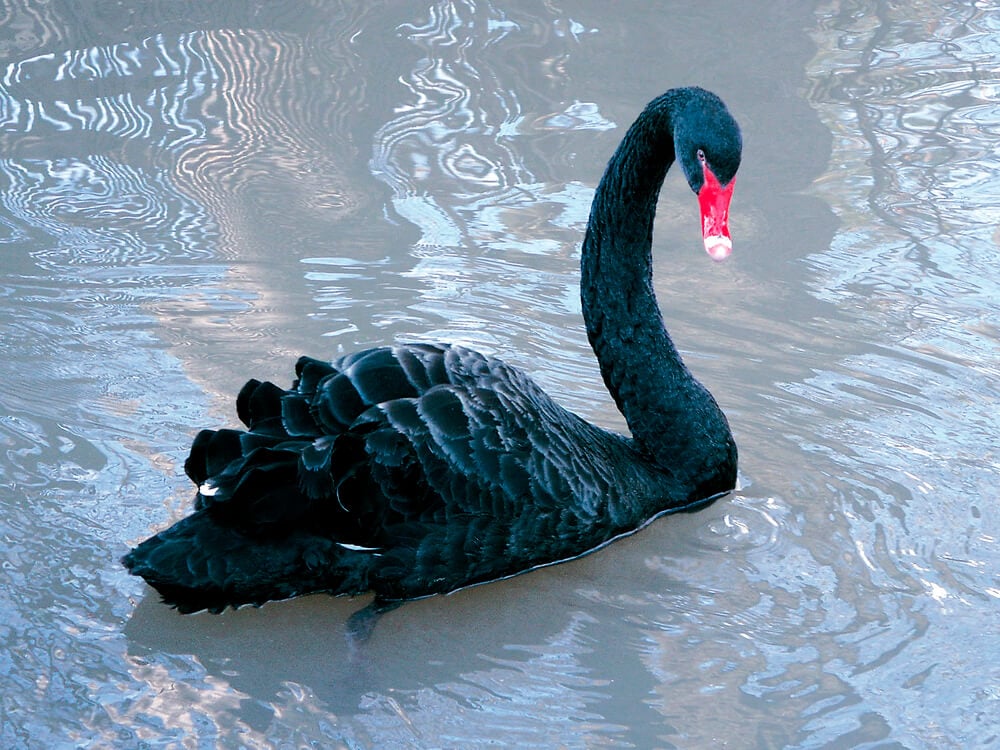
For centuries, Europeans used the phrase “a black swan” to mean something impossible. Roman writers used it that way.
Every swan anyone in Europe had seen was white.
In 1697, the Dutch explorer Willem de Vlamingh sailed up a river in Western Australia and saw black swans. He named the river the Swan River, and Perth sits on its banks today.
The phrase survived, but its meaning flipped. Now it describes a rare event that nobody predicted until it happened.
Birds of Paradise
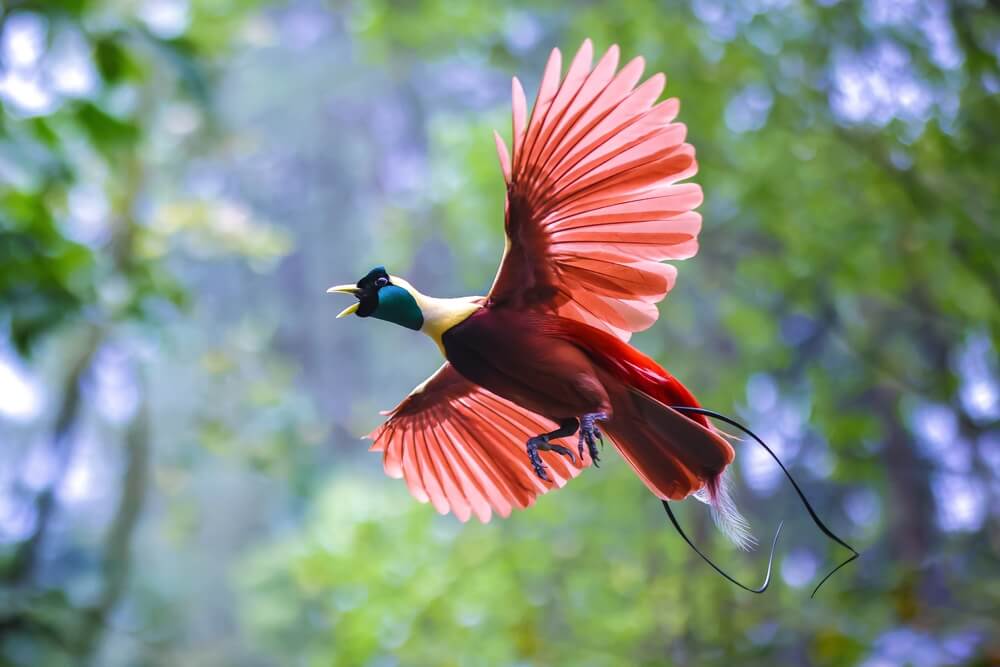
When the first bird of paradise skins reached Europe in the 1500s, traders had removed the feet and often the wings. Europeans concluded the birds had no legs at all.
They imagined them floating forever in the sky, feeding on dew and never touching the ground until they died.
Carl Linnaeus even named one species Paradisaea apoda, meaning “legless”. The birds, of course, have perfectly good feet.
Male birds of paradise in New Guinea use them during some of the most elaborate courtship dances in the animal world. The myth came from a trade practice, not from the birds.
Barnacle Goose
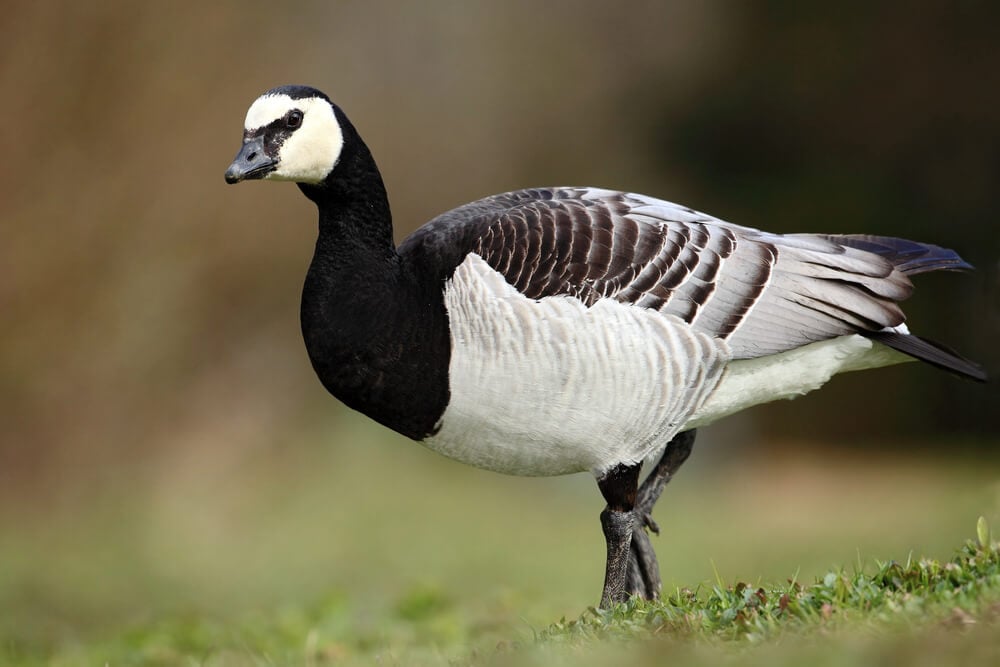
Medieval Europeans had a strange theory about where barnacle geese came from. Nobody ever saw them nest in Britain or Ireland, so people concluded they grew from goose barnacles attached to driftwood.
Gerald of Wales wrote about this in the 12th century.
Some clergy even argued that since the goose came from the sea, it counted as fish and could be eaten during Lent. The truth was simpler. Barnacle geese breed in the Arctic, in places like Greenland and Svalbard, and only fly south for the winter.
Pygmy Hippopotamus
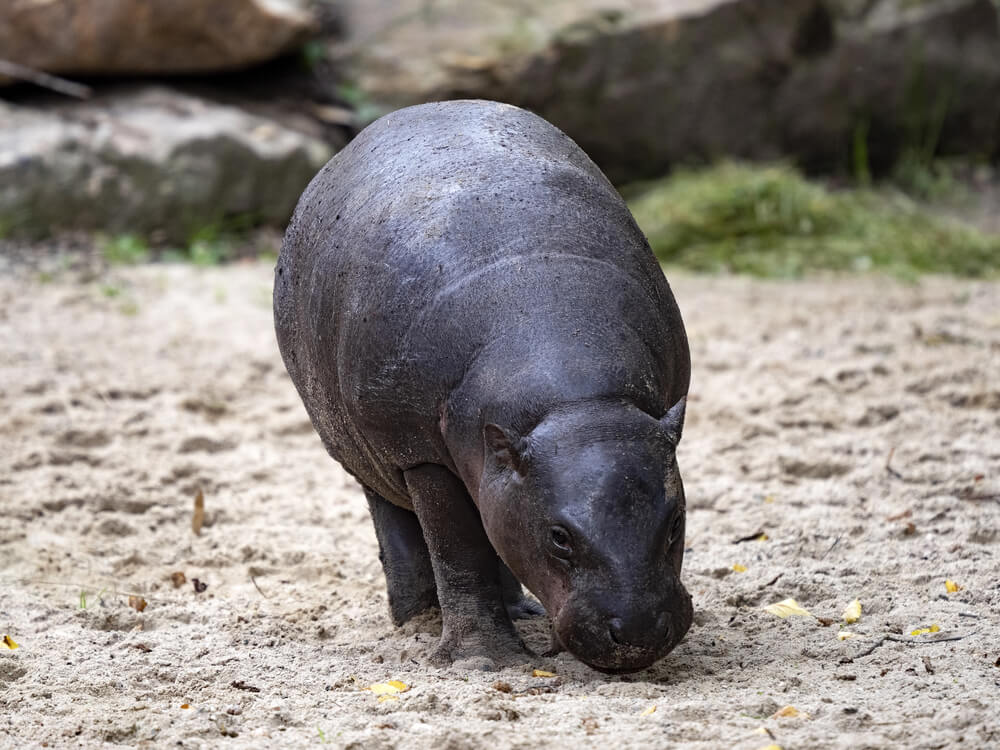
Locals in West Africa described a small, forest-dwelling hippo for generations. Western scientists described the species in the 1840s from skulls, but many doubted the animal was distinct and few believed reports of living ones.
In 1911, the German explorer Hans Schomburgk went into the forests of Liberia to find it.
He spent months searching and eventually captured live pygmy hippos, which he brought back to Europe in 1912. Today the species remains endangered, with fewer than 2,500 thought to survive in the wild. It still keeps to dense forest and rarely shows itself.
Dodo
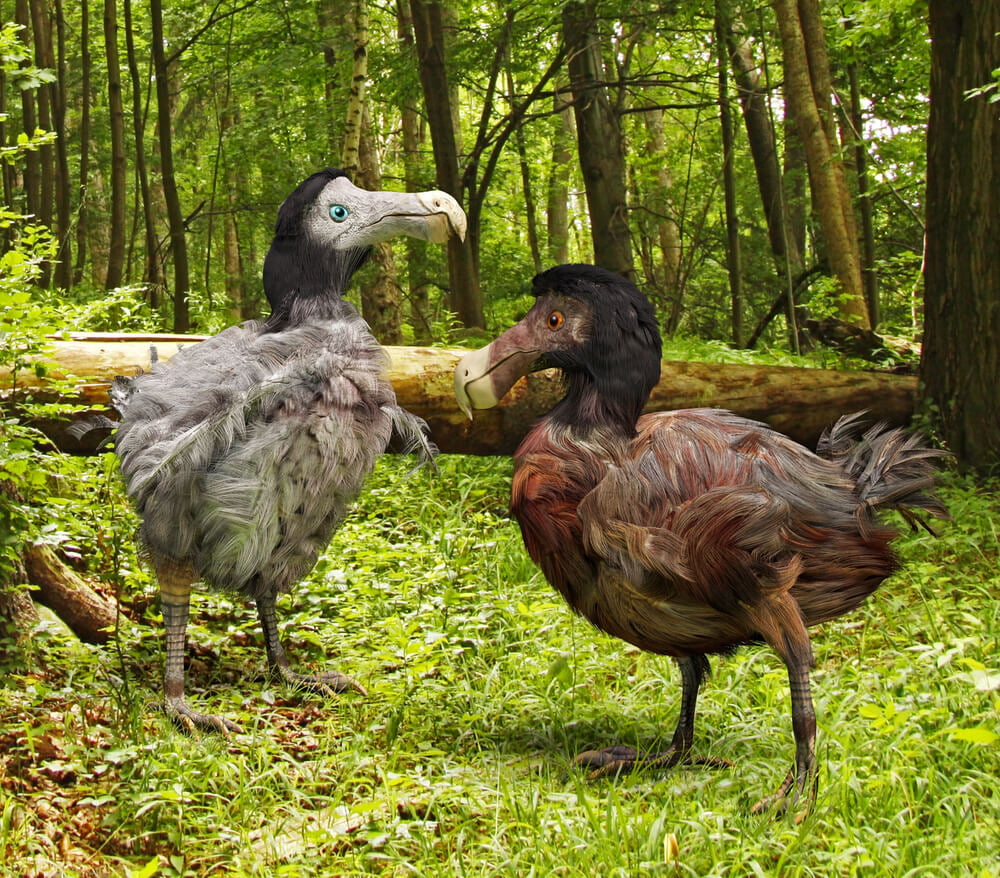
Here’s a reverse case. The dodo was real, and people knew it was real.
Dutch sailors found it on Mauritius around 1598, and within less than a century it was gone.
By the 1800s, so few remains survived that some naturalists treated the dodo as a fable or a sailor’s exaggeration. Then, in 1865, workers at the Mare aux Songes marsh in Mauritius uncovered a large quantity of dodo bones, ending the debate.
The dodo became a lesson in how quickly a species can slide from fact to myth when nobody bothers to protect it.
Takahe
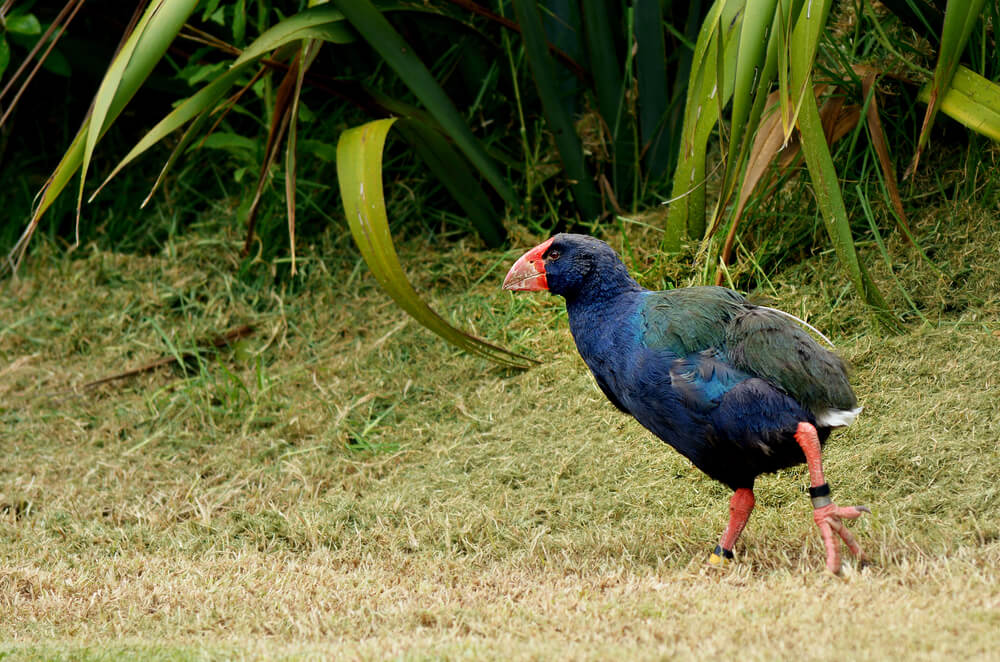
The takahe is a large, flightless blue-green bird from New Zealand. Only four specimens were collected in the 1800s, and by 1898 scientists believed it extinct.
In 1948, a doctor named Geoffrey Orbell went looking in the remote Murchison Mountains of Fiordland, following old reports. He found a living population. The takahe has been under careful protection ever since, and numbers have slowly climbed past 500.
Bermuda Petrel
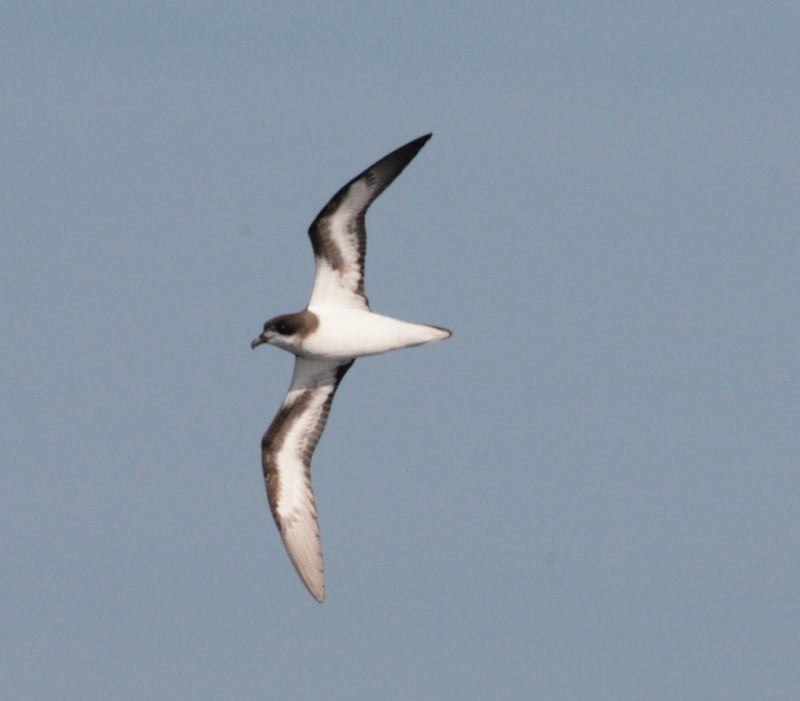
The Bermuda petrel, or cahow, nested in huge numbers when Spanish and English ships first reached Bermuda. Its eerie night calls reportedly scared Spanish sailors into thinking the islands were haunted.
Settlers and their animals wiped the seabirds out by the 1620s, or so everyone thought.
In 1951, researchers including a teenage David Wingate found 18 nesting pairs on rocky islets in Castle Harbour. Wingate spent decades restoring their habitat. The cahow, missing for over three centuries, became a symbol of second chances.
Chacoan Peccary
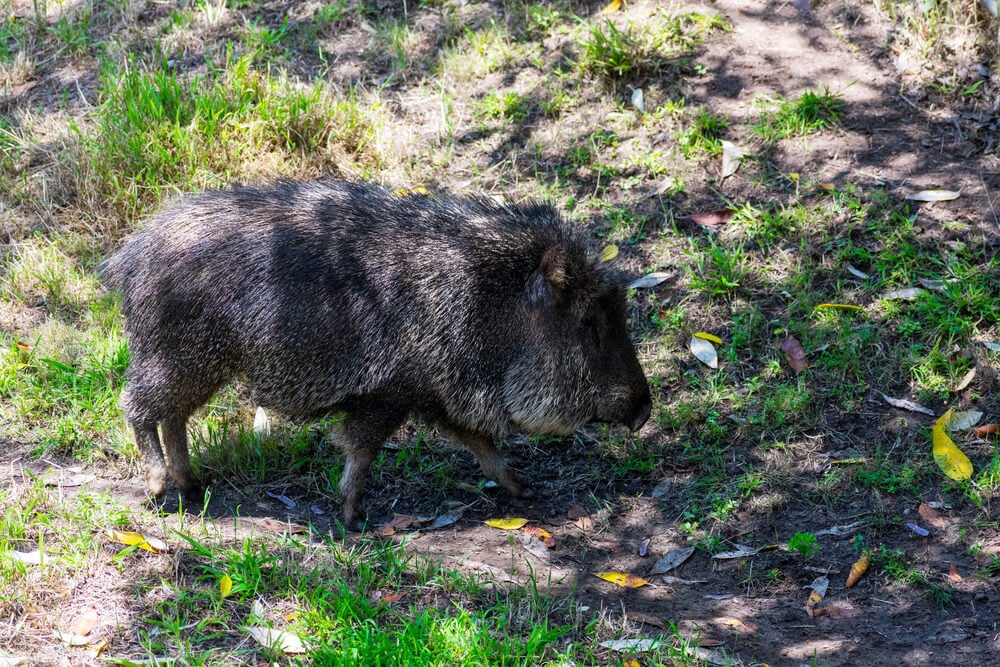
Scientists first described the Chacoan peccary from fossils in 1930. They assumed it had gone extinct long ago.
In the early 1970s, researcher Ralph Wetzel found it living in the dry Gran Chaco of Paraguay.
Local people had been hunting it all along. Science just hadn’t asked them. That pattern shows up again and again on this list.
Mountain Pygmy Possum
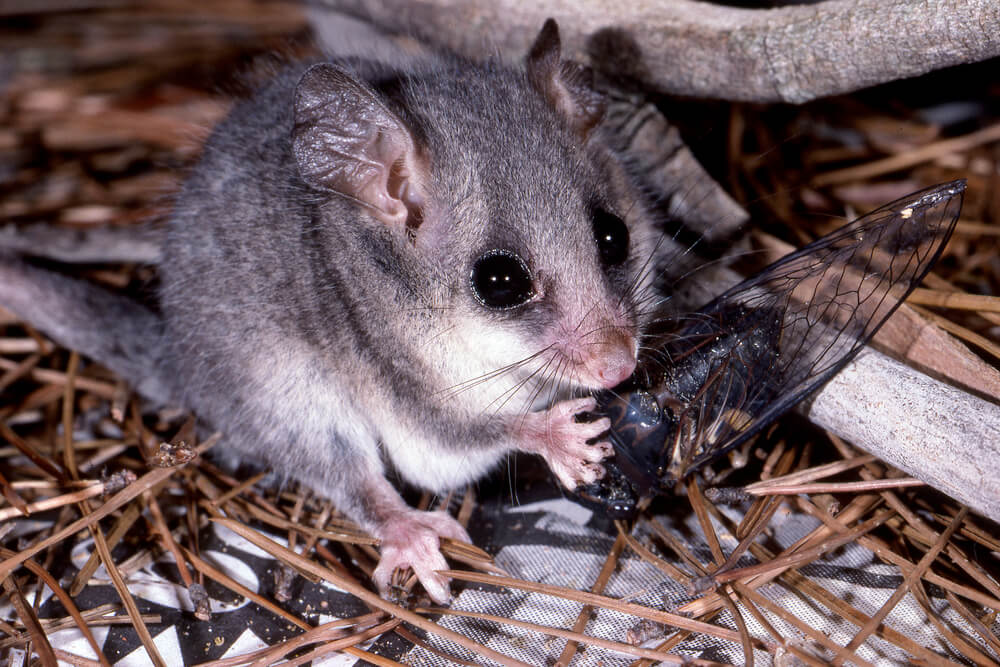
Australian scientists described the mountain pygmy possum in 1896 from fossil remains. Like the Chacoan peccary, it was assumed to be long extinct.
In 1966, one turned up alive inside a ski hut on Mount Hotham in Victoria. It’s the only Australian marsupial that lives entirely in alpine areas, and it hibernates under the snow during winter. A skier probably wouldn’t notice it. Science almost didn’t either.
Lord Howe Island Stick Insect
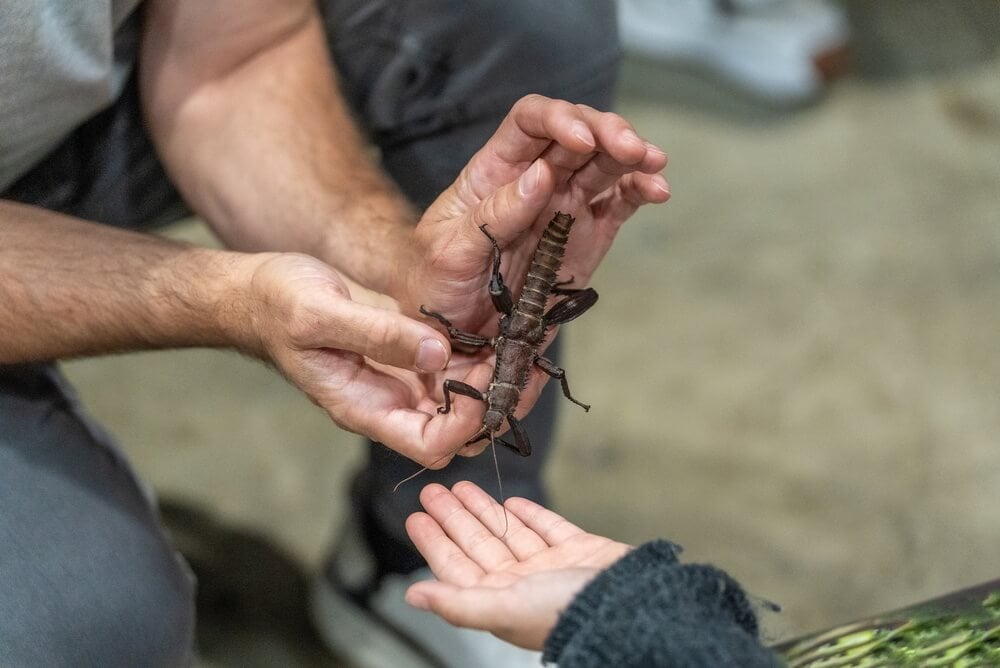
Nicknamed the tree lobster, this large, dark stick insect lived on Lord Howe Island off Australia’s east coast. Rats arrived on a stranded ship in 1918, and within a few years the insects seemed to be gone. By the 1960s, scientists declared it extinct.
In 2001, researchers climbed a towering sea stack about 20 kilometres from the main island and found a tiny population living under a single shrub. Fewer than 30 survived. Zoos in Melbourne and elsewhere have since bred thousands of them.
A bush clinging to a rock in the middle of the ocean held the last of an entire species.
Laotian Rock Rat
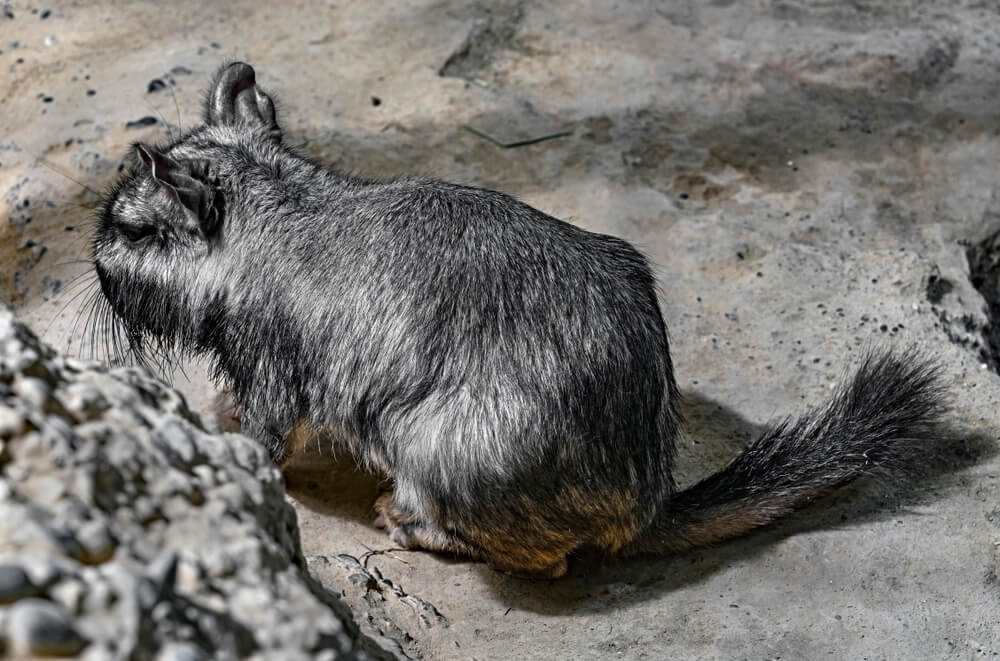
In 1996, researchers in Laos noticed an odd rodent for sale at a food market. Scientists described it as a new species in 2005 and placed it in a family of its own.
Then other researchers realised it belonged to a group known only from fossils, the Diatomyidae, which scientists believed died out around 11 million years ago. Locals call it kha-nyou. It’s a living fossil in the most literal sense, one that had been sold in markets long before science caught up.
Kipunji
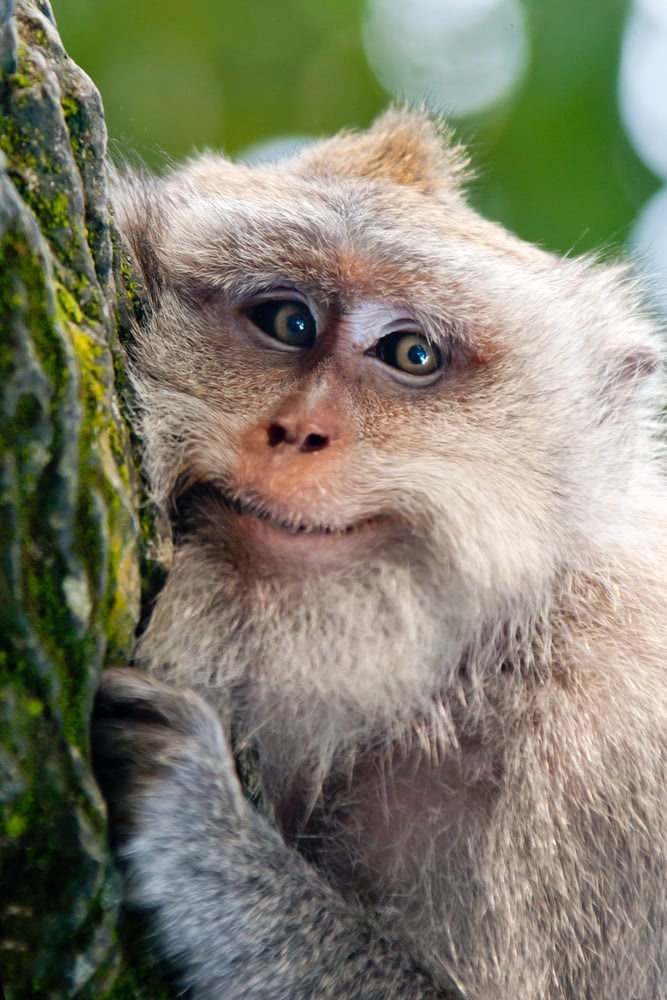
Hunters in the southern highlands of Tanzania told stories of a shy monkey with a loud, honking call. Researchers thought it might be local folklore.
In 2003, two separate research teams working independently in different parts of Tanzania confirmed the kipunji was real. It was the first new genus of African monkey described in over 80 years. Its total population is small, and it lives in only a couple of forest patches.
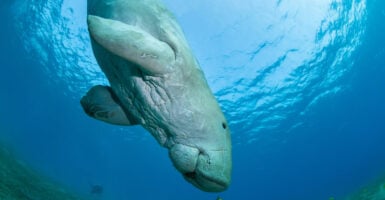
Dugong
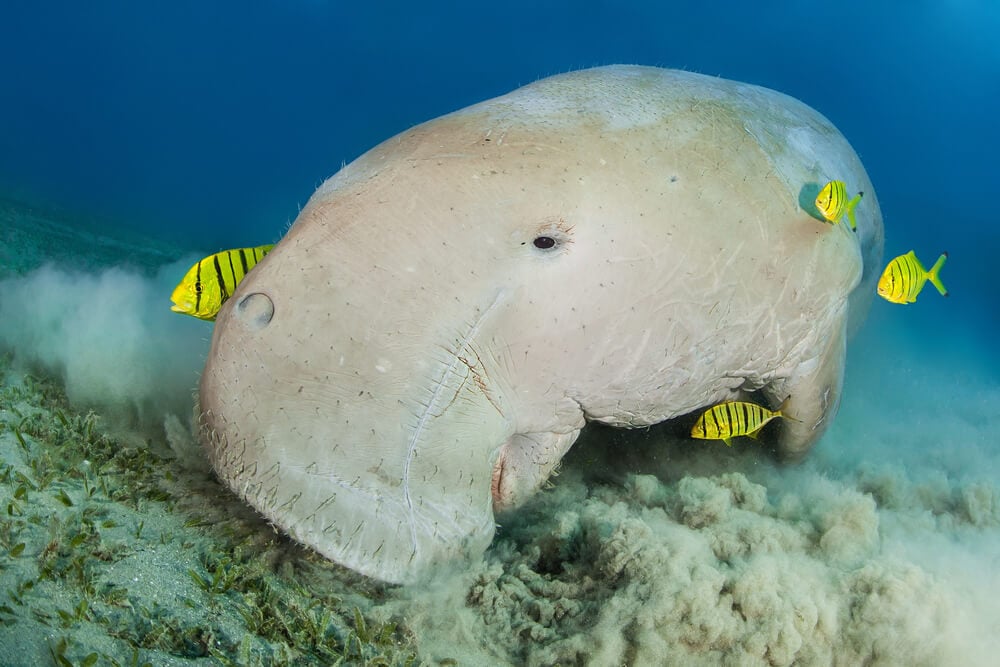
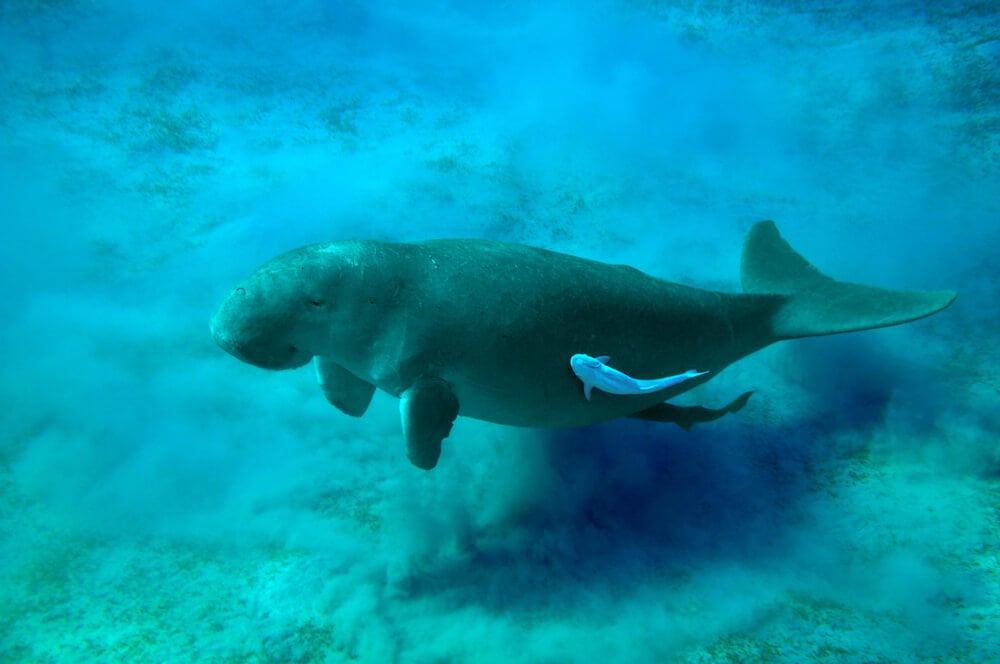
Sailors on long voyages reported seeing mermaids in tropical waters. Columbus wrote that he saw three off the coast of Hispaniola in 1493 and noted that they were “not as pretty as they are depicted”. Many historians believe he saw manatees.
The dugong, the manatee’s Indo-Pacific cousin, carries similar stories. Sea cows rest upright in the water, hold their young with their flippers, and surface to breathe in a way that, from a distance and after months at sea, looks almost human.
Dugongs still live along the coast of Mozambique, especially around the Bazaruto Archipelago, which hosts the last viable population in East Africa.
De Winton’s Golden Mole
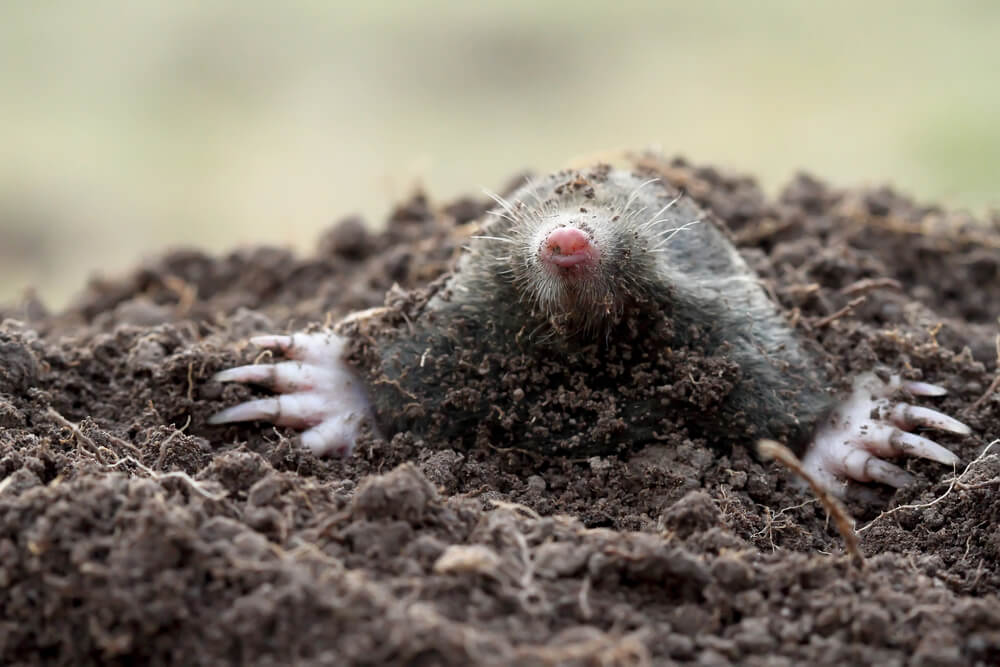
This one comes from South Africa’s own backyard. De Winton’s golden mole lives in the sand dunes along the Northern Cape coast near Port Nolloth.
It’s blind, with iridescent fur, and it seems to swim through sand rather than dig tunnels. Scientists last recorded one in 1937. After that, nothing.
For more than 80 years, it was a lost species. Some researchers suspected it was gone for good.
Then a team from the Endangered Wildlife Trust and the University of Pretoria took a different approach. They collected sand samples along the dunes and tested them for traces of DNA the moles shed as they moved.
They even trained a border collie to sniff out golden mole scent. In 2023, they announced the rediscovery.
The mole had been there all along, moving silently under the feet of anyone walking along that stretch of coast.
The Map Still Has Blank Spaces
Look at this list long enough and a pattern appears. In almost every case, somebody already knew. Comorian fishermen knew the coelacanth.
Congolese hunters knew the okapi. Tanzanian villagers knew the kipunji’s honking call. The animals weren’t hidden. They just hadn’t been believed.
That should change how you hear the next strange story from a fisherman, a farmer or a game ranger. Not every tale of a strange beast holds up.
Most don’t. But the line between legend and biology is thinner than it looks, and it has moved many times before.
Somewhere off Sodwana Bay, a coelacanth is drifting slowly through a canyon 100 metres down. Somewhere near Port Nolloth, a golden mole is moving through the sand under a dune.
Nobody can see them. They’re there anyway.
More from Go2Tutors!

- The Romanov Crown Jewels and Their Tragic Fate
- 13 Historical Mysteries That Science Still Can’t Solve
- Famous Hoaxes That Fooled the World for Years
- 15 Child Stars with Tragic Adult Lives
- 16 Famous Jewelry Pieces in History
Like Go2Tutors’s content? Follow us on MSN.