30 Parenting Rules From the ’80s That Changed
Parents in the 1980s were not careless. They followed the advice of their doctors, their own parents and the parenting books of the day.
Much of that advice made sense based on what was known at the time. Research, product testing and public health data have since rewritten a long list of those rules.
Some changes came from tragic patterns, others from large studies. Together they show how quickly common sense can shift when better evidence arrives.
Babies Sleeping on Their Stomachs

Many 1980s parents were told to put babies to sleep on their stomachs, partly out of fear that infants might choke if they spat up while lying on their backs. Research linking stomach sleeping to sudden infant death syndrome led to the national Back to Sleep campaign in 1994.
Rates of sudden infant death dropped by roughly half in the years that followed. The campaign was later renamed Safe to Sleep.
Today, placing babies on their backs for every sleep is one of the most consistent recommendations in pediatrics.
Cribs Filled With Bumpers and Blankets
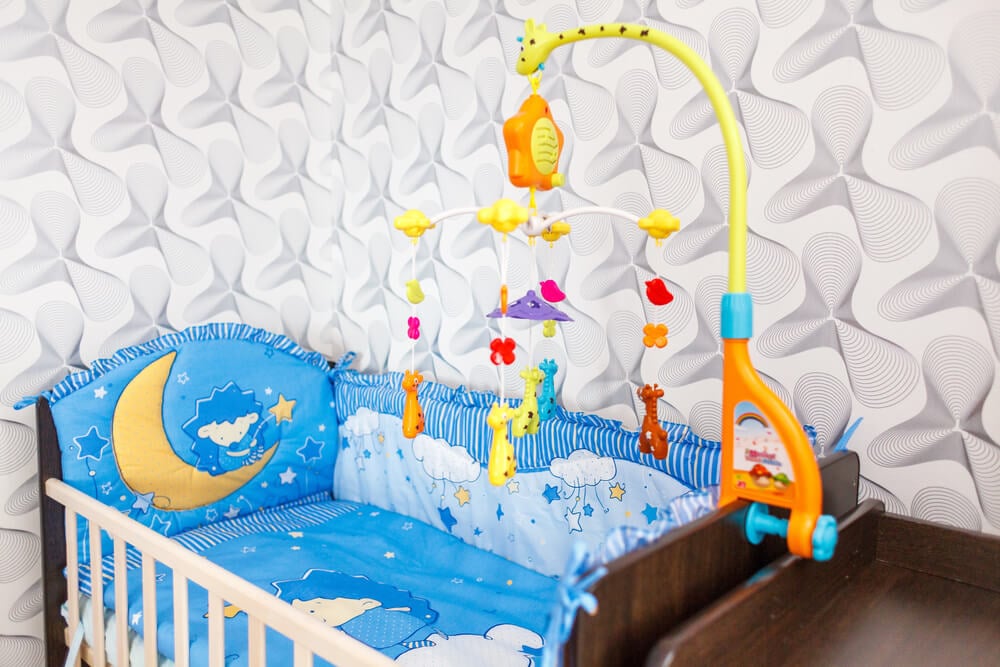
A 1980s nursery often featured a crib lined with padded bumpers, a quilt and a stuffed animal or two. Pediatric guidelines now call for a bare crib with only a firm mattress and a fitted sheet.
Soft bedding has been linked to suffocation risks. In 2022, the Safe Sleep for Babies Act banned the sale of padded crib bumpers in the United States.
Parents who want warmth now use wearable blankets or sleep sacks. The pretty, padded crib of old catalogs is now a picture of what not to do.
Drop-Side Cribs

Cribs with a side rail that slid down made it easier for parents to lift babies in and out. Unfortunately, hardware failures could create gaps that trapped infants, and millions of drop-side cribs were recalled.
The Consumer Product Safety Commission adopted new crib standards in 2011 that effectively ended the manufacture and sale of drop-side cribs. Older cribs passed down through families can still pose risks.
Safety advocates urge parents not to use secondhand cribs that fail to meet current standards, however sturdy they look.
Baby Walkers on Wheels
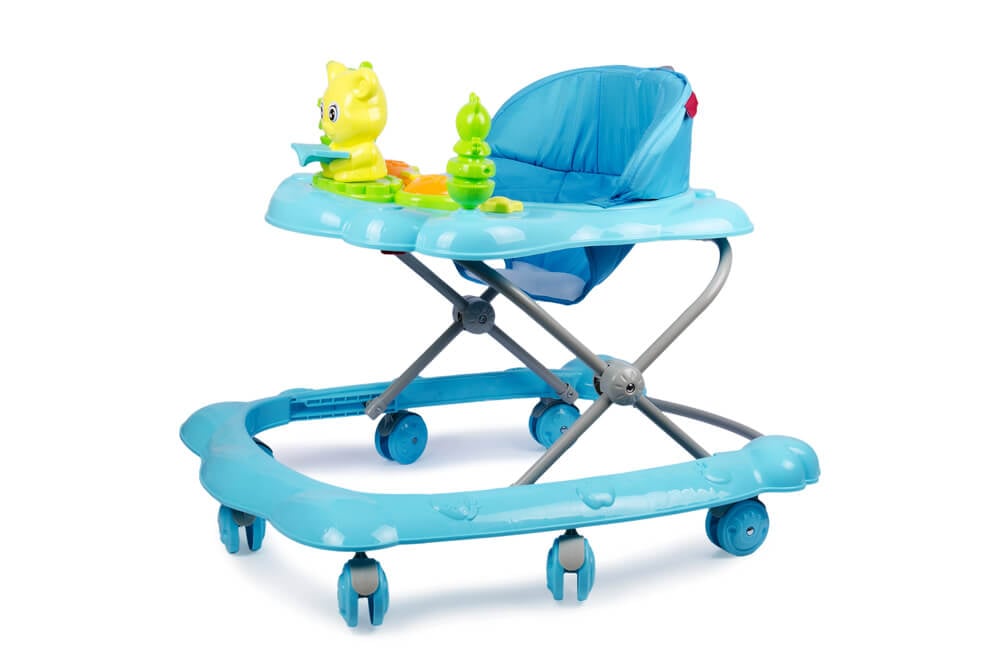
Wheeled baby walkers were a nursery staple in the 1980s, sold as a way to help babies learn to walk and keep them entertained. Research later showed that walkers do not speed development and are linked to falls, especially down stairs.
The American Academy of Pediatrics has called for a ban on their manufacture and sale. Canada banned the sale of baby walkers in 2004.
Stationary activity centers, which do not roll, have largely replaced them in many homes, though the old models still show up at yard sales.
Rice Cereal in the Bottle

A common 1980s trick for helping babies sleep through the night was adding rice cereal to a bottle of formula or breast milk. Pediatricians now discourage the practice, saying it can increase choking risk and lead to overfeeding without improving sleep.
Research has not shown that it helps babies sleep longer. Cereal, when introduced, is now offered by spoon.
The old advice was handed down from grandparents and even some doctors. Many parents tried it out of exhaustion, and many still hear it from older relatives today.
Water for Newborns

Giving small sips of water to newborns on hot days was common advice in previous decades. Pediatricians now advise against water for babies under about six months, unless directed by a doctor.
Breast milk or formula provides all the hydration a young baby needs. Too much water can dilute sodium levels in an infant’s blood, a condition that can cause seizures.
The change surprises many grandparents who once offered water freely. It is a good example of how small habits can carry real risks.
Pediatricians now cover the rule at early checkups.
Juice in the Sippy Cup

Apple juice was once seen as a healthy drink for babies and toddlers, often handed over in a bottle or sippy cup throughout the day. In 2017 the American Academy of Pediatrics recommended no fruit juice at all for babies under one year and limits for older children.
Juice offers sugar without the fiber of fresh fruit, and frequent sipping can harm developing teeth. Water and milk are now the preferred drinks.
The change reflects broader concerns about sugar in children’s diets. Many parents now dilute juice heavily or skip it altogether until the preschool years.
Solid Foods at a Few Weeks Old
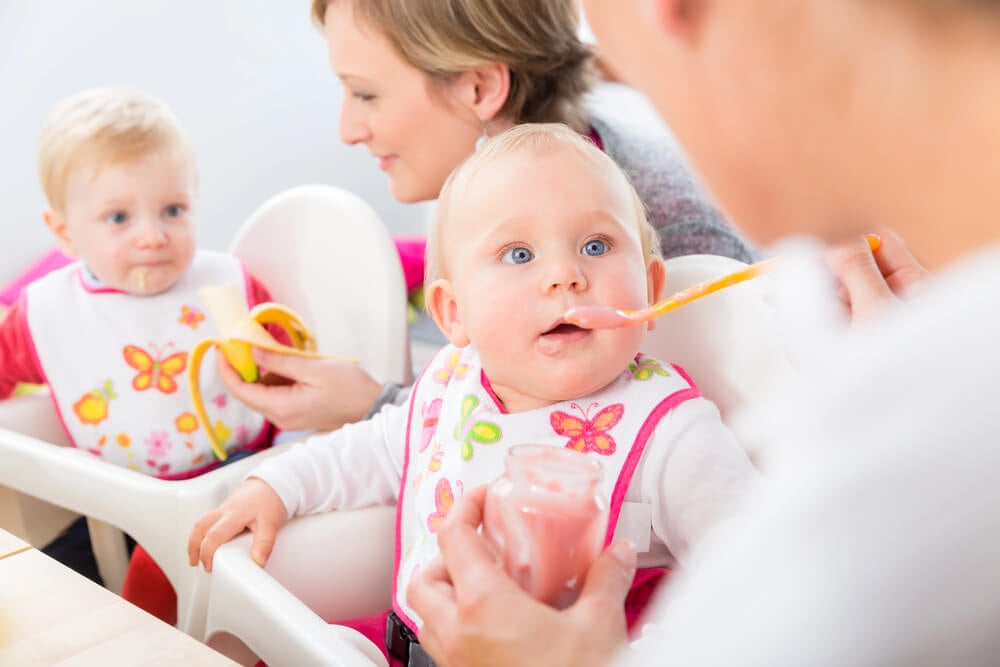
Many babies in earlier decades began eating solid foods very early, sometimes within the first few weeks. Current guidance from the American Academy of Pediatrics and the World Health Organization recommends introducing solids around six months, when babies show signs of readiness such as sitting with support.
Early solids were once seen as a way to help babies sleep or grow. Research has not supported those claims.
Parents are now encouraged to watch for developmental cues rather than following a calendar. Baby-led weaning and spoon feeding both fit within that newer approach.
The Clean-Plate Rule at Dinner

Children of the 1980s often heard that they could not leave the table until their plate was clean. Some were reminded of hungry children elsewhere in the world.
Nutrition experts now encourage responsive feeding, which means letting children recognize their own hunger and fullness. Forcing children to finish everything may teach them to ignore those signals.
Parents are advised to offer healthy choices and let children decide how much to eat. The shift reflects a growing understanding of how early habits shape lifelong eating patterns.
Kids Riding in the Front Seat

In the 1980s, children often rode in the front seat, sometimes on a parent’s lap. Airbags, which became standard equipment in the 1990s, changed that.
Their force can seriously injure small passengers. Current guidance from the Centers for Disease Control and Prevention and the National Highway Traffic Safety Administration says children under 13 should ride in the back seat.
Many parents remember the front seat as a privilege. Today, it is a milestone that comes much later.
Passenger airbag warning labels on visors spell out the danger to anyone who looks up. The back seat is simply the safest place in most vehicles for a child.
Car Seats as Optional Gear
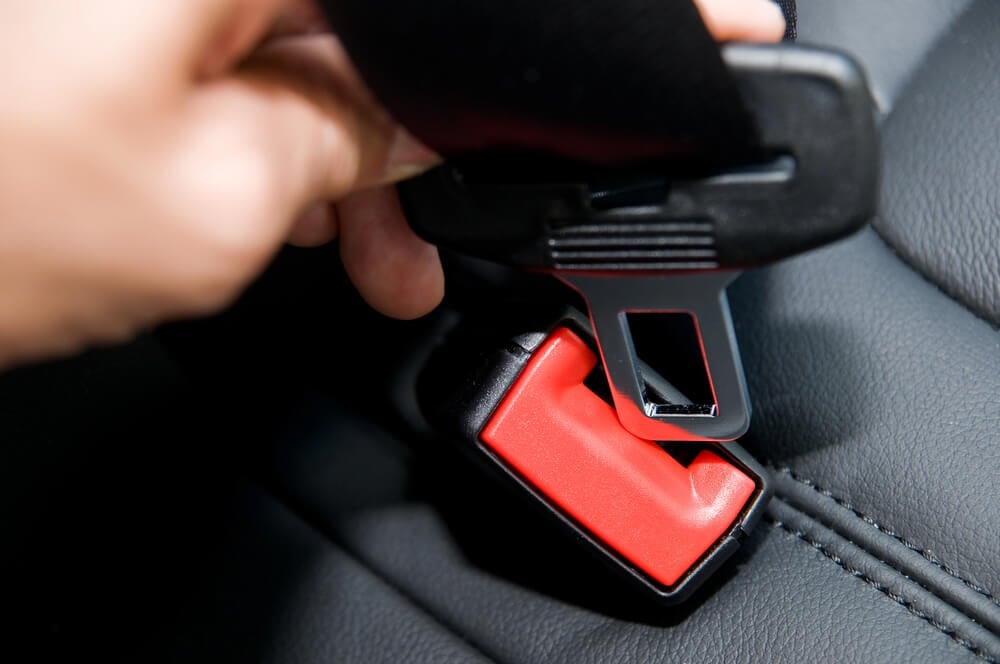
Tennessee passed the first child passenger safety law in 1978, and by 1985 every state had some form of child restraint law. Before that, many children rode unrestrained, sometimes lying in the rear window or roaming the back of a station wagon.
Early car seats were often installed loosely or used inconsistently. Laws, education programs and free car seat checks have since made proper use common.
Child passenger deaths have declined significantly as a result. The difference is visible in every parking lot.
Certified technicians now help parents get the installation right.
Turning Car Seats Forward at One

Parents were once told to turn car seats forward once a child reached one year and about 20 pounds. In 2011 the American Academy of Pediatrics recommended keeping children rear-facing until at least age two.
In 2018 the group dropped the age and advised keeping children rear-facing as long as possible, until they reach the seat’s height or weight limit. Rear-facing seats spread crash forces more evenly across a child’s body.
Many children now ride rear-facing well into their toddler years. Convertible seats with higher limits made that advice practical.
Seat Belts Without Boosters
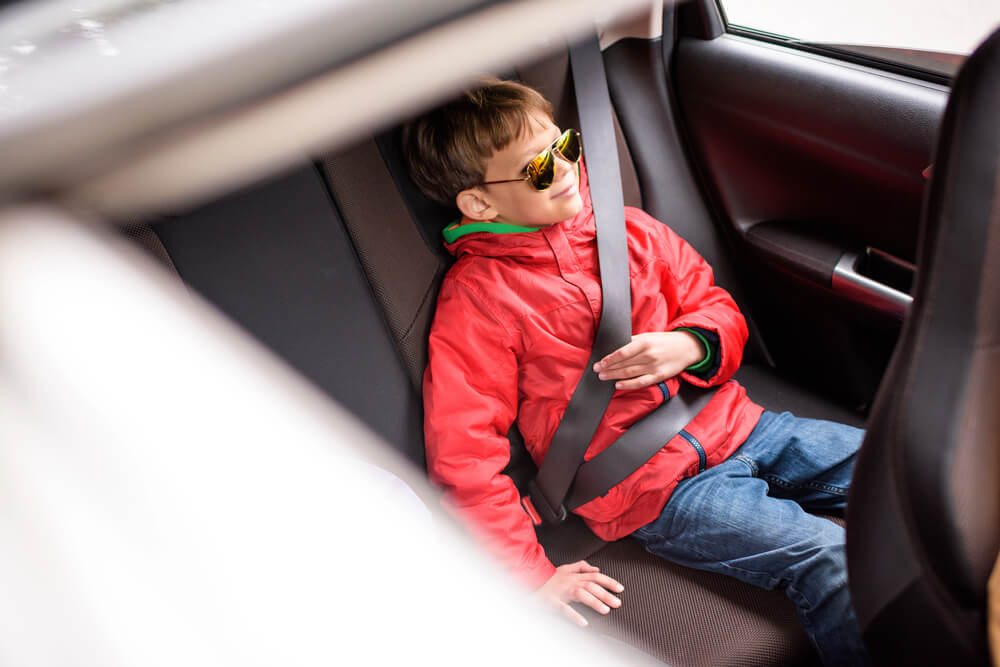
Older children in the 1980s typically moved straight from a car seat to an adult seat belt. Safety experts now recommend booster seats until a child is about 4 feet 9 inches tall, usually between the ages of eight and twelve.
Boosters position the belt across the strong bones of the hips and chest rather than the soft abdomen and neck. Many states have passed booster seat laws.
The change means many older children ride in boosters, something their parents never did. It reflects how much has been learned about crash forces.
Riding in the Back of a Pickup

Riding in the open bed of a pickup truck was a common summer thrill for kids in the 1980s, especially in rural areas. Safety data show that passengers in truck beds face a high risk of being thrown during crashes or sudden stops.
Many states now restrict or ban riding in cargo areas, particularly for children. The practice has become much less common.
For many adults, riding in the truck bed remains a cherished memory, but few would let their own children do it today.
Syrup of Ipecac in the Medicine Cabinet

Parents in the 1980s were often advised to keep syrup of ipecac on hand to induce vomiting if a child swallowed something poisonous. In 2003 the American Academy of Pediatrics recommended that families stop using it and dispose of any bottles at home.
Research found that it did not improve outcomes and could delay effective treatment. Parents are now told to call Poison Control immediately.
The national helpline number is now printed on many products and posted in homes, replacing the old brown bottle. Poison centers handle millions of calls a year.
Aspirin for Children’s Fevers

Baby aspirin was once a common remedy for children’s fevers and aches. Research in the early 1980s linked aspirin use during viral illnesses such as flu and chickenpox to Reye’s syndrome, a rare but serious condition affecting the liver and brain.
The Surgeon General issued an advisory in 1982, and warning labels followed in 1986. Cases dropped sharply as parents switched to other fever reducers.
Today, aspirin is generally avoided for children and teenagers unless a doctor specifically recommends it. Acetaminophen and ibuprofen took its place in family medicine cabinets.
Grandparents who reach for aspirin are often surprised to hear the reason.
Glass Mercury Thermometers
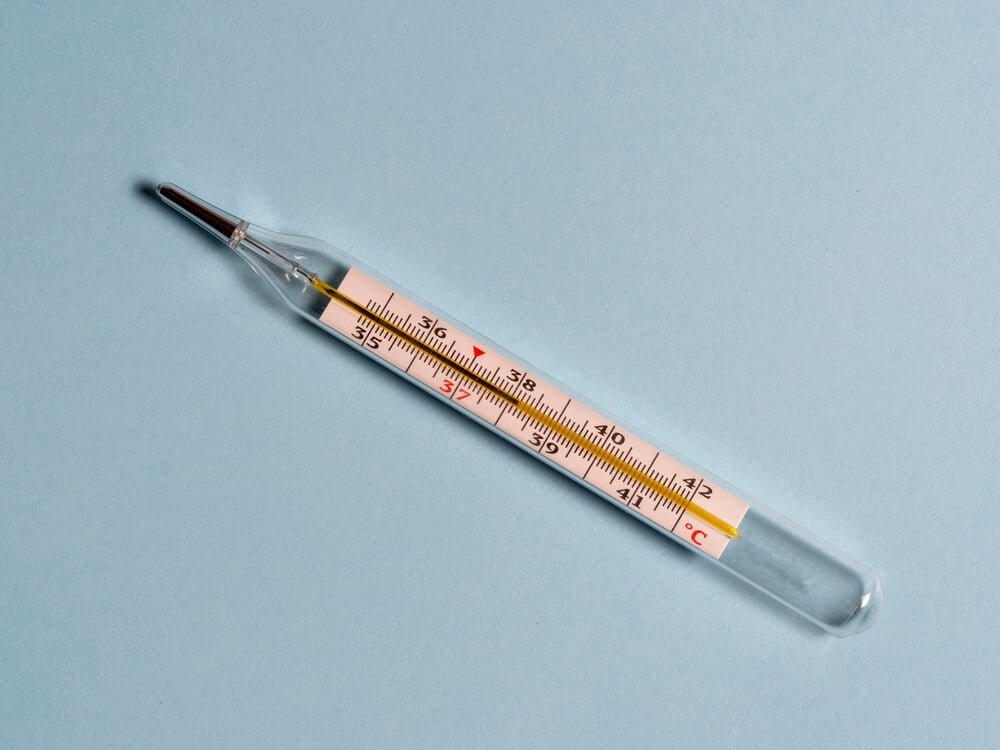
Glass thermometers containing mercury were standard in 1980s homes. When they broke, families often played with the silvery beads or swept them up without precautions.
In 2001 the American Academy of Pediatrics urged parents to stop using mercury thermometers because of the risks of mercury exposure. Many states later restricted their sale.
Digital thermometers have replaced them. Parents who still have old glass thermometers are encouraged to dispose of them through hazardous waste programs rather than the trash.
Digital models read faster and break far less easily. Ear and forehead versions followed, making fever checks quicker for squirming toddlers.
Cough and Cold Medicine for Toddlers
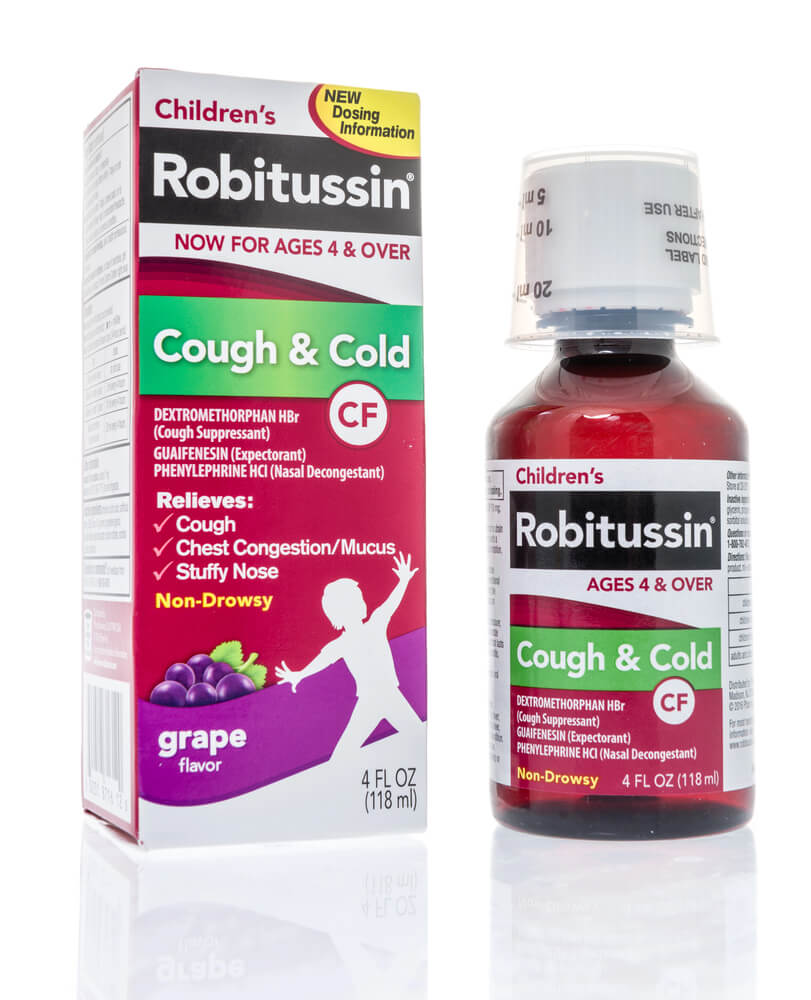
Over-the-counter cough and cold medicines were once a standard remedy for children of all ages. In 2008 the Food and Drug Administration advised against giving them to children under two because of the risk of serious side effects.
Manufacturers then voluntarily changed labels to say the products should not be used in children under four. Research has also questioned whether these medicines help young children at all.
Parents are now encouraged to use honey for children over one, fluids and rest instead. Saline drops and a humidifier are common suggestions too.
Numbing Gels for Teething
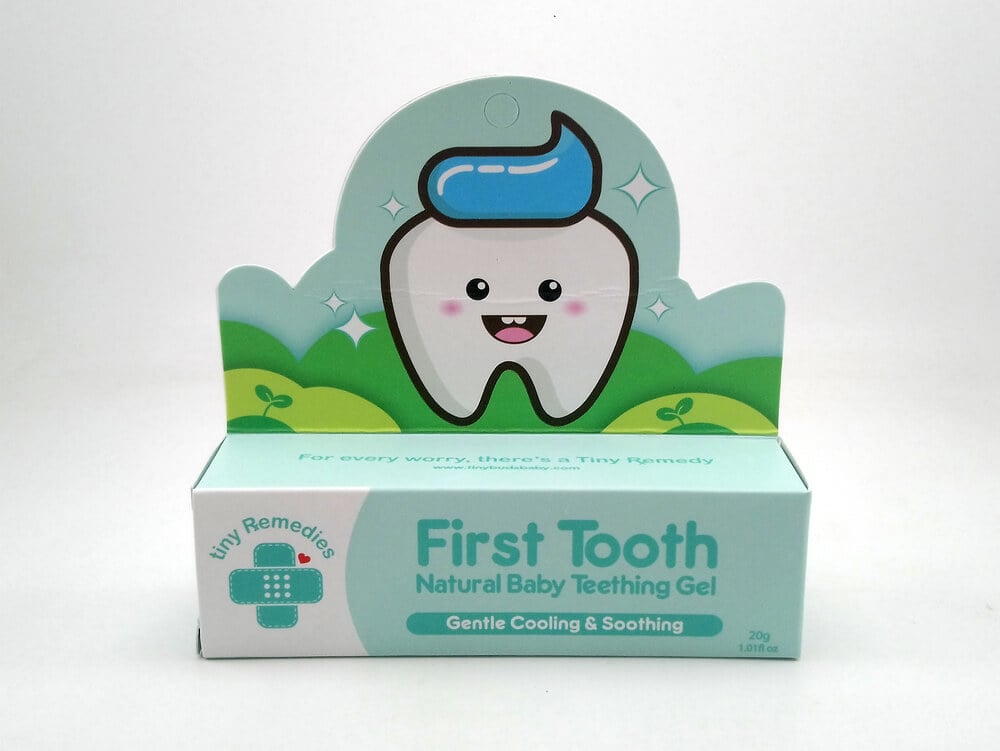
Teething gels containing benzocaine were a common remedy for sore gums in the 1980s and beyond. In 2018 the Food and Drug Administration warned against using them for children under two because of the risk of a rare but serious blood condition.
Many products were pulled from the market. Some older generations even used a dab of whiskey on the gums, a practice doctors now strongly discourage.
Chilled teething rings and gentle gum massage are the recommended alternatives. Amber teething necklaces, popular in later years, also draw warnings because of choking and strangulation risks.
Simple, supervised comfort remains the safest approach.
Antibiotics for Every Ear Infection
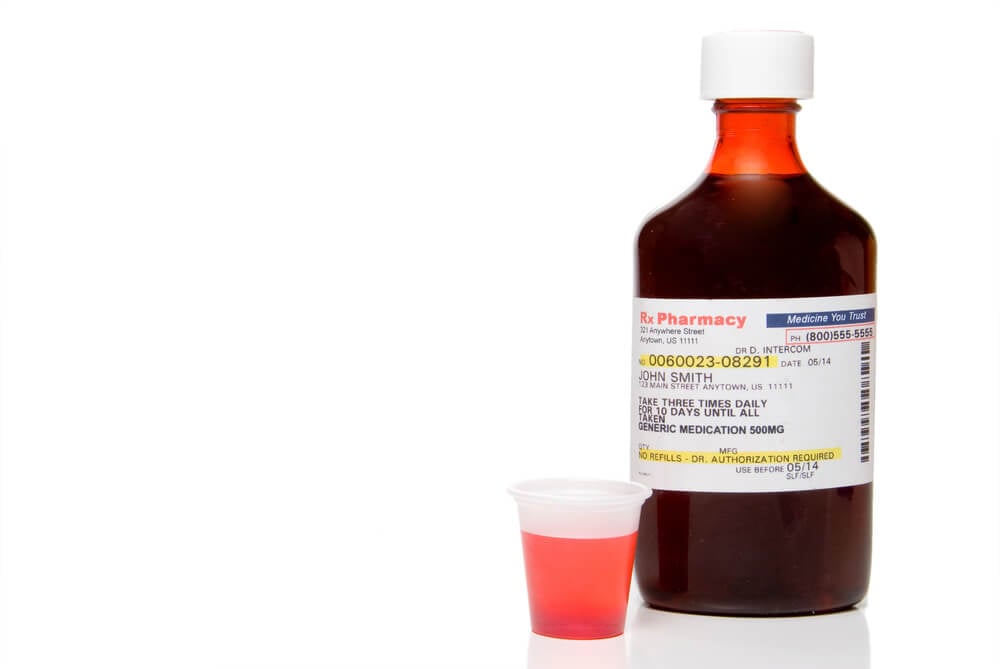
Children in the 1980s often received antibiotics for nearly every ear infection. In 2004 the American Academy of Pediatrics introduced guidelines that allowed watchful waiting for some mild cases in children over six months.
Many ear infections clear up on their own. Overuse of antibiotics contributes to antibiotic resistance.
Doctors now consider the child’s age, symptoms and severity before prescribing. Parents may be given a prescription to fill only if symptoms do not improve.
The approach was updated again in 2013 with clearer diagnostic criteria. For many parents, the old routine of a pink bottle of medicine for every earache has given way to patience and a follow-up visit.
Chickenpox Parties

Many 1980s parents deliberately exposed their children to chickenpox, hoping to get the illness over with during childhood, when it was usually milder. The varicella vaccine was licensed in the United States in 1995.
Since then, chickenpox cases, hospitalizations and deaths have fallen dramatically. Health experts now advise against deliberate exposure because the disease can cause serious complications.
Most children today will never have the itchy rash their parents remember. The chickenpox party has become a historical curiosity.
Children now typically receive two doses of the vaccine. Shingles vaccines for adults are also tied to the same virus.
Baby Powder After Every Diaper Change

A dusting of talcum powder after every diaper change was a routine part of 1980s baby care. Pediatricians now advise against using talc on babies because inhaling the fine powder can irritate or damage the lungs.
Many parents now use diaper creams or simply allow the skin to air dry. Cornstarch-based powders are sometimes used, but doctors still caution against shaking any powder near a baby’s face.
The familiar scent of baby powder is now more a memory than a daily routine. Simple soap, water and a little ointment usually do the job.
Spanking as Standard Discipline
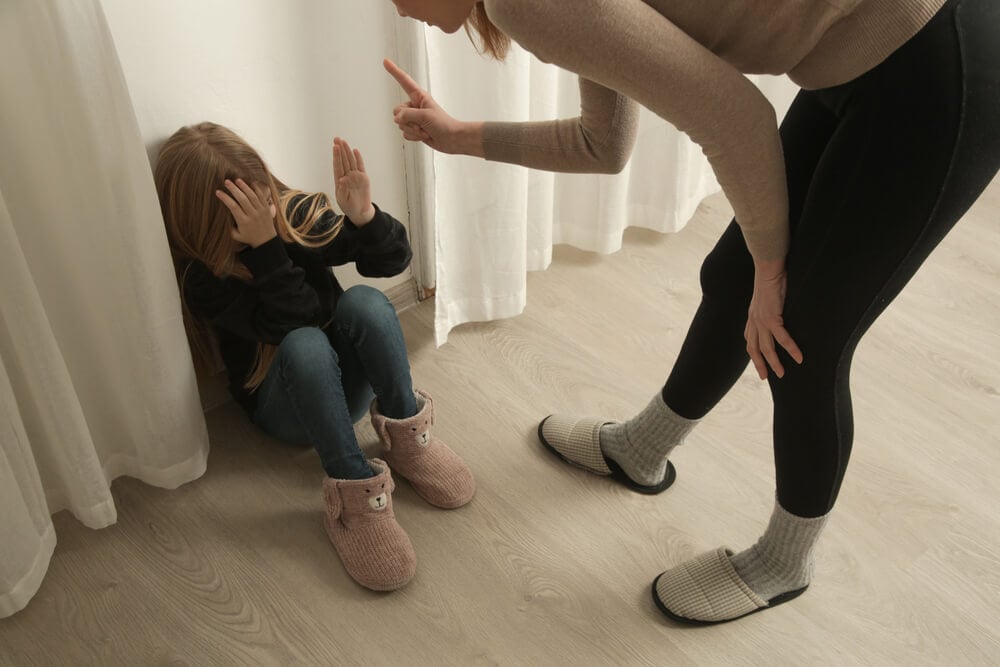
Spanking was widely accepted in the 1980s, both at home and in many schools. In 2018 the American Academy of Pediatrics issued a policy statement advising against spanking and other forms of physical punishment.
Research has linked it to increased aggression and other negative outcomes. Experts now recommend positive discipline strategies such as setting clear limits and using time-outs.
Attitudes have shifted significantly. Many parents who were spanked as children have chosen different approaches with their own kids.
Corporal punishment in public schools has also been banned in most states. The debate continues in some households, but the expert consensus has moved decisively.
Television as the Afternoon Babysitter

In the 1980s, there were few formal guidelines about how much television young children should watch. In 1999 the American Academy of Pediatrics recommended no screen time for children under two.
The group updated its guidance in 2016, allowing video chatting for babies and limited high-quality programming for older toddlers. Screens have multiplied since the 1980s, adding tablets and phones to the mix.
Parents now juggle far more devices than their own parents did, along with far more advice. Family media plans are now part of many pediatric checkups.
Doctors ask about screens much the way they once asked about bedtimes.
Biking Without a Helmet

Few children in the 1980s wore helmets while riding bikes. Research showing that helmets greatly reduce the risk of head injury led to education campaigns and state helmet laws for children, which began appearing in the late 1980s and spread through the 1990s.
Today, helmets are standard for kids on bikes, scooters and skateboards. Many adults recall riding miles from home with no helmet at all.
Their children now wear them for a ride around the block. Bright helmets with stickers and lights have become part of the childhood look.
Helmet use among adults has also grown, partly because children asked their parents to join in.
Stranger Danger

Children in the 1980s were taught to fear strangers. Safety educators now say that message missed the bigger risk, since most children who are harmed know the person involved.
Many programs now teach children to recognize unsafe behavior rather than unfamiliar faces. Kids are encouraged to identify trusted adults, such as police officers or parents with children, whom they can approach for help.
The change reflects better data about how child abuse and abductions actually occur. Some educators call the new approach tricky people, focusing on what a person asks a child to do.
Children are taught that adults should not ask kids for help or ask them to keep secrets.
Missing Children on Milk Cartons
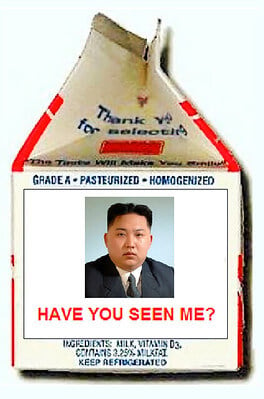
In the mid-1980s, dairies began printing photos of missing children on milk cartons, and the images became a fixture of breakfast tables. The program raised awareness but was eventually phased out.
In 1996, after the abduction and murder of nine-year-old Amber Hagerman in Arlington, Texas, the AMBER Alert system was created. It now sends emergency alerts to phones, highway signs and broadcasters.
The milk carton remains a powerful symbol of 1980s anxieties about child safety. Grocery bags and mailers also carried photos for a time.
Technology has replaced cardboard, but the goal of mobilizing the public quickly remains the same.
Backyard Trampolines
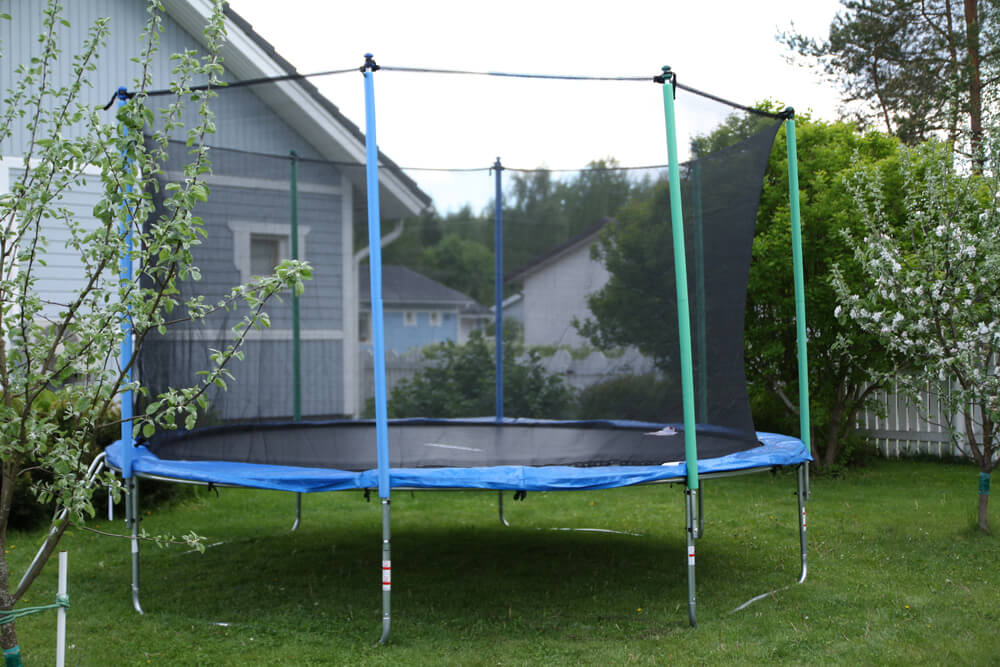
Backyard trampolines became popular in the 1980s and 1990s, often without safety nets or padding. In 2012 the American Academy of Pediatrics issued a policy statement discouraging home trampoline use because of the high risk of injuries such as fractures and sprains.
Netting and padding have become common, but the group still advises caution. Many injuries happen when multiple children jump at once.
Parents who allow trampolines now often limit use to one jumper at a time. Homeowners insurance policies sometimes exclude trampoline injuries entirely.
That detail alone has changed many family decisions.
Walking Off a Hit to the Head

Young athletes in the 1980s were often told to shake off a blow to the head and get back in the game. Research on concussions has changed that approach.
In 2009 Washington became the first state to pass a youth sports concussion law, known as the Lystedt Law. By 2014 every state had a similar law requiring young athletes to be removed from play after a suspected concussion.
Coaches and parents are now trained to recognize symptoms and require medical clearance before a return to sports.
No Water at Practice

Some coaches in earlier decades restricted water during practice, believing it built toughness or caused cramps. Research on heat illness has shown that hydration is critical for young athletes, especially in hot weather.
Sports medicine organizations now recommend regular water breaks. Many schools have adopted heat safety policies.
The old practice is now seen as dangerous. Parents who remember sneaking sips from the hose during practice are now more likely to send their kids with water bottles.
Athletic trainers on the sidelines enforce those breaks. Cooling stations and shaded rest areas are increasingly common at youth sports fields.
Hand-Me-Down Advice in a Data Age

Most of these changes came from better information, not from parents who cared less. Research, product testing and public health data revealed risks that were invisible before.
Some changes came quickly. Others took decades and are still being debated.
Parenting advice will keep changing as new studies arrive. Today’s parents may one day hear that some of their own rules were wrong.
That is not a failure but part of a long process of learning. Each generation does its best with the information available, then passes on what it has learned.
More from Go2Tutors!

- The Romanov Crown Jewels and Their Tragic Fate
- 13 Historical Mysteries That Science Still Can’t Solve
- Famous Hoaxes That Fooled the World for Years
- 15 Child Stars with Tragic Adult Lives
- 16 Famous Jewelry Pieces in History
Like Go2Tutors’s content? Follow us on MSN.