12 Times a Mascot Was Retired After Just One Ad Campaign
Brand mascots often become beloved figures that represent companies for decades. Tony the Tiger, the Pillsbury Doughboy, and the GEICO Gecko have all stood the test of time. But not every mascot gets a chance to shine.
Some corporate characters make a brief appearance and then vanish forever, consigned to marketing history. Here is a list of 12 mascots that were quickly retired after just one advertising campaign, showing how even major companies can miss the mark with their character creations.
Spongey McSponge
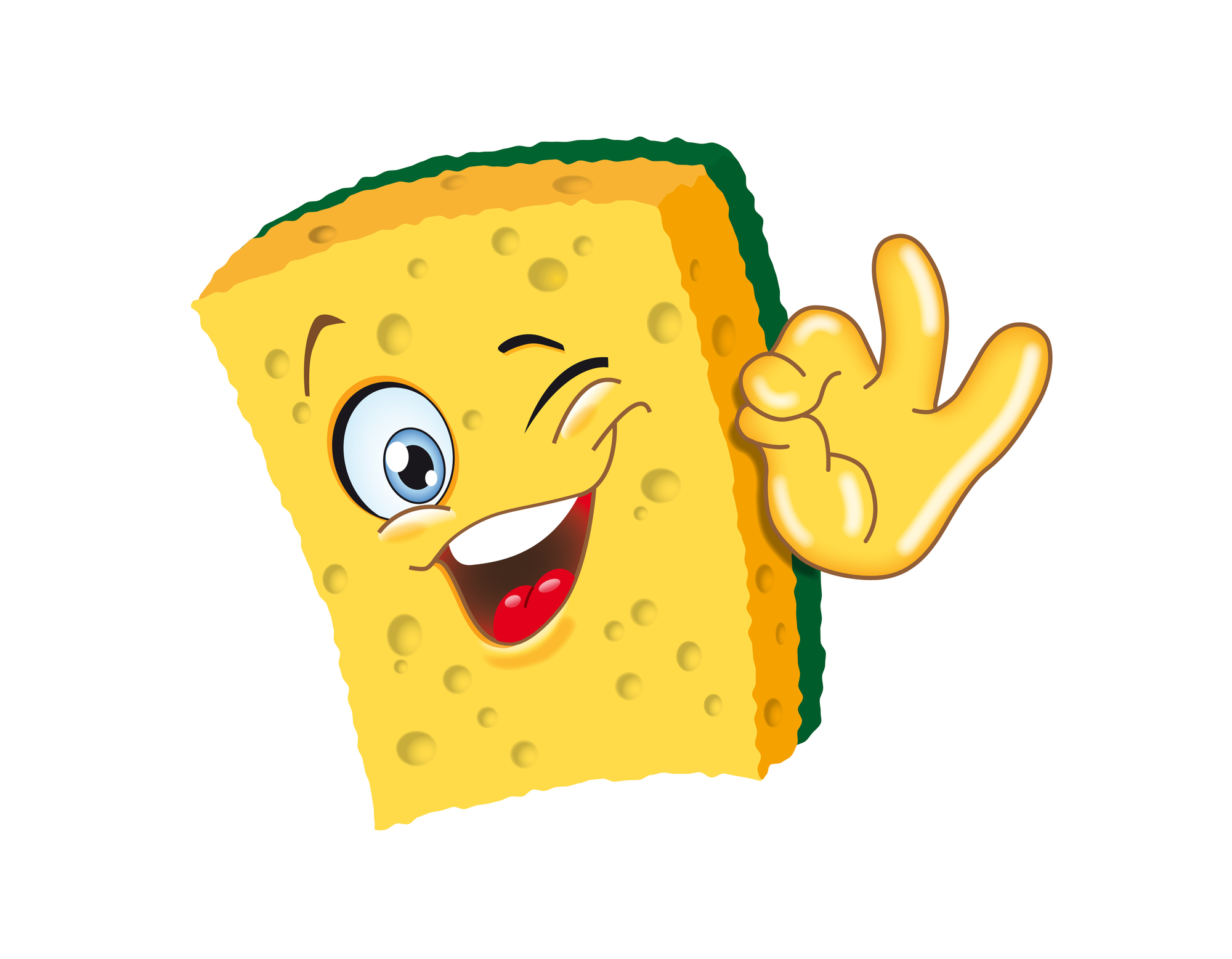
Introduced by a major cleaning supply company in 2007, Spongey McSponge was meant to appeal to younger homeowners. The oversized talking sponge with googly eyes and rubber glove hands lasted exactly three commercials before focus groups revealed audiences found him ‘creepy’ rather than cute.
The campaign cost nearly three million dollars and was scrapped before the fourth commercial could even finish production.
Fizzy the Financial Advisor

In 2010, a national bank tried to simplify complex financial concepts with Fizzy, an effervescent animated coin that would bubble up with money-saving tips. Customers complained that a fizzing coin made banking seem unstable and volatile.
The mascot disappeared after a single quarter of disappointing results, with the bank’s marketing director later admitting they ‘missed the mark on tone.’
Captain Calorie

A health food brand launched Captain Calorie in 2015 as their superhero mascot, who would ‘fight fat’ and promote their low-calorie snacks. The character wore a skin-tight outfit with a large ‘C’ on the chest and carried a ‘calorie counter’ ray gun.
Nutritionists criticized the mascot for promoting negative body image and oversimplifying nutrition. The company pulled the entire campaign within weeks.
Dusty the Digital Helper

A computer manufacturer created Dusty in 2011, a swirling dust ball character who would appear when your computer needed maintenance. The animated mascot would pop up on users’ screens with alerts and tips.
Customers hated the interruptions and association between their expensive new computers and dust. The feature was removed in the next software update after widespread complaints.
Slurpo

A soft drink company created Slurpo in 2004, a character made entirely of the beverage who would make loud slurping noises. Parents immediately complained about the annoying sound effects and the mascot’s habit of ‘drinking himself,’ which they found disturbing.
The campaign lasted only three weeks before executives pulled the character from all advertising.
Mr. Insurance

An insurance company tried simplifying their brand in 2013 with the incredibly generic ‘Mr. Insurance,’ a man in a suit with an umbrella logo on his tie. The campaign failed to generate any buzz, with consumers unable to remember which insurance company he represented.
Market research revealed people thought he belonged to at least six different competitors. The company retired him after one unmemorable campaign.
Wrapper Man

A candy manufacturer introduced Wrapper Man in 2009, a superhero made entirely of candy wrappers who would ‘save you from hunger.’ The ecological implications weren’t considered until after launch, when environmental groups criticized promoting disposable plastic wrappers as a positive character trait.
The company quickly pivoted to focus on recyclable packaging instead.
The Budget Buddy

In 2016, a discount airline designed The Budget Buddy, a wallet featuring arms and legs designed to fit into confined spaces, for their commercials. The character was meant to represent saving money, but customers associated it with the increasingly cramped conditions on flights.
After numerous social media parodies comparing the mascot to their uncomfortable seating arrangements, the airline quietly retired the character.
Protein Pete

A gym supplement company introduced Protein Pete in 2018, a muscular animated protein shake that would flex and grow during workouts. The mascot lasted one campaign after nutritionists pointed out that the commercials made scientifically impossible claims about muscle growth timing.
The company faced regulatory scrutiny and quickly rebranded with real athletes instead.
Diggity the Digital Dog

An internet service provider launched Diggity in 2014, a dog who would ‘dig up the best internet deals.’ The canine mascot wore a construction hat and carried a fiber optic cable in his mouth.
After customers repeatedly complained about service outages while the mascot promised reliability, the company faced accusations of false advertising. Diggity was quietly removed from all marketing materials mid-campaign.
Betty the Battery

An electronics manufacturer created Betty the Battery in 2017, a mascot designed to promote their long-lasting batteries. Betty would outlast other battery characters in various competitions.
The campaign ended when competitors pointed out that the company had recently settled a lawsuit regarding battery life misrepresentations. Executives felt the mascot drew unwanted attention to past issues.
Professor Pump

A gas station chain introduced Professor Pump in 2012, a scholarly gasoline pump with glasses who shared gas-saving tips. The character lasted just one summer as gas prices soared to record highs, making his money-saving advice seem trivial compared to the actual cost increases.
Customers found the mascot tone-deaf during a period of financial strain at the pumps.
When Mascots Fade Away
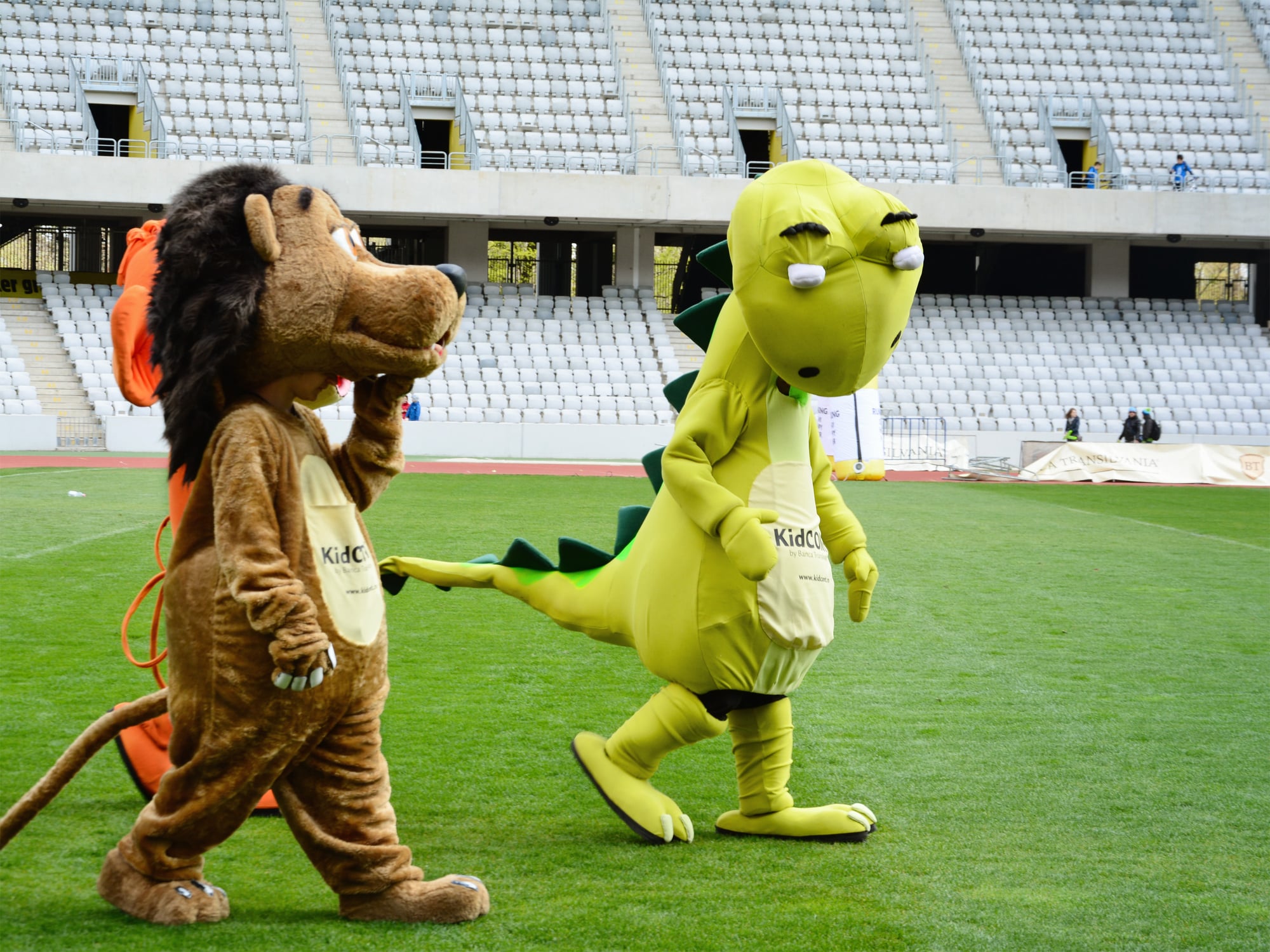
These short-lived brand representatives remind us that creating a successful mascot requires more than just an interesting character design. Companies must consider cultural context, audience preferences, and potential unintended associations.
Many of these retired mascots now exist only in marketing textbooks as cautionary tales of advertising missteps.
The most successful brand characters connect authentically with consumers and evolve with changing times. For every mascot that disappears after one campaign, there’s a lasting icon like Ronald McDonald or the Energizer Bunny that becomes part of our cultural landscape, showing the true power of getting character marketing right.
More from Go2Tutors!

- The Romanov Crown Jewels and Their Tragic Fate
- 13 Historical Mysteries That Science Still Can’t Solve
- Famous Hoaxes That Fooled the World for Years
- 15 Child Stars with Tragic Adult Lives
- 16 Famous Jewelry Pieces in History
Like Go2Tutors’s content? Follow us on MSN.



