25 Ways Kids Earned Pocket Money in the ’60s
A transistor radio, a new bike or a stack of comics did not buy itself in 1965. Kids who wanted spending money went out and found it, usually on foot, often before breakfast and sometimes in the snow.
The jobs were small, the pay was smaller and nobody filed paperwork. Yet a surprising number of grown adults can still recite exactly what they charged per lawn, per bottle or per hour, decades after the money was spent.
Morning Paper Routes on a Bicycle
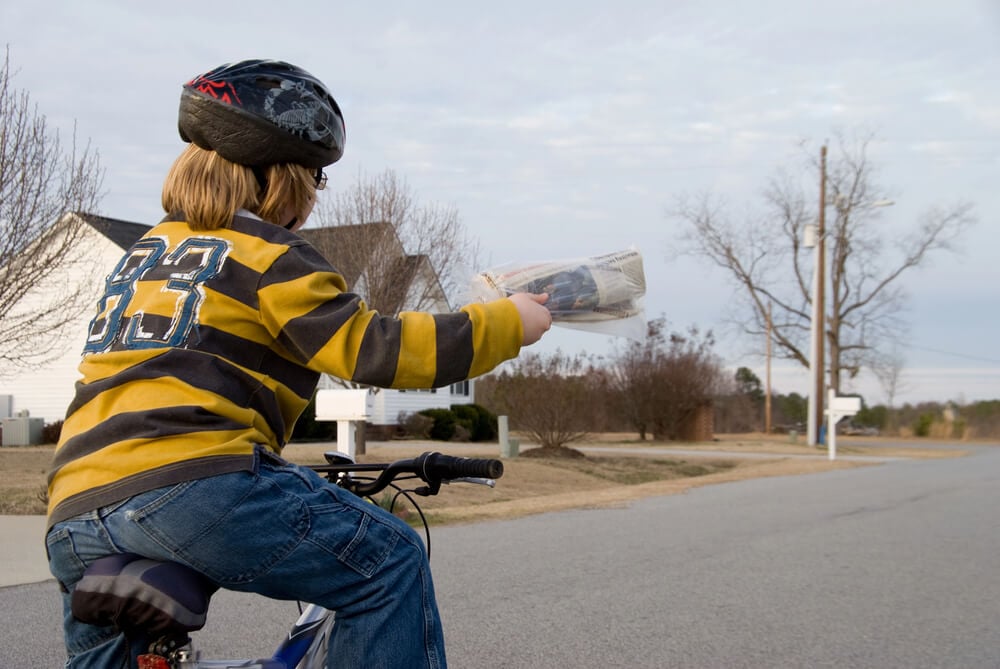
The newspaper route was the classic first job, and it worked more like a small business than most kids realized. Carriers bought their papers from the publisher at a discount, delivered them before school or after it, and then went door to door each week to collect from subscribers, keeping the difference as profit.
Customers who skipped out on paying came straight out of the carrier’s pocket. A canvas sack slung over the handlebars, a punch card for each household and a loyal route could add up to steady money, and the Christmas tips in December were the payoff every carrier counted on all year.
Hunting Empty Soda Bottles for the Deposit
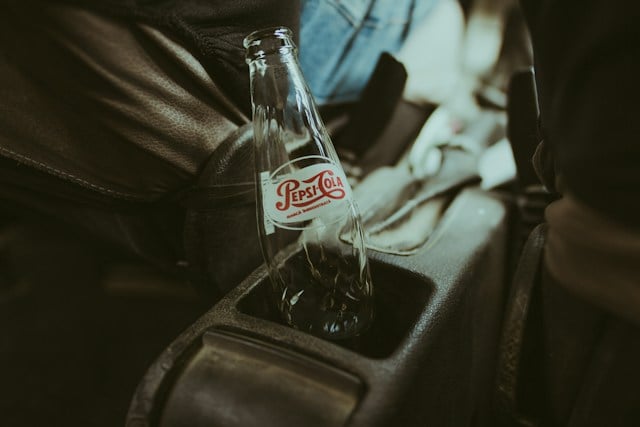
Glass soda bottles carried a deposit in the 1960s, commonly two cents for a small bottle and five cents for a large one, and kids treated roadside ditches like a gold mine. A wagon, an afternoon and a stretch of highway shoulder could produce enough empties to fund a movie ticket and candy.
Grocers and corner stores paid out the refund at the counter. The system existed because bottlers washed and refilled the same heavy glass many times over, so every bottle a kid dragged back to the store was going right back to the plant to be filled again.
Mowing the Neighbors’ Lawns
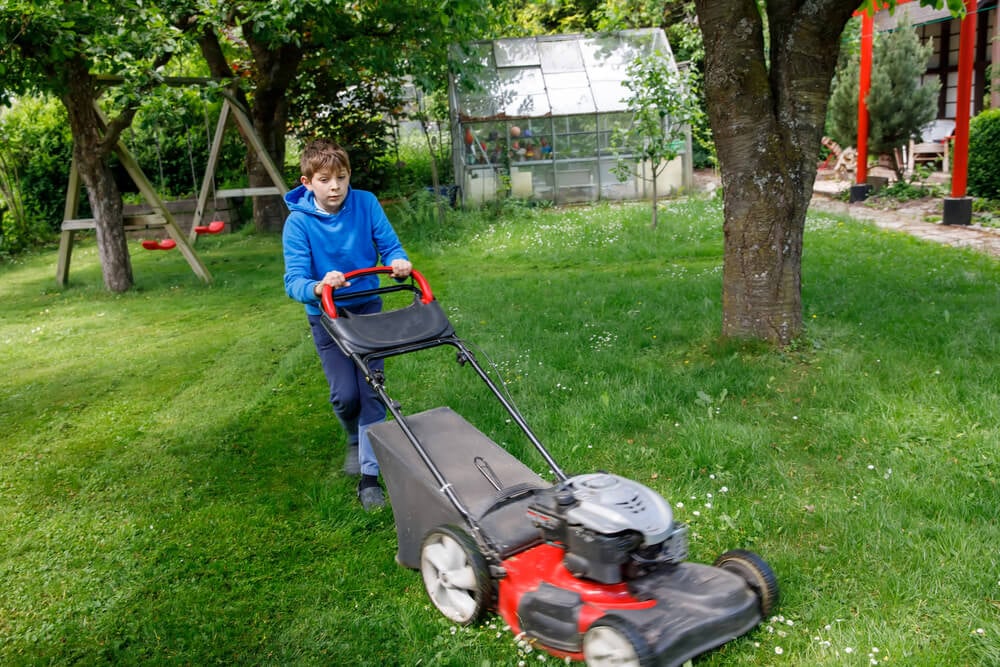
Postwar suburbs created acres of grass, and the kid with access to a mower had a summer business ready to go. Many began by borrowing the family machine, which often meant pushing a reel mower with no engine at all, while luckier operators had a gas-powered rotary to haul from yard to yard.
Regular customers paid weekly, and a dependable boy or girl could line up half a street by July. Grass clippings stuck to sneakers, the smell of two-stroke exhaust and the ritual of getting paid on the front step were part of the deal.
Shoveling Driveways After a Snowstorm
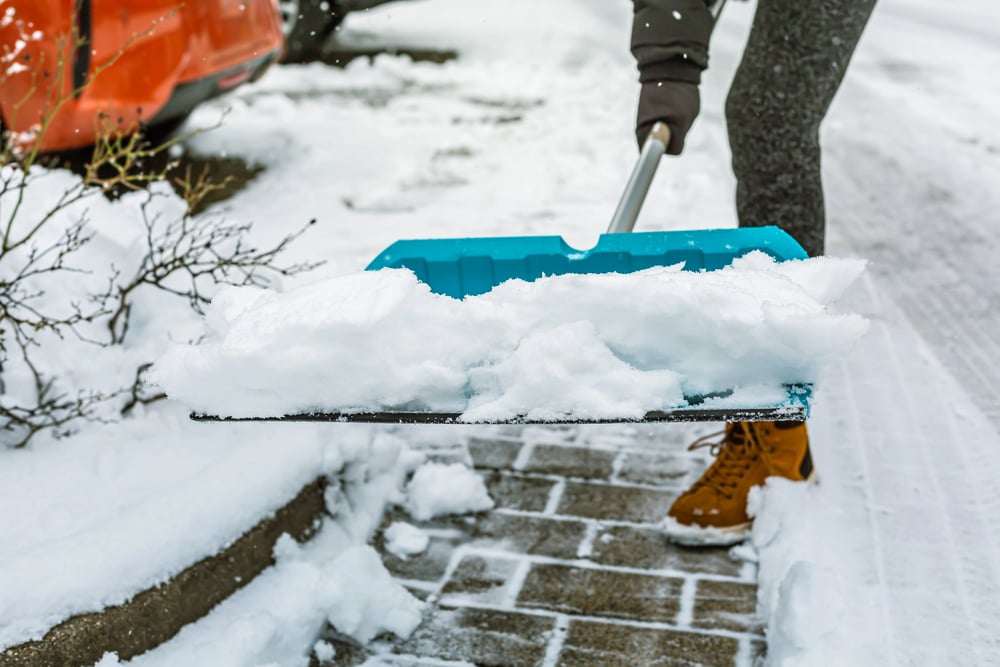
In snowy states, a heavy storm was a payday that arrived overnight. Kids grabbed shovels before the plows finished and went knocking on doors, pricing each driveway by length and depth and charging more for corner lots with long sidewalks.
The Chicago blizzard of January 1967, which dropped about 23 inches on the city, buried cars so thoroughly that shovelers had more work than they could handle for days. Older customers who could not clear their own walks often became regulars, calling the same reliable kid every time the forecast turned white.
Babysitting for Couples on Date Night

Babysitting was one of the most common jobs for teenage girls in the 1960s, and plenty of boys took it on too. Rates varied by town, though many sitters remember earning somewhere around 50 cents an hour, with extra for late nights or a houseful of children.
Parents left a phone number on a note by the kitchen phone, since there was no other way to reach them. Once the kids were asleep, the sitter usually had the run of the television and the refrigerator, which some considered the real compensation.
Lemonade Stands at the End of the Driveway
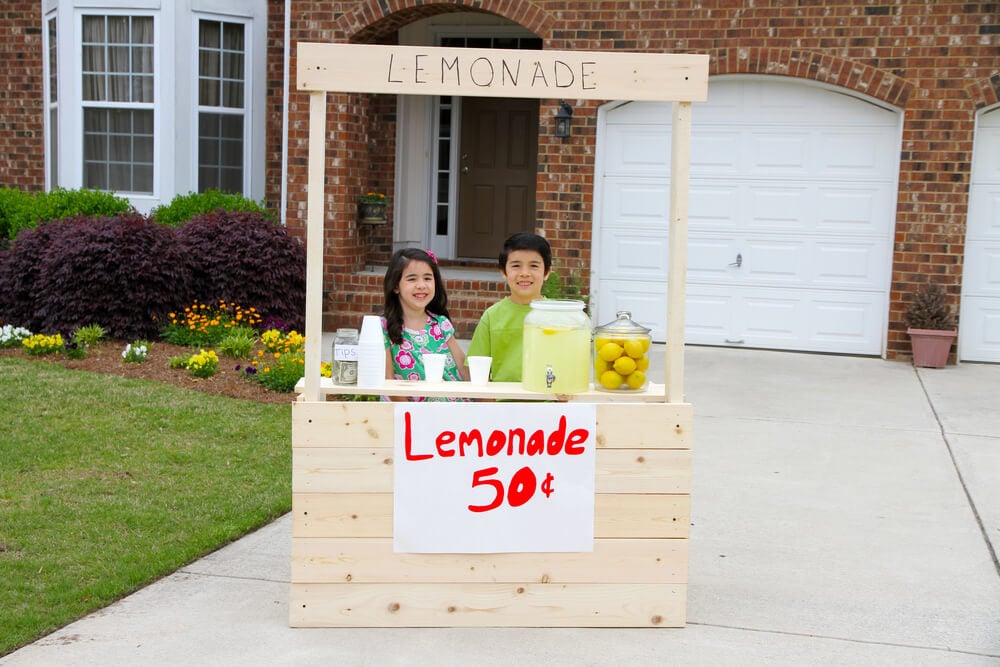
A card table, a hand-lettered sign and a pitcher of something cold made up the simplest business model in America. Plenty of stands skipped real lemons altogether and mixed up Kool-Aid, the powdered drink invented by Edwin Perkins in Hastings, Nebraska, in 1927, which was cheap enough to leave room for profit.
Location mattered more than recipe, so stands near busy corners, construction sites and Little League fields did the best. Most of the earnings went straight to the corner store for candy, which kept the entire economy local.
Caddying at the Country Club

Caddying paid well for a teenager and put kids around adults who sometimes became mentors or job references. Caddies hauled heavy leather bags around the full course, learned etiquette and earned a fee plus tips, with the best loopers requested by name.
The work also came with an unusual long-term reward. The Western Golf Association’s Evans Scholars Foundation, founded in 1930 by golfer Chick Evans, a former caddie who won the U.S.
Open and U.S. Amateur in 1916, has awarded college scholarships to caddies for generations.
Selling Grit Door to Door

Grit, a weekly newspaper published in Williamsport, Pennsylvania, built its small-town circulation on an army of kid salesmen. Its ads ran in comic books for years, promising spending money and prizes to boys and girls who signed up to sell copies to neighbors.
Young agents received a bundle of papers each week, sold them for a set price and kept part of every sale, with the rest sent back to the publisher. For kids in rural areas where no daily paper route existed, Grit was often the only steady sales job in town, and the paper leaned on that network for decades.
Peddling Cloverine Brand Salve for Prizes

Cloverine Brand Salve, made by the Wilson Chemical Company of Tyrone, Pennsylvania, came in a small round tin and was sold almost entirely by children. Kids answered ads in comic books and magazines, received a batch of tins on credit and went door to door selling them, often with a colorful religious or sentimental picture print thrown in as a bonus for the buyer.
After sending the proceeds back to Tyrone, the young sellers chose a prize or kept a cash commission. Plenty of 1960s households had a tin of the white ointment in the medicine cabinet purely because a neighbor kid knocked on the door.
Shining Shoes on Street Corners
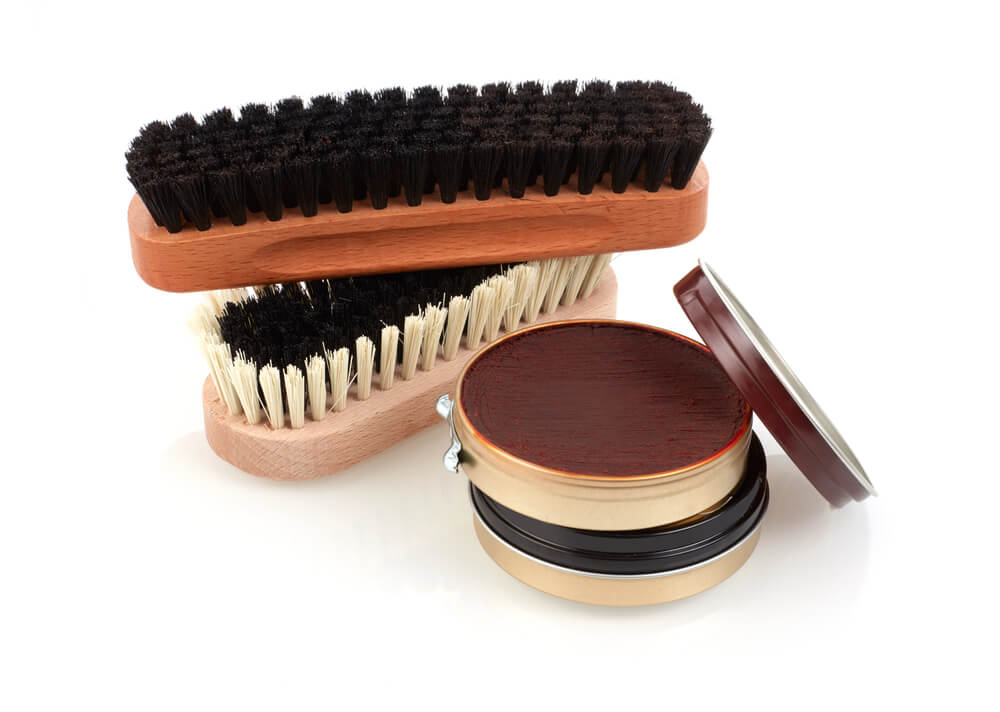
A wooden box with a footrest, a few tins of polish, brushes and a soft rag were all a kid needed to set up shop. Shoeshine boys worked downtown sidewalks, train stations and barbershops, where men in leather dress shoes waited around with nothing better to do.
The job rewarded showmanship, and the best shiners snapped their rags with a rhythm that drew customers as much as the shine itself. By the late 1960s the trade was fading as casual footwear spread, but in many cities it remained a reliable way for a quick, hardworking kid to earn tips.
Washing Cars in the Driveway

Detroit’s tail fins and chrome bumpers practically begged for a wash, and kids with a bucket, a sponge and a garden hose were happy to oblige. Neighbors paid a set fee for a wash and extra for a coat of paste wax, which took real elbow grease to buff out by hand.
Scout troops and church youth groups turned the idea into weekend fundraisers in supermarket parking lots. Solo operators, meanwhile, learned an early lesson in quality control, since a streaky windshield or a missed hubcap could lose a regular customer for the rest of the summer.
Raking Leaves Into Autumn Piles
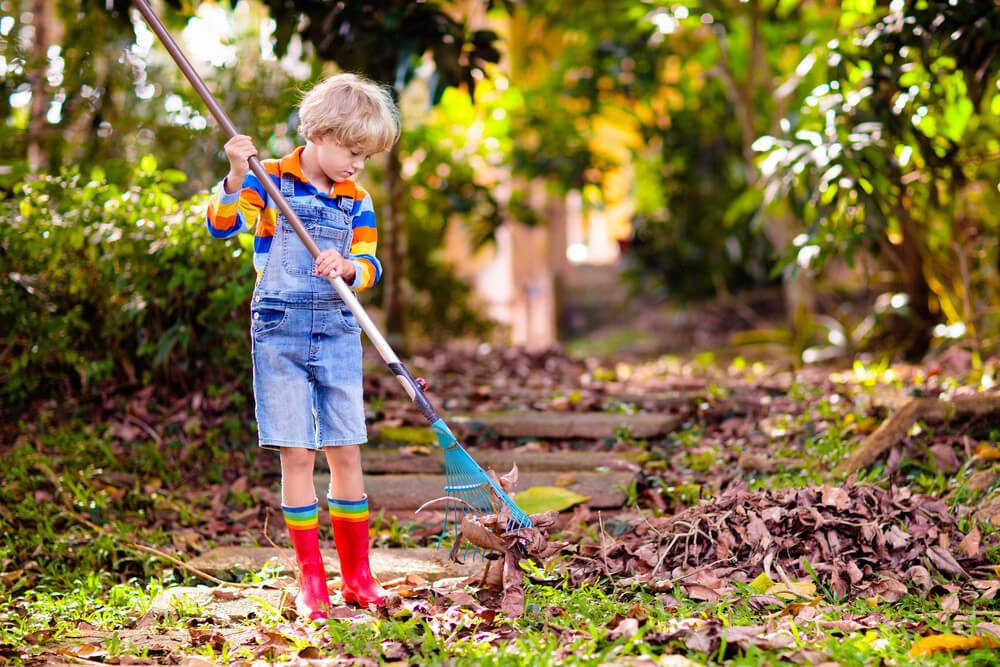
Fall brought a second lawn season, and the same kids who mowed in July came back with rakes in October. Big shade trees could bury a yard several times between September and Thanksgiving, which meant repeat work from the same houses.
In many towns, leaves were raked to the curb and burned in the gutter, a practice that gave autumn its smoky smell before local air rules began banning it. Kids usually charged by the yard rather than the hour, and a large lot with old maples could earn a full weekend’s worth of pay.
Detasseling Seed Corn in Midwest Fields

Each July, seed companies across Iowa, Illinois, Nebraska and Indiana hired thousands of teenagers to walk the rows and pull the tassels off female corn plants. Removing the tassels kept those plants from pollinating themselves, so they would be fertilized by a chosen male variety and produce hybrid seed.
The work began at dawn, the leaves left cuts on bare arms and the fields were soaked with dew by sunrise and sweltering by noon. Still, a few weeks of detasseling paid better than most summer jobs available to a 14-year-old, and the season became a rite of passage in farm country.
Carrying Out Groceries for Tips
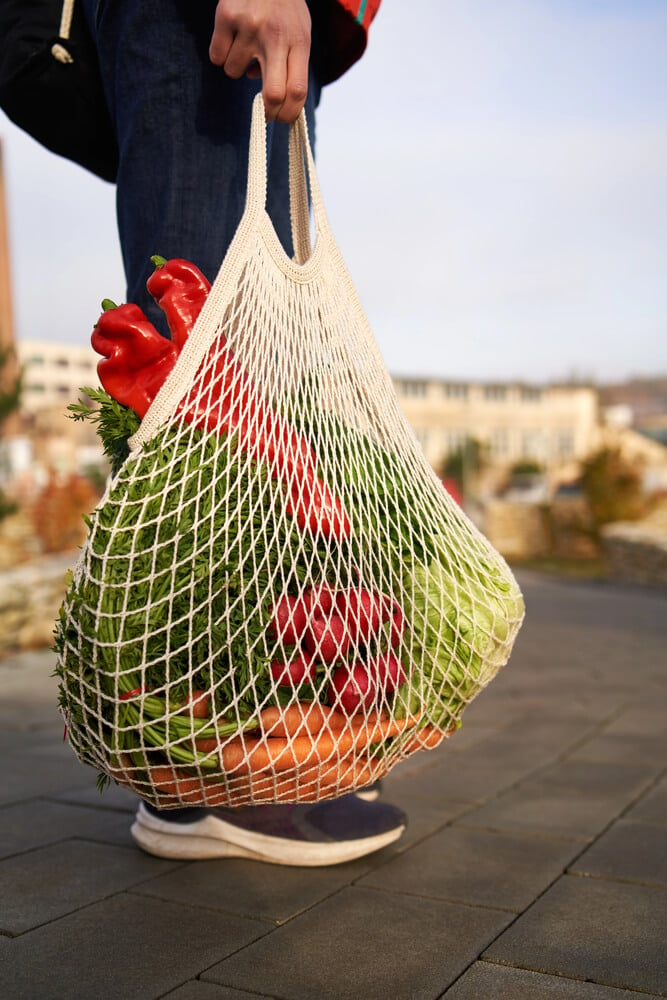
Supermarkets of the 1960s employed carryout boys, also called baggers or bag boys, who packed paper sacks and walked them out to customers’ cars. Many stores paid a small hourly wage while others let the boys work mostly for tips, which made friendliness and speed a direct financial strategy.
Loading a station wagon full of groceries in the rain earned a bigger tip than a sunny afternoon. The job often led to stocking shelves and running a register, and plenty of future store managers began their careers pushing carts across the parking lot.
Setting Pins at the Bowling Alley

Before machines took over, every bowling lane needed a pinsetter, often a teenage boy perched behind the pins who reset them by hand and rolled the heavy bowling sphere back down the return track. The work was fast, loud and occasionally dangerous, since flying pins could catch an inattentive setter.
AMF’s automatic pinspotter, introduced in the early 1950s, spread rapidly through the decade, and by the 1960s the human pinsetter was disappearing from most American alleys. Smaller rural lanes and older halls held on longest, giving some kids one of the last chances to earn money at a job that was about to vanish entirely.
Catching Night Crawlers After a Rain
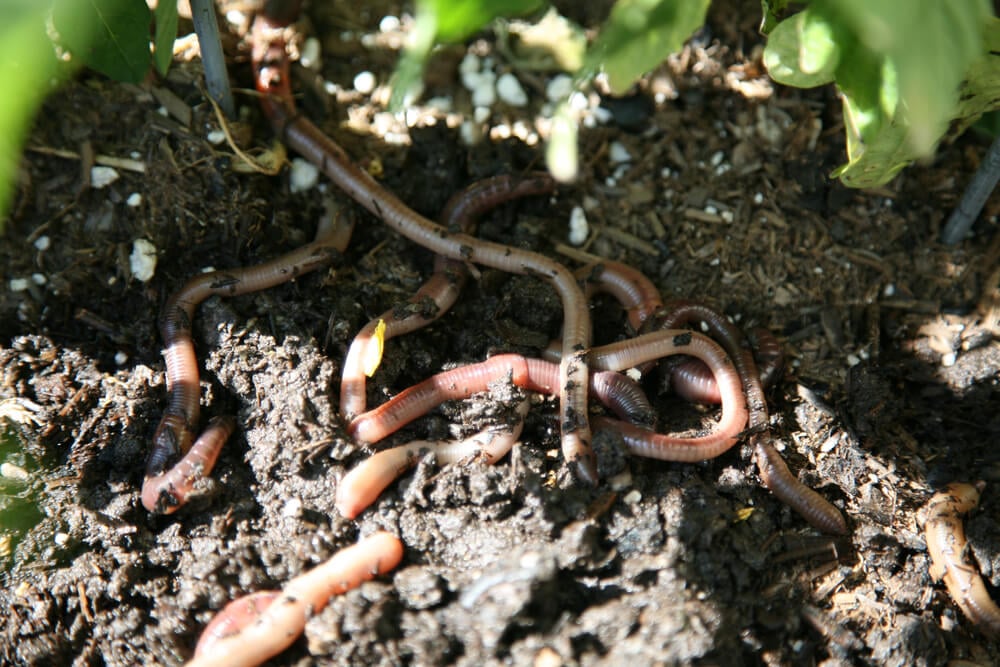
Warm, rainy nights brought big earthworms called night crawlers up onto lawns and golf course fairways, and kids with flashlights went out to grab them. The trick was a quick, steady pull, since a spooked worm could snap back into its burrow in an instant.
Catchers often covered the flashlight with red cellophane to keep the worms from sensing the light. The haul went into coffee cans packed with damp soil and moss, then sold by the dozen to fishermen and local bait shops, which turned a muddy evening into one of the more reliable side hustles in lake country.
Earning a Weekly Allowance Through Chores

For many families, pocket money arrived as an allowance, though it rarely came free. Parents tied the weekly sum to a list of chores such as drying dishes, making beds, emptying wastebaskets and taking out the trash, sometimes tracked on a chart taped to the refrigerator door.
Amounts varied widely by household, and a quarter or two a week was common for younger children. Skipped chores meant docked pay, which gave plenty of kids their first lesson in labor relations, along with a lifelong habit of negotiating for a raise around birthday time.
Feeding Pets and Walking Dogs for Vacationing Neighbors

Summer vacations left families with a problem, since boarding kennels cost money and someone still had to feed the cat. Neighborhood kids filled the gap, earning a few dollars for a week of walking dogs, refilling water bowls, scooping litter and bringing in the mail and newspapers so the house looked occupied.
The job required trust more than skill, which made it a natural fit for the responsible kid down the street. A good report on returning often led to a standing arrangement, plus the occasional souvenir from wherever the family had driven.
Backyard Shows and Penny Carnivals
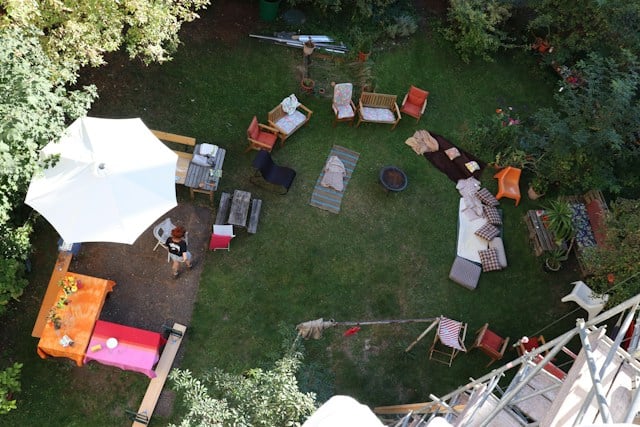
Kids with a flair for production staged backyard shows and neighborhood carnivals, charging a few pennies or a nickel for admission. A bedsheet strung over a clothesline served as a curtain, younger siblings were drafted as performers and games of chance ran on folding tables in the driveway.
Some carnivals collected money for charity, such as the March of Dimes or a local cause, while others were strictly for-profit ventures. Attendance came almost entirely from parents and neighbors, who paid their pennies cheerfully and sat through skits that ran far longer than anyone planned.
Trading and Reselling Old Comic Books
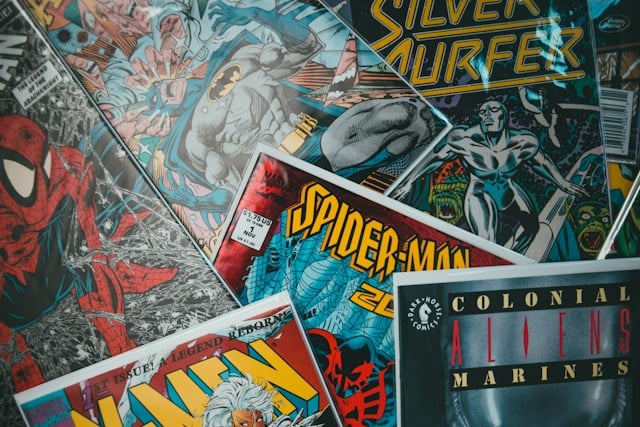
Stacks of read comics worked as currency among kids in the 1960s. New issues cost 12 cents for much of the decade, and used copies changed hands on porches and at schoolyard swaps for a few cents each or in trades of two for one.
Enterprising kids bought bundles at rummage sales and resold them individually to friends, pocketing the difference. Few realized that the Marvel and DC issues being traded and rolled into back pockets would later become serious collectibles, since at the time a comic was simply something to read, swap and pass along.
Painting Fences and Washing Windows

Odd jobs around the house filled out many a summer budget, and painting a picket fence was among the more lucrative. The work was slow, messy and done with a brush, which gave homeowners every reason to hand it off to a willing teenager.
Washing windows paid less but came around more often, especially before spring cleaning and holiday company. Plenty of kids came to the work through Tom Sawyer, whose famous whitewashing scene in the Mark Twain novel taught generations that the clever approach to fence painting involved convincing a friend to do it instead.
Bucking Hay Bales on Summer Farms
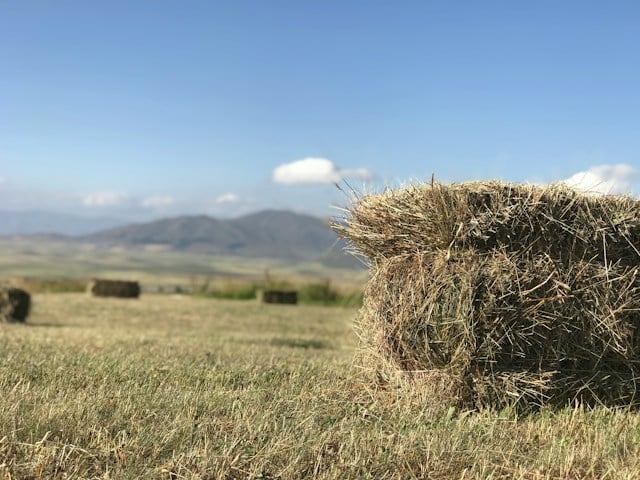
On farms across rural America, haying season meant hiring every strong teenager in the area. Square bales weighing upward of 50 pounds had to be lifted from the field onto a wagon, then stacked tight in a sweltering barn loft, often in the weeks of summer.
Pay was typically by the hour or by the bale, and farm wives frequently fed the crew a big midday meal. Arms came away scratched raw from the stems, yet many town kids took the job anyway because it paid well and built the kind of muscle that showed by September.
Raising 4-H Animals for the County Fair
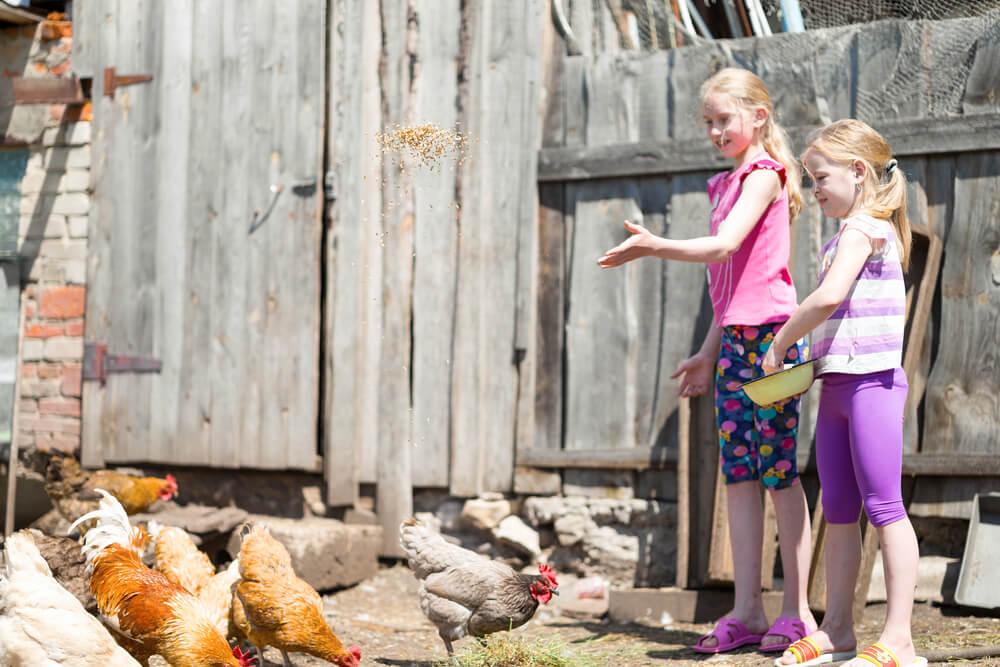
For farm kids and small-town families, a 4-H project could be a serious moneymaker. Members raised a steer, hog or lamb over months, kept records of feed costs and weight gain, and then showed the animal at the county fair before selling it at the livestock auction.
Local businesses and banks often bid well above market price to support young exhibitors, so a good animal could bring in more money than an entire summer of mowing. The sale also brought a hard emotional lesson, since many kids said goodbye to an animal they had grown to love.
Weaving Loop Potholders on a Toy Loom

A square metal loom, a hook and a bag of stretchy cotton loops kept countless children busy through rainy afternoons. Weaving the loops over and under across the pegs produced a colorful potholder in less than an hour, and the finished squares were sold door to door to mothers and grandmothers on the block.
Most buyers were less interested in the potholder than in encouraging the seller, and many kitchens collected far more than they would ever use. Loop loom kits remain on toy shelves today, with the basic design almost unchanged from those of the postwar era.
Hauling Scrap Paper and Metal to the Junk Dealer

Kids with a wagon and a good eye could turn other people’s trash into cash at the local junkyard. Bundled newspapers, copper wire, brass fittings and aluminum scrap were all bought by weight, with copper bringing the best price.
Many kids scoured alleys, construction sites and their own garages for anything a dealer might take. School and Scout paper drives worked on the same principle, collecting newspapers by the ton and selling them to raise money, which taught children a basic recycling lesson years before curbside bins arrived.
Chores That Paid in More Than Coins

Most of these jobs paid in pennies, nickels and the occasional crumpled dollar, and few made anyone rich. What they offered instead was a crash course in running a small operation, from pricing a driveway to chasing down a subscriber who had not paid in three weeks.
Kids learned to show up, finish the job and ask for the money without flinching. Those habits proved more durable than anything the cash bought.
More from Go2Tutors!

- The Romanov Crown Jewels and Their Tragic Fate
- 13 Historical Mysteries That Science Still Can’t Solve
- Famous Hoaxes That Fooled the World for Years
- 15 Child Stars with Tragic Adult Lives
- 16 Famous Jewelry Pieces in History
Like Go2Tutors’s content? Follow us on MSN.