25 World Cup Facts That Sound Made Up but Are True
There’s something about the World Cup that makes the truth feel like a dare. Every four years, the most-watched sporting event on the planet generates moments so strange, so statistically improbable, so genuinely hard to explain, that if you hadn’t seen the documentation yourself, you’d assume someone had embellished the story somewhere along the way.
The tournament has been running since 1930, and in that time it has accumulated a catalog of facts that belong more comfortably in fiction than in a sports almanac. Some of these involve incredible players.
Some involve goats. Literally, goats.
Pull up a chair.
North Korea 1966

North Korea 1966 North Korea arrived at the 1966 World Cup in England as the tournament’s biggest curiosity — a sealed, secretive nation that had never played in the competition before, whose players’ identities were barely known outside their own borders, and who promptly defeated Italy 1–0 to become one of the great upsets in tournament history. They then made the quarterfinals, where they led Portugal 3–0 before eventually losing 5–3 in a comeback orchestrated largely by Eusébio.
The players returned home as either heroes or enemies, depending on the account — the North Korean government reportedly remained indifferent to the quarterfinal defeat for decades.
The Longest Gap

The Longest Gap Brazil won the World Cup in 1970 and then waited 24 years before winning it again in 1994. That’s not just a long drought — that’s a generation of Brazilian footballers who were born, grew up, played professionally, and retired without ever lifting the trophy.
The 1994 final against Italy was settled on penalties, which, for a country that treats football as a kind of national religion, felt like winning the lottery with a scratched ticket.
Hakan Şükür

Hakan Şükür The fastest goal in World Cup history belongs to Hakan Şükür of Turkey, who scored 11 seconds into the third-place playoff against South Korea in 2002 — eleven seconds, which is roughly the time it takes to find your seat after buying a drink. The record has stood for over two decades and is essentially untouchable at this point, a monument to a moment so sudden that most of the stadium probably wasn’t fully paying attention.
Turkey won the match 3–2. The record, not the final scoreline, is what remains unforgettable.
The Curse of ’50

The Curse of ’50 Uruguay’s 1950 World Cup win over Brazil at the Maracanã — a match known as the Maracanazo — is sometimes described as the greatest sporting upset of the 20th century, which is saying something given the competition. Brazil needed only a draw.
They had already printed celebration merchandise. Alcides Ghiggia scored the winner and reportedly said, decades later, that only three people had ever silenced the Maracanã: the Pope, Frank Sinatra, and himself.
He was not entirely wrong.
Andrés Escobar
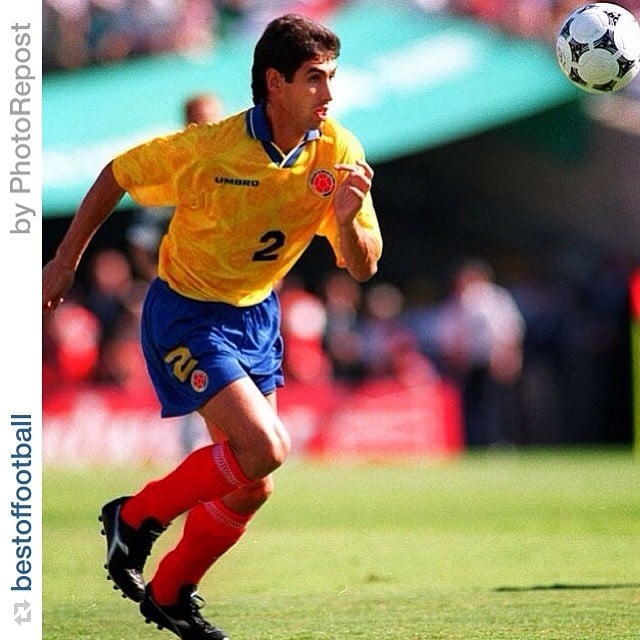
Andrés Escobar Colombian defender Andrés Escobar scored an own goal against the United States at the 1994 World Cup, contributing to Colombia’s elimination from the tournament. Ten days after returning home, he was shot and killed in Medellín.
The tragedy remains one of the darkest events in sporting history, a reminder that for some players in some countries, the consequences of a bad match extend far beyond the pitch. Escobar was 27 years old.
The Third-Place Playoff Nobody Wants

The Third-Place Playoff Nobody Wants Every major football tournament includes a third-place playoff, and almost no one — players, coaches, or fans — actually wants to play in it. The match exists in a strange liminal space: too important to skip, too deflating to celebrate, sitting between a heartbreaking semifinal loss and the actual final that everyone came to see.
Turns out, teams have occasionally played their third-place matches with squads that looked suspiciously like practice lineups — which, to be fair, is a reasonable human response to being told you have to play competitive football after your tournament dream just ended.
Belo Horizonte 1950

Belo Horizonte 1950 The United States defeated England 1–0 at the 1950 World Cup in Belo Horizonte, Brazil — a result so implausible that when the score was telegraphed back to newspaper editors in England, several assumed it was a typo and printed the result as 10–1 to England instead. The U.S. team was made up of part-time players, including a postal worker and a dishwasher.
England had never lost to an American side before, and the English press treated the result with the quiet dignity of people pretending a car crash hadn’t happened.
Pelé’s Shirt
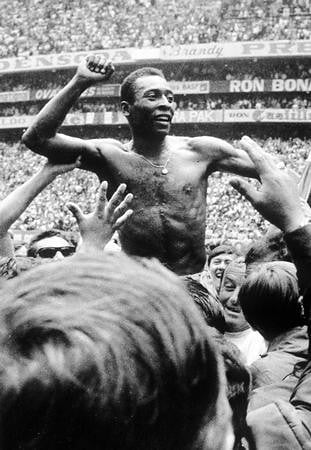
Pelé’s Shirt During the 1970 World Cup, Pelé was so dominant that opposing players would routinely ask to swap shirts with him after the match — including players from teams that had just tried to foul him into the advertising boards. The Brazilians eventually ran low on spare kits because so many had been traded away.
There is something quietly poetic about an opponent spending 90 minutes trying to stop someone and then, the moment the whistle blows, immediately asking to keep a piece of them.
The Orb That Sank

The Orb That Sank The official match orb used in the very first World Cup final in 1930 — between Uruguay and Argentina — was a source of genuine diplomatic tension before the match even kicked off. Both teams insisted on using their own orb for the game.
The compromise was to use Argentina’s orb in the first half and Uruguay’s in the second. Argentina led 2–1 at halftime using their orb.
Uruguay won 4–2 after switching to theirs. Draw your own conclusions.
Geoff Hurst’s Hat Trick

Geoff Hurst’s Hat Trick Geoff Hurst is the only player to have scored a hat trick in a World Cup final, which he did for England against West Germany in 1966 — a final that included one of the most disputed goals in tournament history, the second of his three, where the orb struck the crossbar and bounced down toward the goal line and the referee decided, after consulting a linesman who had been standing some distance away, that it had crossed. West Germany have disagreed with this assessment for roughly 60 years.
The argument will outlive everyone involved.
Roger Milla’s Age
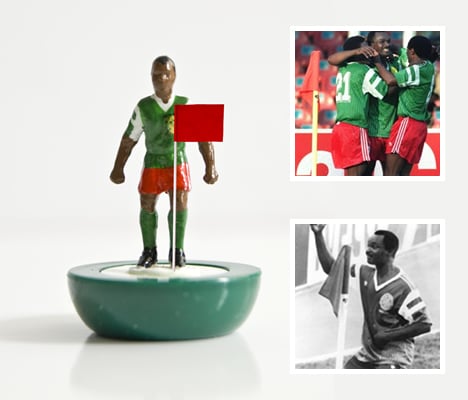
Roger Milla’s Age Roger Milla of Cameroon came out of retirement to play at the 1990 World Cup at the age of 38 and scored four goals, becoming one of the tournament’s most celebrated players — then did it again at the 1994 World Cup, scoring one goal at 42. His official age at the 1994 tournament has been questioned over the years, with some sources suggesting he may have been closer to 44.
Either way, the man was scoring World Cup goals at an age when most footballers have been retired for nearly two decades.
The Host Jinx

The Host Jinx Hosting the World Cup does not statistically improve a team’s chances of winning it — and yet every host nation carries the expectation of success as though proximity to the tournament gives the home side some kind of geographical advantage. South Africa in 2010, Brazil in 2014, and Russia in 2018 all failed to make the quarterfinals.
Brazil’s 2014 exit included a 7–1 semifinal defeat to Germany that the Brazilian media called a national humiliation so profound it required its own name: the Mineirazo. The stadium in Belo Horizonte where it happened still exists.
Presumably someone still has to clean it.
Saeed Al-Owairan

Saeed Al-Owairan Saudi Arabia’s Saeed Al-Owairan scored a goal against Belgium at the 1994 World Cup that is still, without any serious argument, one of the greatest individual goals in tournament history — dribbling from deep inside his own half through five Belgian defenders before finishing calmly. The goal was immediately compared to Diego Maradona’s famous effort against England in 1986.
Al-Owairan was reportedly detained briefly by Saudi authorities after the tournament for conduct violations. The goal remains extraordinary regardless.
Every Country Has Lost

Every Country Has Lost Every single nation that has ever won the World Cup has also, at some point in the tournament’s history, been knocked out in the group stage. Brazil, Germany, France, Argentina — all of them have endured the specific humiliation of being eliminated before the knockout rounds even began.
So when a small nation upsets a giant in the group stage, there’s nothing genuinely surprising about it — the giants are simply meeting a fate they’ve experienced before, just on a bigger stage.
The French Who Won for Another Country

The French Who Won for Another Country Marcel Desailly was born in Ghana, moved to France as a child, and won the World Cup with France in 1998. Emmanuel Petit, who scored in the same final, was French-born but had Basque heritage and had been pursued by Spain earlier in his career.
The 1998 French squad contained players with roots across Africa, the Caribbean, and Eastern Europe — a roster that reflected something true about France itself, though the conversation about what that meant proved considerably more complicated in the years that followed.
The Referee Who Vanished
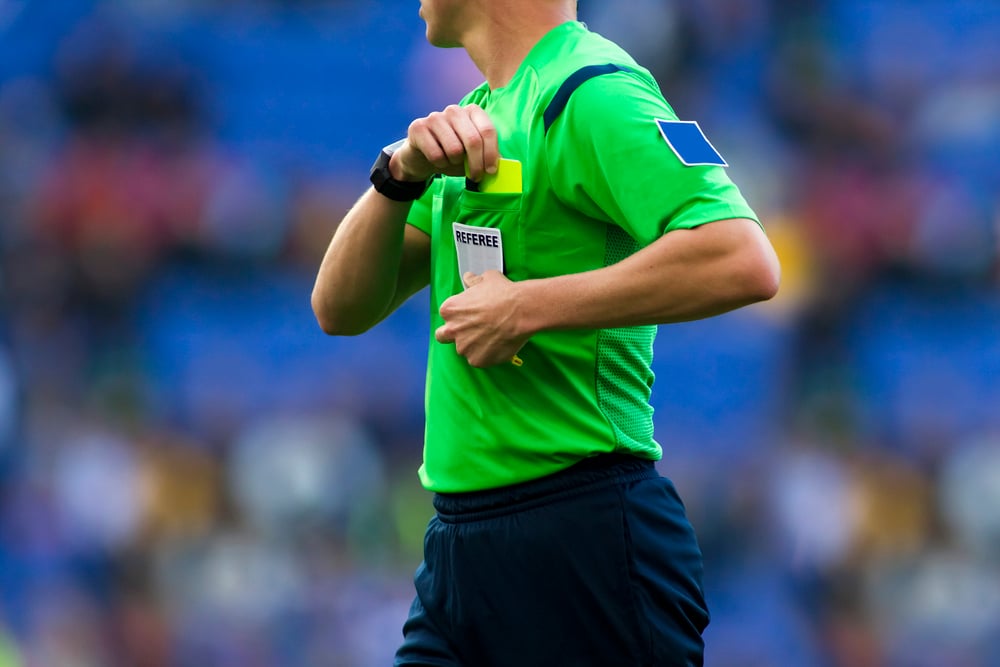
The Referee Who Vanished José Torres Cadena, the Colombian referee who officiated a match at the 1990 World Cup, made several controversial decisions during a Brazil vs. Argentina encounter — and reportedly received threats significant enough that he required a security detail for some time afterward. The specifics of the incident depend on the account, but the broader truth holds: referees at the World Cup operate under a level of scrutiny and pressure that most people in professional life will never experience, and the consequences of a bad call can follow them for years.
Sometimes longer.
The Goalkeeper Who Scored

The Goalkeeper Who Scored René Higuita of Colombia — the goalkeeper famous for his “scorpion kick” save at Wembley — was not just a spectacular shot-stopper but an outfield player in a goalkeeper’s kit who happened to also defend. At the 1990 World Cup against Cameroon, Higuita was dispossessed while dribbling far outside his penalty area by Roger Milla, who walked the orb into an empty net.
The goal eliminated Colombia from the tournament. Higuita had no explanation that satisfied anyone, including his own manager.
The Crowd at the Maracanã

The Crowd at the Maracanã The 1950 World Cup final — technically called the deciding match of the final group stage, not a final — drew an official attendance of 173,850 people at the Maracanã stadium in Rio de Janeiro, which remains the largest crowd ever to attend a football match. The actual number present may have been higher, as the stadium was not operating strict capacity controls.
Nearly 200,000 people watching their country lose the match they were certain they had already won — a silence that, by all accounts, settled over the stadium like something physical.
The Dog That Found the Trophy
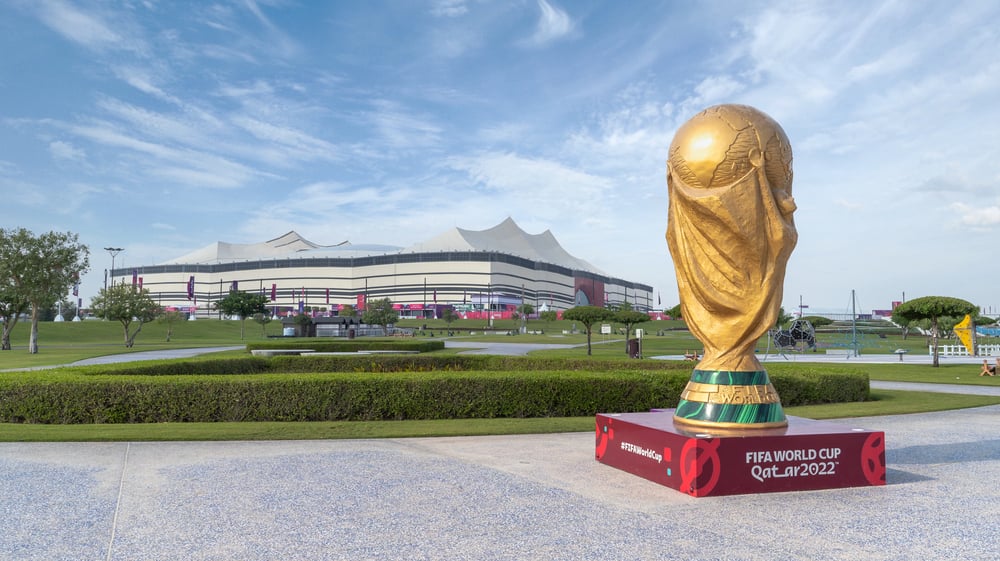
The Dog That Found the Trophy The Jules Rimet Trophy — the original World Cup — was stolen in London in March 1966, four months before England was due to host the tournament. It was recovered a week later by a dog named Pickles, who found it wrapped in newspaper under a hedge in South Norwood.
Pickles became a national celebrity, appeared on television, and received a year’s supply of food. The trophy was stolen again in Brazil in 1983, this time permanently, and is presumed to have been melted down.
Pickles had one job, and he did it well.
North Korea 2010 State TV
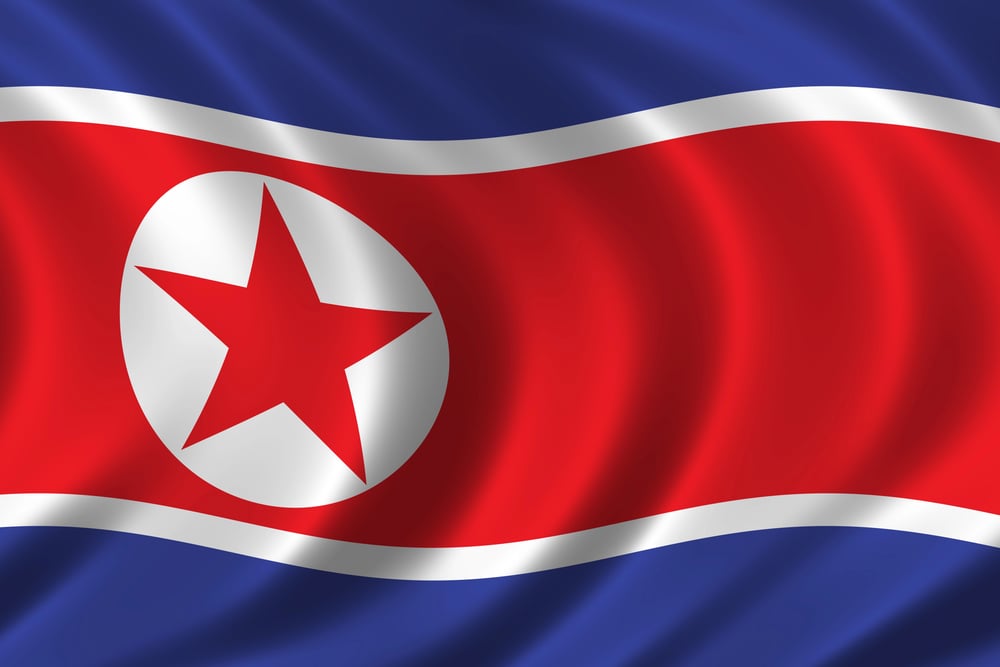
North Korea 2010 State TV When North Korea qualified for the 2010 World Cup — their first appearance since 1966 — state television broadcast their opening match against Brazil live, marking a rare occasion of real-time international sports coverage in the country. North Korea lost 2–1, which was a respectable result.
Their next match against Portugal ended 7–0, which was less respectable. State television reportedly chose not to broadcast that one live, opting instead to show a delayed and edited version.
The editing choices have not been publicly documented, which is its own kind of statement.
The Fastest Red Card

The Fastest Red Card Josip Šimunić of Croatia received three yellow cards during a match against Australia at the 2006 World Cup without being sent off, because referee Graham Poll — an experienced, highly regarded English official — lost count and forgot he had already shown Šimunić a second yellow. The third yellow card finally triggered the red.
Poll had written Šimunić’s name down incorrectly on his card, causing the confusion. It was one of the most embarrassing officiating errors in tournament history, and Poll retired from international refereeing shortly after.
West Germany vs. Austria 1982
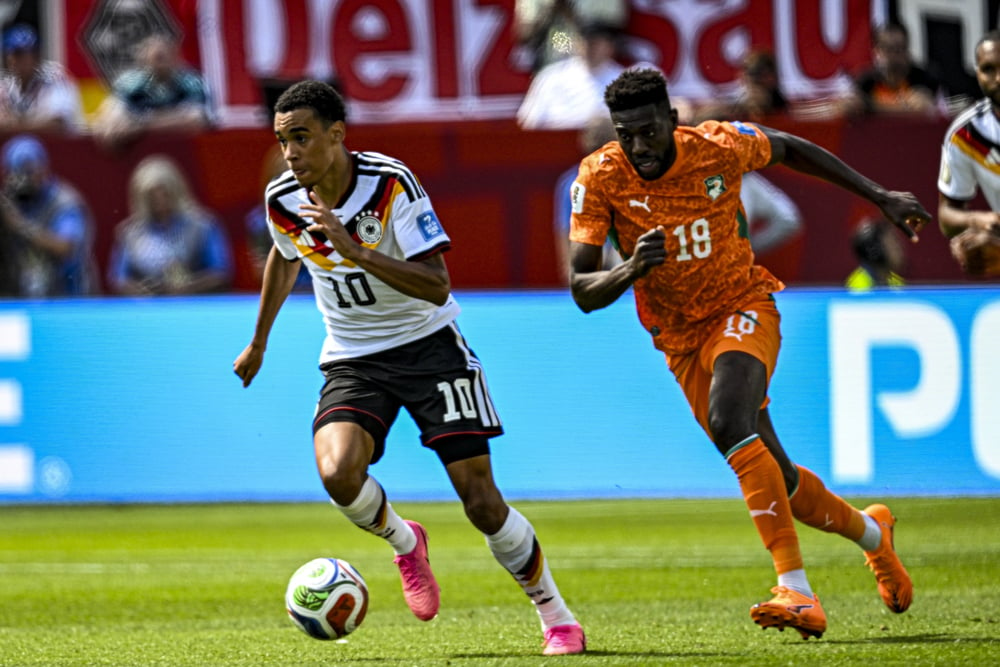
West Germany vs. Austria 1982 In the 1982 World Cup group stage, West Germany and Austria played a match knowing that a West German win by exactly one or two goals would send both teams through at the expense of Algeria, who had already played. West Germany scored after ten minutes.
Both teams then proceeded to play out 80 minutes of essentially no football — passing sideways, pressing nobody, manufacturing a result that suited them both. Algeria was eliminated.
FIFA subsequently changed the rules so that the final group stage matches must be played simultaneously. The match is called “the Disgrace of Gijón” and is remembered with the specific contempt reserved for something technically legal and entirely unacceptable.
The Penalty Missed Twice

The Penalty Missed Twice Roberto Baggio of Italy missed the final penalty in a shootout at the 1994 World Cup final, sending the trophy to Brazil and making his miss one of the most photographed moments in sporting history — head bowed, eyes closed, the orb sailing well over the crossbar. What is less remembered is that Baggio had also missed a penalty in the semifinal against Bulgaria before converting under pressure.
One miss ends a tournament. The other gets quietly absorbed into a career of extraordinary football.
Memory is not fair.
James Rodriguez and the Golden Boot
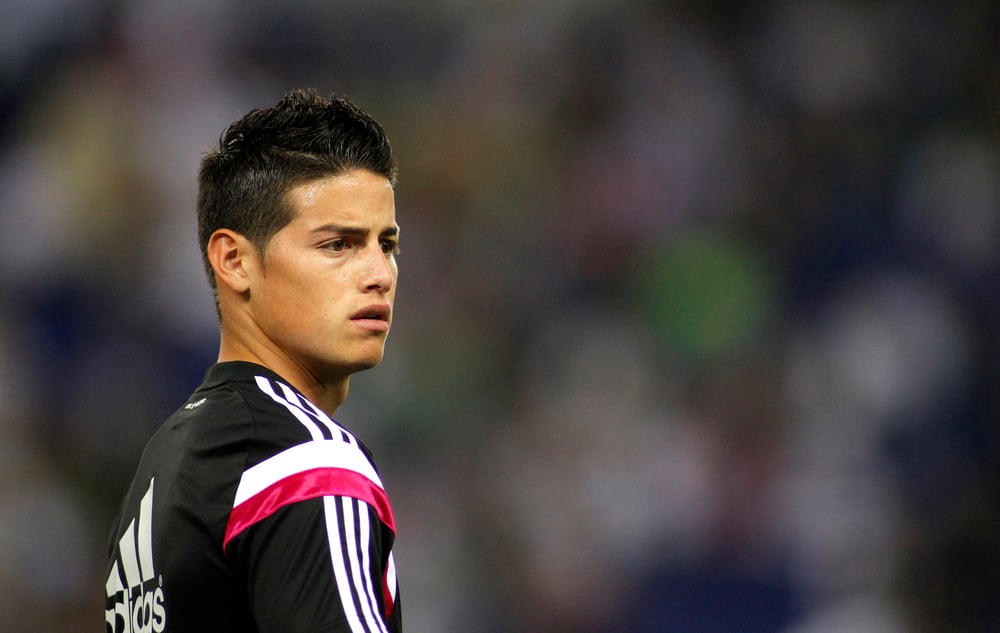
James Rodriguez and the Golden Boot James Rodríguez of Colombia won the Golden Boot at the 2014 World Cup with six goals in five matches, despite Colombia being knocked out in the quarterfinals. His goal against Uruguay — a chest-trap and volleyed half-volley from outside the area — won the Puskás Award for goal of the year.
He was 22 years old at the time, and the tournament turned him from a promising player into a global name almost overnight. The expectations that followed him for the rest of his career proved considerably harder to meet than six goals in a month.
The Man Who Played in Five World Cups
The Man Who Played in Five World Cups Antonio Carbajal of Mexico played as a goalkeeper in five consecutive World Cups from 1950 to 1966, a record matched later by Lothar Matthäus of Germany. Carbajal appeared in 11 World Cup matches across those five tournaments and was still playing top-level football at 37, which requires a particular kind of stubbornness that most athletes simply don’t possess.
He lived to be 93 years old. Turns out longevity runs through everything he did.
The Part That Never Makes the Highlight Reel

The Part That Never Makes the Highlight Reel The World Cup’s strangest quality isn’t the upsets or the records — it’s how reliably it produces events that feel invented. Every tournament adds something new to the list: a dog, a missed count, an orb retrieved from under a hedge.
The facts accumulate across 90-plus years of competition until the overall picture becomes something stranger than any individual story. And the next tournament will add more.
It always does. That’s either the best argument for paying attention, or the most compelling reason the sport has lasted this long.
More from Go2Tutors!

- The Romanov Crown Jewels and Their Tragic Fate
- 13 Historical Mysteries That Science Still Can’t Solve
- Famous Hoaxes That Fooled the World for Years
- 15 Child Stars with Tragic Adult Lives
- 16 Famous Jewelry Pieces in History
Like Go2Tutors’s content? Follow us on MSN.