16 Monuments Built for the Wrong Purpose
Sometimes the most impressive structures tell stories their builders never intended. Monuments rise from ambition, politics, and grand visions — but time has a way of revealing uncomfortable truths about what they actually represent.
The marble and bronze we meant to honor one thing often end up commemorating something entirely different. These 16 monuments remind us that good intentions, massive budgets, and public ceremonies don’t guarantee that history will remember what you hoped it would.
Mount Rushmore
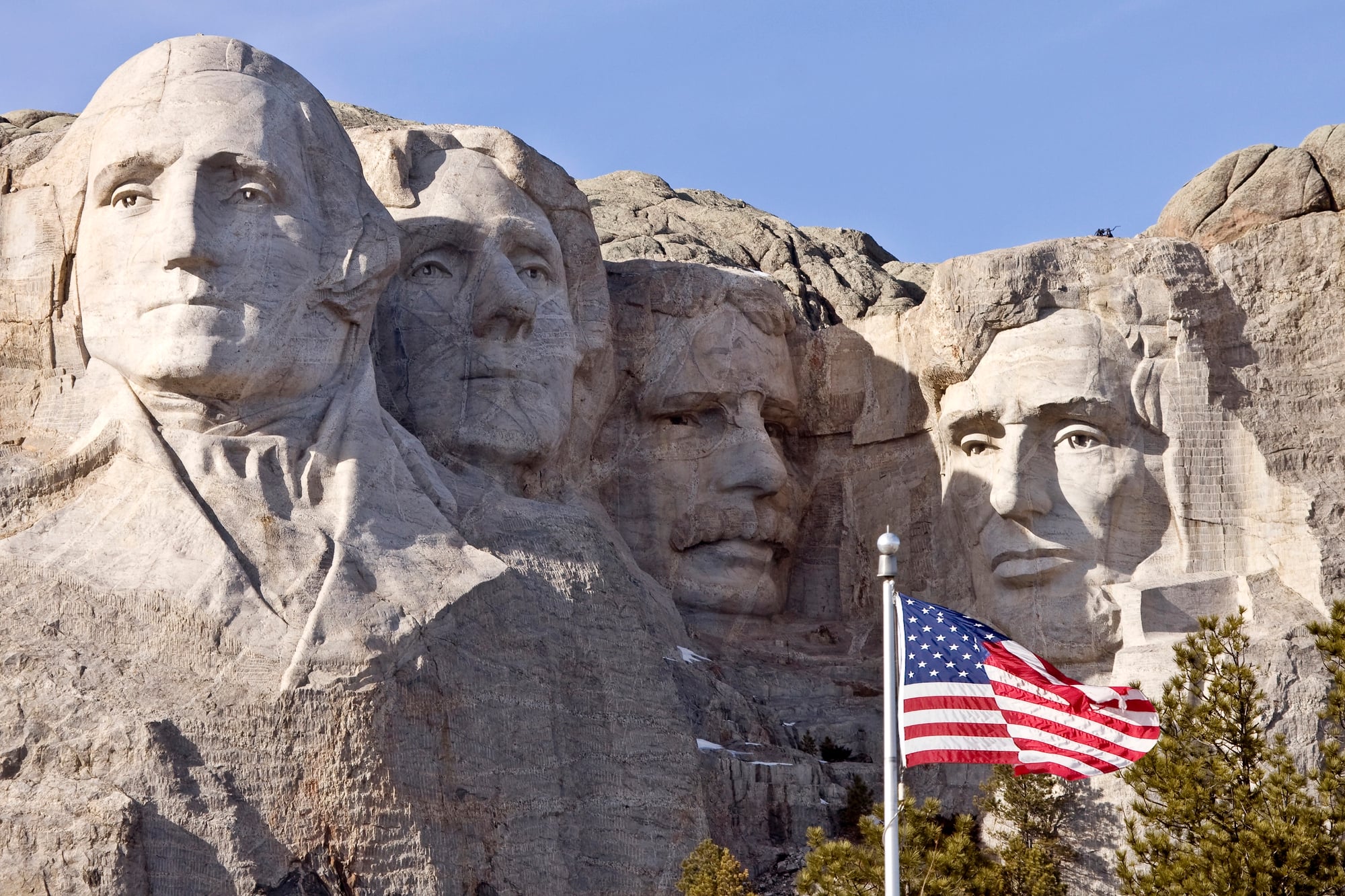
Mount Rushmore was supposed to boost South Dakota tourism and celebrate American democracy. Instead, it became a monument to cultural destruction and broken treaties with Native Americans.
The project carved four presidential faces into the Black Hills (a sacred site for the Lakota people, who never agreed to give up the land), and the sculptor — Gutzon Borglum — was a known member of the Ku Klux Klan. So the monument that was meant to represent democratic ideals actually commemorates the systematic displacement of indigenous peoples and the influence of white supremacist ideology on American public works.
The tourism boost worked, though — which is saying something about what people are willing to overlook for a good photo opportunity.
Confederate Memorial Carving at Stone Mountain
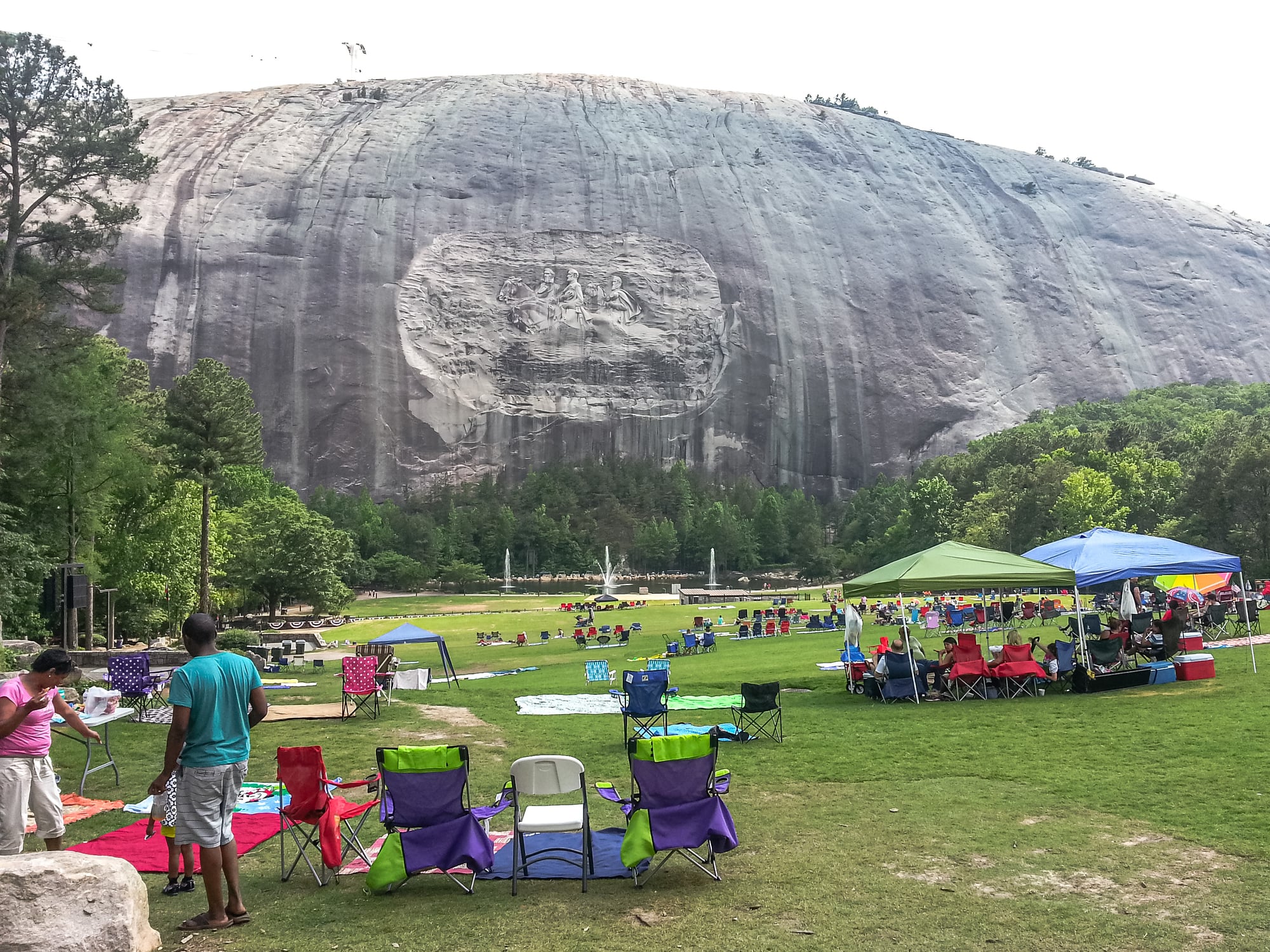
Stone Mountain’s Confederate memorial wasn’t built to honor Civil War dead (most of those monuments went up in the 1860s and 1870s, when grief was still fresh and families were still burying their sons). This carving was completed in 1972 — more than a century after the war ended — and it was designed specifically to intimidate Black Americans during the Civil Rights era.
The timing gives it away completely. When you’re putting up Confederate monuments in the same decade that schools are being integrated, you’re not preserving history.
You’re making a threat. And the location wasn’t coincidental either: Stone Mountain had been the site of Ku Klux Klan rallies since 1915, when the organization was reborn there in a ceremony involving cross-burning and oaths of white supremacy.
The monument wasn’t built for the wrong purpose by accident — it was built for exactly the purpose its sponsors intended, which makes the “heritage, not hate” defense even more hollow than it sounds.
Statue of Liberty
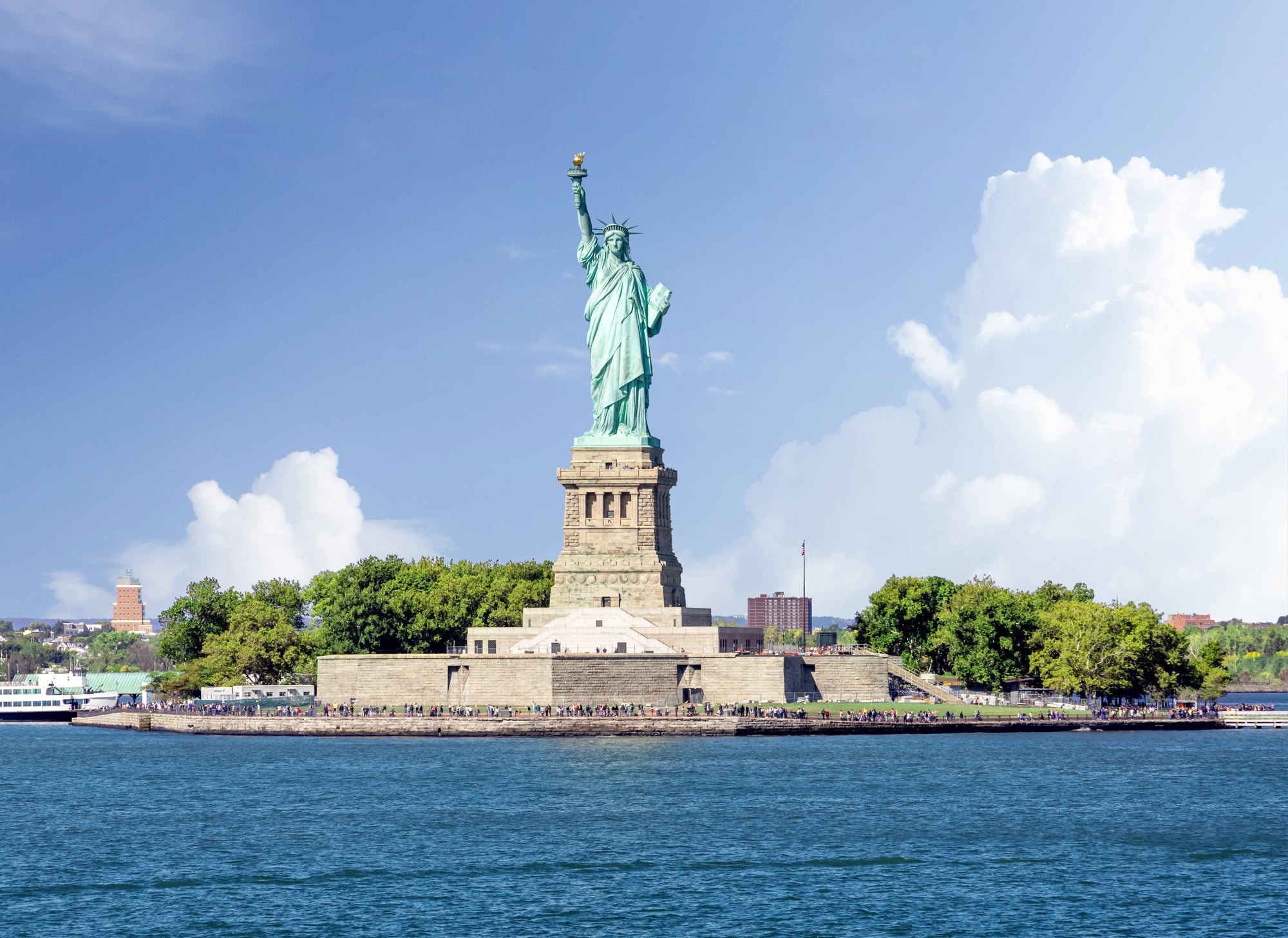
The Statue of Liberty was a gift from French republicans who wanted to encourage American democracy and celebrate the end of slavery after the Civil War. But it was erected during the same period when the United States was systematically dismantling Reconstruction and allowing Southern states to re-establish white supremacy through Jim Crow laws.
So while the French were celebrating American freedom and equality, Americans were actively restricting the rights of formerly enslaved people and their descendants. The statue went up in 1886.
A decade later, in 1896, the Supreme Court ruled in Plessy v. Ferguson that “separate but equal” facilities were constitutional—effectively legalizing segregation for the next 70 years.
Vietnam Veterans Memorial
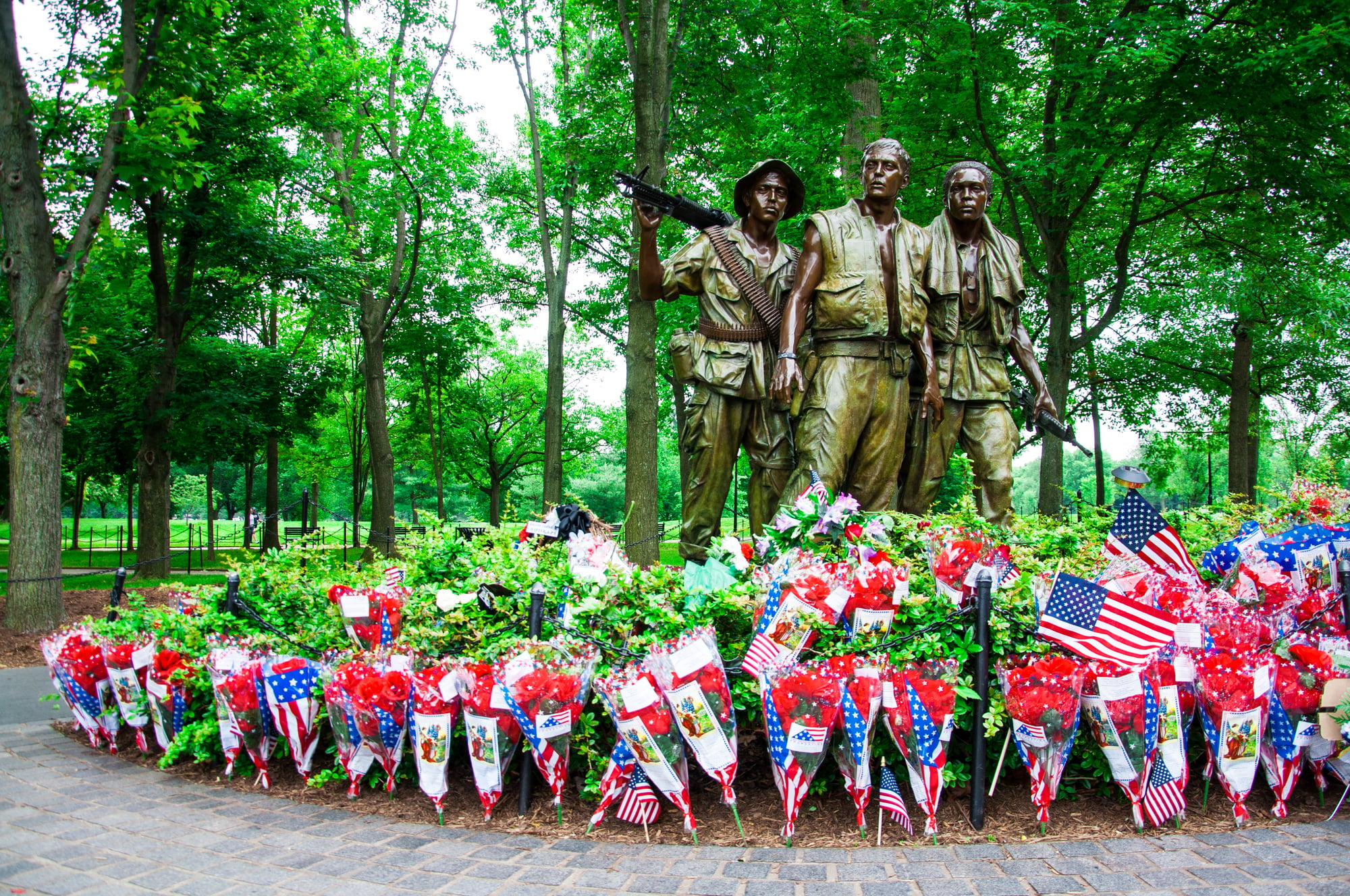
The Vietnam Veterans Memorial was supposed to heal the divide between Americans who supported the war and Americans who opposed it. Maya Lin designed it as a place where both sides could come together to honor the soldiers who died, regardless of how anyone felt about the conflict itself.
Instead, it became a place where the political arguments about the war intensify rather than resolve. Visitors still argue about whether the war was justified, whether the soldiers were heroes or victims, and whether the memorial itself honors service or protests war.
The black granite wall forces people to confront their own reflection alongside the names of the dead, which creates a powerful emotional experience — but not necessarily the healing one that was intended. People leave the memorial feeling more conflicted about the war, not less.
The Lincoln Memorial
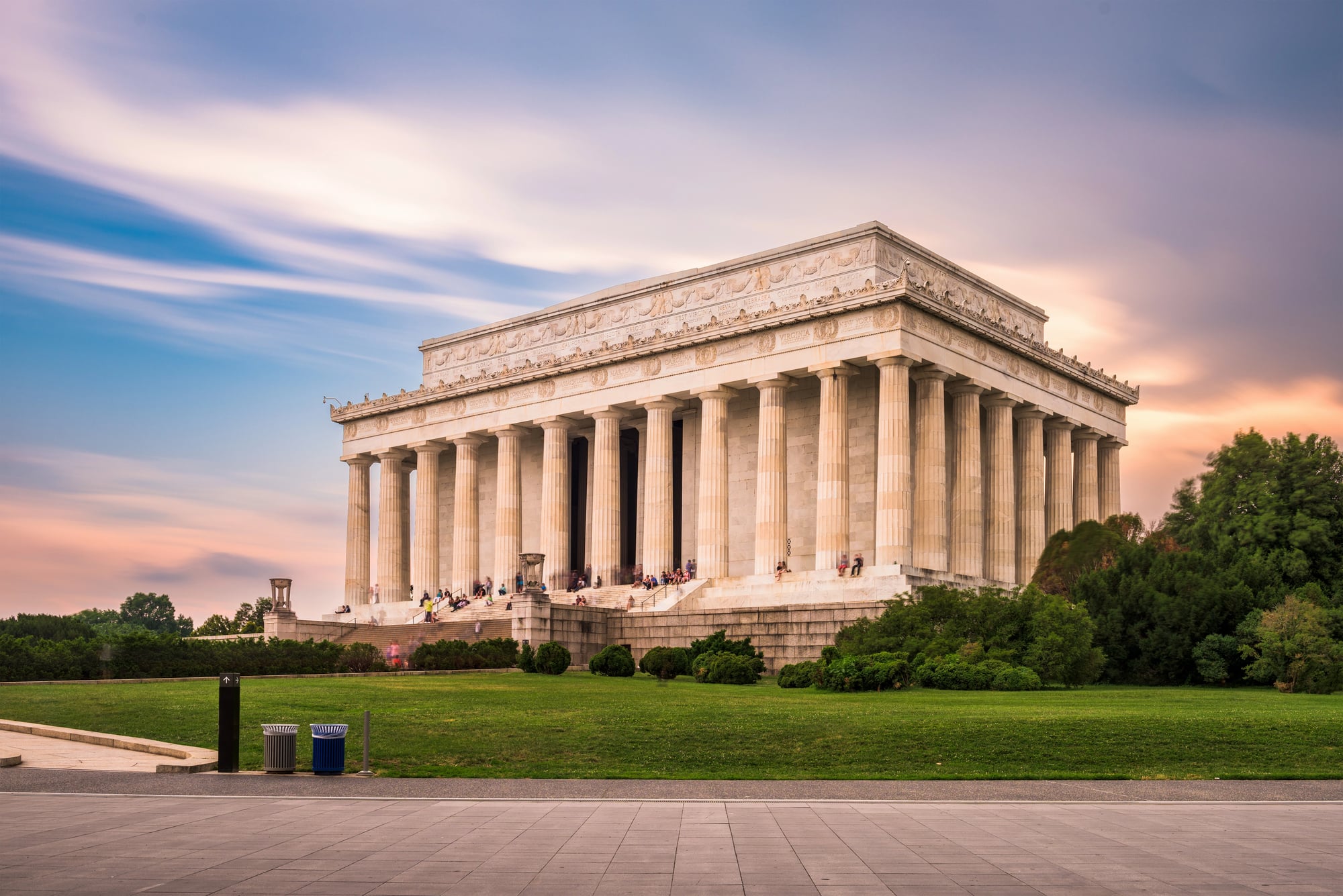
Abraham Lincoln gets remembered as the Great Emancipator, and the Lincoln Memorial was built to cement that legacy (it was dedicated in 1922, when the country was dealing with post-World War I racial tensions and wanted to remind itself of higher ideals). But the memorial actually commemorates a much more complex figure than most visitors realize.
Lincoln’s primary concern was preserving the Union, not ending slavery — he said so repeatedly, even late in the war. He supported colonization plans that would have sent freed slaves to Africa or Central America, and his Emancipation Proclamation was a military strategy that freed slaves only in rebelling states (slavery continued in Union states until the 13th Amendment passed after Lincoln’s death).
The memorial presents him as a moral crusader, but the historical Lincoln was a pragmatic politician who made decisions based on military necessity and political calculation. That doesn’t make him less important, but it makes him different from the saint-like figure the memorial suggests.
The Washington Monument
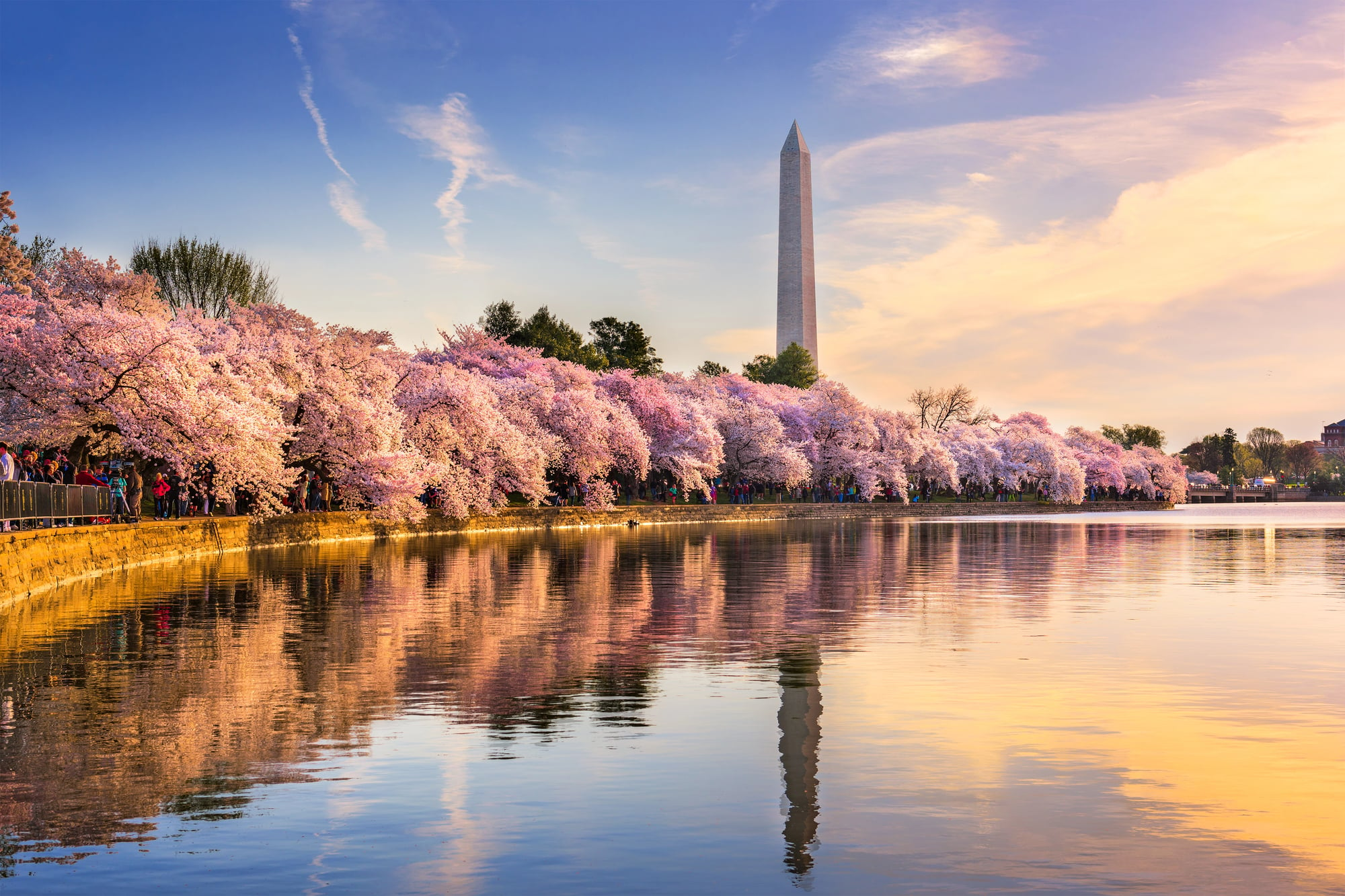
The Washington Monument took 36 years to complete because the original Washington National Monument Society ran out of money in 1854, and construction didn’t resume until 1877. During that gap, the Know-Nothing Party (an anti-immigrant, anti-Catholic political movement) took control of the project and tried to turn it into a monument to Protestant Anglo-Saxon superiority rather than American republican values.
You can still see the evidence today: there’s a visible line about a third of the way up the obelisk where the marble changes color, marking the spot where construction stopped and started again. The Know-Nothings threw a stone donated by the Pope into the Potomac River because they didn’t want Catholic symbols anywhere near their version of the monument.
When construction finally resumed under federal oversight, it was with different stone and different intentions — but the monument still bears the physical scar of that interruption. George Washington’s memorial ended up commemorating 19th-century nativism as much as 18th-century republicanism.
Gateway Arch in St. Louis
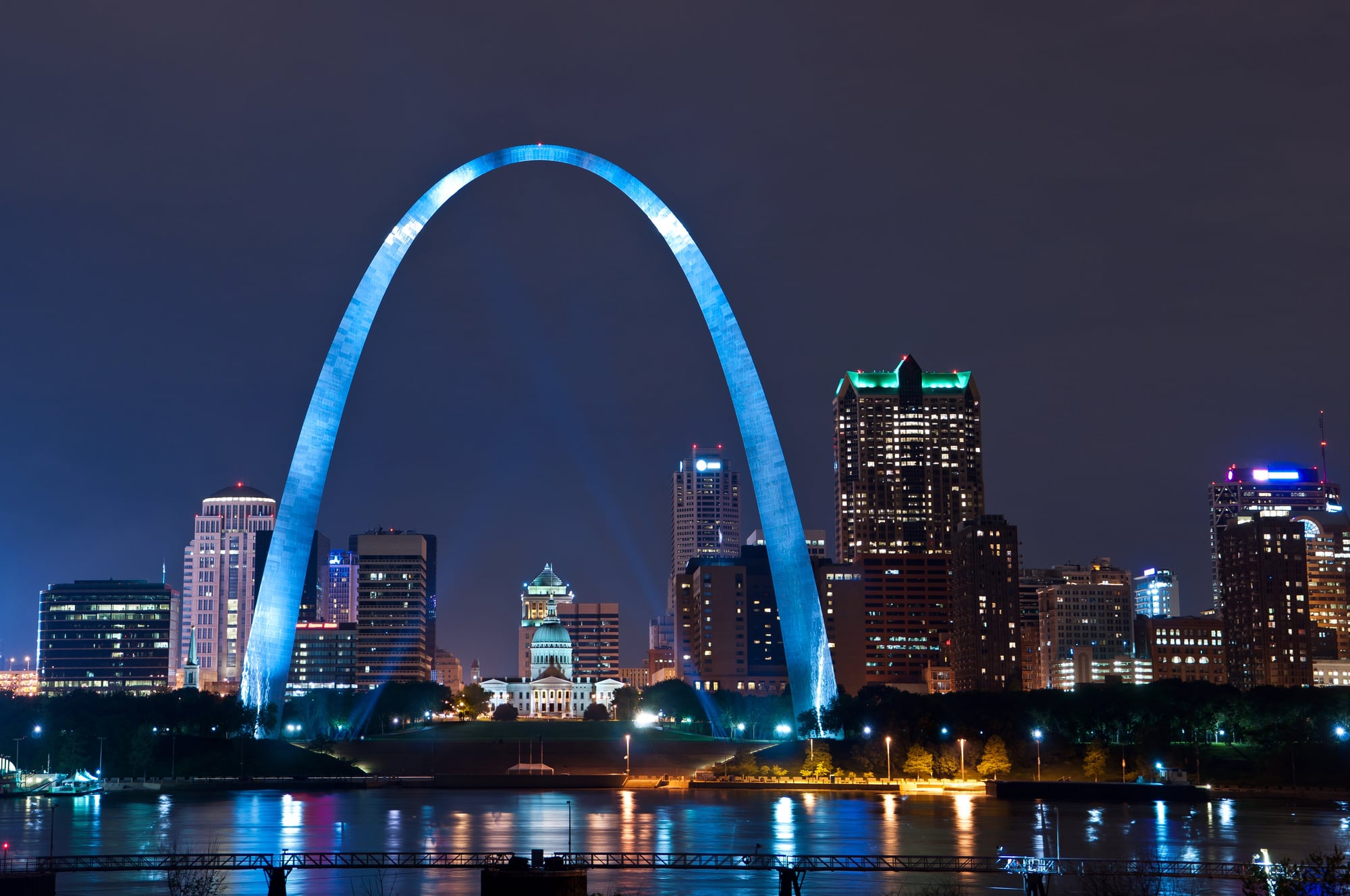
The Gateway Arch was built to celebrate St. Louis as the “Gateway to the West” and to revitalize the city’s downtown area with a major tourist attraction. But it actually commemorates one of the most destructive periods in American history — the westward expansion that eliminated Native American tribes, destroyed vast ecosystems, and established the extractive economy that turned the Great Plains into an industrial farming region.
The “Gateway to the West” narrative treats the displacement of indigenous peoples as an inevitable part of American progress, and the sleek modernist design of the arch makes that displacement look clean and purposeful rather than violent and chaotic. Visitors climb to the top and look west toward the territories that American settlers claimed, but the monument doesn’t acknowledge what happened to the people who were already living there.
It’s a monument to conquest disguised as a monument to exploration. So the arch succeeds as a tourist attraction (it draws about two million visitors per year), but it fails as a symbol of American ideals unless your ideals include the systematic destruction of cultures that were inconveniently occupying land you wanted to claim.
Jefferson Memorial
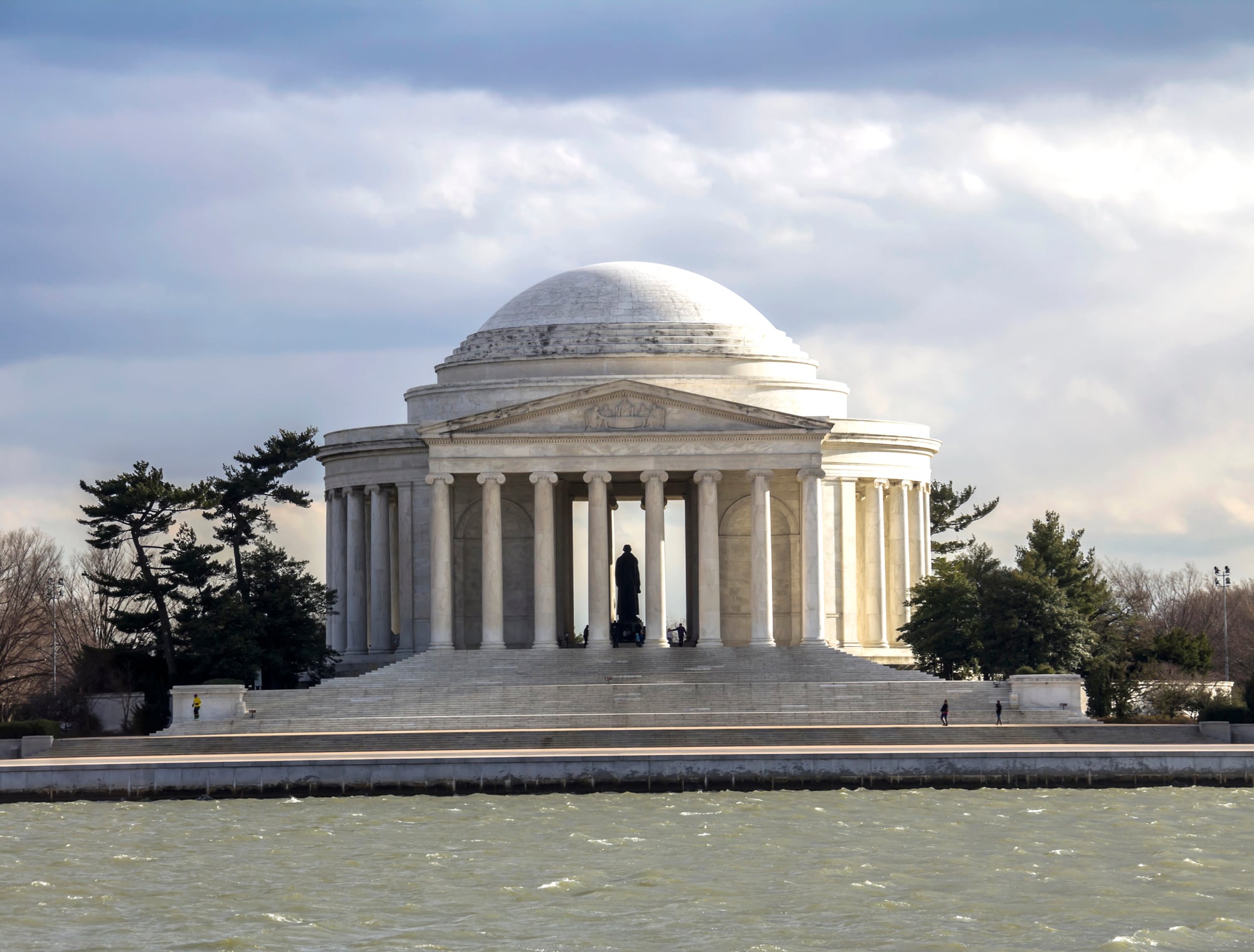
The Jefferson Memorial was built during World War II to remind Americans of their democratic values while they were fighting fascism abroad. Thomas Jefferson seemed like the perfect figure to represent those values — he wrote the Declaration of Independence, founded the University of Virginia, and championed individual liberty against government tyranny.
But Jefferson also owned more than 600 enslaved people during his lifetime and never freed most of them, even in his will. He had a decades-long relationship with Sally Hemings, an enslaved woman who couldn’t legally consent to anything he did to her, and he fathered at least six children with her while keeping them enslaved.
The memorial inscribes his words about equality and freedom on marble walls, but it doesn’t mention that he didn’t extend those principles to the people he owned. The irony runs deeper than most monuments because Jefferson himself understood it.
He wrote that slavery was like “holding a wolf by the ears” — dangerous to continue, but dangerous to let go — and he predicted that the contradiction between American ideals and American practices would eventually tear the country apart. The memorial honors his ideals while ignoring his warning about what happens when you build a country on principles you’re not actually willing to live by.
Crazy Horse Memorial
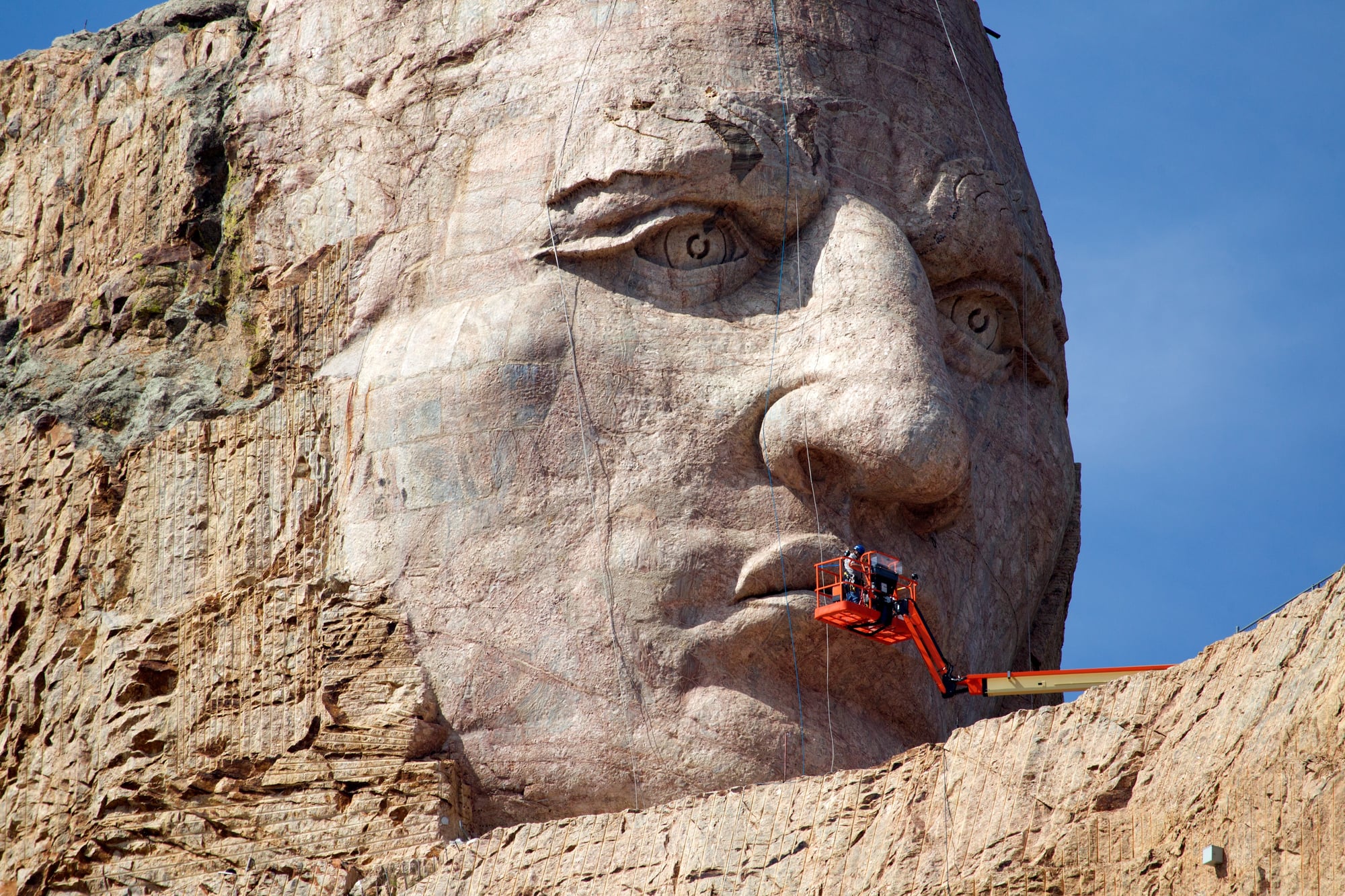
The Crazy Horse Memorial was supposed to show that Native Americans could create monuments as impressive as Mount Rushmore, and it was supposed to honor a leader who fought to preserve indigenous culture against American expansion. Korczak Ziolkowski started carving the memorial in 1948 after being invited by Lakota leaders who wanted a Native American response to the presidential faces carved into their sacred mountain.
But Crazy Horse never allowed photographs of himself and believed that carving images into the sacred Black Hills was a form of desecration. The historical Crazy Horse would almost certainly have opposed the project that’s being built in his name.
And the memorial has become a family business that generates millions of dollars in revenue while making very slow progress on the actual carving — after 75 years, only the face is approaching completion. The memorial ends up commemorating the commercialization of Native American culture rather than its preservation.
Visitors pay admission to see a work in progress that may never be finished, and the Ziolkowski family continues to control the project decades after the sculptor’s death. It’s become exactly the kind of tourist attraction that treats indigenous culture as a commodity, which is the opposite of what Crazy Horse fought against.
Statue of Rhodes
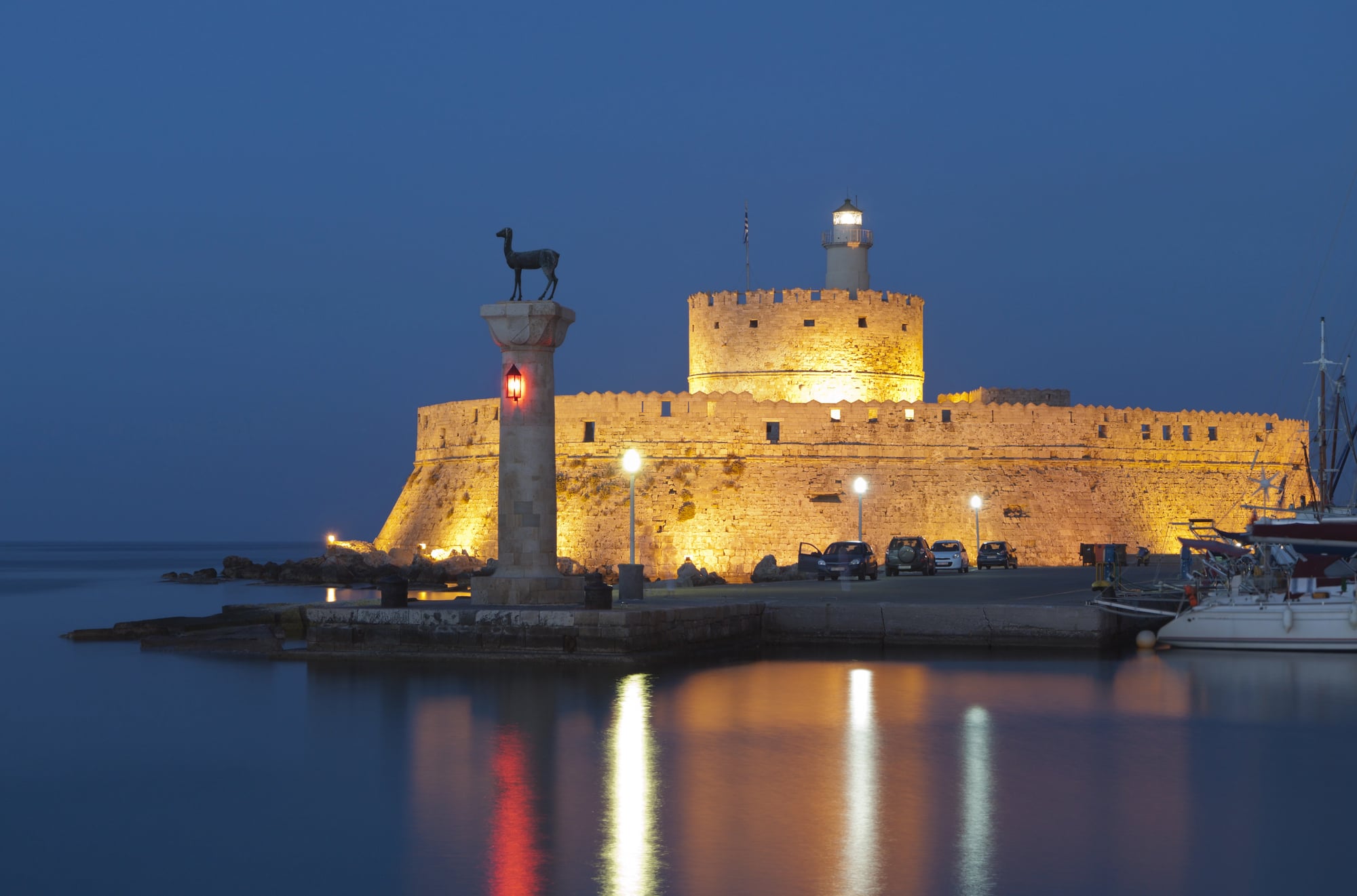
The Colossus of Rhodes was built to celebrate the island’s successful defense against a siege, but it actually commemorated the beginning of Rhodes’s decline as an independent power. The statue took 12 years to complete (from 292 to 280 BCE) and required enormous resources that the island could barely afford after the expensive war it had just survived.
The statue stood for only 54 years before an earthquake knocked it down in 226 BCE, and the Rhodians never rebuilt it. By the time it fell, Rhodes was already losing its independence to larger powers — first the Romans, then various other empires that controlled the eastern Mediterranean.
So the monument that was supposed to celebrate the island’s strength actually marked the end of its ability to defend itself effectively. The broken statue became more famous than the intact one ever was.
Ancient writers described the ruins in detail, and medieval travelers made pilgrimages to see the fallen colossus. The monument achieved its greatest fame as a symbol of the impermanence of human achievement, which is probably not what the Rhodians had in mind when they started building it.
Easter Island Moai
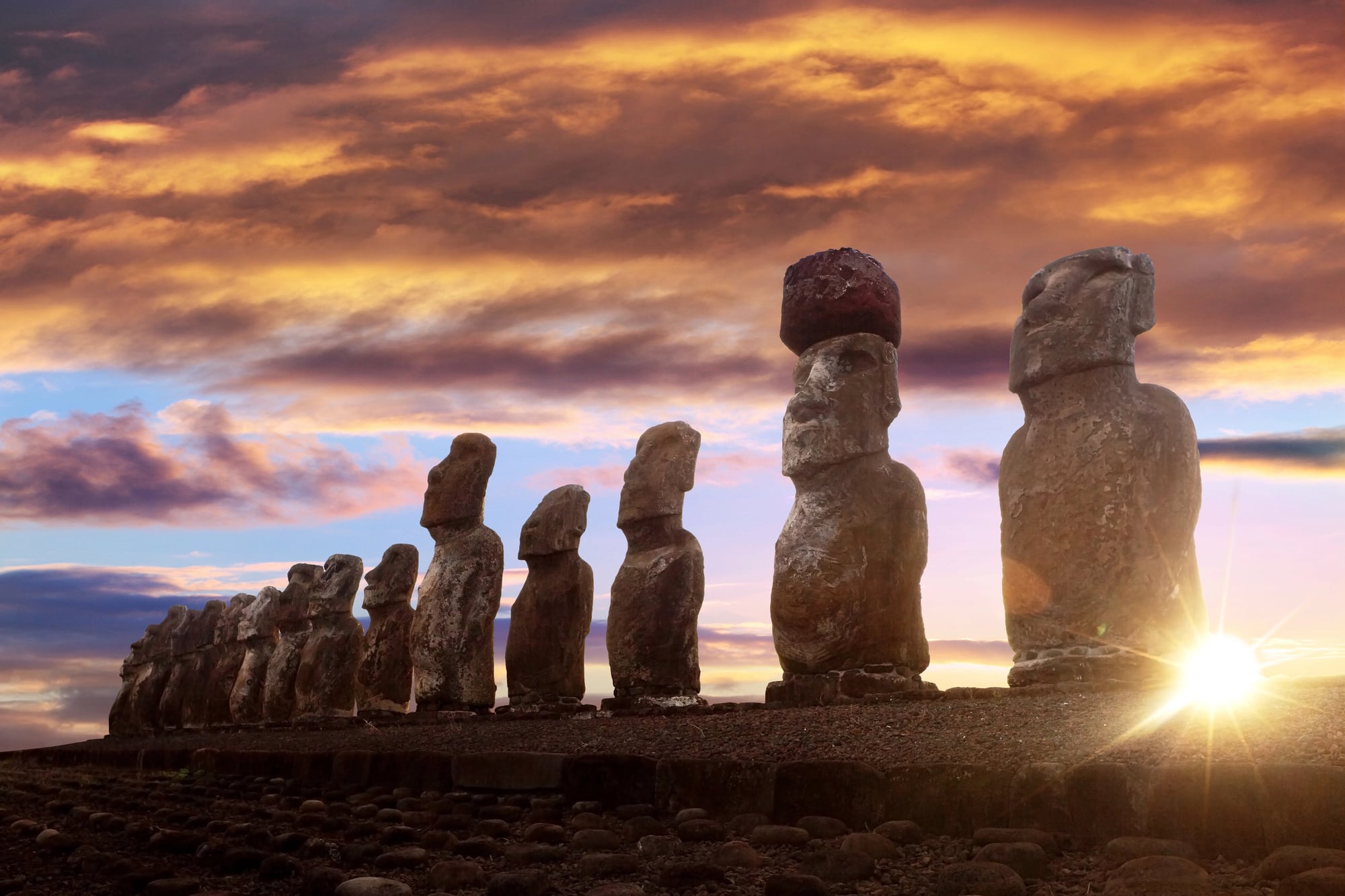
The moai were carved to honor ancestors and to demonstrate the power and prosperity of different clans on Easter Island. But they ended up commemorating the ecological collapse that destroyed the civilization that created them.
Easter Island was covered with palm forests when Polynesian settlers arrived around 1200 CE. The islanders cut down trees to move the massive statues from the quarry sites to their final positions, and they kept carving larger and more elaborate moai even as the deforestation made their island less habitable.
By 1650, the palm trees were gone, the soil was eroding, and the population was declining rapidly. The moai that were supposed to represent ancestral protection became monuments to the consequences of environmental destruction.
The statues stand on an island that can no longer support the civilization that carved them, and they stare out at an ocean that their descendants eventually had to cross in desperate attempts to find more habitable land. Modern visitors see them as mysterious and impressive, but they’re actually a warning about what happens when a society prioritizes monument-building over environmental sustainability.
Arc de Triomphe
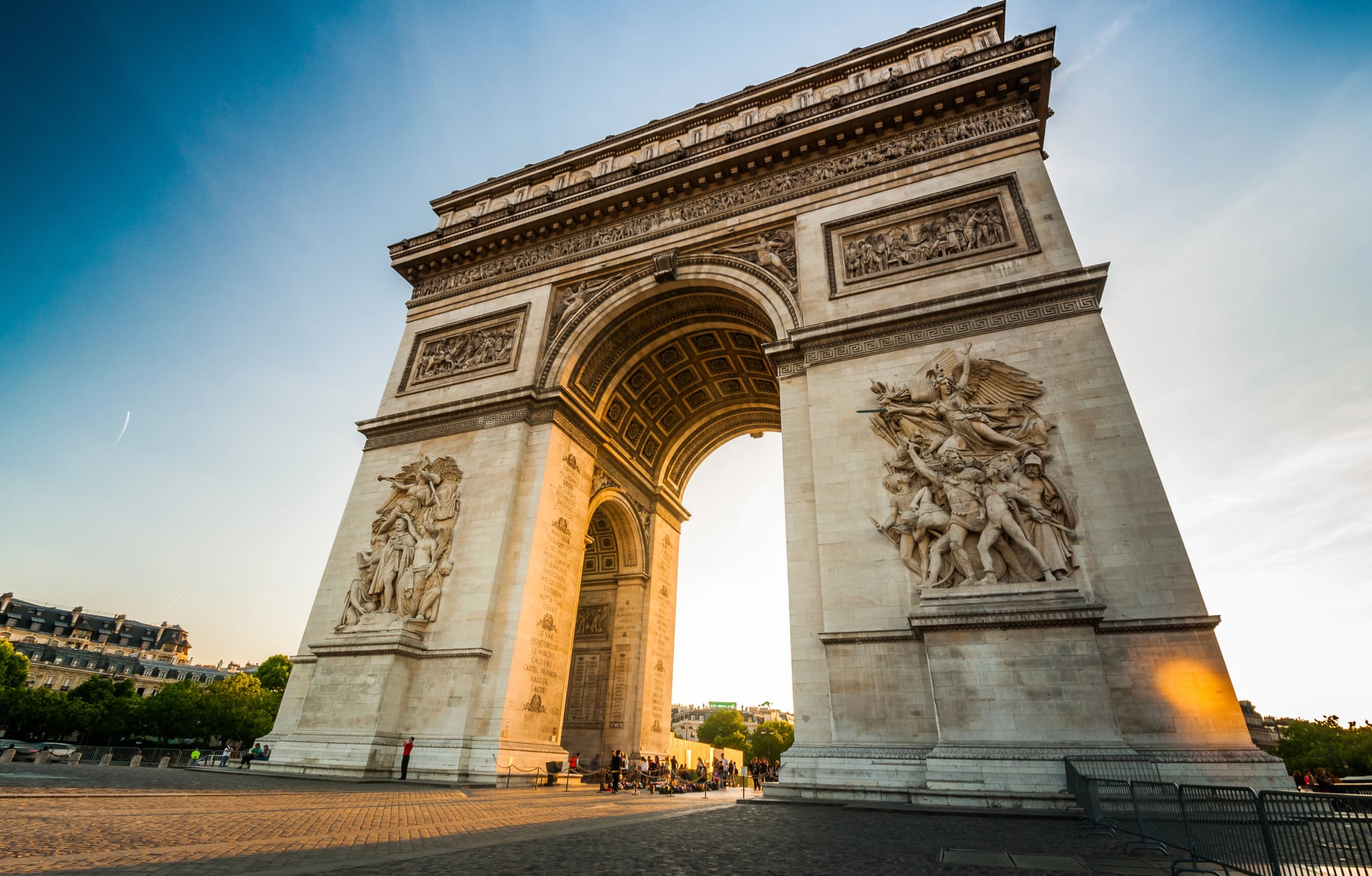
Napoleon commissioned the Arc de Triomphe to celebrate his military victories and the expansion of the French Empire across Europe. The monument was supposed to demonstrate that France had become the dominant power on the continent and that French armies were invincible.
But Napoleon was defeated and exiled before the Arc was completed in 1836, and by then France had lost most of the territories his armies had conquered. The monument ended up commemorating the brief period when the French Empire looked unstoppable, just before it collapsed entirely.
The irony deepened during World War II, when German troops marched through the Arc during their occupation of Paris. The monument that was built to celebrate French military dominance became the backdrop for one of France’s most humiliating defeats.
And after the war, it became the site of the Tomb of the Unknown Soldier, which honors French soldiers who died in conflicts rather than French victories in them. The Arc still represents French pride, but it’s a much more complicated and melancholy pride than Napoleon intended.
Berlin Wall Memorial
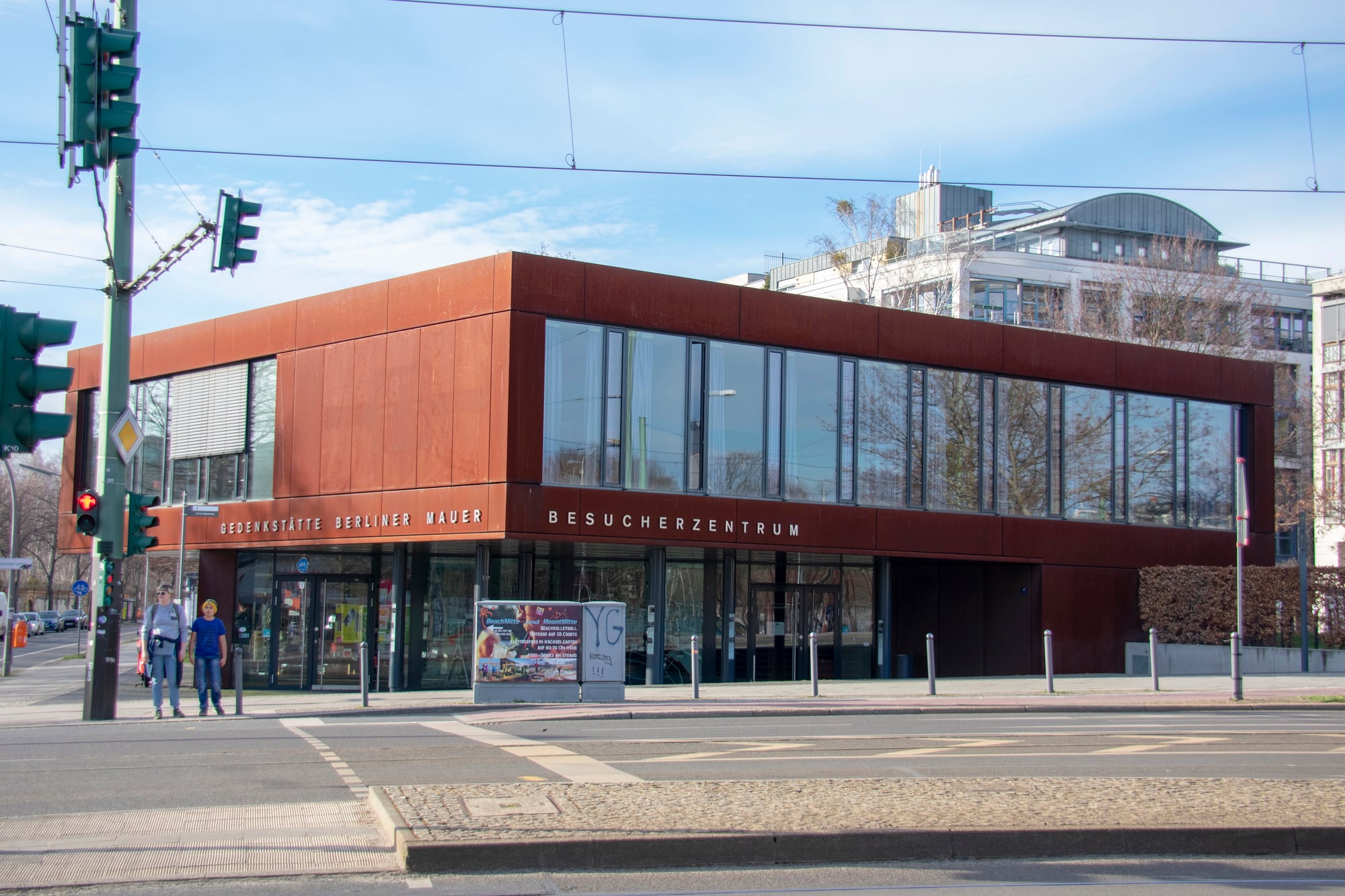
Wait — the Berlin Wall was never supposed to be a monument. It was built as a barrier to keep East Germans from escaping to West Berlin, and the East German government called it the “Anti-Fascist Protection Rampart” to make it sound like a defensive measure against Western aggression.
But sections of the wall have been preserved as monuments to freedom and human rights, and that’s where the irony kicks in. The Berlin Wall Memorial actually commemorates the failure of the communist system it was built to protect.
The wall became necessary because so many East Germans were fleeing to the West that the East German economy was collapsing — by 1961, nearly 20% of the East German population had already left. So the wall that was supposed to save East Germany actually proved that the system couldn’t survive without preventing its citizens from leaving.
The memorial sections that remain today honor the people who died trying to escape, which makes them monuments to the brutality and desperation that the wall represented. The East German government wanted to build a barrier; they accidentally built a monument to their own illegitimacy.
Christ the Redeemer
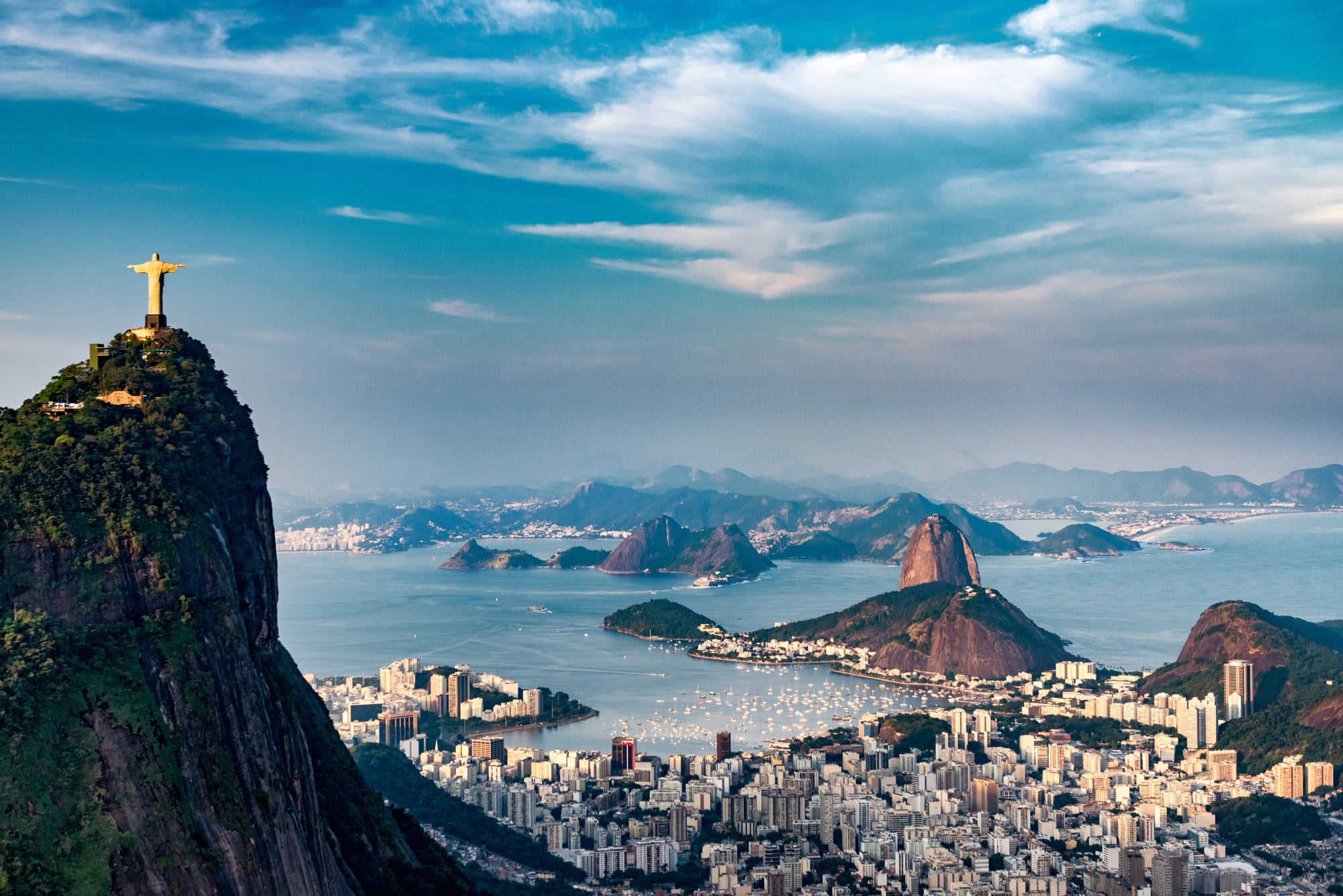
Christ the Redeemer was built to demonstrate Brazil’s Catholic faith and to provide spiritual protection for Rio de Janeiro. The statue was completed in 1931, during a period when Brazilian leaders were trying to establish the country as a major Catholic nation in South America.
But the statue actually commemorates the growing secularization of Brazilian society. By the time it was finished, Brazil was already becoming less religious and more focused on economic development than spiritual devotion.
The statue became famous worldwide as a tourist attraction rather than a religious pilgrimage site, and it’s now more important to Rio’s economy than to its spiritual life. The statue that was supposed to inspire religious devotion ended up inspiring souvenir sales.
Visitors take selfies with Christ the Redeemer in the background, but most of them are more interested in the view of Rio’s beaches than in the religious significance of the monument. It’s become a symbol of Brazil’s natural beauty and urban sophistication, which is probably not what the Catholic Church had in mind when it started raising money for the project.
Leaning Tower of Pisa
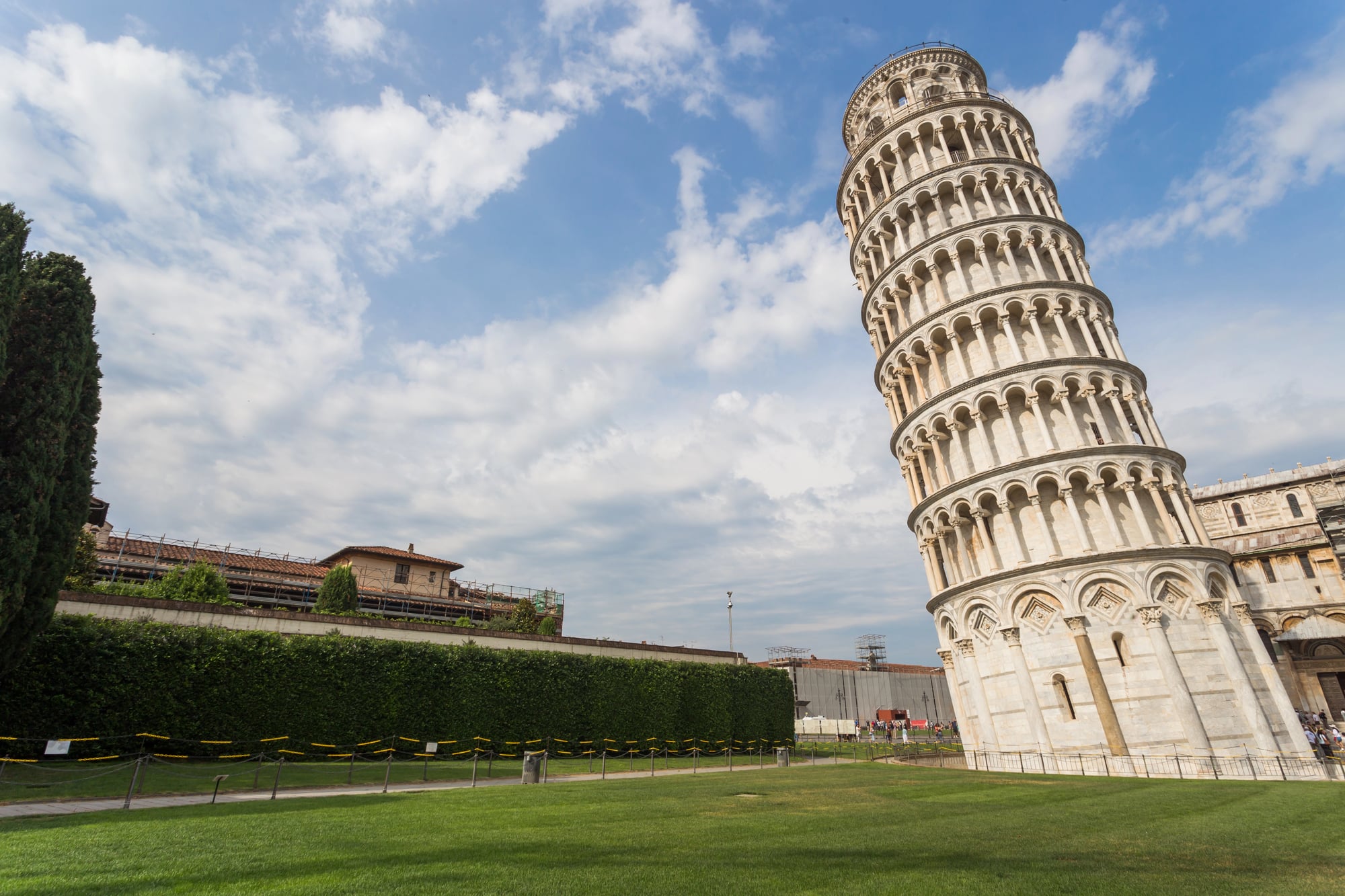
The Leaning Tower of Pisa was supposed to be a bell tower that demonstrated the wealth and engineering skill of the medieval Republic of Pisa. Construction started in 1173, when Pisa was one of the most powerful maritime republics in the Mediterranean, and the tower was designed to be taller and more impressive than similar towers in competing cities.
But the tower started leaning during construction because it was built on soft ground that couldn’t support its weight properly. Instead of fixing the foundation, the engineers kept building and tried to compensate for the lean by making the upper floors slightly curved.
The result was a tower that looked like it was about to fall over, which made Pisa look incompetent rather than impressive. The tower that was supposed to demonstrate engineering excellence became famous for engineering failure.
And Pisa’s power declined during the centuries it took to complete the tower — by the time it was finished in 1372, Pisa had been conquered by Florence and was no longer an independent republic. The Leaning Tower ended up commemorating the end of Pisa’s golden age rather than its architectural achievements.
Hollywood Sign
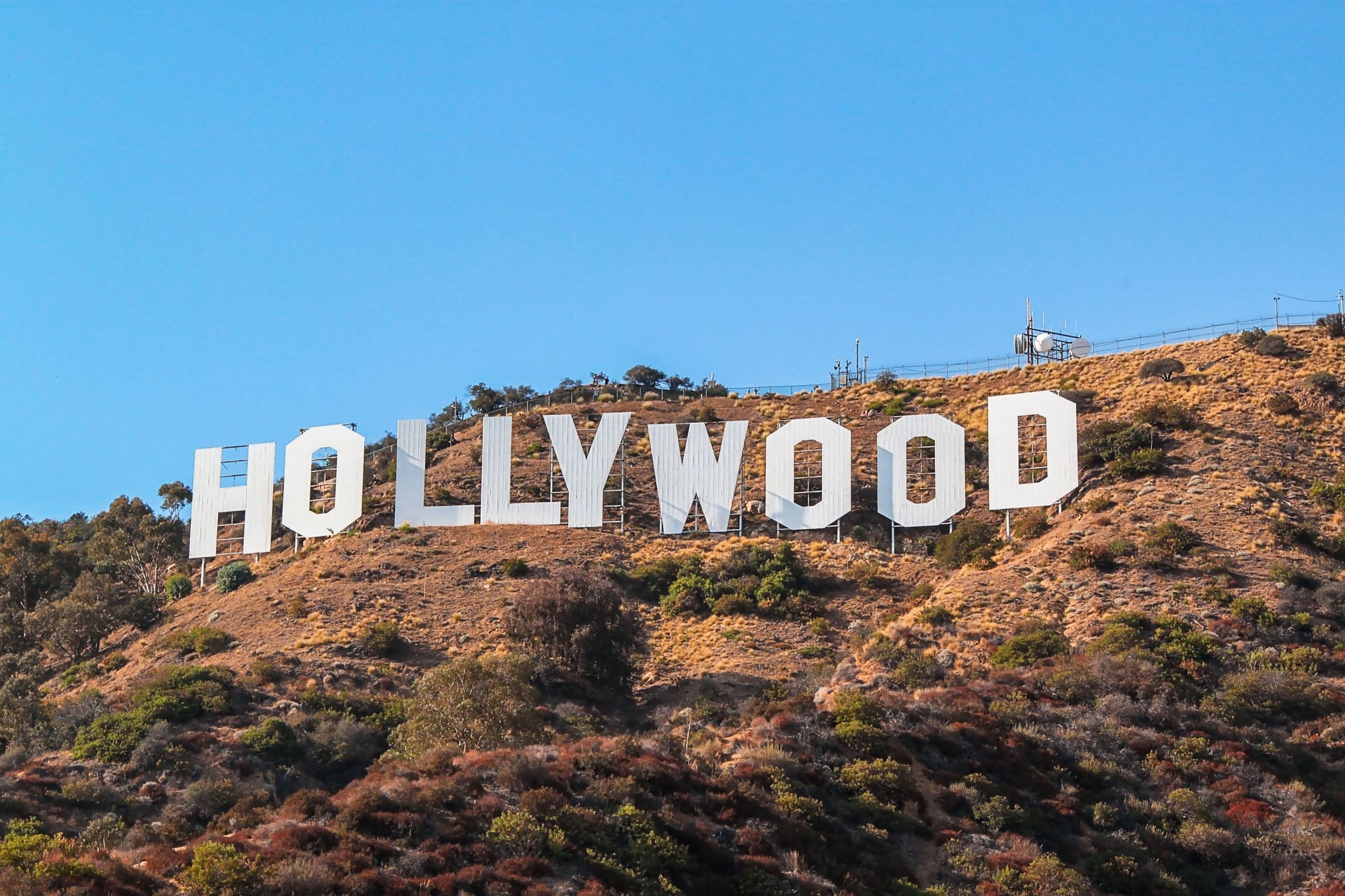
The Hollywood Sign was put up in 1923 as a temporary advertisement for a real estate development called “Hollywoodland.” The developers wanted to attract buyers to a residential subdivision in the hills above Los Angeles, and the sign was supposed to stay up for about 18 months while they sold the lots.
But the sign became a symbol of the movie industry instead of the real estate industry, and it ended up commemorating the transformation of Hollywood from a quiet residential area into the entertainment capital of America. By the time the “land” portion of the sign was removed in 1949, Hollywood had become famous for movie studios rather than housing developments, and the sign represented dreams of stardom rather than dreams of homeownership.
The sign that was built to sell houses in the hills became a monument to an industry that hadn’t even established itself in the area when the sign went up. And it’s a monument to dreams that mostly don’t come true — for every person who becomes famous in Hollywood, thousands of others move there with similar hopes and end up working in restaurants and retail stores while waiting for their big break that never comes.
Space Needle
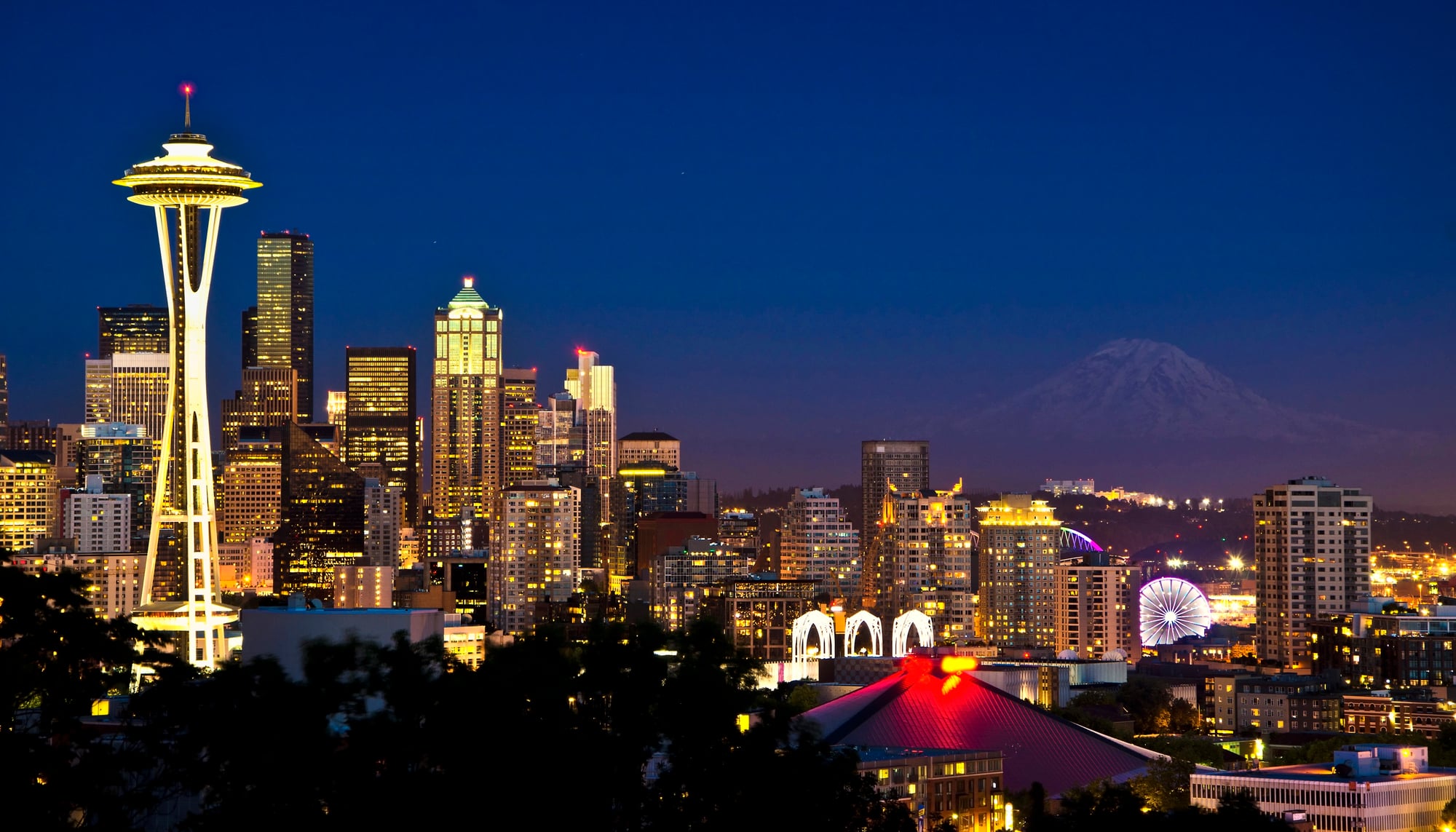
The Space Needle was built for the 1962 World’s Fair in Seattle, and it was supposed to represent humanity’s exciting future in the Space Age. The design was meant to look futuristic and optimistic — like something from a science fiction movie about life in the 21st century.
But the Space Needle actually commemorates the end of the era when Americans believed that technological progress would solve most human problems. The 1960s space program was incredibly expensive and didn’t produce the practical benefits that people expected, and by the 1970s Americans were becoming more skeptical about whether bigger and more advanced technology actually
More from Go2Tutors!

- The Romanov Crown Jewels and Their Tragic Fate
- 13 Historical Mysteries That Science Still Can’t Solve
- Famous Hoaxes That Fooled the World for Years
- 15 Child Stars with Tragic Adult Lives
- 16 Famous Jewelry Pieces in History
Like Go2Tutors’s content? Follow us on MSN.