24 Soft Drinks Pulled From Shelves and Still Missed
Some beverages achieved cult status despite limited shelf life. Trying to find them years later produced no results—they’d disappeared without official announcements or goodbye campaigns. Competitors may have absorbed their market share, but the originals never returned.
These drinks represented childhoods or specific moments of personal history. Online petitions and nostalgia drives couldn’t convince manufacturers to resurrect products they’d already abandoned. The market moved on, and these drinks became memories instead of purchases.
Surge
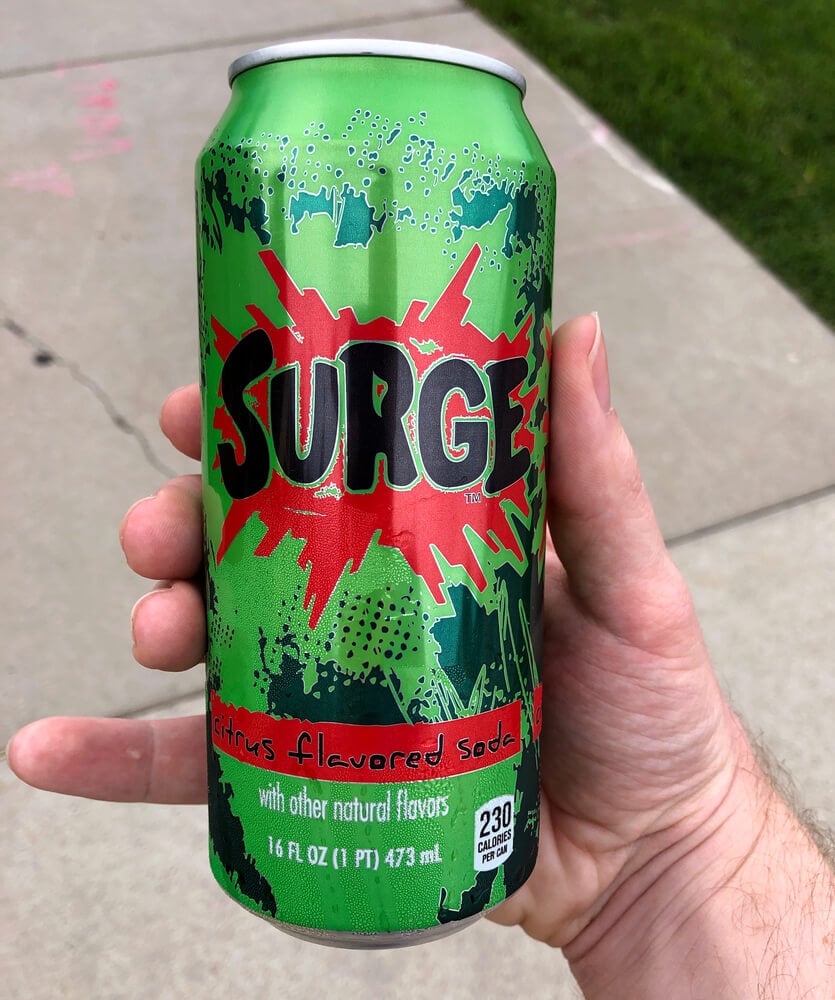
This high-caffeine citrus drink competed with Mountain Dew during the 1990s energy drink craze. The intense taste and marketing toward extreme sports created a devoted following. The drink’s discontinuation left a gap for years before energy drinks diversified.
Jolt Cola
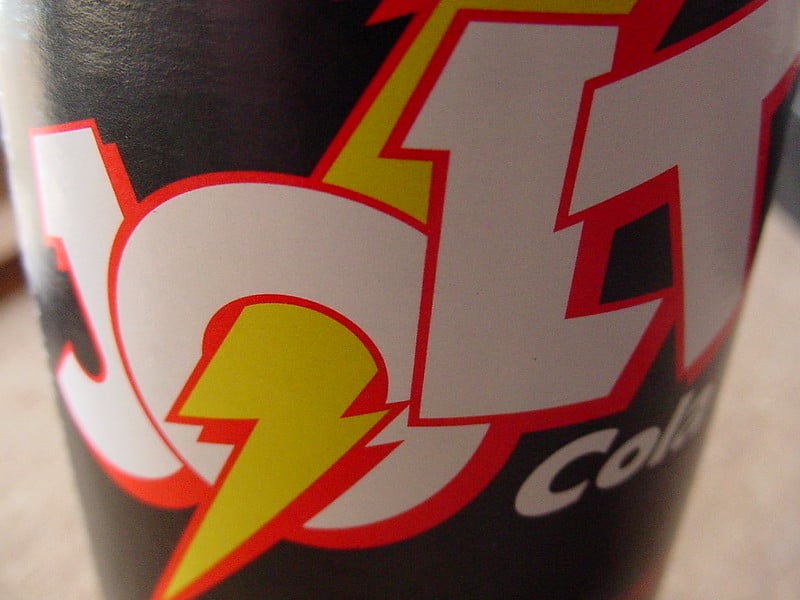
This coffee-flavored cola positioned itself as the highest-caffeine mainstream beverage. The distinctive taste and packaging created recognition among enthusiasts. The drink disappeared despite having passionate supporters.
OK Soda
This caffeine-free cola with alternative marketing positioned itself as quirky and countercultural. The taste was forgettable but the branding was memorable. The short lifespan meant few people actually tried it despite knowing about it.
Surge (Second Run)
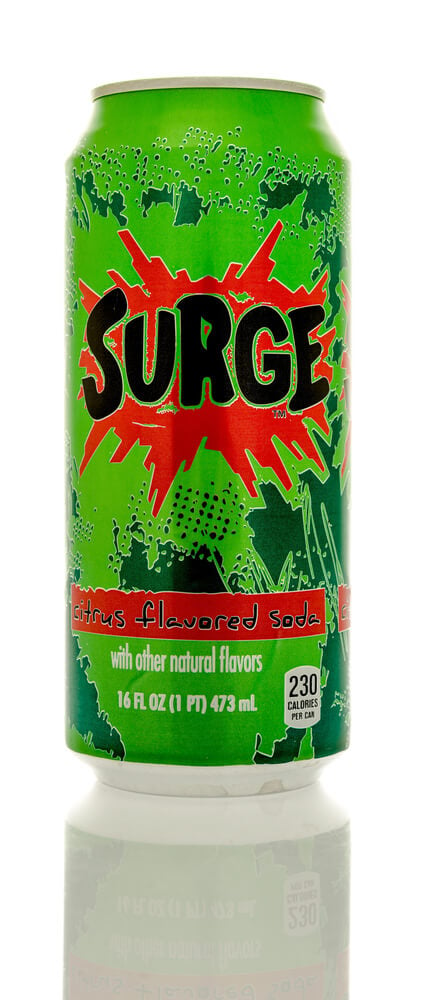
A brief reintroduction attempt of the original drink couldn’t sustain demand. The nostalgia factor wasn’t sufficient to support production. The drink disappeared again despite initial excitement.
Josta
This guarana and cola combination targeted energy drink enthusiasts before modern energy drinks dominated. The South American ingredient positioning created exotic appeal. The drink vanished as energy drinks specialized and proliferated.
Tropical Sprite
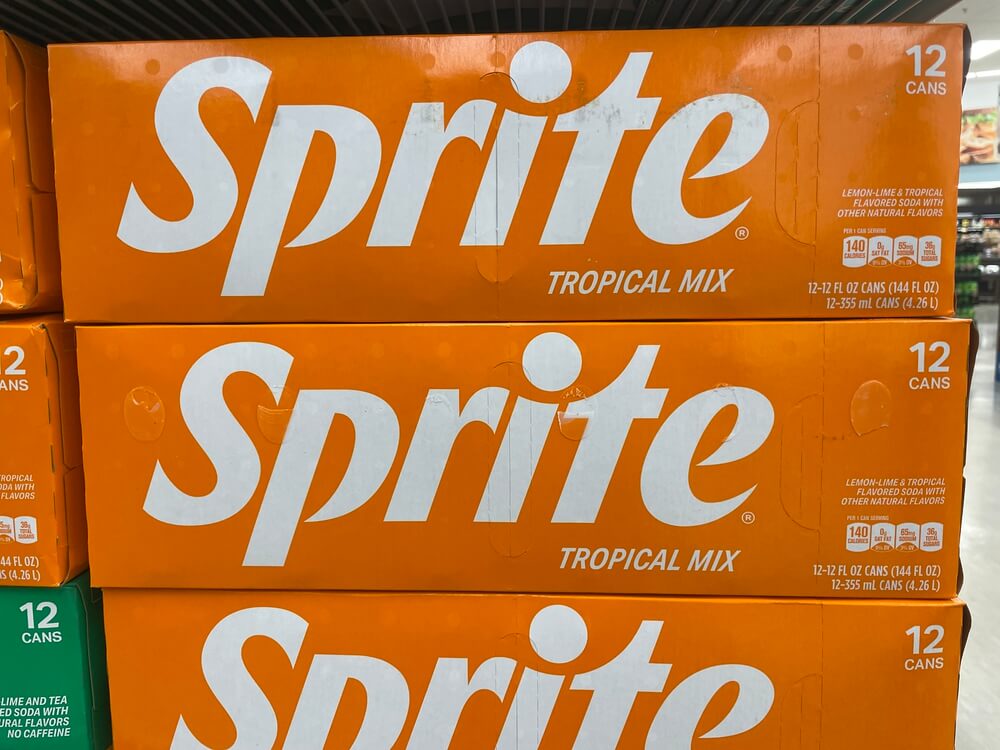
This Hawaiian punch-adjacent variant of Sprite appeared briefly in the 1990s. The distinct orange-tropical flavor created memorable taste for those who tried it. The limited run and disappearance left fans searching for equivalents.
Cherry Coke
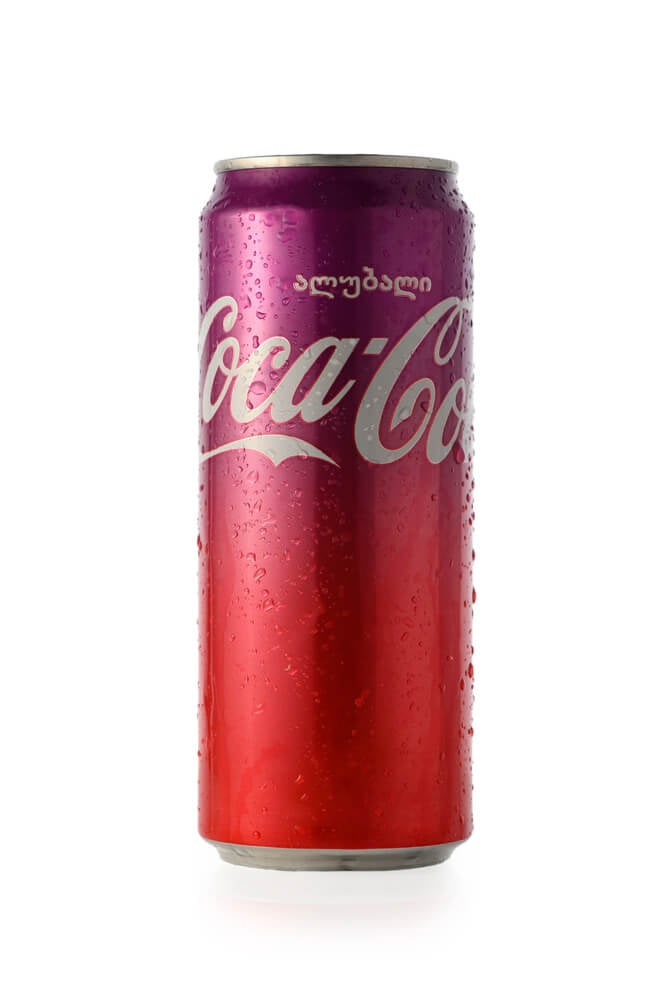
This Coca-Cola variant competed with wild cherry Pepsi, then disappeared from major distribution. The cherry flavoring created polarized reactions from devotees and detractors. The drink’s absence meant no option for cherry-cola preferences.
Pepsi Blue
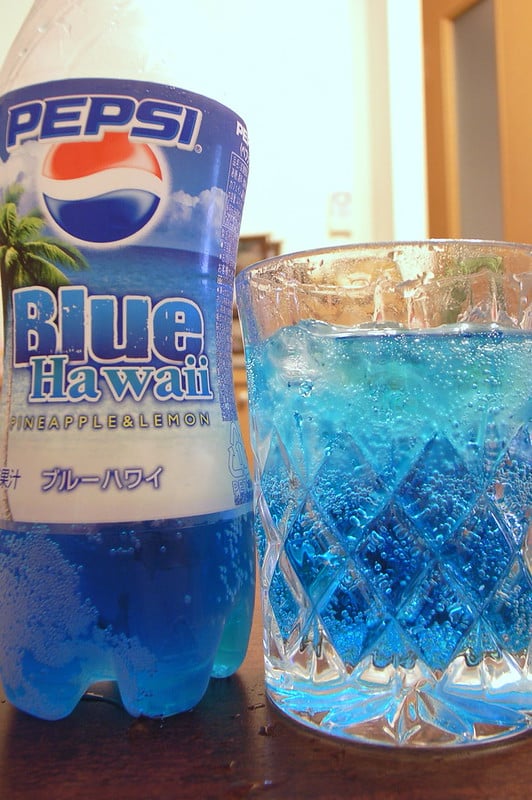
This berry-flavored Pepsi variant arrived with heavy marketing but disappeared quickly. The artificial blue coloring looked unnatural, discouraging repeat purchase. The novelty wore off and supply diminished.
Tahitian Treat
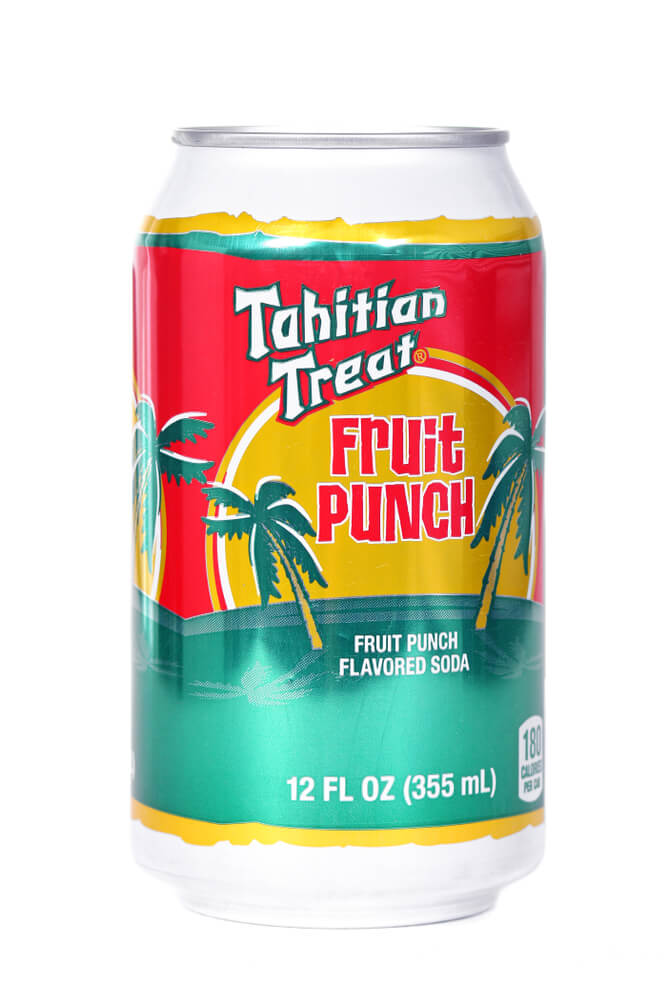
This mango and coconut juice drink appeared in Hawaiian punch-adjacent positioning. The tropical flavors appealed to vacation-minded consumers. The limited distribution meant it disappeared from stores.
Country Time Lemonade (Liquid)
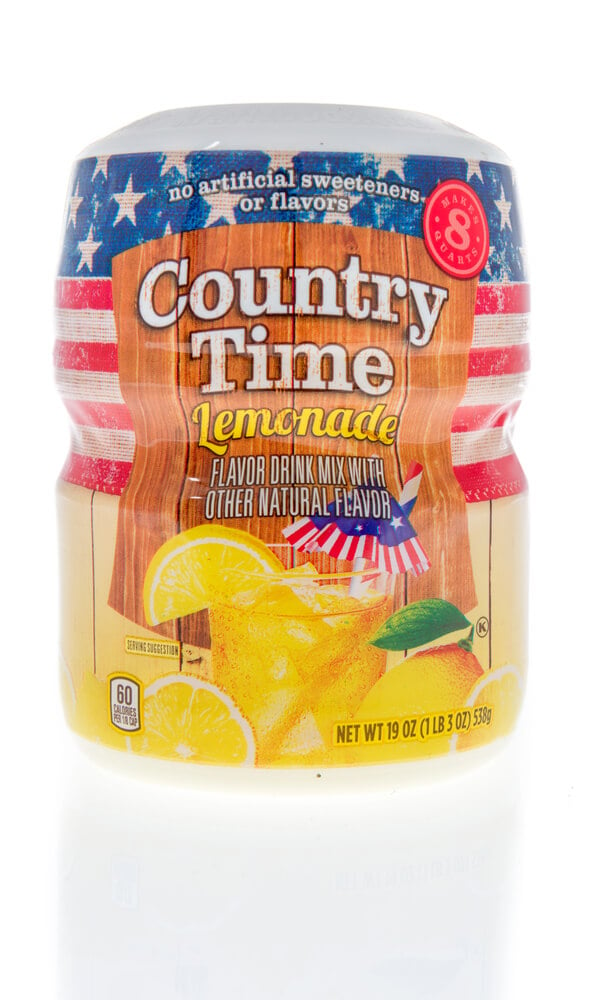
This pre-made lemonade concentrate competed with fresh options and other powders. The convenience factor couldn’t overcome consumer preference for fresher alternatives. The discontinuation meant returning to powder or fresh ingredients.
Crystal Clear Pepsi
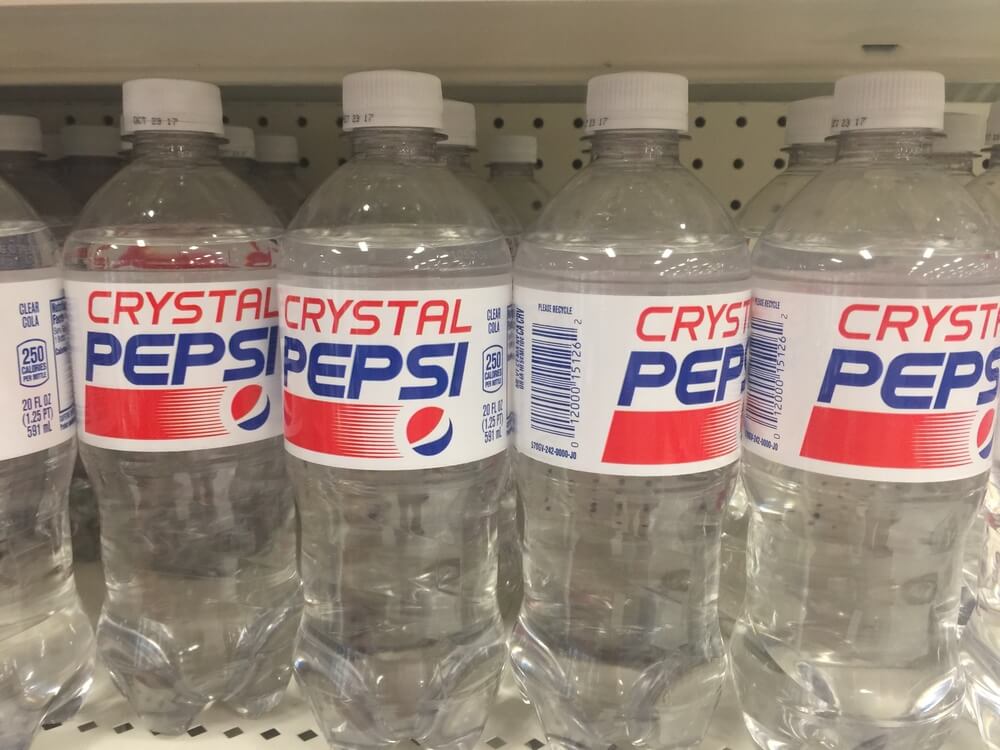
This colorless cola variant positioned itself as pure cola without coloring. The transparent appearance created novelty factor despite taste remaining identical to regular cola. The lack of perceived difference meant limited repeat purchase.
Dr Pepper Red Fusion

This cinnamon-cherry variant of Dr Pepper created distinctive taste variations. The spice and fruit combination appealed to bold flavor enthusiasts. The limited run and discontinuation left fans searching for spiced cola alternatives.
Slice
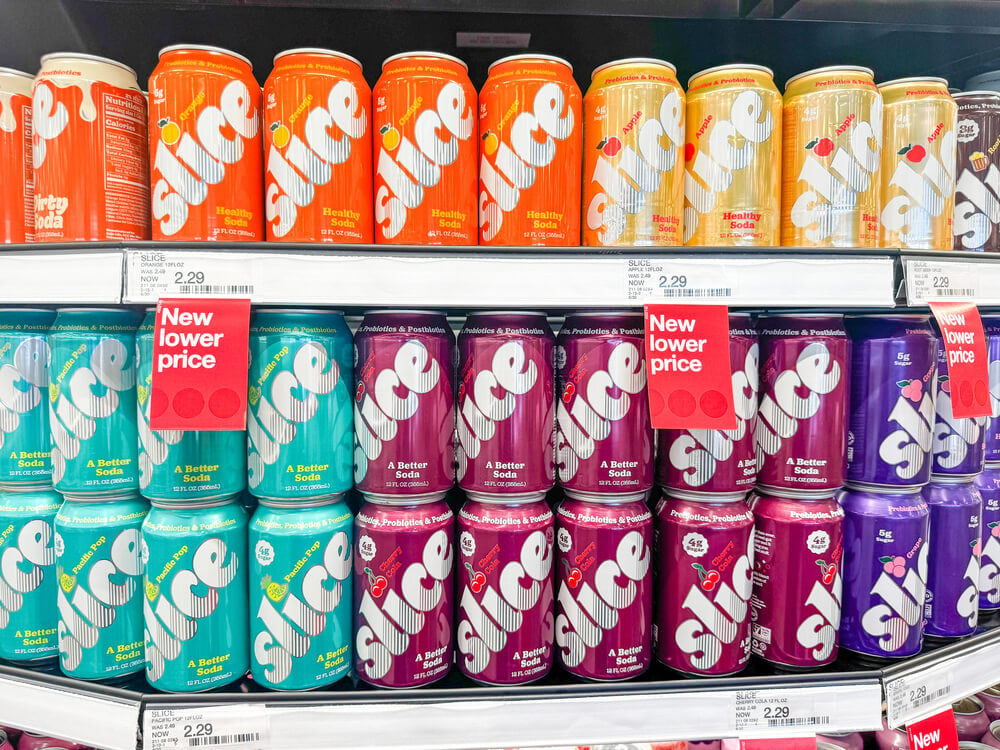
This lemon-lime citrus soda competed with 7-Up and Sprite through aggressive marketing. The brand identity and packaging created recognition. The drink’s disappearance meant no alternative to established leaders.
Fresca
This grapefruit citrus soda with slight bitterness positioned itself differently from sweeter options. The sophisticated flavor appealed to adult tastes. The limited distribution meant access only in specific regions.
Mello Yello
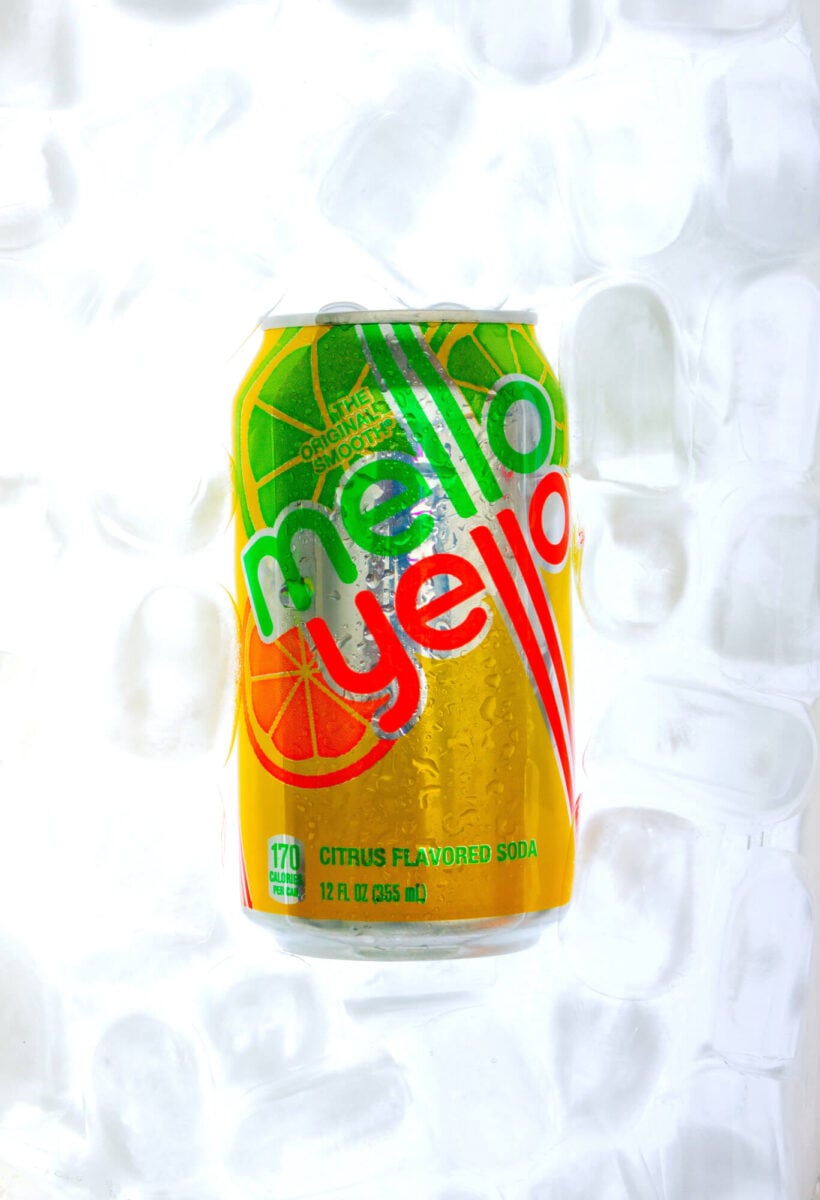
This Coca-Cola extreme sports drink competed with Mountain Dew but with less market success. The lime citrus flavor created distinct positioning. The discontinuation in some regions left former fans unable to find it.
Shasta Plus

This vitamin-fortified soda variant attempted to add health benefits to sugar-heavy beverages. The fortification couldn’t overcome consumer skepticism about soda’s healthfulness. The variant disappeared as health concerns increased.
Kiwi Strawberry Snapple
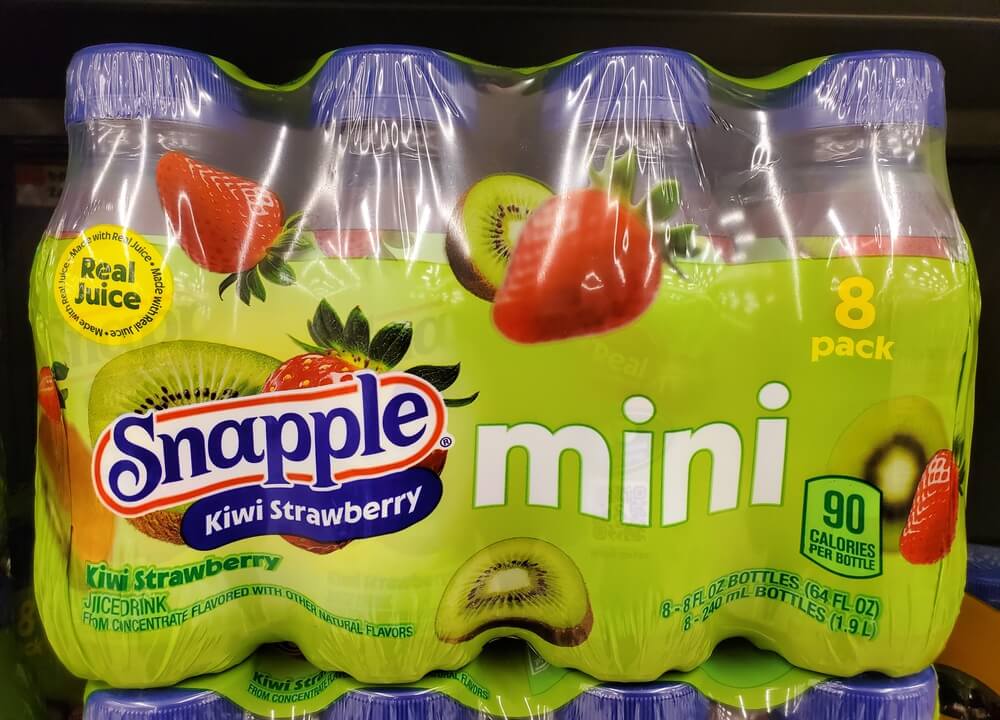
This fruit juice variant positioned itself as natural and refreshing. The bottle design and positioning created premium perception. The flavor’s discontinuation meant moving to other Snapple varieties.
Strawberry Shortcake Soda
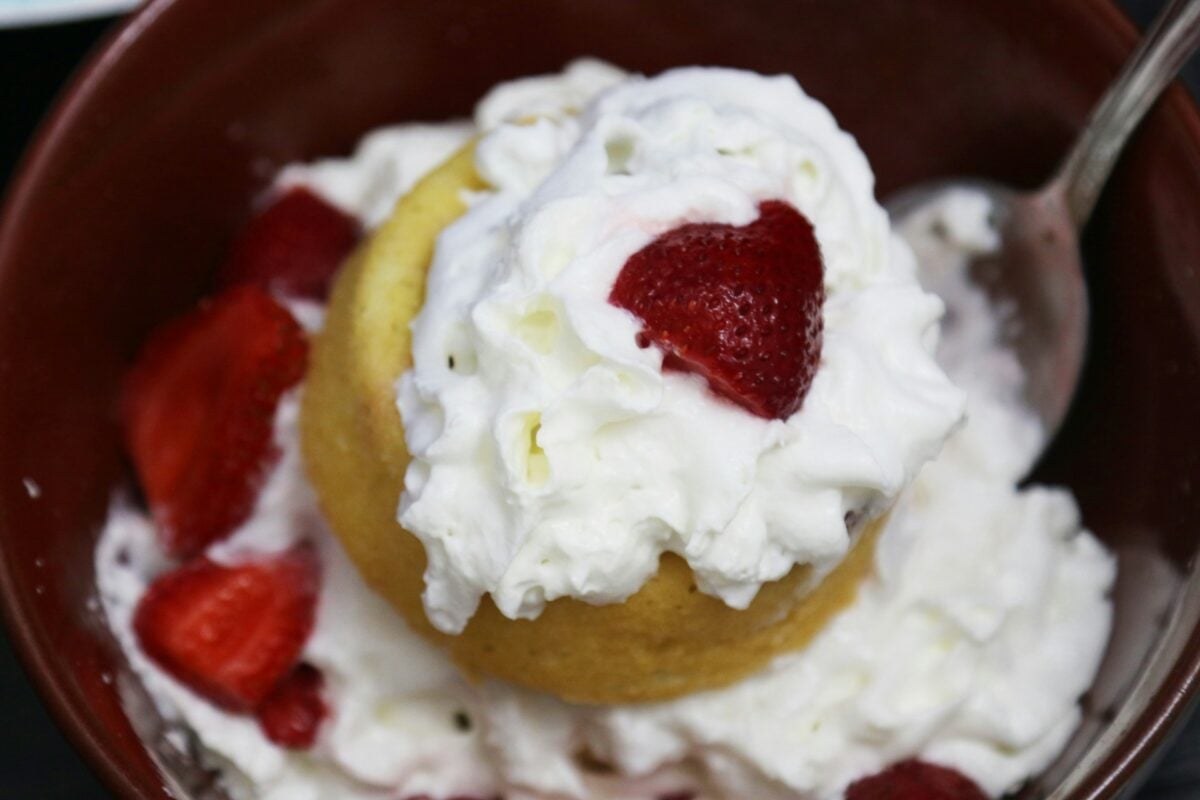
This regional soda variant with cake-inspired positioning appeared in limited markets. The novelty flavor created interest among targeted demographics. The quick discontinuation meant it became legend rather than regular purchase.
Orbitz
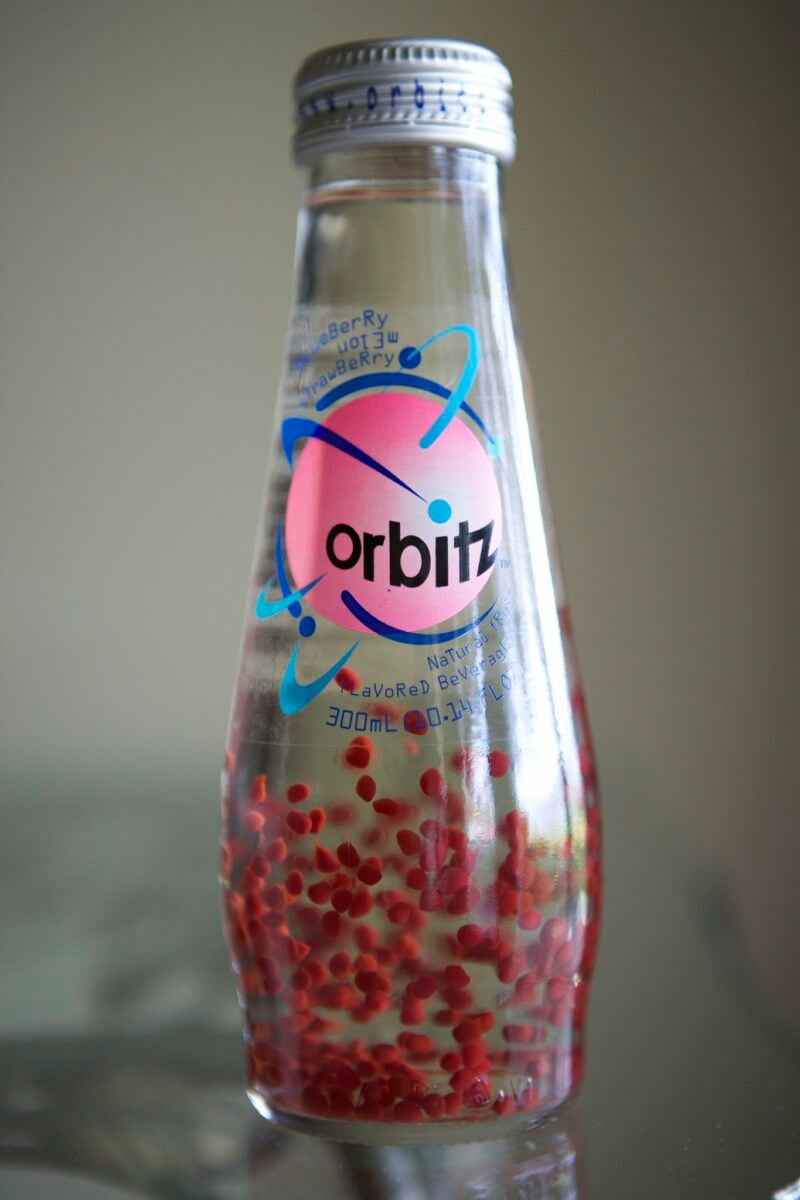
This soft drink with floating spheres created a unique visual experience. The novelty factor and celebrity endorsements generated buzz. The unusual texture and perceived gimmick limited mainstream adoption.
Pibb Xtra
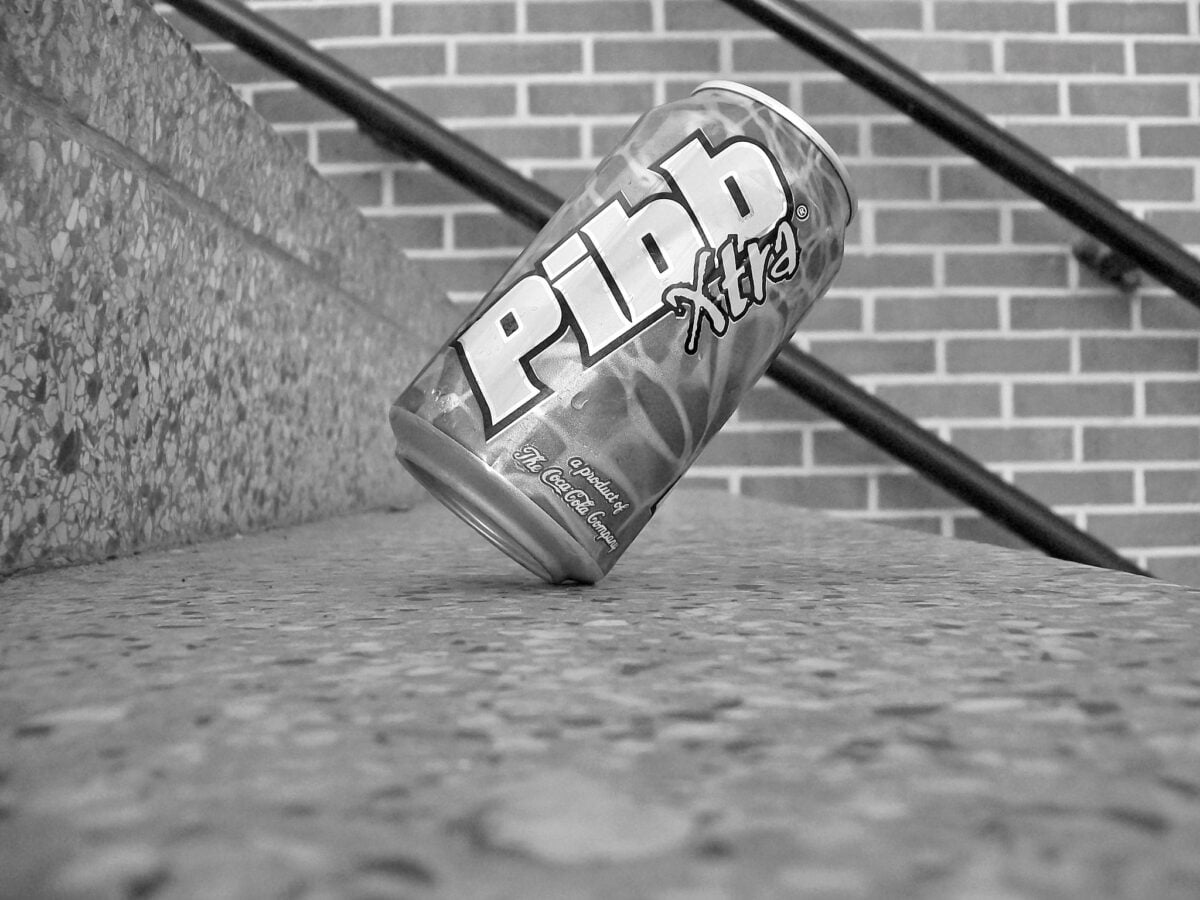
This Dr Pepper variant altered positioning and removed some existing markets. The reformulation and repositioning confused consumers. The variant’s changing availability meant searching or settling for alternatives.
Citrus Punch Gatorade
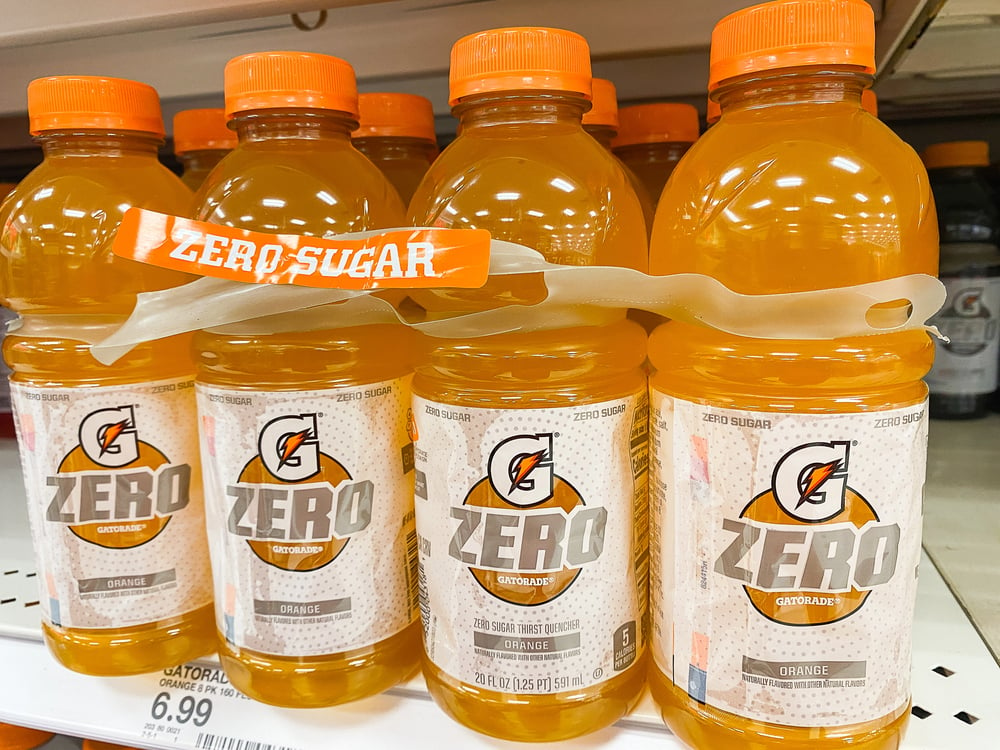
This fruity variant of Gatorade sports drink created color and flavor variations. The positioning toward athletes and active consumers limited broader appeal. The flavor’s discontinuation meant other variety options remained.
Hawaiian Punch (Different Formula)
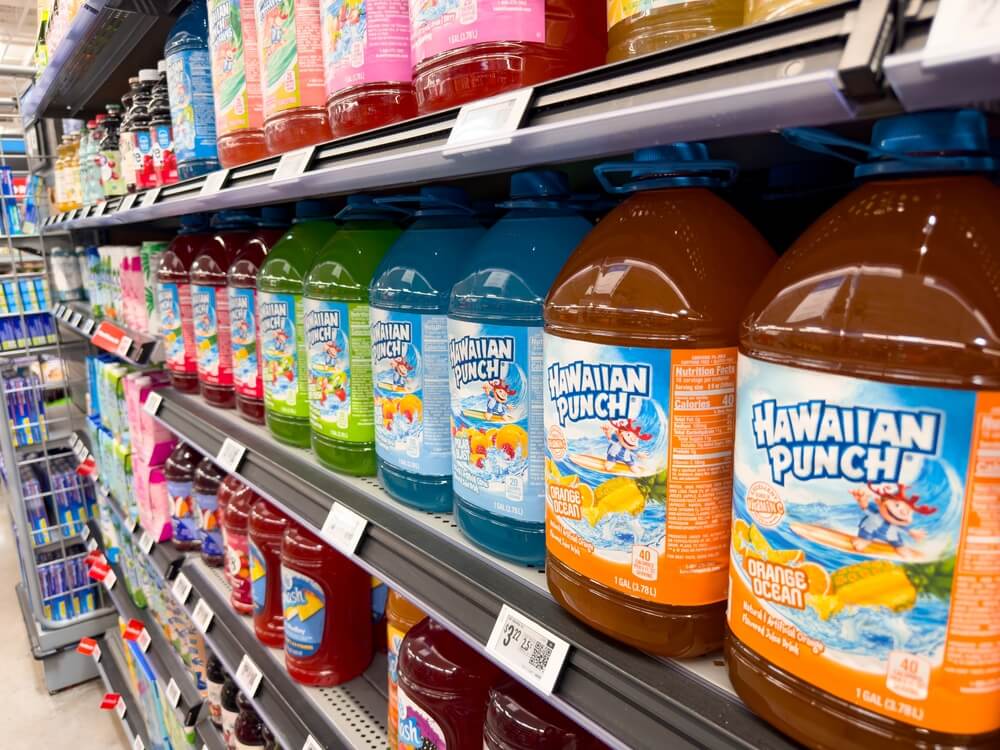
The reformulation toward less sugar and different ingredients changed taste significantly. Long-time consumers noticed the difference immediately. The new formula meant purchasing substitutes or consuming less.
Shuffle
This liquid gelatin-textured beverage attempted to create a unique mouthfeel. The texture innovation created consumer confusion rather than delight. The drink’s commercial failure meant quick discontinuation.
Jolt Extreme
This later iteration of Jolt Cola attempted to maintain relevance with energy drink competition. The reformulation couldn’t overcome the original’s discontinuation. The brand name lived on without the original formula.
The Missing Flavors
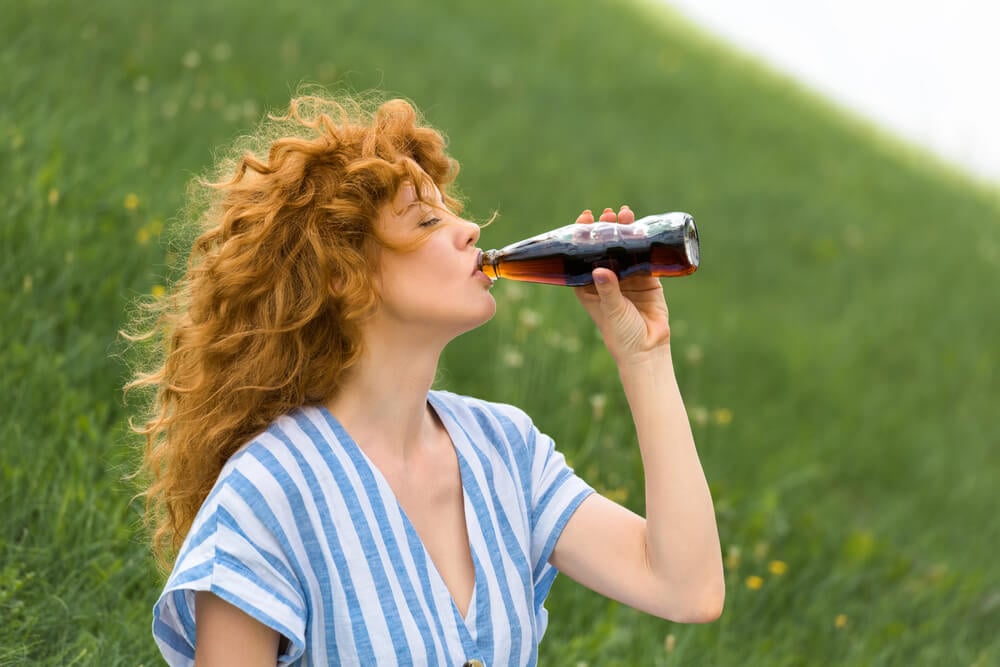
These beverages represented companies experimenting with flavor combinations and health positioning. The shelf space economics meant failure meant removal, not migration to specialty channels. The nostalgic search for these drinks produces eBay listings and fan pages, but original products remain unavailable regardless of demand signals.
More from Go2Tutors!

- The Romanov Crown Jewels and Their Tragic Fate
- 13 Historical Mysteries That Science Still Can’t Solve
- Famous Hoaxes That Fooled the World for Years
- 15 Child Stars with Tragic Adult Lives
- 16 Famous Jewelry Pieces in History
Like Go2Tutors’s content? Follow us on MSN.