Photos Of 15 Forgotten Places That Once Held Enormous Global Importance
Time has a way of erasing entire civilizations from memory. Cities that once commanded trade routes, controlled empires, or shaped the course of human history now sit abandoned, their importance reduced to footnotes in dusty textbooks.
These places didn’t simply decline — they were abandoned, destroyed, or overtaken by forces beyond their control, leaving behind only ruins and fading photographs as evidence of their former glory.
The world is scattered with such forgotten giants. Places where decisions were made that affected millions, where fortunes were built and lost, where the very foundations of modern society were laid.
Yet today, most people couldn’t find them on a map, let alone understand why they once mattered so much.
Ani
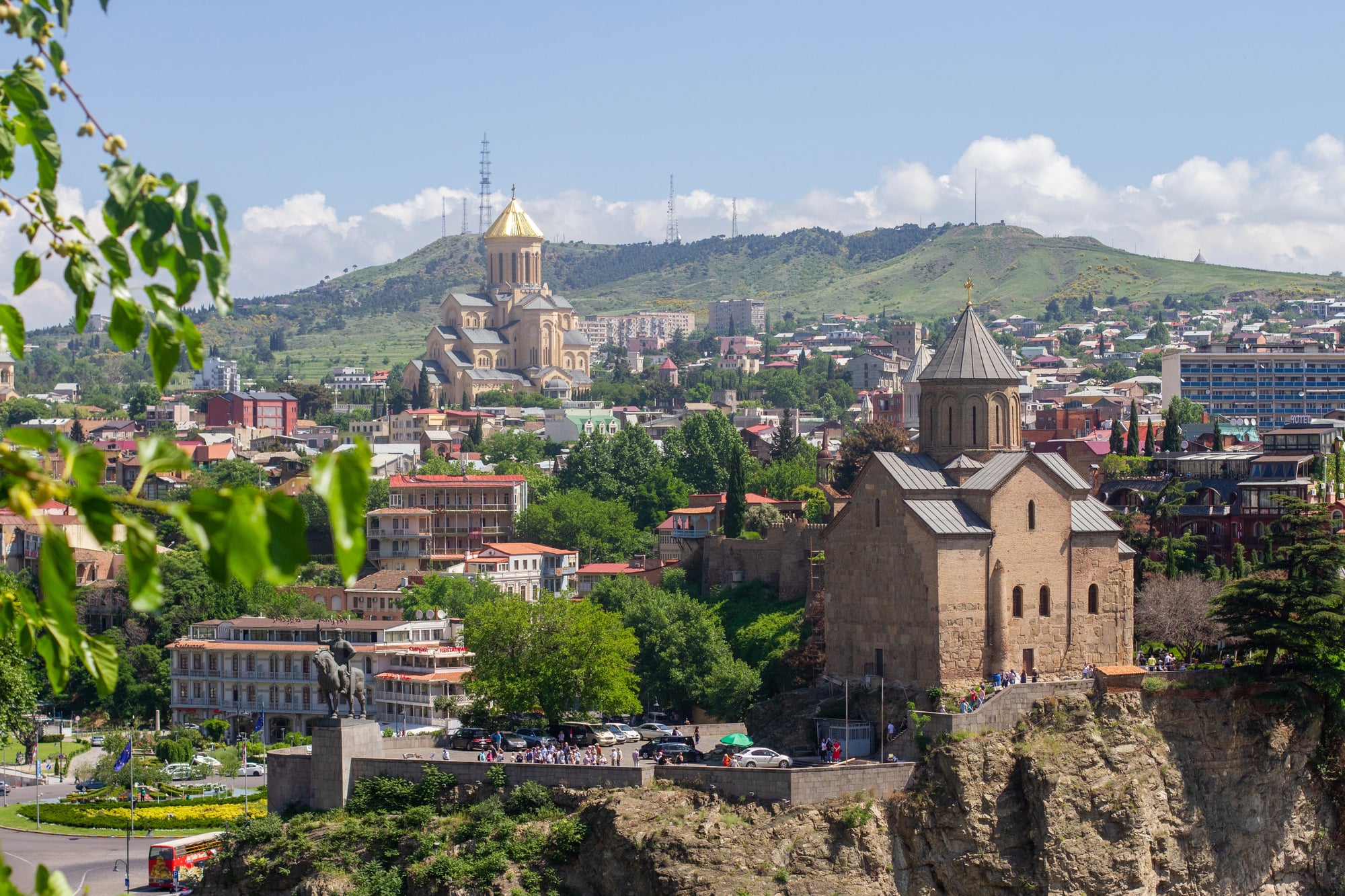
The medieval city of Ani once rivaled Constantinople. Located on the Turkish-Armenian border, this “City of 1,001 Churches” served as the capital of the Armenian Kingdom and controlled crucial Silk Road trade routes during the 10th and 11th centuries.
Over 100,000 people lived within its walls. Now it’s a ghost town.
Earthquakes, invasions, and shifting trade routes emptied Ani completely. The churches still stand — hollow stone shells against an empty sky.
Great Zimbabwe
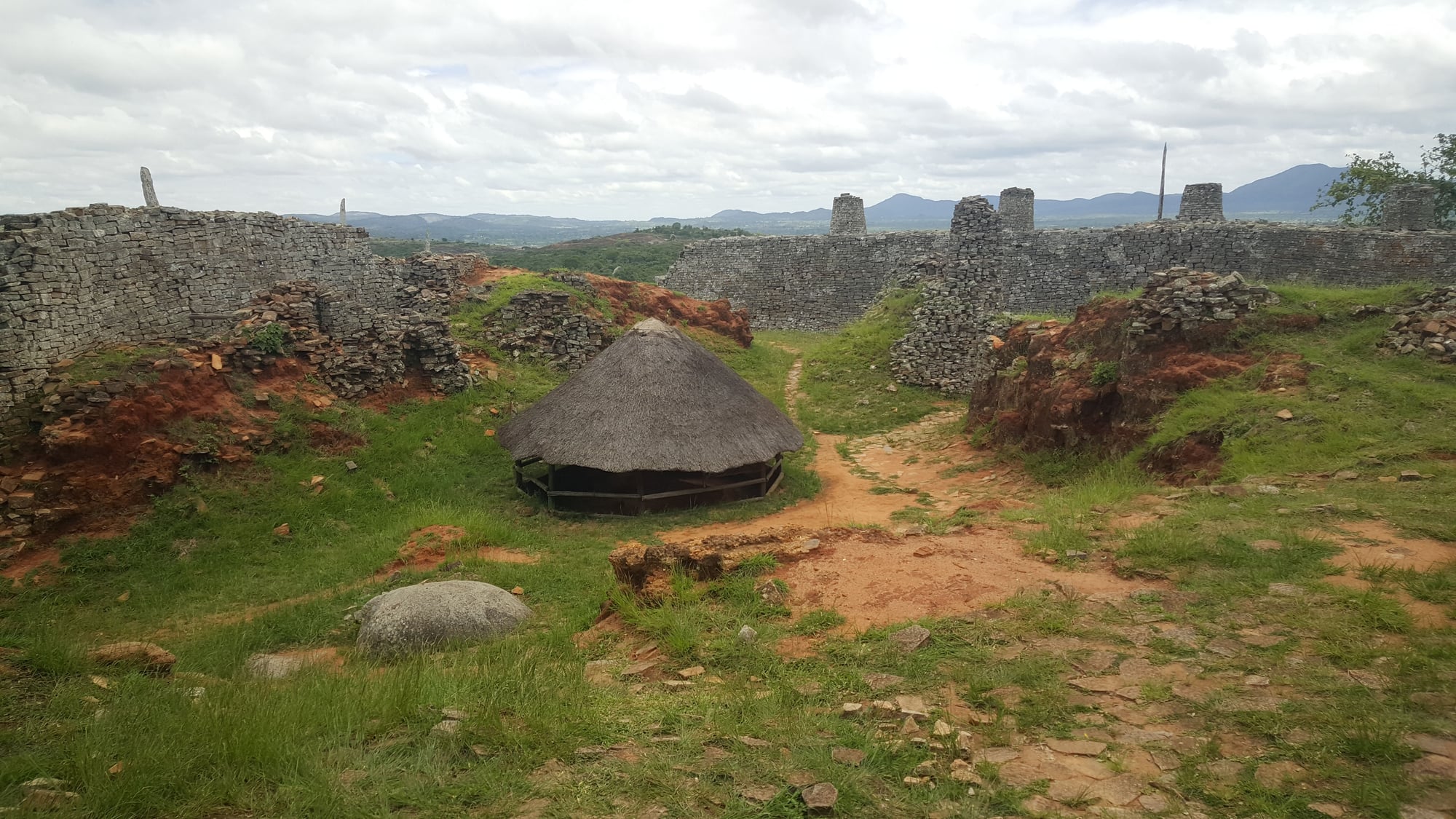
You walk through ruins that don’t quite make sense at first — massive stone walls built without mortar, rising from the African savanna like something that shouldn’t exist there (according to the colonial mindset that couldn’t accept African architectural achievement, anyway). But Great Zimbabwe was the heart of a trading empire that stretched across southern Africa from the 11th to 15th centuries, and these walls enclosed a city of perhaps 18,000 people who controlled gold and ivory trade routes that reached as far as China and Persia.
The name “Zimbabwe” itself comes from these ruins — “dzimba-dze-mabwe,” meaning “venerated houses” in the Shona language — and the wealth that flowed through here was so legendary that it may have inspired the biblical tales of King Solomon’s mines, though that’s debating connections across centuries and continents that may never be fully proven.
Abandoned. No one knows exactly why.
Hampi
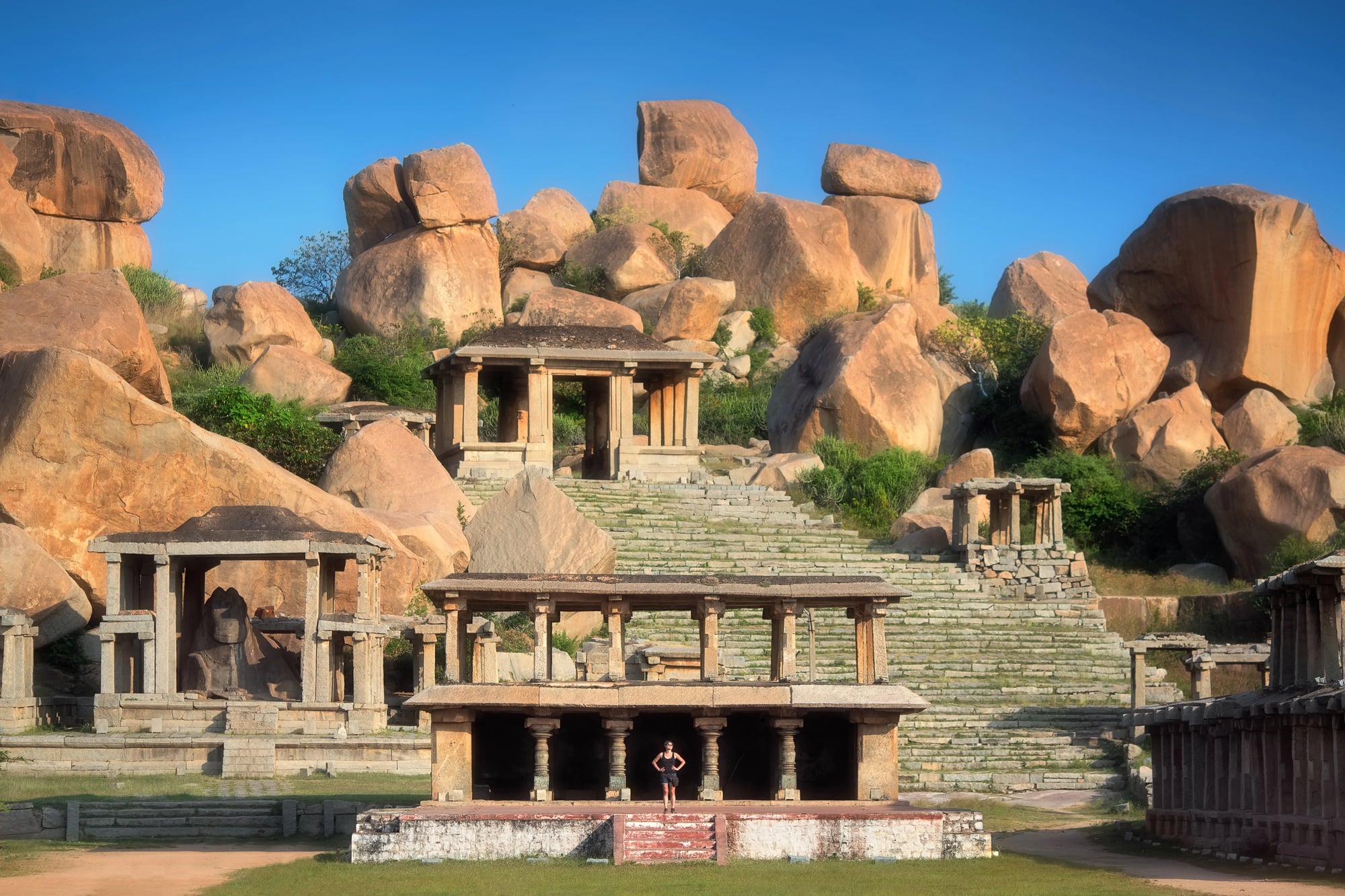
Hampi crumbles beautifully. The former capital of the Vijayanagara Empire controlled most of South India for over 200 years.
Foreign visitors described it as larger and more prosperous than Rome.
The Deccan Sultanates destroyed it in 1565. What remains are temple complexes scattered across a boulder-strewn landscape.
Monkeys live in the ruins now.
Bodie
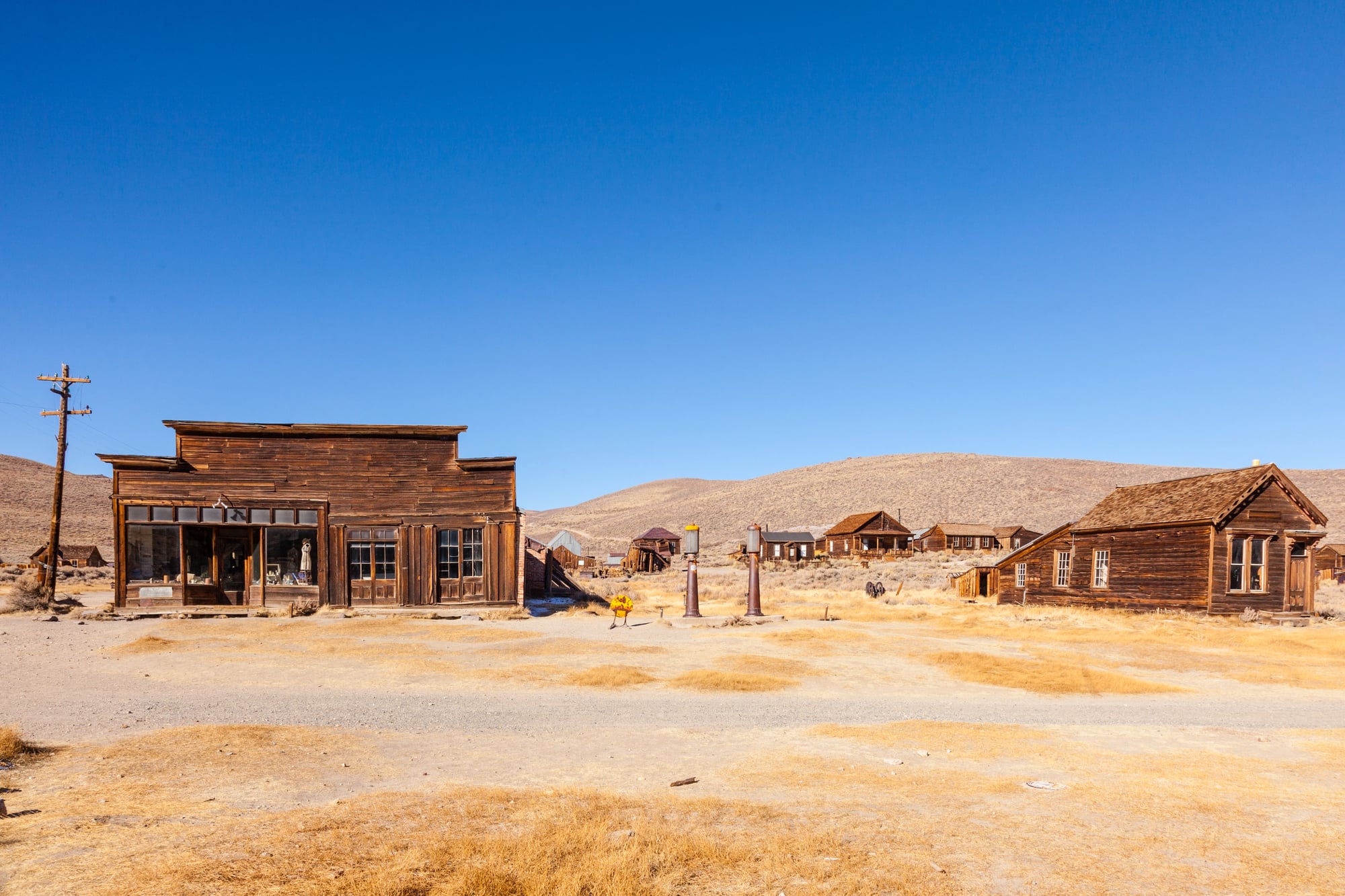
Gold rush towns have a particular kind of stubborn optimism written into their bones — they spring up overnight with the breathless certainty that this time, this strike, this patch of California mountainside will make everyone rich beyond imagination. Bodie was that optimism made real, at least for a while: a mining town that swelled to 10,000 people in the 1870s and ’80s, complete with saloons, brothels, and enough gunfights to earn it a reputation as one of the most lawless places in the American West.
The gold played out eventually, as gold always does, and by the 1940s Bodie was empty except for the wind moving through broken windows and the slow work of weather reclaiming what humans had built.
The California State Park system maintains it now as a “state of arrested decay” — they won’t restore anything, but they’ll keep it from falling down entirely.
Hamoukar
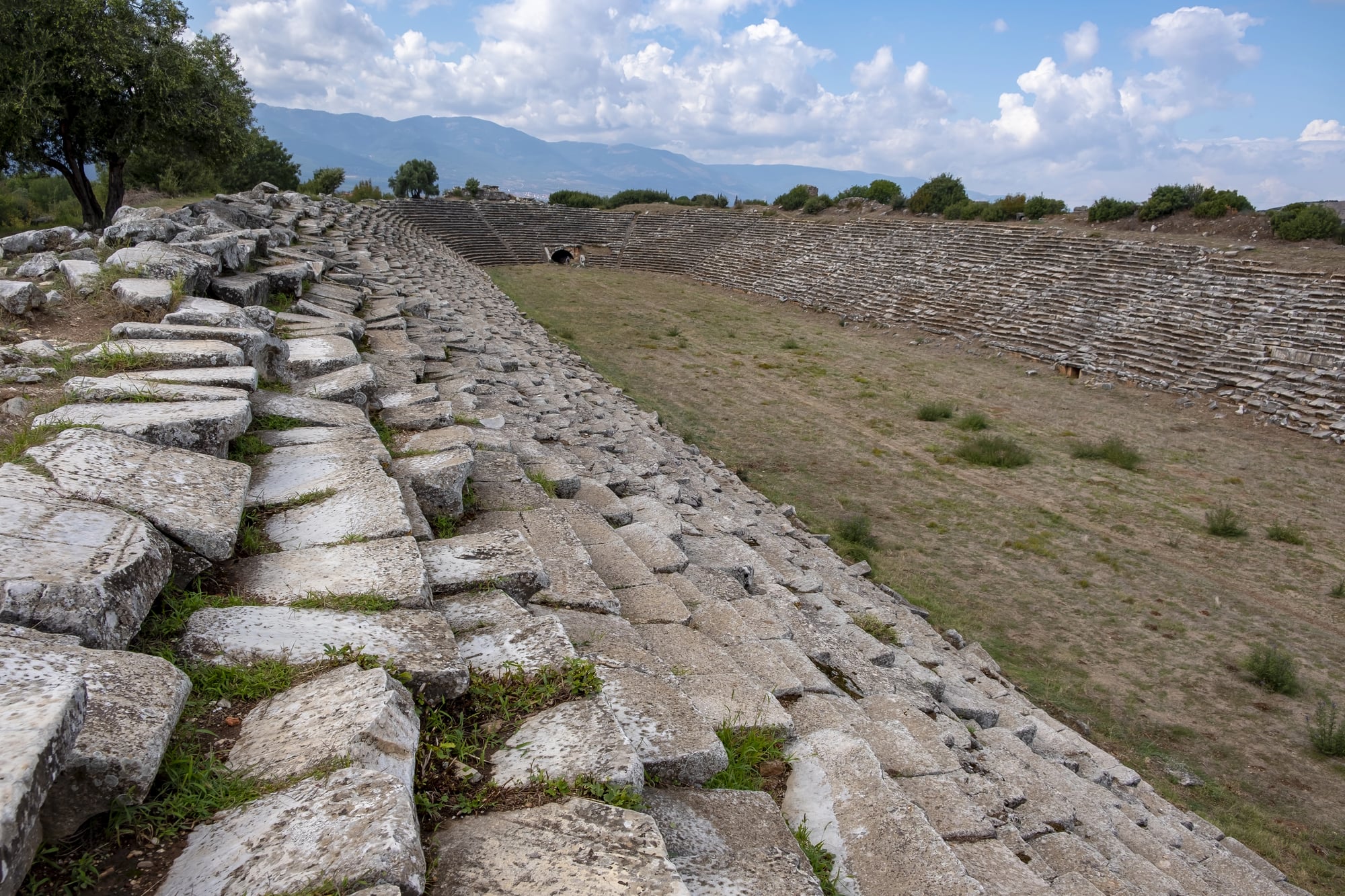
Hamoukar predates every famous ancient city. This Syrian site shows evidence of urban planning from the 5th millennium BCE, making it potentially older than Uruk or any other known city.
Archaeologists found the world’s earliest known warfare here — clay orbs and arrowheads from a battle fought over 5,500 years ago.
The Syrian civil war halted excavations. Most of what we might learn about humanity’s first experiment with city-building remains buried under tell mounds in a war zone.
Cahokia
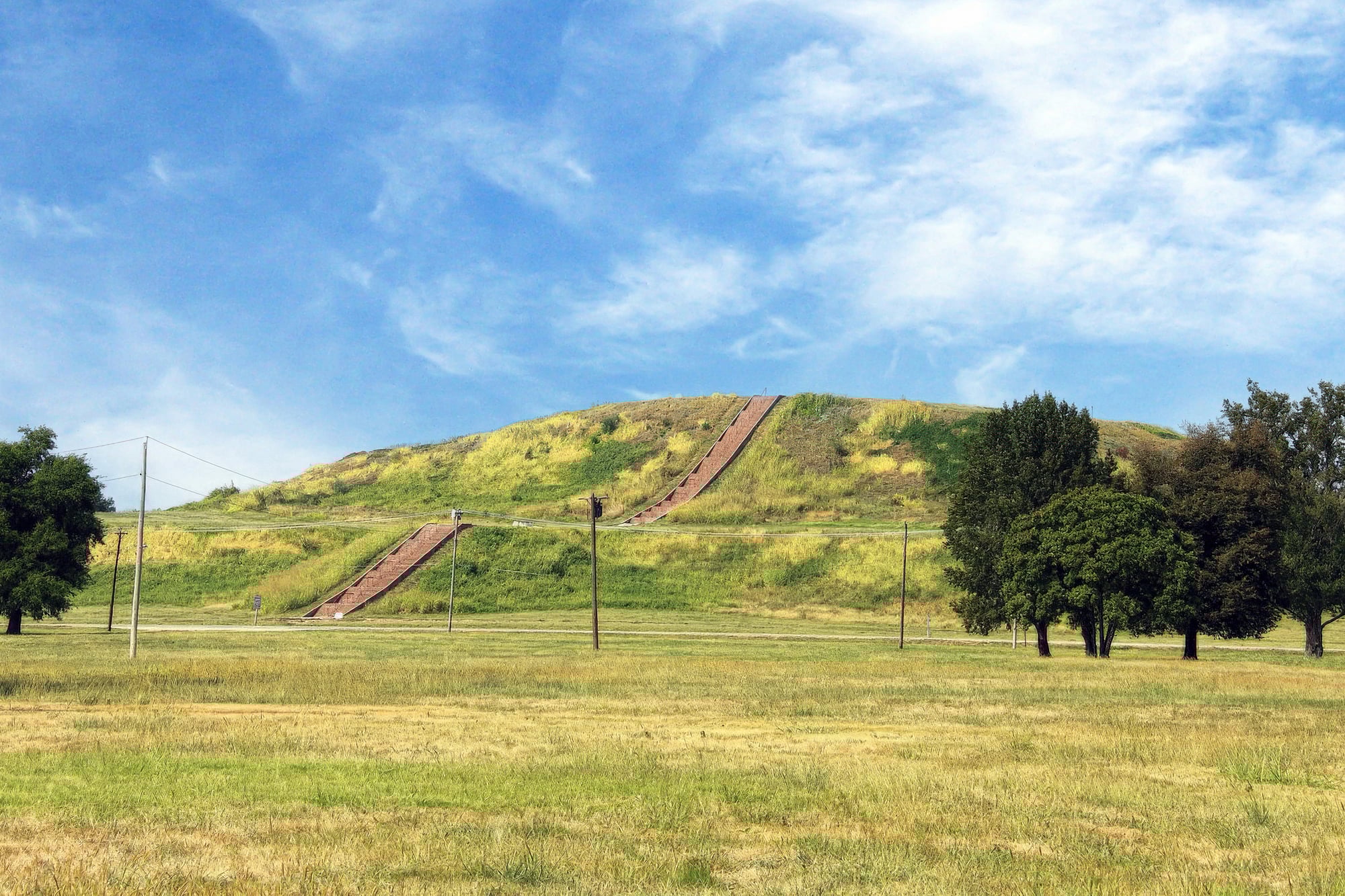
There’s something unsettling about realizing that the largest city in North America before Europeans arrived sat just outside what’s now St. Louis, and most Americans have never heard of it. Cahokia housed perhaps 20,000 people at its peak around 1100 CE — larger than London at the time — built around massive earthen mounds that still rise from the Illinois floodplain like artificial hills.
The people who built this place developed sophisticated agriculture, created a complex social hierarchy, and constructed Monks Mound, which covers more ground area than the Great Pyramid of Giza and stands 100 feet tall, all without metal tools, wheels, or beasts of burden.
Then they left. By the time European explorers arrived, Cahokia had been abandoned for centuries, and the indigenous peoples they encountered had no memory of who built the mounds or why they were empty.
Akrotiri
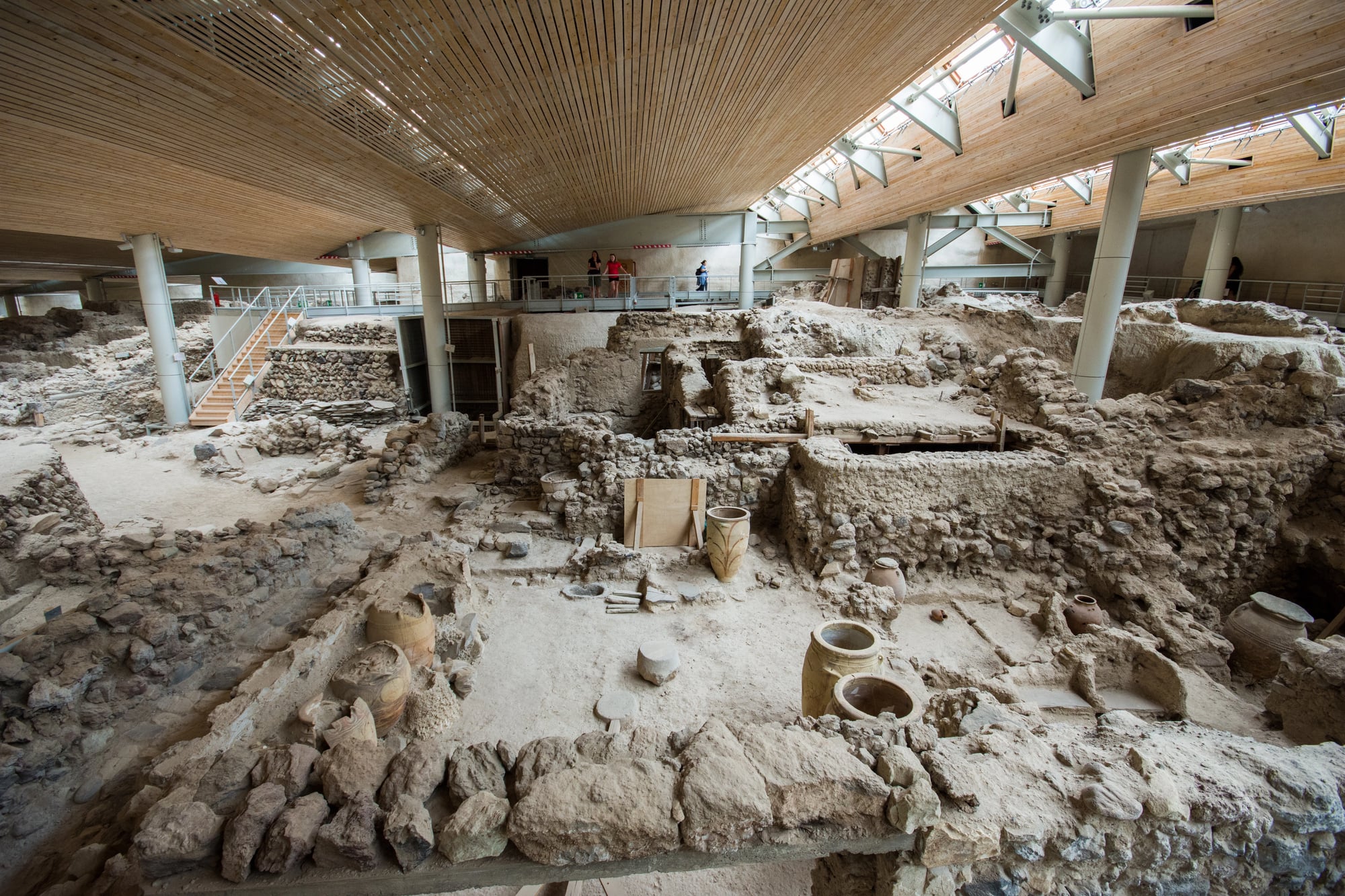
Akrotiri got the Pompeii treatment 3,600 years ago. This Bronze Age city on the Greek island of Santorini was perfectly preserved under volcanic ash when the island exploded in one of history’s largest eruptions.
The frescoes they’ve uncovered show a sophisticated civilization with indoor plumbing, multi-story buildings, and trade connections across the Mediterranean.
Some scholars think this was Plato’s inspiration for Atlantis. The eruption that buried it may have triggered the collapse of Minoan civilization.
Çatalhöyük
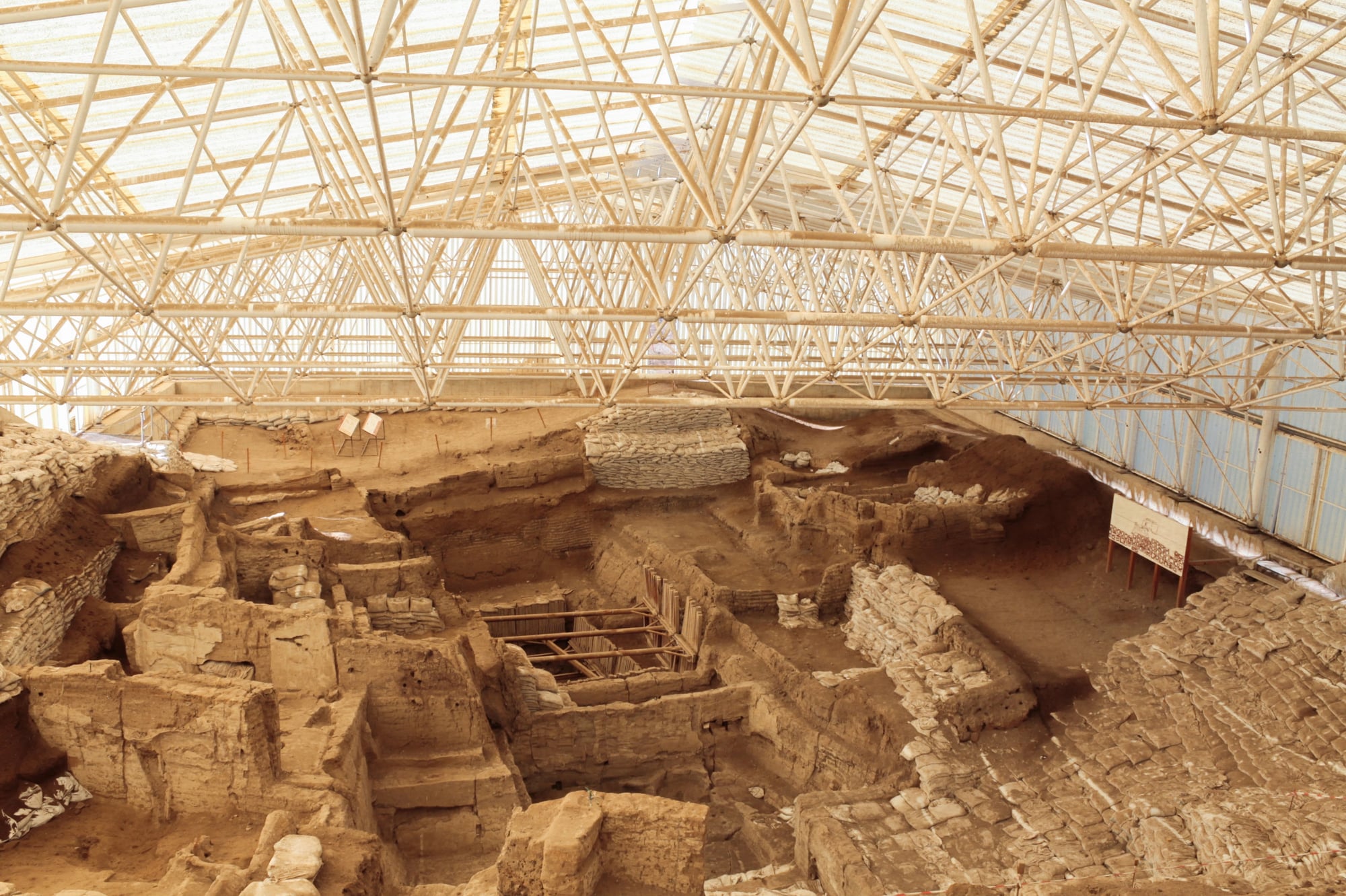
Picture trying to navigate a city where every house connects to the next through rooftops, where there are no streets at ground level, where you climb down a ladder through an opening in your roof to get inside your home, and where this arrangement worked perfectly well for over a thousand years. Çatalhöyük in Turkey represents one of humanity’s earliest experiments with urban living (around 7500-5700 BCE), and the people who lived there solved the problems of density and community in ways that seem almost science-fictional now: they buried their dead under the floors of their houses, they covered their walls with elaborate paintings and sculptures, and they somehow managed to house up to 8,000 people in a settlement that covered 32 acres without developing the social hierarchies or specialization that characterized later cities.
And then they abandoned it entirely, leaving behind a place that challenges nearly every assumption archaeologists once held about how civilization develops.
No palaces. No obvious rulers. Just people figuring out how to live together on a scale never attempted before.
Timgad
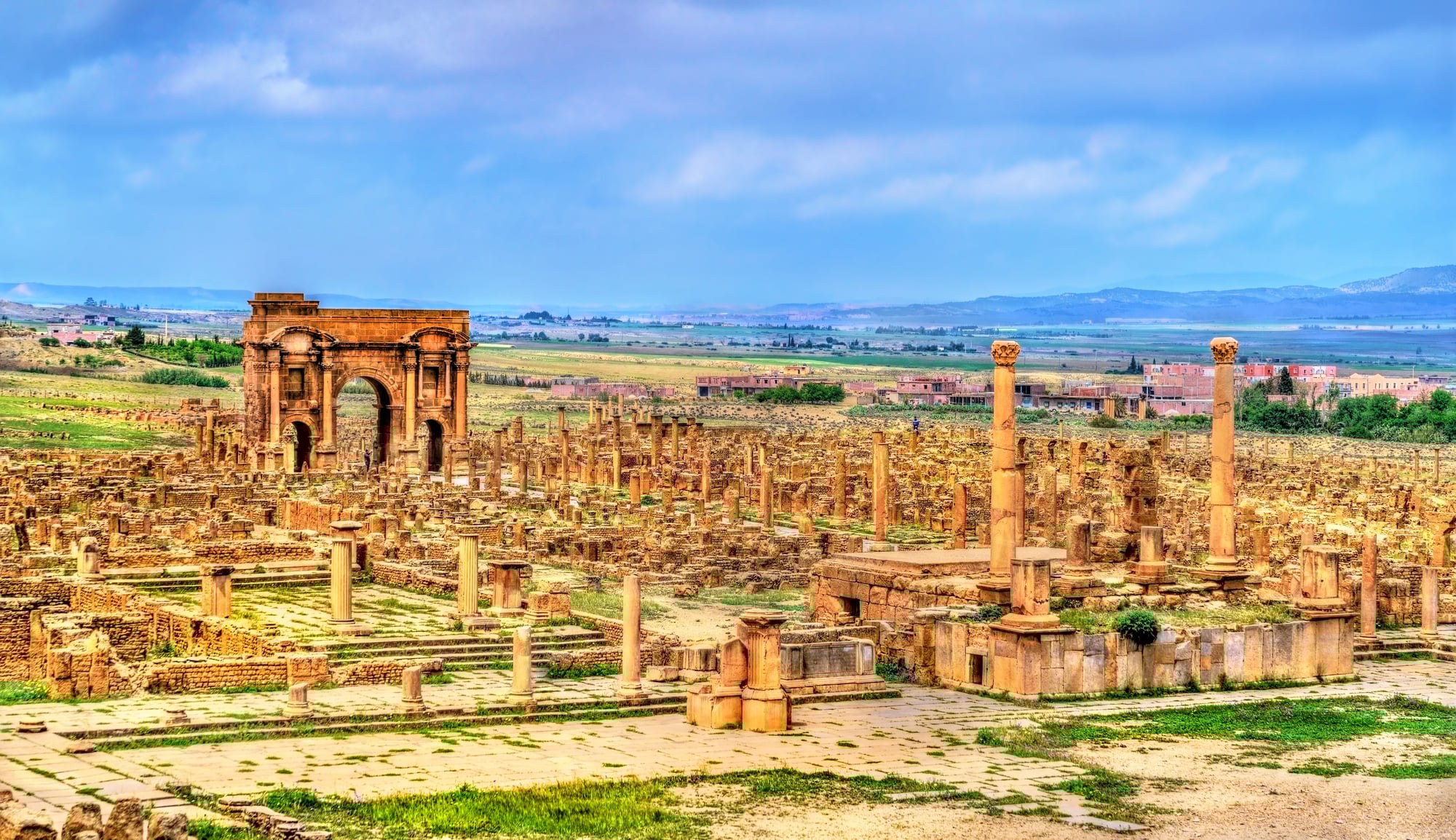
Rome built Timgad in Algeria as a retirement colony for soldiers. Founded in 100 CE, it became a perfect example of Roman urban planning — straight streets, public baths, a theater, and libraries.
The city thrived for 500 years.
Desert sand buried it completely after Arab conquests. When French archaeologists rediscovered Timgad in the 1880s, it was so well-preserved they could read inscriptions on buildings.
You can still walk down Roman streets laid out 1,900 years ago.
Skara Brae
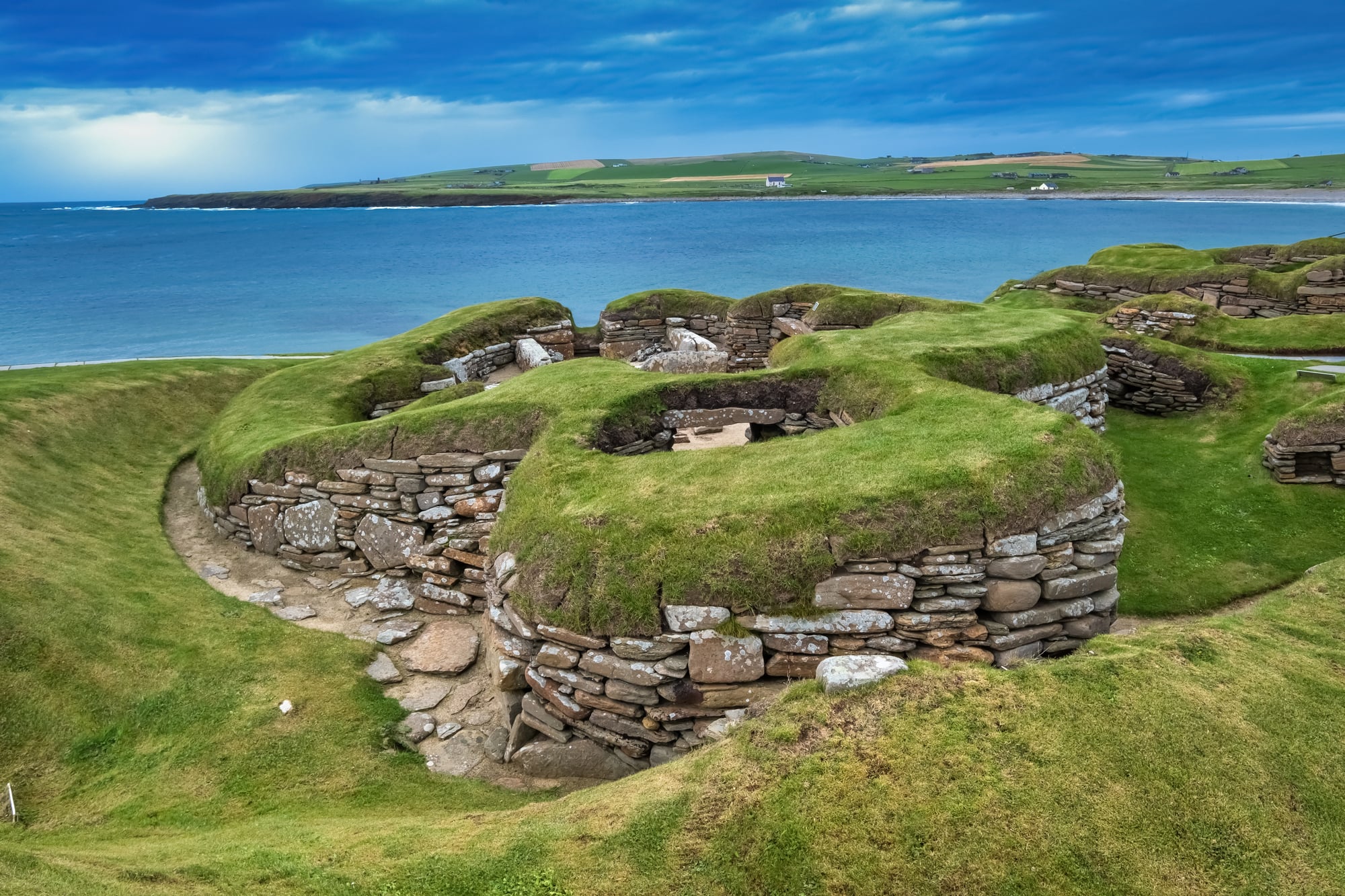
Storm winds in 1850 stripped away sand dunes on Orkney and revealed something impossible: a perfectly preserved Neolithic village that had been hidden for over 4,000 years, complete with stone furniture, beds, and dressers that looked like they’d been abandoned yesterday rather than before the pyramids were built. Skara Brae gives us the most intimate glimpse we have into daily life during the Stone Age — you can see where people slept, where they kept their belongings, even primitive drainage systems — but it also raises questions that may never be answered about why this sophisticated settlement was abandoned so completely that it disappeared entirely from human memory until a Scottish storm brought it back to light.
The houses connect through covered passages, suggesting a community designed around cooperation rather than defense.
The people who lived here were farmers, not hunter-gatherers, and they had enough stability and resources to develop craftsmanship and art that rivals anything produced in the ancient world.
Persepolis
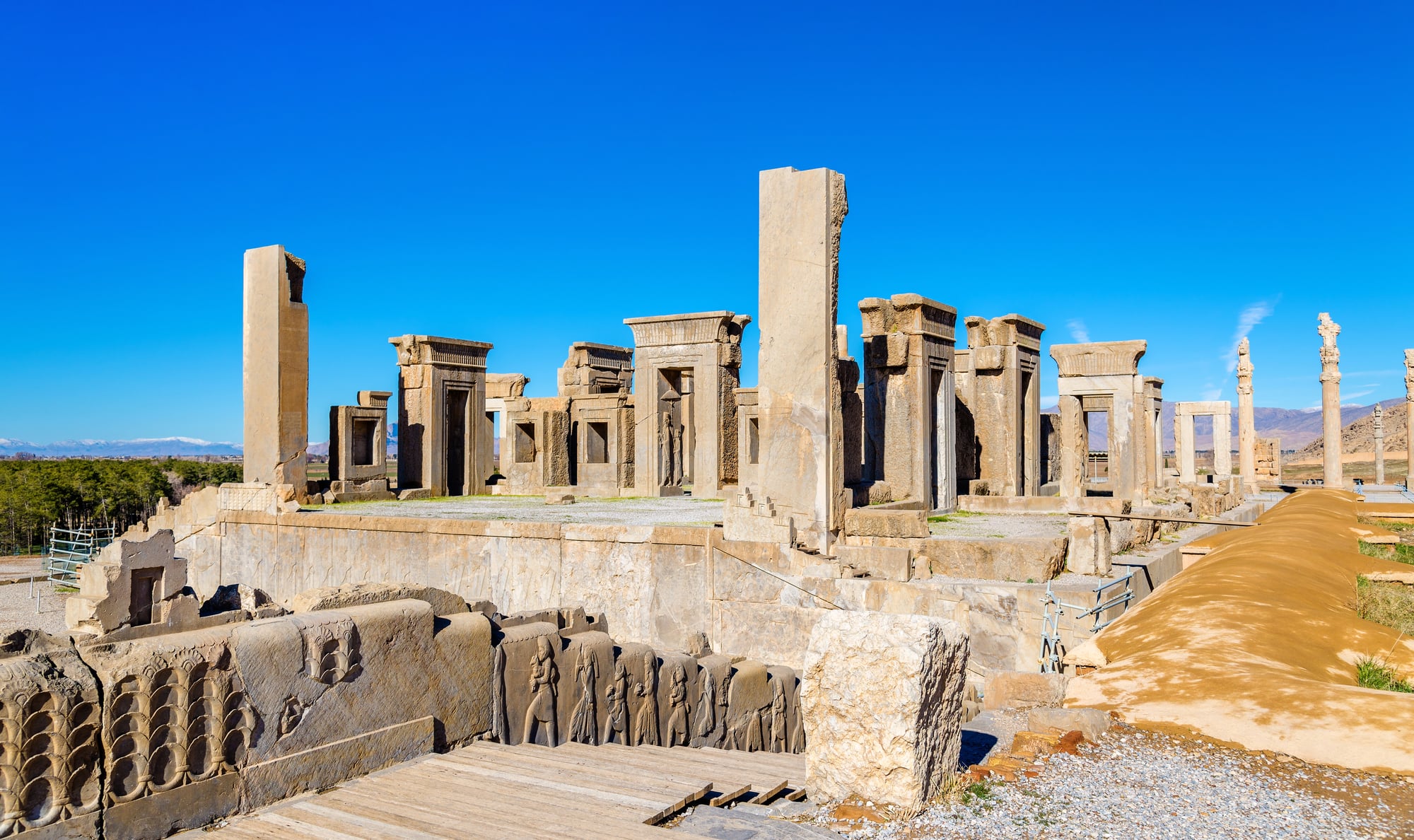
Persian kings built Persepolis as the ceremonial capital of an empire that stretched from India to Greece. Started by Darius I around 515 BCE, it represented the wealth and power of the Achaemenid dynasty through massive stone platforms, elaborate reliefs, and audience halls that could hold thousands.
Alexander the Great burned it down in 330 BCE. Some say he was drunk.
Others claim it was deliberate revenge for Persian attacks on Greek cities. Either way, the greatest palace complex in the ancient world became a ruin in a single night.
Leptis Magna
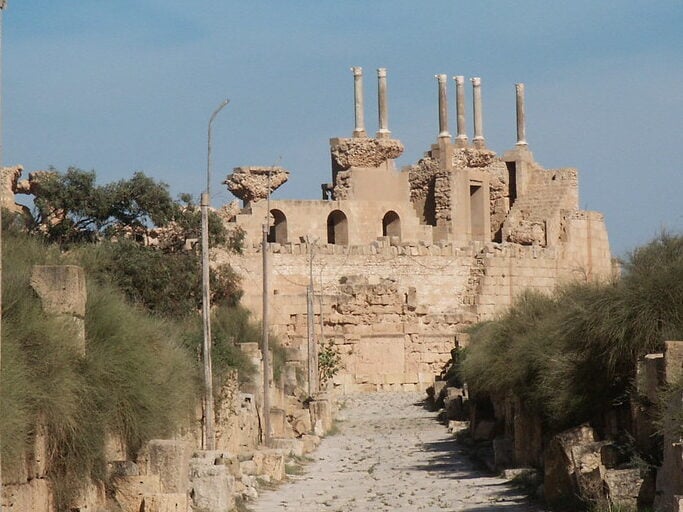
Leptis Magna was Roman Africa’s crown jewel. Located in modern Libya, this port city became one of the empire’s wealthiest settlements through olive oil and ivory trade.
Emperor Septimius Severus was born here and lavished it with monuments.
Sand dunes swallowed it after the empire fell. Italian archaeologists began excavating in the 1920s and found theaters, forums, and bathhouses in remarkable condition.
Political instability in Libya has left these ruins largely unprotected since 2011.
Pueblo Bonito
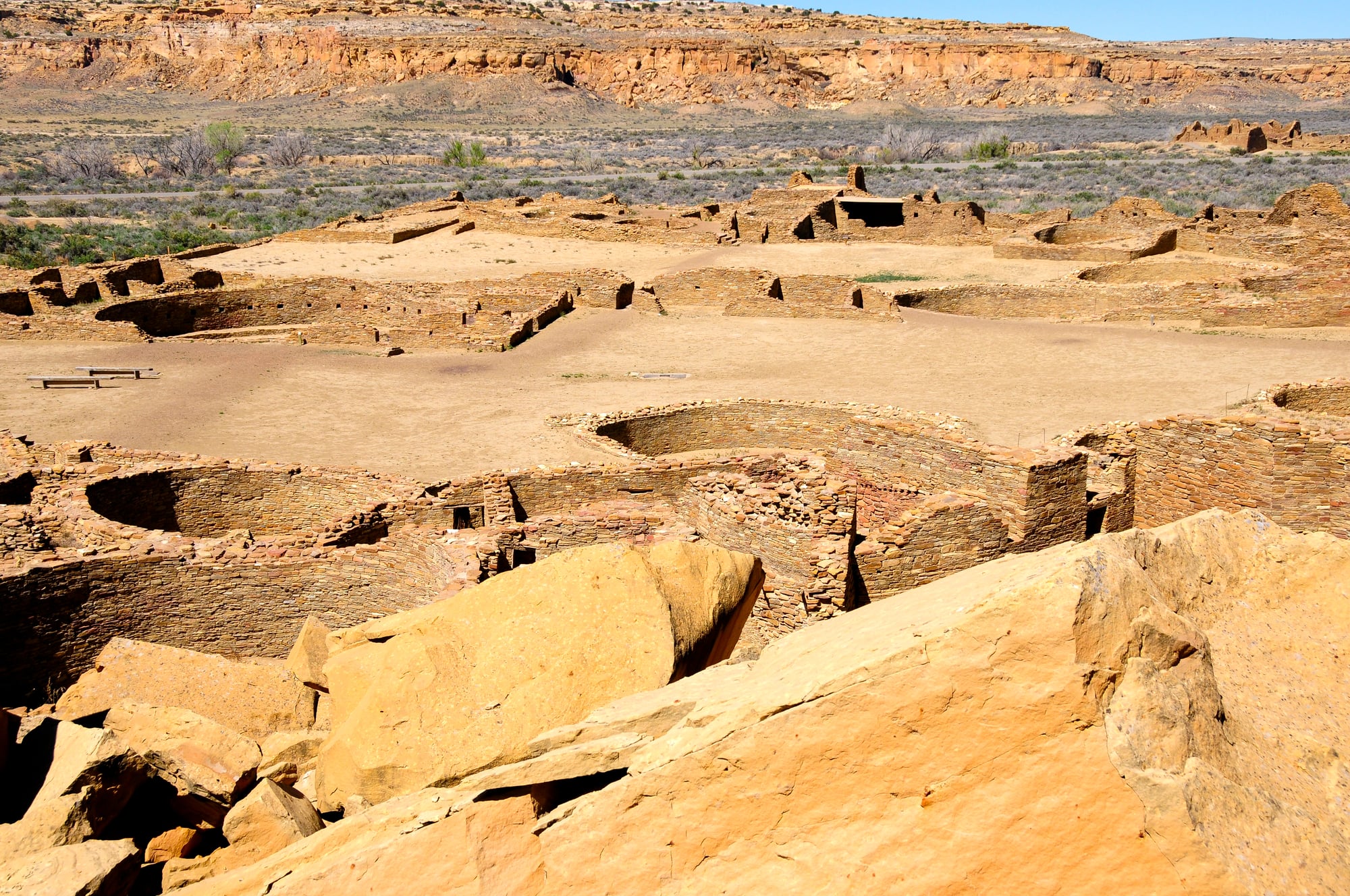
Chaco Canyon holds the ruins of something that doesn’t fit neatly into the typical narratives about pre-Columbian North America: a massive complex called Pueblo Bonito that rose four stories high and contained over 600 rooms, built between 850 and 1150 CE by ancestral Puebloan peoples who somehow moved 240,000 tons of sandstone across the high desert without wheels, metal tools, or pack animals. The engineering alone defies easy explanation — walls that have stood for nearly a thousand years, astronomical alignments built into the architecture, and a scale of construction that required coordination across multiple communities and generations — but the mystery deepens when you consider that Pueblo Bonito and the other “great houses” of Chaco Canyon appear to have been ceremonial centers rather than everyday residences, connected by an elaborate network of roads to outlying settlements across the Southwest.
Then, around 1150 CE, the whole system collapsed: the great houses were abandoned, the road network fell into disuse, and the people scattered to establish the modern Pueblo communities of the Rio Grande valley and elsewhere, carrying with them only fragments of memory about who built Chaco and why it was left empty.
Hegra
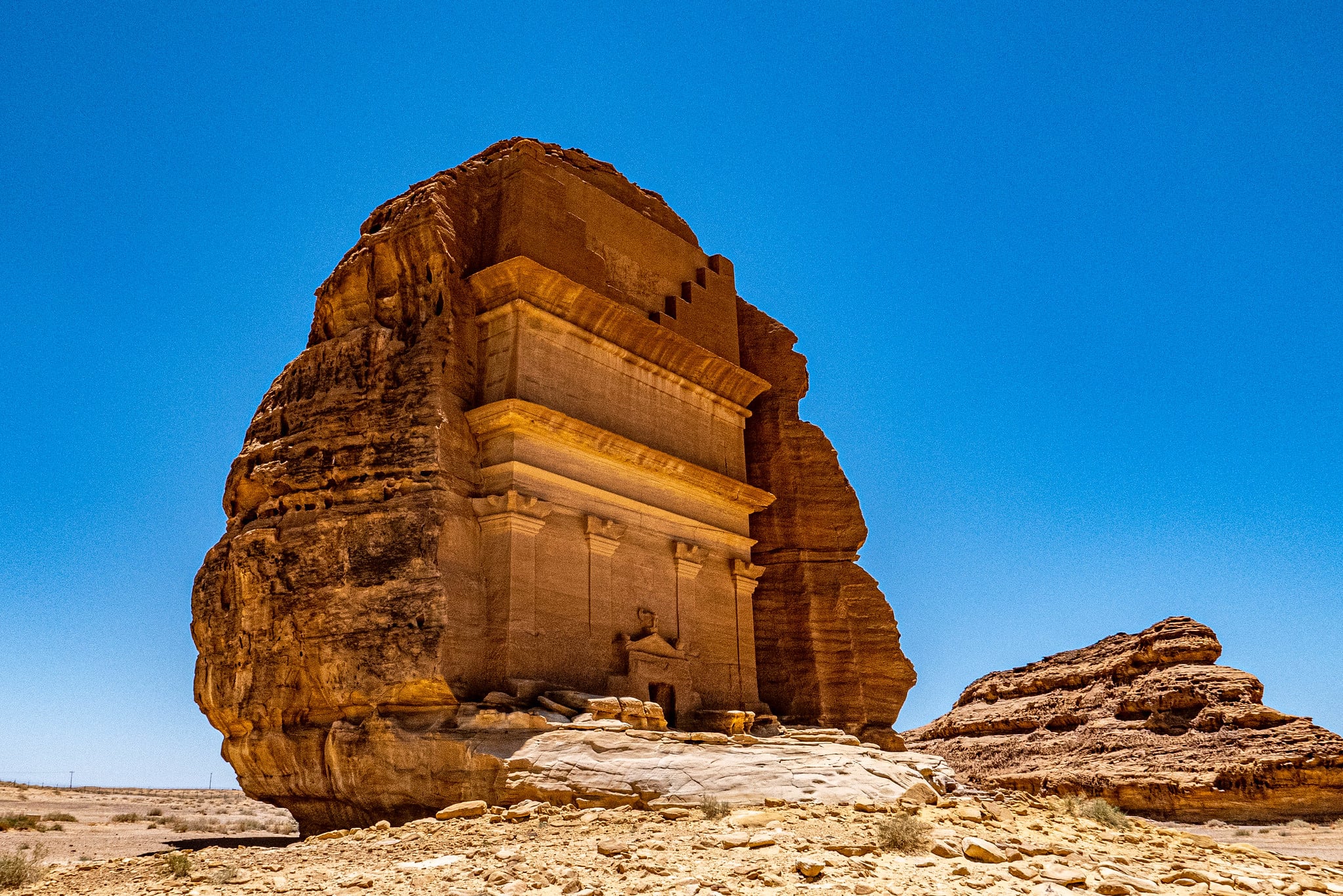
Hegra was the Petra nobody talks about. Located in Saudi Arabia, this Nabataean city featured the same rock-cut architecture and controlled equally important trade routes.
Over 100 elaborate tombs survive, some larger than anything at Petra.
The Nabataean kingdom fell to Rome in 106 CE. Hegra was abandoned and forgotten until Saudi Arabia opened it to tourists in 2019.
For 1,900 years, one of the world’s most spectacular archaeological sites was essentially off-limits.
Troy
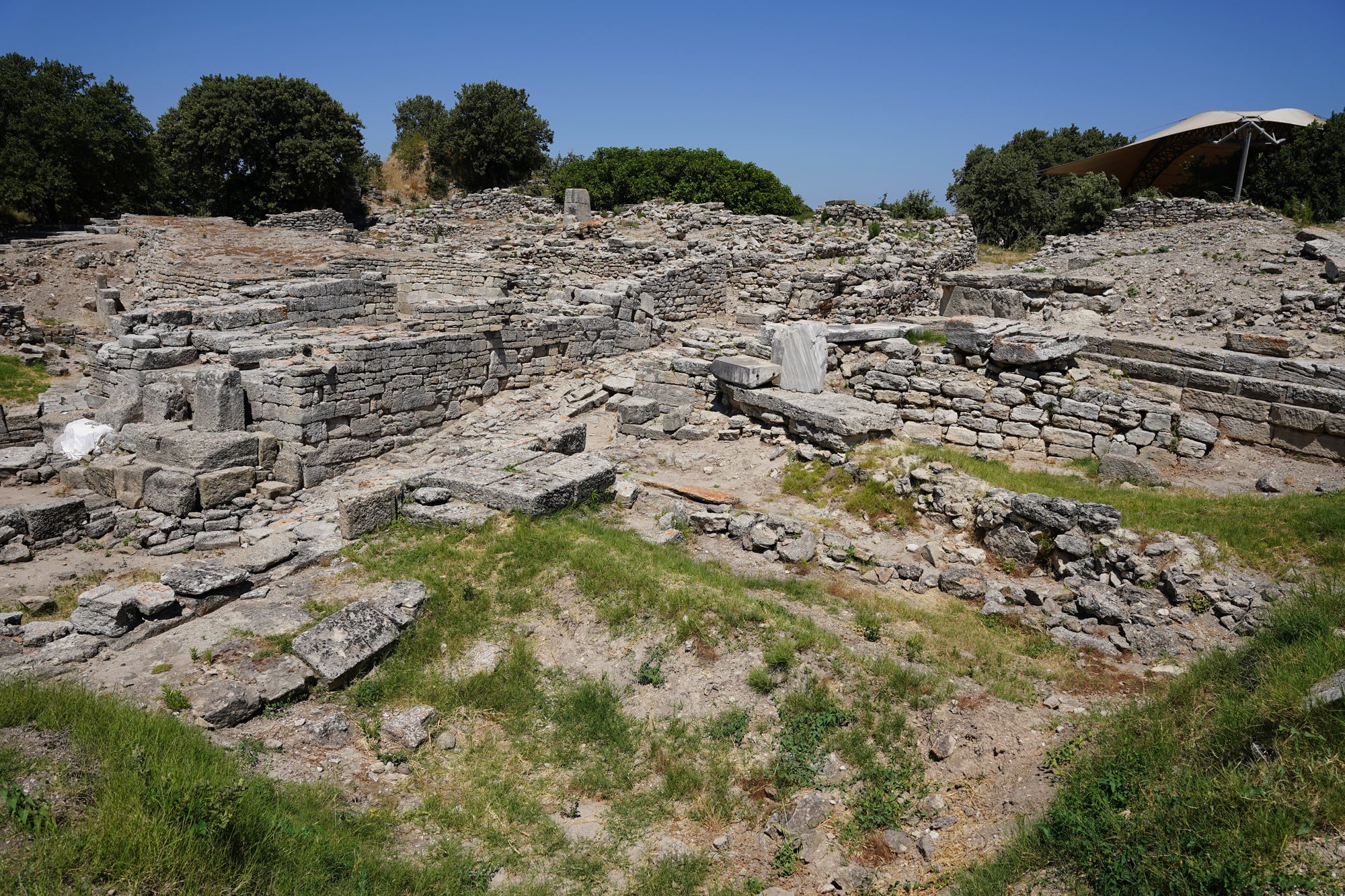
Troy’s problem was being too famous for its own good — Heinrich Schliemann’s 19th-century excavations, driven by an obsession with proving Homer’s Iliad was historical fact, tore through multiple layers of the actual city in his hurry to find Priam’s treasure, destroying irreplaceable archaeological evidence in the process. But Troy was real, and it was important: a Bronze Age city that controlled the entrance to the Dardanelles and thus the trade routes between Europe and Asia, rebuilt at least nine times over nearly 4,000 years because its location was simply too valuable to abandon permanently.
The Troy of the Trojan War (if there was such a thing) was probably Troy VI or VII, destroyed around 1180 BCE during the Bronze Age collapse that swept across the eastern Mediterranean and brought down the Mycenaean and Hittite civilizations along with it.
What Schliemann found wasn’t Priam’s gold but evidence of a city that rose and fell and rose again, over and over, because geography is destiny and some places are simply too strategically important to stay empty for long.
Echoes In Stone
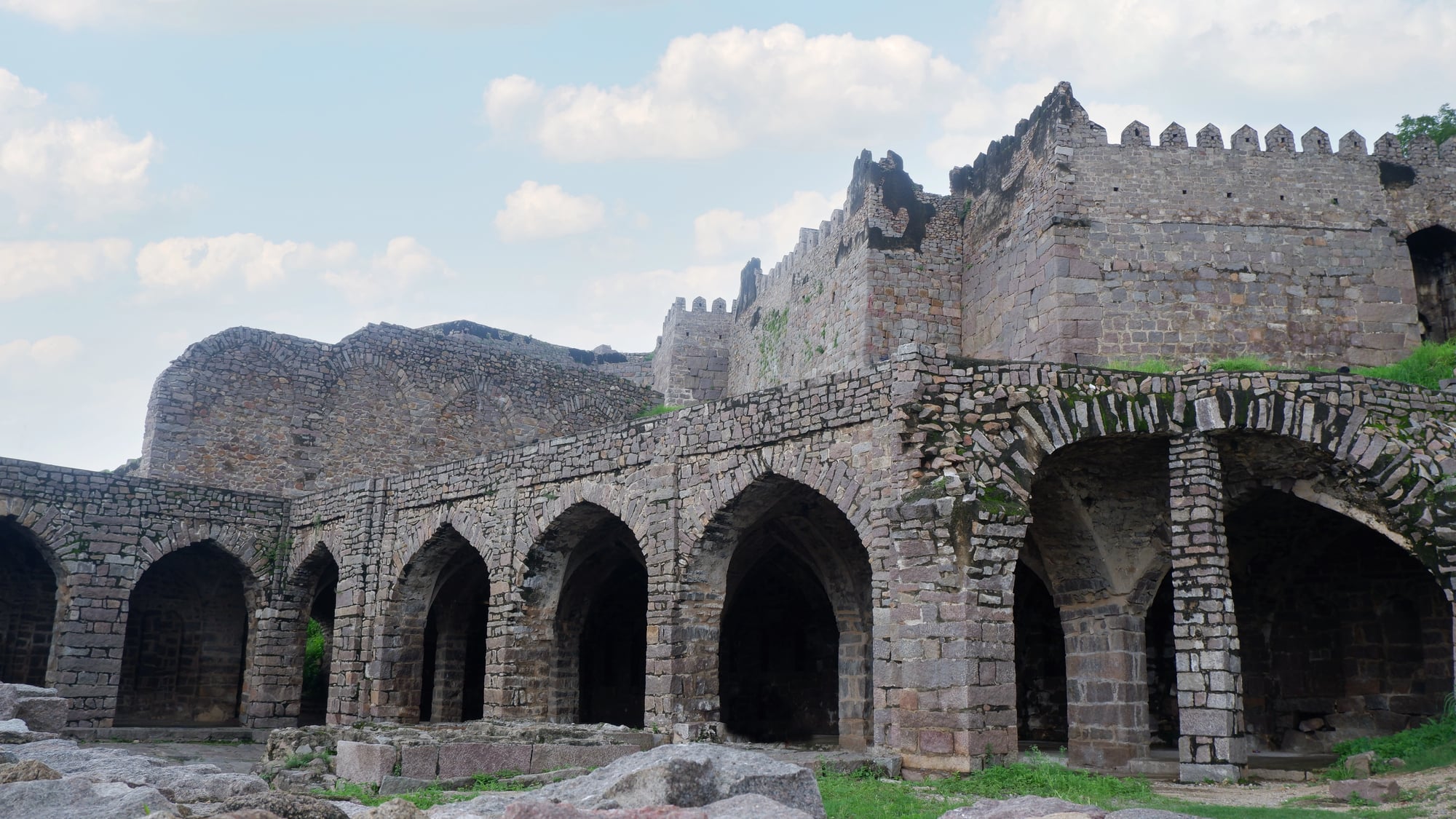
These places share something beyond abandonment. Each one represents a moment when human ambition reached its peak, when people believed they were building something permanent, something that would outlast the forces trying to tear it down.
The photographs that survive — whether taken by Victorian explorers or modern archaeologists — capture that moment of recognition when the present meets the past and realizes how temporary everything really is.
What strikes you isn’t the grandeur of what remains, but the silence of what’s missing. The conversations, the daily routines, the small decisions that kept these places alive.
Now there’s just wind moving through empty doorways and shadows falling across stones that once supported civilizations.
More from Go2Tutors!

- The Romanov Crown Jewels and Their Tragic Fate
- 13 Historical Mysteries That Science Still Can’t Solve
- Famous Hoaxes That Fooled the World for Years
- 15 Child Stars with Tragic Adult Lives
- 16 Famous Jewelry Pieces in History
Like Go2Tutors’s content? Follow us on MSN.