Vintage Tv Dinners Boomers Still Remember
There was a time when peeling back a sheet of foil counted as cooking. The oven did the work, the tray kept the peas away from the potatoes, and the family ate in front of a set that got three channels on a good night.
Those trays shaped how a generation thought about dinner, convenience and even portion size. Some of the meals were surprisingly good.
Others are remembered mostly for the apple cobbler that came out hotter than the surface of the sun.
Swanson TV Brand Turkey Dinner
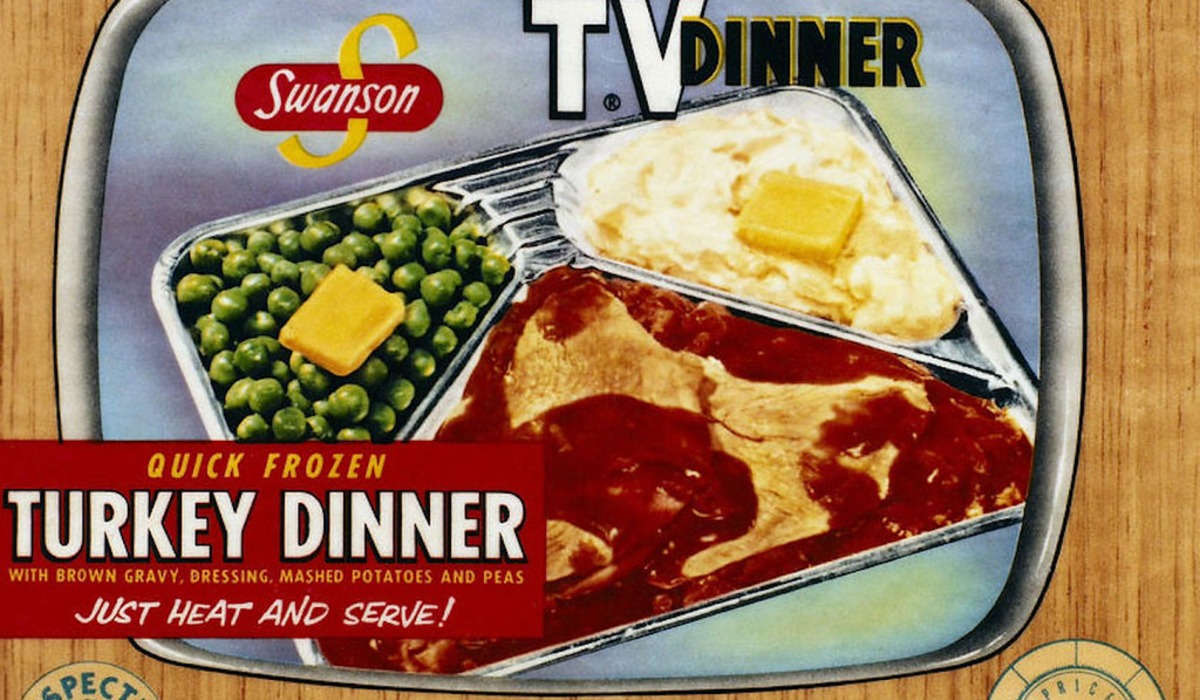
The meal that gave the category its name arrived in 1953, when C.A. Swanson and Sons found itself holding roughly 260 tons of unsold Thanksgiving turkey, much of it reportedly riding the rails in 10 refrigerated cars.
The fix was to slice it, add cornbread dressing, gravy, buttered peas and sweet potatoes, and freeze it all in a three-compartment aluminum tray. The price was 98 cents.
The box was designed to look like a television set, complete with knobs, which told shoppers exactly where this dinner was meant to be eaten. Swanson sold millions in the first full year, and the turkey tray became the template for everything that followed.
Fried Chicken in a Foil Tray
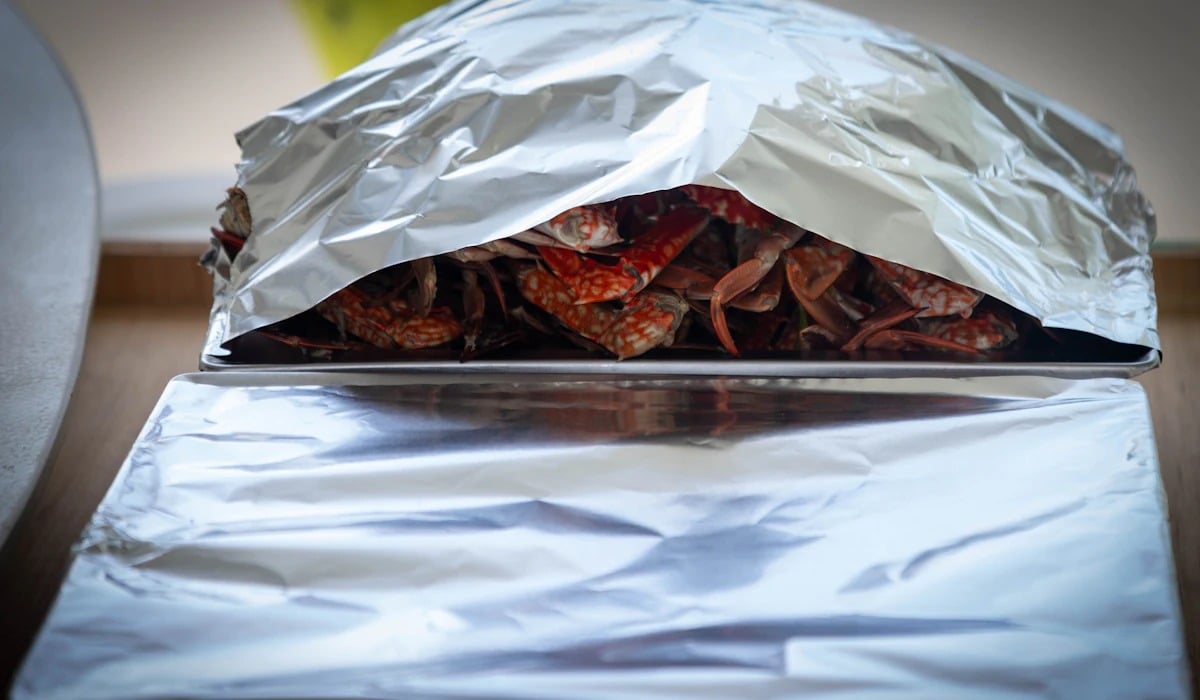
Turkey proved the concept, and Swanson soon added fried chicken in the mid-1950s, which became one of the most requested dinners in the lineup. The chicken came battered and fried before freezing, so the oven only had to reheat it, though the crust rarely survived the trip with its crunch intact.
Mashed potatoes and corn usually filled the side compartments. In 1960 Swanson added a fourth compartment for dessert, and the fried chicken tray gained a brownie or cobbler that tended to scorch at the edges.
For many families this was the Friday night treat, eaten on folding TV tables while the evening lineup played.
Salisbury Steak With Brown Gravy
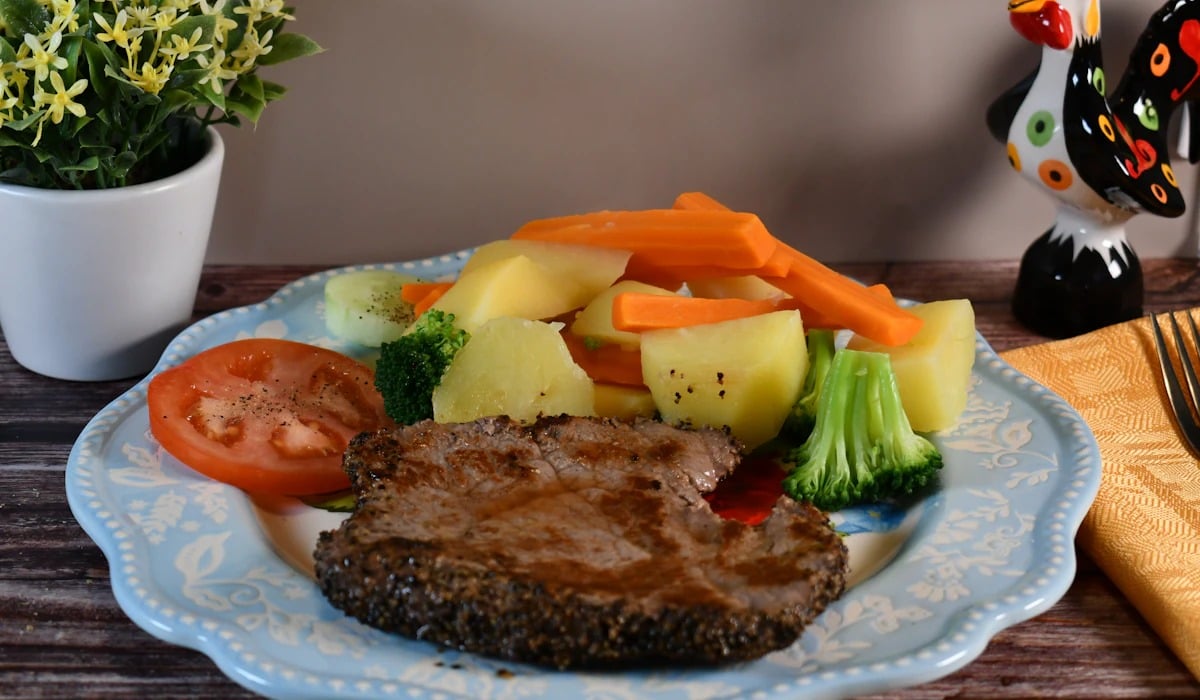
Few frozen dinners were as dependable as Salisbury steak, a seasoned ground beef patty swimming in brown gravy that hid any sins the freezer had committed. The dish itself dates to Dr.
James Salisbury, a 19th-century physician who promoted chopped beef patties as a health food. Swanson’s version usually came with mashed potatoes and a vegetable, and by 1962 the company had quietly dropped “TV” from its branding, so the box simply said Swanson.
The gravy was the real attraction. It kept the meat from drying out and gave the potatoes something to soak up, which made this one of the most forgiving trays to overcook.
Hungry-Man and the Bigger Tray
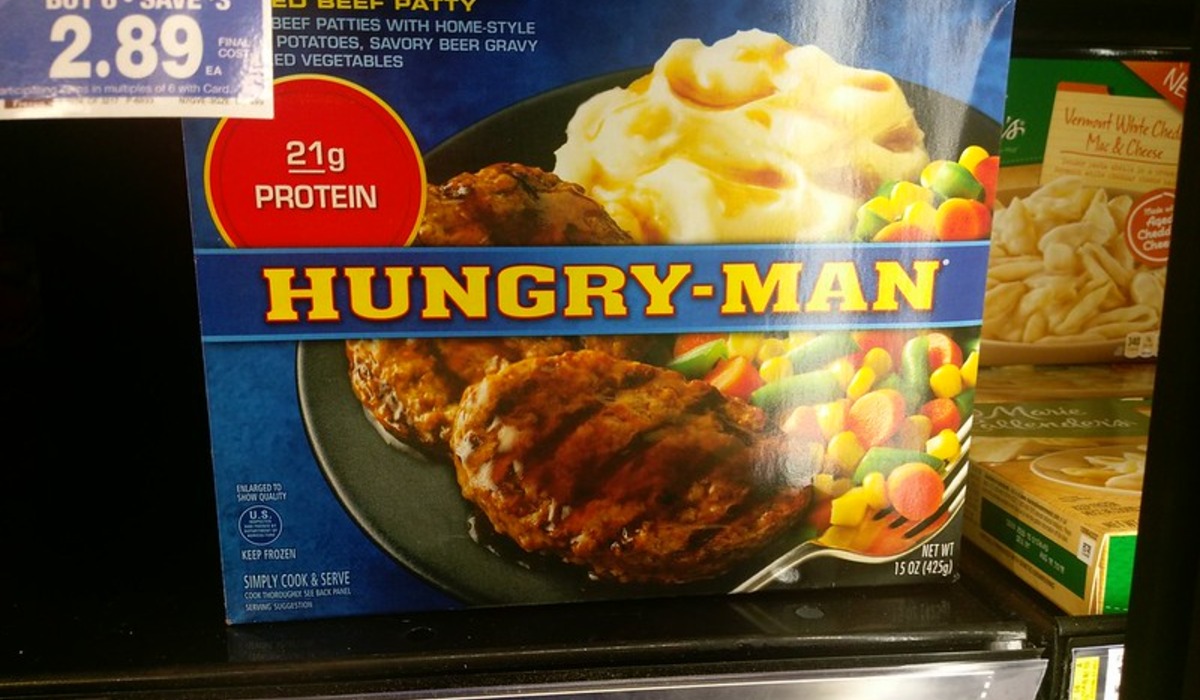
By the early 1970s Swanson recognized that a standard tray left plenty of appetites unsatisfied, so it introduced Hungry-Man, a line of dinners with noticeably larger portions. The packaging leaned hard into a rugged, working-man image, with heavier helpings of fried chicken, turkey and Salisbury steak.
Advertising emphasized sheer quantity over refinement, and the strategy worked well enough that the brand is still sold today. Hungry-Man also signaled a shift in thinking about frozen food.
The TV dinner was no longer a novelty for curious housewives but an everyday meal that had to compete with a full plate at home, and it now had the portions to match.
Pot Pies Before the TV Dinner
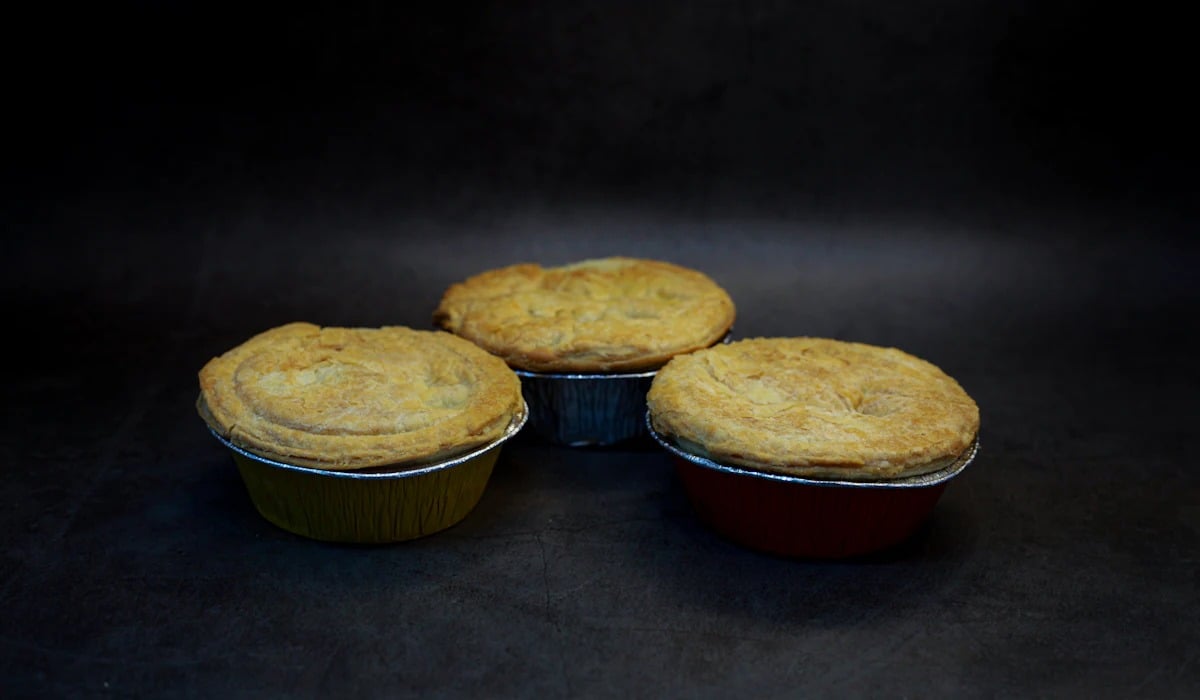
Swanson was freezing chicken pot pies in 1951, two years before the famous turkey tray existed, which makes them the quiet ancestor of the entire TV dinner era. The pies came in small foil tins with a pastry lid over chicken, peas, carrots and a thick cream sauce.
Beef and turkey versions followed. Kids learned early that the filling stayed molten long after the crust looked ready, and plenty of burned tongues resulted.
Pot pies were also cheap, often selling for well under a dollar for decades, so they became a budget staple in college dorms and tight-budget households long after the boomers had grown up.
Breakfast Trays for the Microwave Age
In the 1980s Swanson pushed the frozen tray into the morning with a line of breakfasts that put scrambled eggs, sausage, hash browns, pancakes and French toast in the freezer case. The timing was smart.
More households had two working parents, and the microwave oven had become a common kitchen appliance, so a hot breakfast could be ready in minutes. Swanson moved to microwave-safe trays in 1986, retiring the aluminum that had defined the brand for three decades.
The breakfast line also included sandwiches and burritos over the years, a sign of how quickly frozen food was moving from the dinner table to the car.
Banquet Fried Chicken Dinner
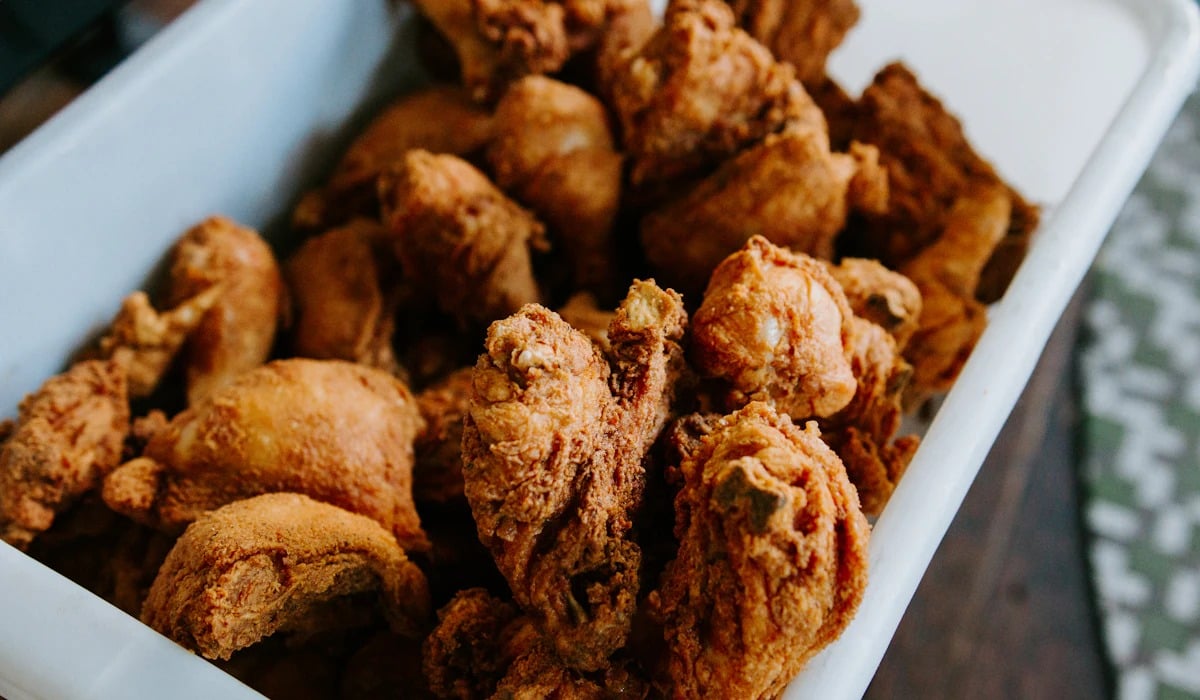
Banquet was Swanson’s chief rival through the 1950s and 1960s, and it built a reputation on fried chicken, the product that remains most closely tied to the name. Banquet dinners were often priced below Swanson’s, which made them a favorite of large families watching every cent at the grocery store.
The trays followed the same basic layout of meat, potatoes, vegetable and sometimes a small dessert. The brand later moved under ConAgra, which still sells Banquet dinners at notably low prices.
For many boomers, the Banquet chicken tray is the version they remember, partly because it was the one their parents could most easily afford.
Banquet Cookin’ Bags
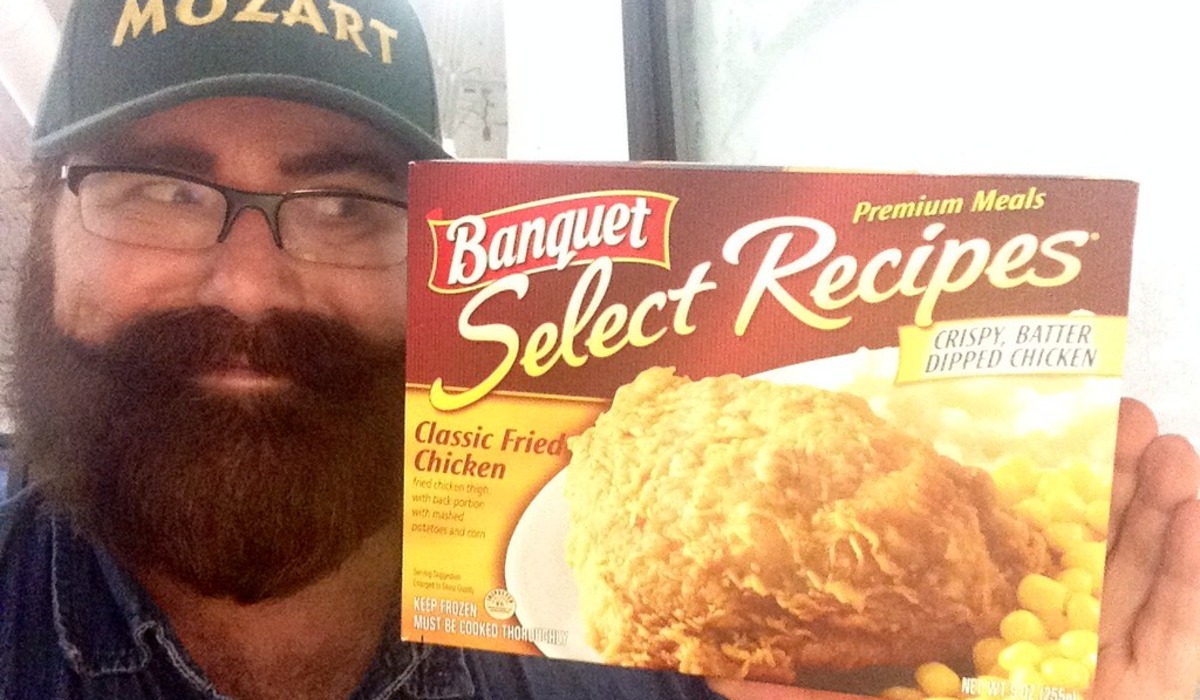
Not every frozen dinner came on a tray. Banquet’s Cookin’ Bags were sealed plastic pouches of single entrees such as creamed chipped beef, sliced turkey with gravy or Salisbury steak, meant to be dropped into a pot of boiling water and heated through.
The boil-in-bag method spared the cook any dishes beyond the pot itself. Once heated, the bag was snipped open and poured over toast, rice or mashed potatoes.
The pouches were small, inexpensive and easy to stack in a freezer, which made them popular for quick lunches. Creamed chipped beef on toast in particular carried a certain military nostalgia for veterans who had eaten it in uniform.
Stouffer’s Macaroni and Cheese
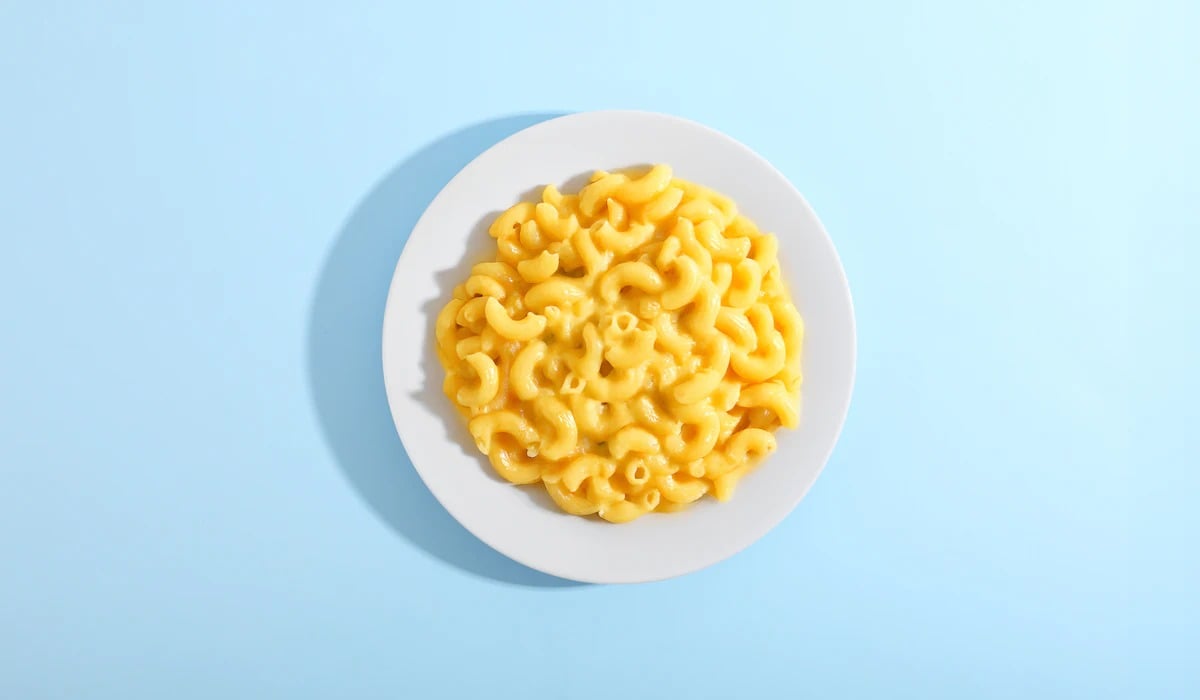
Stouffer’s began as a Cleveland restaurant business in the 1920s, and its frozen food line grew out of customers wanting to take restaurant dishes home. Macaroni and cheese became one of its best-known products, prized for a rich, creamy sauce that tasted more homemade than most freezer fare.
The company also earned an unusual credential in 1969, when Stouffer’s frozen foods were served to the Apollo 11 astronauts during their quarantine after returning from the moon. Unlike the compartment trays of its competitors, Stouffer’s leaned toward single entrees in a deeper pan, positioning itself as a step up in quality, and charging accordingly.
Lean Cuisine and the Calorie Count
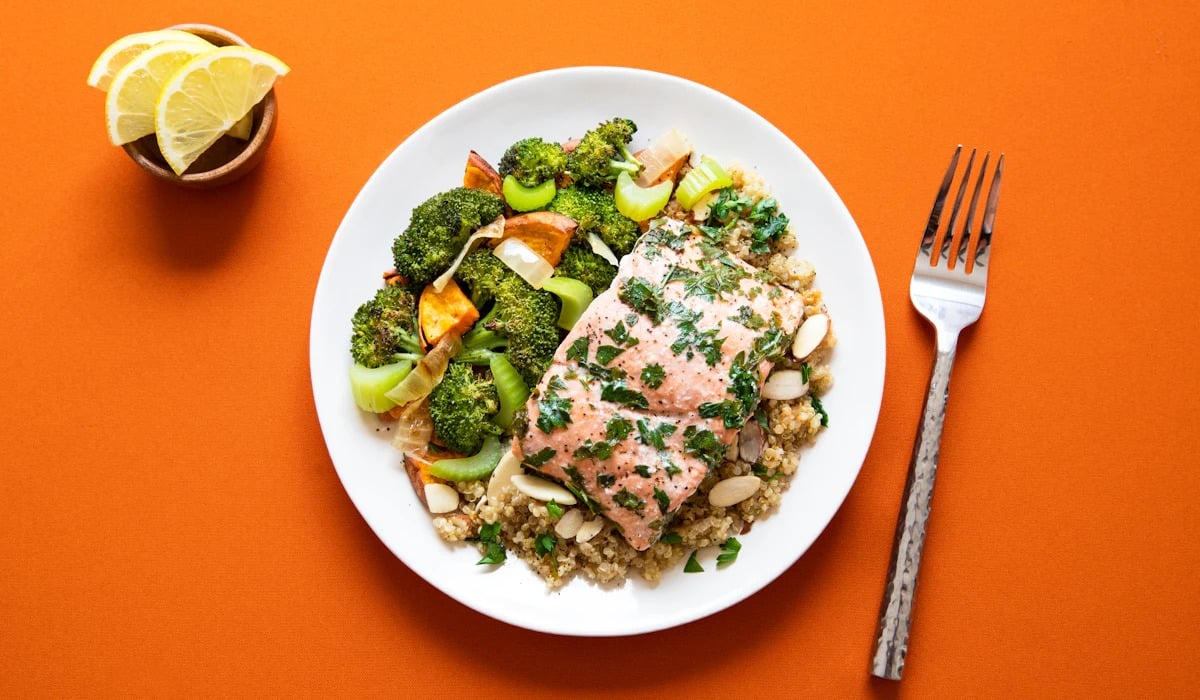
Stouffer’s launched Lean Cuisine in 1981, and the line arrived just as calorie counting became a national obsession. Each entree was kept under 300 calories, and the dishes leaned toward items such as glazed chicken, zucchini lasagna and spaghetti with meat sauce.
The product was a major hit, helping turn diet frozen food into a large category of its own. Lean Cuisine also changed the look of the frozen aisle, moving away from heavy compartment trays toward a single portion presented as a sensible lunch.
Office workers in particular adopted it, and the brand became shorthand for a desk meal eaten in a break room microwave.
French Bread Pizza for After School
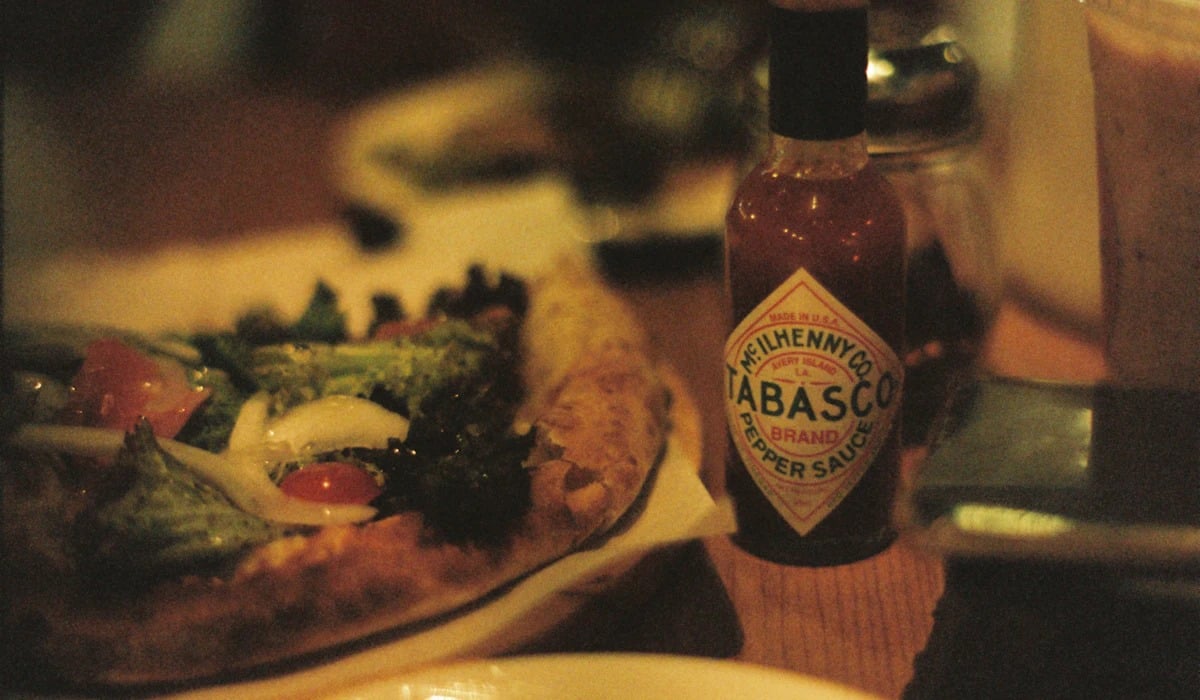
Stouffer’s French bread pizza appeared in the mid-1970s and became an after-school favorite for kids who had outgrown cartoons but not snacks. The concept was simple: a split loaf of French bread topped with sauce, cheese and pepperoni or sausage.
It baked up crisper than most frozen pizzas of the era, which often had a crust closer to cardboard. The format also made it easy to share, since the loaf came as two halves.
The product remains on the market, and longtime fans debate online whether the modern recipe tastes the same as the version they remember from their childhood kitchens.
Le Menu and Its Faux China
Campbell’s introduced Le Menu in 1982 as an upscale answer to the humble TV dinner. The meals came on plastic plates designed to look like fine china, complete with a domed lid, and the menu favored dinner-party dishes with sauces and sides that sounded more like a supper club than a lunch counter.
Prices were higher than standard dinners, and the advertising aimed squarely at adults who wanted something that felt like a restaurant meal. Le Menu was a strong seller through much of the 1980s before fading.
The idea that a frozen dinner could look elegant on the table was new, and other brands soon copied it.
Patio Mexican Dinners
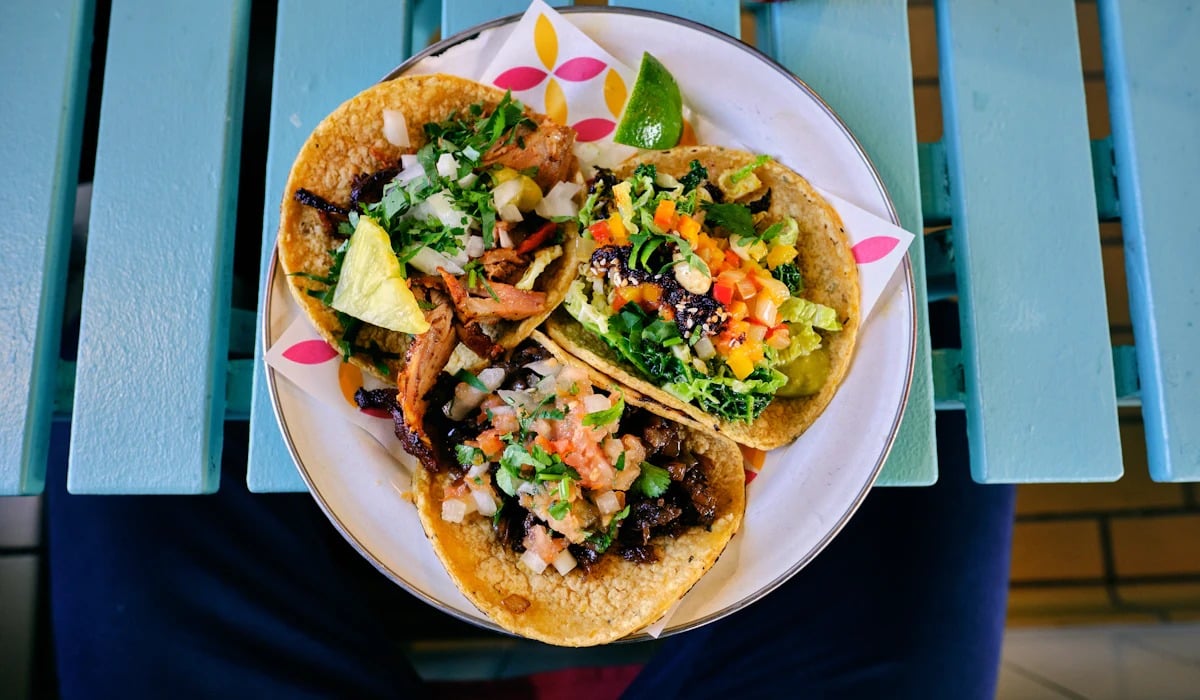
Patio Foods of San Antonio was among the early companies to put enchiladas, tamales, rice and refried beans into a frozen tray, introducing many Americans outside the Southwest to Tex-Mex flavors. The dinners featured a cheerful Mexican-style design on the box and offered combination plates that mirrored what diners would order at a local cafe.
For families in the Midwest or Northeast, a Patio dinner was often the first enchilada they ever tasted. The brand later became part of ConAgra.
Patio also helped prove that the frozen dinner format could carry regional and ethnic cuisines, a lesson the industry would follow for decades.
Chun King Chinese Dinners
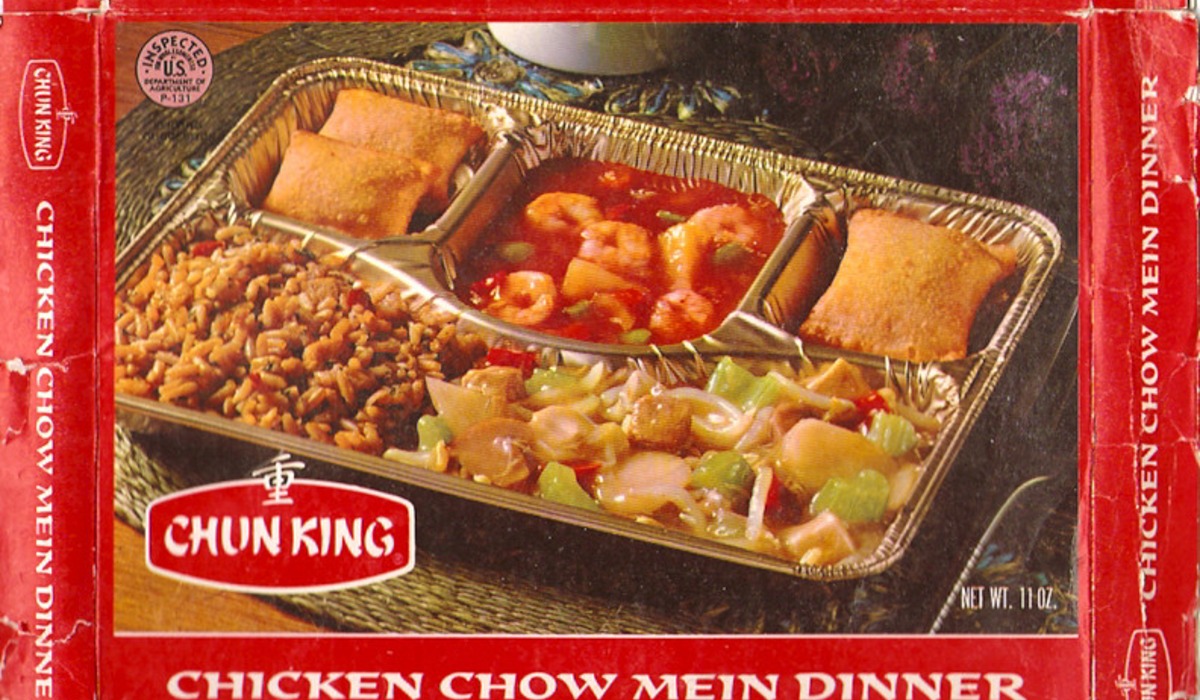
Chun King was founded in Duluth, Minnesota, by Jeno Paulucci, an Italian-American entrepreneur who saw an opening in American-style Chinese food. The company built its name on canned chow mein and chop suey before moving into frozen dinners and egg rolls.
Paulucci was a famous promoter, and Chun King’s advertising used humor to sell a cuisine many Midwestern families had never tried. He sold the company to R.J.
Reynolds in 1966 and went on to create Jeno’s pizza rolls. For boomers in landlocked towns, a Chun King frozen chow mein was often the closest thing to a night out at a Chinese restaurant.
Healthy Choice From a Heart Scare
Healthy Choice has an unusually personal origin. ConAgra chief executive Mike Harper suffered a heart attack in the mid-1980s, changed his own diet and pushed his company to create a frozen line that limited fat and sodium.
Healthy Choice dinners arrived in 1989 and quickly became one of the strongest brands in the freezer case. The packaging featured a distinctive green color that signaled health at a glance.
Harper’s story gave the brand a ready-made marketing hook, and Healthy Choice helped push the industry to put nutrition numbers front and center on the box, well before federal labeling rules required them.
Weight Watchers Frozen Meals
Weight Watchers had grown into a national diet program by the 1970s, and frozen meals bearing its name followed, giving members portion-controlled dinners that fit the plan without weighing or measuring. The meals carried the brand’s familiar logo and were promoted as a way to stay on track on busy nights.
Lasagna, chicken dishes and desserts were common offerings, and the line expanded as the diet business grew in the 1980s. These meals helped establish the idea that a frozen dinner could be part of a weight-loss strategy rather than a cheat.
Competitors including Lean Cuisine would later fight hard over the same shoppers.
Budget Gourmet Entrees
Budget Gourmet arrived in the 1980s with a name that promised two things at once, and for many shoppers it delivered both. The entrees came in compact paper trays and were priced well below the premium lines from Stouffer’s and Le Menu while offering pastas, stroganoff-style beef dishes and other entrees with continental-sounding names.
Frequent sales made them a stock-up item, with freezers full of the boxes at a few for a few dollars. Kraft sold the business to Heinz in 1994.
The line showed that shoppers wanted variety and a hint of sophistication even when they were watching their budgets closely.
Kid Cuisine for the Next Generation
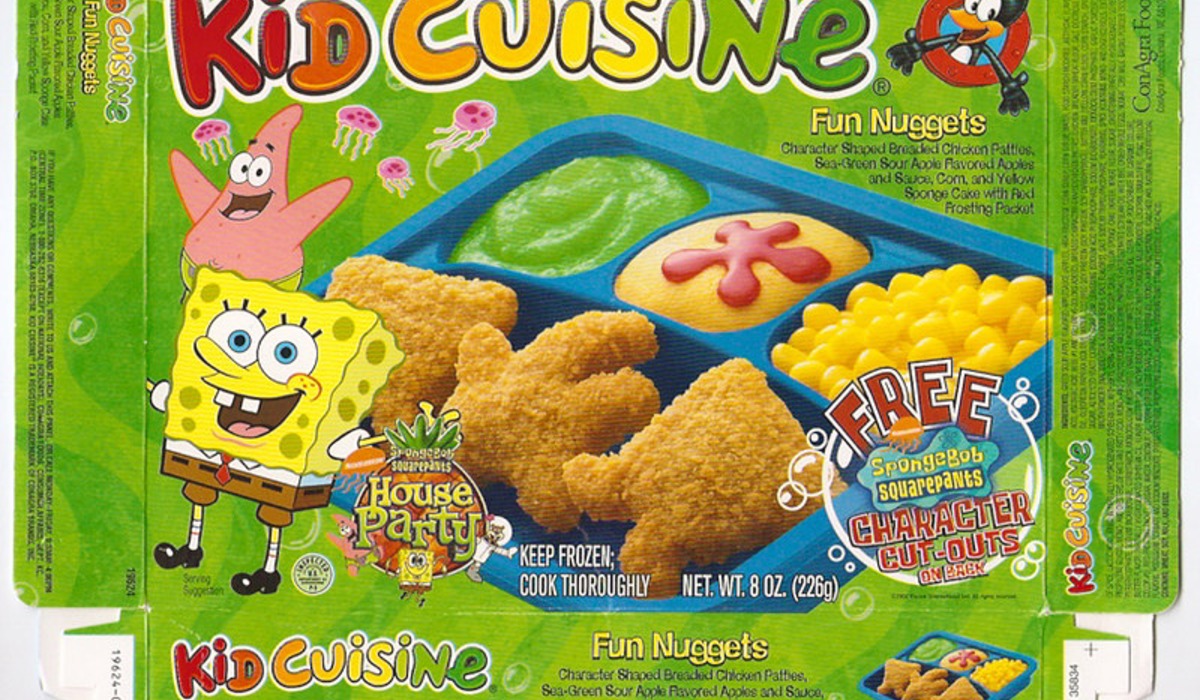
By 1990 the boomers were raising children of their own, and Banquet introduced Kid Cuisine with them in mind. The trays featured chicken nuggets, mini corn dogs and macaroni and cheese, plus a dessert and a colorful box decorated with games and puzzles.
The mascot was a penguin named K.C., who appeared on the packaging in various costumes and adventures. Kid Cuisine was a direct descendant of the original TV dinner idea, a complete meal in compartments, now aimed at the youngest diners.
Parents who had eaten Swanson turkey in front of black-and-white sets found themselves serving these trays to their own kids.
Foil, Gravy and the Glow of the Set
The TV dinner was never really about the food. It was about a new way of living, with a working parent, a television in the living room and a willingness to trade a little flavor for a lot of time.
Every compartment on those trays reflected a choice families were making about how to spend their evenings.
Today the frozen aisle is crowded with organic bowls and global cuisines, yet the basic idea has barely changed since 1953. A meal arrives fully prepared, needs only heat and asks nothing of the cook.
Boomers who remember peeling back the foil were witnessing the beginning of the convenience economy, one turkey tray at a time.
MORE FROM GO2TUTORS!

- The Romanov Crown Jewels and Their Tragic Fate
- 13 Historical Mysteries That Science Still Can’t Solve
- Famous Hoaxes That Fooled the World for Years
- 15 Child Stars with Tragic Adult Lives
- 16 Famous Jewelry Pieces in History
Like Go2Tutors’s content? Follow us on MSN.