28 Fast Food Items Discontinued Decades Ago
Fast food menus look permanent from the drive-thru window, but they are some of the most frequently rewritten documents in American business. Items arrive with jingles and celebrity ads, then vanish so quietly that customers only notice years later.
Some of these products failed on taste. Others failed on cost, speed, packaging or bad timing.
A few were genuinely popular and disappeared anyway, which only makes them easier to miss.
McDLT and Its Two-Sided Foam Box
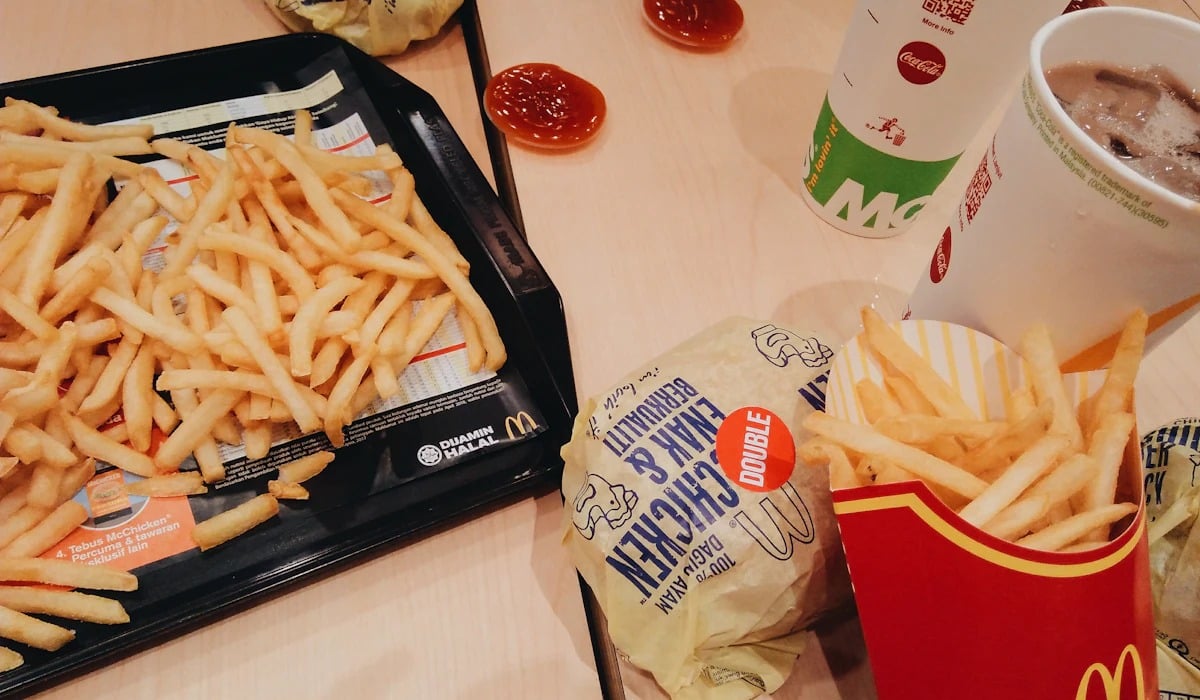
McDonald’s introduced the McDLT in 1984 with a clever packaging gimmick. The burger came in a two-compartment polystyrene container that kept the hot patty and bottom bun on one side and the cold lettuce, tomato and top bun on the other, so diners assembled it themselves.
The ad slogan promised to keep the hot side hot and the cool side cool, and one memorable commercial featured a young Jason Alexander singing about it years before Seinfeld. The sandwich faded around 1990 as McDonald’s moved away from foam packaging amid growing environmental concerns about the containers.
Arch Deluxe, the Grown-Up Burger
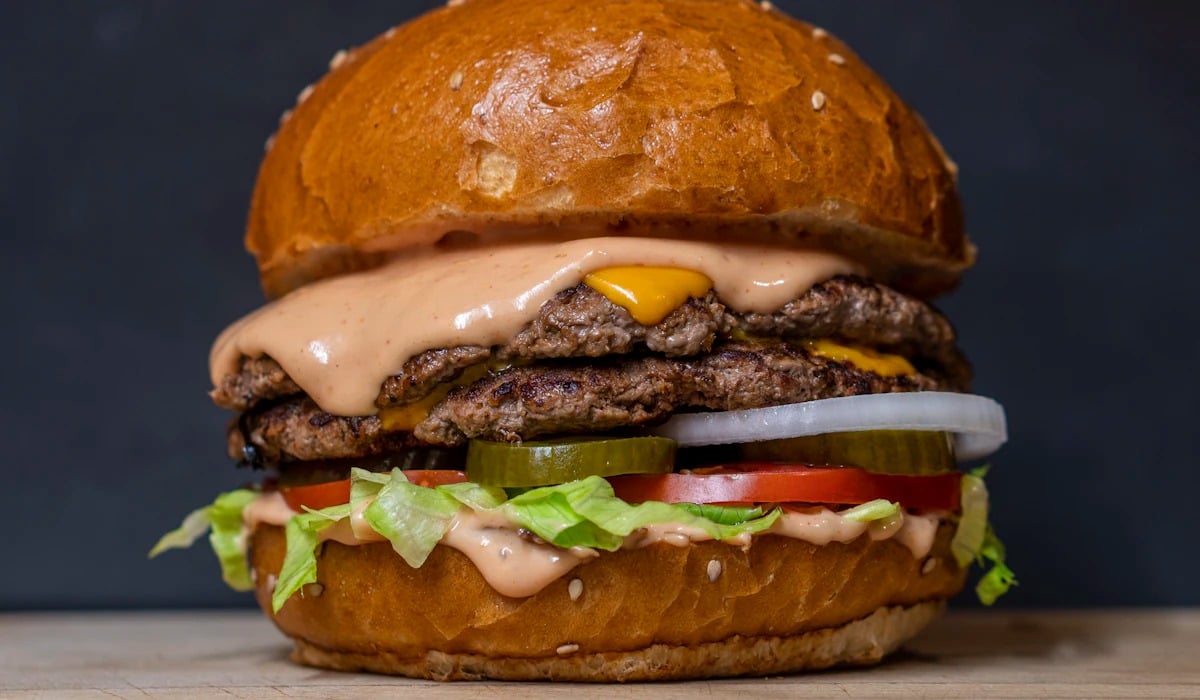
In 1996, McDonald’s launched the Arch Deluxe as a burger for adults, with a potato flour bun, peppered bacon, and a mustard and mayonnaise sauce. The advertising was famously odd, including commercials of children turning up their noses at the sandwich to signal that it was not meant for them.
The marketing budget was widely reported at more than 100 million dollars, which made the sandwich’s weak sales all the more conspicuous. Within a few years it had faded from menus, and business writers still cite the Arch Deluxe as a classic example of an expensive product launch that misread its customers.
Hula Burger and the Lenten Showdown
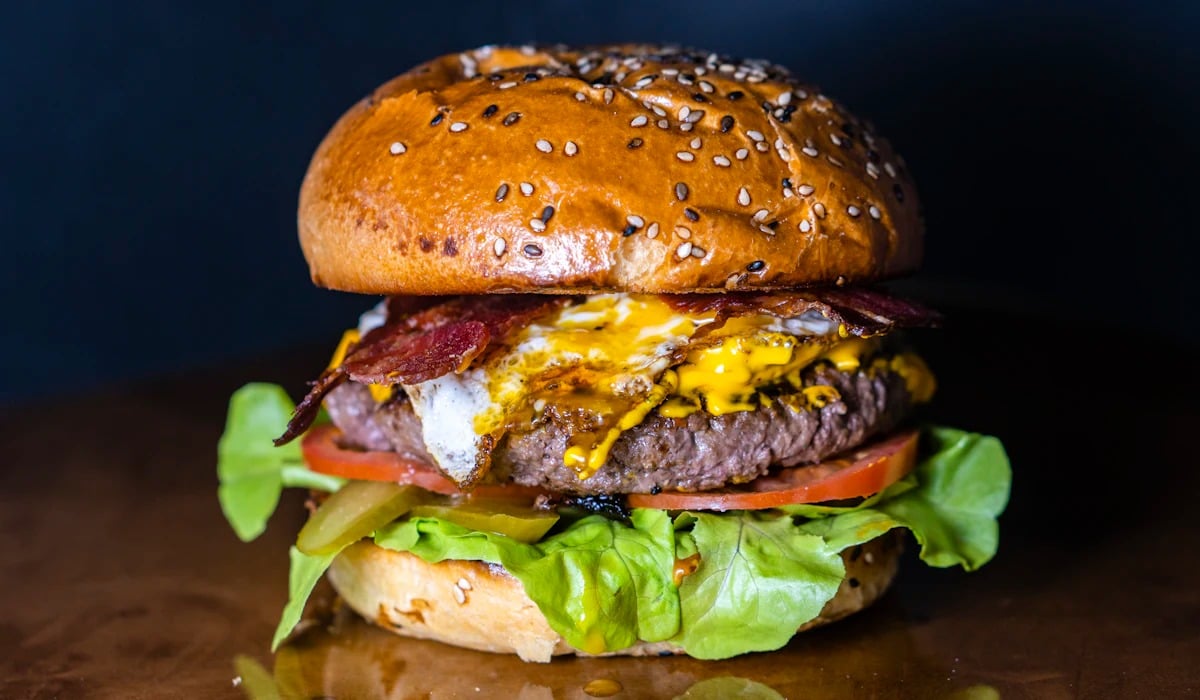
Ray Kroc’s answer to meatless Fridays was the Hula Burger, a slice of grilled pineapple topped with cheese on a bun. In 1963, Cincinnati franchisee Lou Groen had developed a fried fish sandwich to win back Catholic customers who skipped burgers on Fridays during Lent.
Kroc preferred his pineapple idea, so the two sandwiches were tested head to head on a Friday, with the better seller earning a place on the menu. The fish sandwich won by a wide margin.
The Filet-O-Fish went national, and the Hula Burger became a footnote in company history.
McPizza and Its Last Two Holdouts
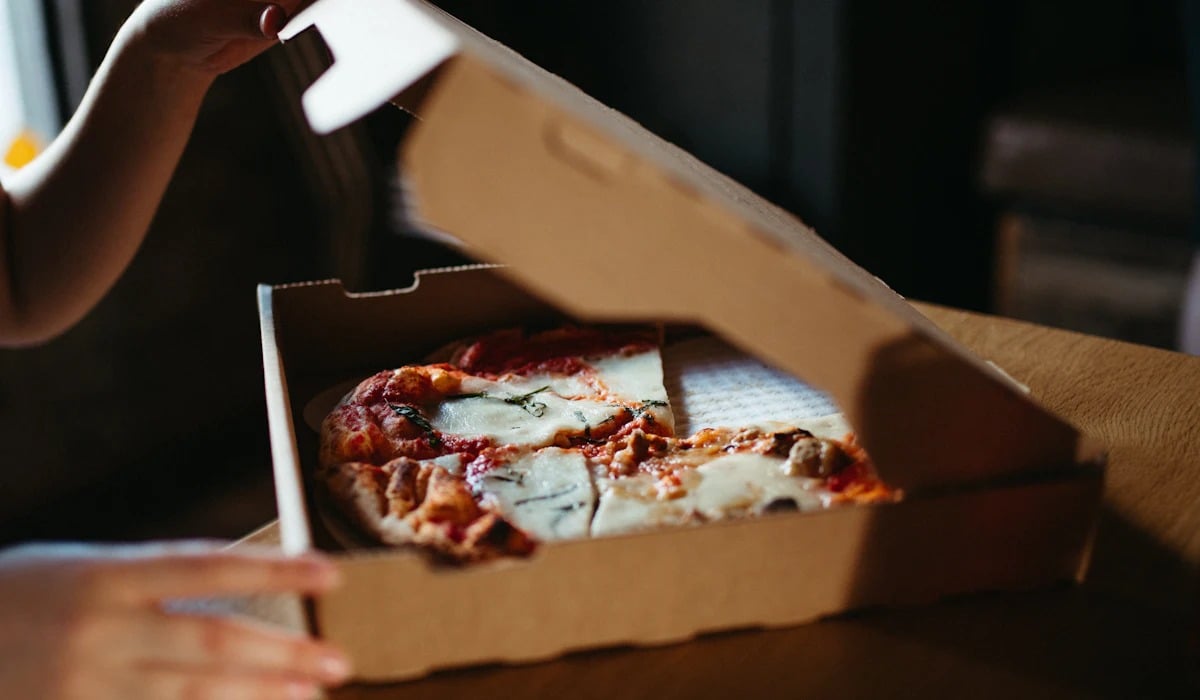
Pizza was a long experiment at McDonald’s. Testing began in the late 1980s, and the McPizza reached many restaurants by the early 1990s.
The idea collided with the chain’s core promise of speed, since a pizza took far longer to bake than a burger took to assemble, and McDonald’s had to redesign drive-thru windows to fit the boxes. The product disappeared from most locations by around 2000.
Two franchised restaurants, in Pomeroy, Ohio, and Spencer, West Virginia, reportedly kept serving it for years afterward, becoming small pilgrimage sites for curious fans until the pizza was finally dropped there around 2017.
McLean Deluxe and a Seaweed Secret
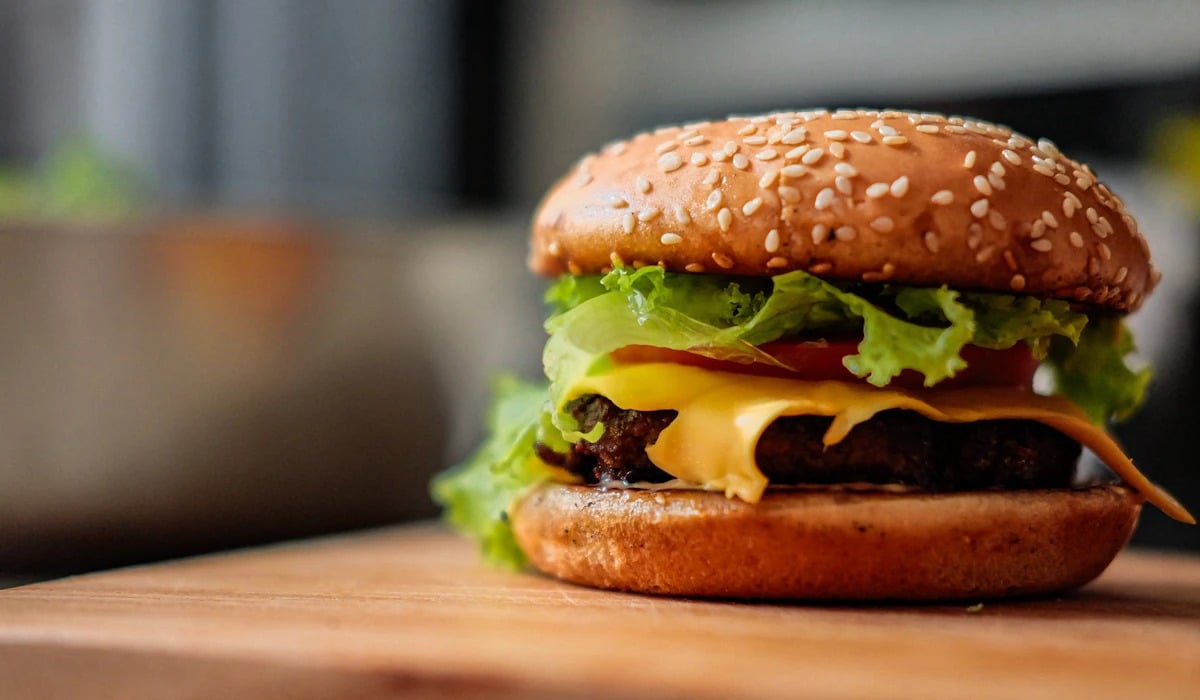
The McLean Deluxe arrived in 1991 as McDonald’s attempt at a low-fat burger during a national diet craze. The patty was promoted as 91 percent fat-free, and the company achieved that by adding carrageenan, a thickener derived from seaweed, along with water to keep the lean beef moist.
Health-minded critics praised the effort, but customers did not buy it in large numbers, and the seaweed ingredient became an easy punch line. McDonald’s removed the McLean Deluxe from menus around 1996.
Later attempts at lighter burgers at other chains ran into the same problem of customers praising them and then ordering something else.
Onion Nuggets Before the McNugget
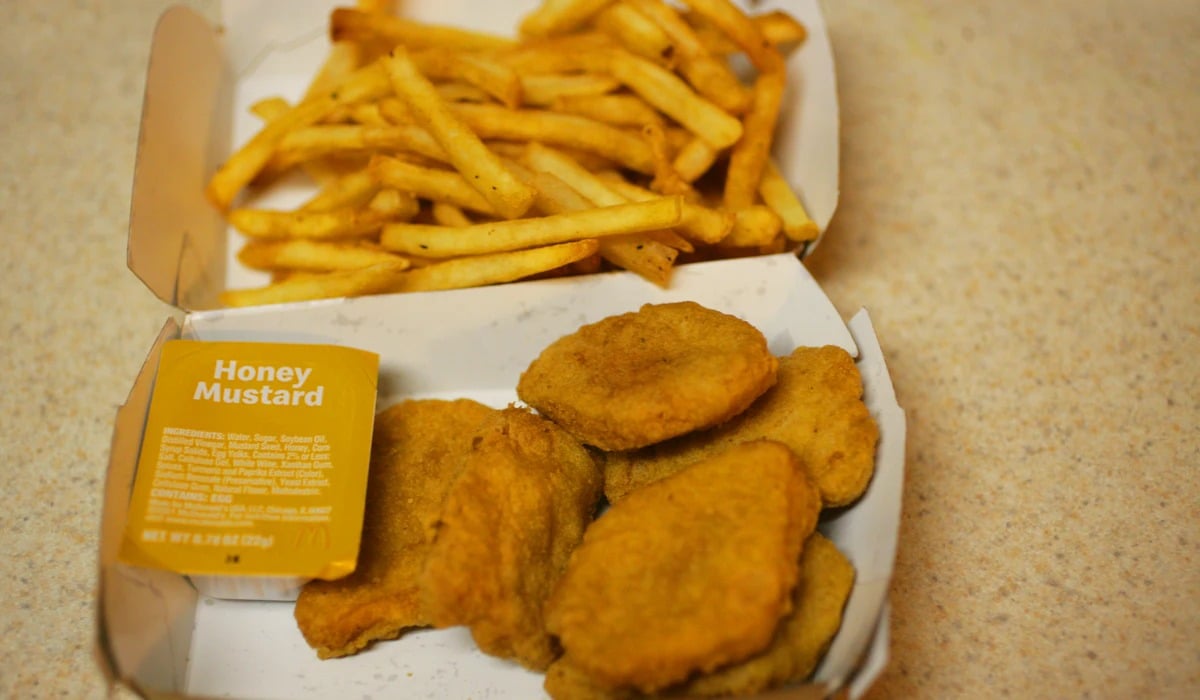
Years before Chicken McNuggets arrived nationally in 1983, McDonald’s tested Onion Nuggets in the late 1970s. These were chunks of diced onion, battered and fried, served as a side order.
The concept borrowed the appeal of onion rings without the uneven shapes and messy breakage. Onion Nuggets never caught on enough for a permanent spot and disappeared within a few years.
The name may have helped pave the way for the chicken version, which became one of the most successful menu items in the company’s history and kept the nugget format on menus for good.
McSpaghetti and Its Afterlife in the Philippines
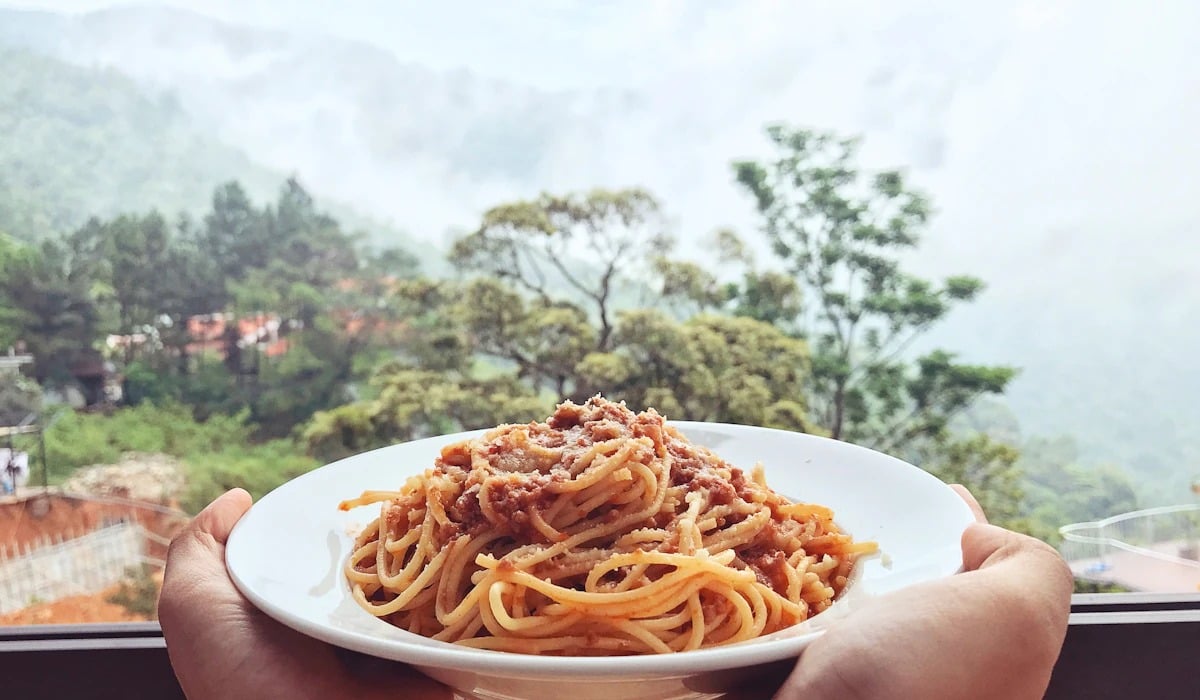
Spaghetti showed up in some American McDonald’s restaurants during the 1970s as part of an effort to win dinner customers and families. The McSpaghetti never found a lasting place on the American menu and quietly disappeared there.
Overseas, the story turned out differently. In the Philippines, McSpaghetti remains a regular menu item, made with a sweet tomato sauce and sliced hot dogs that suit local tastes and compete with the popular spaghetti at rival chain Jollibee.
American travelers who remember the dish can still order a plate in Manila, where it is often paired with fried chicken.
McHotDog and Ray Kroc’s Objection
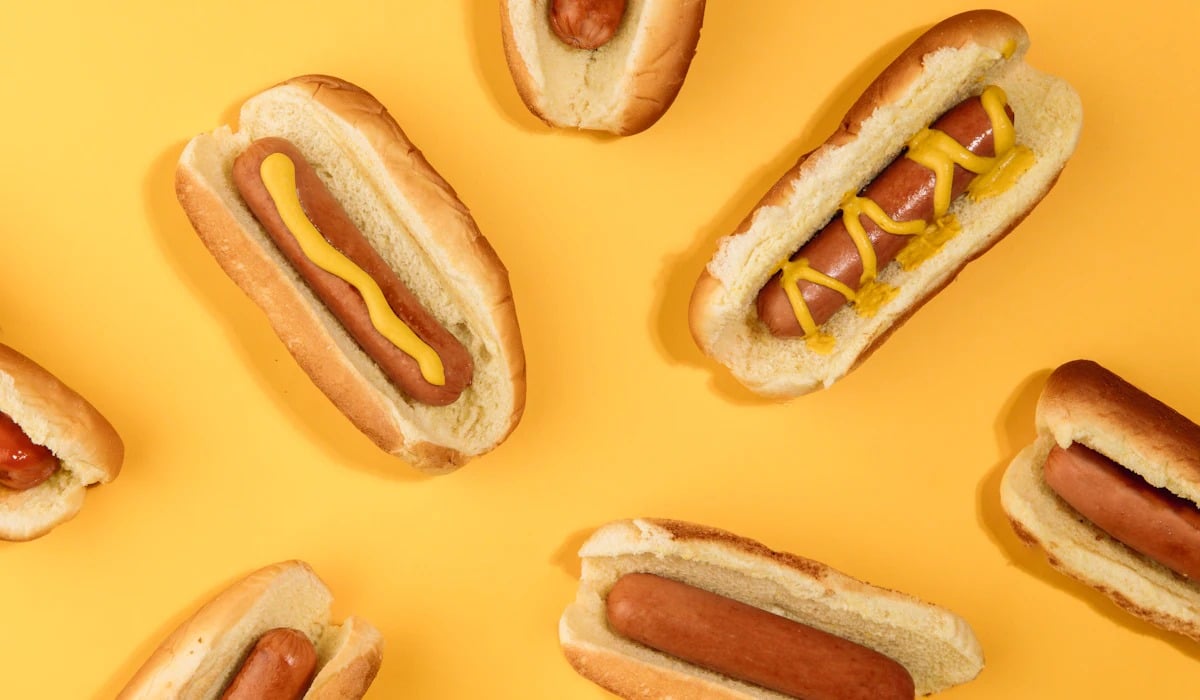
Ray Kroc was famously opposed to selling hot dogs at McDonald’s, reportedly arguing that customers could never be sure what was inside one. After his death in 1984, the company eventually tested the idea anyway.
In the 1990s, select restaurants offered the McHotDog, particularly in markets where hot dogs were a summertime staple. The product never went national in the United States and quietly dropped off menus in the test markets.
McDonald’s has sold hot dogs in some other countries, including Japan, but American customers seeking one have generally had to look elsewhere.
Salad Shakers in a Plastic Cup
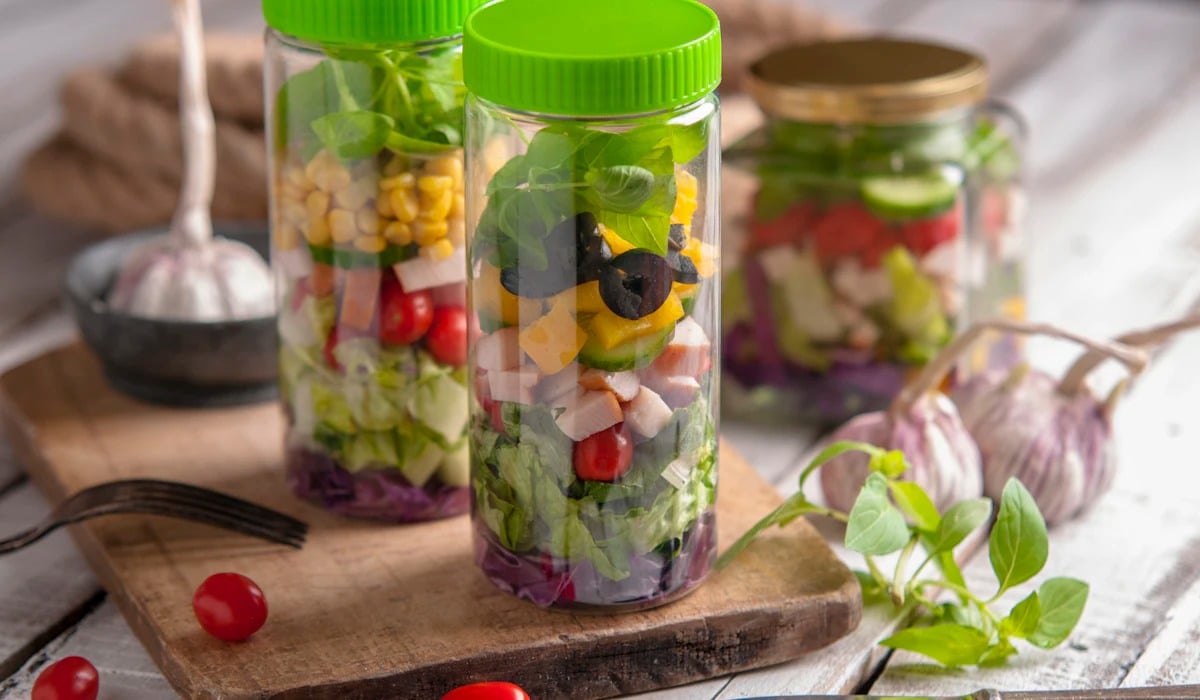
McDonald’s introduced Salad Shakers in 2000, serving salads in tall plastic cups with a domed lid. Customers poured dressing in, snapped the lid shut and shook the cup to coat the greens, which made the salads easier to eat in a car.
Options included a chef salad, a garden salad and a grilled chicken Caesar. The format was convenient, but the cups were narrow and the ingredients tended to settle in clumps.
McDonald’s replaced Salad Shakers in 2003 with its Premium Salads line, served in conventional bowls and marketed as a more substantial meal.
Deep-Fried Apple Pie
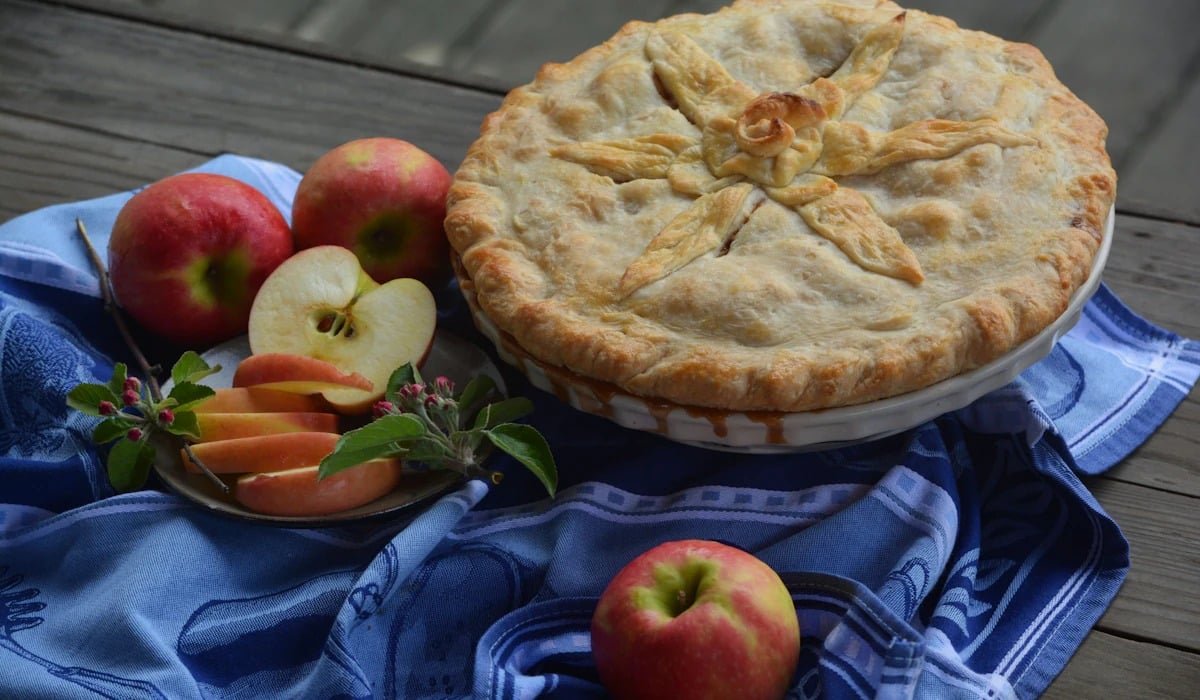
For decades, McDonald’s apple pies came out of the fryer with a bubbly, crackling crust and a filling hot enough to become a running joke. In 1992, the company switched to a baked version in most of its American restaurants, reflecting growing concern about fried foods and fat content.
Fans complained loudly, and the fried pie developed a devoted cult following among people who remembered the original. A few locations, notably in Hawaii, and some international markets kept the fried version, which has made tracking one down a small hobby for nostalgic customers.
Super Size Fries and Drinks
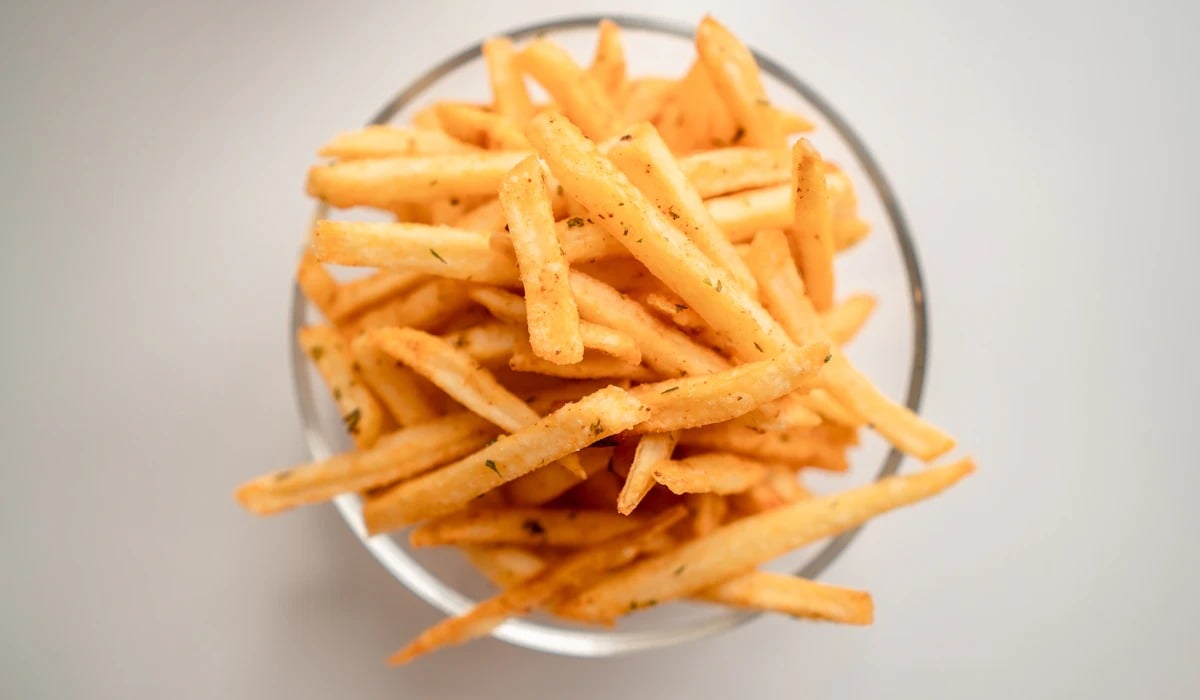
Super Size portions of fries and soft drinks were a McDonald’s fixture through the 1990s and early 2000s, with drinks reaching 42 ounces. In 2004, the company announced it was phasing out the option to simplify its menu.
The timing drew attention because it came only weeks before the release of Morgan Spurlock’s documentary Super Size Me, in which the filmmaker ate only McDonald’s food for a month. McDonald’s said the documentary had nothing to do with the decision.
The phrase super size has stuck in everyday speech far longer than the menu option itself.
Yumbo Hot Ham and Cheese
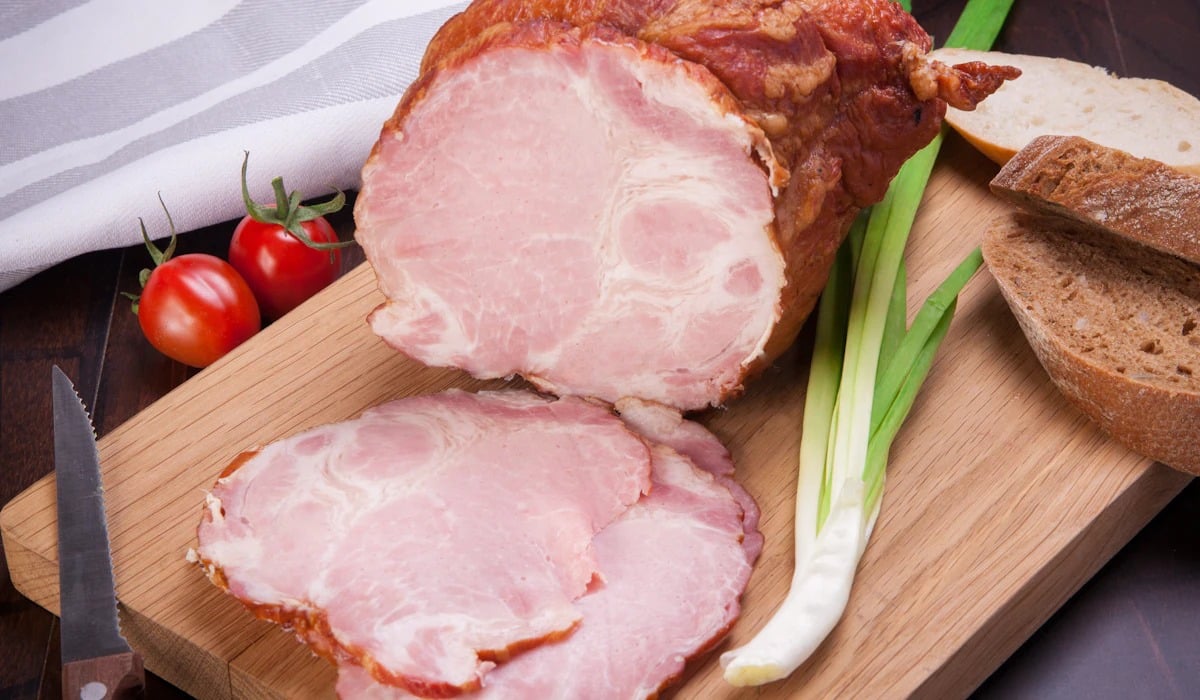
A hot ham and cheese sandwich called the Yumbo joined the Burger King menu in 1968, served on a sesame seed bun. It gave the chain something to offer customers who wanted a break from burgers.
The Yumbo stayed on the menu until 1974, when Burger King dropped it during a menu overhaul. The name lived on in fan memories, and in 2014 the company revived the Yumbo briefly as a limited-time offering, complete with a retro advertising campaign.
The revival did not last, and the sandwich returned to the archive alongside other long-gone Burger King experiments.
Whaler Fish Sandwich
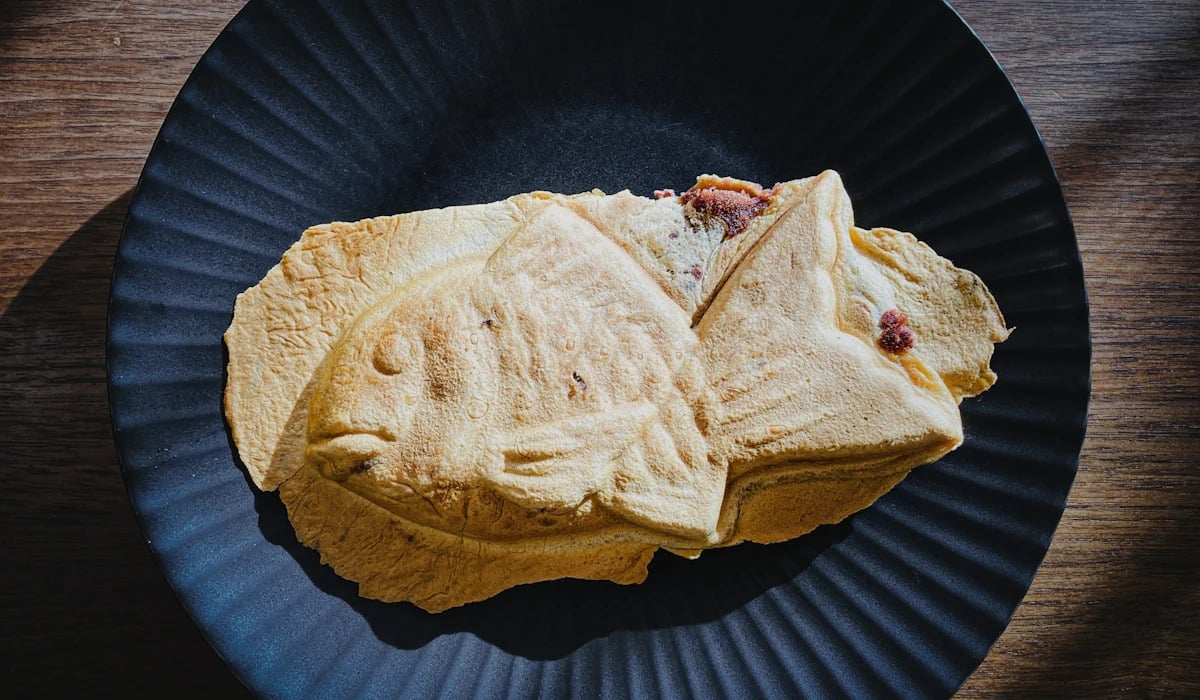
Fish arrived at Burger King in 1975 with the Whaler, the chain’s first fish sandwich,, aimed squarely at the success of the Filet-O-Fish. The sandwich featured a fried whitefish fillet with lettuce and a creamy sauce on a bun.
The name did not age well, and the product was later renamed and reformulated several times, becoming the Ocean Catch and later the Big Fish. Each version kept the basic formula of a breaded fillet on a soft bun.
The Whaler name disappeared decades ago, though the sandwich it inspired has remained a part of Burger King’s lineup in one form or another.
Veal Parmigiana at Burger King
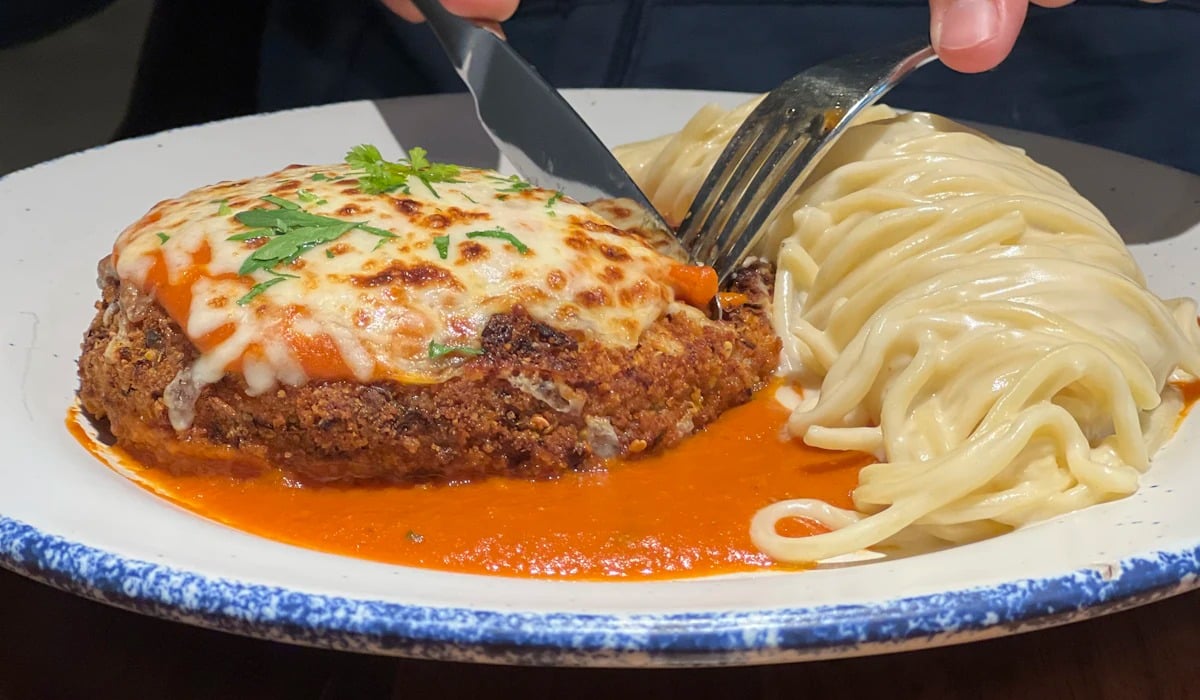
Burger King tested Veal Parmigiana in 1981 and rolled it out nationally in 1982, serving breaded veal topped with tomato sauce and cheese on a bun. The sandwich was an unusual choice for a fast food chain and drew protests from a group calling itself the Boycott Burger King Coalition.
Sales never justified the expense or the controversy. Burger King phased the sandwich out around 1983, and it is now remembered mostly as one of the stranger entries in fast food history.
The episode showed the risks of stretching a burger brand into restaurant-style dishes.
Sirloin Steak Sandwich From the Specialty Line
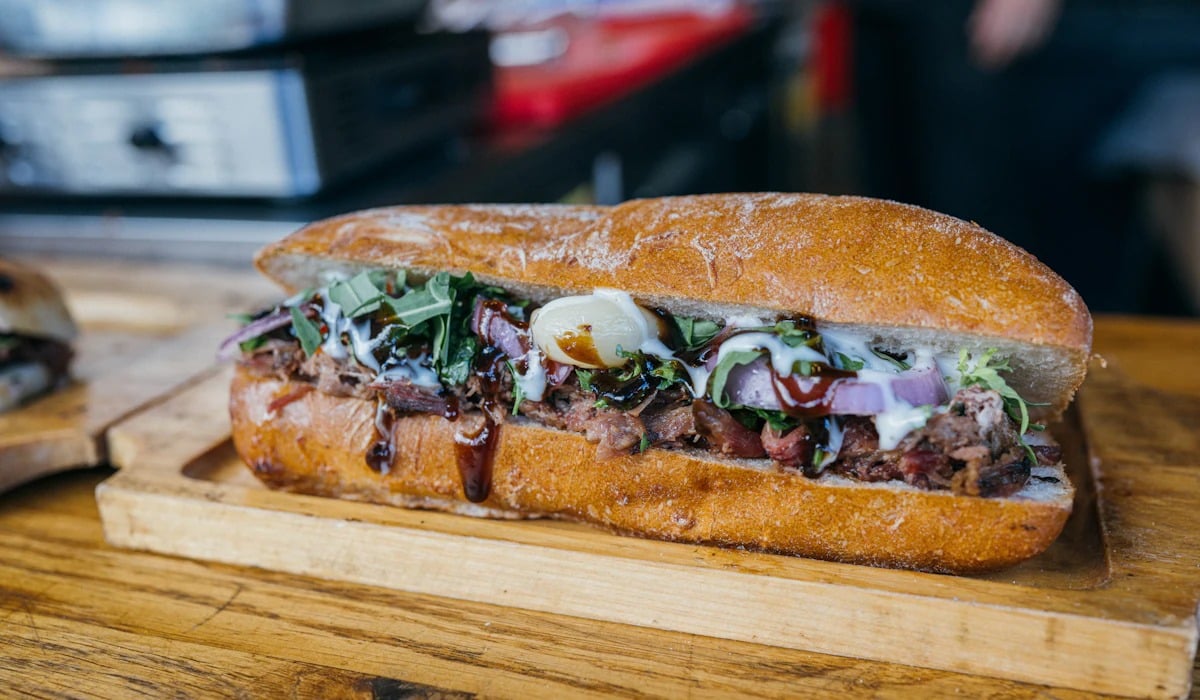
In 1979, Burger King introduced a line of specialty sandwiches meant to draw adult customers, including a Sirloin Steak Sandwich. It featured an oblong steak patty topped with fried onions on a long sandwich roll.
The chicken sandwich from the same lineup proved popular enough to stay on the menu for decades, but the steak sandwich was dropped. The oblong bun format became a lasting visual signature for Burger King’s specialty sandwiches.
The Sirloin Steak Sandwich itself is now mostly remembered by people who visited Burger King in the late 1970s and early 1980s.
Burger Bundles and Burger Buddies
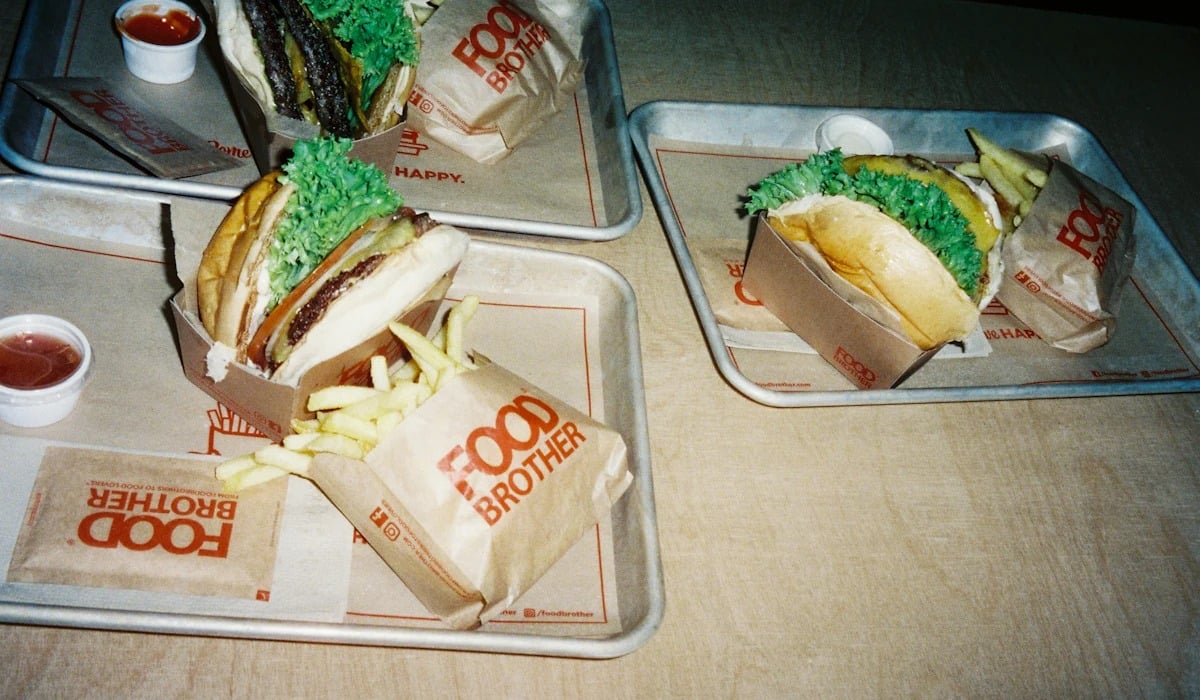
Mini burgers came to Burger King in 1987 under the name Burger Bundles, sold in packs and inspired by the mini burgers at White Castle and Krystal. The product was popular enough to return a couple of years later as Burger Buddies, which came as two small burgers joined on a single split bun.
Both versions eventually left the menu. Burger King has returned to the mini burger idea several times since then, with products such as Burger Shots, but none have kept a permanent spot.
The original Bundles remain a favorite memory for many 1980s kids.
Dinner Baskets With Table Service
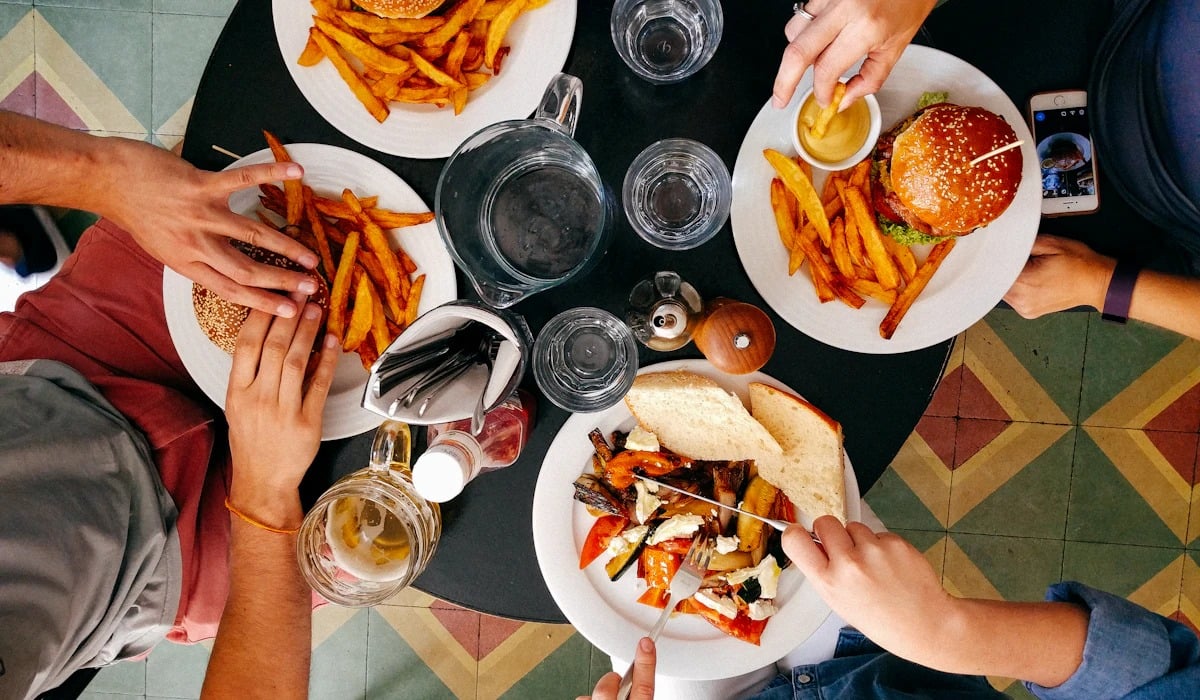
In the early 1990s, Burger King tried to win evening customers with dinner baskets and table service. Diners ordered at the counter and then sat down while employees brought their food to the table.
The baskets paired an entree with sides and arrived at the table, a long way from a paper sack on a tray. The idea was designed to compete with casual dining chains during dinner hours.
The service slowed down operations and confused customers who expected fast food speed. Burger King ended the program within a few years and returned to its traditional counter model.
BK Broiler Chicken Sandwich
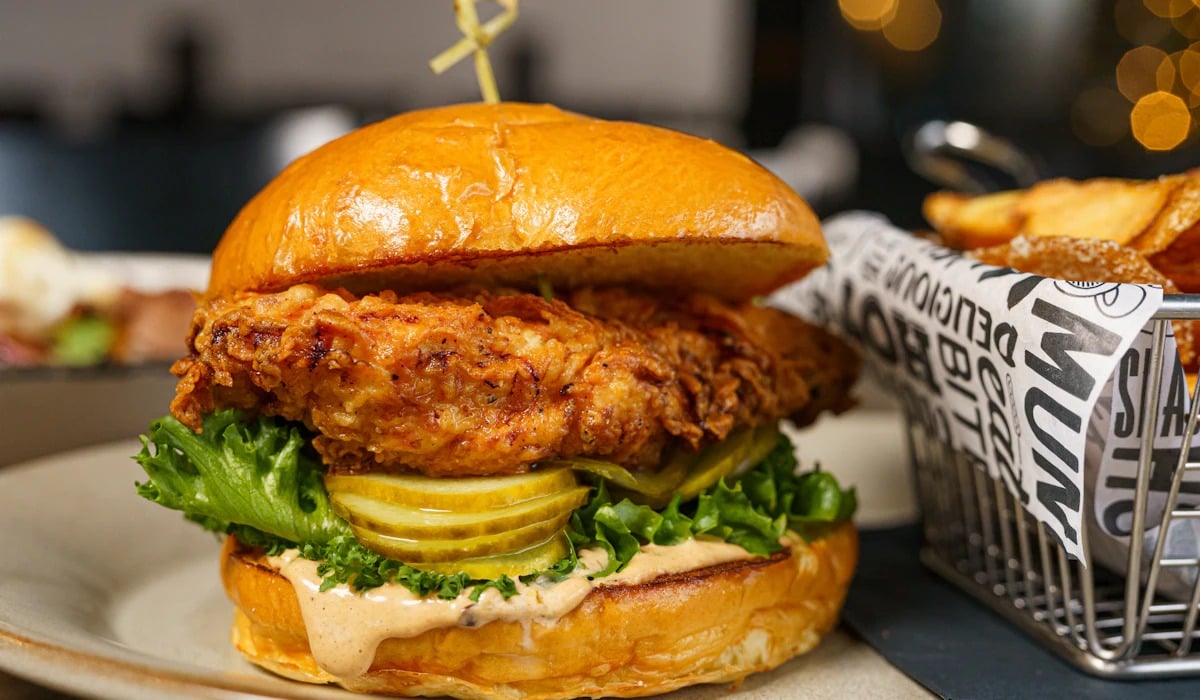
Flame-broiled chicken got its big Burger King moment in 1990 with the BK Broiler, a sandwich on an oat-dusted roll with lettuce, tomato and a ranch-style dressing. It arrived as consumers were looking for lighter options, and early sales were reportedly strong.
The sandwich became one of Burger King’s best-known products of the decade. In the early 2000s, the chain replaced the BK Broiler with the Chicken Whopper, which used a similar flame-broiled chicken concept but a different bun and toppings.
Fans of the original still point to the Broiler as one of the chain’s stronger menu ideas.
Shake ‘Em Up Fries
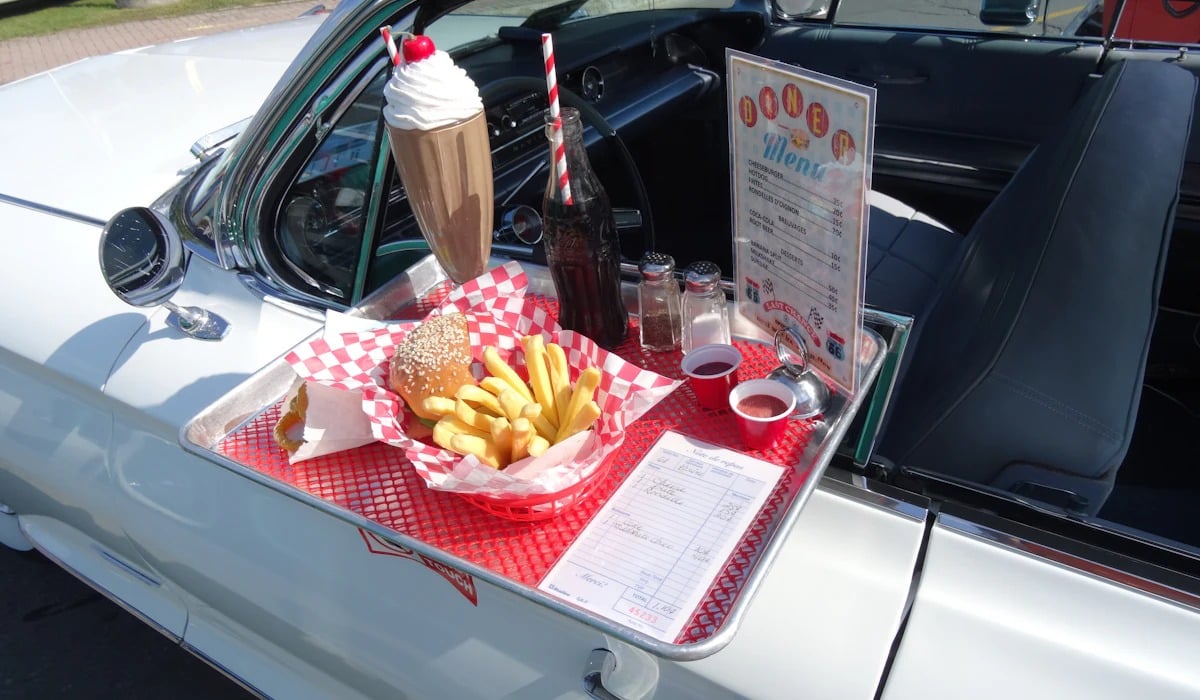
Burger King introduced Shake ‘Em Up Fries in 2002, giving customers a bag of fries with a separate packet of flavored seasoning. The idea was to pour the seasoning into the bag, close it and shake, coating the fries evenly.
The interactive element was aimed at younger customers and fit into a broader trend of customizable snacks. The product did not stay long, and the seasoning packets disappeared from menus soon after.
The concept has resurfaced at other chains and in grocery store snacks, but Burger King’s version is now more than two decades gone.
Bell Beefer at Taco Bell
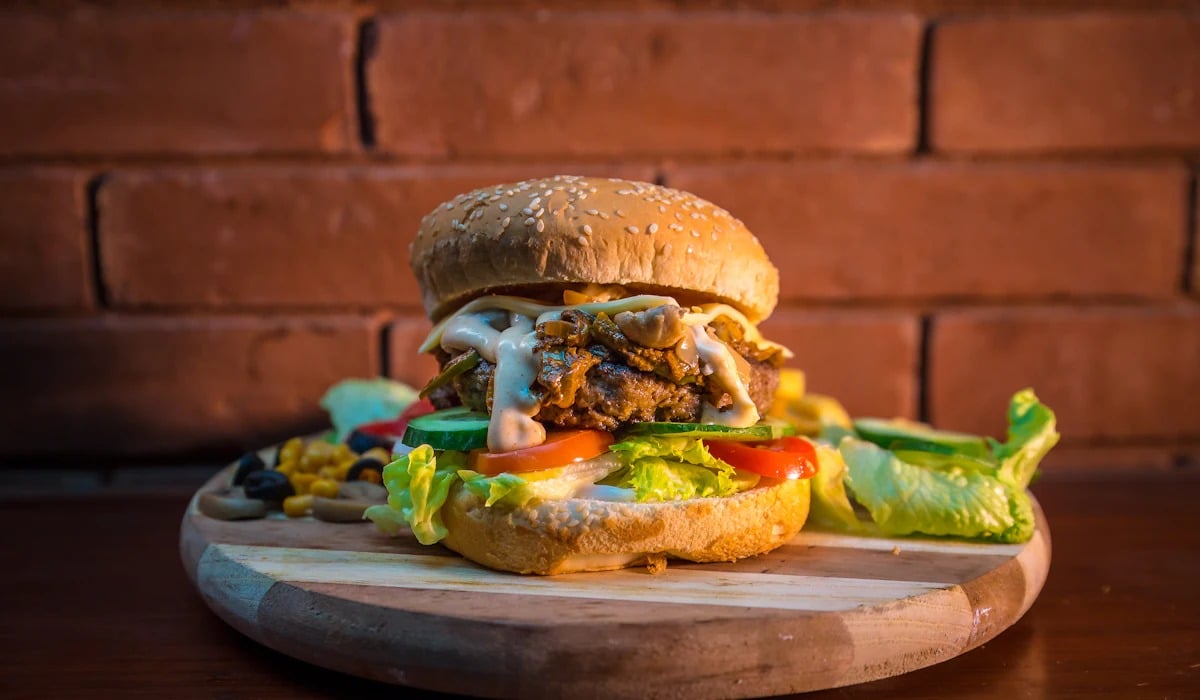
Taco Bell’s early menu included the Bell Beefer, which was essentially a sloppy joe made with seasoned taco meat. It was served on a hamburger bun with shredded lettuce, onions, tomato and mild sauce, and some versions added cheese.
The sandwich gave customers who were wary of tacos something familiar to try. As Mexican-inspired food became more widely accepted, the Bell Beefer looked increasingly out of place.
Taco Bell phased it out in the 1990s, and it has since become a favorite example of how fast food chains once hedged their bets.
Wendy’s SuperBar
Wendy’s introduced the SuperBar in 1987, an unlimited buffet that went far beyond a basic salad bar. It included three sections, the Garden Spot with salad fixings, Mexican Fiesta with taco makings, and Pasta Pasta with noodles and sauces.
Customers loved the variety, but the buffet was labor-intensive and difficult to keep fresh and clean. Wendy’s dropped the SuperBar in 1998, replacing it with prepackaged salads.
Many fans still remember it as a high point of the chain’s history, especially those who went back for seconds.
Fresh Stuffed Pitas
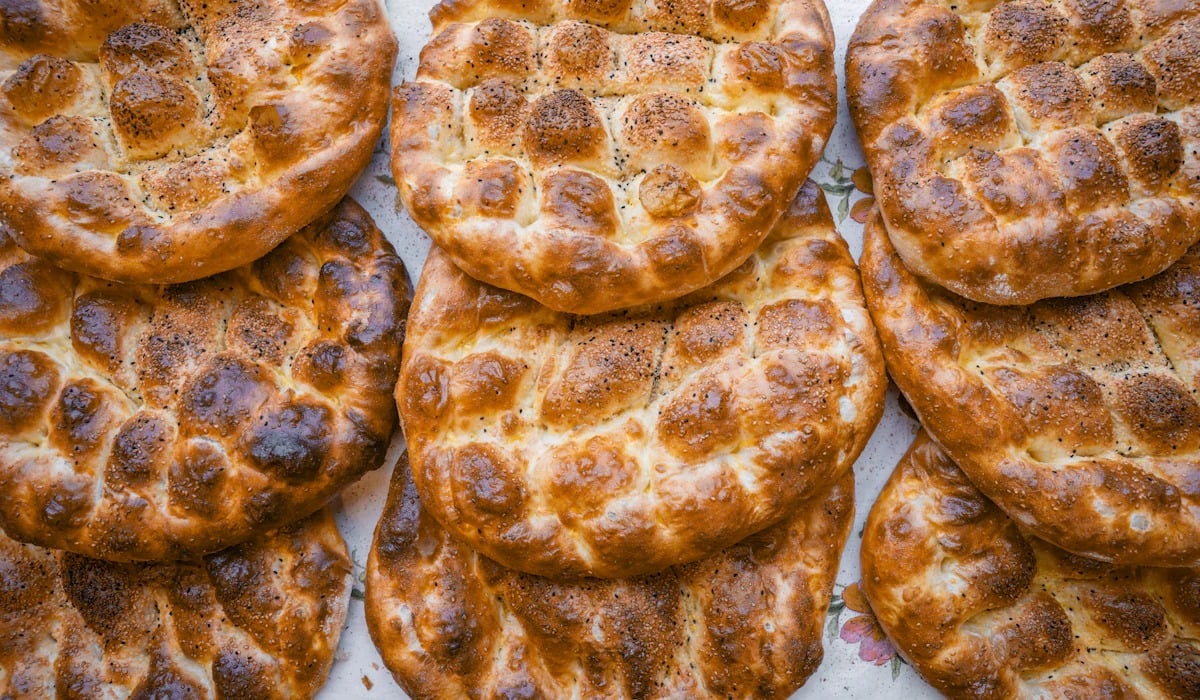
Fresh Stuffed Pitas arrived at Wendy’s in 1997, offering flatbread pockets filled with salad and protein. Varieties included Classic Greek, Garden Ranch Chicken, Chicken Caesar and Garden Veggie.
The pitas were promoted as a healthier option and were easy to eat on the go. Sales did not meet expectations, and the pitas were difficult to prepare quickly during busy periods.
Wendy’s discontinued them around 2000. The concept foreshadowed later trends toward wraps and lighter fast food options, which became common at many chains in the following years.
Priazzo Italian Pie
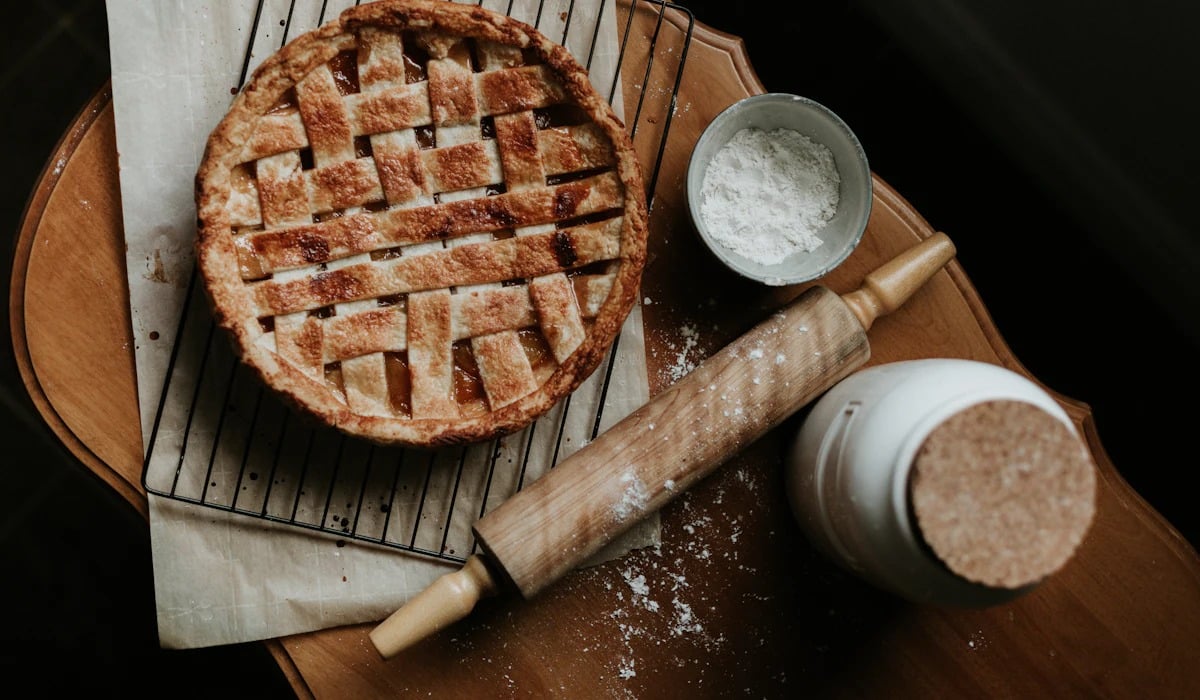
Pizza Hut introduced the Priazzo in the mid-1980s, a deep pie with a top and bottom crust stuffed with cheese, meat and vegetables. It was inspired by the stuffed pizzas of Chicago and was promoted as an upscale Italian dish.
The Priazzo took a long time to bake, which frustrated customers expecting a quick meal. Pizza Hut eventually discontinued it, and the dish became a cult favorite among those who remembered it.
Its legacy lives on in online forums where fans share recipes for recreating the dish at home.
Bigfoot Pizza
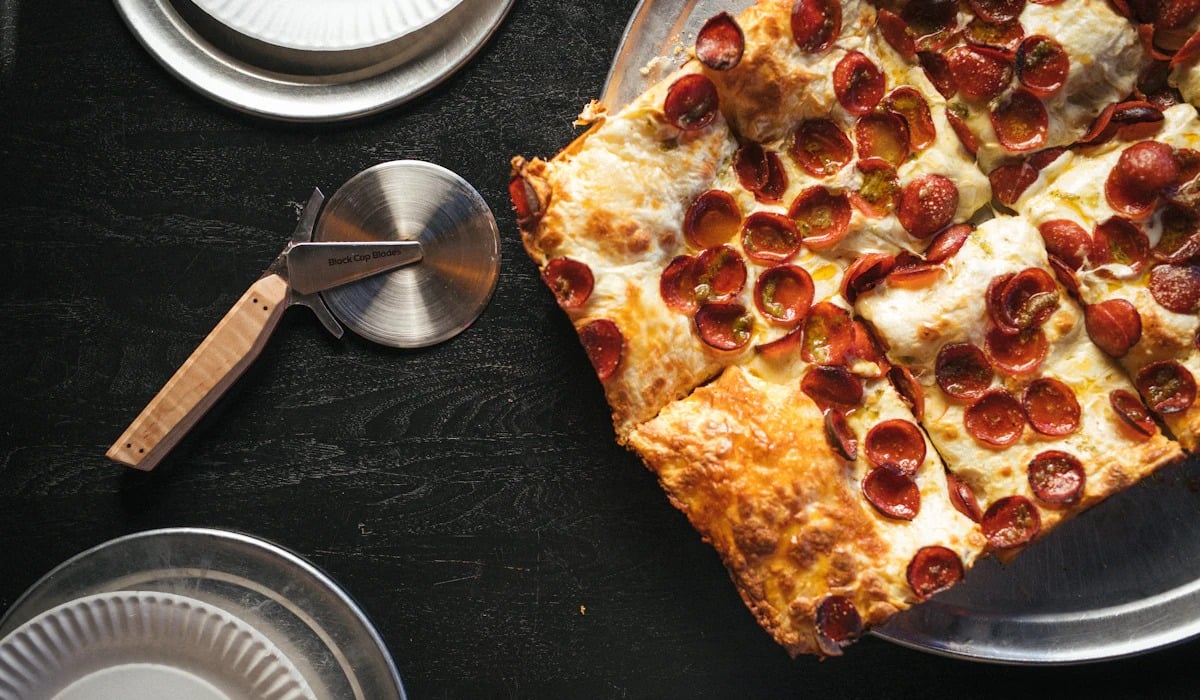
Two feet of pizza was the pitch when Pizza Hut launched the Bigfoot in 1993. The rectangular pie measured roughly one foot by two feet and was cut into 21 small squares, a format built for birthday parties, office lunches and sleepovers.
It arrived as Little Caesars was winning value-minded families with its two-pizza deals, and the Bigfoot was Pizza Hut’s answer to that price war. The thin, crisp crust kept the cost down, though some customers found it bland next to the chain’s signature pan pizza.
The Bigfoot faded later in the decade, and online petitions asking for its return still collect signatures.
Cavatini Pasta Bake
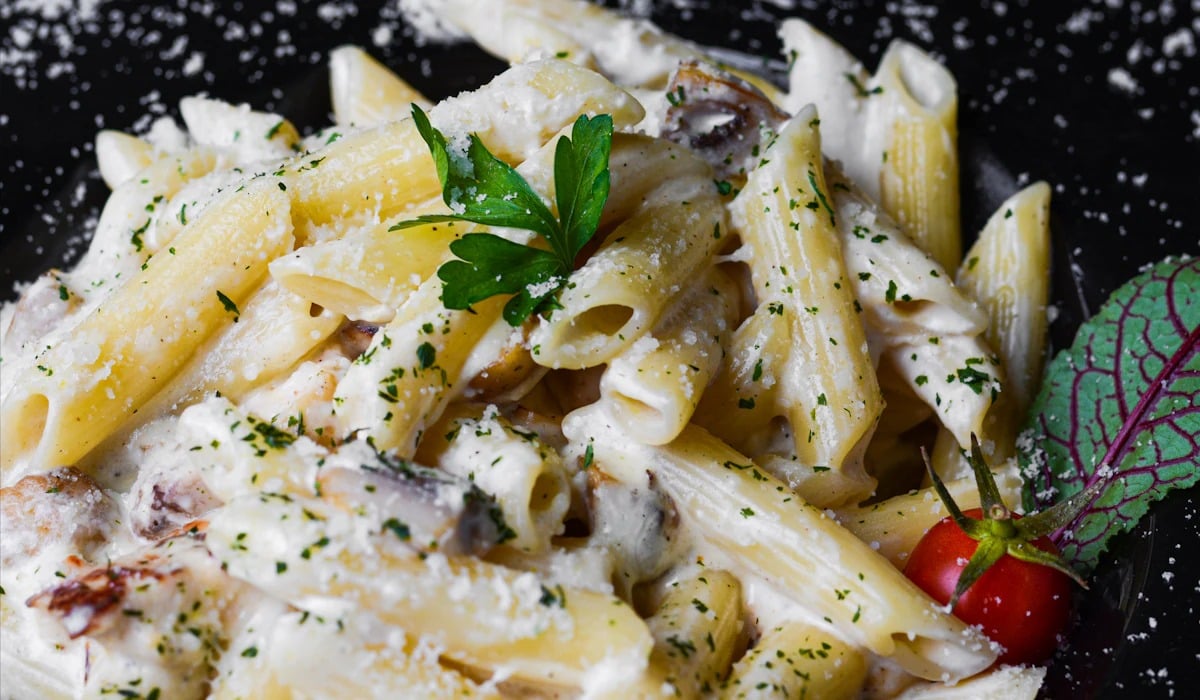
Cavatini was Pizza Hut’s attempt to sell pasta without building a pasta kitchen. The dish, offered during the 1990s, combined several pasta shapes with marinara or meat sauce, cheese and pizza toppings such as pepperoni, sausage and vegetables, then went through the same ovens that baked the pizzas.
It came in an individual pan and was promoted as a hearty alternative for diners who did not want a slice. Pizza Hut eventually dropped Cavatini to concentrate on pizza and later on its own line of baked pastas.
The dish lives on mostly through copycat recipes, which regularly appear on home cooking sites and in recipe magazines.
The Edge With Toppings to the Crust
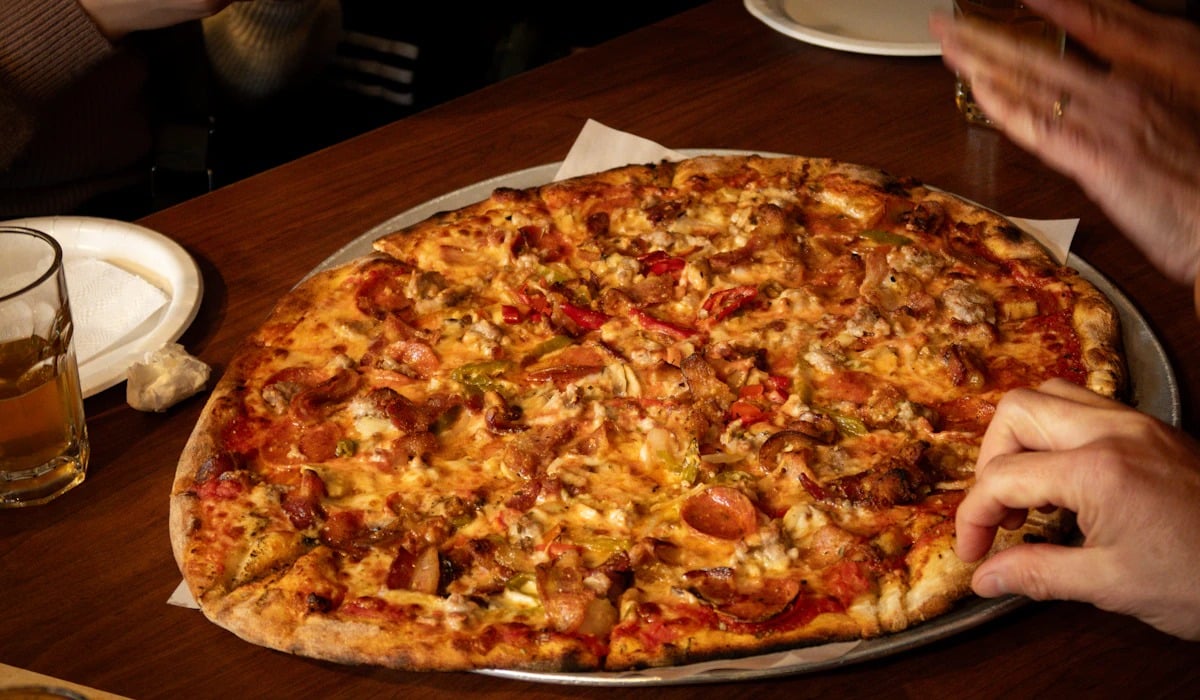
Thin crust taken to its logical extreme was the idea behind The Edge, which Pizza Hut introduced in 1997. The pizza had a cracker-thin base with sauce, cheese and toppings spread all the way to the rim, leaving no bare crust to set aside.
It was cut into small squares rather than wedges, which made it feel closer to a tavern-style pie. The advertising campaign asked customers whether they had been to The Edge, a line built for the extreme-sports branding of the late 1990s.
The pizza did not stay long, though its square-cut, no-crust format has popped up again in later thin-crust promotions.
Dairy Queen Breeze
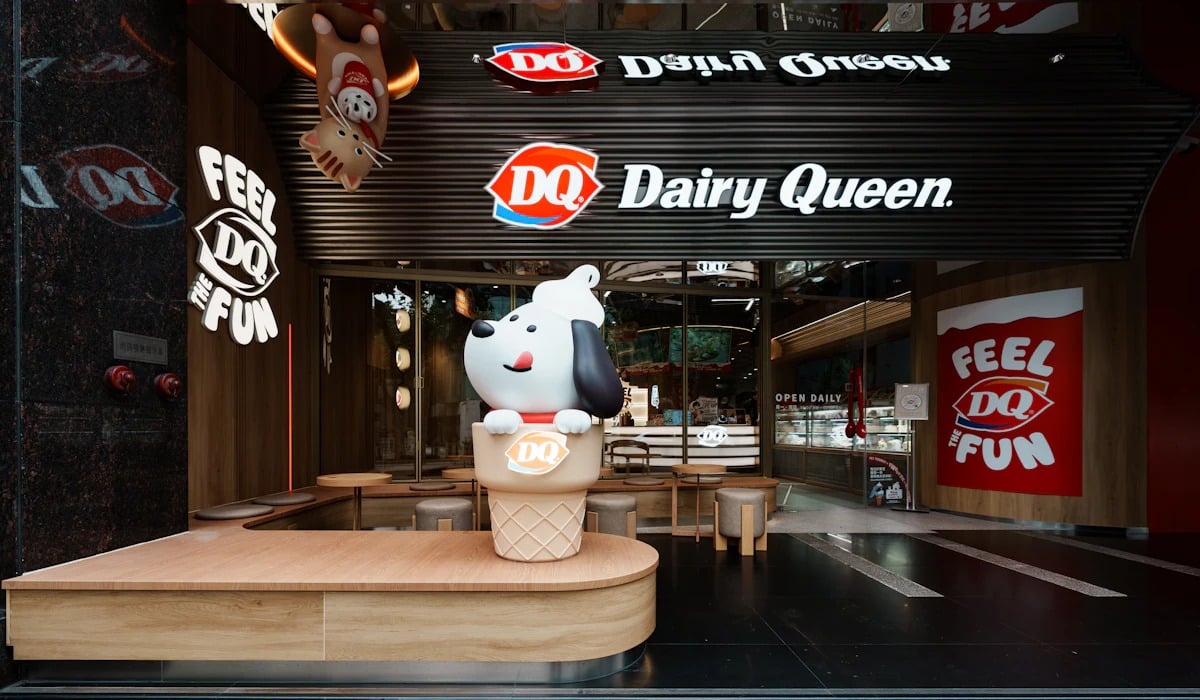
Dairy Queen introduced the Breeze in 1990 as a lighter twin to the Blizzard, which had become a massive hit after its 1985 debut. The Breeze used the same thick-mixing method and the same candy and cookie mix-ins, but swapped soft serve for frozen yogurt.
The timing matched the frozen yogurt boom of the late 1980s, when yogurt shops were opening across American suburbs. Customers who wanted a treat apparently did not want to compromise, and the Breeze never approached Blizzard sales.
Dairy Queen phased it out around 2000, and many franchise locations had already stopped stocking the yogurt by then.
Big Shef at Burger Chef
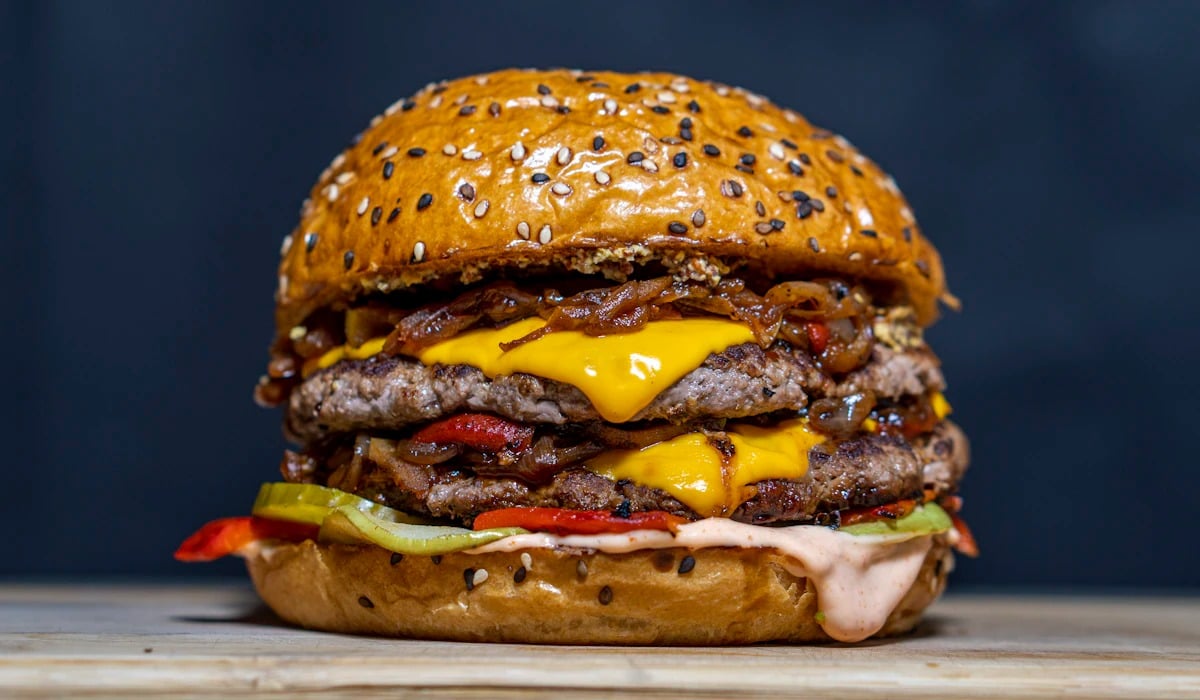
Indianapolis-based Burger Chef was once one of the largest burger chains in the country, with more than 1,000 locations at its peak in the early 1970s. Its Big Shef was a double-patty burger with a special sauce, competing directly with the Big Mac.
The chain also introduced the Funmeal in 1973, a packaged children’s meal that came several years before the McDonald’s Happy Meal. After General Foods sold Burger Chef in 1982 to the parent of Hardee’s, most locations were converted, and the last restaurants closed in 1996.
The chain got an unexpected encore in 2014, when Mad Men built a storyline around a Burger Chef ad pitch.
Menu Boards Are Written in Pencil
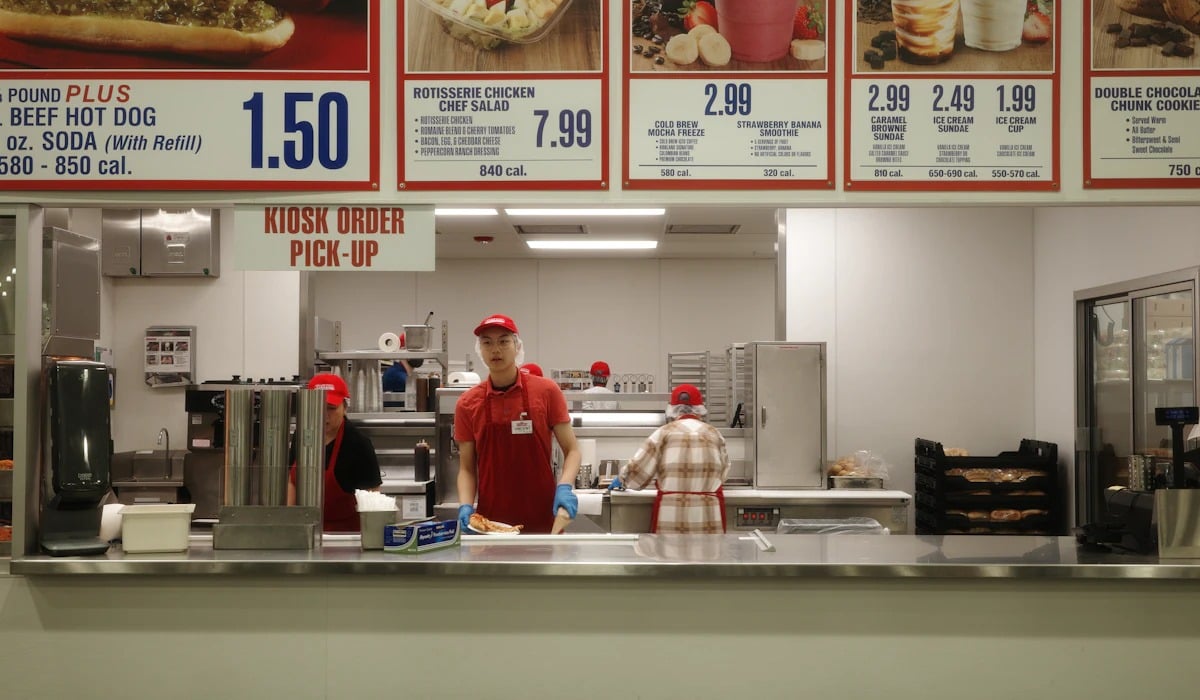
Every item on this list had a team behind it and a budget to match. Some were too slow, some too expensive, some too strange, and a few were simply in the wrong decade.
The menus that replaced them were shaped by every failure as much as every hit.
The lasting interest in these products shows how deeply fast food is tied to memory. A sandwich eaten after a Little League game or a pizza ordered for a birthday party carries more weight than its ingredients.
That is why people still ask for the return of food they have not tasted in thirty years.
MORE FROM GO2TUTORS!

- The Romanov Crown Jewels and Their Tragic Fate
- 13 Historical Mysteries That Science Still Can’t Solve
- Famous Hoaxes That Fooled the World for Years
- 15 Child Stars with Tragic Adult Lives
- 16 Famous Jewelry Pieces in History
Like Go2Tutors’s content? Follow us on MSN.