16 Strange Movie Props That Actually Existed
When we watch movies, we often assume most props are fake replicas or computer-generated illusions. Reality is far stranger than fiction in many cases.
Some of the weirdest, most expensive, and most unusual items you’ve seen on screen were completely real objects that actually existed during production. From multimillion-dollar authentic artifacts to bizarre creations that took on lives of their own, these props blur the line between movie magic and reality.
Here is a list of 16 strange movie props that actually existed and often became more famous than the films themselves.
Wilson the Volleyball

The beloved volleyball from Cast Away wasn’t just a regular sports equipment piece—it was constructed with an actual volleyball skin over a cast resin armature, featuring a bloody handprint and eyes scratched into the surface. Tom Hanks’ co-star became so iconic that Wilson won the 2001 Critics Choice Award for Best Inanimate Object and even appeared on Saturday Night Live three times.
One of the original Wilson props sold at auction for £75,000 (about $85,000) in London, proving that audiences are truly connected with this simple yet powerful character.
The Maltese Falcon Statue

The mysterious black bird from the 1941 classic was cast in lead and weighed over 45 pounds, making it genuinely difficult for actors to handle convincingly. Warner Bros. commissioned multiple versions, but one of the original props disappeared from the studio lot and remained missing for decades.
When it finally surfaced at auction, it sold for over $4 million, making it one of the most expensive movie props ever sold.
Like Go2Tutors’s content? Follow us on MSN.
ET’s Animatronic Body

Steven Spielberg insisted on creating a fully functional animatronic alien rather than relying on costumes or early computer effects. The ET puppet required a team of operators working cables and radio controls from underneath the set.
The realistic movements and expressions came from actual mechanical engineering, with some scenes requiring up to eight puppeteers working simultaneously to bring the character to life.
The DeLorean Time Machine

While the car itself was a real DeLorean DMC-12, Universal Studios spent over $500,000 customizing each of the seven vehicles used in the Back to the Future trilogy. The flux capacitor was built using actual airplane parts, and the time circuits used genuine digital displays from the 1980s.
These cars were so meticulously crafted that they still draw crowds at exhibitions today, decades after filming wrapped.
Genuine Human Skeletons
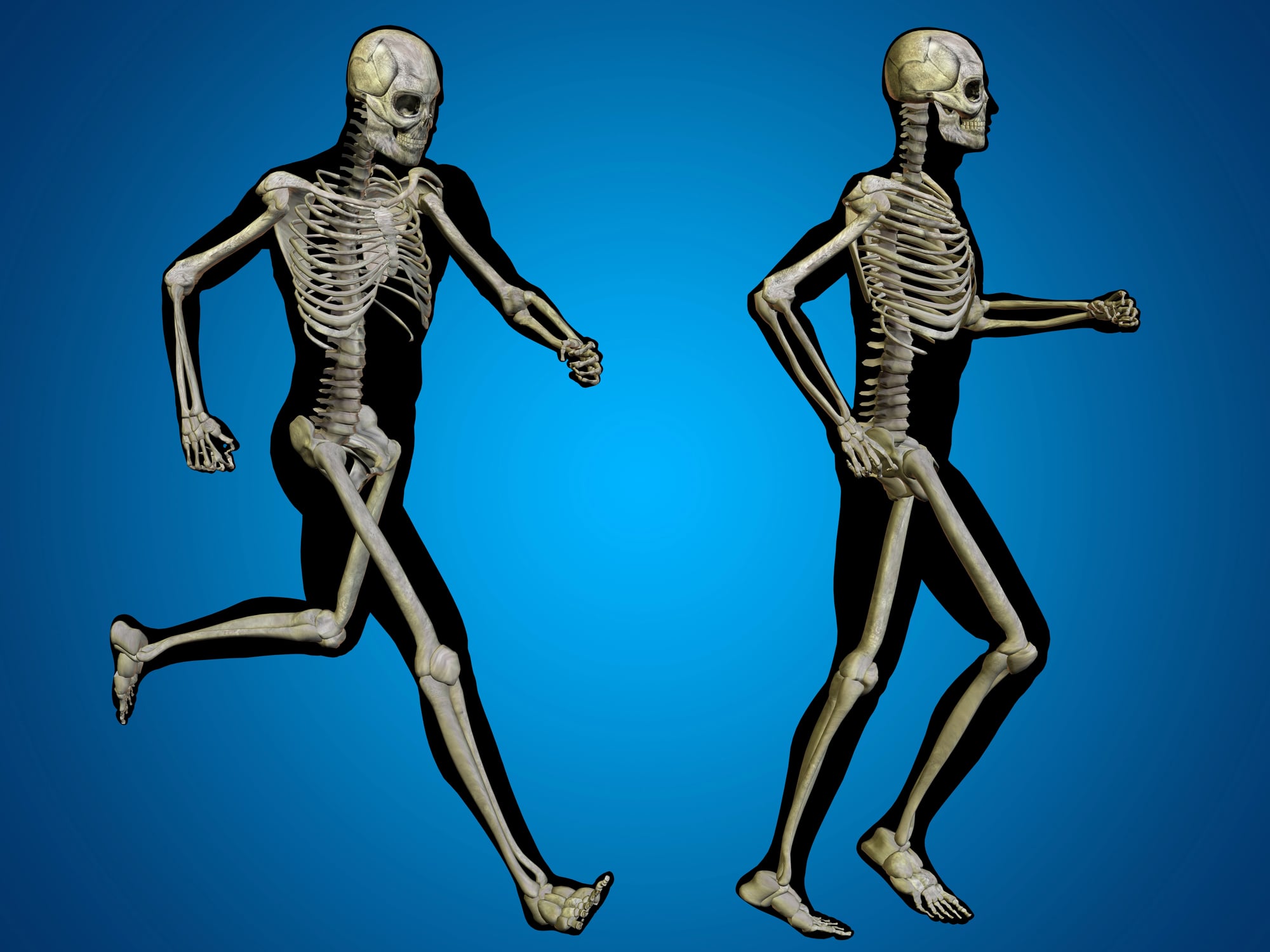
Across cinema history, genuine human skeletons have been used countless times to dress sets, though where they’re all sourced from remains something of a mystery. The practice was especially common in horror films and adventure movies from the 1960s through 1980s.
These weren’t plastic replicas but actual human remains, often sourced from medical supply companies that sold educational skeletons to film studios as a cost-effective alternative to creating fake bones.
Like Go2Tutors’s content? Follow us on MSN.
The Rosebud Sled

Citizen Kane’s central mystery revolved around a simple wooden sled that represented lost childhood innocence. Orson Welles had the prop department create multiple versions, with the hero sled built from genuine 1890s materials to match the character’s backstory.
The original Rosebud sled became so symbolic that it’s now housed in Steven Spielberg’s private collection, purchased for an undisclosed seven-figure sum.
Real Flamethrowers

Whether it’s Ripley’s weapon in Alien or the guitar in Mad Max: Fury Road, genuine flames are brought onto sets through the use of functional flamethrowers. These aren’t prop versions but actual military-grade weapons that have been modified for safety.
The intense heat and real flames create authentic reactions from actors that would be impossible to achieve with fake fire effects.
Dead Animals as Props

That sense of realism extends to dead animals, with productions sustainably sourcing creatures that had already died of natural causes rather than creating replicas. The practice might seem shocking today, but it was surprisingly common in filmmaking.
Productions would work with veterinary schools, zoos, and natural history museums to acquire specimens for maximum authenticity in their scenes.
Like Go2Tutors’s content? Follow us on MSN.
The Submarine from Das Boot

Wolfgang Petersen’s World War II epic featured a full-scale submarine built in a massive water tank in Bavaria. The U-boat replica was constructed with working periscopes, functional torpedo tubes, and authentic diesel engines that actually ran during filming.
The submarine was so realistic that German naval experts were brought in as consultants, and the prop required a crew of marine engineers to operate safely during production.
Authentic Lightsabers

Modern Lightsaber props are genuine artifacts that bring their own central glow to light scenes more clearly, no longer relying entirely on computer wizardry. The newer versions use LED technology and custom-built hilts crafted from aircraft aluminum.
These props cost upwards of $25,000 each and are so sophisticated that they’ve influenced the design of commercial replica lightsabers sold to fans.
The Ark of the Covenant

Raiders of the Lost Ark featured a meticulously crafted replica based on biblical descriptions and archaeological research. The prop department used real gold leaf over a wooden frame and hired religious scholars to ensure accuracy in the Hebrew inscriptions.
The Ark was so convincingly made that it’s been displayed in museums as an educational piece about ancient religious artifacts.
Like Go2Tutors’s content? Follow us on MSN.
Giant Mechanical Shark

Before Jaws became famous for its malfunctioning mechanical shark, Bruce (as the crew nicknamed it) was an impressive feat of 1970s engineering. The three shark models used in filming were fully functional, with hydraulic jaws that could actually bite through boats and realistic swimming movements.
Each shark cost over $3 million in today’s money and required a dedicated crew of marine engineers to operate.
The Ruby Slippers

Dorothy’s magical shoes from The Wizard of Oz were actual hand-sewn slippers covered in genuine sequins, not the rubies that many people imagine. Multiple pairs were created, but they were made with real materials and careful craftsmanship.
One pair sold at auction for $666,000, and another pair was stolen from a museum and remained missing for over a decade before being recovered by the FBI.
Functional Medieval Weapons

Actors are sometimes given genuine swords that have been slightly blunted to bring a layer of reality to scenes, giving performers a sense of the actual weight and danger while catching light properly for cameras. Productions like Braveheart and Kingdom of Heaven used authentic medieval weapons sourced from collectors and museums.
The weight and balance of real steel created more convincing fight scenes than lightweight replicas ever could.
Like Go2Tutors’s content? Follow us on MSN.
The Chest from Pirates of the Caribbean

Davy Jones’ heart chest wasn’t a simple prop box but a complex mechanical creation with working gears, locks, and a genuine heartbeat mechanism inside. The chest required a team of watchmakers to create the intricate clockwork mechanisms visible through the transparent sections.
The prop was so detailed that close-up shots revealed actual functioning mechanical parts that would be found in 18th-century maritime instruments.
King Kong’s Hand

The 1933 version of King Kong featured a genuine mechanical hand that could grip and manipulate objects with startling realism. The hand was built on a steel frame with leather skin and real fur, operated by a complex system of cables and pulleys.
The prop was so large and heavy that it required a dedicated operator, and the realistic movements helped sell the illusion of a living giant ape to audiences who had never seen anything like it.
When Props Become Legends

These genuine artifacts prove that sometimes the most memorable movie moments come from real objects rather than digital trickery. Many of these props have outlasted their films, becoming cultural icons worth more than their original production budgets.
The fact that audiences still seek out and pay enormous sums for these pieces shows how physical craftsmanship creates lasting connections that computer-generated effects often struggle to match.
Like Go2Tutors’s content? Follow us on MSN.
More from Go2Tutors!

- 18 Unexpectedly Valuable Collectibles You Might Have Lying Around
- 20 Little-Known Historical Battles That Had Huge Consequences
- 20 Historical Artifacts That Scientists Can’t Explain
- 15 Inventions That Were Immediately Banned After Being Created
- 20 Actors Who Were Almost Cast in Iconic Roles
Like Go2Tutors’s content? Follow us on MSN.



