Famous Toy Lines That Sparked Creativity
There’s a certain kind of toy that does more than entertain. It puts something in your hands and steps back.
No instructions, no right answer, no game over screen. Just materials, time, and whatever you decide to make of them.
Some of the most beloved toy lines in history have been exactly that kind of thing — open-ended enough to let kids surprise themselves.
LEGO: The Brick That Built Imaginations
Starting small, LEGO sticks around like few playthings ever do. Since 1958, those little bricks click together the same way.
Bricks come your way – then imagination takes over. How they fit? That part depends on you.
Simple by design. Inside come directions even a young kid could handle – snap together blocks into a rocket ship, then pull them apart before lunchtime to shape a fortress instead, maybe turn them into a machine without labels.
New ideas keep coming since imagination fuels each form, never held back by what fits inside packaging.
Still just a single block at its core, LEGO grew into themes, films, games – yet kept its foundation unchanged.
Beginnings matter most.
Lincoln Logs Cabin Playroom Floor
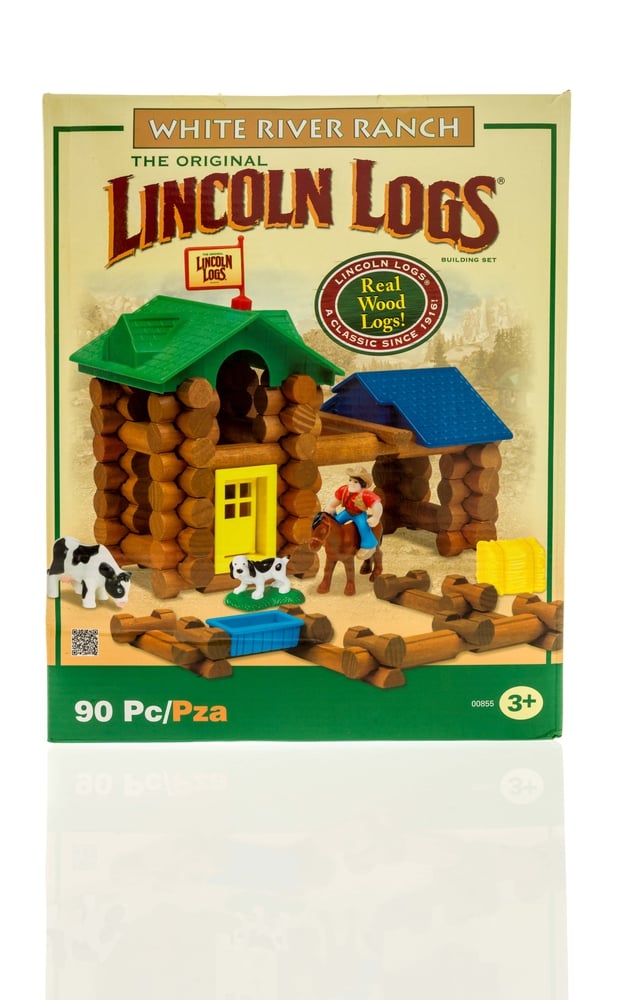
A toy named Lincoln Logs showed up in 1916, letting children stack little notched sticks into tiny cabins. Built by John Lloyd Wright – Frank Lloyd Wright’s son – it took cues from a locking base method his dad created for a hotel in Tokyo.
Kids have built with Lincoln Logs for ages, learning how things stand up. Starting small, they tried stacking blocks one on top of another.
When the grooves missed each other, everything tilted sideways. Each try showed what worked – no words needed.
The answers came through doing, not telling.
Erector Set Building Skills Before School Did

Back in 1913, the Erector Set arrived with metal beams, nuts, and small engines tucked inside. Not your typical plaything – this one meant business.
While most toys kept things light, this one let kids assemble cranes, spans across gaps, even gadgets that moved. Understanding how forces worked didn’t come first; building came before theory.
What drew people in was how true it felt. Not fake gadgets, but real pieces – metal parts clicking together.
Objects made here could shift, spin, and still carry load. This hands-on result showed consequence without sounding like school.
Play Doh Making Things Without Rules
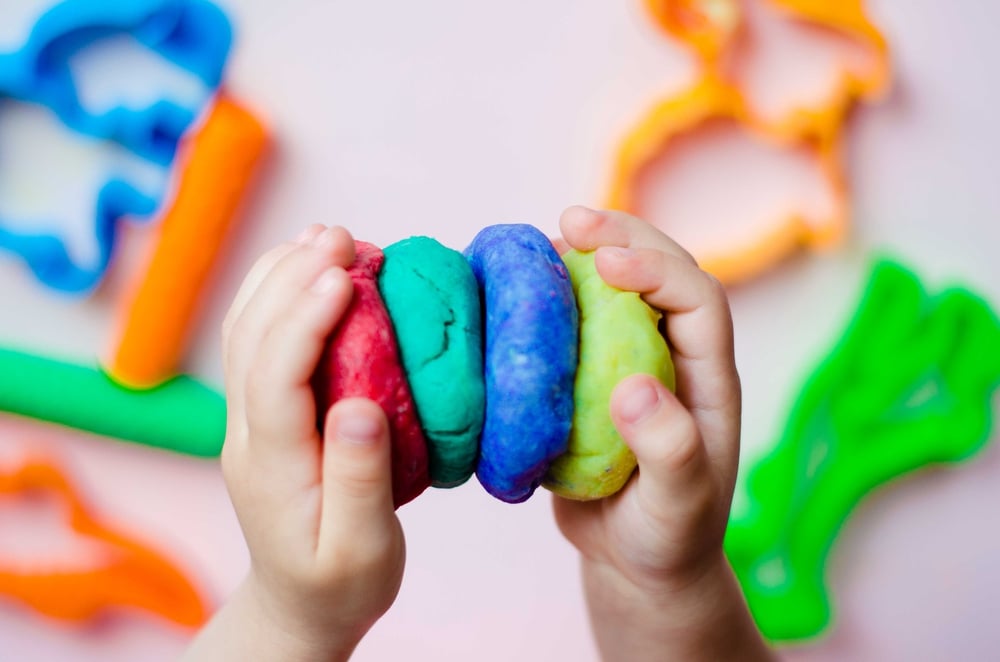
Soft shapes begin where cleaning jobs end. A classroom moment shifted its purpose – kids shaped it into fun instead of scrubbing walls.
By fifty-six, hands pressed it into playtime rather than wipe marks away. Mistakes fold back in, just like second chances.
What sticks is how easily it changes form without protest. Play-Doh never told you what to build. Starting fresh? Just flatten it out again.
A shape might become a creature, then turn into something else entirely. Mistakes weren’t part of the game – there wasn’t even a goal.
Freedom like that often gets overlooked. What mattered was doing whatever came next.
Tinker Toys: Hubs, Spokes, and Whatever You Can Think Of
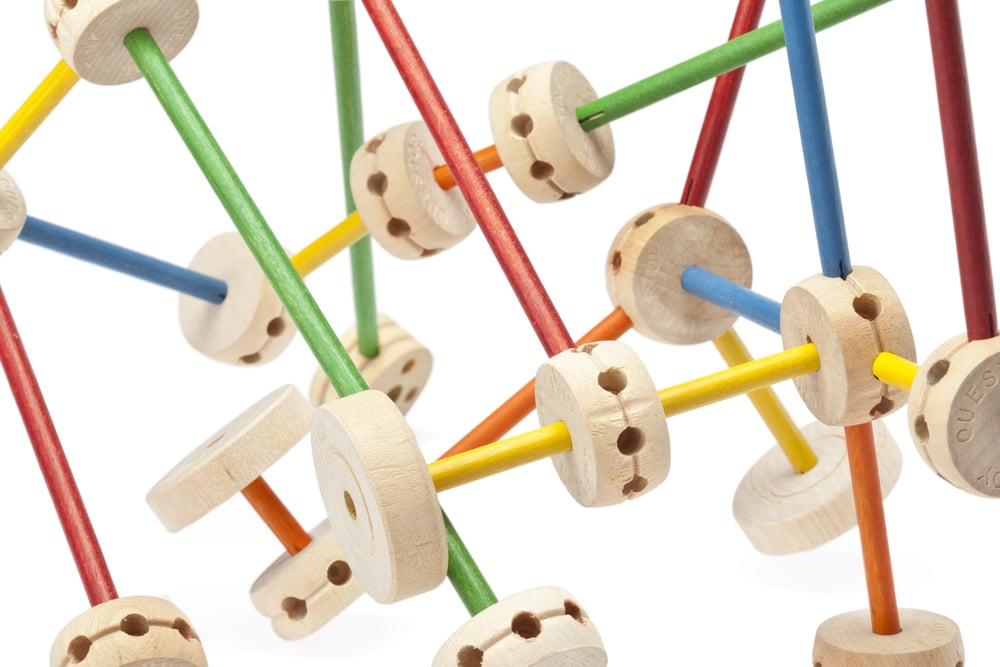
Tinker Toys launched in 1914 and used a hub-and-spoke system that let kids assemble three-dimensional structures. Round wooden hubs had pits drilled around the edges, and you’d insert dowels to connect them at different angles.
The result could be a windmill, a geometric sculpture, or something structurally ambitious that collapsed before it was finished. The collapsing was part of it.
You learned why it fell apart and tried again with a different approach.
K’Nex: Rods, Connectors, and Moving Parts
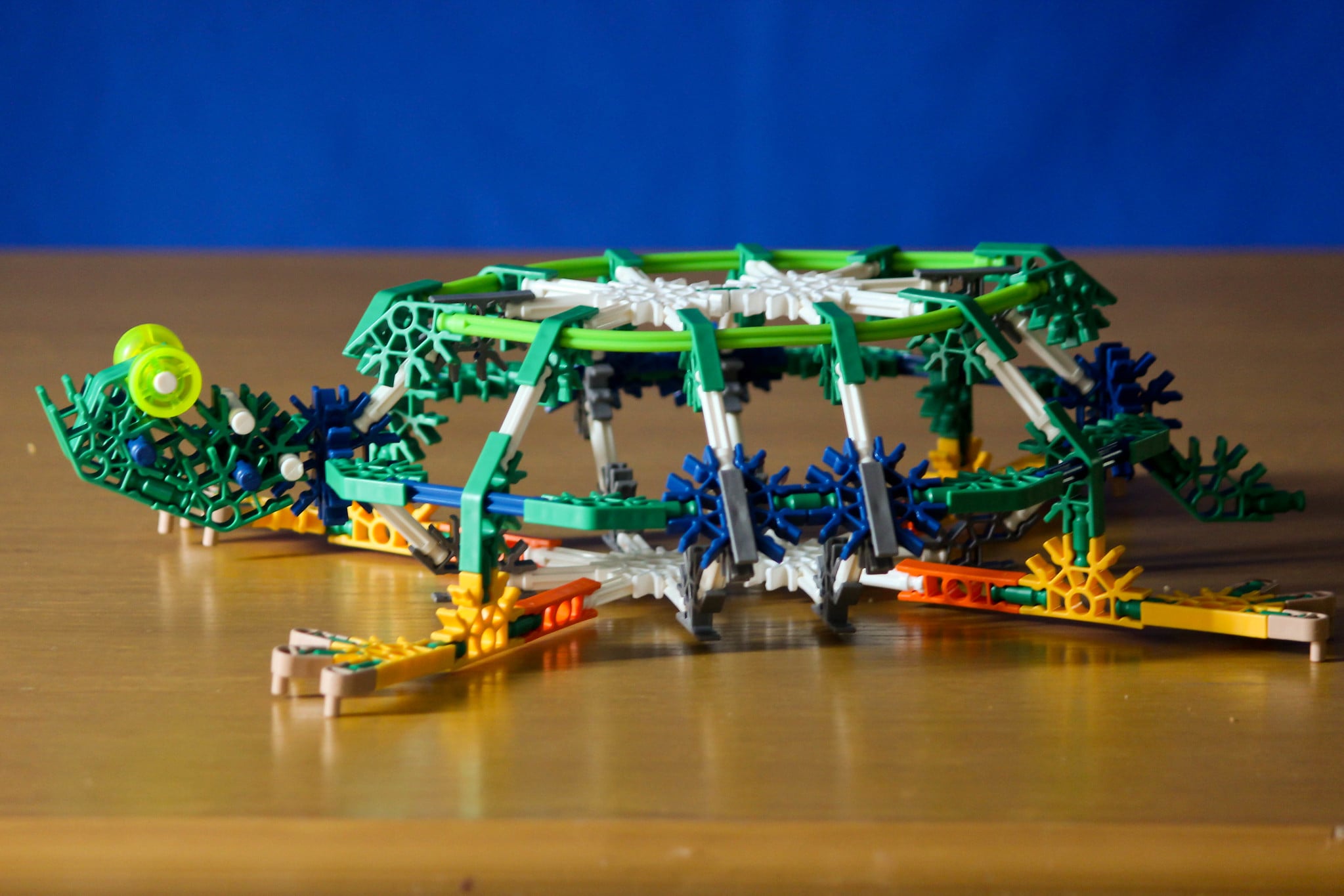
K’Nex came along in 1992 and updated the construction toy concept with colorful plastic rods and snap connectors. What made it stand apart was the emphasis on motion.
You could build things that actually spun, rolled, or bounced.
Kinetic results made K’Nex addictive in a specific way. Getting something to move on its own, powered by nothing but a rubber band or a hand crank, felt like a real accomplishment.
It turned the building into a problem-solving loop that was hard to walk away from.
Barbie: A Blank Slate in Pink
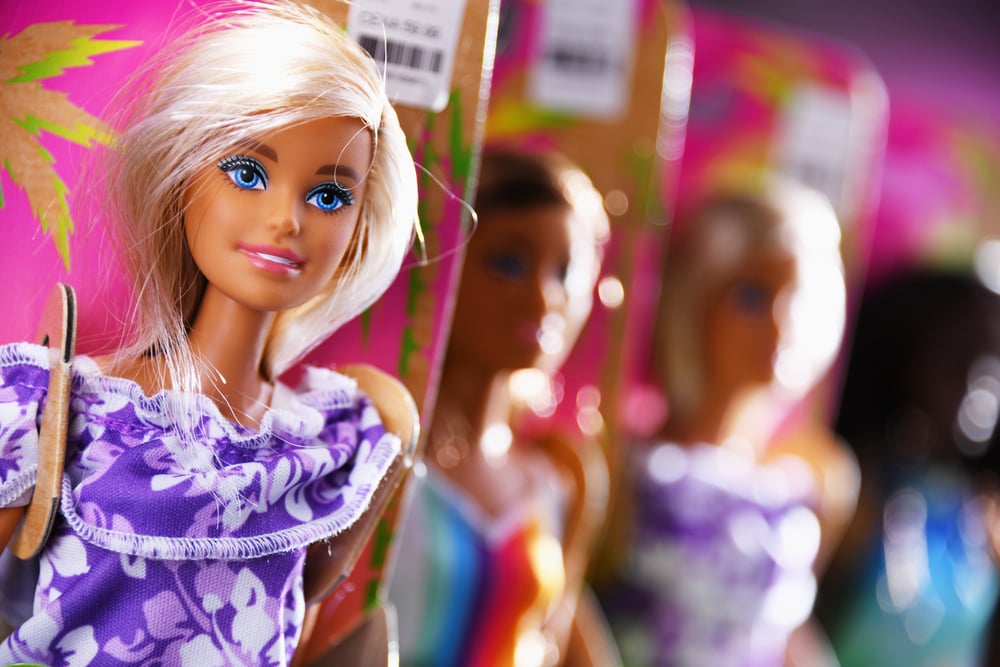
Barbie arrived in 1959 and became one of the most debated toys in history. But beneath all the cultural conversation, the toy offered something genuinely open-ended.
Barbie had no fixed story. She came with a look, not a plot.
Children filled in the rest. They created jobs, relationships, dramas, and adventures entirely from their own imagination.
The doll was a prompt, not a script. What happened next was always up to whoever was holding her.
Hot Wheels: Speed, Physics, and Track Design
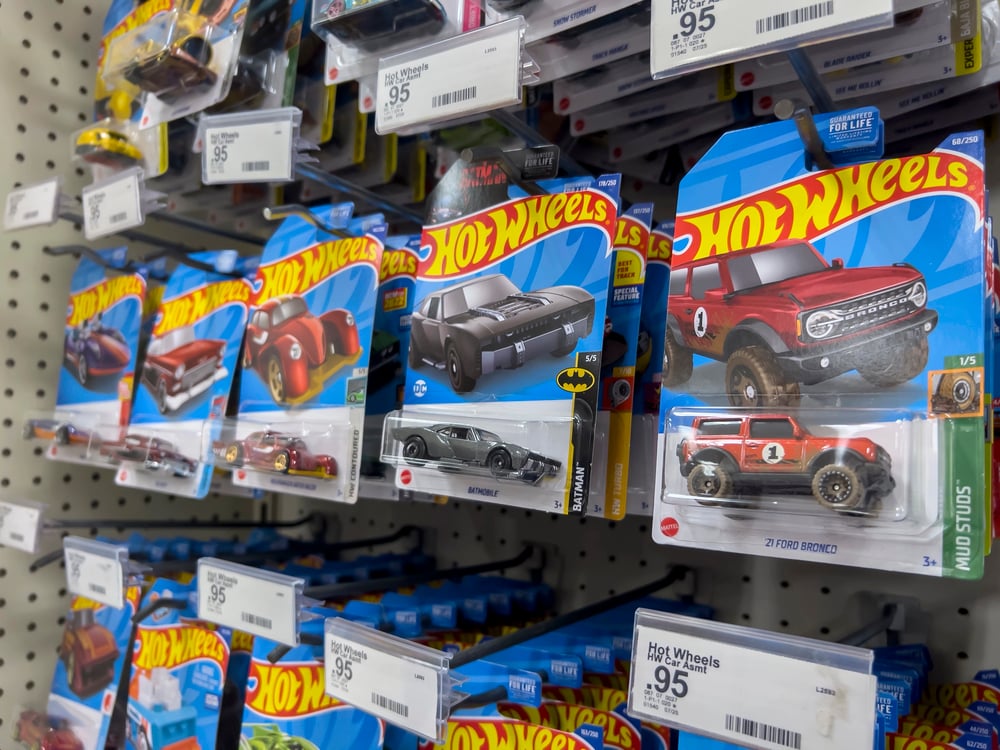
Back in 1968, Hot Wheels hit stores with small metal vehicles and a modular track setup that clicked into place any way kids wanted. Speed was their edge – nothing rolled quicker back then – yet it was the layout freedom of the rails where things truly sparked.
While rivals stuck to straight lines, these tracks bent rules instead.
Loops might appear here, then a jump there – maybe even crossings or twisted eights winding around. Which vehicle wins races?
That depends on how steep the starting ramp sits. Watch closely when two racers meet – one sometimes slams into the other, though not always.
Fun shaped like speed, disguised as play, never once labeled science.
My Little Pony Creating Worlds Through Play
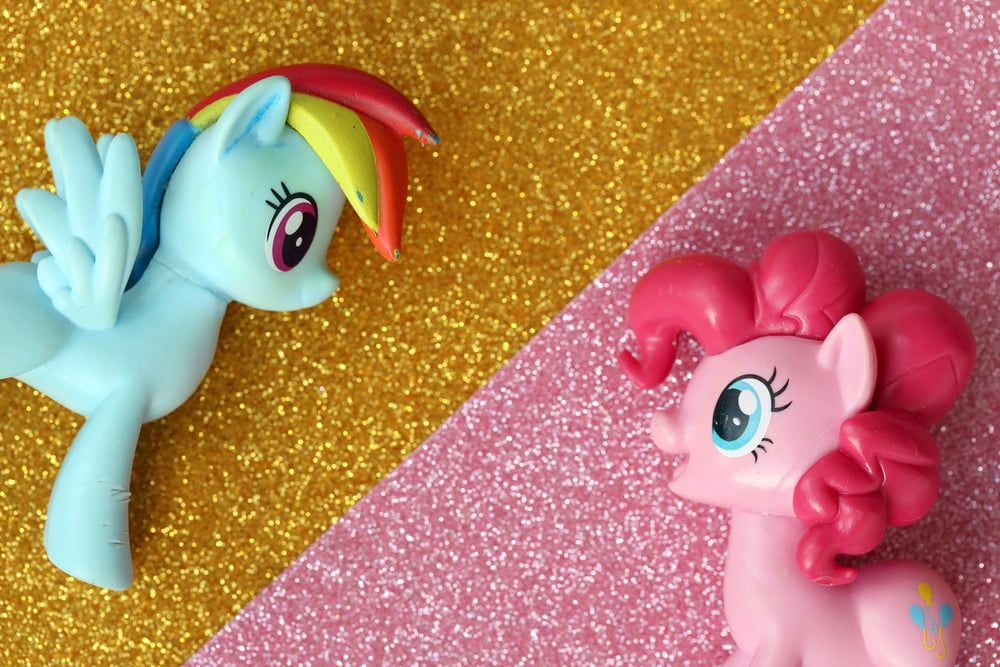
Starting back in 1983, My Little Pony handed young fans a group of figures each with unique names, shades, yet clear traits. Still, it opened wide spaces where children could shape stories all their own.
Home. Friends. Lives. All made up by kids who said so.
Over the years, people looked back at My Little Pony and saw where their love for stories began – some started drawing here, others wrote tales no one asked for.
A plastic figure came with a name tag; imagination filled in the rest. What the toys didn’t have, children built anyway.
Magna Tiles Hands On Shapes
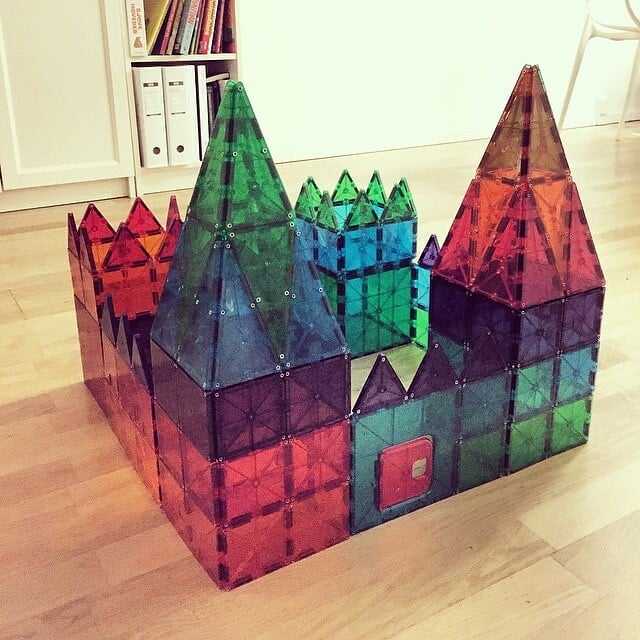
Out of nowhere in ’97, Magna-Tiles showed up after many classic toys had already arrived. These pieces, some triangular, others square or bigger, linked by magnets built into their sides.
Structures rise easily because the edges stick firmly when touched. Kids fit them together, watching forms twist upward, holding shape without help.
Light moves through these tiles like it does in real buildings. The pieces let kids peek into what they’ve made, giving shapes a kind of depth most blocks lack.
When a youngster stacks one up high, sunlight travels across tinted surfaces inside. Seeing that shift keeps hands busy and eyes locked on change.
This mix of sight and touch stands apart from regular stacking sets.
Lite Brite Drawing With Light
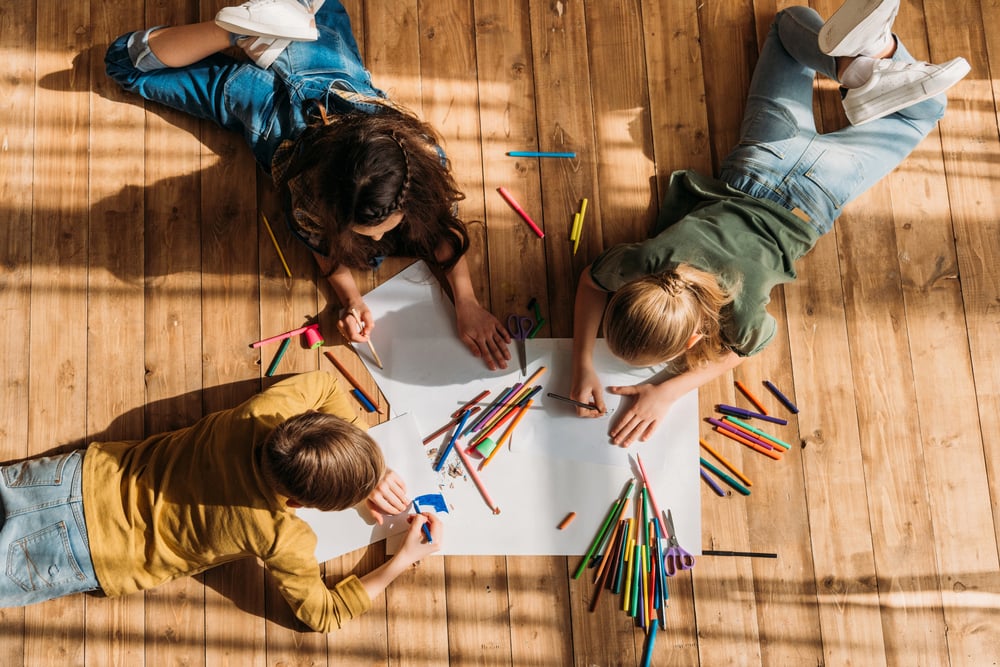
Something sparked as colored clips snapped behind black sheets. Back then, in sixty-seven, these toys turned dim spots into tiny spotlights.
Once slotted, light seeped through every shaped bit of plastic. The result looked less like a picture – pulsing, almost breathing.
Out of nowhere, shadows took over. Light from the bulb made quiet shapes dance where daylight had shown nothing much.
That change kept kids watching, shifting darkness back and forth without pause. Not sound, not movement – just how light filled corners pulled their eyes.
Stillness did more than any flash ever could. Something about the way colors shifted kept pulling their fingers back.
What stayed after everything else faded was the glow.
Etch A Sketch Two Knobs Endless Waiting
A strange little gadget appeared back in 1960, holding out against pixels even now. Twisting one knob drags the stylus sideways, the other nudges it vertically instead.
Aluminum powder coats the screen beneath thick glass, where lines form from scraped trails. Movement comes strictly from those twin dials, nothing more.
Both knobs had to move together when making diagonal strokes or curves – practice slowly made that less awkward. Chunky forms tended to show up early: uppercase characters, boxy houses topped with sharp peaks.
A few children carried on long enough to see eyes and mouths form. This toy valued patience more than speed.
Shaking it empty acted like shutting out what came before.
Gi Joe And Action Figures Telling Stories In Small Form
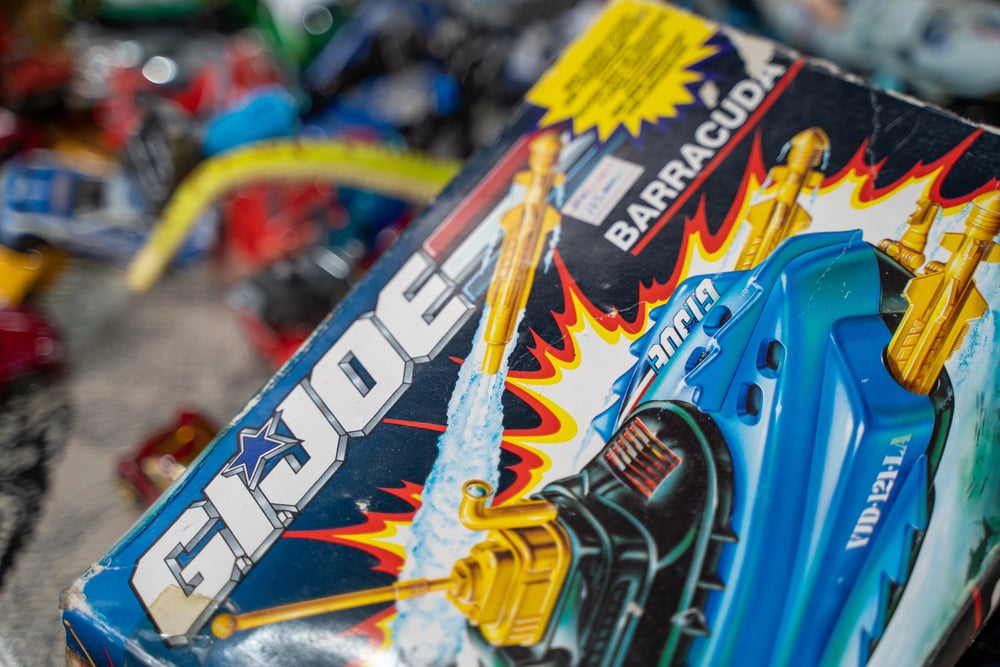
Grown-ups thought they were selling toys when GI Joe hit shelves in 1964, yet boys saw something else entirely. Not just plastic soldiers, but characters built for missions only imagination could define.
Sold as the first toy of its kind meant for young males avoiding dolls. Because someone in an office decided “doll” wouldn’t sell, so they named it an action figure instead.
Still, none of that mattered once kids got their hands on them. From basement floors to backyard wars, stories unfolded without grown-up rules.
While companies made molds, children made plots – wild, shifting, endless. These figures became tools, not products, shaped by grip, drop, and make-believe.
What stood out wasn’t the design, packaging, or pitch. It was the silence after unwrapping, then sudden voices speaking through clenched plastic teeth.
Out of the box, each figure came with a tale – though most got lost once kids took hold. Instead, new quests were scribbled in crayon minds, fresh battles dreamed up on carpet floors.
Victory or defeat unfolded just beyond sight, shaped by whoever held the lead hero. Time slipped away inside invisible worlds built block by block, moment by wild moment.
The Toys That Last Beyond Their Time

Older than your grandparents, many of these playthings still stick around. A few even predate electricity.
Lasting this long never happens because of flashy ads or cartoon tie-ins – instead, each one simply fits right into a kid’s hands like it belongs there.
A toy wins when it fades away. Pick it up, dive in, soon enough the object vanishes – your mind wanders into building instead.
This moment matters most. Always did.
More from Go2Tutors!

- The Romanov Crown Jewels and Their Tragic Fate
- 13 Historical Mysteries That Science Still Can’t Solve
- Famous Hoaxes That Fooled the World for Years
- 15 Child Stars with Tragic Adult Lives
- 16 Famous Jewelry Pieces in History
Like Go2Tutors’s content? Follow us on MSN.



