29 Female Pilots Who Made Aviation History
The first women to fly were often treated as a novelty act, booked between the parachute jumps and the motorcycle stunts. They were then asked, for decades, whether women belonged in the air at all.
Most answered the question by simply flying farther, higher and faster than the people asking it.
Some of them set records that stood for years. Others ferried fighters through wartime weather with no radio, taught the next generation to fly, or broke a barrier quietly and went back to work the next morning.
Raymonde de Laroche Earns License Number 36
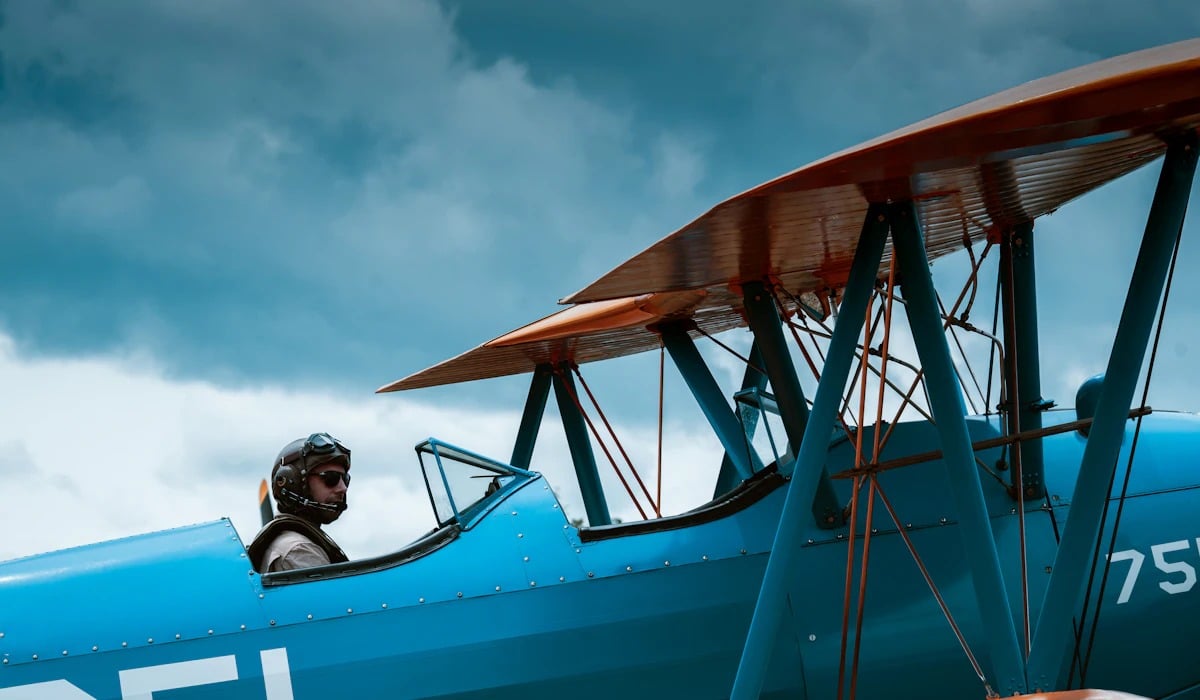
Born Elise Deroche in Paris, the former stage actress adopted the title Baroness de Laroche and began flying in 1909 under the instruction of Charles Voisin. On March 8, 1910, the Aero-Club de France issued her pilot license number 36, making her the first woman in the world to hold one.
She survived a serious crash at a Reims air meet later that year and returned to the cockpit. In June 1919 she set a women’s altitude record of about 15,700 feet.
A few weeks later she was killed at Le Crotoy while flying as copilot of an experimental aircraft, and a statue of her now stands at Le Bourget airport.
Hilda Hewlett, Brooklands Student and Aircraft Builder
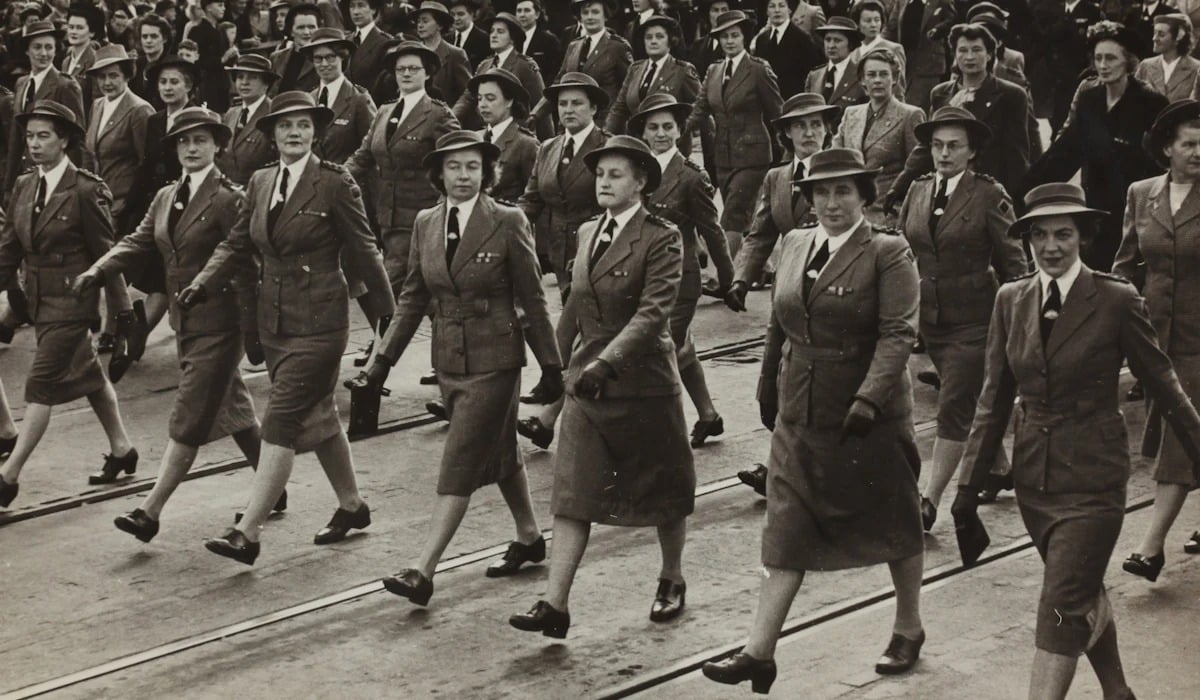
On August 29, 1911, Hilda Hewlett became the first British woman to earn a pilot certificate, receiving Royal Aero Club certificate number 122 at Brooklands at age 47. She had already opened a flying school there with French engineer Gustave Blondeau, and their firm, Hewlett and Blondeau, went on to build hundreds of military aircraft during World War I.
One of her pupils was her own son, Francis, who became a naval aviator. Hewlett was married to the novelist Maurice Hewlett, though the two lived largely separate lives.
She eventually emigrated to Tauranga, New Zealand, where she helped organize the local aero club.
Harriet Quimby Crosses the English Channel
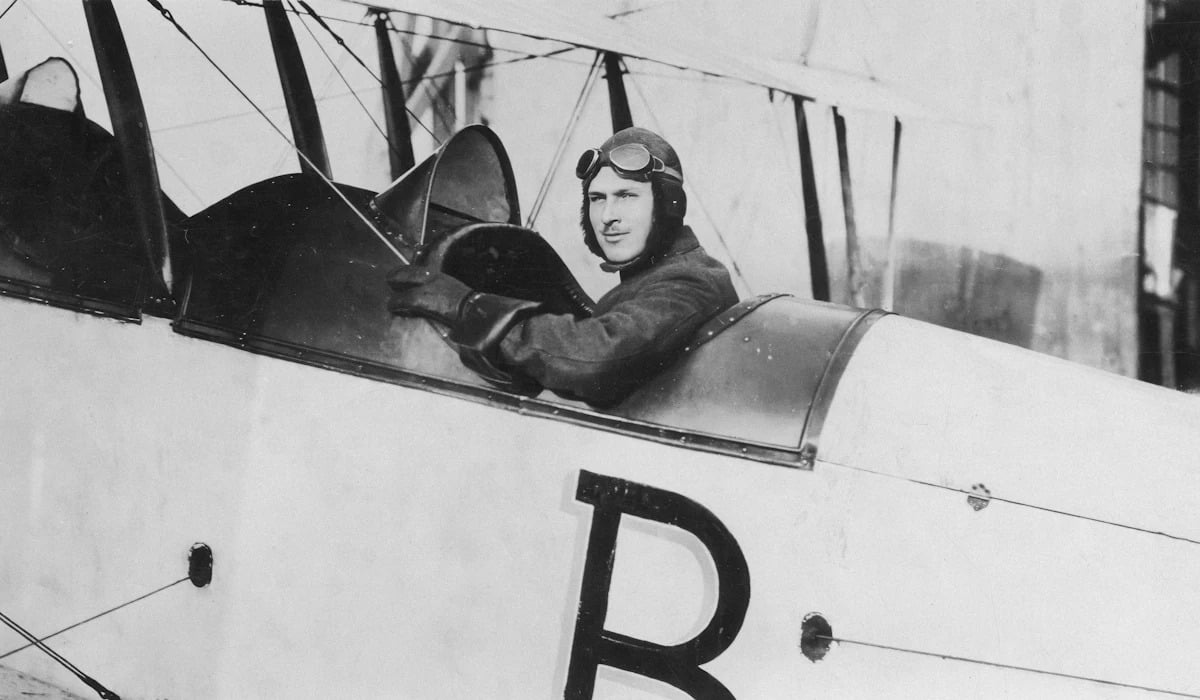
Harriet Quimby was a magazine journalist and screenwriter for D.W. Griffith before she became, on August 1, 1911, the first American woman licensed as a pilot by the Aero Club of America.
She flew in a hooded plum satin suit of her own design, which made her instantly recognizable in news photographs. On April 16, 1912, she became the first woman to fly across the English Channel, piloting a Bleriot monoplane from Dover to Hardelot-Plage in France.
The feat got little press attention because the Titanic had sunk the day before. She died that July when she and a passenger were thrown from her aircraft over Boston Harbor.
Matilde Moisant and the Wanamaker Trophy
Matilde Moisant followed her close friend Harriet Quimby into the air and, on August 13, 1911, became the second American woman licensed as a pilot. She learned at the Moisant family’s flying school on Long Island, founded after her brother John, a well-known aviator, was killed in a crash in late 1910.
In September 1911 she won the Rodman Wanamaker Trophy at the Nassau Boulevard meet by climbing to about 1,200 feet, a women’s altitude mark at the time. She gave up flying in 1912 after her aircraft caught fire on landing at Wichita Falls, Texas.
She lived quietly until 1964.
Katherine Stinson Tours Japan and China
Katherine Stinson earned her license in 1912 at age 21, becoming only the fourth American woman to do so. She and her family then opened the Stinson School of Flying in San Antonio, Texas, which trained pilots before and during World War I.
In 1916 and 1917 she toured Japan and China, drawing enormous crowds with loops and night flights performed with flares attached to her aircraft. In December 1917 she flew nonstop from San Diego to San Francisco, roughly 600 miles, setting an American distance record.
After illness ended her flying career, she settled in Santa Fe, New Mexico, and worked as an architect.
Bessie Coleman Learns to Fly in France
Turned away by American flight schools because she was Black and a woman, Bessie Coleman studied French at night in Chicago and sailed for France in 1920. She trained at the Caudron brothers’ school at Le Crotoy, and on June 15, 1921, the Federation Aeronautique Internationale granted her a license.
That made her the first African American woman and the first woman of Native American descent to hold an international pilot license. Back home she performed as Queen Bess and refused to fly for segregated crowds.
She was killed on April 30, 1926, during an air show rehearsal in Jacksonville, Florida, and a road at Chicago O’Hare now carries her name.
Neta Snook Gives Amelia Earhart Her Lessons
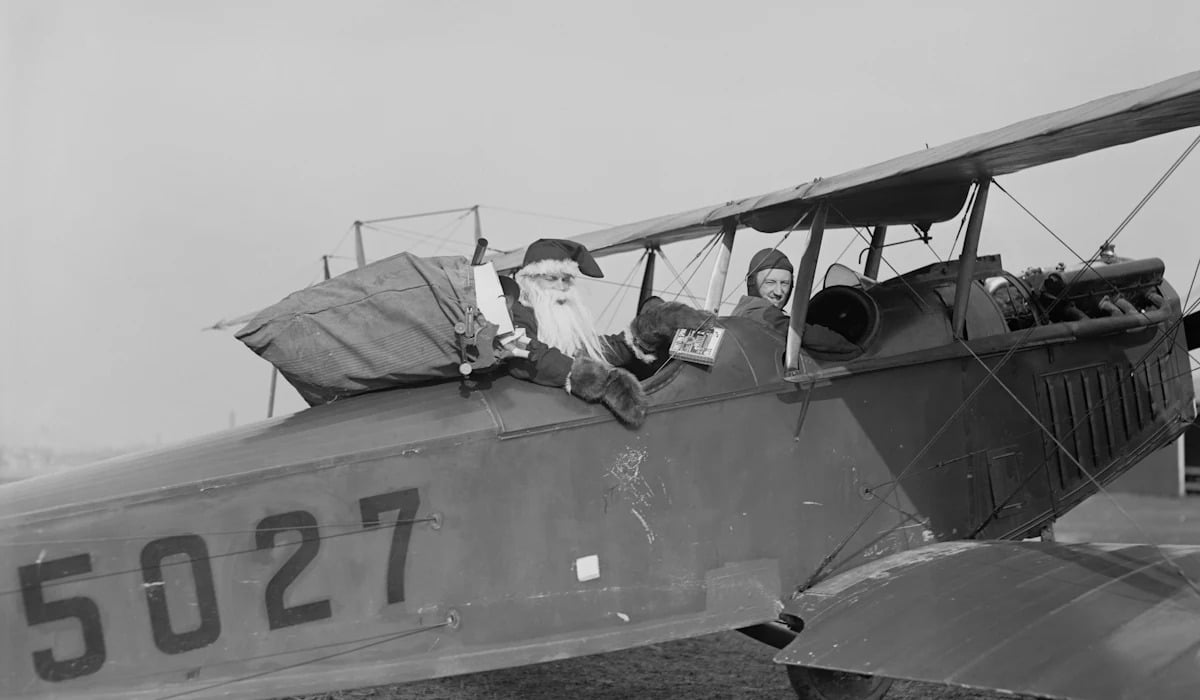
Neta Snook is widely described as the first woman aviator in Iowa and the first woman admitted to the Curtiss Flying School in Newport News, Virginia. When civilian flying was halted during World War I, she bought the remains of a wrecked Canadian-built Curtiss trainer known as a Canuck and rebuilt it herself.
In January 1921, at Kinner Field near Long Beach, California, she agreed to teach a young Amelia Earhart, who paid for the lessons by the hour. Snook later sold the Canuck, married and stepped away from aviation for decades.
She lived to 95 and published a memoir about those early lessons.
Amelia Earhart Lands in a Northern Ireland Pasture
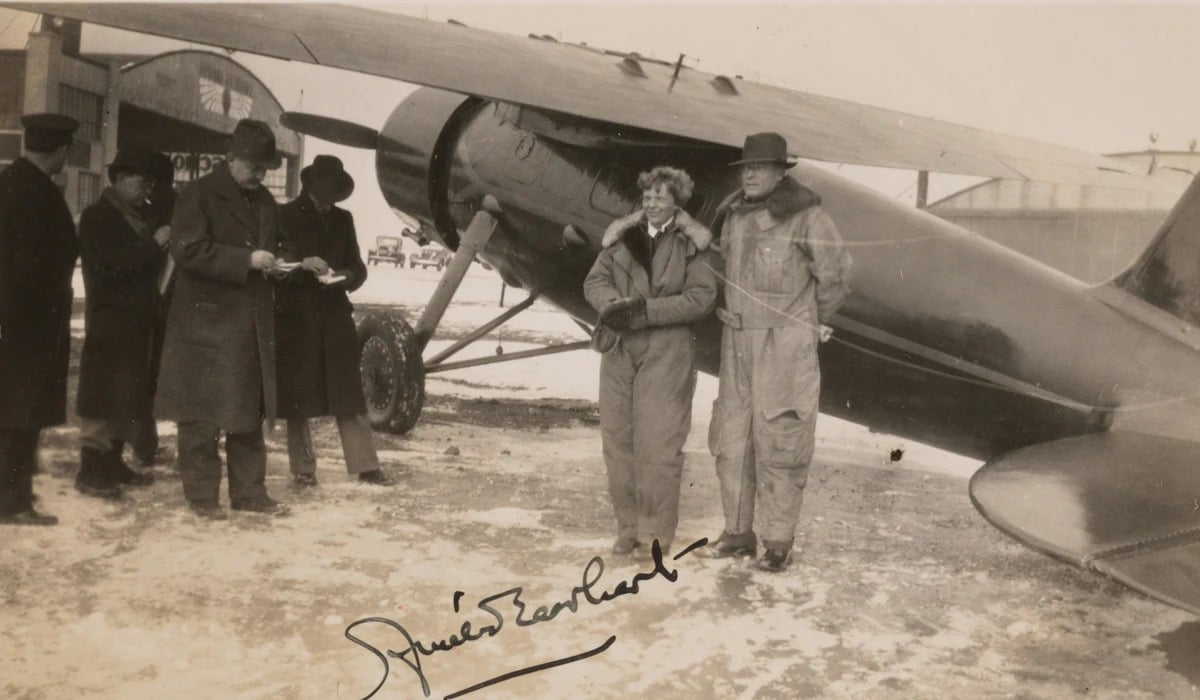
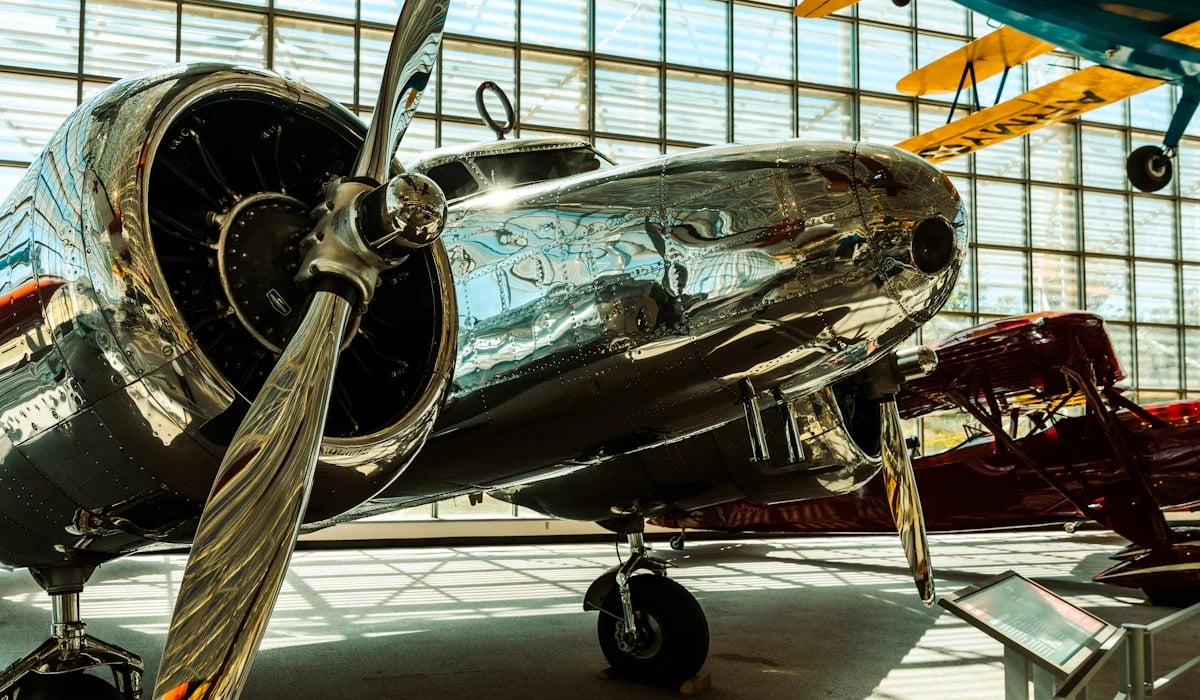
Amelia Earhart first crossed the Atlantic in 1928 as a passenger, later saying she had been carried along like a sack of potatoes. On May 20 and 21, 1932, she did it alone, flying a red Lockheed Vega 5B from Harbor Grace, Newfoundland, to a pasture at Culmore near Londonderry.
It was the first solo transatlantic flight by a woman. In 1935 she became the first person to fly solo from Hawaii to California.
She disappeared with navigator Fred Noonan on July 2, 1937, while searching for Howland Island in the central Pacific. The Vega from the 1932 crossing is displayed at the Smithsonian.
Elinor Smith Flies Beneath Four New York Bridges

Elinor Smith earned her pilot license at 16 with a certificate signed by Orville Wright, making her one of the youngest licensed pilots of the 1920s. In October 1928, at 17, she flew under all four East River bridges, the Queensboro, Williamsburg, Manhattan and Brooklyn, reportedly in response to a dare.
The stunt earned her a brief suspension but made her famous. She went on to set endurance and altitude records, and in 1930 licensed pilots voted her the best woman pilot in America.
Decades later, in her late 80s, she flew a space shuttle landing simulator at a NASA research center.
Louise Thaden Wins the Bendix Trophy
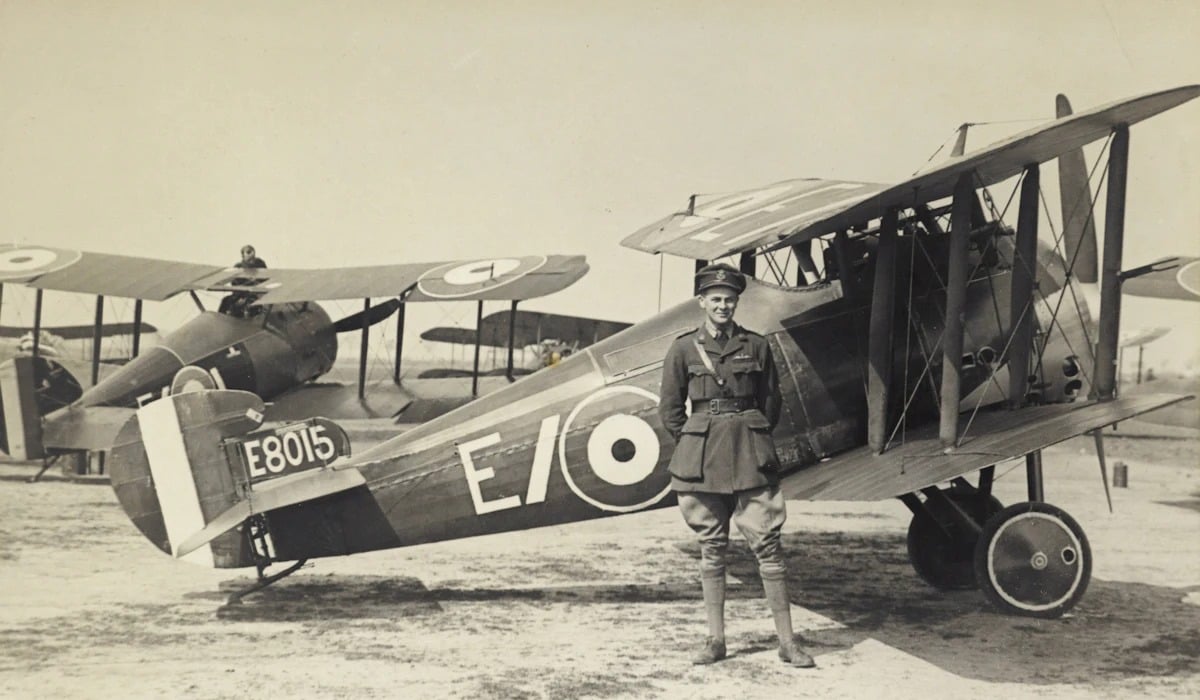
Louise Thaden won the 1929 Women’s Air Derby, the cross-country race from Santa Monica to Cleveland that Will Rogers nicknamed the Powder Puff Derby. Her larger triumph came in September 1936, when she and copilot Blanche Noyes flew a Beechcraft C17R Staggerwing from New York to Los Angeles to win the Bendix Trophy, the first time women had won the open transcontinental race.
Another woman, Laura Ingalls, finished second that year. Thaden also held women’s records for altitude, endurance and speed.
She was a founding member of the Ninety-Nines, and the 1936 victory earned her the Harmon Trophy.
Pancho Barnes Outruns Earhart’s Speed Mark
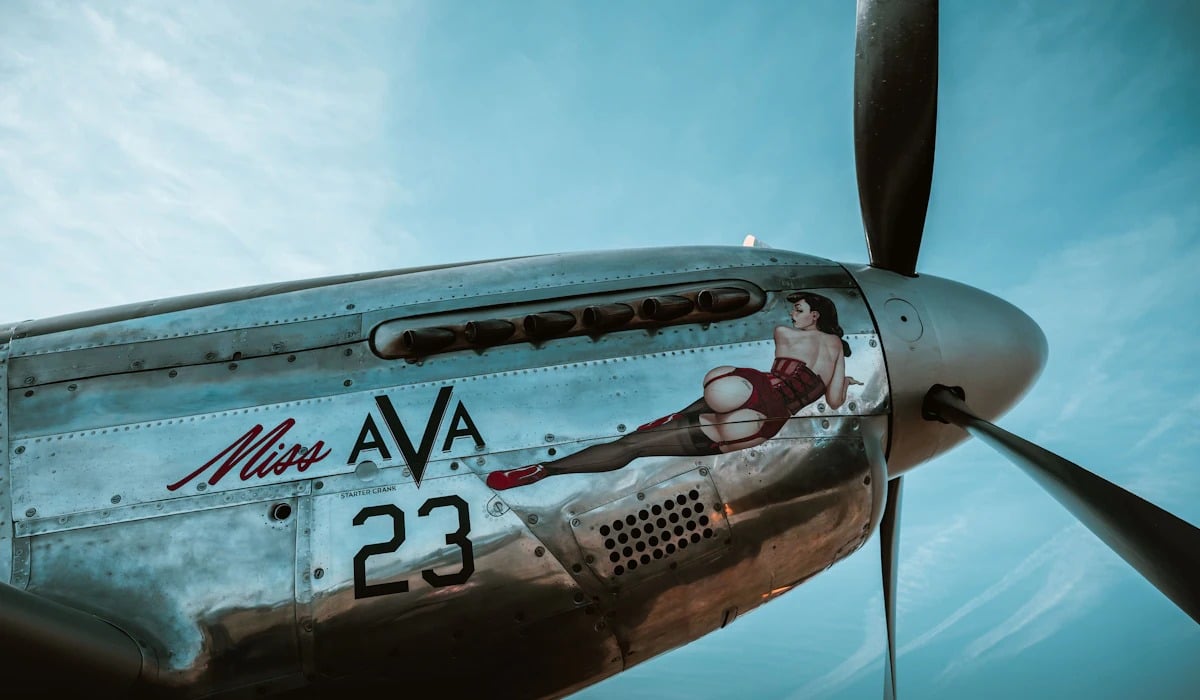
Florence Lowe Barnes, known to everyone as Pancho, broke Amelia Earhart’s women’s speed record in 1930 by reaching 196.19 miles per hour in a Travel Air Type R Mystery Ship. She flew stunts for Hollywood productions in the early 1930s and organized the Associated Motion Picture Pilots to protect the men and women who did that dangerous work.
After losing much of her fortune in the Depression, she bought a ranch in the Mojave Desert beside Muroc Army Air Field, later renamed Edwards Air Force Base. Her ranch restaurant and bar became a favorite hangout for test pilots, including Chuck Yeager.
Ruth Nichols Holds Three Records at Once
Ruth Nichols held women’s world records for speed, altitude and distance at the same time in 1931, a rare combination for any pilot. Her altitude mark, set that March in a Lockheed Vega, was 28,743 feet.
In June 1931 her attempt to become the first woman to fly solo across the Atlantic ended in a crash at Saint John, New Brunswick, leaving her with serious back injuries. By October she was flying again, wearing a brace, and set a women’s distance record from Oakland, California, to Louisville, Kentucky.
In 1940 she founded Relief Wings, a volunteer network of civilian air ambulance pilots.
Amy Johnson Flies Jason to Australia
Amy Johnson, a former secretary from Hull, had fewer than 100 hours in the air when she took off from Croydon on May 5, 1930, in a secondhand de Havilland Gipsy Moth named Jason. Nineteen days later she landed in Darwin, becoming the first woman to fly solo from England to Australia.
She was also the first British woman to qualify as a ground engineer, and she could service her own engine. In World War II she joined the Air Transport Auxiliary and was lost over the Thames Estuary on January 5, 1941.
Jason is preserved at the Science Museum in London.
Jean Batten, the Garbo of the Skies
New Zealander Jean Batten flew a Percival Gull Six from Lympne, England, to Auckland in October 1936 in 11 days and 45 minutes, the first direct solo flight between England and New Zealand. Two years earlier she had beaten Amy Johnson’s England to Australia time by more than four days.
Glamorous and intensely private, she was nicknamed the Garbo of the Skies. She later withdrew almost completely from public life, and when she died in Majorca in 1982, no one who knew her was informed.
Her burial in an unmarked communal grave went undiscovered until 1987, and her Gull now hangs at Auckland Airport.
Beryl Markham Crosses the Atlantic Westward
Raised in colonial Kenya, Beryl Markham trained racehorses and worked as a bush pilot, scouting elephant herds from the air for safari outfitters. On September 4, 1936, she took off from Abingdon, England, in a Percival Vega Gull named The Messenger, aiming for New York.
After more than 20 hours against headwinds, her engine sputtered from fuel starvation and she crash-landed in a bog at Baleine Cove, Nova Scotia. She became the first woman to fly solo across the Atlantic from east to west.
Her 1942 memoir, West with the Night, drew praise from Ernest Hemingway and became a bestseller after its 1983 reissue.
Sabiha Gokcen and the Turkish Air Force
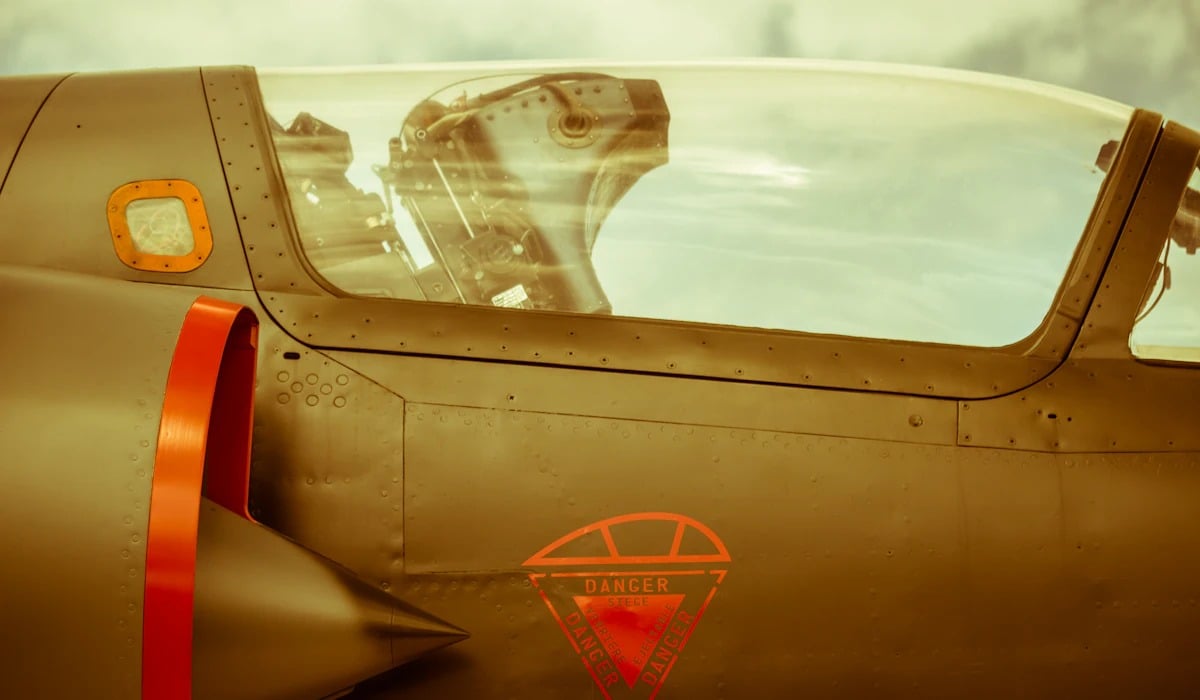
Sabiha Gokcen was an orphan adopted by Mustafa Kemal Ataturk, who gave her a surname meaning belonging to the sky. She trained through the Turkish Aviation League and then at the military flight school in Eskisehir.
In 1937 she flew bombing missions during the Dersim operation in eastern Turkey, a campaign now remembered for heavy civilian losses, and she is often cited as the world’s first female combat pilot. The following year she flew a solo tour of Balkan capitals.
Istanbul’s second international airport, which opened on the Asian side of the city in 2001, carries her name.
Hanna Reitsch Flies a Helicopter Indoors
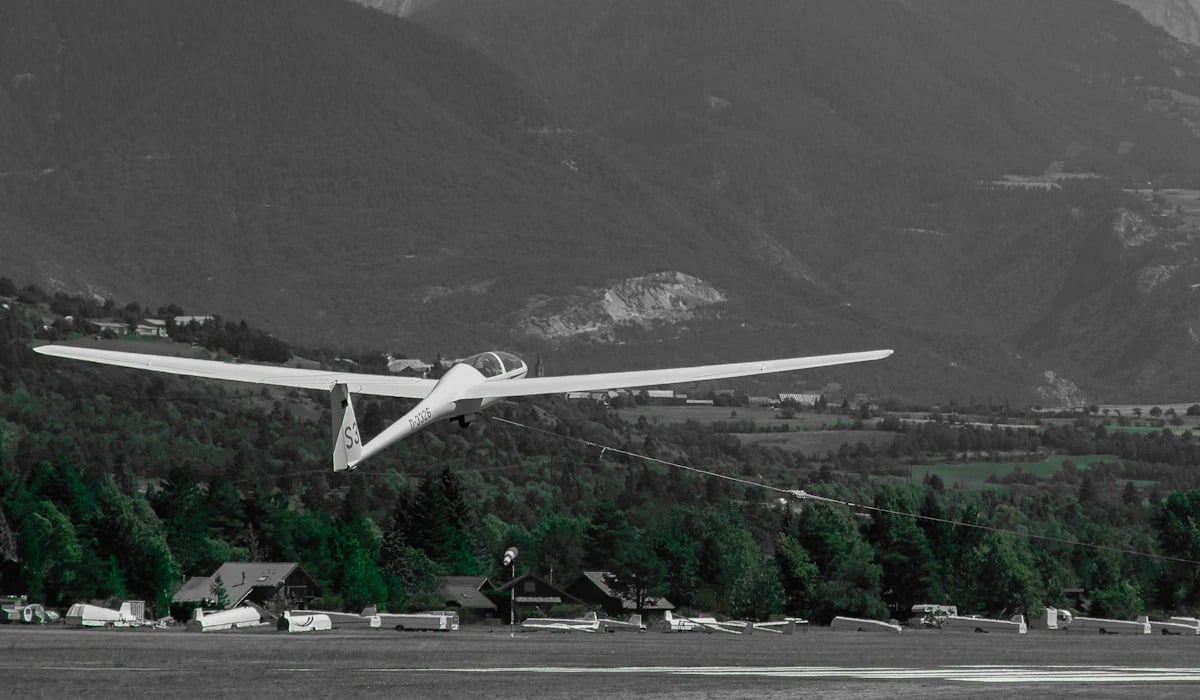
German test pilot Hanna Reitsch flew nearly every aircraft type the Luftwaffe developed, including the rocket-powered Me 163. Widely credited as the first woman to fly a helicopter, she demonstrated the Focke-Wulf Fw 61 indoors at Berlin’s Deutschlandhalle in February 1938.
She received the Iron Cross First Class during World War II, and in April 1945 she flew into besieged Berlin. Her loyalty to the Nazi regime has permanently clouded her legacy.
After the war she returned to gliding and set more records, and in 1962 she established a national gliding school in Ghana at the invitation of Kwame Nkrumah.
Willa Brown Builds a School Near Chicago
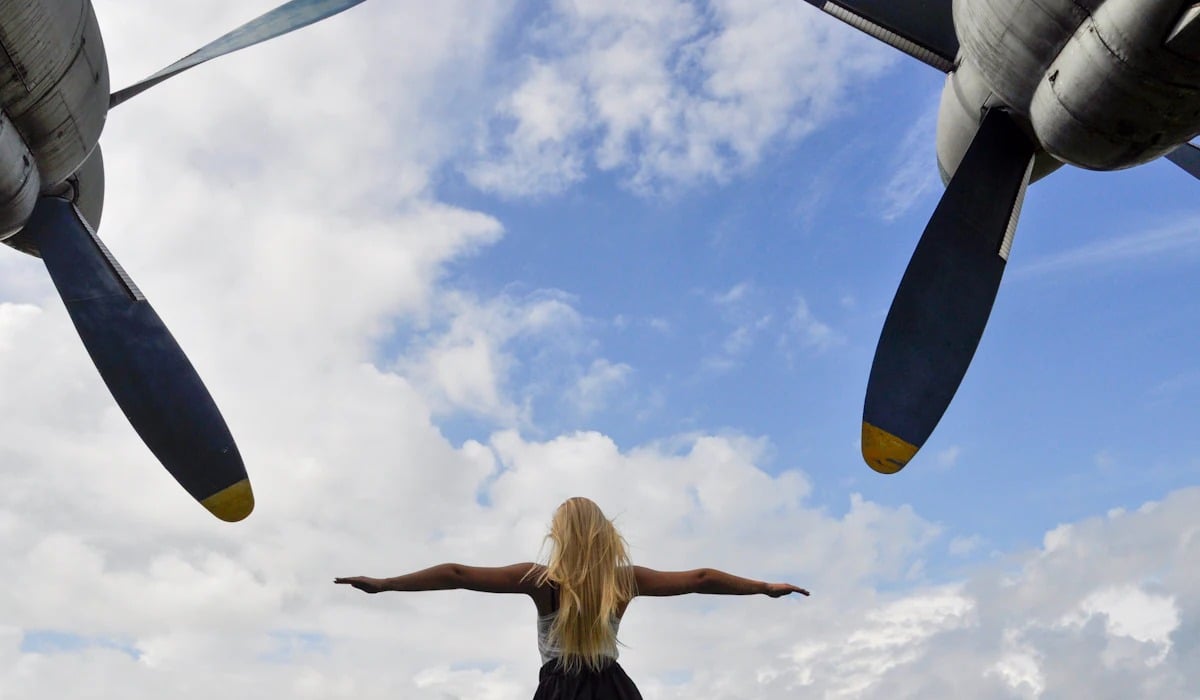
Willa Brown earned her private pilot license in 1938, becoming the first African American woman licensed to fly in the United States, and she added a commercial license the following year. With Cornelius Coffey, whom she later married, she ran the Coffey School of Aeronautics at Harlem Airport outside Chicago.
The school trained roughly 200 Black pilots, several of whom went on to the Tuskegee program. Brown also became the first African American officer in the Civil Air Patrol.
In 1946 she ran for Congress as a Republican in Illinois, among the first Black women to seek a seat in the House.
Jacqueline Cochran Breaks the Sound Barrier
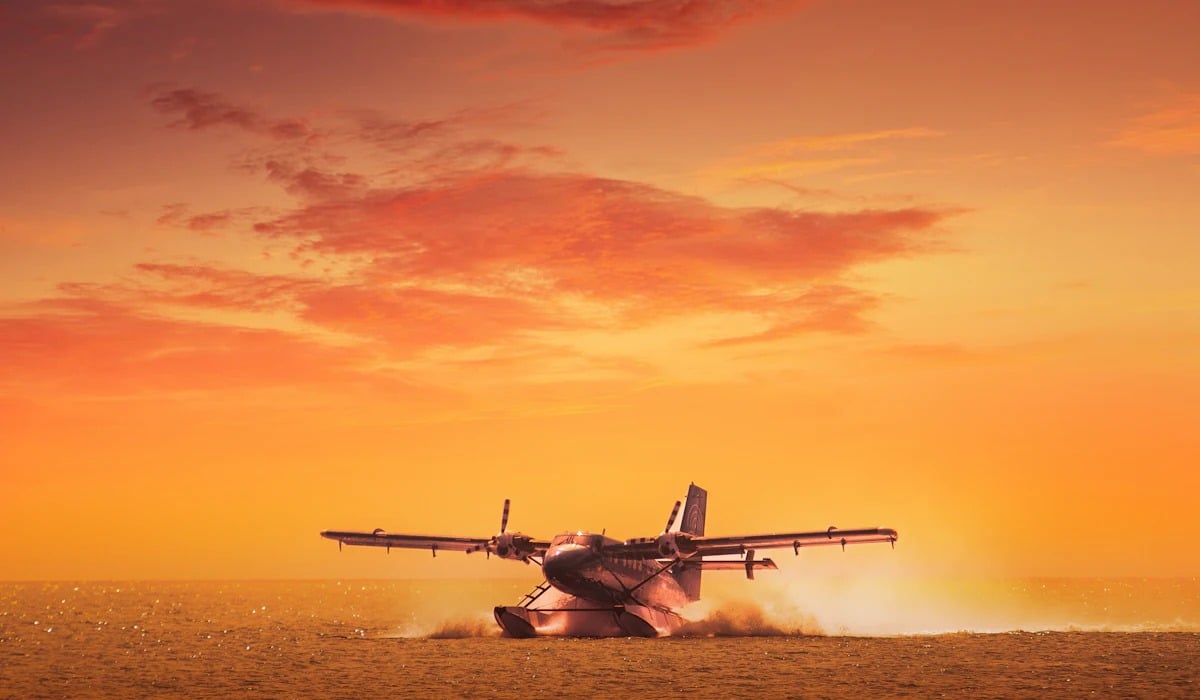
Jacqueline Cochran grew up poor in the Florida Panhandle, built a cosmetics company, and earned her pilot license in 1932 after only a few weeks of lessons. She won the Bendix Trophy in 1938, and in 1941 she flew a Lockheed Hudson bomber across the Atlantic to Britain, the first woman to do so.
As director of the Women Airforce Service Pilots in World War II, she oversaw the training of more than 1,000 women. On May 18, 1953, flying a Canadair Sabre over Rogers Dry Lake with Chuck Yeager flying chase, she became the first woman to break the sound barrier.
Nancy Harkness Love Founds the Ferrying Squadron
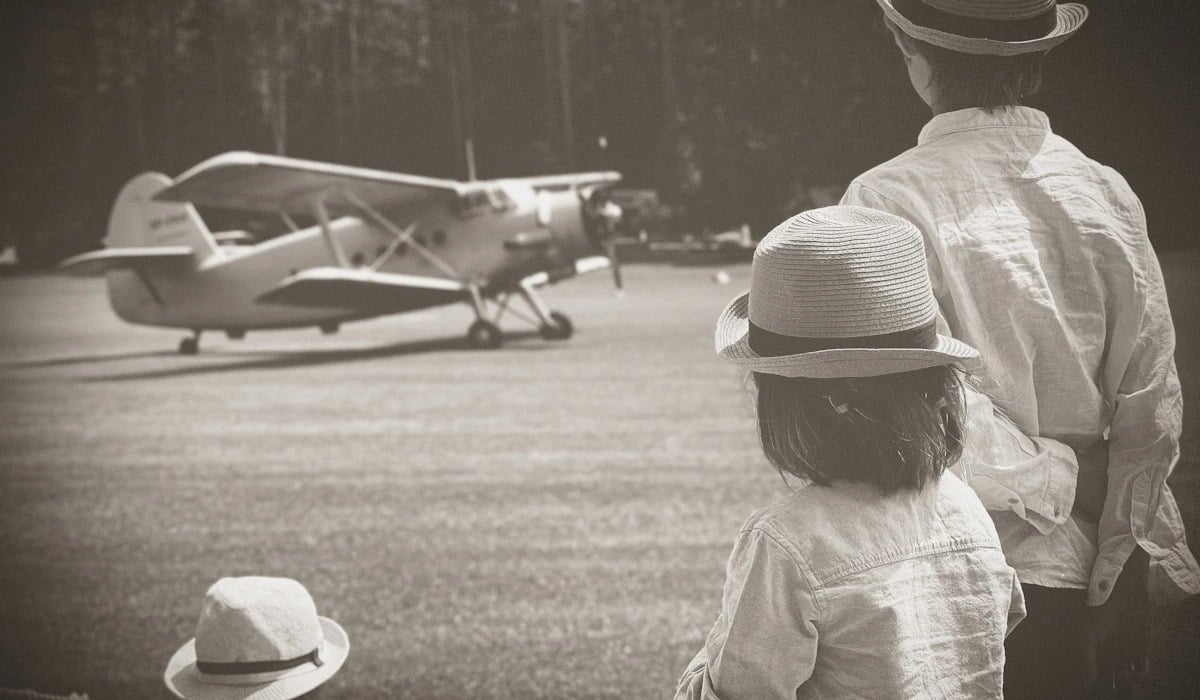
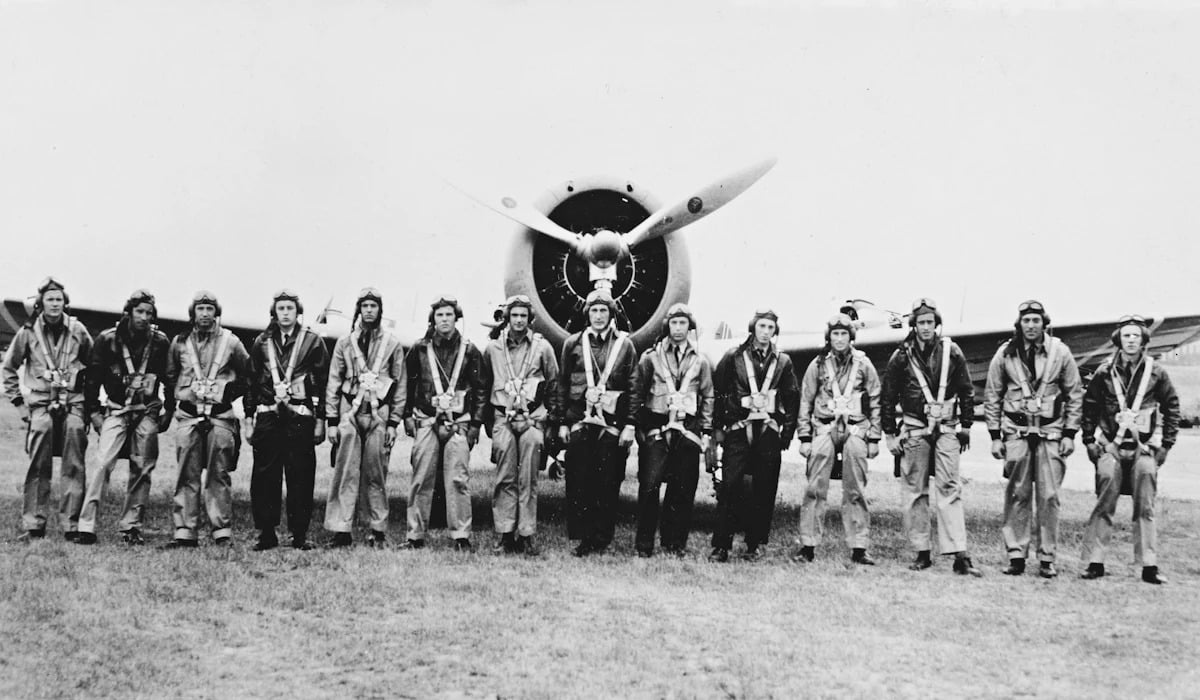
Nancy Harkness Love earned her license at 16 in 1930 and later worked as a test pilot and air marketing representative. In September 1942 she founded the Women’s Auxiliary Ferrying Squadron, the first group of American women to fly military aircraft, at New Castle Army Air Base in Delaware.
Her original recruits numbered 28 experienced civilian pilots. When the squadron merged into the WASP in 1943, Love directed its ferrying operations.
That year she and Betty Gillies were set to deliver a B-17 to Britain, becoming the first women to fly one across the Atlantic, until senior officers canceled the trip at the last minute.
Cornelia Fort Over Pearl Harbor
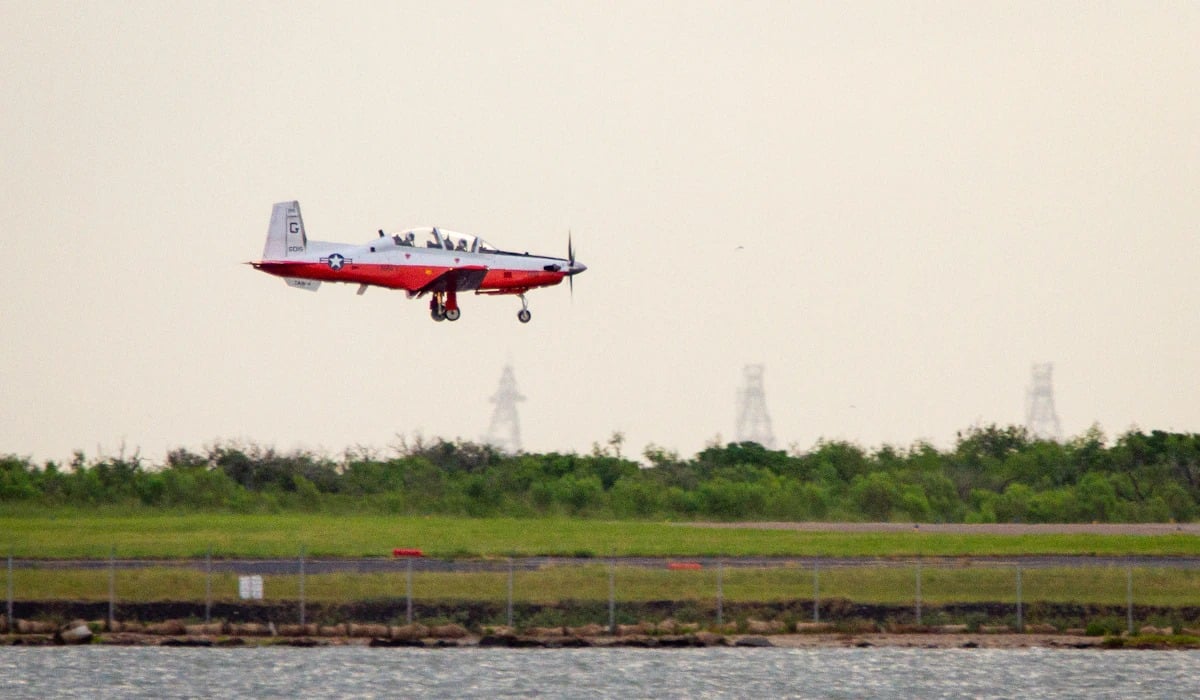
On the morning of December 7, 1941, Cornelia Fort was giving a lesson in a light Interstate Cadet over Oahu when Japanese aircraft swept past on their way to Pearl Harbor. She took the controls, pulled away from an oncoming plane and landed at John Rodgers Airport as the field came under fire.
The Nashville native joined the Women’s Auxiliary Ferrying Squadron in 1942 as one of its first members. On March 21, 1943, she was killed near Merkel, Texas, when another aircraft struck her BT-13 trainer in flight.
She was the first American woman pilot to die on active military duty.
Hazel Ying Lee Joins the WASP
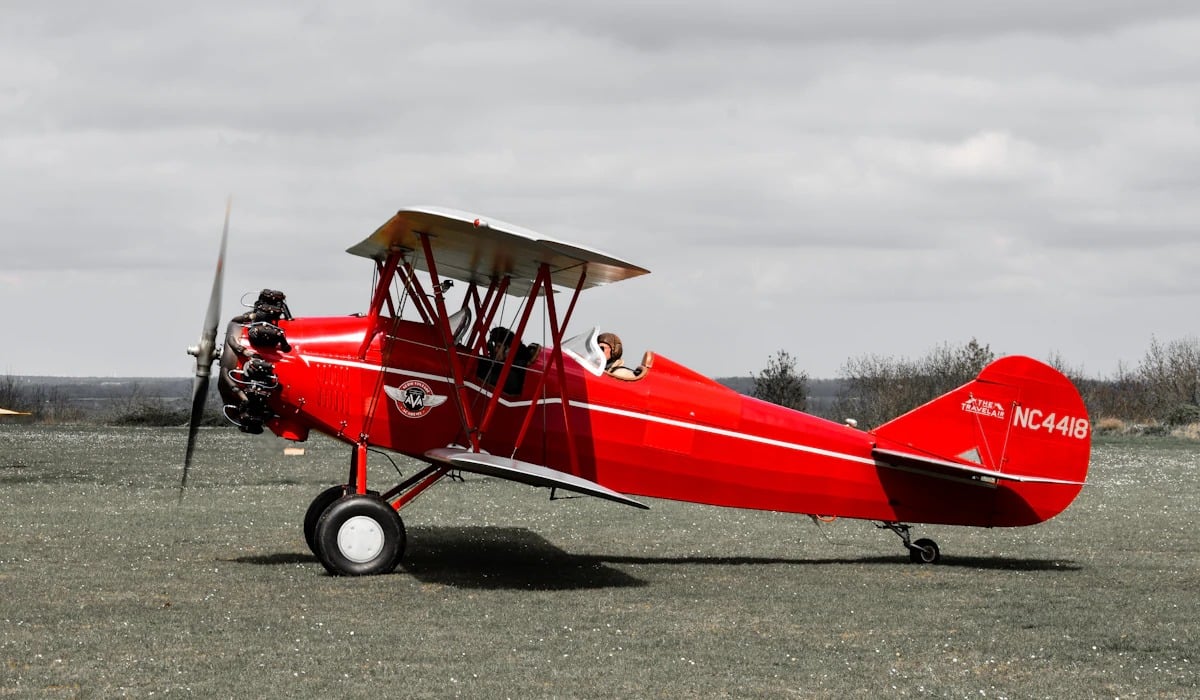
Born in Portland, Oregon, Hazel Ying Lee earned her license in 1932 and traveled to China hoping to fly against the Japanese invasion, but the Chinese air force would not accept women. She returned to the United States, joined the Women Airforce Service Pilots in 1943, and became the first Chinese American woman to fly for the U.S. military.
She ferried fighters including the P-39 Airacobra and P-63 Kingcobra. In November 1944 she died following a runway collision at Great Falls, Montana.
A Portland cemetery at first refused to bury her in its whites-only section, and her family fought until it relented.
Mary Ellis Delivers 400 Spitfires
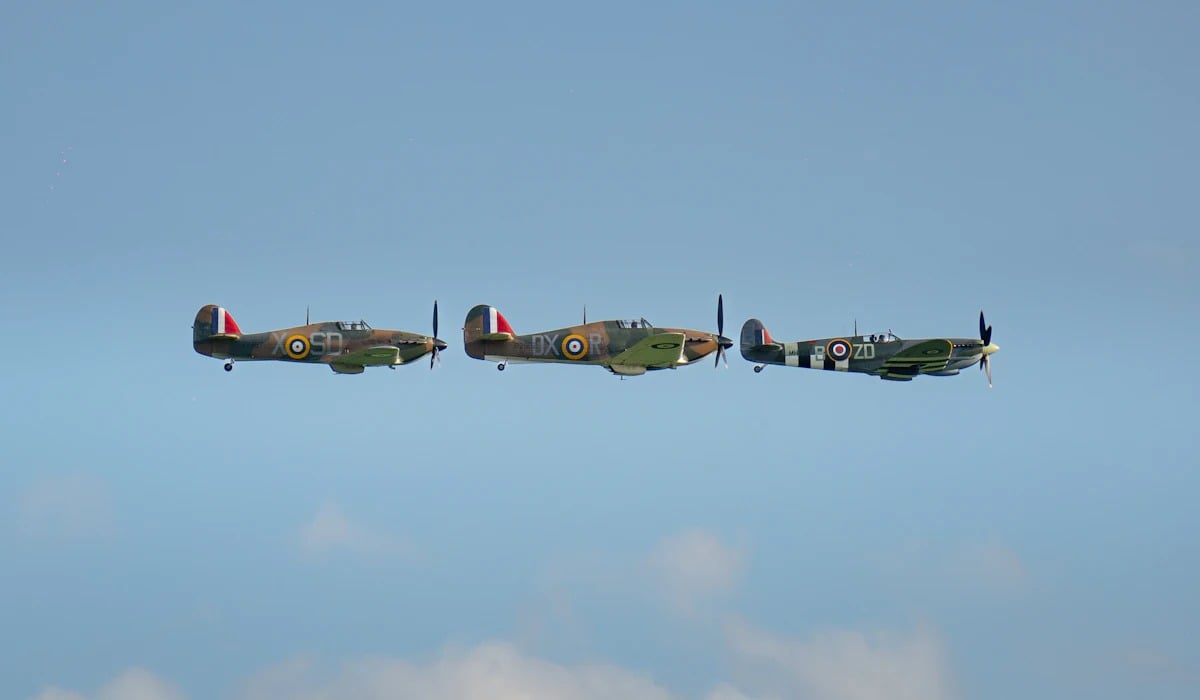
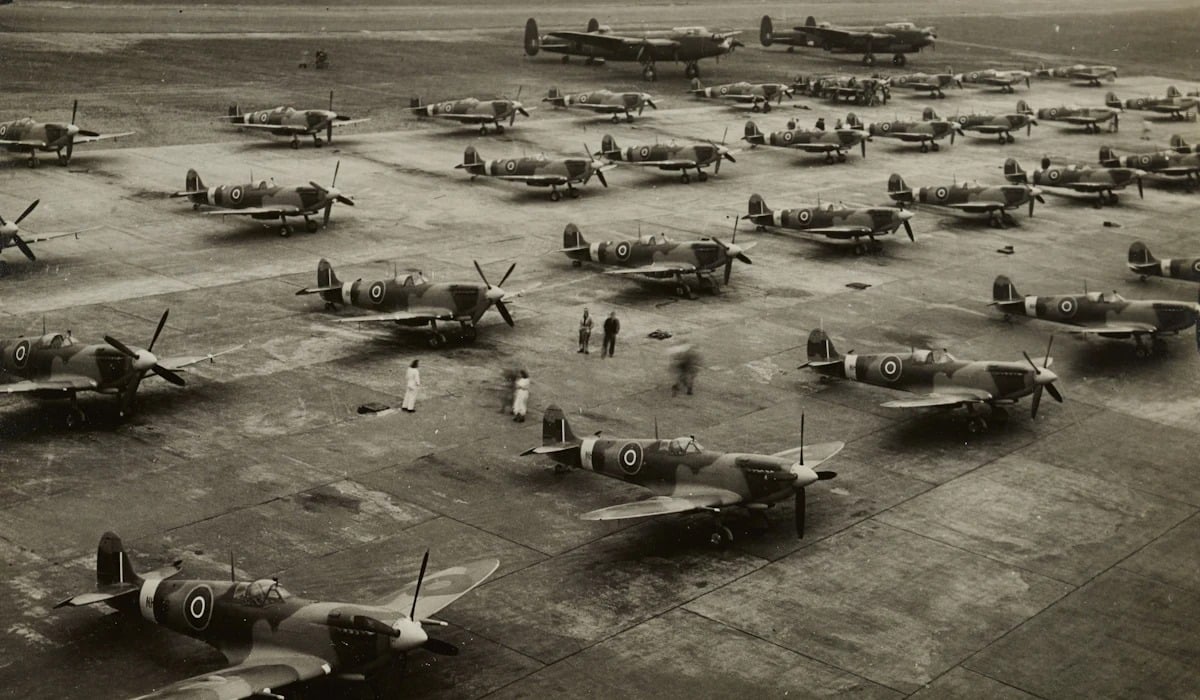
Mary Wilkins Ellis took her first flying lessons as a teenager in Oxfordshire and joined the Air Transport Auxiliary in 1941. During the war she delivered roughly 1,000 aircraft of 76 different types, including about 400 Spitfires, usually without a radio and navigating by map and compass.
On one delivery, an RAF ground crew reportedly searched the cockpit looking for the male pilot after she climbed out. After the war she became managing director of Sandown Airport on the Isle of Wight, one of the first women to run a European airfield.
She died in July 2018 at age 101.
Marina Raskova Survives Ten Days in the Taiga
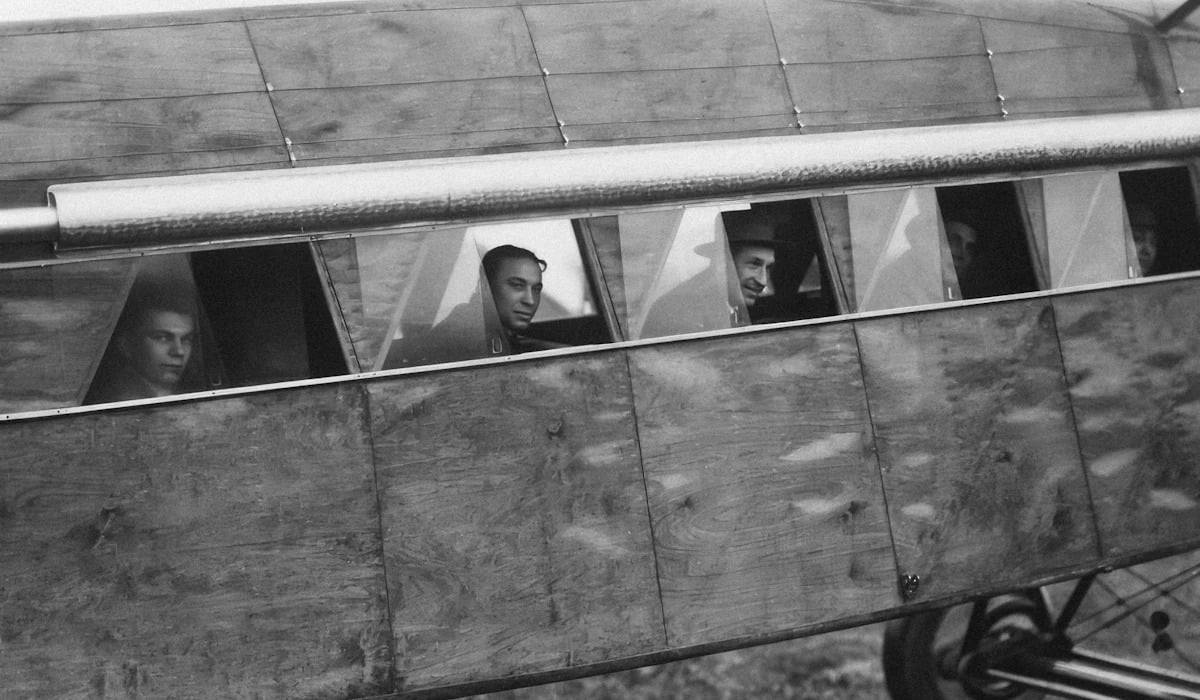
Marina Raskova trained as a navigator before she became a pilot, and in September 1938 she flew aboard the Rodina with Valentina Grizodubova and Polina Osipenko on a record nonstop flight from Moscow to the Soviet Far East. Ordered to parachute before a forced landing, she spent about 10 days alone in the forest before rescuers found her.
All three women became the first female Heroes of the Soviet Union. In 1941 she persuaded Soviet leadership to form three women’s aviation regiments, including the night bomber unit later called the Night Witches.
She died in a crash in January 1943 while leading her own regiment.
Lydia Litvyak, the White Lily of Stalingrad
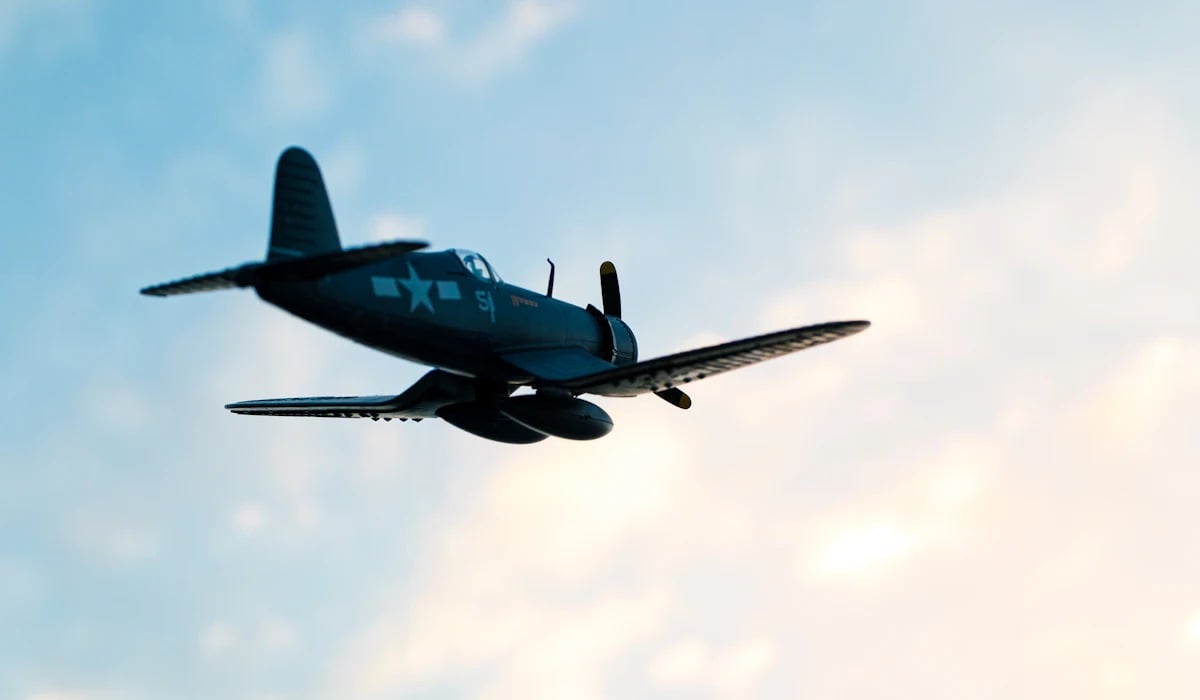
A flight instructor before World War II, Lydia Litvyak joined Marina Raskova’s women’s fighter regiment and was later posted to male units in the skies over Stalingrad. On September 13, 1942, she shot down two German aircraft, becoming the first woman fighter pilot to score an aerial victory.
She painted a white lily on her Yak-1, which gave her the nickname the White Lily of Stalingrad. Sources credit her with somewhere between five and a dozen solo victories before she failed to return from a mission on August 1, 1943, at age 21.
She was posthumously named a Hero of the Soviet Union in 1990.
Jerrie Mock Circles the Globe Alone
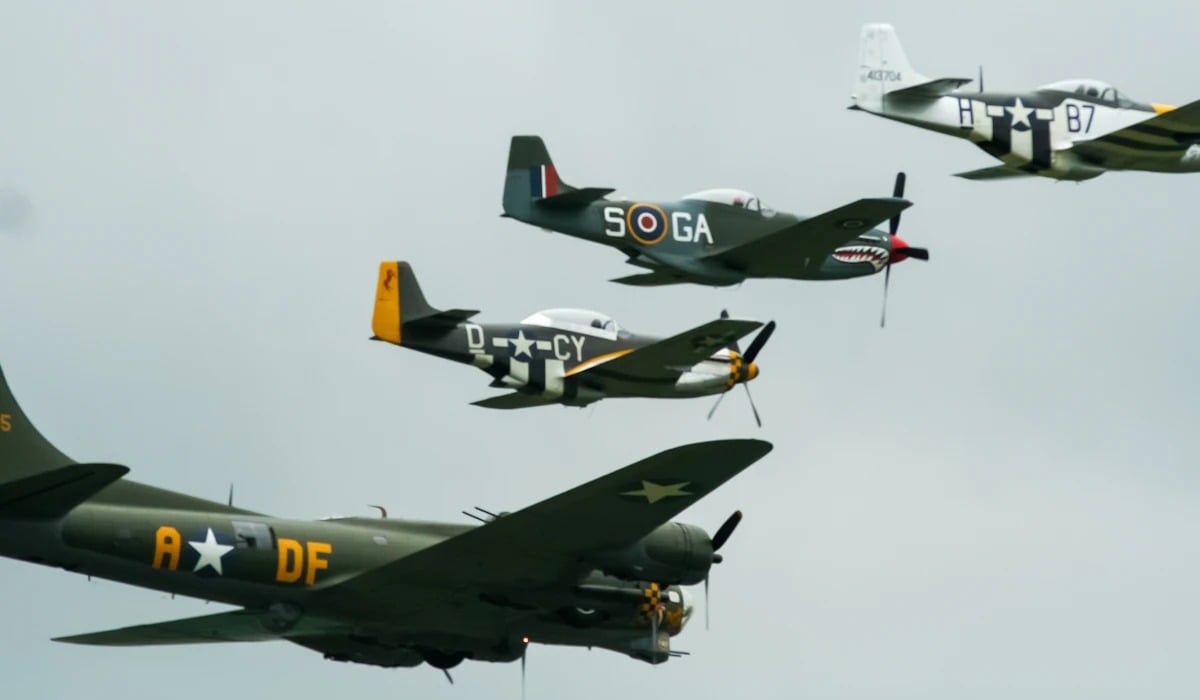
Geraldine Mock, known as Jerrie, was a 38-year-old Ohio homemaker when she left Columbus on March 19, 1964, in a single-engine Cessna 180 named Spirit of Columbus. Another American pilot, Joan Merriam Smith, was attempting a similar flight, and the press treated it as a race.
Mock returned to Columbus on April 17, 29 days later, becoming the first woman to fly solo around the world. The route covered about 22,860 miles.
Her Cessna, nicknamed Charlie, now hangs at the Smithsonian’s Steven F. Udvar-Hazy Center in Chantilly, Virginia, and she received a medal from the Federal Aviation Agency at the White House.
Emily Howell Warner Joins Frontier Airlines
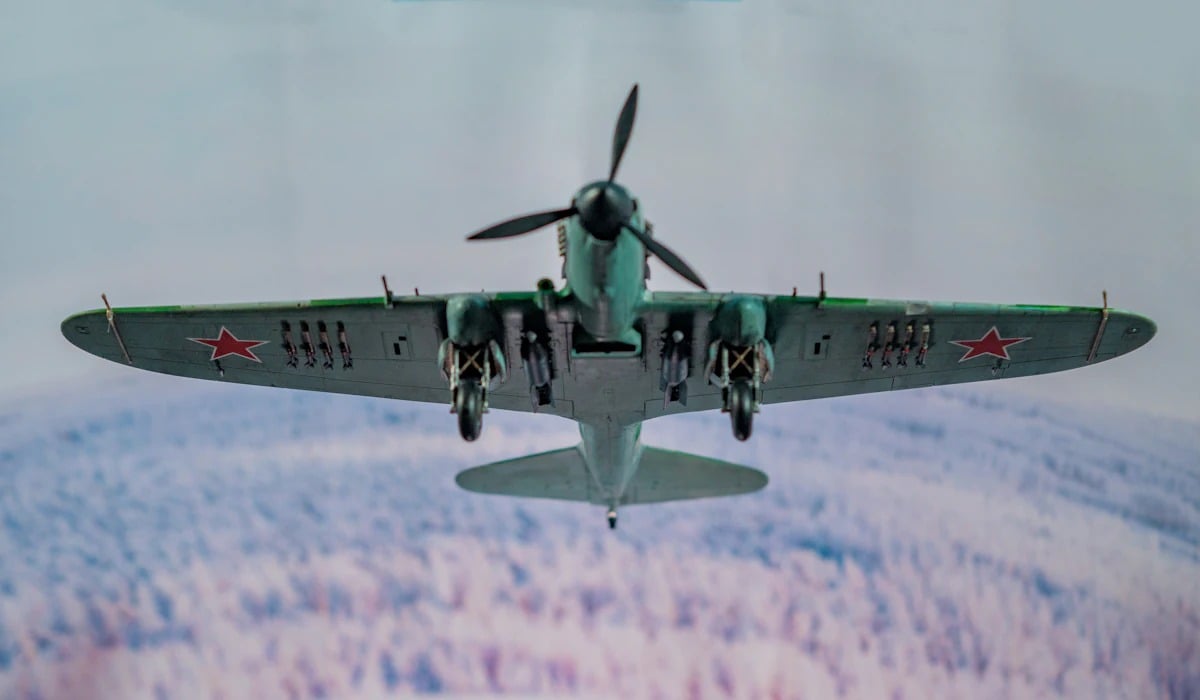
Emily Howell Warner worked at a Denver flight school after her first lesson and steadily built her hours into a career as an instructor and chief pilot. On January 29, 1973, Frontier Airlines hired her as a second officer, making her the first woman hired as a pilot by a modern scheduled U.S. airline.
She had applied for years and watched men she had trained get hired ahead of her. In 1976 she became a captain, widely recognized as the first American woman to command a scheduled airliner.
Her Frontier uniform is now held in the Smithsonian’s collection.
Eileen Collins Commands the Space Shuttle
A former Air Force test pilot from Elmira, New York, Eileen Collins became the first woman to pilot a space shuttle in February 1995, flying Discovery on STS-63 to a rendezvous with Russia’s Mir station. She invited surviving members of the Mercury 13, women tested privately for spaceflight in the early 1960s, to watch that launch.
In July 1999 she commanded Columbia on STS-93, the first shuttle mission led by a woman, deploying the Chandra X-ray Observatory. In 2005 she commanded STS-114, the return to flight after the Columbia loss, and flipped the orbiter end over end so the station crew could photograph its heat shield.
Patty Wagstaff Wins the National Aerobatic Title
Patty Wagstaff learned to fly in Alaska and in 1991 became the first woman to win the U.S. National Aerobatic Championship, a competition open to men and women alike.
She won the title again in 1992 and 1993. Her Extra 260 aerobatic monoplane is now part of the Smithsonian National Air and Space Museum collection.
Away from air shows, she has trained Kenya Wildlife Service pilots to fly anti-poaching patrols and has taught aerial firefighting pilots in California. She was later inducted into the National Aviation Hall of Fame, joining many of the women who came before her on this list.
Altitude Was Never the Hardest Climb
Engines failed, fuel ran low and weather closed in, and most of these pilots handled all of it with remarkable calm. The harder obstacles were usually on the ground: flight schools that refused them, airlines that kept their applications in a drawer, military programs disbanded before they could earn full recognition.
Many of the records they set were broken within a few years. The permission they won lasted much longer.
Every name here made the next one easier. Neta Snook taught Amelia Earhart, Earhart inspired a generation of women in the Ninety-Nines, and the WASP veterans lived long enough to watch a woman command a spacecraft.
Aviation history usually counts speed, distance and height, but these careers also measure how quickly a closed door can become an ordinary entrance.
MORE FROM GO2TUTORS!

- The Romanov Crown Jewels and Their Tragic Fate
- 13 Historical Mysteries That Science Still Can’t Solve
- Famous Hoaxes That Fooled the World for Years
- 15 Child Stars with Tragic Adult Lives
- 16 Famous Jewelry Pieces in History
Like Go2Tutors’s content? Follow us on MSN.