17 Rare Planes from Military History
Throughout aviation history, military engineers have pushed the boundaries of flight with experimental designs that challenged conventional thinking. Some aircraft were built in such limited numbers that they remain virtually unknown outside aviation circles. Here’s a list of 17 rare military aircraft that showcase the boldest and strangest attempts to dominate the skies.
Vought V-173 Flying Pancake
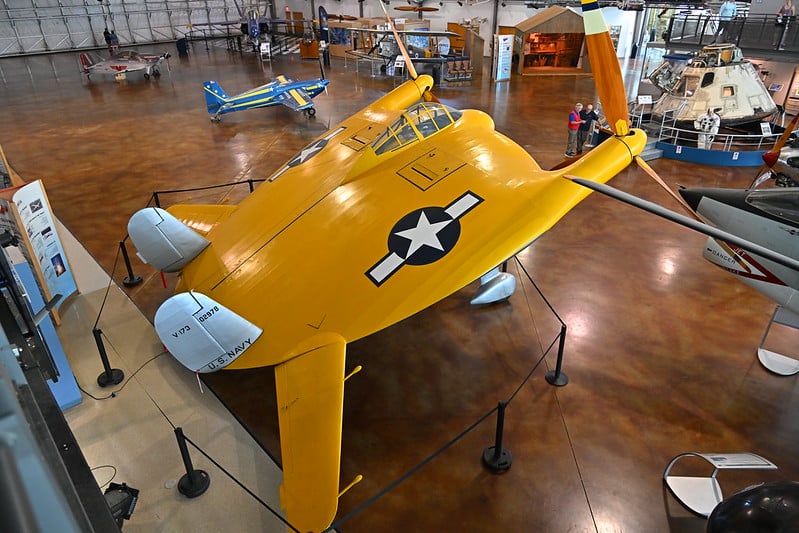
The U.S. Navy wanted something different in 1942. What they got was a circular aircraft that looked like it had escaped from a science fiction movie.
Only two prototypes ever flew, and pilots described the experience as eerily smooth. The pancake-shaped wing generated lift across its entire surface, creating unusual flight characteristics that both fascinated and puzzled test crews.
Northrop XB-35 Flying Wing
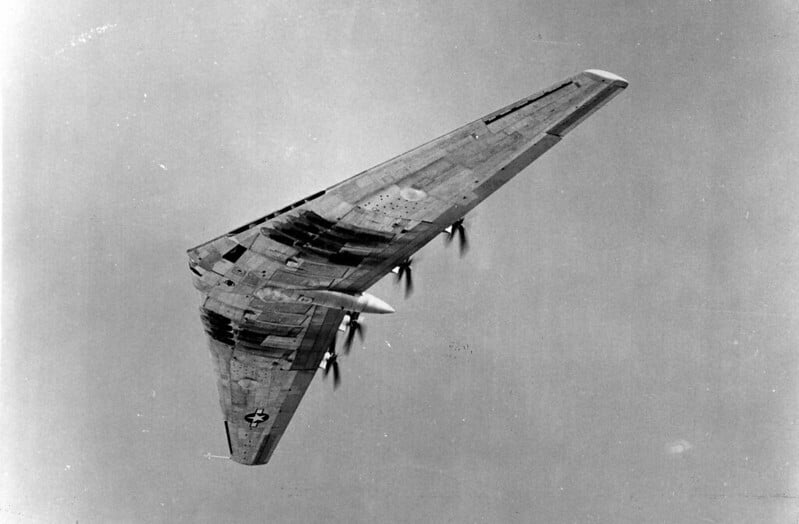
Jack Northrop believed the future belonged to wings without fuselages. His massive bomber prototype eliminated everything except the essential lifting surface, creating one of the most futuristic-looking aircraft of the 1940s.
But the XB-35 fought its pilots constantly. Control problems plagued every test flight, and only two examples were ever completed before the program ended in disappointment.
Convair XFY-1 Pogo
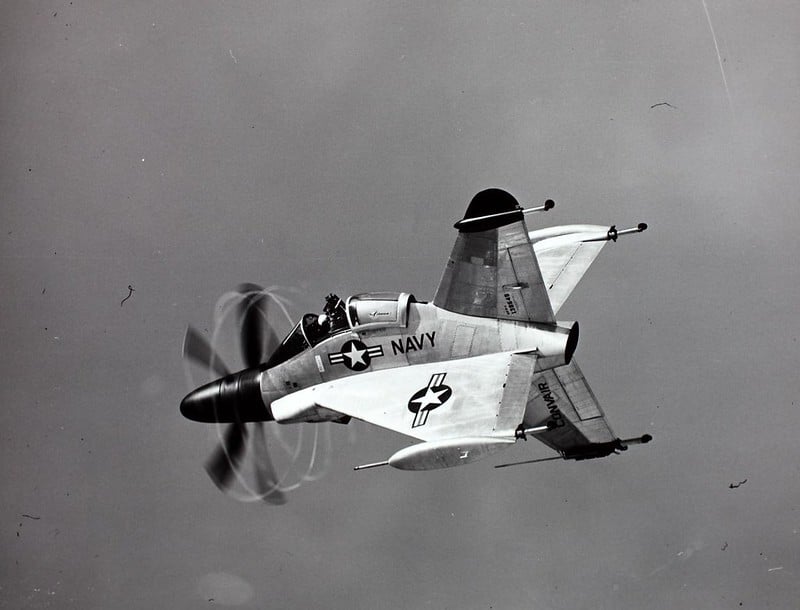
Imagine taking off straight up like a rocket, then transitioning to horizontal flight. The Pogo attempted this ambitious concept with a tail-sitting design that required pilots to land while looking over their shoulders.
Test flights proved the concept worked. Barely. The complexity of vertical landings made the aircraft impractical for combat use, and the program died after just one prototype.
Caproni Ca.60 Noviplano

Italian engineer Gianni Caproni thought bigger was better. His 1921 flying boat featured nine wings stacked in three groups, creating what looked like a flying apartment building.
The Ca.60 managed exactly one flight. It lifted off Lake Maggiore, flew briefly at low altitude, then crashed into the water and broke apart. No second attempt was ever made.
Ryan X-13 Vertijet

The Cold War sparked wild experiments in vertical flight. Ryan’s X-13 took off and landed on its tail, using a mobile platform that resembled a giant easel.
And it actually worked. The tiny jet demonstrated successful vertical operations, but the logistics of hauling launch platforms to every airfield made the concept unworkable for military use.
Blohm & Voss BV 141

German designers sometimes ignored symmetry entirely. The BV 141 featured an offset cockpit pod that made the aircraft look like it had been assembled from spare parts.
Despite its bizarre appearance, the reconnaissance plane flew remarkably well. Asymmetric design actually improved visibility for the observer, though only about 20 examples were built before the war’s end.
Douglas XB-42 Mixmaster
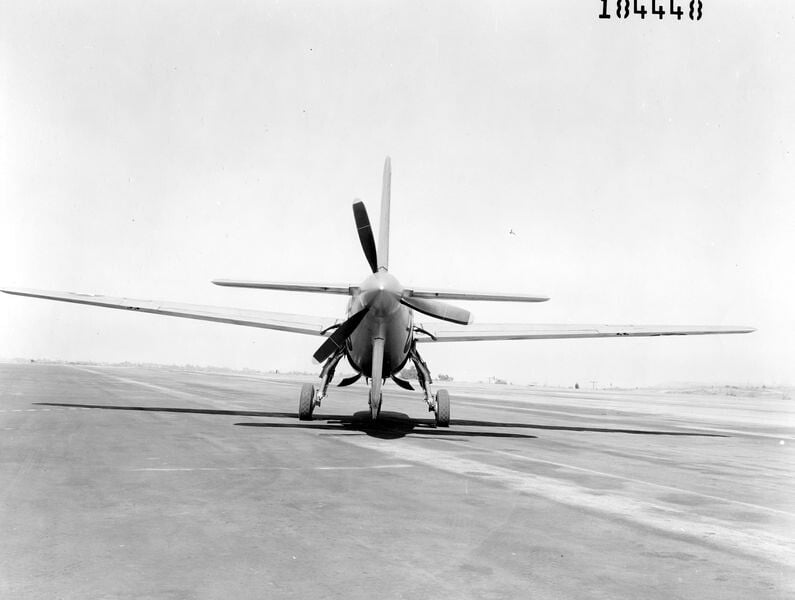
Pushing propellers to the rear seemed logical for a bomber. The sleek XB-42 mounted contra-rotating propellers behind the fuselage, earning its “Mixmaster” nickname from the kitchen appliance it resembled.
Performance impressed everyone during testing. The clean design achieved remarkable speed for a propeller-driven aircraft, but jet engines were already making such innovations obsolete.
Bartini Beriev VVA-14
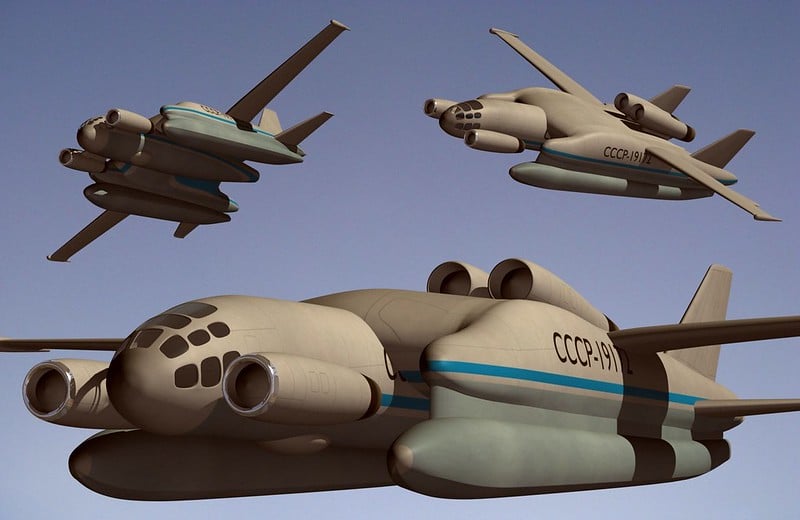
Soviet designer Robert Bartini created something that defied easy classification. His amphibious aircraft combined:
- Inflatable pontoons for water landings
- Ground effect capabilities for low-altitude flight
- Vertical takeoff systems
- Anti-submarine warfare equipment
The smell of salt spray filled the cockpit during water trials. Only one prototype flew before the program’s cancellation in 1976.
Messerschmitt Me 163 Komet

— Photo by Andi_muth@gmx.de
Rocket power promised incredible speed but delivered deadly consequences. The Me 163 could intercept Allied bombers faster than any conventional fighter, climbing to 30,000 feet in under three minutes.
But the rocket fuel was highly corrosive and explosive. More pilots died in training accidents than in combat, making this the most dangerous aircraft Germany ever fielded.
Curtiss-Wright XP-55 Ascender
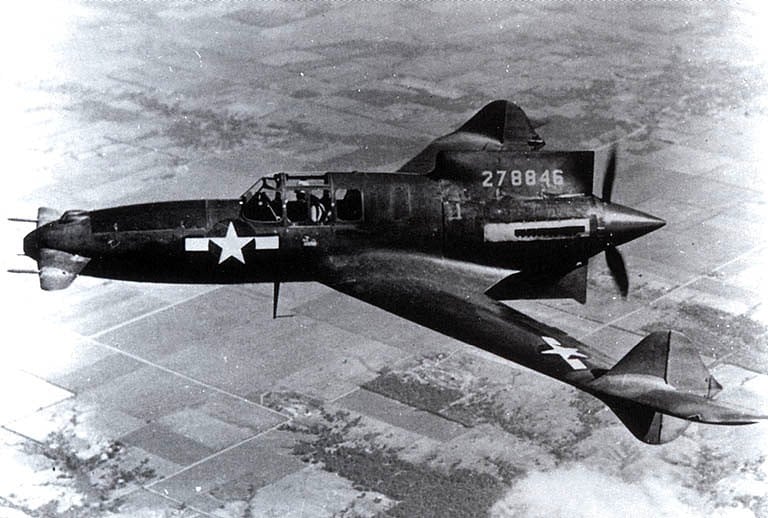
Pusher configuration and canard wings gave this fighter an unmistakable backwards appearance. The Army Air Forces hoped the unusual design would deliver superior performance against conventional fighters.
Test pilots discovered the XP-55 had a nasty habit of entering unrecoverable spins. Three prototypes were built, but handling problems ended development before production could begin.
Convair XC-99
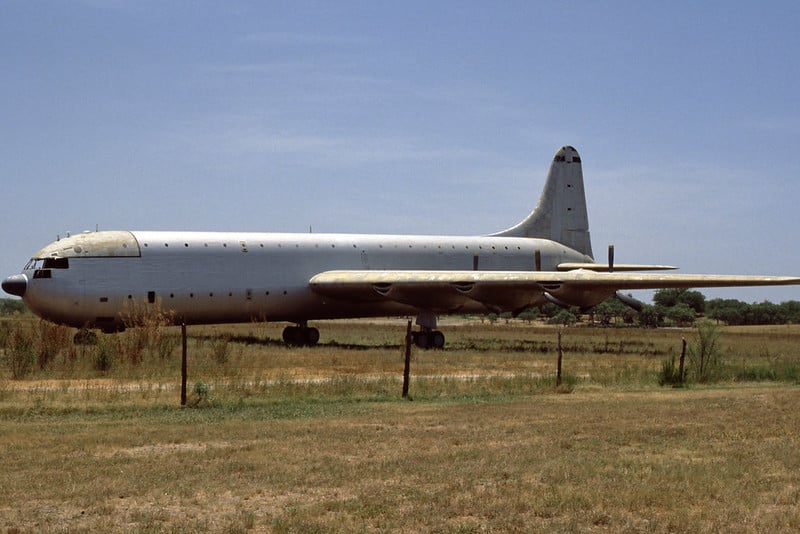
The largest piston-powered transport ever built stretched longer than a Boeing 747. This cargo hauler could carry 400 fully equipped troops or massive loads of equipment across continents.
Still, only one example was constructed. The advent of jet transports made this propeller-driven giant obsolete before it could enter service, and it spent decades as a museum display.
Heinkel He 280
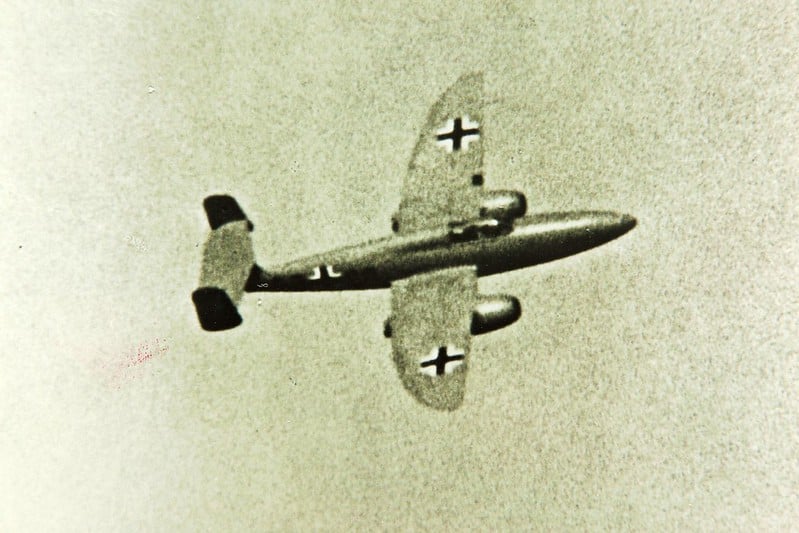
Germany’s first jet fighter beat the famous Me 262 into the air by nearly two years. The He 280 featured twin engines and an ejection seat, innovations that wouldn’t become common until much later.
Politics killed this promising design. Heinkel lacked political connections within the Nazi hierarchy, and resources went to Messerschmitt’s competing jet program instead.
Hughes H-4 Hercules
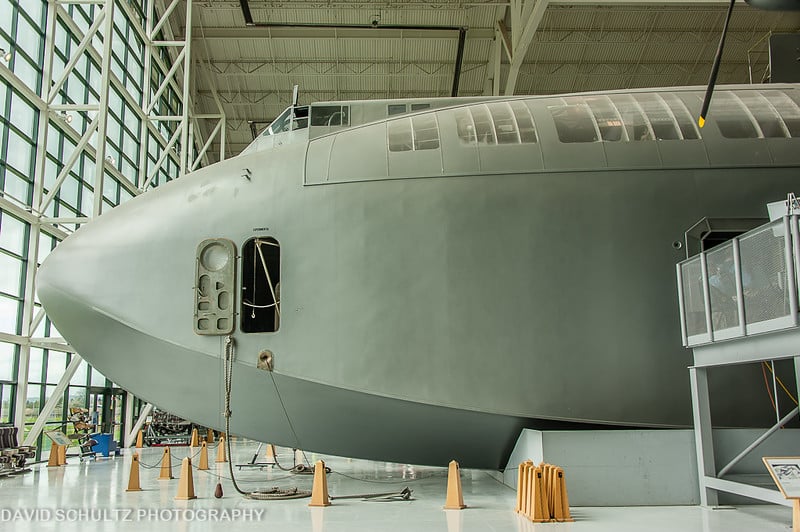
Howard Hughes built the largest flying boat in history to prove wooden aircraft could still serve military purposes. The massive transport featured eight engines and a wingspan longer than a football field.
One flight. That’s all the “Spruce Goose” ever achieved, lifting off Long Beach Harbor for less than a mile before settling back onto the water and never flying again.
Lockheed XFV-1 Salmon

Lockheed’s answer to the Convair Pogo used turboprop power for vertical flight operations. The aircraft took off and landed on its tail, with the pilot sitting upright during vertical phases.
Ground testing revealed serious control issues during the transition between vertical and horizontal flight modes. The program ended after minimal flight testing with just one prototype.
Northrop XP-79B Flying Ram

Metal construction and rocket power created the most unusual interceptor concept of World War II. The XP-79B was designed to ram enemy bombers, using reinforced leading edges to slice through wings and control surfaces.
The pilot lay prone inside the cramped cockpit. Test flights never reached the ramming phase, as the only prototype crashed during its maiden flight, killing the test pilot.
Chance Vought XF5U Flying Flapjack

The Navy’s follow-up to the V-173 promised production capability for the circular wing concept. This fighter version featured more powerful engines and military equipment.
But jet aircraft were already proving superior performance. The XF5U program ended just as prototypes neared completion, and the nearly finished aircraft were scrapped without ever flying.
Kalinin K-7
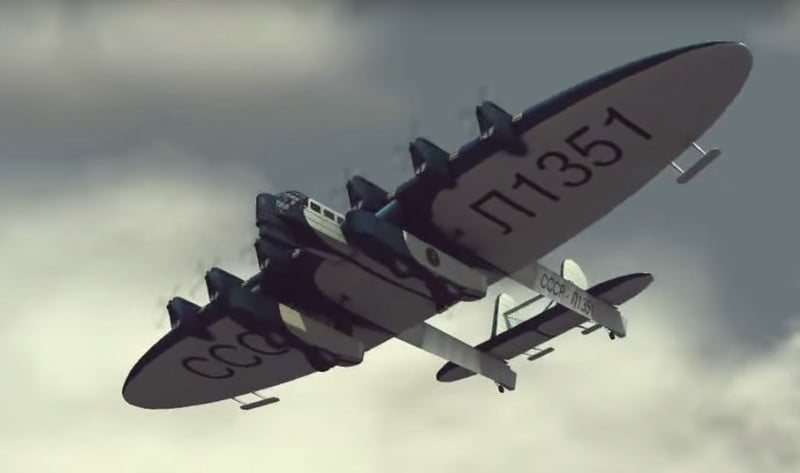
Soviet engineers created a flying fortress that dwarfed contemporary aircraft. The K-7 featured seven engines, massive guns, and space for paratroops or heavy bombs within its enormous wing structure.
Vibration problems plagued the giant from its first flight. The aircraft crashed during testing, killing 15 people and effectively ending Stalin’s dreams of airborne battleships.
When Innovation Meets Reality

These forgotten aircraft represent the experimental spirit that drives aviation forward, even when individual projects fail spectacularly.
More from Go2Tutors!

- 16 Historical Figures Who Were Nothing Like You Think
- 12 Things Sold in the 80s That Are Now Illegal
- 15 VHS Tapes That Could Be Worth Thousands
- 17 Historical “What Ifs” That Would Have Changed Everything
- 18 TV Shows That Vanished Without a Finale
Like Go2Tutors’s content? Follow us on MSN.