Photos Of the 15 Ugliest Buildings Critics Love to Hate
Buildings define city skylines, yet most passersby barely notice their look. Not all designs earn praise – some spark groans right away.
From opening day, certain ones collect mockery instead of photos. Awards or high price tags fail to silence the backlash.
Public opinion often labels them ugly, no matter the architect’s intent. Towering above others in infamy, these buildings often rank highest on global hate lists.
Their shapes provoke strong reactions, time after time. Not loved by crowds, they stand out for reasons few defend.
Public opinion tends to circle back to disliking them. Each design seems to carry a weight of criticism no matter the intent.
Few voices rise to praise what many find hard to accept.
The Ryugyong Hotel
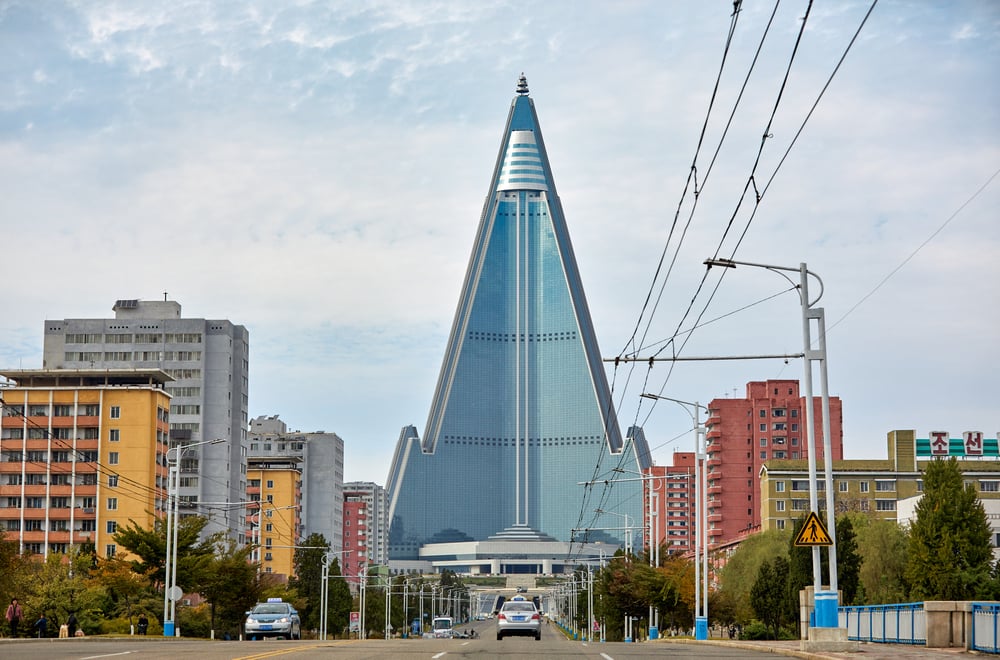
This towering shape in Pyongyang climbs more than a thousand feet upward, frozen mid-rise for ages. Work began back in 1987, then halted five years later without warning.
Since then, its skeleton stood bare, exposed to wind and time. Originally planned as a giant lodging spot meant for three thousand guests, it never opened doors.
Though crews attached shiny outer layers lately, the form feels misplaced among the city’s other buildings.
The Portland Building
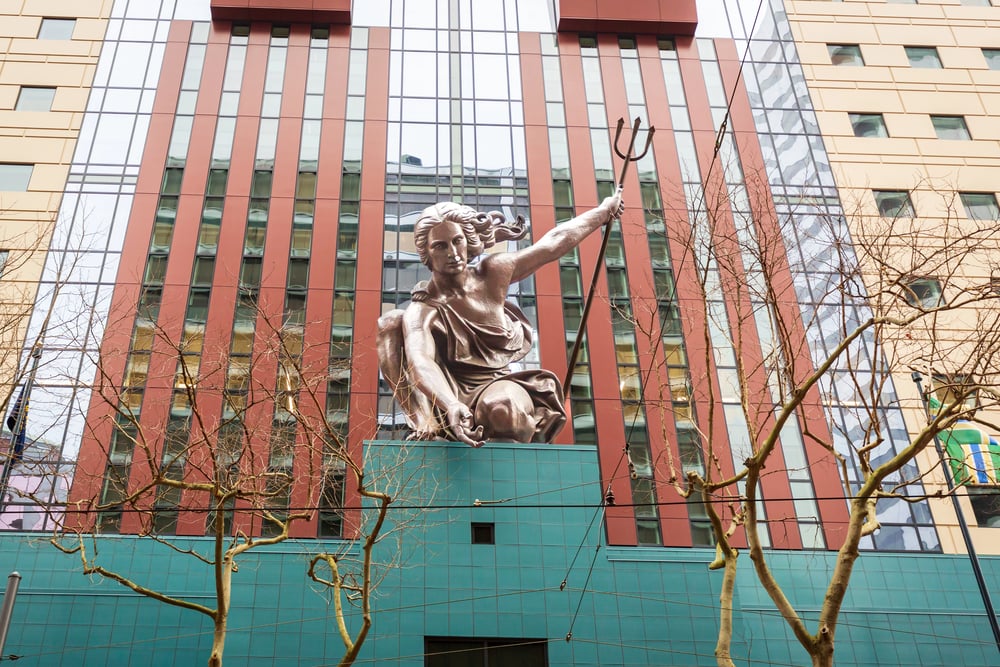
A funny thing happened in Portland, Oregon – this government office building showed up looking nothing like the rest. Opened in 1982, its shape stood out right away: stacked boxes painted bright colors, speckled with small windows placed where you’d least expect.
Michael Graves drew it that way on purpose, wanting something loud, memorable. Still, people weren’t sure what to make of it; some said it resembled playtime furniture instead of official space.
Over time, real issues popped up – the layout didn’t work well at all. So after years of complaints, cash poured in just to fix what was broken inside.
Boston City Hall
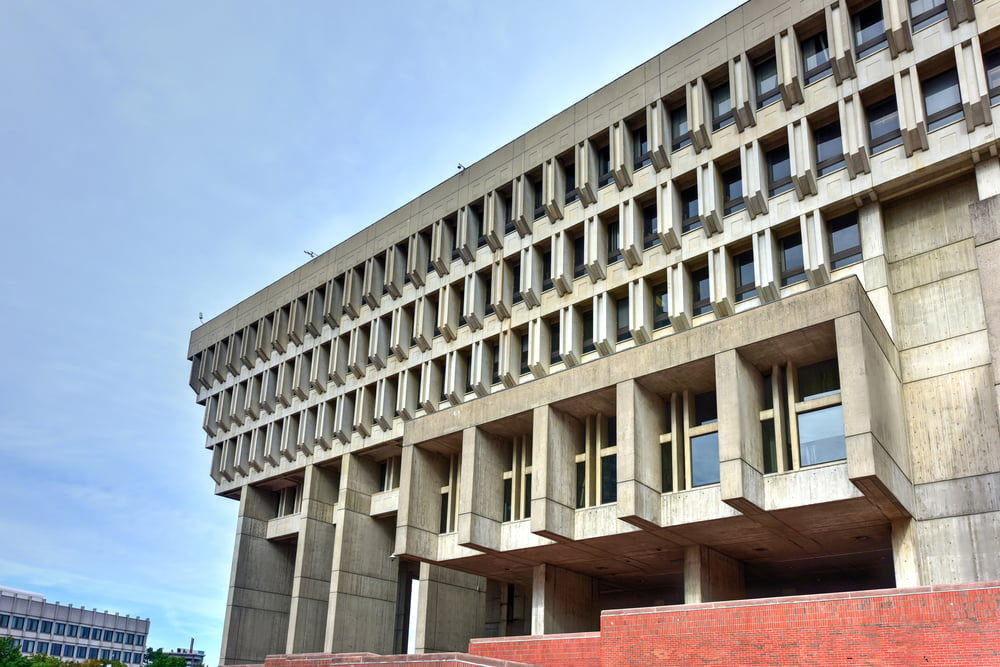
Opened in 1968, this chunk of concrete quickly earned the title of most disliked U.S. government structure. Built in the Brutalist fashion, it shows off raw concrete slabs, odd shapes, yet somehow resembles a multi-level car park rather than a seat of governance.
Though city planners have discussed demolition more than once, it remains upright – online surveys keep slotting it near the top of America’s least attractive buildings. Surrounding open space gives off a distant vibe, so arriving there often feels like stepping into an uninvited silence.
The Experience Music Project
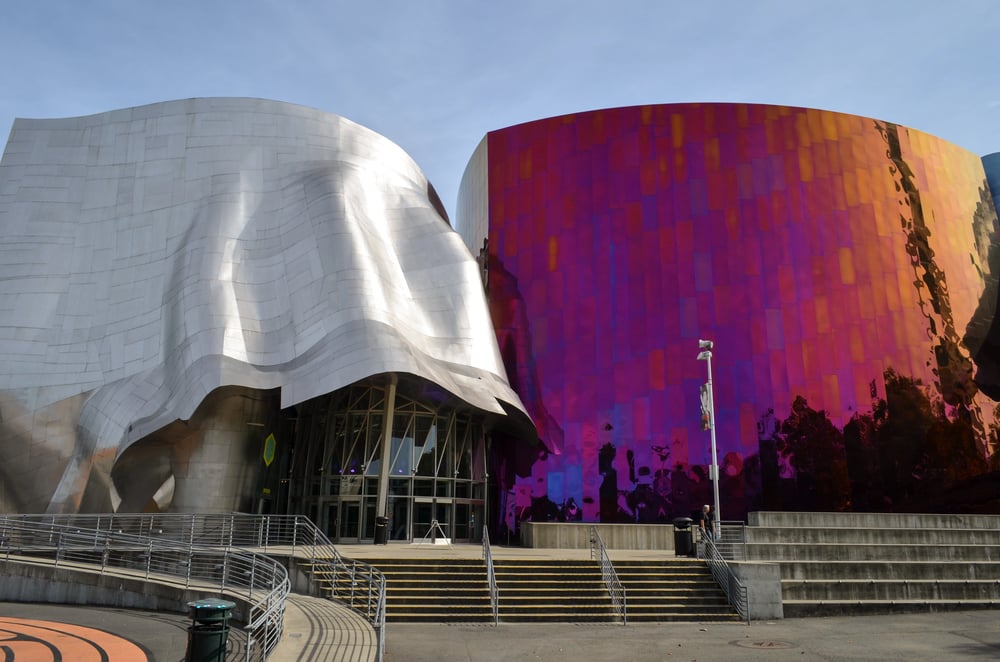
A giant swirl of shiny shapes sits close to the Space Needle, home to Seattle’s music museum, renamed MoPOP. Designed by Frank Gehry, its wild curves aim to capture how sound moves through air.
From the start, reactions split – some cheer its bold look, others groan at the chaos. More than a hundred million dollars paid to piece together those 21,000 sheets of colored metal.
Purple, gold, flashes of blue – they catch light differently each hour. While visitors often snap photos in wonder, locals sometimes glance away, unimpressed.
To some eyes, art. To others, an eyesore best ignored.
The Scottish Parliament Building
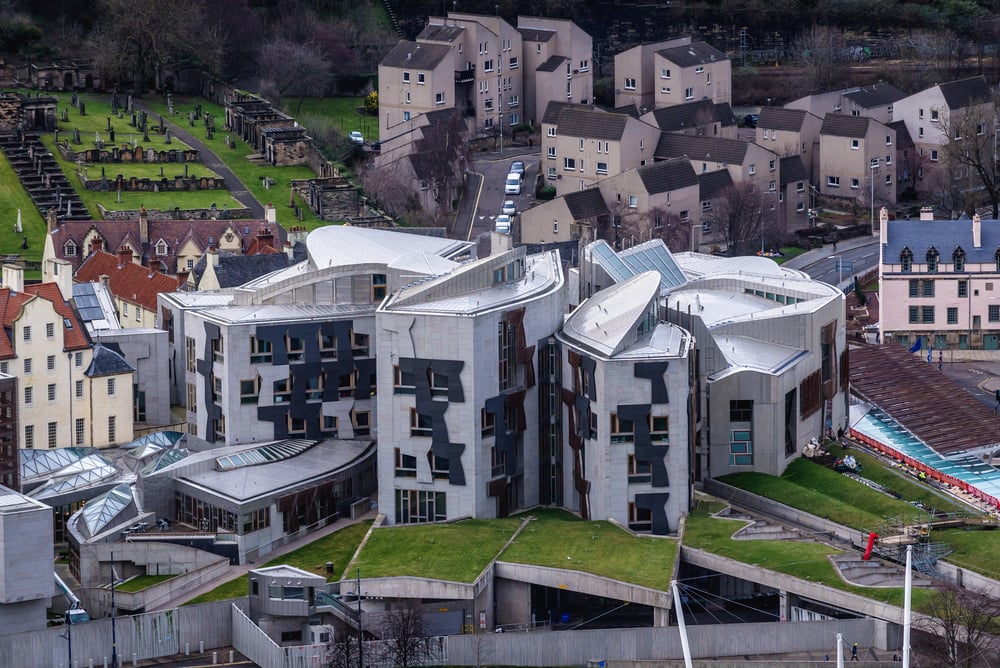
Opened in 2004, Edinburgh’s parliament arrived late, way past schedule. Costs started at $50 million but climbed – some say soared – to more than $600 million before completion.
Its look is sharp, angular, nothing like the old stone structures standing close by. Locals often point at its strange curves and tilted walls when talking about poor taste.
Windows appear where you’d least expect them; some face blank alleys, others sky only. Materials used feel foreign, almost defiant against centuries-old surroundings.
Rumor says Prince Charles once whispered it was an architectural tragedy. Years later, few argue otherwise.
People still frown walking past. That gap between what it meant to be and what people see remains wide open.
The Stata Center At MIT
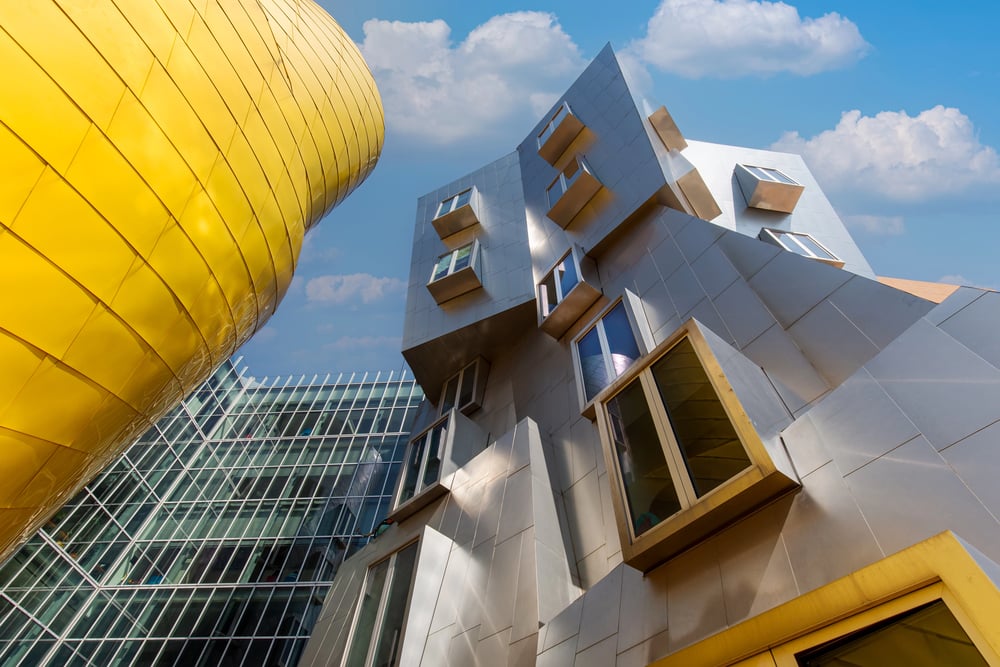
This academic building at MIT in Cambridge, Massachusetts looks like it might collapse at any moment. Frank Gehry designed it with walls that tilt at crazy angles, windows placed randomly, and a general sense of chaos.
MIT actually sued Gehry after the building opened because it had leaks, cracks, and drainage problems almost immediately. Students and faculty work inside it every day, but that doesn’t mean they enjoy looking at the jumbled exterior that resembles a pile of cardboard boxes.
The Longaberger Basket Building
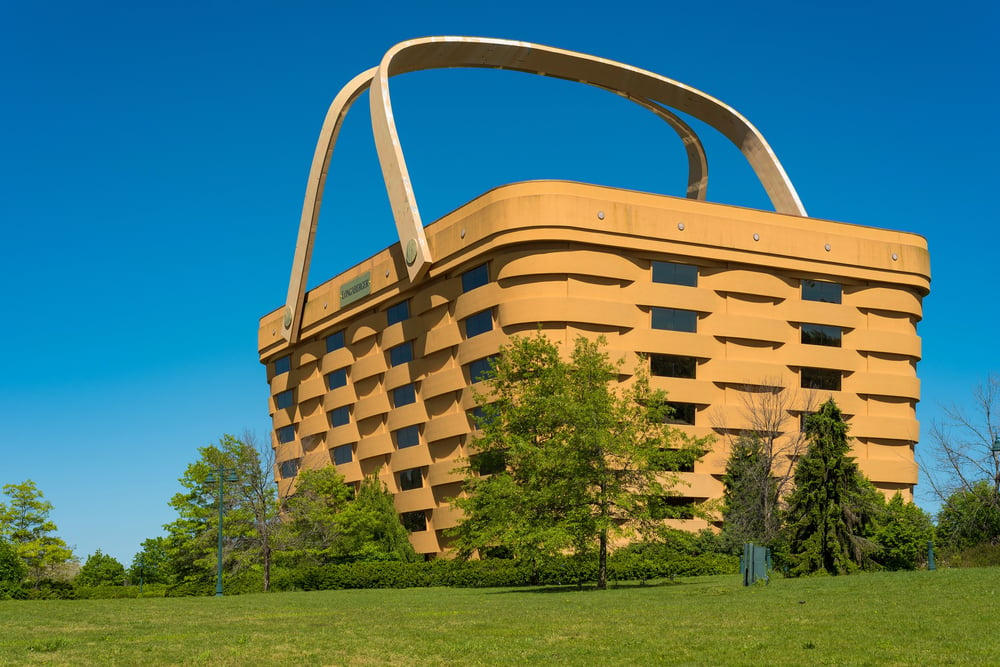
Ohio once had an office building shaped exactly like a giant basket, complete with handles. The Longaberger Company built their headquarters to look like their product, but the novelty wore off quickly for most people.
The building stood seven stories tall and weighed 9,000 tons, making it hard to ignore or forget. After the company went bankrupt, the basket building sat empty for years, and new owners eventually removed the famous handles because they were falling apart.
The Vdara Hotel
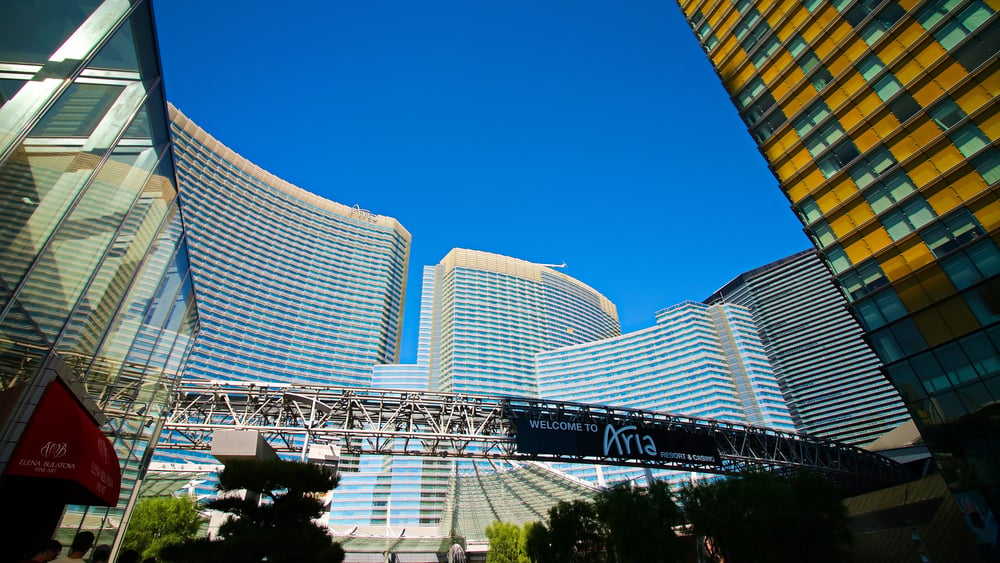
Las Vegas hotels usually go for over-the-top designs, but the Vdara became famous for actually burning people. The curved glass building reflected sunlight so intensely that it created a “death ray” that melted plastic and singed hair around the pool.
Beyond this design flaw, critics also found the gold-tinted curved tower just plain ugly. The hotel had to install umbrellas and films on windows to fix the problem, but the weird curved shape still draws complaints.
The National Library Of Kosovo
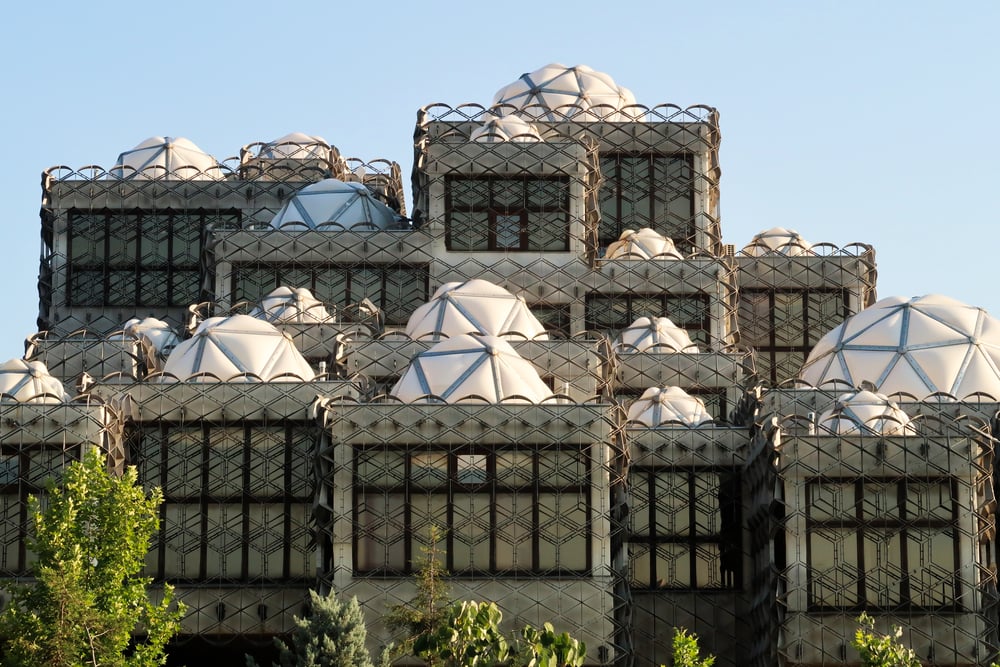
This building in Pristina looks like someone wrapped a regular library in chain-link fencing and fishing nets. The architect won awards for the 1982 design, but most people who see it think it looks unfinished or like a construction site.
The domes on top covered in metal mesh don’t help the appearance. Inside, the library works fine, but the outside remains one of the most photographed examples of buildings that just don’t work visually.
The Fusionopolis Buildings
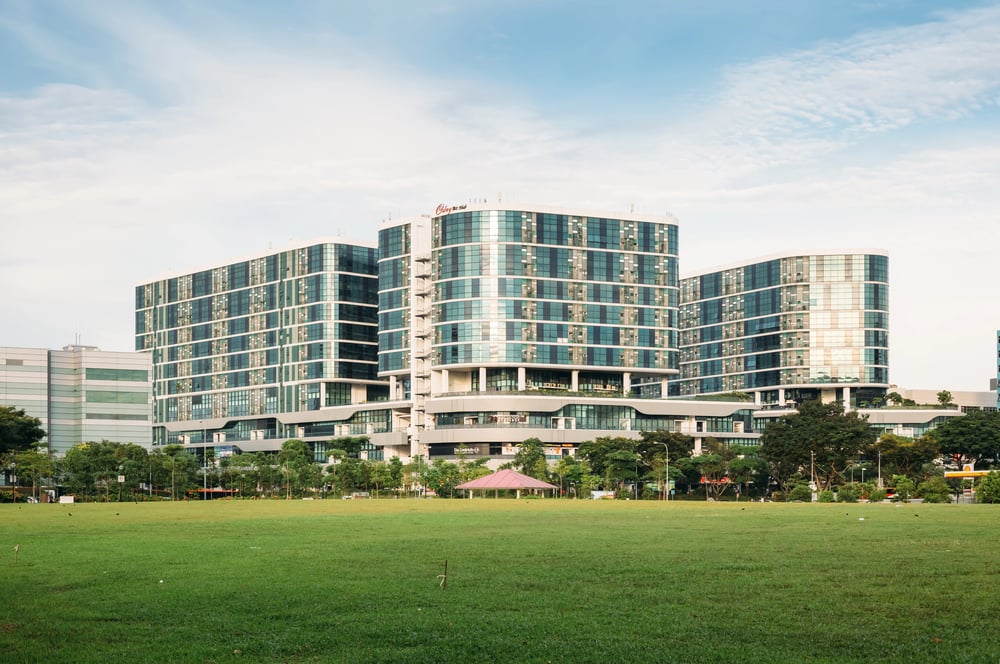
Singapore’s research complex features two buildings covered in circles, dots, and perforations that make them look like giant cheese graters. The colorful panels and endless repetitive patterns overwhelm the eye and clash with nearly everything around them.
Architects probably thought the design looked futuristic and exciting, but the result feels more chaotic than innovative. The buildings house important research facilities, which makes their loud, distracting exteriors even more puzzling.
The Centre Pompidou
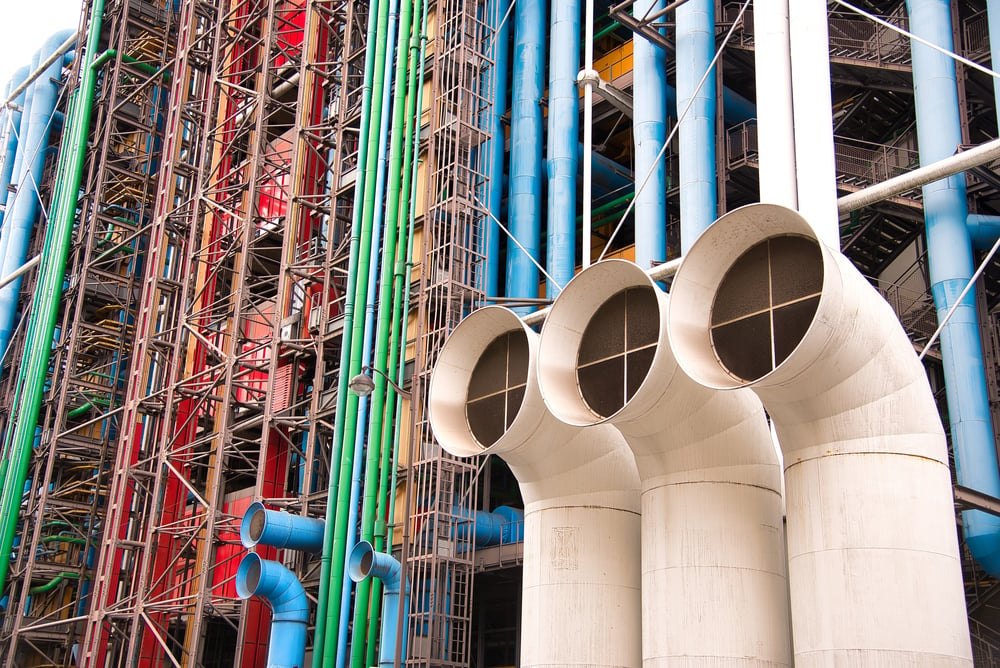
Paris shocked the world when this building opened in 1977 with all its guts on the outside. Pipes, ducts, escalators, and structural elements that normally hide inside got painted bright colors and put on display.
Many Parisians hated it immediately, calling it an eyesore that ruined the historic neighborhood. The building has grown more accepted over time, but plenty of people still think it looks like an oil refinery dropped in the middle of beautiful Paris.
The Elephant Building
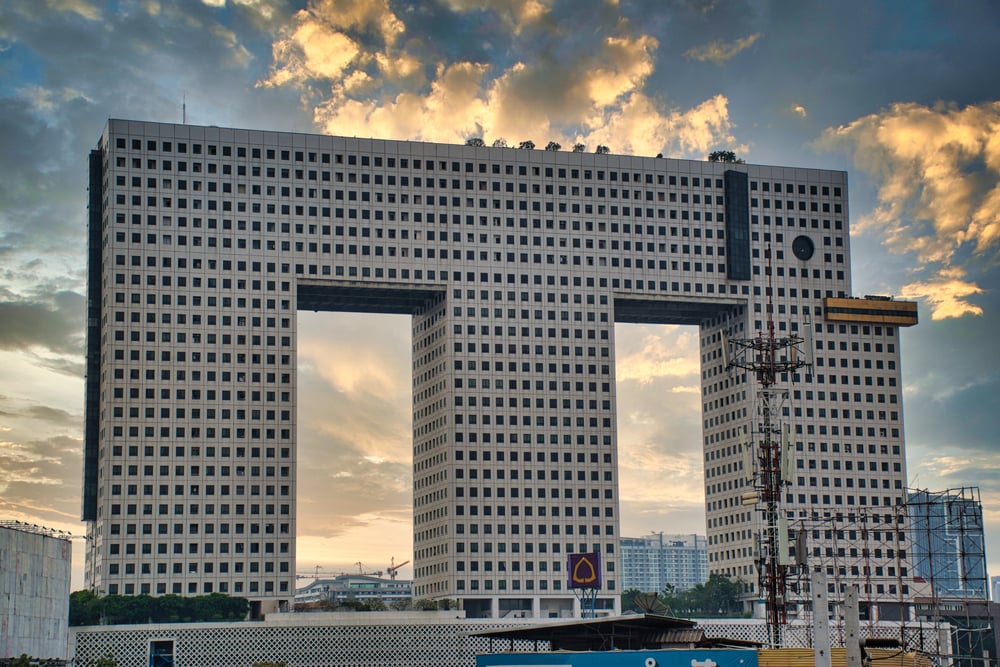
Bangkok’s Elephant Tower actually looks like three elephants standing together, complete with trunks and tusks. The 32-story residential building won awards for creativity but also gets mocked regularly for being too literal and cartoonish.
Living in an apartment shaped like an elephant sounds fun until you realize your windows might be in a weird spot because of the design. The building has become a tourist attraction, though whether people come to admire it or laugh at it remains unclear.
The Walkie Talkie
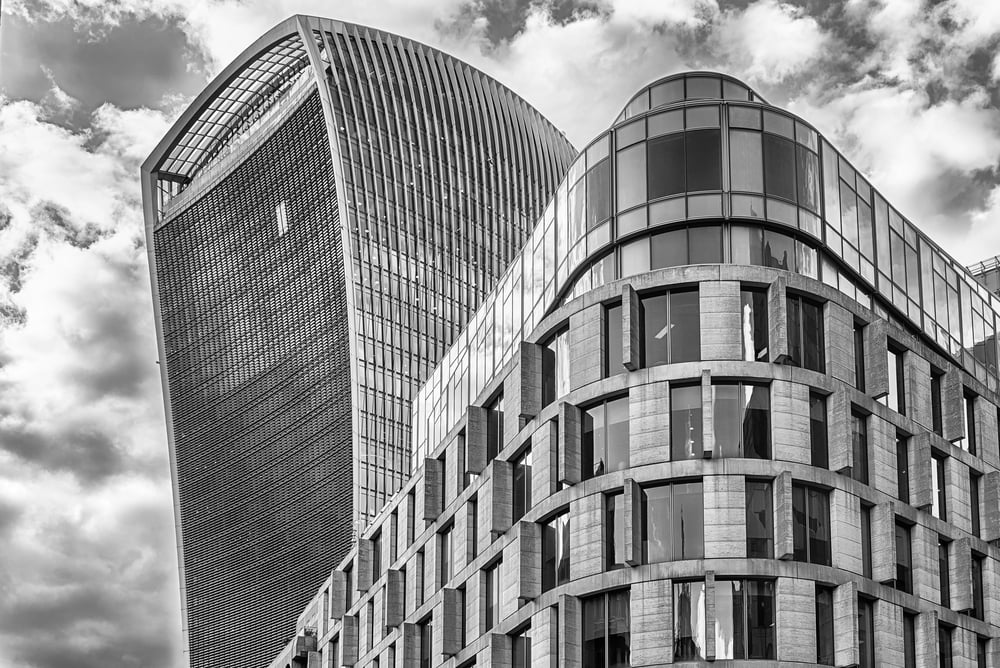
London’s 20 Fenchurch Street got nicknamed the Walkie Talkie because of its bulging, top-heavy shape. The building also earned the name “Fryscraper” after its curved glass melted a Jaguar parked on the street below.
Critics hated the design from the start, saying it looked like a bloated rectangle that ruins London’s skyline. The observation deck on top brings in visitors, but that doesn’t make the awkward shape any less strange when viewed from street level.
The Wedding Cake House
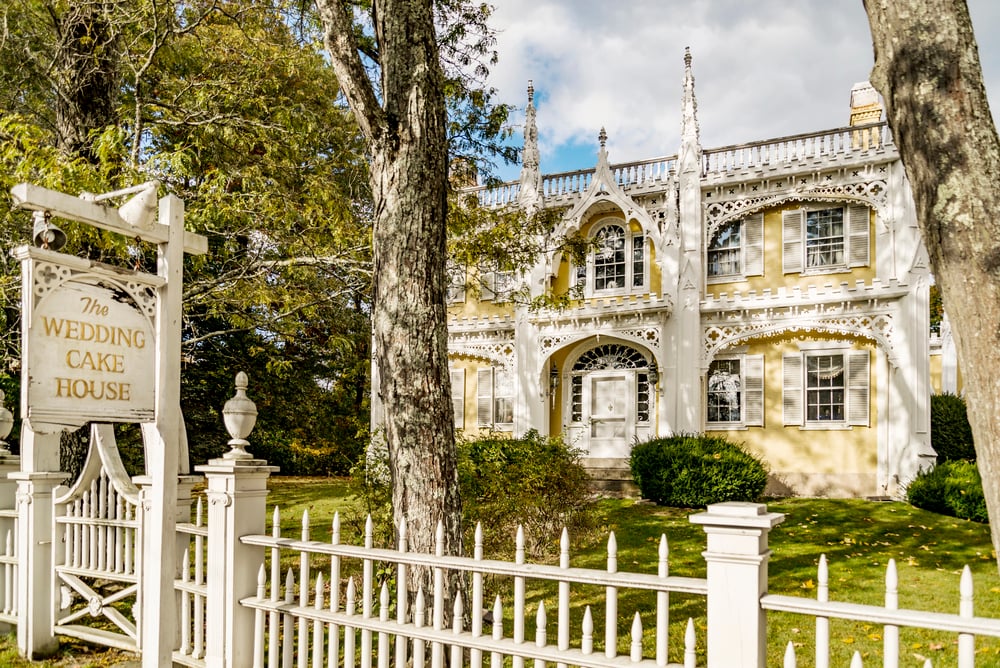
Located in Natchez, Mississippi, this historic home gets its nickname from the excessive white decorative trim that covers every surface. Built in 1858, it represents Victorian architecture taken to an extreme that many find overwhelming.
The ornate details go so far that the house stops looking elegant and starts looking cluttered. Tour guides talk about the house’s history, but they can’t deny that the overwhelming white frosting-like decorations make it polarizing.
The Boatbuilding In Guangzhou
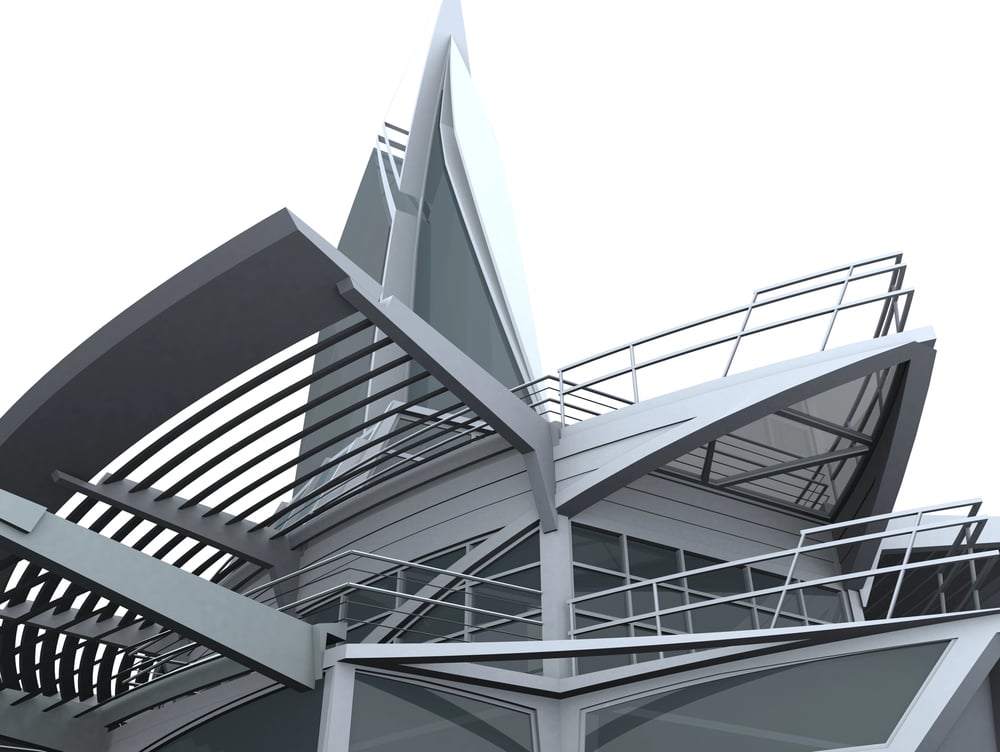
This office building in China looks exactly like a giant ship that somehow ended up on dry land. The designers probably thought the nautical theme made sense for a building near water, but the execution ended up looking like a cruise ship crashed into the city.
The details like portholes and deck-like levels might have worked on a smaller scale, but at full building size, they just look strange. Workers inside report the office space functions normally, but that doesn’t help the odd exterior.
When Architecture Goes Wrong

These buildings prove that expensive materials and famous architects don’t guarantee results people will love. Some of these structures won awards while others got built despite warnings from critics who saw problems coming.
They remain standing today, forcing people to live with design choices that seemed better on paper than in reality. Whether these buildings eventually gain appreciation or get torn down, they serve as reminders that not every creative vision should become a permanent part of the cityscape.
More from Go2Tutors!

- The Romanov Crown Jewels and Their Tragic Fate
- 13 Historical Mysteries That Science Still Can’t Solve
- Famous Hoaxes That Fooled the World for Years
- 15 Child Stars with Tragic Adult Lives
- 16 Famous Jewelry Pieces in History
Like Go2Tutors’s content? Follow us on MSN.