Prohibition-Era Tricks for Hiding Liquor
The Volstead Act took effect in January 1920 and outlawed the manufacture, sale and transport of intoxicating liquor. It did not outlaw drinking, and Americans noticed the difference almost immediately.
For the next thirteen years, a country of amateur smugglers, inventive bartenders and obliging pharmacists set about finding every gap the law had left open. Some of their methods were ingenious. Others were lethal.
Nearly all of them left a paper trail, a photograph or a court record behind.
The Hip Flask Curved to Fit a Pocket
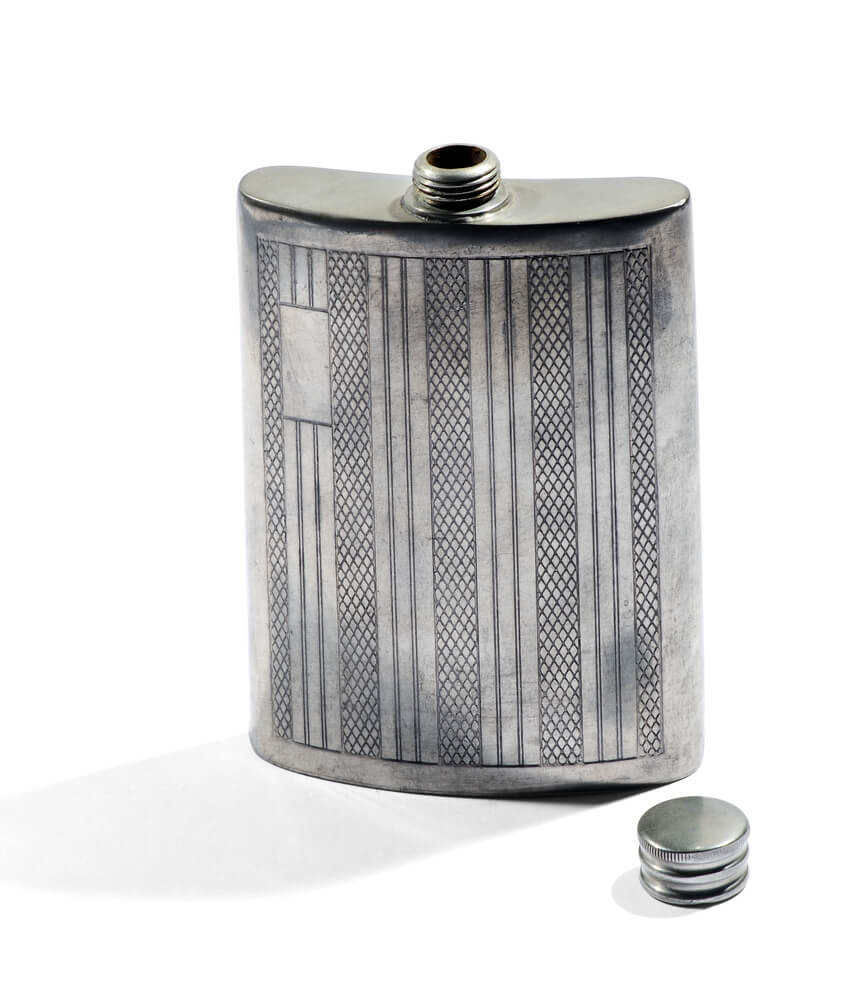
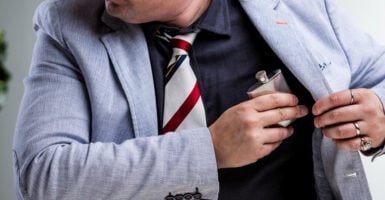
Nothing in the Volstead Act made it a crime to swallow liquor, only to make, sell or move it, so the safest place for a drink was inside a coat. Flasks of silver, pewter and glass were shaped with a gentle curve to sit flat against the hip or thigh, and jewelers and department stores sold them openly because an empty flask broke no law.
They turned up at college games, theaters and dance halls throughout the 1920s. Carrying a full one was technically illegal transport, but agents with distilleries and border crossings to watch rarely bothered with a single pocket.
Tippling Canes With a Glass Vial Inside
Walking sticks had concealed blades and snuff for generations, and Prohibition gave the idea a new purpose. A tippling cane unscrewed at the handle to reveal a long glass tube, often with a thimble-sized cup tucked beside it, holding enough whiskey for a few discreet rounds.
A 1922 photograph in the Library of Congress shows a woman seated at a soda fountain table calmly pouring from her cane into a cup. The device suited the decade, since a cane drew no attention on a city sidewalk and could be carried past a doorman or a patrolman without a second look.
Flasks Tucked Into Russian Boots
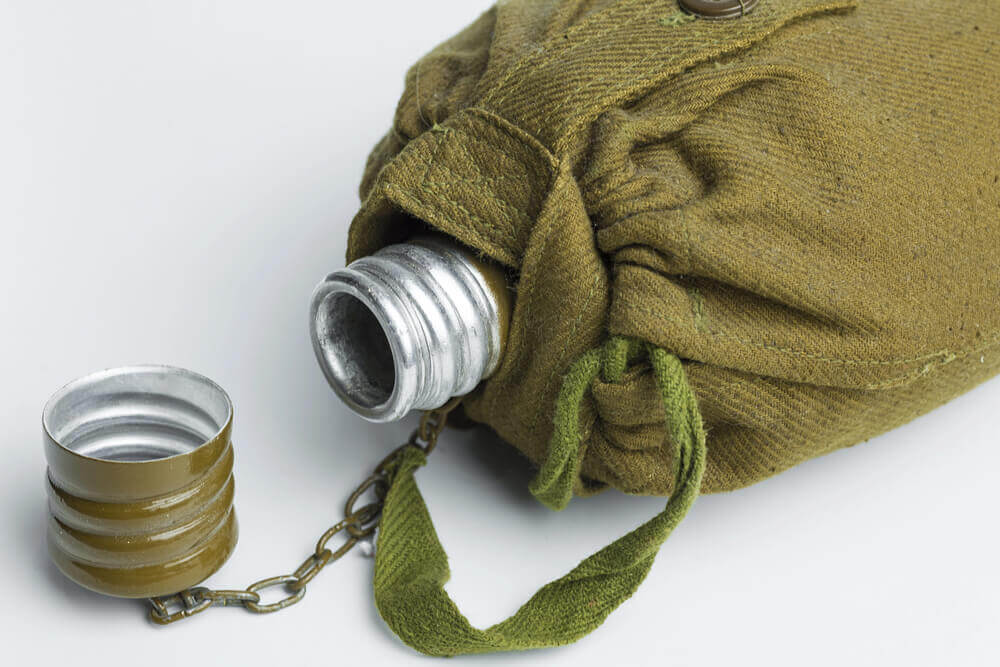
Women’s fashion did its share of smuggling. The loose, high-topped Russian boot became popular in the early 1920s, and a 1922 photograph taken in Washington shows a woman sliding a slim flask into the top of one.
Garter flasks, strapped above the knee under a skirt, worked on the same principle and counted on the reluctance of male agents to search a woman. The word bootlegger is older than Prohibition and is usually traced to the 1880s, when traders in the Midwest were said to hide flasks in their boot tops.
The 1920s simply gave an old word a much larger workforce.
Hollow Books on the Parlor Shelf

Section 25 of the Volstead Act barred agents from searching a private dwelling unless they had evidence that liquor was being sold there. That protection made the home the safest hiding place in the country, and novelty makers responded with flasks disguised as bound books that sat unnoticed among real volumes.
The law also allowed households to keep and drink liquor acquired before Prohibition began, so a well-stocked cellar was legal as long as nothing in it was new. Hollowed books and false spines covered the gap between what a family had lawfully stored and what had quietly arrived since.
Gin Served in Teacups
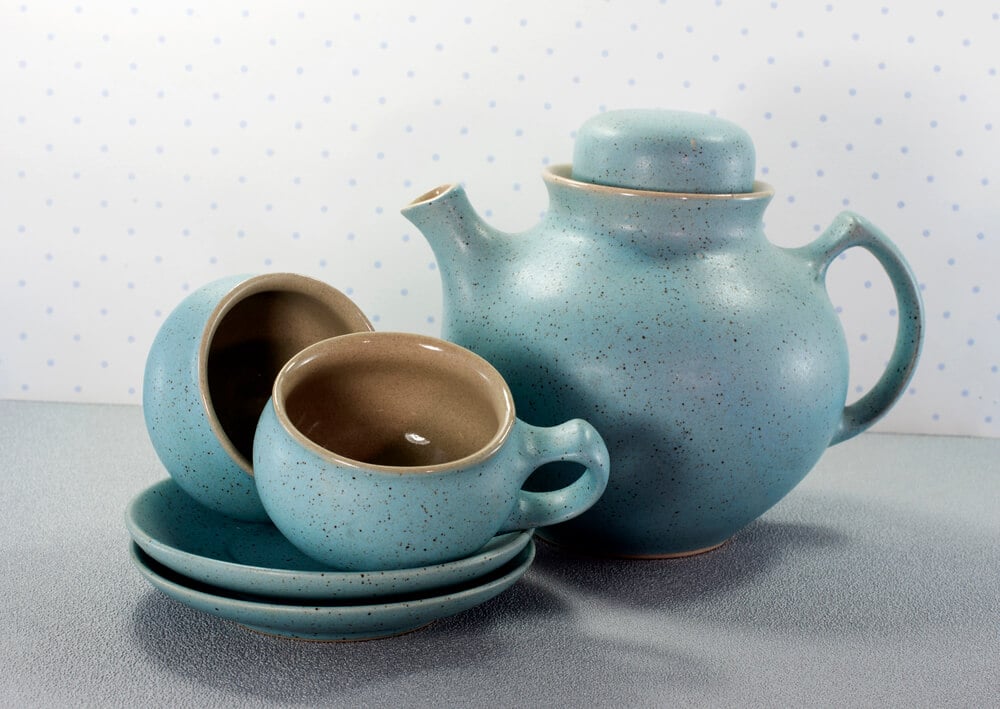
Speakeasies learned early that glassware gave the game away. Many served gin and whiskey in china teacups or coffee mugs, so that a table glimpsed through a window or by an agent at the door suggested nothing stronger than a late supper.
Bottles stayed out of sight behind the bar or in a back room, and a raid often turned on whether agents could seize an actual sample before it went down a drain. New York police commissioner Grover Whalen offered an often-quoted estimate of 32,000 speakeasies in the city by the end of the 1920s, well above the count of legal saloons before the law.
Sliding Panels, Passwords and Membership Cards

A locked door with a small sliding panel at eye level became the standard entrance to an illegal bar. A doorman looked the visitor over and asked for a password, a familiar name or a printed membership card, and many speakeasies styled themselves as private clubs for exactly that reason.
The screening was aimed at federal agents more than police, especially in New York, where the state repealed its own enforcement law, the Mullan-Gage Act, in 1923 and left the job to a thin force of federal men. The delay at the door also bought time for staff inside to clear the tables.
A Cellar Door Opened With a Meat Skewer
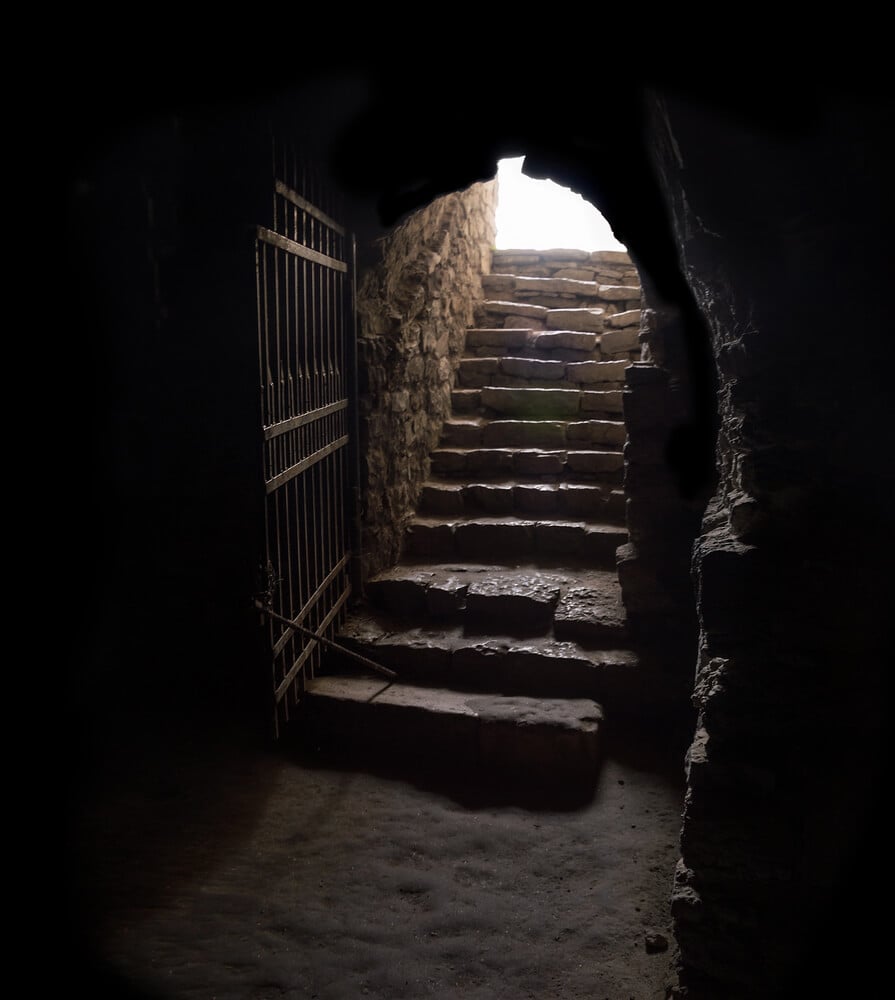
Jack Kriendler and Charlie Berns opened their club at 21 West 52nd Street in Manhattan on January 1, 1930, and built it to survive raids. Shelves behind the bar tipped on a system of levers, sweeping bottles down a chute toward the city sewer.
The wine cellar sat behind a door disguised as part of the basement wall and said to weigh about two and a half tons, which swung open only when a long meat skewer was pushed into one particular crack. The cellar itself lay under the building next door at number 19, so staff could say there was no liquor on the premises.
Paying to See a Blind Pig

The blind pig was a trick older than national Prohibition, born in states that had gone dry in the nineteenth century. A saloonkeeper charged admission to view some curiosity, a pig or another animal, and then handed each customer a complimentary drink, arguing that no liquor had been sold.
Courts were rarely persuaded, but the name stuck to any unlicensed drinking room, along with its cousin the blind tiger. Detroit used the term more than most cities.
Michigan went dry in 1918, more than a year ahead of the country, and by the 1920s its blind pigs were counted in the thousands.
Whiskey by Prescription
Liquor remained legal as medicine. A physician holding a federal permit could write a prescription on a numbered government form, and a pharmacist could fill it with whiskey, generally limited to one pint per patient every ten days.
Congress tightened the rules with the Willis-Campbell Act of 1921, which barred doctors from prescribing beer. A small number of distilleries held licenses to keep bottling for the drugstore trade.
Walgreens expanded from about 20 stores to several hundred during the decade, growth often linked to medicinal whiskey, though the company has long credited its milkshakes and historians dispute how much liquor had to do with it.
George Remus and the Stolen Shipments He Owned
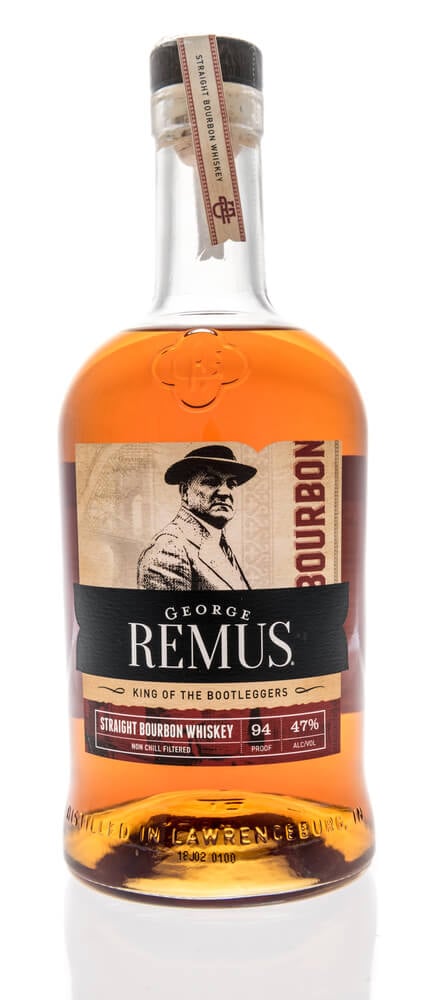
George Remus, a Chicago lawyer and trained pharmacist, moved to Cincinnati as Prohibition began because so much of the nation’s bonded whiskey sat in warehouses within easy reach. He bought distilleries outright, along with drug companies entitled to withdraw whiskey for medicinal sale, which made each barrel that left a warehouse look lawful on paper.
His own men then diverted the cargo to a farm outside the city, where it vanished into the illegal market. Federal prosecutors convicted him of Volstead Act violations in 1922, and after his appeals failed he served a two-year sentence in the federal penitentiary in Atlanta.
By then the scheme had made him one of the richest bootleggers in the country.
Sacramental Wine for Congregations That Did Not Exist
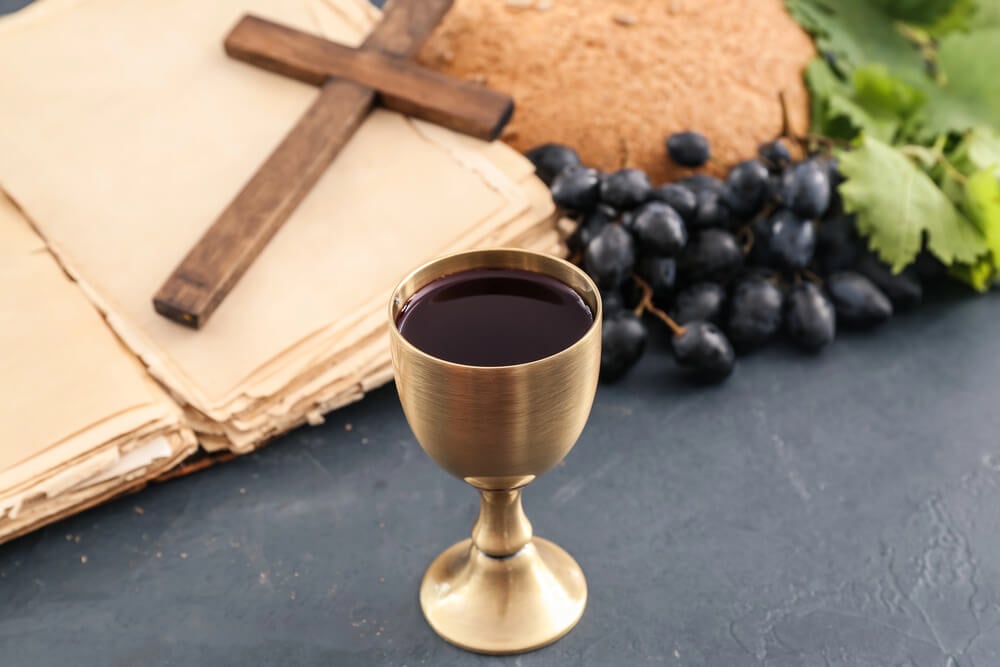
Wine for religious rites was exempt from the Volstead Act, and clergy could obtain it through federal permits. The exemption kept a few wineries alive, among them Beaulieu Vineyard in Napa Valley, where Georges de Latour built a prosperous business supplying altar wine to Catholic dioceses.
It also invited fraud. Investigators found men posing as rabbis and ministers, congregations whose membership rolls had been invented or inflated, and permit wine resold by the case to customers with no interest in worship.
Regulators responded with tighter permit rules and closer scrutiny of the lists, which narrowed the leak without ever closing it.
Grape Bricks That Came With a Warning

Section 29 of the Volstead Act let households make fruit juice at home, and federal rules set the allowance at 200 gallons a year. California growers took the hint and sold blocks of compressed grape concentrate.
One brand, Vino Sano, is remembered for its label, which cautioned buyers against dissolving the brick in a gallon of water and leaving the jug in a cupboard for about three weeks, because it would turn into wine. A larger venture, Vine-Glo, was launched by the growers’ group Fruit Industries in 1929 and offered eight wine-style varieties before an unfavorable federal court ruling ended production in 1931.
Malt Syrup From the Brewers
Home wine had legal cover. Home beer did not, yet the ingredients for it were sold in grocery stores across the country.
Breweries that could no longer sell lager turned to canned malt syrup, a thick extract of barley often flavored with hops, and Anheuser-Busch put the Budweiser name on its version. The product was marketed as a baking and cooking ingredient, a claim few took seriously given how little bread anyone baked with hopped malt.
A can, some sugar, yeast and a stoneware crock produced several gallons of rough beer, and shops selling crocks, cappers and bottles opened in many towns.
Near Beer With a Needle in the Keg
Brewers were allowed to sell cereal beverages containing less than one half of one percent alcohol, and brands such as Bevo from Anheuser-Busch filled that niche. Making near beer meant brewing ordinary beer first and then removing the alcohol, which left a brewery holding a legal product and a great deal of temptation.
Speakeasy owners restored the missing strength themselves. Needle beer was made by injecting raw alcohol through the bung of a keg with a large syringe, a job done after delivery so the barrel passed any inspection on the road.
Drinkers complained about the taste and ordered it anyway.
Bathtub Gin and the Mixers That Masked It
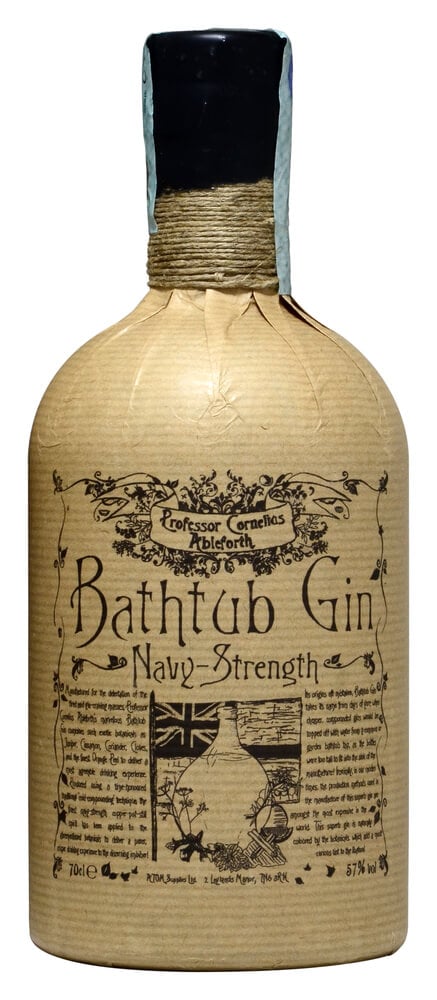
Much of the gin poured in the 1920s never saw a still. Bootleggers and home drinkers cut industrial or grain alcohol with water, then added glycerin and juniper oil to imitate the real thing.
The popular explanation for the name is that the jugs used for mixing were too tall to fill under a kitchen tap, so the bathtub faucet did the work. The result was harsh, which is one reason drinks heavy with fruit juice, honey, cream and ginger ale flourished during the decade.
The Bee’s Knees, sweetened with honey and lemon, is commonly said to have been designed to cover the flavor.
Industrial Alcohol With the Poison Cooked Out
Factories still needed alcohol for paint, fuel and solvents, and the government required it to be denatured with foul or toxic additives. Bootleggers stole it in bulk and hired chemists to redistill it into something drinkable.
In 1926 federal officials ordered tougher formulas containing more methyl alcohol, which was far harder to remove. The consequences arrived quickly.
About sixty New Yorkers were taken to Bellevue Hospital over the Christmas holiday that year and more than twenty died within days, and the city’s chief medical examiner, Charles Norris, publicly blamed the federal policy. The denaturing program continued, and so did the redistilling, with results that depended on a chemist’s skill.
Jamaica Ginger and the Additive That Fooled the Test
Jamaica ginger extract, known as jake, was a patent medicine sold in small bottles that happened to be mostly alcohol. To keep it from being drunk, the government required so much ginger solid that the liquid was painfully bitter.
In 1930 two Boston suppliers, Harry Gross and Max Reisman, replaced part of the ginger with a plasticizer called tri-ortho-cresyl phosphate, which passed the official test and tasted of almost nothing. It was also a nerve poison.
Tens of thousands of drinkers, many of them poor men in the South and Midwest, lost the use of their legs, a condition recorded in blues songs as jake leg.
Cow Shoes for Moonshiners
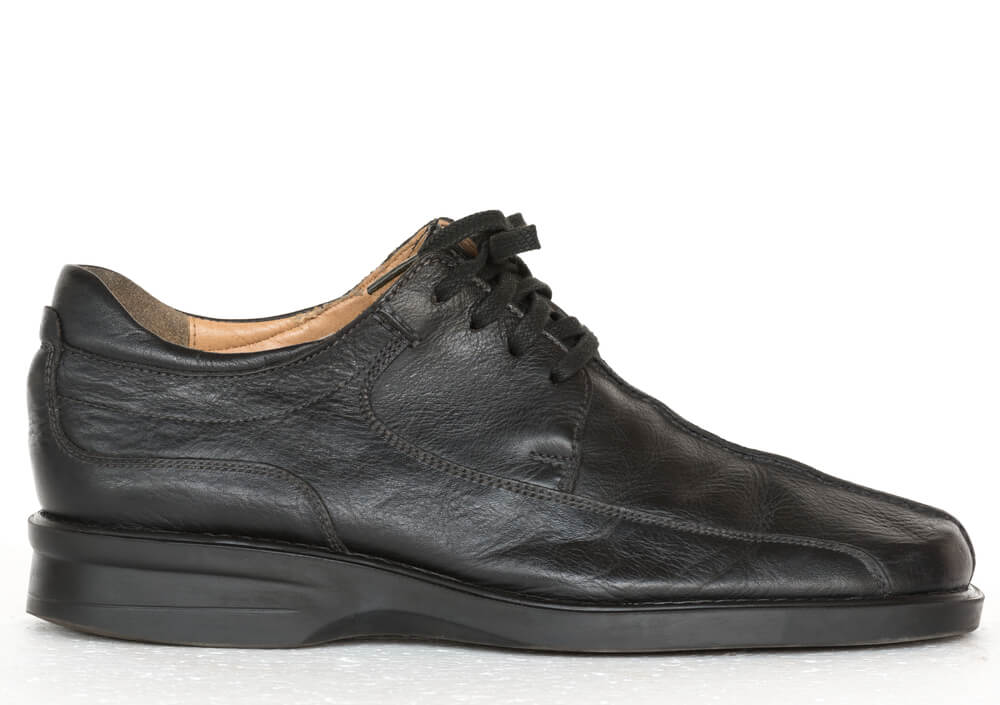
Revenue agents in the backcountry found stills by following footprints, so some moonshiners changed the prints. A cow shoe was a strip of metal with a carved wooden block fixed underneath, shaped like a hoof and strapped to a man’s boot.
Tracks leading to a hidden still then resembled the wanderings of cattle. A Florida newspaper reported in 1922 that officers had seized one near Port Tampa and suggested the idea had been borrowed from a Sherlock Holmes story.
A 1920s photograph of a seized cow shoe survives in the Library of Congress, one of the stranger exhibits of the period.
Rum Row Beyond the Three Mile Limit
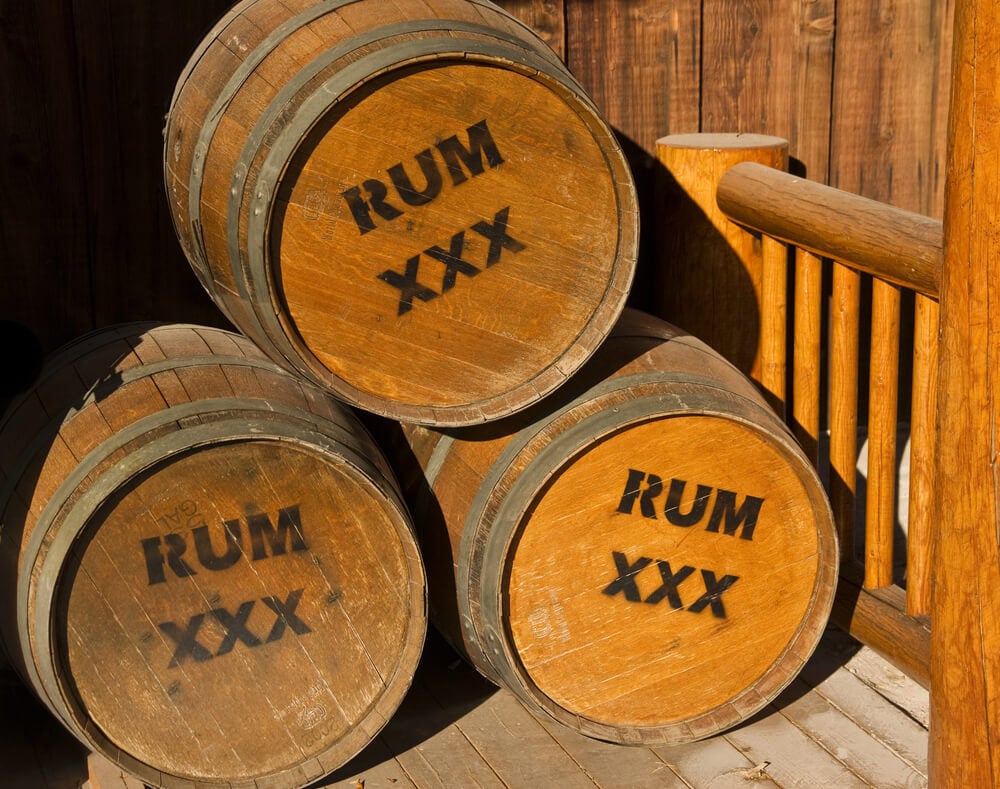
American authority at sea ended three miles from shore, so liquor ships simply anchored just outside it. Lines of schooners and steamers loaded in the Bahamas, Canada and Europe sat off New York, New Jersey and New England, selling by the case to small boats that ran the cargo in after dark.
The best-known skipper, Bill McCoy, worked the schooner Tomoka until the Coast Guard cutter Seneca seized her in November 1923. Washington then signed a treaty with Britain in January 1924 allowing searches within an hour’s sailing of the coast, roughly twelve miles.
Rum Row moved farther out and kept trading.
Burlap Hams in Place of Wooden Crates
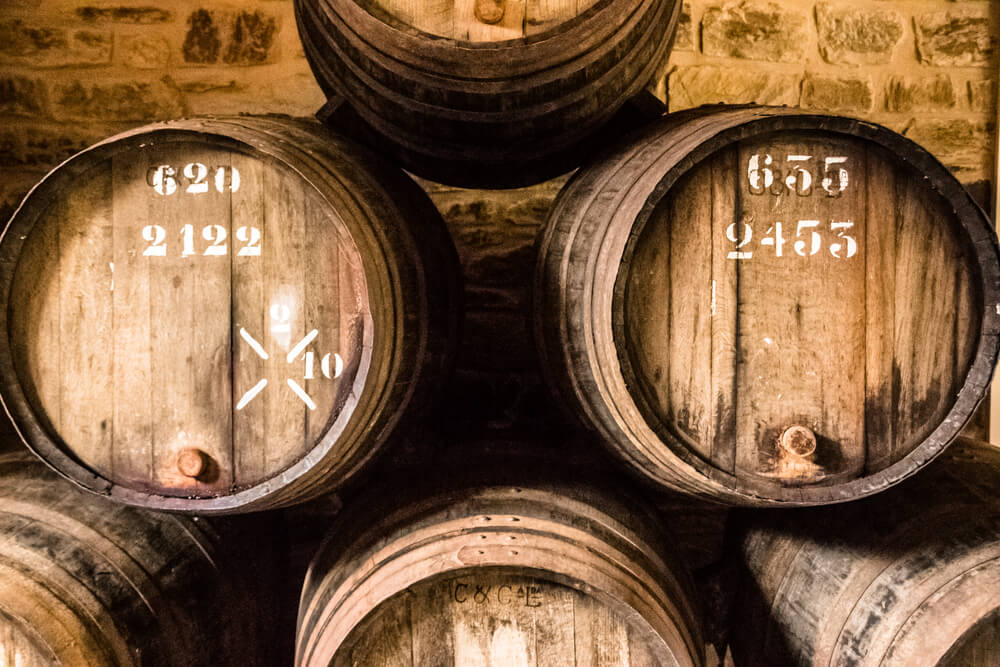
Wooden whiskey cases were bulky, noisy and impossible to explain. Bill McCoy is often credited with the replacement, a package of six bottles padded with straw, stacked in a pyramid and sewn tightly into burlap.
Smugglers called the bundles hams or burlocks. They took up far less room in a schooner’s hold, could be tossed from deck to deck without breaking, and sank quietly if thrown overboard during a chase.
McCoy also had a reputation for selling liquor that had not been watered down, one of several disputed explanations offered for the phrase the real McCoy. The phrase is older than his career.
Cargo Cleared for Islands It Never Reached

Exporting liquor from Canada was legal for much of the 1920s, provided the paperwork named a destination where drinking was lawful. The French islands of St. Pierre and Miquelon, off the coast of Newfoundland, became a favorite address.
Canadian and European whiskey, rum and champagne poured into warehouses there and left again on vessels bound for Rum Row. On the Detroit River the same fiction worked on a smaller scale, with open boats cleared from Ontario docks for Cuba and back within the hour.
Canada moved to close its export docks to such traffic in 1930, under steady pressure from Washington.
Driving Across the Frozen Detroit River

Detroit sat less than a mile from the Ontario shore, where distilleries and breweries operated legally. In summer, speedboats crossed in minutes.
In winter, smugglers drove old cars across the ice of the river and Lake St. Clair, by many accounts with a door left open so the driver could jump clear if the surface gave way. Others dragged loaded sleds behind them.
By some estimates, which are impossible to verify, three quarters of the liquor smuggled into the country during Prohibition came through this corridor. The Ambassador Bridge opened in 1929 and the Detroit-Windsor Tunnel in 1930, giving smugglers two more routes to try.
Fast Cars With False Floors and Stiff Springs

On land, the hiding place was often the car itself. Mechanics built false floors, hollow seats and extra tanks into ordinary-looking sedans, then fitted heavy rear springs so a full load would not make the vehicle sag and give itself away.
Engines were tuned to outrun pursuit on mountain roads at night. The trade did not end with repeal, since many Southern counties stayed dry and untaxed whiskey kept its market.
Several early stock car drivers learned their craft hauling moonshine, among them Junior Johnson of North Carolina, who was convicted in 1956 for working his family’s still and pardoned by President Ronald Reagan three decades later.
Thirst and the Limits of a Law
The Eighteenth Amendment assumed that closing the saloons would end the demand behind them. Instead it moved the trade into coat pockets, drugstores, church cellars and fishing schooners, and handed its profits to people who paid no taxes and followed no rules.
Each new regulation produced a new evasion within months. The cleverest tricks were often the ones that stayed inside the letter of the law.
The cost was real, measured in poisoned drinkers, paralyzed legs and a generation of organized crime financed by ordinary customers. Ratification of the Twenty-first Amendment on December 5, 1933, ended the national experiment after less than fourteen years.
A few of its inventions survived as curiosities, including the hidden cellar on 52nd Street and the hollow cane in a museum case. Most simply became unnecessary overnight.
More from Go2Tutors!

- The Romanov Crown Jewels and Their Tragic Fate
- 13 Historical Mysteries That Science Still Can’t Solve
- Famous Hoaxes That Fooled the World for Years
- 15 Child Stars with Tragic Adult Lives
- 16 Famous Jewelry Pieces in History
Like Go2Tutors’s content? Follow us on MSN.