27 Family Road Trip Games Before Screens
Before tablets, seatback screens, and phone hotspots, family road trips ran on imagination and boredom. Parents wanted peace, children wanted to know when they would arrive, and the compromise was a game.
These 27 games cost nothing and fit in any back seat. Most needed only a window, a pencil, or a little patience.
The License Plate Game

Players spot plates from different states, and every state counts. Massachusetts issued the first state-made license plates in 1903, but the game only really took off once highways let families drive across state lines. Alaska and Hawaii plates are the prizes that rarely turn up.
I Spy
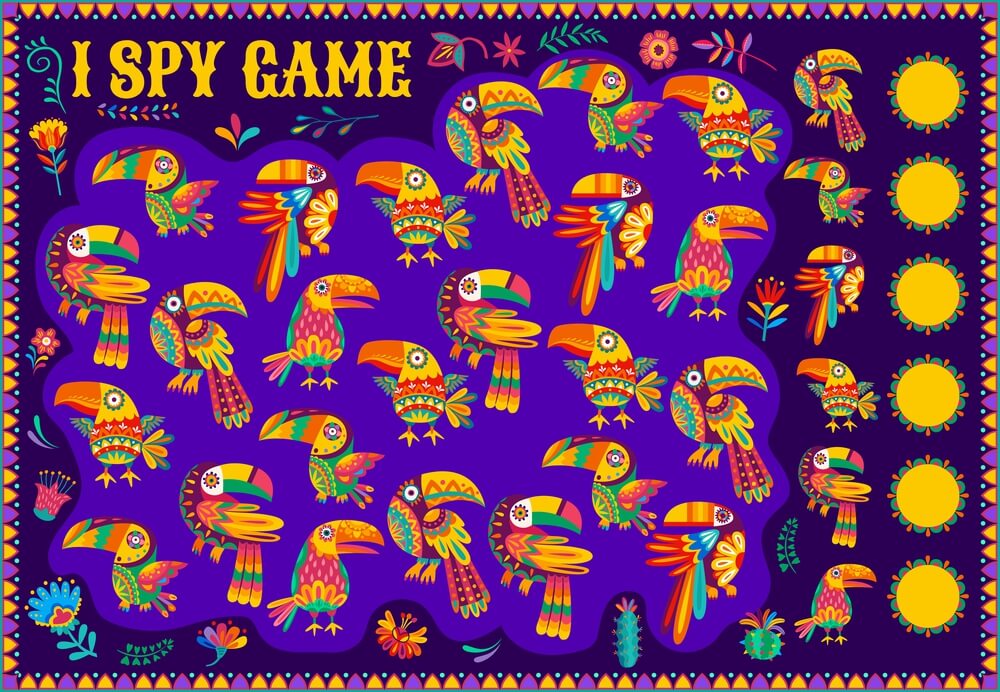
One player picks an object in sight and offers a color or a first letter as a clue. The game has long been a nursery standby, and it works in a car because the scenery keeps changing. Older children can make it harder with more abstract clues.
Twenty Questions

The guessing game was a parlor favorite long before a radio panel version premiered in 1946. One player thinks of a person, place, or thing, and the others get 20 yes-or-no questions to figure it out. The challenge is to ask questions that narrow things down quickly.
The Alphabet Game

Players find the letters A through Z in order on road signs and billboards. The letters Q, X, and Z usually cause the most trouble. Billboards are the best sources, so busy highways make the game easier.
Punch Buggy
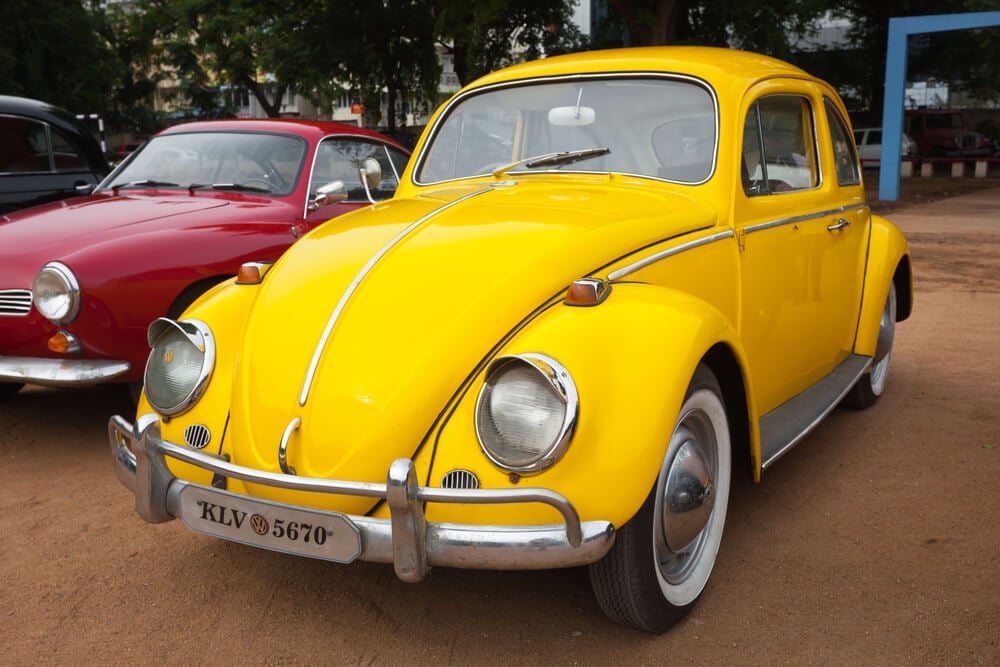
When a player spots a Volkswagen Beetle, the first to call it out gets to deliver a light punch to a sibling’s arm. The game spread as the Beetle became a common sight in American driveways in the 1960s. Its rules vary by family, with arguments about punch strength as part of the fun.
Padiddle

At night, players watch for cars with one headlight out and shout the word padiddle. The first to call it earns a point or a small reward. The game works best on dark roads, where headlights are easy to see.
Car Bingo

Travel bingo cards list things spotted along the road, such as a windmill, a red barn, or a water tower. The first to fill a row wins. It rewards patience and sharp eyes and works best on rural routes.
The Cow Game
Each side of the car counts cows on its own side of the road. Passing a cemetery wipes out the count for the team whose side it was on. The cow game made farm country a scoreboard.
Mad Libs

Leonard Stern and Roger Price invented the word game in 1953, but they could not agree on a name until 1958, when they overheard an argument about ad-libbing in a New York restaurant. One player asks the others for words to fill the blanks in a story. More than 110 million Mad Libs books have been sold since.
Hangman
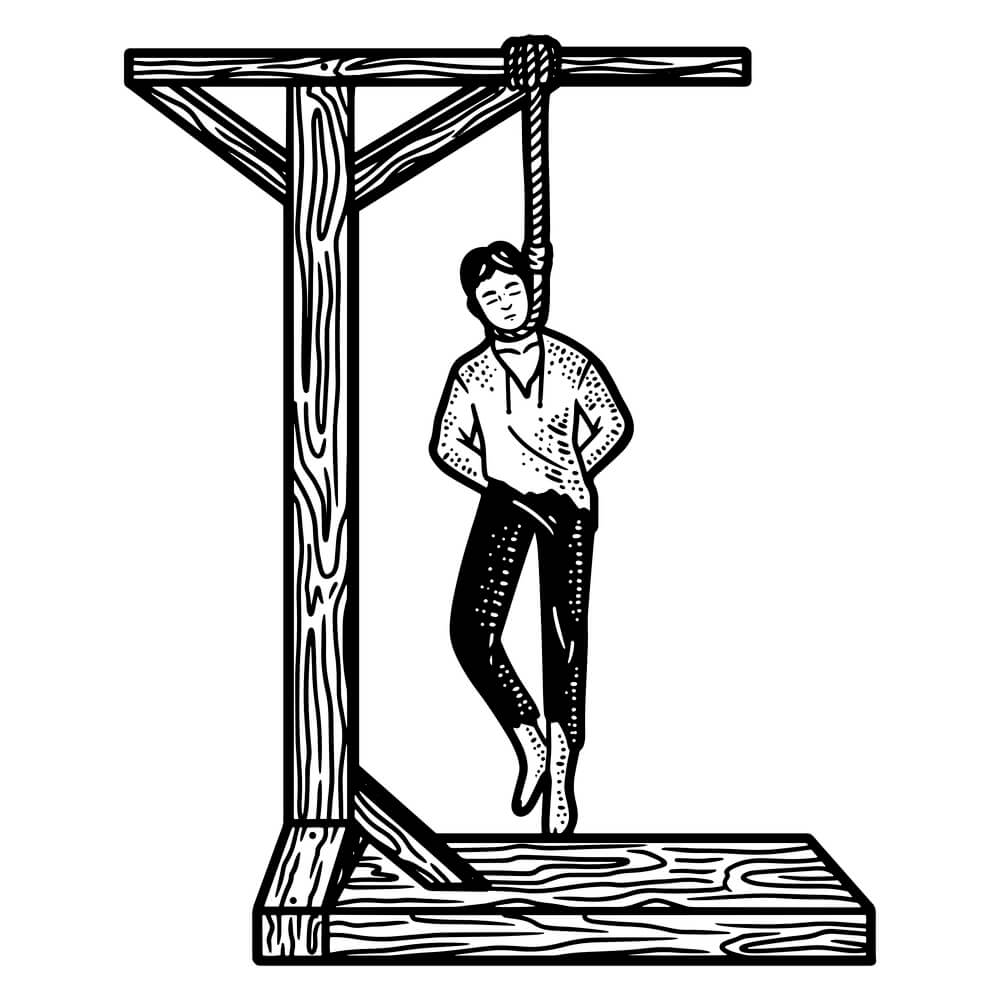
A version of the guessing game appears in Alice Gomme’s 1894 book Traditional Games under the name Birds, Beasts and Fishes. One player picks a word, and the others guess letters while a drawing builds. All that is needed is paper and a pencil.
Tic-Tac-Toe

Boards for a similar game called terni lapilli have been found in Roman-era ruins. In a car, players draw a grid on paper or a steamed-up window. The game ends in a draw if both players know what they are doing.
Dots and Boxes
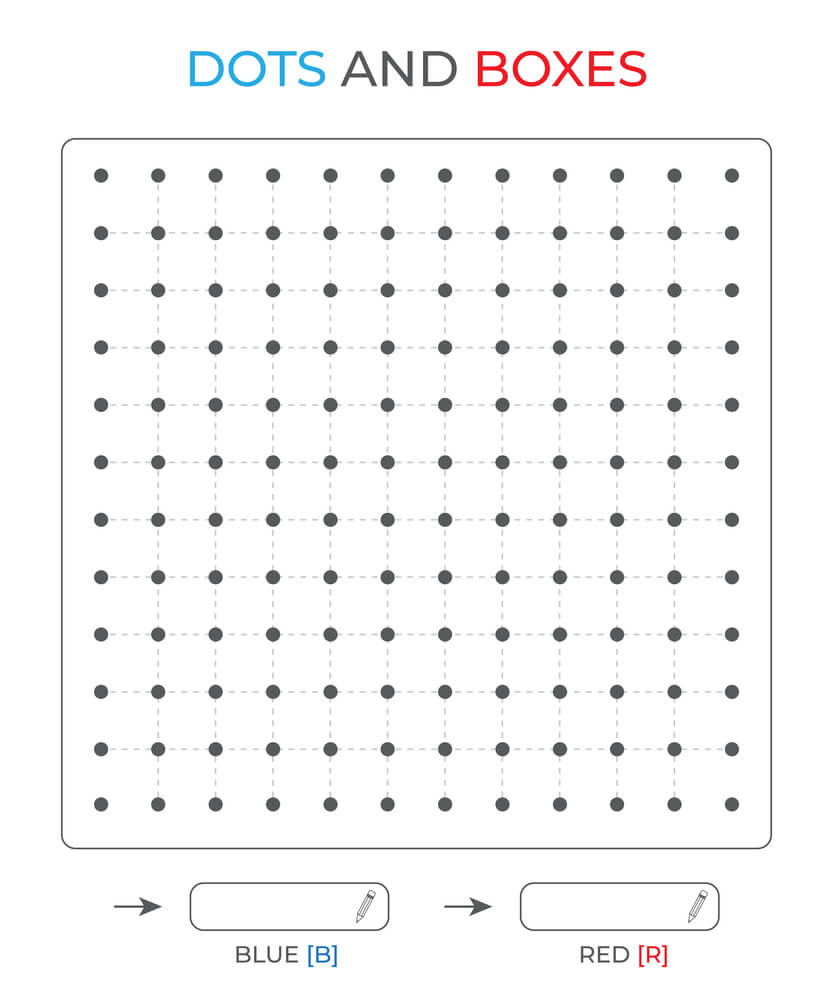
French mathematician Edouard Lucas published the game in 1889 under the name La Pipopipette. Players take turns drawing lines between dots, and whoever completes a box claims it. A grid on a page of a notebook is all it takes.
Name That Tune
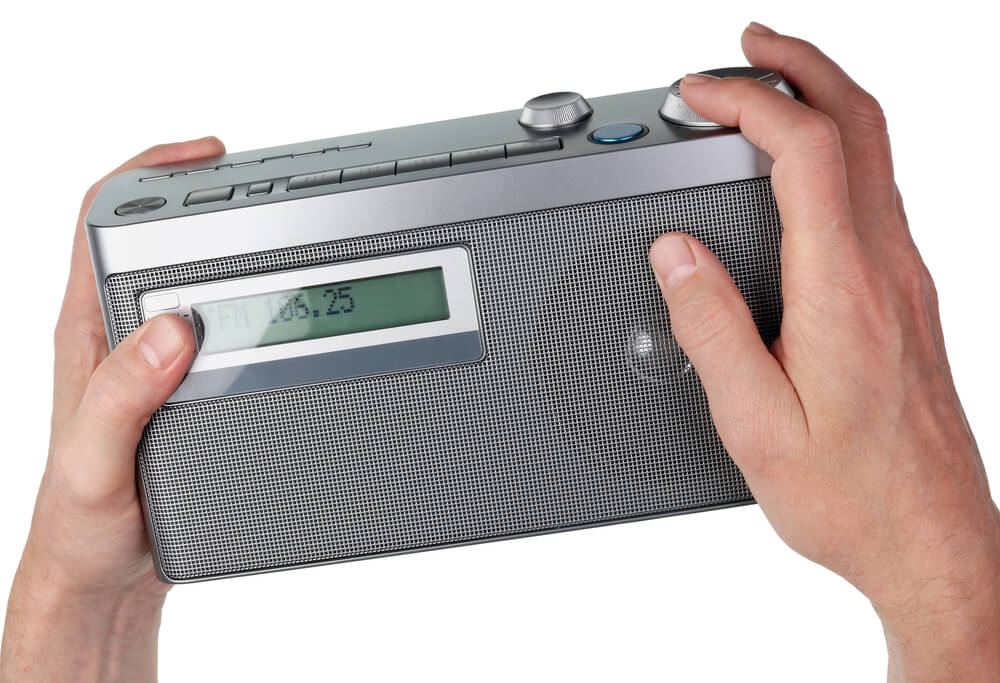
Players use the car radio and race to name the song or artist. The television game show Name That Tune premiered in 1953, and the radio version of the game is a staple of long drives. Radio stations changed every few miles, which kept the game fresh.
The Geography Game

Each player names a place that begins with the last letter of the previous place. In Britain the game is often called Atlas. Maps in the glove box can settle disputes.
Consequences
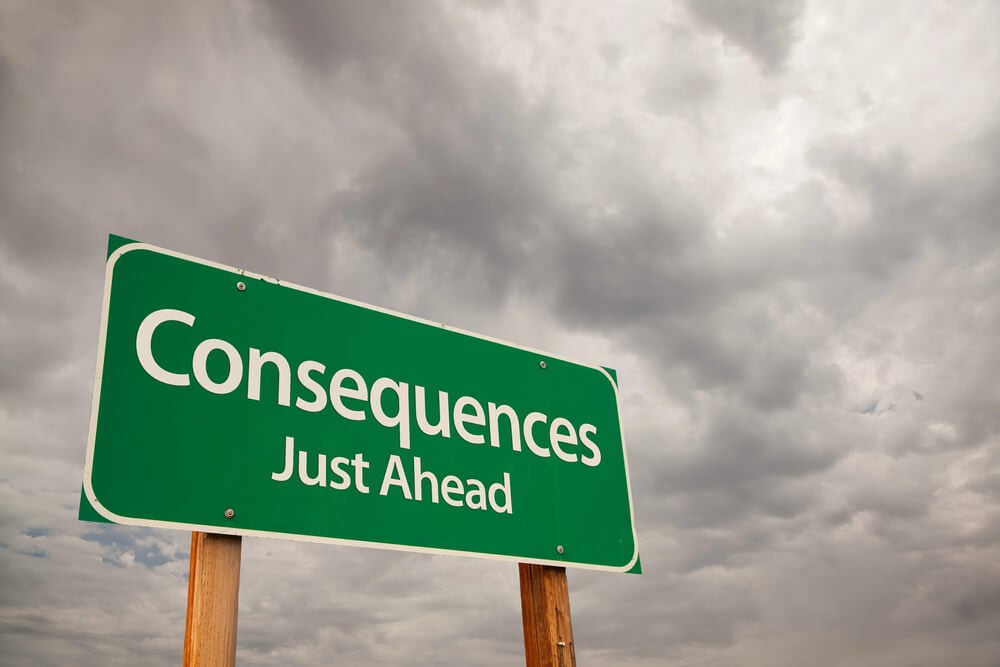
Each player writes part of a story on folded paper and passes it on without showing what came before. The game was popular in Victorian parlors and is a forerunner of Mad Libs and the surrealists’ exquisite corpse. The unfolded result is usually nonsense, which is the point.
Story Chain

One player begins a story with a sentence, and each person adds another. The tale can run for hundreds of miles. A good story chain requires listening, which is a rare skill in a back seat.
The Quiet Game

The first player to speak loses, and the winner earns a small prize. It is a parent’s favorite, and children know it. Even a few minutes of silence counts as a victory.
Road Sign Scavenger Hunt
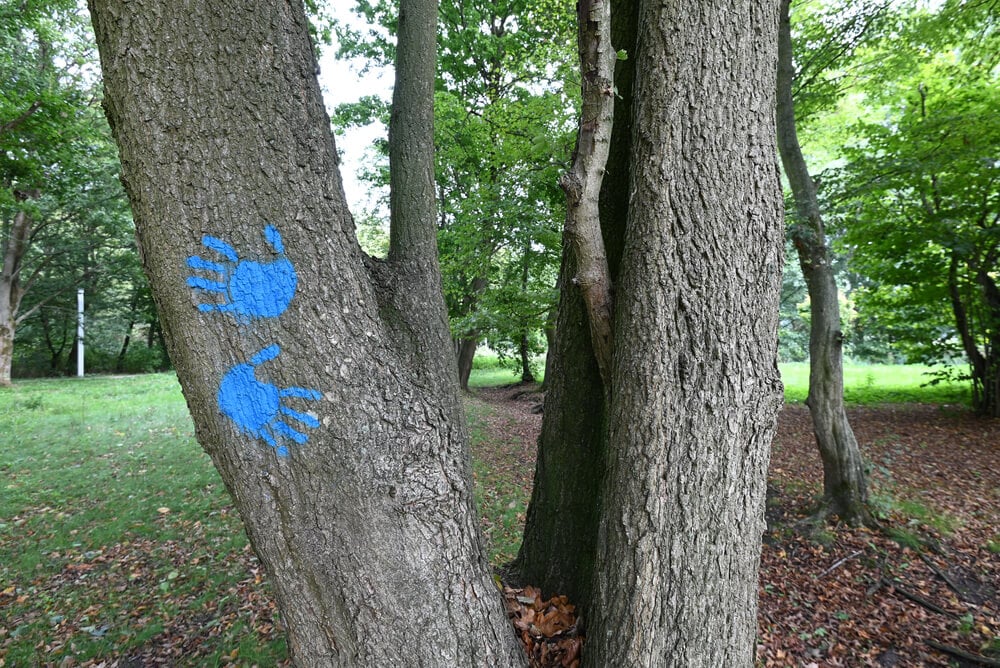
Players check off things from a list, such as a water tower, a tractor, or a covered bridge. Lists can be assigned by state or by season. The game turns a boring stretch of highway into a search.
Cat’s Cradle

String figures are found in cultures around the world, and a loop of yarn fits in a pocket. Two players pass the figure back and forth, changing its shape each time. The game needs no equipment and works on a bumpy road.
Word Ladders

Lewis Carroll invented the word game around Christmas 1877 and published it as Doublets in Vanity Fair in 1879. Players change one letter at a time to turn one word into another. Carroll’s rule was that every step had to be a real word.
Knock-Knock Jokes
A craze for knock-knock jokes swept the United States in 1936. The format is simple, and children can invent endless variations. Parents may groan, but the jokes keep boredom at bay.
Fortunately, Unfortunately
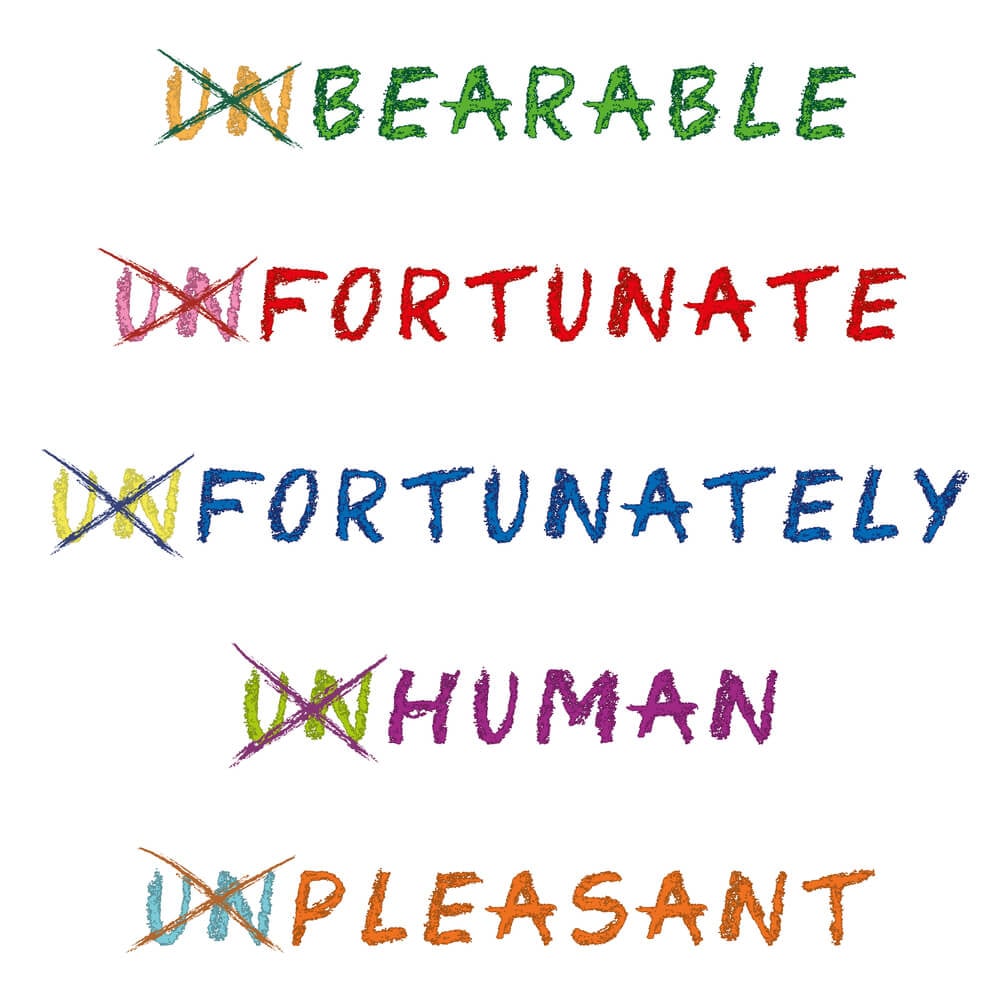
Players take turns adding a sentence to a story, alternating between a sentence that begins with Fortunately and one that begins with Unfortunately. The result is a rollercoaster of good and bad luck. It keeps imaginations working.
Rock Paper Scissors

The hand game has been traced to China’s Han dynasty. Two players count to three and throw a shape with their hands. It settles small disputes, like who gets the window seat.
The Paper Map Navigator

A child serves as navigator, tracking mile markers and towns on a paper road map. The job gives a restless child a purpose and teaches geography along the way. Wrong turns become part of the family lore.
Counting Colored Cars
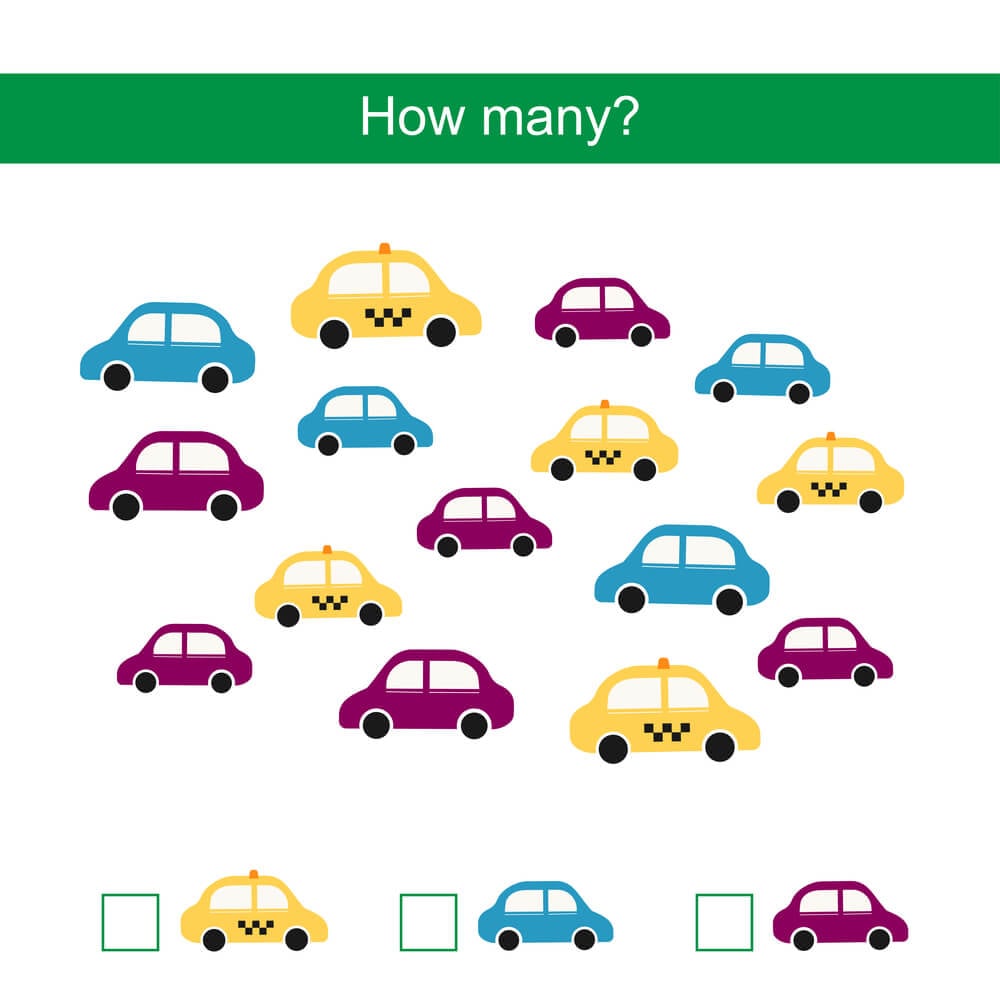
Each person claims a color, and the first to spot ten cars of that color wins. The game fills traffic jams with suspense.
Sing-Alongs

Songs with repeated verses, like Row, Row, Row Your Boat, work because everyone already knows the words. Rounds turn the car into a choir. Even tone-deaf singers can contribute.
I’m Going on a Picnic

Players take turns repeating a growing list of items they are bringing to a picnic, adding one new item each time. The British version is called I Packed My Bag. It is a memory test disguised as a game.
The Back Seat as a Classroom

Most of these games taught something without announcing it: geography, spelling, counting, patience, or how to lose gracefully. The rest simply helped people share a small space for hours.
Screens solved the boredom problem, but they also removed the shared work of inventing entertainment. A family arguing about whether a bridge counts as a landmark was a family paying attention to each other.
More from Go2Tutors!

- The Romanov Crown Jewels and Their Tragic Fate
- 13 Historical Mysteries That Science Still Can’t Solve
- Famous Hoaxes That Fooled the World for Years
- 15 Child Stars with Tragic Adult Lives
- 16 Famous Jewelry Pieces in History
Like Go2Tutors’s content? Follow us on MSN.