Monarchs Who Ruled for Less Than a Year
The throne can be the most precarious seat in any kingdom. You might think becoming a monarch guarantees power and stability, but history tells a different story.
Some rulers barely had time to warm their crowns before death, conspiracy, or politics cut their reigns devastatingly short. These brief moments on the throne reveal just how fragile royal power can be.
Lady Jane Grey: The Nine Days’ Queen
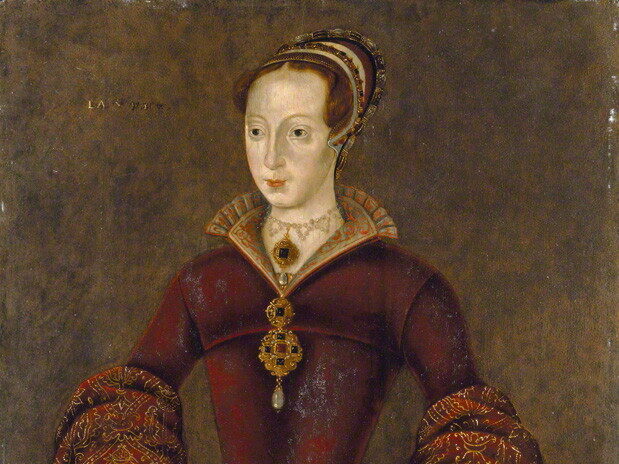
England’s shortest-reigning monarch was just 16 years old when powerful nobles placed her on the throne in July 1553. Jane never wanted to be queen.
She begged them not to make her rule, but they ignored her tears and protests. Mary Tudor had other plans.
As the rightful heir according to Henry VIII’s will, Mary gathered supporters and marched on London. Jane’s backers abandoned her almost immediately.
After just nine days, guards arrested Jane in the Tower of London. She lived there for months before her execution the following year, a pawn in a game played by ambitious men who cared nothing for her life.
Emperor Pertinax: Rome’s Failed Reformer
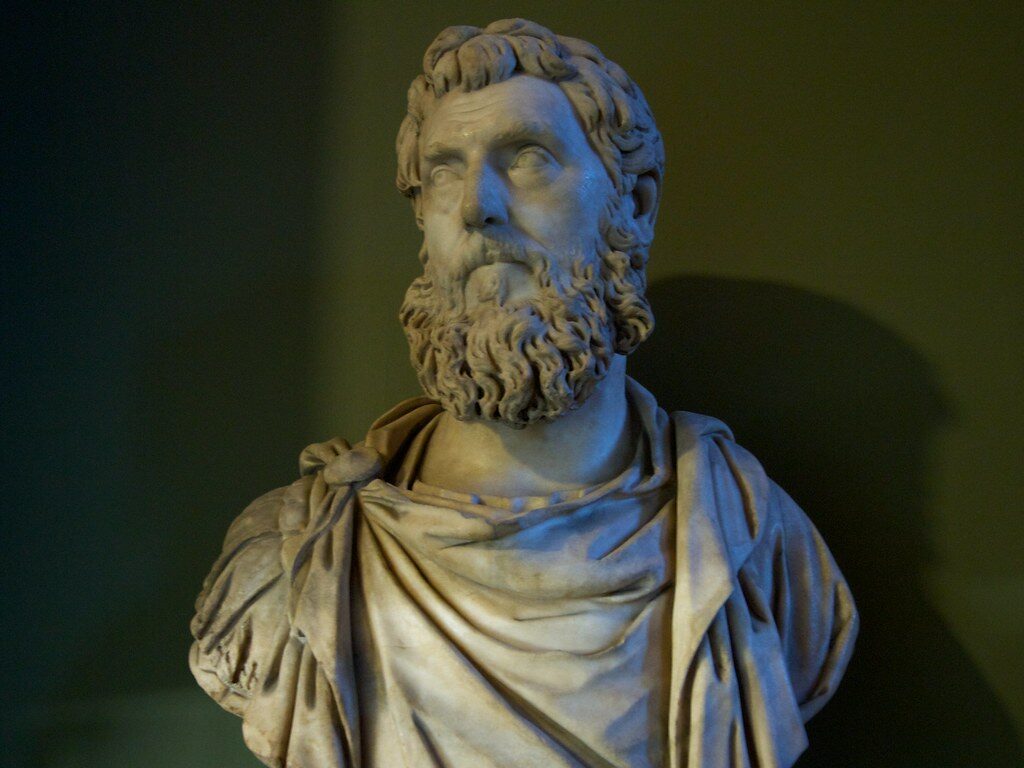
When Pertinax became Roman Emperor in 193 CE, he inherited an empire drowning in corruption. The previous emperor, Commodus, had emptied the treasury with his extravagance and madness. Pertinax tried to fix things by cutting unnecessary spending and demanding discipline from the Praetorian Guard.
The guards hated him for it. They preferred emperors who paid them bribes and let them do whatever they wanted.
After just 87 days, a group of Praetorian soldiers broke into the palace and murdered Pertinax. They then auctioned off the empire to the highest bidder, one of the most shameful moments in Roman history.
Dipendra of Nepal: A Crown Stained in Blood
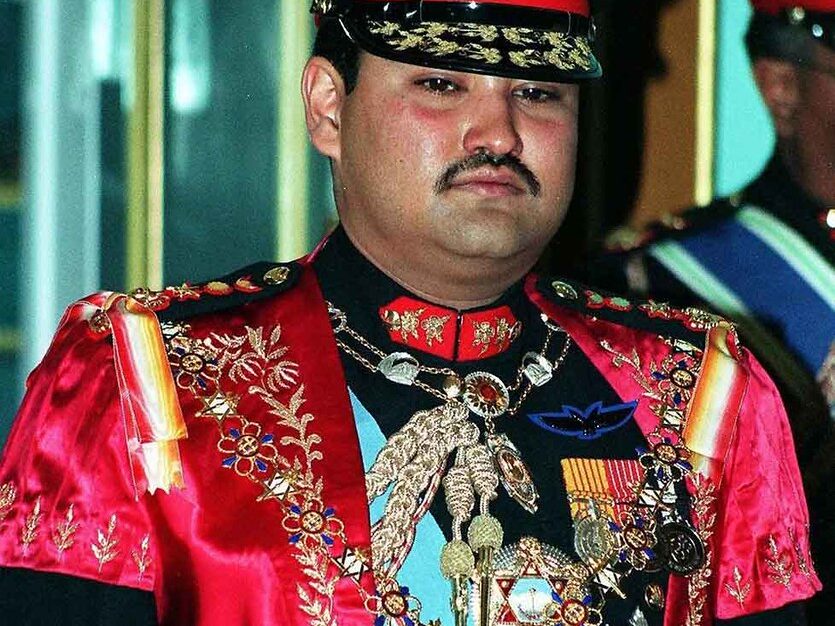
The Nepalese royal family gathered for a dinner party on June 1, 2001. Crown Prince Dipendra arrived drunk and angry.
What happened next shocked the world. He opened fire on his own family, killing his father King Birendra, his mother, and seven other relatives before shooting himself.
Dipendra fell into a coma. Under Nepalese law, he technically became king while unconscious.
For three days, the man who murdered most of the royal family held the title of king. He never regained consciousness and died on June 4, making his reign one of the strangest and most tragic in history.
The massacre effectively ended the Nepalese monarchy, which was abolished in 2008.
Emperor Zhao of Han: The Child Who Never Grew Up
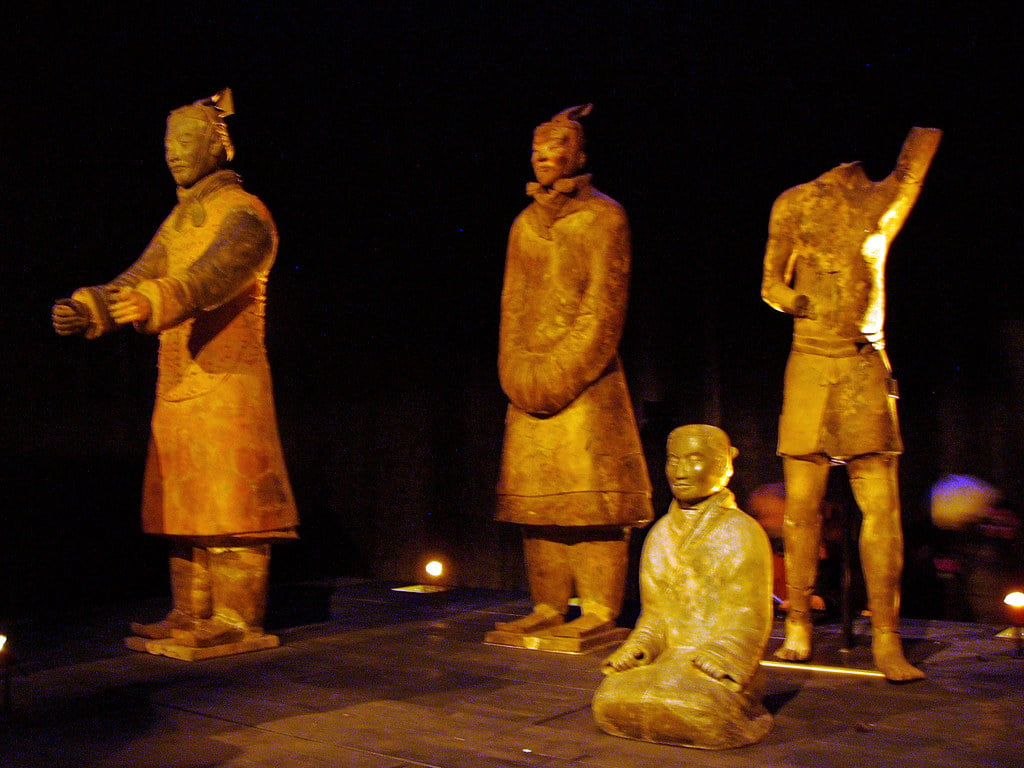
When Emperor Zhao of Han died in 74 BCE without an heir, Chinese officials chose his nephew Liu He as the next emperor. Bad choice. Liu He had grown up as a prince with no real responsibilities and every indulgence money could buy.
As emperor, he threw lavish parties while ignoring government business. He brought 200 servants and entertainers with him to the capital.
Reports say he issued over a thousand imperial orders in just 27 days, most of them frivolous commands about his personal comfort. The officials who had chosen him realized their mistake.
They removed him from power after 27 days and installed someone more suitable. Liu He holds the record as one of China’s shortest-reigning emperors.
John I of France: Born to Rule, Dead Before He Could
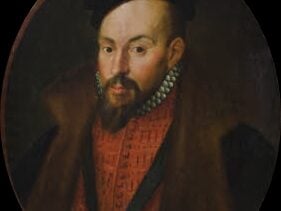
John I never had a chance. His father, King Louis X, died before John was born in 1316. When John finally entered the world, he was already king of France.
But the baby lived only five days before dying under mysterious circumstances. Rumors swirled immediately.
John’s uncle Philip stood to inherit the throne if John died. Did Philip arrange the infant’s death? Nobody knows for certain.
What historians do know is that John’s brief existence created a succession crisis and set a precedent that women could not inherit the French throne, a rule that would shape European politics for centuries.
Alexios V Doukas: The Desperate Last Stand

Constantinople was dying in 1204. Crusaders from Western Europe, who were supposed to be heading to the Holy Land, had instead decided to attack the Christian Byzantine Empire. Emperor Alexios IV and his father had been overthrown and murdered. Someone needed to lead the defense.
Alexios V Doukas seized the throne and tried to rally the city. He strengthened the walls and organized the defenders.
But it was too late. After ruling for just two months, he watched the crusaders break through Constantinople’s defenses.
Alexios fled the city as it burned. The crusaders later captured him and threw him off the top of a tall column as punishment.
His brief reign marked the end of the Byzantine Empire’s greatest period.
Yuan Shikai: The President Who Became Emperor
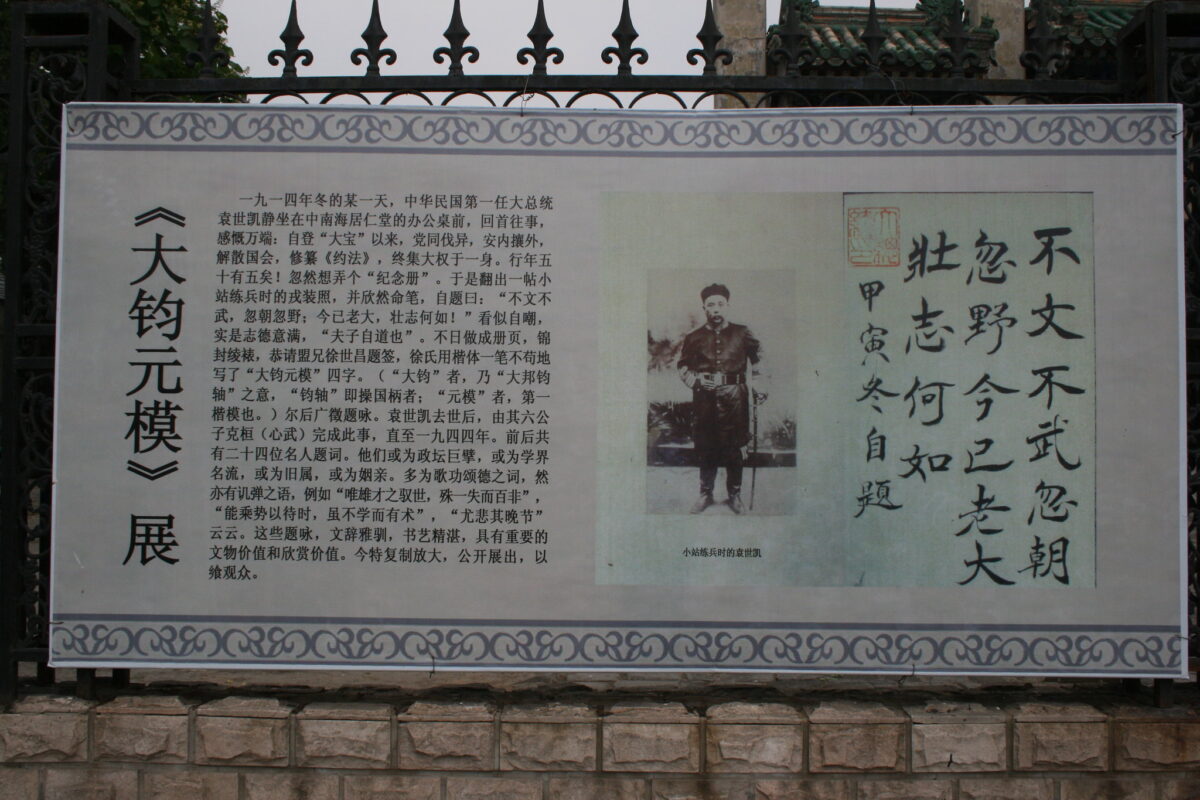
Yuan Shikai was already one of the most powerful men in China when he declared himself emperor in December 1915. As president of the new Chinese Republic, he had the military behind him.
But declaring himself emperor was a massive miscalculation. The whole country turned against him.
Provinces declared independence. His own generals refused to support him.
The international community mocked the attempt. After just 83 days, Yuan abandoned his imperial ambitions and reverted to being president.
He died a few months later, humiliated and broken. His failed empire showed how completely the idea of monarchy had lost legitimacy in modern China.
Olav Magnusson: Norway’s Doomed Heir

Olav became king of Norway in 1380 at age 10, though he had already been king of Denmark since age five. The young boy showed promise as a ruler despite his age. Unfortunately, he never got to grow into his role.
Olav died suddenly in 1387 at age 17, having ruled Norway for only seven years and Denmark for 12. His death was likely from disease, though some suspected poison.
His mother Margaret took control of both kingdoms and eventually created the Kalmar Union, which united Norway, Denmark, and Sweden under one monarch. Olav’s short life had lasting consequences for Scandinavian politics.
Chand Bibi: The Queen Who Fought Back

Chand Bibi ruled the Ahmadnagar Sultanate in India for only about three months in 1596, but she packed more action into that time than many monarchs manage in decades. When the Mughal Empire besieged her capital, she didn’t hide behind her walls.
She personally supervised the defense, even manning artillery positions. Her courage inspired the defenders to hold out against impossible odds.
But palace intrigue destroyed what Mughal armies could not. Rival nobles, angry that a woman ruled them and suspicious that she planned to negotiate with the Mughals, assassinated her.
She died fighting, defending herself with a sword against multiple attackers. Her brief reign became legendary in Indian history as an example of courage against overwhelming odds.
Elagabalus: Rome’s Most Eccentric Emperor
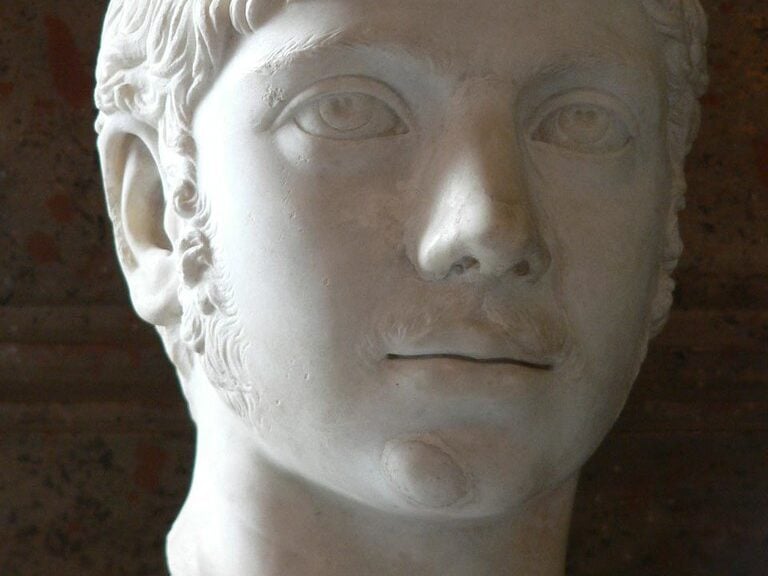
Elagabalus became Roman Emperor at age 14 in 218 CE. His grandmother Julia Maesa had engineered his rise to power, thinking she could control him.
She was wrong. Elagabalus had his own ideas about how an emperor should behave, and they shocked Rome to its core.
He insisted on being called by the name of the sun god he worshipped. He married and divorced five times during his four-year reign.
He appointed his lovers to important government positions regardless of their qualifications. He performed religious ceremonies that Romans found obscene.
The Praetorian Guard eventually murdered him and threw his body in the Tiber River. He was 18 years old.
Emperor Go-Toba: The Ruler Who Challenged the Wrong People

Go-Toba had already been emperor of Japan once before. He abdicated in 1198 but continued to wield power behind the scenes for decades.
In 1221, he decided to challenge the Kamakura shogunate, the military government that had been reducing imperial power. Bad timing.
The shogunate crushed his rebellion quickly. Go-Toba was forced to abdicate again and spent the rest of his life in exile.
His second reign lasted less than a month, though his influence before and after that brief period shaped Japanese politics for years.
Murad V: The Sultan Who Lost His Mind

When Murad V became Ottoman Sultan in 1876, the empire was in crisis. His uncle, the previous sultan, had just been deposed for financial mismanagement and political repression.
Murad was supposed to be the reformer who would save the empire. Instead, he had a mental breakdown.
The stress of the throne, combined with the trauma of witnessing his uncle’s deposition, shattered his sanity. After just 93 days, his brother Abdülhamid II replaced him.
Murad lived the next 28 years under house arrest in the palace, while doctors and politicians debated whether he had ever been truly insane or had been framed. His brief reign showed how the enormous pressure of ruling a declining empire could break even a well-intentioned man.
Emperor Jingzong of Western Xia: Victory and Death
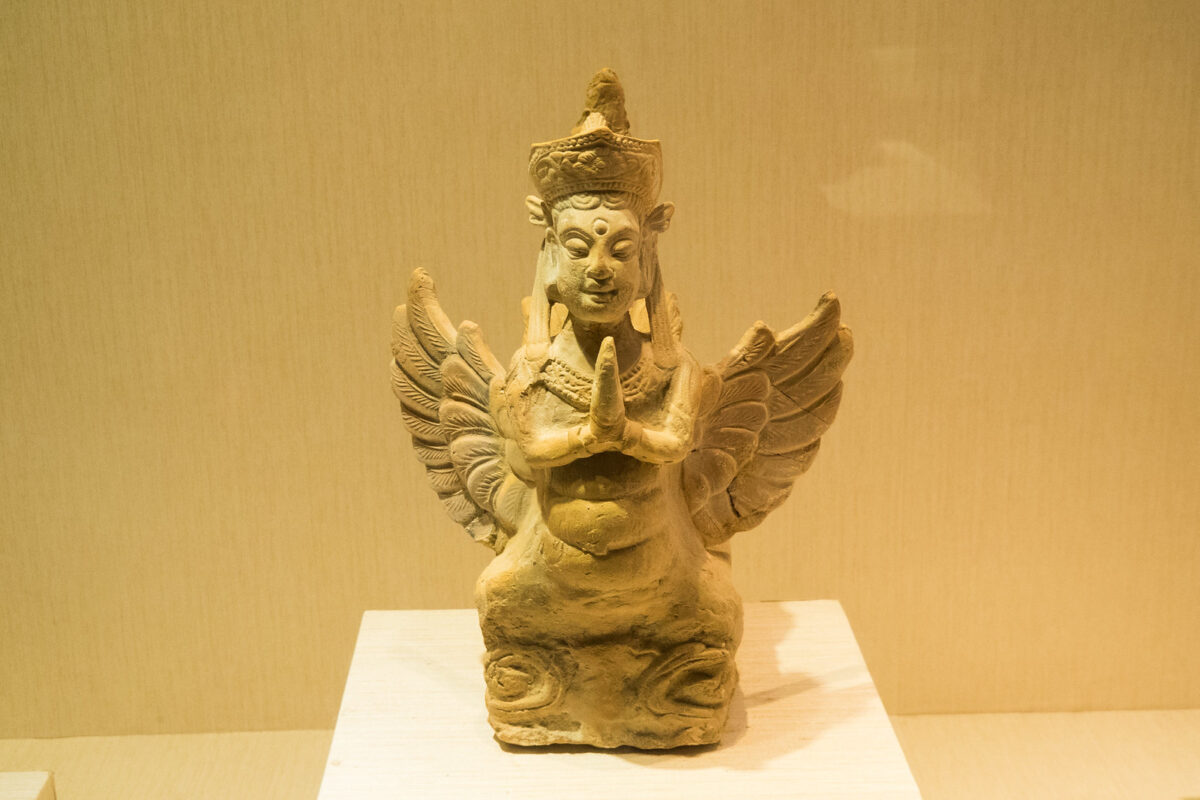
Jingzong became emperor of Western Xia in 1048 after years of political chaos. His mother had been a concubine, which made his claim to the throne questionable.
He spent his entire reign defending his right to rule and fighting off invasions. Despite these challenges, he won a major military victory in 1049 against the Tangut tribes.
The victory secured his throne, but he didn’t live long enough to enjoy it. He died suddenly at age 21, after ruling for just over a year.
Historians still debate whether he died from battle wounds, disease, or poison.
Sweyn Forkbeard’s English Adventure
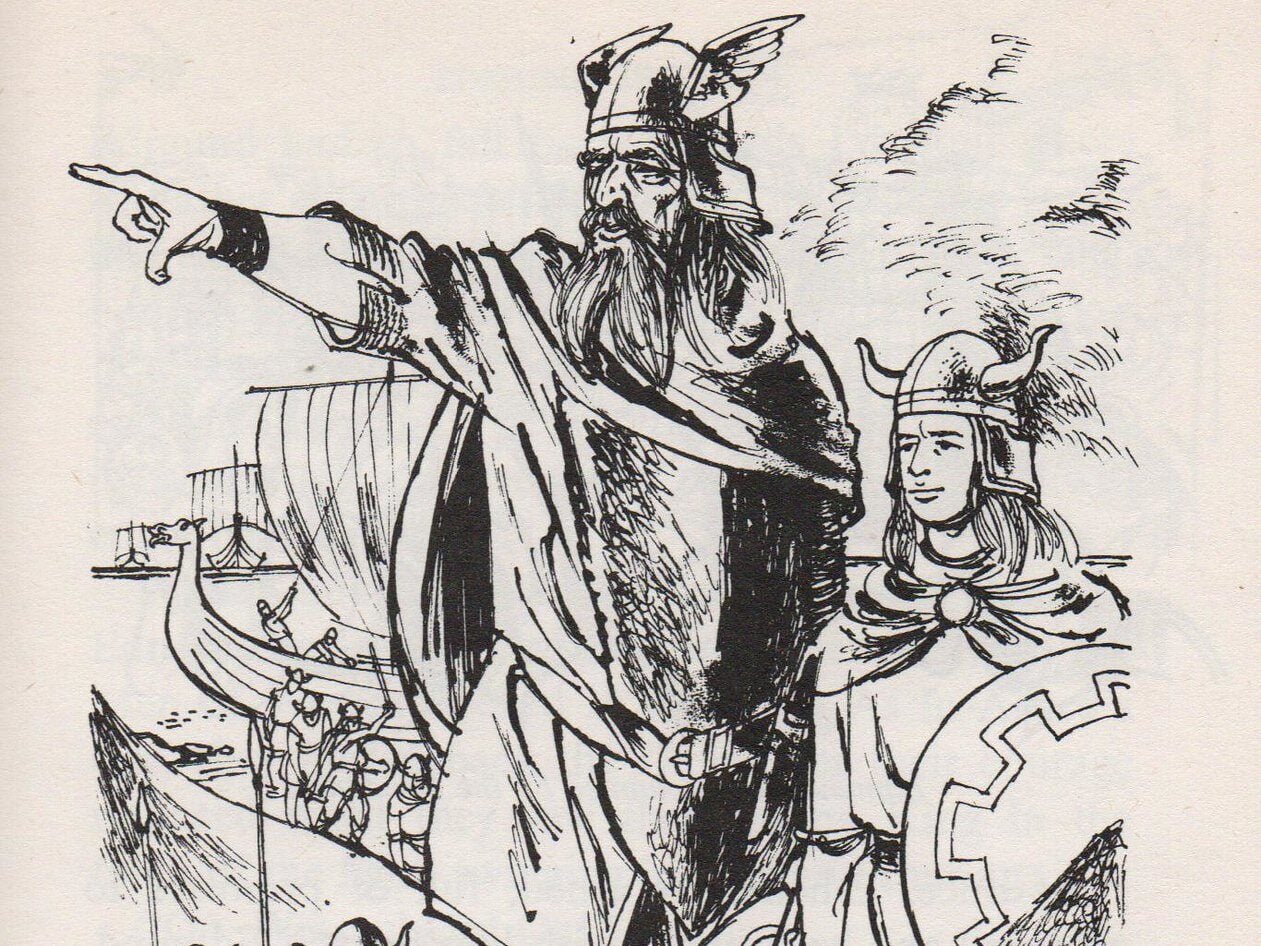
Sweyn Forkbeard conquered England in 1013 after years of raiding the island. He was already king of Denmark and Norway, and adding England to his collection seemed like the natural next step.
King Æthelred the Unready fled to Normandy, and Sweyn claimed the English throne on Christmas Day. He died just five weeks later on February 3, 1014.
His death meant Æthelred could return from exile and reclaim his kingdom. But Sweyn’s son Cnut eventually succeeded where his father had failed, creating a North Sea empire that lasted for a generation.
Sweyn’s brief conquest of England was just a preview of what his family would accomplish.
When the Crown Weighs Too Heavy
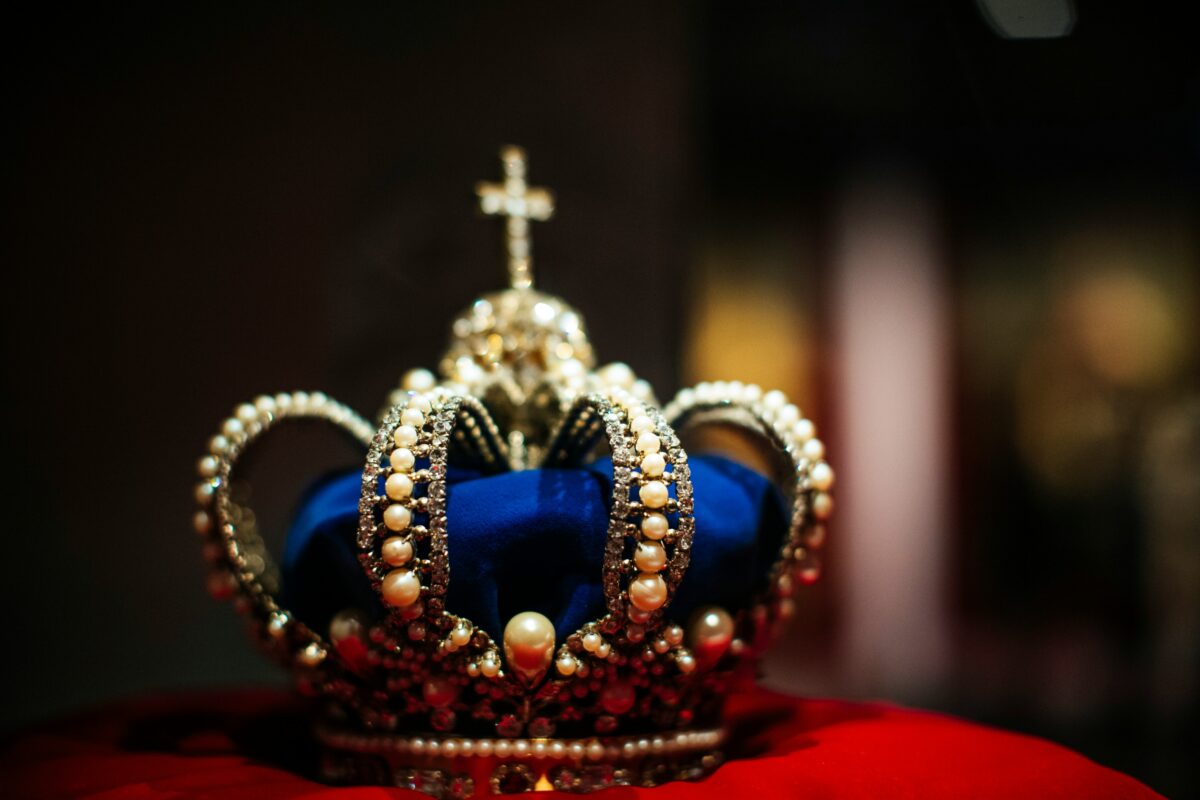
Power slipped through their hands as quickly as shade moved across stone. Not every one of them chose the throne – some were just kids dropped into jobs way beyond their years.
Fast movers aiming to change everything often stumbled, while heavy-handed ones broke what they meant to control. Bad luck also played its part – one wrong meal, one hidden knife, timing gone sideways.
Up there on the throne, danger never stays away for long. Reach too high, others see it as their chance to act.
With power comes targets drawn in silence, luck runs out no matter the gold around your head. Short as they were, those moments bent the course of everything – what counts isn’t how long you ruled, but when you chose to move.
History shifts not by years held, but by acts remembered.
More from Go2Tutors!

- The Romanov Crown Jewels and Their Tragic Fate
- 13 Historical Mysteries That Science Still Can’t Solve
- Famous Hoaxes That Fooled the World for Years
- 15 Child Stars with Tragic Adult Lives
- 16 Famous Jewelry Pieces in History
Like Go2Tutors’s content? Follow us on MSN.