31 Buildings Still Standing From Before 1700
Most buildings are lucky to see their second century. Fire, war, earthquakes, neglect and ambitious developers remove nearly everything eventually, and what survives usually does so as a foundation line in a field.
A small number of structures ignored that rule. They kept their roofs, kept their purpose or found a new one, and in many cases are still doing the job they were built for, sometimes more than a thousand years on.
Rome’s Pantheon and Its Concrete Dome
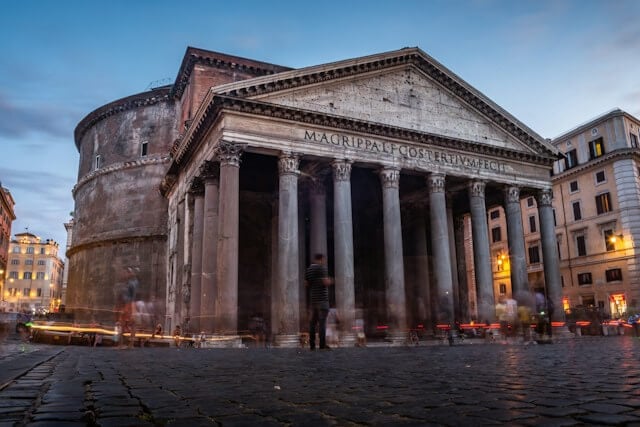
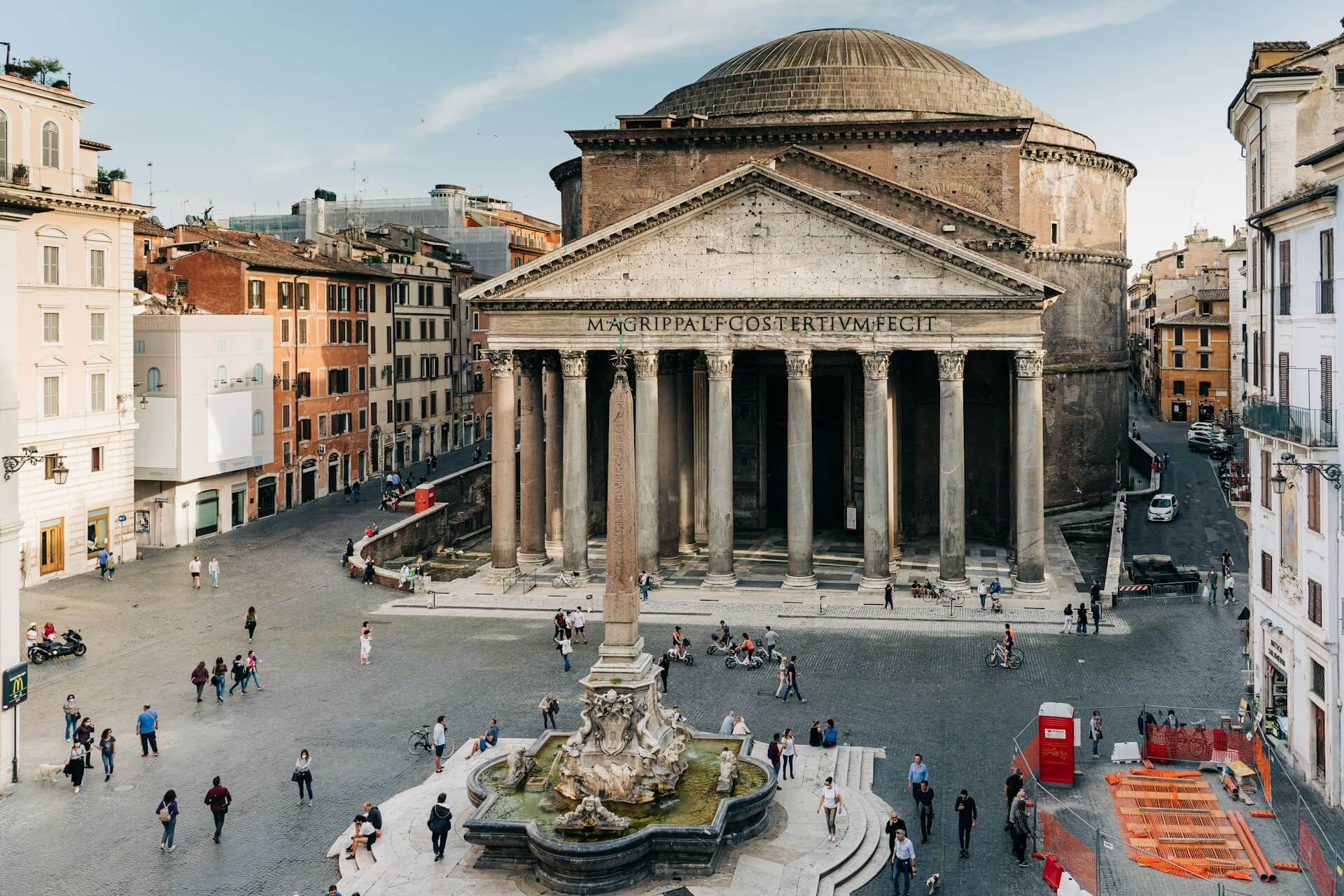
Finished around 126 AD under the emperor Hadrian, the Pantheon still carries an inscription crediting Marcus Agrippa, whose earlier temple on the site had burned. Its dome spans about 142 feet and remains the largest unreinforced concrete dome ever built, a record that has held for nineteen centuries.
Roman builders lightened the mix as the dome rose, using heavy stone aggregate near the base and pumice near the top. The circular opening at the crown, roughly 27 feet wide, has never been glazed, so rain falls straight onto a marble floor that slopes gently to drains.
Consecrated as a church in 609, the building has been in near continuous use since.
Maison Carree in Nimes
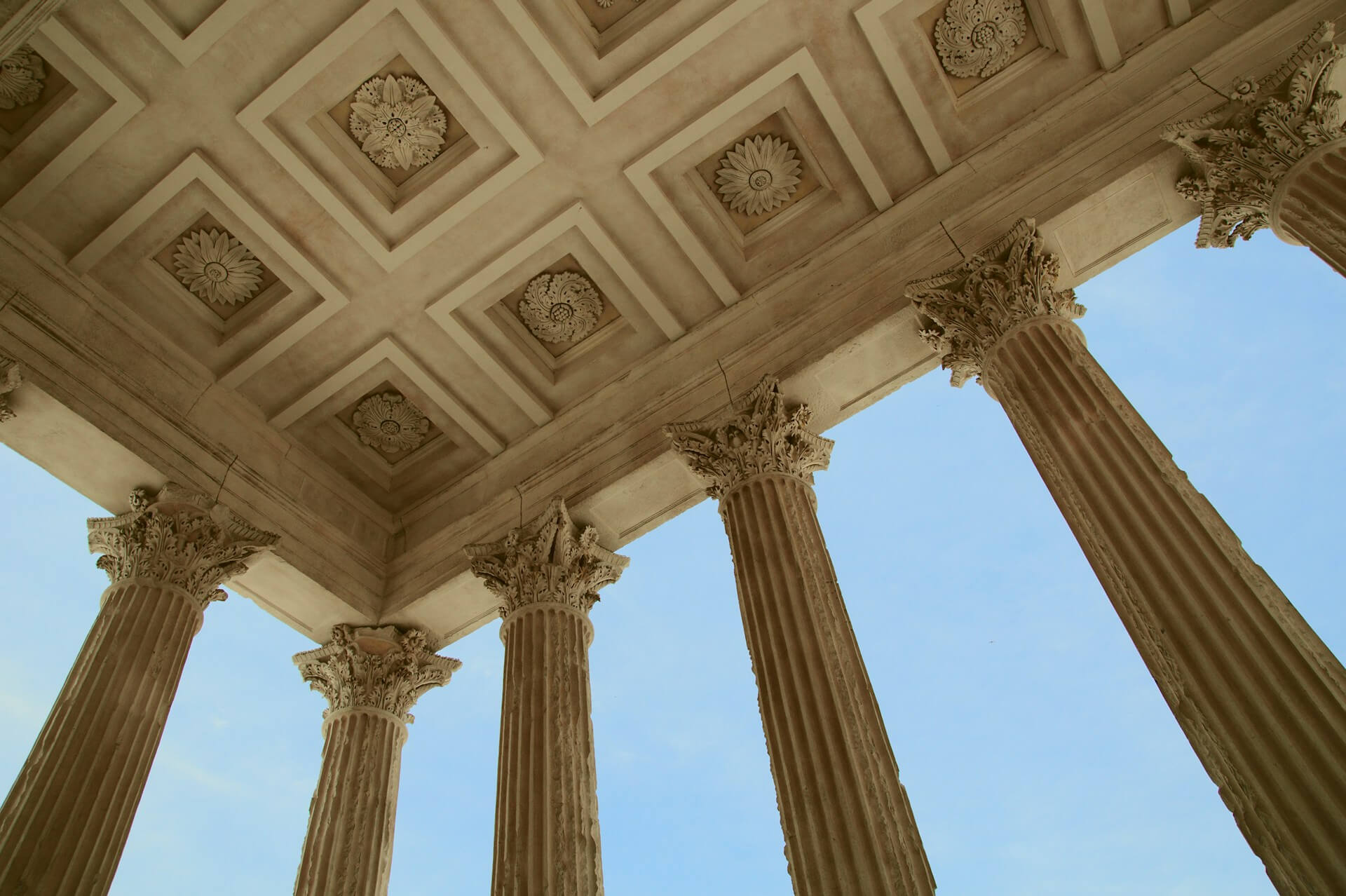
Built in the first years of the first century AD, this temple in southern France is one of the best preserved anywhere in the former Roman Empire. It was dedicated to Gaius and Lucius Caesar, the grandsons and adopted heirs of Augustus, a fact recovered in 1758 when the scholar Jean-Francois Seguier reconstructed the lost bronze inscription from the pattern of fixing points left in the stone.
Over the centuries the building reportedly worked as a house, a stable, a church and an archive, which is largely why nobody quarried it. Thomas Jefferson admired it enough to model the Virginia State Capitol on it.
UNESCO added the temple to its World Heritage list in 2023.
Tower of Hercules on the Galician Coast
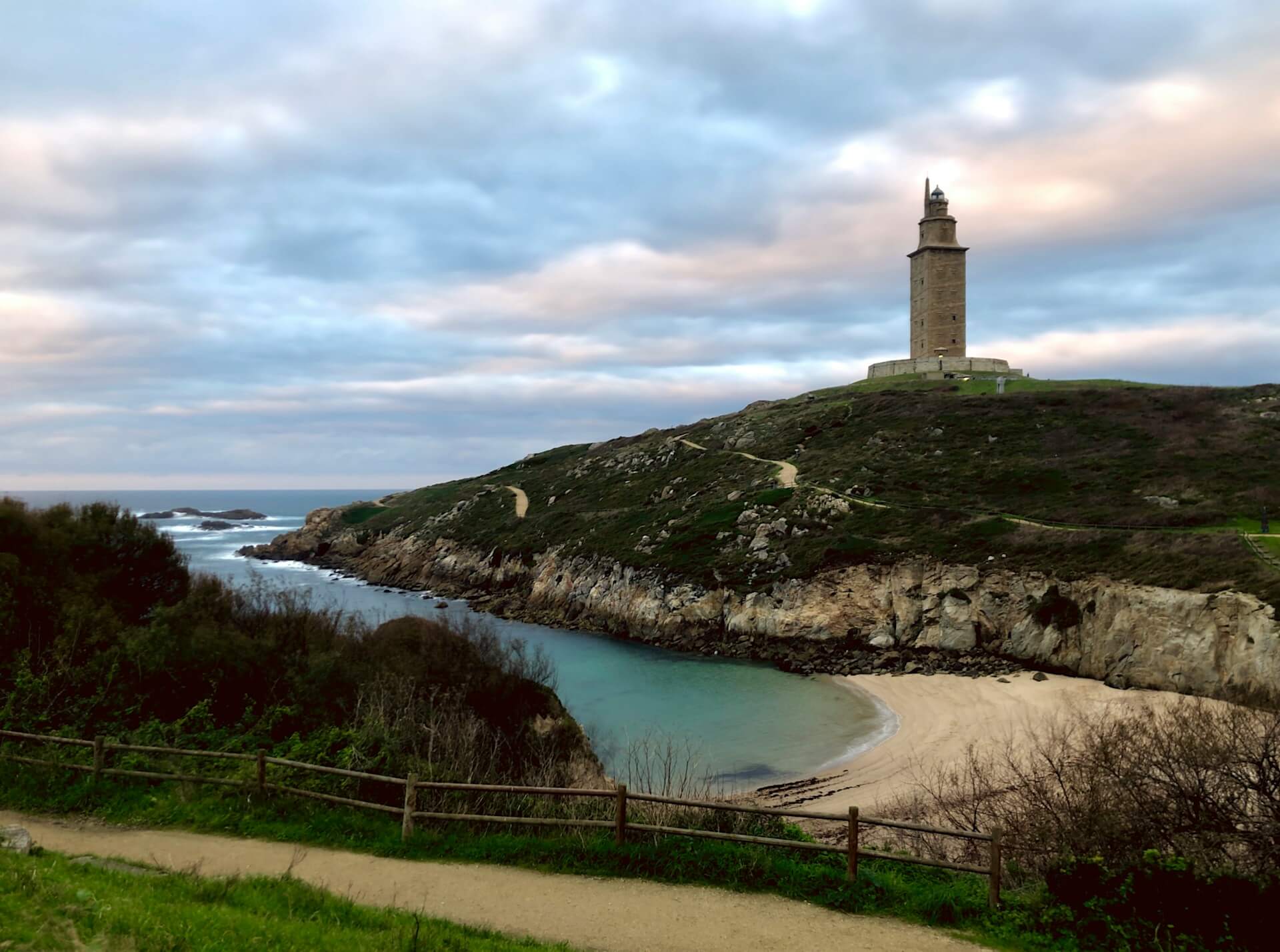
Ships approaching A Coruna in northwestern Spain are guided by a lighthouse that Roman engineers put up roughly 1,900 years ago, probably in the reign of Trajan. An inscription at its base names the architect as Gaius Sevius Lupus, from the town that is now Coimbra in Portugal.
The Roman core survives inside a neoclassical stone jacket added between 1788 and 1791 by the naval engineer Eustaquio Giannini, who kept faith with the original proportions. At about 180 feet tall, it is often described as the oldest lighthouse still in operation, though that claim depends on how a lighthouse is defined.
UNESCO listed it in 2009.
Santa Sabina on the Aventine
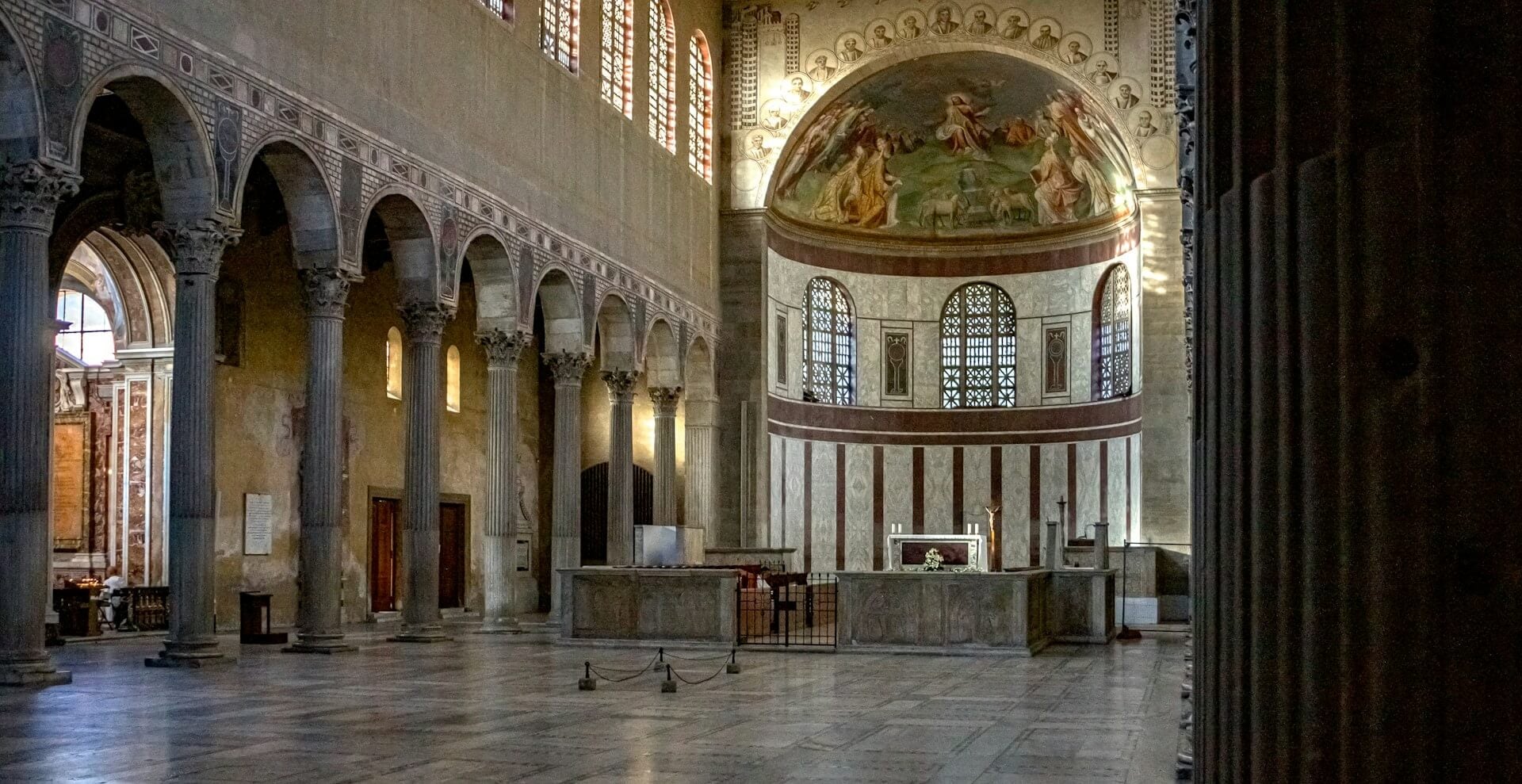
Peter of Illyria, a priest from Dalmatia, funded this basilica on Rome’s Aventine in the years between 422 and 432, and its plain brick exterior has changed remarkably little since. Inside, twenty-four fluted columns reused from an older Roman building line the nave. The carved cypress doors are the prize.
They date to the fifth century and include a panel widely regarded as one of the earliest surviving depictions of the Crucifixion. In the early thirteenth century the pope handed the church to Dominic and his new order of preachers, and the Dominicans have run it ever since.
Their headquarters still sits next door.
Hagia Sophia’s Sixth Century Dome
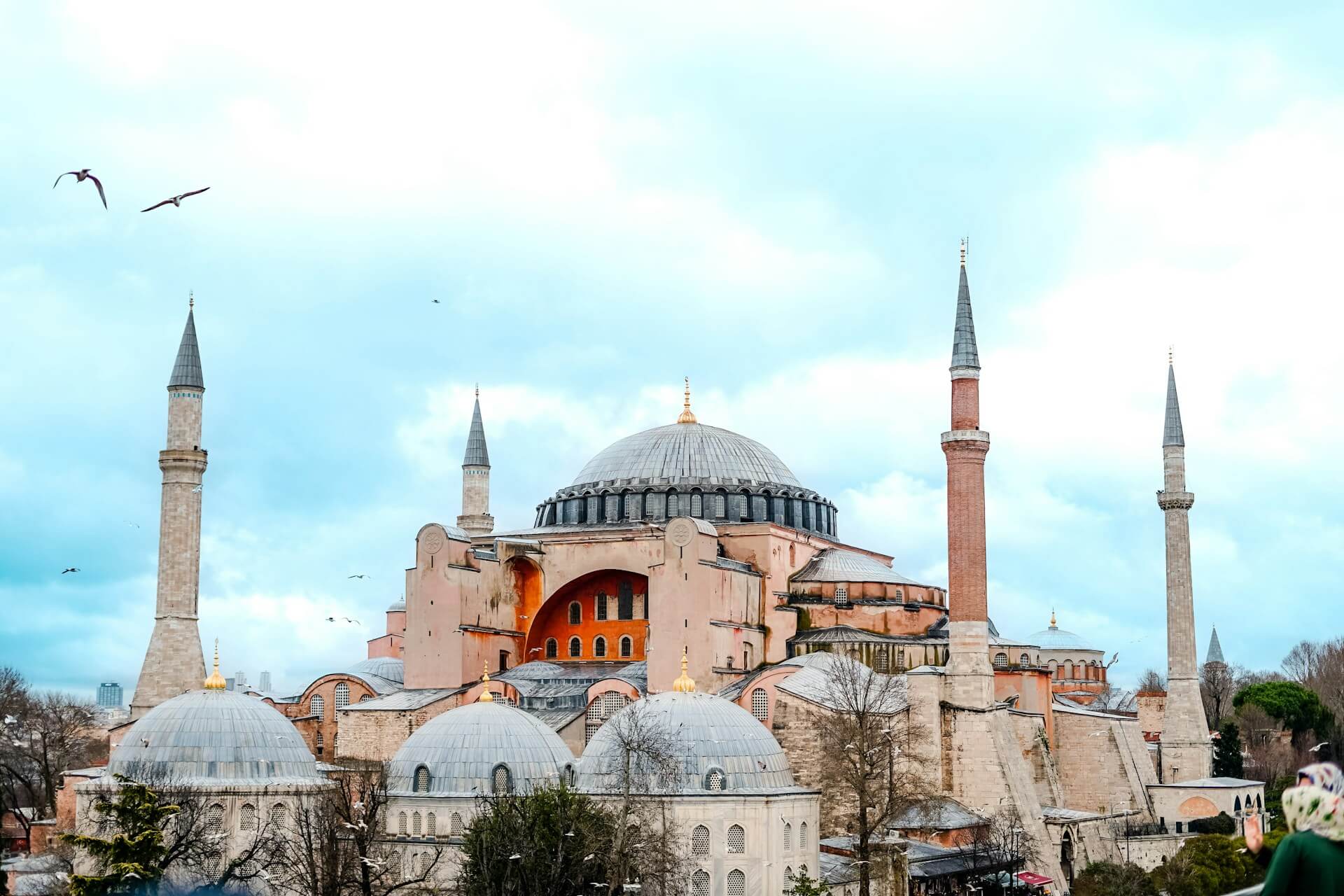
Justinian I ordered this church after riots burned its predecessor in 532, and his two designers, Anthemius of Tralles and Isidore of Miletus, finished it in under six years. The first dome proved too shallow and came down in 558 after a run of earthquakes.
Its steeper replacement, dedicated in 562, is essentially the one overhead today, about 100 feet across and roughly 180 feet above the floor. For close to a thousand years no cathedral anywhere was larger.
Ottoman rule turned it into a mosque in 1453, the Turkish republic opened it as a museum in 1935, and it returned to mosque use in 2020.
St. Catherine’s Monastery at Mount Sinai
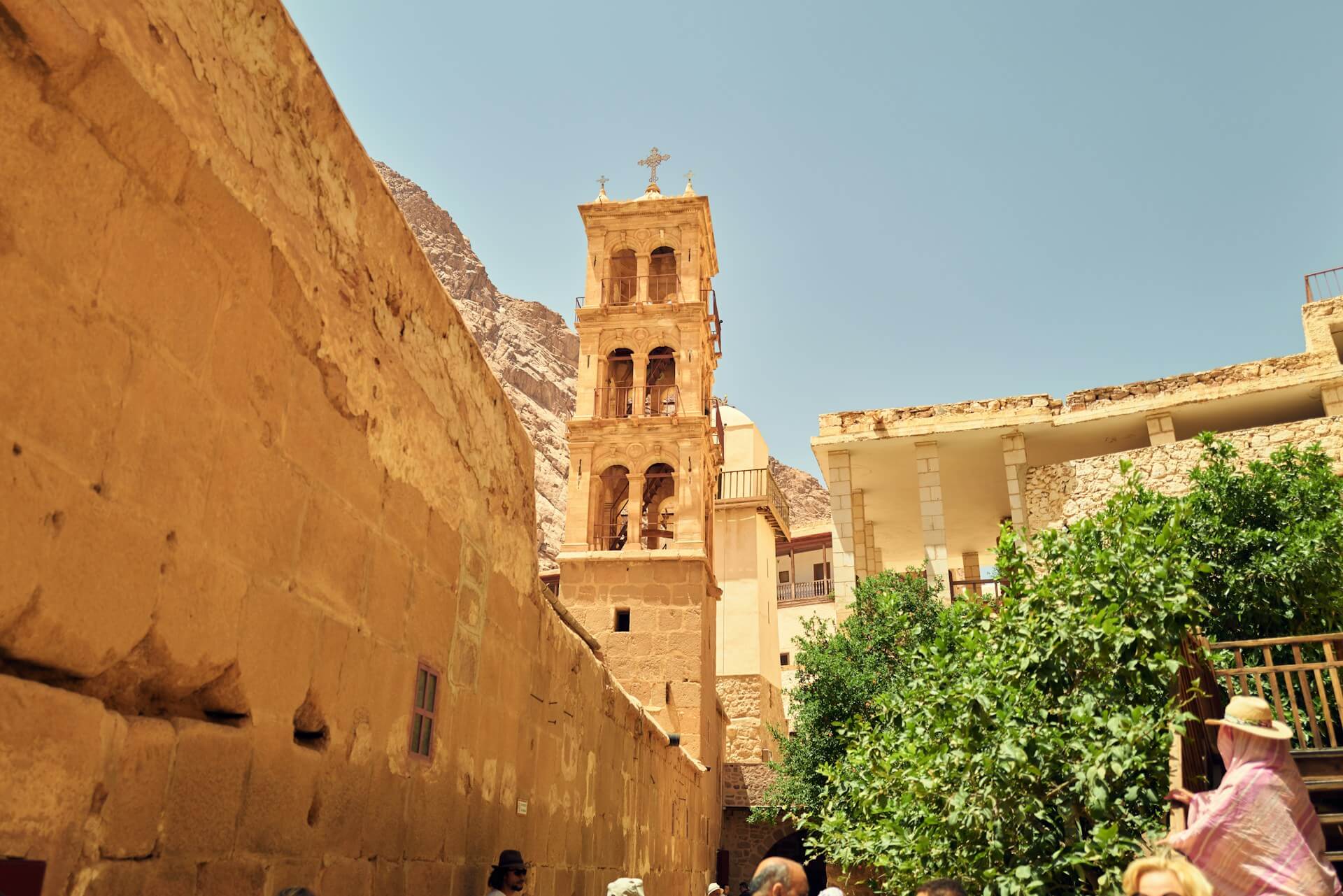
Granite walls raised on the orders of Justinian I between 548 and 565 still enclose this Orthodox monastery in the Egyptian desert. Monks have lived inside them without a recorded break, which makes the community one of the oldest working monasteries in the Christian world.
Its library is the real marvel, holding thousands of early manuscripts that the dry climate and sheer isolation kept safe. The German scholar Constantin von Tischendorf found the fourth century Codex Sinaiticus there during visits in 1844 and 1859, and most of it now sits in the British Library.
A small mosque also stands within the walls, added during the medieval period.
Horyu-ji and Its Wooden Pagoda
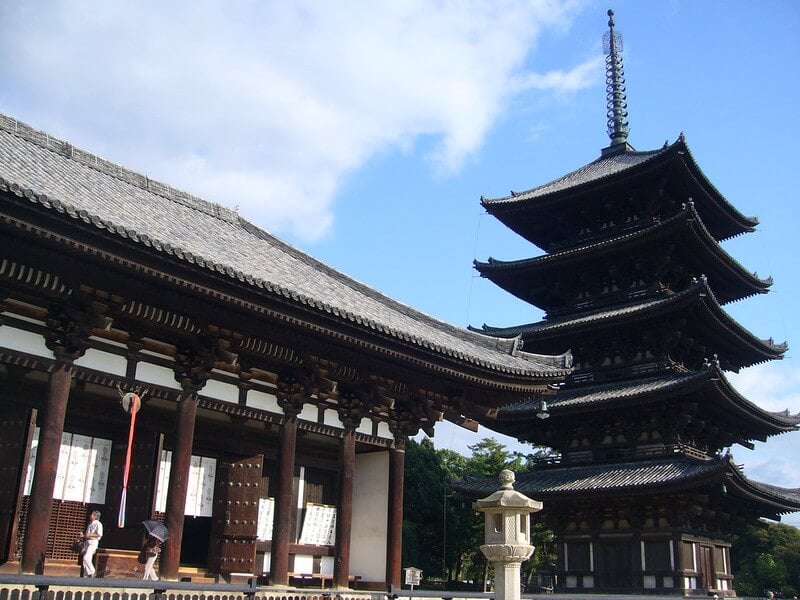
Prince Shotoku founded this Buddhist temple near Nara in 607, but the oldest chronicle of Japan records that fire destroyed it in 670. The rebuilding followed over the next few decades, and the main hall and five-story pagoda from that campaign are widely regarded as among the oldest wooden buildings on Earth.
Their columns swell slightly at the middle, a refinement some historians have compared to Greek practice. A fire in 1949 damaged the main hall’s wall paintings and so alarmed the country that parliament passed a sweeping cultural properties law the following year.
In 1993 the temple became one of Japan’s first World Heritage sites.
Jokhang Temple in Lhasa
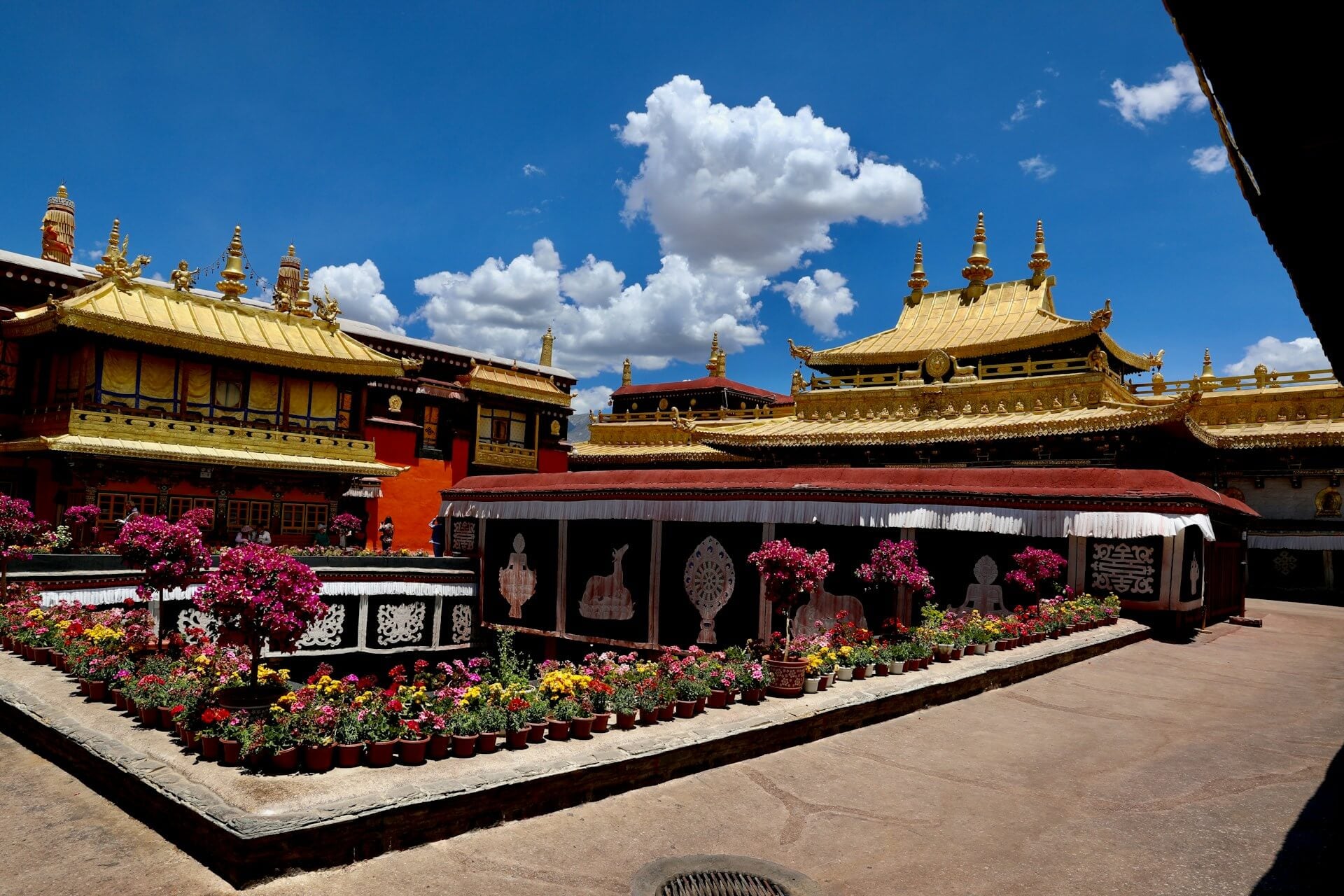
Tibetan tradition credits the king Songtsen Gampo with founding the Jokhang in the seventh century, usually in the 640s, although firm documentation from that early period is thin. The temple holds the Jowo Shakyamuni, a statue of the Buddha said to have arrived with the Chinese princess Wencheng and regarded by many Tibetans as the most sacred image in the country.
Pilgrims walk a clockwise circuit around the building along the Barkhor, and some measure the route with full prostrations. The structure has been enlarged many times, so its timber core is wrapped in later work.
A fire in February 2018 damaged part of the complex.
Jerusalem’s Dome of the Rock
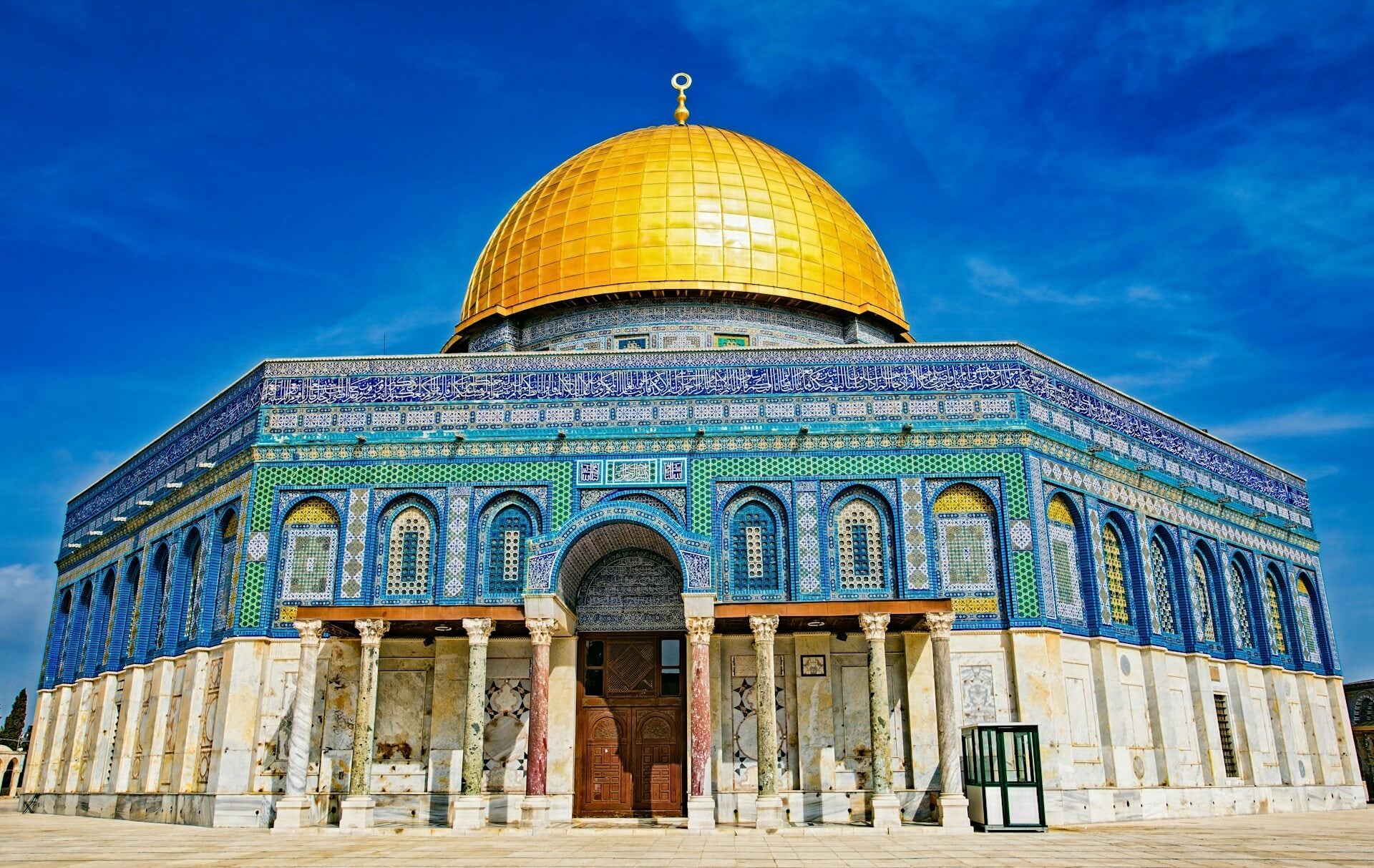
Completed in 691 or 692 for the Umayyad caliph Abd al-Malik, this octagonal shrine is among the oldest surviving monuments of Islamic architecture and keeps its original plan. It was built over a rock outcrop sacred in both Jewish and Muslim tradition.
The interior mosaics, with their long band of Arabic inscription, date from the first construction. Much of what visitors see outside is later, including the glazed tiles ordered by Suleiman the Magnificent in the sixteenth century, which replaced weathered exterior mosaics.
The wooden dome, about 66 feet across, received its current gold covering in the early 1990s in a project paid for by King Hussein of Jordan.
Great Mosque of Kairouan
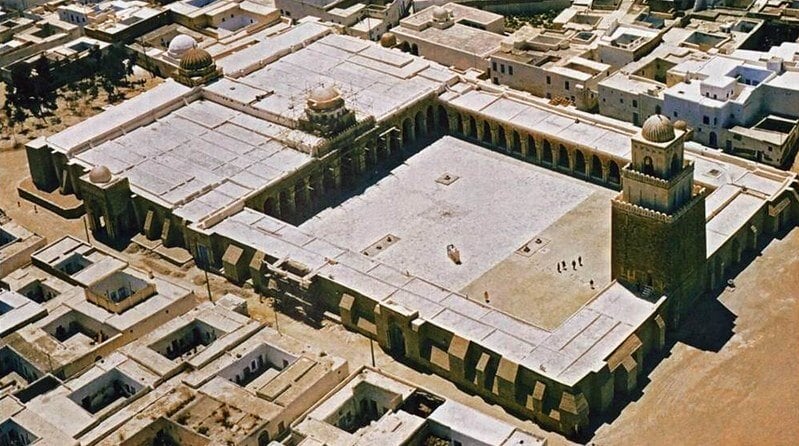
Uqba ibn Nafi founded a mosque at Kairouan in Tunisia around 670, when the town was a military camp on the edge of the Arab conquests. Almost nothing of that first building remains.
The present structure dates largely from 836, when the Aghlabid emir Ziyadat Allah rebuilt it, and it became a model for mosques across North Africa. Hundreds of columns in the prayer hall were salvaged from Roman and Byzantine sites, so few of them match.
The square minaret rises in three tiers to roughly 100 feet and is frequently cited as the oldest standing minaret in the world. Friday prayers continue there.
Nanchan Temple on Mount Wutai
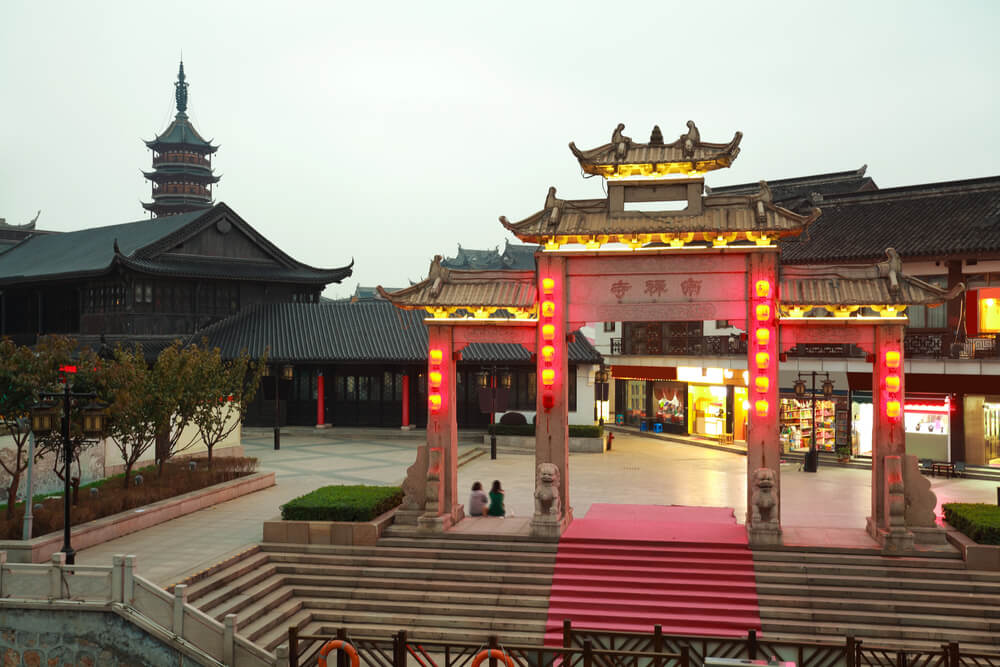
An ink inscription on a roof beam dates the main hall of this small Buddhist temple in Shanxi province to 782, which makes it the oldest known timber building still standing in China. Its survival was partly a matter of obscurity.
In 845 a Tang emperor ordered the destruction of Buddhist establishments across the empire, and the hall, tucked away in the hills, seems to have been overlooked. Architectural historians only identified its age in the 1950s.
Damage from a 1966 earthquake led to a full dismantling and reassembly in the 1970s. Thieves took three of its seventeen Tang sculptures in 1999, and none has been recovered.
Charlemagne’s Palatine Chapel at Aachen
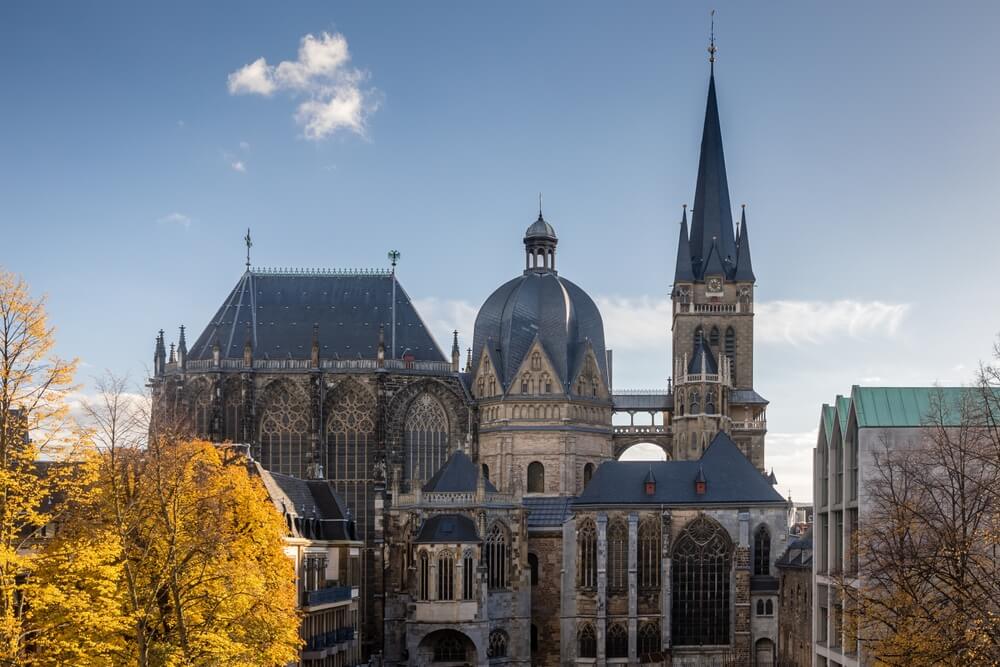
Charlemagne wanted a chapel to rival the churches of Italy, and between roughly 796 and 805 his builders gave him an octagon crowned by a dome about 100 feet high. Nothing north of the Alps would match that height for centuries.
Marble columns were hauled over from Rome and Ravenna with papal permission. The emperor was buried here in 814, and his stone throne still sits in the upper gallery.
From 936 to 1531 the chapel hosted the coronations of more than thirty German kings. Now the core of Aachen Cathedral, it was among the twelve sites on the very first UNESCO World Heritage list in 1978.
Al-Qarawiyyin in Fez
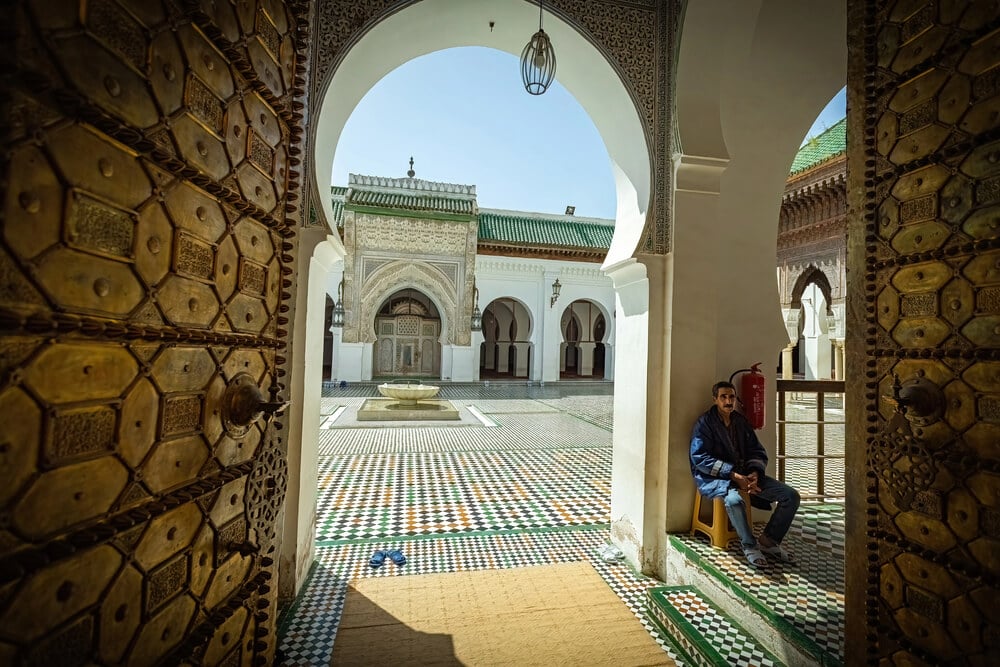
According to tradition, Fatima al-Fihri, the daughter of a wealthy merchant from Kairouan, used her inheritance to found this mosque in 859. Teaching grew up around it, and Guinness World Records and UNESCO both describe it as the oldest continuously operating educational institution in the world.
Some historians object that it only became a university in the modern sense when Morocco reorganized it in 1963. The prayer hall was enlarged repeatedly by later dynasties and can hold thousands of worshippers.
Its library, which owns a ninth century Quran written on parchment, reopened in 2016 after a restoration led by the architect Aziza Chaouni.
Brihadisvara Temple in Thanjavur
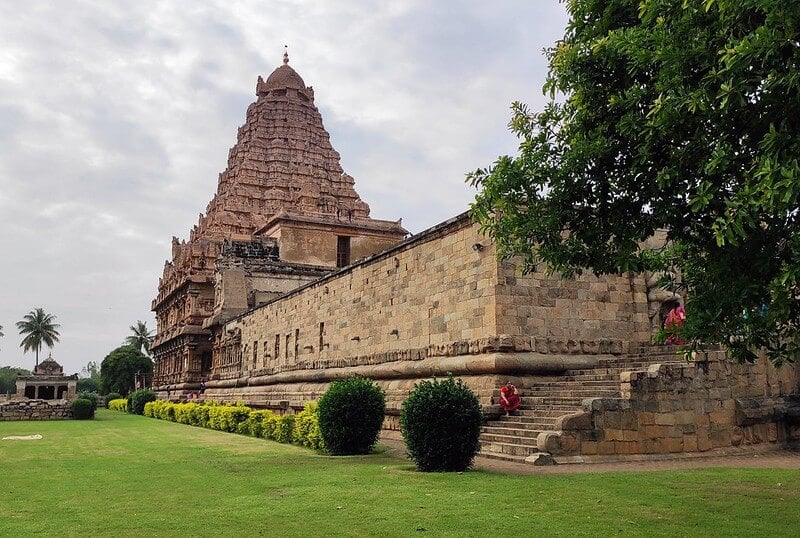
Rajaraja I, the Chola king, dedicated this granite temple to Shiva in 1010, and its tower still rises more than 200 feet over the town of Thanjavur in southern India. The nearest granite source lay many miles away, so every block had to be dragged in.
A domed capstone tops the tower, and local tradition holds that it weighs around 80 tons and went up by way of a long earthen ramp. Inscriptions cut into the base read like a payroll, listing the dancers, musicians, accountants and lamp keepers assigned to the temple.
Worship has continued for a thousand years, and UNESCO listed the site in 1987.
Greensted Church and Its Split Oak Walls
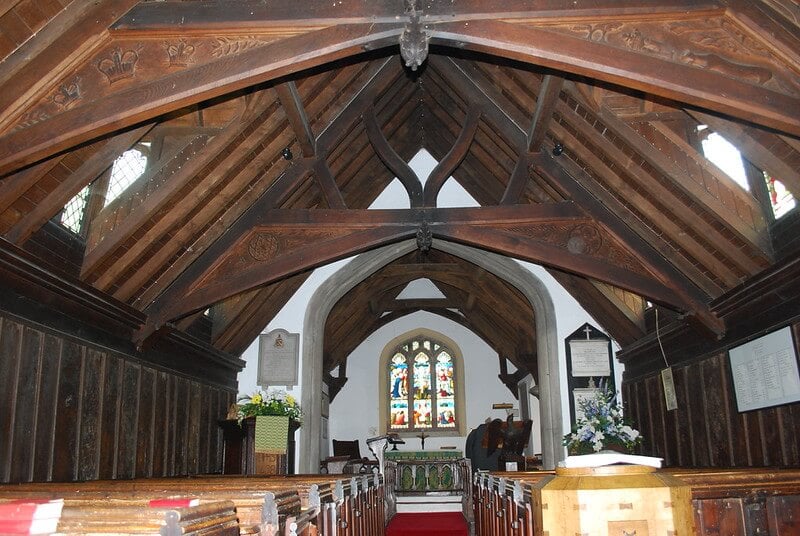
In a hamlet near Chipping Ongar, northeast of London, a small church has a nave built from oak trunks split lengthwise and set upright side by side. Tree ring tests in the 1960s suggested a date of 845.
A second study in 1995 moved that to 1053 at the earliest, with building most likely in the decades just after, around the time of the Norman Conquest. Even with the later date, Greensted is claimed to be the oldest wooden church in the world.
The brick chancel and the weatherboarded tower came centuries afterward. Services are still held under the old timbers every week.
Westminster Hall in London
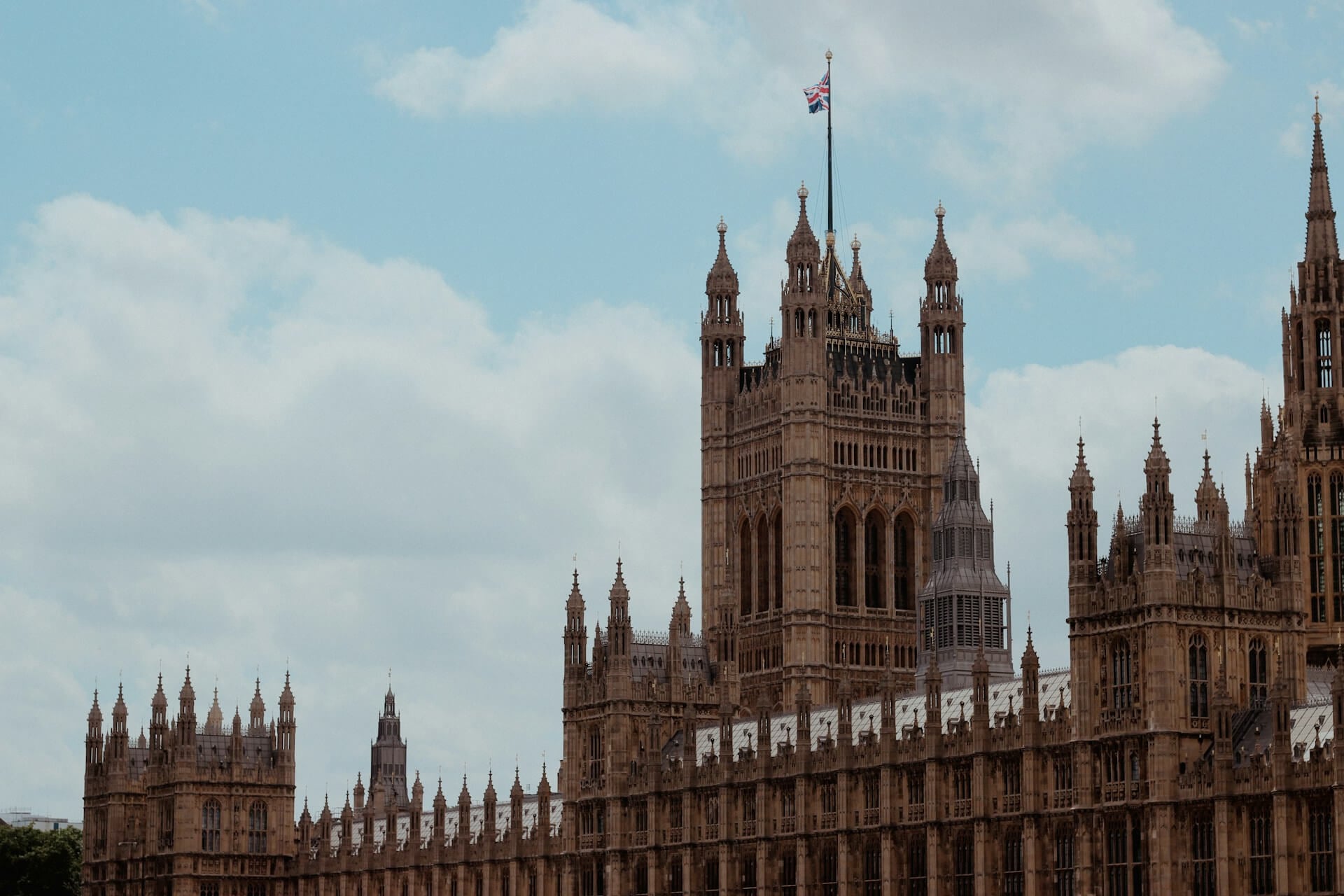
William II had this hall built in 1097, and at about 240 feet long it was probably the largest in Europe at the time. Three centuries later Richard II commissioned the carpenter Hugh Herland to replace the roof.
The oak hammerbeam structure finished around 1399 spans the full width with no supporting columns and is the largest medieval timber roof in northern Europe. Charles I was tried here in 1649.
When the rest of the Palace of Westminster burned in 1834, firefighters concentrated on saving the hall, and they did the same during a 1941 air raid. Monarchs and a few statesmen still lie in state on its floor.
Borgund Stave Church in Norway
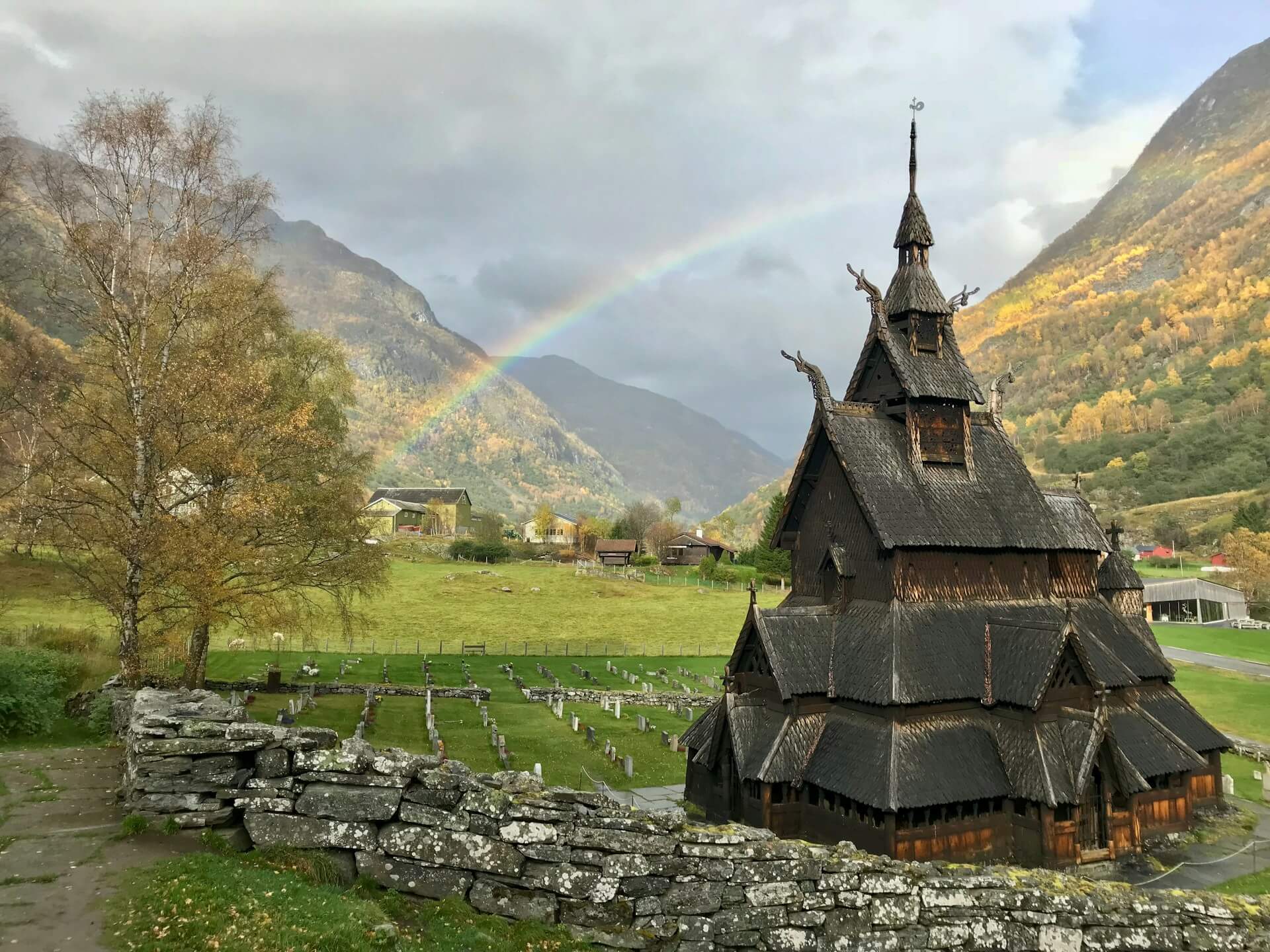
Tree ring dating shows the pine for this church was felled in the winter of 1180 to 1181, and the building went up in Laerdal soon after. Norway once had perhaps a thousand stave churches, and fewer than thirty survive.
Borgund is generally considered the best preserved of them. Its tiered roofs are covered in wooden shingles, with carved dragon heads on the upper gables that recall the prows of Viking ships.
The parish moved to a new church next door in 1868. A preservation society bought the old one in 1877 and still owns it, keeping the timber coated with tar as generations of caretakers did before.
Angkor Wat Under Continuous Care

King Suryavarman II built Angkor Wat in the first half of the twelfth century as a temple to Vishnu, and probably as his own funerary monument. Unusually for a Khmer temple, it faces west.
A moat more than 600 feet wide surrounds the complex, and that water helped hold back the forest that swallowed neighboring sites. The central tower climbs about 213 feet. While the Khmer capital eventually moved south, this temple was never entirely deserted, because Buddhist monks adopted it and have maintained a presence for centuries.
Its silhouette has appeared on Cambodia’s national flag in one form or another since the nineteenth century.
Chartres Cathedral and Its Medieval Glass
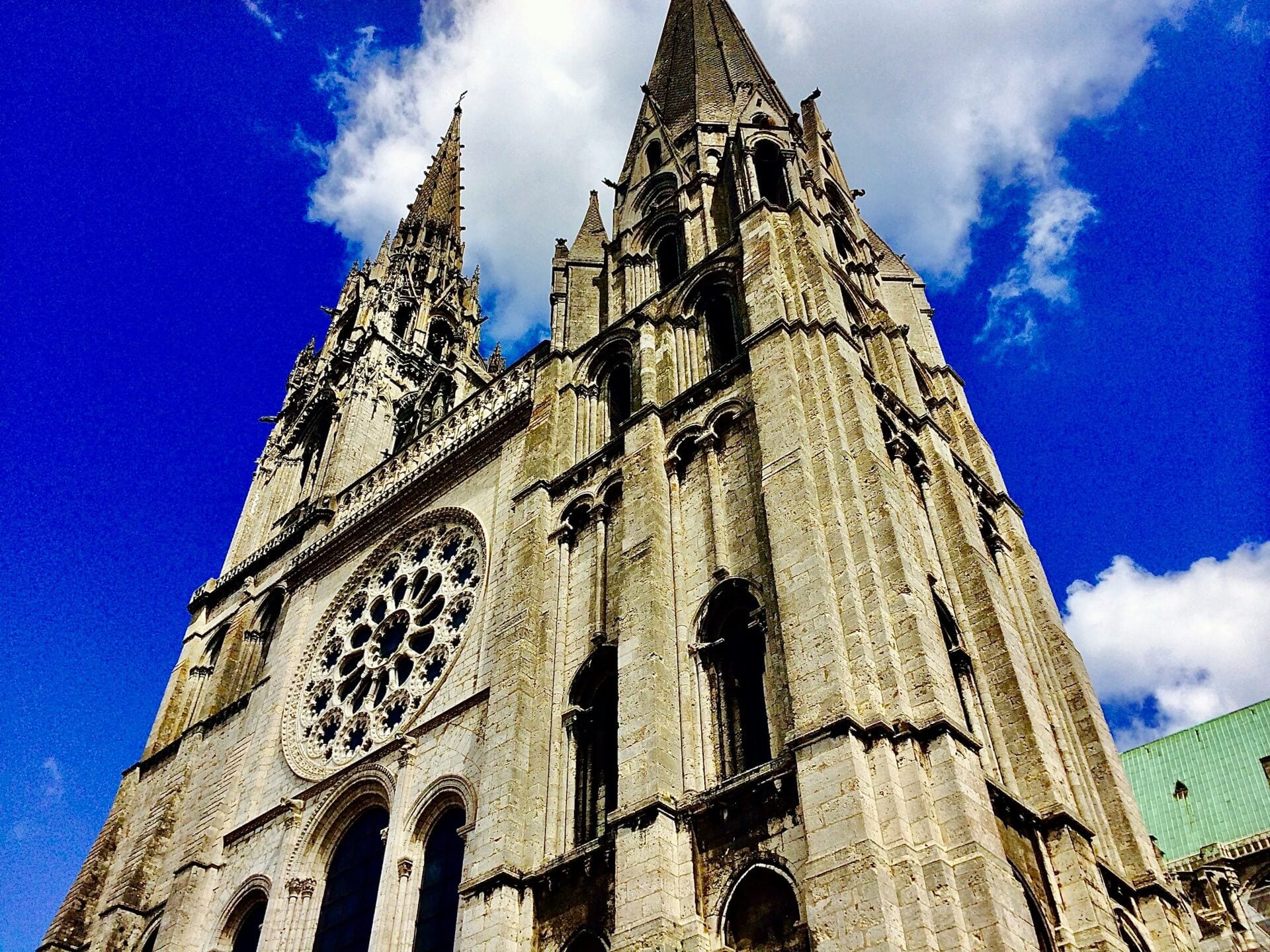
A fire in 1194 destroyed most of the earlier church at Chartres, southwest of Paris. The rebuilding moved with unusual speed for the Middle Ages, and the main structure was largely complete by about 1220, giving the cathedral a consistency of style that slower projects lack.
More than 150 of its windows keep most of their original stained glass, including the deep blue that glassmakers have long tried to match. During both world wars the panels were removed and stored for safety.
The two western spires do not match, since the taller northern one was added in the early 1500s. A stone labyrinth from around 1200 remains set into the nave floor.
Bete Giyorgis and the Rock Churches of Lalibela
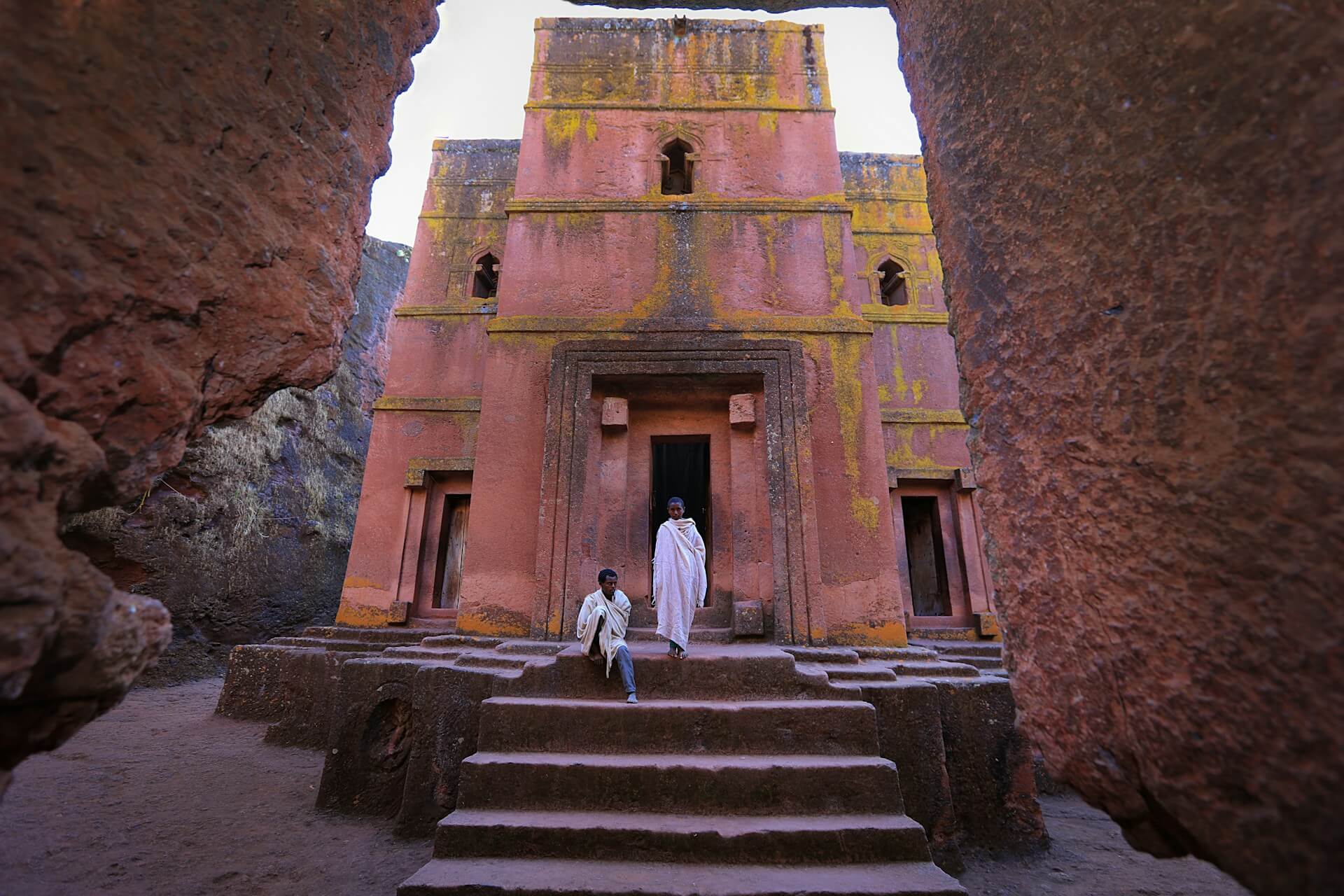
Eleven churches in the highlands of northern Ethiopia were never assembled at all. Masons carved them downward out of solid volcanic rock, freeing each one from the surrounding stone and then cutting out doors, windows, columns and roofs.
Tradition assigns the work to King Lalibela, who ruled around the turn of the thirteenth century. Bete Giyorgis, shaped like a cross and sunk about 40 feet below ground level, is the most photographed.
Priests of the Ethiopian Orthodox Church have served the sanctuaries without interruption, and tens of thousands of white-robed pilgrims arrive each January for Christmas. UNESCO placed the group on its first World Heritage list in 1978.
Alhambra Above Granada
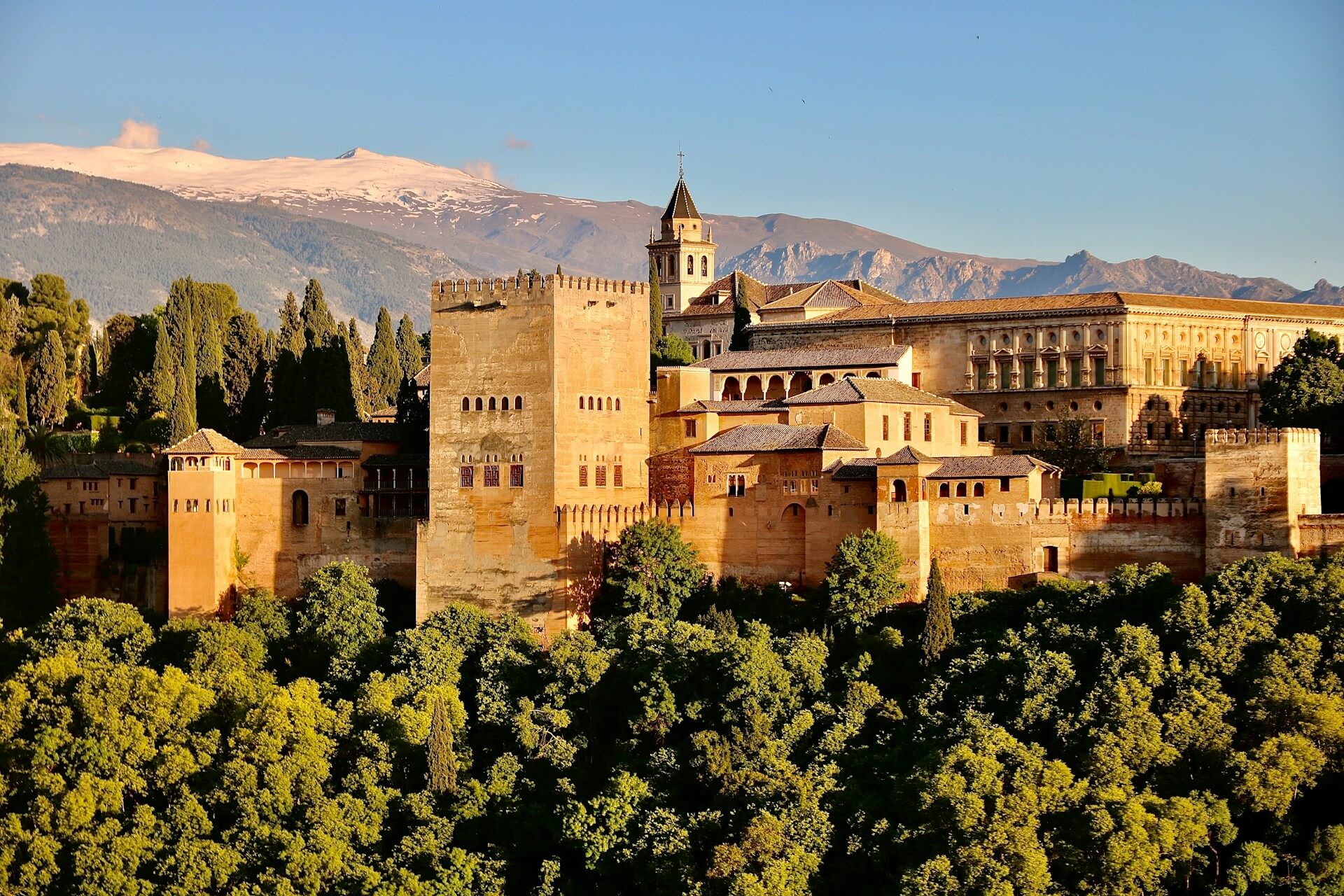
Work on the Alhambra began around 1238, when the founder of the Nasrid dynasty chose a red-earth ridge above Granada for his fortress. His successors spent the next 150 years adding palaces.
The Court of the Lions, with its fountain resting on twelve marble lions, dates to the reign of Muhammad V in the later fourteenth century. Granada surrendered to Ferdinand and Isabella in January 1492, and their grandson Charles V later dropped a Renaissance palace into the middle of the complex.
By the early nineteenth century parts of it housed squatters. Washington Irving lodged there in 1829, and the book that followed helped spur its restoration.
Brunelleschi’s Dome in Florence
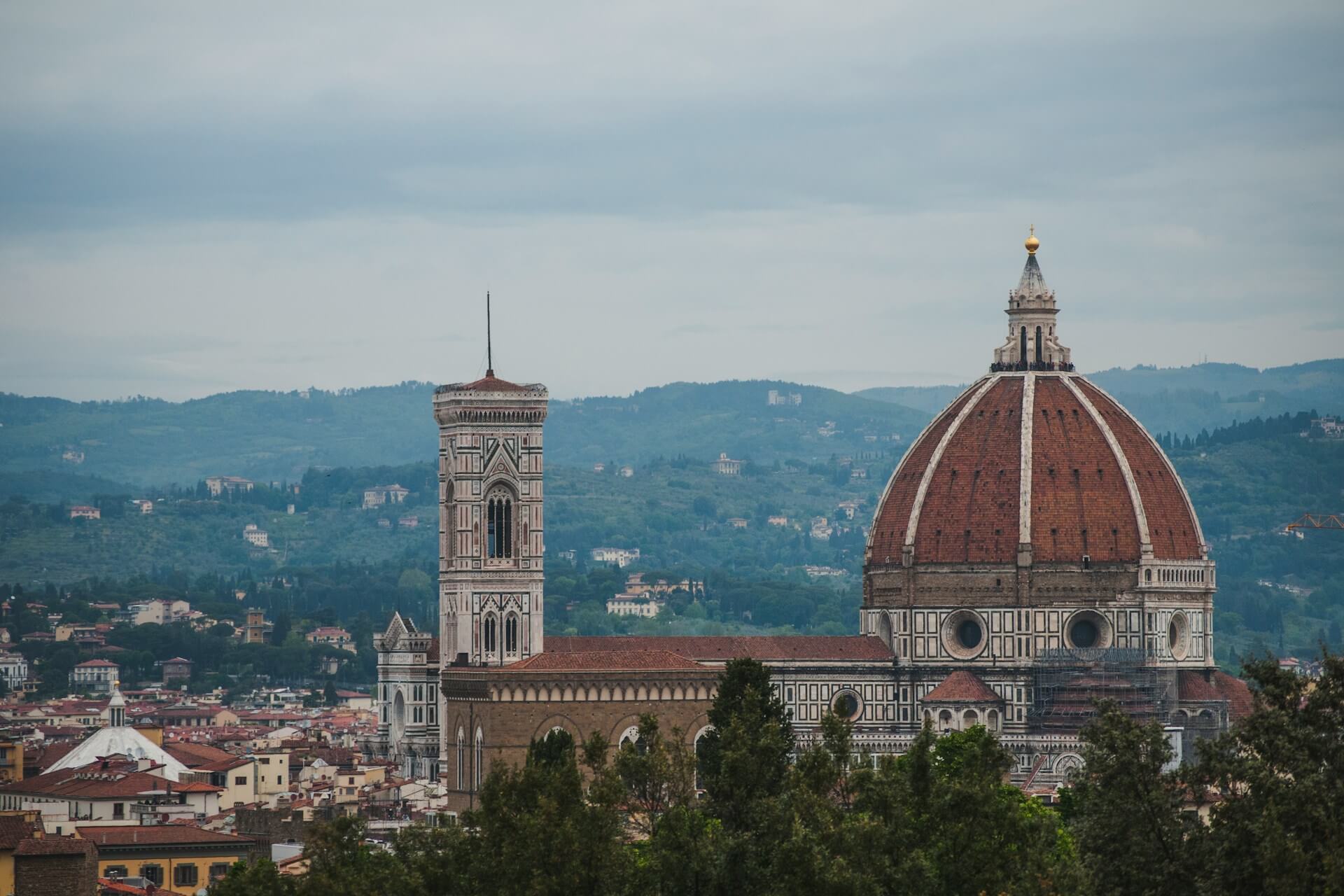
Florence built its cathedral with an opening 143 feet wide at the crossing and no settled idea of how to cover it. Filippo Brunelleschi, a goldsmith by training, won the commission and between 1420 and 1436 raised a double-shell dome without the traditional timber centering.
More than four million bricks went into it, many laid in a herringbone pattern that locked each course in place while the mortar cured. He also designed the hoists that lifted the material.
Nearly six centuries later it remains the largest brick dome ever constructed. Visitors can climb 463 steps between the two shells to reach the lantern at the top.
Beijing’s Forbidden City

Construction of the imperial palace in Beijing ran from 1406 to 1420 under the Yongle Emperor, drawing on a labor force often estimated at hundreds of thousands. Twenty-four emperors of the Ming and Qing dynasties ruled from inside its walls.
The complex covers about 180 acres and contains some 980 surviving buildings, the largest collection of preserved historic wooden structures in the world according to UNESCO. Nearly all of the roofs carry yellow glazed tiles, a color reserved for the emperor.
Puyi, the last emperor, was expelled in 1924, and the Palace Museum opened to the public the following year. It now receives millions of visitors annually.
Taos Pueblo in New Mexico
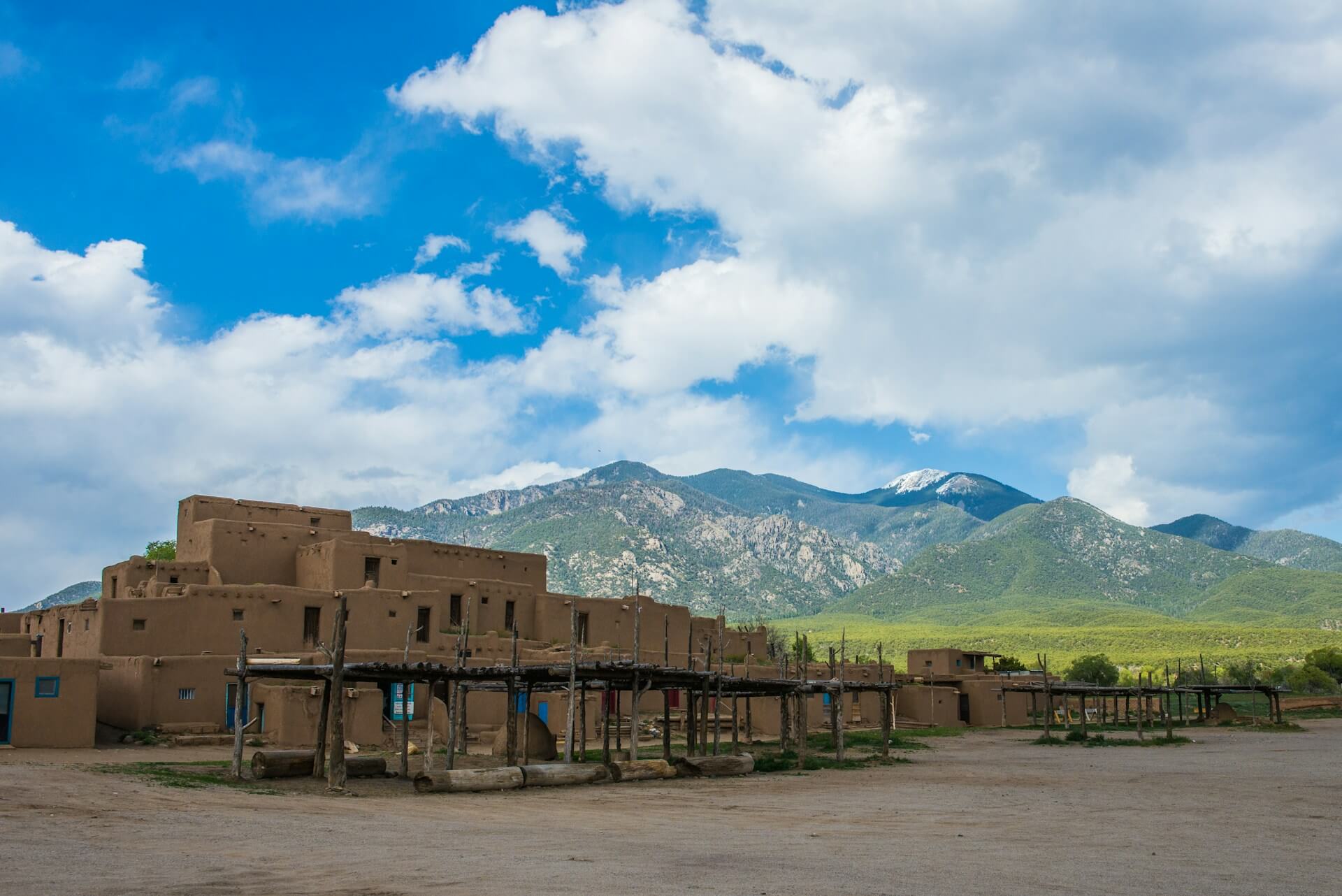
Two multi-story adobe house blocks face each other across a creek at the foot of the Sangre de Cristo Mountains, and people have lived in them for centuries. Archaeologists generally date the main structures to between 1000 and 1450, well before Spanish explorers arrived in 1540.
Taos is often described as one of the oldest continuously inhabited communities in the United States. The walls, several feet thick at the base, are replastered with mud on a regular schedule.
By community choice the old village has neither electricity nor running water, and a modest number of residents still live there year round. It joined the World Heritage list in 1992.
Cathedral of Santo Domingo
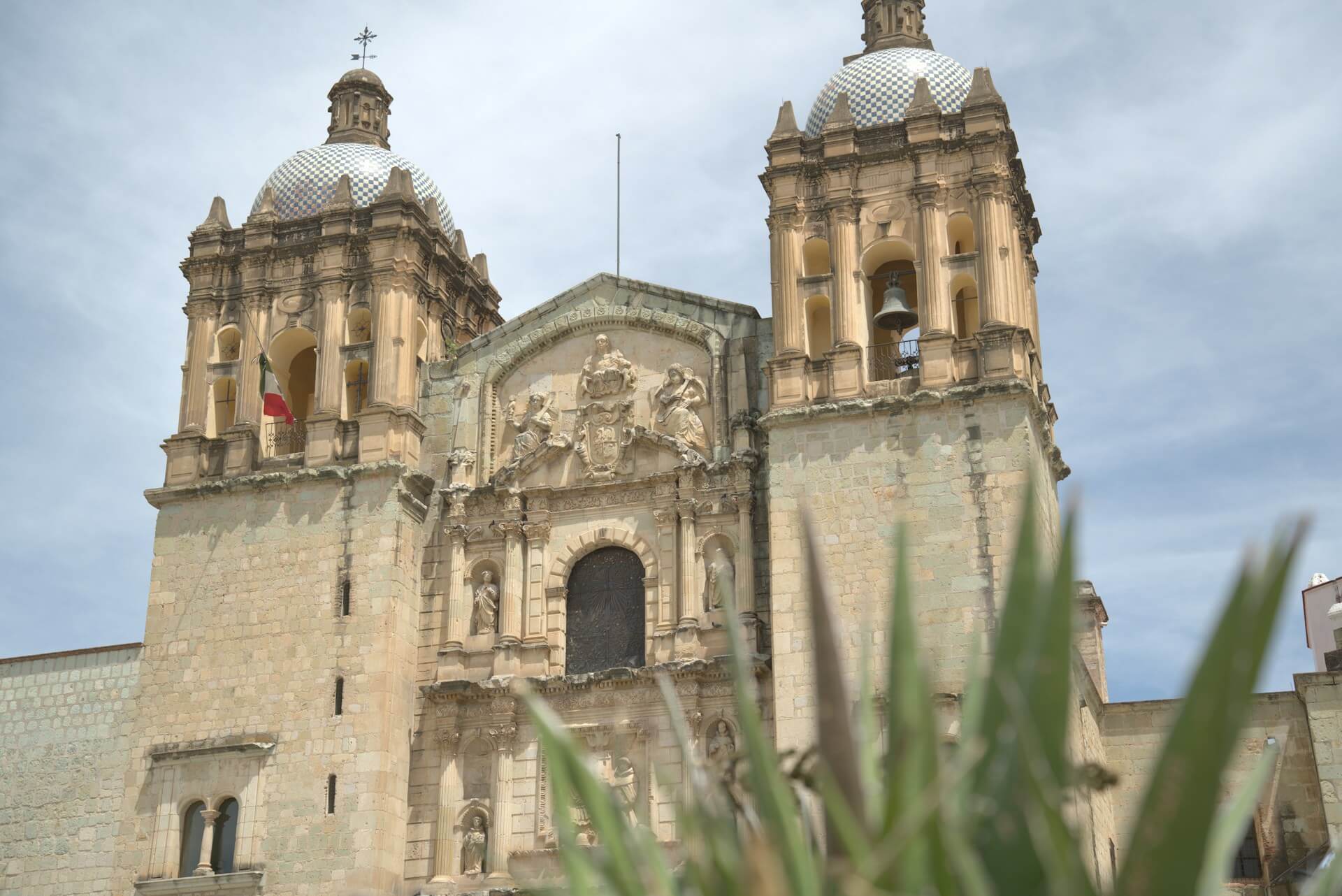
Spanish colonists in Santo Domingo, now the capital of the Dominican Republic, began a stone cathedral in the early sixteenth century. Sources disagree on the exact year work began, but the church was consecrated in 1541, and it is recognized as the oldest existing cathedral in the Americas.
In 1546 Pope Paul III raised it to the senior rank among churches of the New World. Its facade of golden coral limestone mixes Gothic vaulting with Renaissance ornament.
Francis Drake’s men occupied and looted the building during their raid of 1586. For a long period it also held remains said to be those of Christopher Columbus.
St. Basil’s Cathedral on Red Square

Ivan IV ordered this church to mark his capture of the Tatar stronghold of Kazan in 1552, and it was built between 1555 and 1561. The design gathers eight chapels around a taller ninth, each one a separate church under its own tower.
A tenth chapel was added in 1588 over the grave of Basil the Blessed, the local holy man whose name the entire building eventually took. The bright patterned colors came later, mostly in the seventeenth century.
A popular story claims the tsar had the architect blinded afterward, but no evidence supports it. Soviet authorities made the cathedral a museum in the 1920s, which it remains.
Himeji Castle’s White Keep
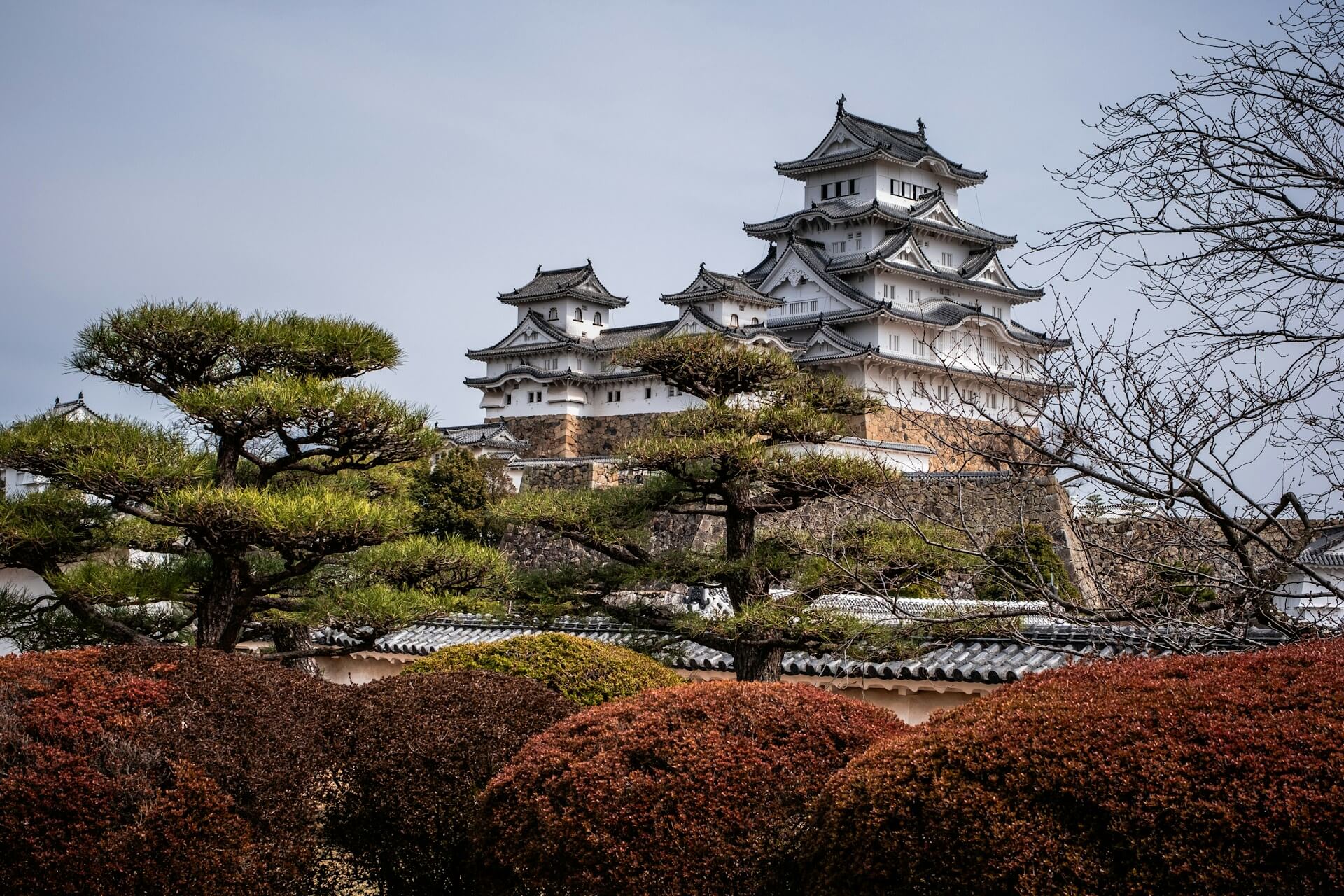
Japan once had hundreds of castles, and only twelve keep their original main towers. Himeji is the largest and most complete of them. Its six-floor keep was finished in 1609 for the lord Ikeda Terumasa, with white plastered walls that earned it the nickname White Heron Castle.
The approach winds through a deliberate maze of gates and dead ends meant to confuse attackers, though the castle never faced a siege. Air raids in 1945 leveled much of the surrounding city, and by local accounts a firebomb that landed on the top floor failed to go off.
A restoration lasting more than five years ended in 2015 with the plaster gleaming again.
Taj Mahal on the Yamuna

Mumtaz Mahal, wife of the Mughal emperor Shah Jahan, died in 1631 after delivering their fourteenth child. Building of her tomb at Agra began the following year.
The white marble mausoleum was essentially complete in the 1640s, with the mosque, guest house, gateway and gardens finished around 1653. Marble came from Makrana in Rajasthan, more than 200 miles away.
The four minarets lean very slightly outward, a choice usually explained as protection for the tomb if one should fall. Shah Jahan was deposed by his son in 1658 and buried beside his wife eight years later, and his off-center cenotaph is the one asymmetrical element in the design.
Fairbanks House in Dedham
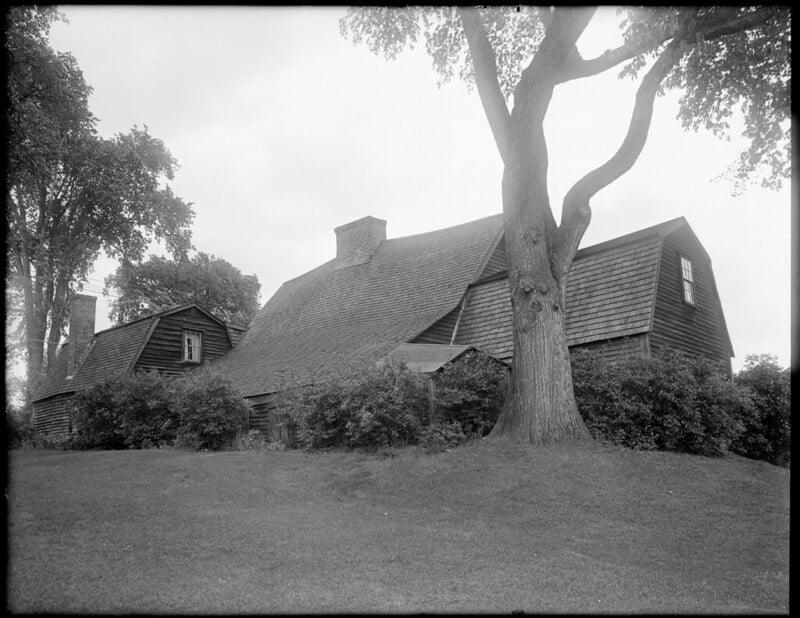
Jonathan Fairbanks, a Puritan settler from Yorkshire, put up a timber-frame house in Dedham, Massachusetts, shortly after arriving in the colony. Tree ring analysis has dated the main beam to 1637 and other timbers to as late as 1641.
That evidence makes it the oldest surviving timber-frame house in North America to be verified by such testing. Eight generations of the same family lived there, adding wings as needs changed and never fully modernizing the original rooms.
The last resident, Rebecca Fairbanks, moved out in 1904. A family association took over and opened the house as a museum the next year, a role it still fills.
Castle of Good Hope in Cape Town
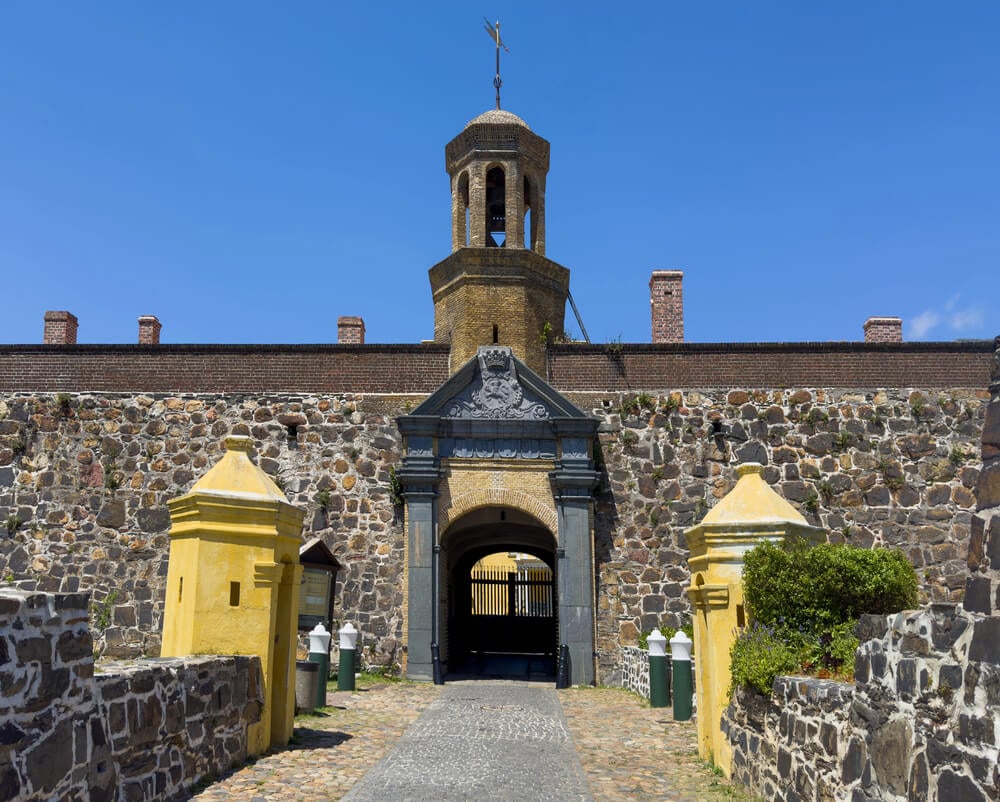
Dutch East India Company officials laid the first stone of this five-pointed fort in January 1666 and declared it finished in 1679. Much of the labor was done by enslaved people brought to the Cape from elsewhere in Africa and Asia.
It is regarded as the oldest existing colonial building in South Africa. The five bastions were named for titles held by William of Orange. When new, the fort stood right on the shore of Table Bay, but land reclamation has since left it well inland.
A bell cast in Amsterdam in 1697 still hangs in the tower over the main gate. The castle remains a working military site and museum.
Castillo de San Marcos in St. Augustine
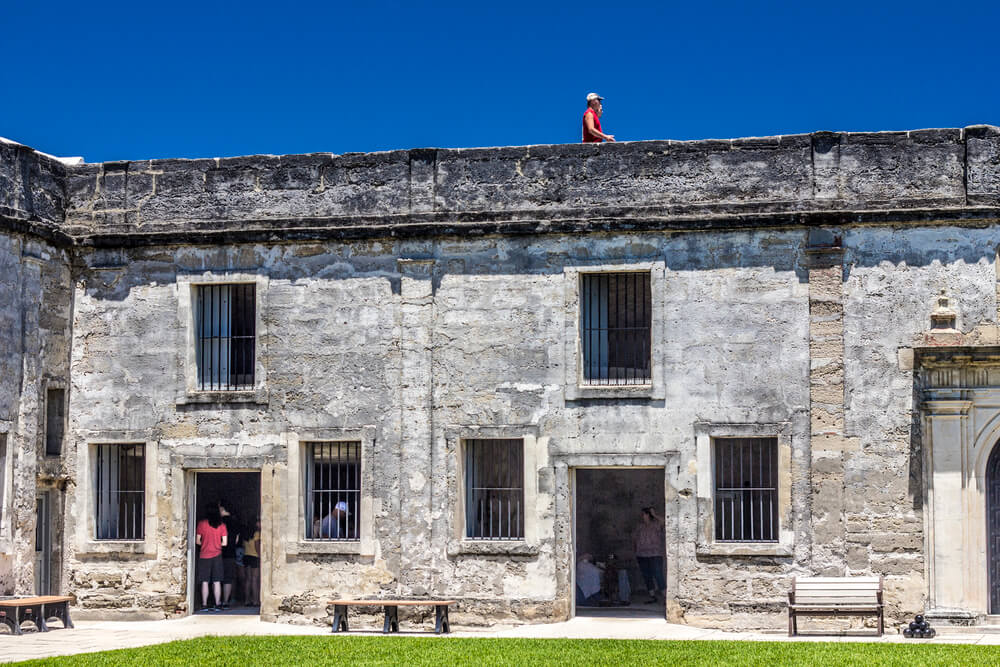
After a series of wooden forts at St. Augustine, Florida, rotted or burned, Spain began a stone one in 1672 and completed it in 1695. The National Park Service calls it the oldest masonry fort in the continental United States.
Its walls are coquina, a soft local limestone made of compressed shells. That material turned out to be an asset, because incoming cannon shot sank into it instead of shattering the wall.
British forces besieged the fort in 1702 and again in 1740 and failed both times. It later changed hands by treaty several times but was never taken by force. It became a national monument in 1924.
Stone, Timber and the Habit of Use
Almost none of these buildings survived by being left alone. They were reroofed, replastered, tarred, regilded, taken apart after earthquakes and put back together.
Several changed religion, and a few changed empire more than once. The common thread is that somebody always had a reason to keep the rain out.
Ruins tend to be what remains when that reason disappears. A temple that still has priests, a hall that still hosts ceremonies and a house that stayed in one family for eight generations all had caretakers with a stake in the next winter.
Age alone protects nothing. Continued use, it turns out, is the most reliable preservation method anyone has devised.
More from Go2Tutors!

- The Romanov Crown Jewels and Their Tragic Fate
- 13 Historical Mysteries That Science Still Can’t Solve
- Famous Hoaxes That Fooled the World for Years
- 15 Child Stars with Tragic Adult Lives
- 16 Famous Jewelry Pieces in History
Like Go2Tutors’s content? Follow us on MSN.