15 Times a Single Weather Event Permanently Changed How a Country Built Its Homes
Destruction is not the end of the story. Repeatedly in history, the fires, floods, storms, and earthquakes that flattened what people had built did something else simultaneously: they exposed exactly what had been built wrong, and in doing so, they forced a reckoning that peacetime complacency had prevented for decades. The buildings that replaced them were different. The codes that governed the rebuilding were stricter.
The shape of the city, the materials in the walls, and the engineering standards of the country changed because of a single catastrophic event. This pattern appears in every era and on every continent.
The disaster creates a political and social willingness to impose standards that would have been resisted without it. What follows is not just construction — it is a transformation in how an entire culture thinks about shelter, risk, and the relationship between the built environment and the forces that regularly try to destroy it.
The Great Fire of London, 1666 (England)
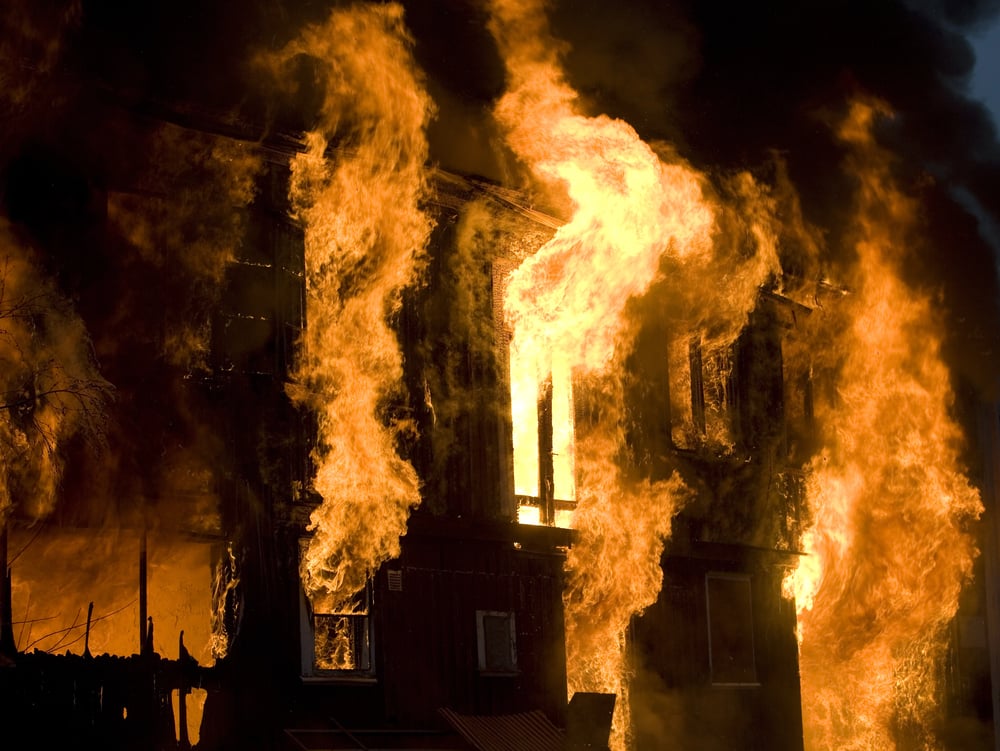
London in 1666 was a medieval city of wooden buildings with thatched roofs, where houses on either side of narrow streets leaned close enough for eaves to touch across the lane. When a fire started at a bakery on Pudding Lane in the early hours of 2 September, it consumed about 80% of the city within four days.
The Rebuilding Act of 1667 — often considered the first modern building regulation in England — mandated that new buildings be constructed in brick or stone, set width requirements for different classes of streets to act as firebreaks, and created standard structural types for different building sizes. London was transformed from a medieval wooden city into the early-modern brick one whose Georgian terraces still characterise its older neighbourhoods.
The fire did not just rebuild London. It rebuilt the idea of how cities should be built.
The North Sea Flood of 1953 (the Netherlands)

On the night of 31 January 1953, a combination of a severe storm and a high spring tide sent a wall of seawater across the Netherlands. More than 1,800 people drowned. Some 47,300 buildings were damaged and over 10,000 destroyed.
About one-sixth of the country was flooded. What followed was arguably the most ambitious flood defence programme in history. Within weeks, a Delta Committee was established.
The Delta Works — a sprawling network of storm surge barriers, dams, dikes, sluices, and levees constructed over the following four decades — fundamentally reshaped the southwest Netherlands, transforming a 700-kilometre jagged coastline into an 80-kilometre straight line of engineered defence. The project was designed to reduce the probability of comparable flooding to once every 4,000 years. It has since been called one of the seven wonders of the modern world.
The same storm that killed 300 people in eastern England prompted the construction of the Thames Barrier, completed in 1982.
Hurricane Andrew, 1992 (Florida, USA)
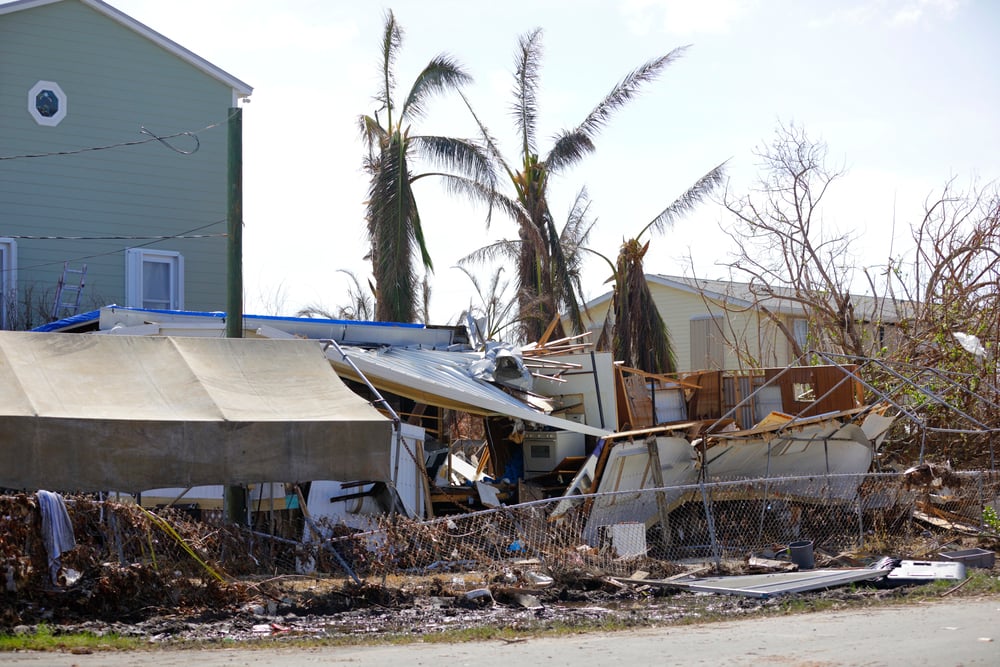
When Hurricane Andrew made landfall south of Miami on 24 August 1992 with 175 mph winds, it demolished entire suburban neighbourhoods. Country Walk, a planned residential community north of Homestead, was essentially erased.
Investigations revealed that the destruction was not simply the result of the storm’s power — it was the result of shoddy construction and unenforced building codes. Prior to Andrew, Florida had more than 400 different local building codes with inconsistent enforcement, and the pressure to build quickly had regularly overridden structural safety requirements.
In response, Florida developed a unified statewide Florida Building Code that mandated impact-resistant windows, hurricane straps connecting roofs to walls, reinforced roof attachment systems, and new standards for wind-load resistance. Twenty-five years later, the code’s effectiveness was visible in the difference between pre-code and post-code structures surviving subsequent hurricanes.
The Galveston Hurricane of 1900 (Texas, USA)
At the time, Galveston, Texas was the largest and most prosperous city in the state — and it sat on a barrier island barely two metres above sea level. The unnamed hurricane that struck on 8 September 1900 generated a storm surge that submerged the entire island.
Between 6,000 and 12,000 people died, making it the deadliest natural disaster in United States history. The response was engineering on a scale the country had never attempted: the island was raised by six to seven metres by hydraulically dredging sand from the Gulf floor and pumping it under the city, over 500 city blocks. A 17-foot concrete seawall was constructed along the beachfront.
Every building was elevated. Galveston became the test case for what disaster reconstruction could accomplish with sufficient political will and resources, and the seawall and grade-raising project became a template for coastal resilience engineering that influenced construction along vulnerable American coastlines for generations.
The San Francisco Earthquake and Fire, 1906 (California, USA)
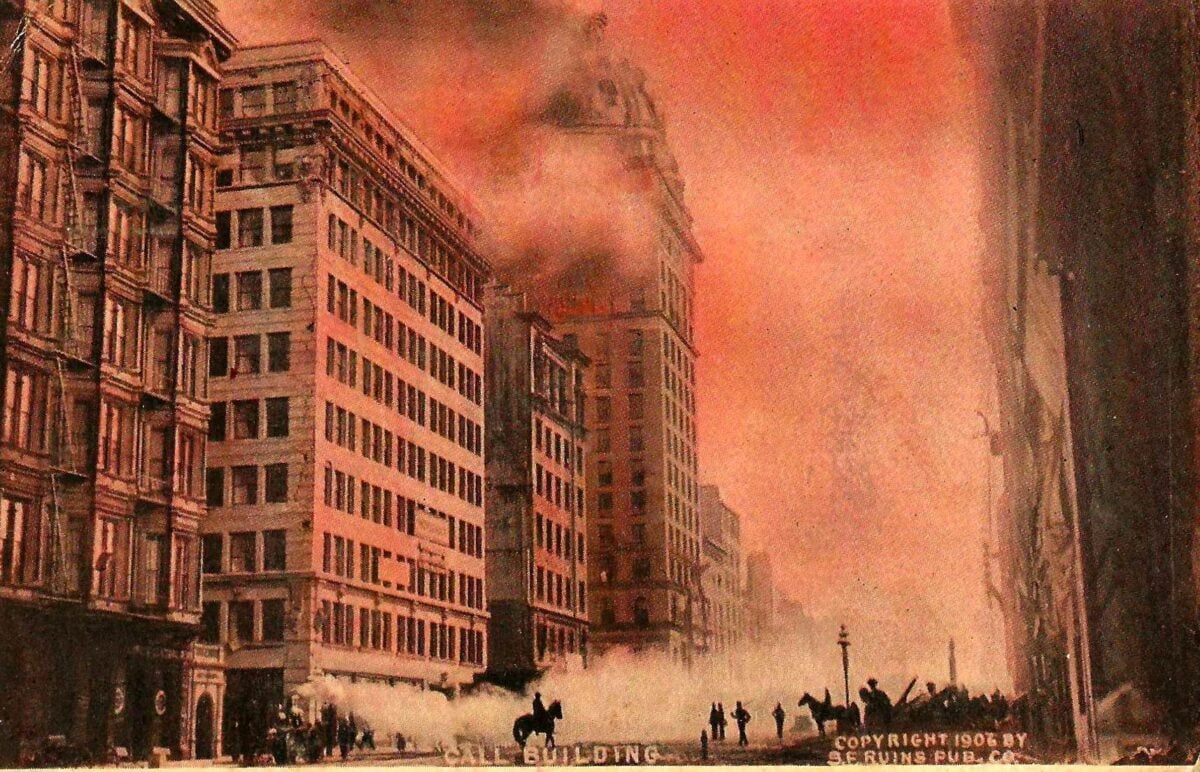
The 1906 San Francisco earthquake, estimated at magnitude 7.9, was followed immediately by fires that burned for three days and destroyed about 28,000 buildings across the city. The reconstruction was the fastest large-scale urban rebuilding in American history — the city was substantially rebuilt within three years.
But the more lasting consequence was the beginning of earthquake engineering as a discipline. Studies of the failure patterns in the buildings that collapsed informed the first systematic understanding of how structures behave during seismic events.
California’s seismic building codes, which have since become among the most stringent in the world, trace their conceptual origins to the post-1906 investigations. The disaster effectively created an academic and regulatory field that now shapes construction standards across the seismically active western United States.
The Great Kanto Earthquake of 1923 (Japan)
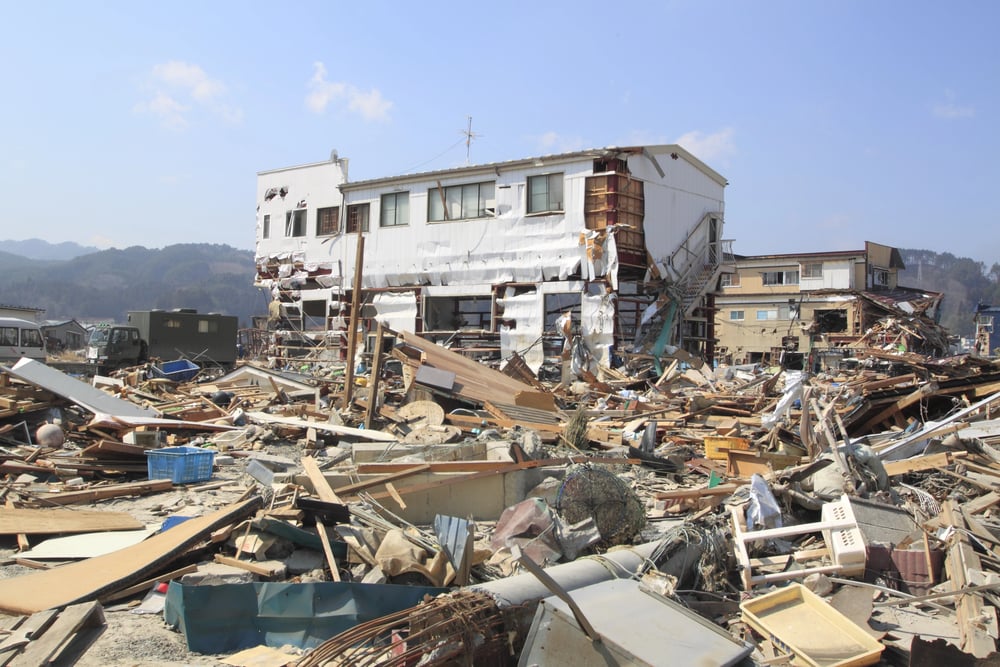
The magnitude 7.9 Great Kanto Earthquake struck the Tokyo-Yokohama region on 1 September 1923. The earthquake and the fires that followed killed approximately 140,000 people and destroyed around 300,000 homes.
The aftermath reshaped Japanese attitudes toward construction and disaster preparedness that persist to the present day. Japan implemented its first national urban planning law and began developing earthquake-resistant construction standards.
The disaster accelerated the replacement of wooden urban housing with more fire-resistant and earthquake-resistant construction. Japan’s current status as the country with arguably the most advanced seismic engineering standards in the world is a direct lineage from the catastrophe of 1923 and the subsequent disasters that each added new urgency to the regulatory framework.
The Johnstown Flood of 1889 (Pennsylvania, USA)
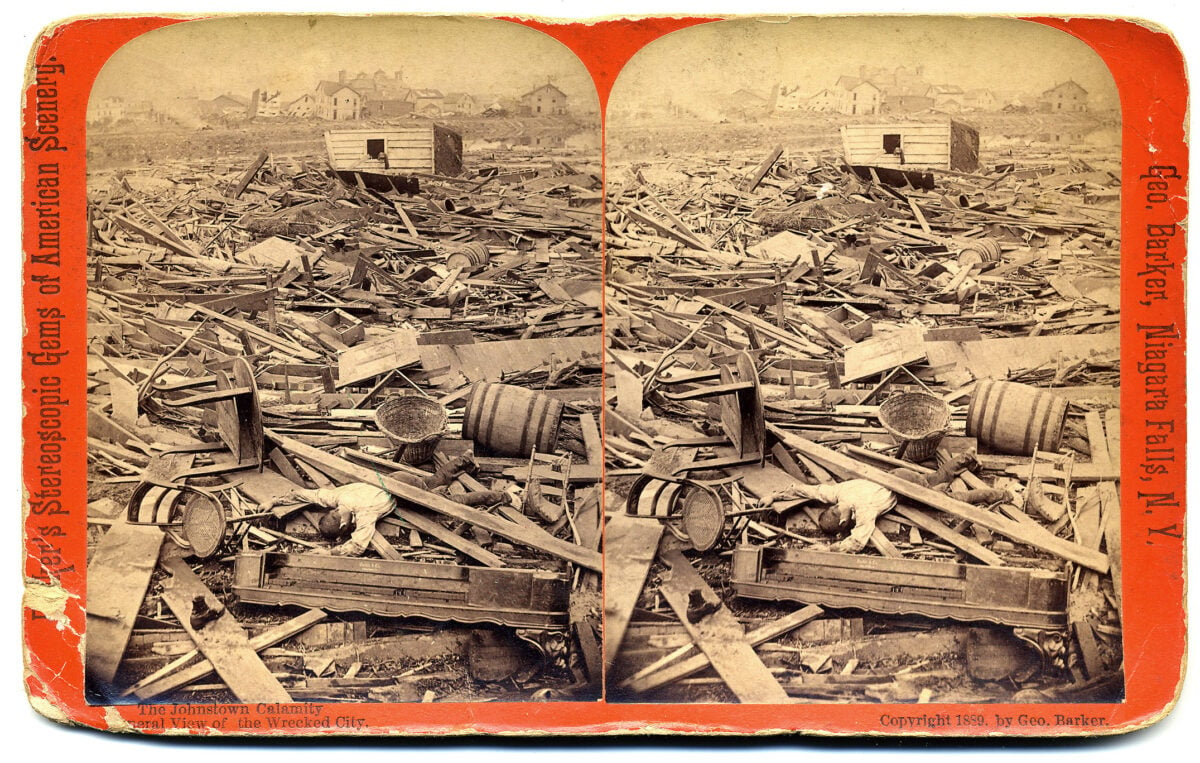
The failure of the South Fork Dam on 31 May 1889 sent 20 million tonnes of water through Pennsylvania’s Conemaugh Valley and into the industrial city of Johnstown, killing over 2,200 people. The disaster drew national attention to the unregulated condition of private dams — the South Fork Dam had been negligently maintained for years and several prior warnings about its condition had been ignored.
While the immediate regulatory response was limited by the legal doctrines of the era, the Johnstown Flood shifted public and eventually legislative opinion toward dam safety oversight. Pennsylvania and eventually the federal government began requiring inspection regimes for large private dams, a standard that eventually became the basis for the national dam safety regulatory framework that governs thousands of structures today.
The Chicago Fire of 1871 (Illinois, USA)
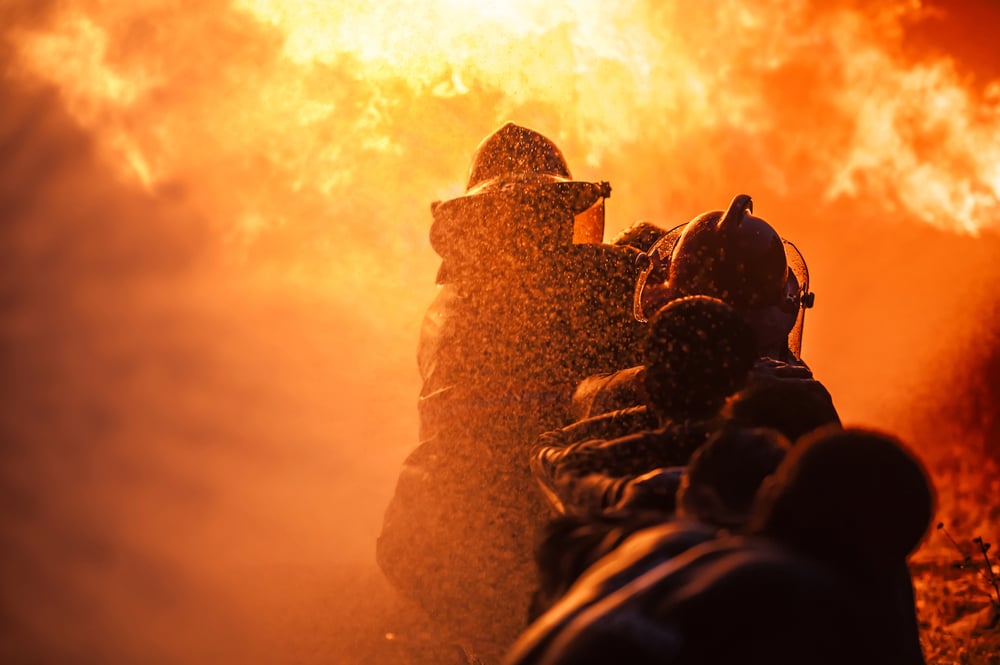
The Great Chicago Fire of 8–10 October 1871 destroyed about 3.3 square miles of the city and left roughly 100,000 people homeless. The city was rebuilt with extraordinary speed — and in doing so, it became the testing ground for a new generation of architectural technology.
The commercial buildings that rose after the fire were among the first to use steel-frame construction and fireproof cladding on a large scale. Chicago’s post-fire rebuild is credited as the birthplace of modern skyscraper architecture — the financial necessity of fitting more commercial floor space onto expensive urban land combined with new structural technology to create the urban high-rise. The building practices that emerged from Chicago’s reconstruction spread to cities around the world.
The Tri-State Tornado of 1925 (Midwest, USA)
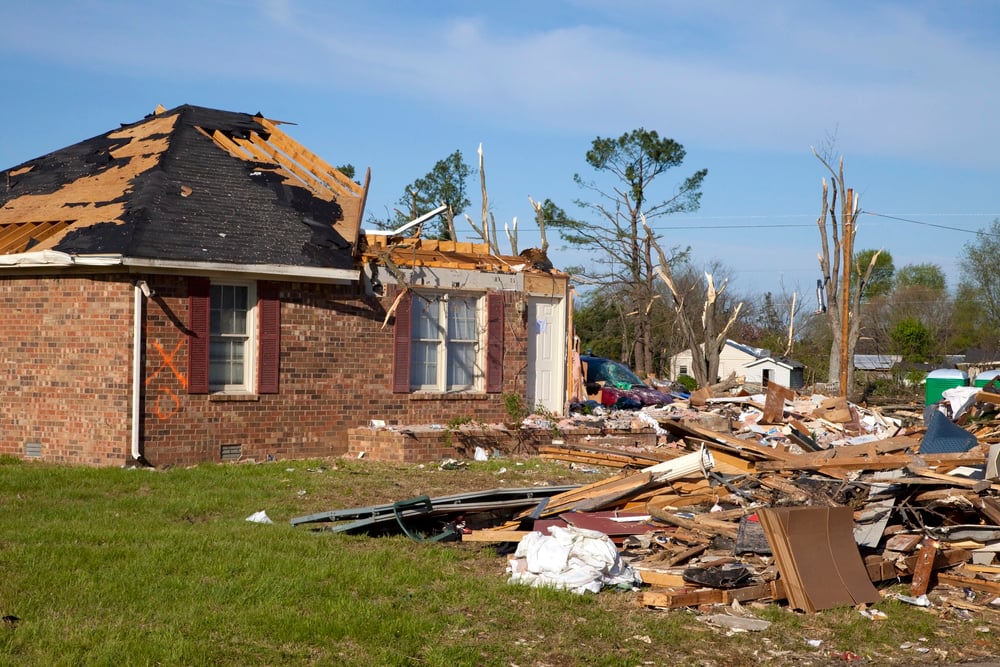
The Tri-State Tornado of 18 March 1925 tracked 219 miles across Missouri, Illinois, and Indiana — the longest tornado track ever recorded — killing 695 people and destroying around 15,000 homes. The disaster exposed the total absence of any tornado warning or shelter infrastructure across the American Midwest.
Over the following decades, the communities most affected by the tornado and subsequent tornadoes built the first dedicated tornado shelters into community buildings and eventually into residential design. The Tri-State Tornado’s legacy drove the push for the national tornado warning system eventually developed in the 1950s, and influenced the below-ground shelter design that became a standard feature of homes in tornado-prone areas of the central United States.
The Lisbon Earthquake and Tsunami, 1755 (Portugal)
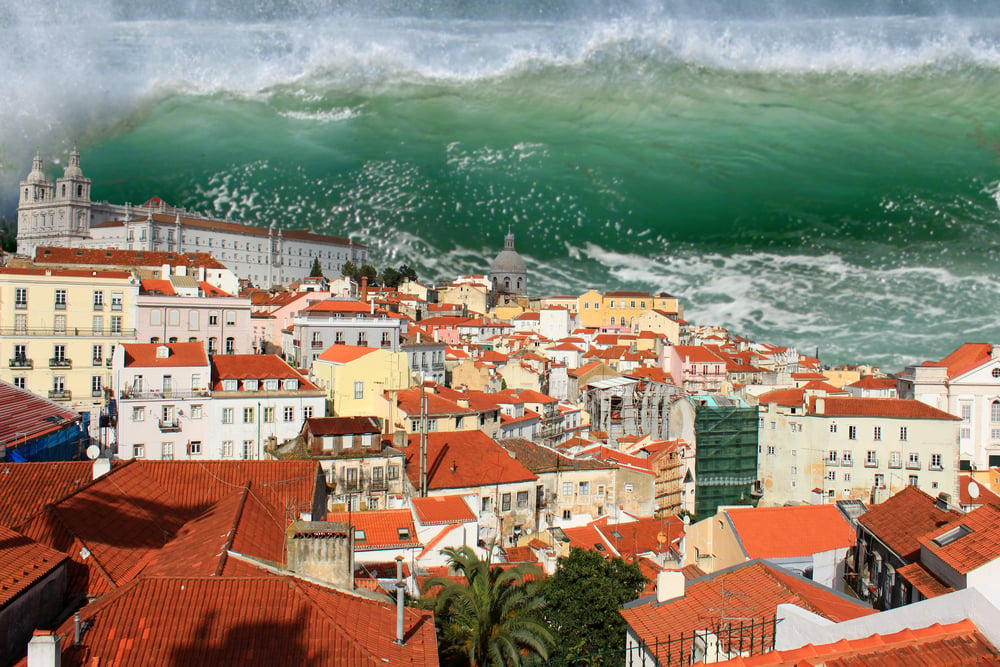
The earthquake that struck Lisbon on 1 November 1755 — All Saints’ Day, with the city’s churches full — is estimated at magnitude 8.5 or higher. The earthquake, tsunami, and subsequent fires destroyed 85% of the city and killed tens of thousands.
The reconstruction of Lisbon under the direction of the Marquis of Pombal was one of the first large-scale planned urban rebuildings in European history, and it introduced what may be the first earthquake-resistant building design in the Western world. Pombal’s architects developed the “pombalino” construction technique — buildings with internal timber cage structures, essentially an early form of what is now called seismic bracing — to give new structures flexibility under ground movement.
Lisbon’s lower city (Baixa Pombalina) was laid out on a regular grid with standardised building heights and widths, becoming the first European urban quarter designed with seismic performance as an explicit design criterion.
Hurricane Katrina, 2005 (Louisiana, USA)
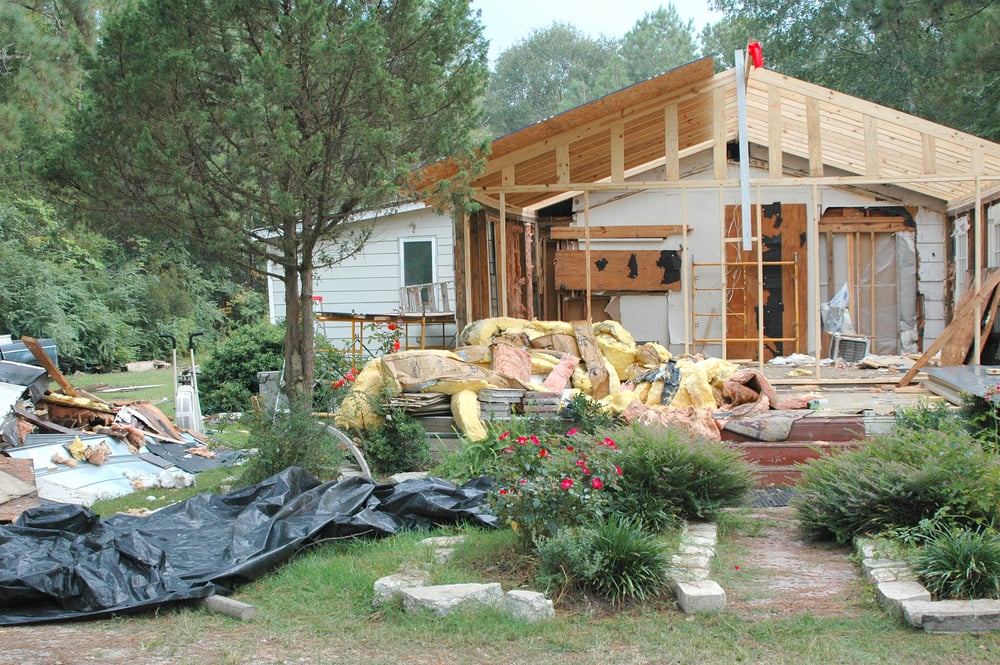
Hurricane Katrina made landfall on the Louisiana coast on 29 August 2005. The storm and the catastrophic failure of the federally managed levee system that followed flooded about 80% of New Orleans, killing over 1,800 people and destroying hundreds of thousands of homes.
The disaster revealed systemic failures in levee design, maintenance, and oversight that extended well beyond Louisiana — levee systems across the country were found to be operating under outdated design standards. Post-Katrina, New Orleans undertook the most extensive urban flood defence construction in American history: raising levees, constructing new surge barriers, and redesigning the city’s drainage infrastructure at a cost exceeding ten billion dollars.
Nationally, the disaster accelerated changes to FEMA’s flood mapping and the National Flood Insurance Program’s elevation requirements, raising the baseline standard for construction in flood-prone zones across the country.
The Great Bhola Cyclone of 1970 (Bangladesh)
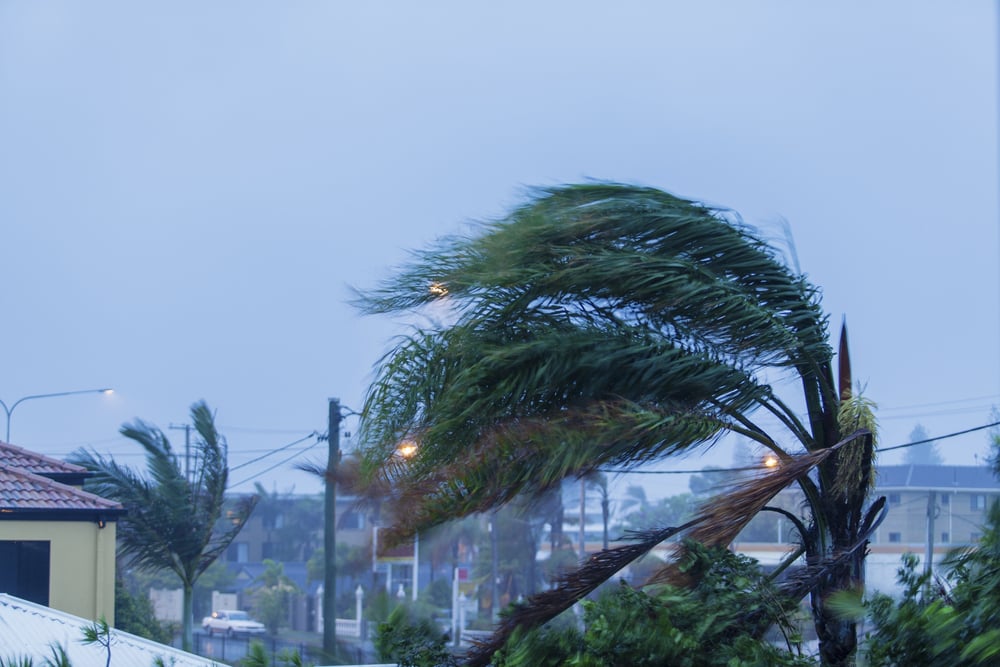
The Bhola Cyclone struck East Pakistan (now Bangladesh) on 12 November 1970, generating a storm surge that submerged low-lying coastal areas and killed an estimated 300,000 to 500,000 people — the deadliest tropical cyclone in recorded history. The disaster dramatically altered how Bangladesh, after its independence in 1971, approached coastal construction.
The country began a decades-long programme of building cyclone shelters — elevated concrete structures designed to house thousands of residents during storm surges — across vulnerable coastal areas. By the 2000s, Bangladesh had built over 3,000 such shelters. When Cyclone Sidr struck in 2007 with comparable intensity to Bhola, deaths were in the thousands rather than the hundreds of thousands.
The shelter programme, born of the 1970 catastrophe, is one of the most significant examples of disaster-driven construction changing outcomes at population scale.
The Loma Prieta Earthquake, 1989 (California, USA)
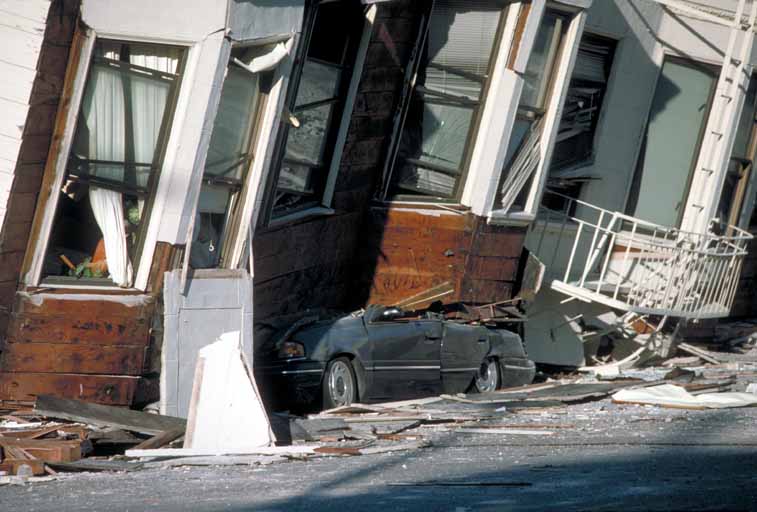
The magnitude 6.9 Loma Prieta earthquake struck the San Francisco Bay Area on 17 October 1989, during the World Series, collapsing a section of the Bay Bridge and the Cypress Freeway, killing 63 people and damaging approximately 12,000 residential structures. The event produced a comprehensive reassessment of unreinforced masonry buildings across California — the older brick-and-mortar buildings that had survived the 1906 earthquake but proved particularly vulnerable to this one.
California and the Bay Area municipalities enacted mandatory retrofit programmes requiring property owners to strengthen unreinforced masonry structures or face demolition. The retrofit standards developed in the aftermath of Loma Prieta have since been applied to buildings across the seismically active western United States, eventually influencing national guidelines for seismic retrofitting of older construction.
Hurricane Hugo, 1989 (South Carolina and North Carolina, USA)
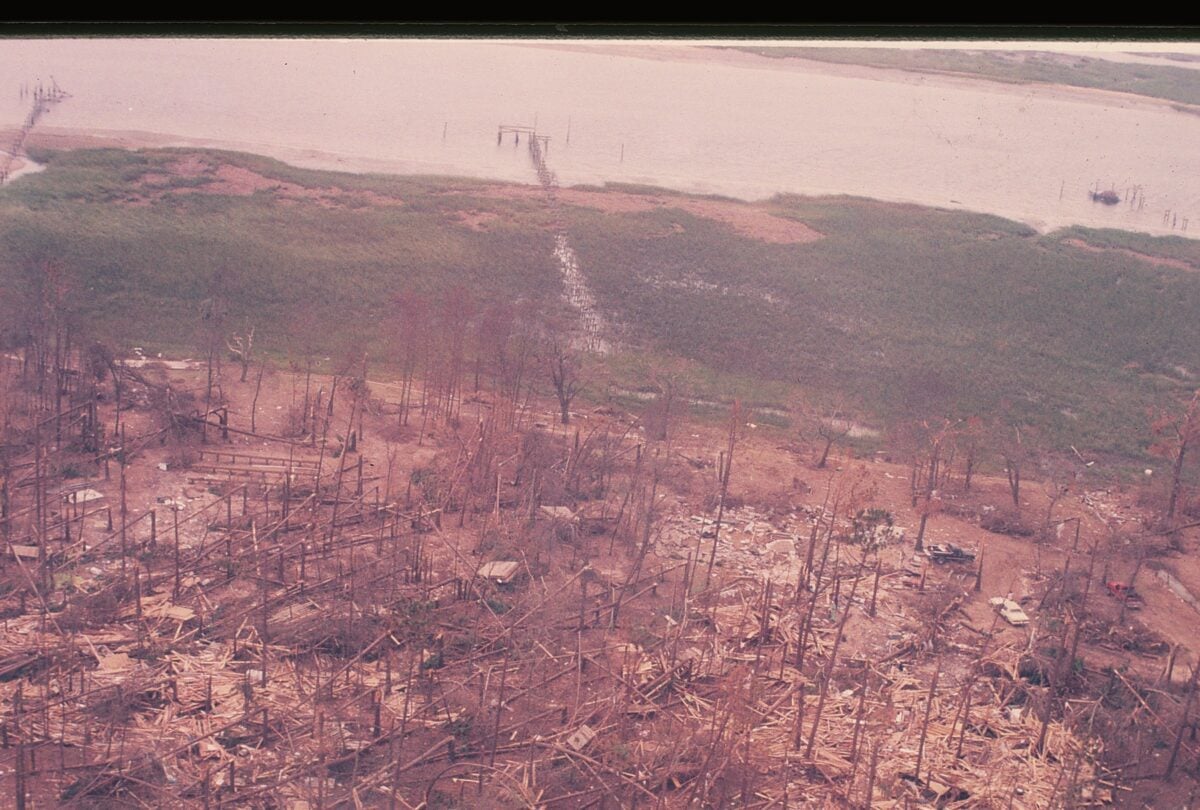
Hurricane Hugo made landfall at Isle of Palms, South Carolina, on 21 September 1989, killing 27 people and causing nearly seven billion dollars in damage across the Carolinas. Hugo revealed that North and South Carolina’s coastal building stock was severely inadequate for hurricane-force wind conditions. In North Carolina, the disaster drove adoption of significantly stricter wind resistance standards, new requirements for roof attachment to wall framing, and revised foundation requirements for coastal construction.
The specific requirement that roof framing be mechanically connected to wall framing — not simply nailed together — became the most consequential single building provision introduced after Hugo, as it directly addressed the mechanism by which the majority of residential roofs had been lost in the storm.
The 2011 Tōhoku Earthquake and Tsunami (Japan)
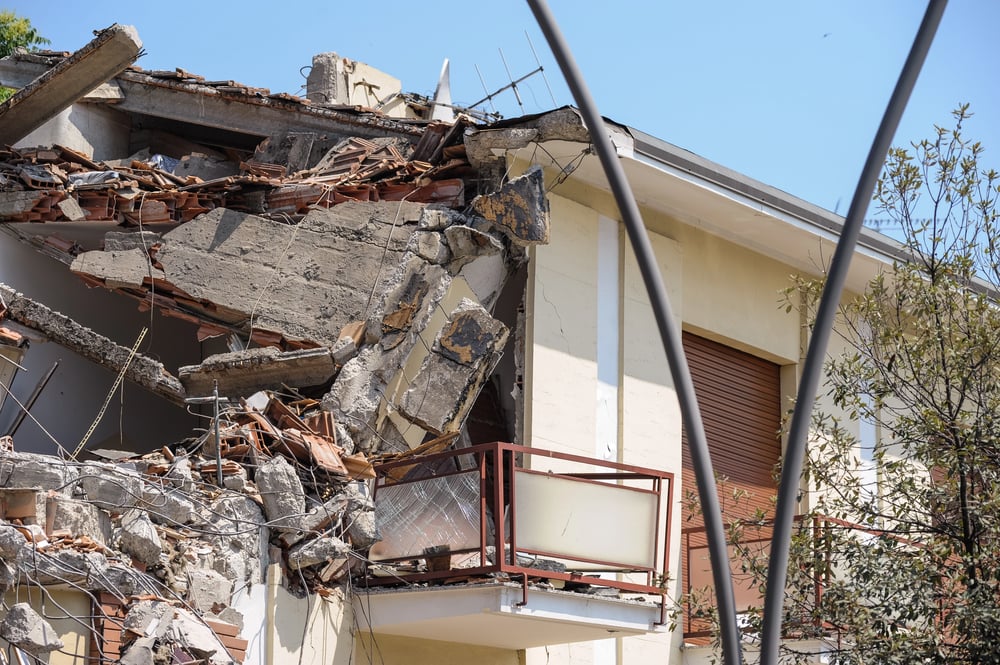
On 11 March 2011, a magnitude 9.0 earthquake off Japan’s northeastern coast generated a tsunami that reached heights of over 40 metres in some locations, killing nearly 20,000 people and destroying entire coastal towns. The disaster exposed the limits of Japan’s existing tsunami seawall system — barriers that in some cases were overwhelmed within minutes — and triggered a fundamental reassessment of how Japan designs coastal defences.
The immediate response included the construction of what has been described as the most extensive seawall system in the world: a 400-kilometre barrier along the Tōhoku coast, in some places reaching 15 metres in height, at a cost of approximately twelve billion dollars. Local municipalities also redesigned residential zoning to restrict rebuilding in the lowest-lying coastal zones, creating mandatory elevation buffers for new residential construction. Japan was already the world’s most earthquake-prepared nation before 2011.
The Tōhoku disaster rewrote what that meant.
The Architecture of Aftermath
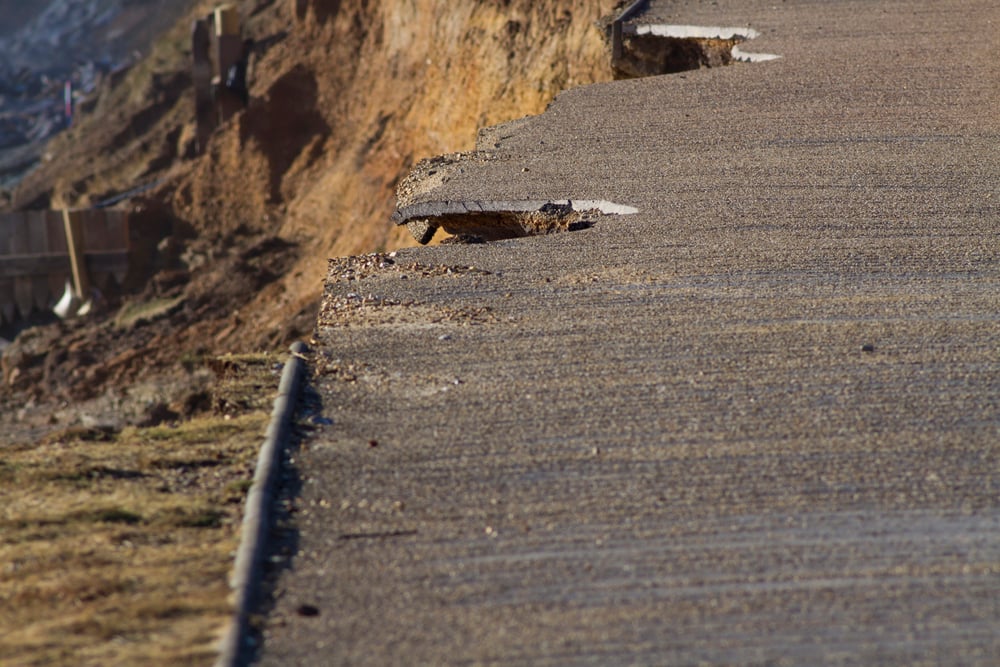
Each disaster on this list did two things simultaneously: it destroyed what was there, and it removed the political and cultural resistance to changing how things would be built next. That resistance — the cost of building better, the inconvenience of compliance, the assumption that disaster is unlikely — is the constant in each story.
The fire or flood or earthquake is the variable that breaks the resistance down. What the pattern suggests is uncomfortable: that the most significant improvements in how humans protect themselves through construction have generally required a catastrophic failure first.
The question that each entry raises is what it would take to build the better version without waiting for the disaster that makes it seem necessary. The answer, repeated across centuries and continents, has not changed much.
More from Go2Tutors!

- The Romanov Crown Jewels and Their Tragic Fate
- 13 Historical Mysteries That Science Still Can’t Solve
- Famous Hoaxes That Fooled the World for Years
- 15 Child Stars with Tragic Adult Lives
- 16 Famous Jewelry Pieces in History
Like Go2Tutors’s content? Follow us on MSN.