Luxury Foods That Defy Logic and Price
There’s expensive.
Then there’s whatever’s happening when someone pays $40,000 for a kilogram of fish eggs dusted with gold flakes.
We’re not talking about splurging on a nice steak anymore.
We’re talking about melons that cost more than used cars.
Burgers that require advance notice and a small loan. Desserts served with actual diamonds.
The line between culinary excellence and pure spectacle has blurred into something that’s equal parts fascinating and completely bonkers.
The psychology behind these purchases is complex.
Some luxury ingredients genuinely offer rare flavors and textures that justify premium pricing. Others are pure theater.
Expensive because they can be.
Because someone decided to add gold leaf to everything.
Because scarcity was manufactured rather than natural.
Let’s dig into the world of foods where price tags stopped making sense and started making headlines.
Caviar that costs more than cars
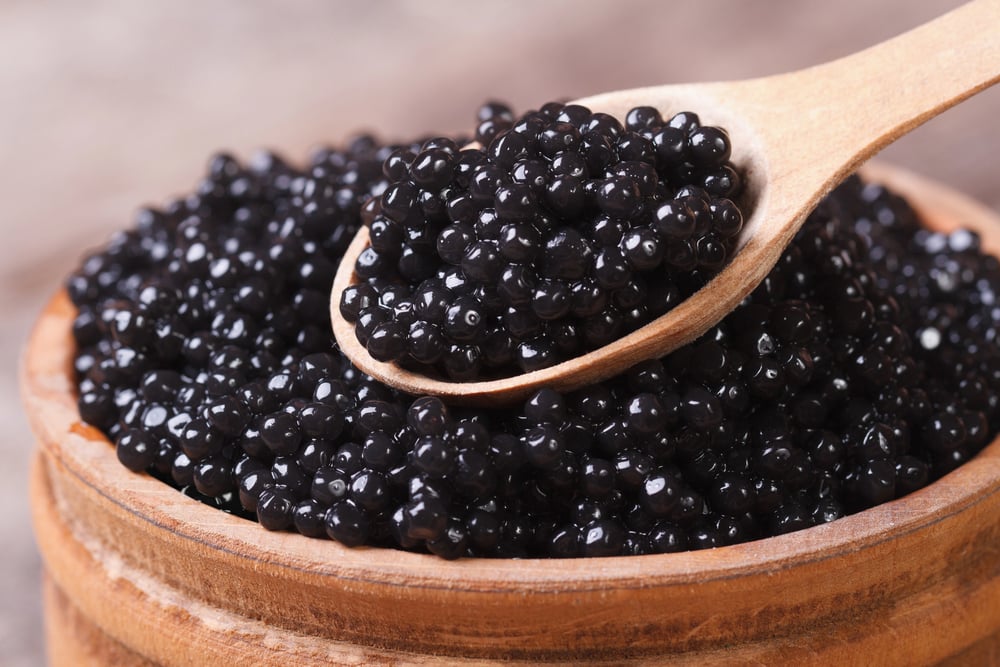
At the top of the absurdity pyramid sits Almas caviar, harvested from albino Iranian beluga sturgeon that are 60 to 100 years old.
A single kilogram can fetch close to $40,000, making it one of the priciest foods on earth.
Most high-end caviar today is farmed, with wild beluga tightly controlled under CITES regulations due to overfishing concerns.
Each tin gets individually numbered and certified, often packaged in gold containers.
Though the 24-karat claim is typically marketing tradition rather than actual precious metal.
Then there’s Strottarga Bianco, which mixes rare Siberian albino sturgeon eggs with 22-karat edible gold flakes, reportedly priced at $37,000 per teaspoon when it launched as a limited product in 2015.
The gold adds zero flavor but creates visual drama that supposedly justifies the astronomical markup.
At this level, you’re not buying food. You’re buying a story to tell at dinner parties for the rest of your life.
Truffles and mushrooms worth their weight in precious metals
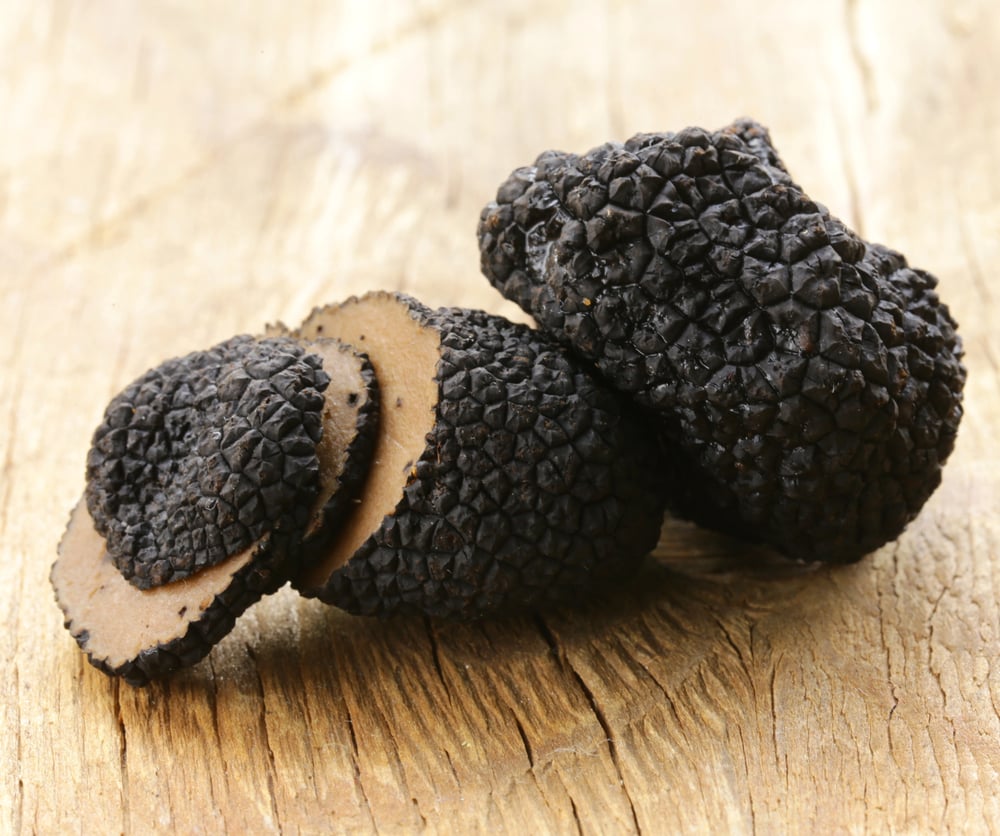
White truffles from Italy’s Piedmont region command prices typically ranging from $2,000 to $8,000 per kilogram, occasionally reaching higher at auction.
These underground fungi grow in symbiotic relationships with specific tree roots under conditions that remain not reliably cultivated, which means they must be foraged.
Trained dogs sniff them out during brief harvest windows, adding labor costs to an already scarce product.
Matsutake mushrooms from Japan face similar scarcity issues.
These mushrooms must be foraged rather than cultivated.
Their numbers have declined significantly.
They’re now classified as Vulnerable due to pine-nematode damage affecting their growing environments.
The difficulty of harvesting drives prices into hundreds of dollars per pound.
Still, when a single mushroom costs what most people spend on groceries for a week, questions about value versus prestige start feeling legitimate.
Wagyu beef and the theater of animal husbandry
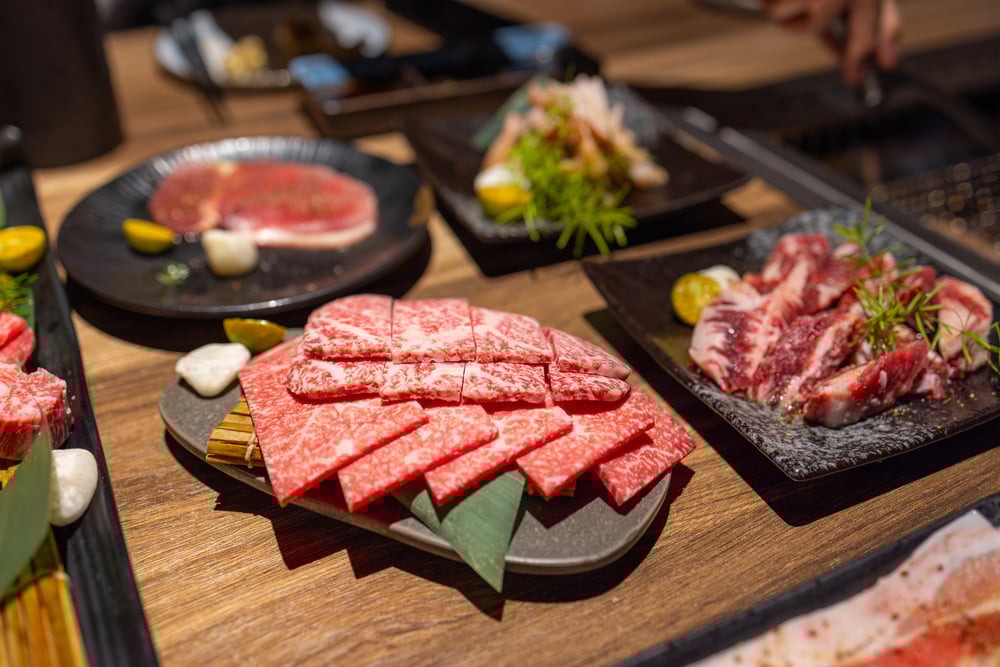
Japanese Wagyu beef, particularly Kobe beef from certified Tajima-gyu cattle raised in Hyogo Prefecture, has become shorthand for culinary excess.
Authentic Kobe beef comes from roughly 3,000 head per year, with exports resuming to international markets in 2012 after a lengthy ban.
The cattle are fed strict diets that result in intense marbling—fat distributed throughout the muscle rather than around it.
The reality behind the quality involves stress-controlled feeding protocols and careful genetics rather than the persistent folklore about beer and massages.
Olive Wagyu, the rarest variety, can cost $260 for a single steak.
High-grade Wagyu truly offers something different from standard beef.
Whether that difference is worth ten times the price depends entirely on how much disposable income you’re comfortable converting into a single meal.
Coffee processed through animal digestive systems
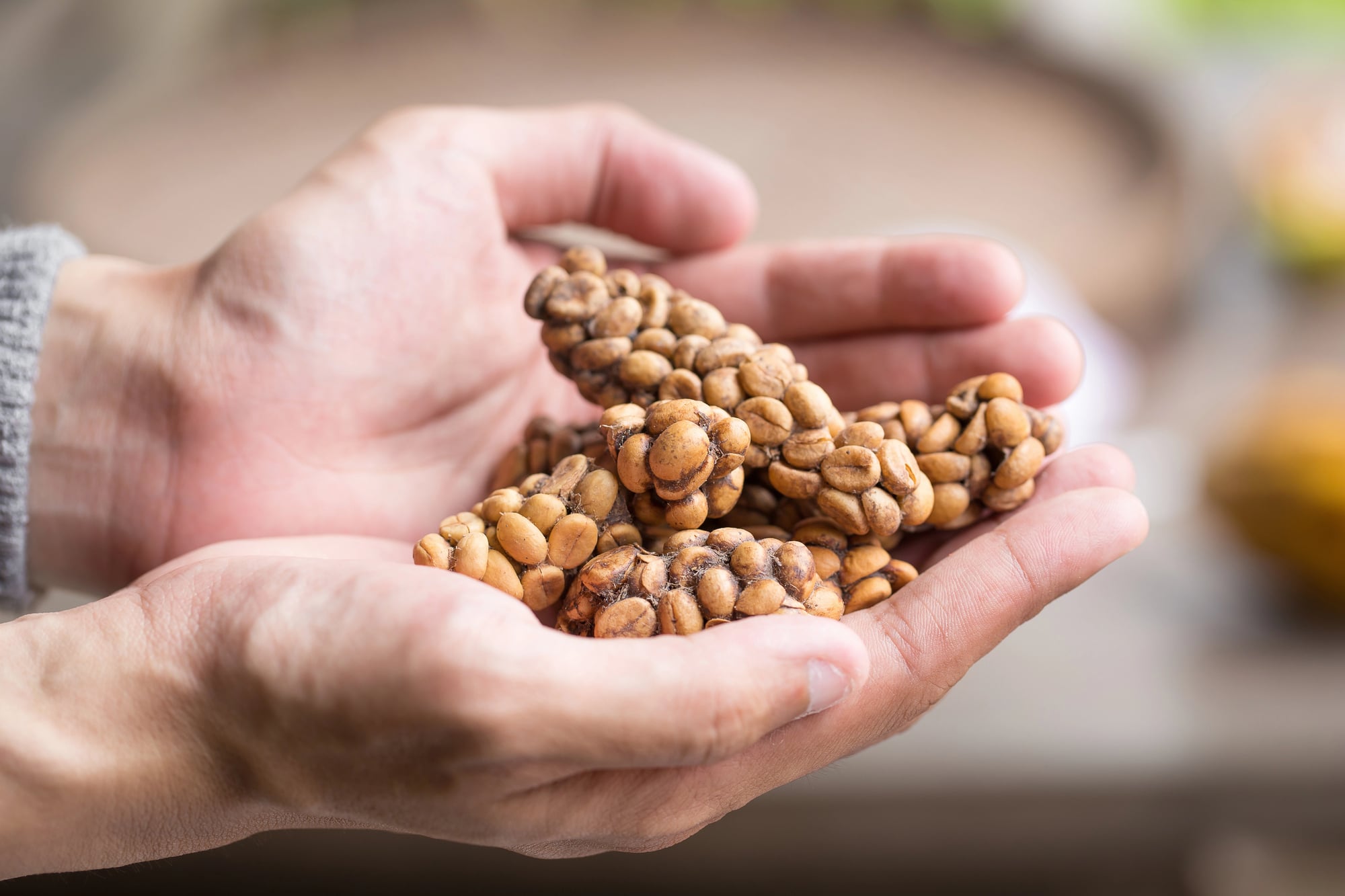
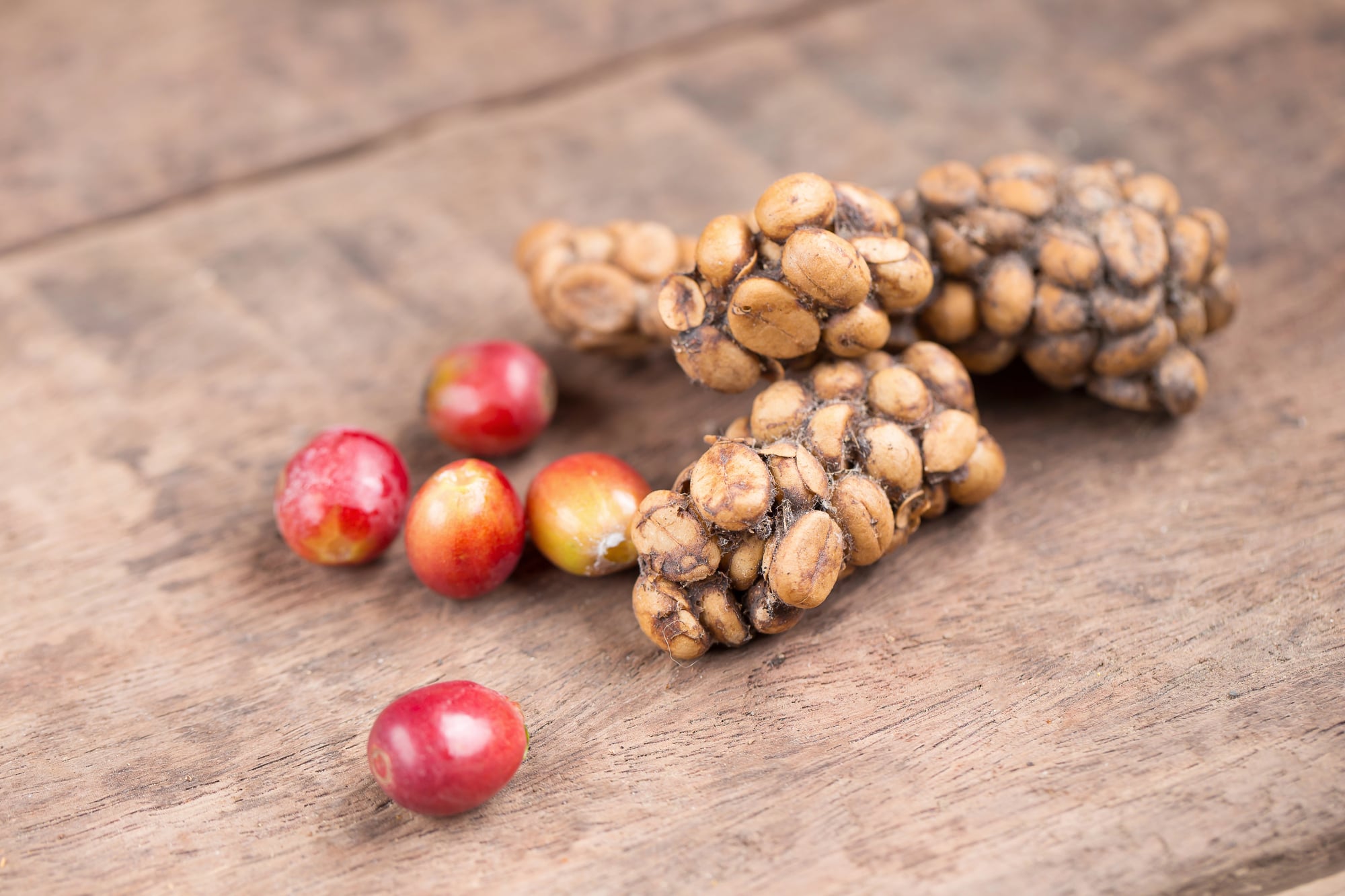
Kopi luwak coffee holds the distinction of being made from beans that have been eaten and excreted by Asian palm civets—small, cat-like mammals native to Indonesia.
Proponents claim the fermentation process during digestion creates unique flavor notes that justify prices reaching several hundred dollars per pound.
The reality is grimmer than the marketing suggests, with significant animal welfare concerns attached.
Most kopi luwak comes from caged civets force-fed coffee cherries in conditions that animal welfare groups have repeatedly condemned.
Wild-sourced production is rare.
The flavor difference, according to blind tests, shows little to no improvement compared to high-quality conventionally processed beans.
Yet the novelty factor keeps demand steady among a certain clientele.
It’s luxury driven almost entirely by story and scarcity rather than genuine quality.
Fruit that costs thousands per piece
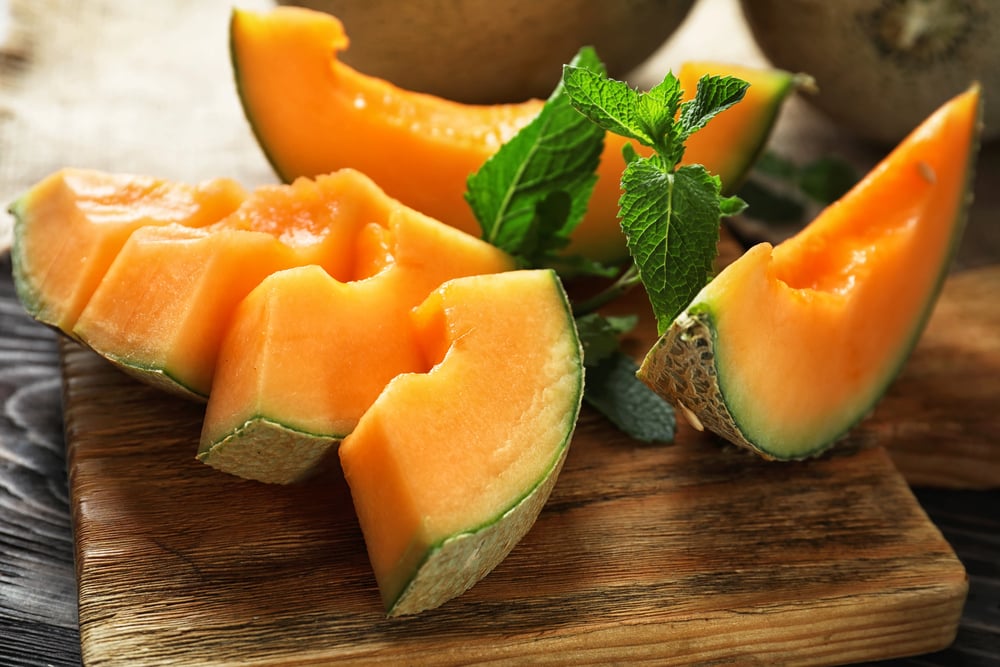
Yubari King melons from Hokkaido, Japan represent manufactured luxury taken to its logical extreme.
These hybrid cantaloupes are grown in climate-controlled greenhouses using volcanic soil, with each fruit receiving individual attention throughout its growth cycle.
While record auction prices reached roughly ¥5 million for a pair in 2019, normal retail prices sit considerably lower.
Though still in the hundreds of dollars per fruit.
Premium Japanese strawberries have followed a similar path, with varieties sold in U.S. boutiques for $15 to $20 each in recent years.
The Tochiaika variety from Tochigi Prefecture offers exceptional sweetness and low acidity.
The price point sparked debates about whether premium fruit had crossed from luxury into performance art.
These aren’t starving artist prices.
They’re calculated marketing aimed at consumers for whom price itself signals desirability.
Prepared dishes that cost more than vacations
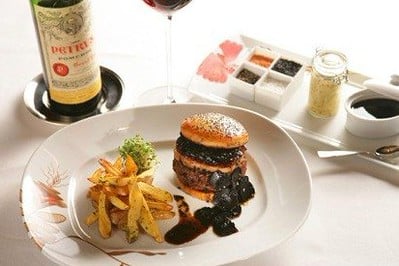
When restaurants start competing for ‘most expensive’ titles, reason exits through the kitchen door.
The FleurBurger 5000, formerly offered at Fleur in Las Vegas, lived up to its name with a $5,000 price tag, featuring Wagyu beef, foie gras, and truffles, served with a bottle of 1995 Petrus wine.
The Golden Boy Burger at De Dalton’s in the Netherlands is priced around $5,300, featuring A5 Wagyu beef, king crab, beluga caviar, Iberico ham, and barbecue sauce made with kopi luwak coffee, all encased in a gold-leaf-coated bun.
The Fortress Stilt Fisherman Indulgence dessert in Sri Lanka costs $14,500 and includes Italian cassata with Irish cream, pomegranate and mango compote, champagne sabayon, and an 80-carat aquamarine stone you get to keep.
At that point, you’re not buying dessert.
You’re buying jewelry with a side of cake.
The Louis XIII pizza, priced around €8,000 and up, requires one of Italy’s master chefs to fly to your home and prepare it, with ingredients sourced globally and served alongside Remy Martin Louis XIII cognac.
Edible gold and the art of gilding everything
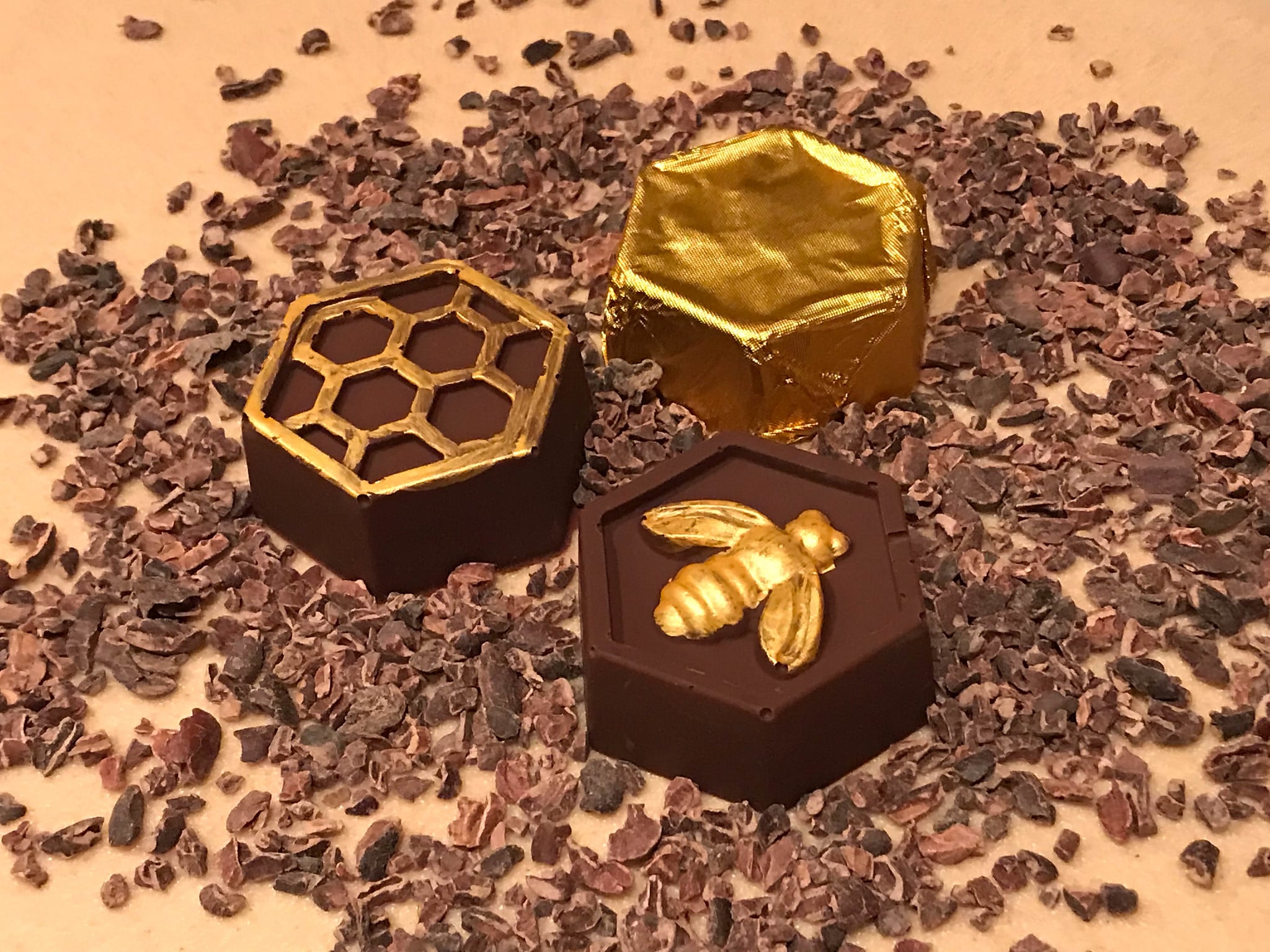
Edible gold leaf has become the calling card of luxury food gone sideways.
Approved as E-175 food additive, it’s made from 22 to 24-karat gold, completely inert and absolutely flavorless.
It adds nothing to taste. Nothing to aroma. Nothing to nutrition.
What it does add is visual impact and roughly $40 to $170 per gram to menu prices.
The Golden Opulence Sundae at Serendipity 3 in New York features Tahitian vanilla ice cream covered in 23-karat edible gold leaf, drizzled with expensive chocolate, and served in a Baccarat crystal goblet with an 18-karat gold spoon—all for $1,000.
Gold-wrapped bacon, gold-dusted bagels, gold-topped macarons—if it exists as a food item, someone has probably covered it in gold and quintupled the price.
The trend reached peak absurdity when even state fair vendors started offering gold-leaf lobster rolls for $100.
Ingredients with legitimate scarcity versus manufactured exclusivity
Not all expensive food is ridiculous.
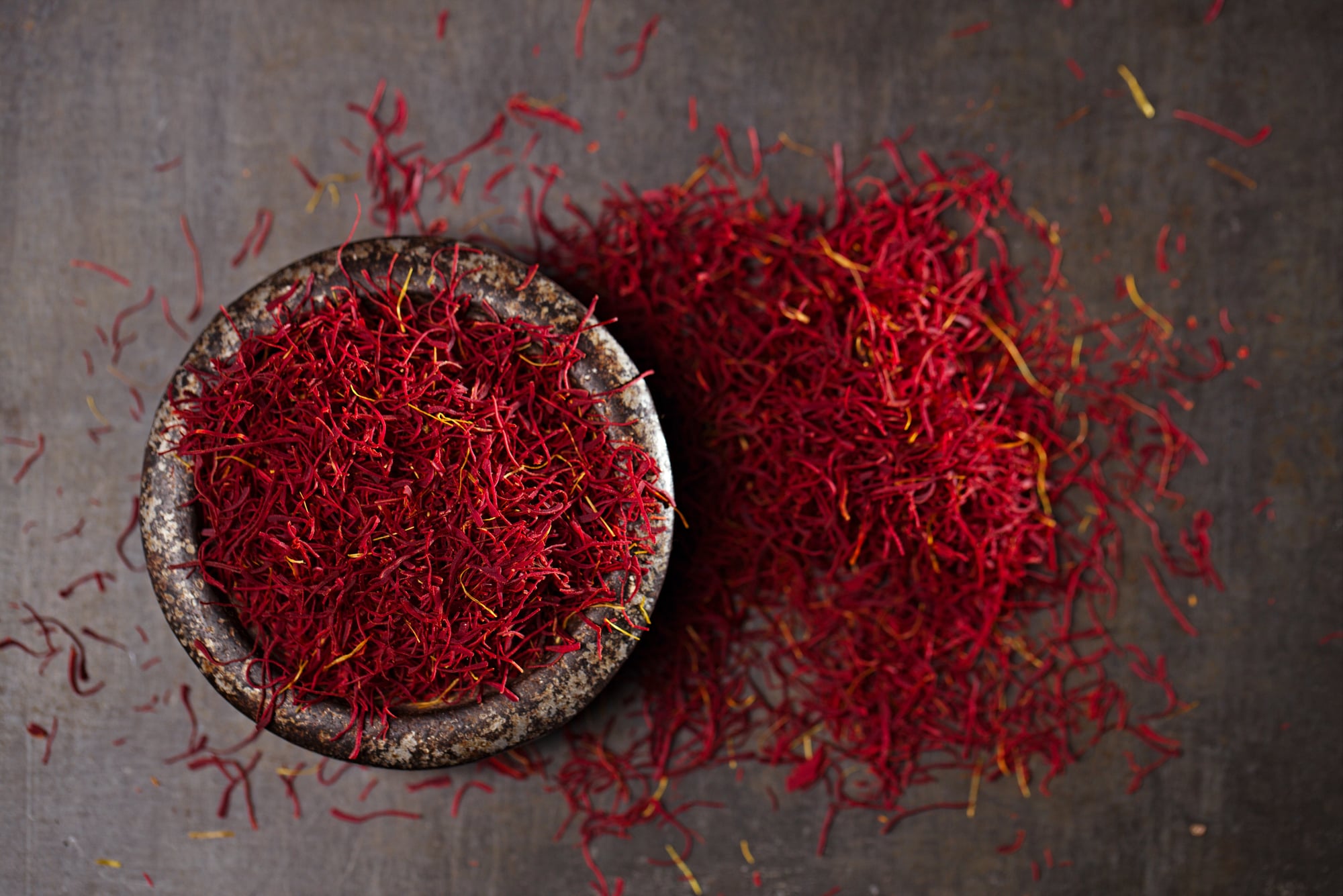
Saffron, the world’s priciest spice by weight, commands high prices because each thread consists of hand-picked stigmas from crocus flowers during brief harvest windows—a process of genuine scarcity and labor-intensive production.
It takes roughly 75,000 flowers to produce one pound of saffron.
The resulting flavor—earthy, slightly sweet, with floral notes—genuinely enhances dishes in ways nothing else can replicate.
Spanish Jamón ibérico from acorn-fed pigs undergoes curing processes lasting 36 to 48 months, producing nutty, complex flavors with buttery texture.
The pigs must be specific breeds raised on particular diets in PDO-protected designated regions, and the production methods require genuine skill and time.
These foods cost hundreds of dollars per pound, but the prices reflect actual scarcity and craftsmanship rather than marketing gimmicks.
Even so, the line between justified premium and absurd markup gets fuzzy.
When price becomes performance
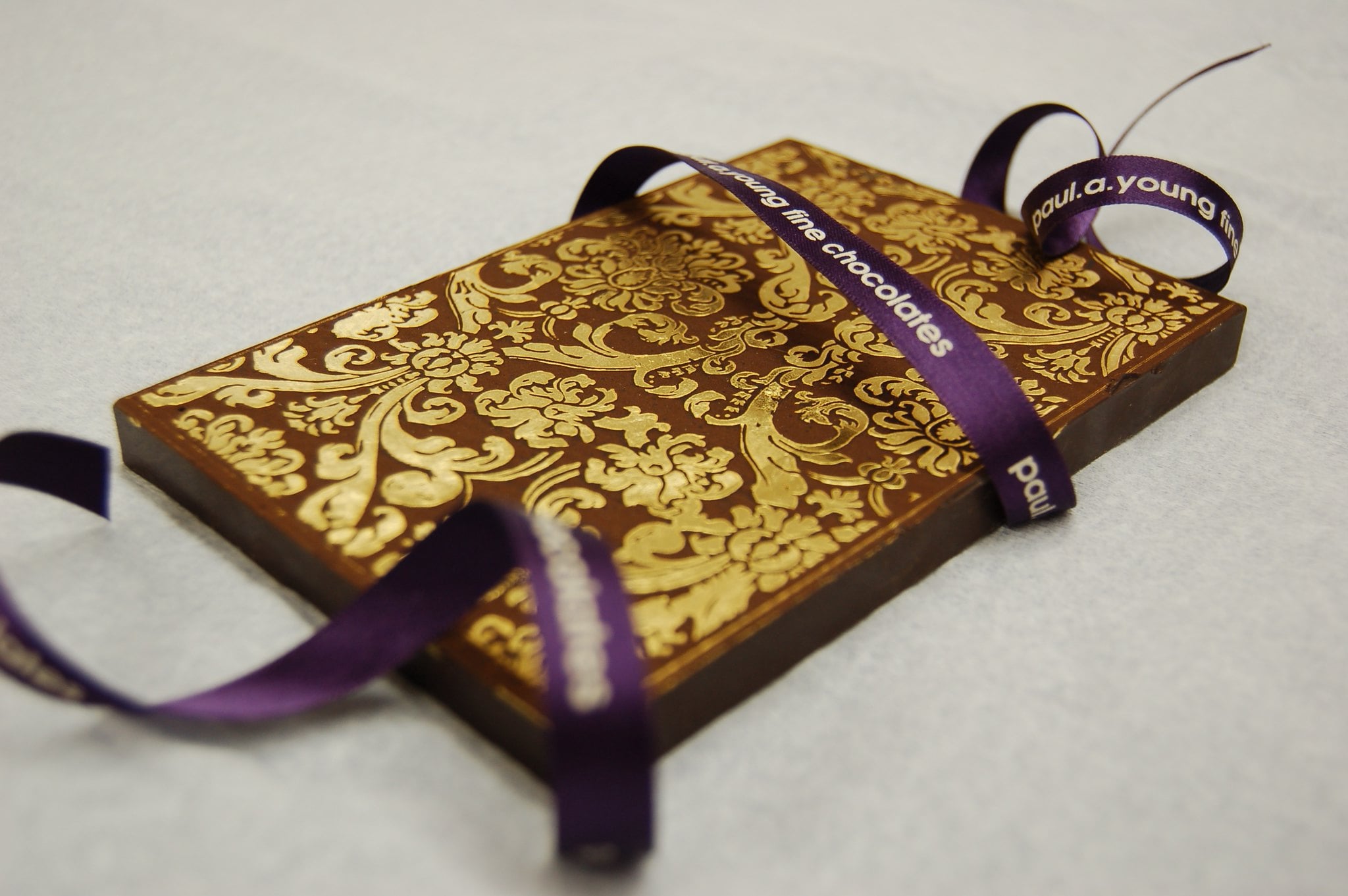
The current luxury food landscape reveals something interesting about wealth and consumption.
Many of these products exist not because they taste proportionally better than alternatives, but because their prices create social currency.
Posting about your $20 strawberry or $5,000 burger generates attention in ways a merely excellent meal cannot.
The food becomes content.
The consumption becomes performance.
The price tag becomes the point.
Restaurants understand this dynamic and lean into it, creating dishes designed as much for Instagram as for actual eating.
Gold leaf serves no culinary purpose, but it photographs beautifully.
Extreme prices generate press coverage and social media buzz that functions as free advertising.
Even defenders of luxury ingredients acknowledge that past certain thresholds, you’re paying for experience and exclusivity rather than proportional improvements in flavor.
What we’re really buying
Luxury foods that defy logic and price exist at the intersection of genuine rarity, skilled craftsmanship, clever marketing, and human psychology around status.
Some expensive ingredients—hand-harvested saffron, aged Jamón ibérico, responsibly sourced caviar—represent real value created through time, skill, and scarce resources.
Others, like gold-wrapped everything and coffee processed through caged animal intestines, are theater masquerading as cuisine.
The ethical questions around animal welfare and sustainability—from civet treatment to sturgeon overfishing—add another layer of complexity to these purchases.
What hasn’t changed is human nature’s tendency to signal status through consumption.
In previous eras, that meant rare spices from distant lands or out-of-season produce that required extensive resources to obtain.
Today it means paying thousands for fruit, eating diamonds with dessert, and consuming foods wrapped in precious metals.
The methods evolve, but the underlying impulse remains constant.
Demonstrating that you can afford things others cannot, regardless of whether those things make rational sense.
In a world where a single strawberry costs more than a tank of gas, we’ve clearly moved beyond mere sustenance into something stranger.
A realm where price and logic parted ways long ago, and neither seems interested in reconciliation.
The rarest ingredient in luxury food might be restraint.
More from Go2Tutors!

- The Romanov Crown Jewels and Their Tragic Fate
- 13 Historical Mysteries That Science Still Can’t Solve
- Famous Hoaxes That Fooled the World for Years
- 15 Child Stars with Tragic Adult Lives
- 16 Famous Jewelry Pieces in History
Like Go2Tutors’s content? Follow us on MSN.