28 Explorers Who Never Came Back
Exploration has always carried the risk of a one-way trip, and history is full of names attached to a blank space on a map where the story simply stops. Some of these figures vanished without a trace. Others died in plain view of their crews, thousands of miles from anywhere their bodies could be brought home. Here are 28 who never returned.
Percy Fawcett

British explorer Percy Fawcett disappeared in the Amazon rainforest in 1925 while searching for a lost city he called Z, accompanied only by his son Jack and a family friend. Dozens of search expeditions over the following decades failed to find any conclusive trace of the three men, and Fawcett’s disappearance helped fuel one of the twentieth century’s most enduring exploration mysteries.
Amelia Earhart
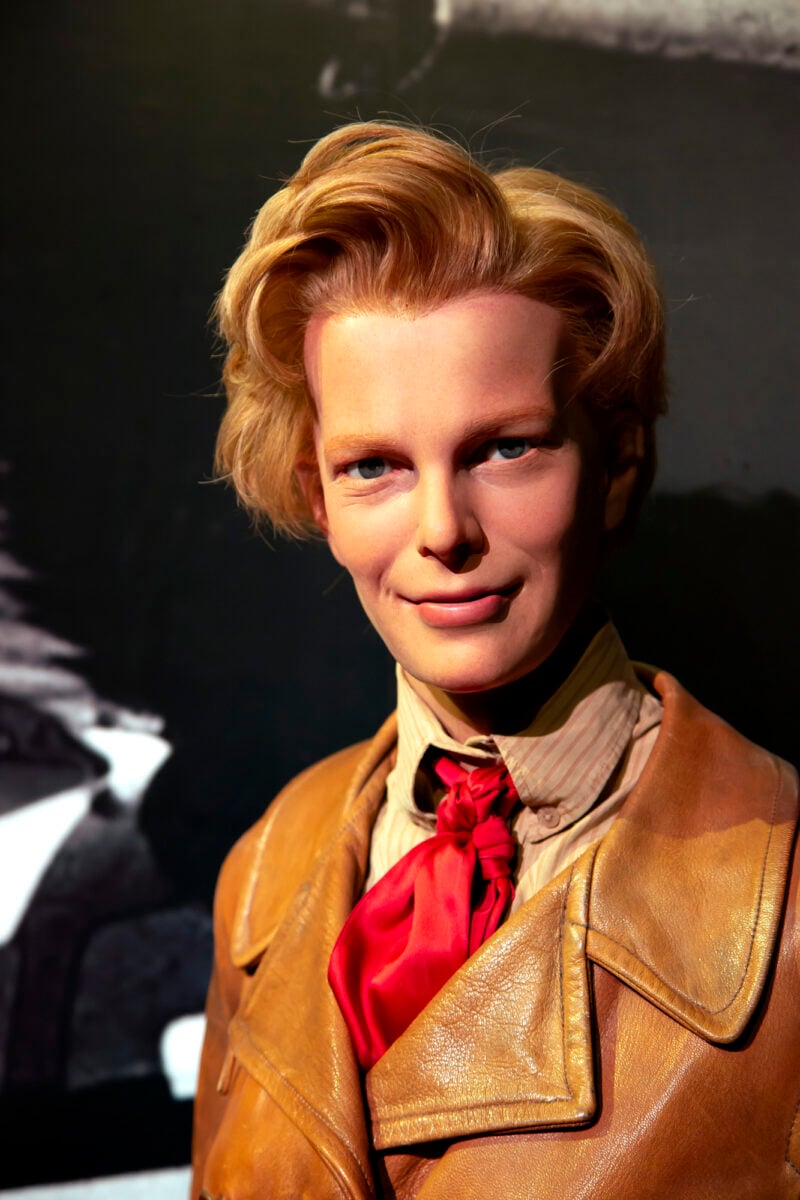
Amelia Earhart and navigator Fred Noonan vanished over the central Pacific in July 1937 while attempting to fly around the world, their last confirmed radio transmissions placing them somewhere near Howland Island. Despite an extensive United States Navy search at the time and numerous private expeditions since, neither the aircraft nor conclusive remains have ever been definitively recovered.
Sir John Franklin and His Crew
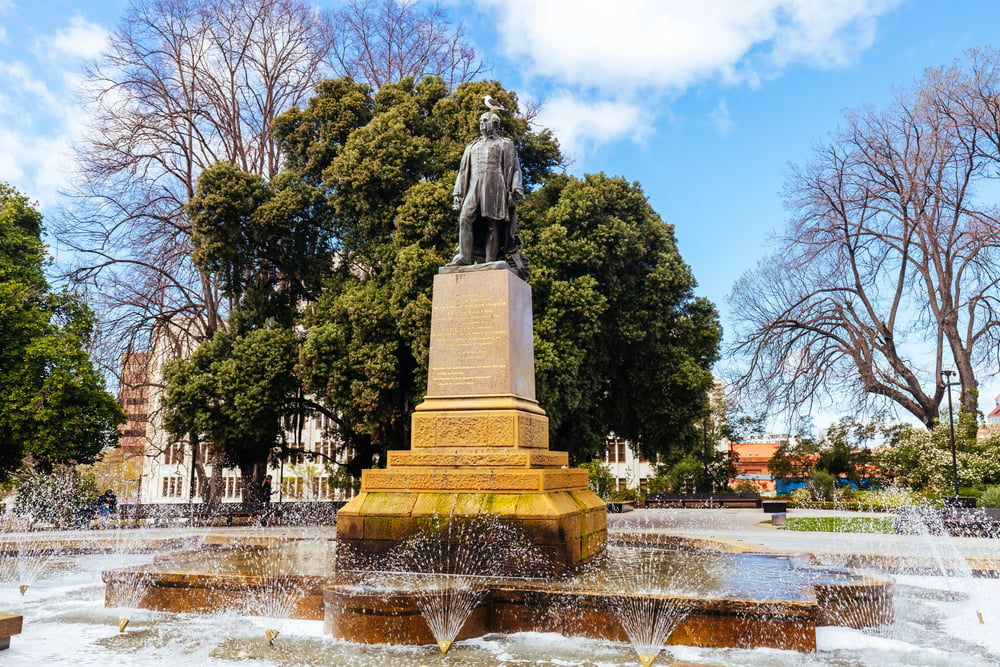
Sir John Franklin led 129 men into the Canadian Arctic in 1845 aboard the ships Erebus and Terror in search of the Northwest Passage, and every member of the expedition died, likely from a combination of starvation, exposure, and lead poisoning from poorly sealed food tins. The wrecks of both ships were not located until 2014 and 2016, nearly 170 years after the men vanished.
Roald Amundsen
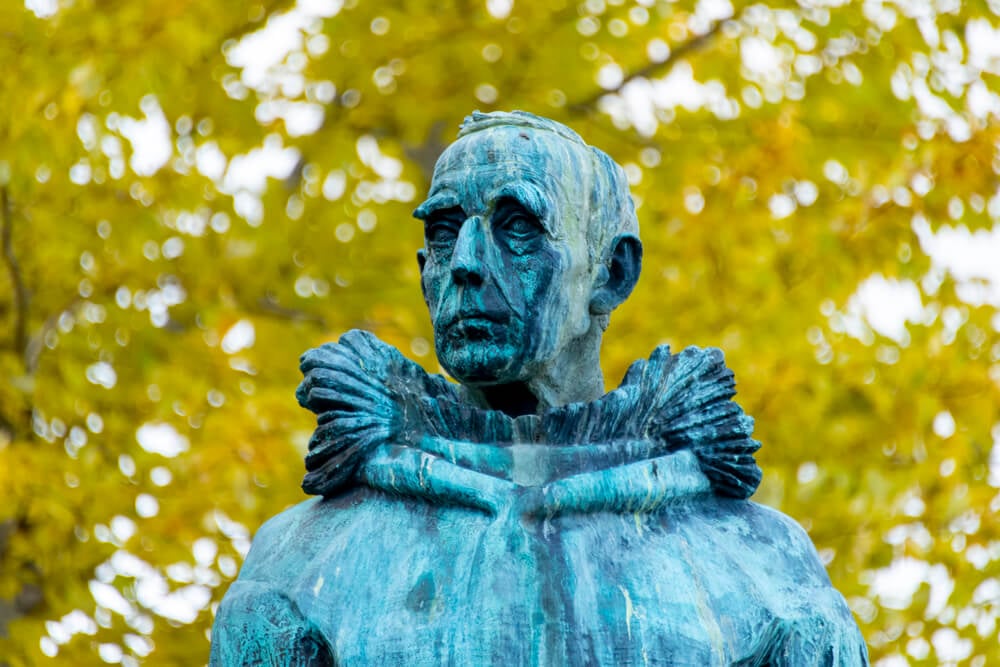
Roald Amundsen, the first person to reach the South Pole, disappeared in 1928 while flying a rescue mission over the Arctic to search for the crew of the airship Italia, which had crashed under explorer Umberto Nobile. Wreckage believed to be from Amundsen’s plane was found decades later, but his body was never recovered.
Henry Hudson
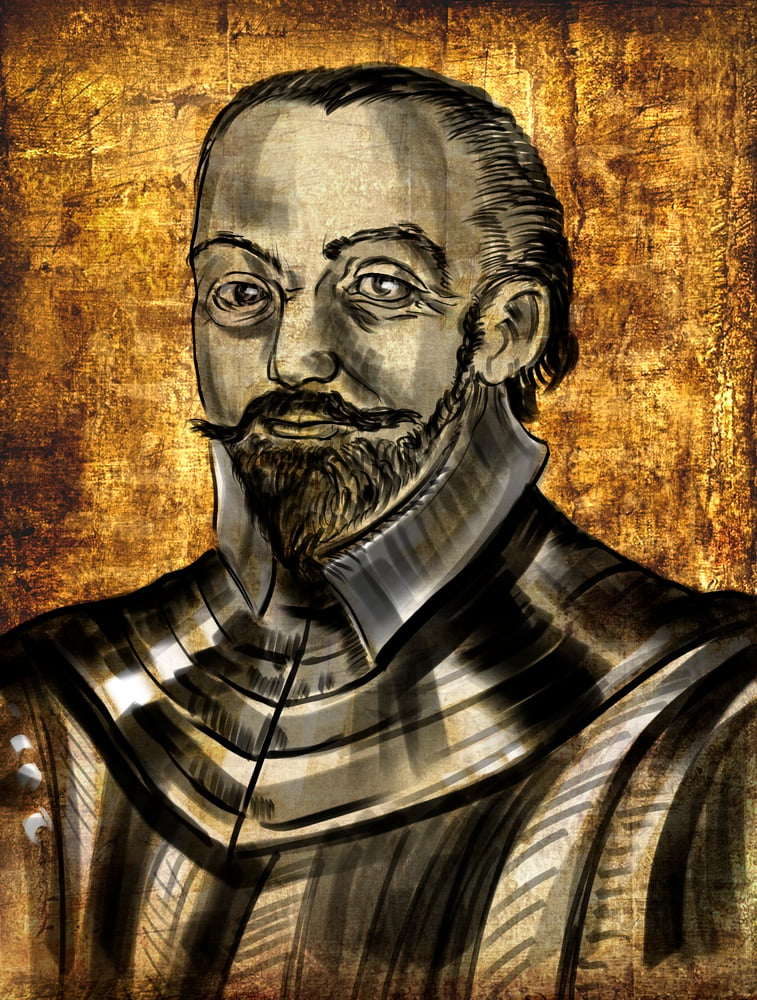
English navigator Henry Hudson was set adrift in a small boat by his own mutinous crew in 1611 somewhere in the bay that now bears his name, along with his teenage son and several loyal or sick crew members. None of those cast off with him were ever seen again, and the mutineers who survived faced no formal punishment once they returned to England.
Jean-François de La Pérouse
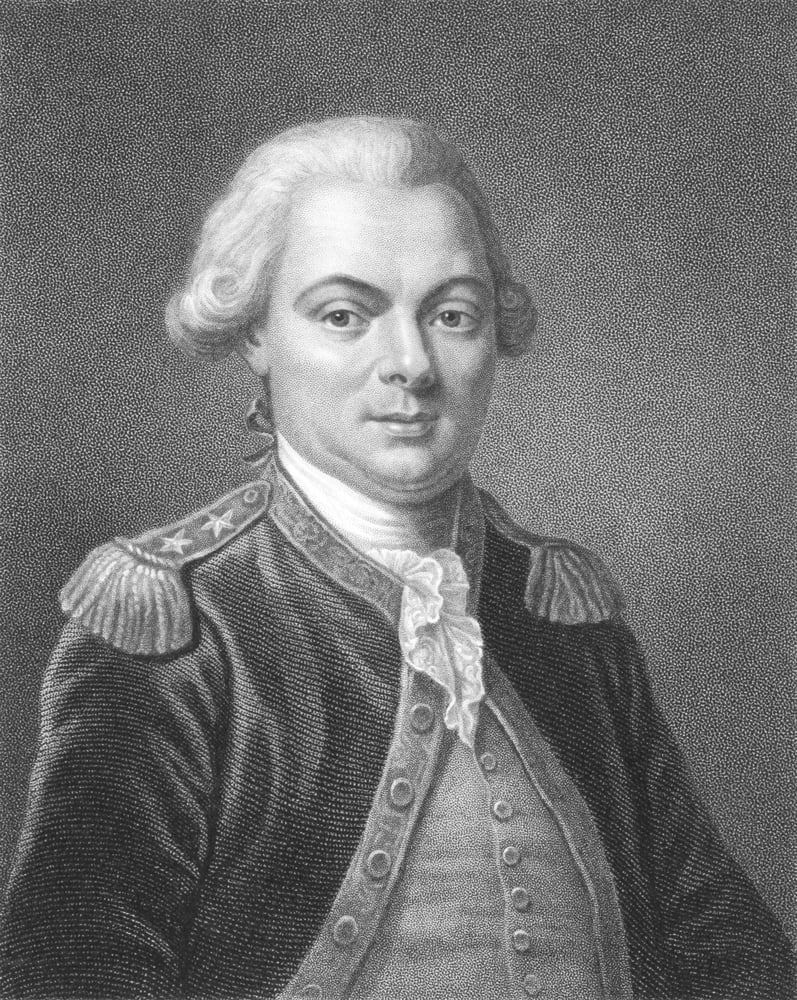
French naval officer Jean-François de La Pérouse led a major scientific expedition that vanished after leaving Botany Bay, Australia, in 1788, with no word from the ships for decades. Wreckage was eventually traced to a reef near Vanikoro in the Solomon Islands, confirming that both of his ships had been lost in a storm.
George Mallory and Andrew Irvine

British climbers George Mallory and Andrew Irvine disappeared on Mount Everest in 1924 during a summit attempt, and whether they reached the top before dying remains one of mountaineering’s great unresolved questions. Mallory’s body was found on the mountain in 1999, but Irvine’s has never been located.
Ludwig Leichhardt
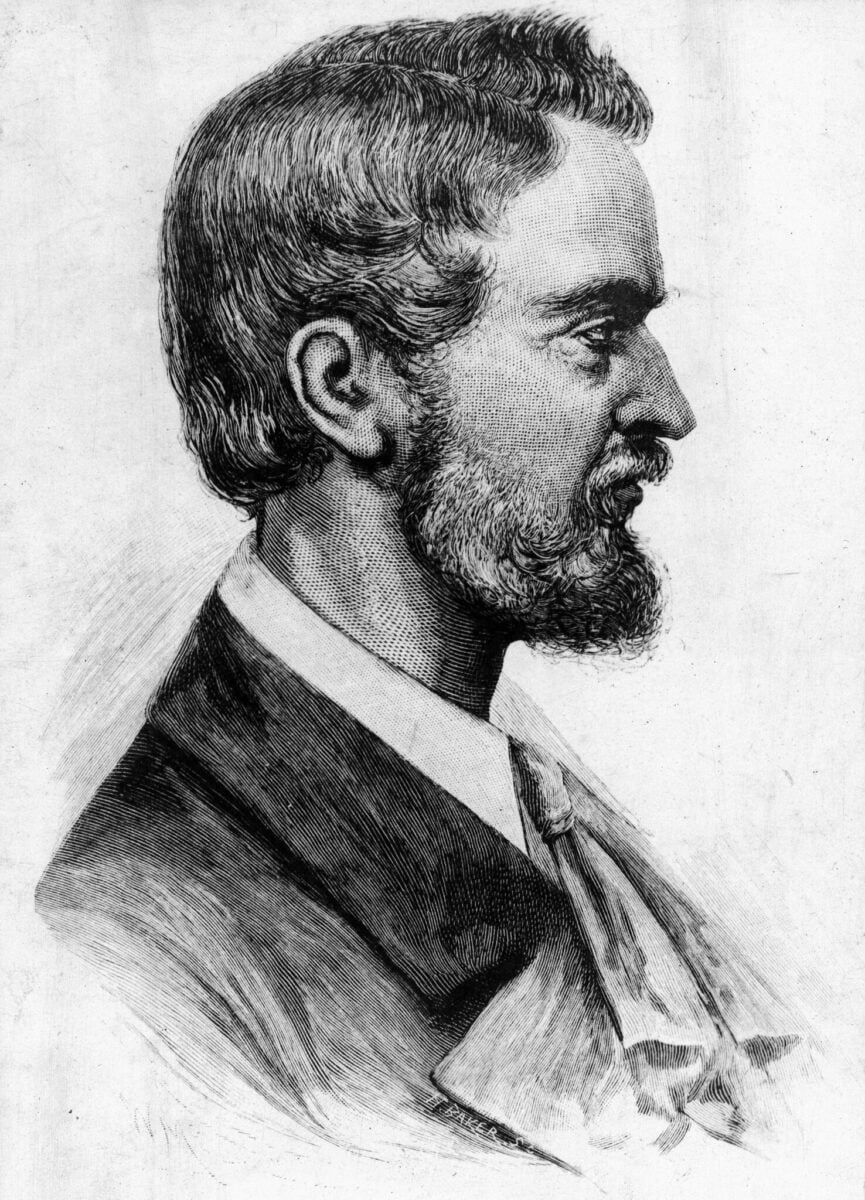
Prussian-born explorer Ludwig Leichhardt vanished with his entire party somewhere in the Australian outback in 1848 while attempting to cross the continent from east to west. Numerous search expeditions over the following century turned up scattered clues but never a confirmed grave, making his fate one of Australian exploration’s oldest open questions.
Vitus Bering
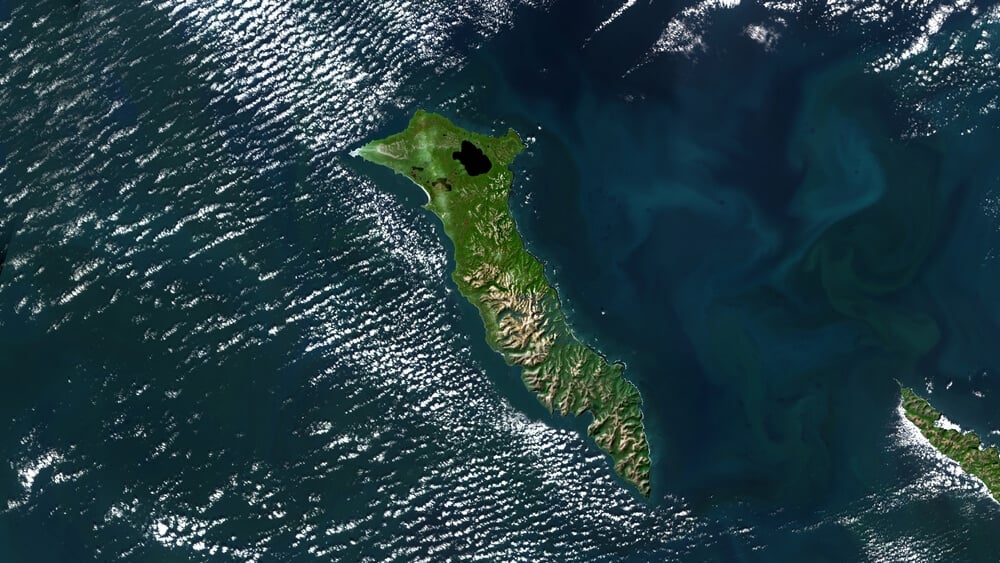
Danish navigator Vitus Bering, who charted the strait between Asia and North America that now carries his name, died of scurvy in 1741 on a remote island where his ship had wrecked during the return leg of a Russian expedition. The island where he died was later named Bering Island in his memory, and his remains stayed there until an archaeological expedition exhumed and studied them in the early 1990s.
Willem Barentsz
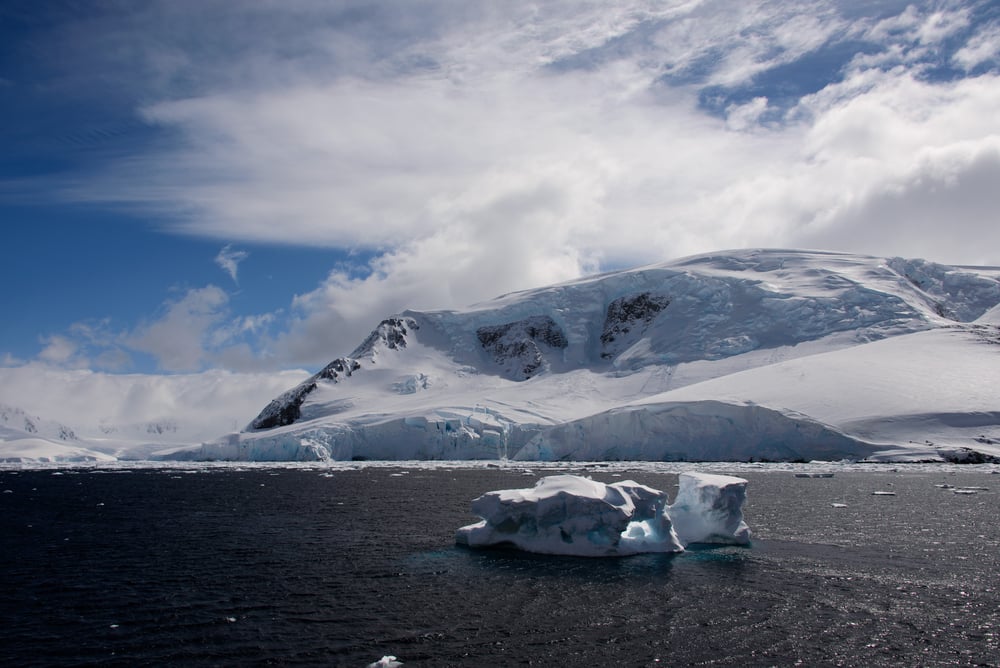
Dutch navigator Willem Barentsz died in 1597 in the Arctic after his ship became trapped in ice near Novaya Zemlya while searching for a northeast passage to Asia. His surviving crew endured a brutal winter in a makeshift shelter before escaping by small boat, but Barentsz himself died just days into the journey home.
Robert Falcon Scott and the Polar Party
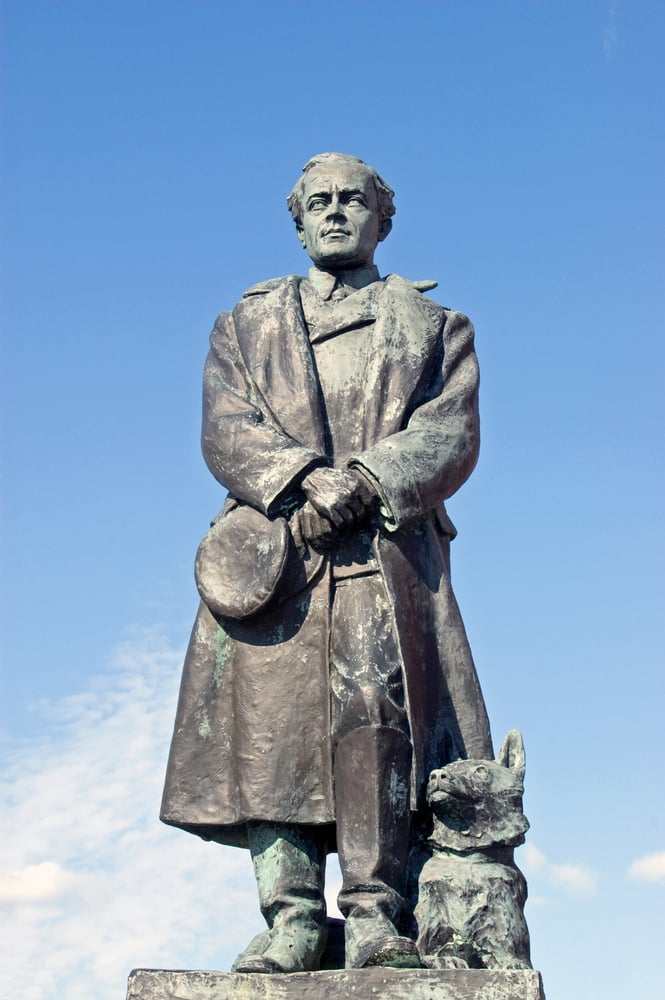
Robert Falcon Scott and the four men of his polar party died on the return journey from the South Pole in 1912, having reached it only weeks after Roald Amundsen beat them to it. Their frozen bodies and diaries were found in their tent by a search party later that year, and all of them remain buried in Antarctica under a cairn of snow.
Ferdinand Magellan
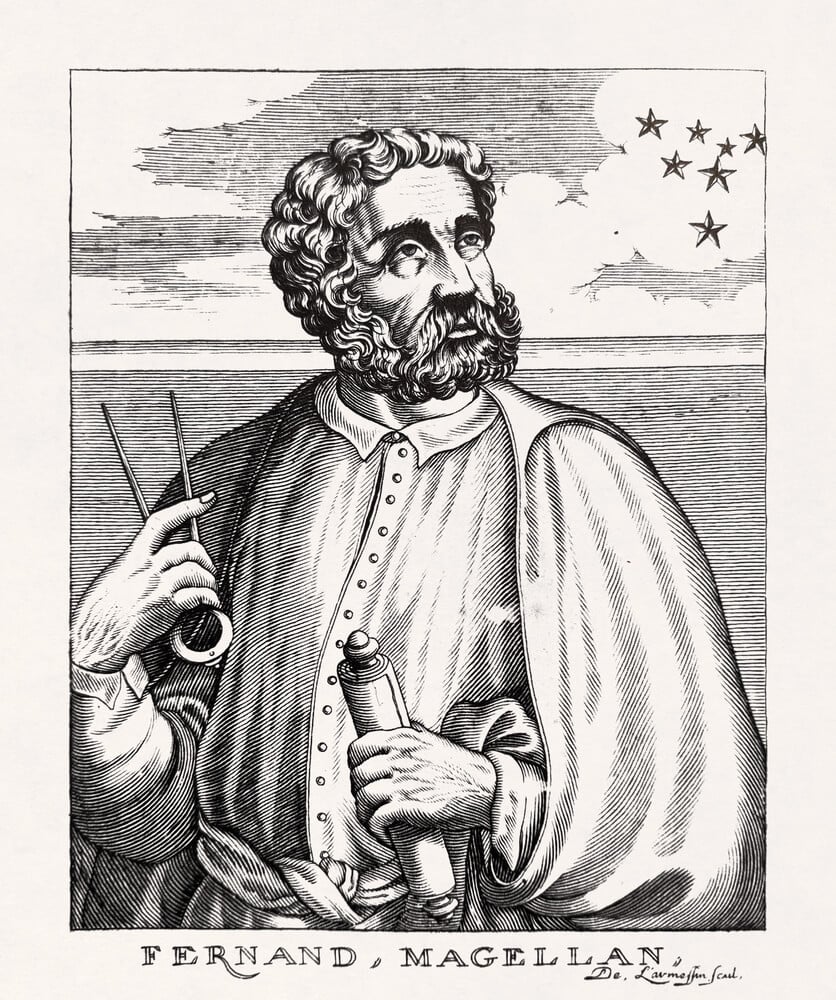
Ferdinand Magellan, leader of the first expedition to circle the globe, was killed in 1521 during a battle with local warriors on the Philippine island of Mactan, more than a year before any of his surviving ships made it back to Spain. Only one of his original five vessels, and a fraction of his original crew, completed the voyage he had planned.
Charles Francis Hall
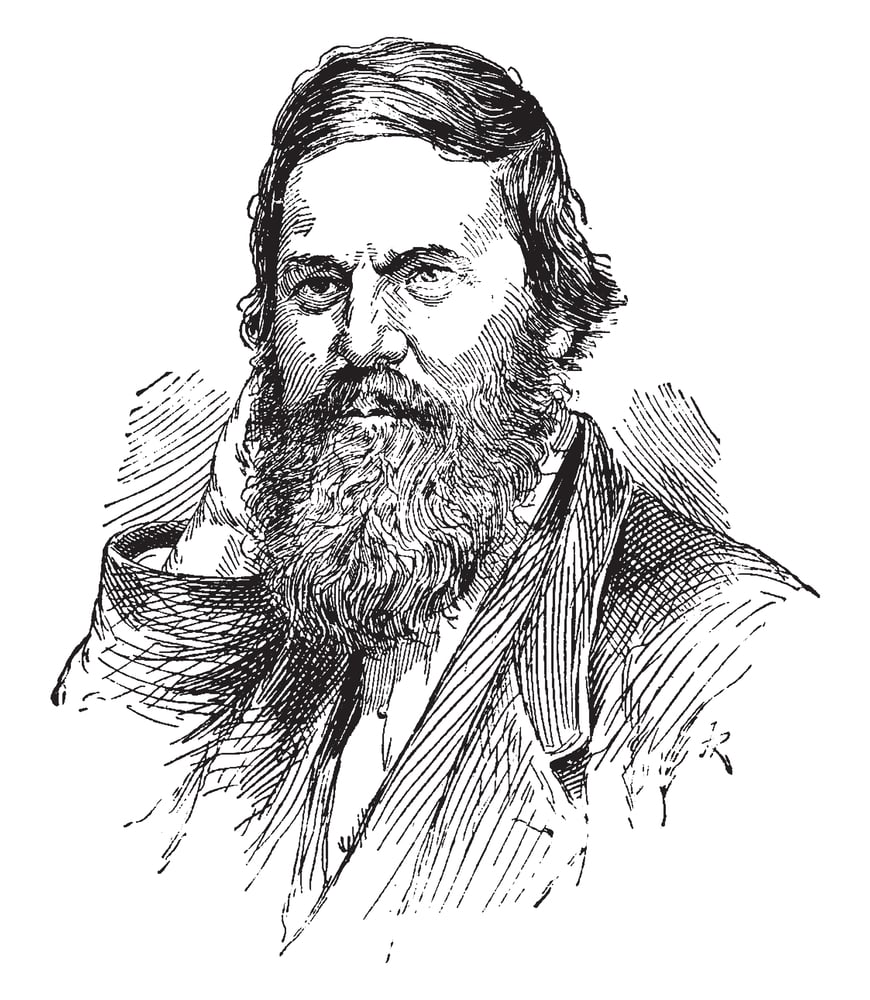
American Arctic explorer Charles Francis Hall died suddenly in 1871 aboard his ship Polaris during an expedition toward the North Pole, with symptoms that a later exhumation suggested were consistent with arsenic poisoning. He was buried in Greenland, and the circumstances of his death, possibly at the hands of his own crew, were never fully resolved.
Robert Cavelier de La Salle

French explorer Robert Cavelier de La Salle, who had claimed the Mississippi River basin for France, was killed by his own mutinous men in 1687 while stranded in what is now Texas after his expedition’s ships were lost. His body was left unburied where he fell, and no marked grave has ever been confirmed.
Gaspar and Miguel Corte-Real
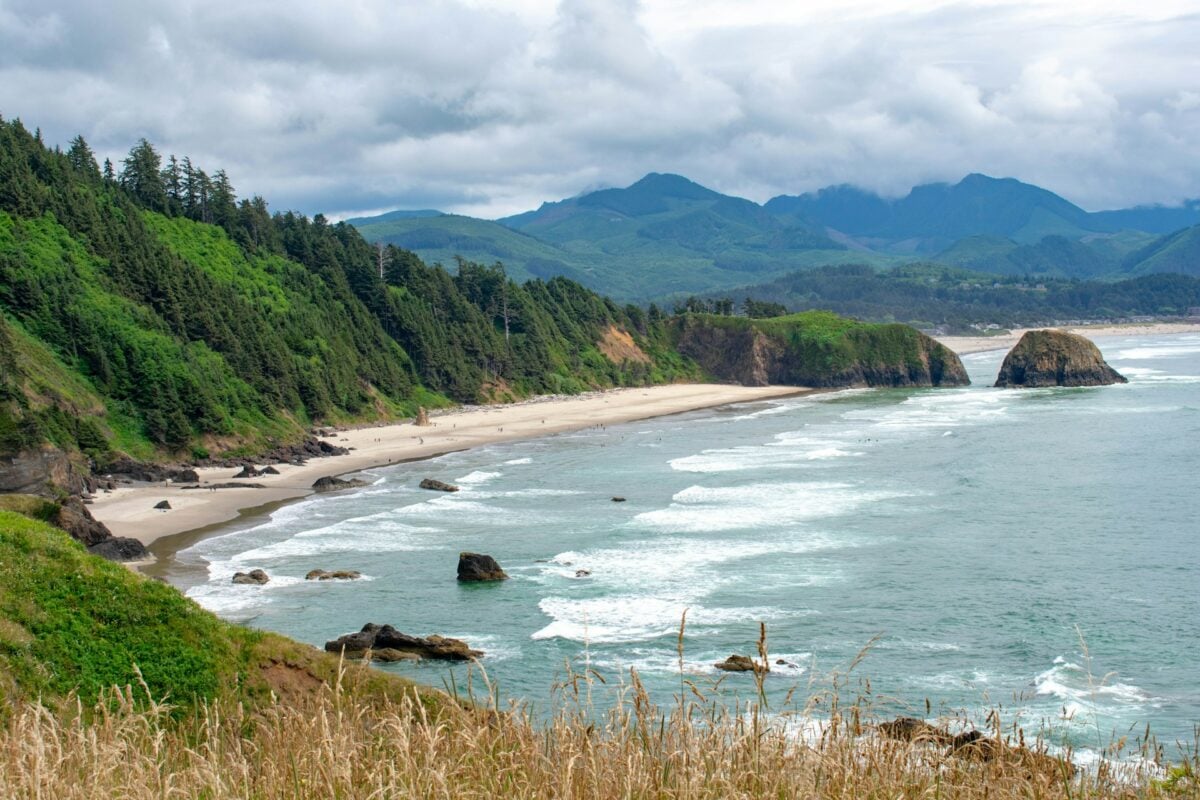
Portuguese explorer Gaspar Corte-Real vanished off the coast of North America in 1501 while searching for a route to Asia, and his brother Miguel, who set out the following year to search for him, disappeared in turn with his own ship. Neither brother nor their crews were ever found.
Sir Hugh Willoughby

English explorer Sir Hugh Willoughby froze to death along with his crew in 1554 after their ships became icebound off the coast of northern Russia during a search for a northeast passage to China. Russian fishermen discovered the ships the following year, with Willoughby’s journal found still in his hand.
Robert O’Hara Burke and William John Wills

Robert O’Hara Burke and William John Wills led the first expedition to cross Australia from south to north in 1860 and 1861, but both men died of starvation on the return journey after missing a supply depot by a matter of hours. Only one member of the four-man advance party survived to tell the story.
Nikolai Przhevalsky
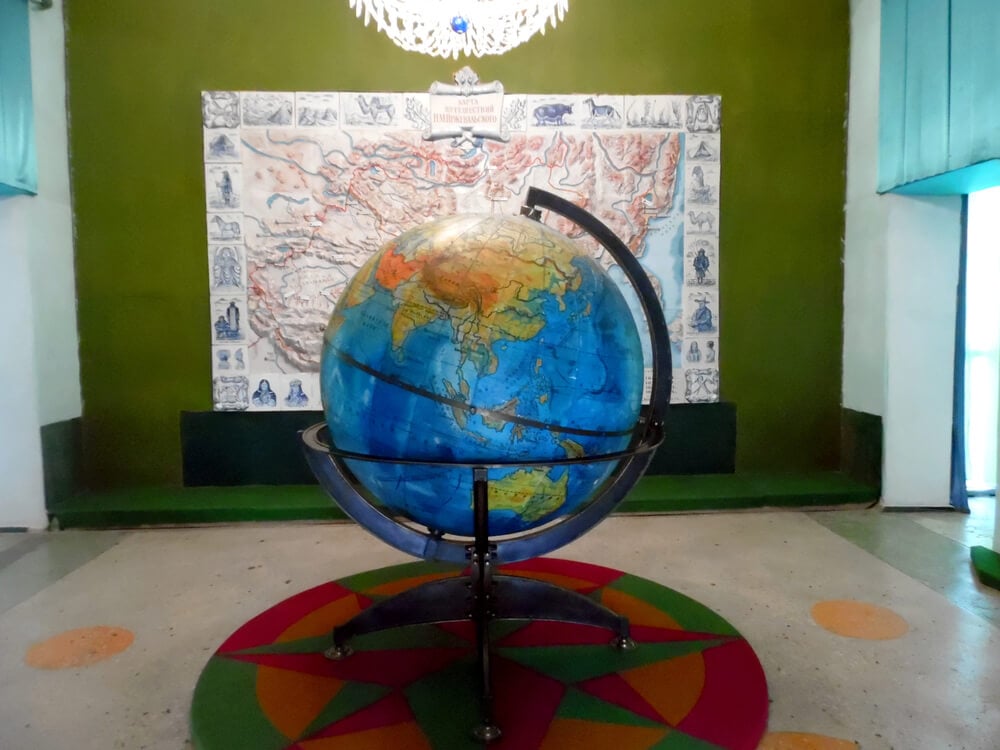
Russian explorer Nikolai Przhevalsky, who mapped large parts of Central Asia and gave his name to a wild horse species, died of typhoid fever in 1888 while preparing for another expedition near what is now Kyrgyzstan. He was buried on the shore of Lake Issyk-Kul rather than being returned to Russia, at his own request.
Ernest Shackleton
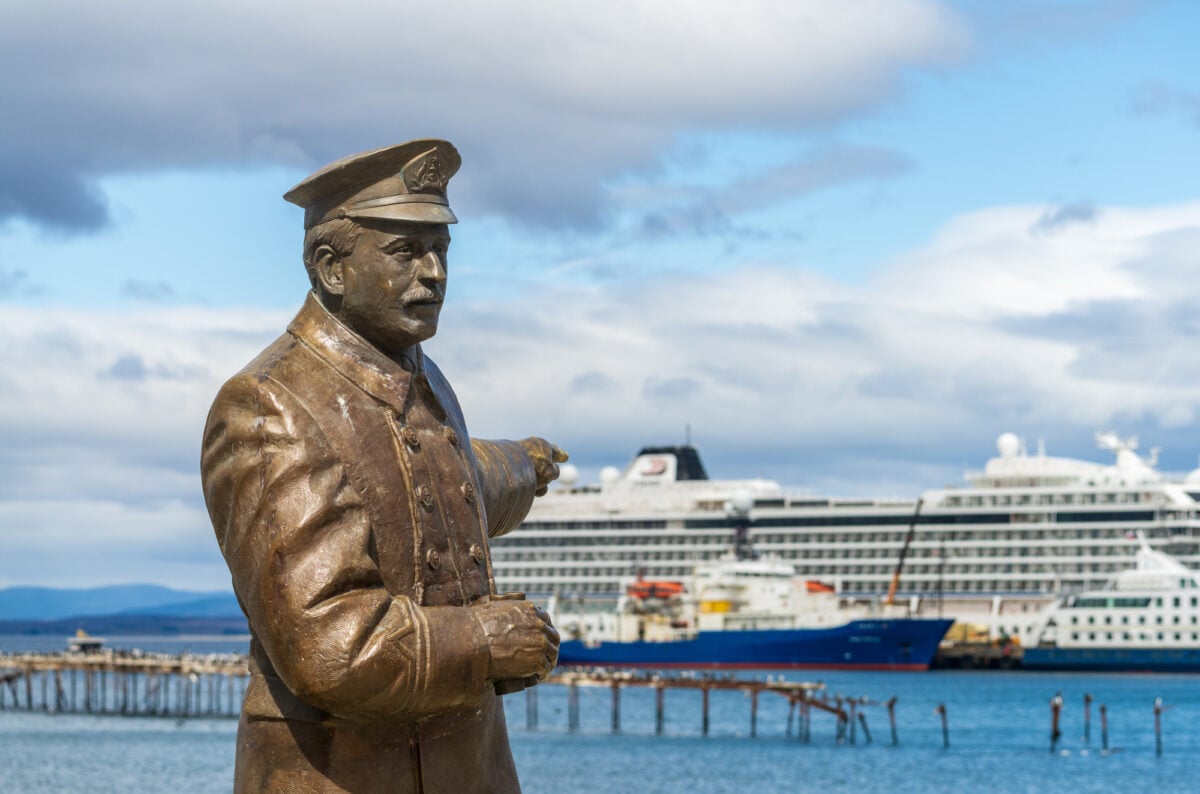
Ernest Shackleton, celebrated for saving his entire crew after the loss of his ship Endurance in Antarctic ice, died of a heart attack in 1922 aboard his ship at South Georgia while beginning a new expedition. At his widow’s request, he was buried on the island rather than shipped home, near the whaling station where his earlier rescue mission had ended.
Antoine de Saint-Exupéry
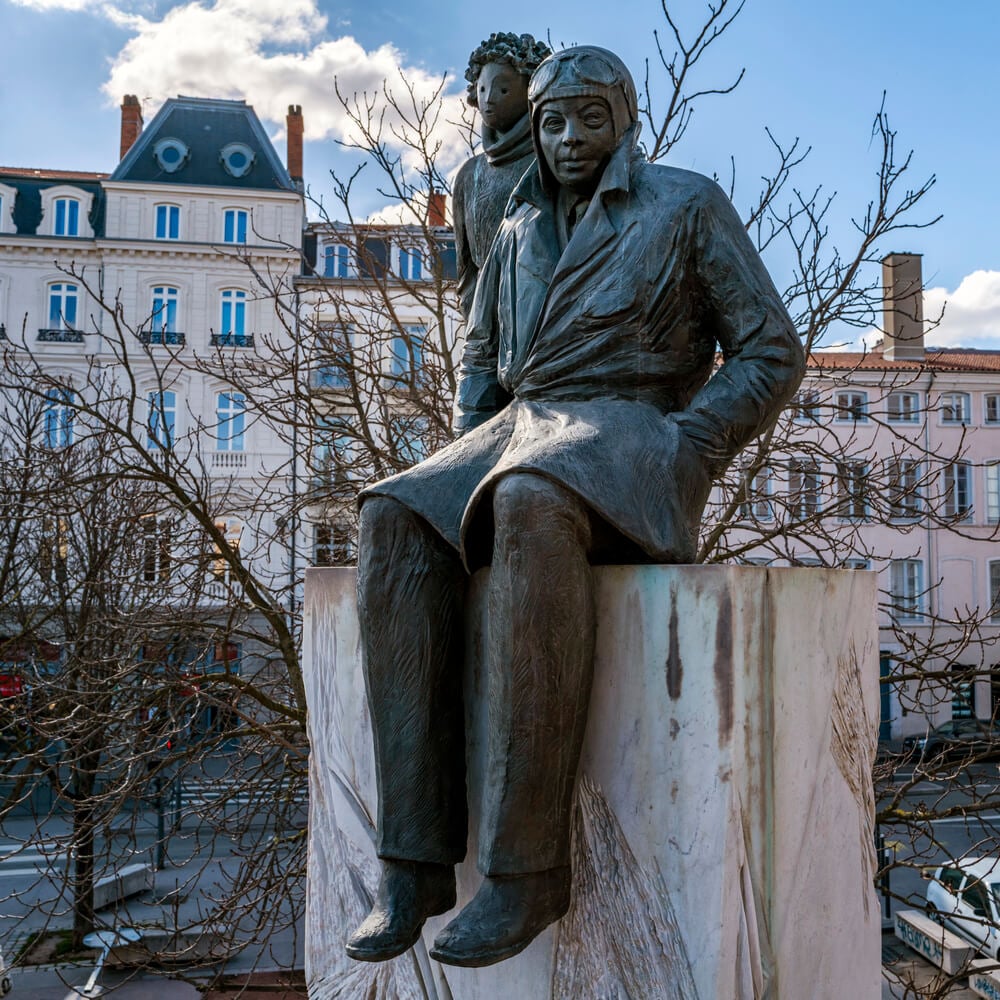
French aviator and writer Antoine de Saint-Exupéry disappeared in 1944 while flying a reconnaissance mission over the Mediterranean during the Second World War. Wreckage believed to be from his aircraft was recovered off the coast of Marseille decades later, but the exact circumstances of his final flight remain debated.
Charles Kingsford Smith
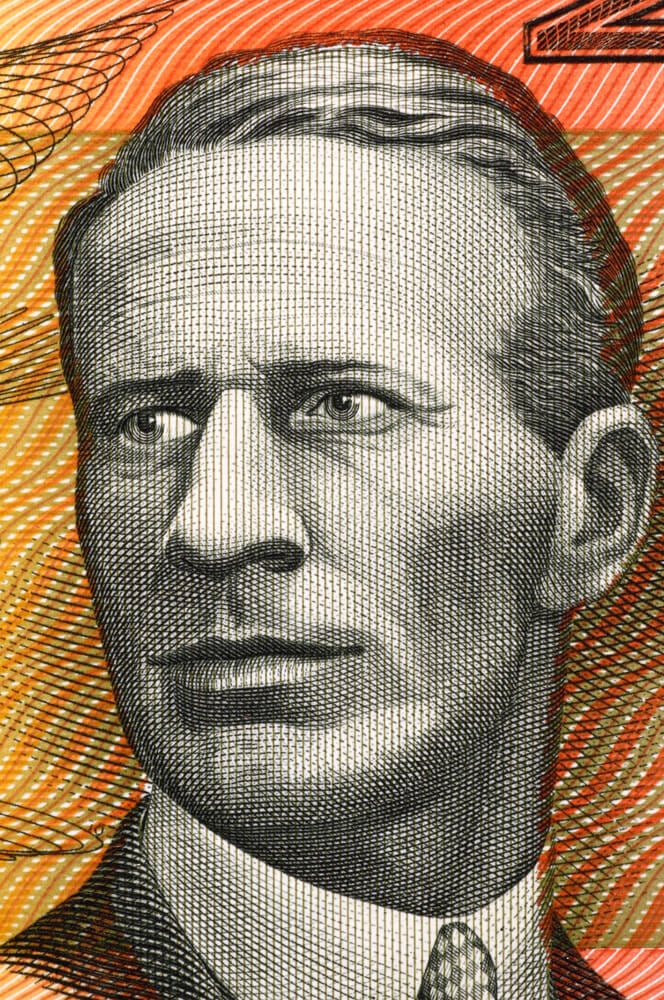
Pioneering Australian aviator Charles Kingsford Smith, the first to fly across the Pacific Ocean, disappeared over the Andaman Sea in 1935 during a record attempt from England to Australia. Wreckage believed to be part of his aircraft washed ashore on a Burmese island more than a year later, but neither he nor his co-pilot was ever found.
Jedediah Smith
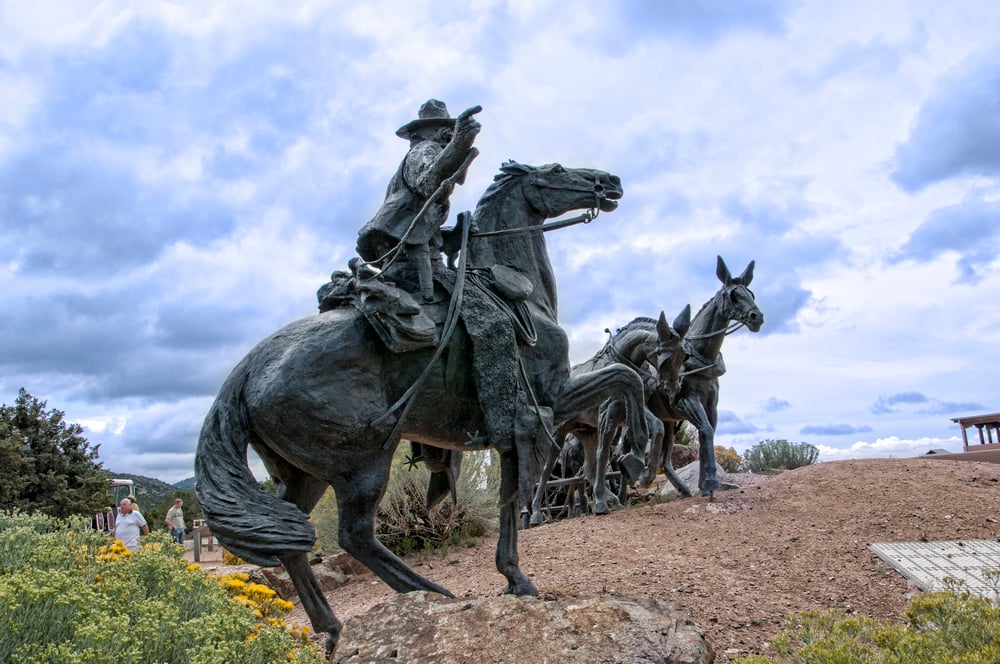
American mountain man and explorer Jedediah Smith, one of the first to travel overland from the Mississippi to California, was killed by a group of Comanche warriors in 1831 while leading a trading expedition along the Santa Fe Trail. His body was never recovered, and much of what is known about the attack comes from surviving members of his own party.
Francisco de Orellana
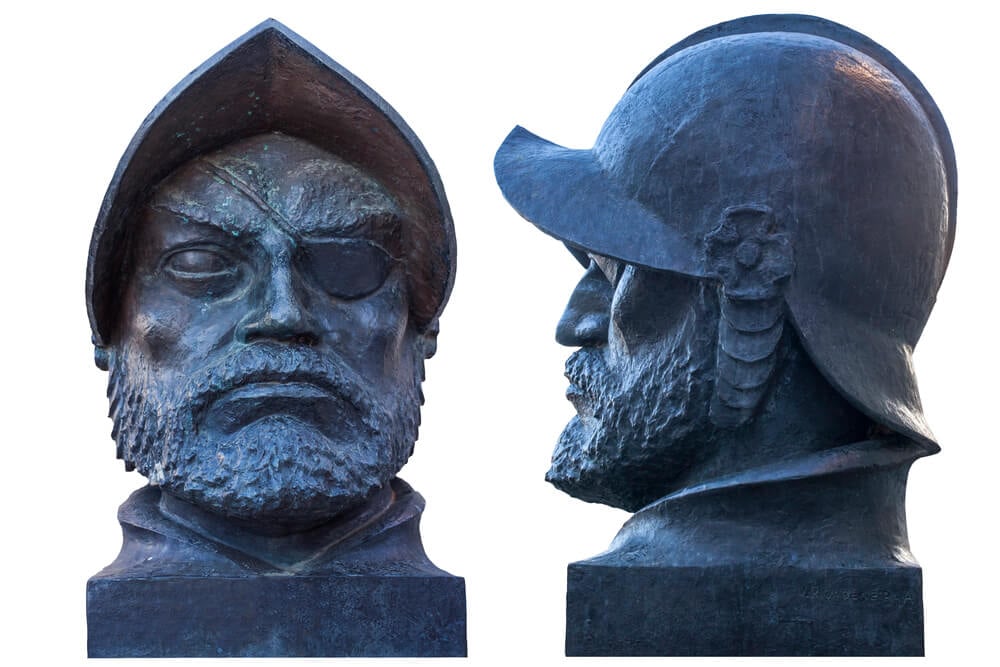
Spanish conquistador Francisco de Orellana, the first European to travel the length of the Amazon River, died in 1546 during a return expedition to the region after falling ill along the riverbanks he had once charted. He was buried somewhere along the Amazon in an unmarked location that has never been identified.
Pedro de Alvarado
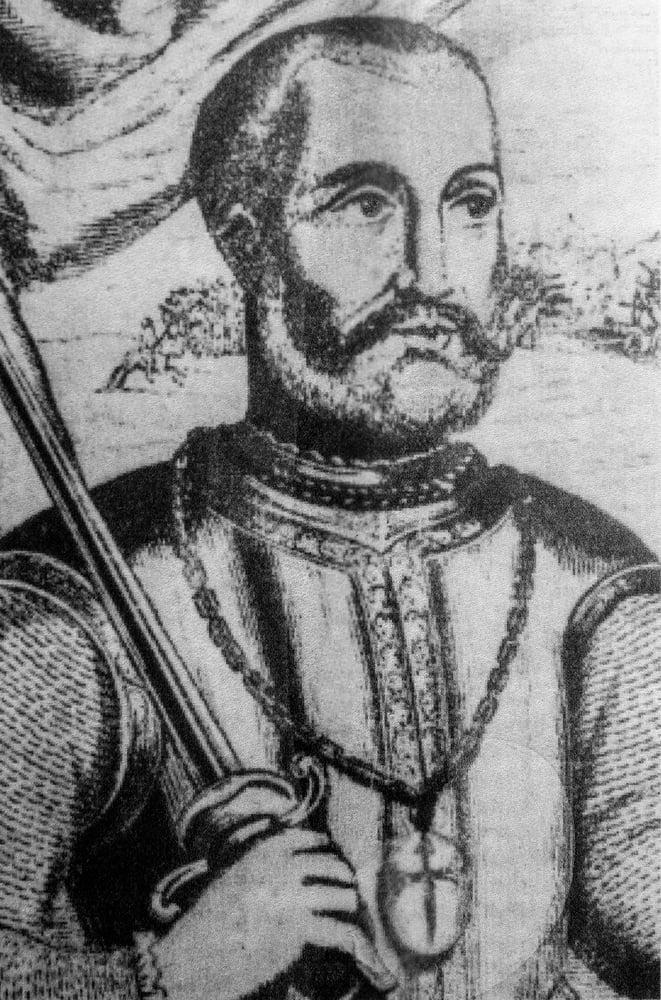
Spanish conquistador Pedro de Alvarado, who had led expeditions through Mexico and Central America, died in 1541 from injuries sustained when a horse fell on him during a campaign in western Mexico. He was buried in Guadalajara, but the exact circumstances of the accident that killed him were disputed even by his contemporaries.
John Cabot
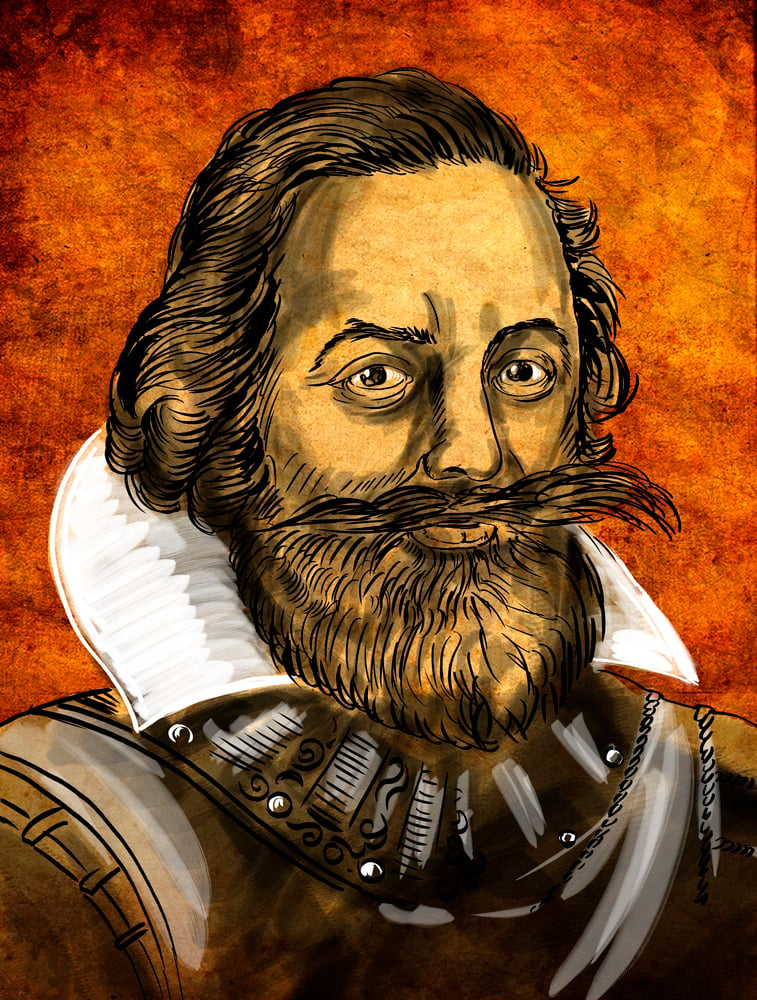
Italian navigator John Cabot, credited with the first European exploration of North America’s mainland since the Vikings, disappeared in 1500 during a second voyage westward from England, with all ships and crew presumed lost at sea. No wreckage or remains from that final expedition have ever been found.
Bartolomeu Dias
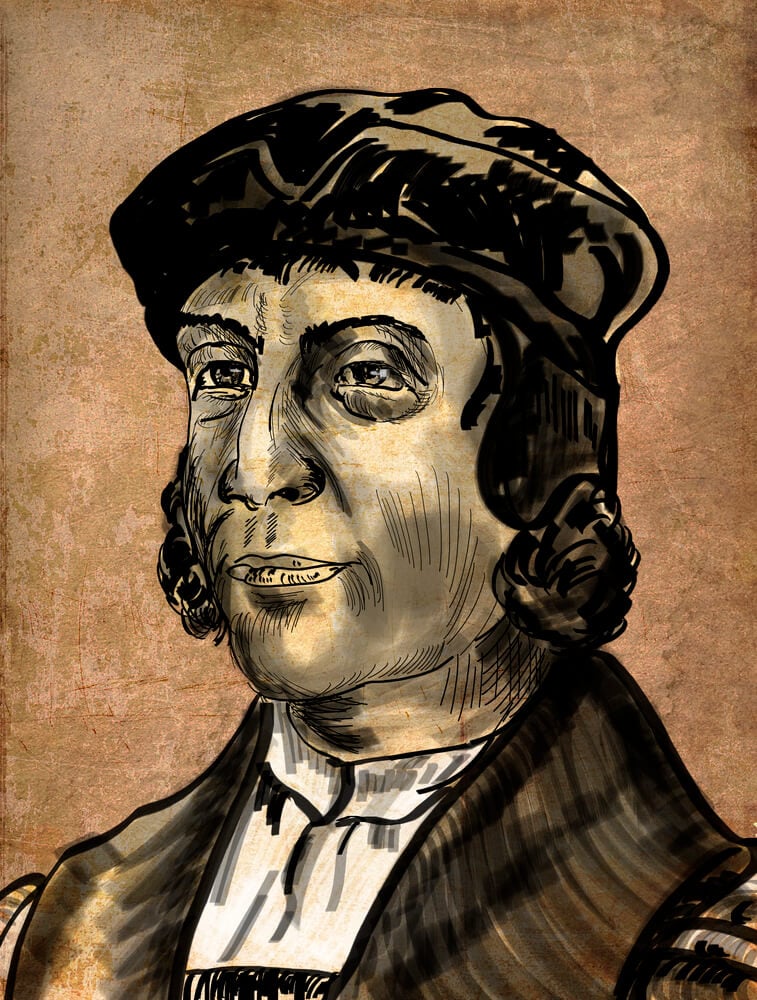
Portuguese navigator Bartolomeu Dias, the first European to round the southern tip of Africa, died in 1500 when his ship was lost in a storm near the very cape he had discovered more than a decade earlier. He was serving as part of a larger fleet bound for India at the time, and none of his crew survived the wreck either.
Hernando de Soto
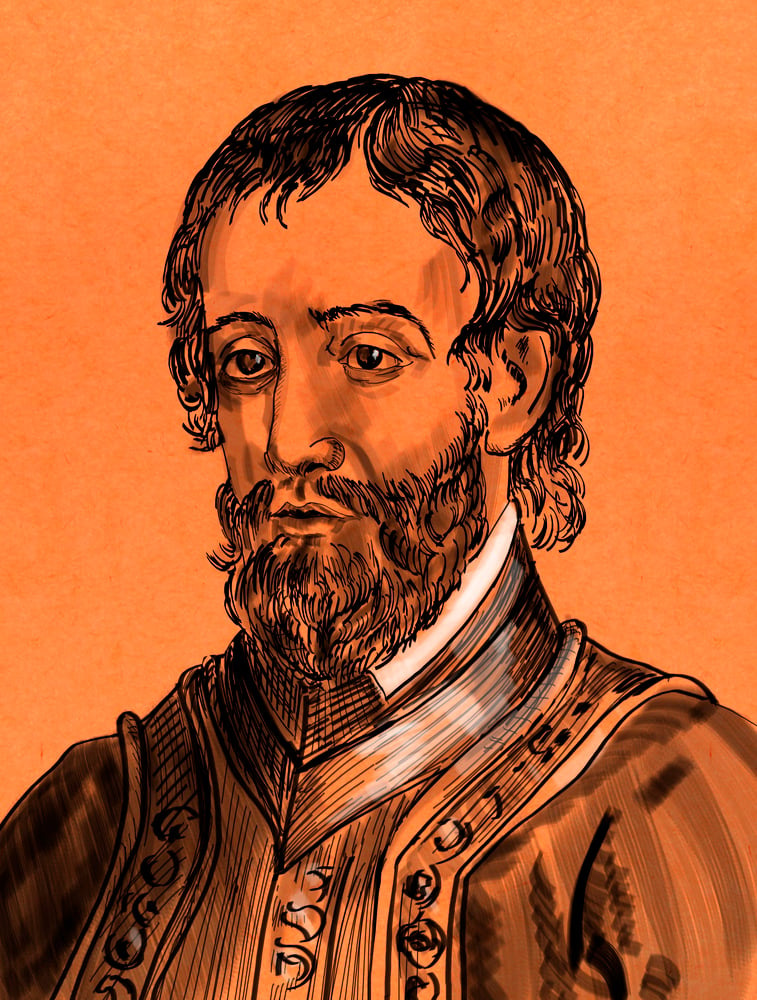
Spanish explorer Hernando de Soto died of fever in 1542 while leading an expedition through the southeastern present-day United States, becoming the first European known to have reached the Mississippi River. His men reportedly sank his body in the river itself to hide his death from nearby communities, fearing it would invite an attack on the weakened expedition.
George Bass
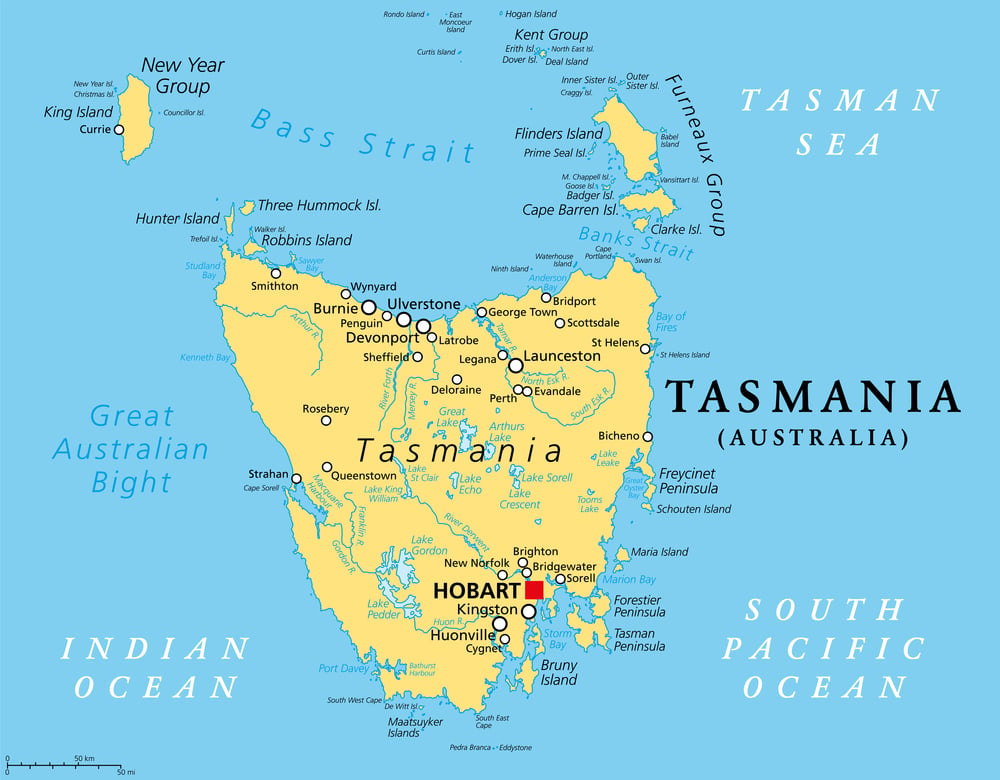
English naval surgeon and explorer George Bass, who helped confirm that Tasmania was separated from mainland Australia by the strait that now bears his name, vanished in 1803 while on a trading voyage in the Pacific. No wreckage from his ship was ever conclusively identified, and his fate remains one of early Australian exploration’s lingering mysteries.
What the Map Doesn’t Show

Every one of these names is attached to a real discovery, a strait, a mountain, a river crossing, that still bears their mark on modern maps. The maps themselves, though, rarely explain the cost of drawing them: the starvation, the shipwrecks, the men left behind in places no one back home could locate, let alone visit.
That gap between the achievement and the ending is worth sitting with. Exploration histories tend to celebrate the line on the map and skip quickly past the person who drew it, but for at least these 28, the line and the ending were the same event.
More from Go2Tutors!

- The Romanov Crown Jewels and Their Tragic Fate
- 13 Historical Mysteries That Science Still Can’t Solve
- Famous Hoaxes That Fooled the World for Years
- 15 Child Stars with Tragic Adult Lives
- 16 Famous Jewelry Pieces in History
Like Go2Tutors’s content? Follow us on MSN.